Art
Written by Danielle Pezzi | BFA (Hon), MA
~
In part one of The Inheritors of Modern & Avant-garde Art we covered the first half of the Modern Art movement, including Realism, Impressionism, Post-Impressionism, Neo-Impressionism, the Fauves and Cubism.
Whether you love it or hate it, Cubism changed art forever. From that point onwards, art as society knew it was never the same, abstraction had entered mainstream Western art culture. Cubism’s influence was far and wide, many movements in the second half of the Modern Art period were either directly responding to the movement or being influenced by the world of Abstraction. The avant-gardes continued to flourish and pushed the boundaries both visually and conceptually. Many ideas created in this period still shape the art world today! Here in Australia, plenty of artists take these influences and make them their own – now that’s legacy!
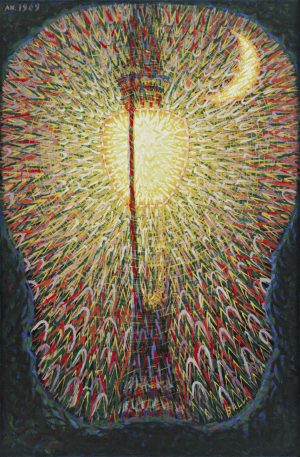
Giacomo Balla, Street Light, ca.1909-1911
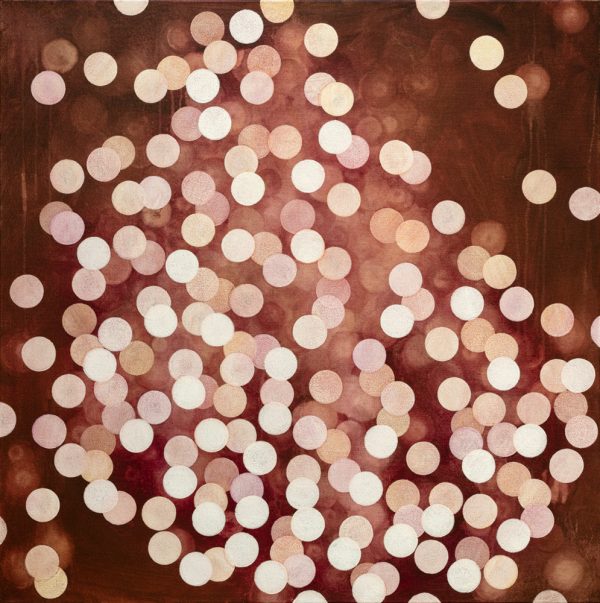
Futurism embraced the modern world, rejecting traditional art ideas, and highlighting the influence of the Industrial Revolution. They were interested in speed, film, electricity’s novel colours, cityscapes, and factory labourers. Futurists aimed to change the world. The movement impacted many fields like architecture, theatre, music, literature, and cuisine.
Check out the art of Jacquelyn Stephens
~
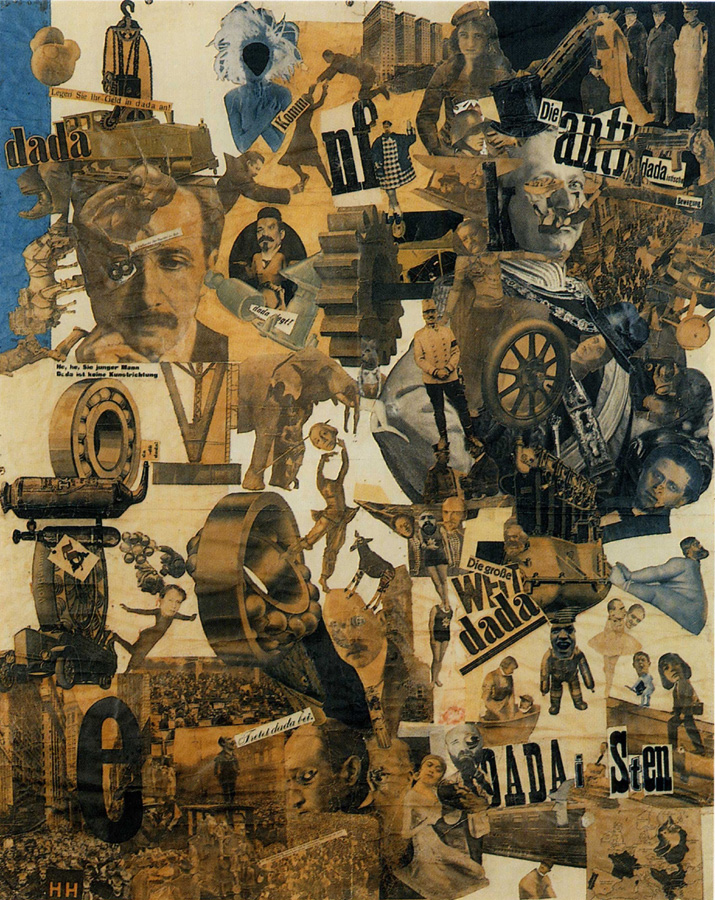
Hannah Hoch, Cut with the Kitchen Knife Dada through the Beer-Belly of the Weimar Republic, 1919
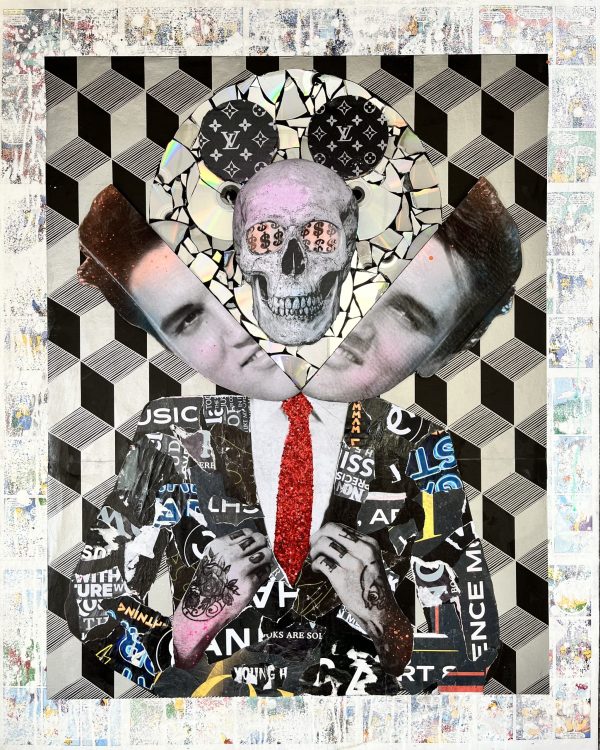
Influenced by numerous other avant-garde movements, with no clear aesthetic other than its randomness, the legacy of Dada is directly connected to the Conceptual art movement, which is still a prominent theme in contemporary art. Famous for the ready-made and their collages, they consistently questioned what could be considered art.
Check out the art of Brendan Walsh (aka: ColdGhost)
~
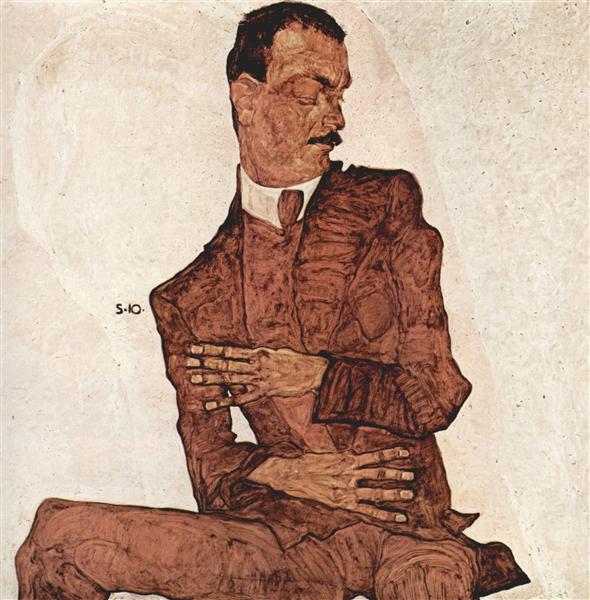
Egon Schiele, Portrait of Arthur Rössler, 1910
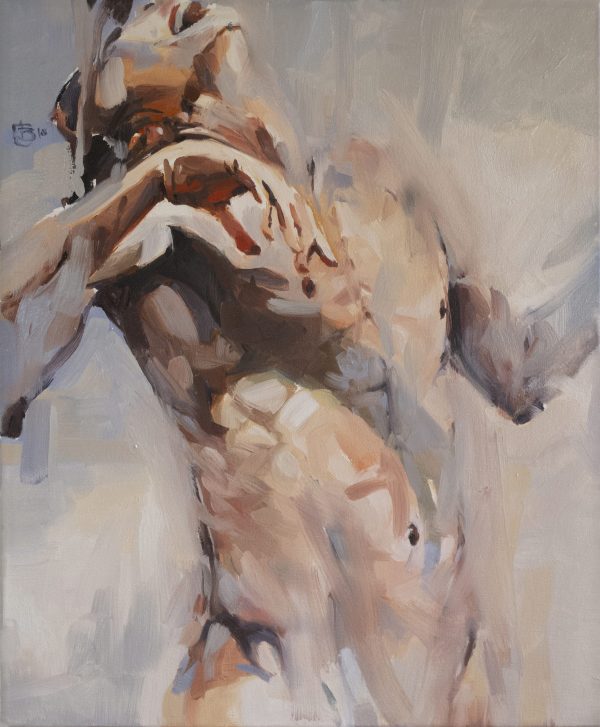
Because of the turmoil in Europe, especially in Germany in the first half of the 20th century, Expressionism emerged as a movement that aimed to convey not just a subjective reality but the raw emotions of a society grappling with war, famine, and poverty. Expressionism’s enduring influence on art continues to inspire artists to create, even if it doesn’t always prioritise aesthetics.
Check out the art of Tony Belobrajdic
~
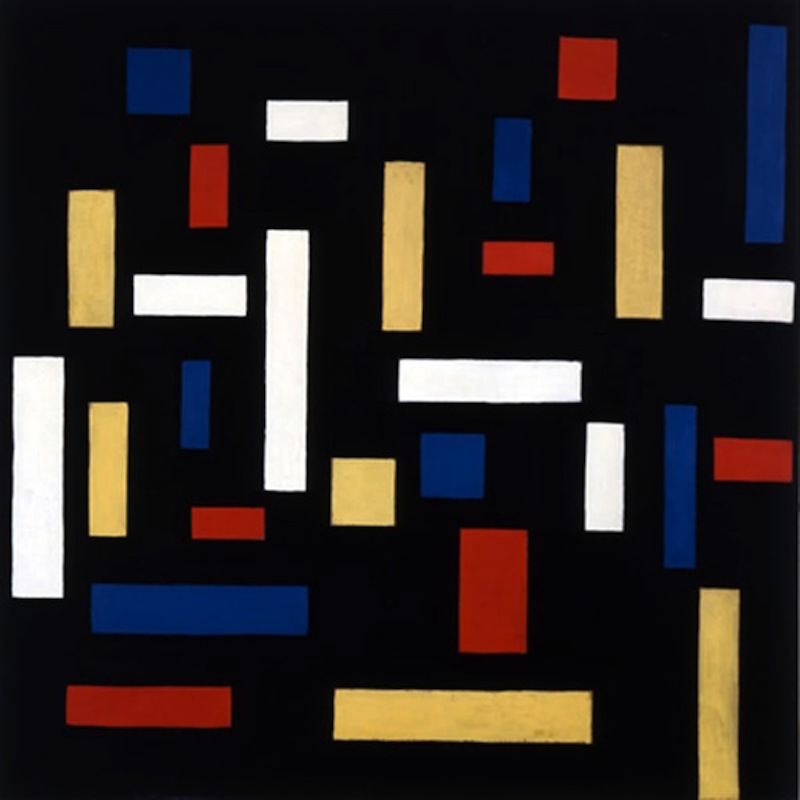
Theo van Doesburg, Composition VII (the three graces), 1917
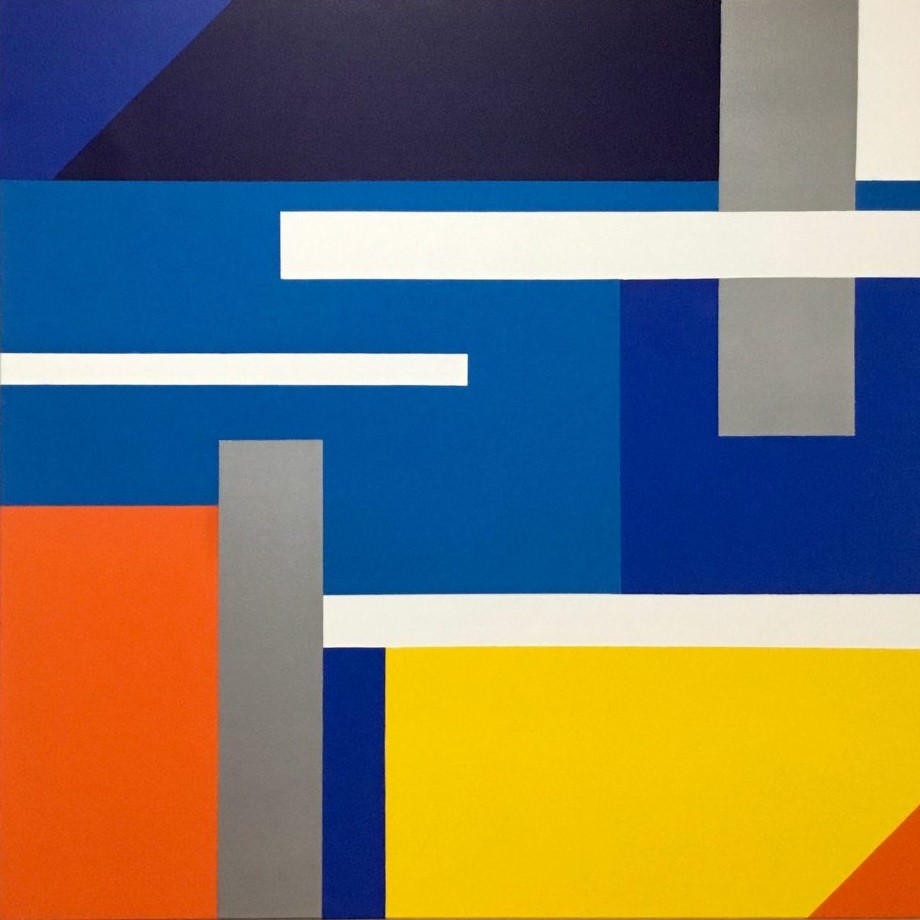
De Stijl, a Dutch avant-garde movement, is known for its focus on geometric shapes, simplicity, and primary colours. Led by artists like Piet Mondrian and Theo van Doesburg, it aimed to simplify art to its core elements and promote a universal visual language. De Stijl greatly impacted modern art and design.
Check out the art of Peter Taylor
~

Joan Miro, Harlequin’s Carnival, 1924-25
Surrealism delves into the irrational and the subconscious using dreamlike, fantastical imagery focusing on the human condition and psyche. Artists like Salvador Dalí and Joan Miro created imaginative, unsettling works that challenged reality. Surrealism explores the mysterious and the absurd, pushing the limits of conventional thought and artistic expression.
Check out the art of Marton Bende

~
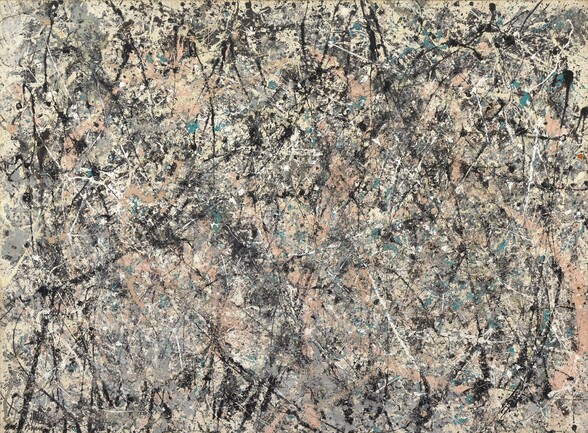
Jackson Pollock, Number 1 (Lavender Mist), 1950
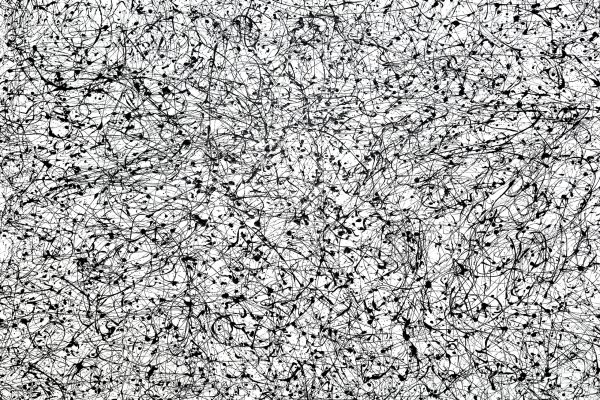
Abstract Expressionism is seen as the peak of the modernist movements. It focuses on spontaneous, emotional expression using non-representational forms. Artists pioneered this style, using bold brushwork and paint drips to convey inner feelings and unconscious thoughts. They often worked on large canvases, physically engaging with their art. The painting process is as important as the final canvas. Abstract Expressionism played a major role in redefining art, emphasising the artist’s emotions and creating art for its own sake.
Check out the art of Estelle Asmodelle
~

 Free delivery Australia wide
 7 Day Satisfaction Guarantee
 Safe & Secure Payments
Subscribe to be in the draw to win
*Winner announced 26th Feb. 2023