Art
Written by Krista Worthington
~
Digital art is a form of creating artworks using digital technology. It involves the use of computers, software, and other electronic devices to produce visual masterpieces. With the rise of technology, digital art has become more popular than ever before. In this blog, we will explore the world of digital art and how it has revolutionized the way we create and appreciate art.

Way Back When Playpen by TOBY LEON
Traditional art refers to the creation of artworks using traditional techniques such as painting, drawing, sculpting, and printmaking. It requires physical materials such as paint, canvas, pencils, and brushes. On the other hand, digital art is created using software programs like Adobe Photoshop or Procreate. This allows artists to manipulate and create digital images using a variety of tools and techniques.
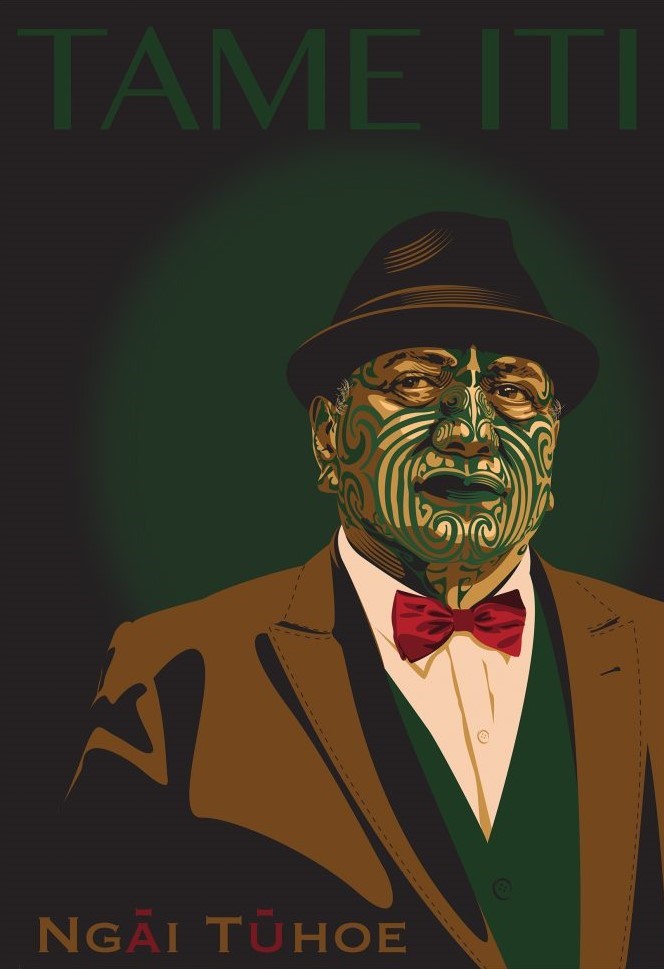
Tame Iti – Ngai Tuhoe by ONA FILLOY
While traditional art has its own charm and beauty, digital art offers a whole new level of creativity and possibilities. With the use of technology, artists can experiment with different styles, colors, and textures without worrying about making mistakes or wasting materials. Additionally, digital artworks can be easily reproduced and shared with a wider audience, making it more accessible and versatile.
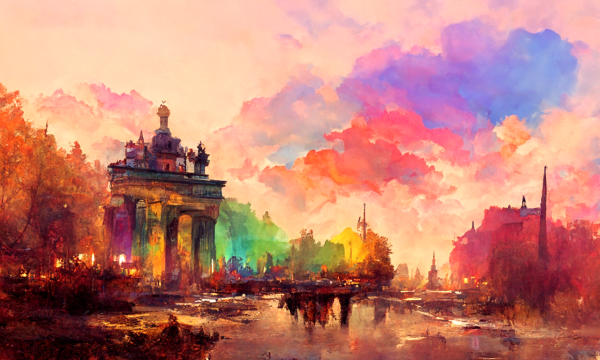
Reflecting on Berlin by RUPERT CHESMAN
One of the biggest advantages of digital art is its flexibility and convenience. With traditional art, if you make a mistake or want to change something, it can be difficult or even impossible to fix. In digital art, however, mistakes can easily be undone and changes can be made effortlessly. This allows artists to be more experimental and take risks without the fear of ruining their work.
Moreover, digital art is not limited by physical boundaries or materials. With just a computer and software, an artist can create anything from realistic portraits to abstract compositions. It also allows for collaboration between artists, as they can share and work on the same digital canvas simultaneously.
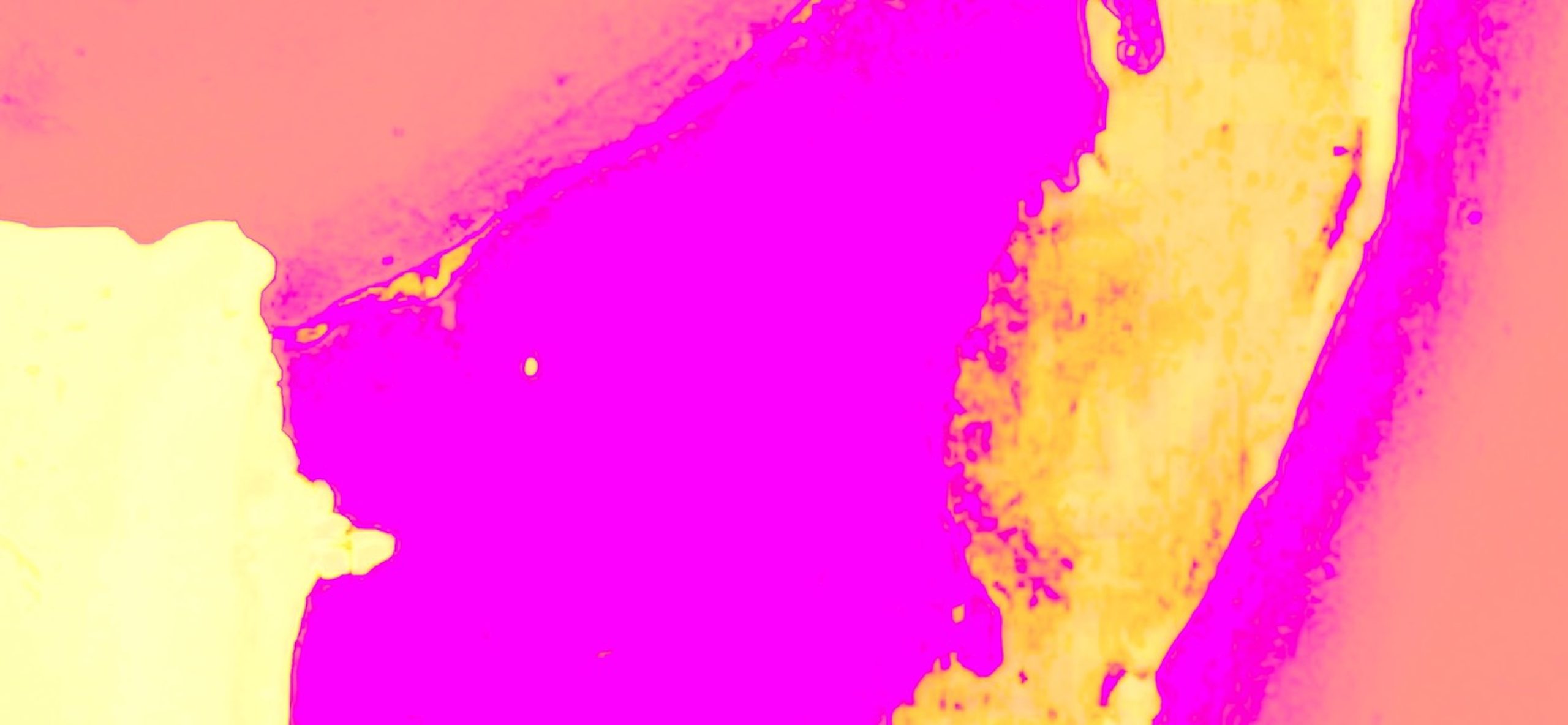
Cake by VANESSA VASTAG
In recent years, we have seen a significant rise in the popularity of digital art in the art market. With the ability to easily reproduce and share artworks, digital artists can reach a wider audience and potentially sell their works at a lower cost compared to traditional art.
However, this also raises questions about the value and authenticity of digital art. Unlike traditional art, where each piece is unique and requires physical materials, digital art can be easily replicated. To combat this issue, some artists have started to use blockchain technology to create digital certificates of authenticity for their artworks.
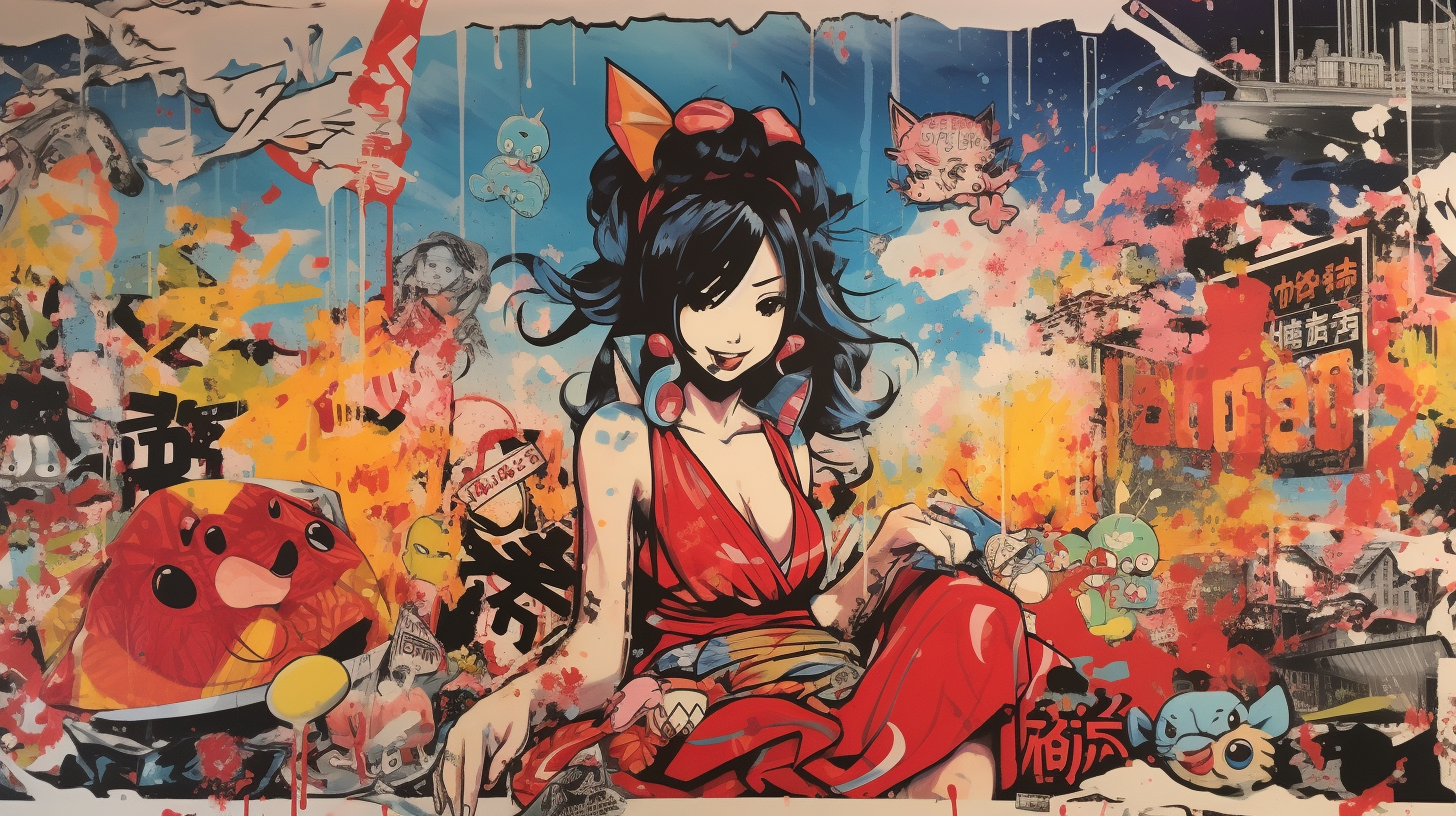
Tokyo Twilight: Graffiti Dreams by CLAIRE FIRLEY
With the continuous advancement of technology, the possibilities for digital art are endless. We have already seen the rise of virtual and augmented reality art, which takes digital art to a whole new level. These technologies allow users to interact with and experience artworks in immersive ways, creating a new dimension for artists to explore.
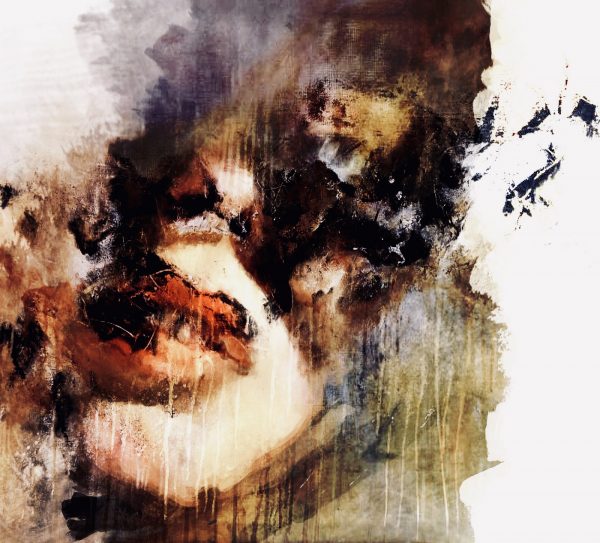
Zen VIII by ELIE BITTOUN
In conclusion, digital art has become an integral part of the contemporary art world. It offers endless possibilities for creativity and challenges traditional notions of what art should be. Whether you prefer traditional or digital art, one thing is for sure – technology has revolutionized the way we create and appreciate art. So next time you see a digital masterpiece, remember the countless hours of creativity and skill that went into making it.

 Free delivery Australia wide
 7 Day Satisfaction Guarantee
 Safe & Secure Payments
Subscribe to be in the draw to win
*Winner announced 26th Feb. 2023