Art
Written by Krista Worthington
~
In recent years, AI and digital art have dominated conversations in the art world, with collectors and institutions exploring the possibilities of artificial intelligence, virtual reality, and blockchain-based artworks. However, as these technologies become more mainstream, an interesting shift is occurring. Many collectors are moving away from digital and AI-generated art, instead gravitating toward pieces that emphasize craftsmanship, materiality, and the unmistakable human touch.
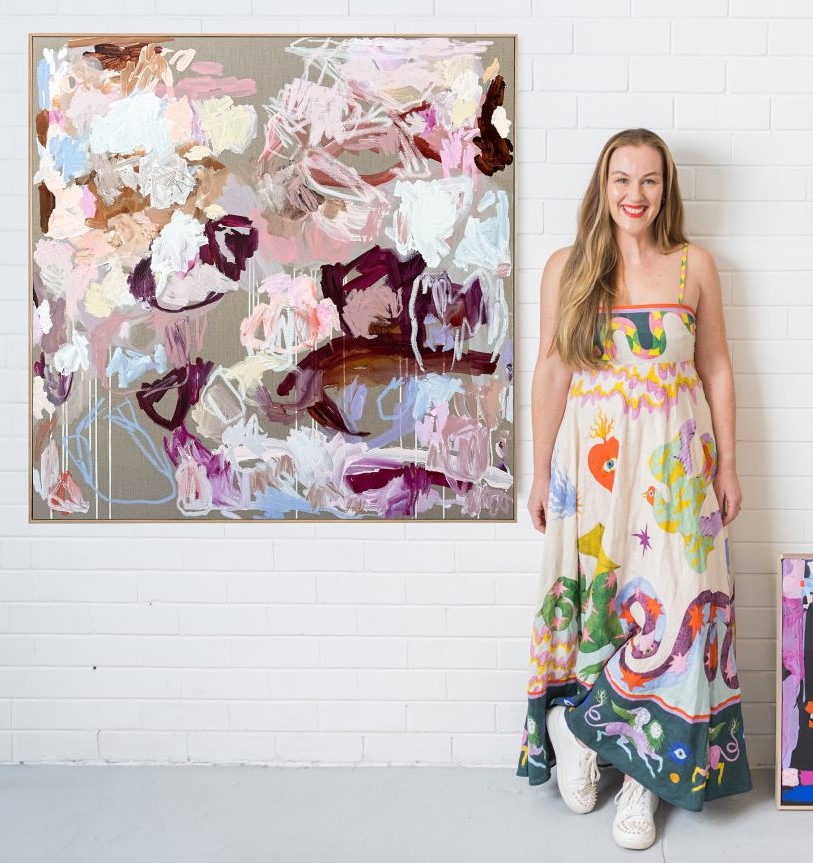
Artist REBECCA KOERTING with her work Buried in Happiness | 112 x 112cm, Acrylic on linen
The appeal of digital and AI-generated works lies in their ability to push boundaries and redefine creativity. Artists using AI as a tool can create mesmerizing, algorithm-driven compositions, while digital art offers endless possibilities in terms of interactivity and format. Yet, as these art forms proliferate, they also risk losing a sense of individuality and physical presence, qualities that have long been at the heart of fine art collecting.
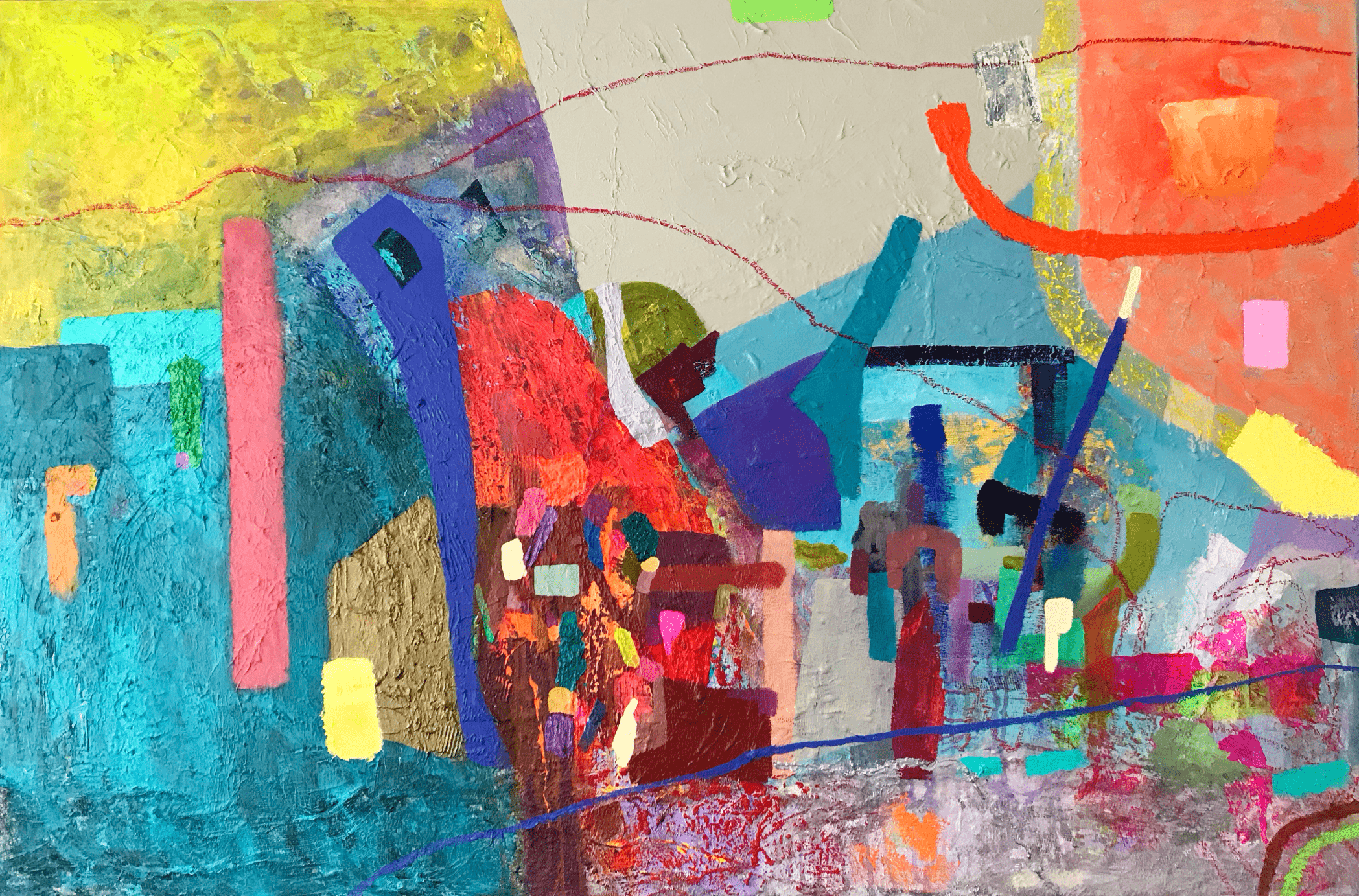
Intensified Combinations by IAN BURGESS | 152 x 101cm, Acrylics, oil pastels & oil stick on canvas
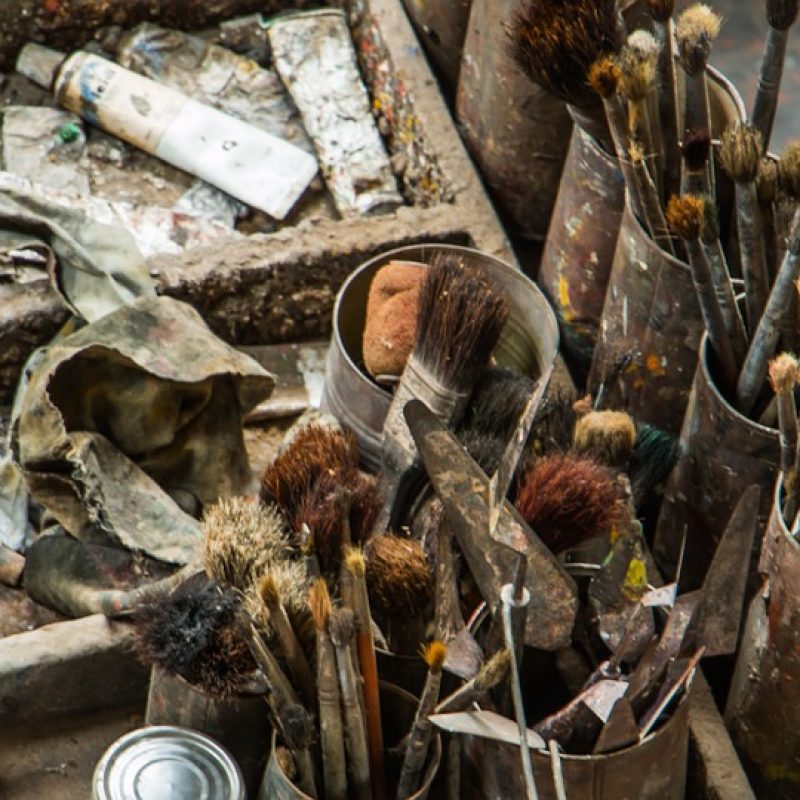
For many collectors, the allure of a physical painting or sculpture lies in its tangible essence. The texture of a canvas, the visible layers of paint, the nuanced imperfections that reveal an artist’s hand, these are elements that digital works struggle to replicate. Collectors often speak of an emotional connection to traditional mediums, one that AI-driven or digital works may not fully capture. There’s an intimacy in seeing a brushstroke, knowing that an artist spent hours refining details, building up layers of pigment, and immersing themselves in the creative process.
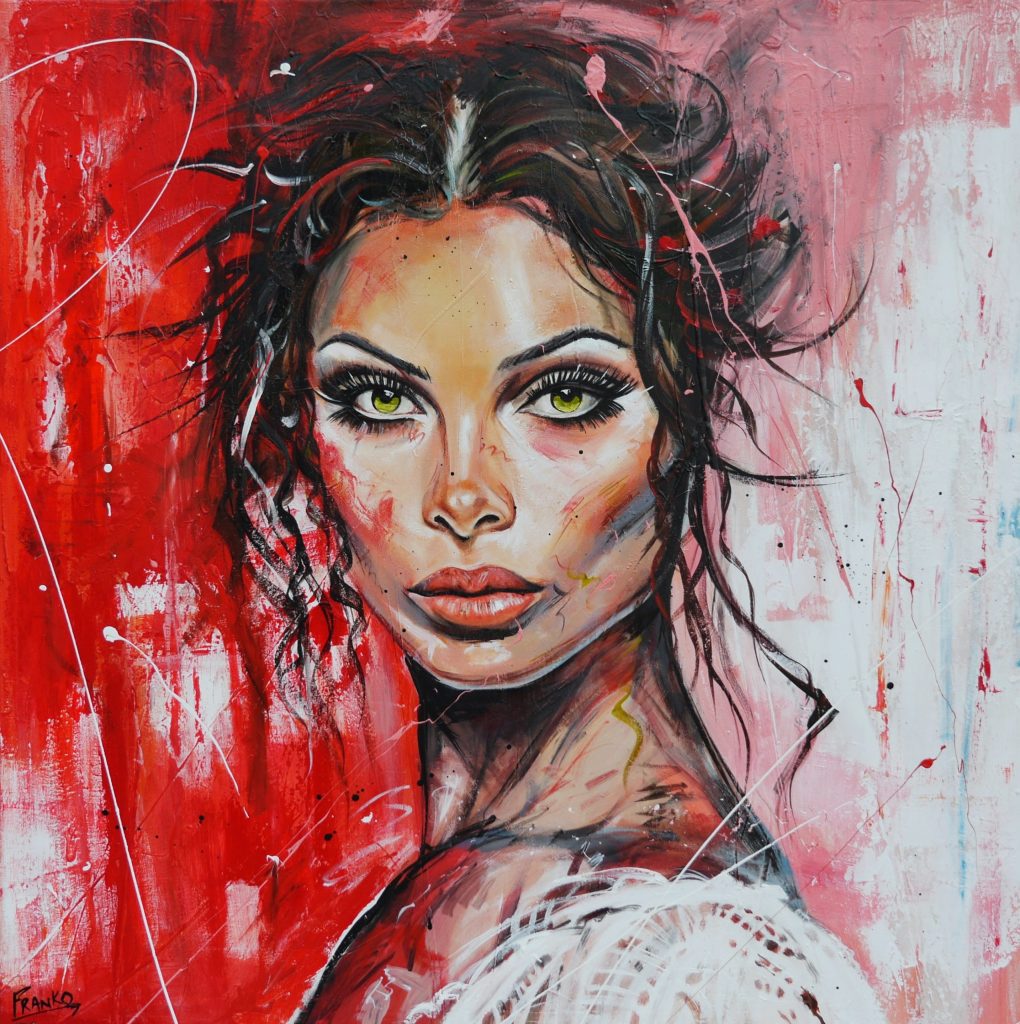
Lime Scarlett by FRANKO | 120 x 120cm, Acrylics, oils, inks & texture with a varnish coat on canvas
Moreover, the growing preference for tactile, hand-crafted artworks can be linked to a broader cultural movement toward authenticity. Just as consumers seek artisanal, hand-made goods over mass-produced items, art collectors are valuing originality and the depth of human expression in their acquisitions. In a world where AI-generated content can be replicated instantly, the uniqueness of a handcrafted artwork holds even greater significance.
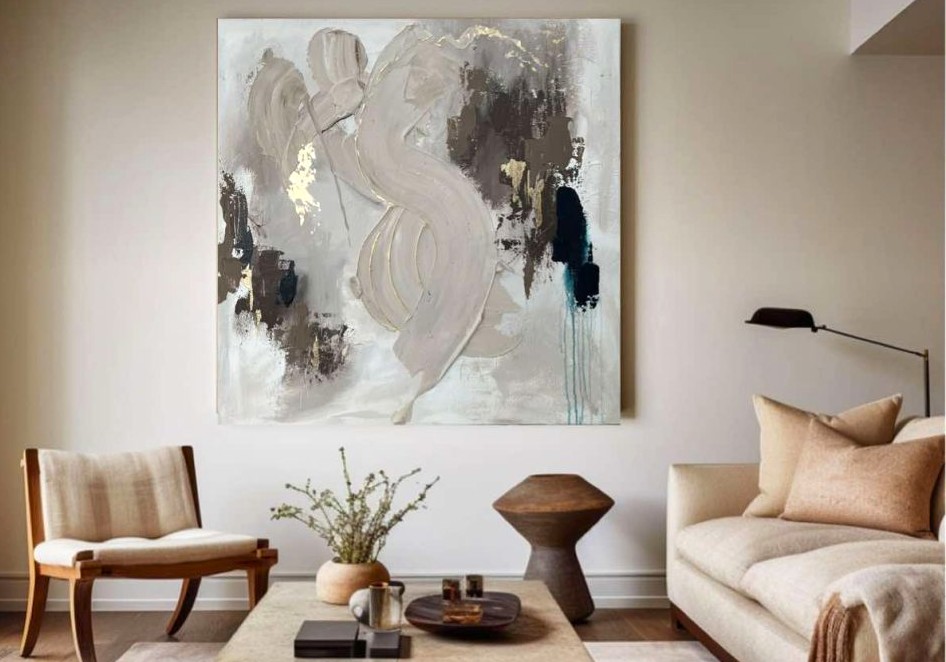
Gold Mine by MARIA SOLAKA | 101 x 101cm, Acrylic & mixed media on canvas
This shift doesn’t necessarily mean that digital and AI art are losing relevance, but rather that the art market is evolving in response to broader societal sentiments. While some collectors will always seek cutting-edge innovation, others are rediscovering the timeless joy of acquiring a work that embodies both the soul of the artist and the weight of its physicality.
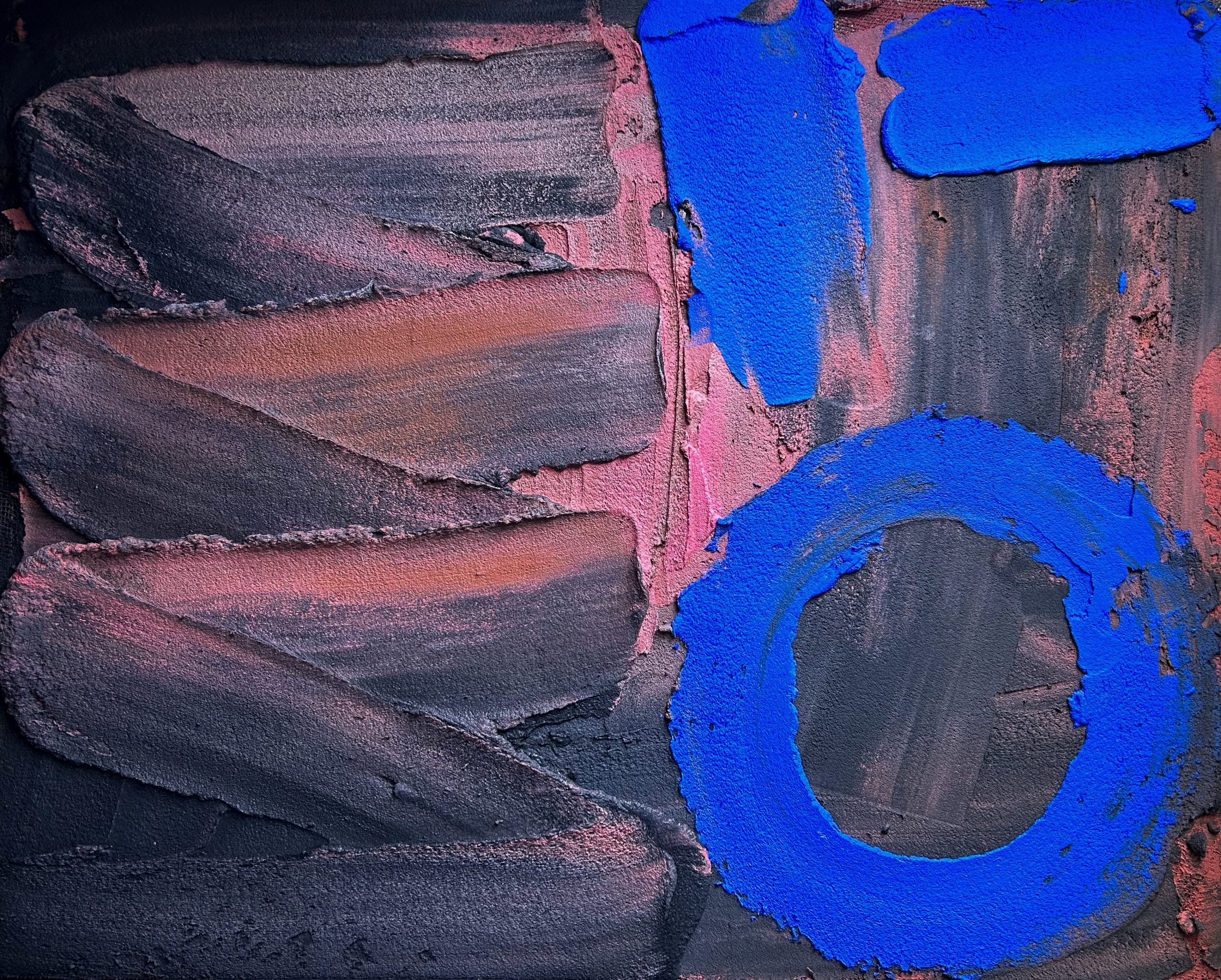
Untitled by DANNY LEE | 150 x 120cm, Pigmented concrete on timber board
As the art world continues to navigate the intersection of technology and tradition, one thing remains clear, art, in all its forms, is an expression of human experience. Whether created by hand or by algorithm, its true value lies in its ability to resonate with those who encounter it. And for many collectors today, that resonance is strongest when they can see, touch, and feel the artistry that brought a piece to life.
~

 Free delivery Australia wide
 7 Day Satisfaction Guarantee
 Safe & Secure Payments