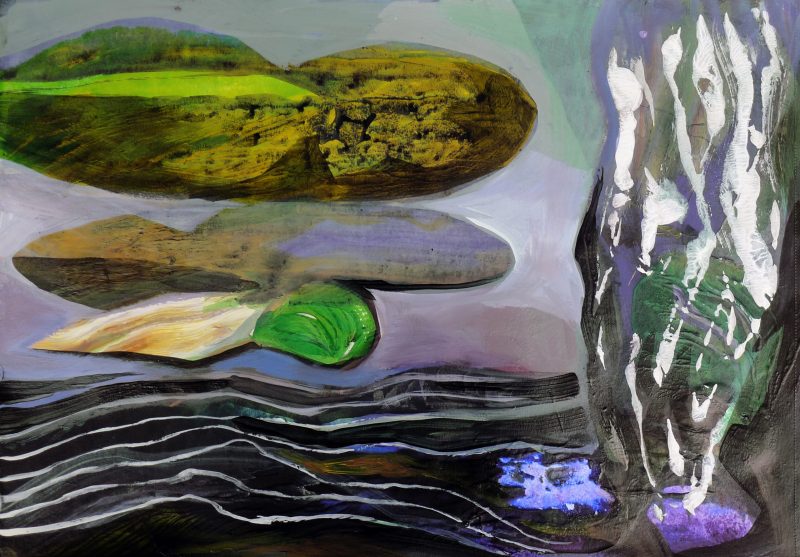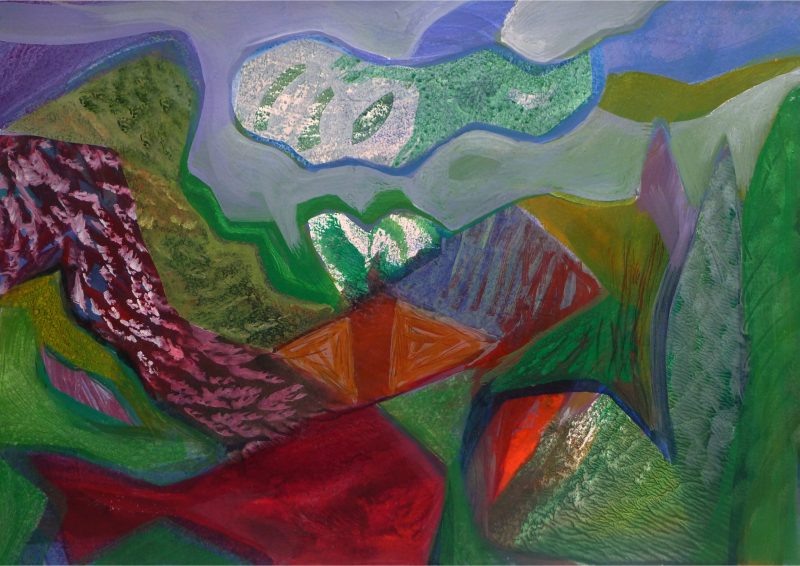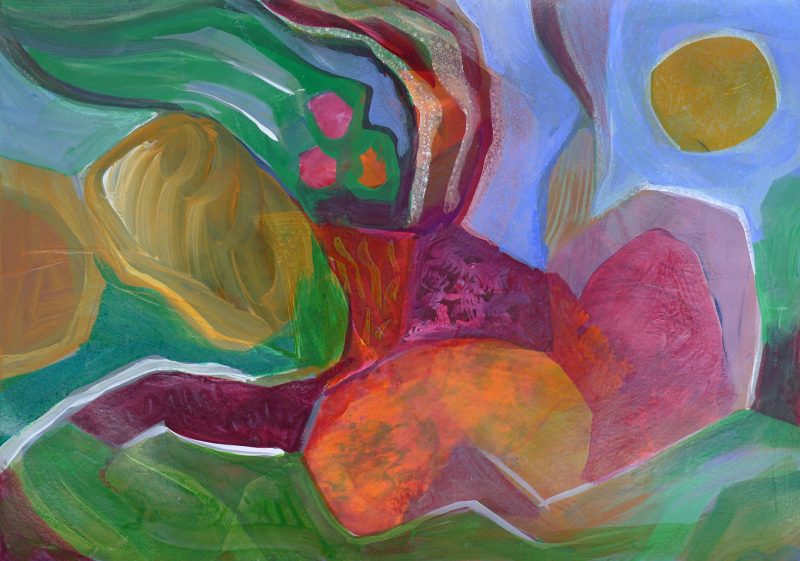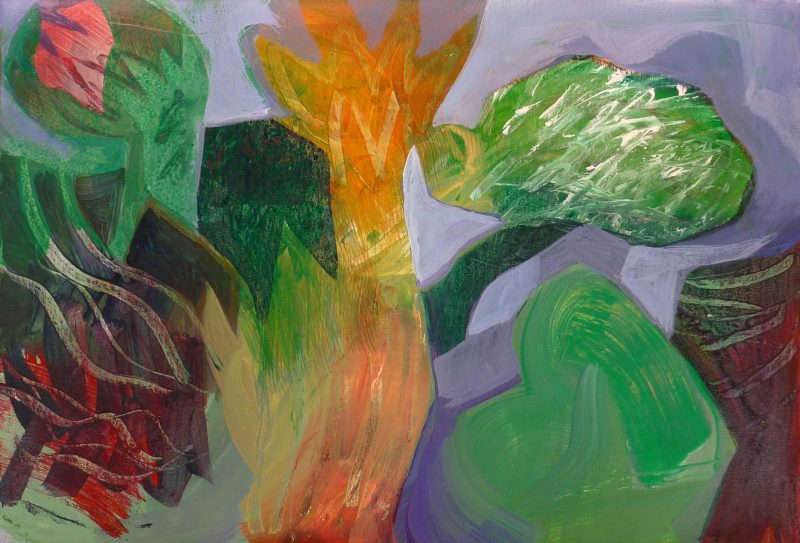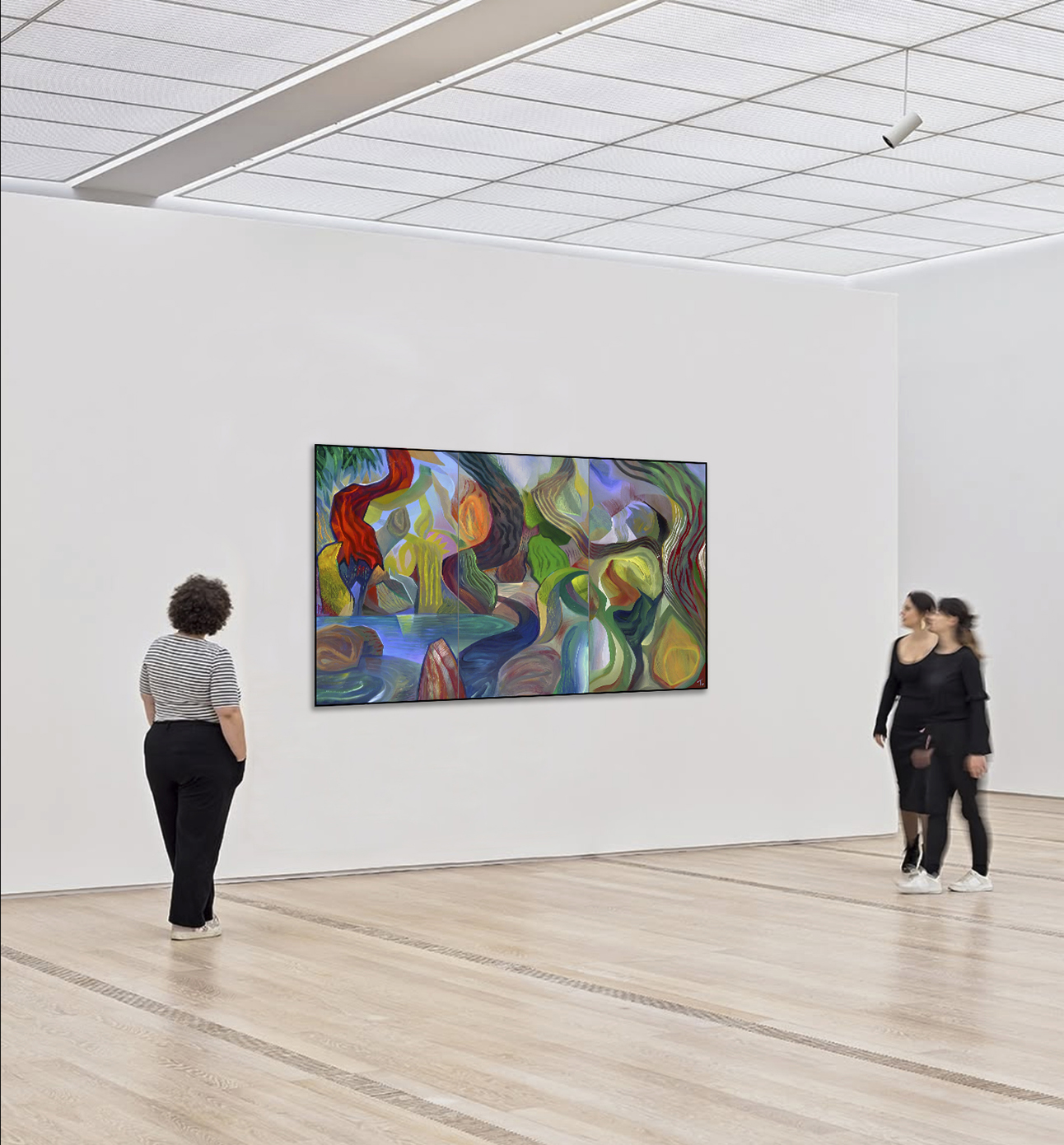
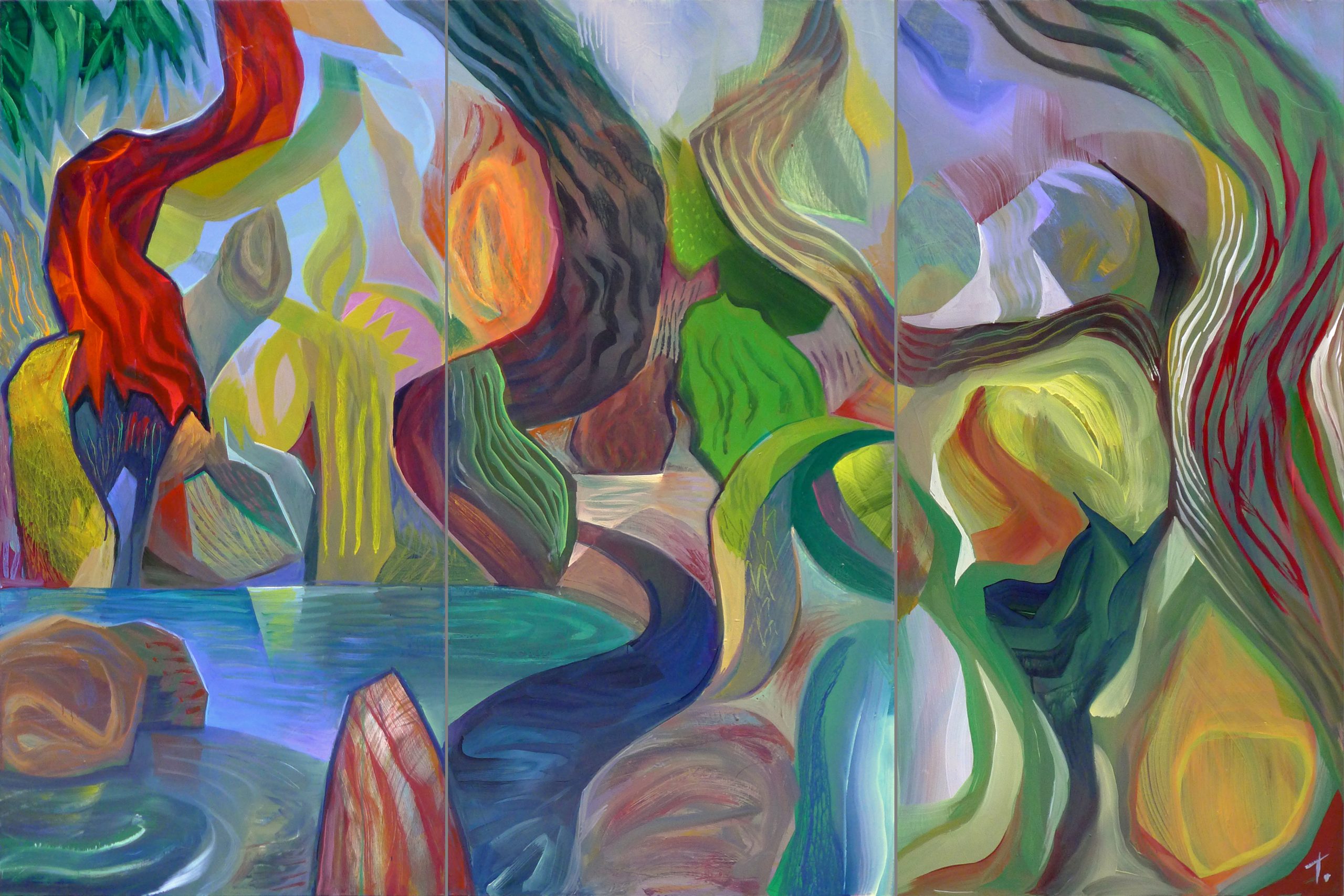
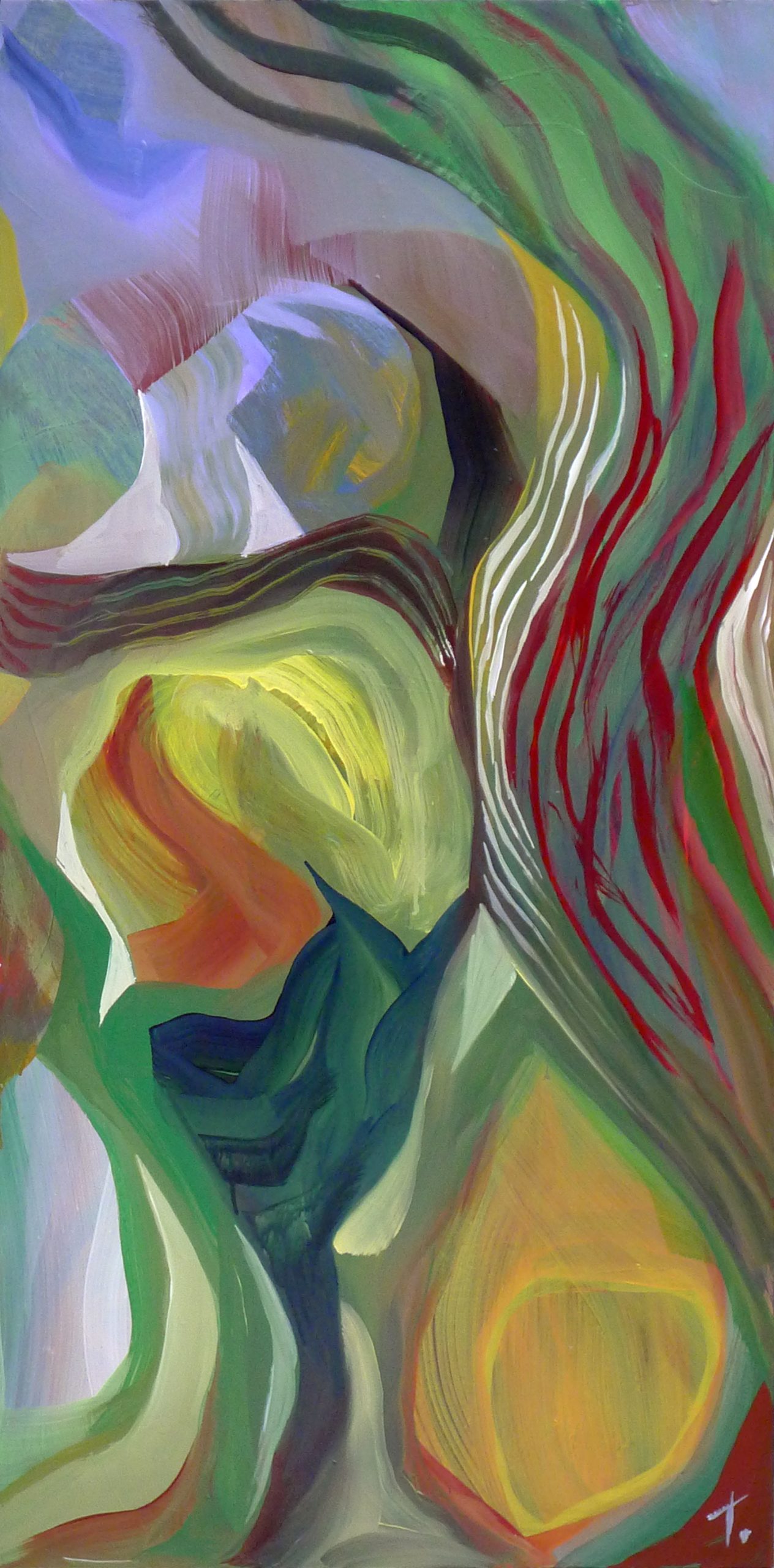
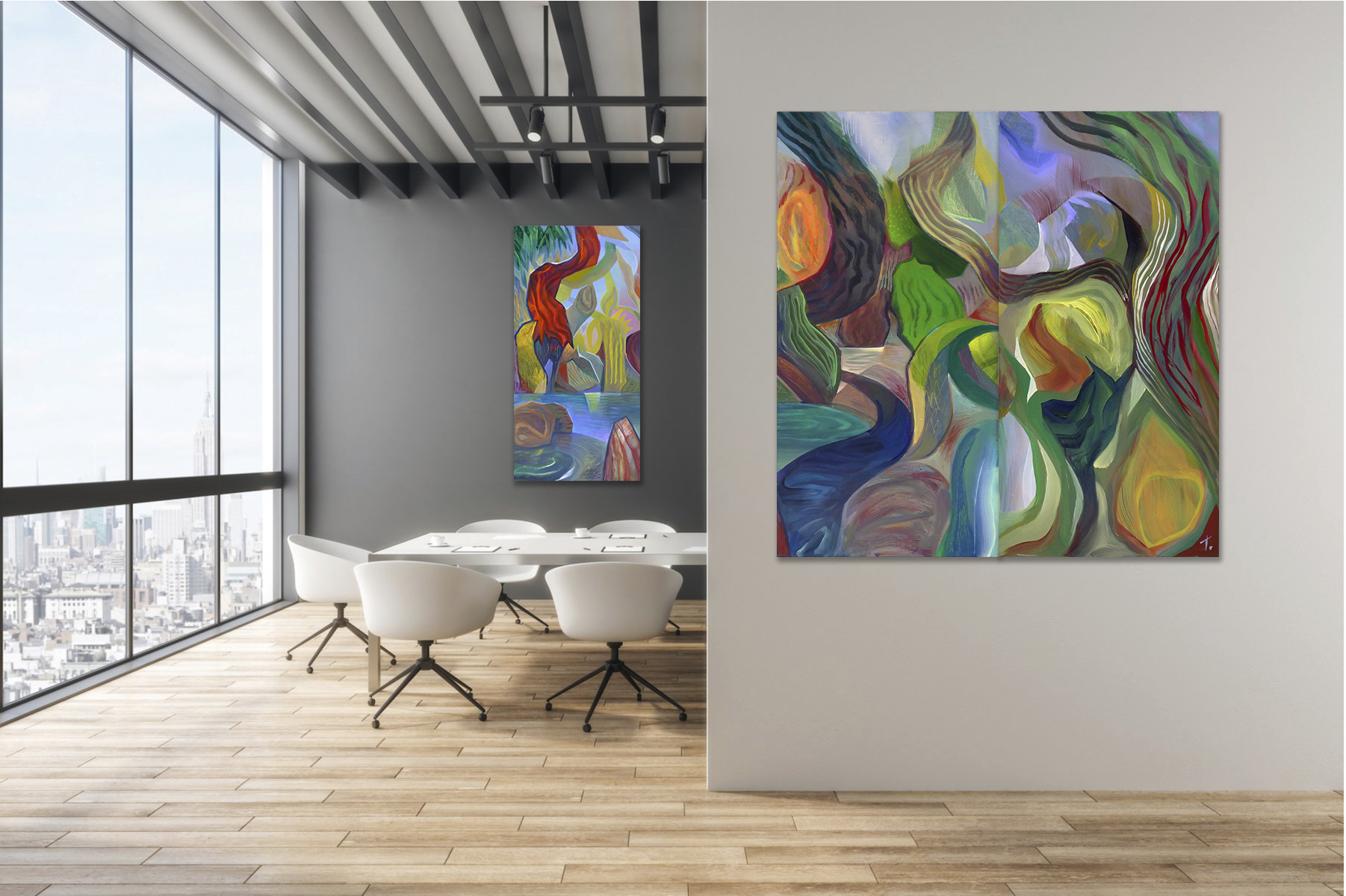
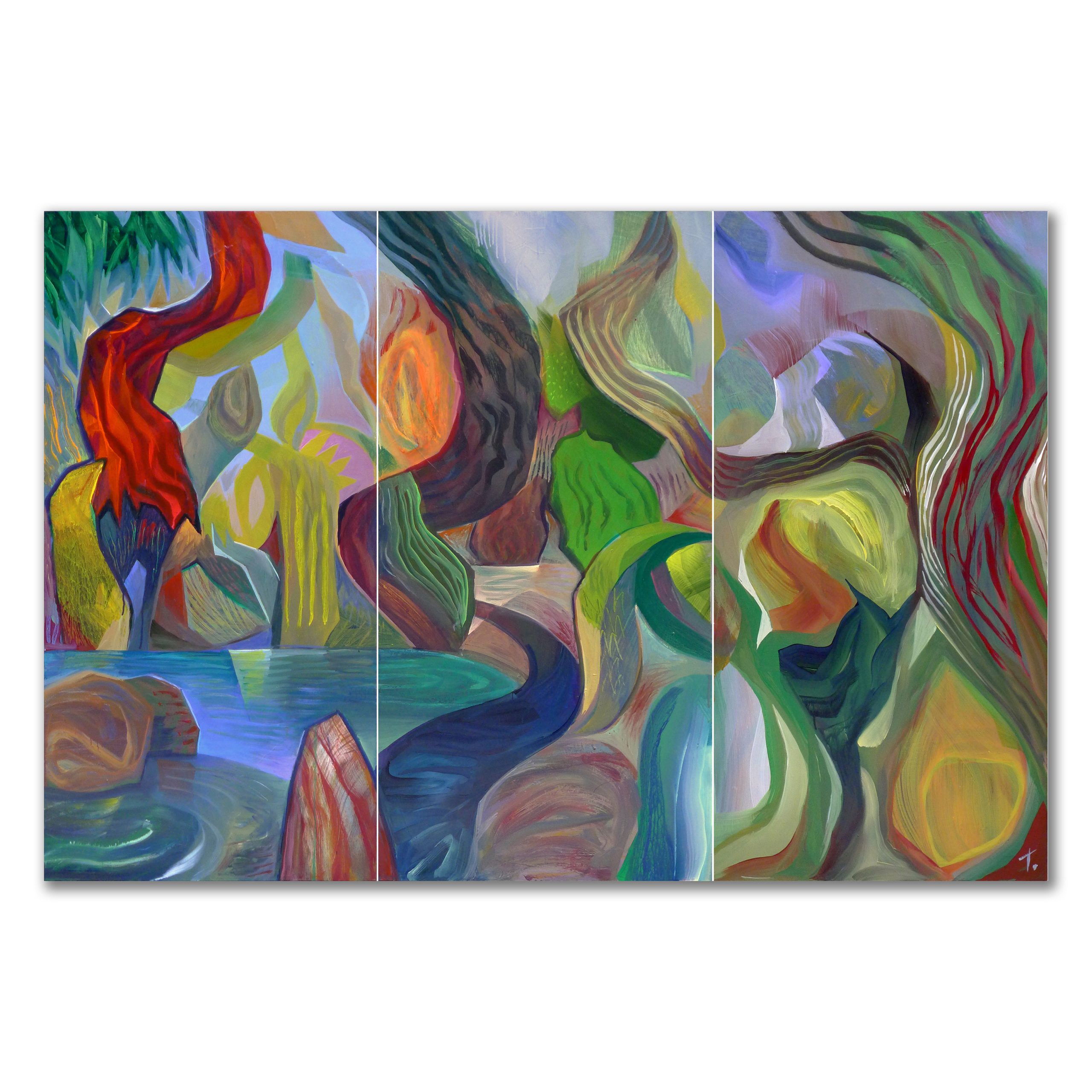
Tillian – ‘Split Tree’, 2025. Acrylic on panel triptych, each panel 122×31 cm
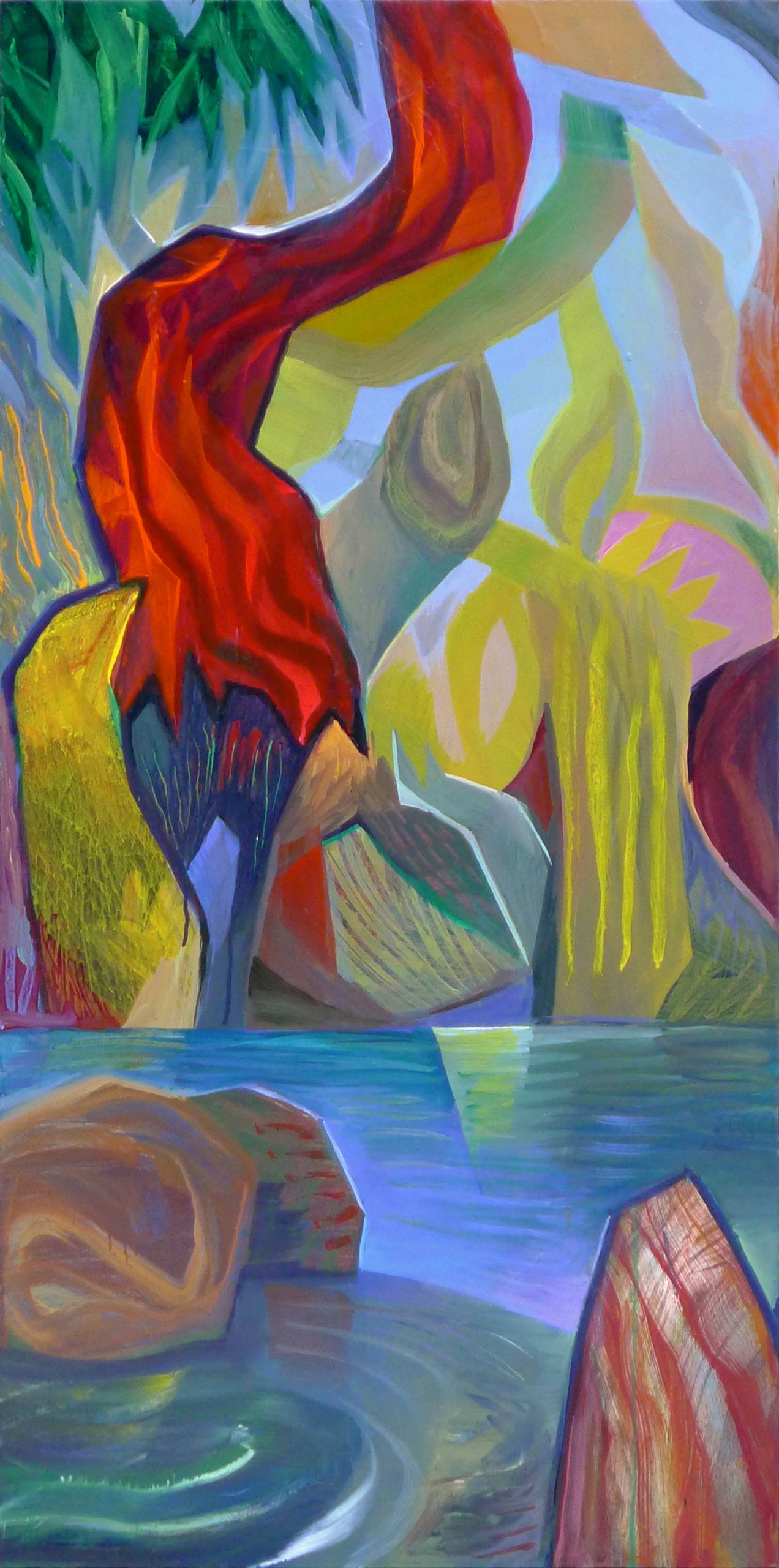
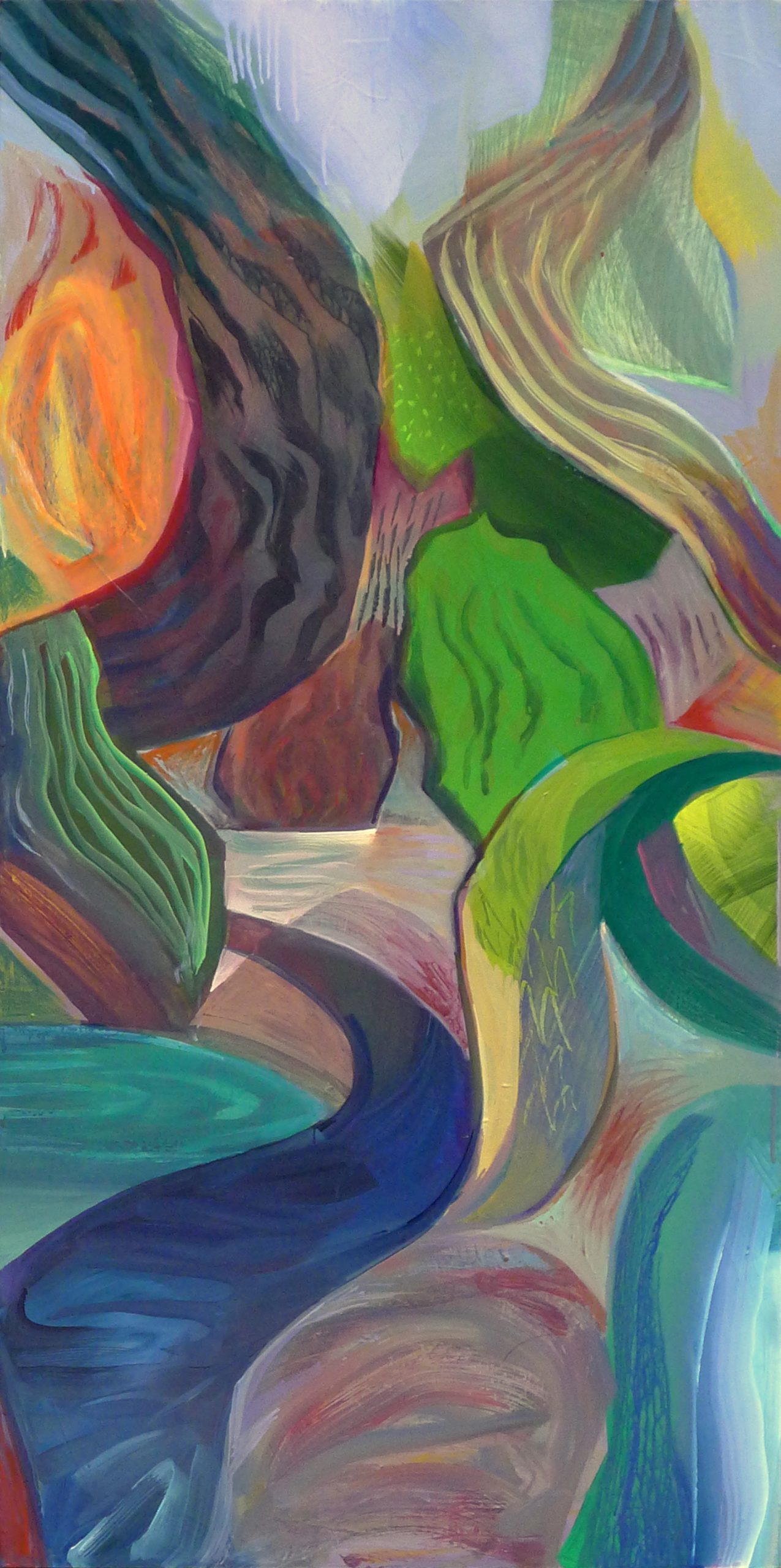
‘Split Tree’ is a complex, deeply affecting work that situates landscape not as background, but as archetype, dream, and revelation. It fuses lyrical abstraction with mythic architecture, offering a rich visual lexicon of division and reunion, death and metamorphosis. Each panel unfolds a journey through elemental forces—fire, water, and growth—where vegetal forms twist and rupture like memory or myth. As in Jungian dream imagery, forms recur in variation—leaf becomes flame, flame becomes limb, limb becomes path. The absence of human figures is not a lack but an invocation: the viewers themselves become the pilgrim, traversing this mythic terrain. It is a painting that does not merely depict—but enacts—a psychic process of becoming.
Original price was: AUD$3,600.AUD$3,240Current price is: AUD$3,240.
Size:
183w
x 122h
x 2d
cms
View in my room

‘Golden’ acrylics on three cradled wood panels. Satin varnished with isolation coat. Edges black lacquered.
Ready to hang as grouping or separate with D-rings and cable.
Certificate of authenticity. Signed right panel. Each panel with signed description verso .
Sold
Love this
Tillian – ‘Split Tree’, 2025. Acrylic on panel triptych, each panel 122×31 cm
‘Split Tree’ is a complex, deeply affecting work that situates landscape not as background, but as archetype, dream, and revelation. It fuses lyrical abstraction with mythic architecture, offering a rich visual lexicon of division and reunion, death and metamorphosis. Each panel unfolds a journey through elemental forces—fire, water, and growth—where vegetal forms twist and rupture like memory or myth. As in Jungian dream imagery, forms recur in variation—leaf becomes flame, flame becomes limb, limb becomes path. The absence of human figures is not a lack but an invocation: the viewers themselves become the pilgrim, traversing this mythic terrain. It is a painting that does not merely depict—but enacts—a psychic process of becoming.
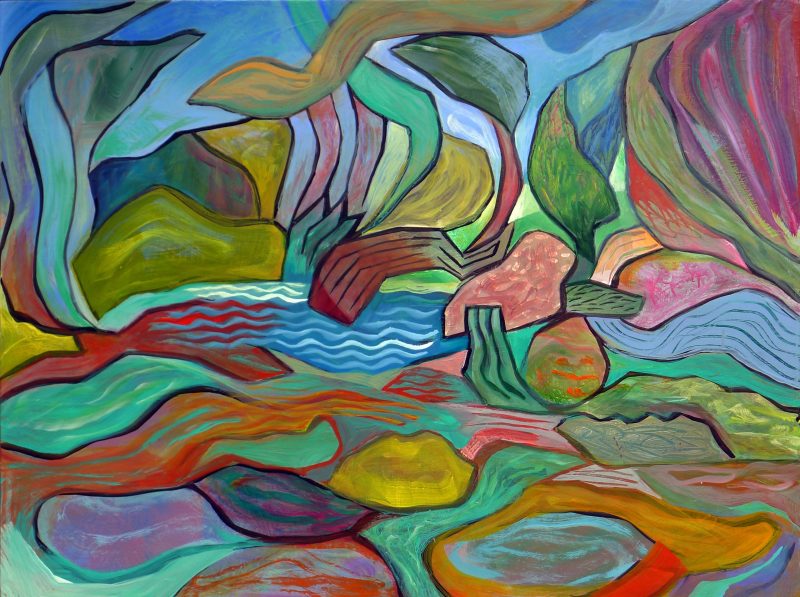
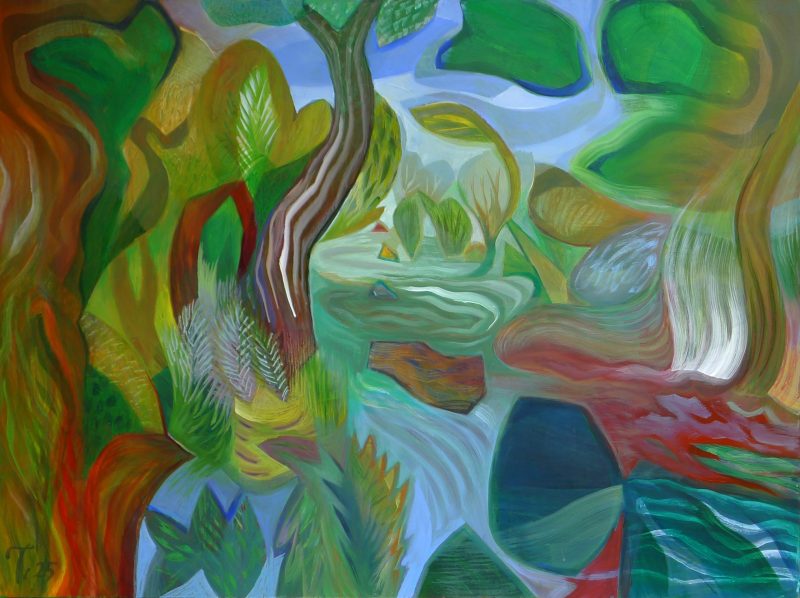 Stepping Stones
Original price was: AUD$2,600.AUD$2,340Current price is: AUD$2,340.
Size:
122w
x 92h
x 2d
cms
Tillian
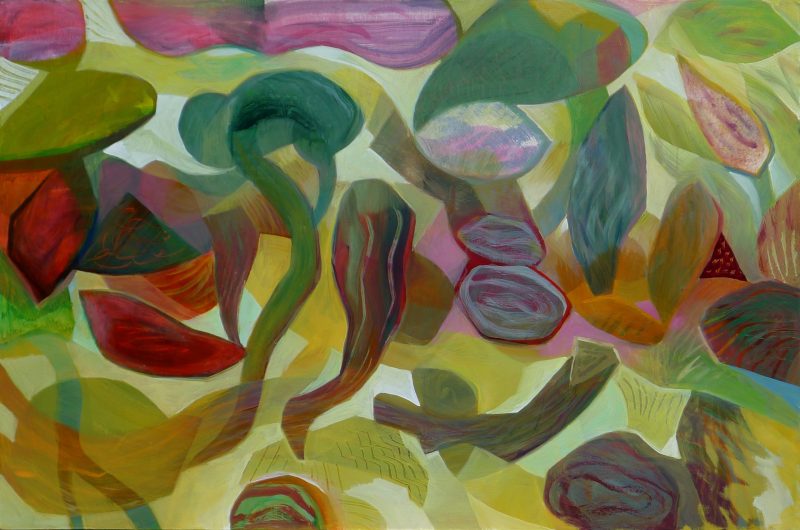
 Living Waters
Original price was: AUD$1,900.AUD$1,710Current price is: AUD$1,710.
Size:
122w
x 92h
x 2d
cms
Tillian
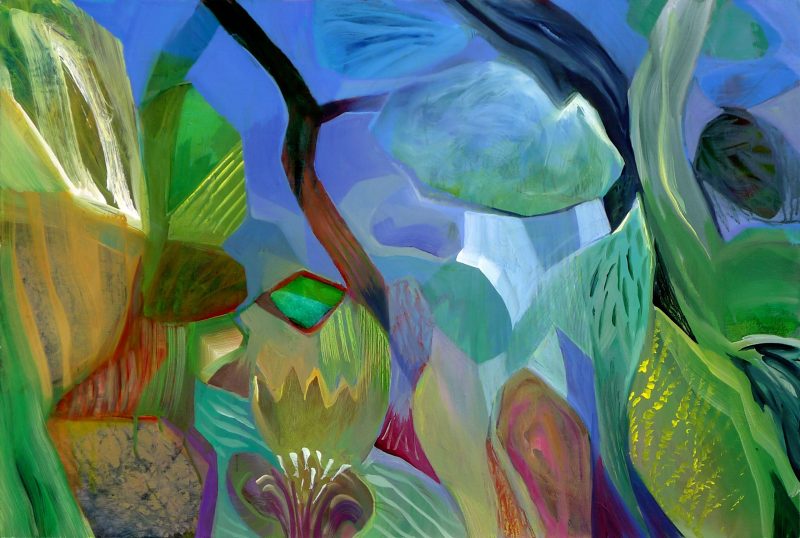
 Voices
Original price was: AUD$2,600.AUD$2,340Current price is: AUD$2,340.
Size:
120w
x 81h
x 2d
cms
Tillian
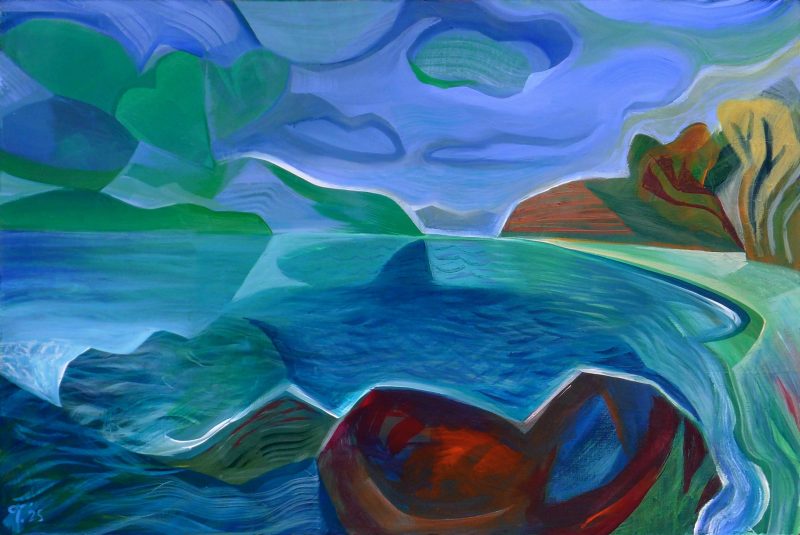
 Way Without
Original price was: AUD$1,400.AUD$1,260Current price is: AUD$1,260.
Size:
90w
x 61h
x 2d
cms
Tillian
 Histories of Stealth
Original price was: AUD$1,950.AUD$1,755Current price is: AUD$1,755.
Size:
90w
x 61h
x 2d
cms
Tillian
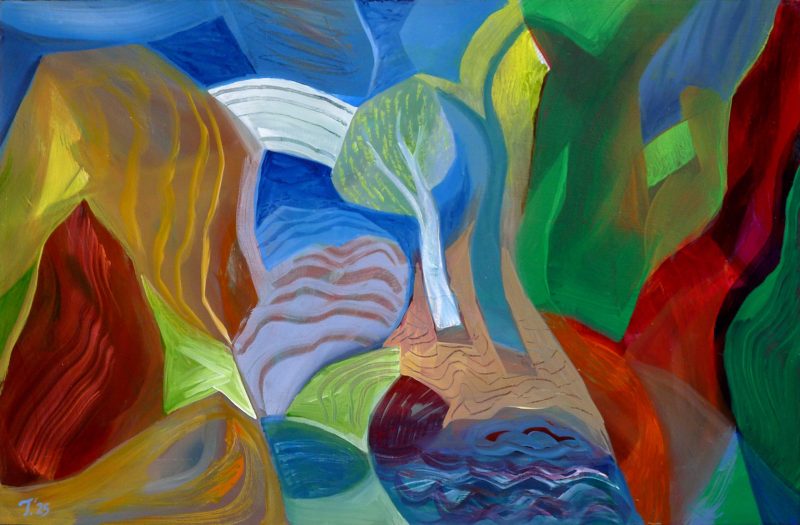 The Remembering Grove
Original price was: AUD$1,800.AUD$1,620Current price is: AUD$1,620.
Size:
90w
x 61h
x 2d
cms
Tillian
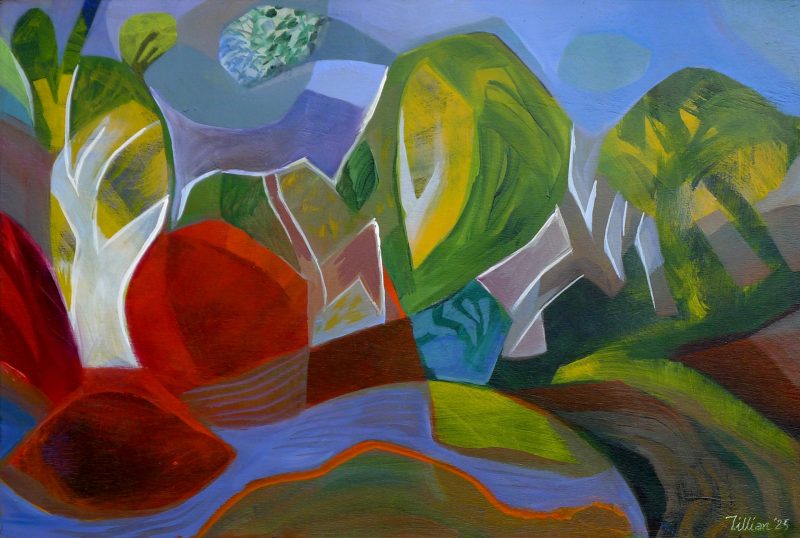 Possible Encounters
Original price was: AUD$1,600.AUD$1,440Current price is: AUD$1,440.
Size:
90w
x 61h
x 2d
cms
Tillian
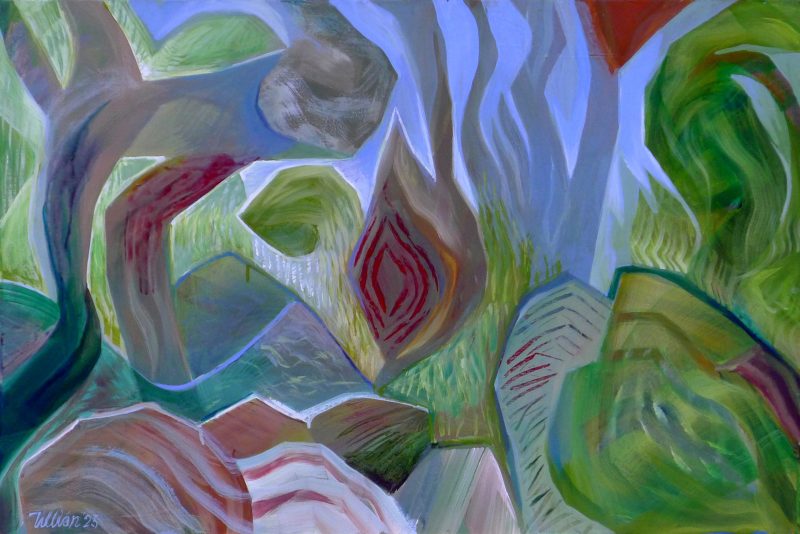 Twist
Twist
Original price was: AUD$1,600.AUD$1,440Current price is: AUD$1,440.
Size:
91w
x 61h
x 2d
cms
Tillian
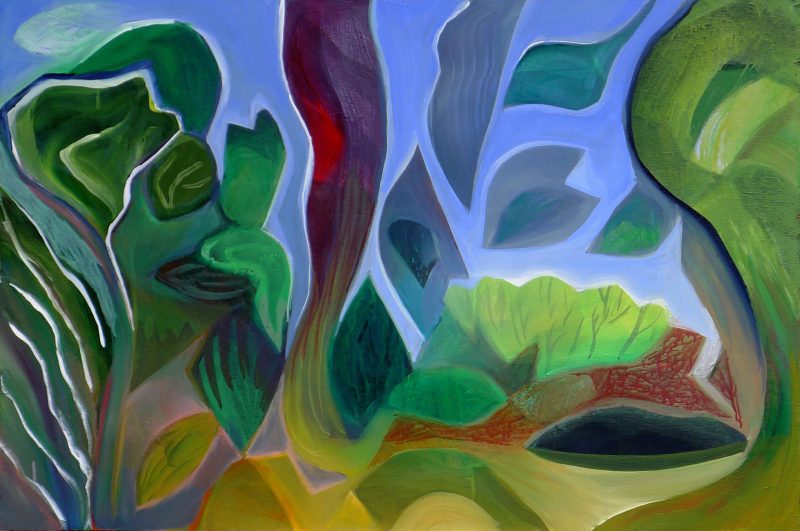 Autumn in Berrima
Original price was: AUD$1,400.AUD$1,260Current price is: AUD$1,260.
Size:
90w
x 61h
x 2d
cms
Tillian
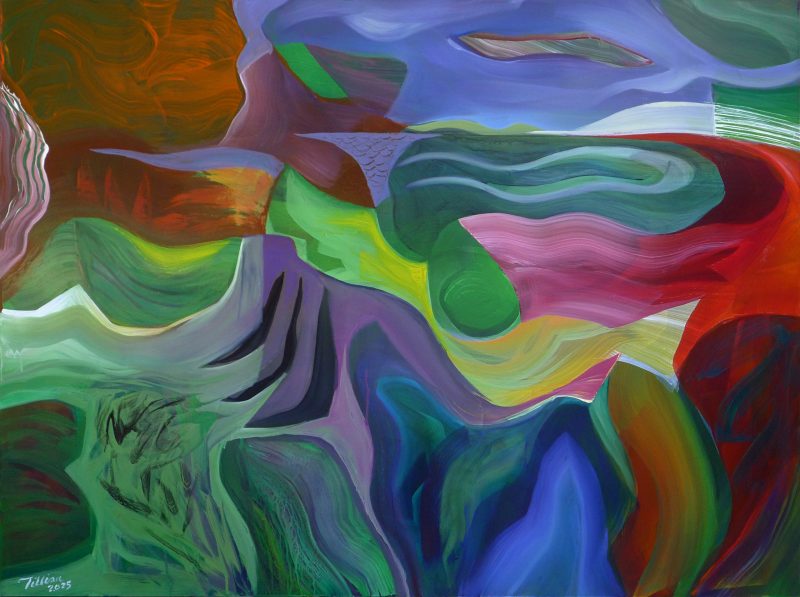 First Contact
Original price was: AUD$2,400.AUD$2,160Current price is: AUD$2,160.
Size:
122w
x 90h
x 2d
cms
Tillian
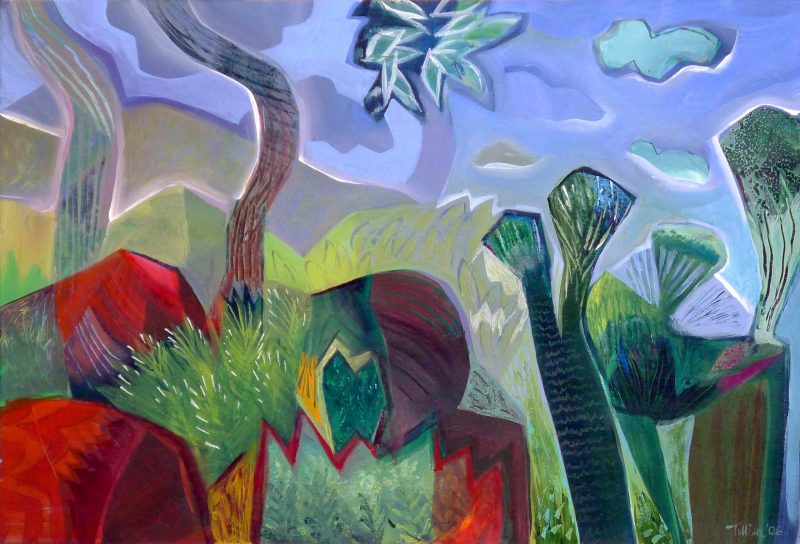 Gullies Edge
Original price was: AUD$1,400.AUD$1,260Current price is: AUD$1,260.
Size:
88w
x 58h
x 2d
cms
Tillian
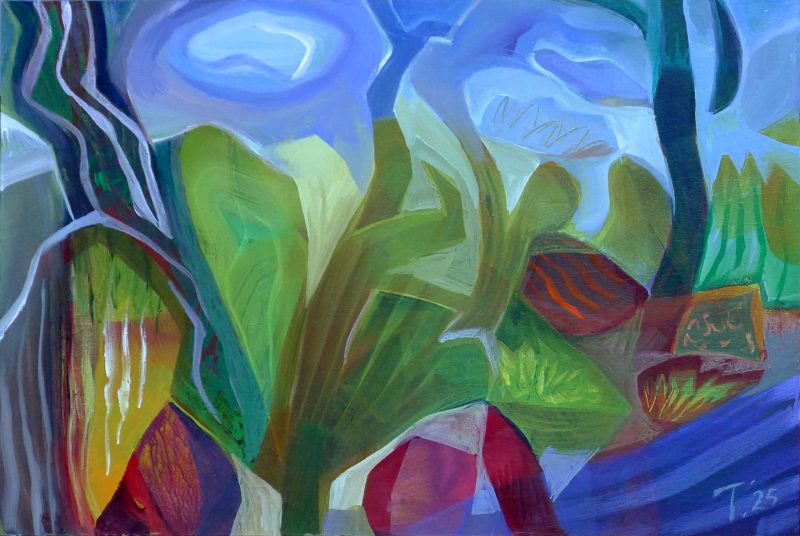 After the Rain
Original price was: AUD$1,600.AUD$1,440Current price is: AUD$1,440.
Size:
90w
x 61h
x 2d
cms
Tillian
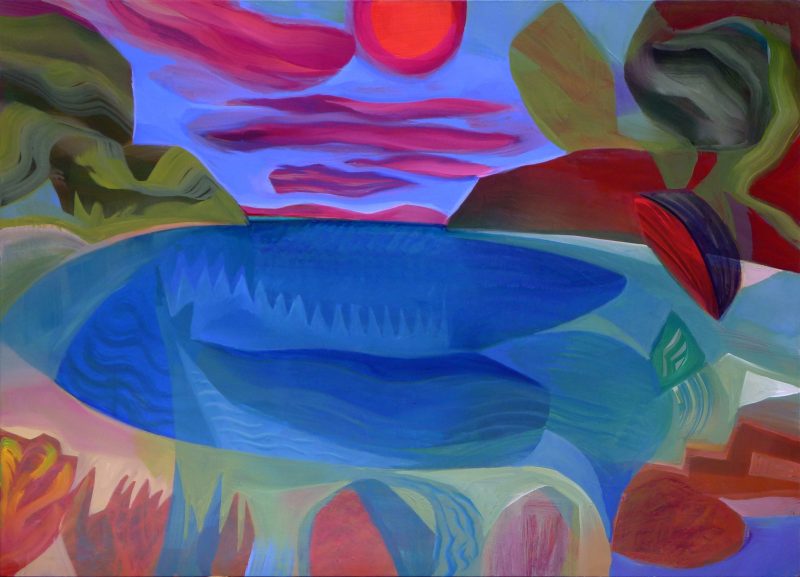 First Day of the Christian Sun
Original price was: AUD$3,200.AUD$2,880Current price is: AUD$2,880.
Size:
122w
x 92h
x 2d
cms
Tillian
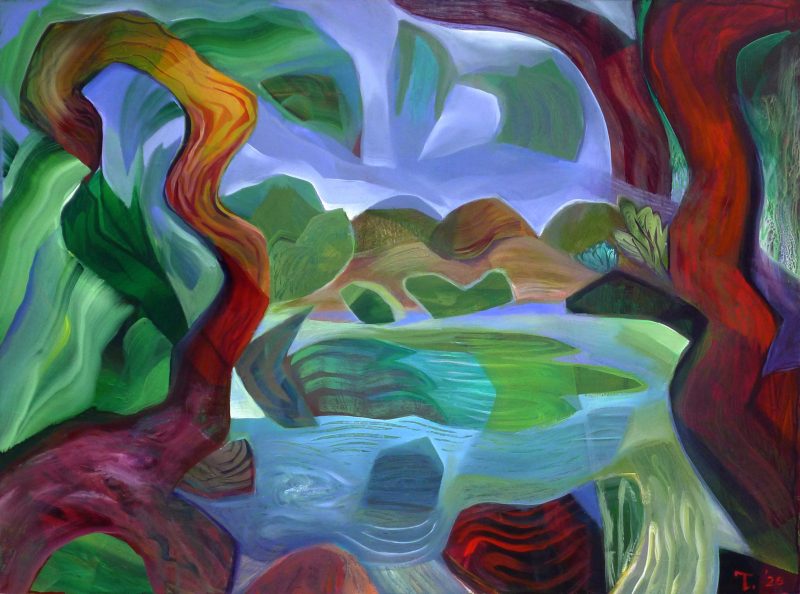 The Kiss of Time
Original price was: AUD$2,800.AUD$2,520Current price is: AUD$2,520.
Size:
122w
x 90h
x 2d
cms
Tillian
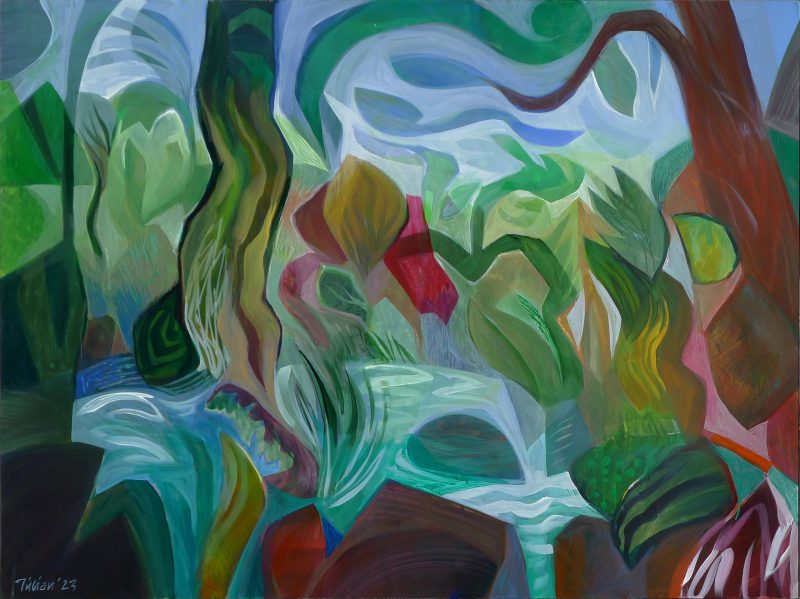 The Water of Life
Original price was: AUD$2,800.AUD$2,520Current price is: AUD$2,520.
Size:
122w
x 90h
x 2d
cms
Tillian
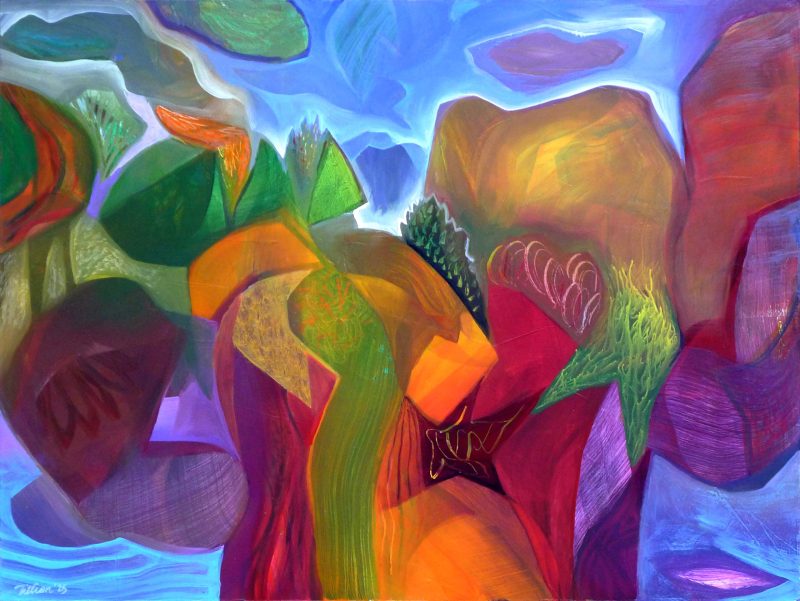 Annunciation
Original price was: AUD$2,600.AUD$2,340Current price is: AUD$2,340.
Size:
122w
x 90h
x 2d
cms
Tillian
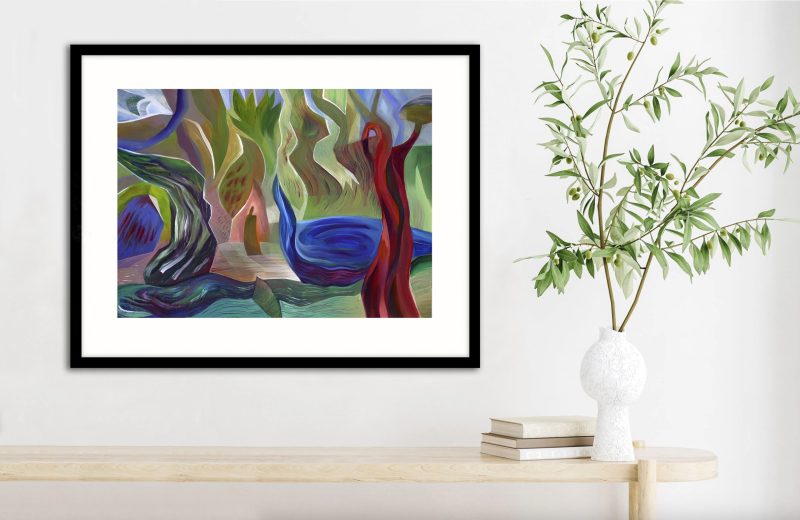 Eurydice – Fine Art Print
Original price was: AUD$260.AUD$234Current price is: AUD$234.
Size:
60w
x 42h
cms
Tillian
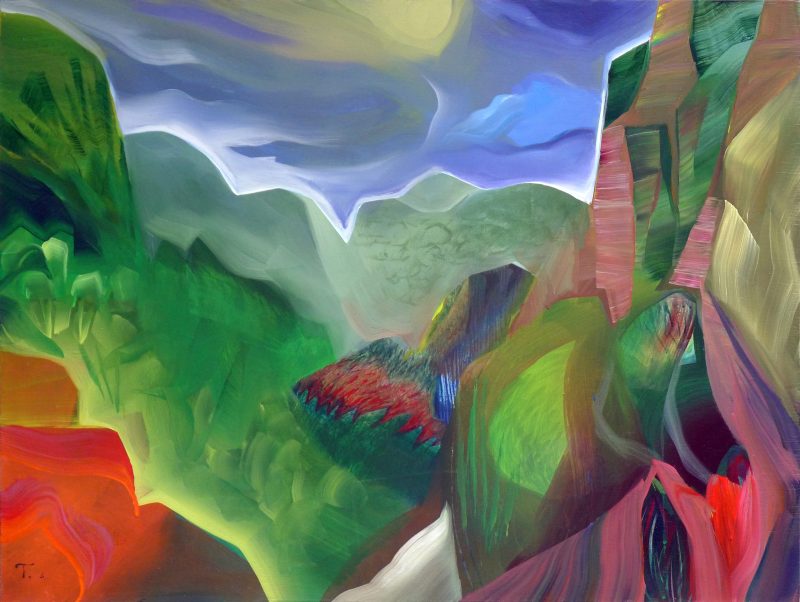 The House on the Cliff
Original price was: AUD$2,800.AUD$2,520Current price is: AUD$2,520.
Size:
122w
x 90h
x 2d
cms
Tillian
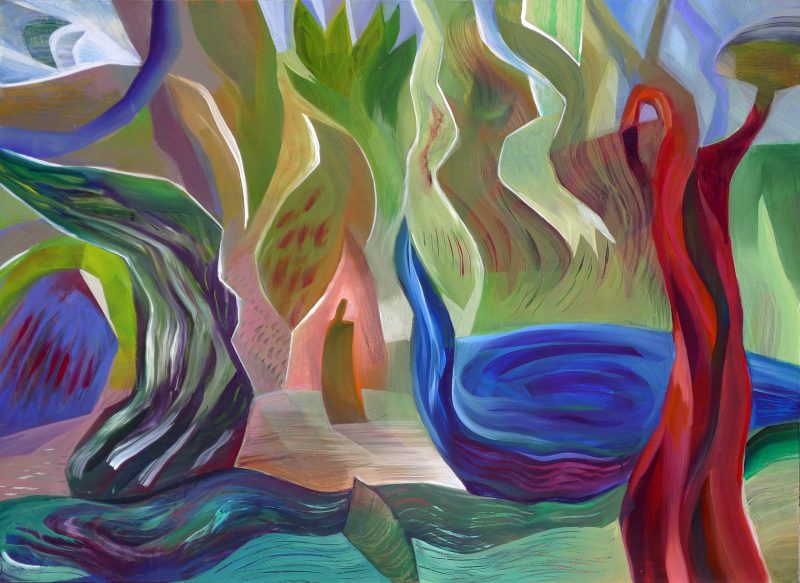 Eurydice
Original price was: AUD$2,800.AUD$2,520Current price is: AUD$2,520.
Size:
122w
x 90h
x 2d
cms
Tillian
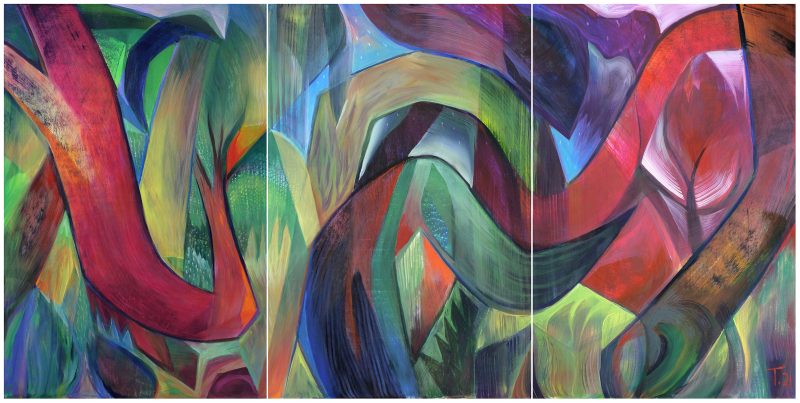 Night Forest – Triptych
Original price was: AUD$2,800.AUD$2,520Current price is: AUD$2,520.
Size:
183w
x 91h
x 2d
cms
Tillian
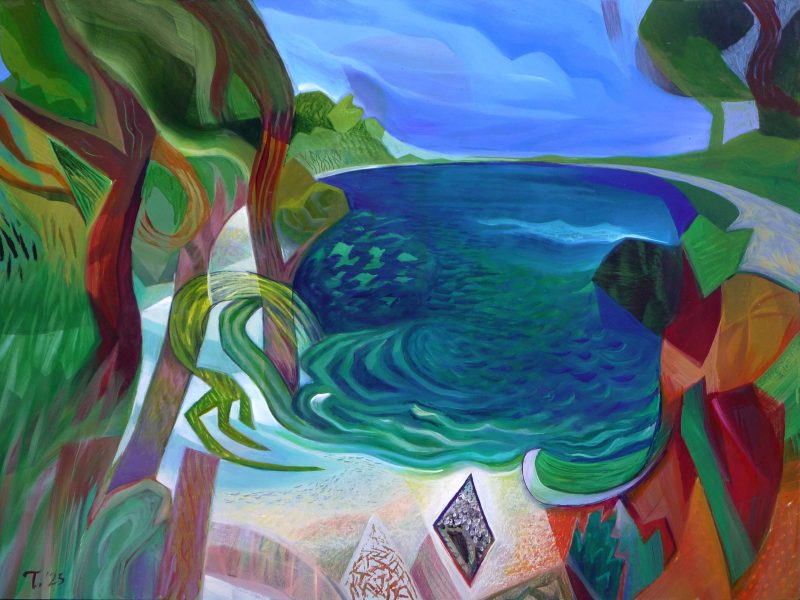 Whispers of the Deep
Original price was: AUD$3,200.AUD$2,880Current price is: AUD$2,880.
Size:
122w
x 90h
x 2d
cms
Tillian
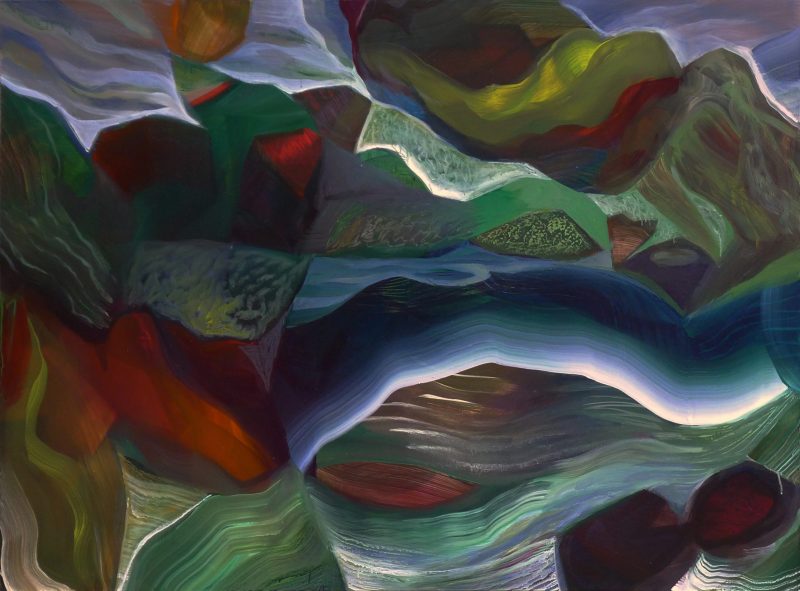 Prehistoric Landscape or The Return of Prehistory
Original price was: AUD$2,800.AUD$2,520Current price is: AUD$2,520.
Size:
122w
x 90h
x 2d
cms
Tillian
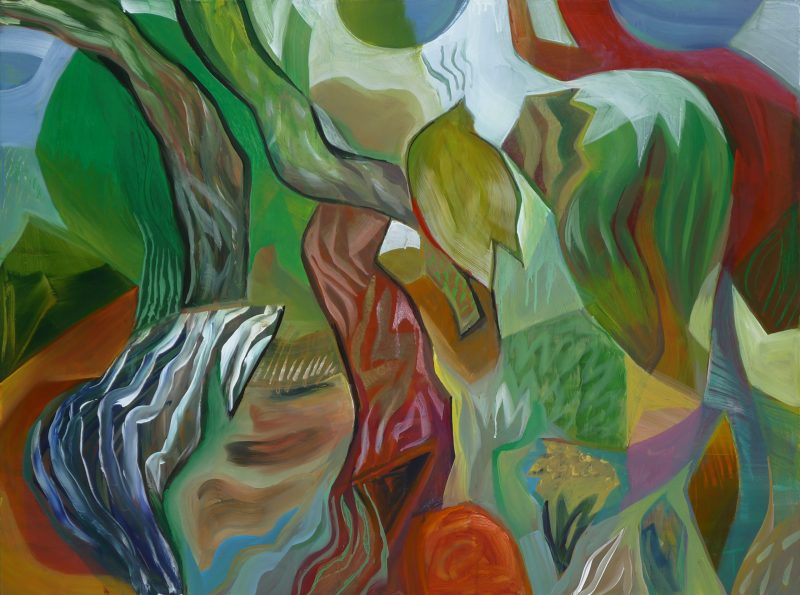 Cry of the Bower
Original price was: AUD$3,300.AUD$2,970Current price is: AUD$2,970.
Size:
122w
x 92h
x 2d
cms
Tillian
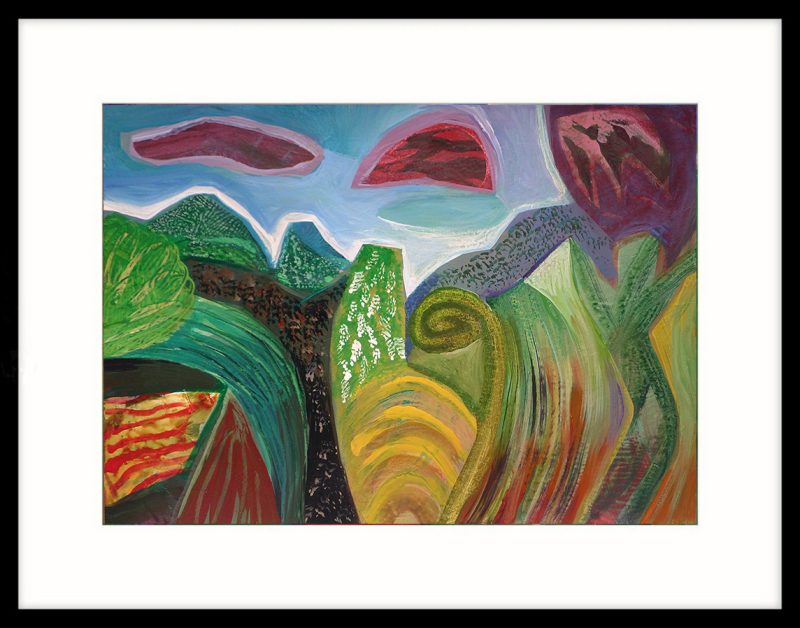 Waterfall
Original price was: AUD$920.AUD$828Current price is: AUD$828.
Size:
42w
x 30h
cms
Tillian
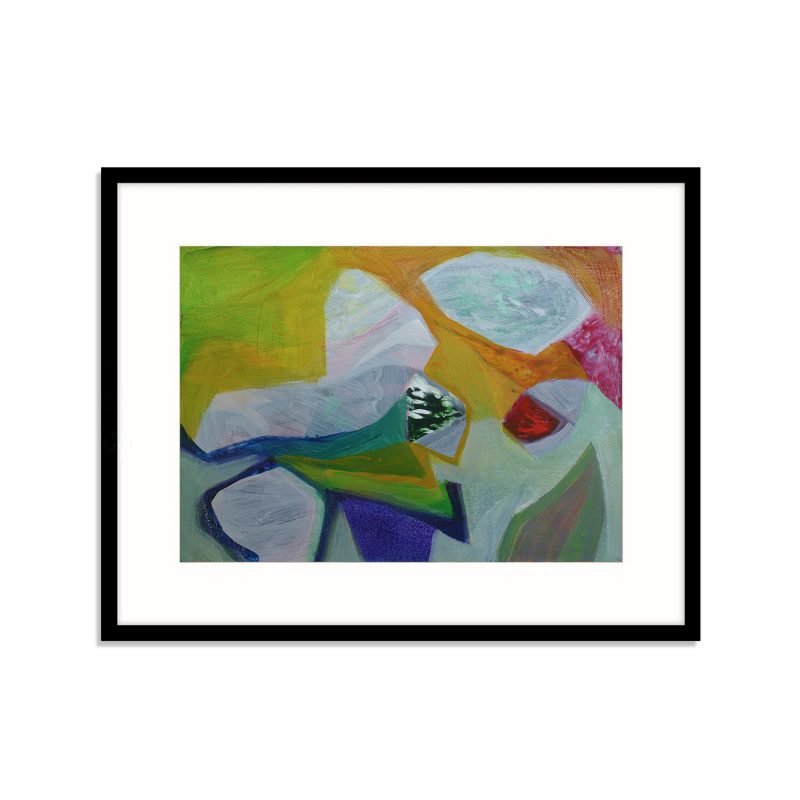 Between The Clouds
Original price was: AUD$620.AUD$558Current price is: AUD$558.
Size:
42w
x 30h
cms
Tillian
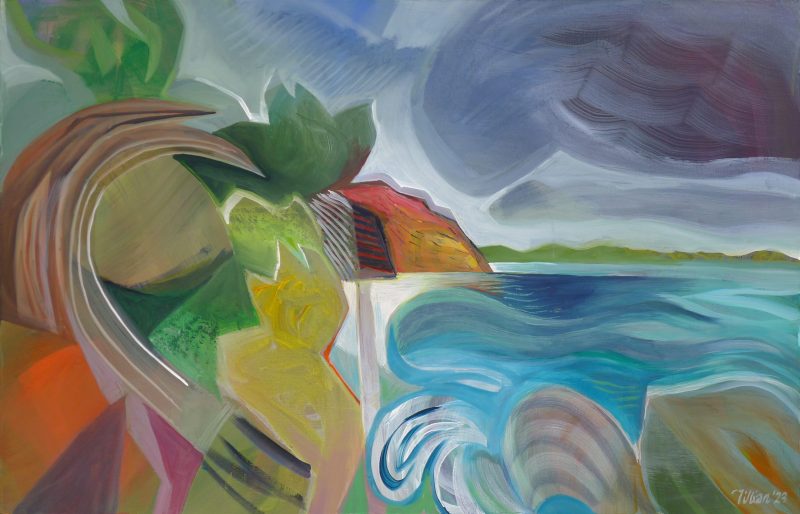 Stormfront – Red Rock
Original price was: AUD$1,800.AUD$1,620Current price is: AUD$1,620.
Size:
91w
x 61h
x 3d
cms
Tillian
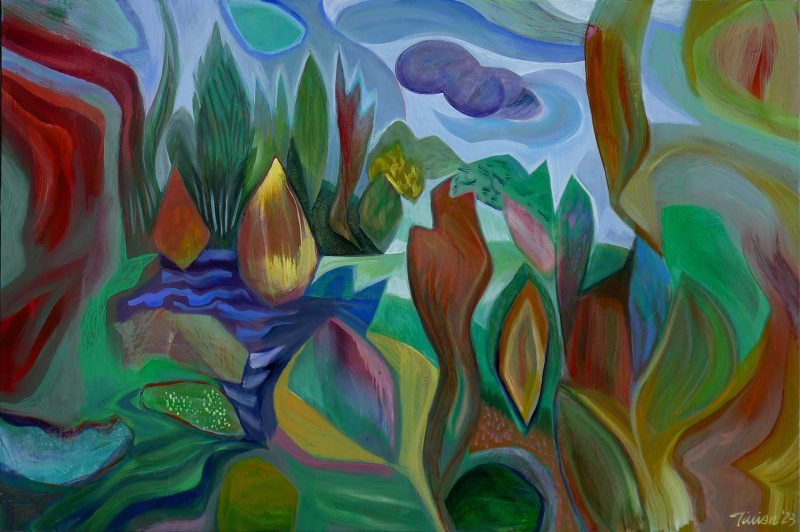 The Last Drop
Original price was: AUD$2,200.AUD$1,980Current price is: AUD$1,980.
Size:
122w
x 80h
x 2d
cms
Tillian
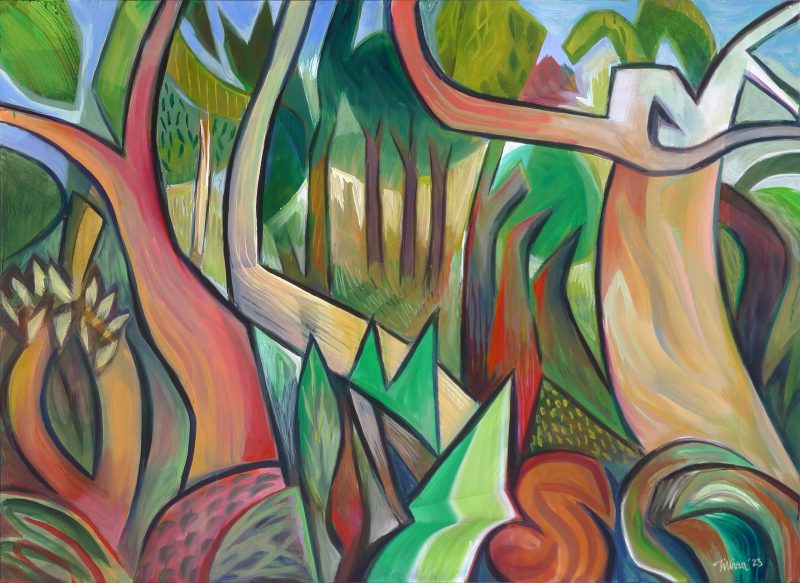 Snappy Gums
Original price was: AUD$3,600.AUD$3,240Current price is: AUD$3,240.
Size:
122w
x 92h
x 4d
cms
Tillian
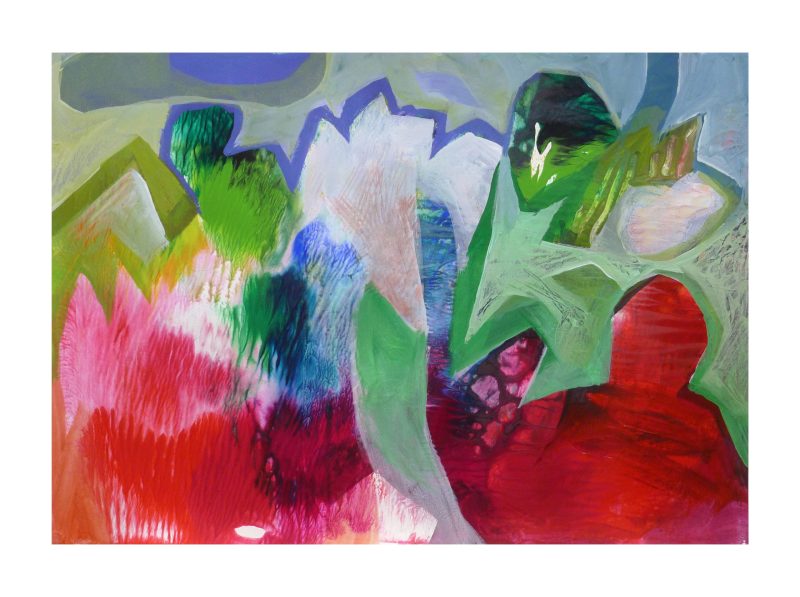 The Glyph
Original price was: AUD$950.AUD$855Current price is: AUD$855.
Size:
57w
x 46h
x 4d
cms
Tillian
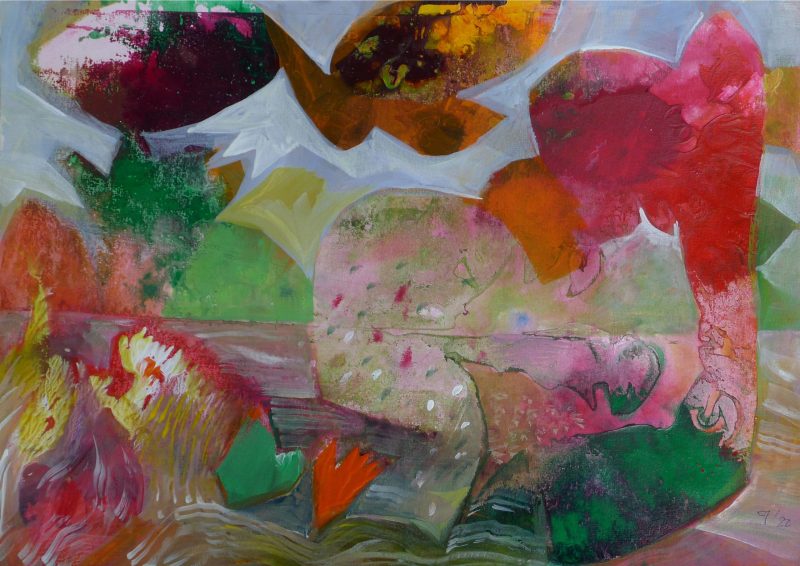 Annunciation
Original price was: AUD$950.AUD$855Current price is: AUD$855.
Size:
42w
x 30h
x 2d
cms
Tillian
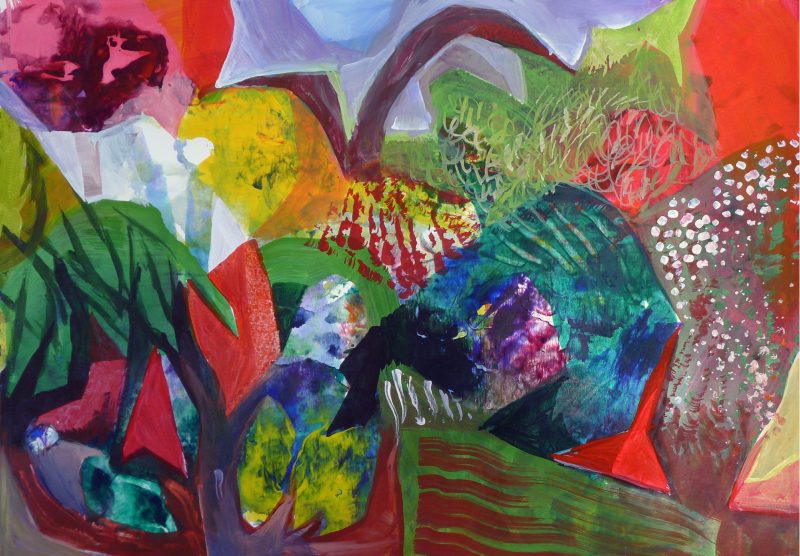 Savage Garden
Original price was: AUD$950.AUD$855Current price is: AUD$855.
Size:
57w
x 46h
x 4d
cms
Tillian
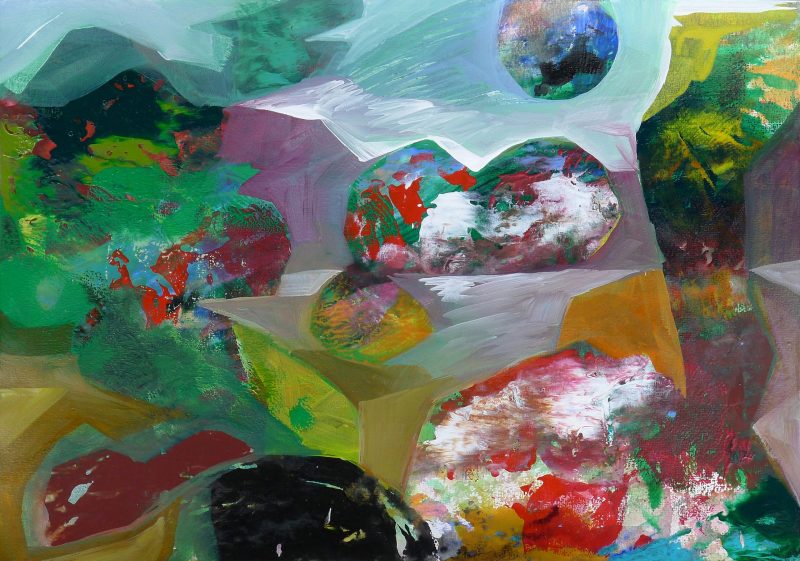 Daydream
Original price was: AUD$750.AUD$675Current price is: AUD$675.
Size:
57w
x 46h
x 4d
cms
Tillian
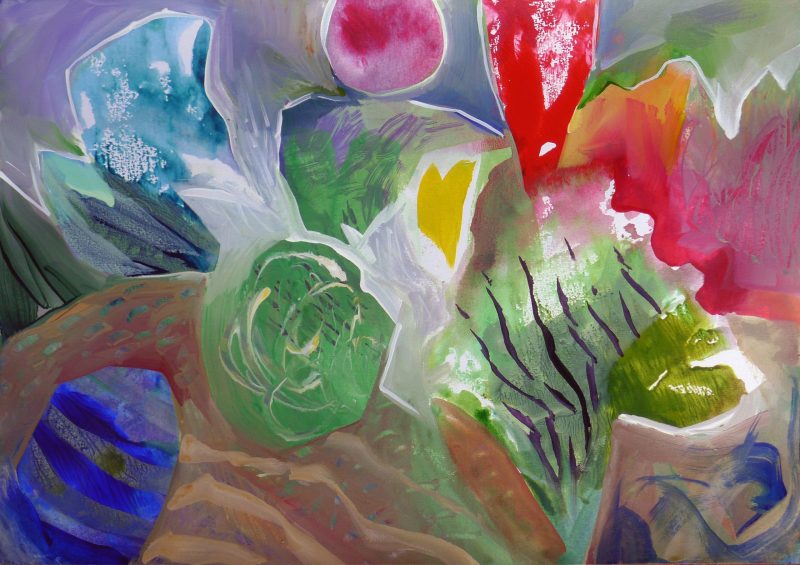 Heartspace
Original price was: AUD$950.AUD$855Current price is: AUD$855.
Size:
57w
x 46h
x 4d
cms
Tillian
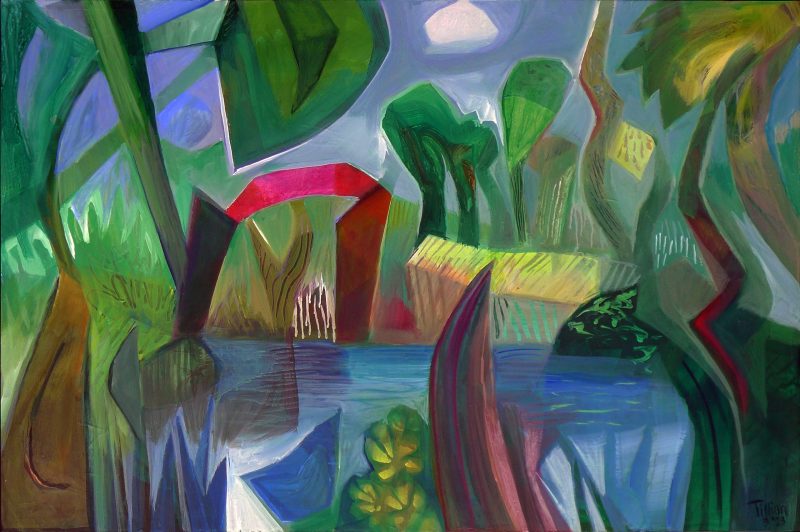 The Magic Gate
Original price was: AUD$2,400.AUD$2,160Current price is: AUD$2,160.
Size:
81w
x 61h
x 2d
cms
Tillian
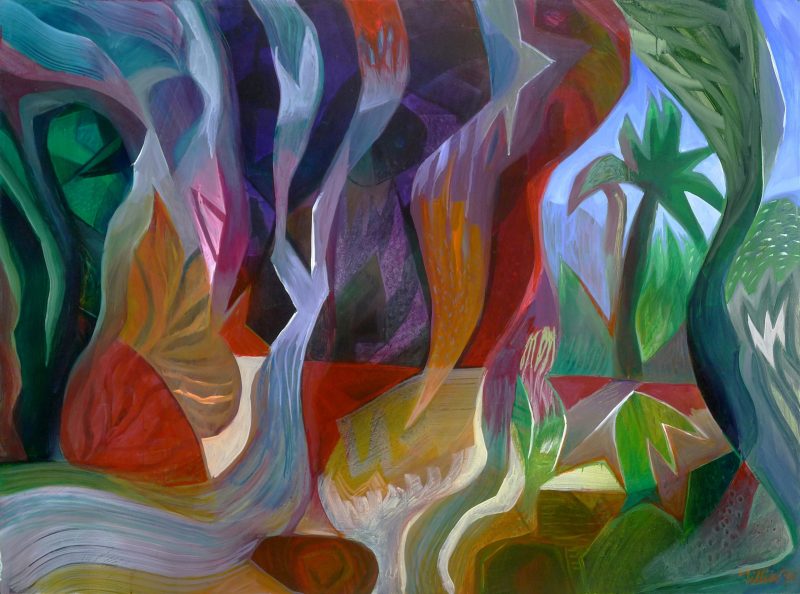 The Glade within the Grove
Original price was: AUD$2,800.AUD$2,520Current price is: AUD$2,520.
Size:
122w
x 90h
x 2d
cms
Tillian
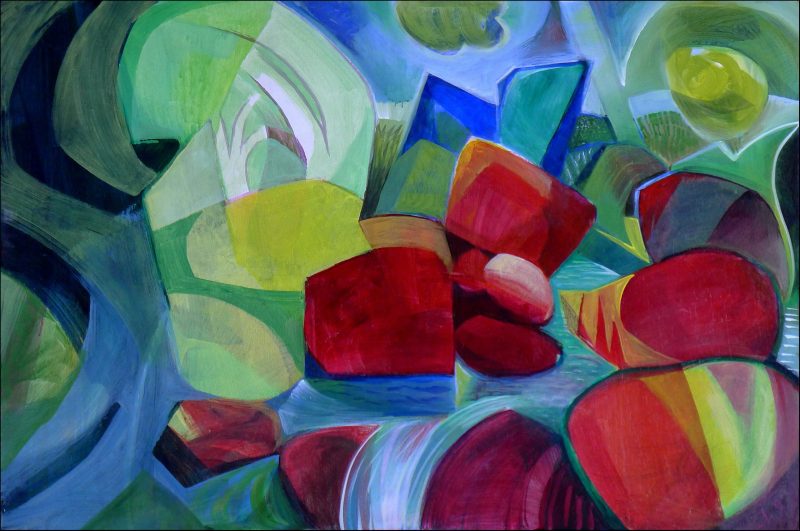 Standing Rocks, Wingecarribee Creek
Original price was: AUD$1,950.AUD$1,755Current price is: AUD$1,755.
Size:
123w
x 81h
x 2d
cms
Tillian
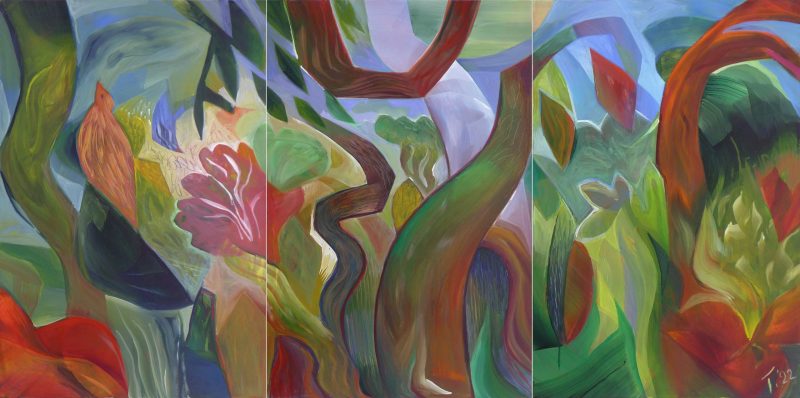 The Stormbird
Original price was: AUD$3,300.AUD$2,970Current price is: AUD$2,970.
Size:
183w
x 91h
x 2d
cms
Tillian
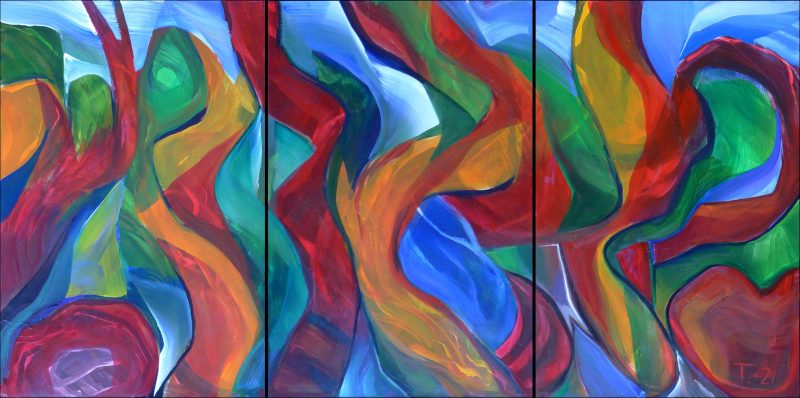 Flooded Gums
Original price was: AUD$2,600.AUD$2,340Current price is: AUD$2,340.
Size:
183w
x 91h
x 2d
cms
Tillian
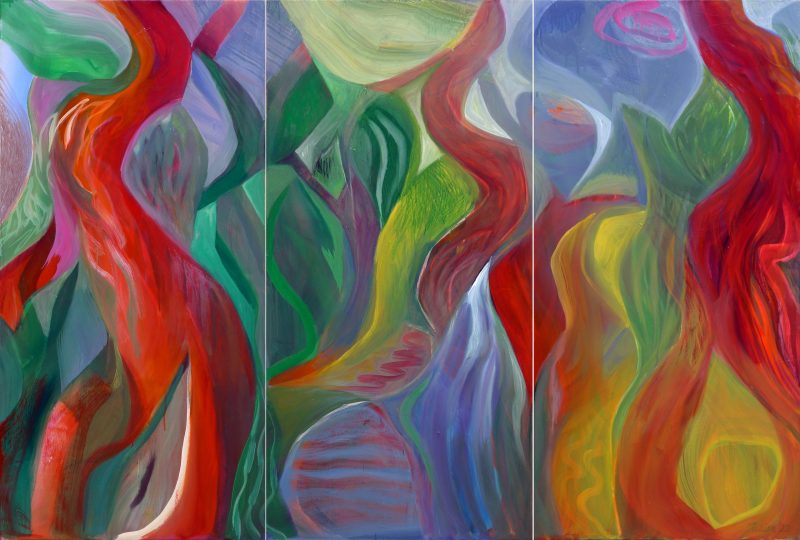 Voices
Original price was: AUD$3,900.AUD$3,510Current price is: AUD$3,510.
Size:
182w
x 122h
x 2d
cms
Tillian
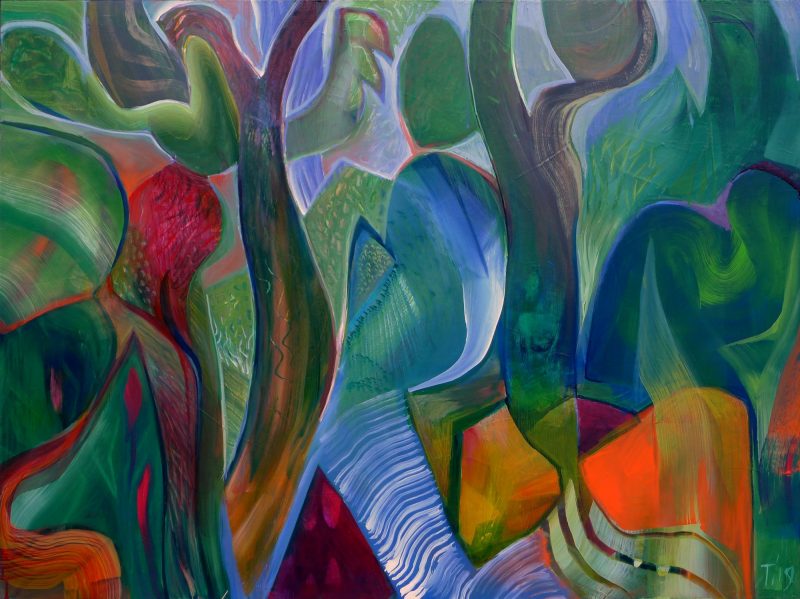 The Language of Trees
Original price was: AUD$2,900.AUD$2,610Current price is: AUD$2,610.
Size:
122w
x 92h
x 2d
cms
Tillian
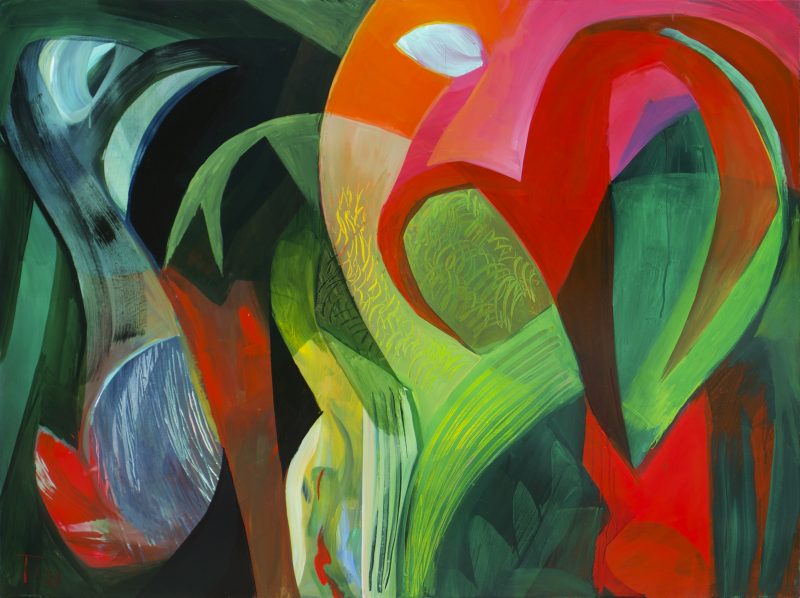 Secrets of the Seed
Original price was: AUD$2,400.AUD$2,160Current price is: AUD$2,160.
Size:
122w
x 92h
x 2d
cms
Tillian
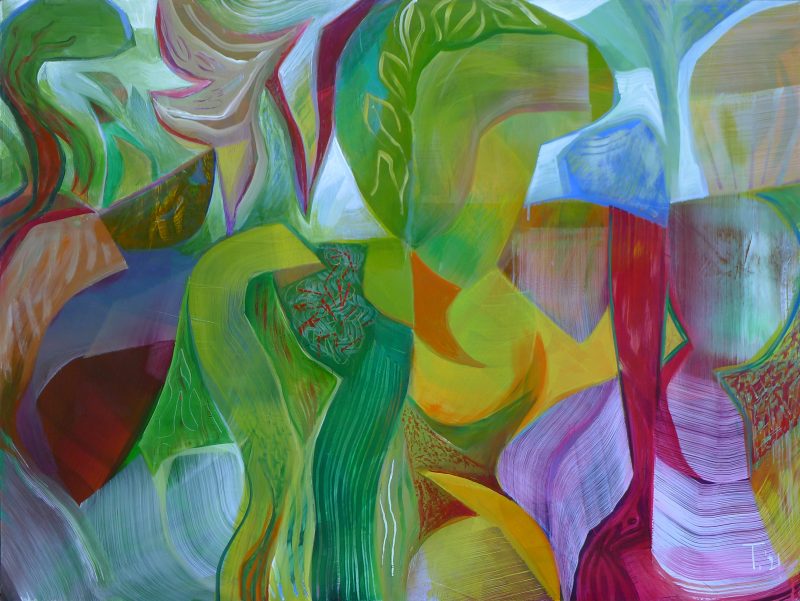 Citrinitas
Original price was: AUD$2,900.AUD$2,610Current price is: AUD$2,610.
Size:
122w
x 92h
x 2d
cms
Tillian
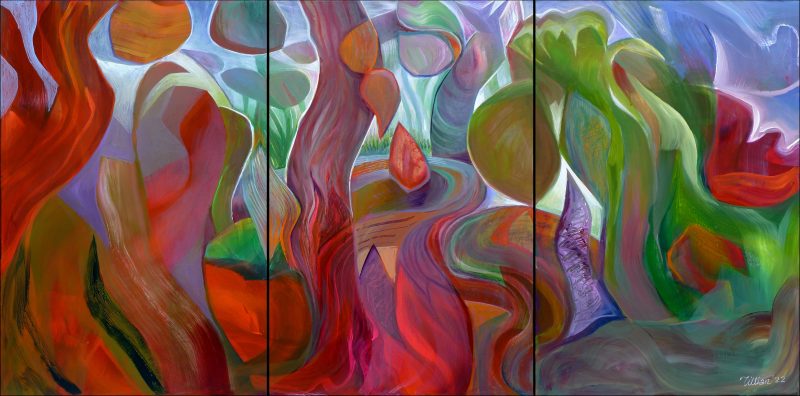 Tears Of The Sun
Original price was: AUD$2,400.AUD$2,160Current price is: AUD$2,160.
Size:
183w
x 91h
x 2d
cms
Tillian
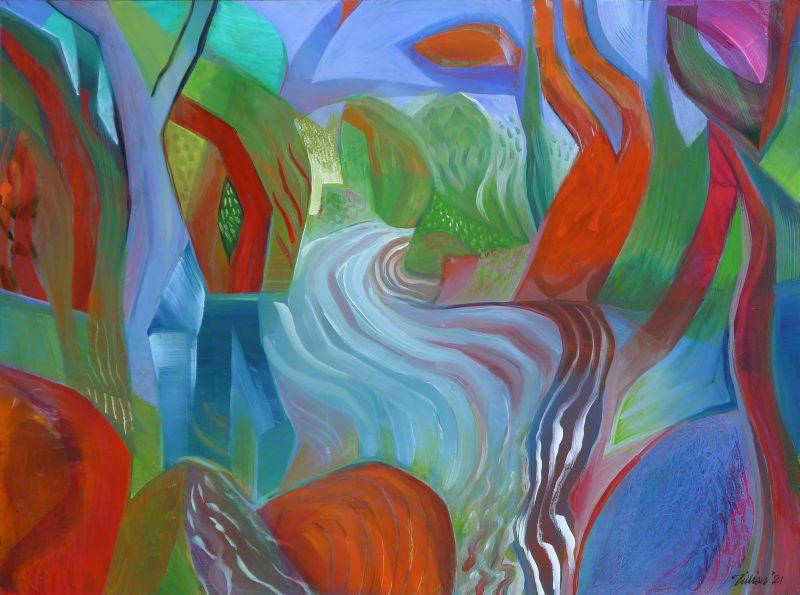 The Waters Beyond Reach
Original price was: AUD$2,400.AUD$2,160Current price is: AUD$2,160.
Size:
122w
x 91h
x 2d
cms
Tillian
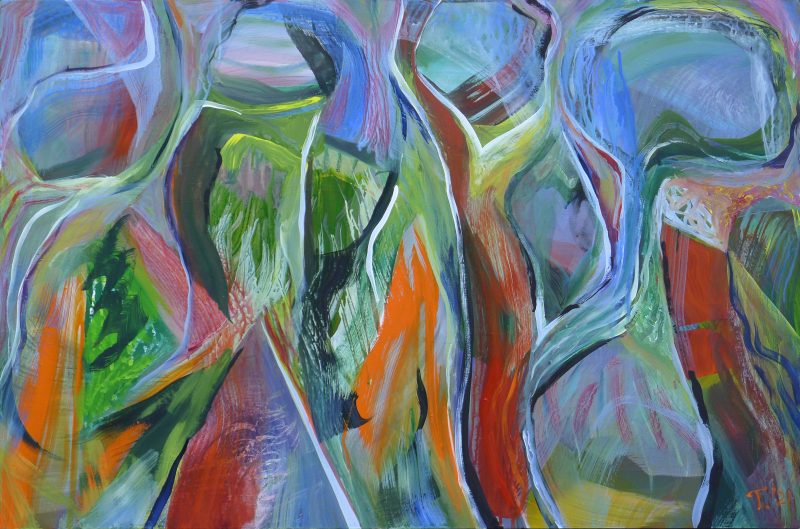 Firesticks
Original price was: AUD$1,600.AUD$1,440Current price is: AUD$1,440.
Size:
91w
x 61h
x 2d
cms
Tillian
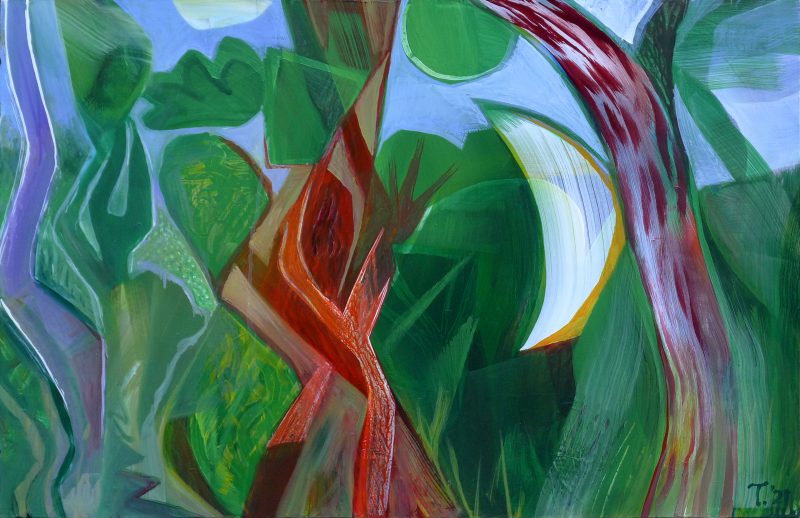 The Forest of Now and Then
Original price was: AUD$1,250.AUD$1,125Current price is: AUD$1,125.
Size:
91w
x 61h
x 3d
cms
Tillian
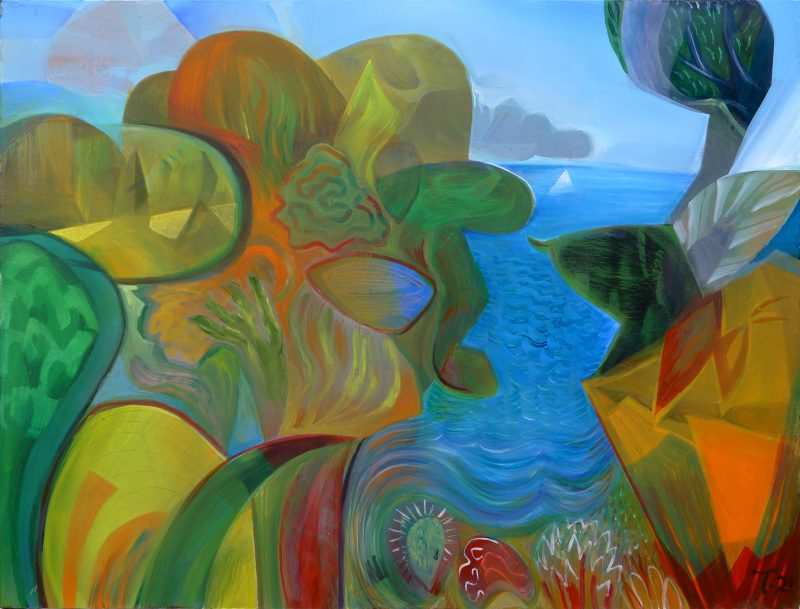 The Bee
Original price was: AUD$2,900.AUD$2,610Current price is: AUD$2,610.
Size:
122w
x 92h
x 2d
cms
Tillian
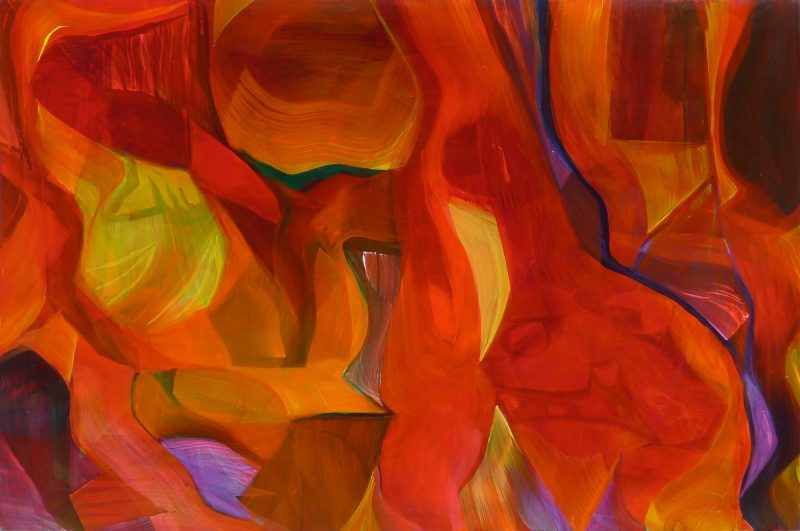 Red Painting
Original price was: AUD$2,800.AUD$2,520Current price is: AUD$2,520.
Size:
122w
x 81h
x 2d
cms
Tillian
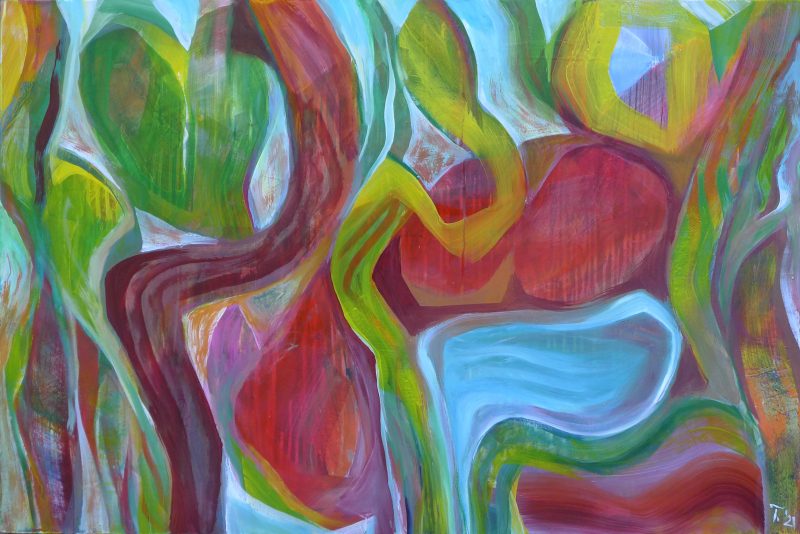 Water Snake
Original price was: AUD$1,600.AUD$1,440Current price is: AUD$1,440.
Size:
122w
x 81h
x 2d
cms
Tillian
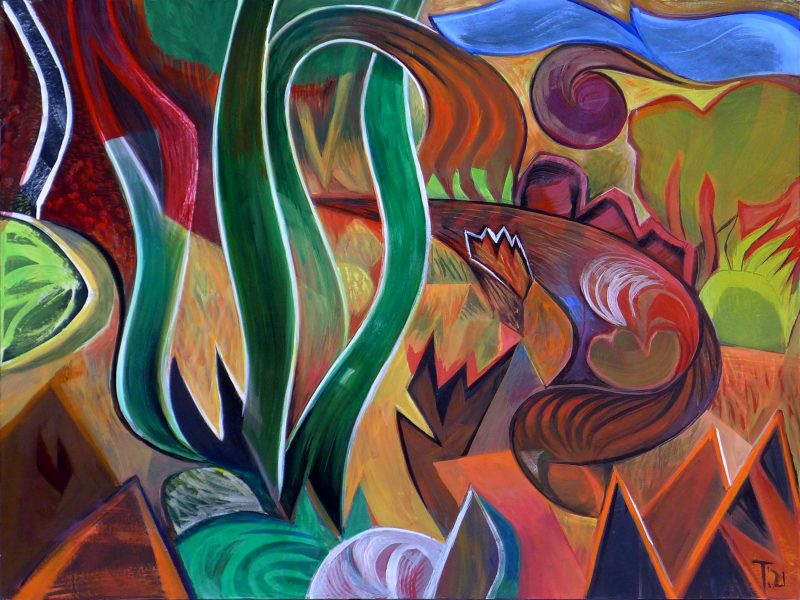 Day of the Fires
Original price was: AUD$3,400.AUD$3,060Current price is: AUD$3,060.
Size:
122w
x 92h
x 2d
cms
Tillian
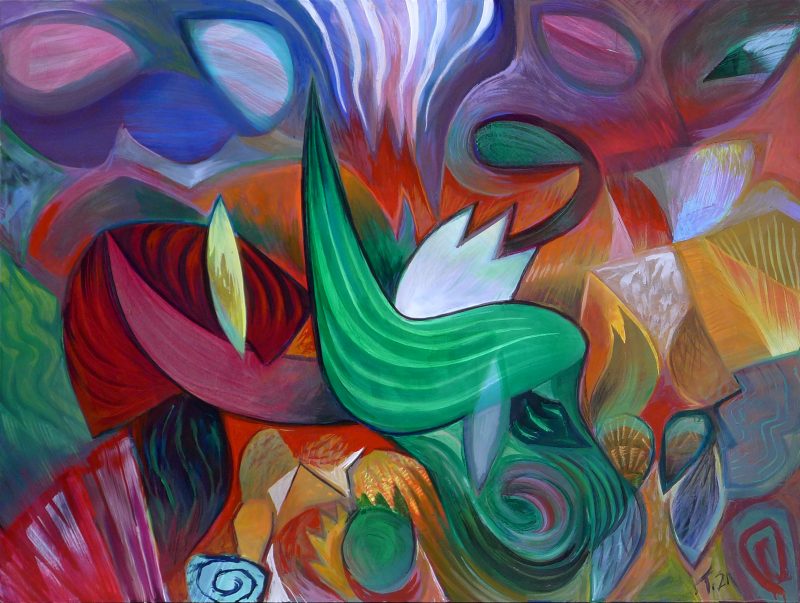 Chrysopoeia
Original price was: AUD$2,400.AUD$2,160Current price is: AUD$2,160.
Size:
122w
x 92h
x 2d
cms
Tillian
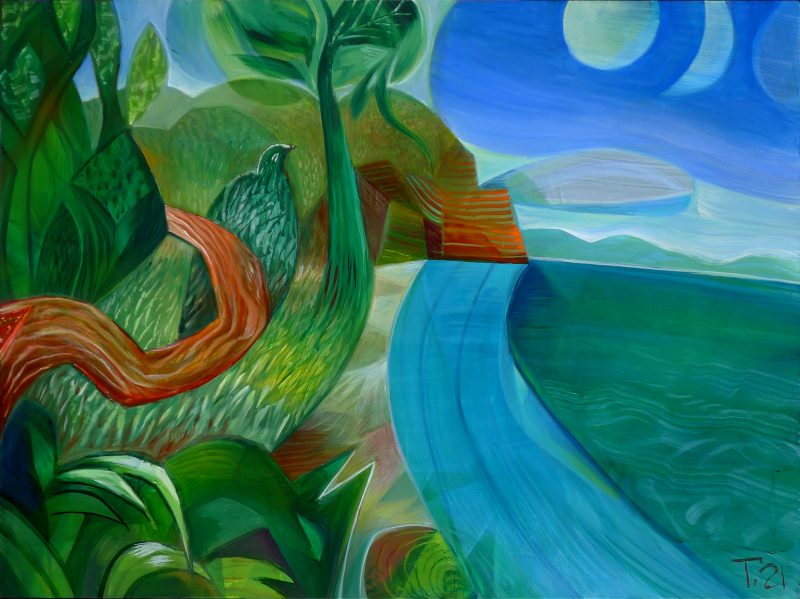 Jerrywerri
Original price was: AUD$2,400.AUD$2,160Current price is: AUD$2,160.
Size:
122w
x 92h
x 2d
cms
Tillian
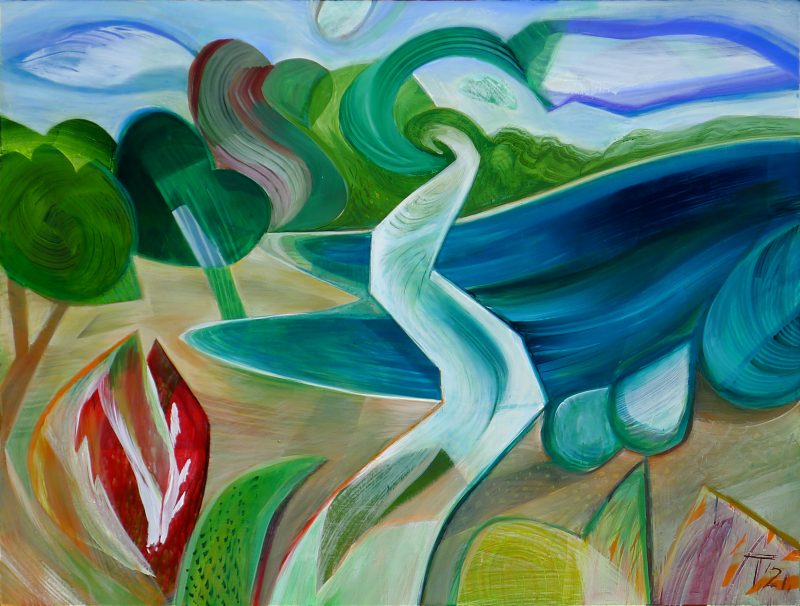 Coniunctionis
Original price was: AUD$3,600.AUD$3,240Current price is: AUD$3,240.
Size:
124w
x 94h
x 4d
cms
Tillian
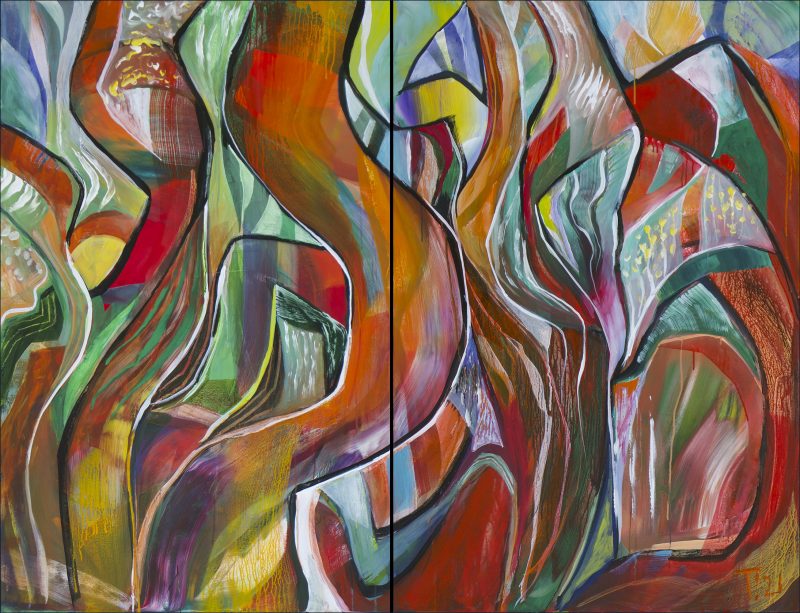 Snappy Gums
Original price was: AUD$3,600.AUD$3,240Current price is: AUD$3,240.
Size:
162w
x 92h
x 2d
cms
Tillian
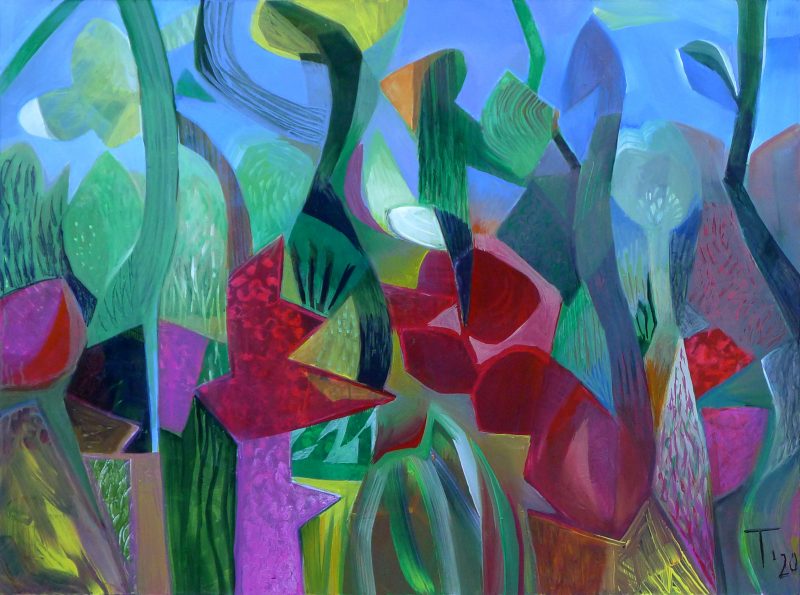 Landscape with Shells
Original price was: AUD$2,900.AUD$2,610Current price is: AUD$2,610.
Size:
126w
x 92h
x 5d
cms
Tillian
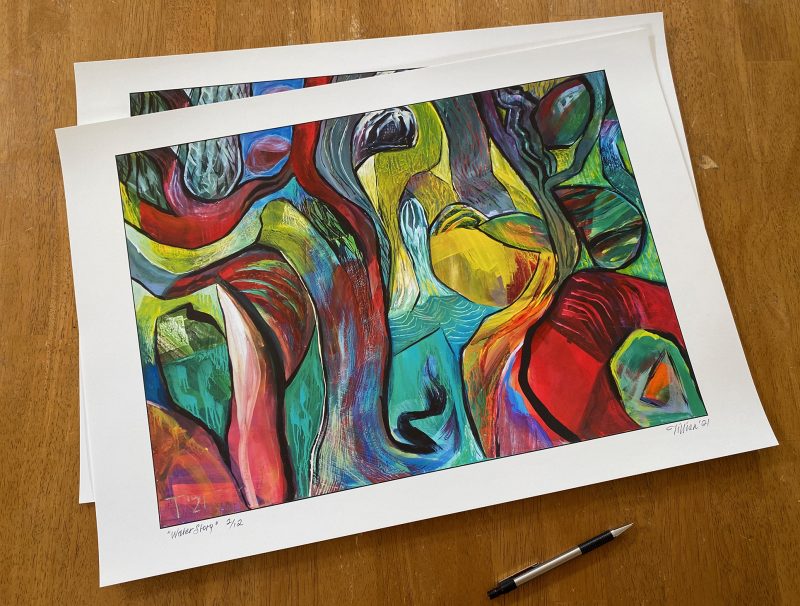 Water Story Ltd Ed Print
Original price was: AUD$220.AUD$198Current price is: AUD$198.
Size:
60w
x 42h
cms
Tillian
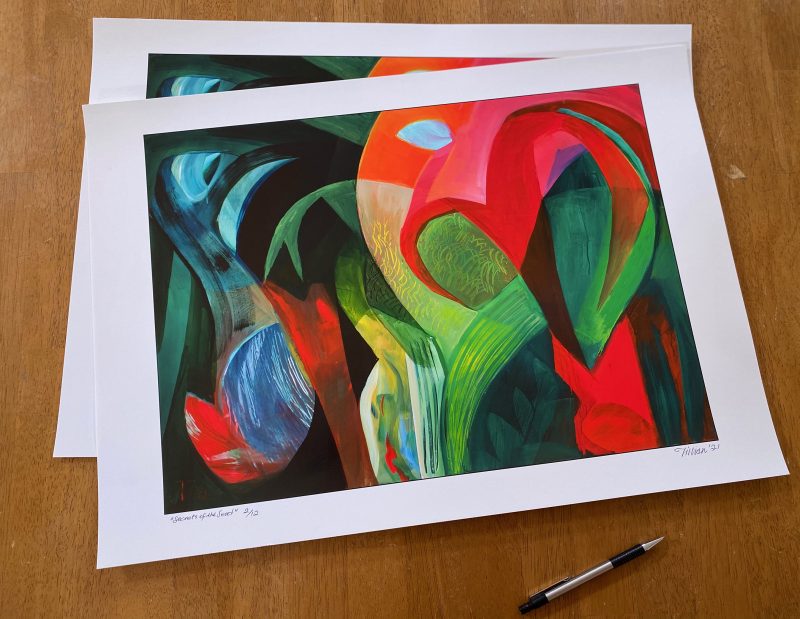 Secrets of the Seed – Ltd Ed Print
Original price was: AUD$240.AUD$216Current price is: AUD$216.
Size:
60w
x 42h
x 2d
cms
Tillian
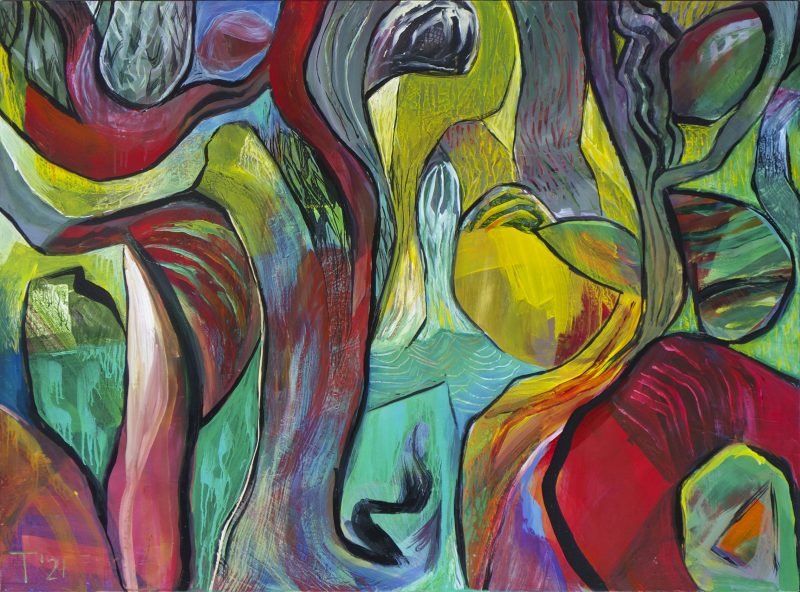 Water Story
Original price was: AUD$2,900.AUD$2,610Current price is: AUD$2,610.
Size:
126w
x 96h
x 2d
cms
Tillian
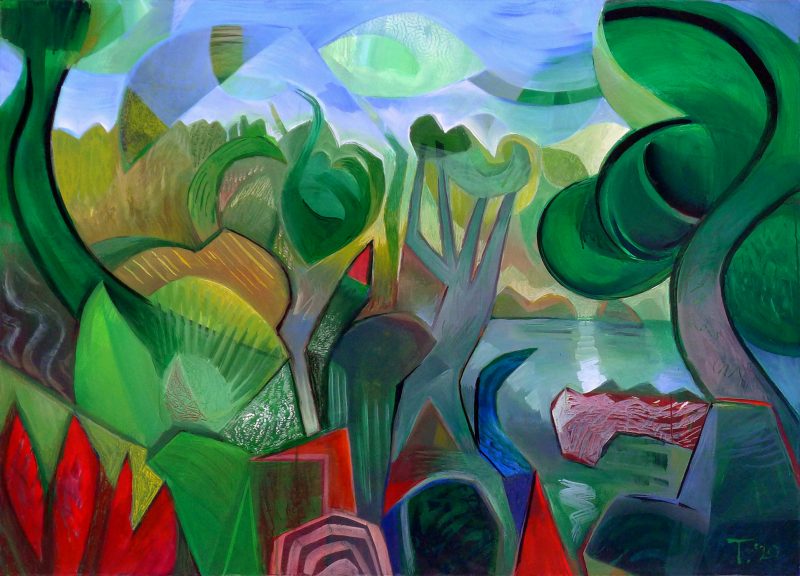 The Lost Fruits
Original price was: AUD$3,400.AUD$3,060Current price is: AUD$3,060.
Size:
126w
x 96h
x 4d
cms
Tillian
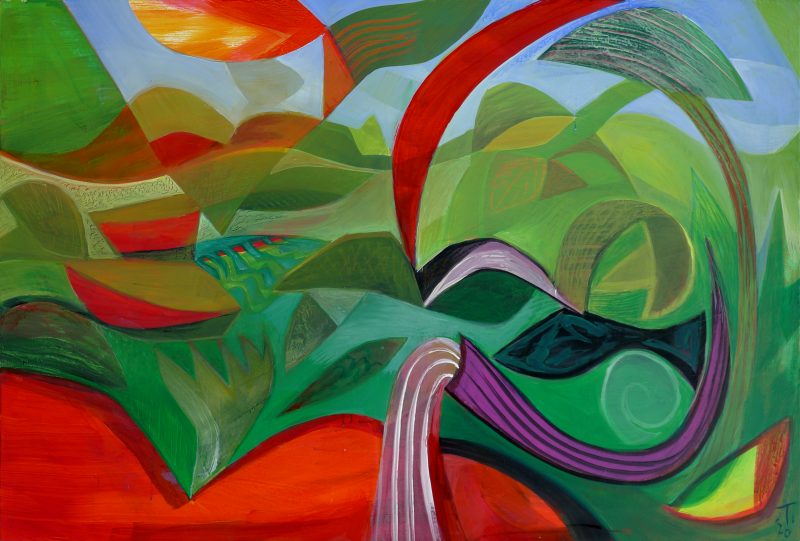 Furor Poeticus
Original price was: AUD$2,600.AUD$2,340Current price is: AUD$2,340.
Size:
122w
x 92h
x 4d
cms
Tillian
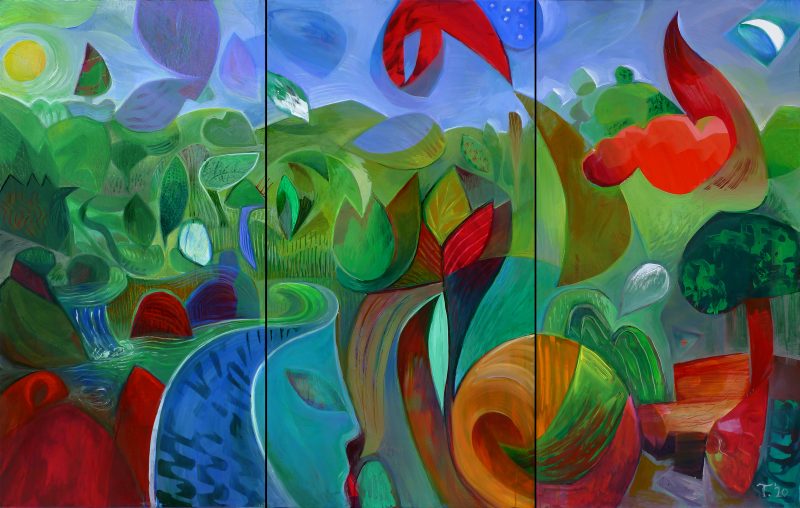 Echo
Echo
Original price was: AUD$3,330.AUD$2,997Current price is: AUD$2,997.
Size:
183w
x 122h
x 2d
cms
Tillian
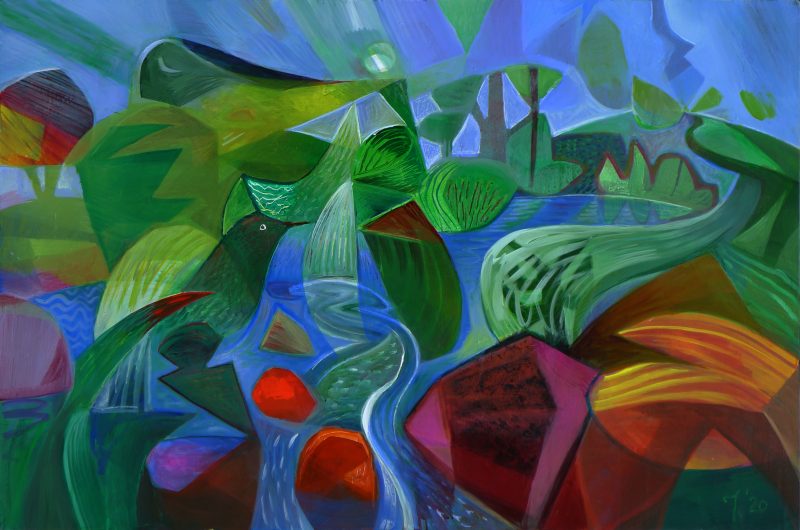 The Wish
Original price was: AUD$2,900.AUD$2,610Current price is: AUD$2,610.
Size:
122w
x 61h
x 2d
cms
Tillian
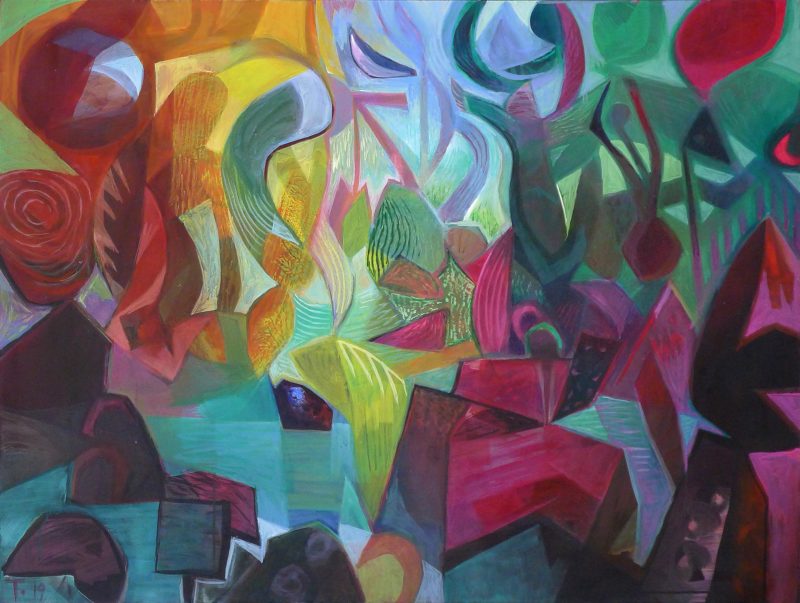 Mysterious Delights
Original price was: AUD$1,950.AUD$1,755Current price is: AUD$1,755.
Size:
122w
x 92h
x 2d
cms
Tillian
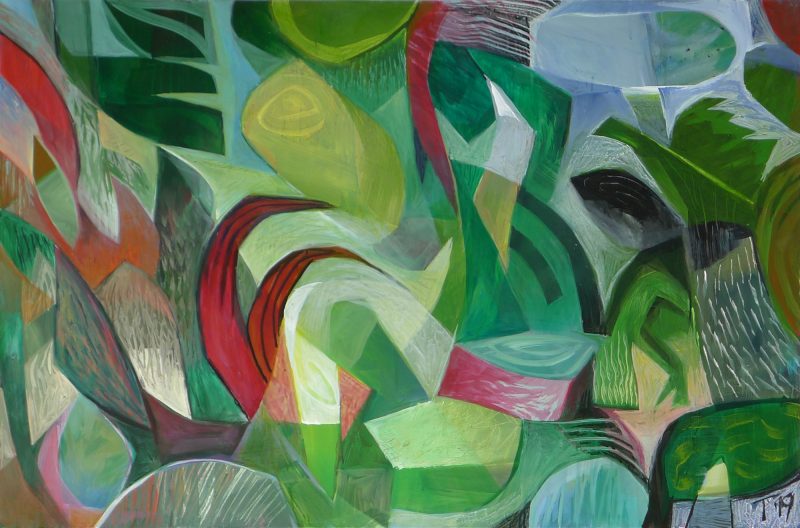 Landscape with Fire
Original price was: AUD$2,200.AUD$1,980Current price is: AUD$1,980.
Size:
122w
x 80h
x 2d
cms
Tillian
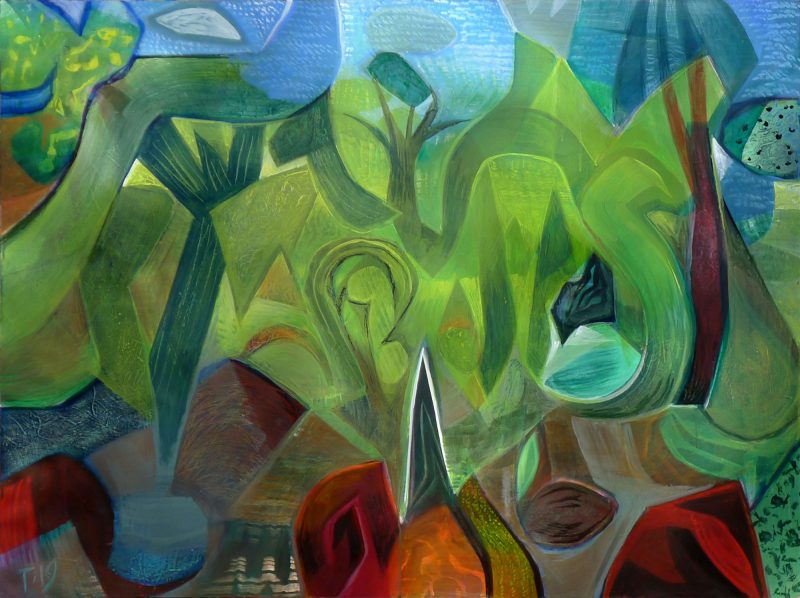 The Thorn
Original price was: AUD$2,400.AUD$2,160Current price is: AUD$2,160.
Size:
122w
x 92h
x 2d
cms
Tillian
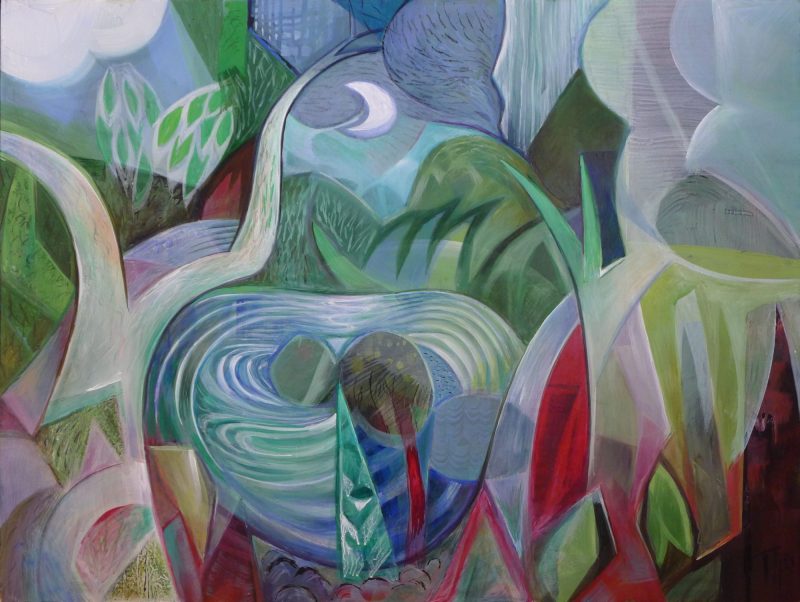 Rules of the Night
Original price was: AUD$2,200.AUD$1,980Current price is: AUD$1,980.
Size:
122w
x 92h
x 4d
cms
Tillian
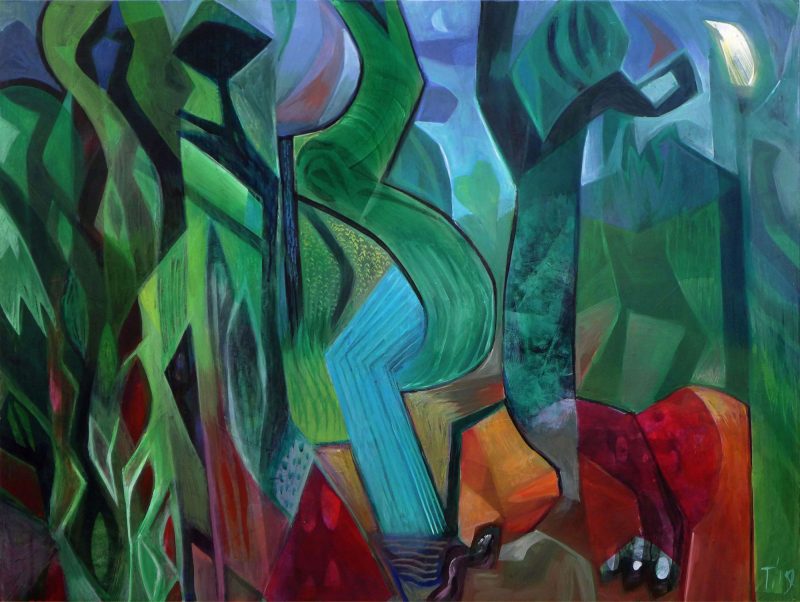 Speaking to the Moon
Original price was: AUD$2,100.AUD$1,890Current price is: AUD$1,890.
Size:
122w
x 92h
x 2d
cms
Tillian
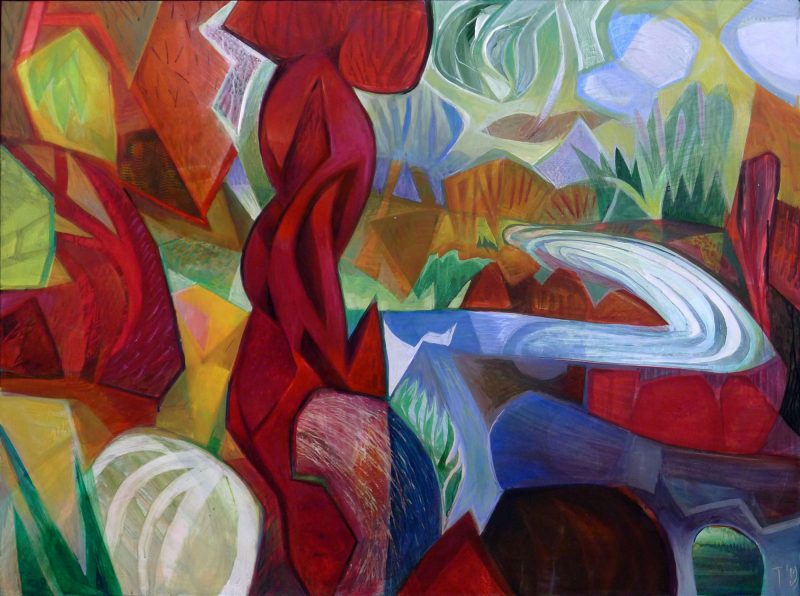 Bloodwood
Original price was: AUD$2,600.AUD$2,340Current price is: AUD$2,340.
Size:
122w
x 92h
x 2d
cms
Tillian
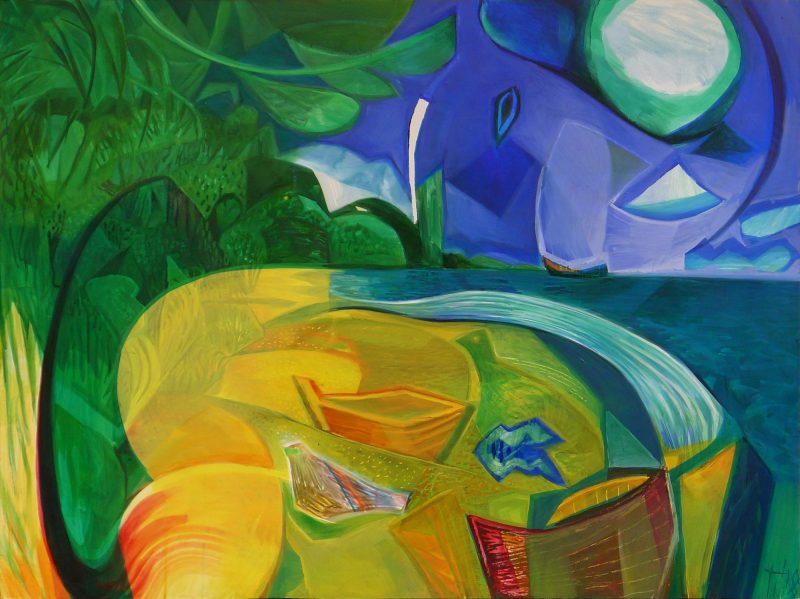 A Language Older Than Words
Original price was: AUD$2,600.AUD$2,340Current price is: AUD$2,340.
Size:
122w
x 92h
x 2d
cms
Tillian
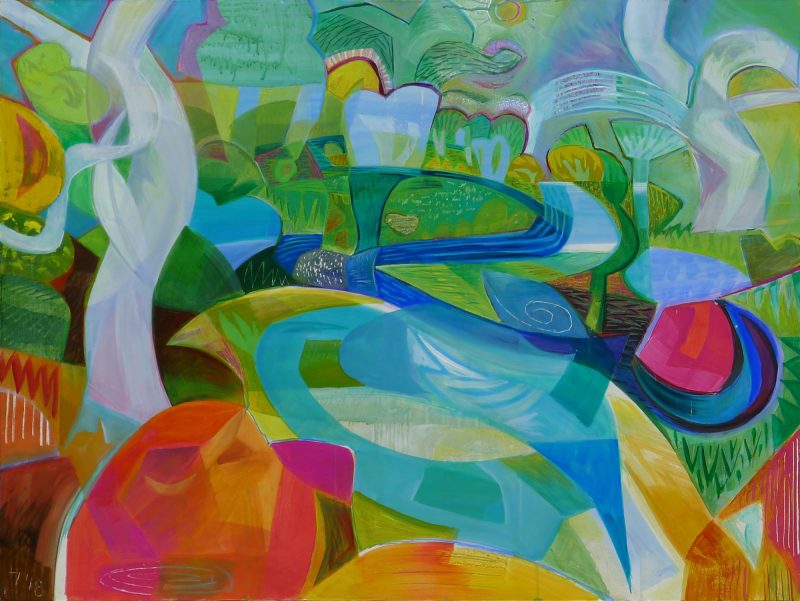 Watergums or The Enchanted Vale
Original price was: AUD$1,850.AUD$1,665Current price is: AUD$1,665.
Size:
122w
x 92h
x 2d
cms
Tillian
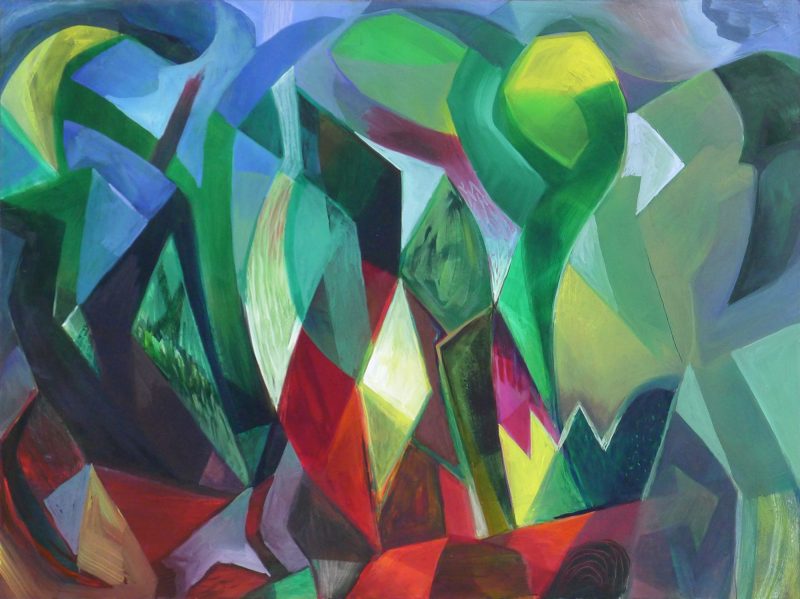 The Subtle Knife
Original price was: AUD$2,200.AUD$1,980Current price is: AUD$1,980.
Size:
122w
x 92h
x 2d
cms
Tillian
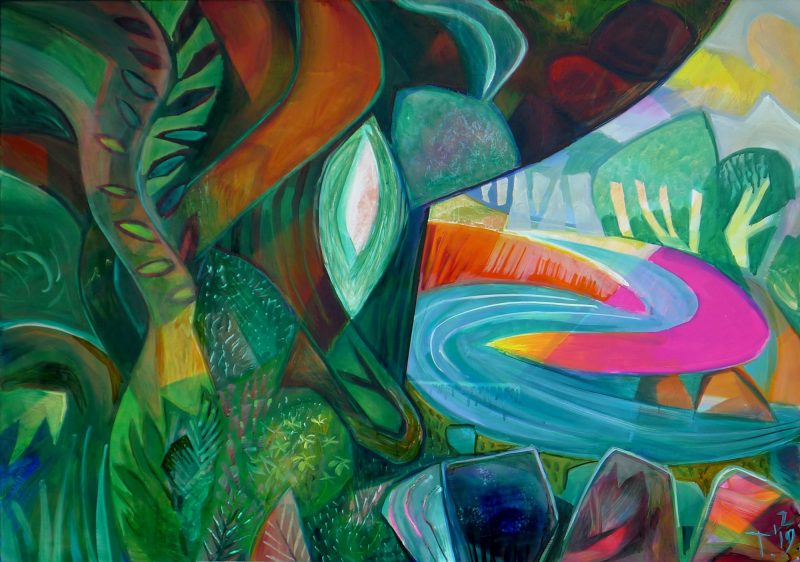 Eden Story
Original price was: AUD$2,800.AUD$2,520Current price is: AUD$2,520.
Size:
122w
x 92h
x 2d
cms
Tillian
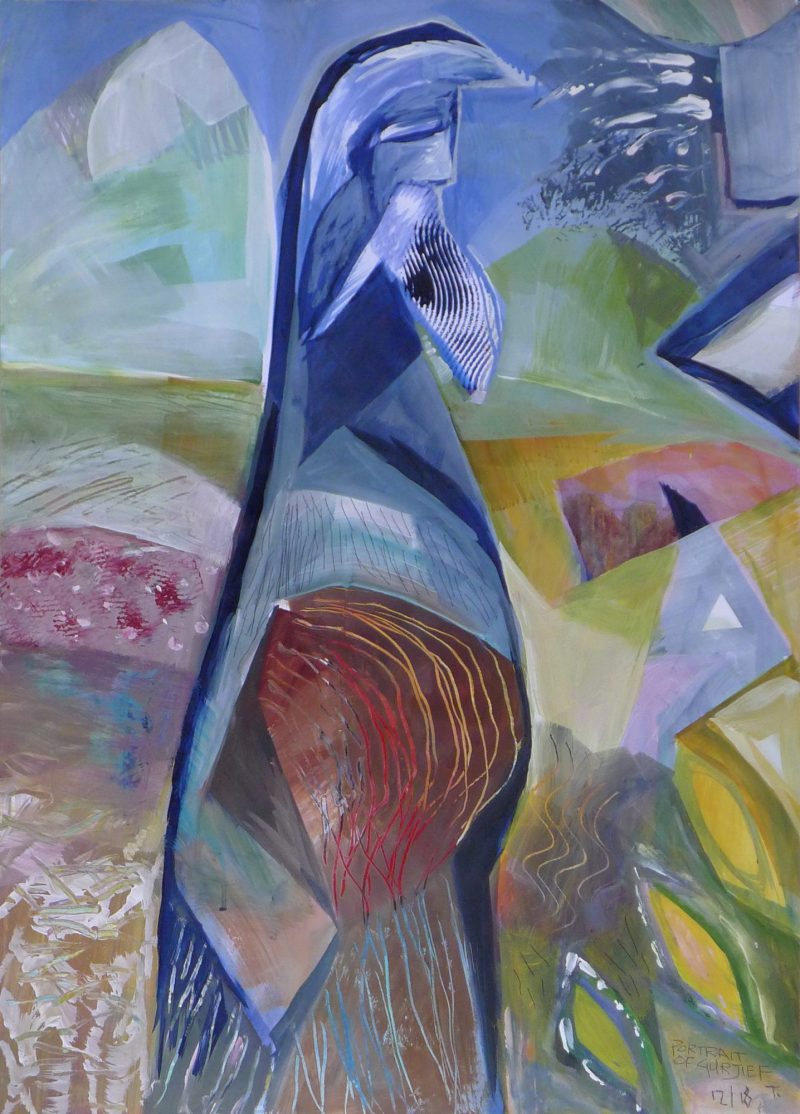 Portrait of Gurdjieff
Original price was: AUD$520.AUD$468Current price is: AUD$468.
Size:
84w
x 60h
cms
Tillian
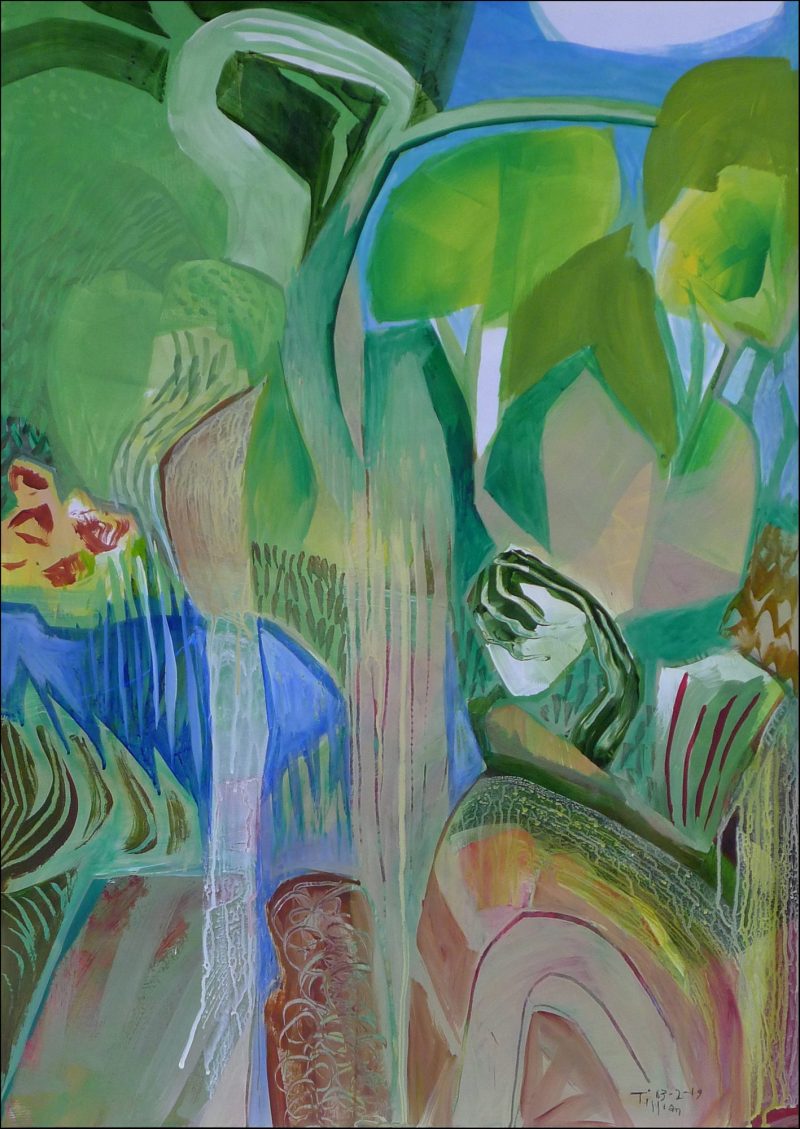 Come With Me
Original price was: AUD$320.AUD$288Current price is: AUD$288.
Size:
60w
x 84h
cms
Tillian
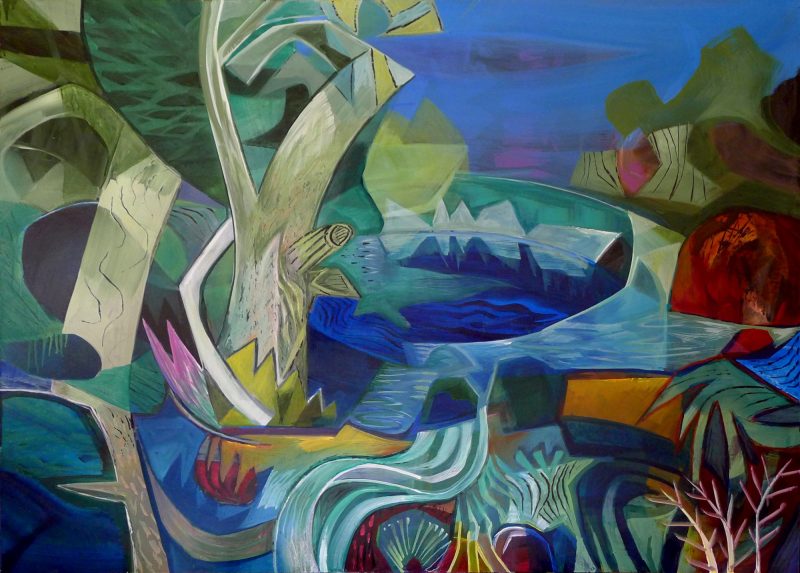 Memory of Jervis Bay
Original price was: AUD$2,600.AUD$2,340Current price is: AUD$2,340.
Size:
122w
x 92h
x 2d
cms
Tillian
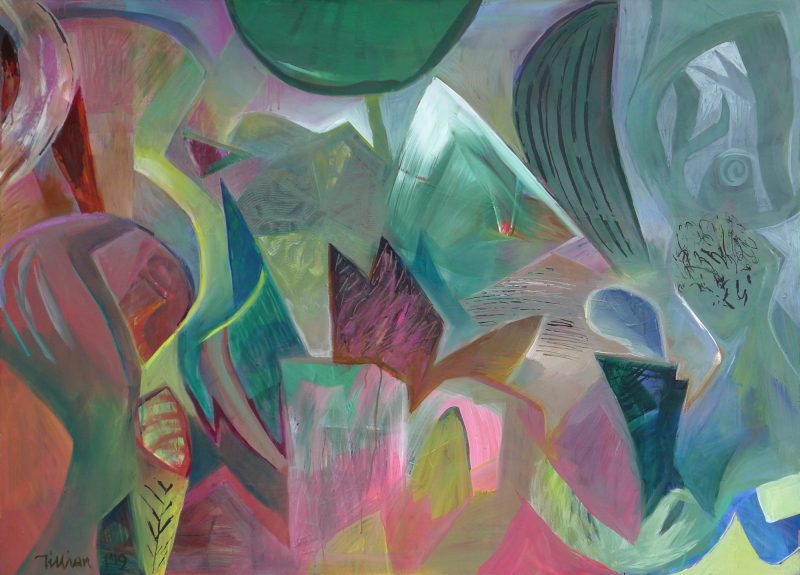 Heatwave
Original price was: AUD$2,900.AUD$2,610Current price is: AUD$2,610.
Size:
122w
x 92h
x 2d
cms
Tillian
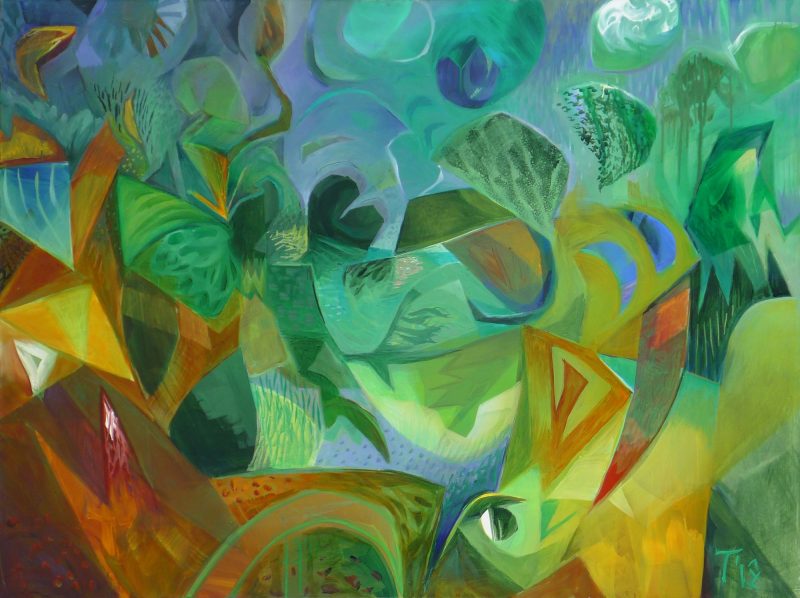 Joie de Vivre
Original price was: AUD$1,750.AUD$1,575Current price is: AUD$1,575.
Size:
122w
x 92h
x 2d
cms
Tillian
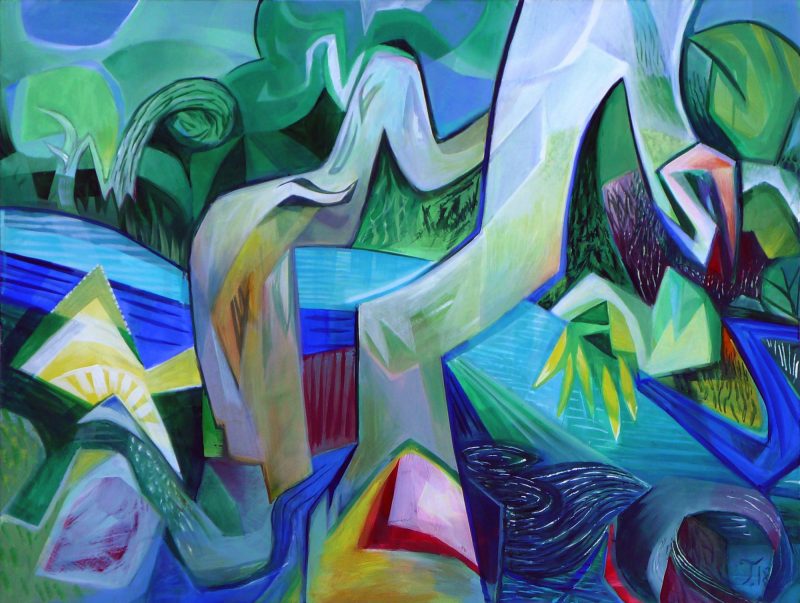 The River in Winter
Original price was: AUD$2,900.AUD$2,610Current price is: AUD$2,610.
Size:
122w
x 92h
x 2d
cms
Tillian
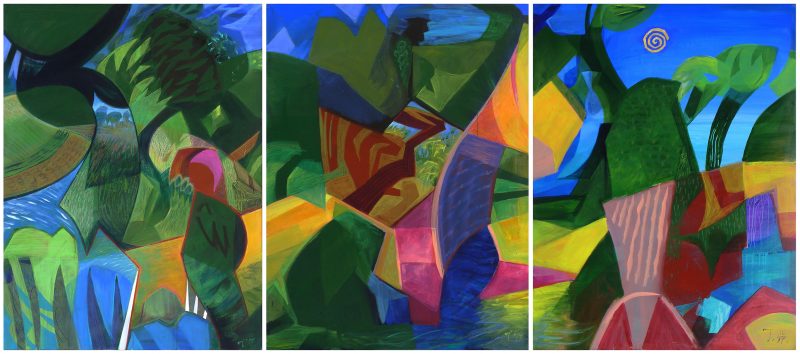 Dawn in the Valley of Birds
Original price was: AUD$2,000.AUD$1,800Current price is: AUD$1,800.
Size:
366w
x 122h
x 2d
cms
Tillian
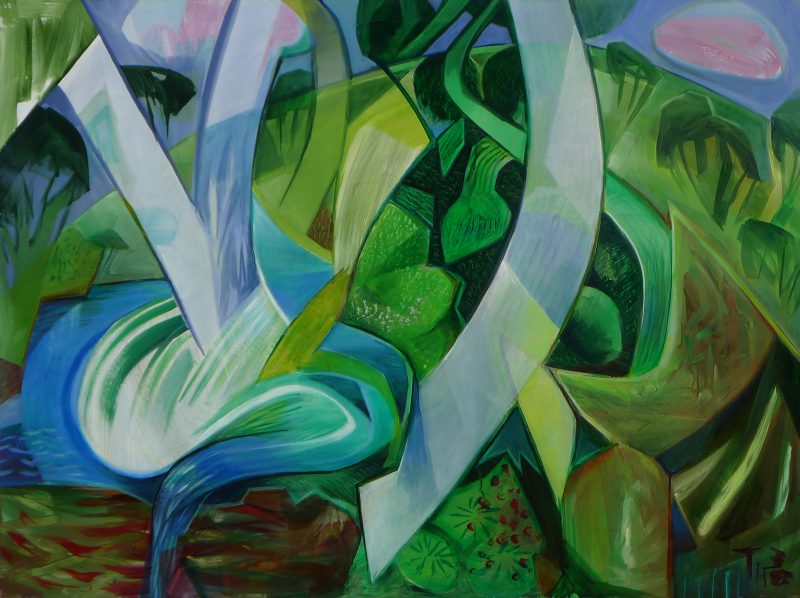 The Hill that God Made
Original price was: AUD$1,400.AUD$1,260Current price is: AUD$1,260.
Size:
122w
x 92h
x 2d
cms
Tillian
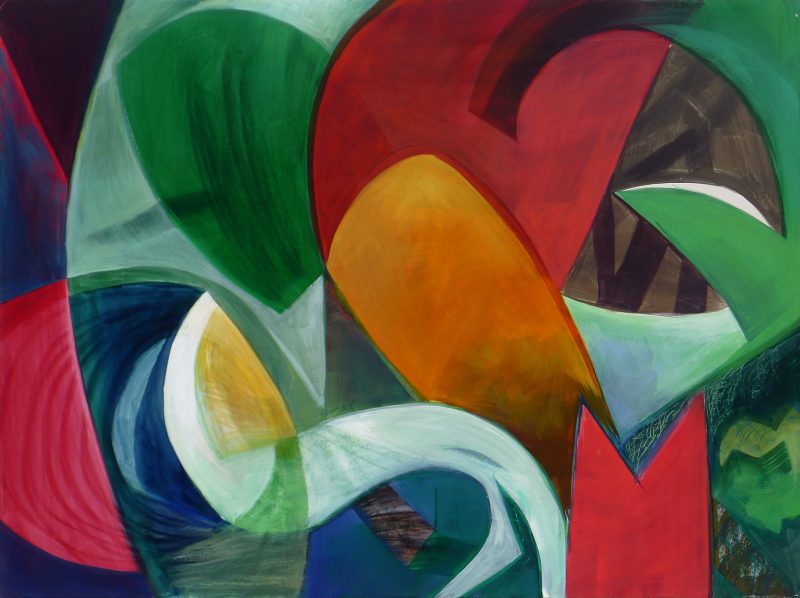 Exitiosus
Original price was: AUD$950.AUD$855Current price is: AUD$855.
Size:
122w
x 92h
x 2d
cms
Tillian
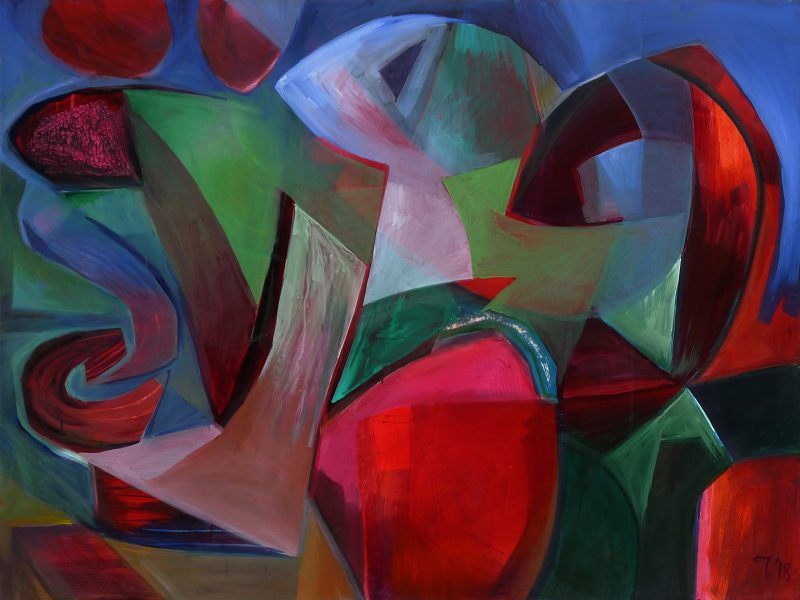 ‘Movement’
Original price was: AUD$1,850.AUD$1,665Current price is: AUD$1,665.
Size:
122w
x 92h
x 2d
cms
Tillian
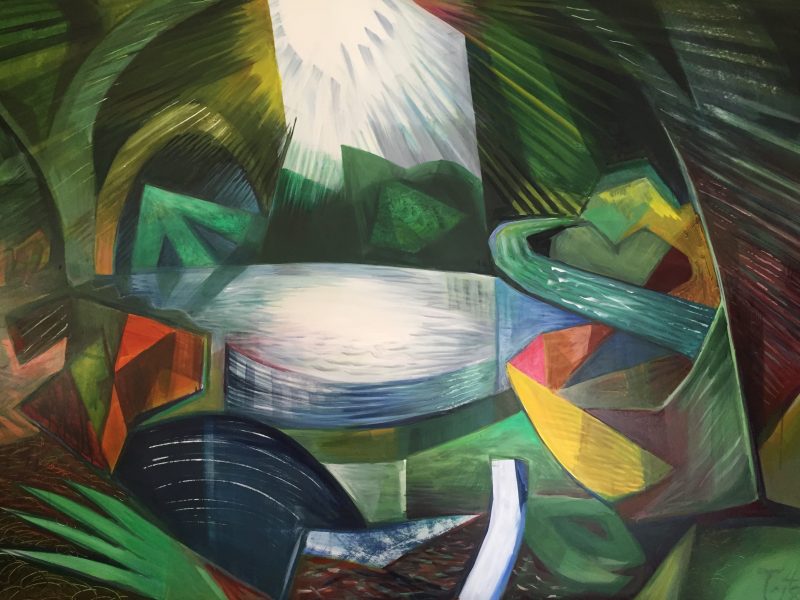 Necromanteion
Original price was: AUD$2,260.AUD$2,034Current price is: AUD$2,034.
Size:
122w
x 92h
x 2d
cms
Tillian
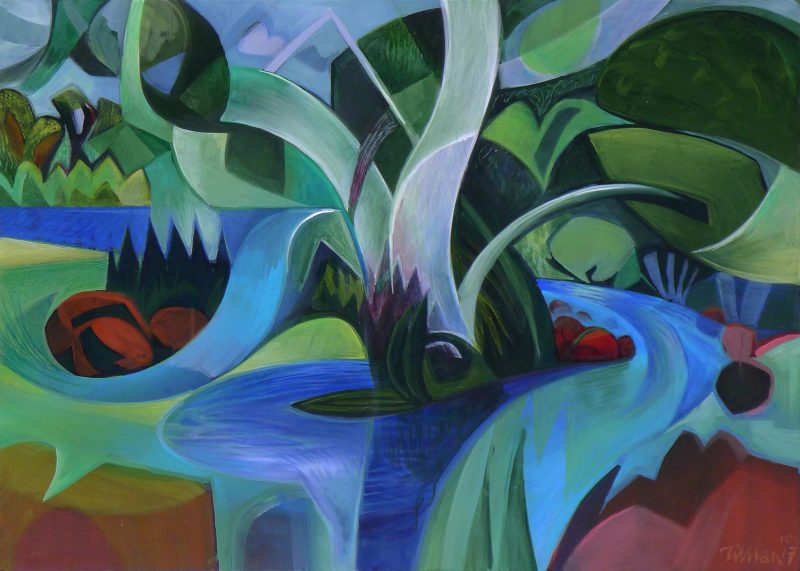 The Song of Orpheus
Original price was: AUD$1,400.AUD$1,260Current price is: AUD$1,260.
Size:
122w
x 92h
x 2d
cms
Tillian
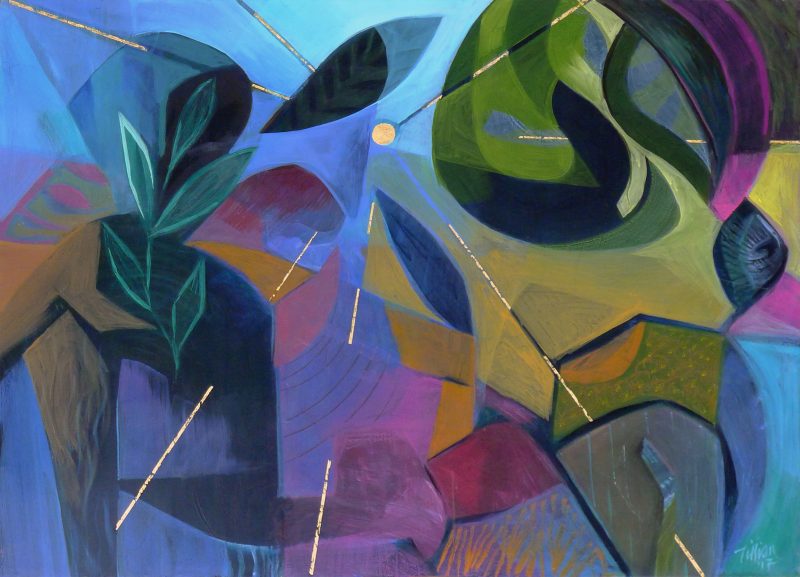 The Poet
Original price was: AUD$1,450.AUD$1,305Current price is: AUD$1,305.
Size:
122w
x 92h
x 4d
cms
Tillian
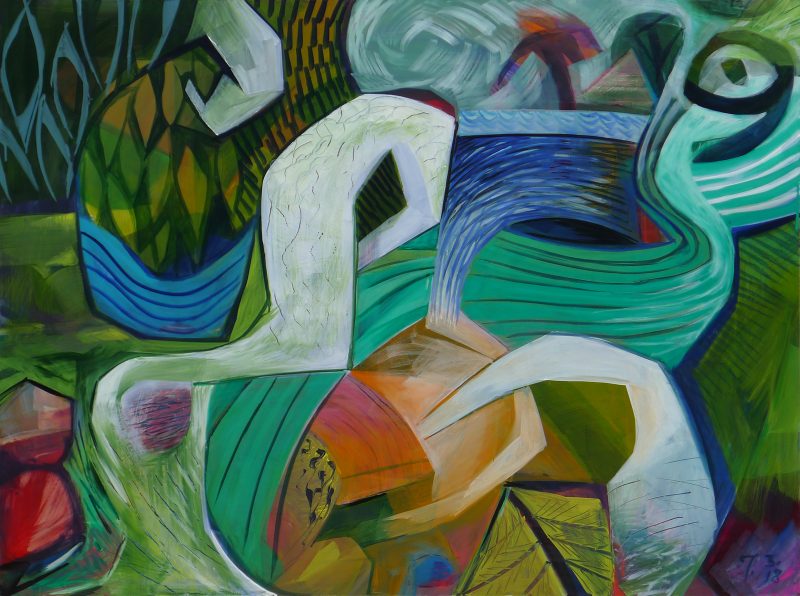 Sacrament
Original price was: AUD$1,650.AUD$1,485Current price is: AUD$1,485.
Size:
122w
x 92h
x 2d
cms
Tillian
 At the Waterfall
Original price was: AUD$950.AUD$855Current price is: AUD$855.
Size:
122w
x 92h
x 2d
cms
Tillian
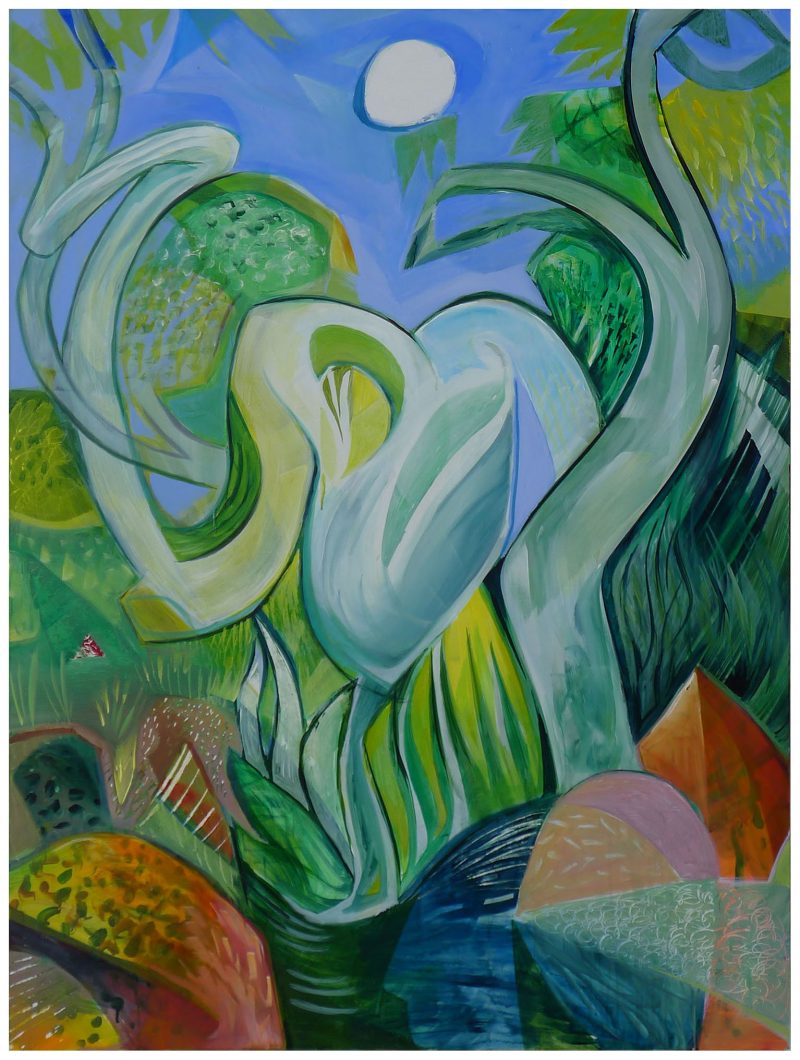 The Invisible History of Leaves
Original price was: AUD$1,250.AUD$1,125Current price is: AUD$1,125.
Size:
92w
x 122h
x 2d
cms
Tillian
 Call of the Koel (The Preciousness of Water)
Original price was: AUD$2,800.AUD$2,520Current price is: AUD$2,520.
Size:
560w
x 92h
x 2d
cms
Tillian
 The Day it Rained
Original price was: AUD$1,250.AUD$1,125Current price is: AUD$1,125.
Size:
122w
x 92h
x 2d
cms
Tillian
 Tapas – Riding the Heat
Original price was: AUD$675.AUD$607.50Current price is: AUD$607.50.
Size:
61w
x 46h
cms
Tillian
 Cave of the Boobook
Original price was: AUD$725.AUD$652.50Current price is: AUD$652.50.
Size:
123w
x 81h
x 2d
cms
Tillian
 Tree and River
Original price was: AUD$1,100.AUD$990Current price is: AUD$990.
Size:
122w
x 92h
x 2d
cms
Tillian
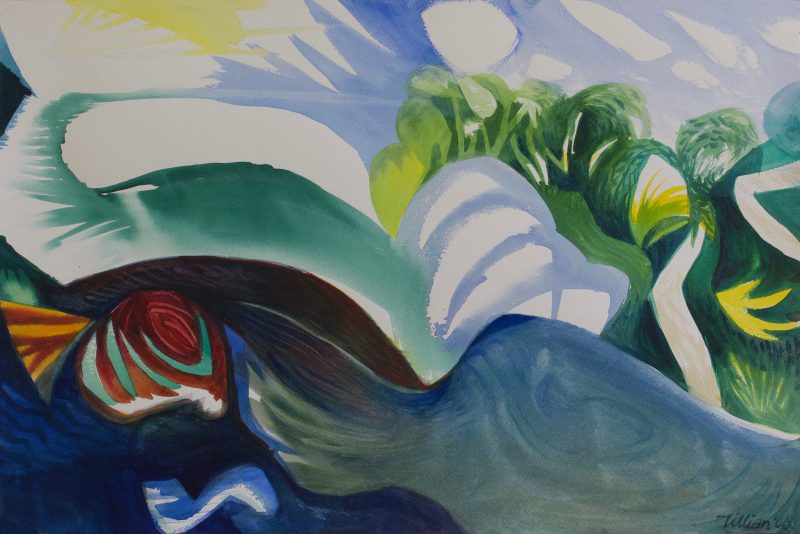 The River
Original price was: AUD$325.AUD$292.50Current price is: AUD$292.50.
Size:
50w
x 35.5h
cms
Tillian
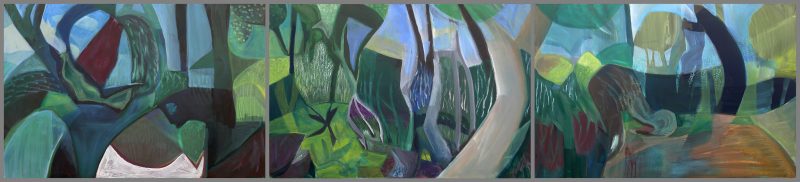 Berrima Bush Frieze
Original price was: AUD$2,250.AUD$2,025Current price is: AUD$2,025.
Size:
360w
x 92h
x 2d
cms
Tillian
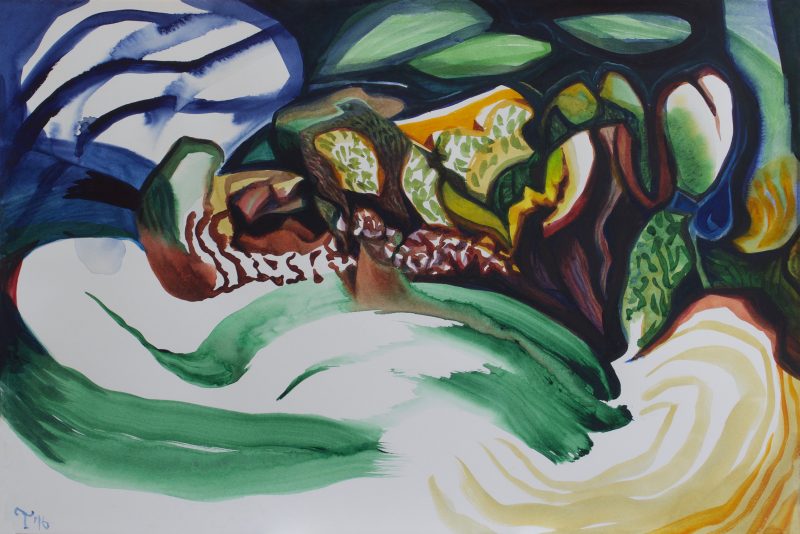 Deluge
Original price was: AUD$395.AUD$355.50Current price is: AUD$355.50.
Size:
60w
x 35h
cms
Tillian
 Chrysopoeia
Original price was: AUD$415.AUD$373.50Current price is: AUD$373.50.
Size:
50w
x 35.5h
cms
Tillian
 Narcissus
Original price was: AUD$395.AUD$355.50Current price is: AUD$355.50.
Size:
50w
x 35.5h
cms
Tillian
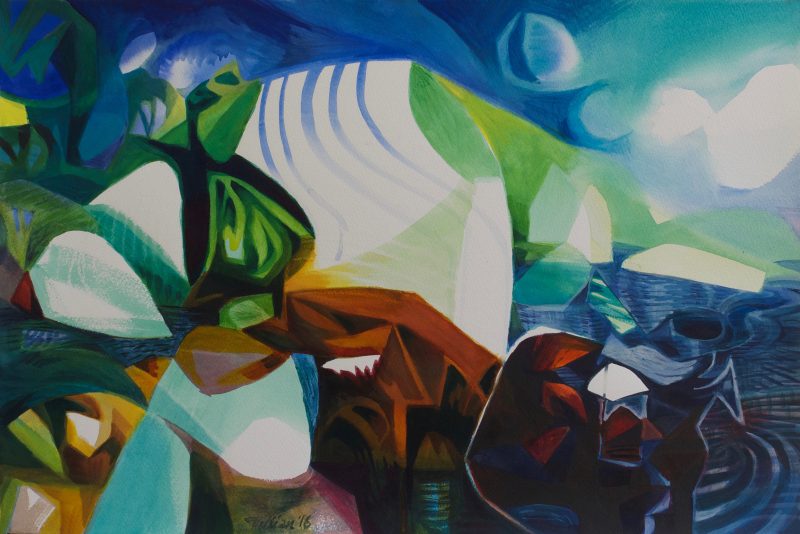 Diopter
Original price was: AUD$395.AUD$355.50Current price is: AUD$355.50.
Size:
60w
x 35h
cms
Tillian
 The Match
Original price was: AUD$925.AUD$832.50Current price is: AUD$832.50.
Size:
122w
x 92h
x 2d
cms
Tillian
 Bird Listening to the Sky
Original price was: AUD$660.AUD$594Current price is: AUD$594.
Size:
122w
x 92h
x 2d
cms
Tillian
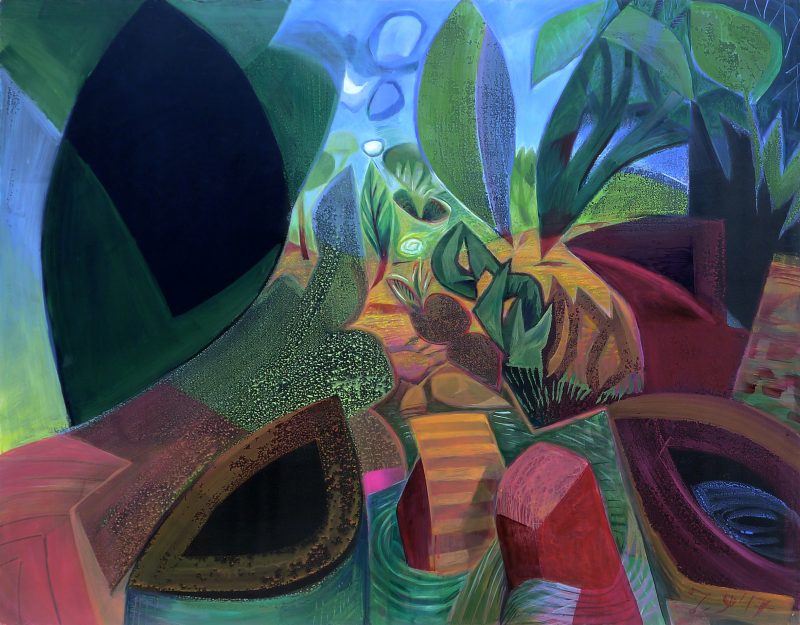 Savage Garden
Original price was: AUD$1,900.AUD$1,710Current price is: AUD$1,710.
Size:
122w
x 92h
x 2d
cms
Tillian
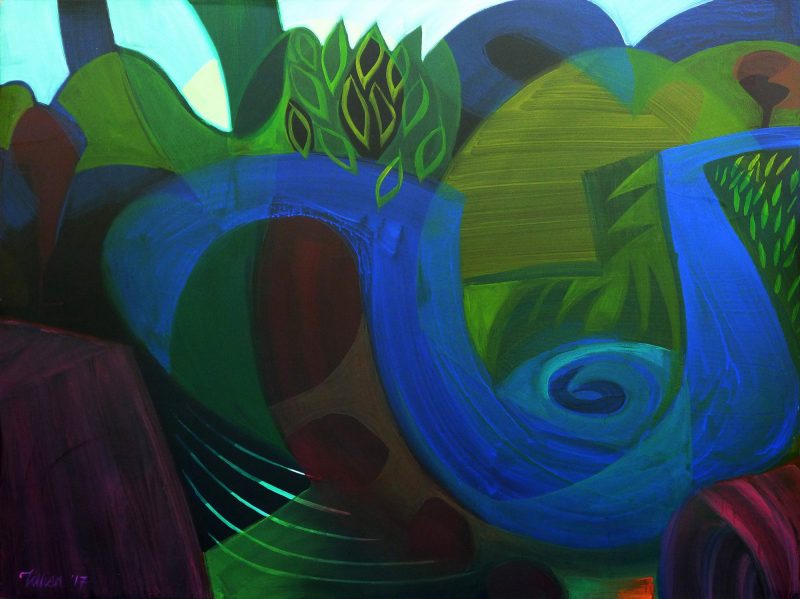 Sacred Waters -The Dive
Original price was: AUD$1,100.AUD$990Current price is: AUD$990.
Size:
122w
x 92h
x 2d
cms
Tillian
 The Invisible Witness
Original price was: AUD$5,200.AUD$4,680Current price is: AUD$4,680.
Size:
6100w
x 94h
x 4d
cms
Tillian
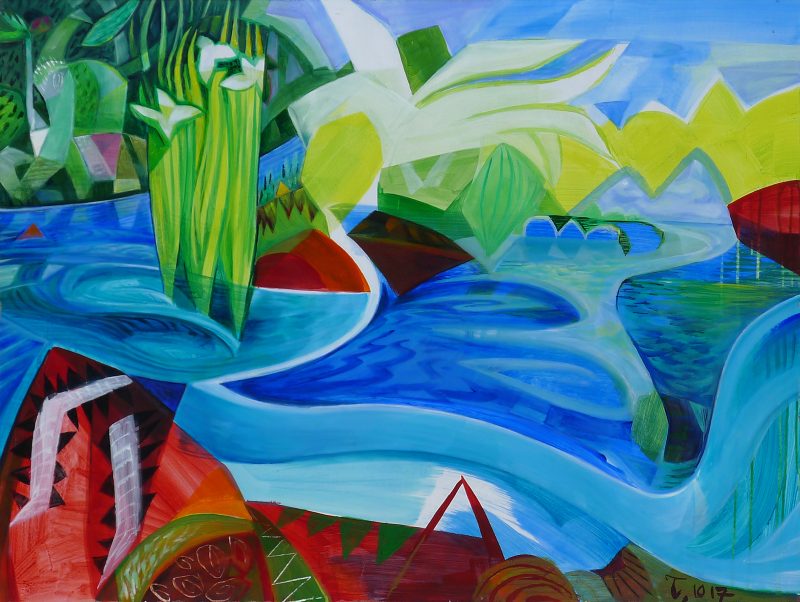 The Water Iris
Size: 122w x 92h x 2d cms Tillian
 Reverie – Air and Dreams
Original price was: AUD$1,400.AUD$1,260Current price is: AUD$1,260.
Size:
360w
x 60h
x 2d
cms
Tillian
 The Pool of Midnight
Original price was: AUD$925.AUD$832.50Current price is: AUD$832.50.
Size:
122w
x 92h
x 2d
cms
Tillian
 Living Water
Original price was: AUD$1,350.AUD$1,215Current price is: AUD$1,215.
Size:
122w
x 92h
x 2d
cms
Tillian
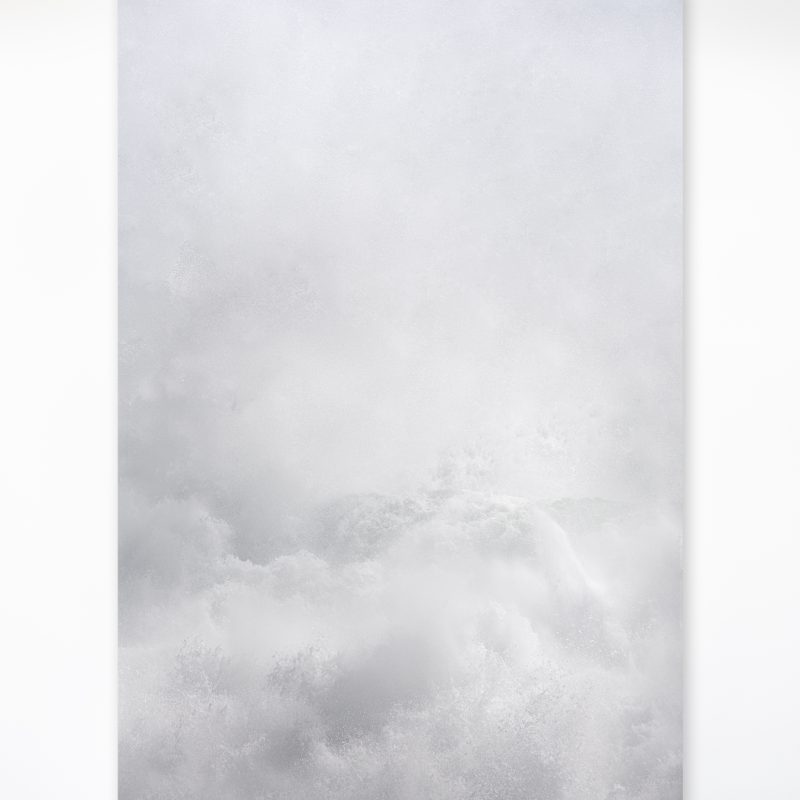 Aether
Price range: AUD$1,215 through AUD$2,295
Shell Bankier
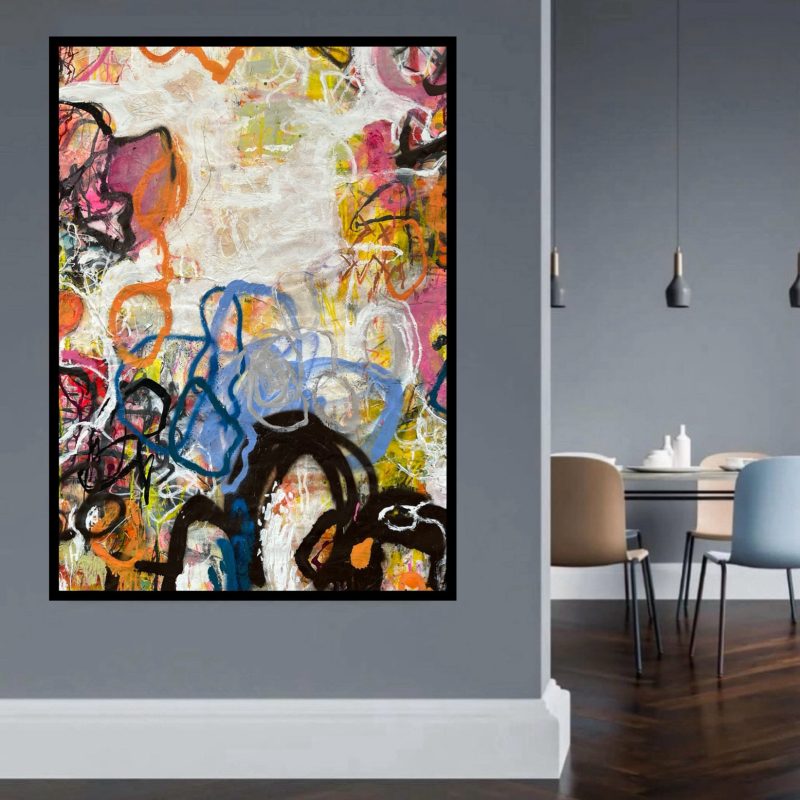 Abstract Therapy Eight
Original price was: AUD$1,150.AUD$1,035Current price is: AUD$1,035.
Size:
60w
x 88h
x 2d
cms
Brendan Walsh (ColdGhost)
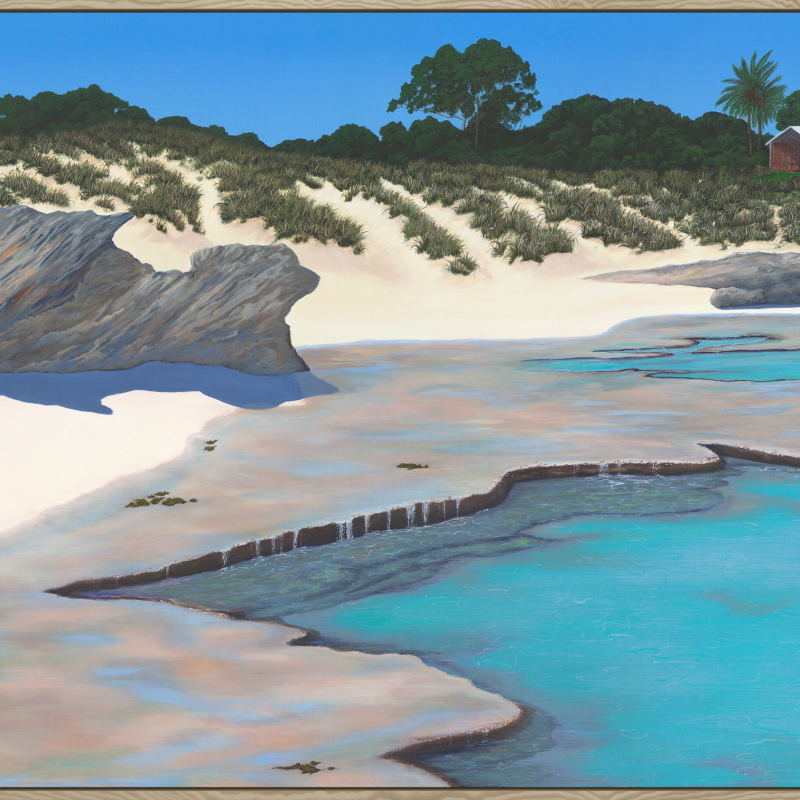 Water Dance
Original price was: AUD$5,550.AUD$4,995Current price is: AUD$4,995.
Size:
122w
x 91h
cms
Kirsty Watkins
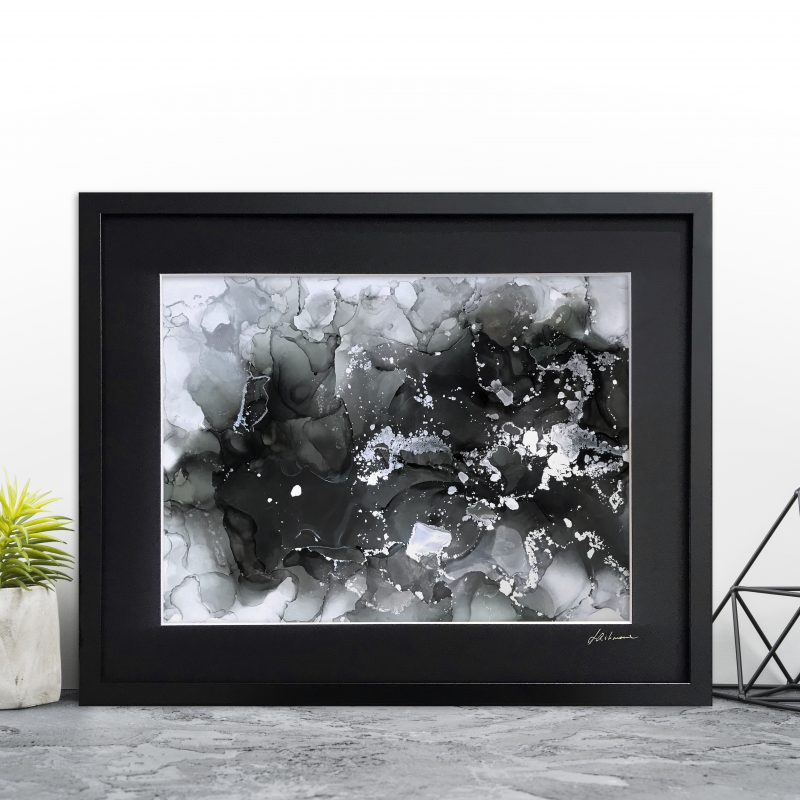 Silver Storm
Original price was: AUD$460.AUD$414Current price is: AUD$414.
Size:
52w
x 42h
x 3.5d
cms
Lenore Ashmore