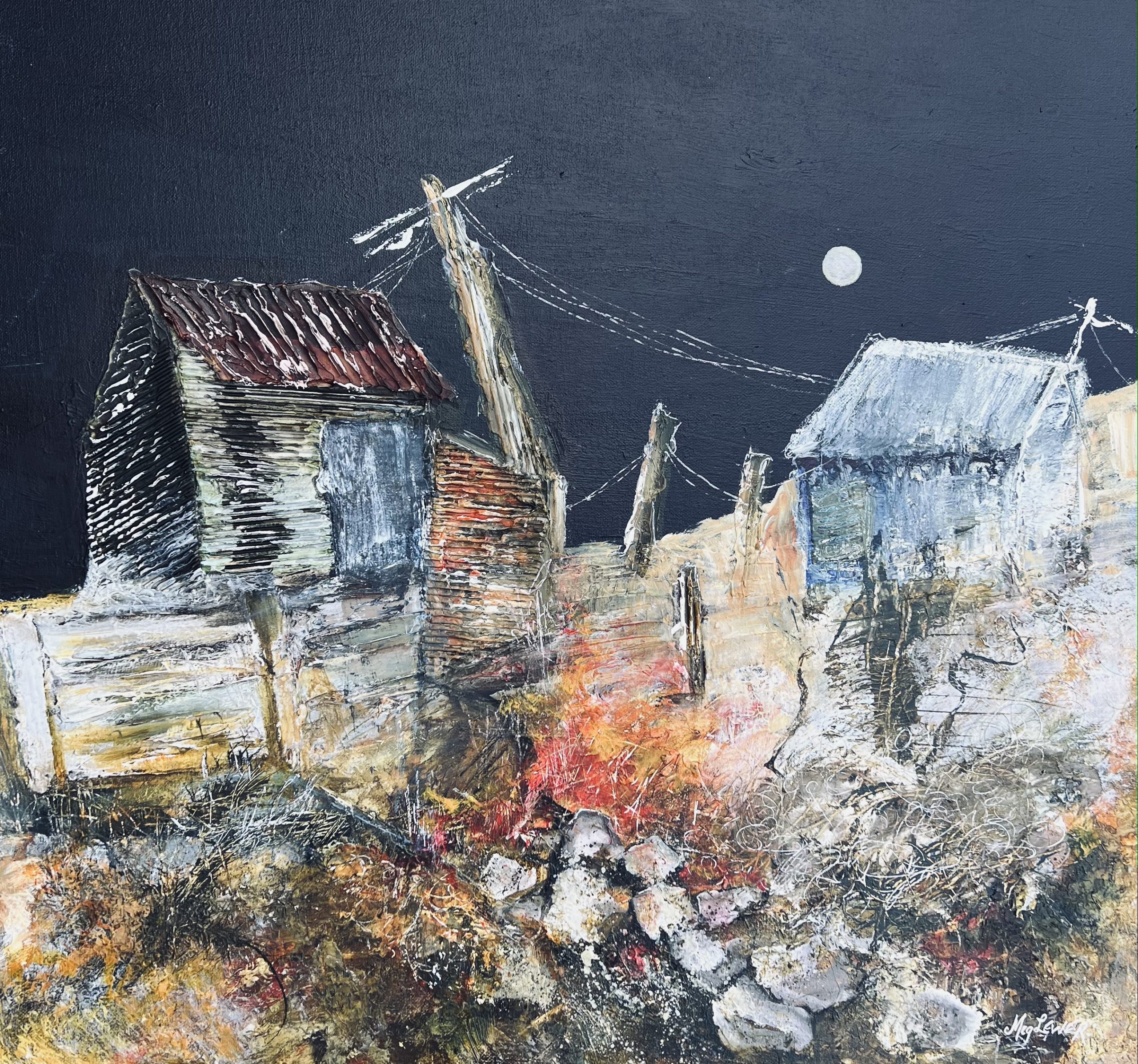
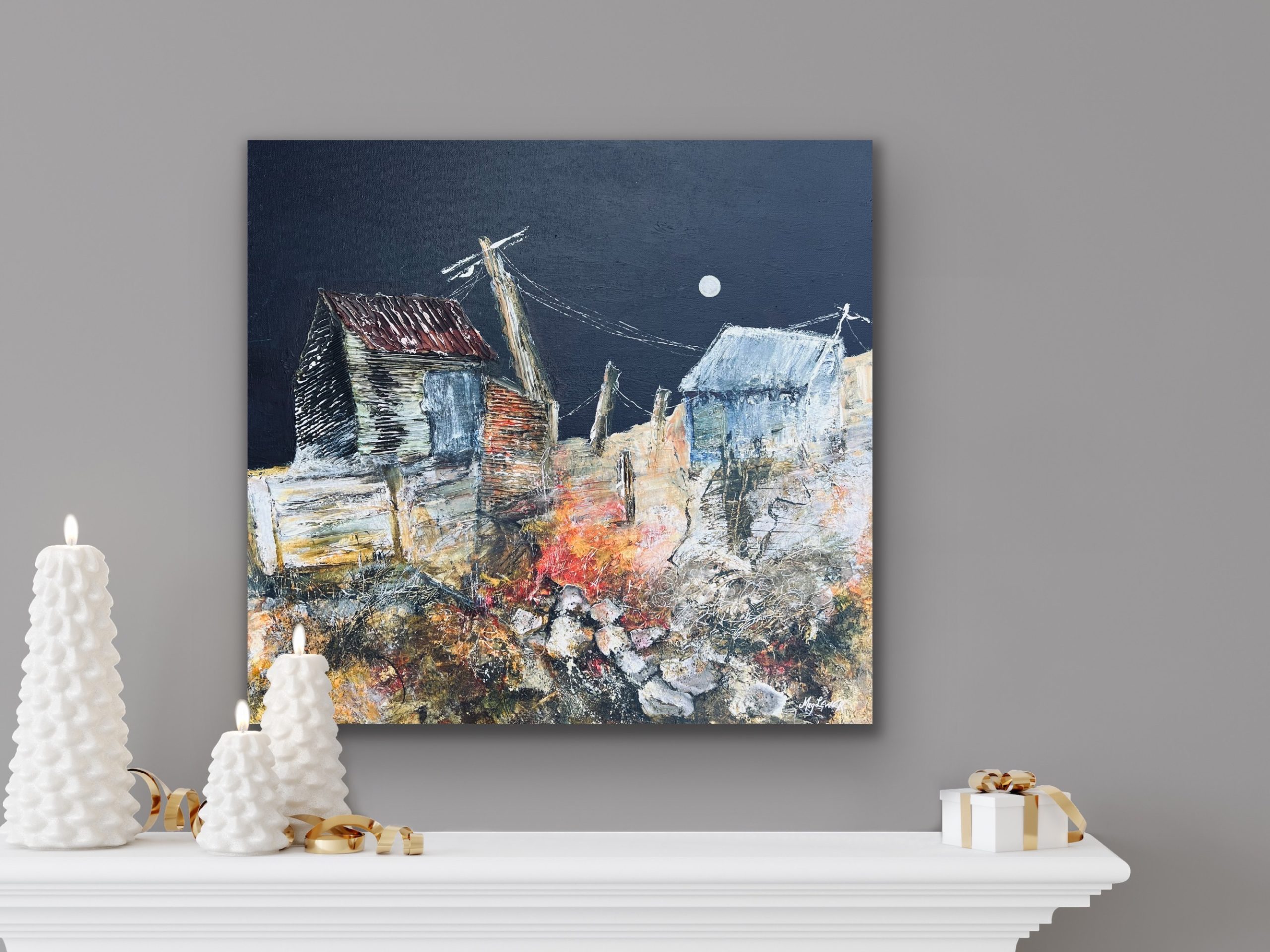
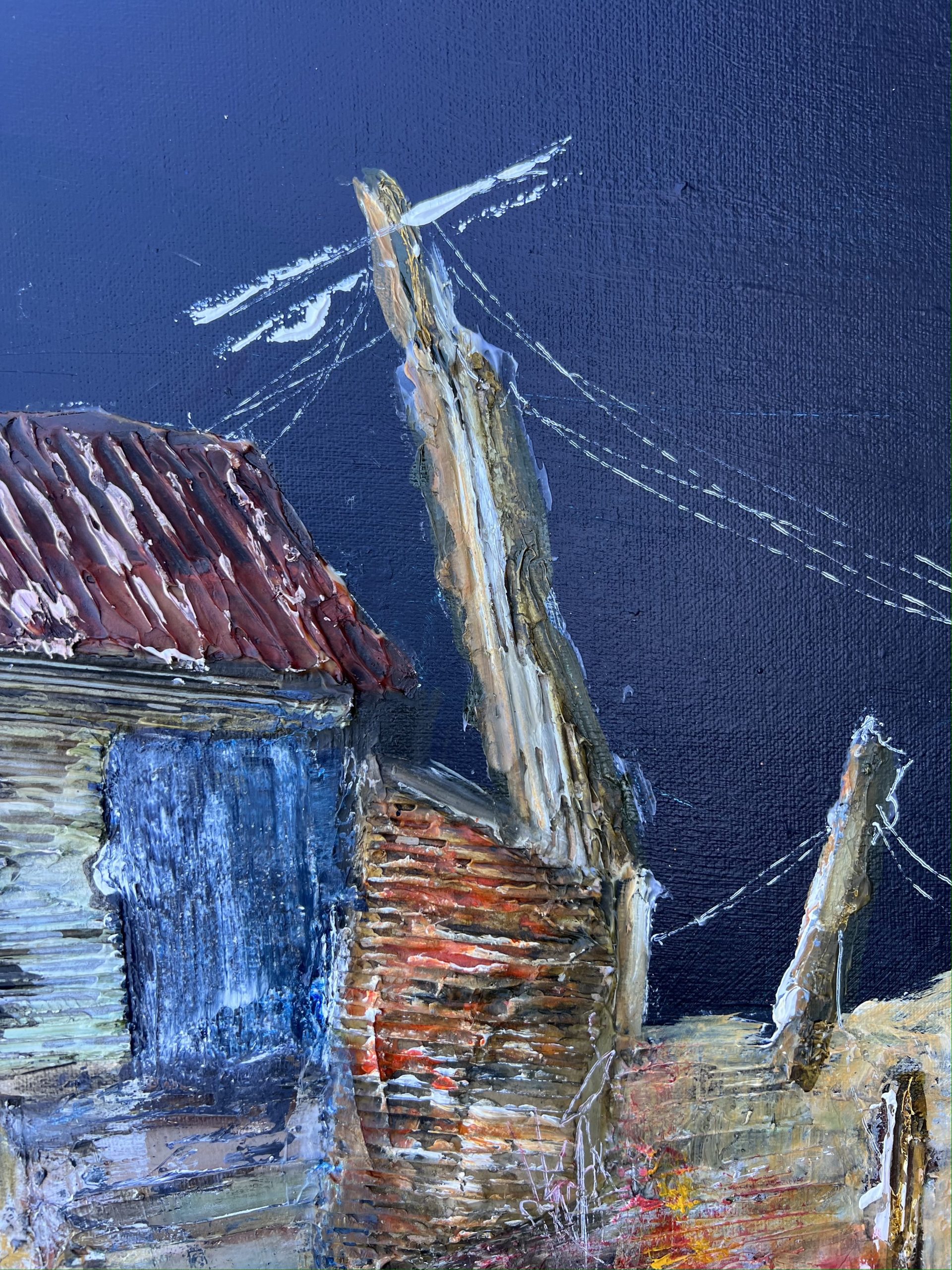
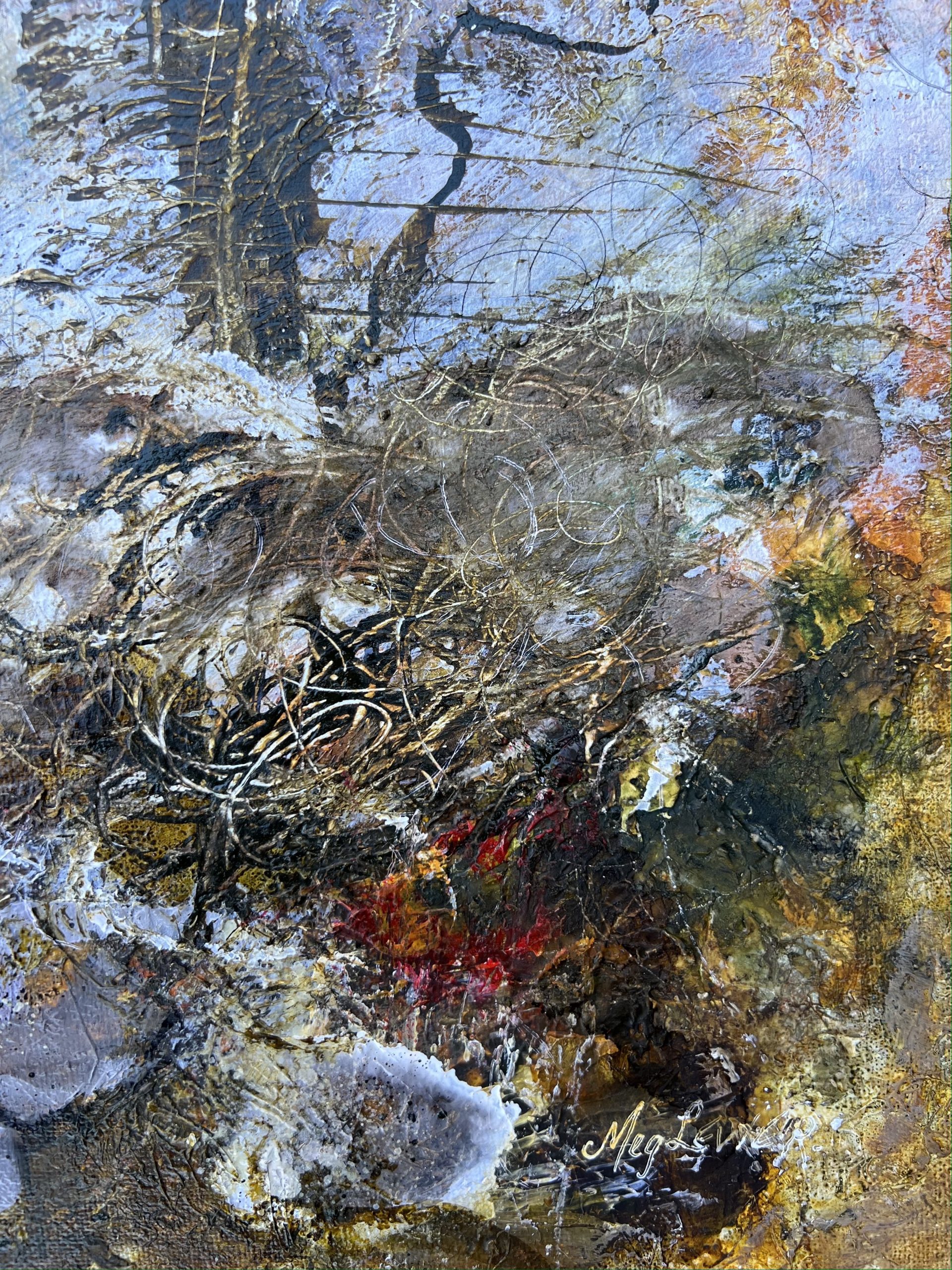
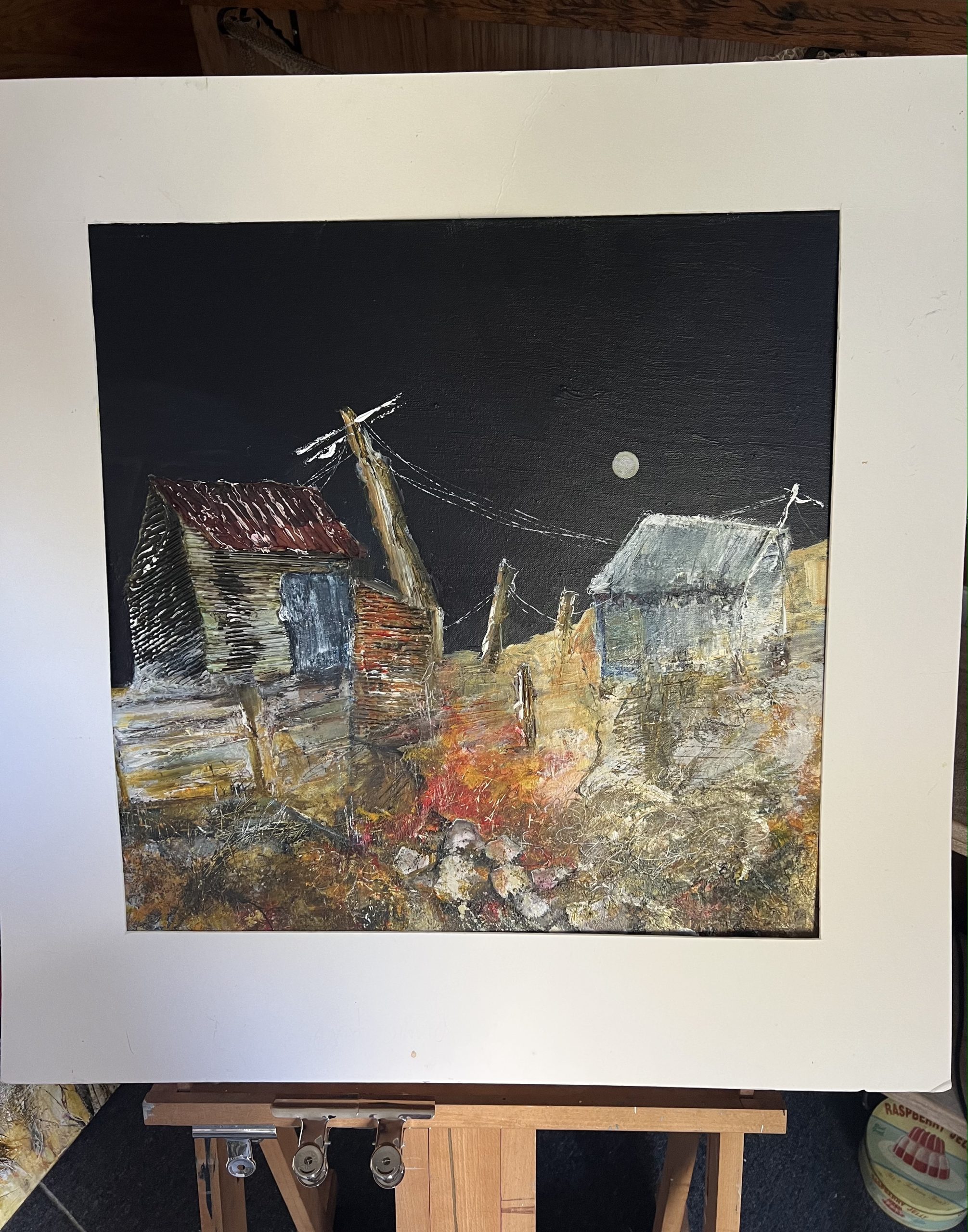
The Outback Train by Meg Lewer – Collage has been added to create texture and drama.
Comes with a certificate of authenticity.
Has wire across back and ready to hang. This painting comes from my many trips on the old trains out west, and the dilapidated and unloved stations and assorted buildings left on the the lonely platforms.
Henry Lawson wrote his memory to the back “O” Bourke in 1894 and I’ve used some excerpts from it.
“Draw a wire fence and a few ragged gums, and add some scattered sheep running away from the train. Then you’ll have the bush all along the New South Wales Western line from Bathurst on.
The railway towns consist of a public house and a general store, with a square tank and a schoolhouse on piles in the nearer distance. The tank stands at the end of the school and is not many times smaller than the building itself. It is safe to call the pub ‘The Railway Hotel,’ and the store ‘The Railway Stores,’ with an ‘s.’ The Railway Stores seem to exist only in the shadow of the pub, and it is impossible to conceive either as being independent of the other. There is sometimes a small, oblong weatherboard building — unpainted, and generally leaning in one of the eight possible directions, and perhaps with a twist in another — which, from its half-obliterated sign, seems to have started as a rival to the Railway Stores; but the shutters are up and the place empty.
The only town I saw that differed much from the above consisted of a box-bark humpy with a clay chimney, and a woman standing at the door throwing out the wash-up water.
By way of variety, the artist might make a watercolour-sketch of a fettler’s tent on the line, with a billy hanging over the fire in front, and three fettlers standing round filling their pipes.
We crossed the Macquarie — a narrow, muddy gutter with a dog swimming across, and three goats interested.
Along about Byrock we saw the first shearers. They dress like the unemployed, but differ from that body in their looks of independence. They sat on trucks and wool-bales and the fence, watching the train, and hailed Bill, and Jim, and Tom, and asked how those individuals were getting on.
Somebody said to me, ‘Yer wanter go out back, young man, if yer wanter see the country. Yer wanter get away from the line.’ I don’t wanter; I’ve been there.
At 5.30 we saw a long line of camels moving out across the sunset and somebody said, ‘Here’s Bourke.’
Original price was: AUD$1,580.AUD$1,422Current price is: AUD$1,422.
Size:
60w
x 60h
x 4d
cms
View in my room

Acrylic and mixed media on wide edge professional canvas
Professionally framed in Tasmanian Oak Shadow Box Frame.
Ready to hang
In stock
Sold By: Meg LewerLove this
The Outback Train by Meg Lewer – Collage has been added to create texture and drama.
Comes with a certificate of authenticity.
Has wire across back and ready to hang. This painting comes from my many trips on the old trains out west, and the dilapidated and unloved stations and assorted buildings left on the the lonely platforms.
Henry Lawson wrote his memory to the back “O” Bourke in 1894 and I’ve used some excerpts from it.
“Draw a wire fence and a few ragged gums, and add some scattered sheep running away from the train. Then you’ll have the bush all along the New South Wales Western line from Bathurst on.
The railway towns consist of a public house and a general store, with a square tank and a schoolhouse on piles in the nearer distance. The tank stands at the end of the school and is not many times smaller than the building itself. It is safe to call the pub ‘The Railway Hotel,’ and the store ‘The Railway Stores,’ with an ‘s.’ The Railway Stores seem to exist only in the shadow of the pub, and it is impossible to conceive either as being independent of the other. There is sometimes a small, oblong weatherboard building — unpainted, and generally leaning in one of the eight possible directions, and perhaps with a twist in another — which, from its half-obliterated sign, seems to have started as a rival to the Railway Stores; but the shutters are up and the place empty.
The only town I saw that differed much from the above consisted of a box-bark humpy with a clay chimney, and a woman standing at the door throwing out the wash-up water.
By way of variety, the artist might make a watercolour-sketch of a fettler’s tent on the line, with a billy hanging over the fire in front, and three fettlers standing round filling their pipes.
We crossed the Macquarie — a narrow, muddy gutter with a dog swimming across, and three goats interested.
Along about Byrock we saw the first shearers. They dress like the unemployed, but differ from that body in their looks of independence. They sat on trucks and wool-bales and the fence, watching the train, and hailed Bill, and Jim, and Tom, and asked how those individuals were getting on.
Somebody said to me, ‘Yer wanter go out back, young man, if yer wanter see the country. Yer wanter get away from the line.’ I don’t wanter; I’ve been there.
At 5.30 we saw a long line of camels moving out across the sunset and somebody said, ‘Here’s Bourke.’
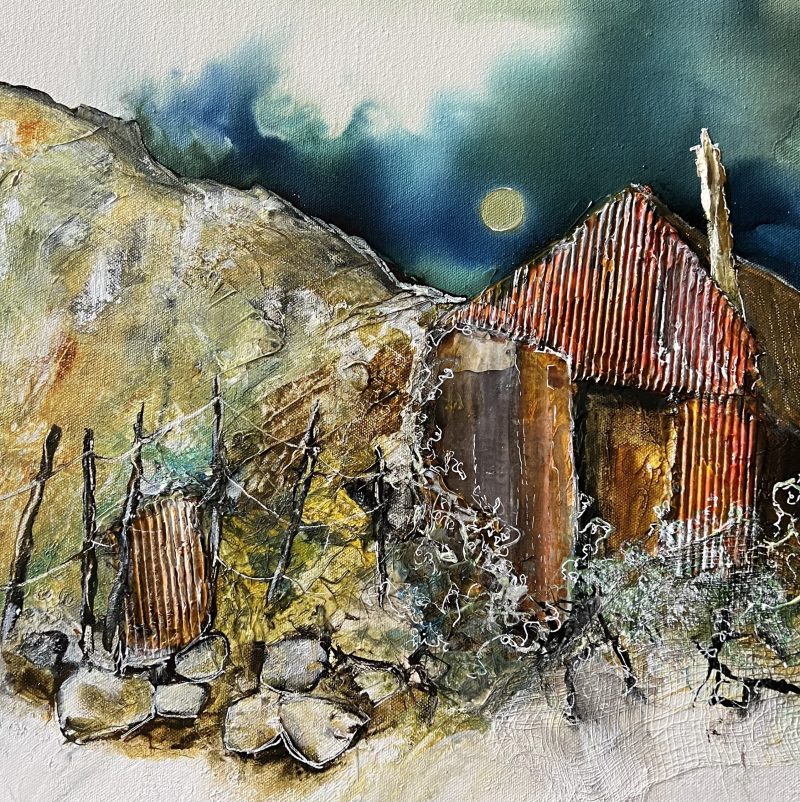 Oh! Who Could Paint A Goldfield?
Original price was: AUD$1,100.AUD$990Current price is: AUD$990.
Size:
40w
x 40h
x 3d
cms
Meg Lewer
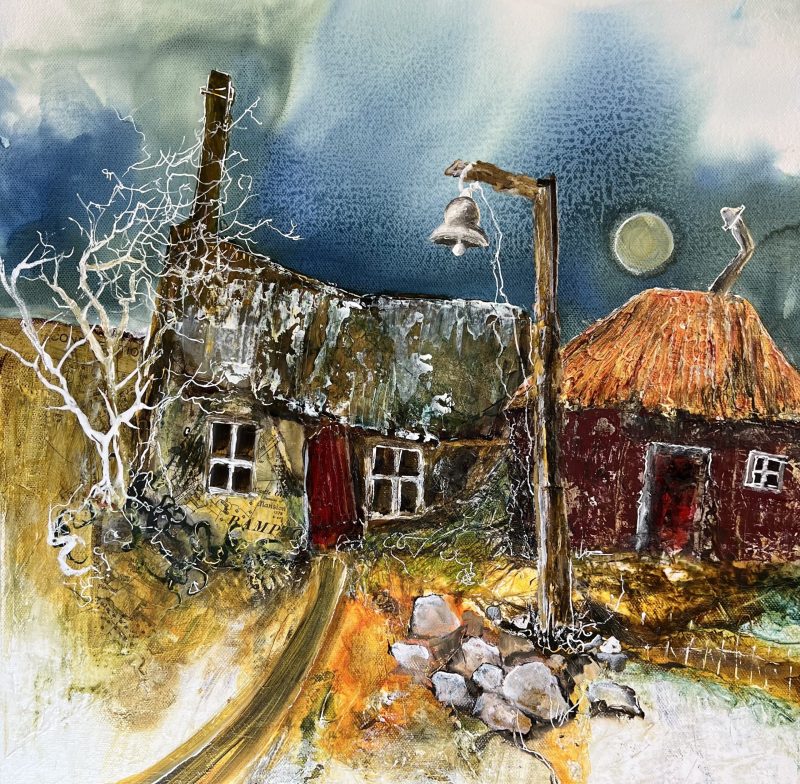 The Old Bush School
Original price was: AUD$1,100.AUD$990Current price is: AUD$990.
Size:
40w
x 40h
x 3d
cms
Meg Lewer
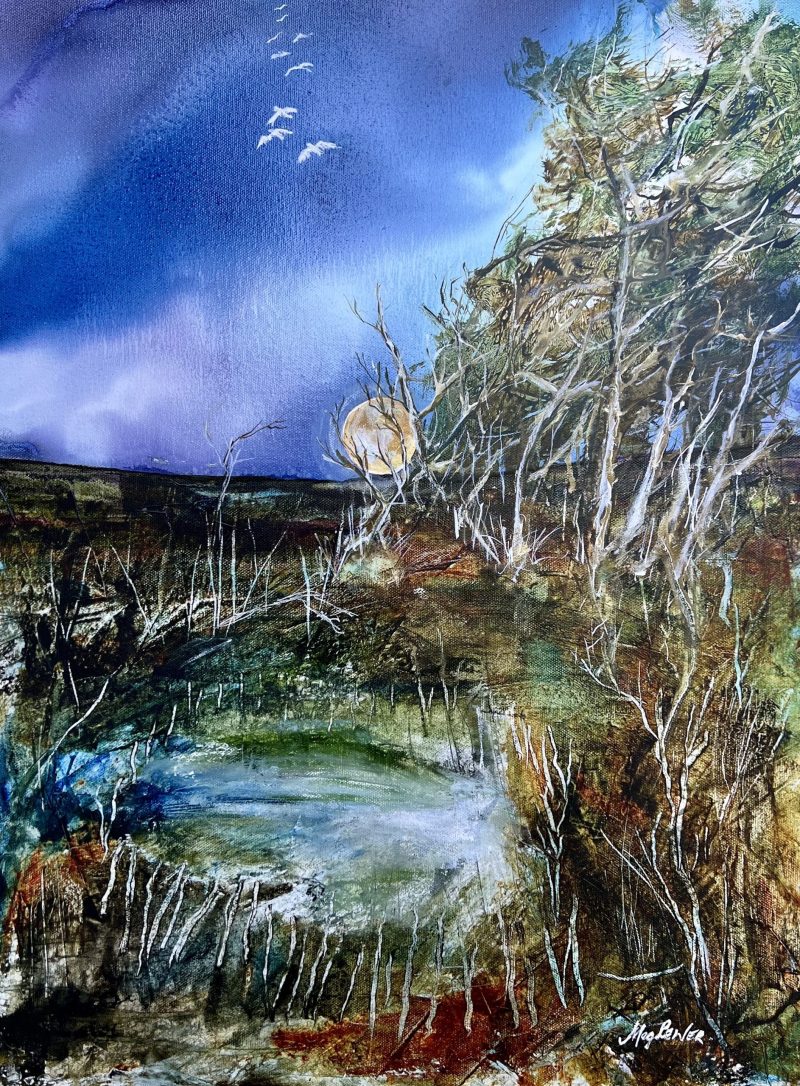 And the Moon Low Down
Original price was: AUD$1,330.AUD$1,197Current price is: AUD$1,197.
Size:
45w
x 60h
x 5d
cms
Meg Lewer
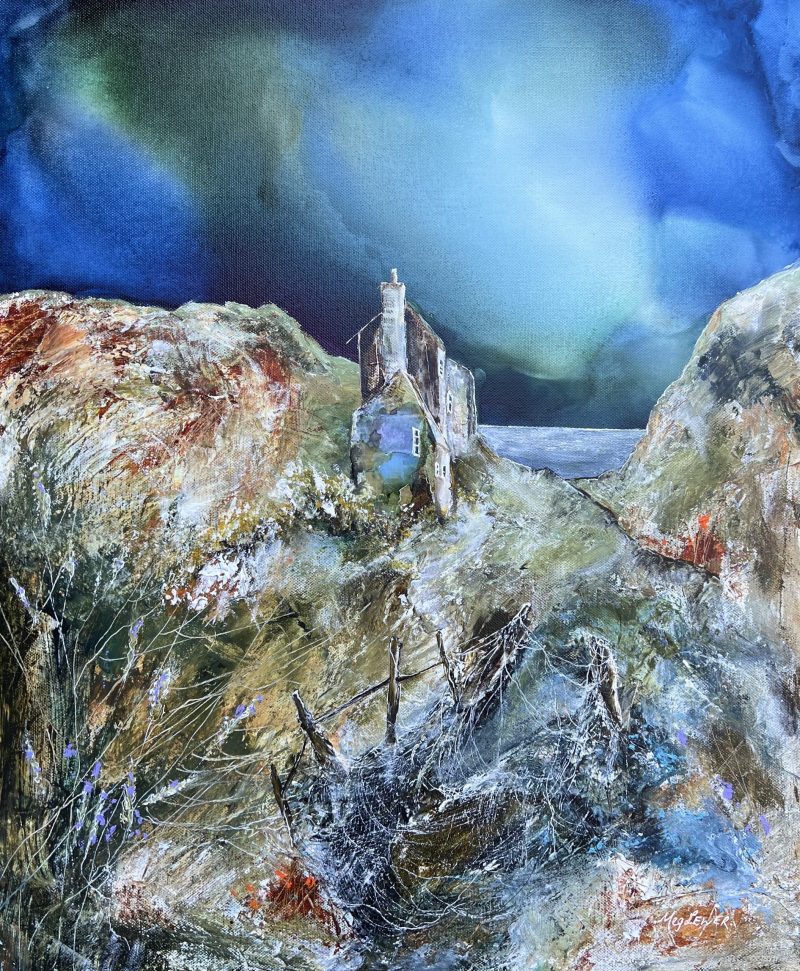 The Cry Of The Tin Maidens
Original price was: AUD$1,490.AUD$1,341Current price is: AUD$1,341.
Size:
50w
x 60h
x 4d
cms
Meg Lewer
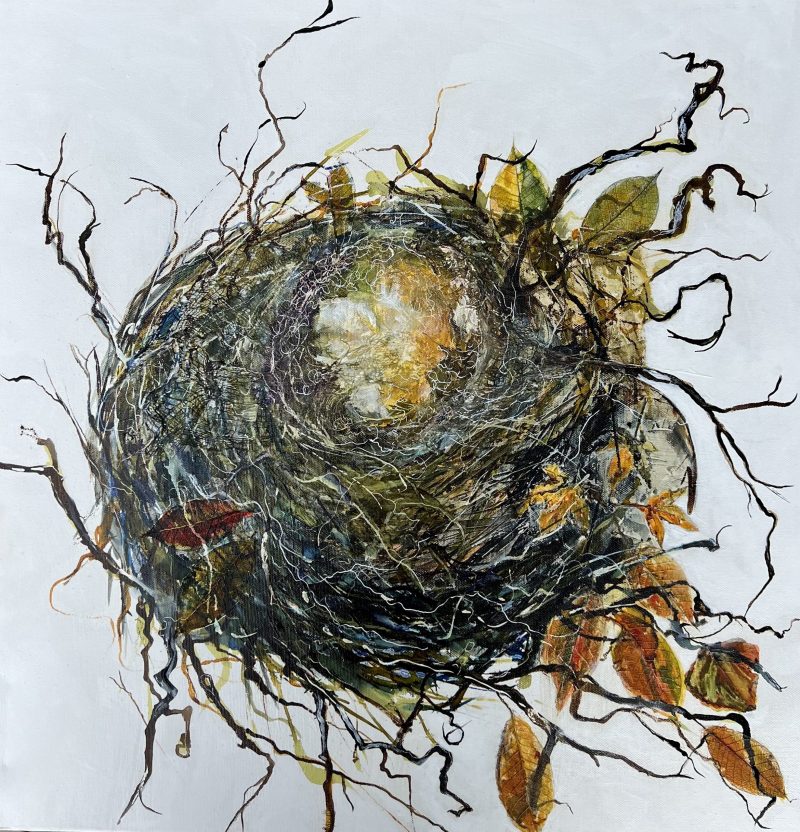 Her Lonely Nest
Original price was: AUD$990.AUD$891Current price is: AUD$891.
Size:
60w
x 60h
x 3d
cms
Meg Lewer
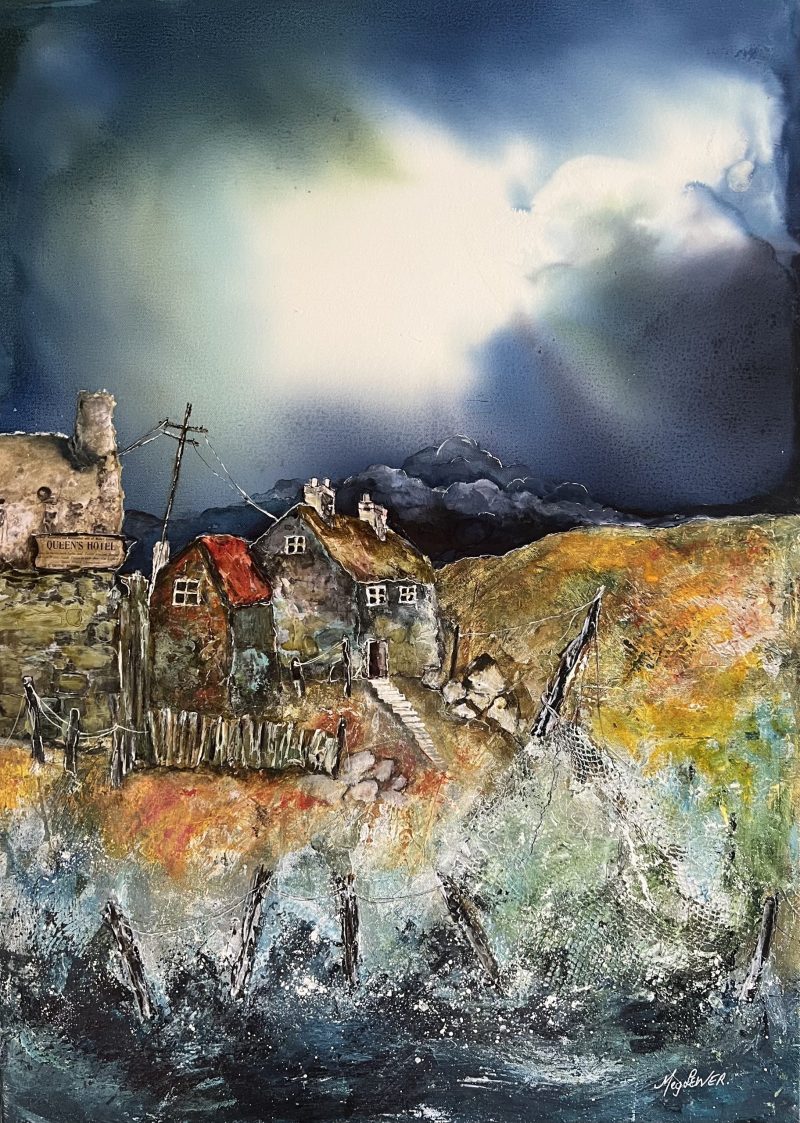 The Silver Darlings
Original price was: AUD$1,630.AUD$1,467Current price is: AUD$1,467.
Size:
50w
x 70h
x 3d
cms
Meg Lewer
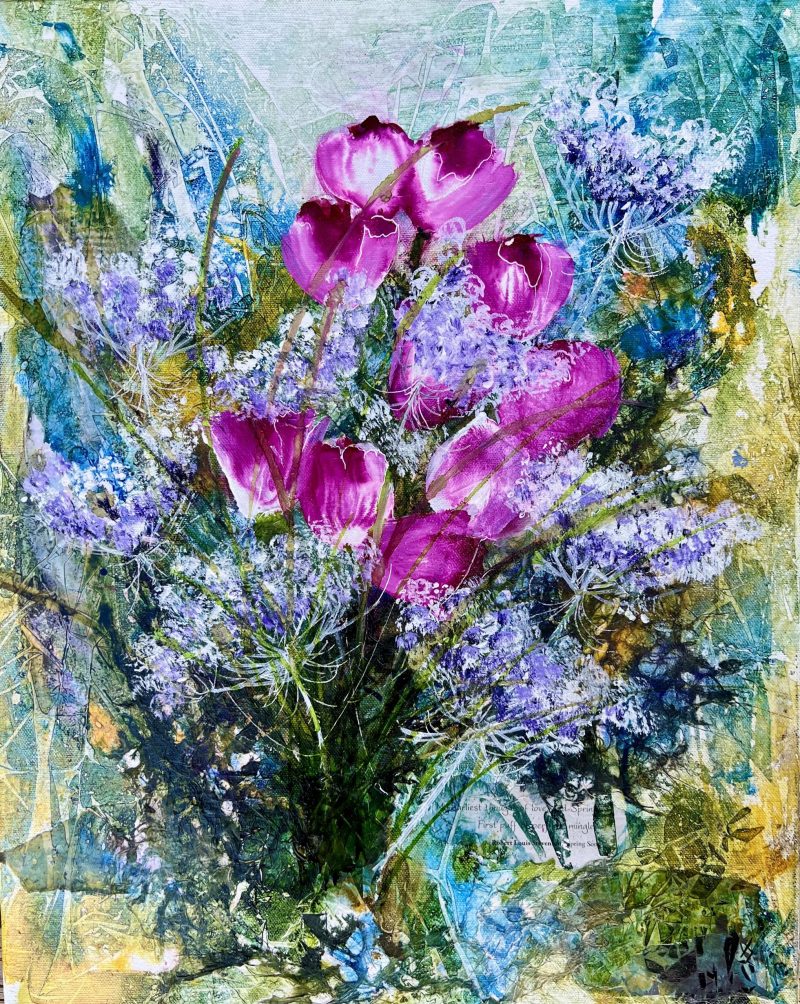 Tulips and Lace
Original price was: AUD$800.AUD$720Current price is: AUD$720.
Size:
40w
x 50h
x 3d
cms
Meg Lewer
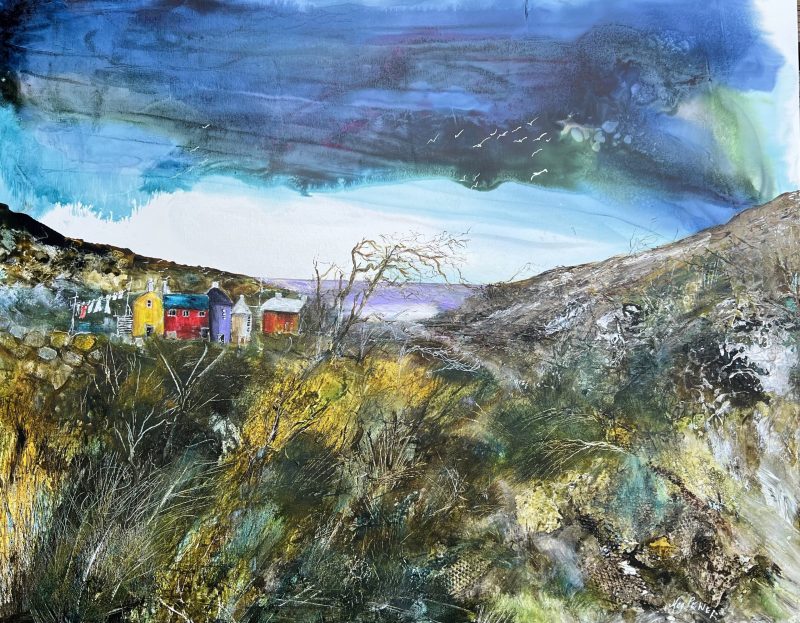 It’s Monday and it’s Washing day
Original price was: AUD$1,100.AUD$990Current price is: AUD$990.
Size:
75w
x 60h
x 2d
cms
Meg Lewer
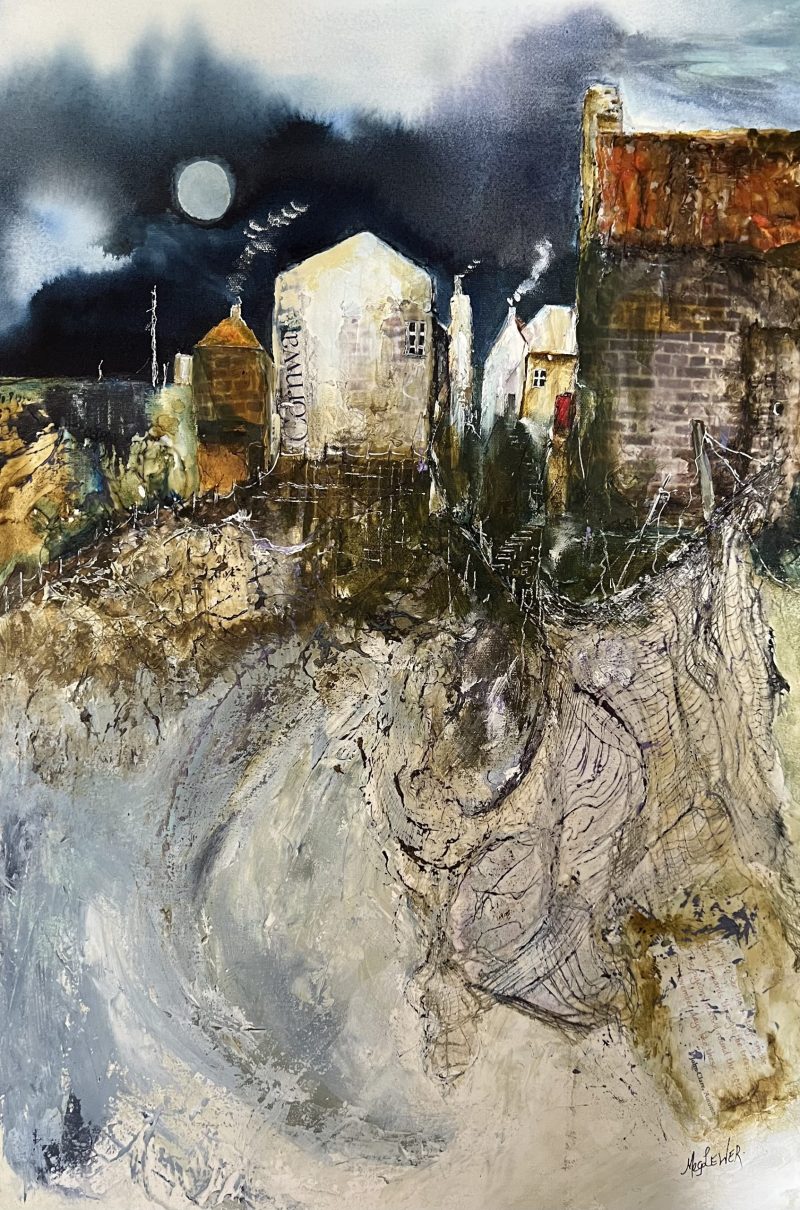 I Love To See The Cottage Smoke
Original price was: AUD$1,330.AUD$1,197Current price is: AUD$1,197.
Size:
40w
x 60h
x 4d
cms
Meg Lewer
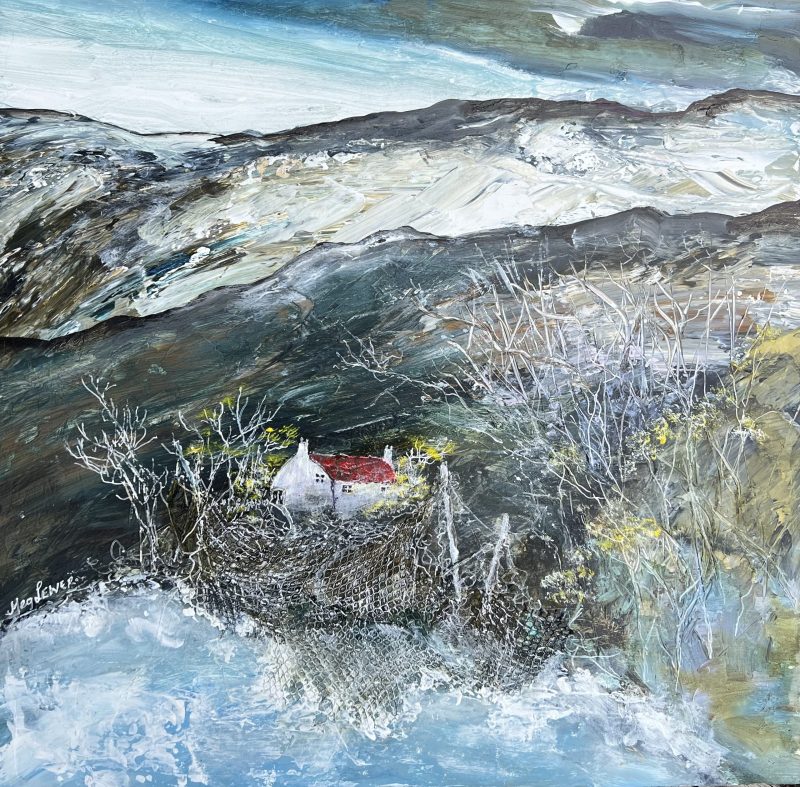 Soul Ferry
Original price was: AUD$700.AUD$630Current price is: AUD$630.
Size:
40w
x 40h
x 2d
cms
Meg Lewer
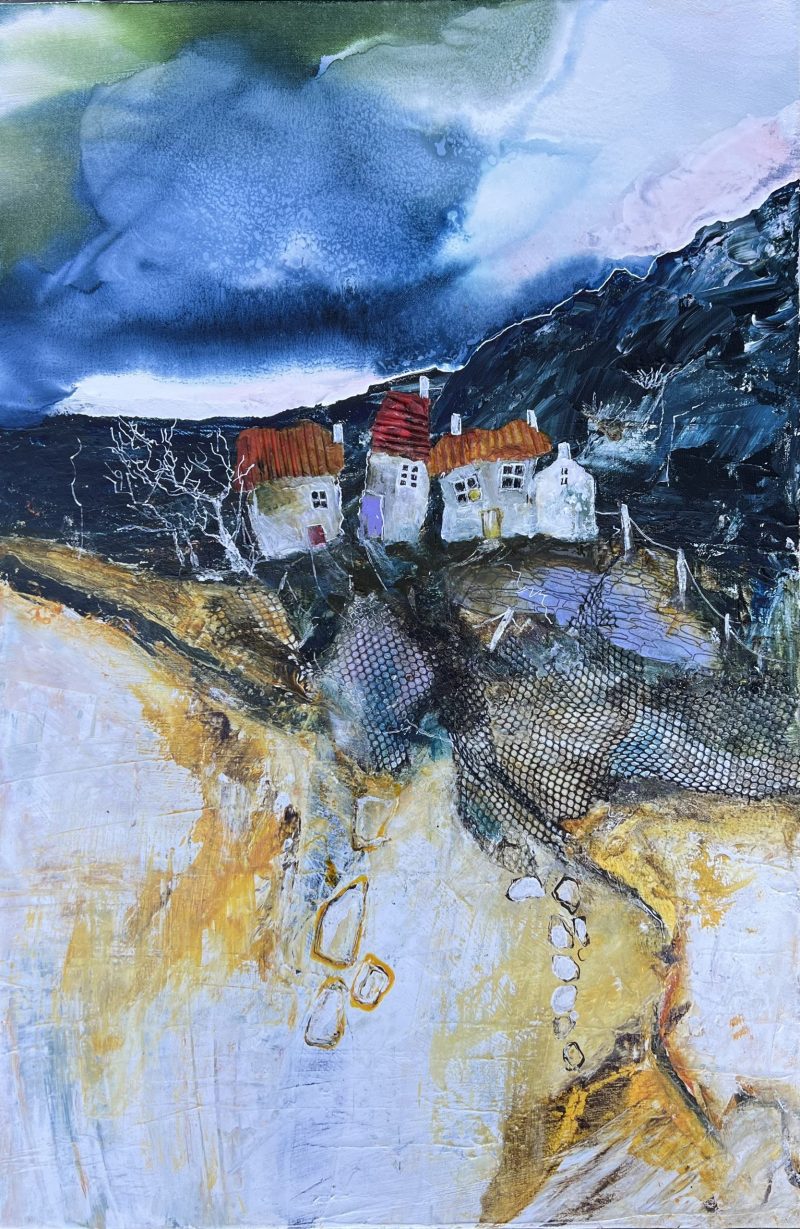 Mending The Nets
Original price was: AUD$910.AUD$819Current price is: AUD$819.
Size:
40w
x 60h
x 3d
cms
Meg Lewer
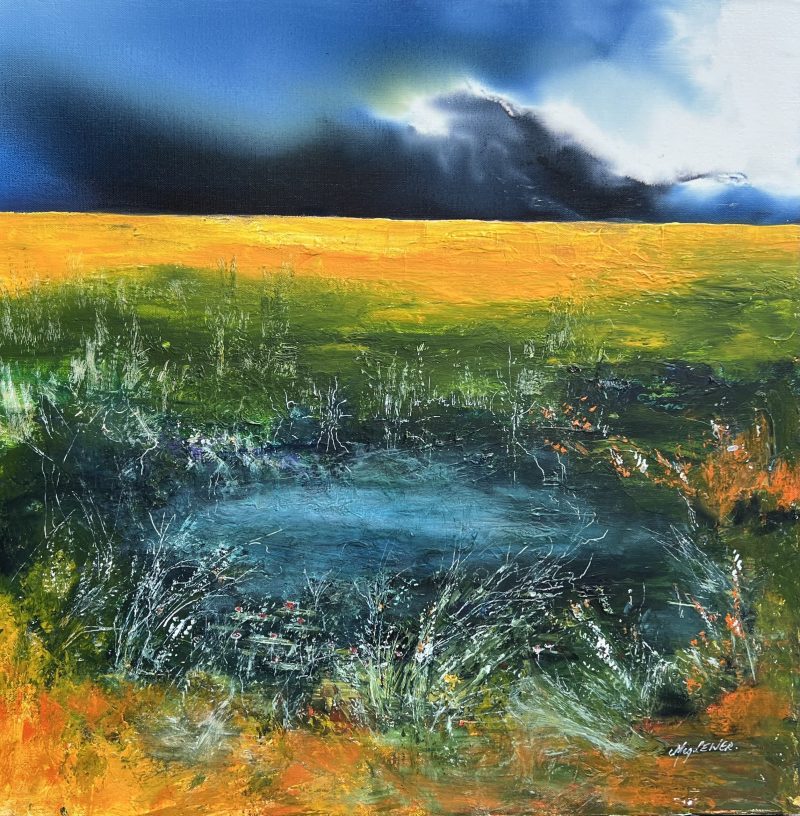 Step Out On The Leaves Of the Waterlily
Original price was: AUD$1,000.AUD$900Current price is: AUD$900.
Size:
60w
x 60h
x 4d
cms
Meg Lewer
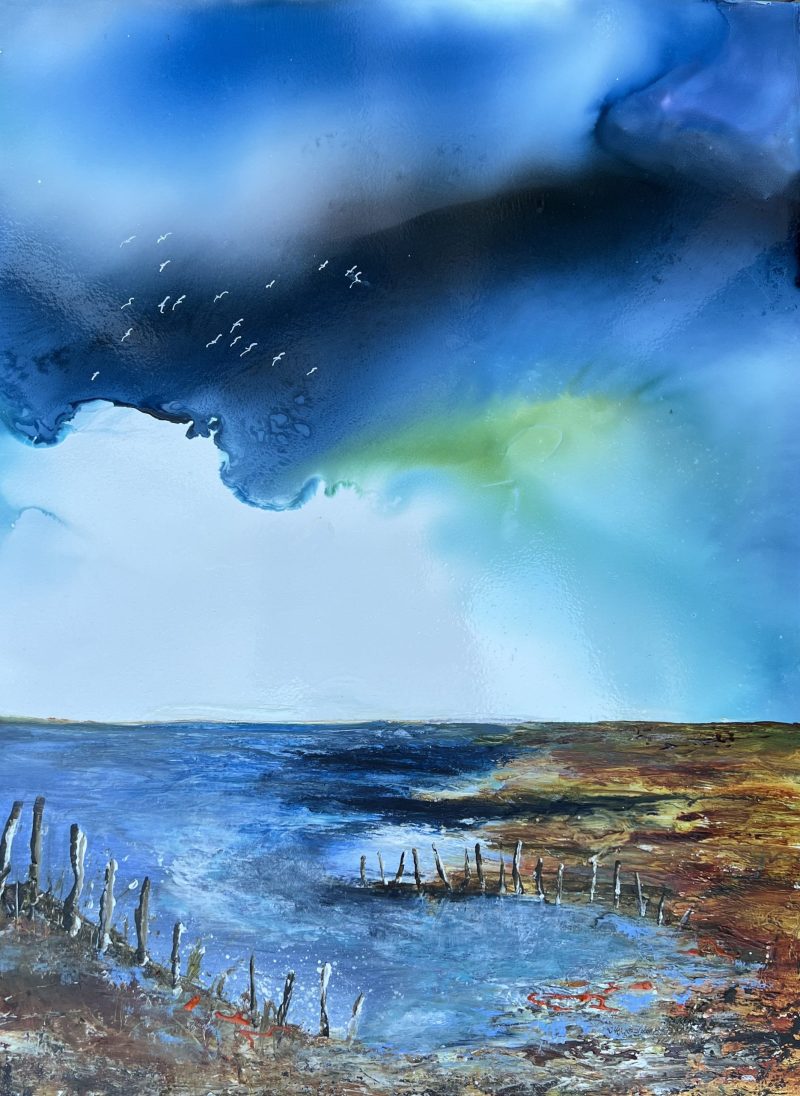 The Tide Falls
Original price was: AUD$1,320.AUD$1,188Current price is: AUD$1,188.
Size:
45w
x 60h
x 1d
cms
Meg Lewer
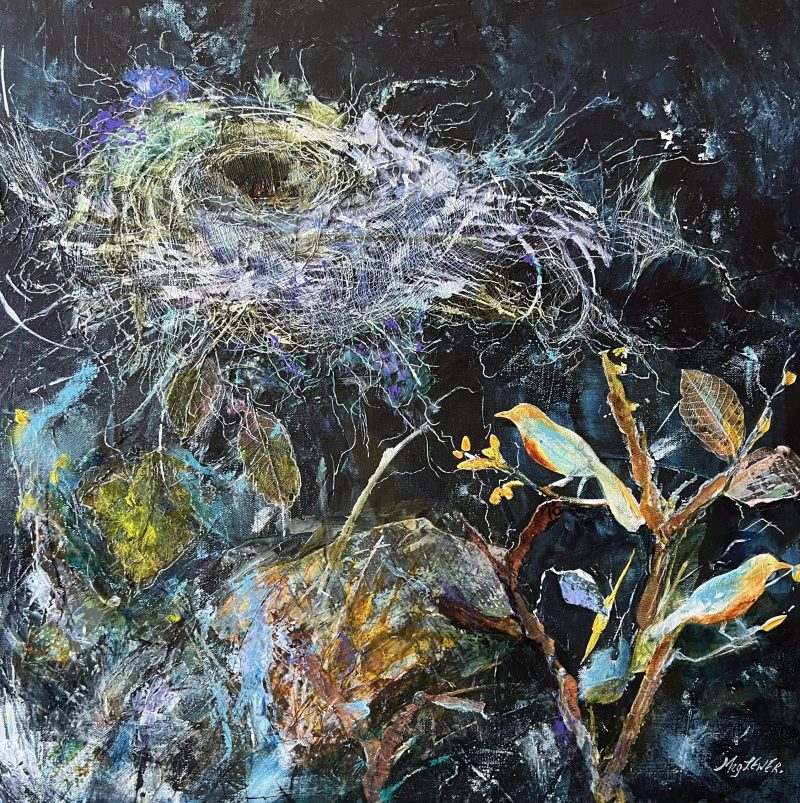 The Summer Nest
Original price was: AUD$980.AUD$882Current price is: AUD$882.
Size:
60w
x 60h
x 4d
cms
Meg Lewer
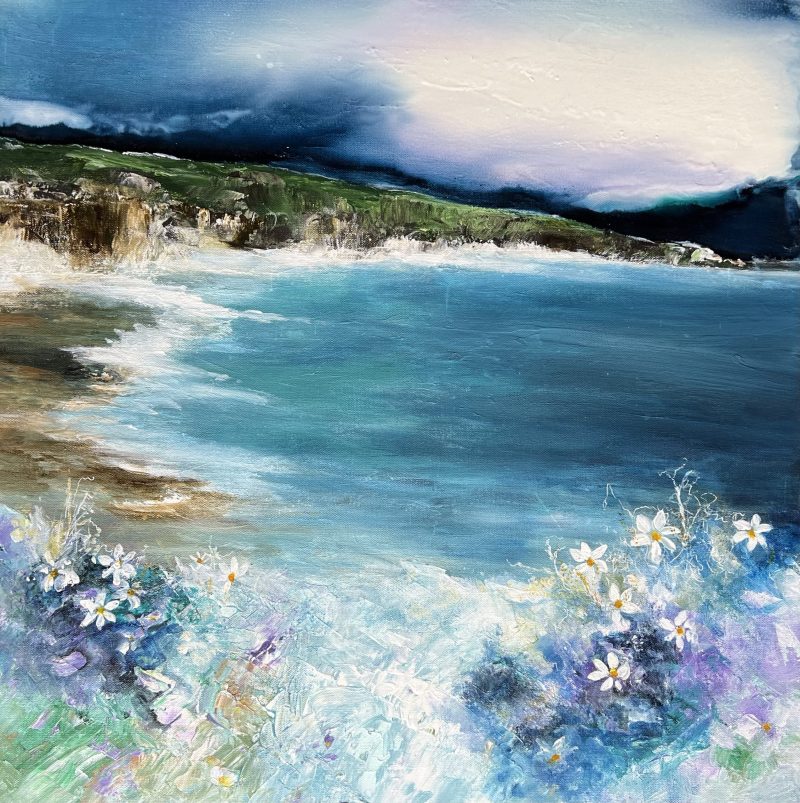 The Lonely Sea and Sky
Original price was: AUD$950.AUD$855Current price is: AUD$855.
Size:
60w
x 60h
x 4d
cms
Meg Lewer
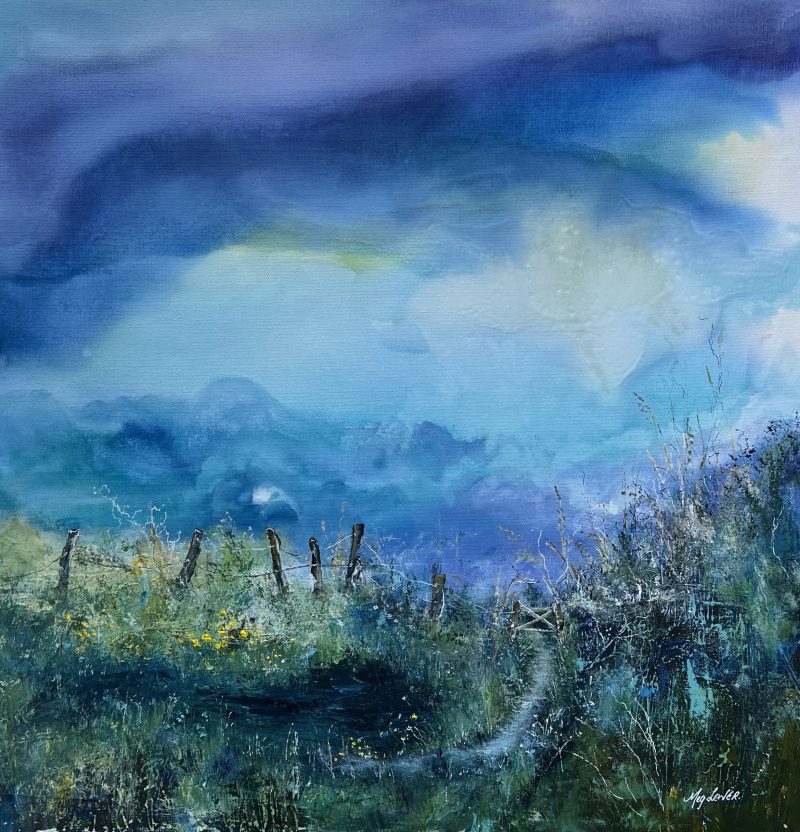 The Secret Gate
Original price was: AUD$950.AUD$855Current price is: AUD$855.
Size:
60w
x 60h
x 3d
cms
Meg Lewer
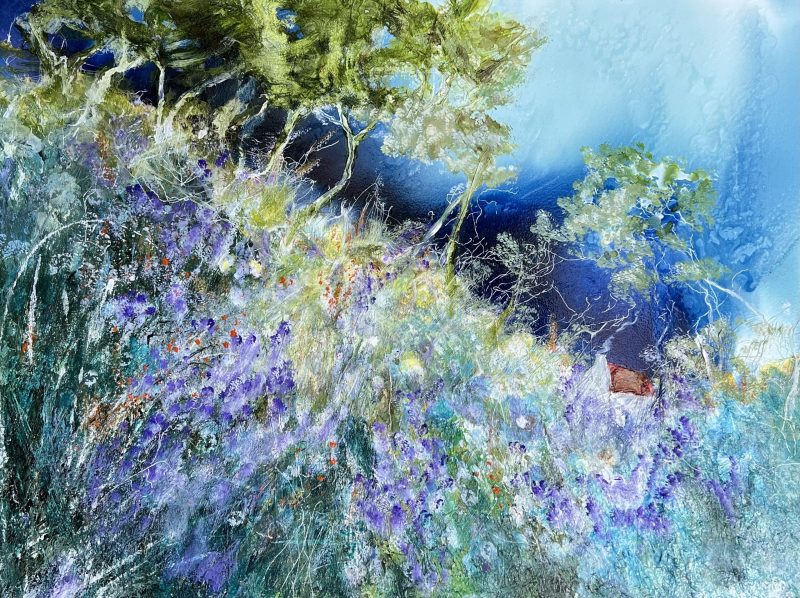 Where The Wind Laughs
Original price was: AUD$1,320.AUD$1,188Current price is: AUD$1,188.
Size:
60w
x 45h
x .2d
cms
Meg Lewer
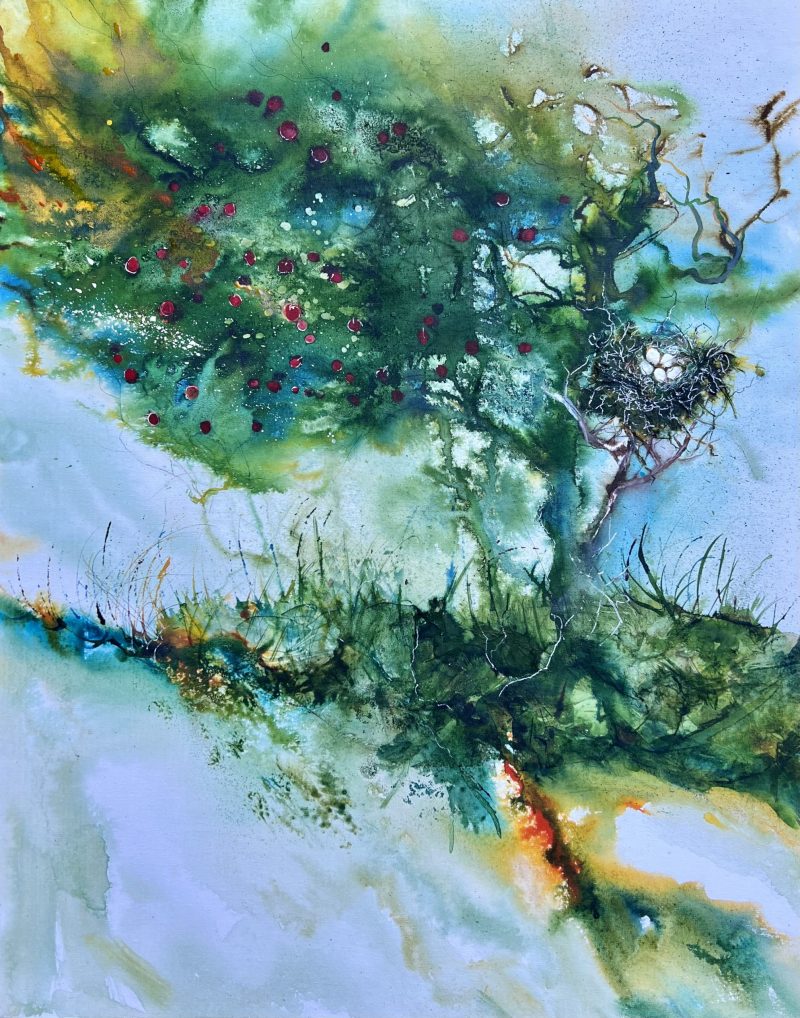 The Old Apple Tree
Original price was: AUD$840.AUD$756Current price is: AUD$756.
Size:
40w
x 50h
x .5d
cms
Meg Lewer
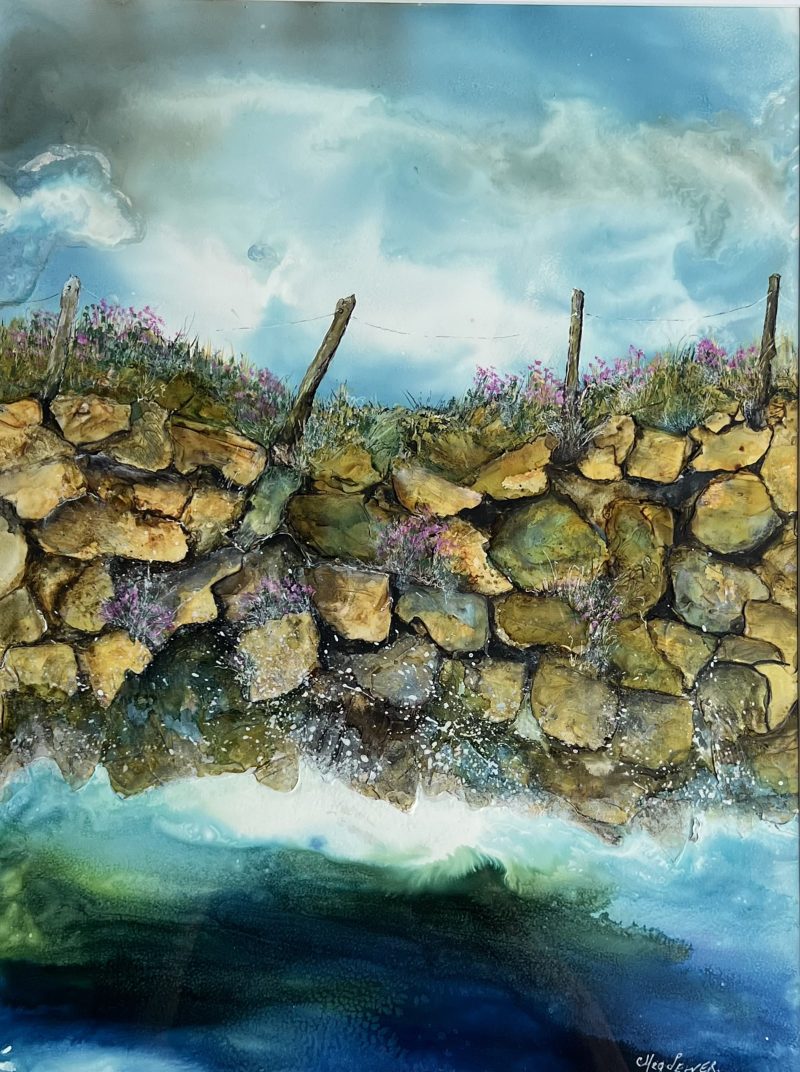 The Old Stone Wall
Original price was: AUD$1,530.AUD$1,377Current price is: AUD$1,377.
Size:
45w
x 60h
x 1d
cms
Meg Lewer
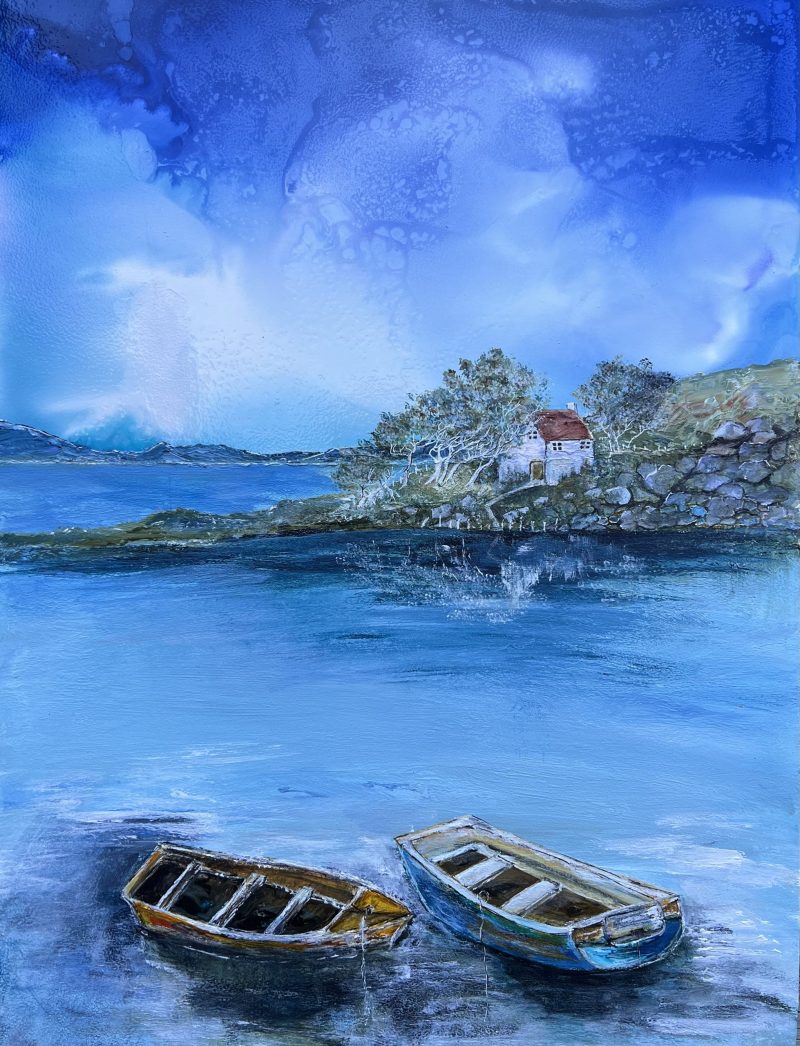 Sleepy Seas
Original price was: AUD$1,430.AUD$1,287Current price is: AUD$1,287.
Size:
45w
x 60h
x 1d
cms
Meg Lewer
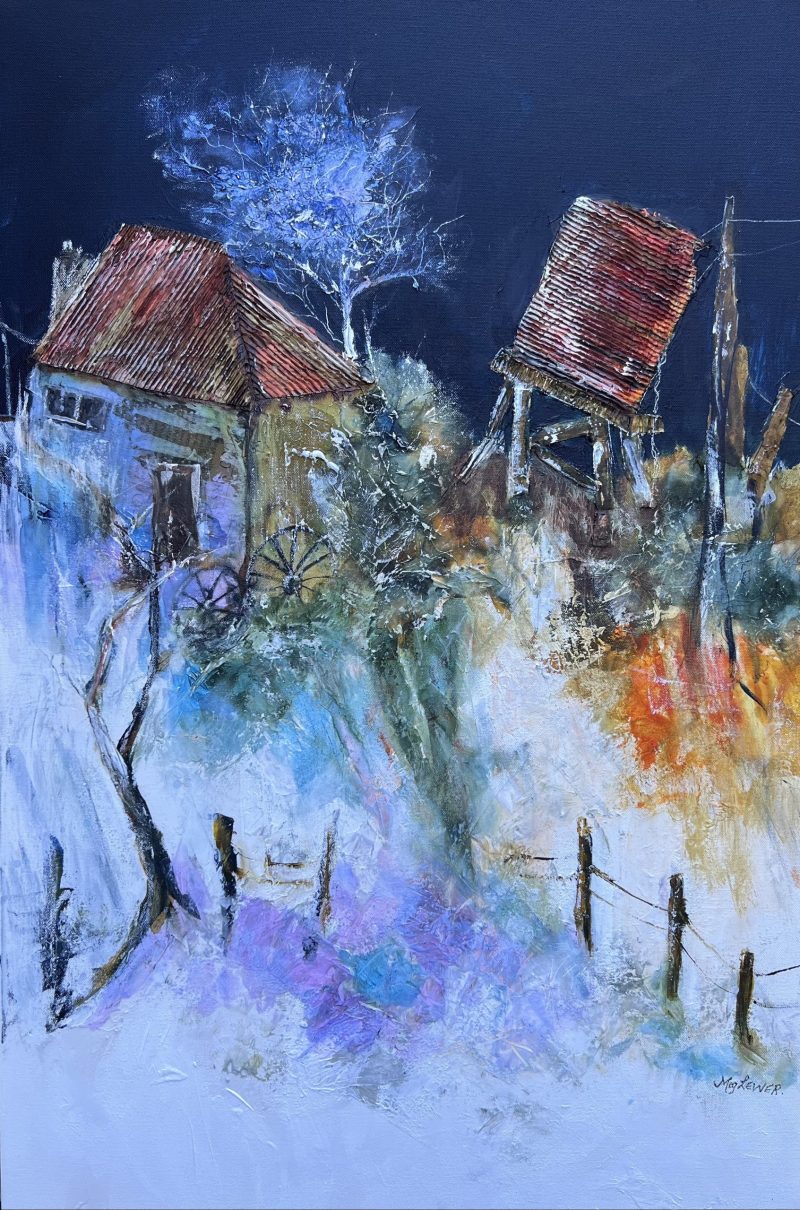 One Rung Left
Original price was: AUD$1,630.AUD$1,467Current price is: AUD$1,467.
Size:
60w
x 90h
x 4d
cms
Meg Lewer
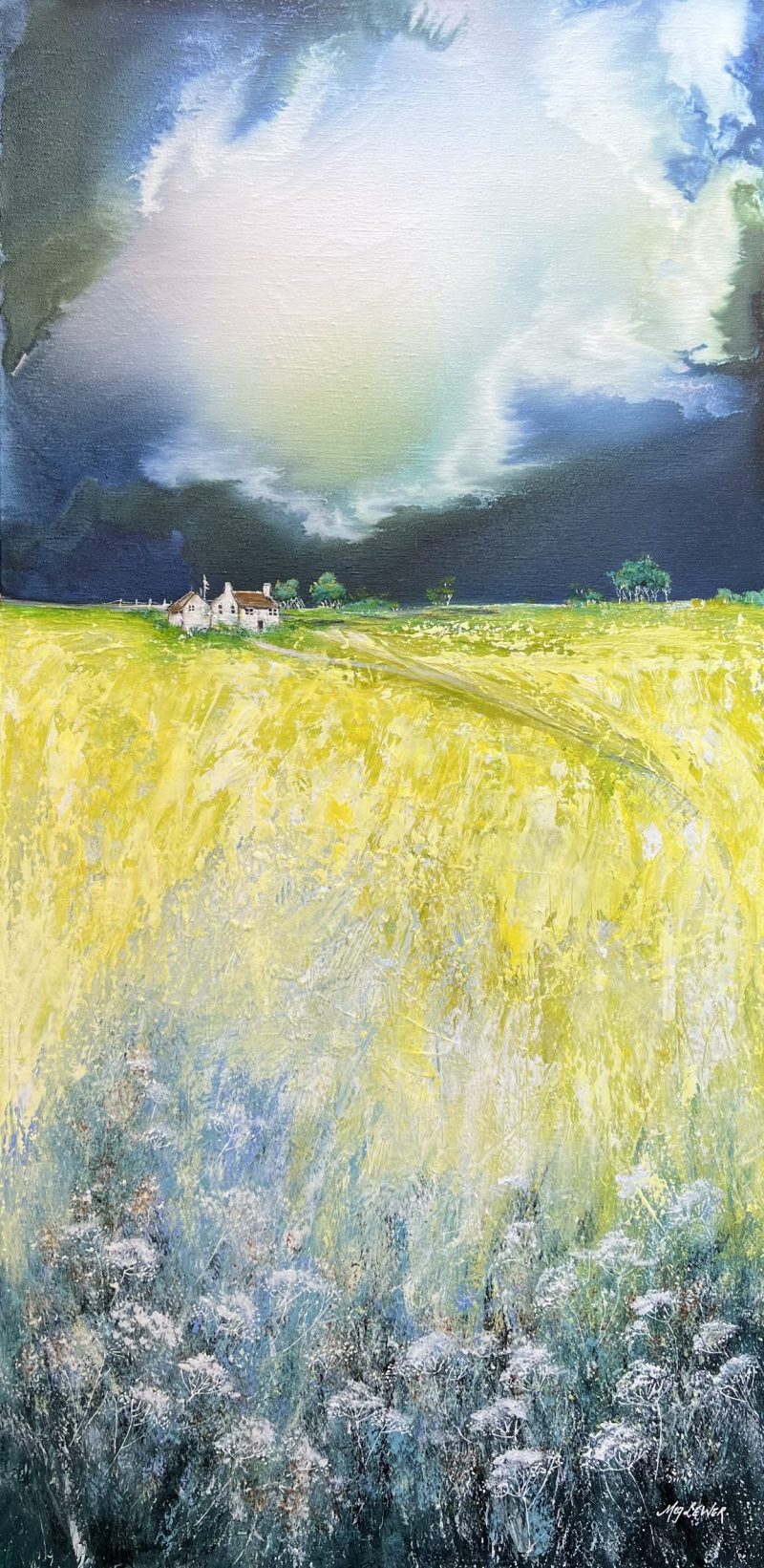 The Wind That Shakes The Barley
Original price was: AUD$990.AUD$891Current price is: AUD$891.
Size:
50w
x 100h
x 4d
cms
Meg Lewer
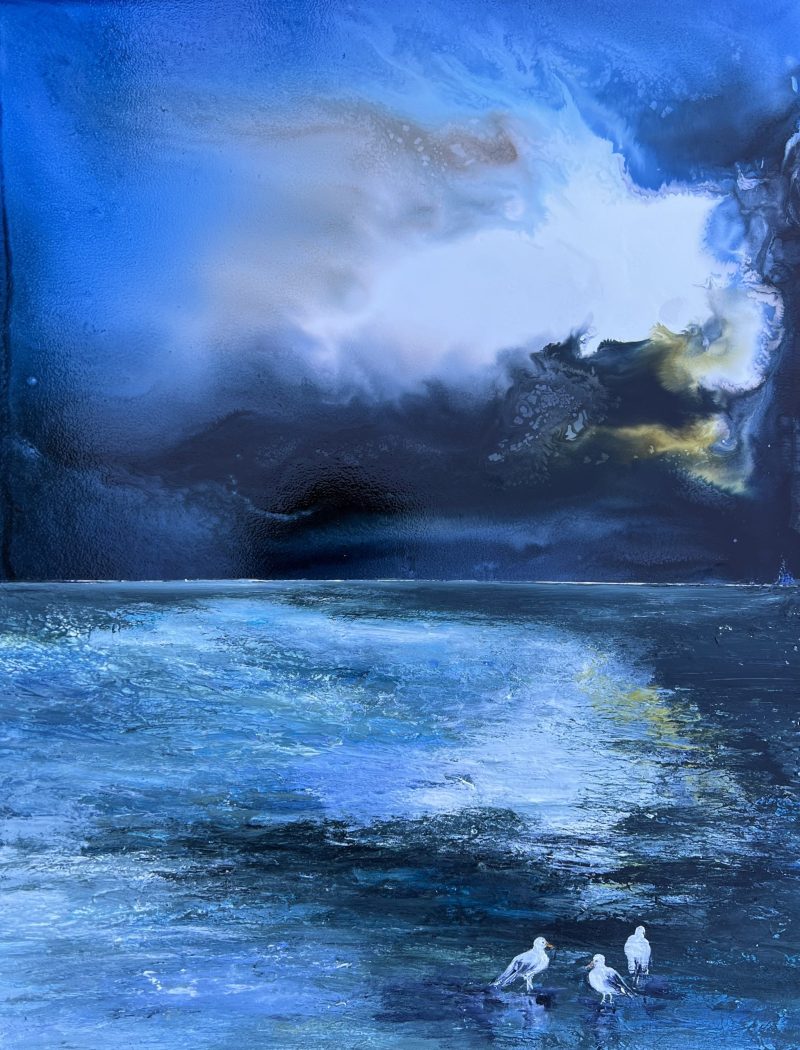 Sea-birds on the Shore
Original price was: AUD$1,420.AUD$1,278Current price is: AUD$1,278.
Size:
45w
x 60h
x 1d
cms
Meg Lewer
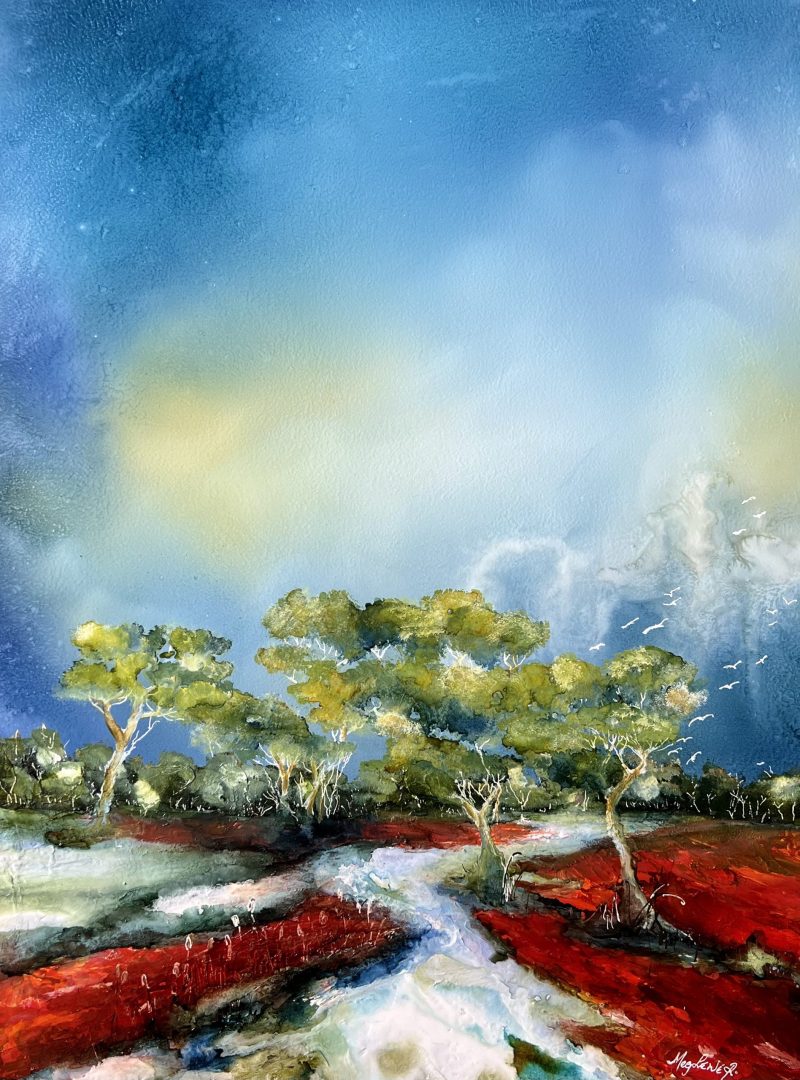 Cockatoo Feather
Original price was: AUD$1,440.AUD$1,296Current price is: AUD$1,296.
Size:
45w
x 60h
x 1d
cms
Meg Lewer
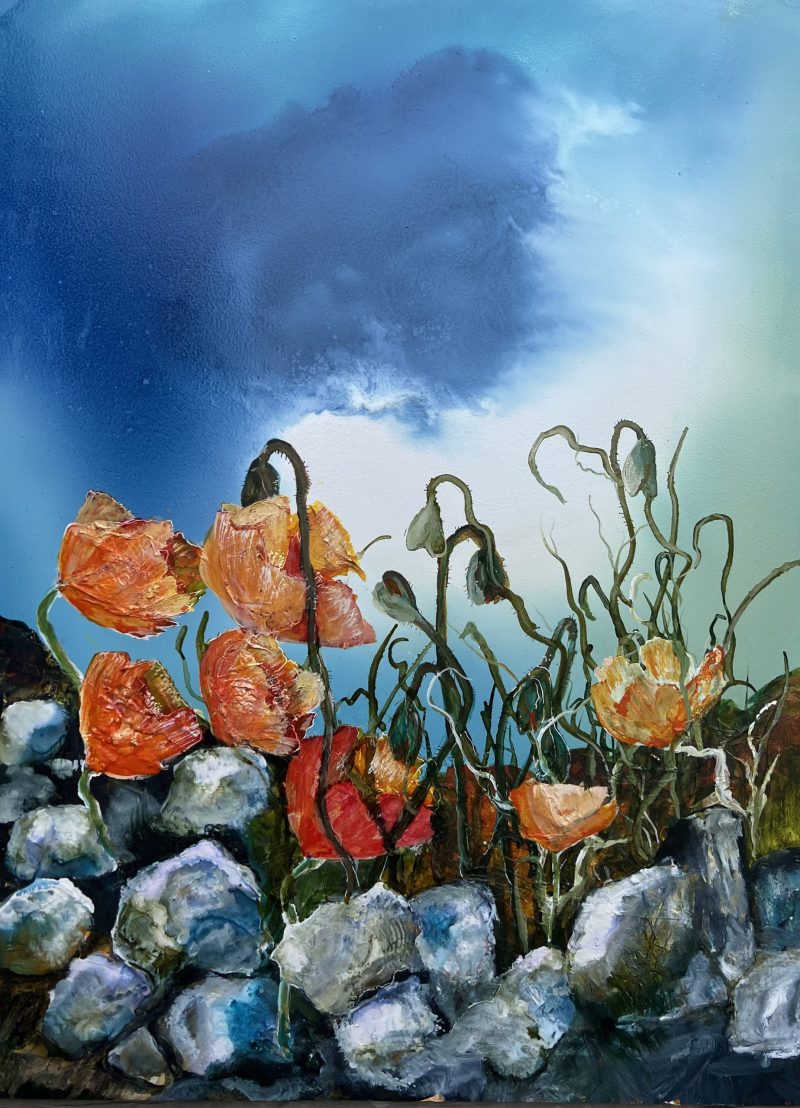 Wild Poppies
Original price was: AUD$1,320.AUD$1,188Current price is: AUD$1,188.
Size:
45w
x 60h
x 1d
cms
Meg Lewer
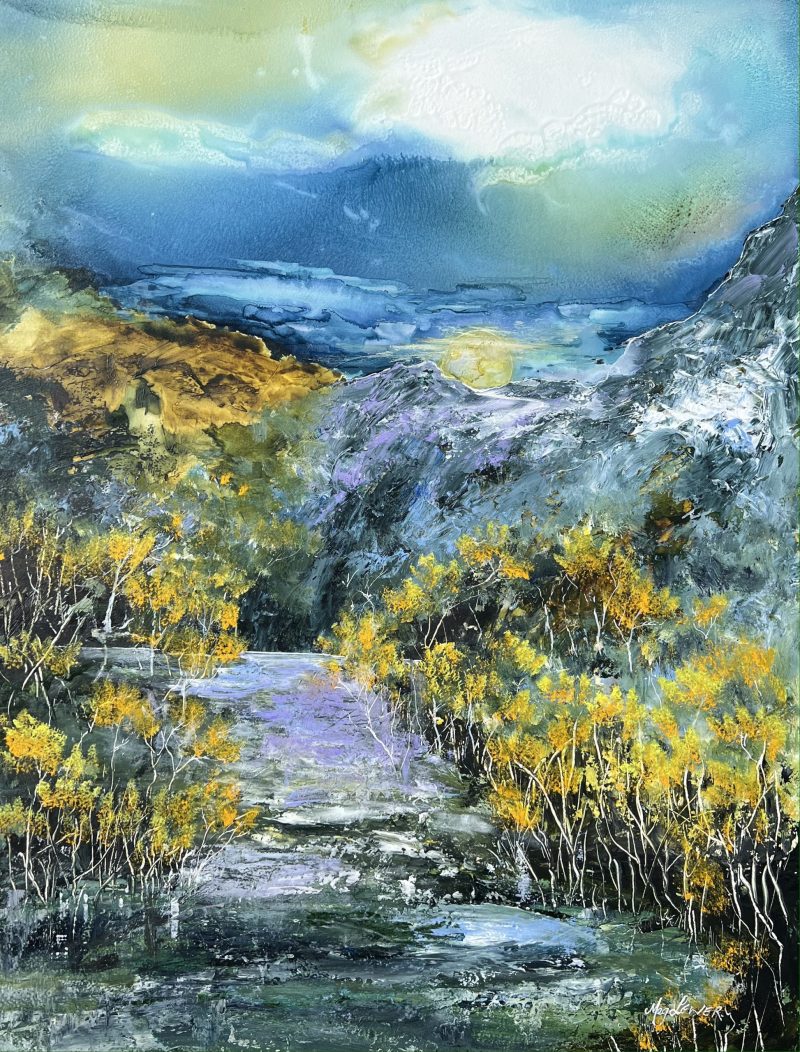 The Moonlight So White And So Still
Original price was: AUD$1,320.AUD$1,188Current price is: AUD$1,188.
Size:
45w
x 60h
x 1d
cms
Meg Lewer
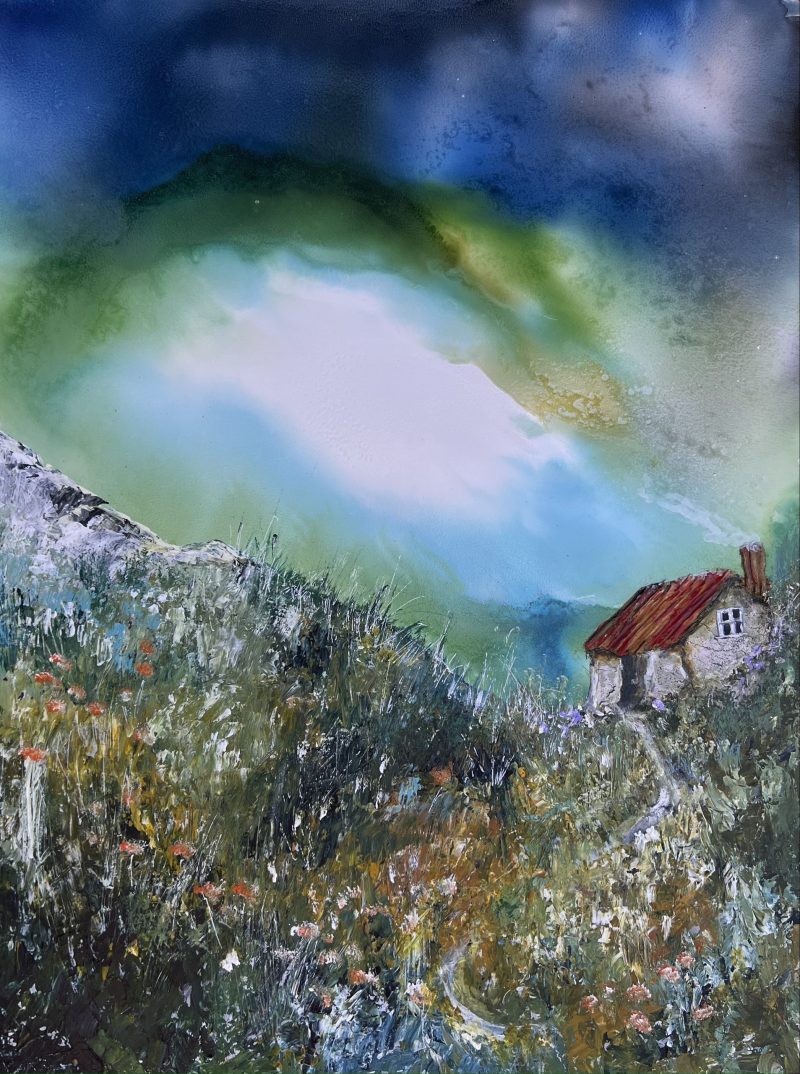 Where The Wild Raspberries Grow
Original price was: AUD$1,530.AUD$1,377Current price is: AUD$1,377.
Size:
45w
x 60h
x 1d
cms
Meg Lewer
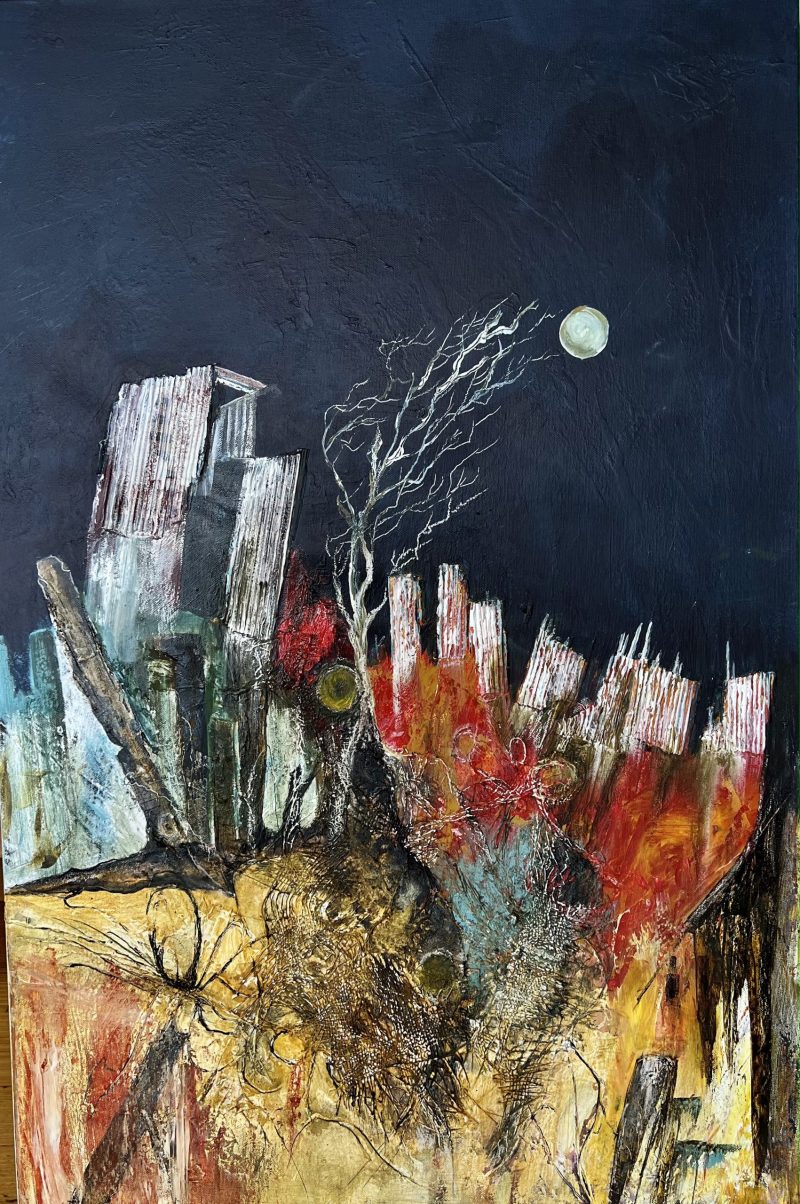 The Dunny Out The Back
Original price was: AUD$1,800.AUD$1,620Current price is: AUD$1,620.
Size:
60w
x 90h
x 4d
cms
Meg Lewer
One Rung Left
Original price was: AUD$1,630.AUD$1,467Current price is: AUD$1,467.
Size:
60w
x 90h
x 4d
cms
Meg Lewer
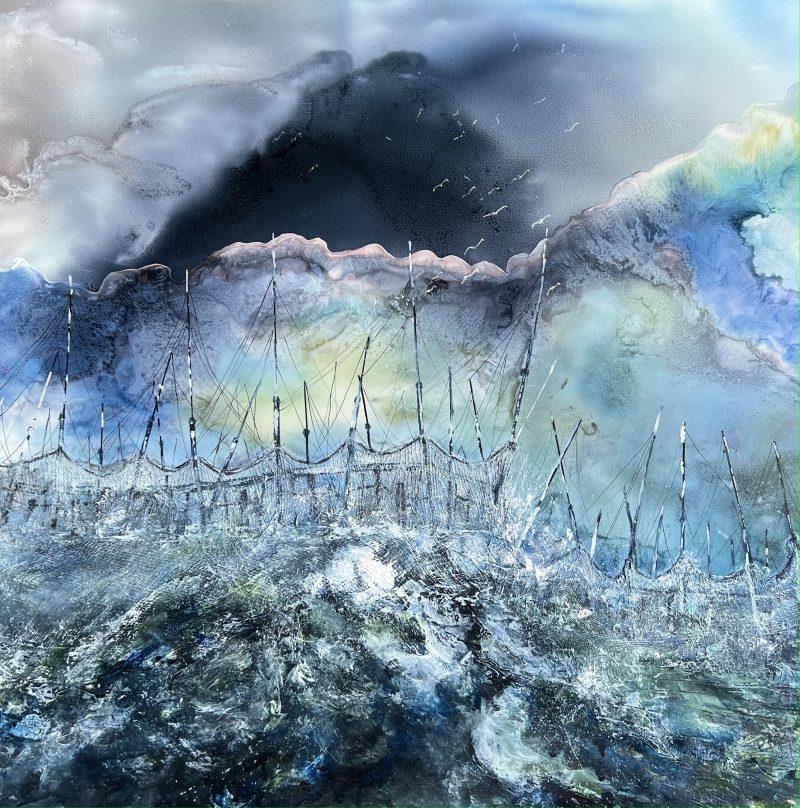 Ocean’s Breath
Original price was: AUD$1,580.AUD$1,422Current price is: AUD$1,422.
Size:
60w
x 60h
x 1d
cms
Meg Lewer
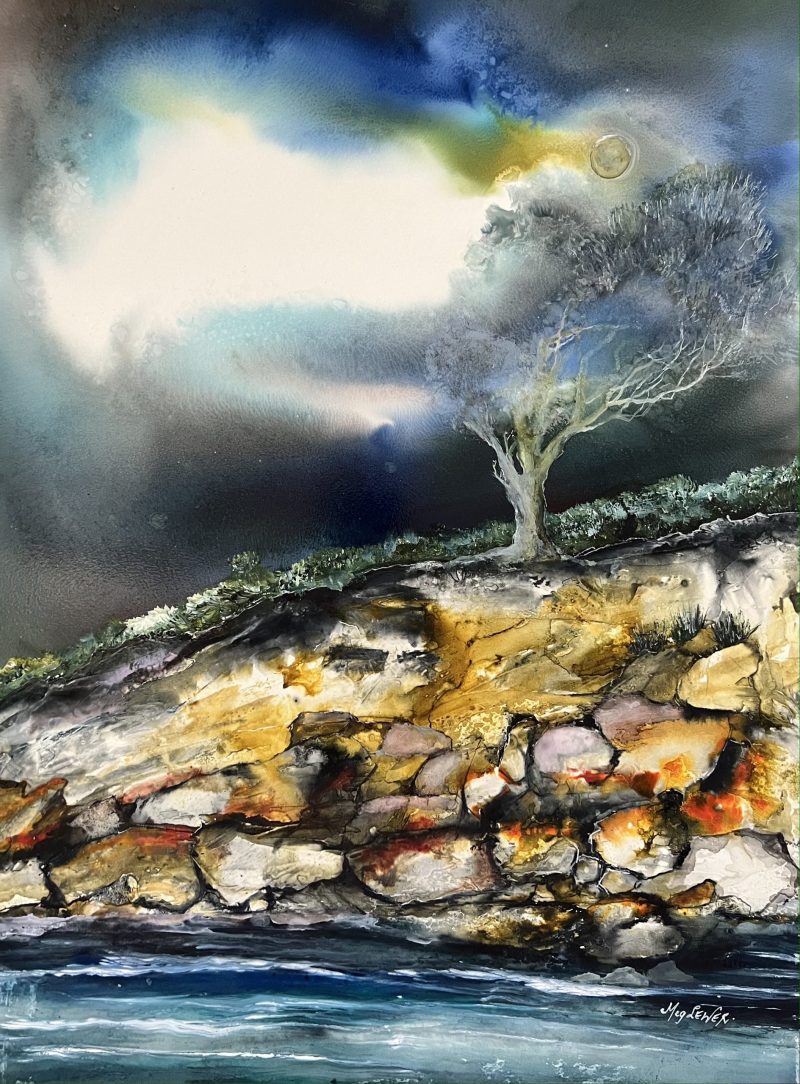 Tangerine Tears
Original price was: AUD$1,580.AUD$1,422Current price is: AUD$1,422.
Size:
45w
x 60h
x 1d
cms
Meg Lewer
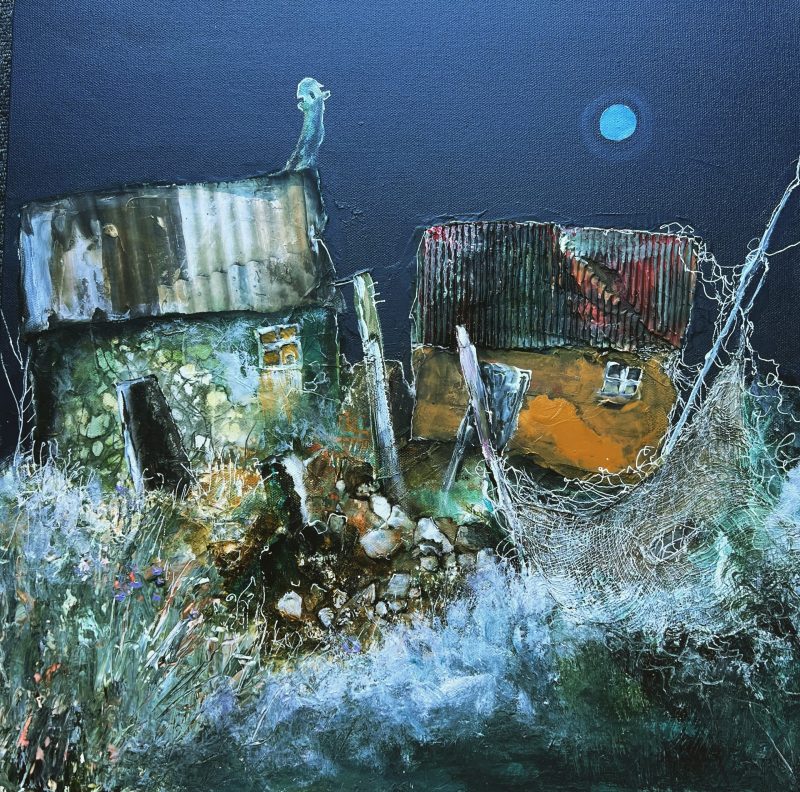 The Fishermans Cottage
Original price was: AUD$950.AUD$855Current price is: AUD$855.
Size:
45w
x 45h
x 4d
cms
Meg Lewer
One Rung Left
Original price was: AUD$1,630.AUD$1,467Current price is: AUD$1,467.
Size:
60w
x 90h
x 4d
cms
Meg Lewer
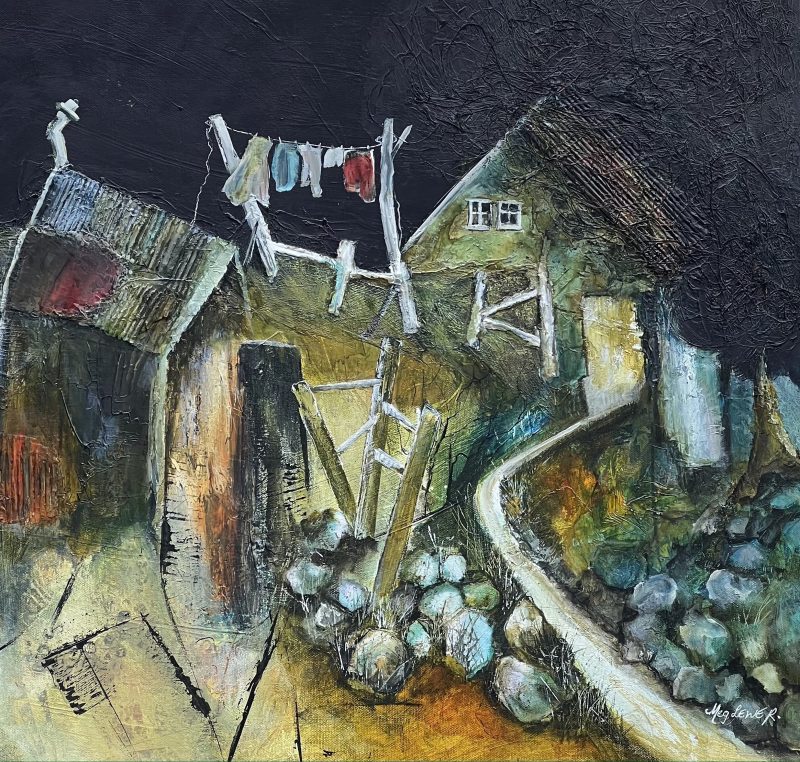 Where Women Worked Like Men
Original price was: AUD$1,580.AUD$1,422Current price is: AUD$1,422.
Size:
60w
x 60h
x 4d
cms
Meg Lewer
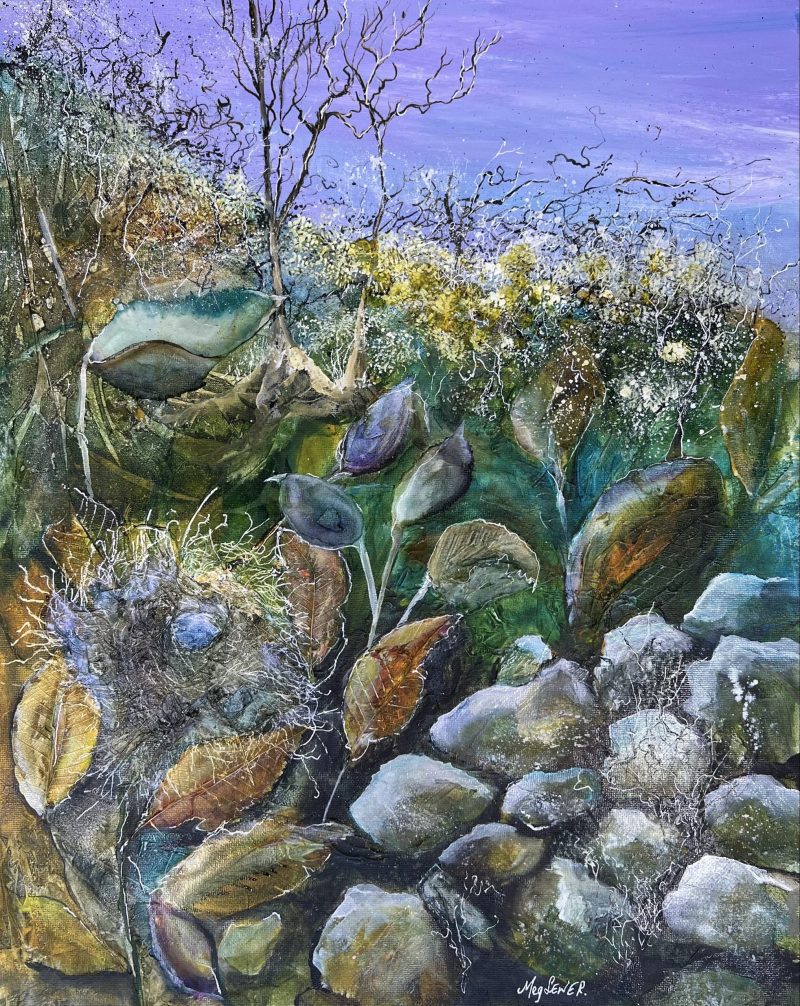 The Secret Hedge
Original price was: AUD$760.AUD$684Current price is: AUD$684.
Size:
40w
x 50h
x 3d
cms
Meg Lewer
The Dunny Out The Back
Original price was: AUD$1,800.AUD$1,620Current price is: AUD$1,620.
Size:
60w
x 90h
x 4d
cms
Meg Lewer
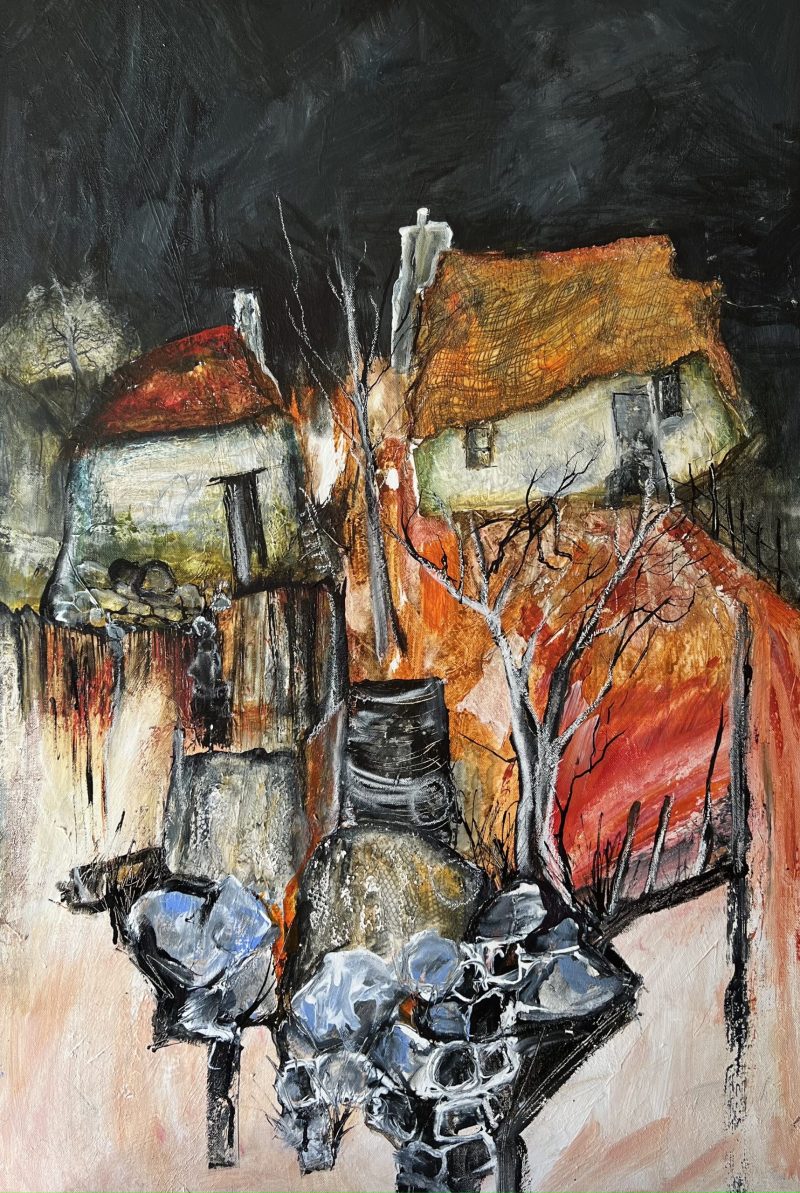 Big Poll, The Grog Seller
Original price was: AUD$1,800.AUD$1,620Current price is: AUD$1,620.
Size:
60w
x 90h
x 4d
cms
Meg Lewer
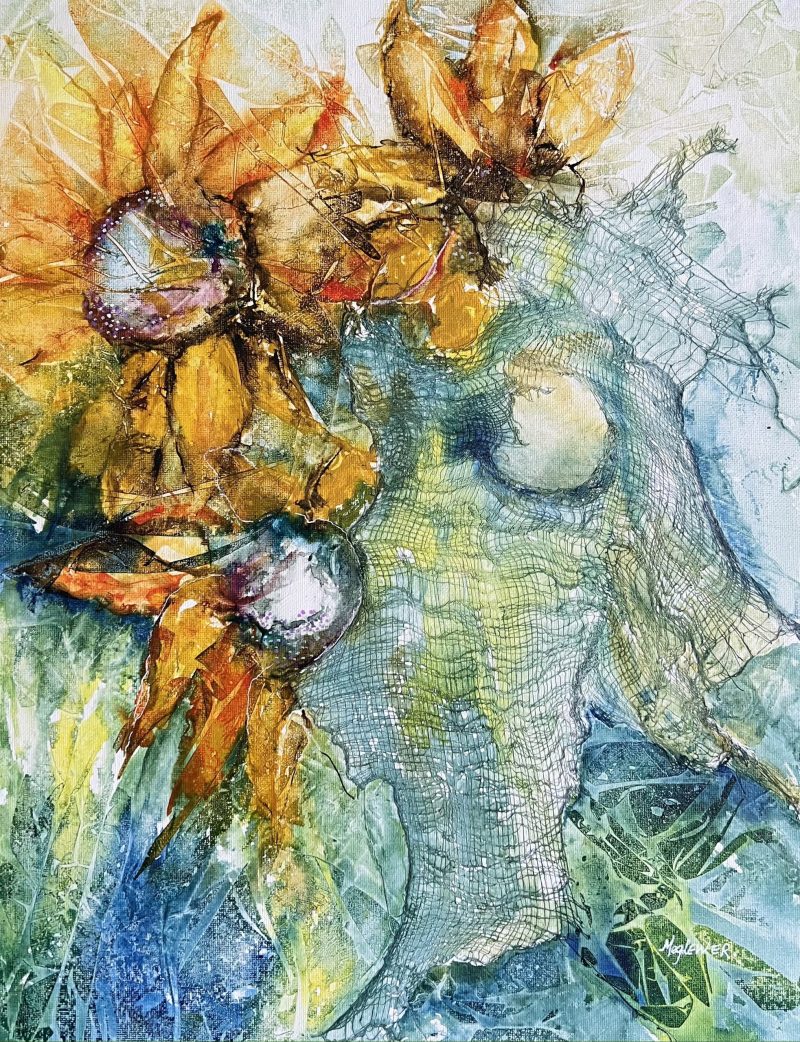 Ghost of the Sunflowers
Original price was: AUD$760.AUD$684Current price is: AUD$684.
Size:
40w
x 50h
x 3d
cms
Meg Lewer
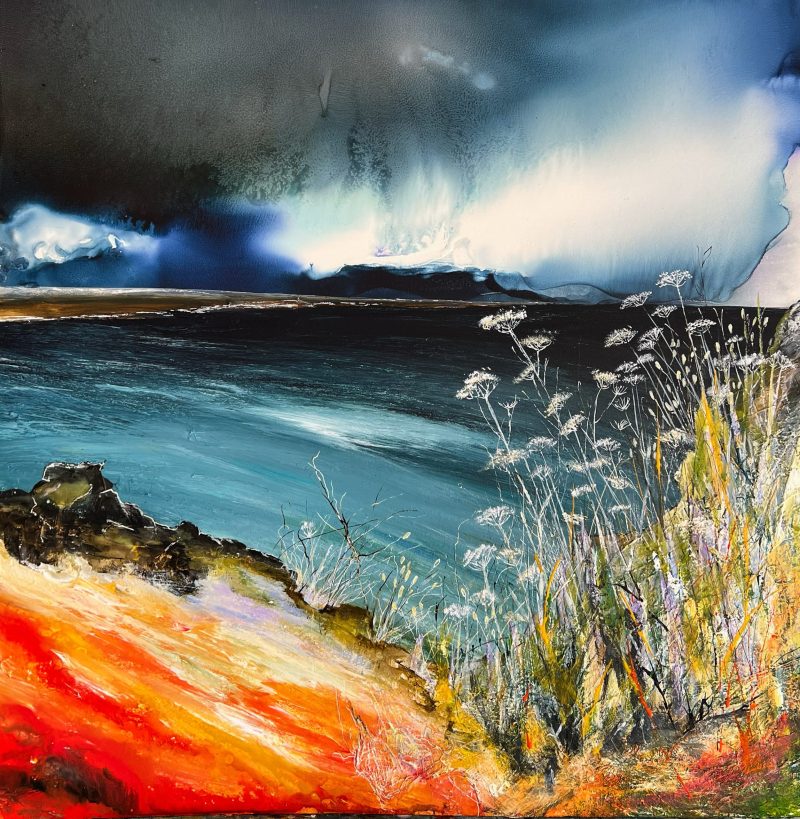 The Fishers’ Prayer
Original price was: AUD$1,680.AUD$1,512Current price is: AUD$1,512.
Size:
60w
x 60h
x 1d
cms
Meg Lewer
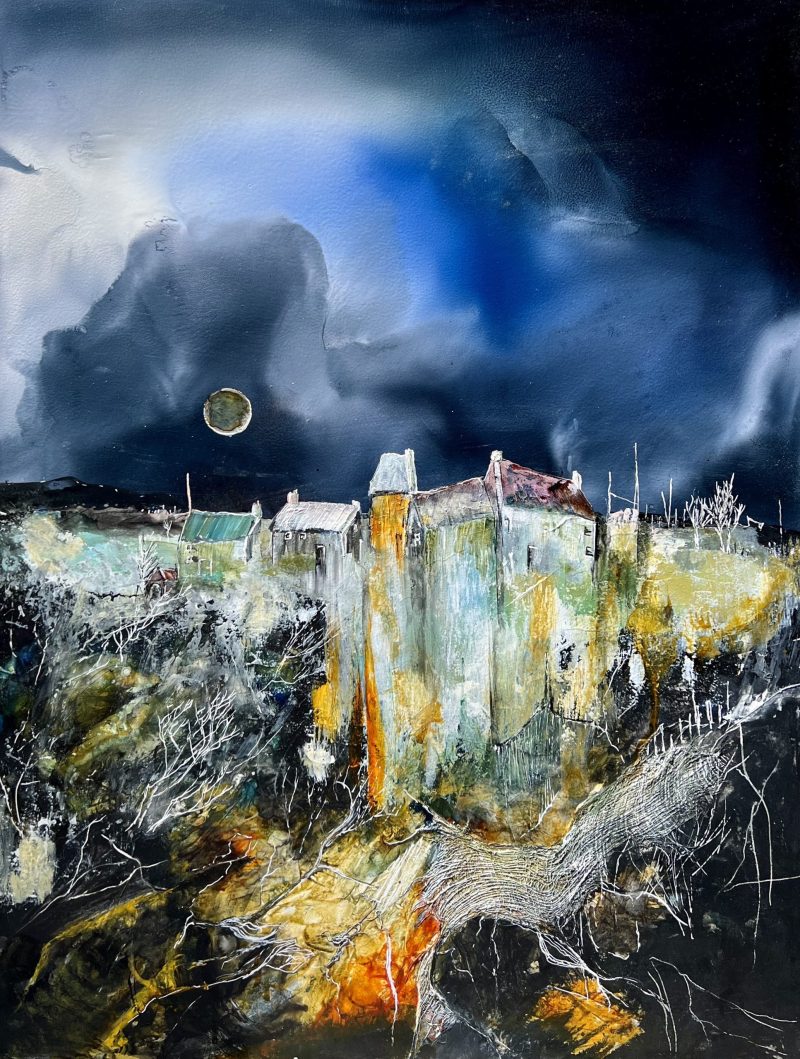 Silver Shadows
Original price was: AUD$1,580.AUD$1,422Current price is: AUD$1,422.
Size:
45w
x 60h
x 1d
cms
Meg Lewer
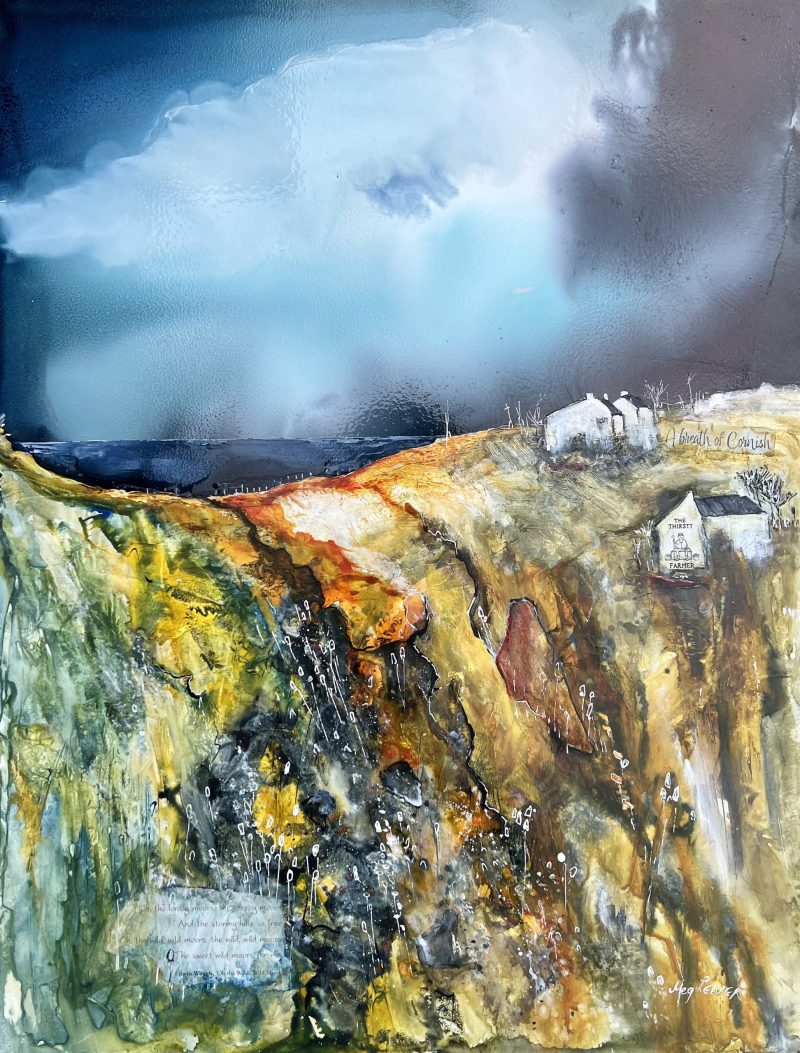 The Sweet Wild Moors
Original price was: AUD$1,580.AUD$1,422Current price is: AUD$1,422.
Size:
45w
x 60h
x 1d
cms
Meg Lewer
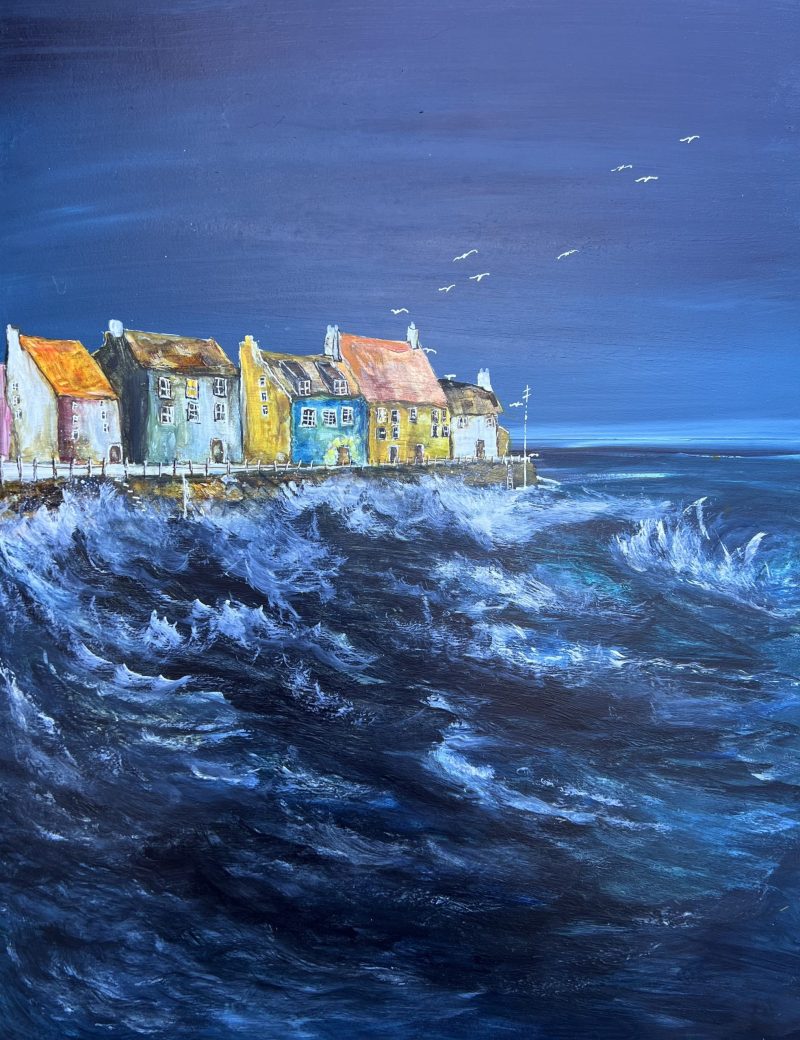 The Jasmined Door
Original price was: AUD$1,580.AUD$1,422Current price is: AUD$1,422.
Size:
45w
x 60h
x 1d
cms
Meg Lewer
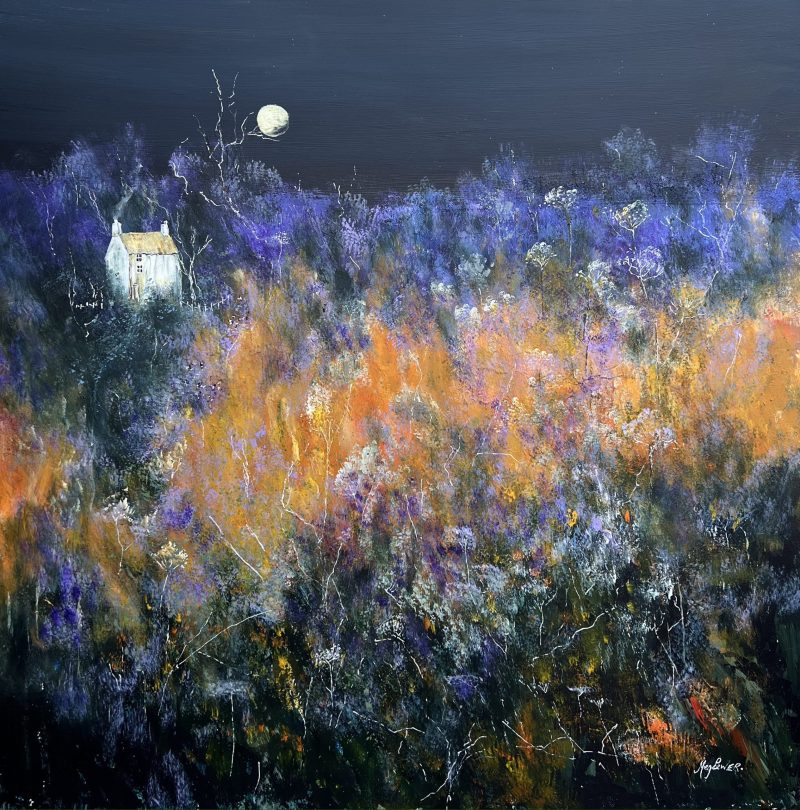 Still Of The Moonlight
Original price was: AUD$1,580.AUD$1,422Current price is: AUD$1,422.
Size:
60w
x 60h
x 2d
cms
Meg Lewer
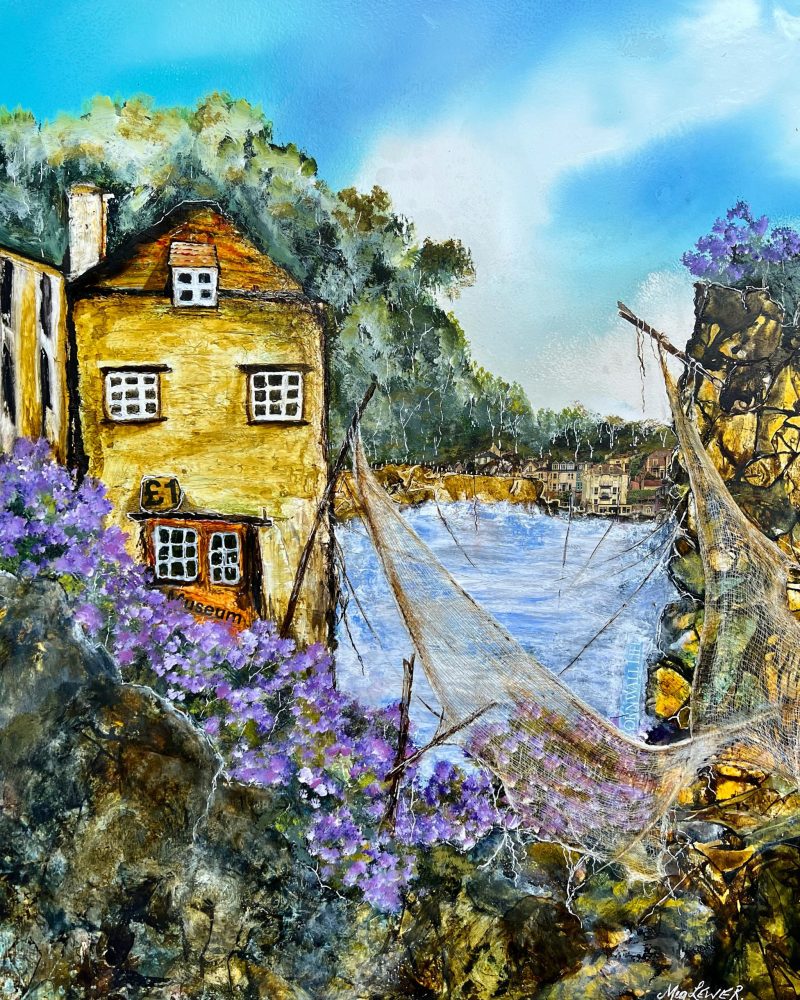 The Soul Of A Fisherman
Original price was: AUD$1,580.AUD$1,422Current price is: AUD$1,422.
Size:
45w
x 60h
x 2d
cms
Meg Lewer
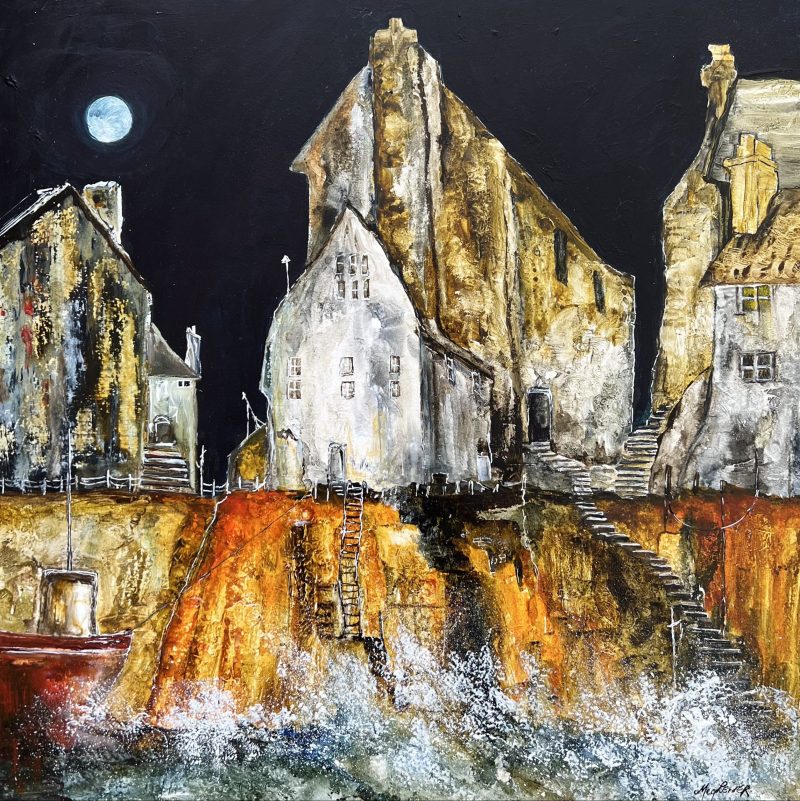 The Wisdom of Sea and Sky
Original price was: AUD$1,580.AUD$1,422Current price is: AUD$1,422.
Size:
45w
x 45h
x 2d
cms
Meg Lewer
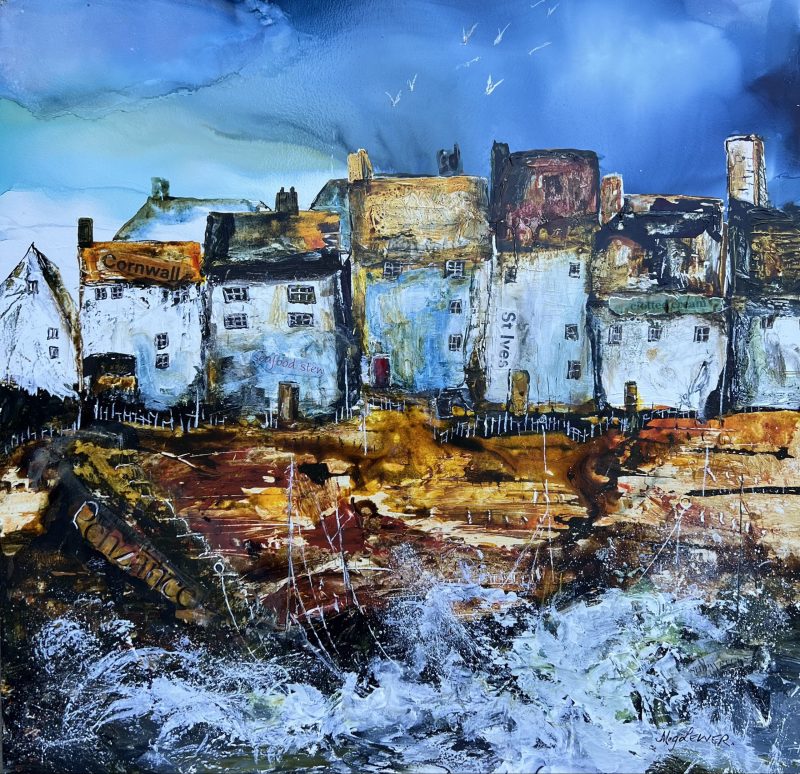 Whispered Secrets of the Sea
Original price was: AUD$1,580.AUD$1,422Current price is: AUD$1,422.
Size:
45w
x 45h
x 2d
cms
Meg Lewer
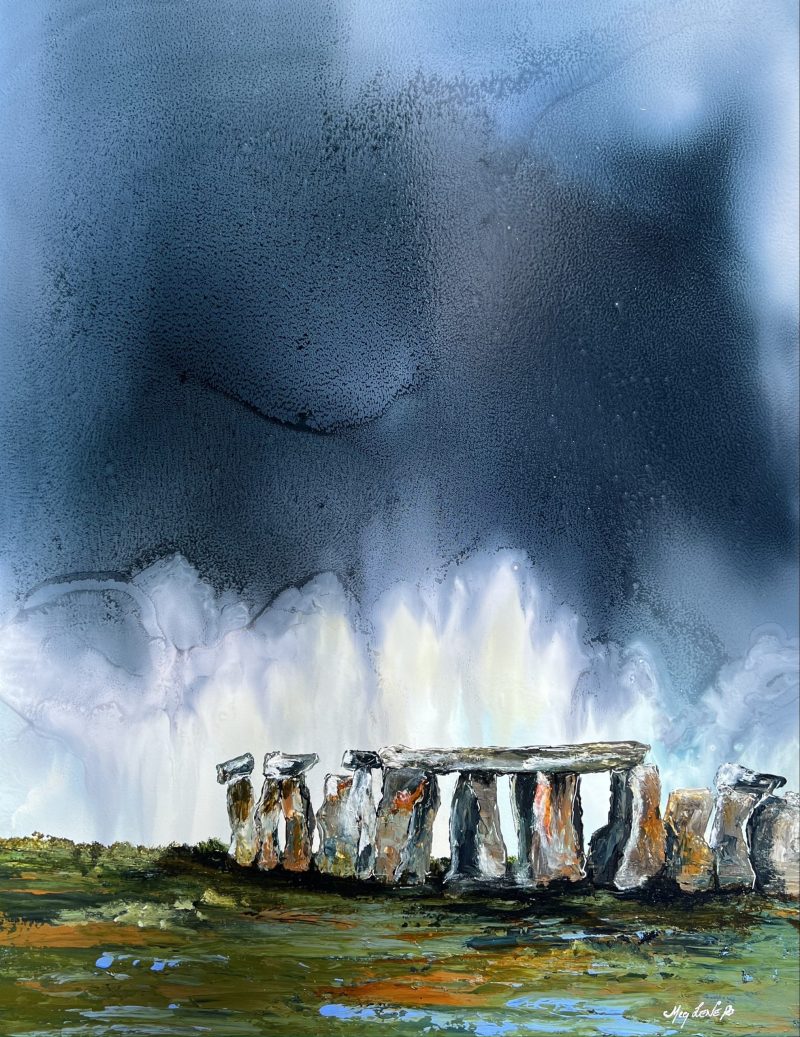 The Old Ones
Original price was: AUD$1,580.AUD$1,422Current price is: AUD$1,422.
Size:
45w
x 60h
x 1d
cms
Meg Lewer
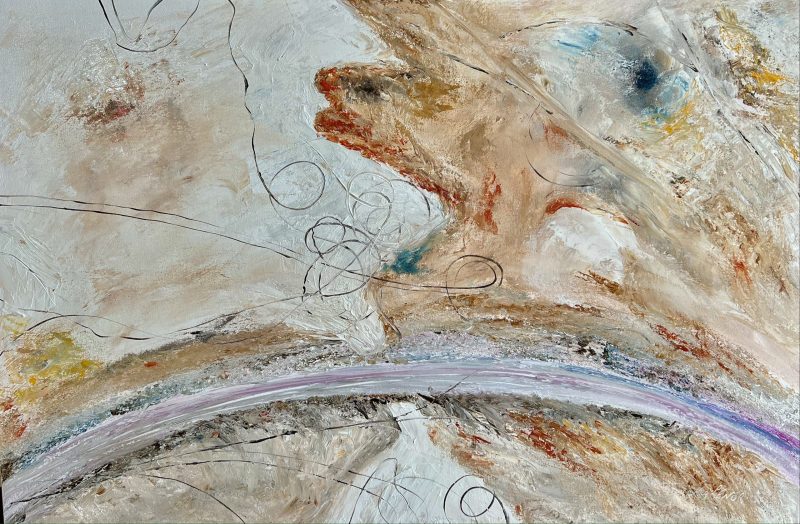 Doughnuts on the Claypan
Original price was: AUD$1,800.AUD$1,620Current price is: AUD$1,620.
Size:
91w
x 61h
x 3d
cms
Meg Lewer
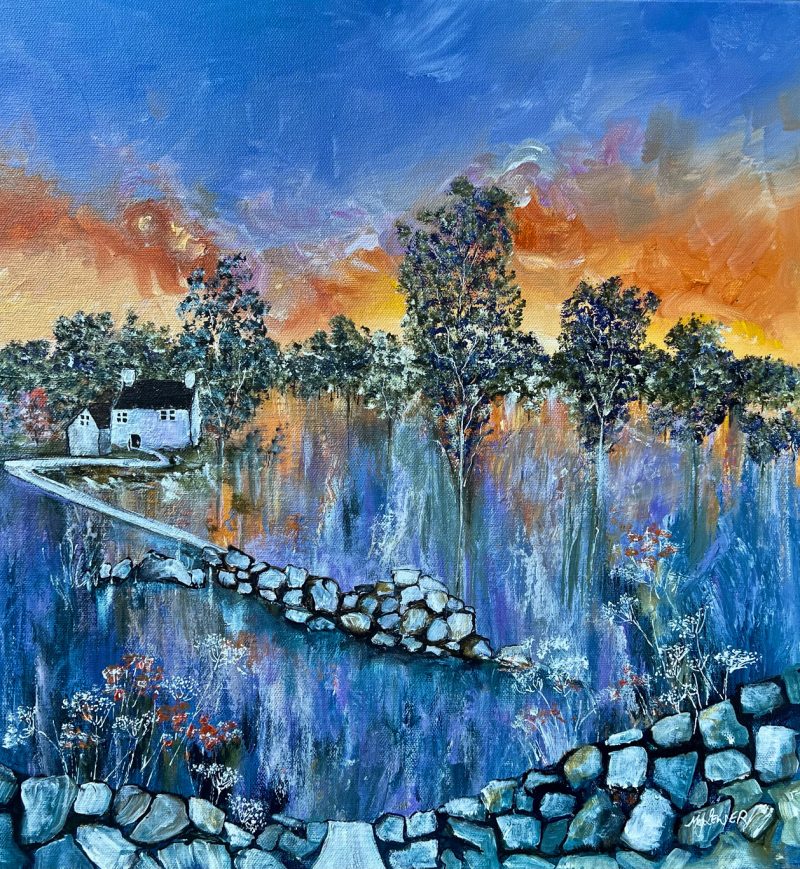 Off Down The Road
Original price was: AUD$990.AUD$891Current price is: AUD$891.
Size:
45w
x 45h
x 2d
cms
Meg Lewer
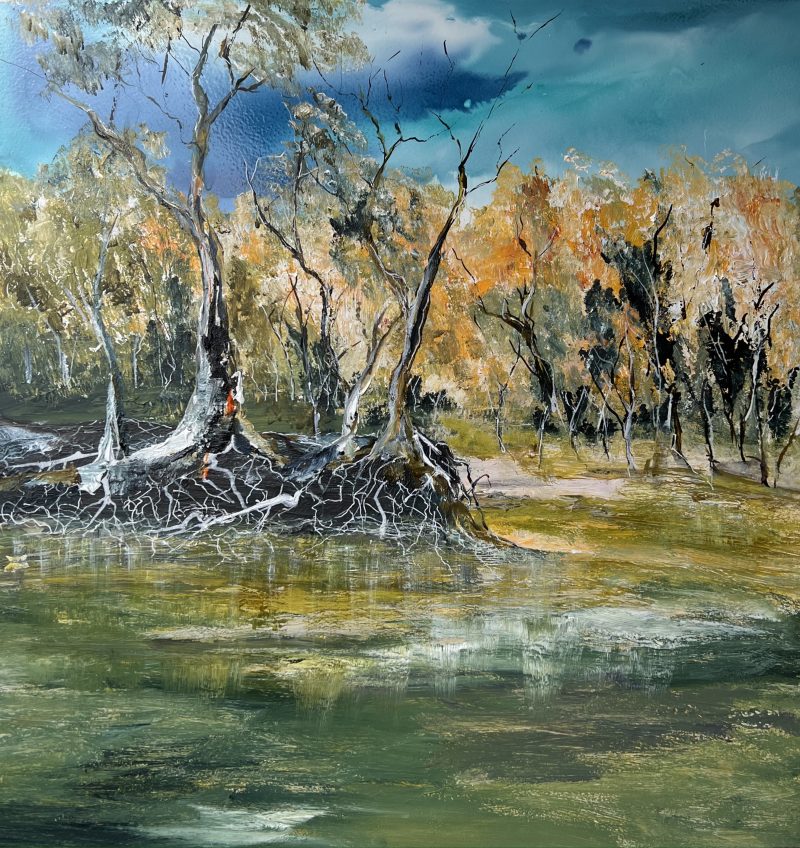 Twisted Memories
Original price was: AUD$1,280.AUD$1,152Current price is: AUD$1,152.
Size:
45w
x 45h
x 2d
cms
Meg Lewer
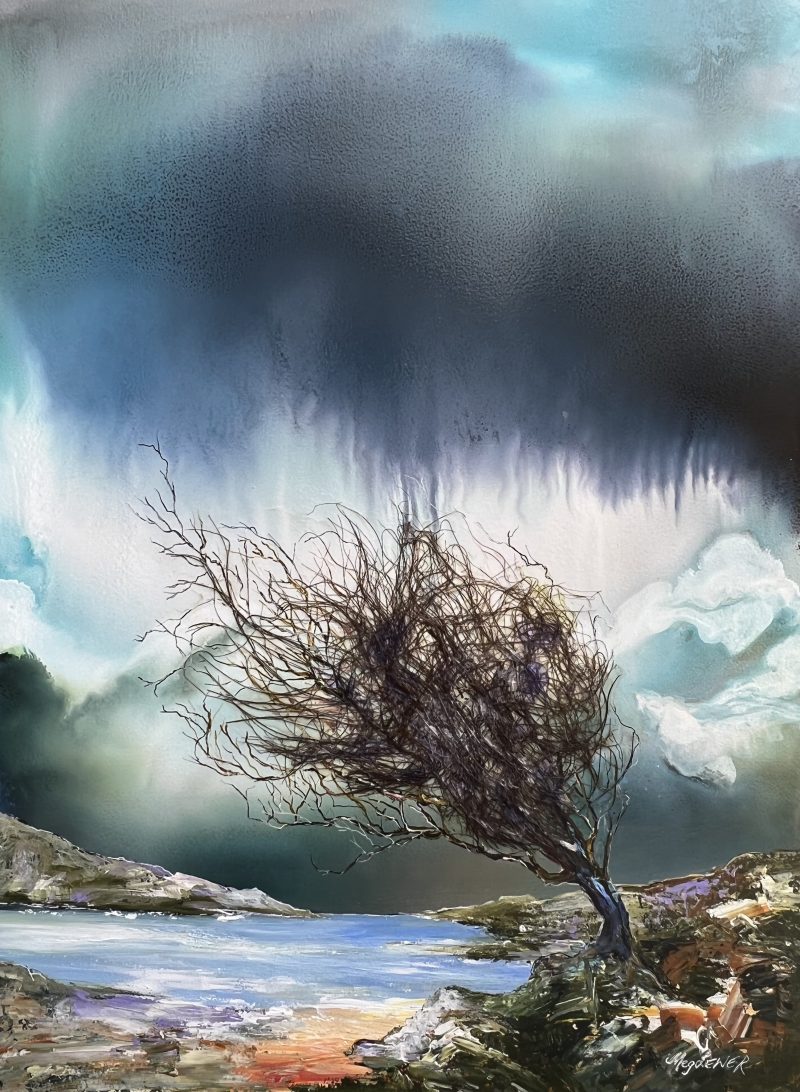 A Poem Lovely As A Tree
Original price was: AUD$1,480.AUD$1,332Current price is: AUD$1,332.
Size:
45w
x 60h
x 2d
cms
Meg Lewer
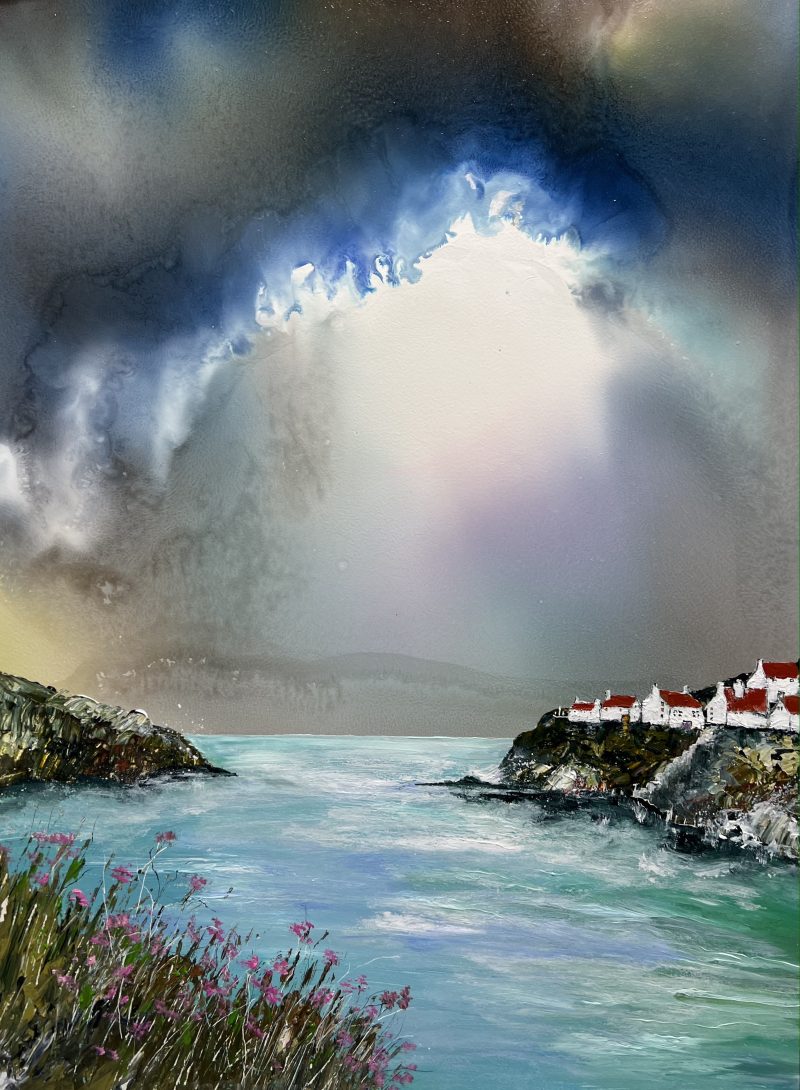 Blue-Spun Twilight
Original price was: AUD$1,480.AUD$1,332Current price is: AUD$1,332.
Size:
45w
x 60h
x 2d
cms
Meg Lewer
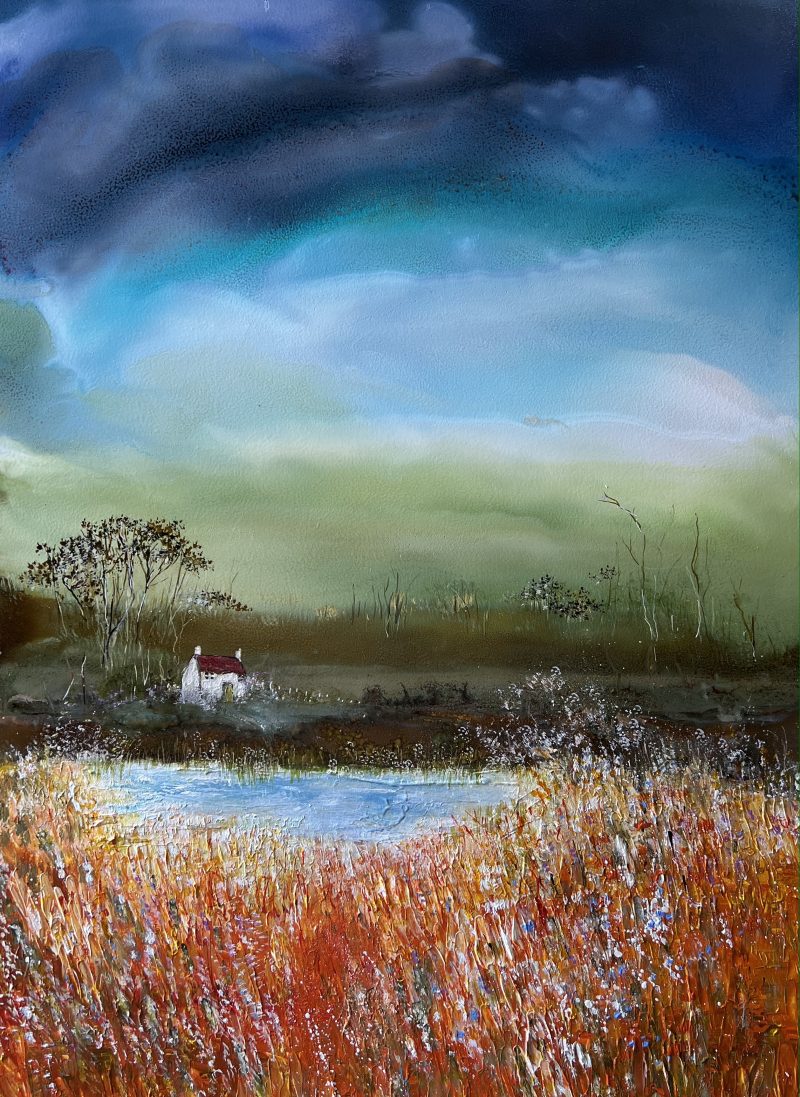 Come Back To Me
Original price was: AUD$1,200.AUD$1,080Current price is: AUD$1,080.
Size:
45w
x 60h
x 2d
cms
Meg Lewer
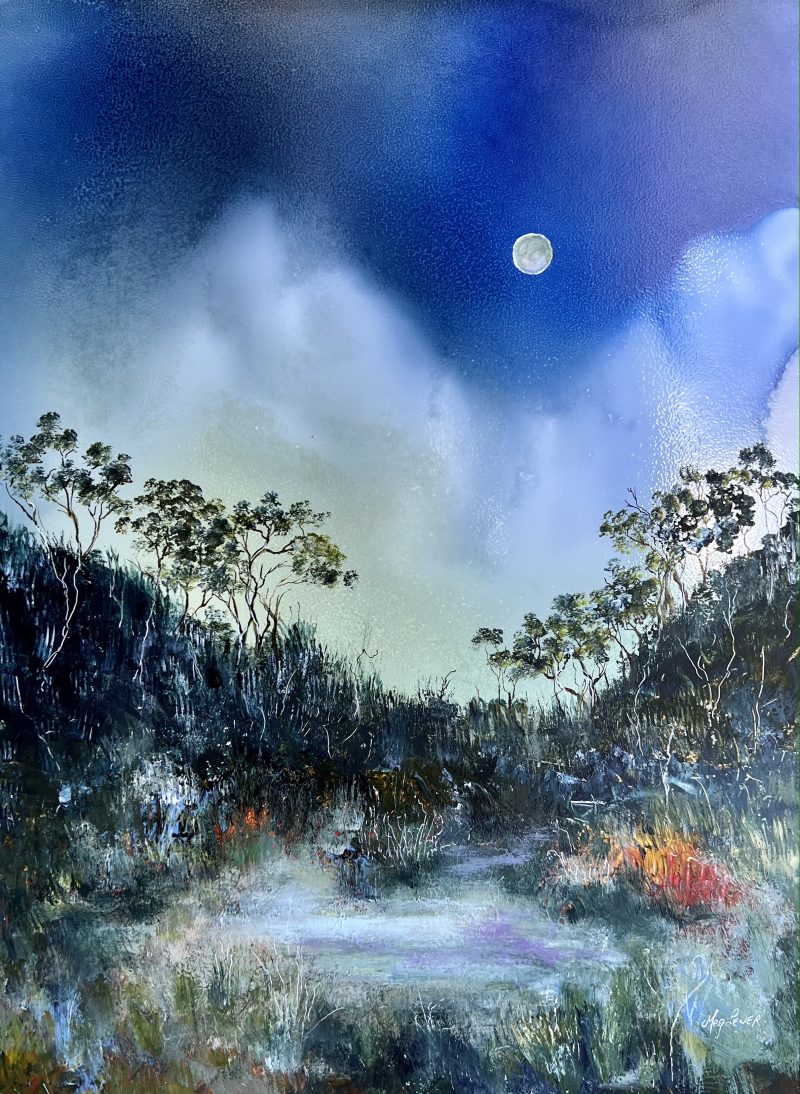 Echoes are Calling
Original price was: AUD$1,380.AUD$1,242Current price is: AUD$1,242.
Size:
45w
x 60h
x 2d
cms
Meg Lewer
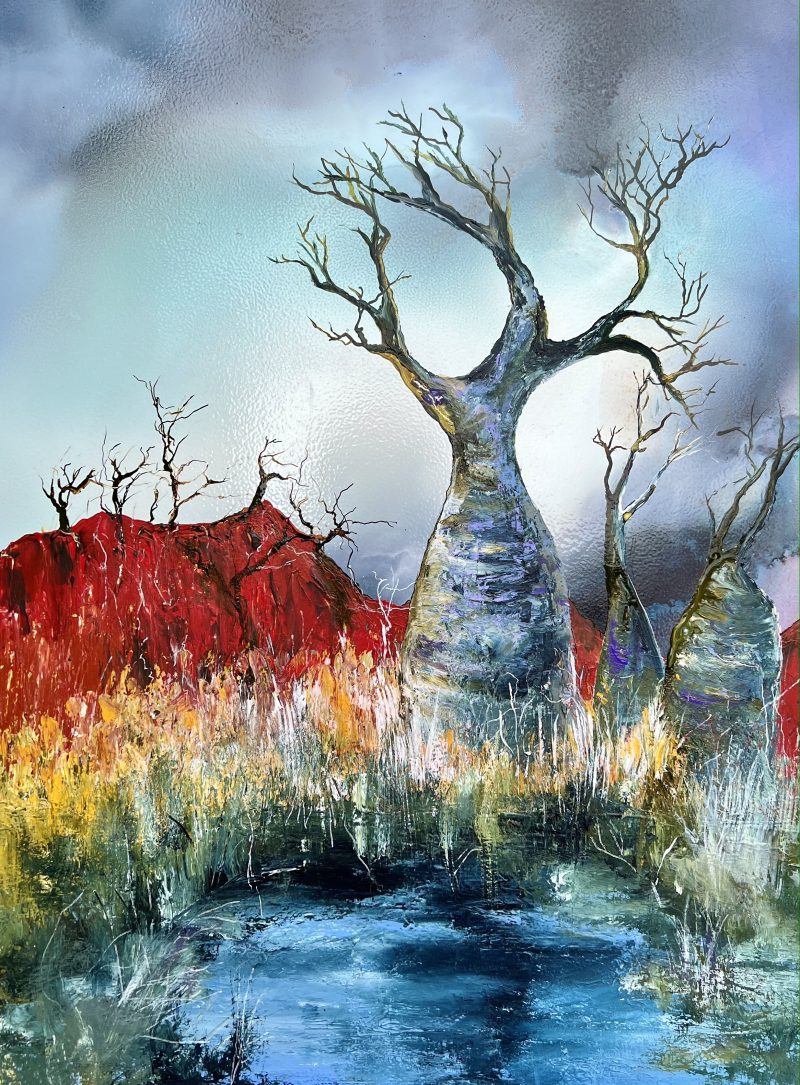 The Boab Legend
Original price was: AUD$1,380.AUD$1,242Current price is: AUD$1,242.
Size:
45w
x 60h
x 2d
cms
Meg Lewer
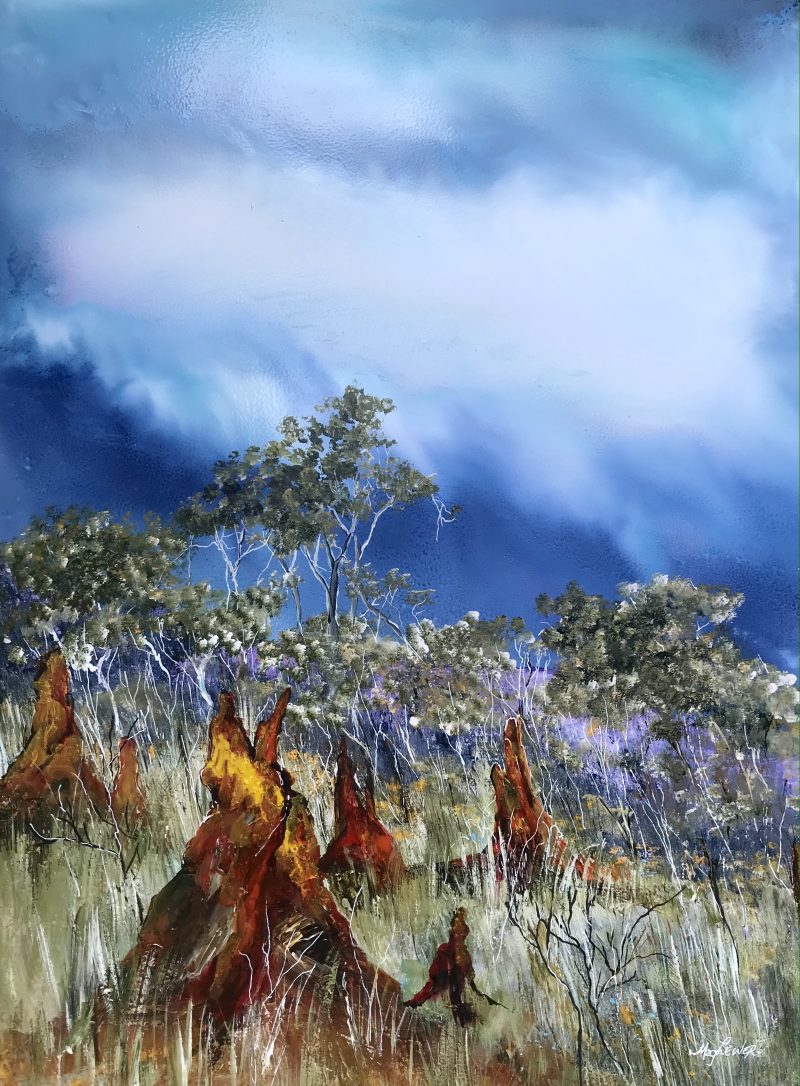 Twas a Trackless Desert
Original price was: AUD$1,580.AUD$1,422Current price is: AUD$1,422.
Size:
45w
x 60h
x 1d
cms
Meg Lewer
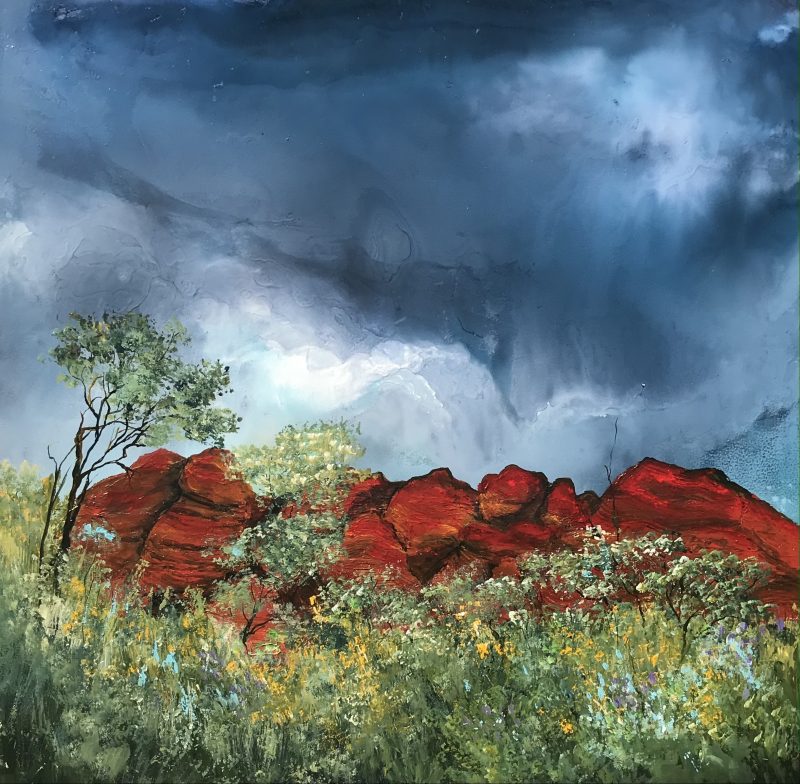 Wildflowers of the Kata Tjuta
Original price was: AUD$1,580.AUD$1,422Current price is: AUD$1,422.
Size:
60w
x 60h
x 2d
cms
Meg Lewer
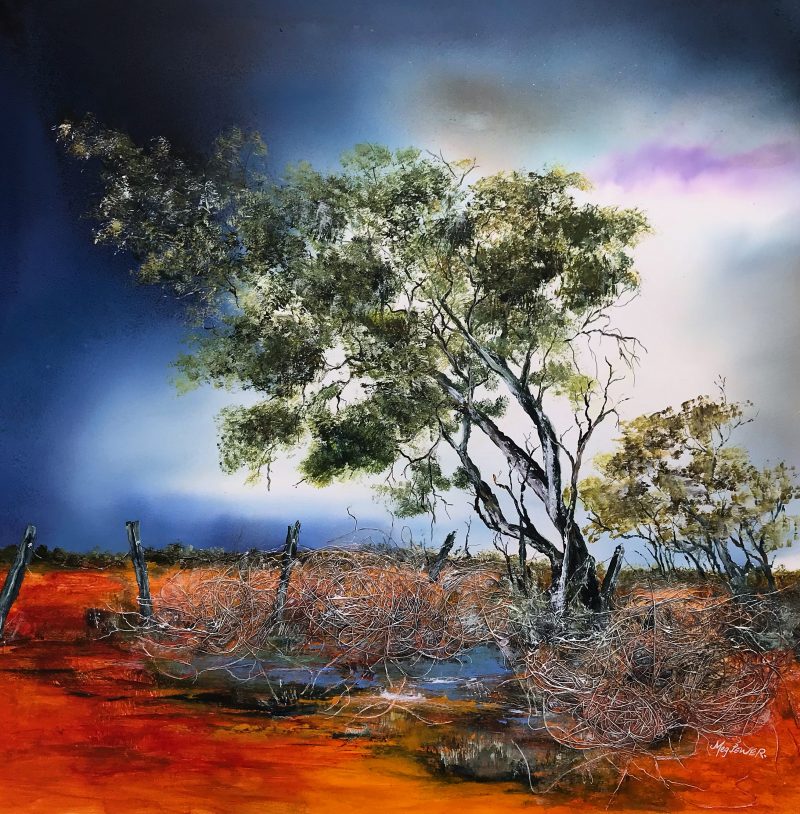 The Barwon Banker
Original price was: AUD$1,580.AUD$1,422Current price is: AUD$1,422.
Size:
60w
x 60h
x 2d
cms
Meg Lewer
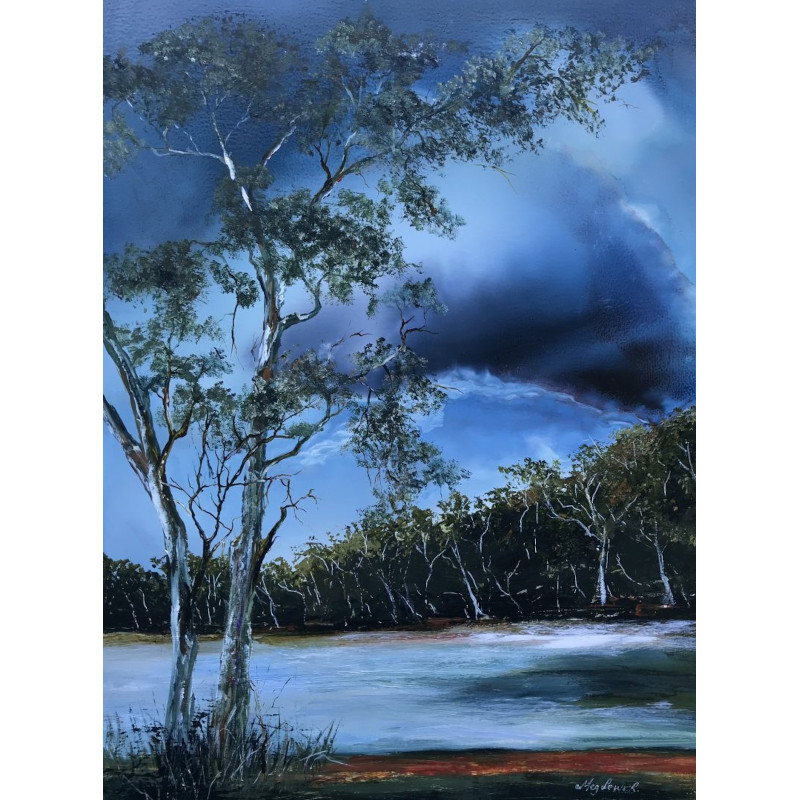 Waiting For The Warrigal
Original price was: AUD$1,400.AUD$1,260Current price is: AUD$1,260.
Size:
45w
x 60h
x 2d
cms
Meg Lewer
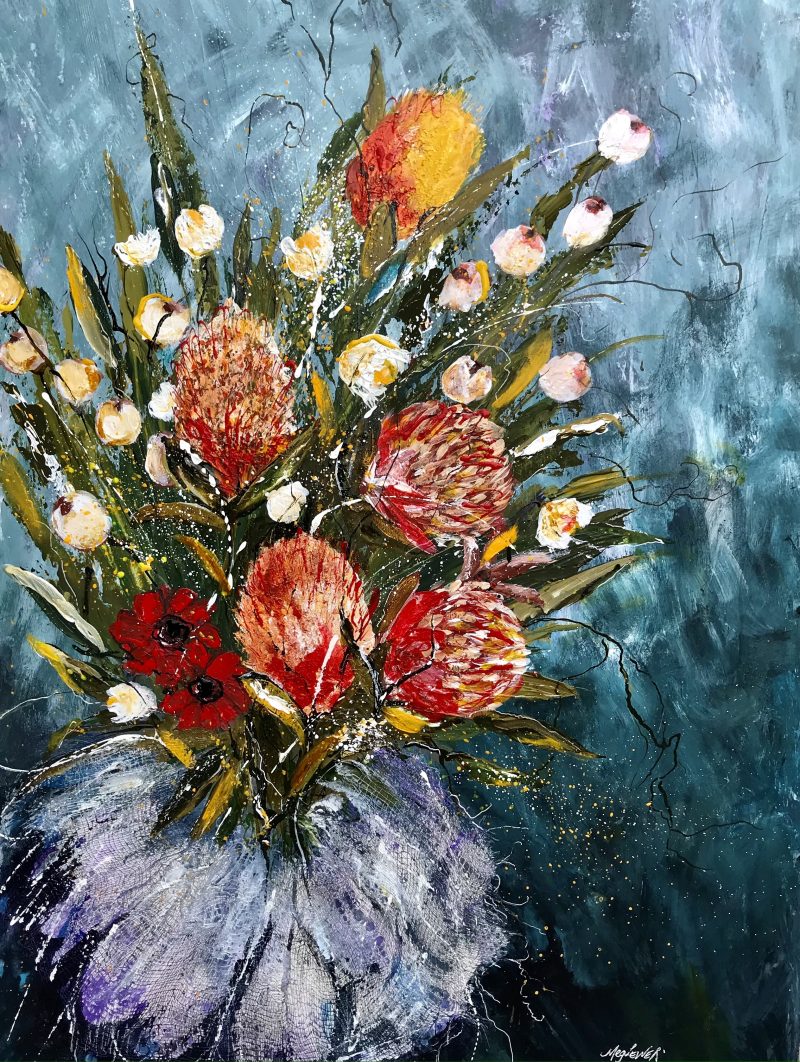 Bonny Bunch
Original price was: AUD$1,330.AUD$1,197Current price is: AUD$1,197.
Size:
45w
x 45h
x 2d
cms
Meg Lewer
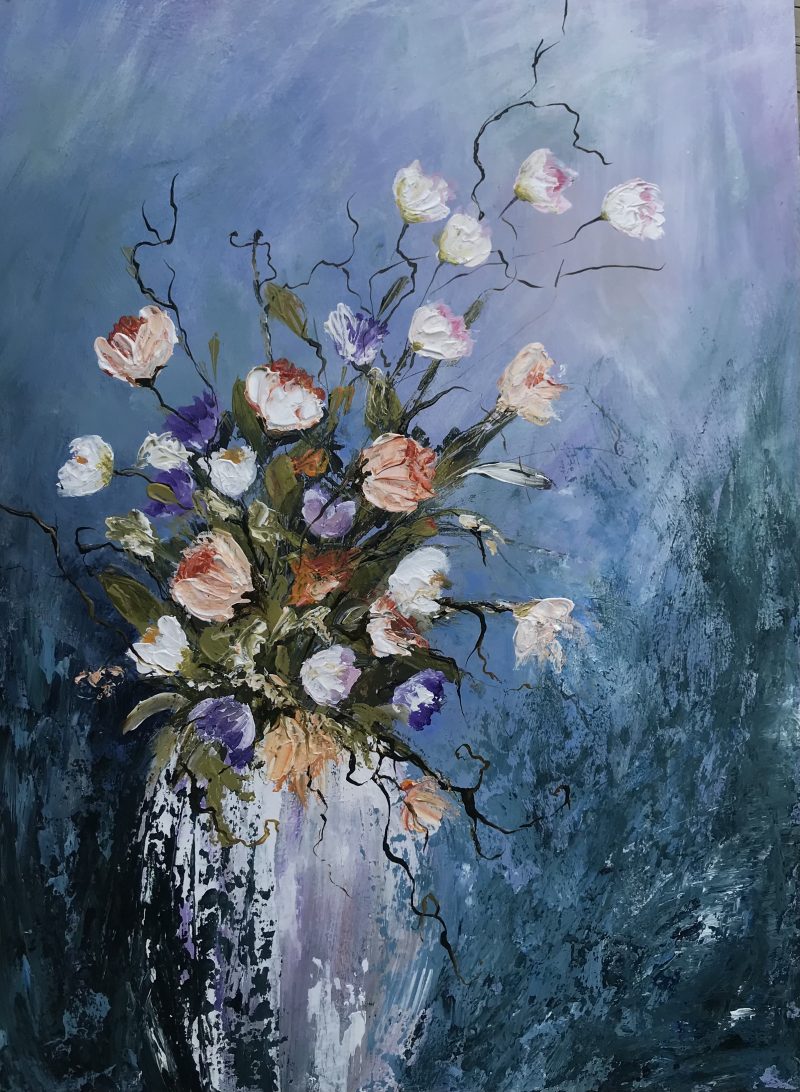 She A Window Flower
Original price was: AUD$1,280.AUD$1,152Current price is: AUD$1,152.
Size:
45w
x 60h
x 2d
cms
Meg Lewer
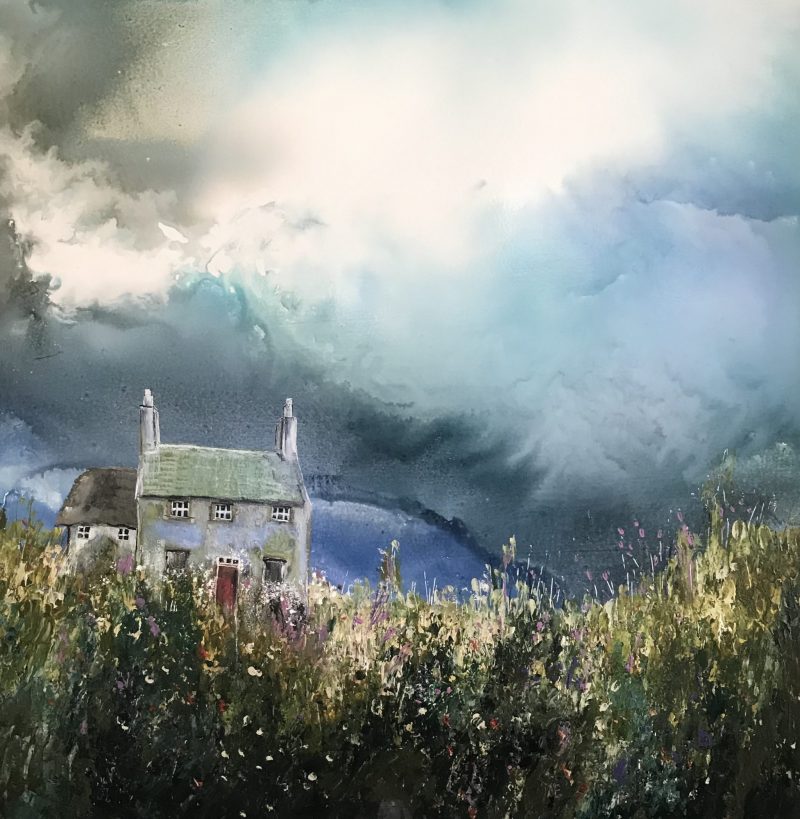 A House Of My Own
Original price was: AUD$1,280.AUD$1,152Current price is: AUD$1,152.
Size:
45w
x 45h
x 2d
cms
Meg Lewer
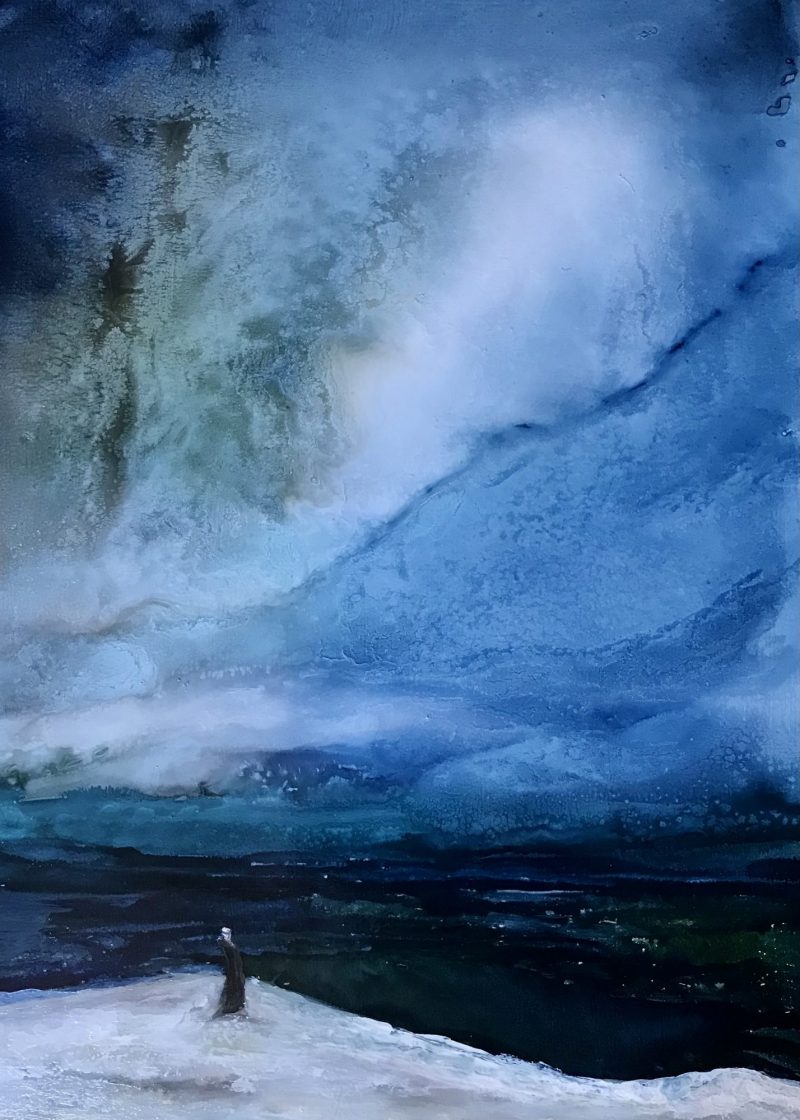 Engulfed By An Endless Solitude
Original price was: AUD$1,330.AUD$1,197Current price is: AUD$1,197.
Size:
45w
x 60h
x 2d
cms
Meg Lewer
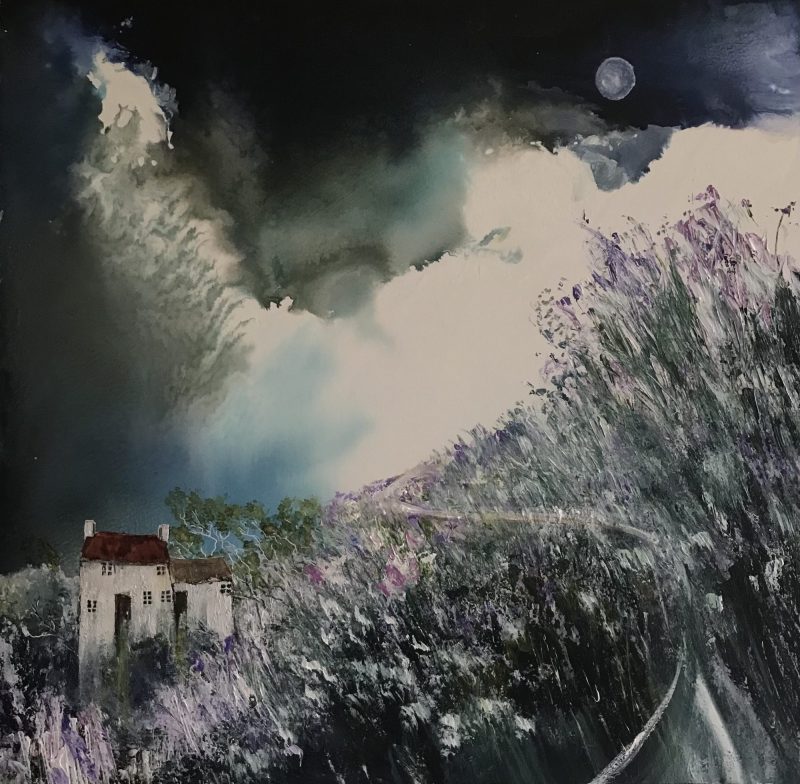 Still of a Winters Night
Original price was: AUD$1,280.AUD$1,152Current price is: AUD$1,152.
Size:
45w
x 45h
x 2d
cms
Meg Lewer
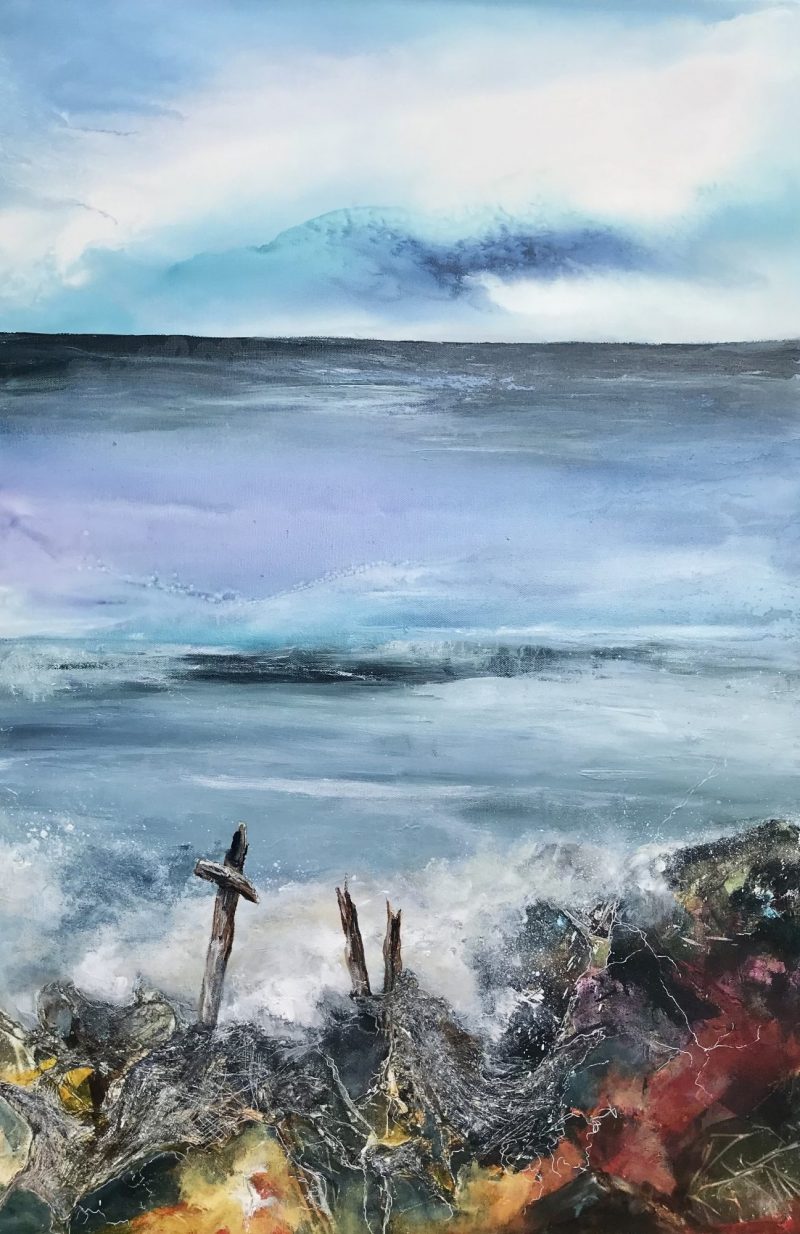 The Lonely Pier
Original price was: AUD$1,500.AUD$1,350Current price is: AUD$1,350.
Size:
60w
x 90h
x 4d
cms
Meg Lewer
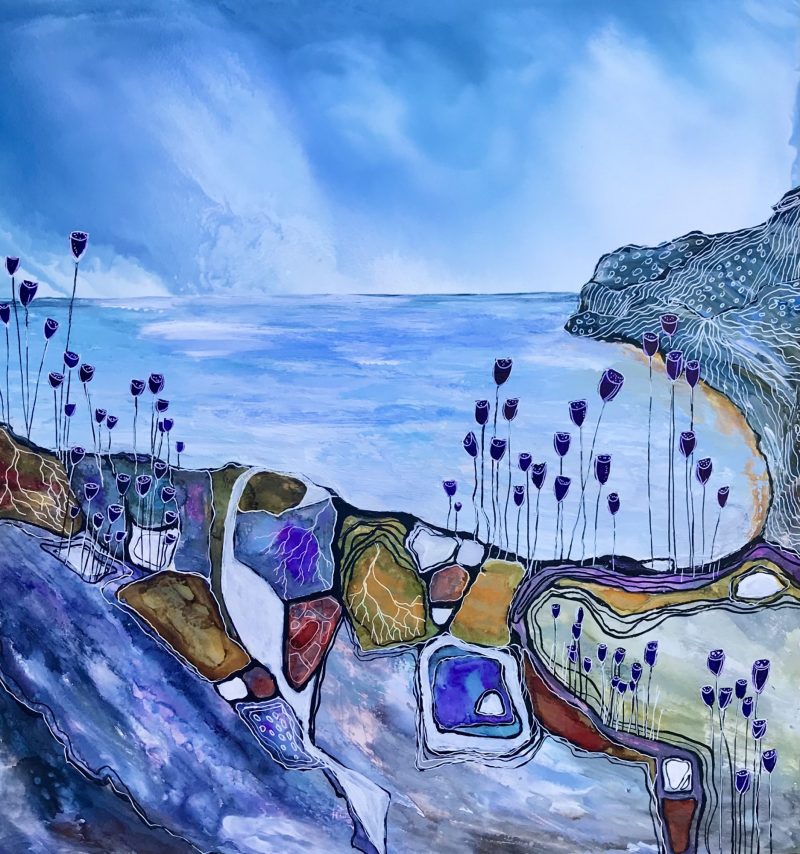 Clifftop Dreaming
Original price was: AUD$910.AUD$819Current price is: AUD$819.
Size:
45w
x 45h
x 2d
cms
Meg Lewer
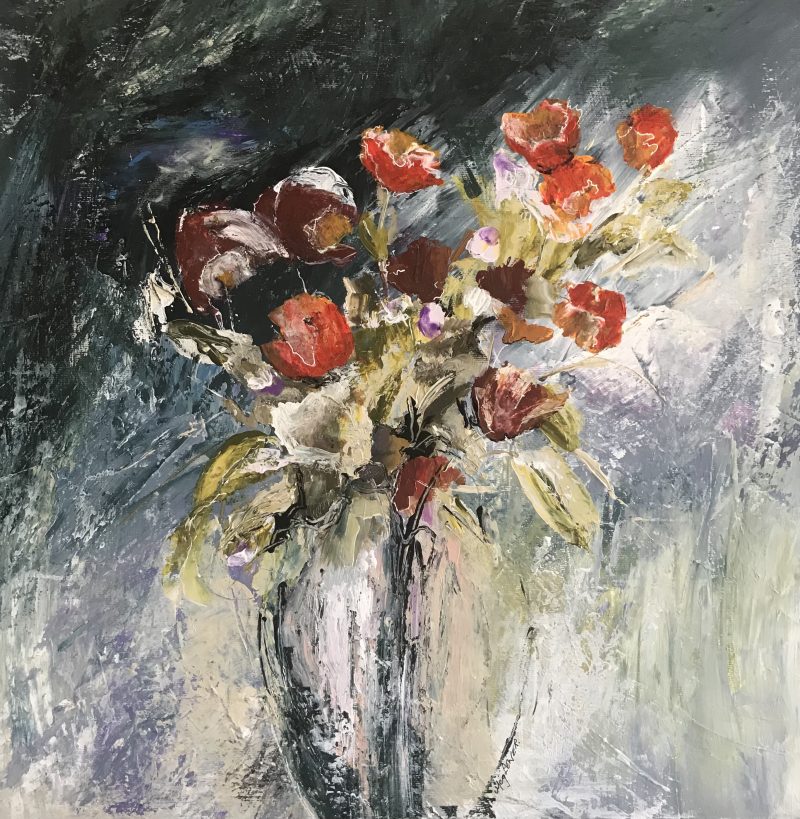 Heaven Is a Wildflower
Original price was: AUD$830.AUD$747Current price is: AUD$747.
Size:
50w
x 50h
x 4d
cms
Meg Lewer
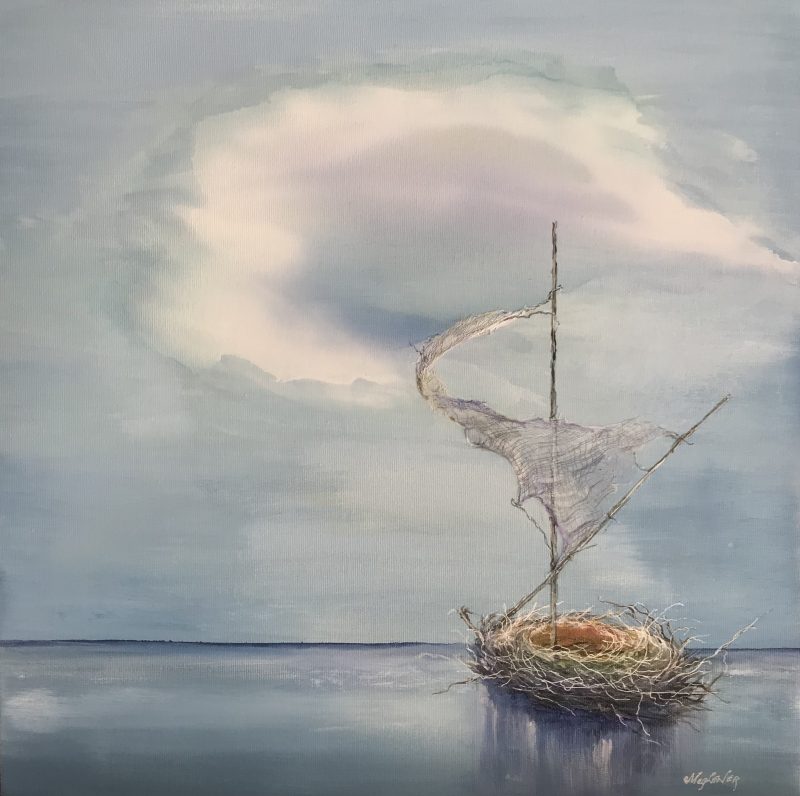 Adrift
Original price was: AUD$910.AUD$819Current price is: AUD$819.
Size:
50w
x 50h
x 4d
cms
Meg Lewer
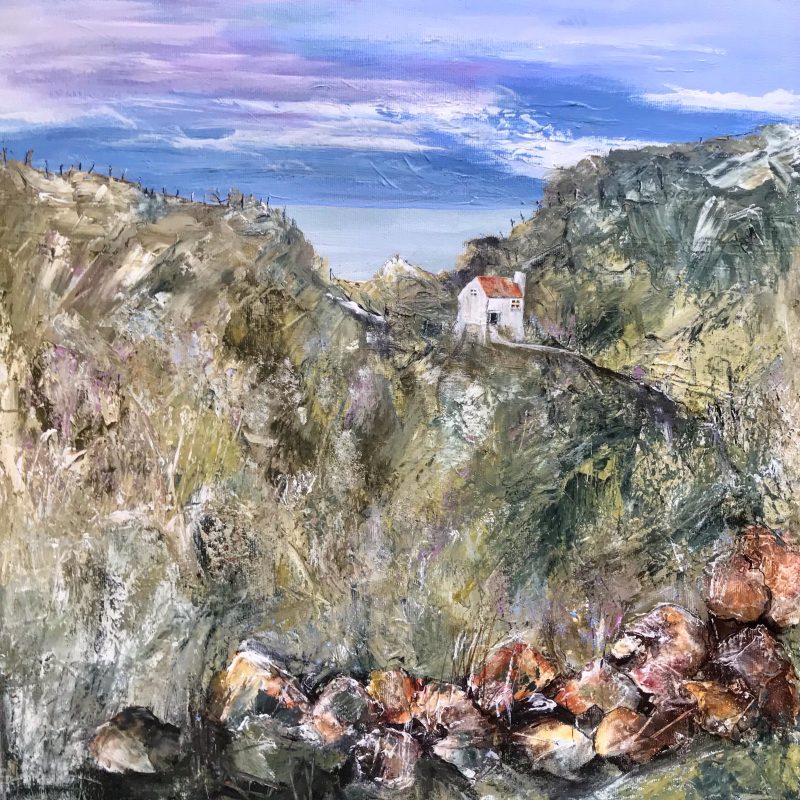 The House on the Heath
Original price was: AUD$1,330.AUD$1,197Current price is: AUD$1,197.
Size:
60w
x 60h
x 2d
cms
Meg Lewer
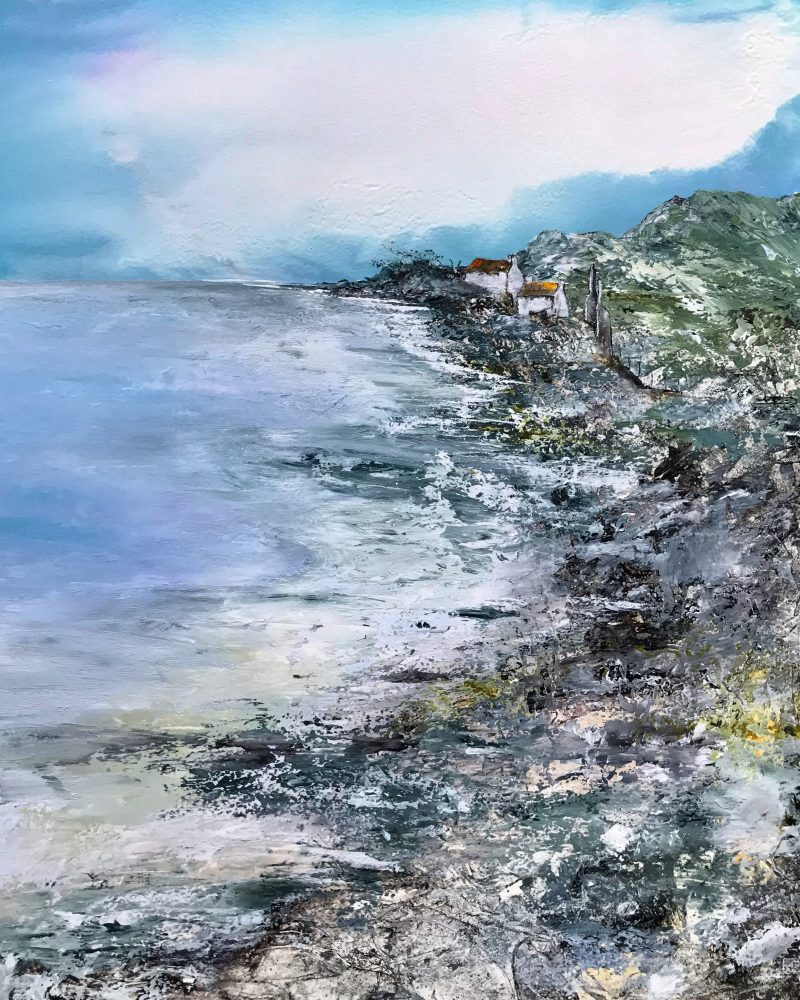 Rocked to Sleep by the Sea
Original price was: AUD$1,380.AUD$1,242Current price is: AUD$1,242.
Size:
45w
x 60h
x 2d
cms
Meg Lewer
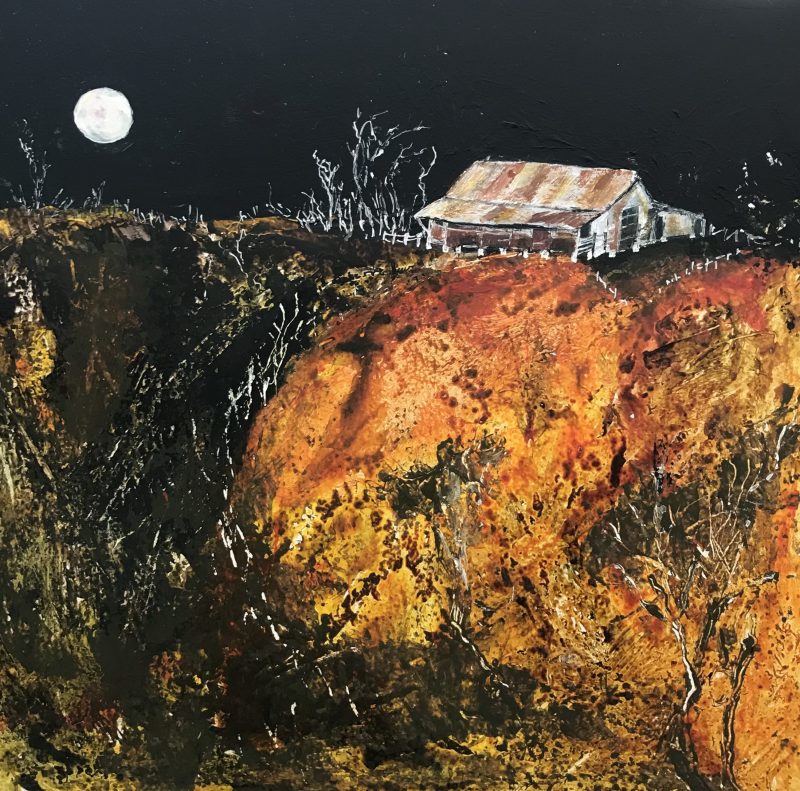 The moon is lonely in the Sky
Original price was: AUD$1,080.AUD$972Current price is: AUD$972.
Size:
53w
x 53h
x 2d
cms
Meg Lewer
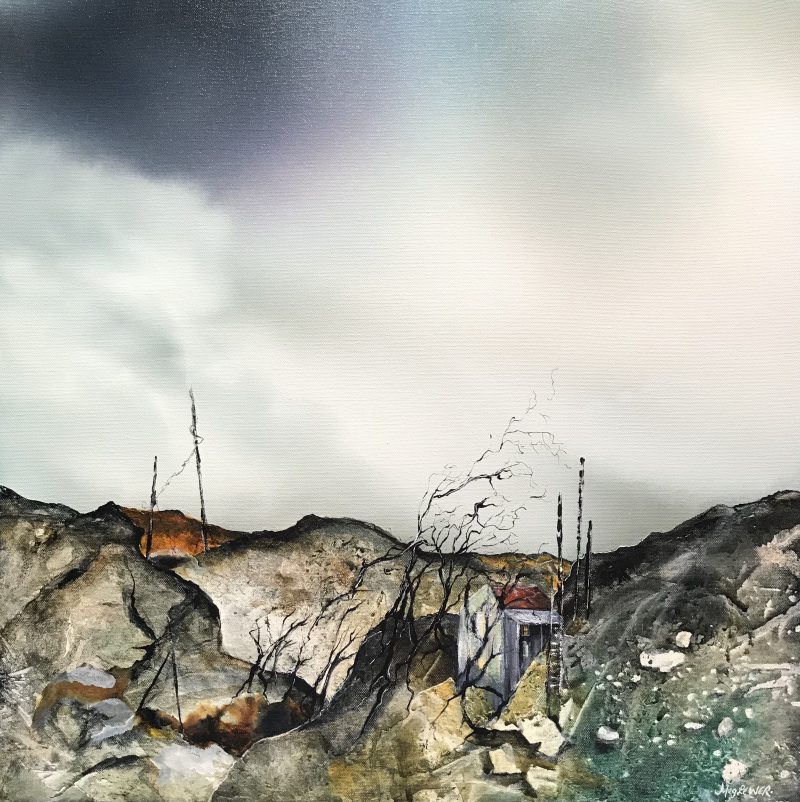 Dollypot Gold
Original price was: AUD$1,380.AUD$1,242Current price is: AUD$1,242.
Size:
60w
x 60h
x 4d
cms
Meg Lewer
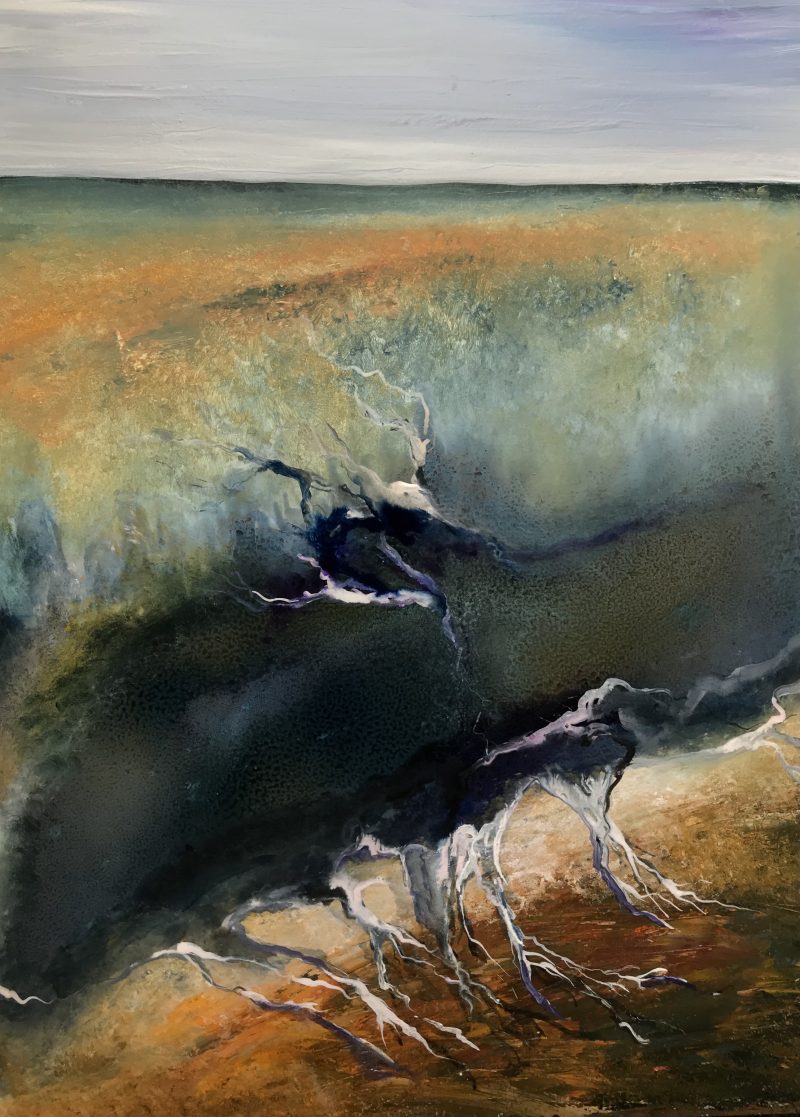 Bewitching Eyre
Original price was: AUD$1,330.AUD$1,197Current price is: AUD$1,197.
Size:
45w
x 60h
x 2d
cms
Meg Lewer
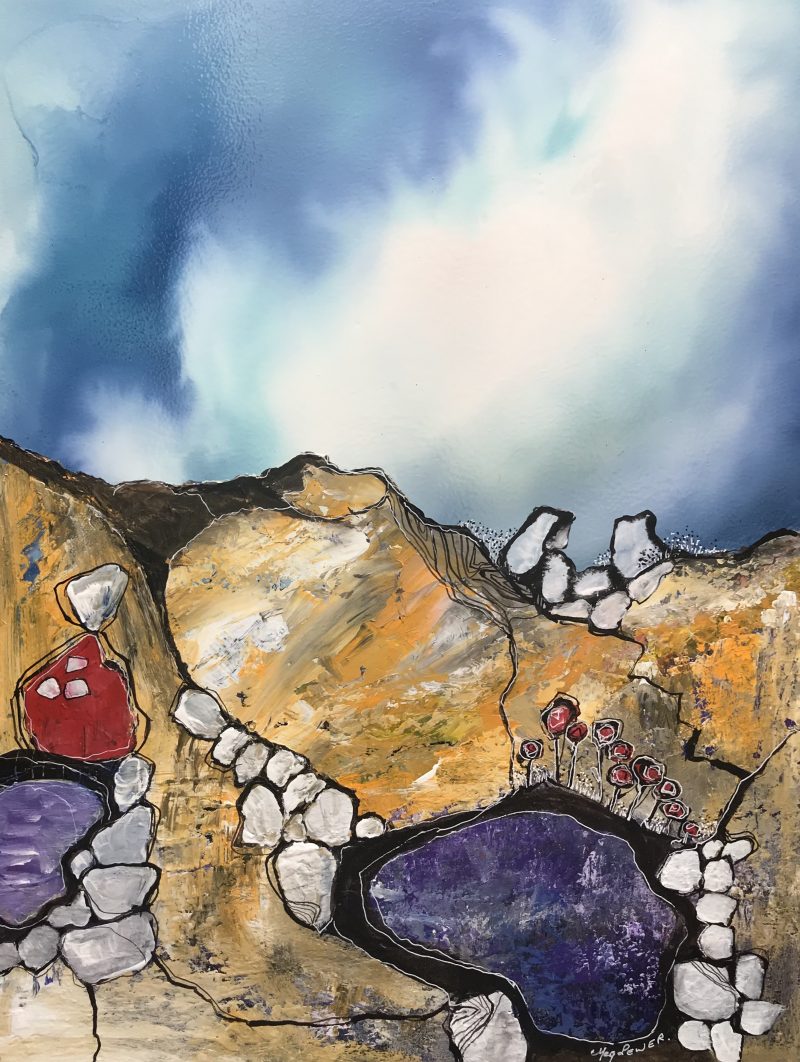 Gnamma Dreaming
Original price was: AUD$1,330.AUD$1,197Current price is: AUD$1,197.
Size:
45w
x 60h
x 2d
cms
Meg Lewer
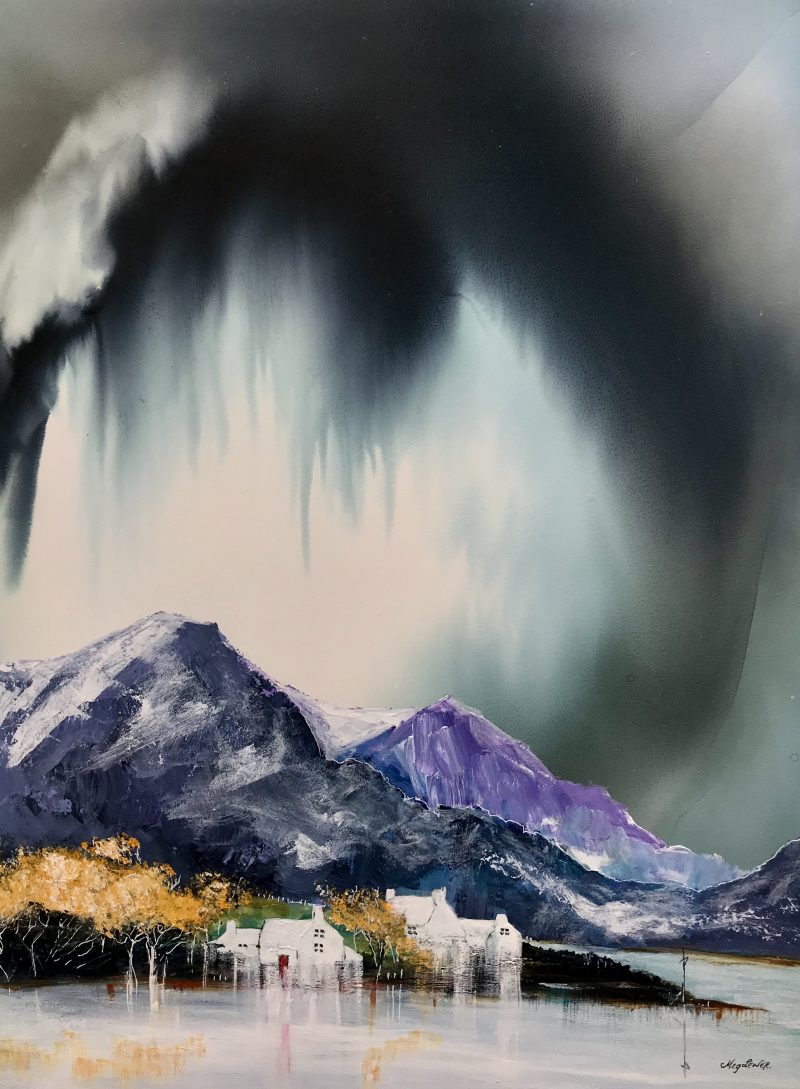 It’s Raining Raining Raining
Original price was: AUD$1,450.AUD$1,305Current price is: AUD$1,305.
Size:
45w
x 60h
x 2d
cms
Meg Lewer
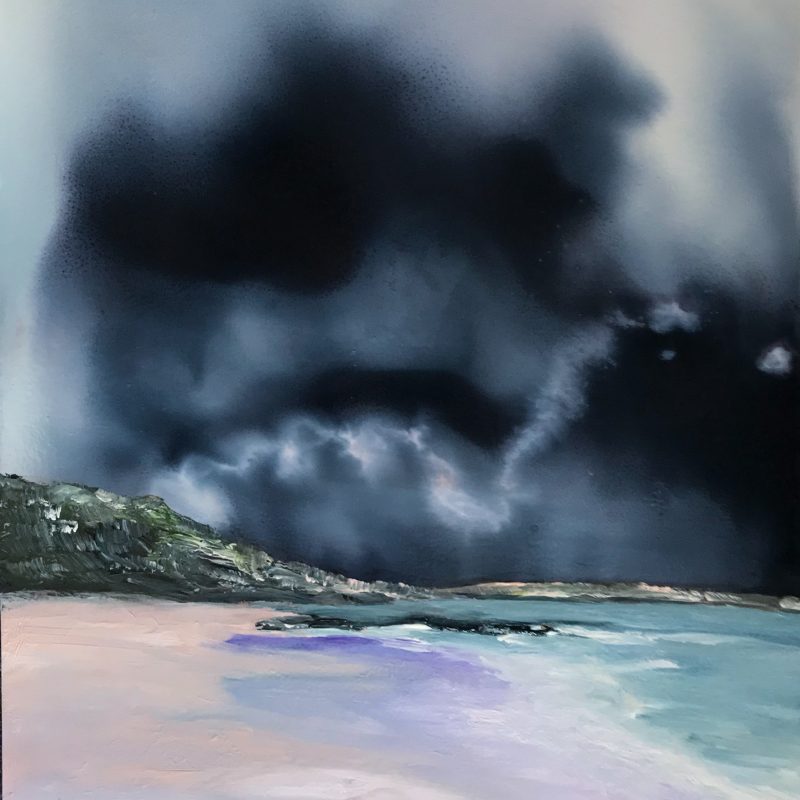 Evening Song
Original price was: AUD$1,330.AUD$1,197Current price is: AUD$1,197.
Size:
45w
x 60h
x 2d
cms
Meg Lewer
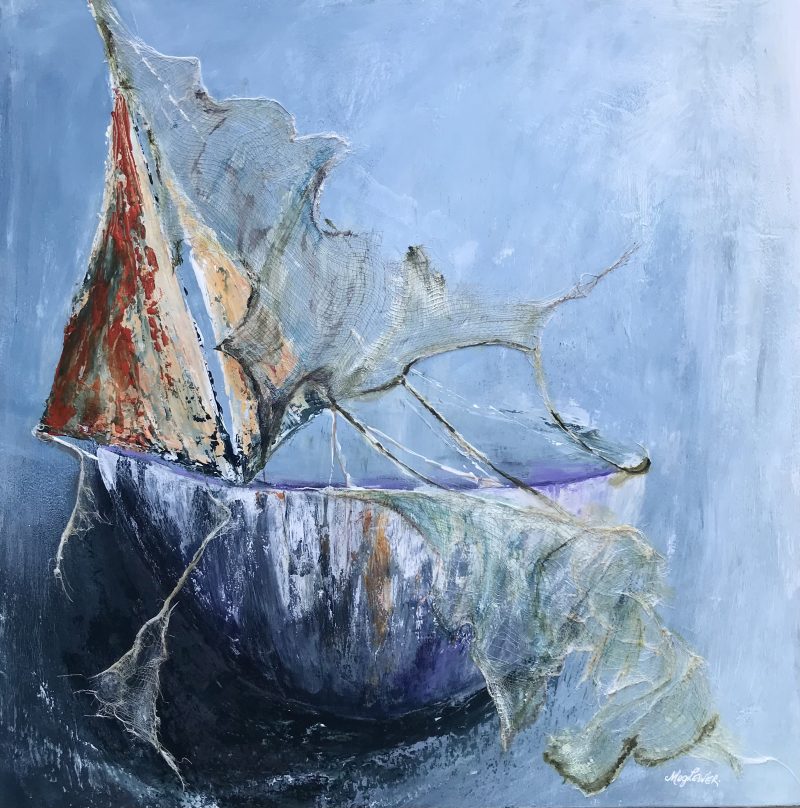 Cast your Fate
Original price was: AUD$1,500.AUD$1,350Current price is: AUD$1,350.
Size:
60w
x 60h
x 4d
cms
Meg Lewer
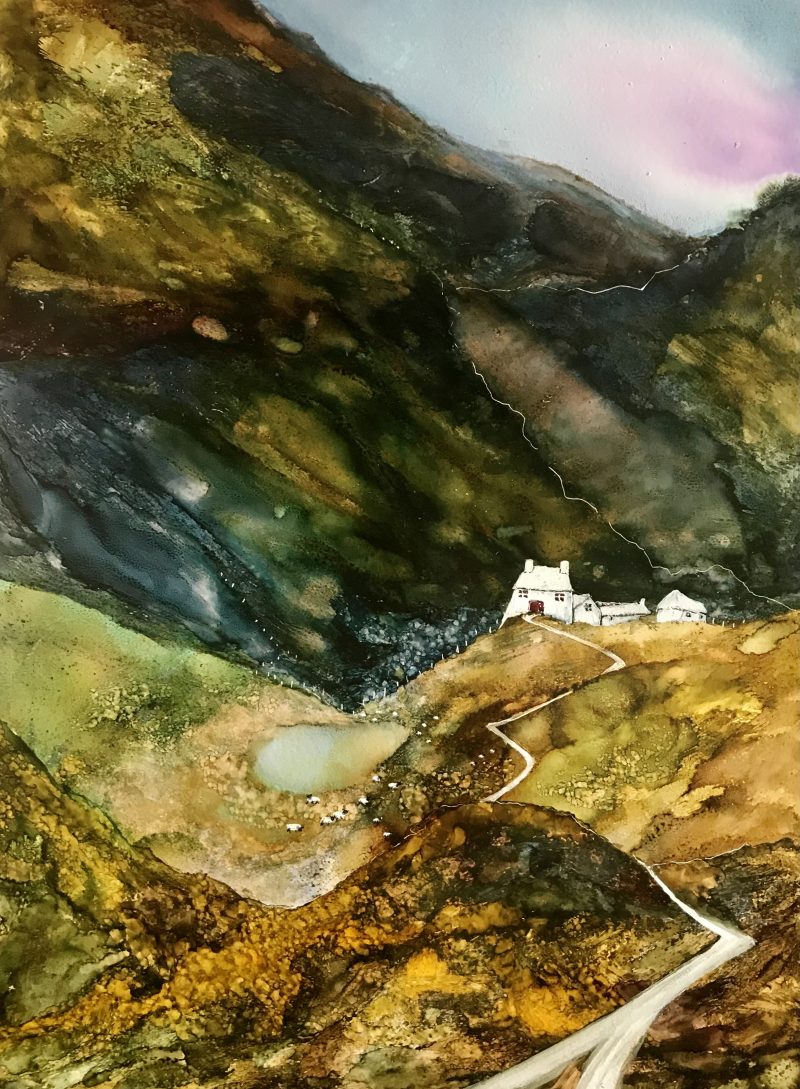 Tassie Dreaming
Original price was: AUD$1,330.AUD$1,197Current price is: AUD$1,197.
Size:
45w
x 60h
x 2d
cms
Meg Lewer
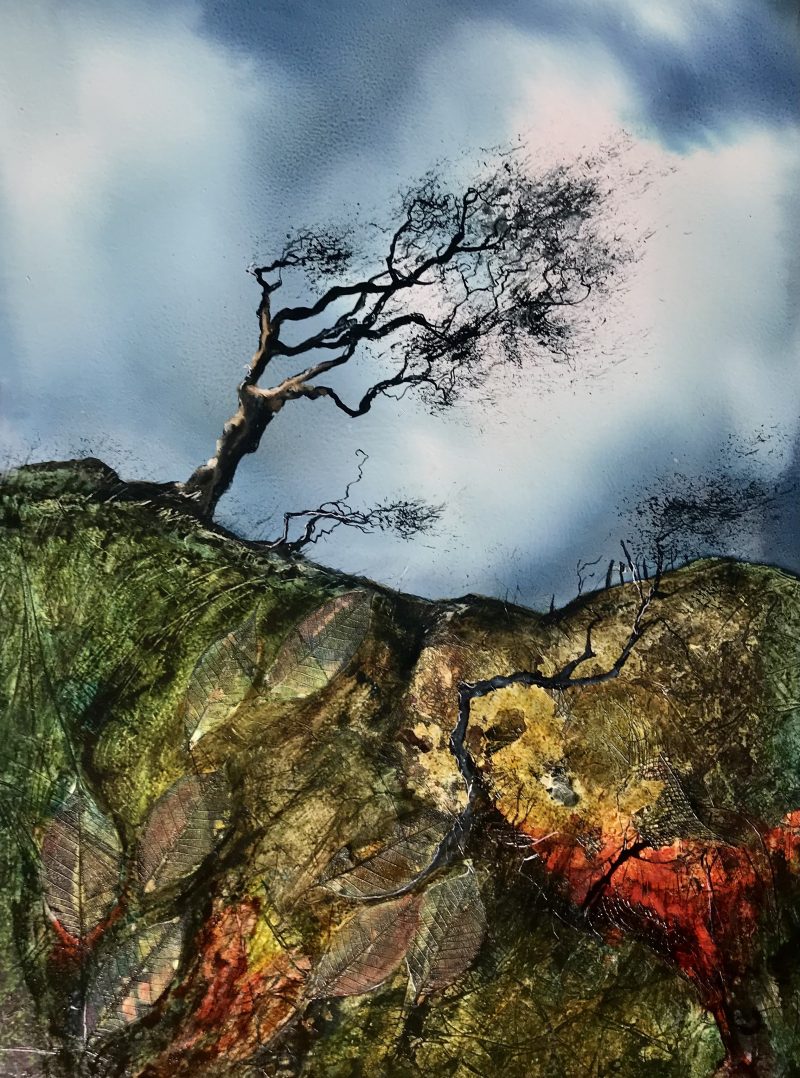 Contemplation
Original price was: AUD$1,330.AUD$1,197Current price is: AUD$1,197.
Size:
45w
x 60h
cms
Meg Lewer
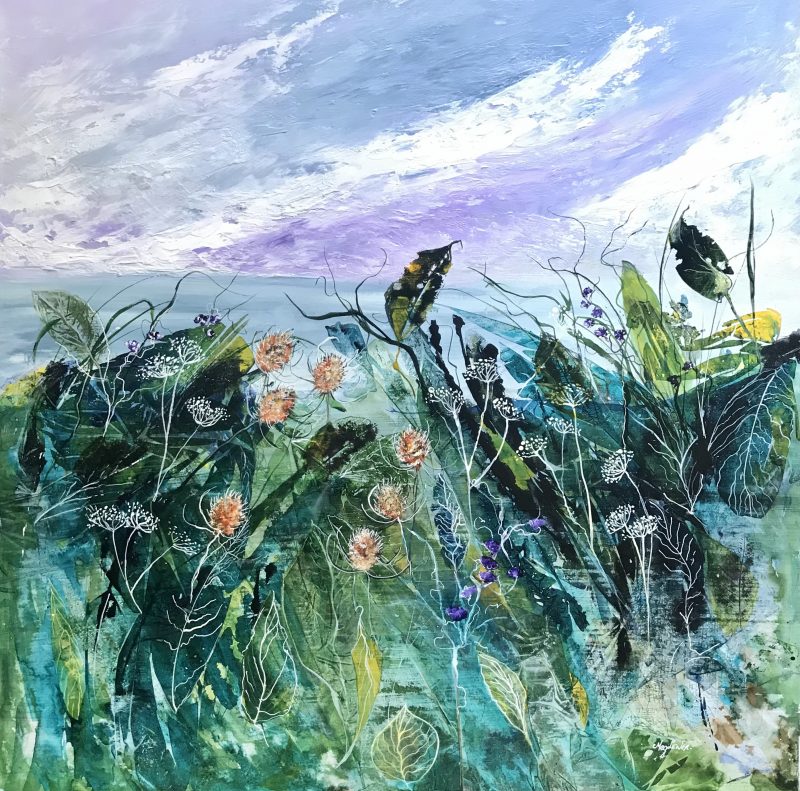 Bramble Jam
Original price was: AUD$1,280.AUD$1,152Current price is: AUD$1,152.
Size:
60w
x 60h
x 4d
cms
Meg Lewer
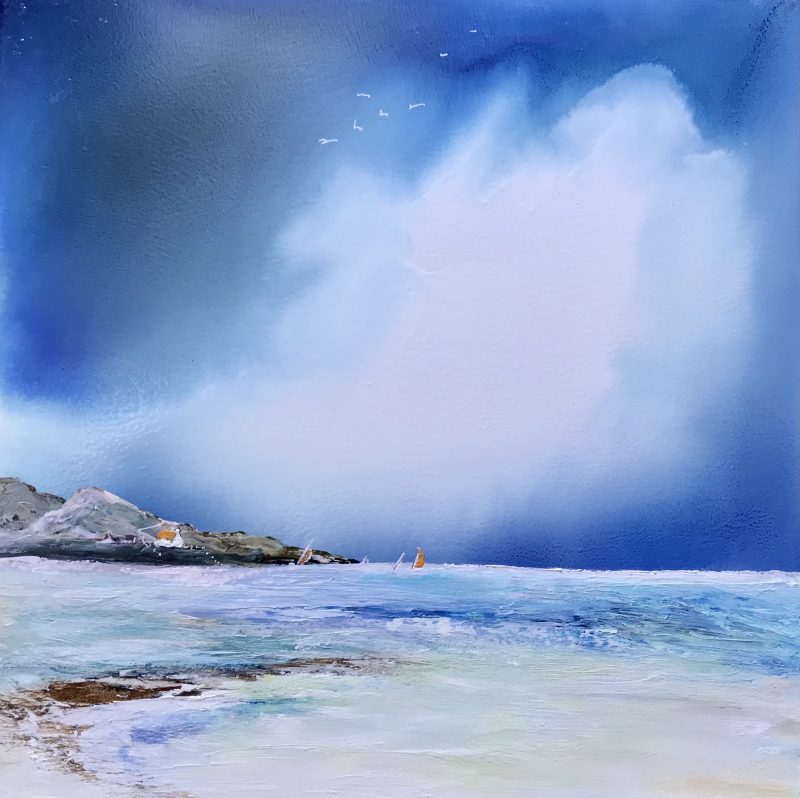 When the tide Comes In
Original price was: AUD$760.AUD$684Current price is: AUD$684.
Size:
45w
x 45h
x 2d
cms
Meg Lewer
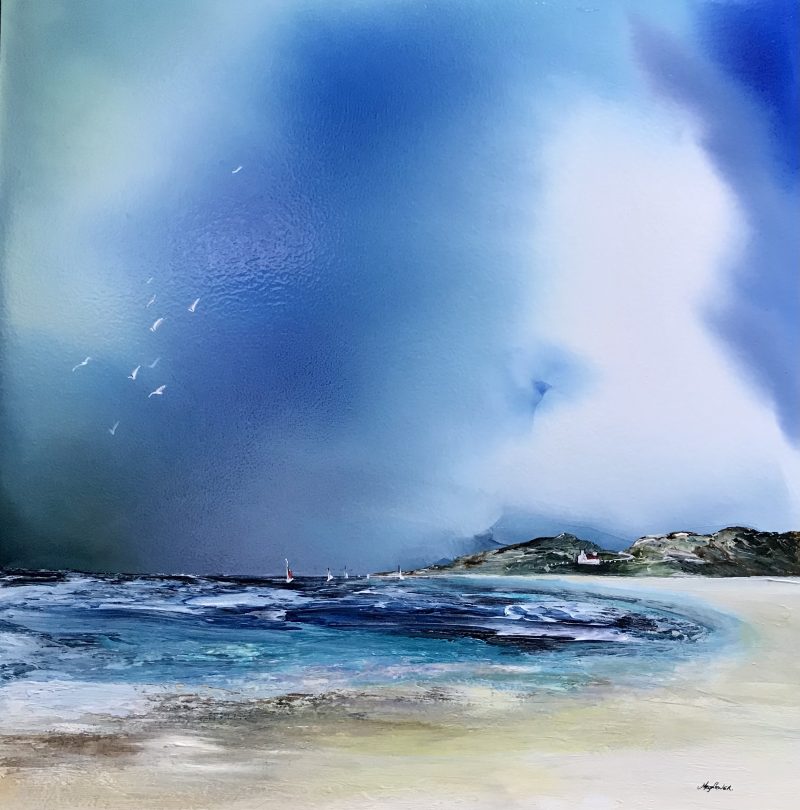 The Fisherman’s Yarn
Original price was: AUD$760.AUD$684Current price is: AUD$684.
Size:
45w
x 45h
x 2d
cms
Meg Lewer
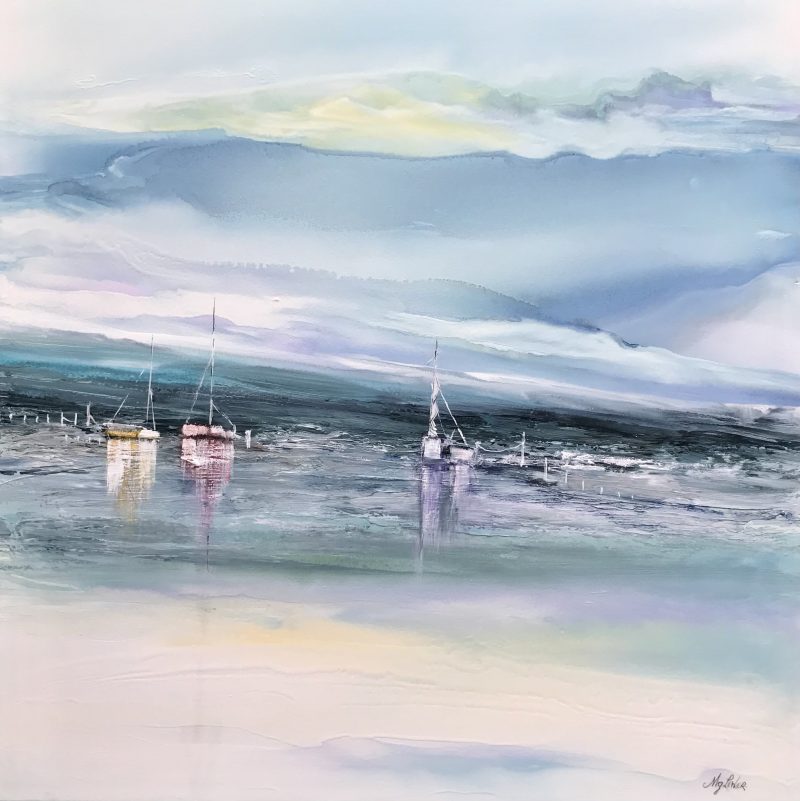 The Secret of The Sea
Original price was: AUD$860.AUD$774Current price is: AUD$774.
Size:
40w
x 40h
x 3d
cms
Meg Lewer
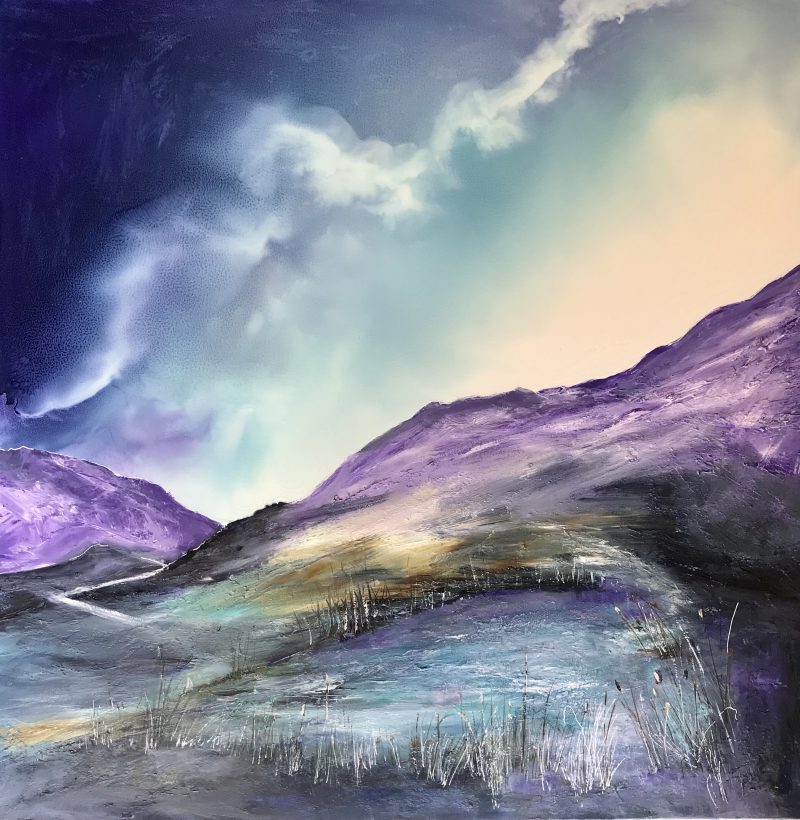 The Silver Apples of the Moon
Original price was: AUD$1,280.AUD$1,152Current price is: AUD$1,152.
Size:
60w
x 60h
x 4d
cms
Meg Lewer
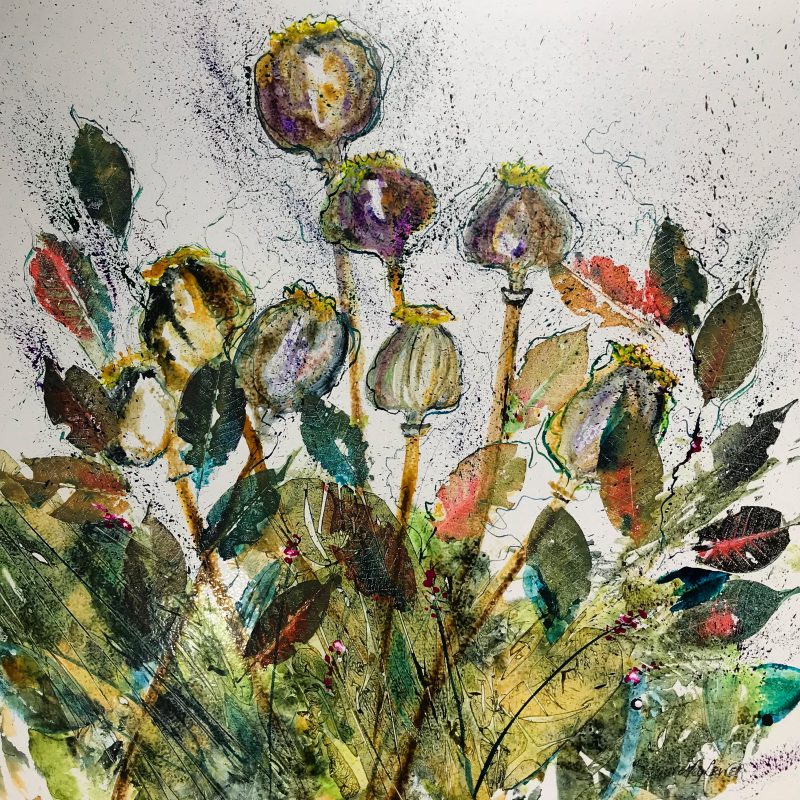 Splendid is the Seed
Original price was: AUD$960.AUD$864Current price is: AUD$864.
Size:
45w
x 45h
x 2d
cms
Meg Lewer
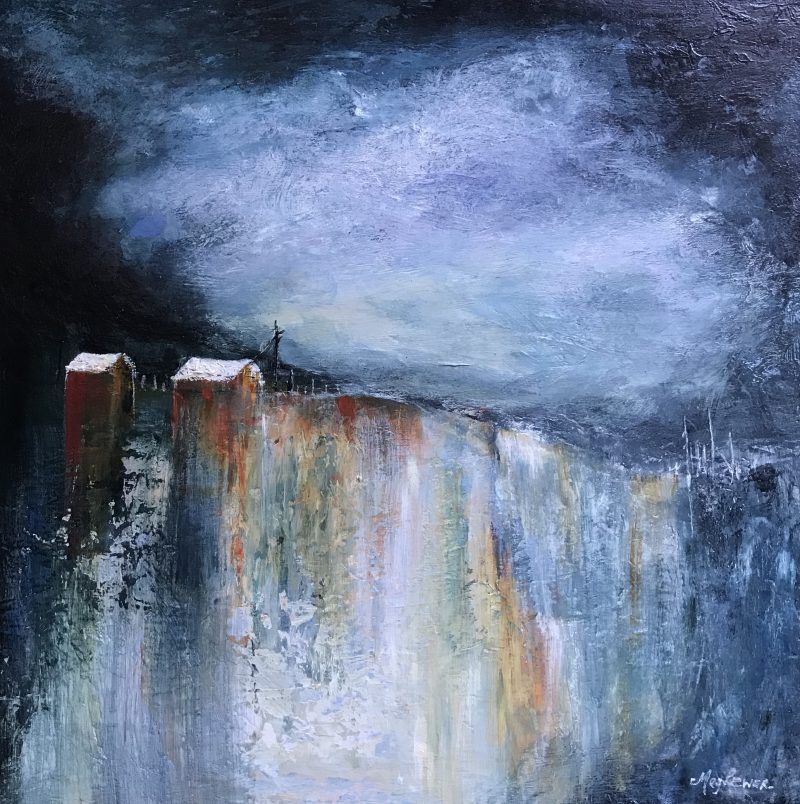 The Cottage of Lost Play
Original price was: AUD$880.AUD$792Current price is: AUD$792.
Size:
40w
x 40h
x 4d
cms
Meg Lewer
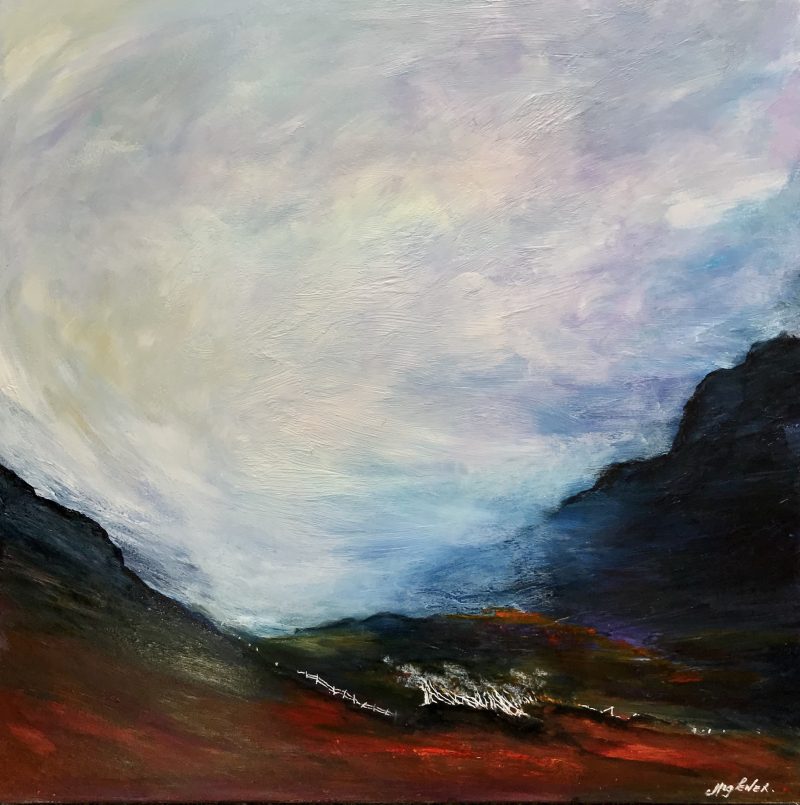 Mist Rollin’ In
Original price was: AUD$860.AUD$774Current price is: AUD$774.
Size:
40w
x 40h
x 4d
cms
Meg Lewer
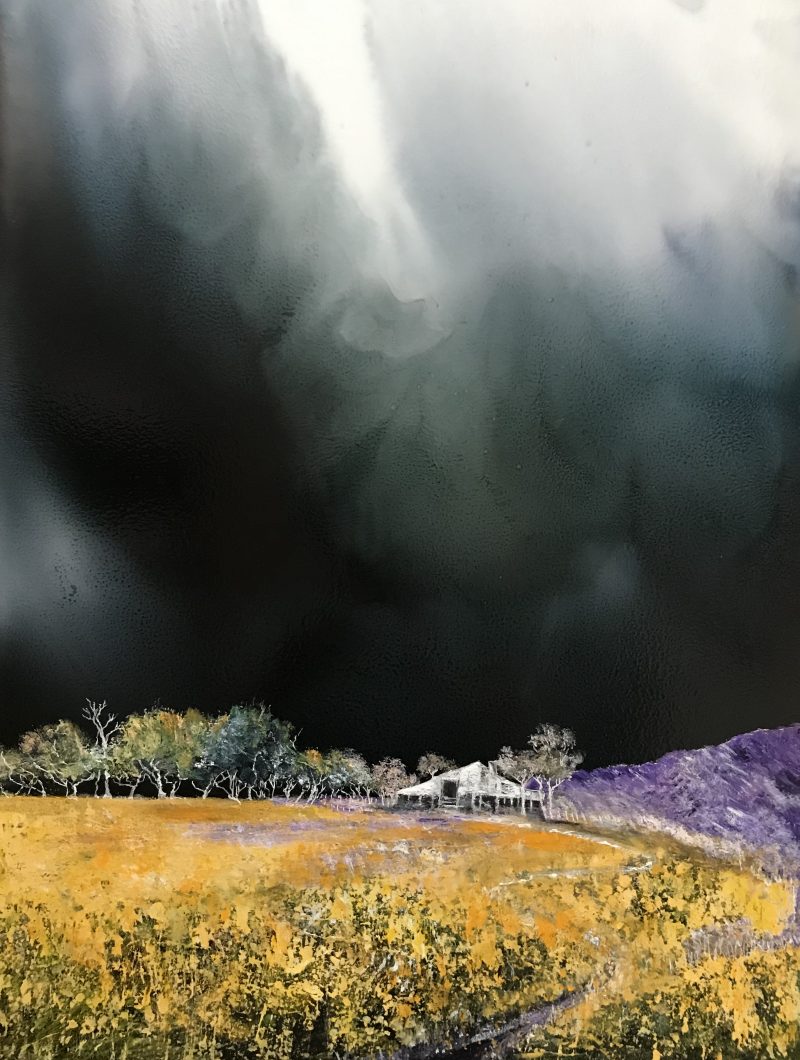 Hills of Amethyst
Original price was: AUD$1,330.AUD$1,197Current price is: AUD$1,197.
Size:
45w
x 60h
x 2d
cms
Meg Lewer
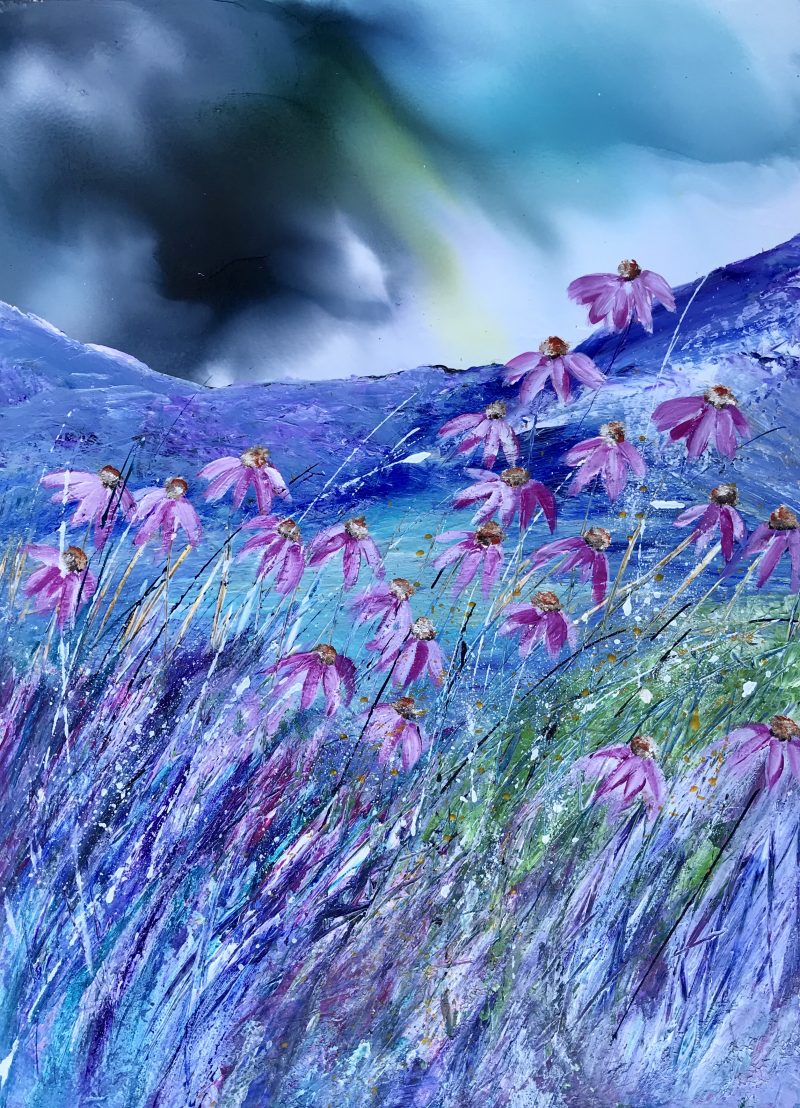 Confetti Flowers
Original price was: AUD$1,330.AUD$1,197Current price is: AUD$1,197.
Size:
45w
x 60h
x 2d
cms
Meg Lewer
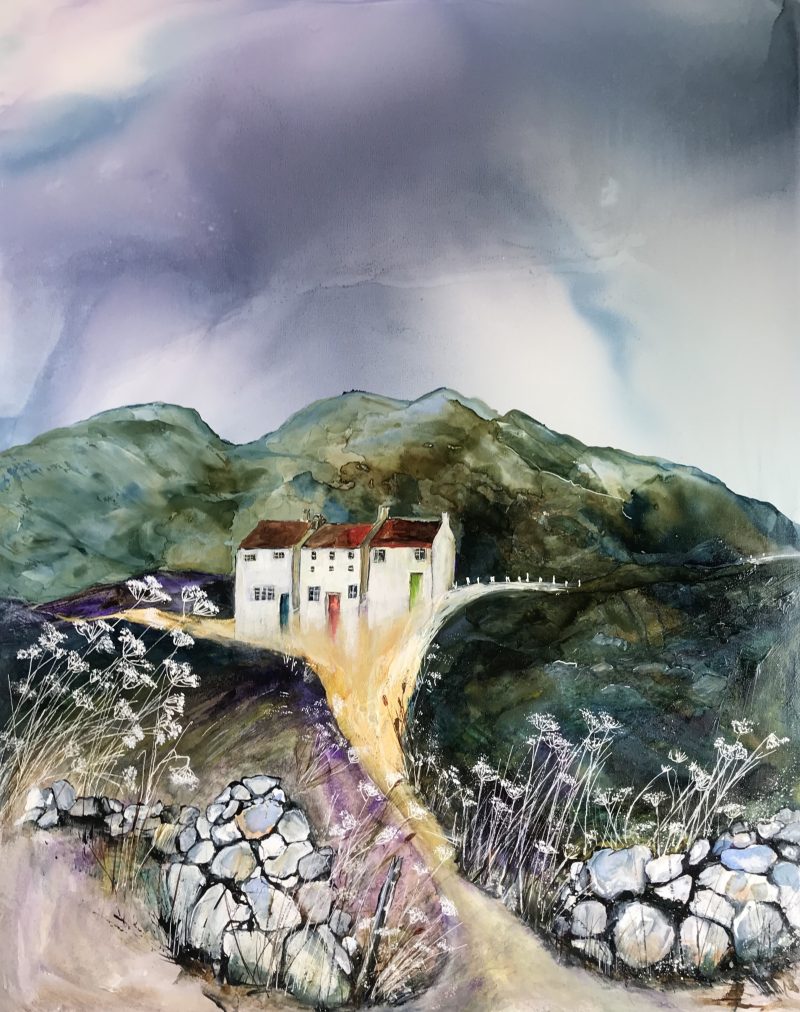 The Lighted Inn
Original price was: AUD$1,180.AUD$1,062Current price is: AUD$1,062.
Size:
60w
x 60h
x 3d
cms
Meg Lewer
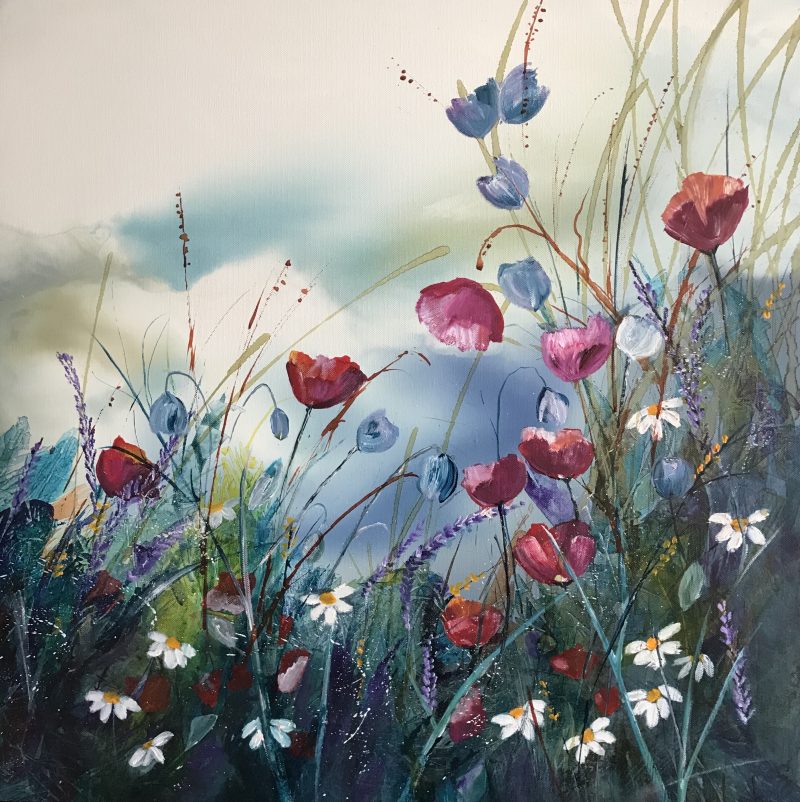 Life’s Profusion
Original price was: AUD$810.AUD$729Current price is: AUD$729.
Size:
60w
x 60h
x 3d
cms
Meg Lewer
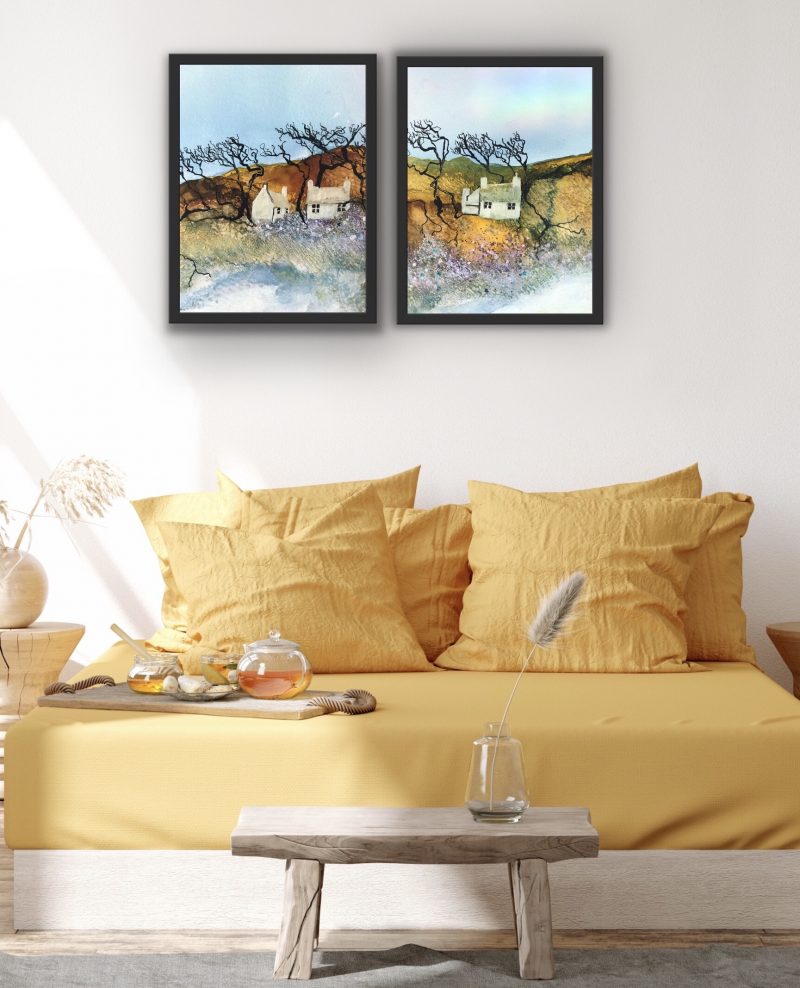 Fairyland
Original price was: AUD$990.AUD$891Current price is: AUD$891.
Size:
32w
x 47h
x 2d
cms
Meg Lewer
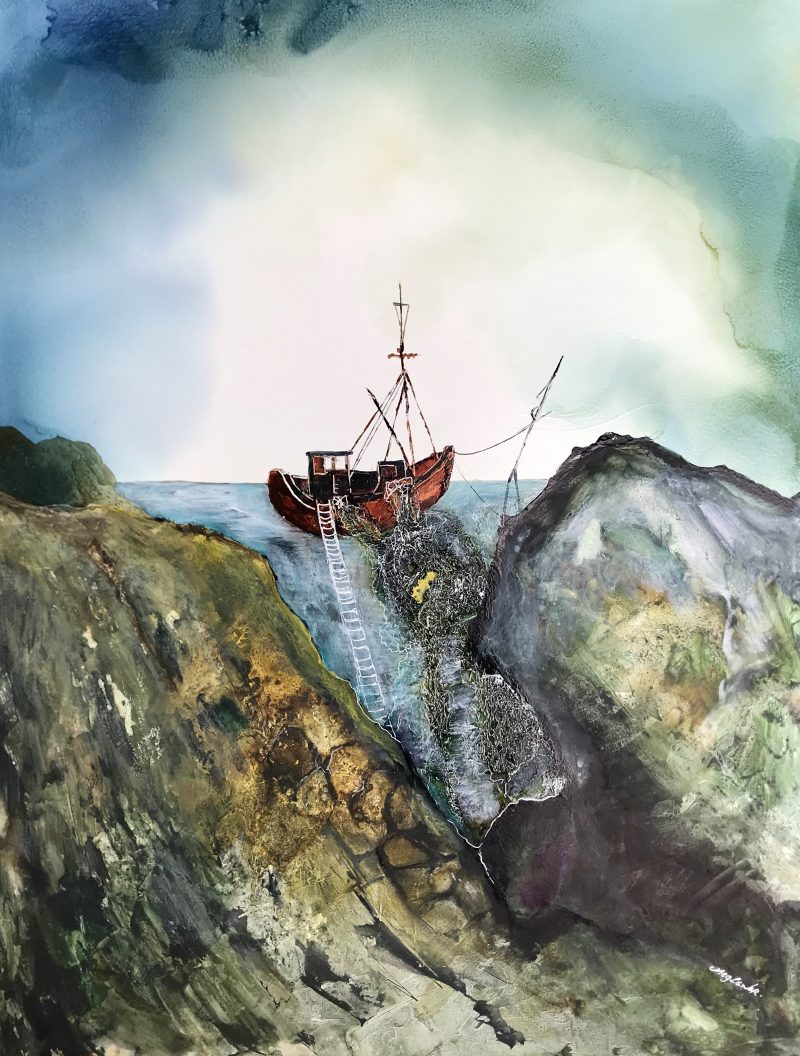 The Ladder of Iron
Original price was: AUD$1,330.AUD$1,197Current price is: AUD$1,197.
Size:
45w
x 60h
x 2d
cms
Meg Lewer
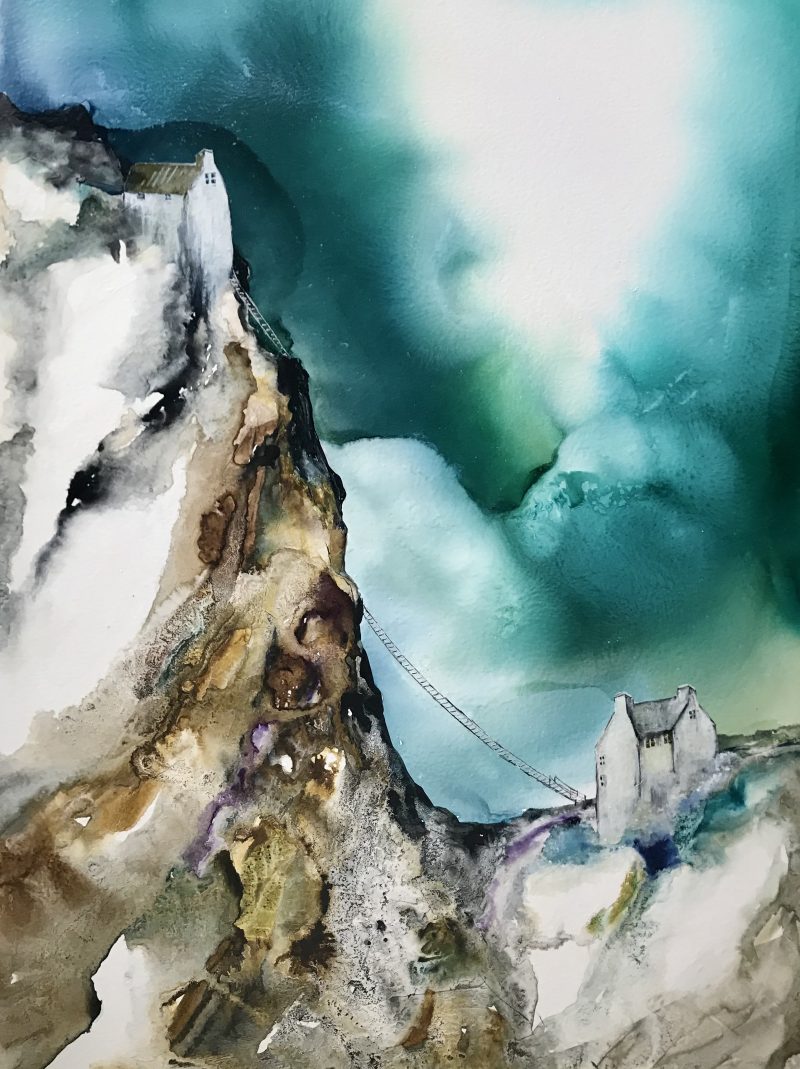 The Ladder of Light
Original price was: AUD$1,330.AUD$1,197Current price is: AUD$1,197.
Size:
45w
x 60h
x 2d
cms
Meg Lewer
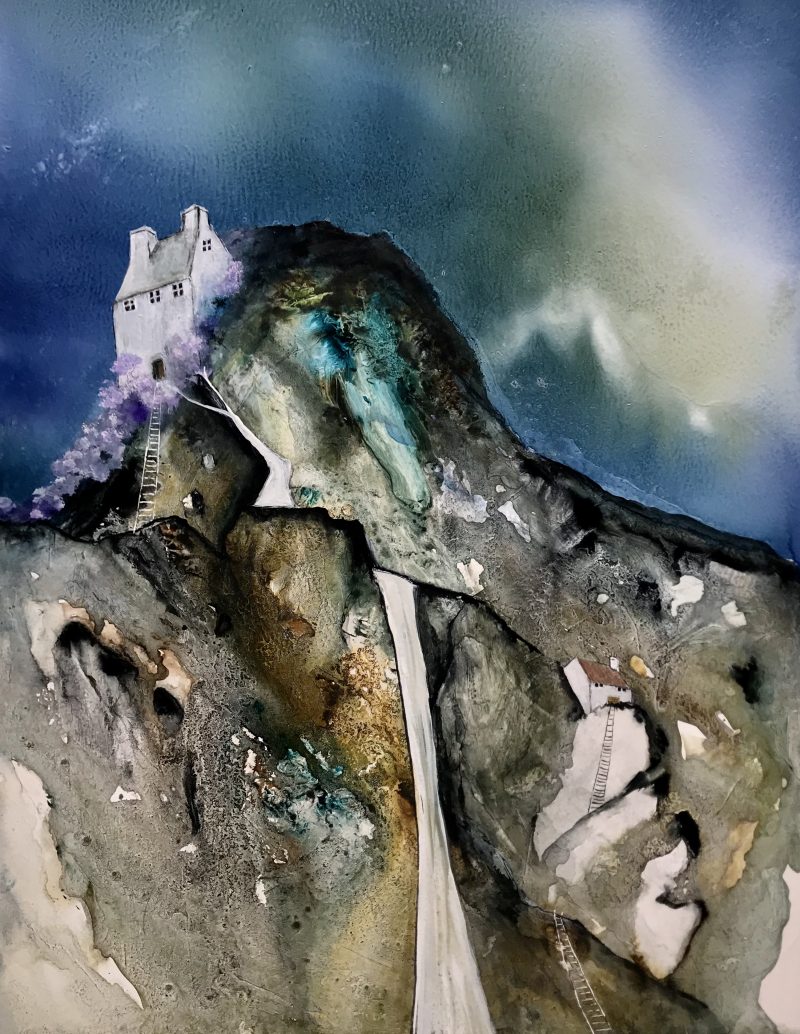 The Ladder of Shade
Original price was: AUD$1,330.AUD$1,197Current price is: AUD$1,197.
Size:
45w
x 60h
x 2d
cms
Meg Lewer
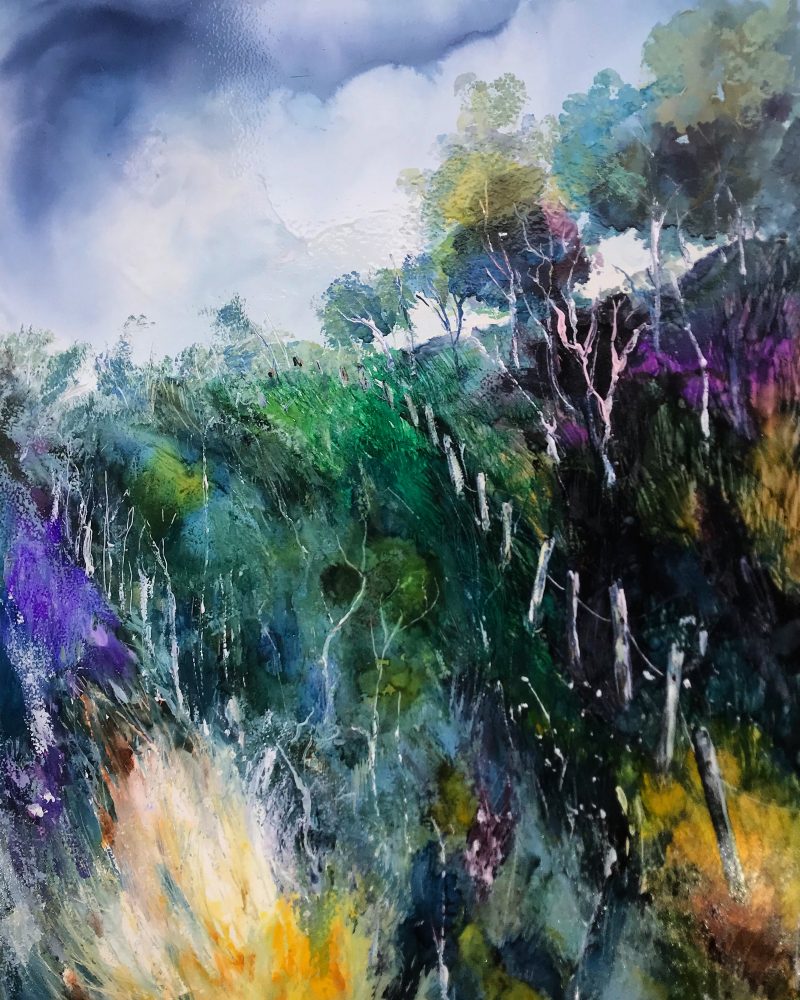 Ever On
Original price was: AUD$1,330.AUD$1,197Current price is: AUD$1,197.
Size:
45w
x 60h
x 2d
cms
Meg Lewer
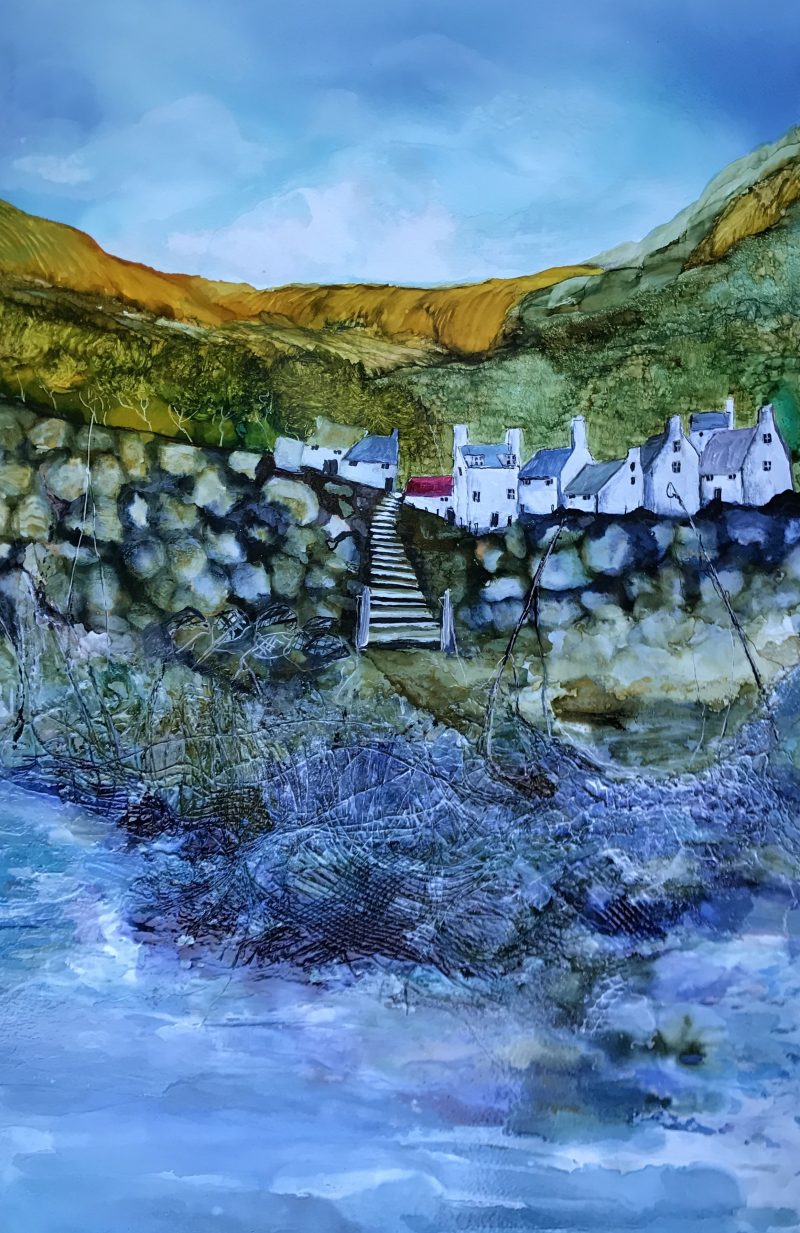 The Hidden Sea
Original price was: AUD$1,280.AUD$1,152Current price is: AUD$1,152.
Size:
40w
x 60h
x 2d
cms
Meg Lewer
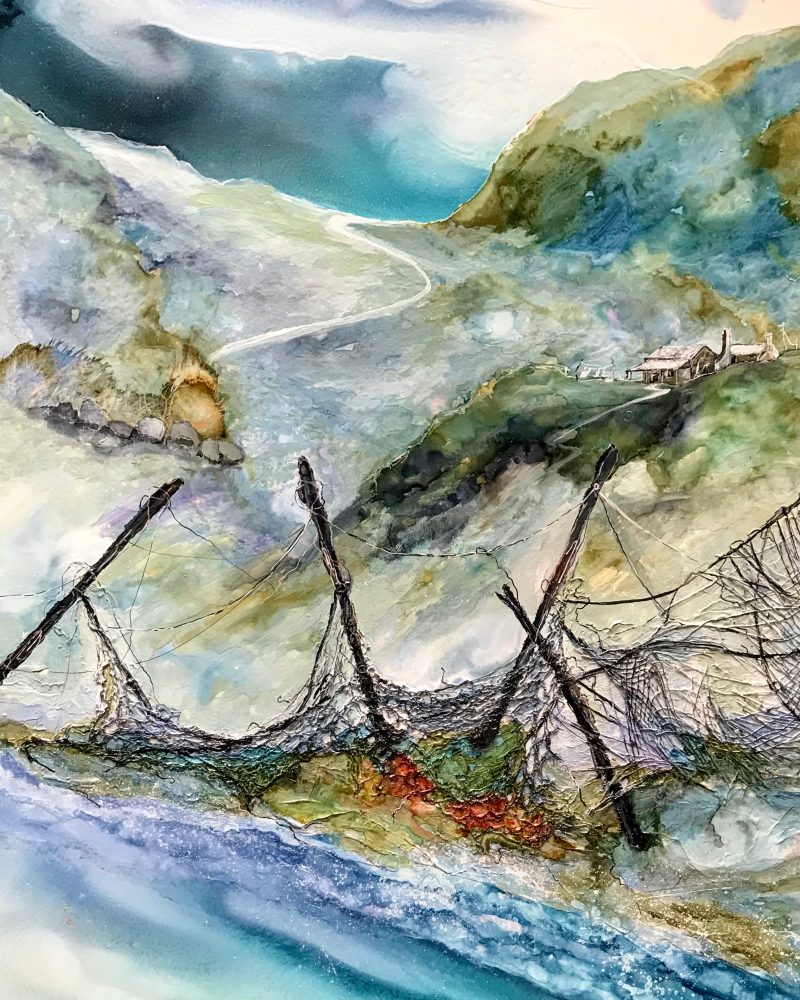 The Fishwife
Original price was: AUD$1,280.AUD$1,152Current price is: AUD$1,152.
Size:
40w
x 60h
x 2d
cms
Meg Lewer
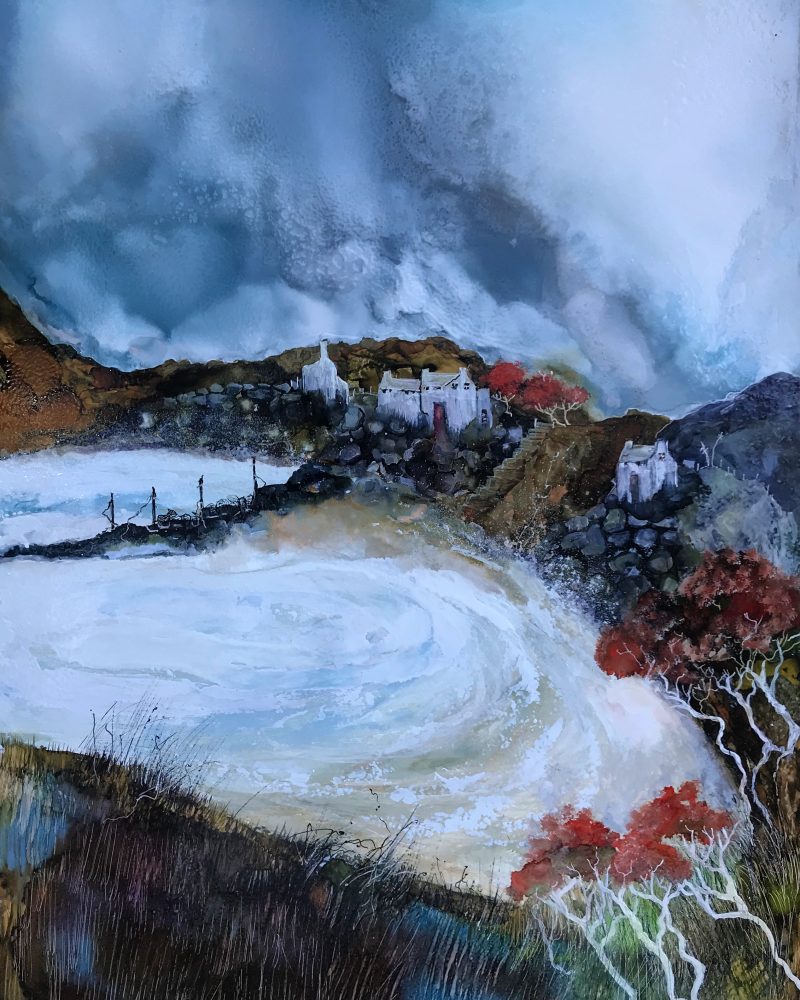 Love and Luck
Original price was: AUD$1,450.AUD$1,305Current price is: AUD$1,305.
Size:
40w
x 60h
x 2d
cms
Meg Lewer
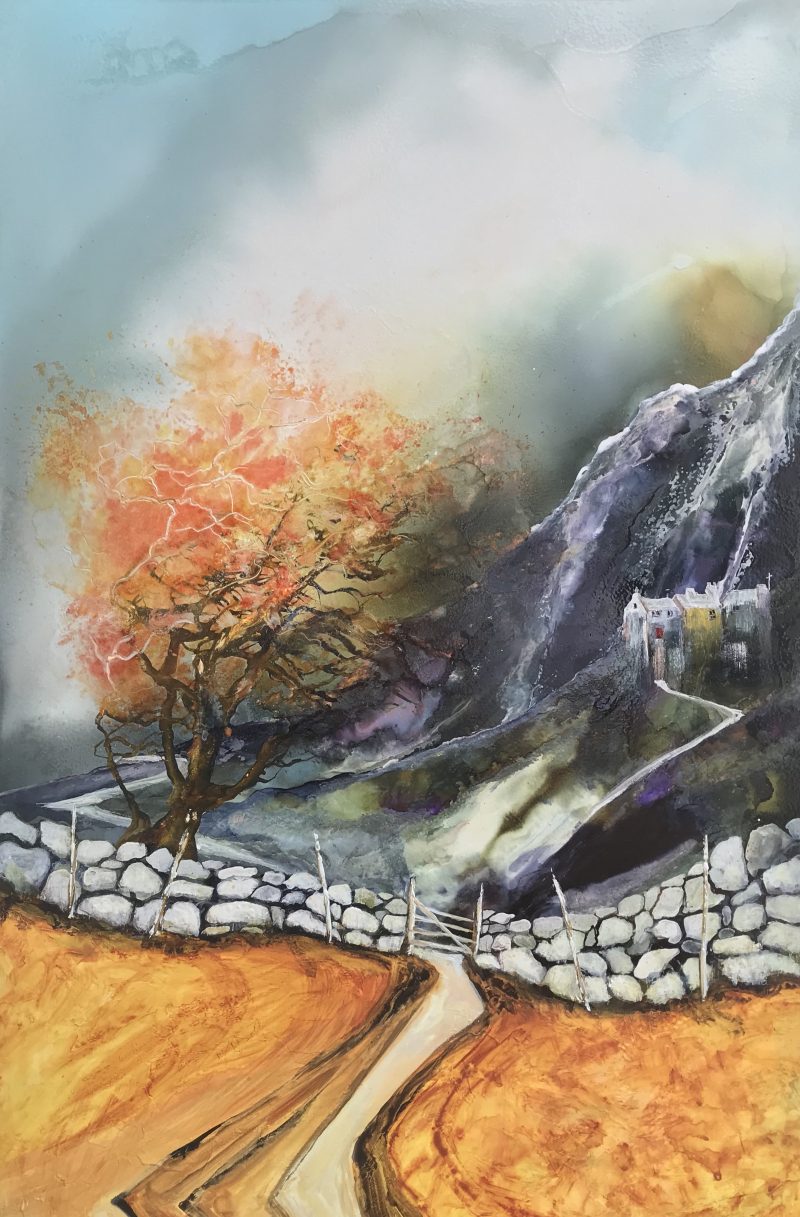 Spirit of Autumn
Original price was: AUD$1,280.AUD$1,152Current price is: AUD$1,152.
Size:
40w
x 60h
x 2d
cms
Meg Lewer
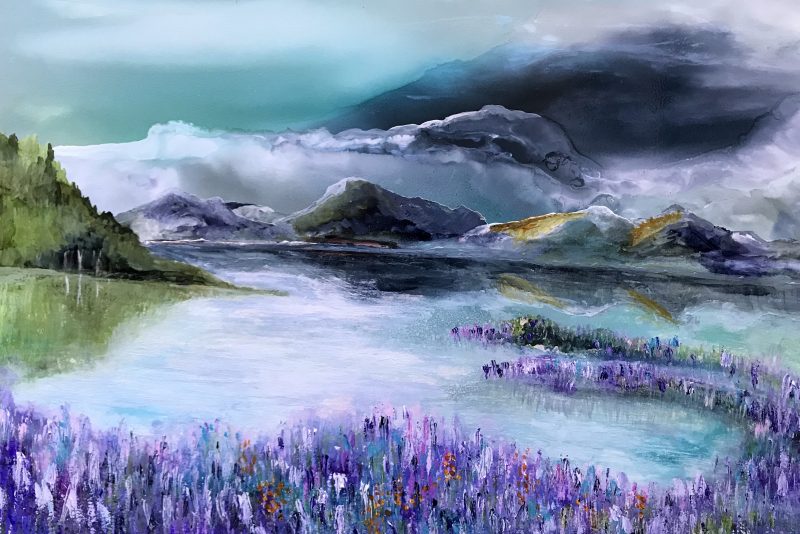 Enchanted Lake
Original price was: AUD$1,280.AUD$1,152Current price is: AUD$1,152.
Size:
60w
x 40h
x 2d
cms
Meg Lewer
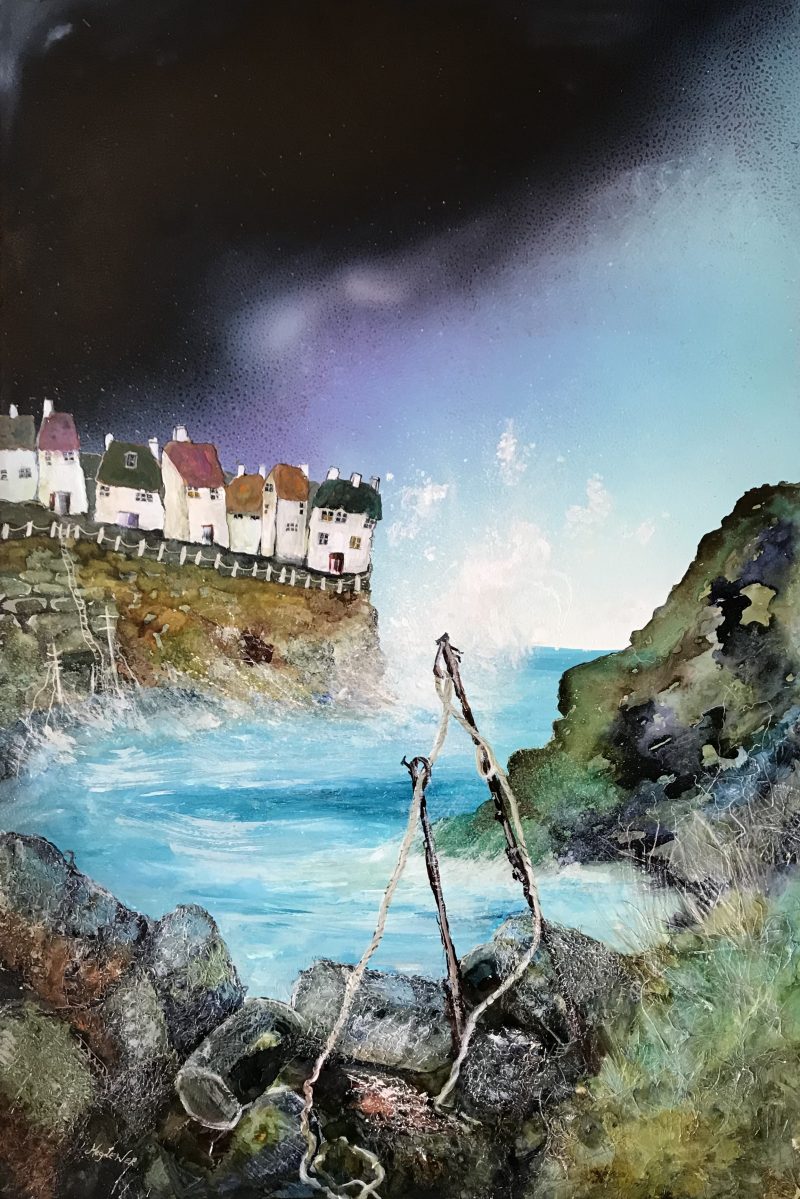 The Breath of Wind and Tide
Original price was: AUD$1,280.AUD$1,152Current price is: AUD$1,152.
Size:
40w
x 60h
x 2d
cms
Meg Lewer
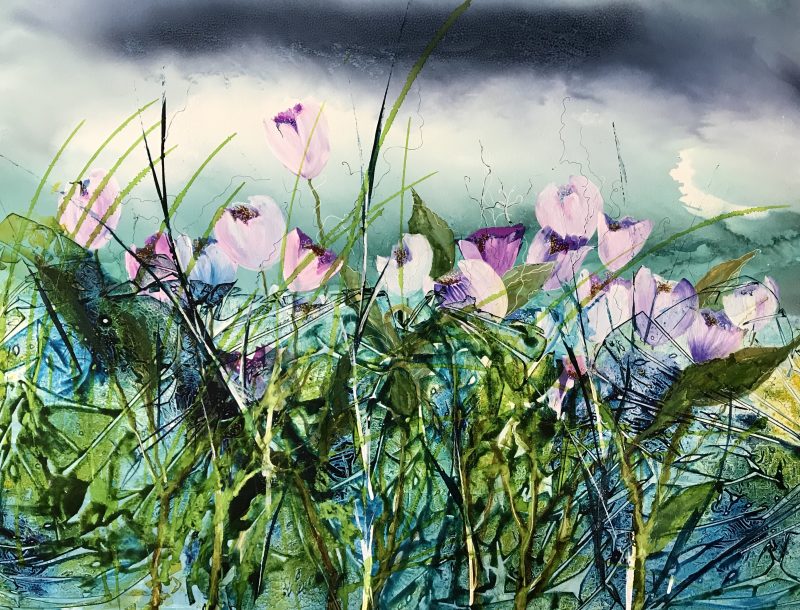 Down in the Grasses
Original price was: AUD$1,280.AUD$1,152Current price is: AUD$1,152.
Size:
60w
x 45h
x 2d
cms
Meg Lewer
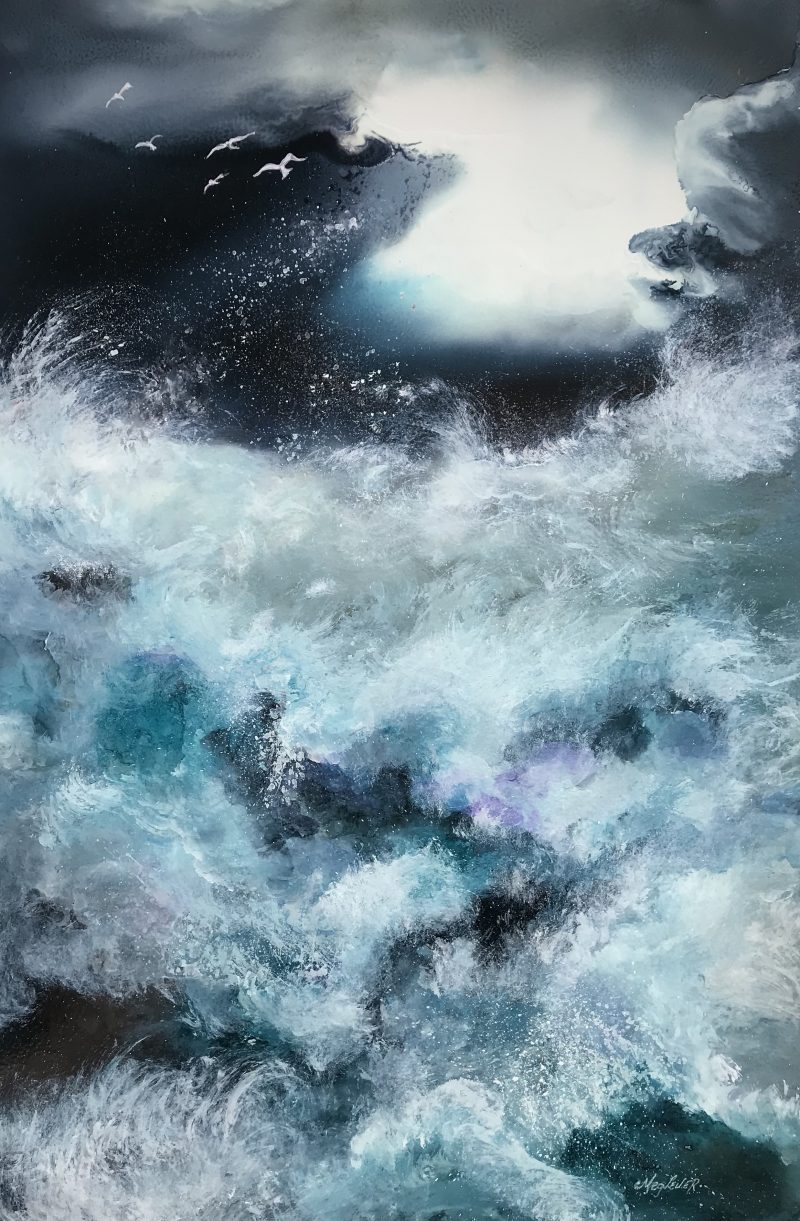 Wet Velvet Sky
Original price was: AUD$1,330.AUD$1,197Current price is: AUD$1,197.
Size:
40w
x 60h
x 4d
cms
Meg Lewer
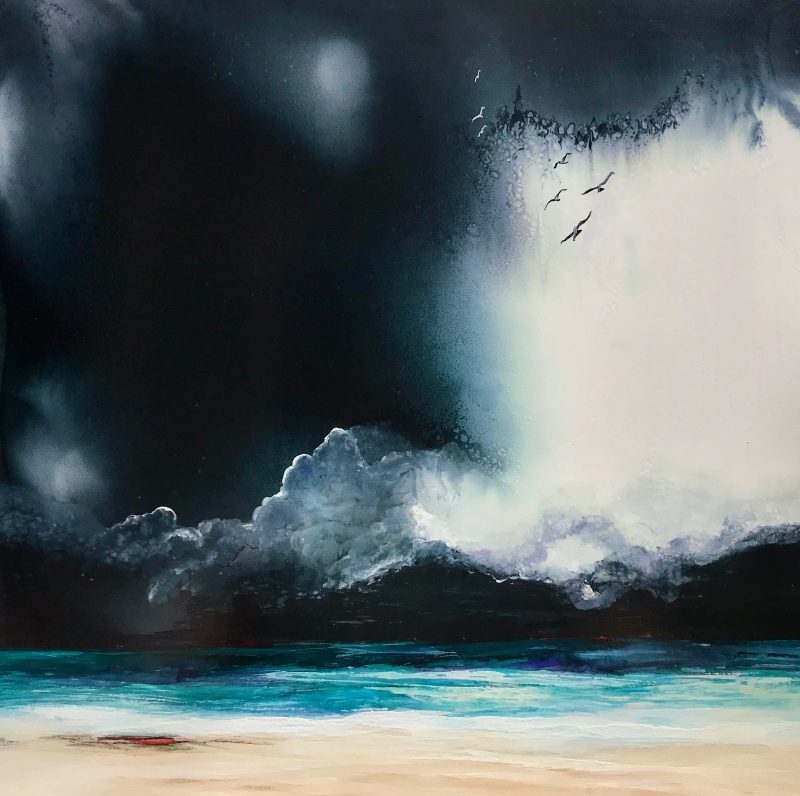 The Voice of the Sea
Original price was: AUD$1,680.AUD$1,512Current price is: AUD$1,512.
Size:
60w
x 60h
x 2d
cms
Meg Lewer
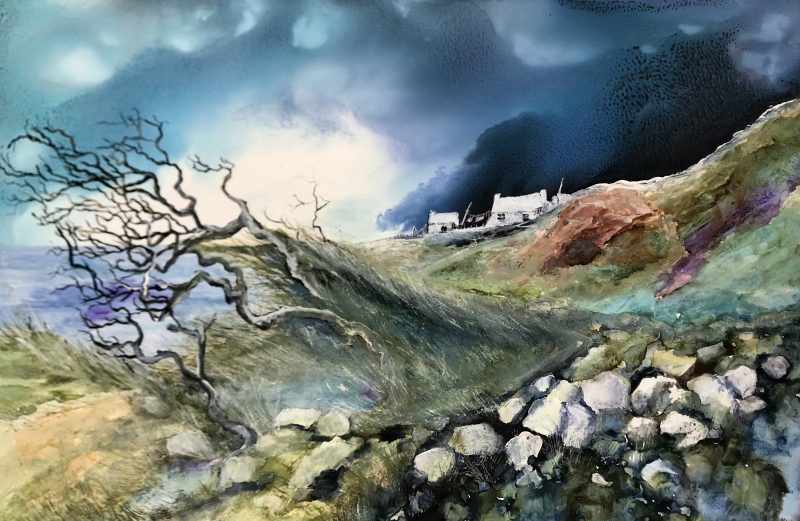 Tangled Washing
Original price was: AUD$1,450.AUD$1,305Current price is: AUD$1,305.
Size:
60w
x 40h
x 2d
cms
Meg Lewer
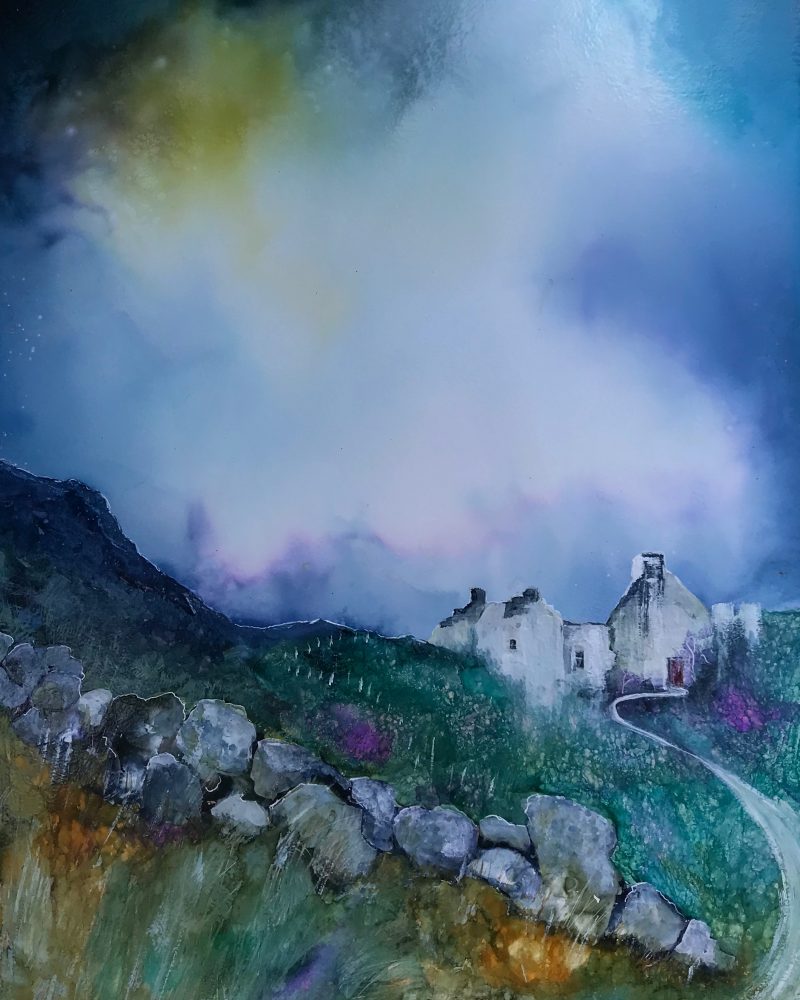 Mull of Kintyre
Original price was: AUD$1,480.AUD$1,332Current price is: AUD$1,332.
Size:
40w
x 60h
x 2d
cms
Meg Lewer
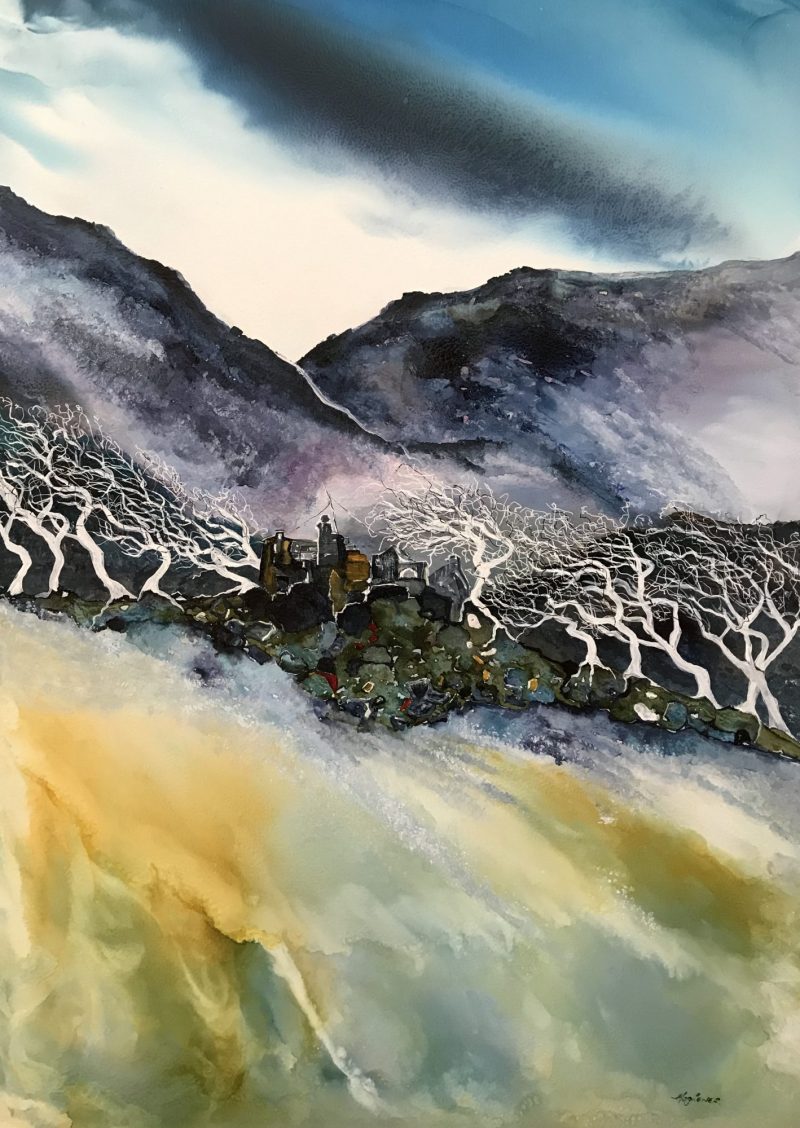 The Lonely House
Original price was: AUD$1,580.AUD$1,422Current price is: AUD$1,422.
Size:
45w
x 60h
x 2d
cms
Meg Lewer
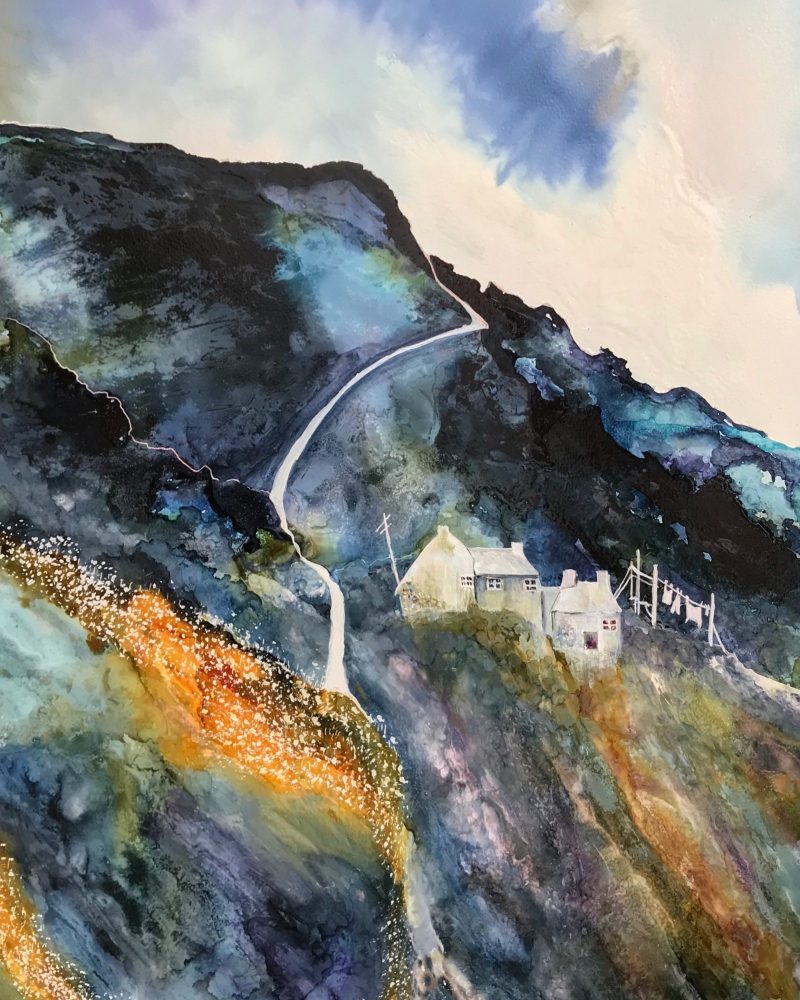 Spell of the Yukon
Original price was: AUD$1,480.AUD$1,332Current price is: AUD$1,332.
Size:
40w
x 60h
x 2d
cms
Meg Lewer
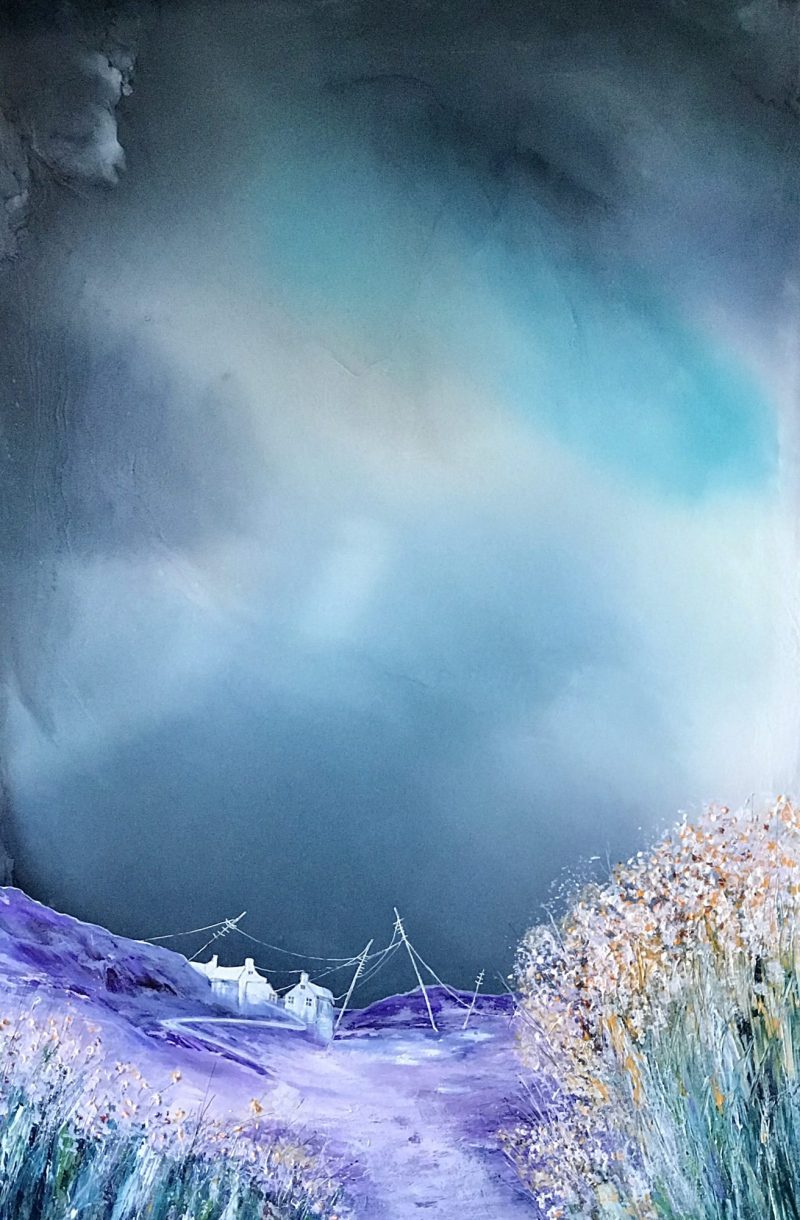 The Old Stone House
Original price was: AUD$1,850.AUD$1,665Current price is: AUD$1,665.
Size:
60w
x 90h
x 4d
cms
Meg Lewer
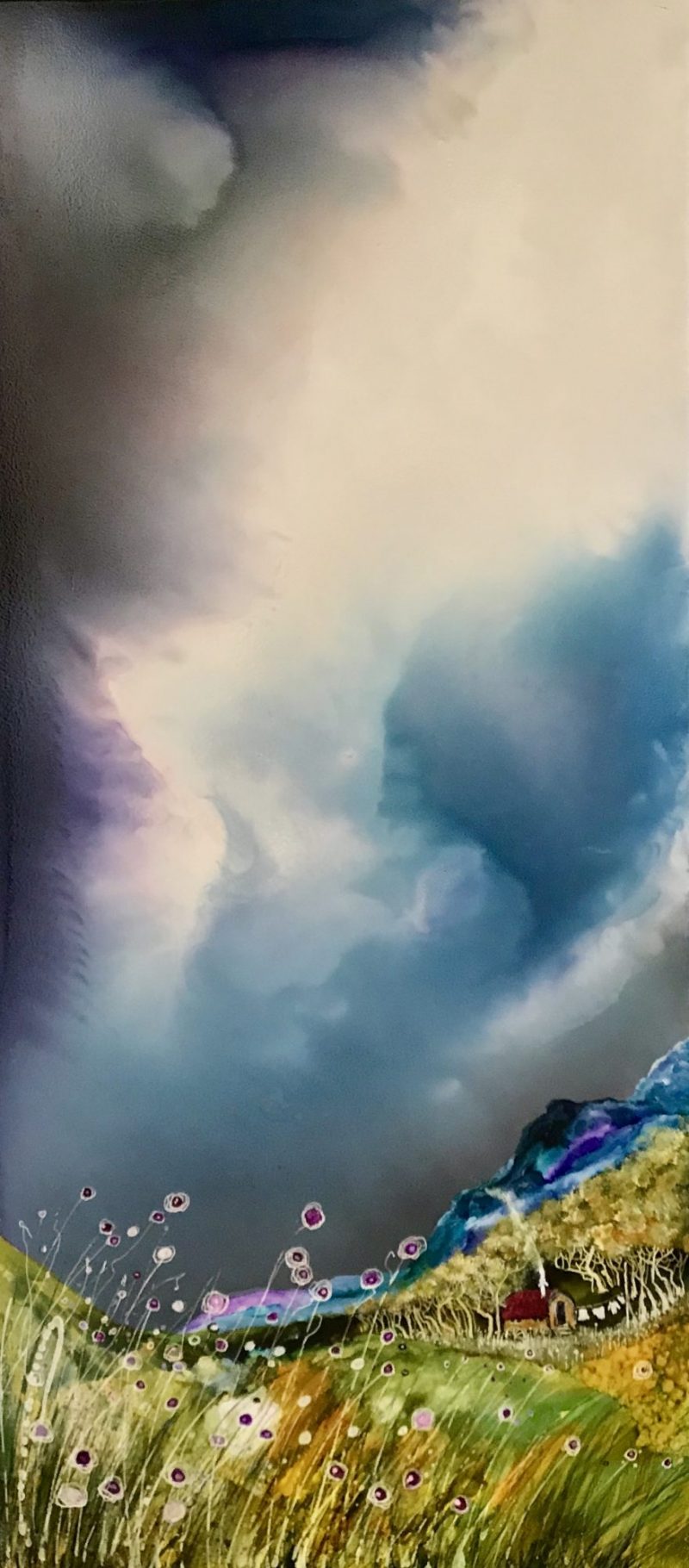 The Gypsy
Original price was: AUD$1,430.AUD$1,287Current price is: AUD$1,287.
Size:
35w
x 80h
x 3d
cms
Meg Lewer
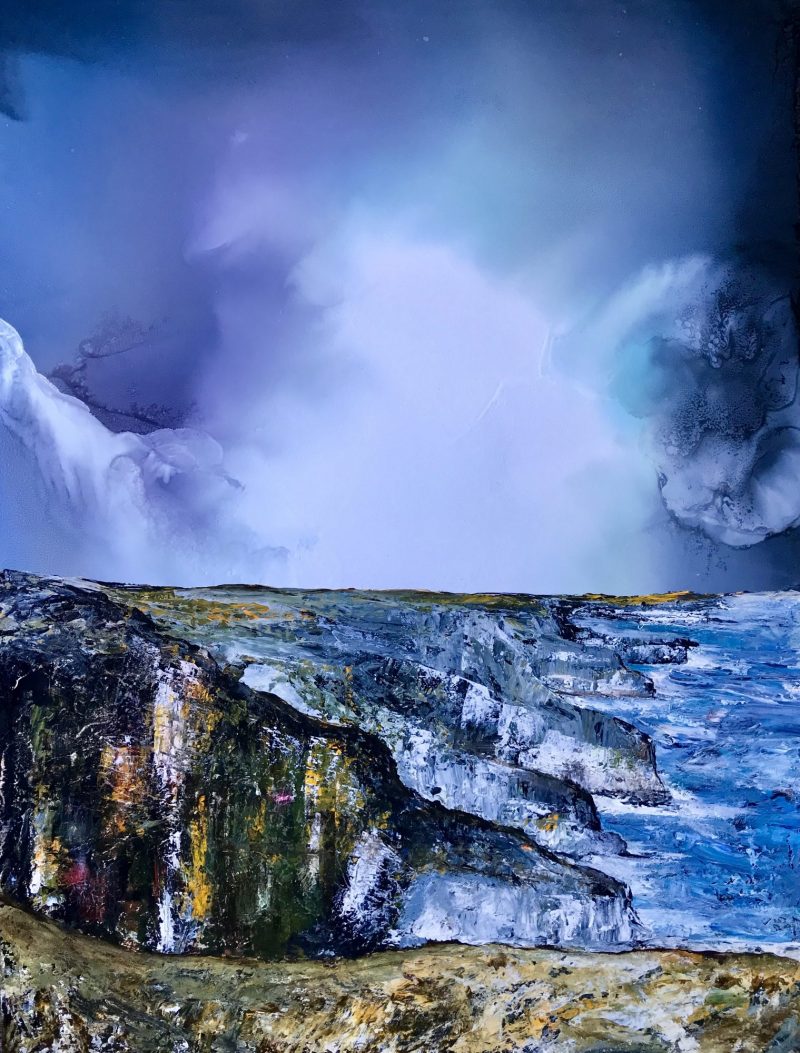 Cliffs of the Bunda
Original price was: AUD$1,500.AUD$1,350Current price is: AUD$1,350.
Size:
60w
x 80h
x 4d
cms
Meg Lewer
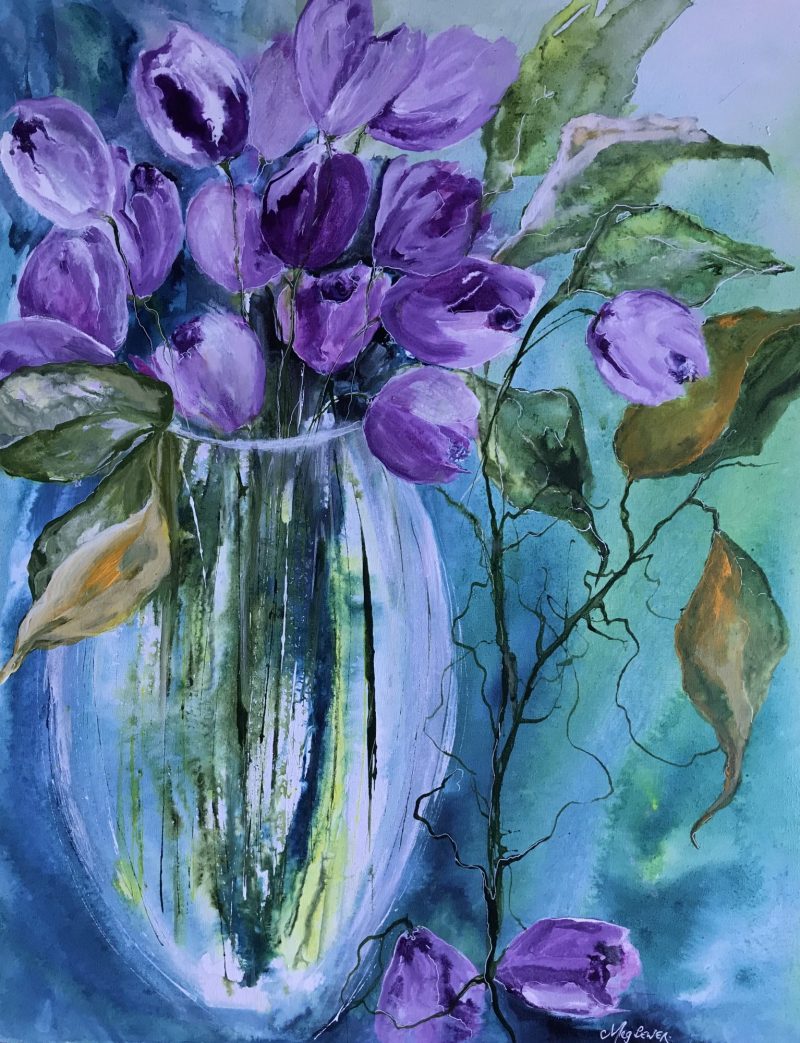 Shadows of Blue
Original price was: AUD$750.AUD$675Current price is: AUD$675.
Size:
40w
x 50h
x 4d
cms
Meg Lewer
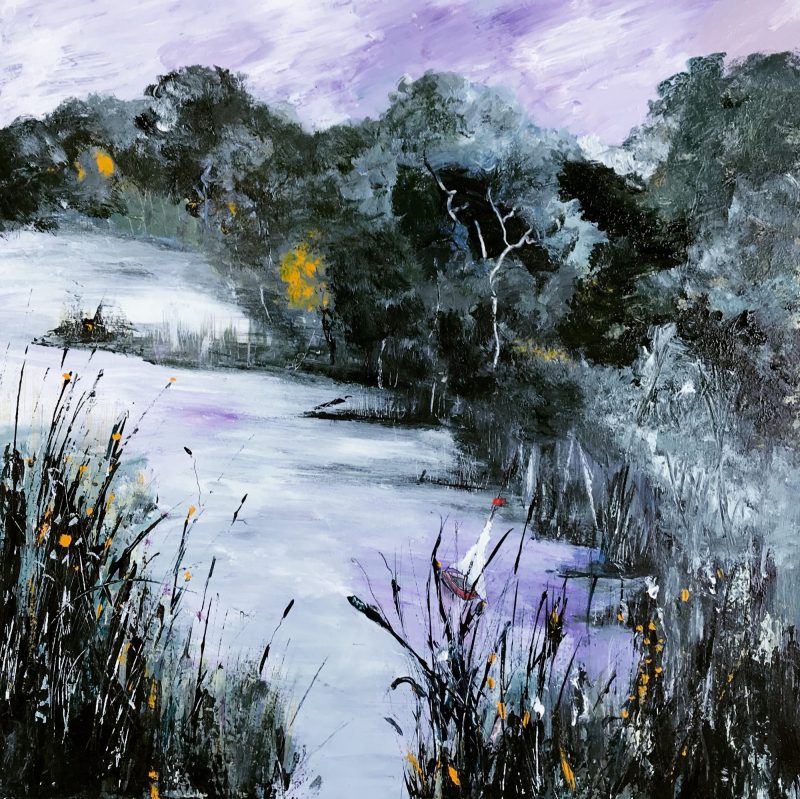 Where go the Boats
Original price was: AUD$490.AUD$441Current price is: AUD$441.
Size:
40w
x 40h
x 4d
cms
Meg Lewer
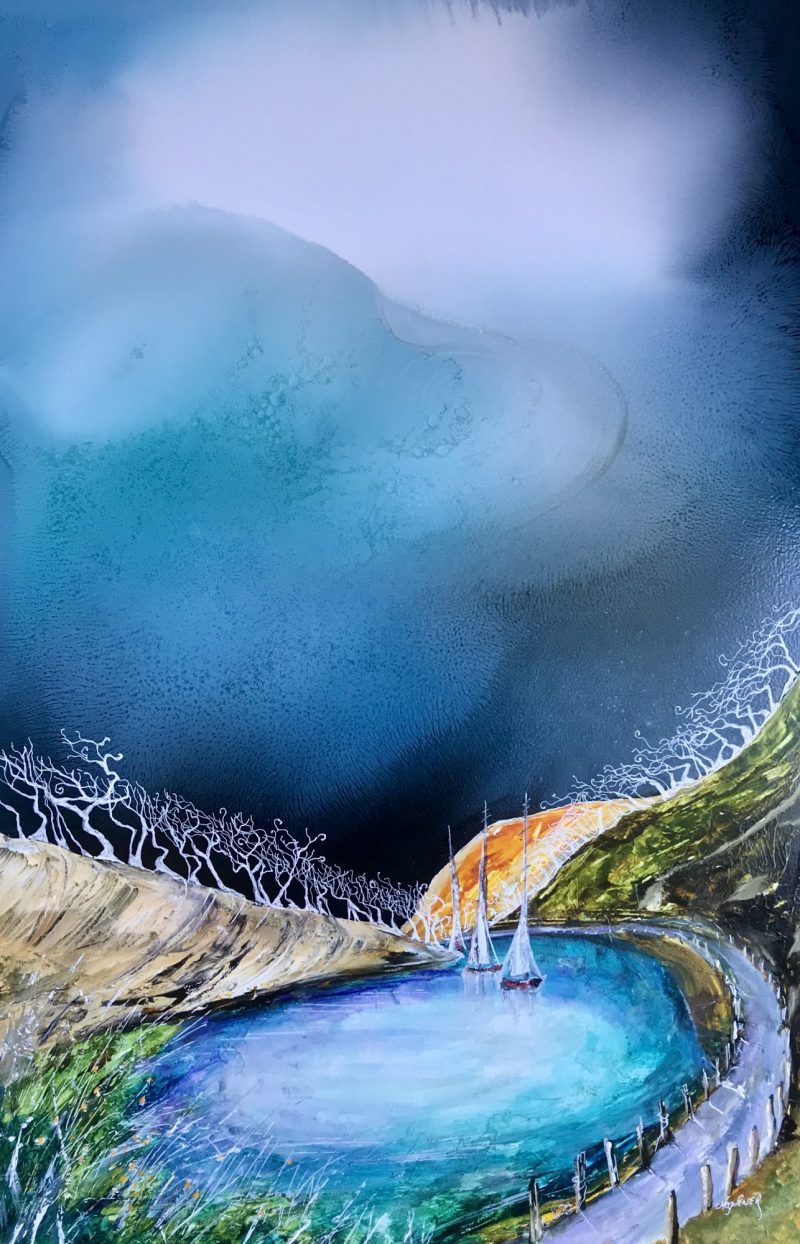 The Calling of the Sea
Original price was: AUD$860.AUD$774Current price is: AUD$774.
Size:
40w
x 60h
x 4d
cms
Meg Lewer
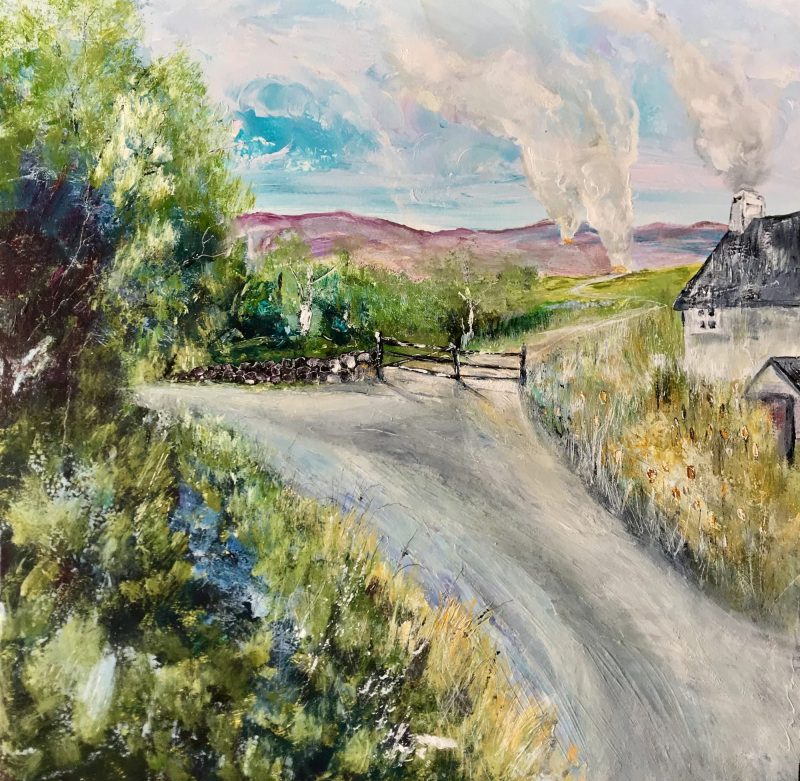 Autumn Fires
Original price was: AUD$490.AUD$441Current price is: AUD$441.
Size:
40w
x 40h
x 2d
cms
Meg Lewer
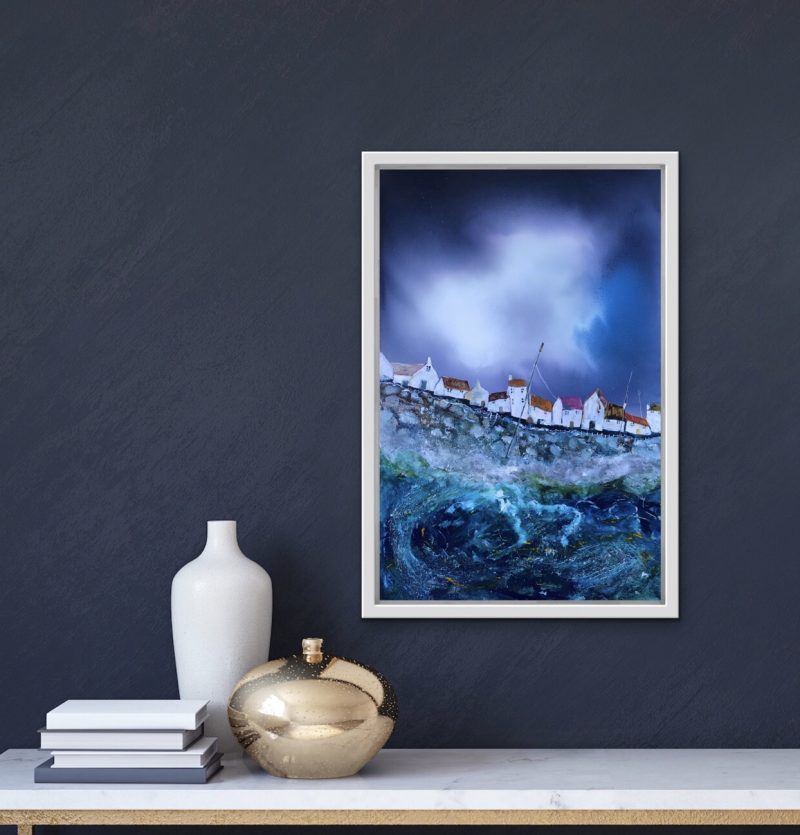 The Spell of Faraway
Original price was: AUD$1,250.AUD$1,125Current price is: AUD$1,125.
Size:
40w
x 40h
x 2d
cms
Meg Lewer
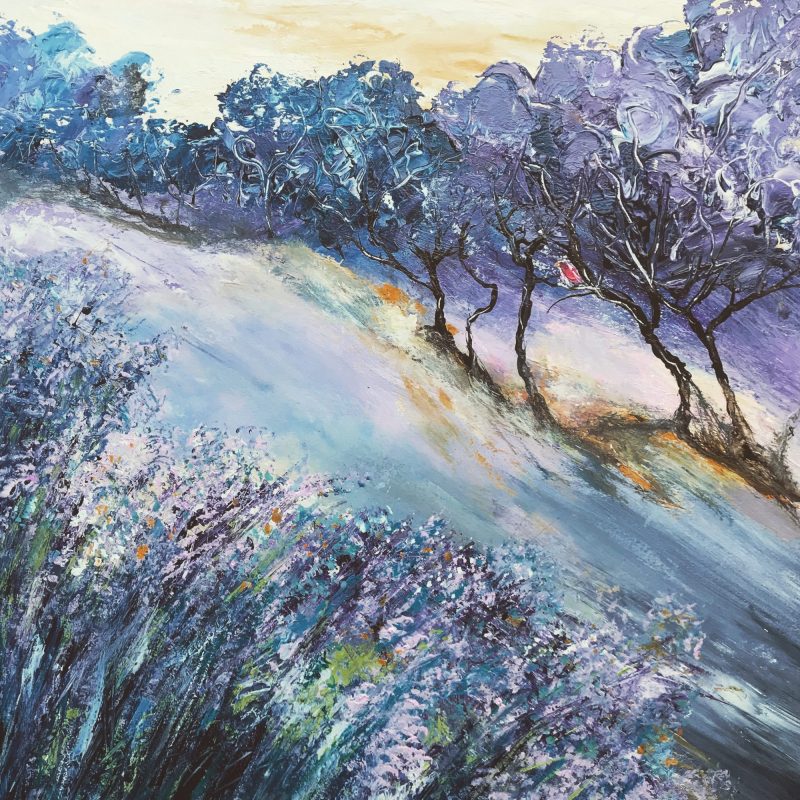 Wild Things
Original price was: AUD$490.AUD$441Current price is: AUD$441.
Size:
40w
x 40h
x 2d
cms
Meg Lewer
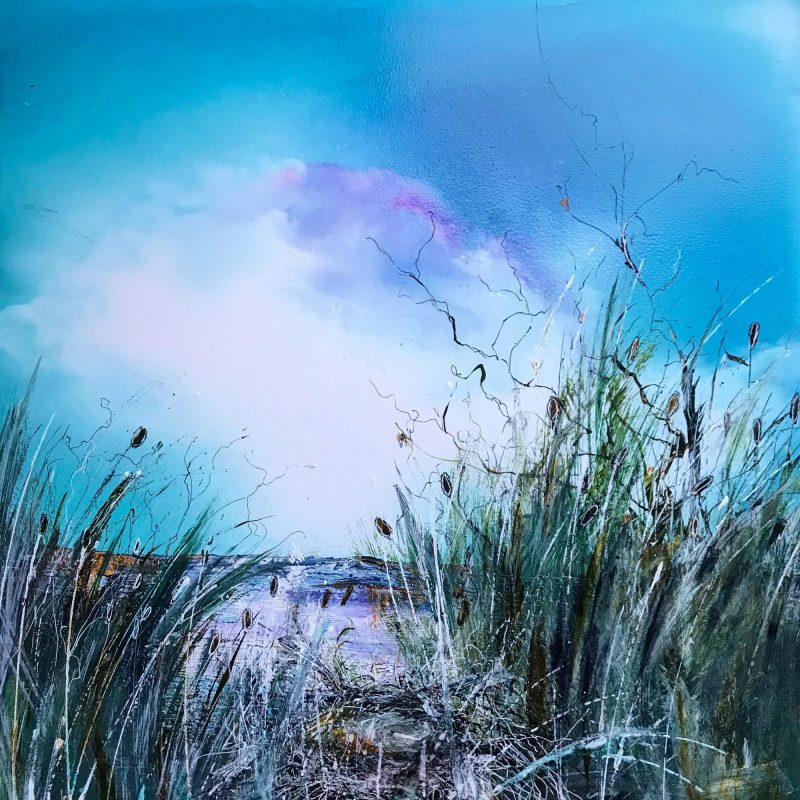 Where the Pelican Builds her nest
Original price was: AUD$660.AUD$594Current price is: AUD$594.
Size:
45w
x 45h
x 2d
cms
Meg Lewer
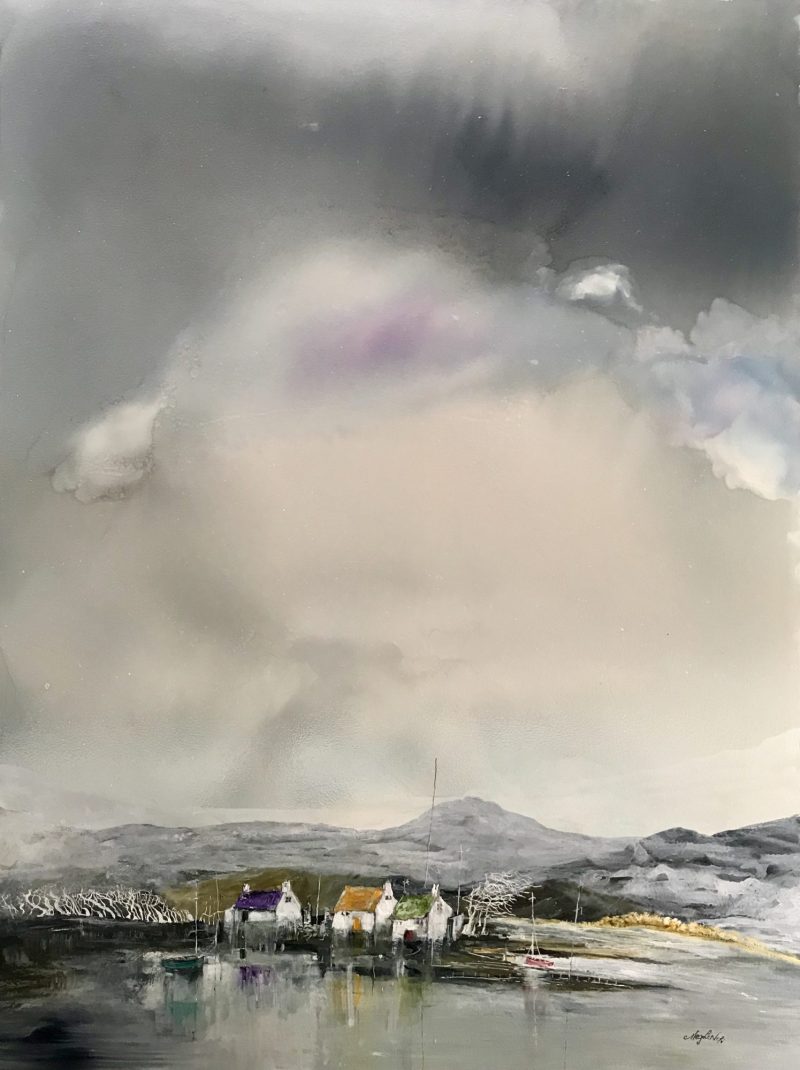 The Lonely Cottage
Original price was: AUD$2,000.AUD$1,800Current price is: AUD$1,800.
Size:
60w
x 80h
x 2d
cms
Meg Lewer
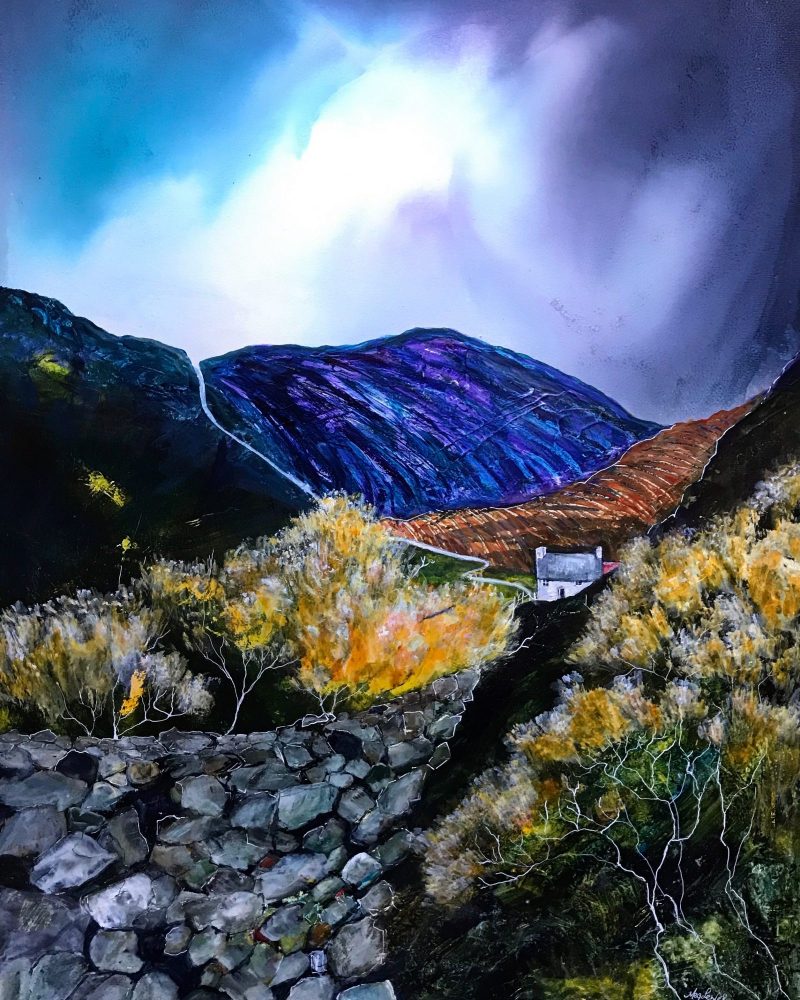 Lights of Vanished Gold
Original price was: AUD$1,480.AUD$1,332Current price is: AUD$1,332.
Size:
40w
x 75h
x 2d
cms
Meg Lewer
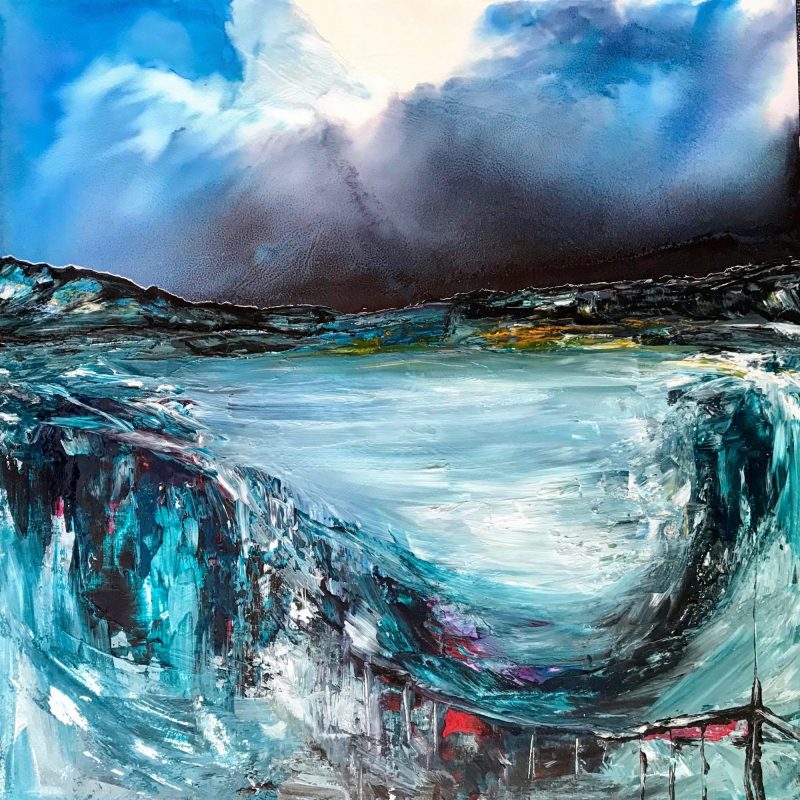 The Meg
Original price was: AUD$1,080.AUD$972Current price is: AUD$972.
Size:
60w
x 60h
x 2d
cms
Meg Lewer
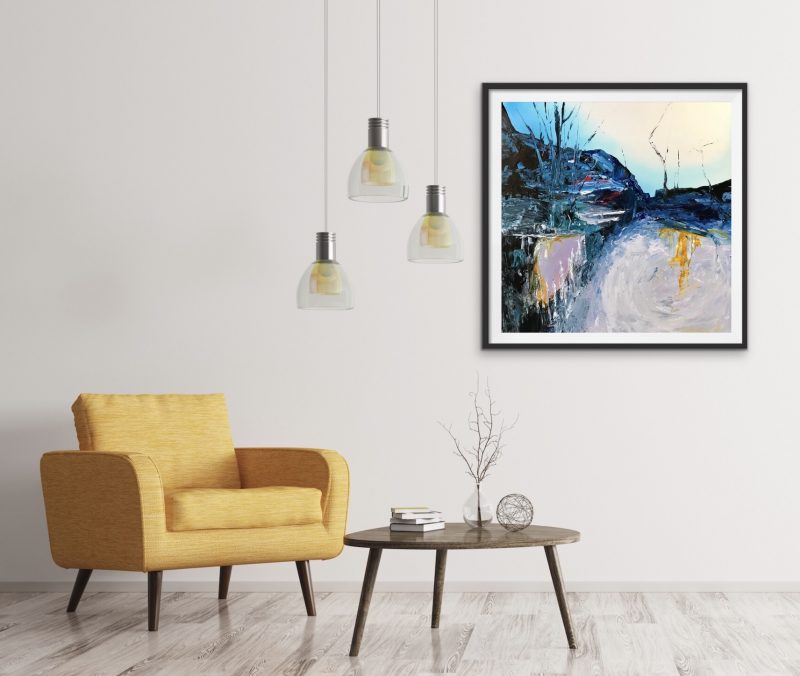 And Caverns Old
Original price was: AUD$1,580.AUD$1,422Current price is: AUD$1,422.
Size:
60w
x 60h
x 2d
cms
Meg Lewer
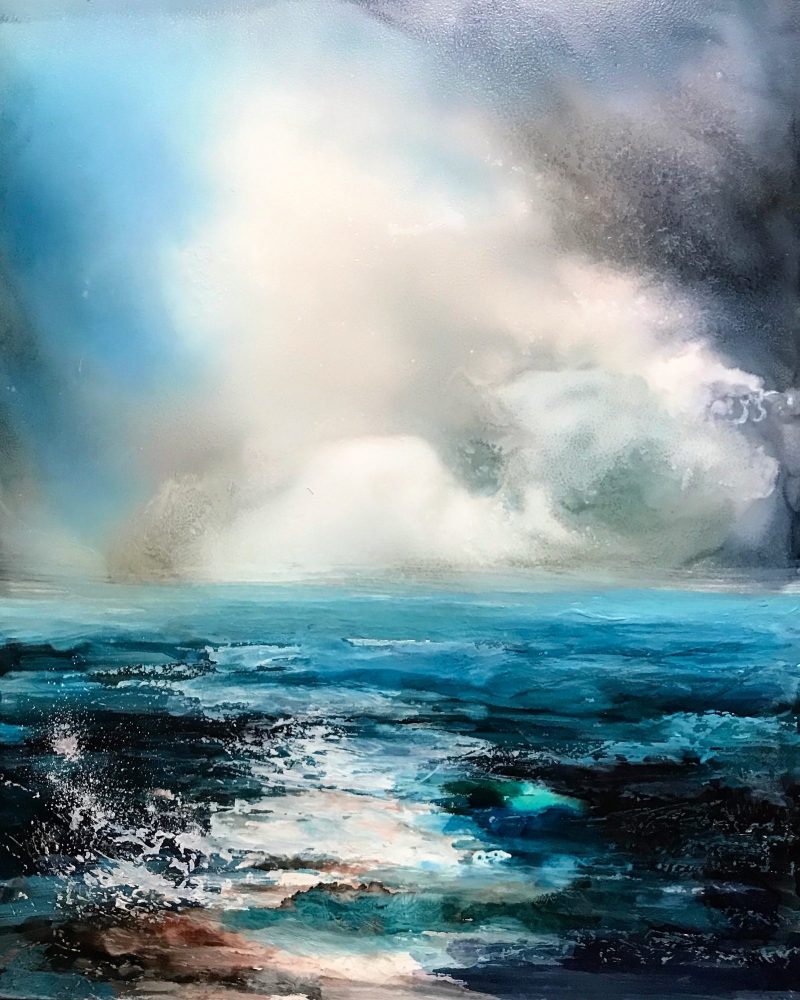 Unravelled Lace
Original price was: AUD$1,480.AUD$1,332Current price is: AUD$1,332.
Size:
48w
x 60h
x 4d
cms
Meg Lewer
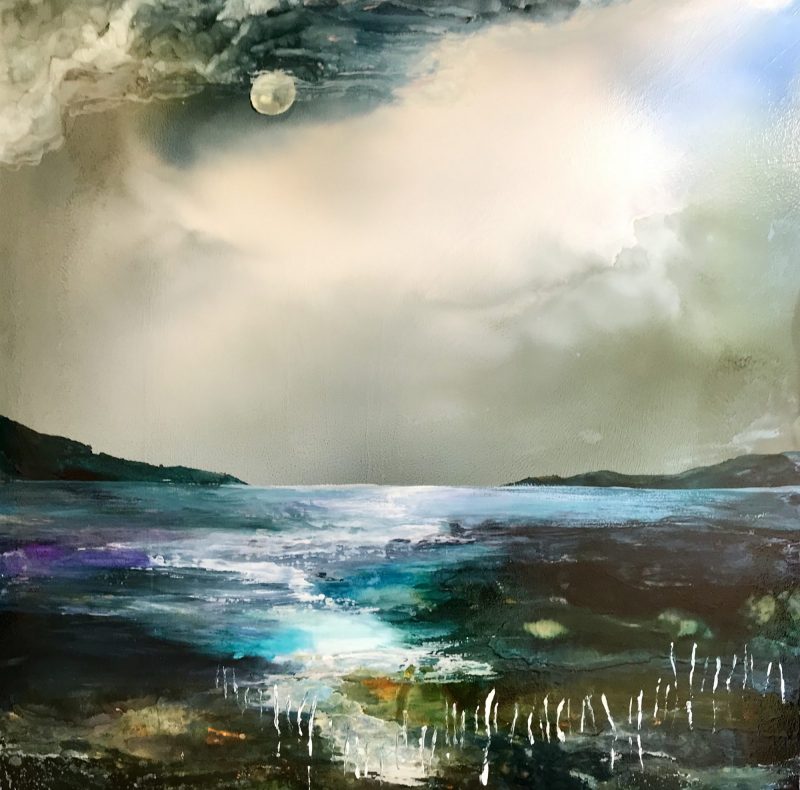 Ngatu Sticks
Original price was: AUD$1,480.AUD$1,332Current price is: AUD$1,332.
Size:
60w
x 60h
x 4d
cms
Meg Lewer
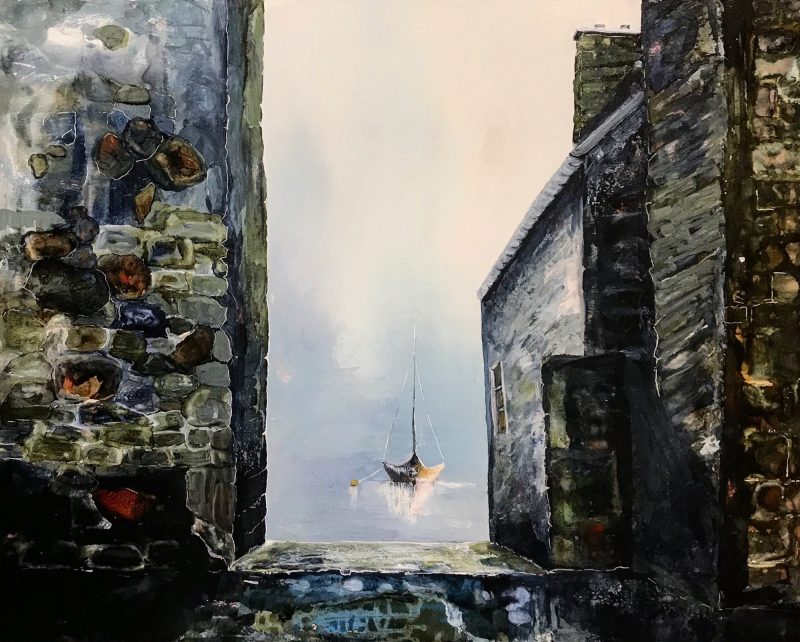 End of the Street
Original price was: AUD$1,530.AUD$1,377Current price is: AUD$1,377.
Size:
60w
x 48h
x 3d
cms
Meg Lewer
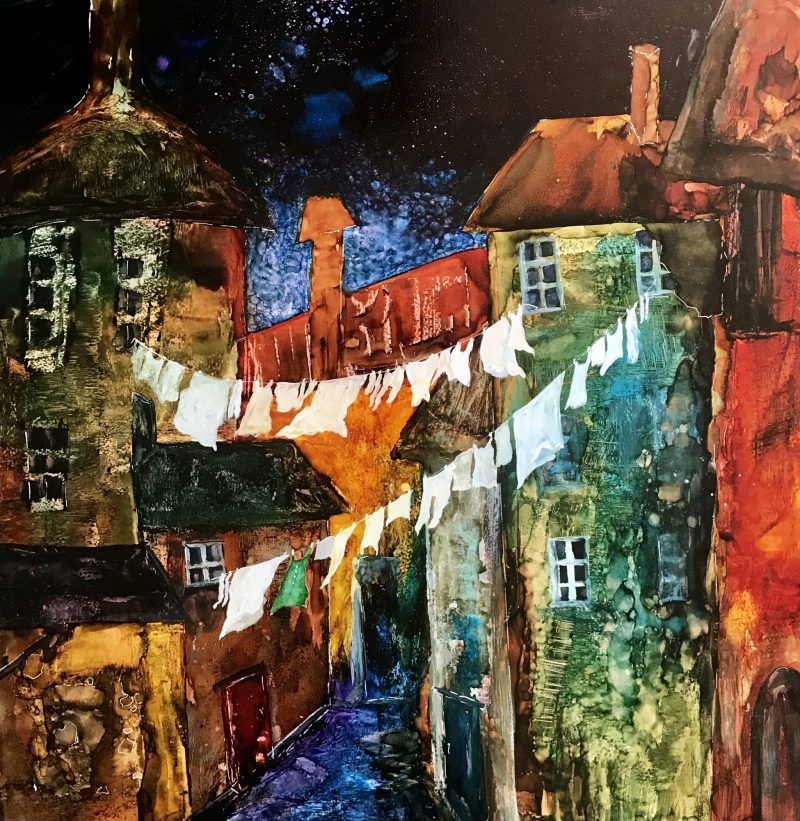 Petticoat Green
Original price was: AUD$1,680.AUD$1,512Current price is: AUD$1,512.
Size:
60w
x 60h
x 3d
cms
Meg Lewer
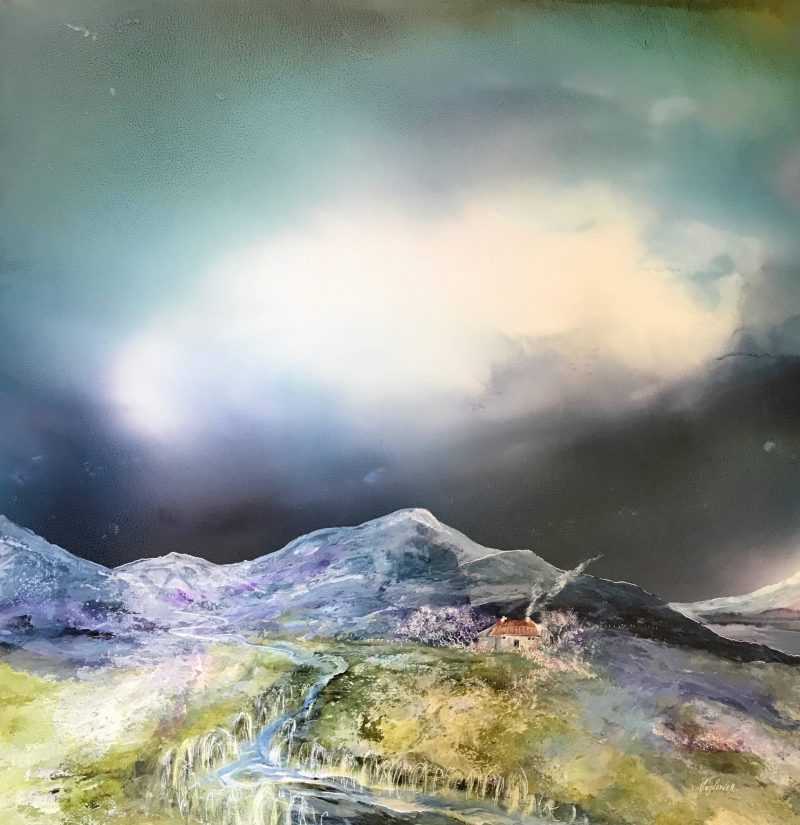 On Kileys Run
Original price was: AUD$1,700.AUD$1,480Current price is: AUD$1,480.
Size:
60w
x 60h
x 2d
cms
Meg Lewer
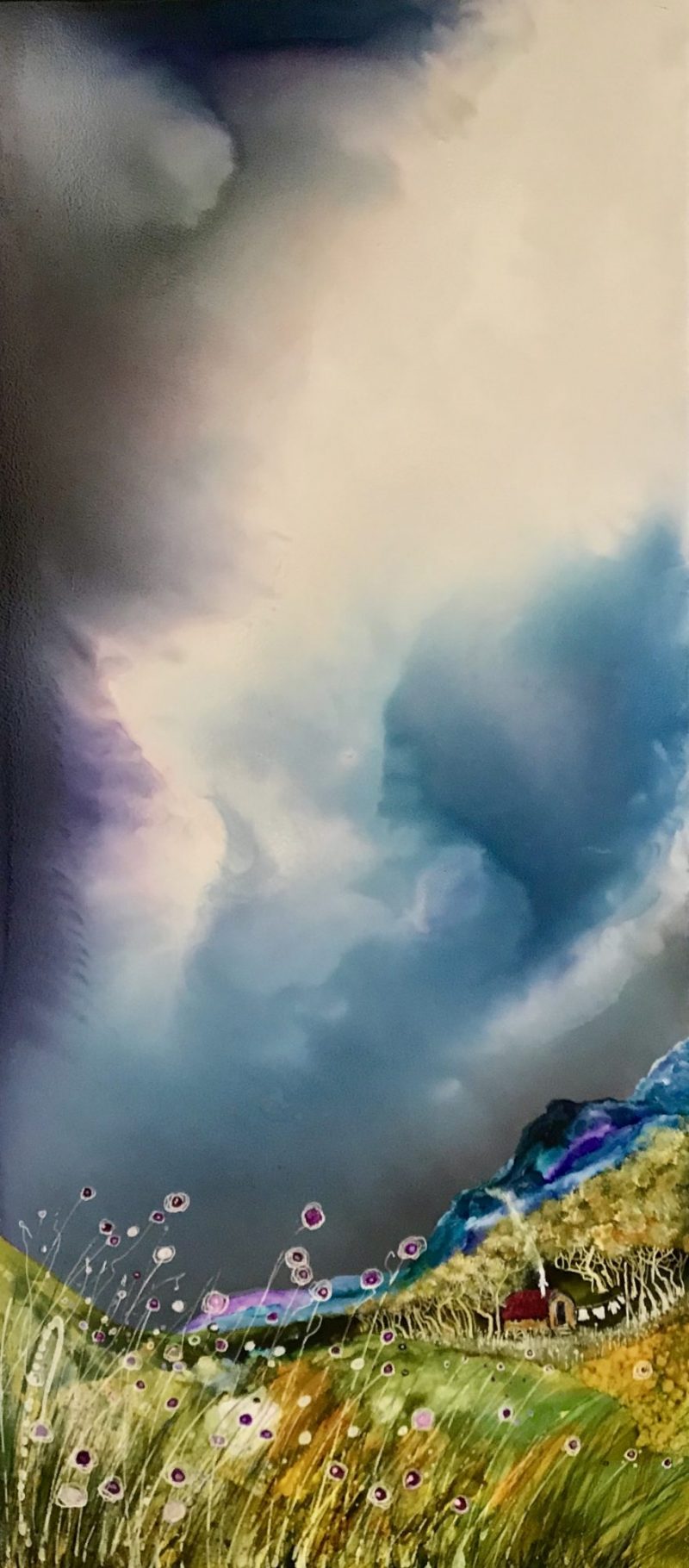 The Gypsy
Original price was: AUD$1,730.AUD$1,430Current price is: AUD$1,430.
Size:
60w
x 90h
x 3d
cms
Meg Lewer
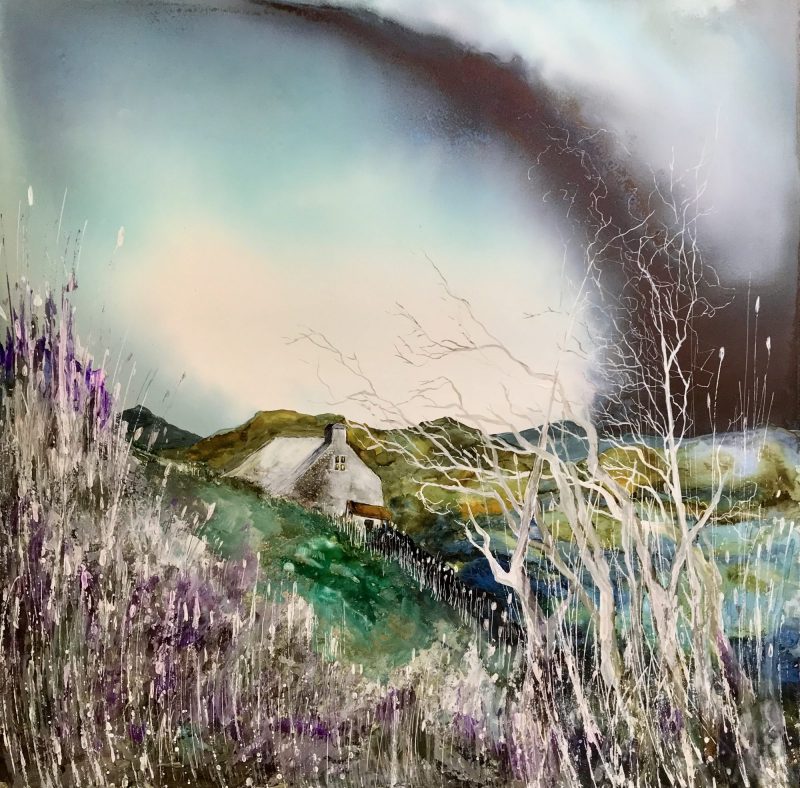 Shanty
Original price was: AUD$1,680.AUD$1,512Current price is: AUD$1,512.
Size:
60w
x 60h
x 3d
cms
Meg Lewer
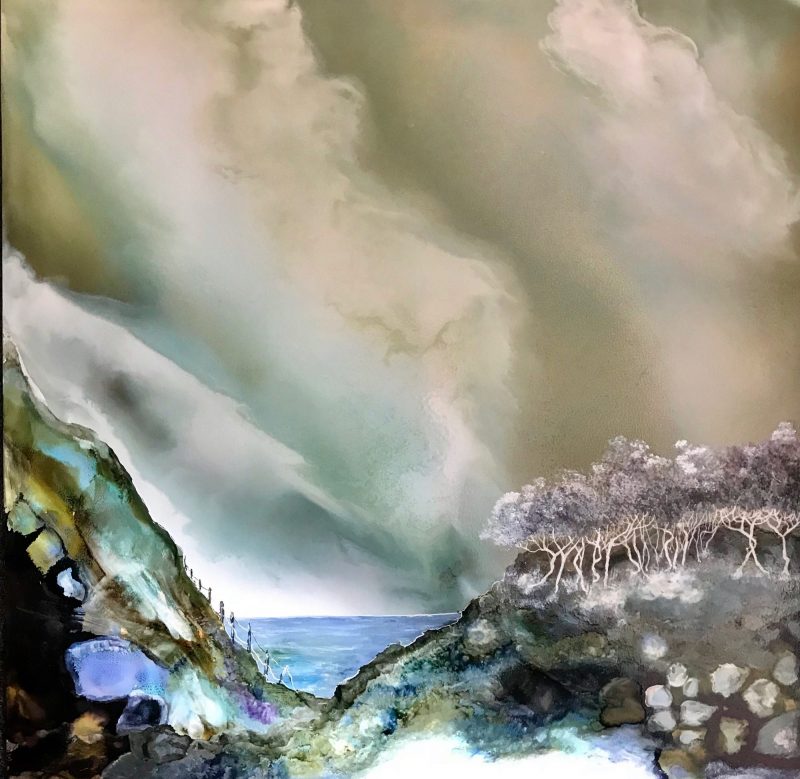 Sea Fever
Original price was: AUD$1,680.AUD$1,512Current price is: AUD$1,512.
Size:
60w
x 60h
x 3d
cms
Meg Lewer
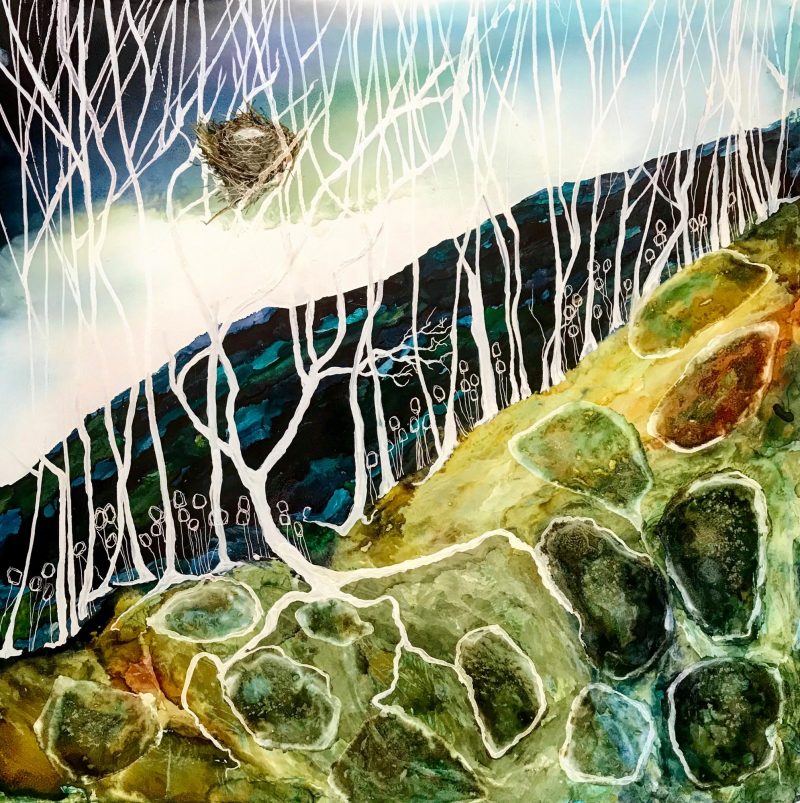 Bunjil Lives here
Original price was: AUD$1,680.AUD$1,512Current price is: AUD$1,512.
Size:
60w
x 60h
x 3d
cms
Meg Lewer
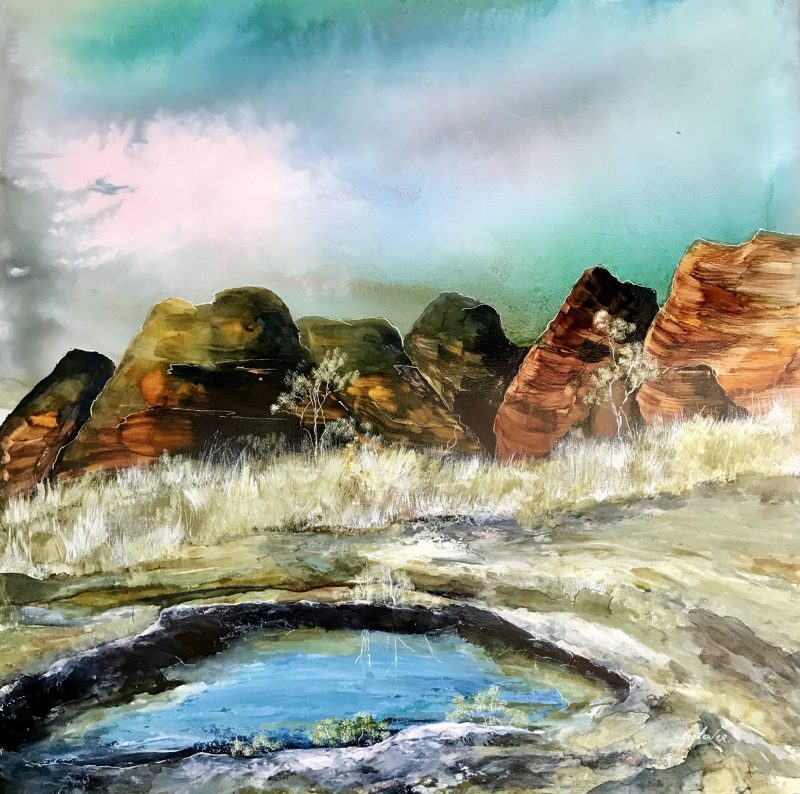 Banggul Banggul
Original price was: AUD$1,680.AUD$1,512Current price is: AUD$1,512.
Size:
60w
x 60h
x 3d
cms
Meg Lewer
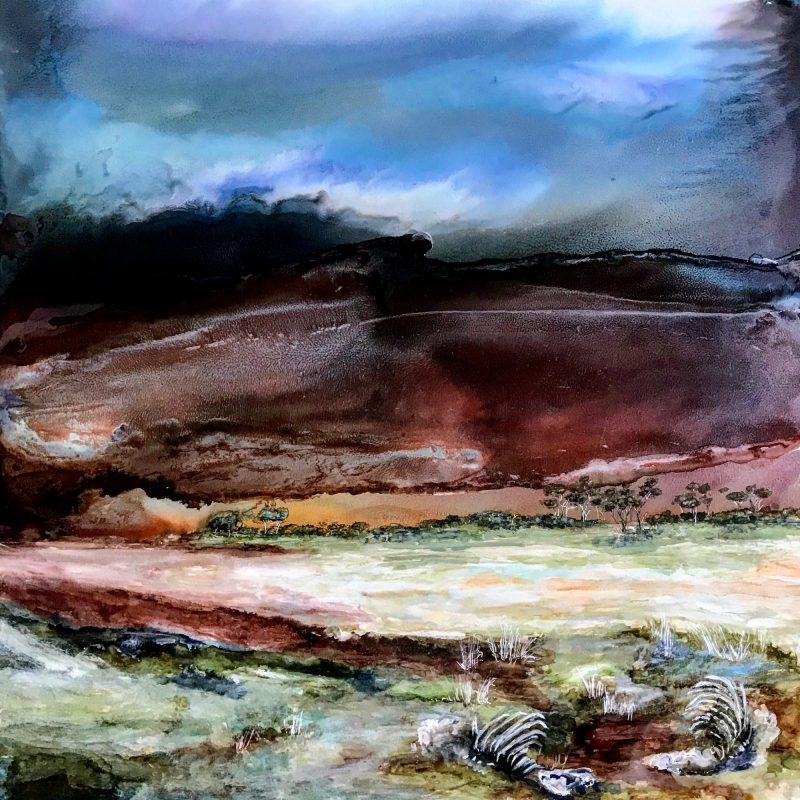 Dust, Sweat and Tears
Original price was: AUD$1,680.AUD$1,512Current price is: AUD$1,512.
Size:
60w
x 60h
x 3d
cms
Meg Lewer
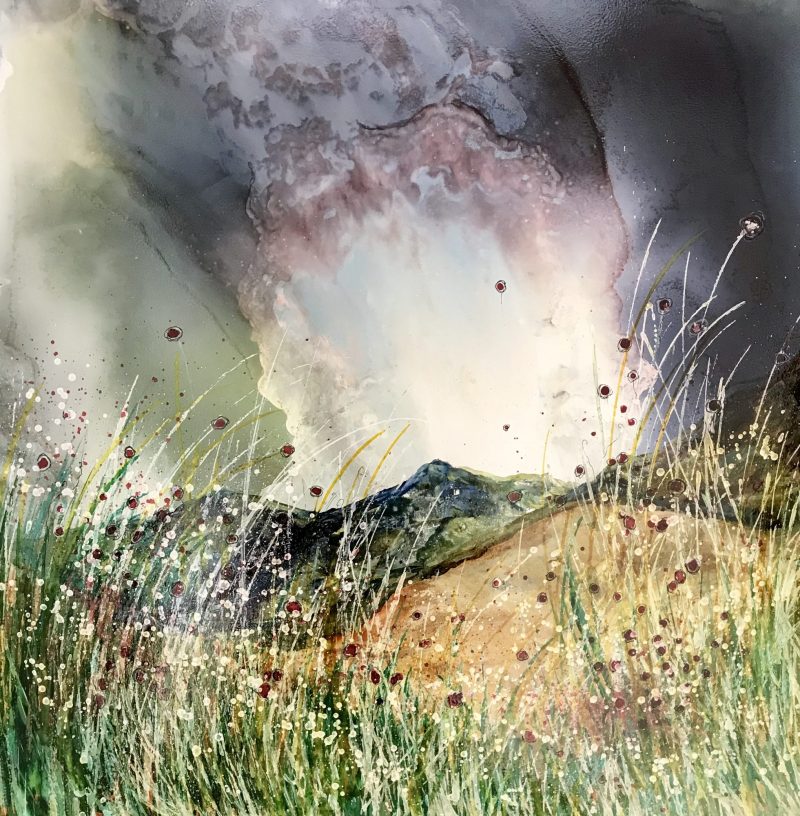 Windy weather
Original price was: AUD$1,680.AUD$1,512Current price is: AUD$1,512.
Size:
60w
x 60h
x 3d
cms
Meg Lewer
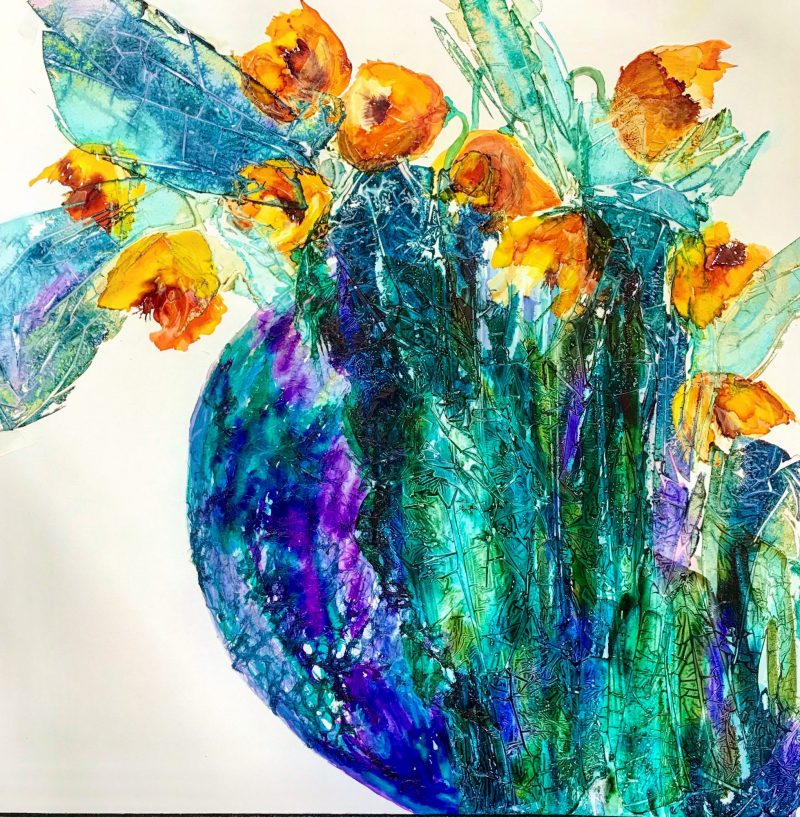 Flurry of Flowers
Original price was: AUD$1,680.AUD$1,512Current price is: AUD$1,512.
Size:
60w
x 60h
x 3d
cms
Meg Lewer
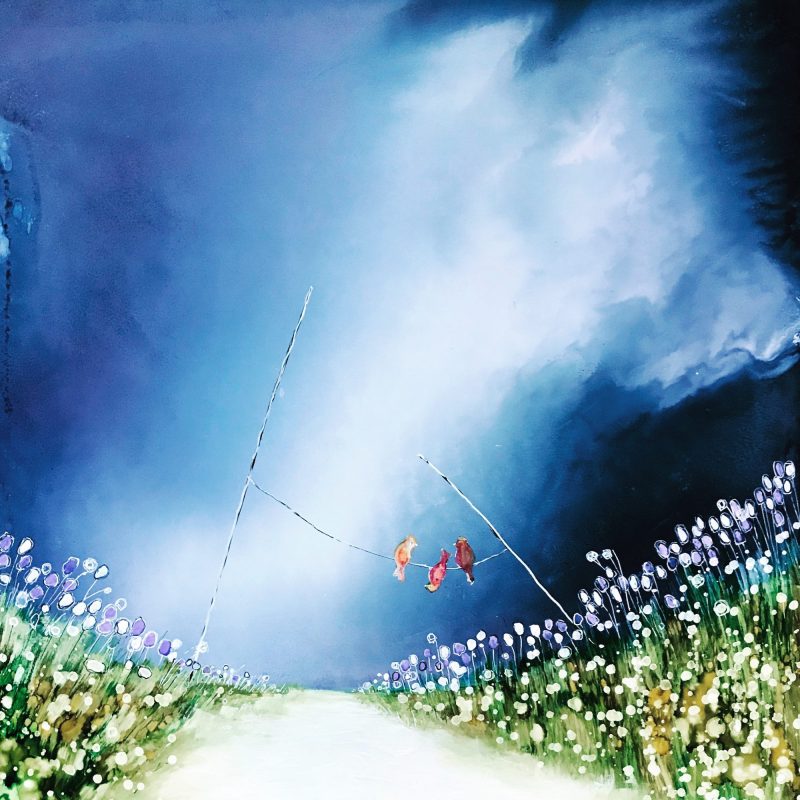 Birds on a Wire
Original price was: AUD$1,680.AUD$1,512Current price is: AUD$1,512.
Size:
60w
x 60h
x 3d
cms
Meg Lewer
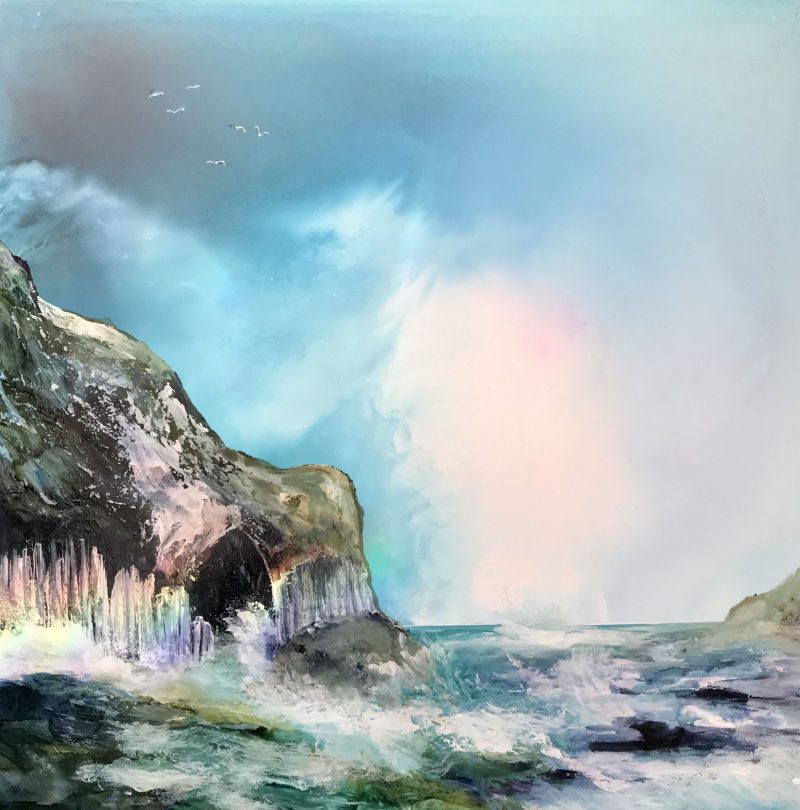 Fingals Song
Original price was: AUD$1,680.AUD$1,512Current price is: AUD$1,512.
Size:
60w
x 60h
x 3d
cms
Meg Lewer
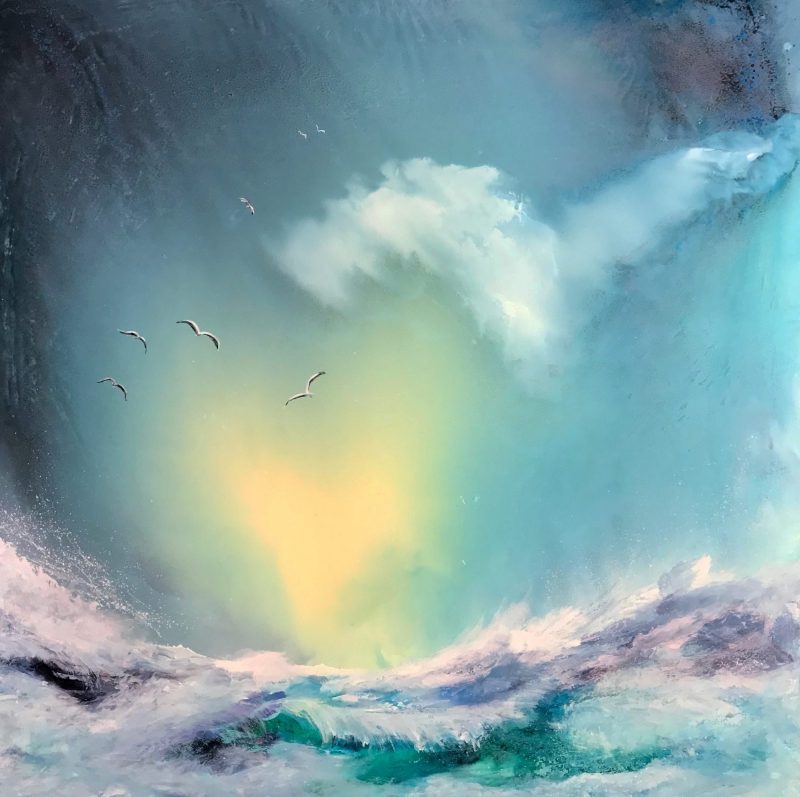 Seductive Sea
Original price was: AUD$1,680.AUD$1,480Current price is: AUD$1,480.
Size:
60w
x 60h
x 3d
cms
Meg Lewer
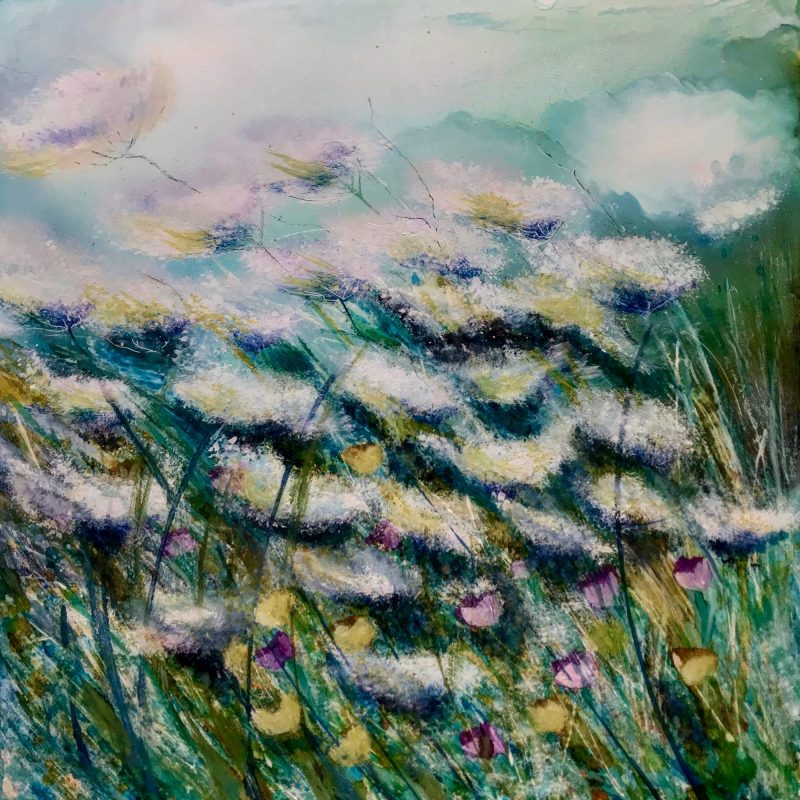 Growing Wild
Original price was: AUD$1,680.AUD$1,512Current price is: AUD$1,512.
Size:
60w
x 60h
x 3d
cms
Meg Lewer
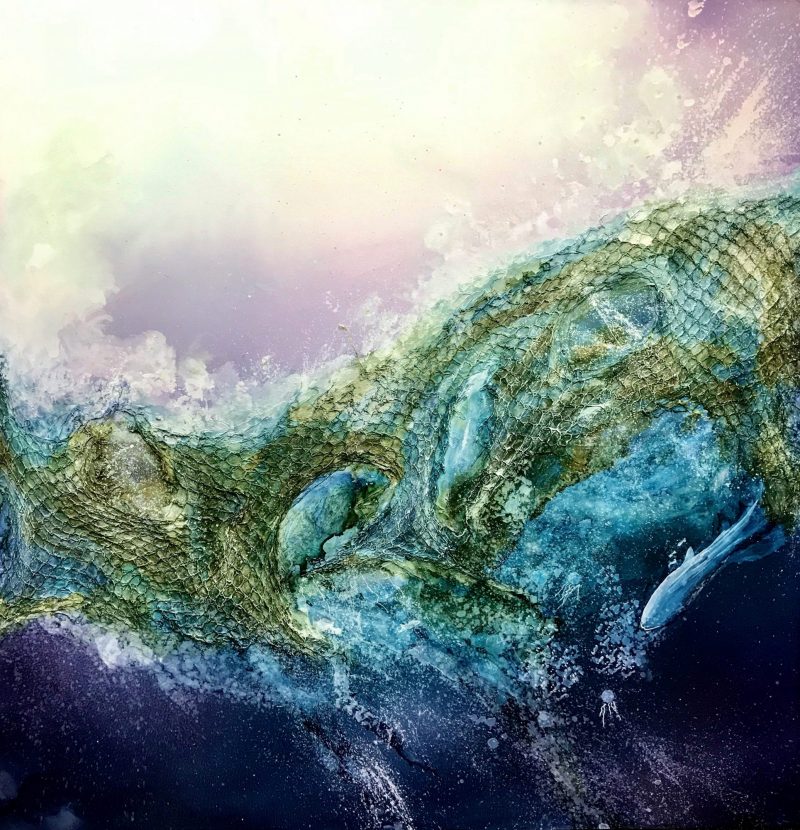 Ghosts of the Ocean
Original price was: AUD$1,680.AUD$1,080Current price is: AUD$1,080.
Size:
60w
x 60h
x 3d
cms
Meg Lewer
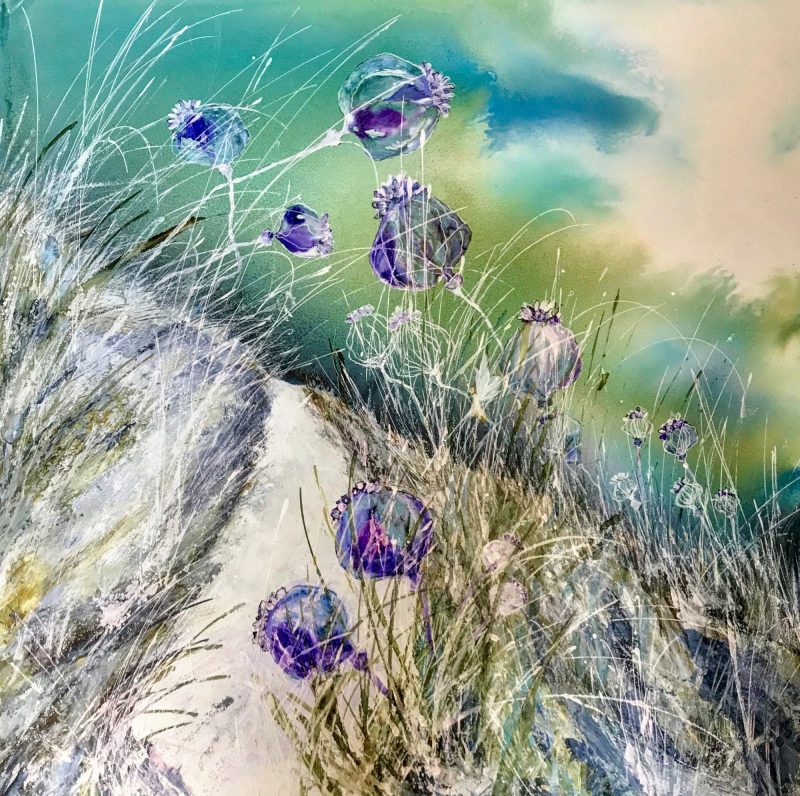 Fairy Secrets
Original price was: AUD$1,680.AUD$1,512Current price is: AUD$1,512.
Size:
60w
x 60h
x 3d
cms
Meg Lewer
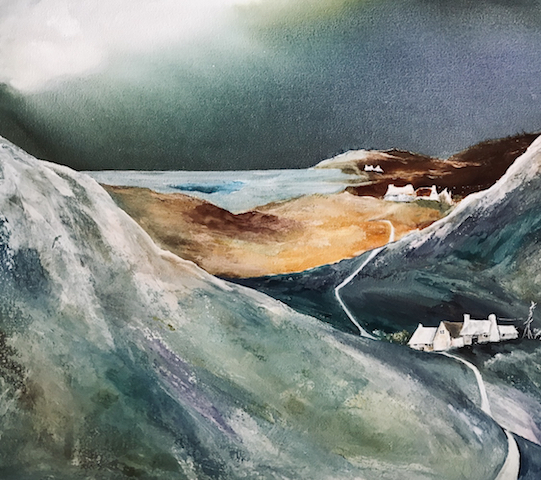 Shetland
Original price was: AUD$1,500.AUD$1,350Current price is: AUD$1,350.
Size:
51w
x 41h
x 4d
cms
Meg Lewer
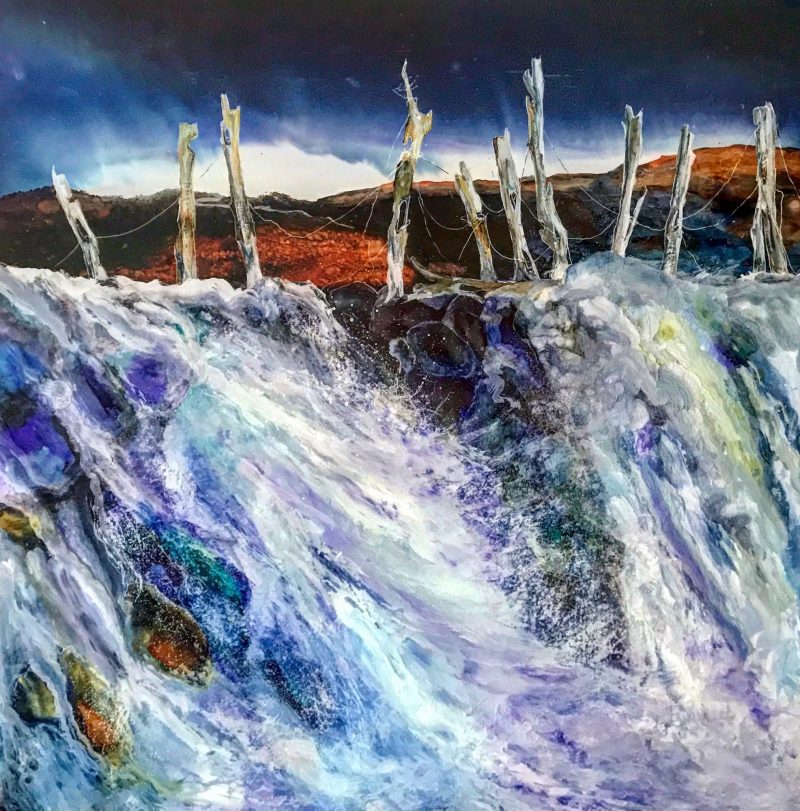 Mongrel Grey
Original price was: AUD$1,680.AUD$1,080Current price is: AUD$1,080.
Size:
60w
x 60h
x 4d
cms
Meg Lewer
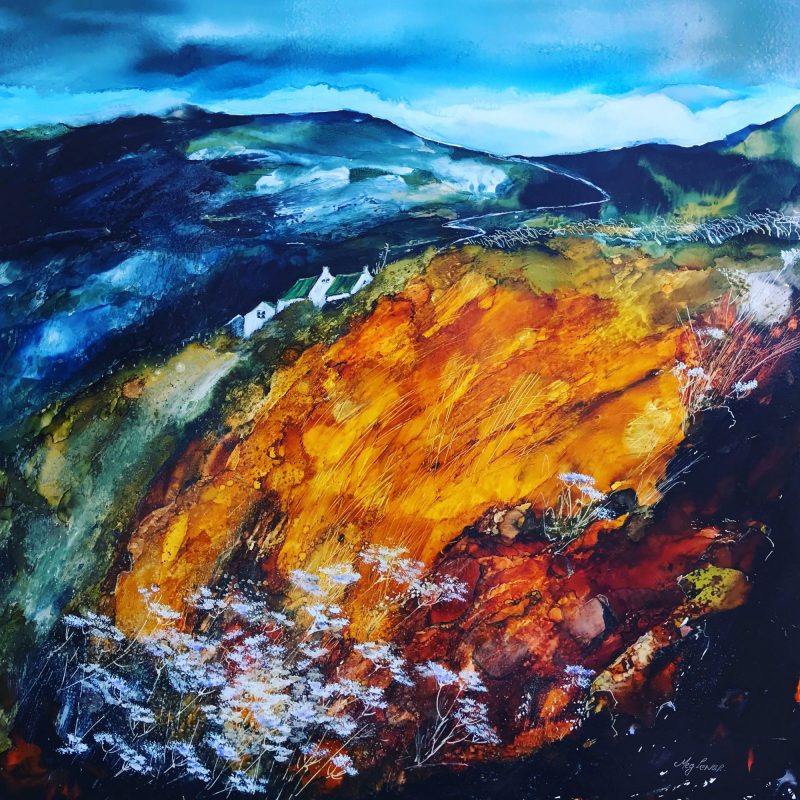 Wildflowers and wombat poo
Original price was: AUD$710.AUD$639Current price is: AUD$639.
Size:
45w
x 45h
x 4d
cms
Meg Lewer
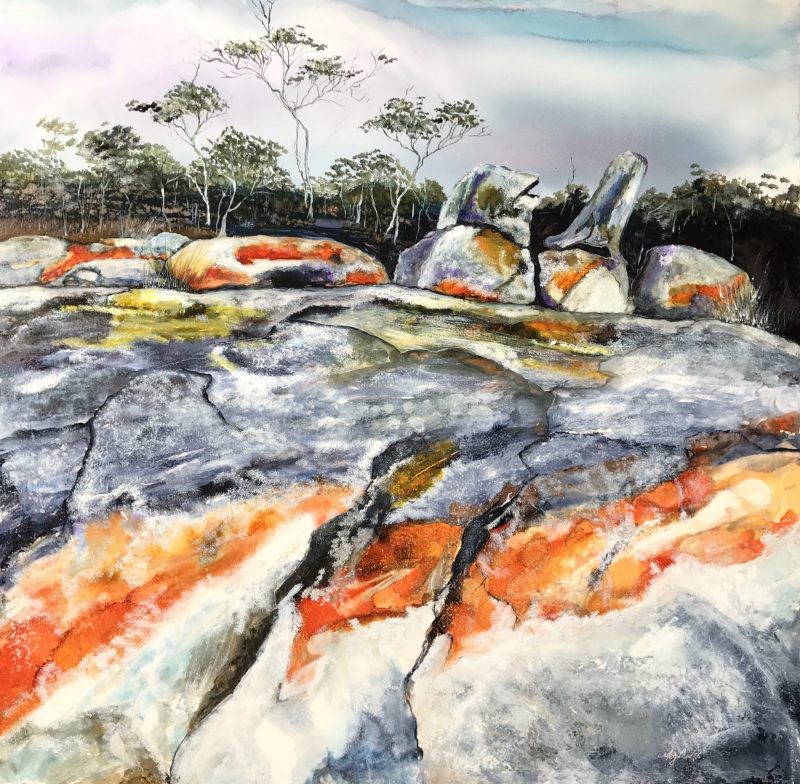 Tangerine Fires
Original price was: AUD$1,680.AUD$1,080Current price is: AUD$1,080.
Size:
60w
x 60h
x 4d
cms
Meg Lewer
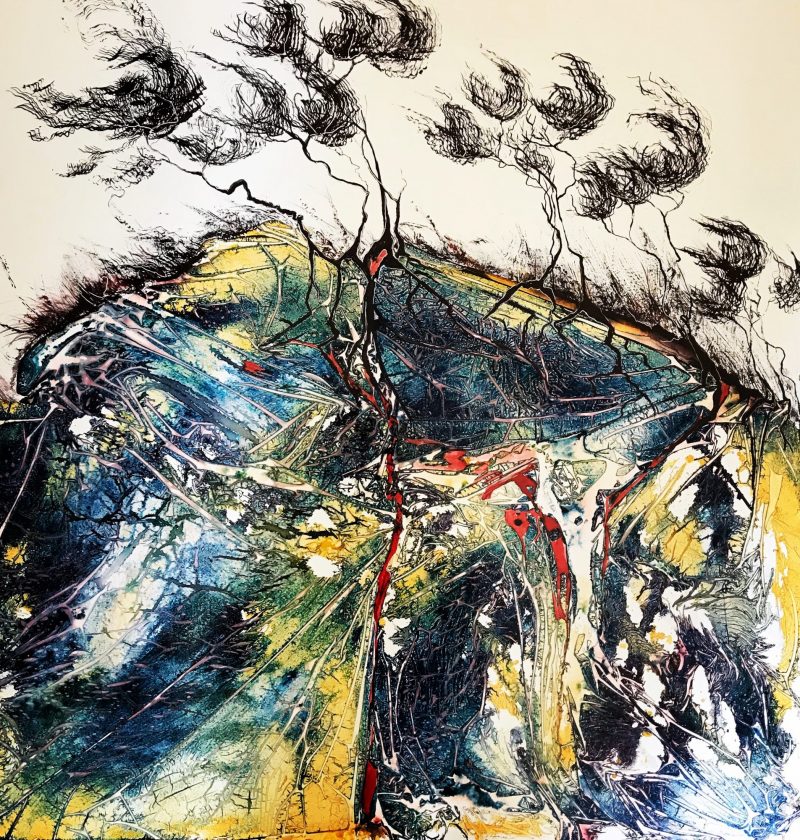 Deforest me NOT
Original price was: AUD$1,680.AUD$1,512Current price is: AUD$1,512.
Size:
60w
x 60h
x 4d
cms
Meg Lewer
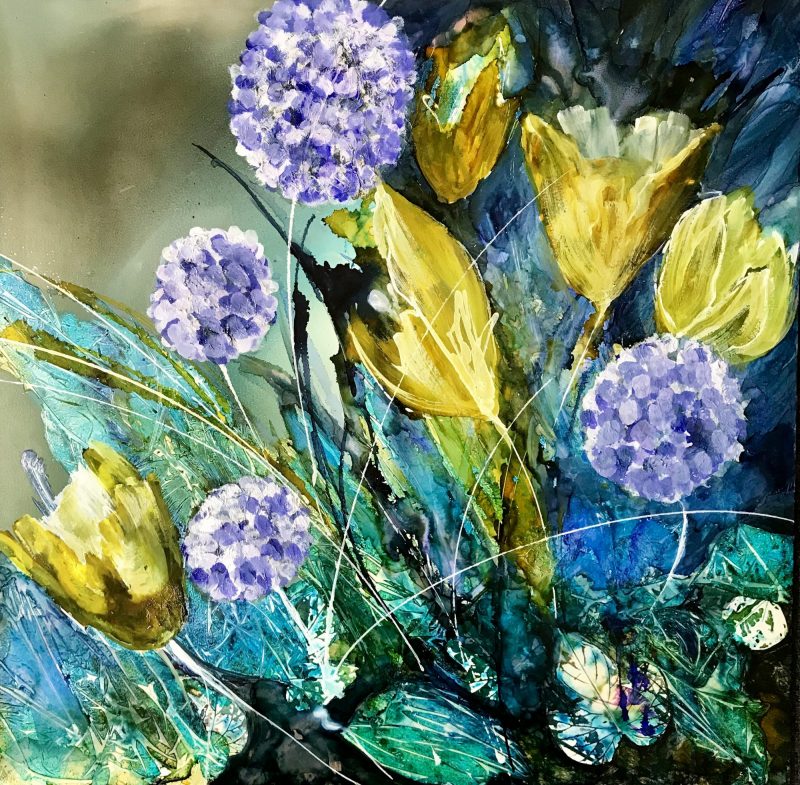 Scrumptious Bunch
Original price was: AUD$1,680.AUD$1,512Current price is: AUD$1,512.
Size:
60w
x 60h
x 4d
cms
Meg Lewer
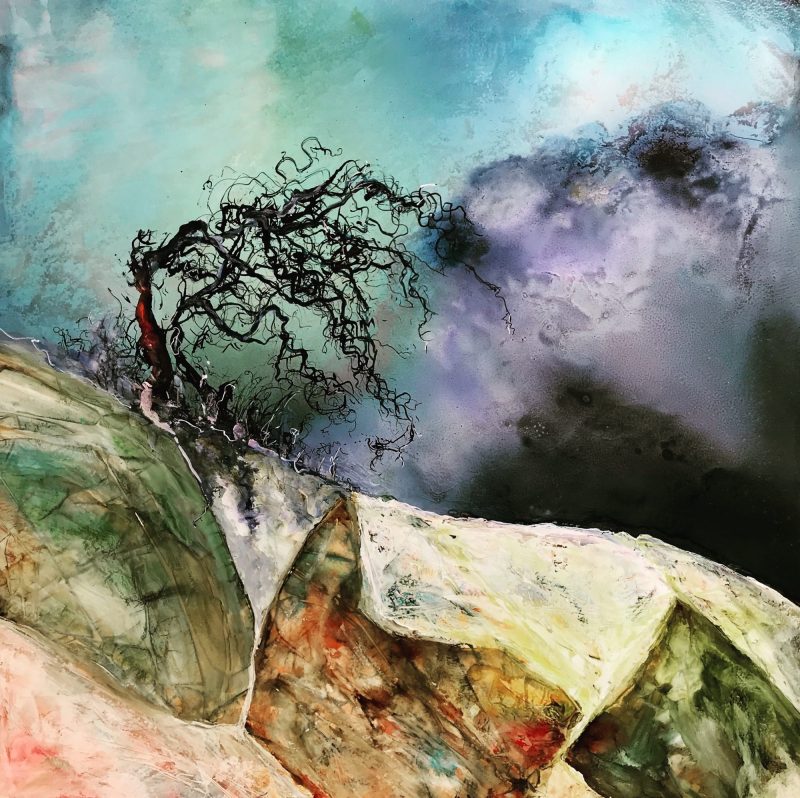 Trees
Trees
Original price was: AUD$1,680.AUD$1,512Current price is: AUD$1,512.
Size:
60w
x 60h
x 3d
cms
Meg Lewer
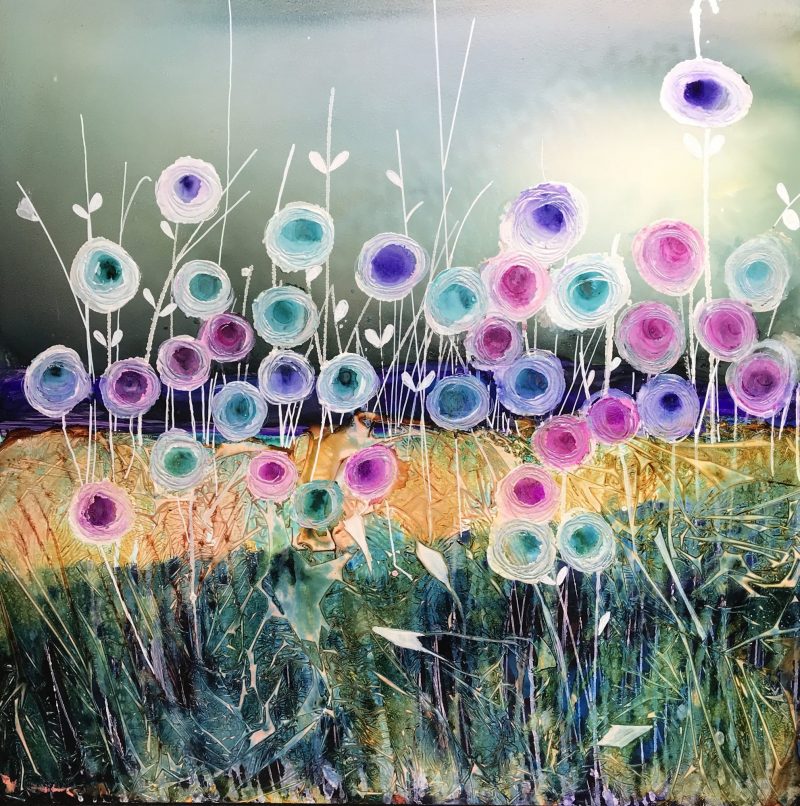 Just for Fun
Original price was: AUD$1,680.AUD$1,512Current price is: AUD$1,512.
Size:
60w
x 60h
x 3d
cms
Meg Lewer
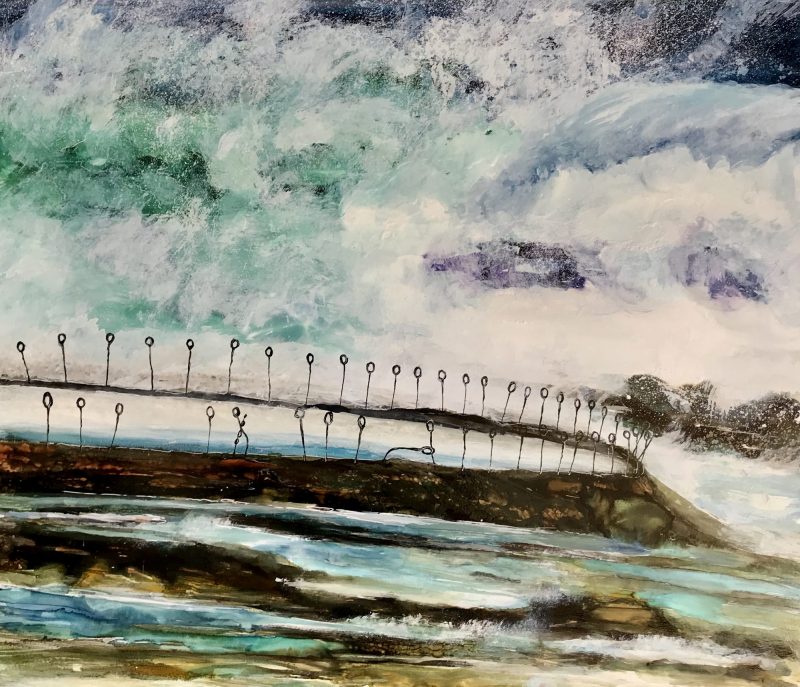 Canoe Pool
Original price was: AUD$1,680.AUD$1,512Current price is: AUD$1,512.
Size:
60w
x 60h
x 3d
cms
Meg Lewer
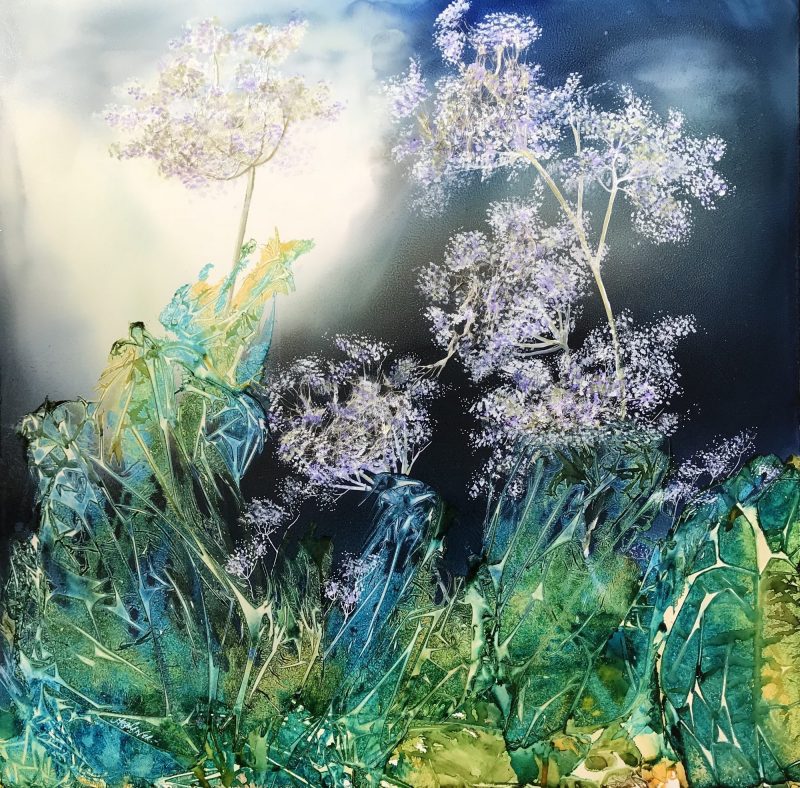 Will O’ The Wisp
Original price was: AUD$1,680.AUD$1,512Current price is: AUD$1,512.
Size:
60w
x 60h
x 3d
cms
Meg Lewer
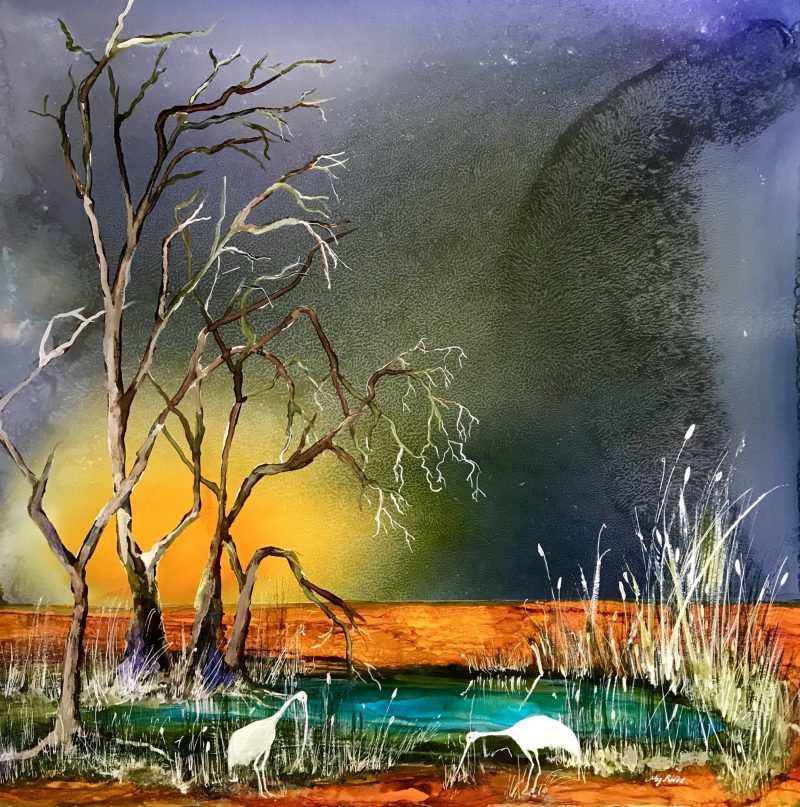 Sun Behind The Hill
Original price was: AUD$1,580.AUD$1,422Current price is: AUD$1,422.
Size:
60w
x 60h
x 3d
cms
Meg Lewer
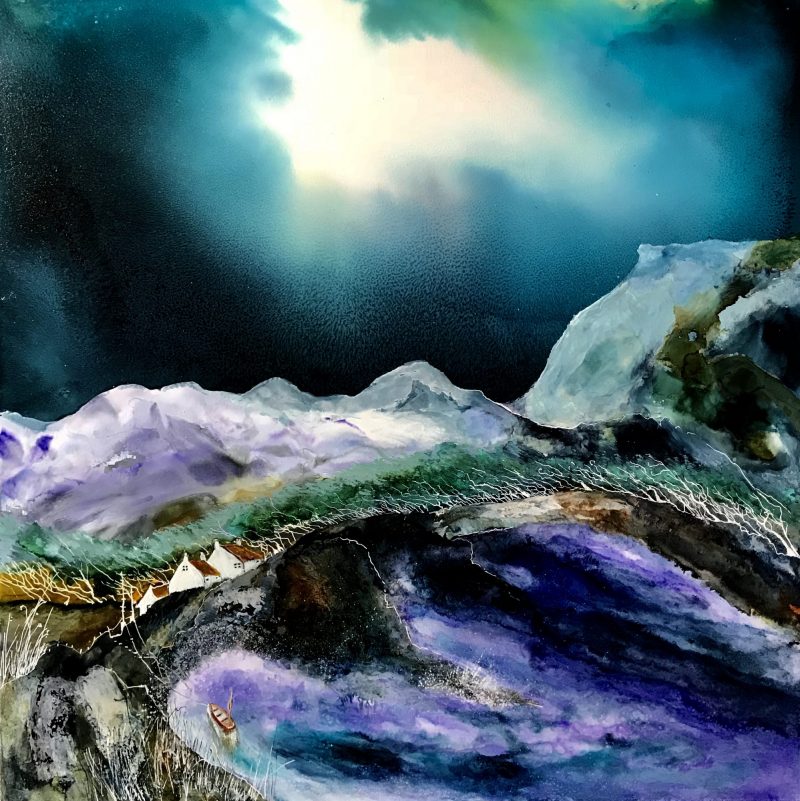 Shrimp Boats
Original price was: AUD$1,680.AUD$1,512Current price is: AUD$1,512.
Size:
60w
x 60h
x 3d
cms
Meg Lewer
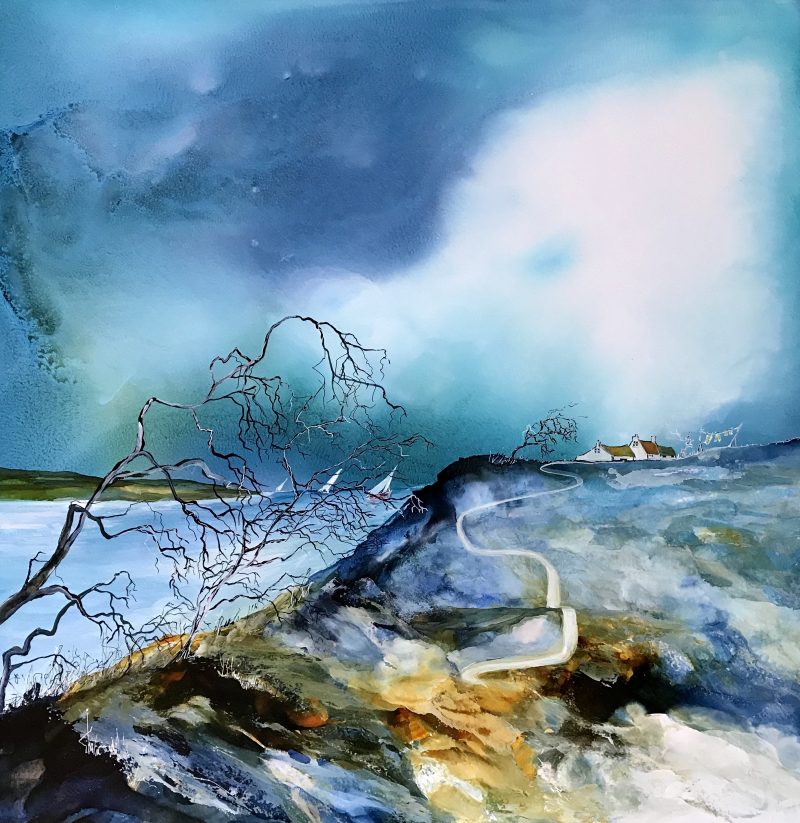 Cliffs of the Ocean
Original price was: AUD$1,680.AUD$1,512Current price is: AUD$1,512.
Size:
60w
x 60h
x 3d
cms
Meg Lewer
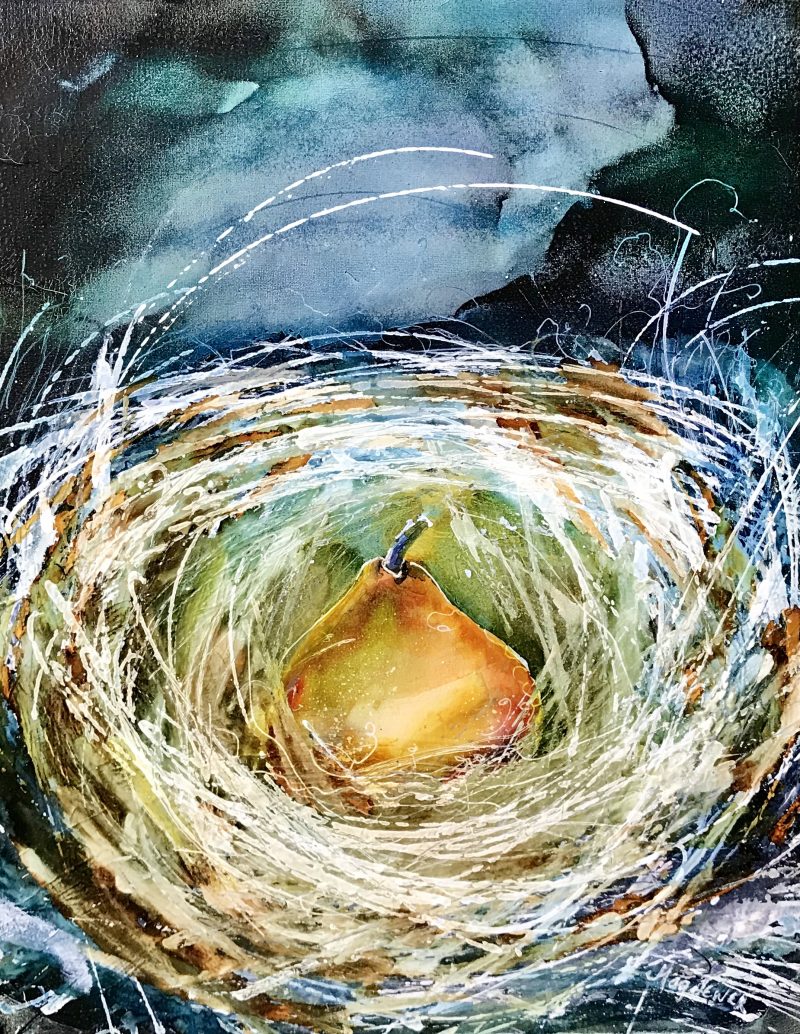 There’s a pear in my Nest
Original price was: AUD$430.AUD$387Current price is: AUD$387.
Size:
25w
x 30h
x 3d
cms
Meg Lewer
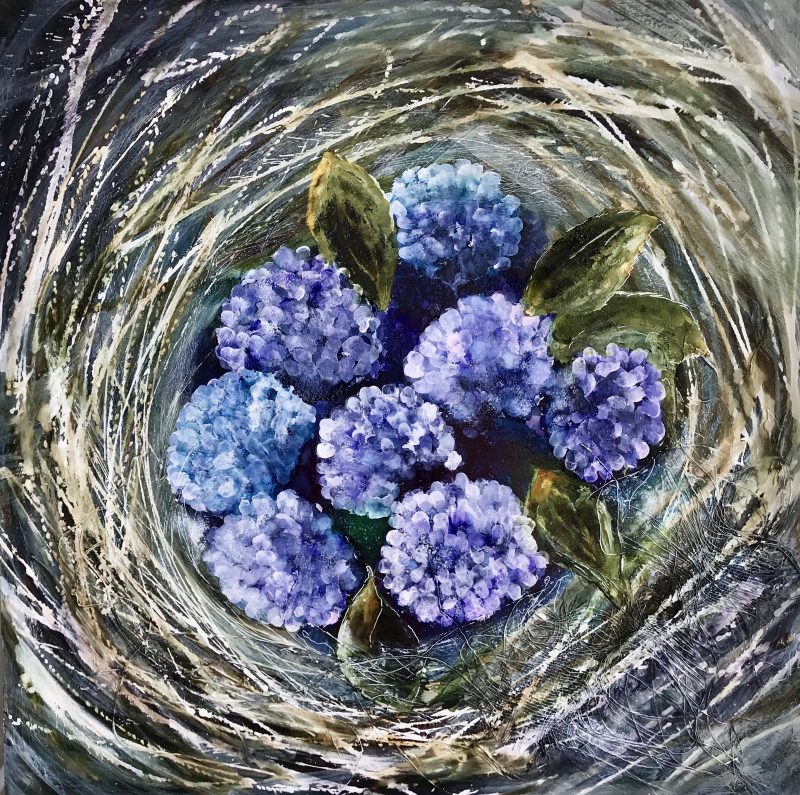 Flowers in my Nest
Original price was: AUD$1,680.AUD$1,080Current price is: AUD$1,080.
Size:
60w
x 60h
x 3d
cms
Meg Lewer
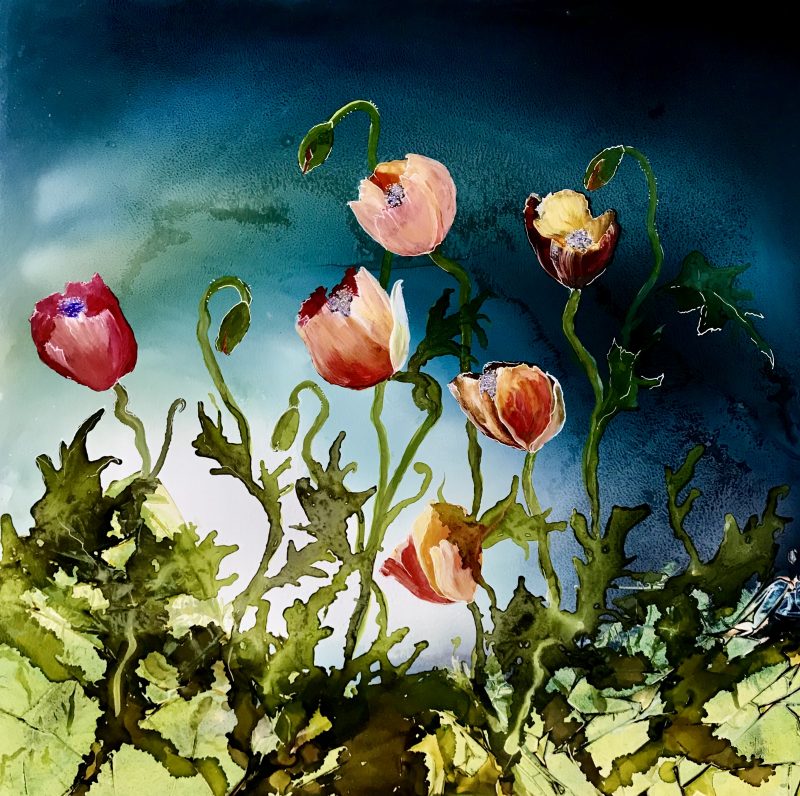 Poppy Nights
Original price was: AUD$1,680.AUD$1,512Current price is: AUD$1,512.
Size:
60w
x 60h
x 3d
cms
Meg Lewer
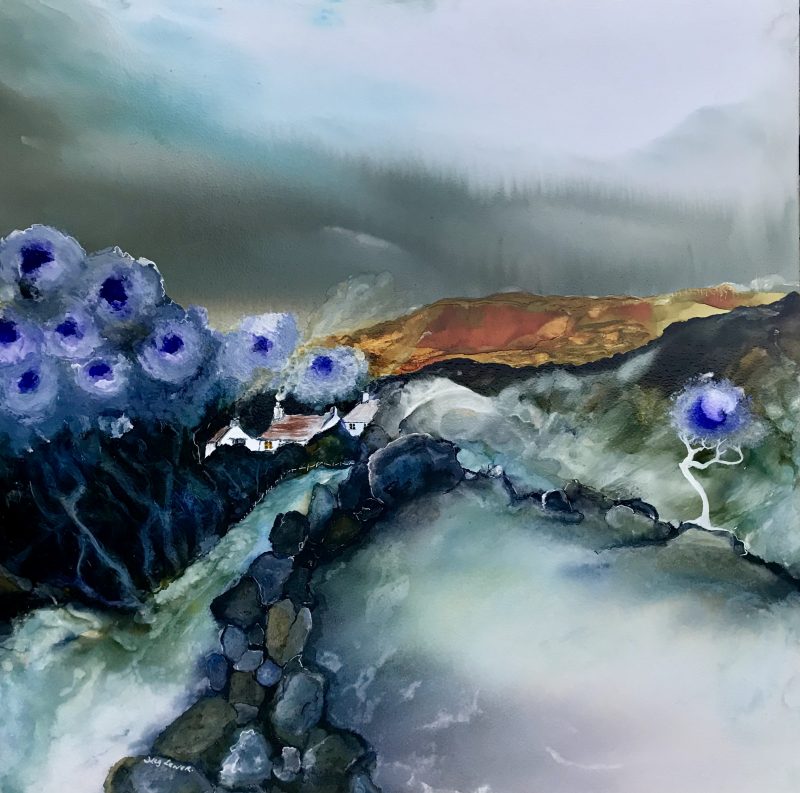 Fairy Smoke
Original price was: AUD$1,680.AUD$1,512Current price is: AUD$1,512.
Size:
60w
x 60h
x 3d
cms
Meg Lewer
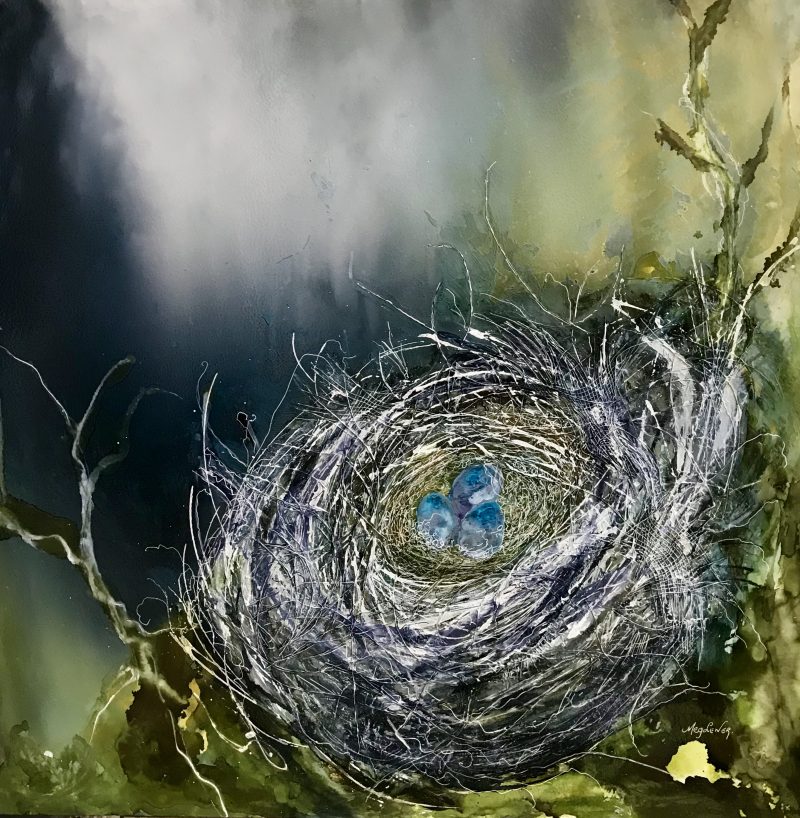 I am Nest and I am Art
Original price was: AUD$1,680.AUD$1,512Current price is: AUD$1,512.
Size:
60w
x 60h
x 3d
cms
Meg Lewer
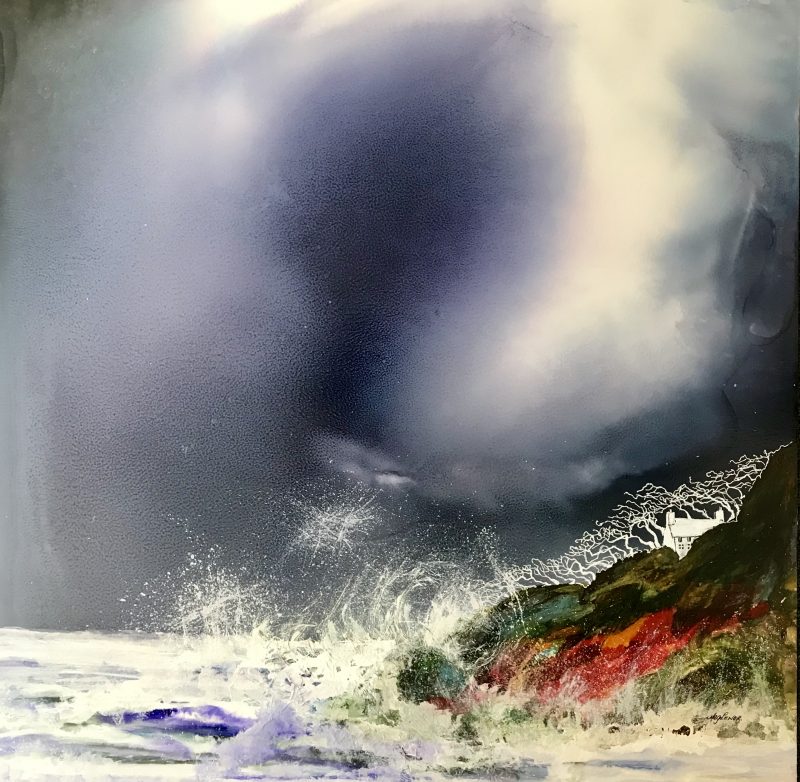 The Hidden Cottage by the Sea
Original price was: AUD$1,680.AUD$1,512Current price is: AUD$1,512.
Size:
60w
x 60h
x 3d
cms
Meg Lewer
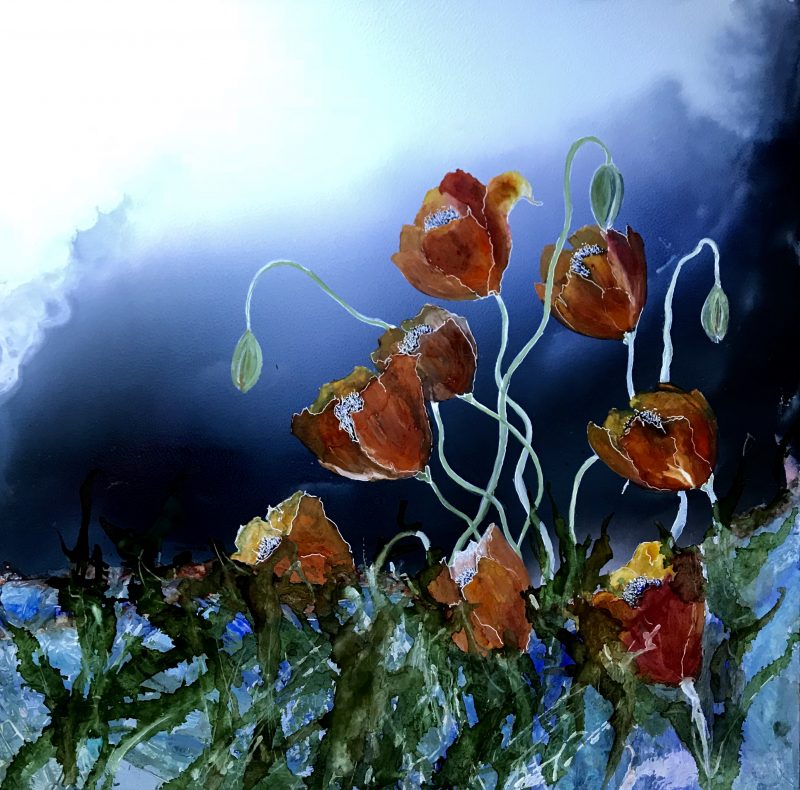 Poppy Days
Original price was: AUD$1,680.AUD$1,512Current price is: AUD$1,512.
Size:
60w
x 60h
x -5d
cms
Meg Lewer
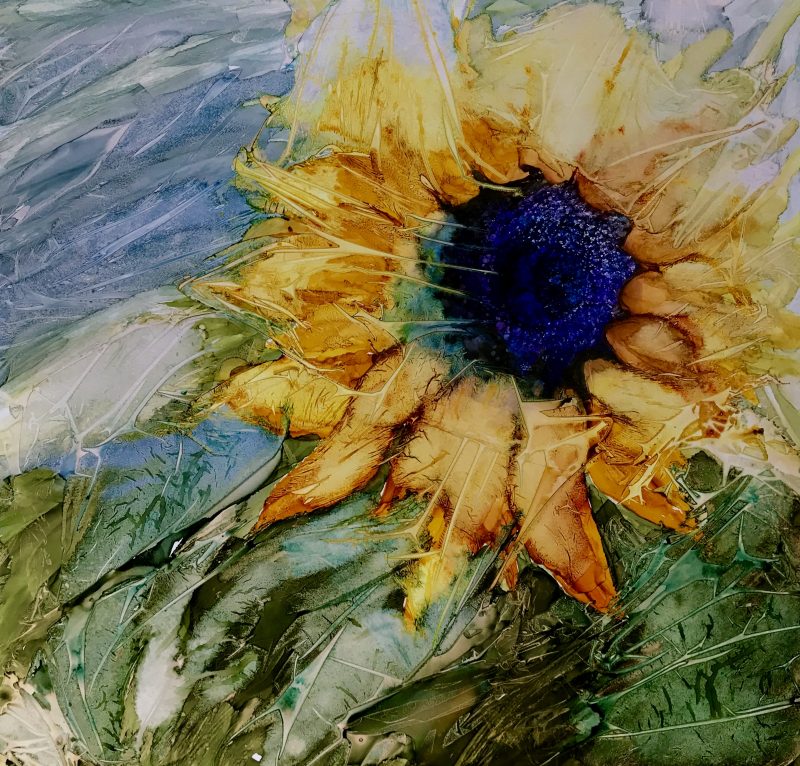 Come Follow the Sun
Original price was: AUD$1,680.AUD$1,512Current price is: AUD$1,512.
Size:
60w
x 60h
x 3d
cms
Meg Lewer
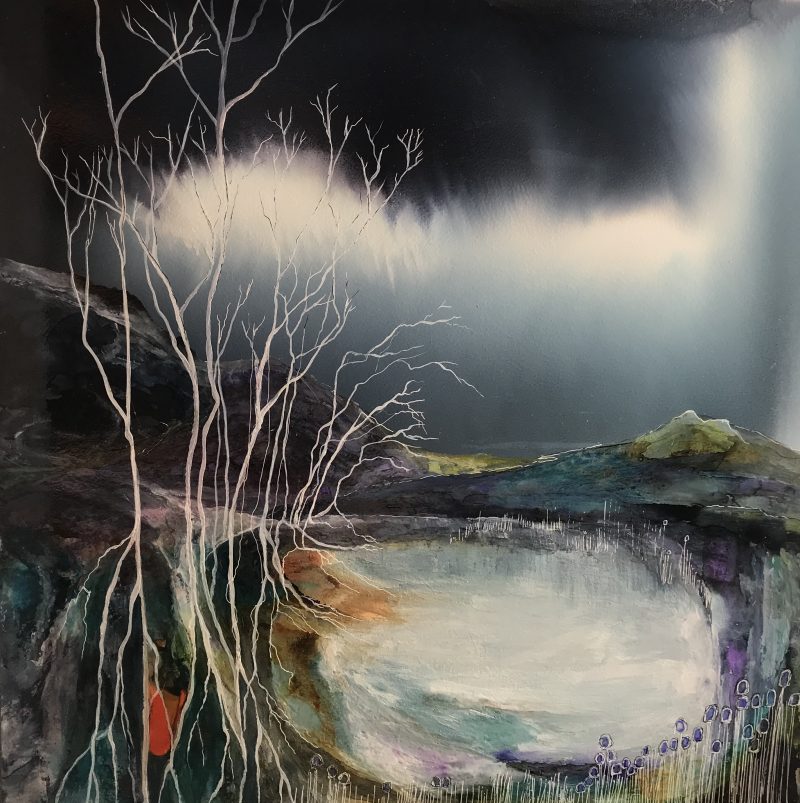 Spring Pool
Original price was: AUD$1,580.AUD$1,422Current price is: AUD$1,422.
Size:
60w
x 60h
x 3d
cms
Meg Lewer
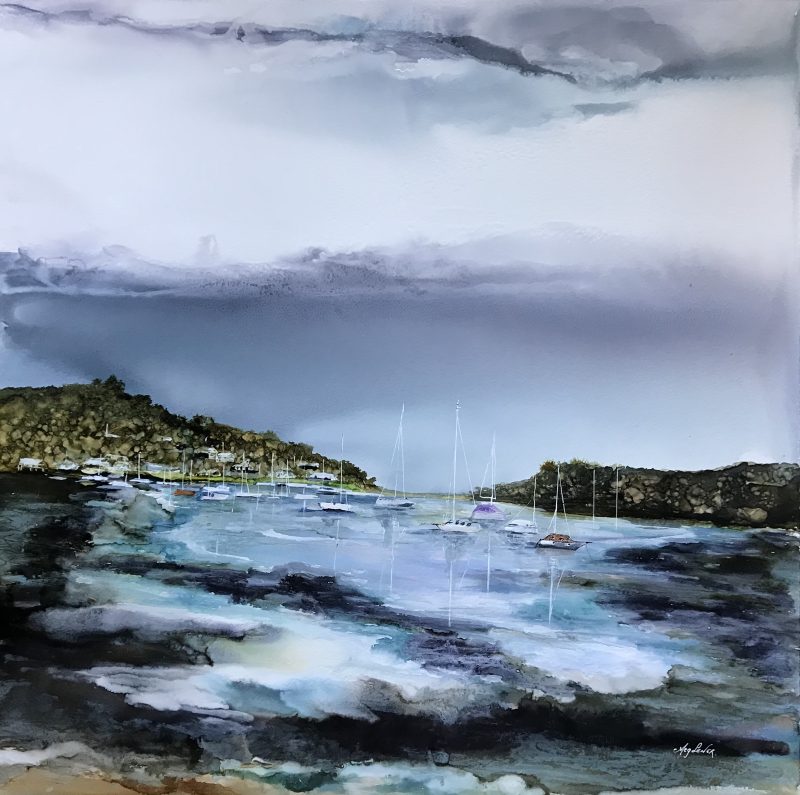 Grey Reflections
Original price was: AUD$1,780.AUD$1,480Current price is: AUD$1,480.
Size:
60w
x 60h
x 3d
cms
Meg Lewer
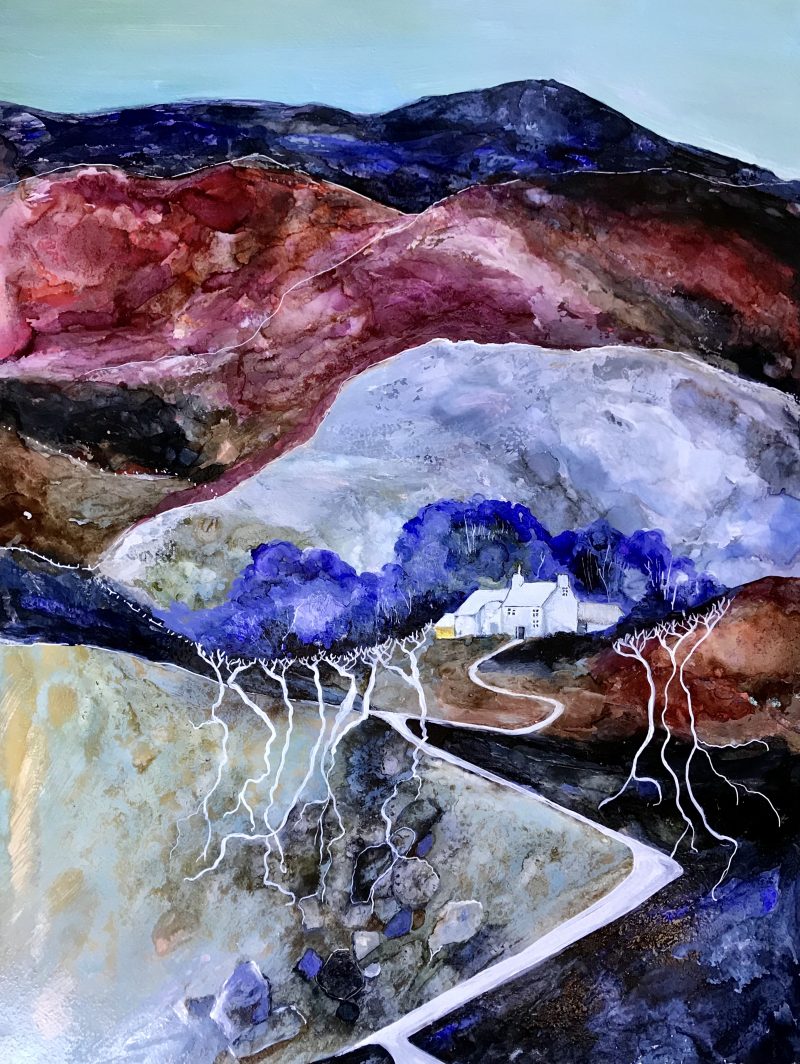 Words of Wisdom from the Tree
Original price was: AUD$660.AUD$594Current price is: AUD$594.
Size:
45w
x 60h
x 3d
cms
Meg Lewer
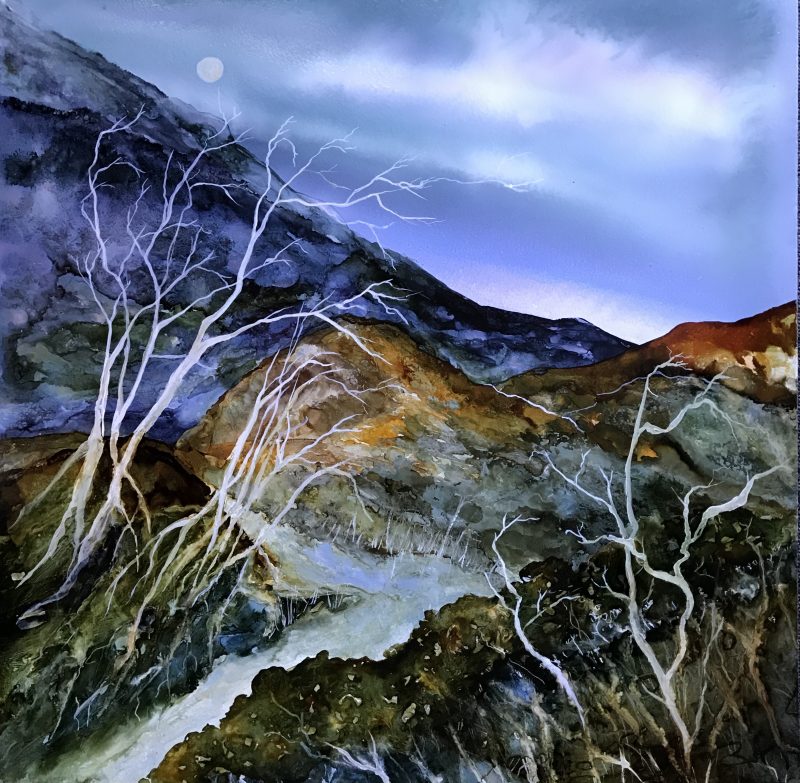 Mountain Twilight
Original price was: AUD$1,680.AUD$1,512Current price is: AUD$1,512.
Size:
60w
x 60h
cms
Meg Lewer
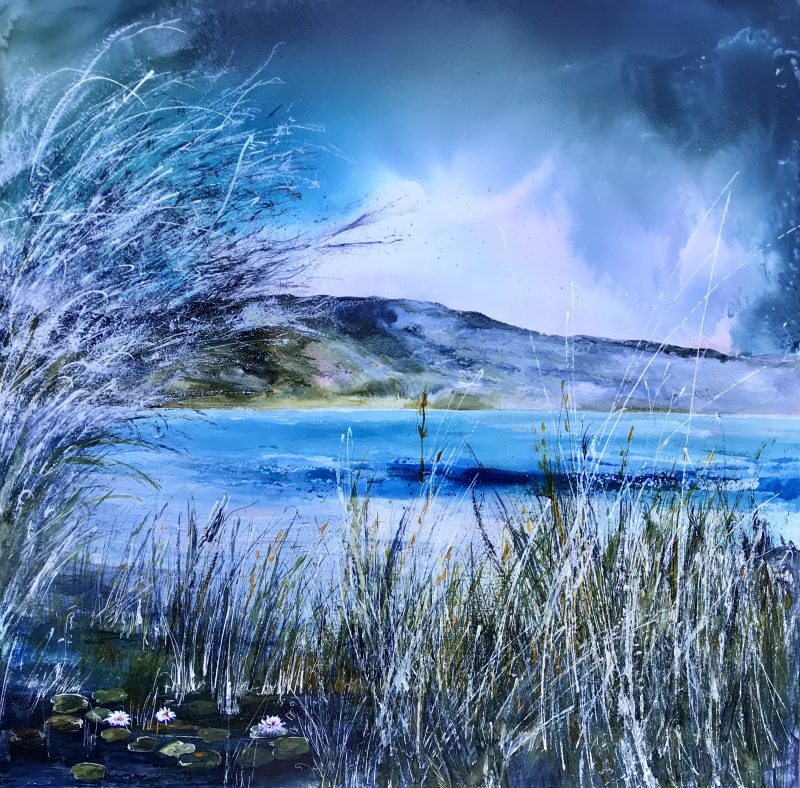 Dreams of a Waterlily
Original price was: AUD$1,680.AUD$1,512Current price is: AUD$1,512.
Size:
60w
x 60h
cms
Meg Lewer
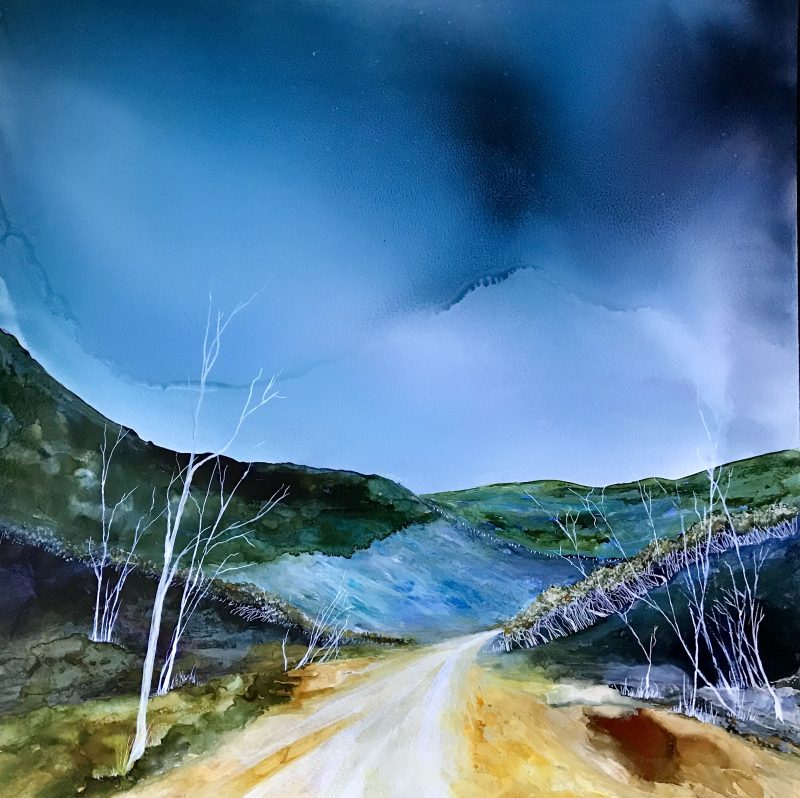 The Lights of Cobb and Co
Original price was: AUD$1,680.AUD$1,512Current price is: AUD$1,512.
Size:
60w
x 60h
x 2d
cms
Meg Lewer
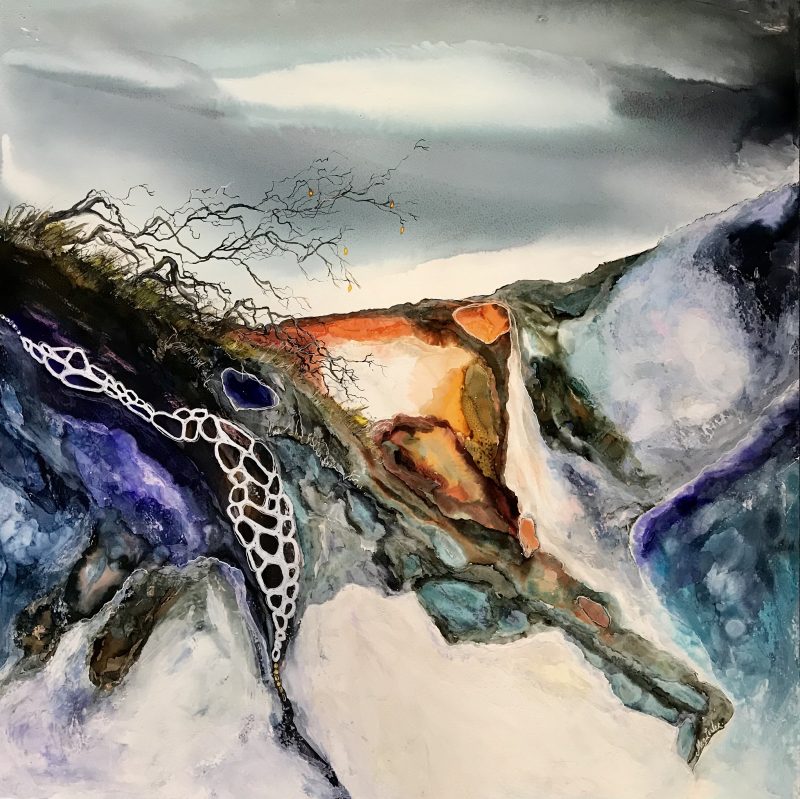 Middle Earth
Original price was: AUD$1,080.AUD$972Current price is: AUD$972.
Size:
60w
x 60h
x 2d
cms
Meg Lewer
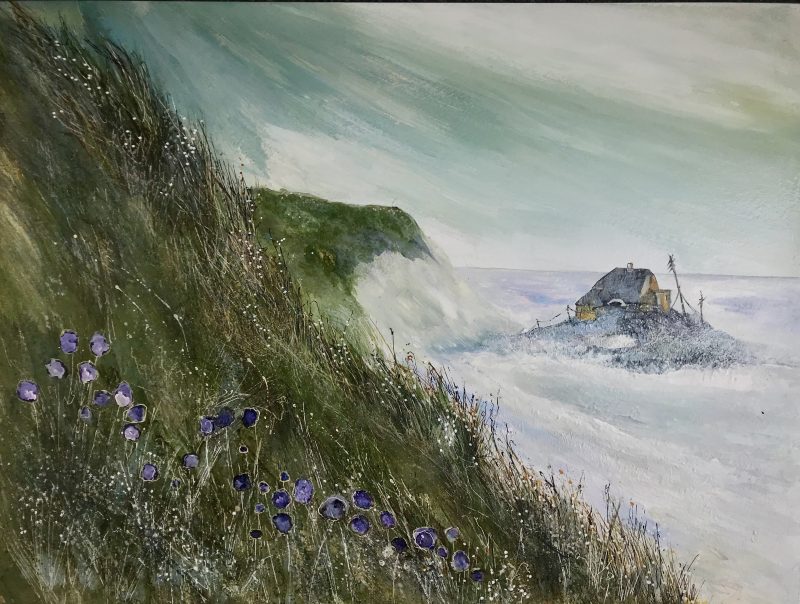 The Light of Skagen
Original price was: AUD$990.AUD$891Current price is: AUD$891.
Size:
60w
x 45h
x 2d
cms
Meg Lewer
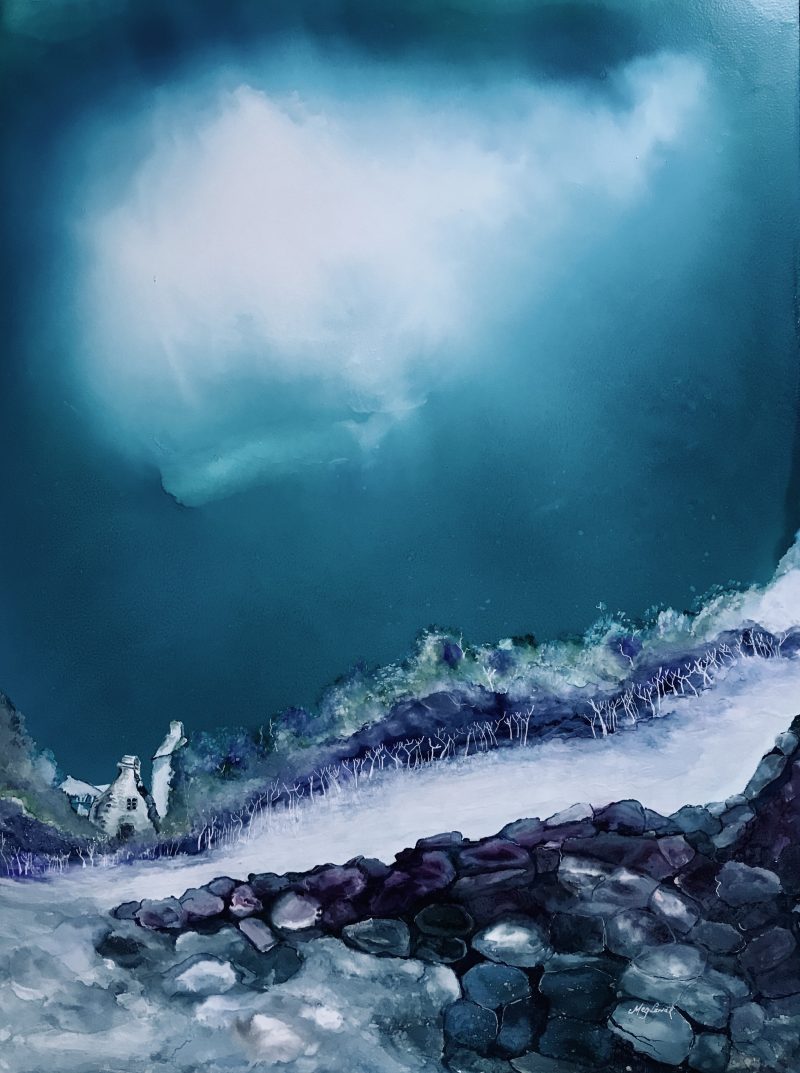 A Posy of Lavender
Original price was: AUD$990.AUD$891Current price is: AUD$891.
Size:
45w
x 60h
x 2d
cms
Meg Lewer
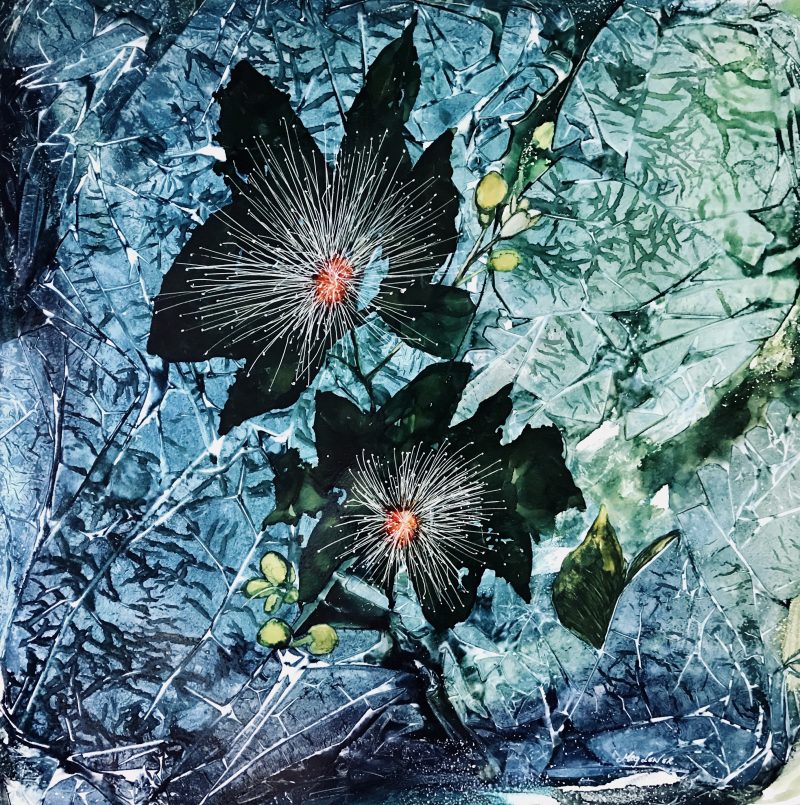 Kakadu Plum
Original price was: AUD$1,680.AUD$1,512Current price is: AUD$1,512.
Size:
60w
x 60h
cms
Meg Lewer
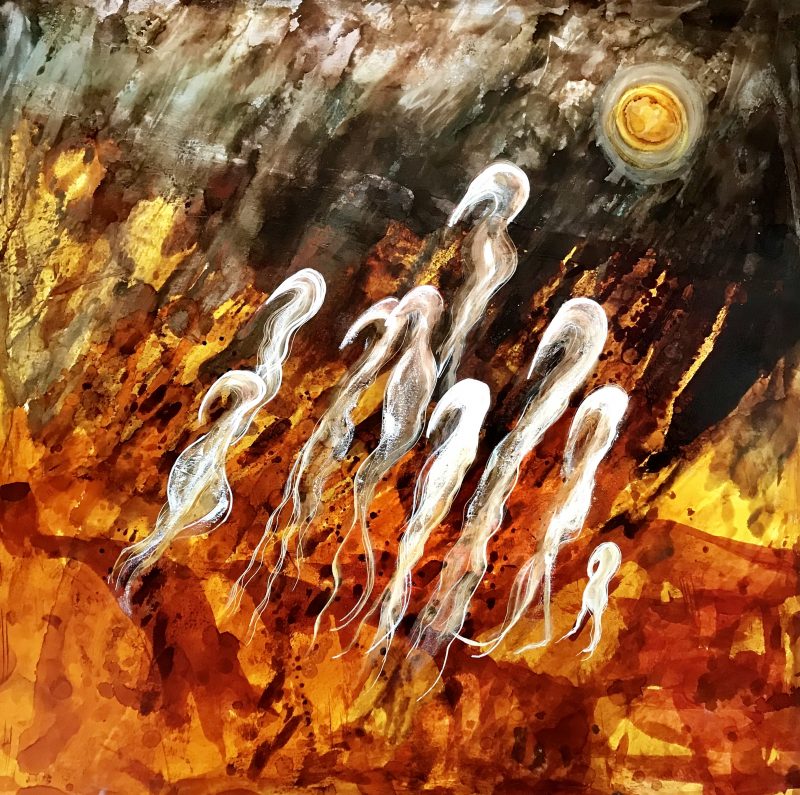 Displaced
Original price was: AUD$2,000.AUD$1,800Current price is: AUD$1,800.
Size:
100w
x 100h
x 4d
cms
Meg Lewer
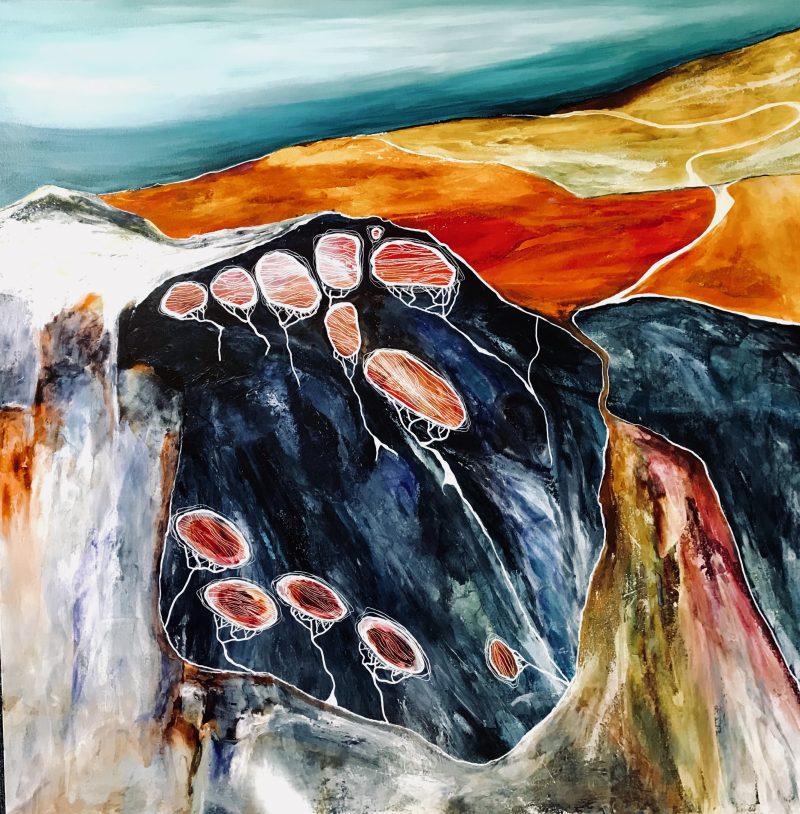 Spirit Song
Original price was: AUD$1,950.AUD$1,755Current price is: AUD$1,755.
Size:
92w
x 92h
x 4d
cms
Meg Lewer
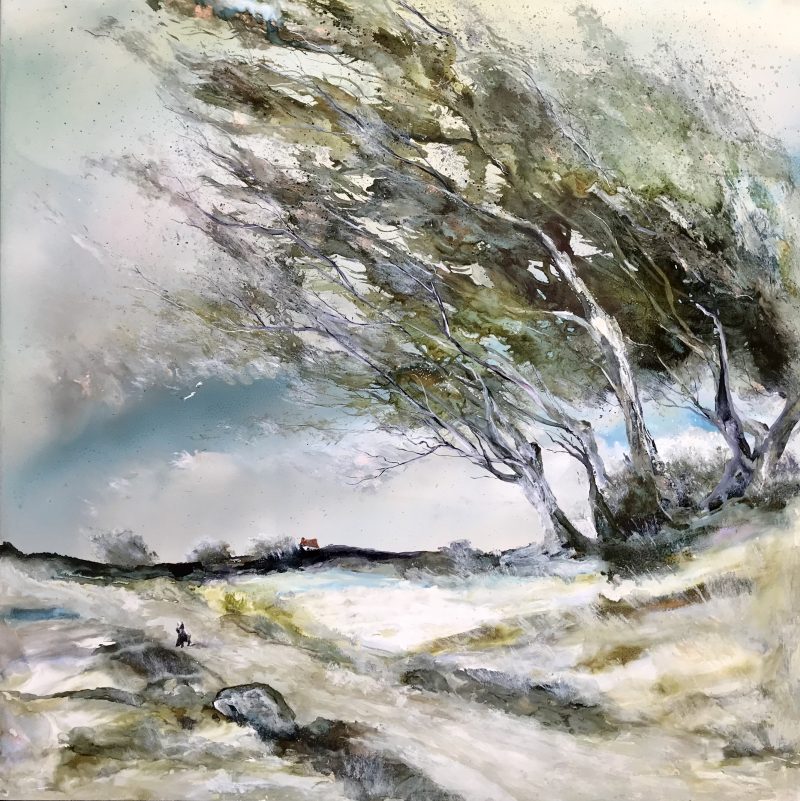 Le Coup de Vent
Original price was: AUD$1,680.AUD$1,080Current price is: AUD$1,080.
Size:
60w
x 60h
x 2d
cms
Meg Lewer
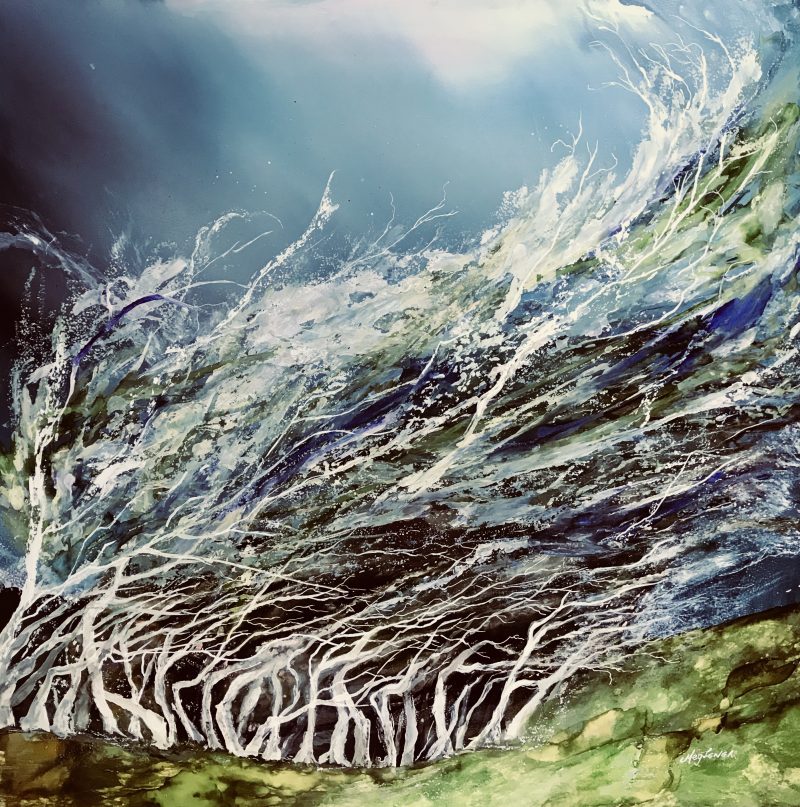 Withered Fingers
Original price was: AUD$1,680.AUD$1,080Current price is: AUD$1,080.
Size:
60w
x 60h
x 2d
cms
Meg Lewer
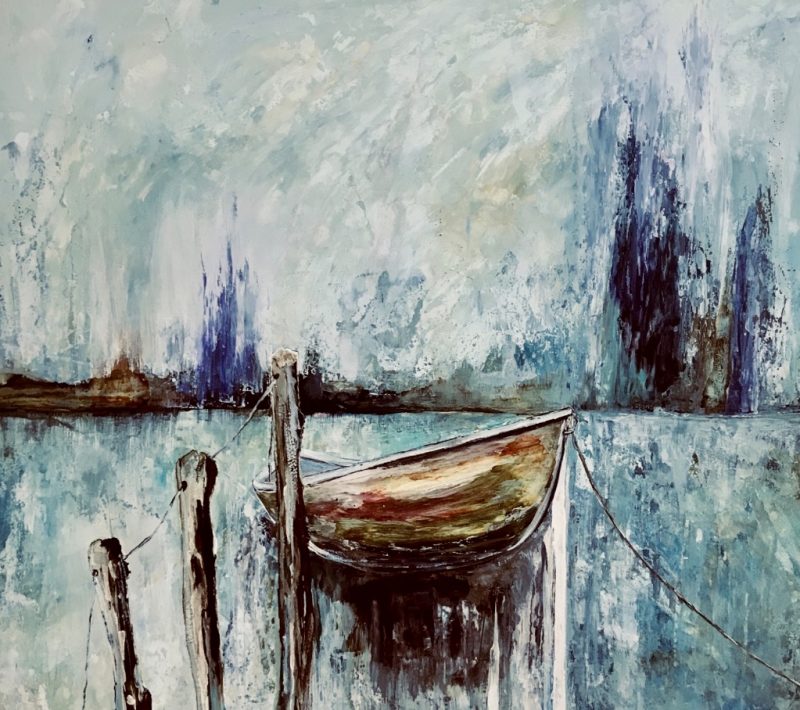 Bouddi Boat
Original price was: AUD$1,600.AUD$1,440Current price is: AUD$1,440.
Size:
60w
x 60h
x -2d
cms
Meg Lewer
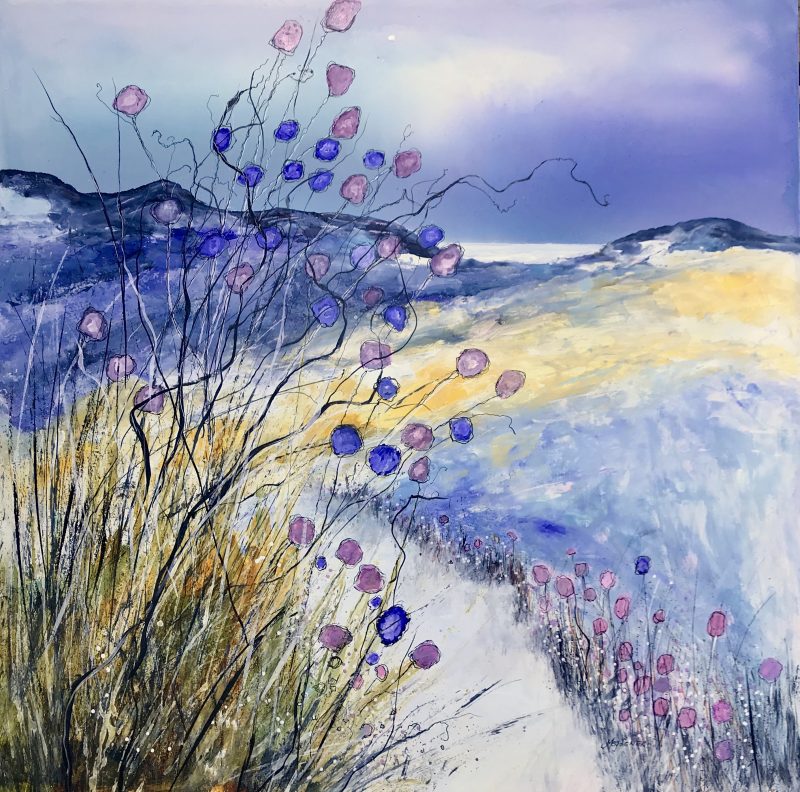 Flowers by the Seaside
Original price was: AUD$1,680.AUD$1,512Current price is: AUD$1,512.
Size:
60w
x 60h
x 2d
cms
Meg Lewer
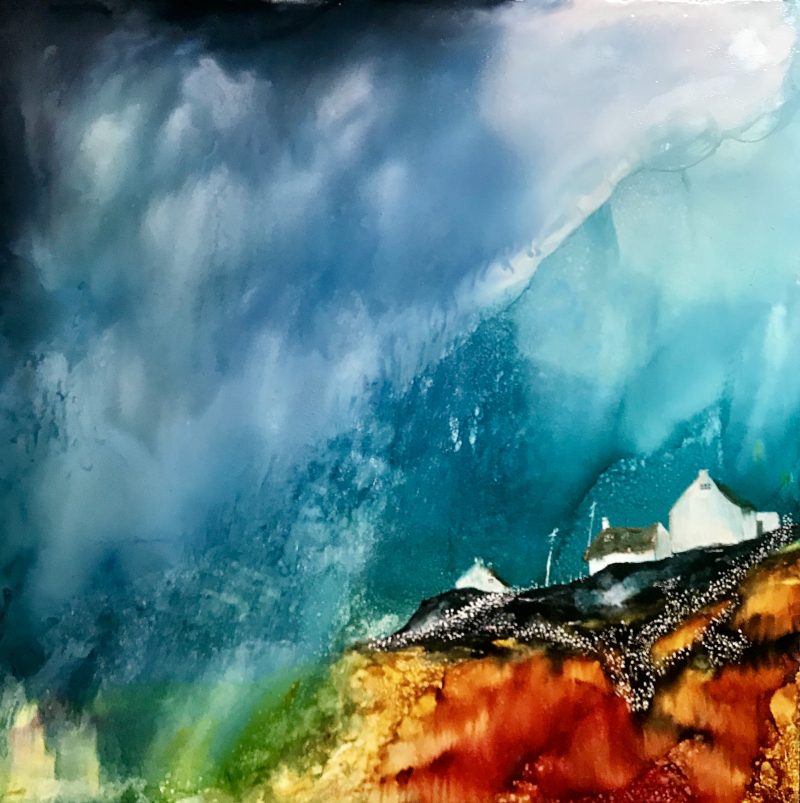 Berts Chalk
Original price was: AUD$1,500.AUD$1,350Current price is: AUD$1,350.
Size:
60w
x 60h
x 2d
cms
Meg Lewer
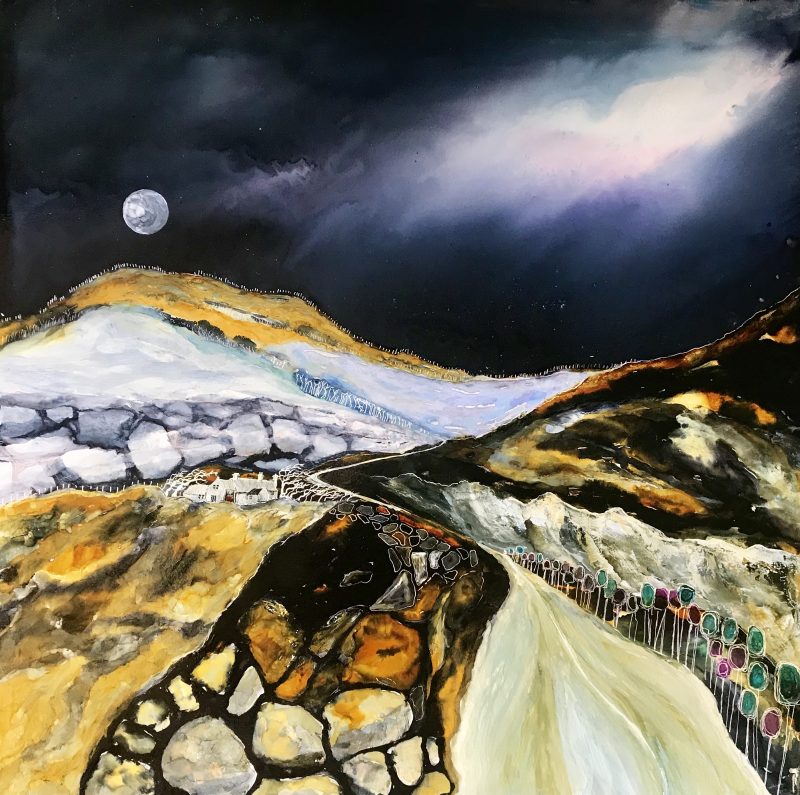 Moon Magic
Original price was: AUD$1,680.AUD$1,512Current price is: AUD$1,512.
Size:
60w
x 60h
x 2d
cms
Meg Lewer
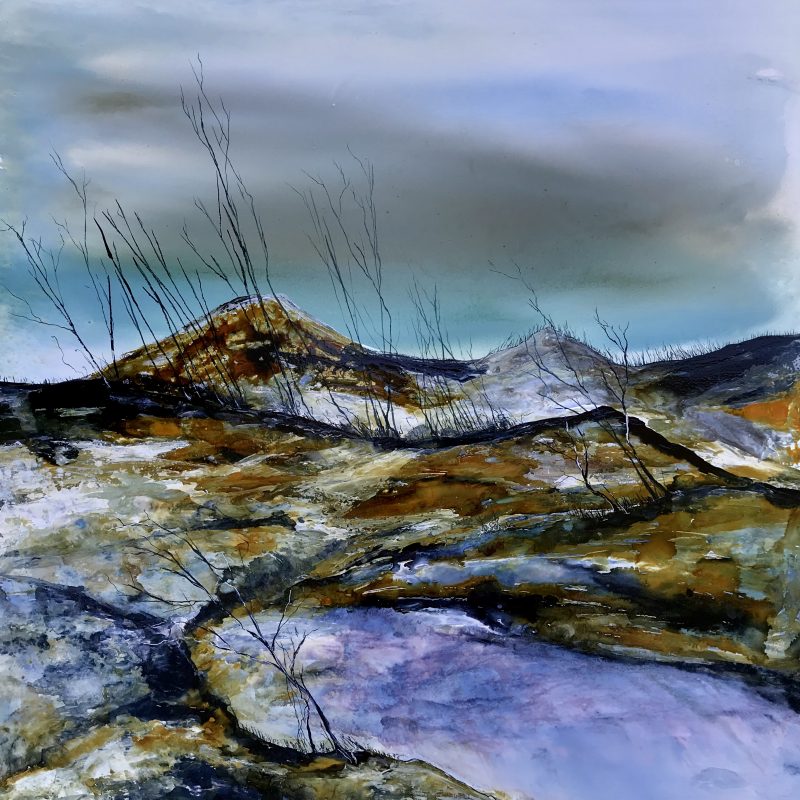 After the Fire
Original price was: AUD$1,680.AUD$1,512Current price is: AUD$1,512.
Size:
60w
x 60h
x 2d
cms
Meg Lewer
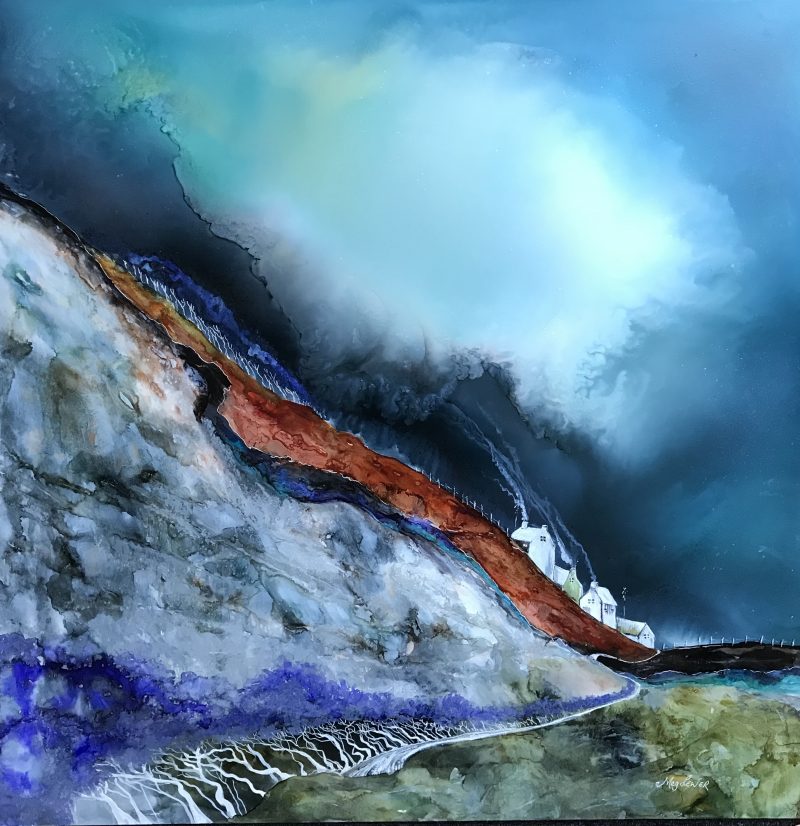 The Great Fog
Original price was: AUD$1,680.AUD$1,512Current price is: AUD$1,512.
Size:
60w
x 60h
x 2d
cms
Meg Lewer
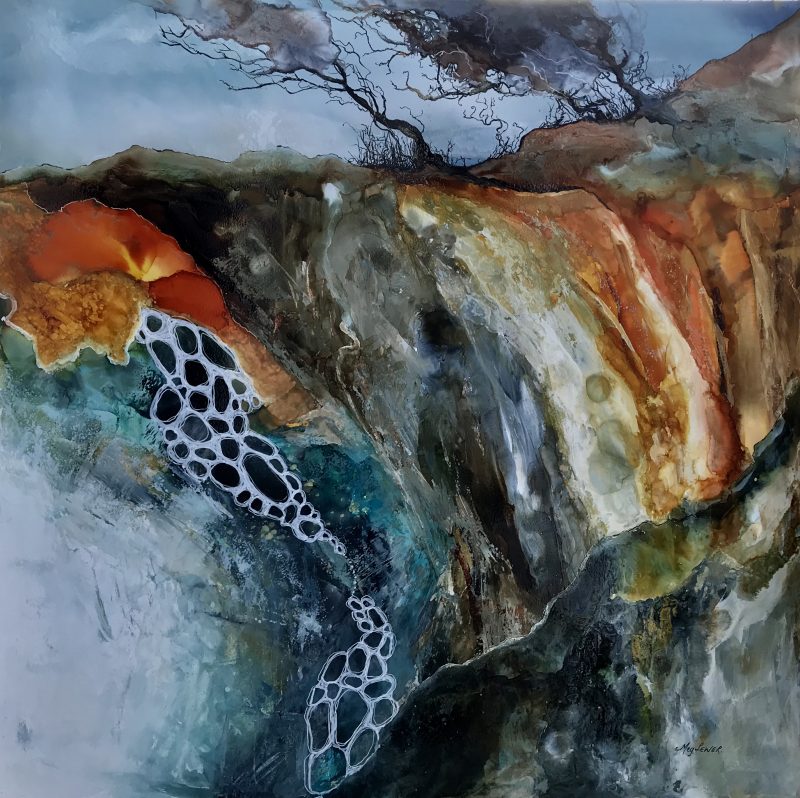 Where the wind blows.
Original price was: AUD$1,680.AUD$1,512Current price is: AUD$1,512.
Size:
60w
x 60h
x -1d
cms
Meg Lewer
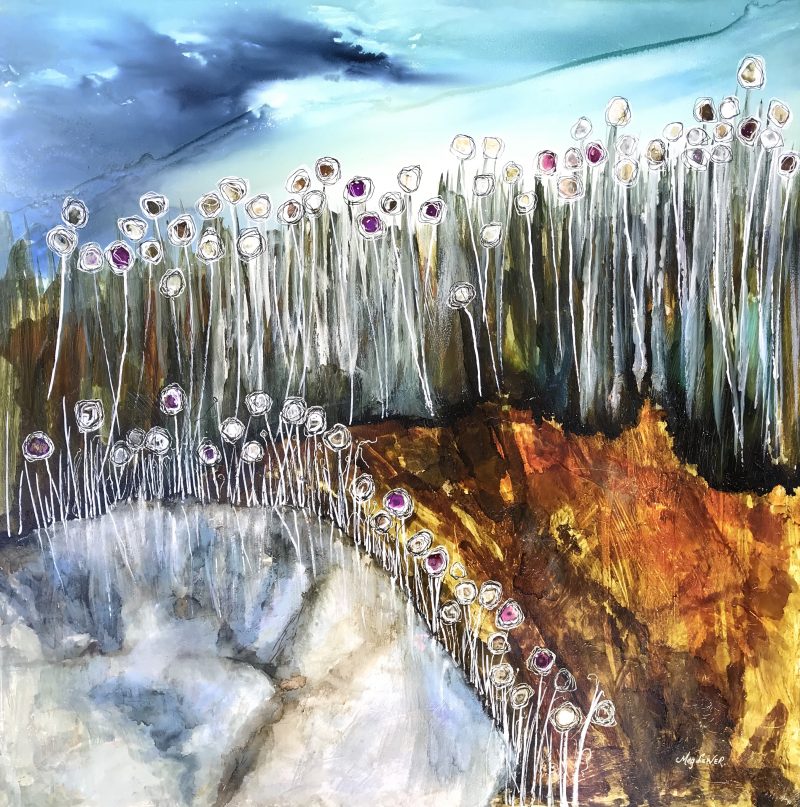 Waterhole Dreamin’
Original price was: AUD$1,680.AUD$1,512Current price is: AUD$1,512.
Size:
60w
x 60h
x 2d
cms
Meg Lewer
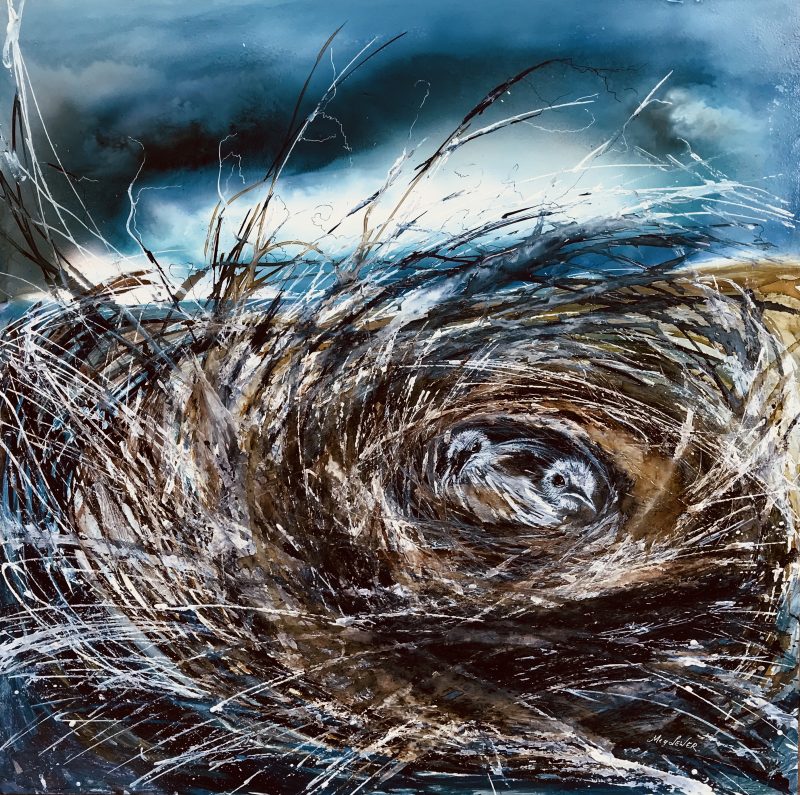 Baby its cold outside
Original price was: AUD$1,680.AUD$1,080Current price is: AUD$1,080.
Size:
60w
x 60h
x 2d
cms
Meg Lewer
 My Domain
Original price was: AUD$1,330.AUD$1,197Current price is: AUD$1,197.
Size:
45w
x 60h
cms
Meg Lewer
 Bunyip Moon
Original price was: AUD$1,630.AUD$1,467Current price is: AUD$1,467.
Size:
60w
x 60h
x 2d
cms
Meg Lewer
 Happy Bunch
Original price was: AUD$1,650.AUD$1,485Current price is: AUD$1,485.
Size:
60w
x 60h
cms
Meg Lewer
 Soul Mountain
Original price was: AUD$1,400.AUD$1,260Current price is: AUD$1,260.
Size:
60w
x 90h
cms
Meg Lewer
 Middle Earth
Original price was: AUD$710.AUD$639Current price is: AUD$639.
Size:
45w
x 60h
cms
Meg Lewer
 Opal Fire
Original price was: AUD$710.AUD$639Current price is: AUD$639.
Size:
45w
x 60h
cms
Meg Lewer
 Chubby Chick
Original price was: AUD$1,330.AUD$1,197Current price is: AUD$1,197.
Size:
45w
x 60h
cms
Meg Lewer
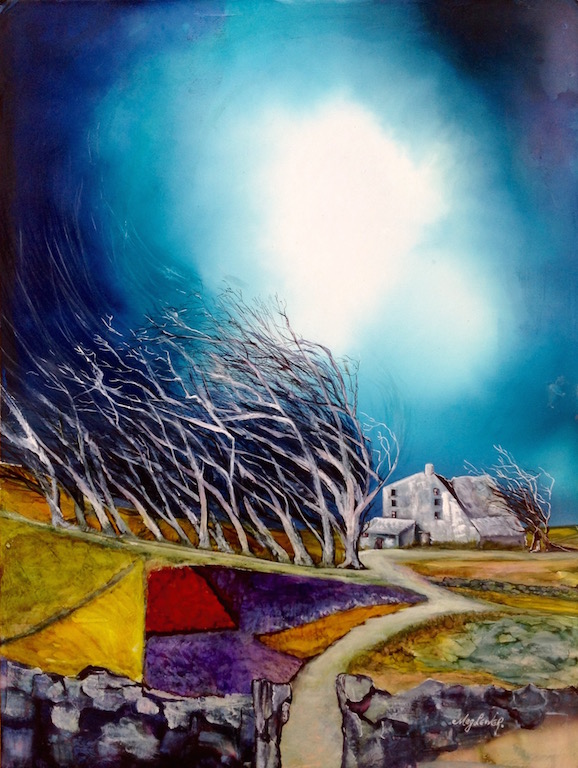 Forgotten on Dartmoor
Original price was: AUD$1,330.AUD$1,197Current price is: AUD$1,197.
Size:
45w
x 60h
cms
Meg Lewer
 All The Chapel Bells
Original price was: AUD$990.AUD$891Current price is: AUD$891.
Size:
60w
x 45h
cms
Meg Lewer
 By The Sea
Original price was: AUD$1,400.AUD$1,260Current price is: AUD$1,260.
Size:
60w
x 84h
cms
Meg Lewer
 Tumbling Dreams
Original price was: AUD$1,680.AUD$1,512Current price is: AUD$1,512.
Size:
60w
x 60h
cms
Meg Lewer
 Termite Boab
Original price was: AUD$1,250.AUD$1,125Current price is: AUD$1,125.
Size:
60w
x 45h
cms
Meg Lewer
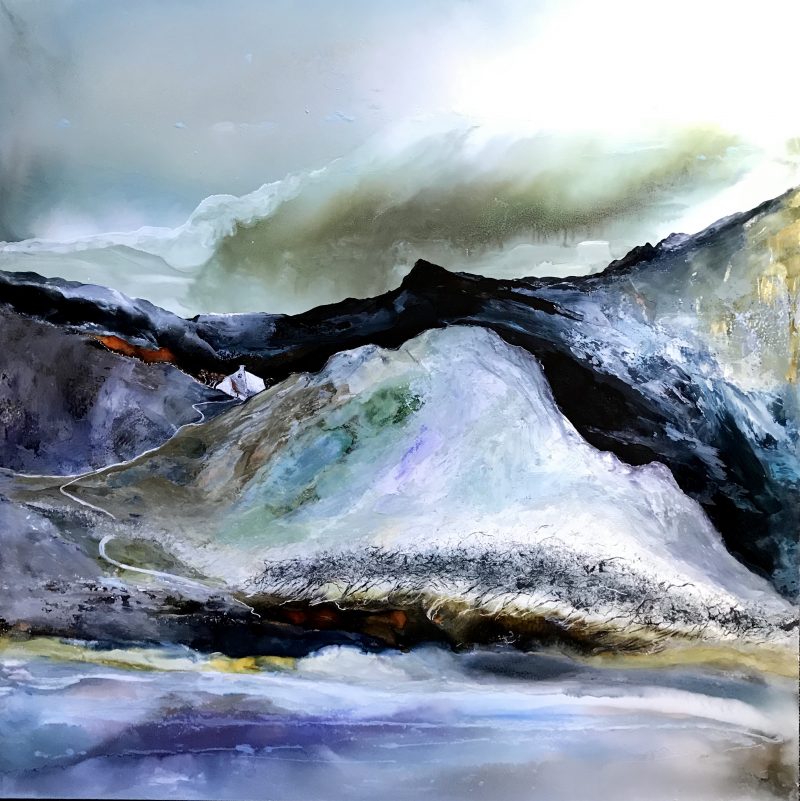 Craggy Byre
Original price was: AUD$1,680.AUD$1,512Current price is: AUD$1,512.
Size:
60w
x 60h
x 2d
cms
Meg Lewer
 Count Your Blessings
Original price was: AUD$1,400.AUD$1,260Current price is: AUD$1,260.
Size:
60w
x 90h
cms
Meg Lewer
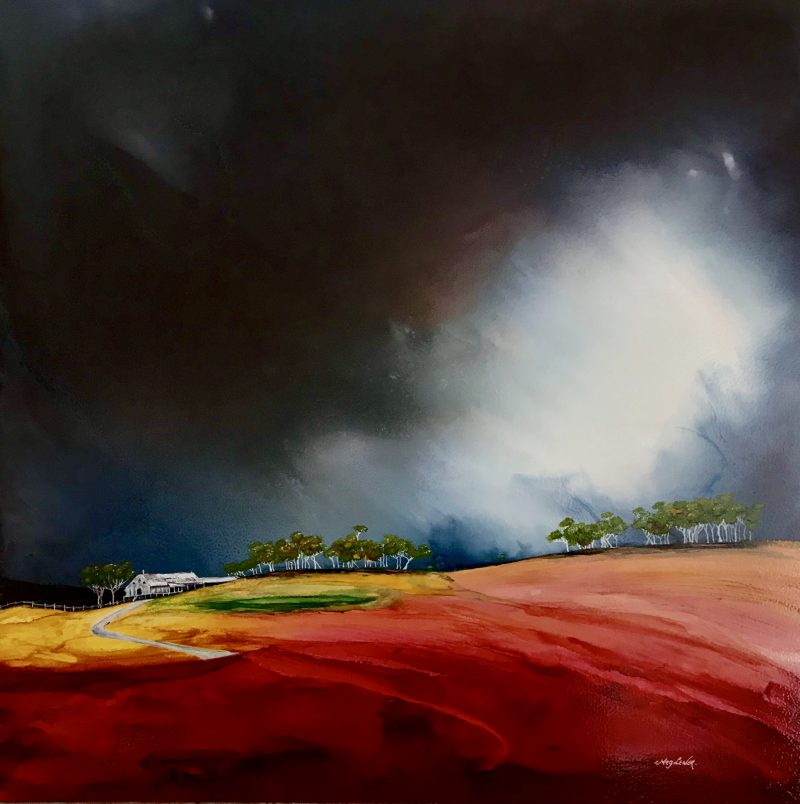 Lonely Shed
Original price was: AUD$1,630.AUD$1,467Current price is: AUD$1,467.
Size:
60w
x 60h
cms
Meg Lewer
 Patter Patter
Original price was: AUD$1,680.AUD$1,512Current price is: AUD$1,512.
Size:
60w
x 60h
cms
Meg Lewer
 Purple folly
Original price was: AUD$600.AUD$540Current price is: AUD$540.
Size:
30w
x 30h
x 8d
cms
Meg Lewer
 Blossoms to You
Original price was: AUD$1,330.AUD$1,197Current price is: AUD$1,197.
Size:
60w
x 45h
x 2d
cms
Meg Lewer
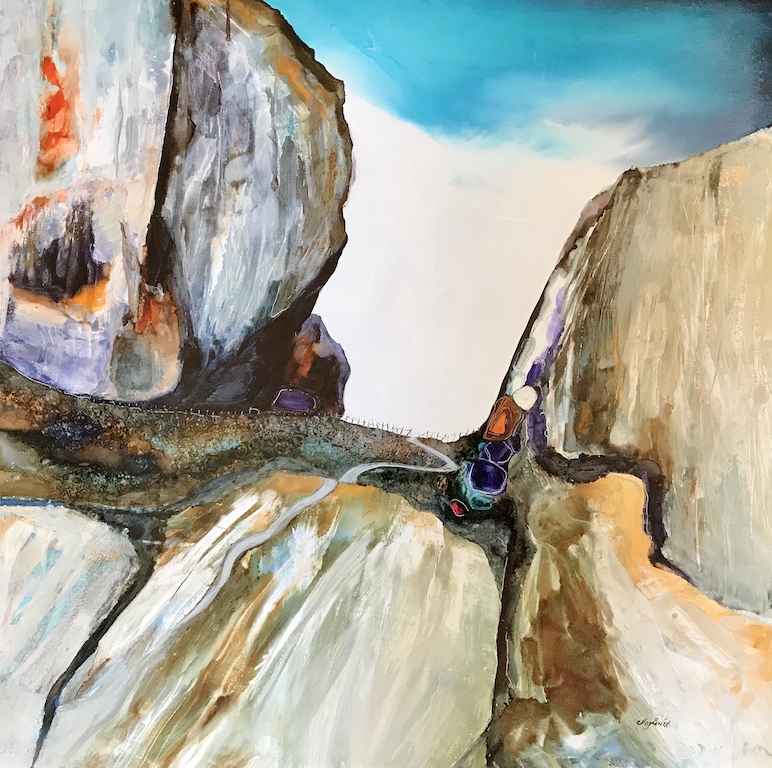 Murphys Haystacks
Original price was: AUD$1,680.AUD$1,080Current price is: AUD$1,080.
Size:
60w
x 60h
x 2d
cms
Meg Lewer
 Storm warning
Original price was: AUD$1,330.AUD$1,197Current price is: AUD$1,197.
Size:
60w
x 45h
x 2d
cms
Meg Lewer
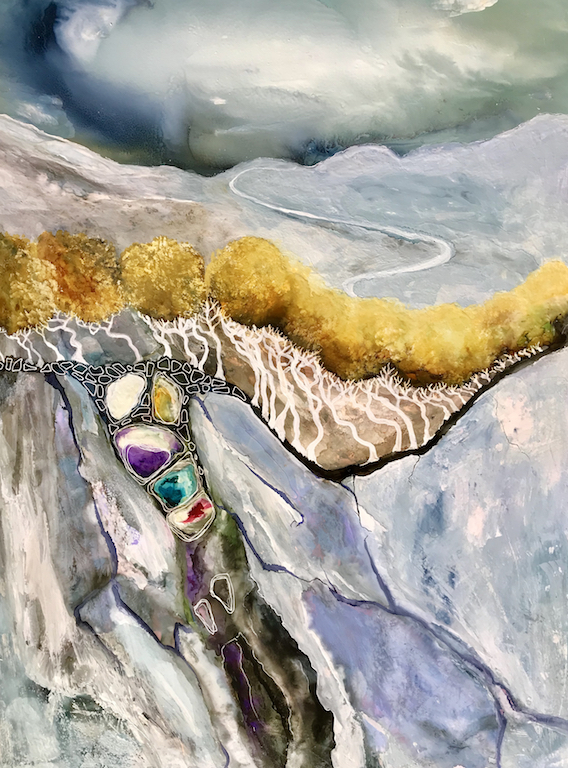 Corromandel Honey
Original price was: AUD$990.AUD$891Current price is: AUD$891.
Size:
45w
x 60h
x 2d
cms
Meg Lewer
 Waterfall Ouzel
Original price was: AUD$1,680.AUD$1,512Current price is: AUD$1,512.
Size:
60w
x 60h
x 2d
cms
Meg Lewer
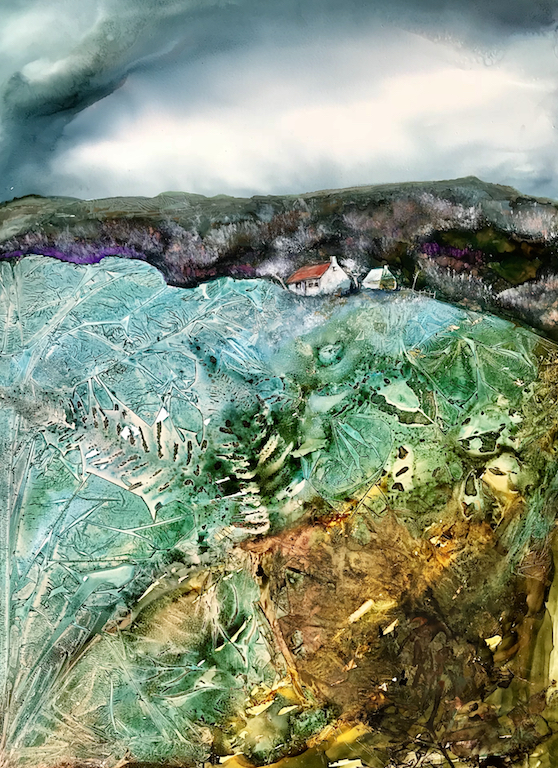 Hidden Valley
Original price was: AUD$990.AUD$891Current price is: AUD$891.
Size:
45w
x 60h
x 2d
cms
Meg Lewer
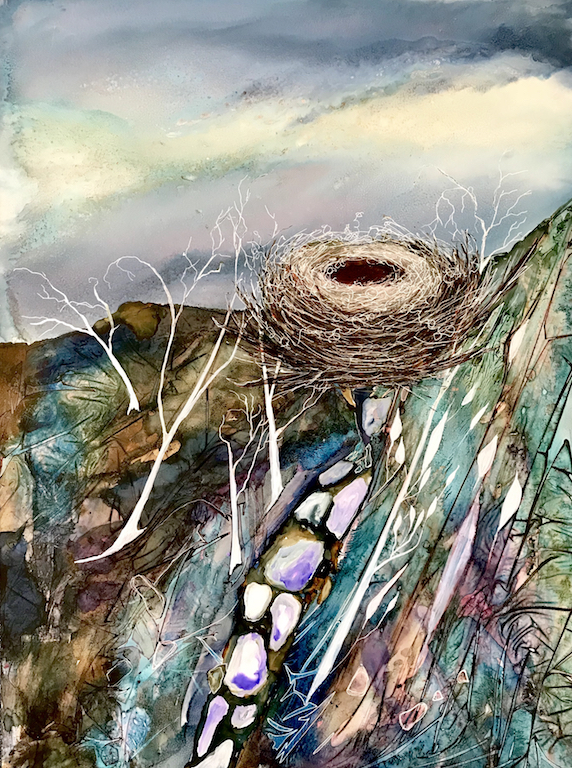 Fly Me To the Moon
Original price was: AUD$710.AUD$639Current price is: AUD$639.
Size:
45w
x 60h
x 2d
cms
Meg Lewer
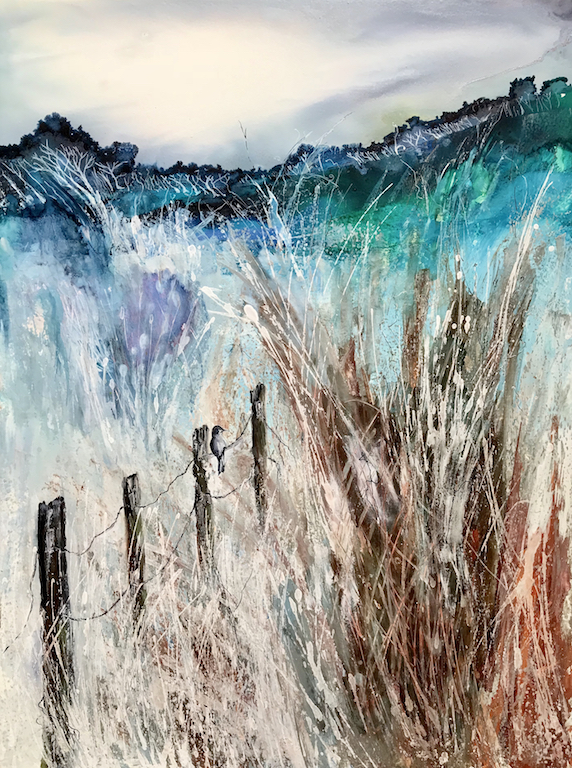 Magpie Turf
Original price was: AUD$990.AUD$891Current price is: AUD$891.
Size:
45w
x 60h
x 2d
cms
Meg Lewer
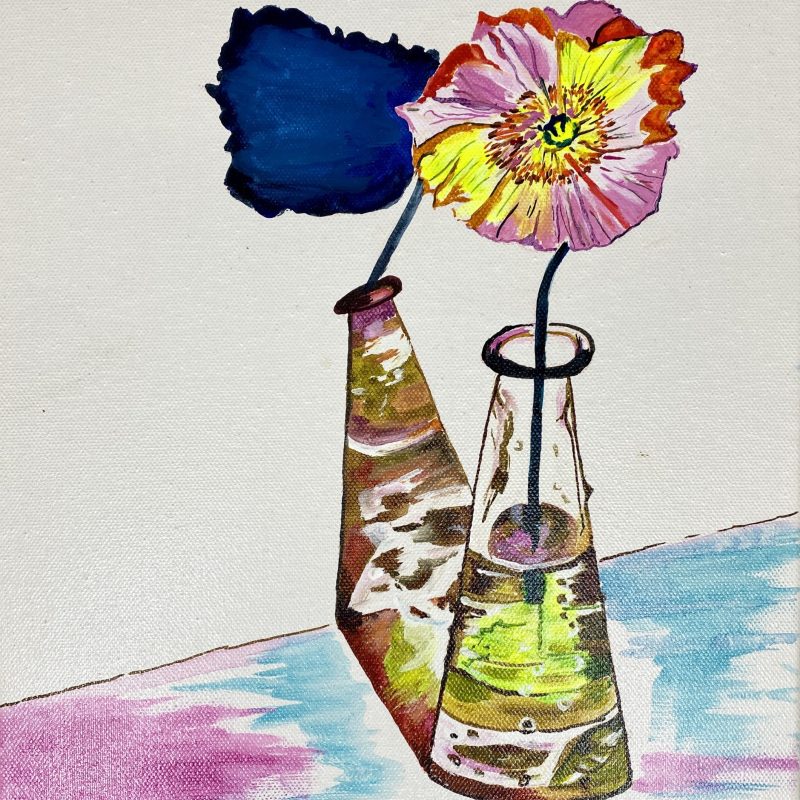 Flirting Fluro III
Original price was: AUD$300.AUD$270Current price is: AUD$270.
Size:
30w
x 30h
x 3.5d
cms
Wendy Peters
 Orange Betta Fish
Original price was: AUD$300.AUD$270Current price is: AUD$270.
Size:
21w
x 29.7h
x .3d
cms
Leni Kae
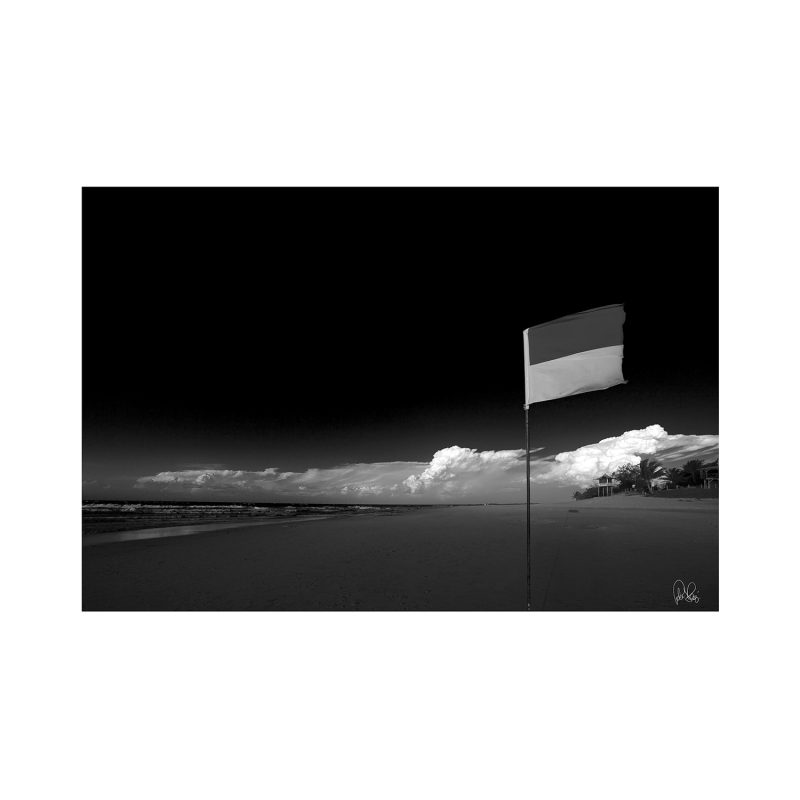 PJ 039 Rainbow Bay
Original price was: AUD$550.AUD$495Current price is: AUD$495.
Size:
75w
x 75h
cms
Peter J Henning
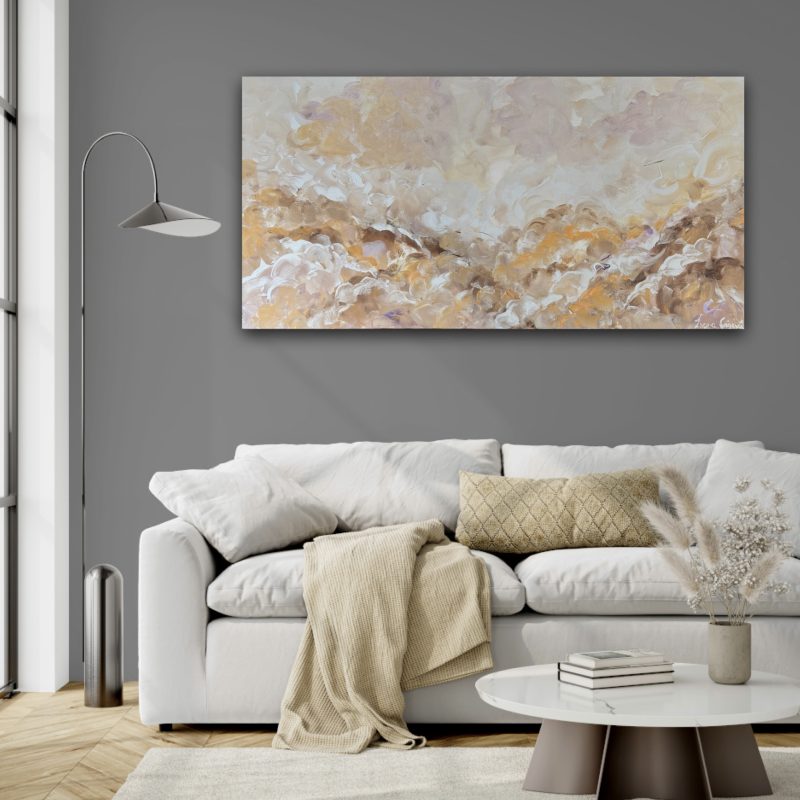 Fields of Light
Original price was: AUD$690.AUD$621Current price is: AUD$621.
Size:
100w
x 50h
x 1d
cms
Ivana Gigovic
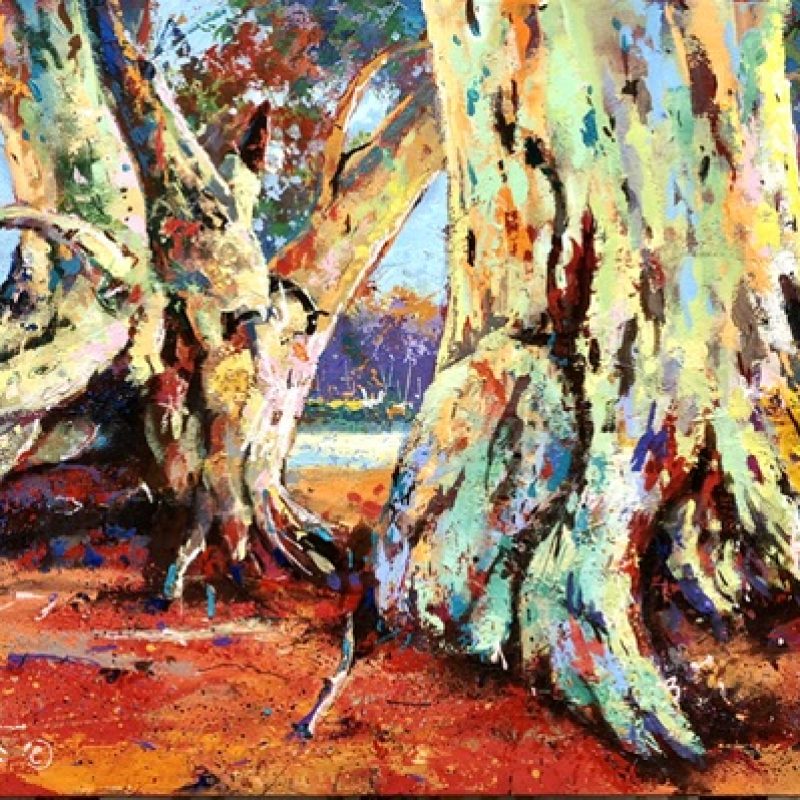 Gascoyne Gums
Original price was: AUD$2,600.AUD$2,340Current price is: AUD$2,340.
Size:
101w
x 62h
x 3.8d
cms
Jos Coufreur