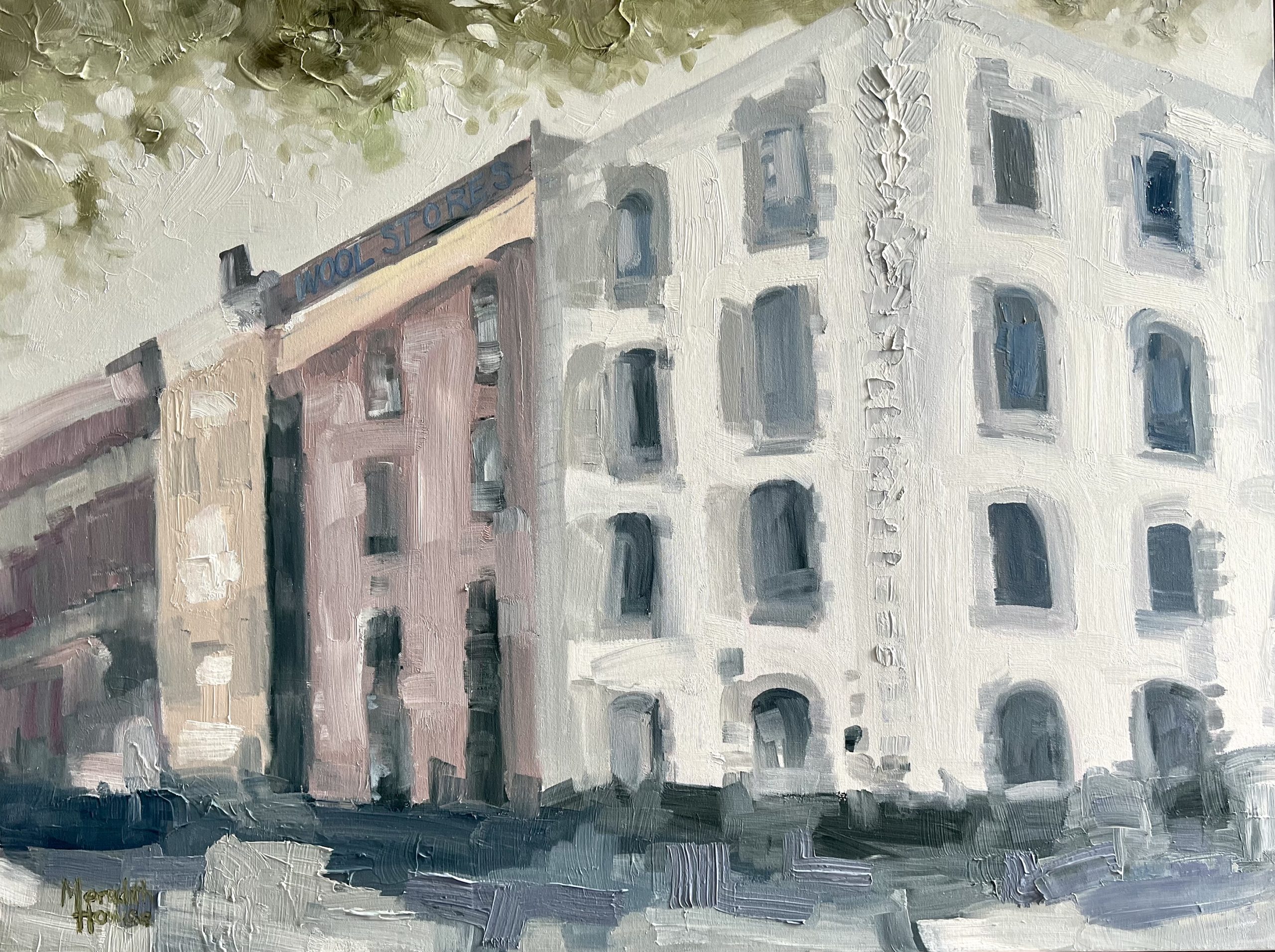
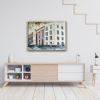
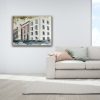
The Wool Stores by Meredith Howse.
Inspired by the beautiful old buildings of Brisbane at Teneriffe.
Framed in natural wood frame.
D-rings and cord secured on the back, ready for wall.
Comes with signed Certificate of Authenticity.
About The Wool Stores, Brisbane.
“The first wharf was built by Dalgety and Co in 1907 – their primary business being wool and gold, and so, shortly followed the construction of Teneriffe’s beloved wool stores. Vernon Terrace’s Winchcombe Carson Woolstore was built in 1910, followed by the Australian Mercantile Land and Finance Woolstore in 1911. Fast forward to the 1950s, and another nine Woolstores had made their mark along the Brisbane river, designed by well-known architects to represent the commercial success Australian wool producers experienced in the early 20th century.
During World War II, the navy requisitioned the Woolstores and their wharves to form Australia’s largest submarine base, housing around 60 submarines based at Teneriffe. The facilities were home to both American and British officers, referred to as ‘Capricorn Wharf’.
When Brisbane’s major port opened further upstream, the Woolstores, wharves and railway all closed, left in an unused state of decay. In the late 1980s, this once booming industrial centre had transformed into a state of economic stagnation, urban decay and crime. Slipping into a ghost town of degeneration, something had to be done to bring life back to Teneriffe.
Therefore, an urban renewal taskforce was established in 1991, responsible for revitalising roughly 730 hectares of derelict industrial land primarily in Teneriffe, Newstead and New Farm. The project centred around transforming the old Woolstores buildings into upmarket apartment residences, starting in 1995 and finalising in 2000”. History of Wool Stores by Emma Atkin 2018.
AUD$700
Size:
124w
x 93h
x 5d
cms
View in my room

Oil on canvas
Framed
Ready to hang
Sold
Love this
The Wool Stores by Meredith Howse.
Inspired by the beautiful old buildings of Brisbane at Teneriffe.
Framed in natural wood frame.
D-rings and cord secured on the back, ready for wall.
Comes with signed Certificate of Authenticity.
About The Wool Stores, Brisbane.
“The first wharf was built by Dalgety and Co in 1907 – their primary business being wool and gold, and so, shortly followed the construction of Teneriffe’s beloved wool stores. Vernon Terrace’s Winchcombe Carson Woolstore was built in 1910, followed by the Australian Mercantile Land and Finance Woolstore in 1911. Fast forward to the 1950s, and another nine Woolstores had made their mark along the Brisbane river, designed by well-known architects to represent the commercial success Australian wool producers experienced in the early 20th century.
During World War II, the navy requisitioned the Woolstores and their wharves to form Australia’s largest submarine base, housing around 60 submarines based at Teneriffe. The facilities were home to both American and British officers, referred to as ‘Capricorn Wharf’.
When Brisbane’s major port opened further upstream, the Woolstores, wharves and railway all closed, left in an unused state of decay. In the late 1980s, this once booming industrial centre had transformed into a state of economic stagnation, urban decay and crime. Slipping into a ghost town of degeneration, something had to be done to bring life back to Teneriffe.
Therefore, an urban renewal taskforce was established in 1991, responsible for revitalising roughly 730 hectares of derelict industrial land primarily in Teneriffe, Newstead and New Farm. The project centred around transforming the old Woolstores buildings into upmarket apartment residences, starting in 1995 and finalising in 2000”. History of Wool Stores by Emma Atkin 2018.
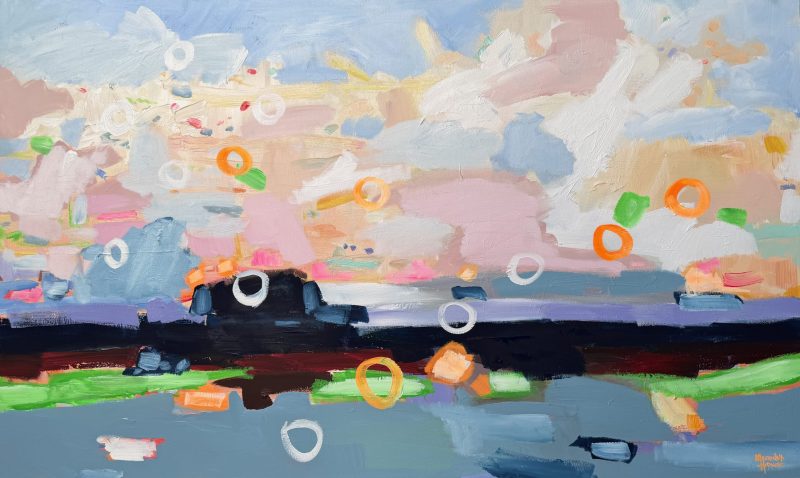 Ab Stract Life
AUD$2,730
Size:
156w
x 94.4h
x 1.8d
cms
Meredith Howse
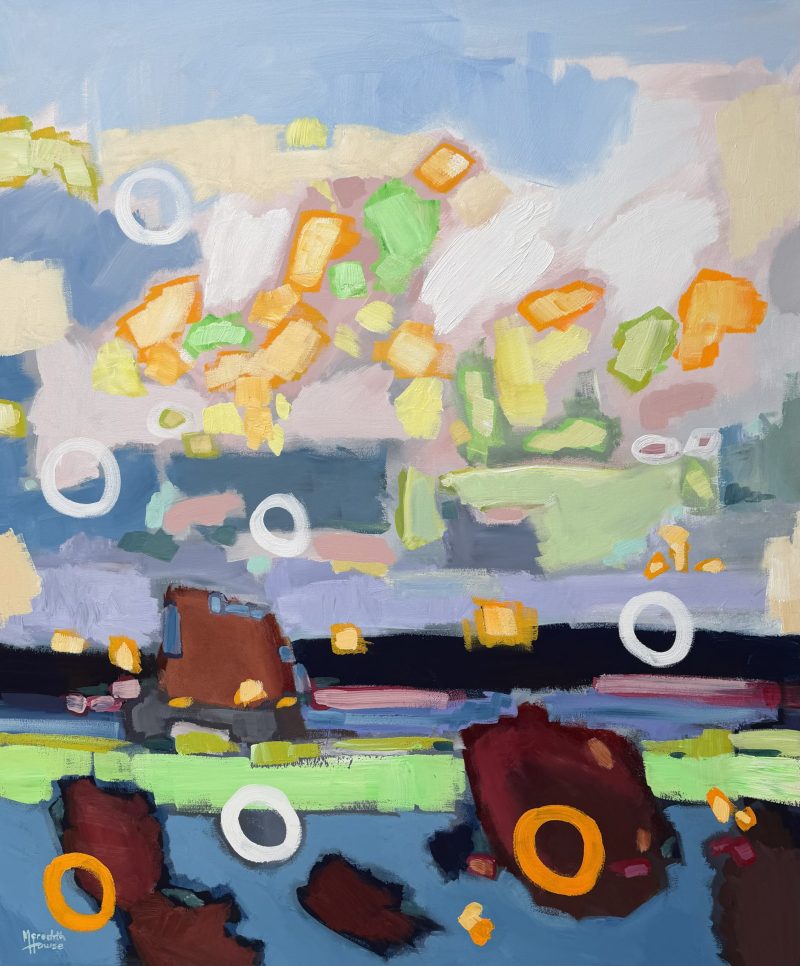 Colour Wheel
AUD$1,980
Size:
100w
x 120h
x 1.8d
cms
Meredith Howse
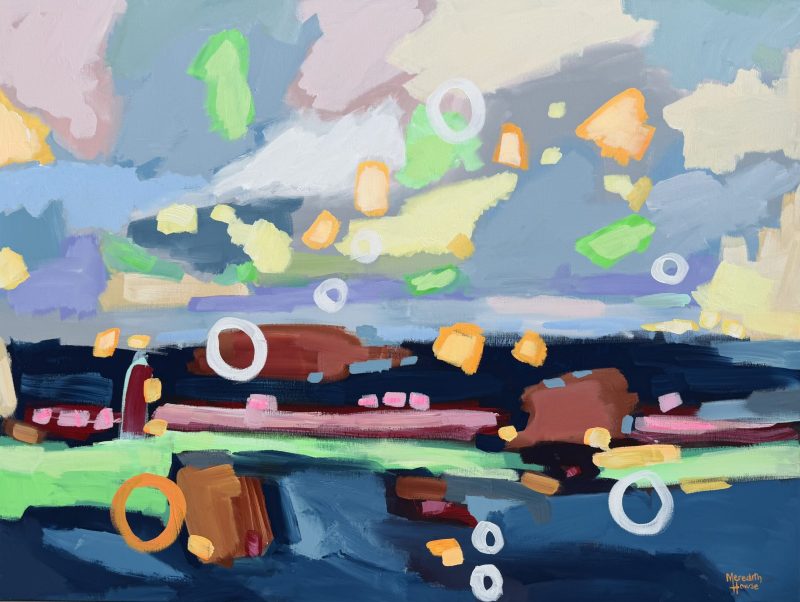 Colour Wheel Landscape
AUD$1,980
Size:
120w
x 100h
x 1.8d
cms
Meredith Howse
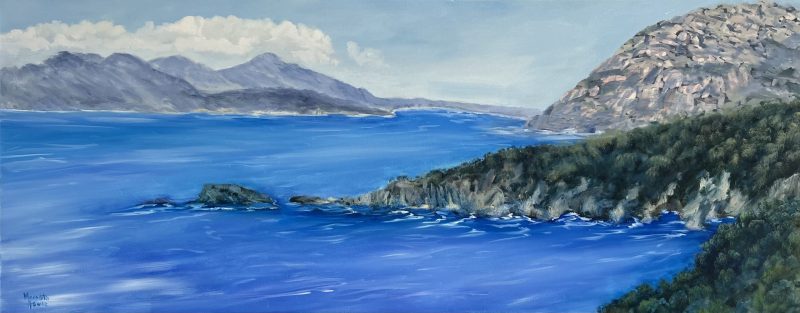 Wineglass Bay, Tasmania
AUD$2,420
Size:
152w
x 61h
x 3.8d
cms
Meredith Howse
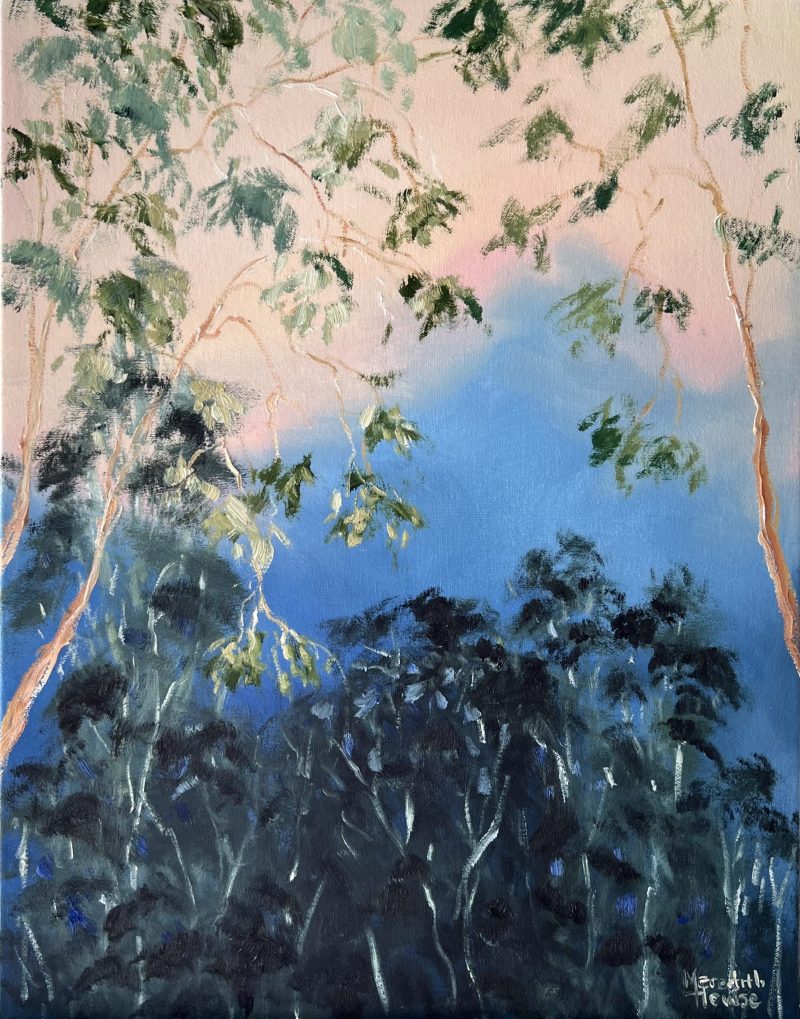 Illumination Timbertops
AUD$990
Size:
41.5w
x 52.5h
x 3d
cms
Meredith Howse
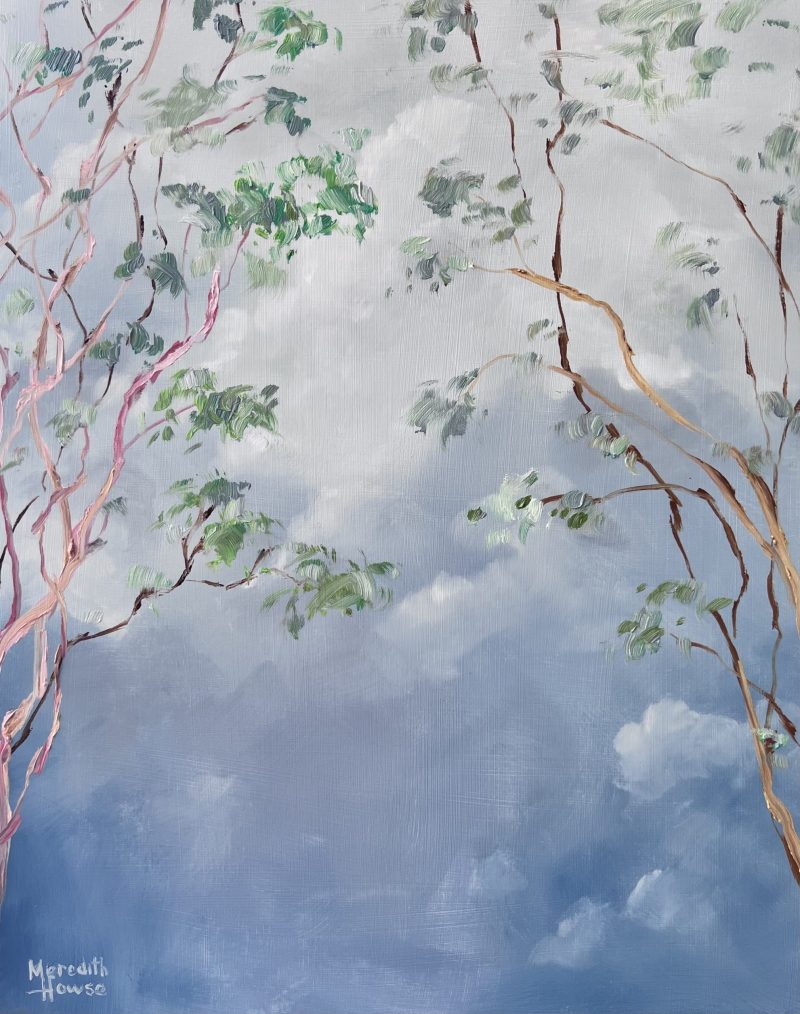 Illumination Gum Tree Clouds
AUD$990
Size:
43.6w
x 53.8h
x 3d
cms
Meredith Howse
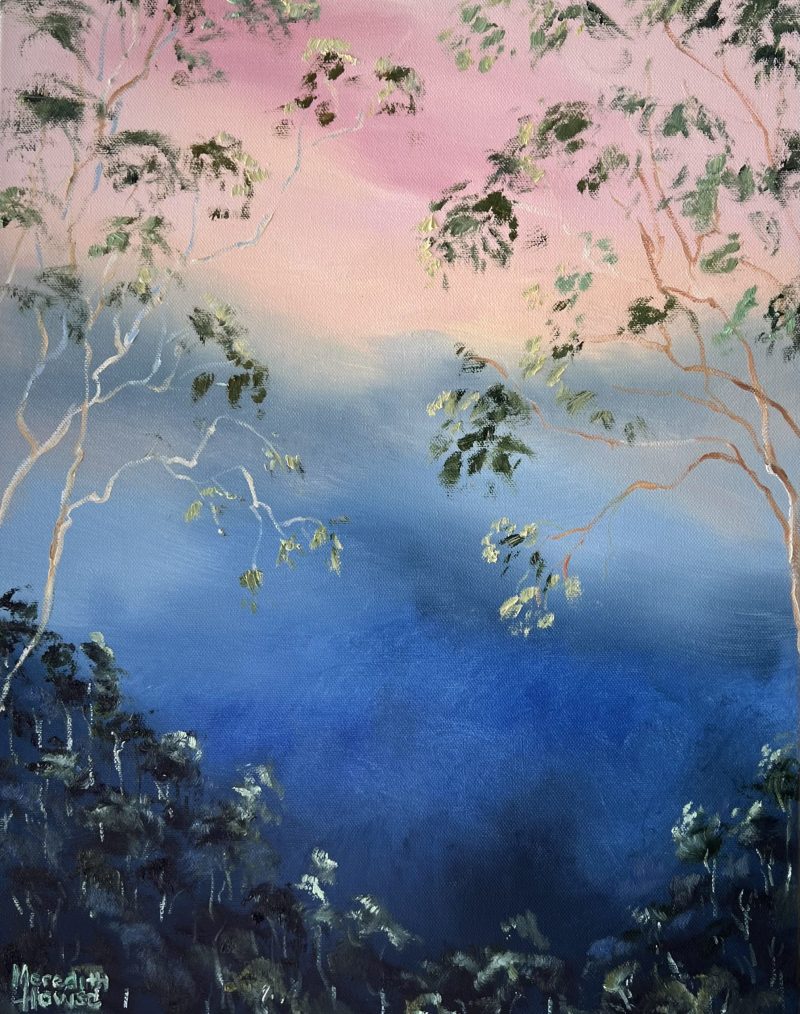 Illumination The Range
AUD$990
Size:
44w
x 54.4h
x 3d
cms
Meredith Howse
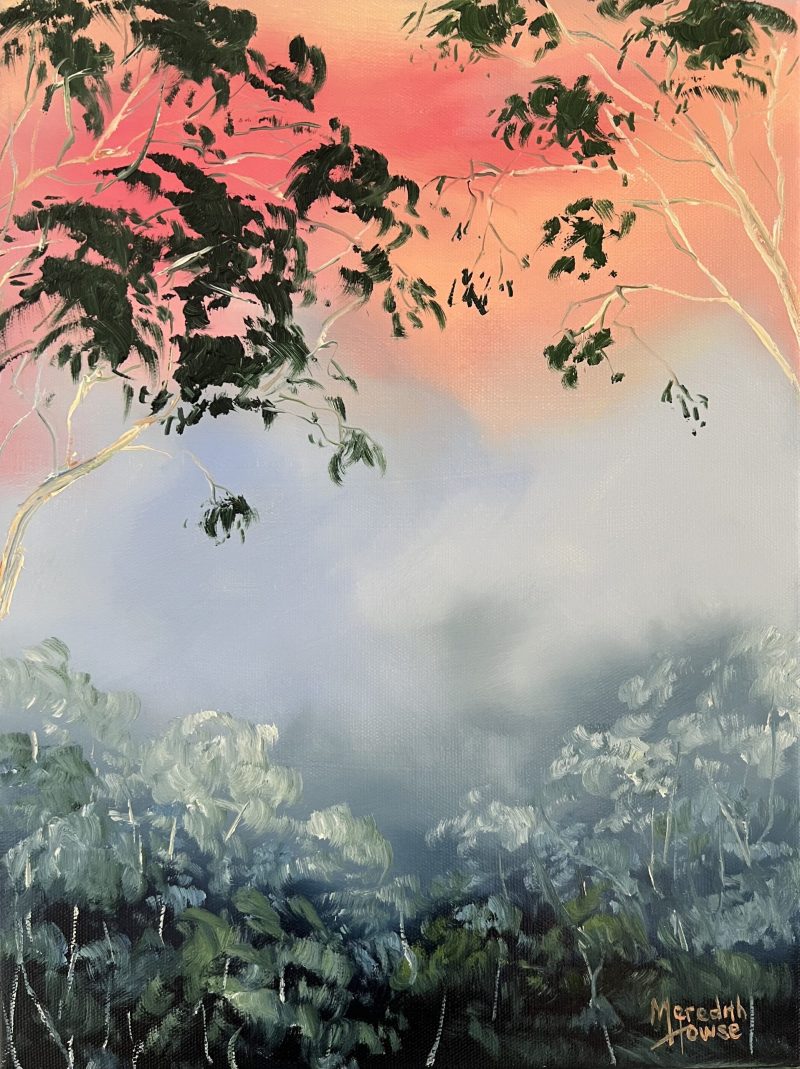 Illumination as Sunsets
AUD$660
Size:
34.5w
x 44.5h
x 3d
cms
Meredith Howse
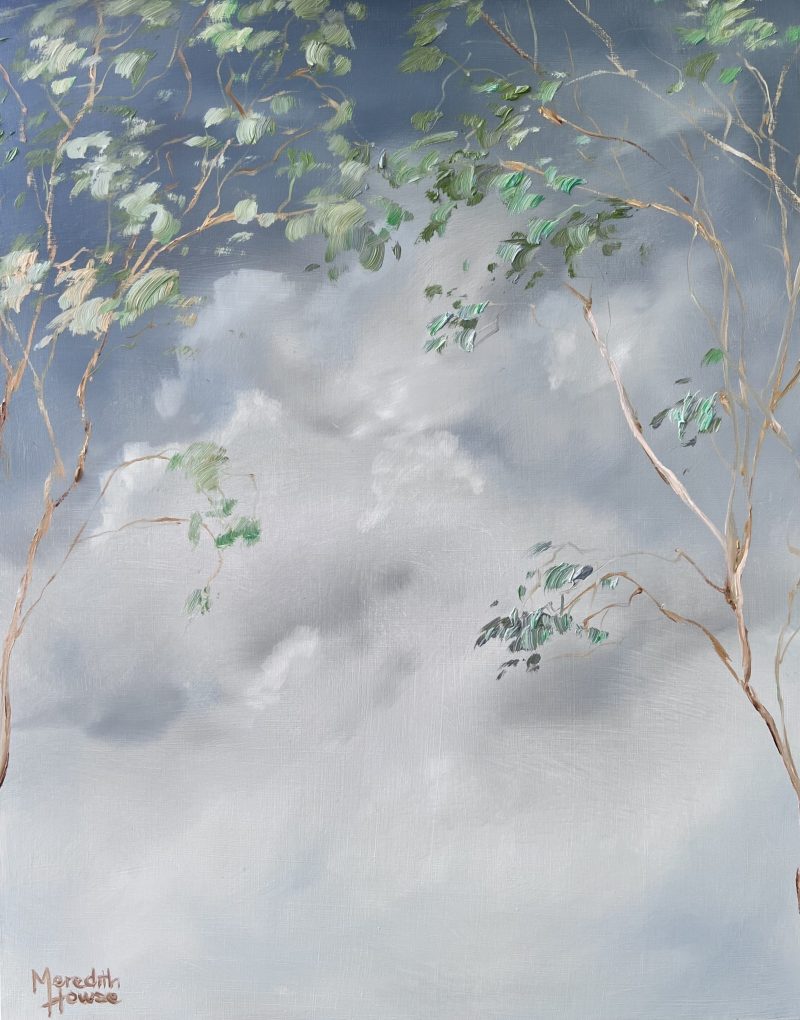 Illumination Gum Leaf
AUD$990
Size:
43.6w
x 53.8h
x 3d
cms
Meredith Howse
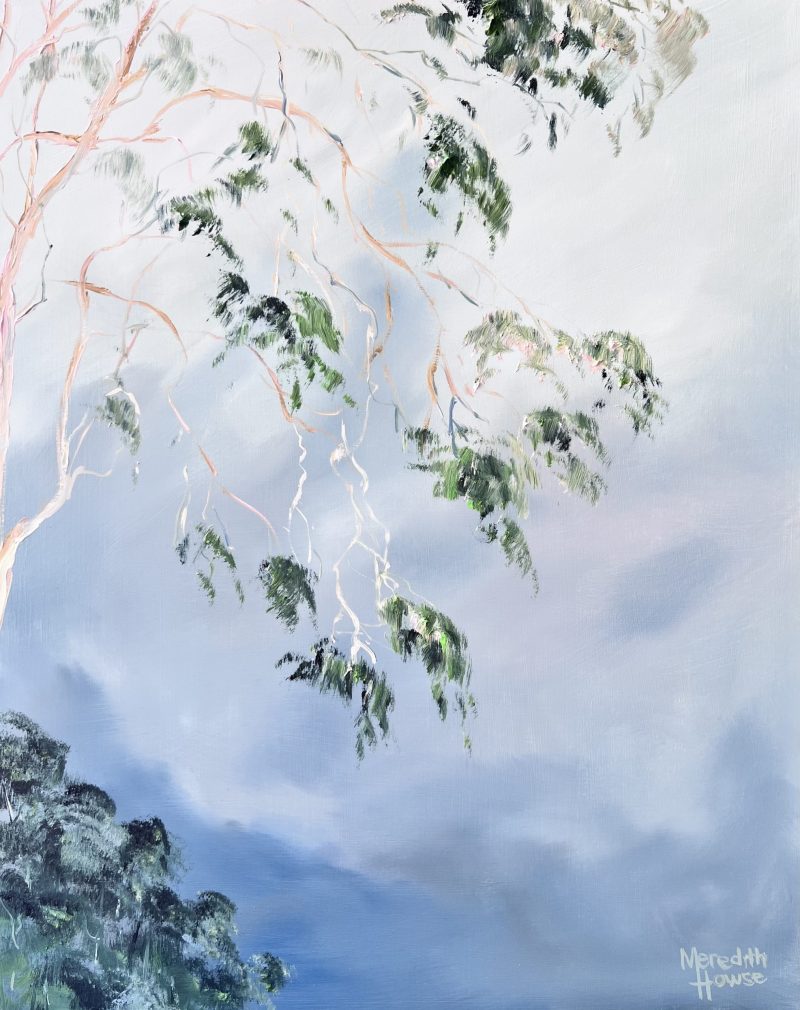 Illumination Gum Tree Sky
AUD$990
Size:
43.6w
x 53.8h
x 3d
cms
Meredith Howse
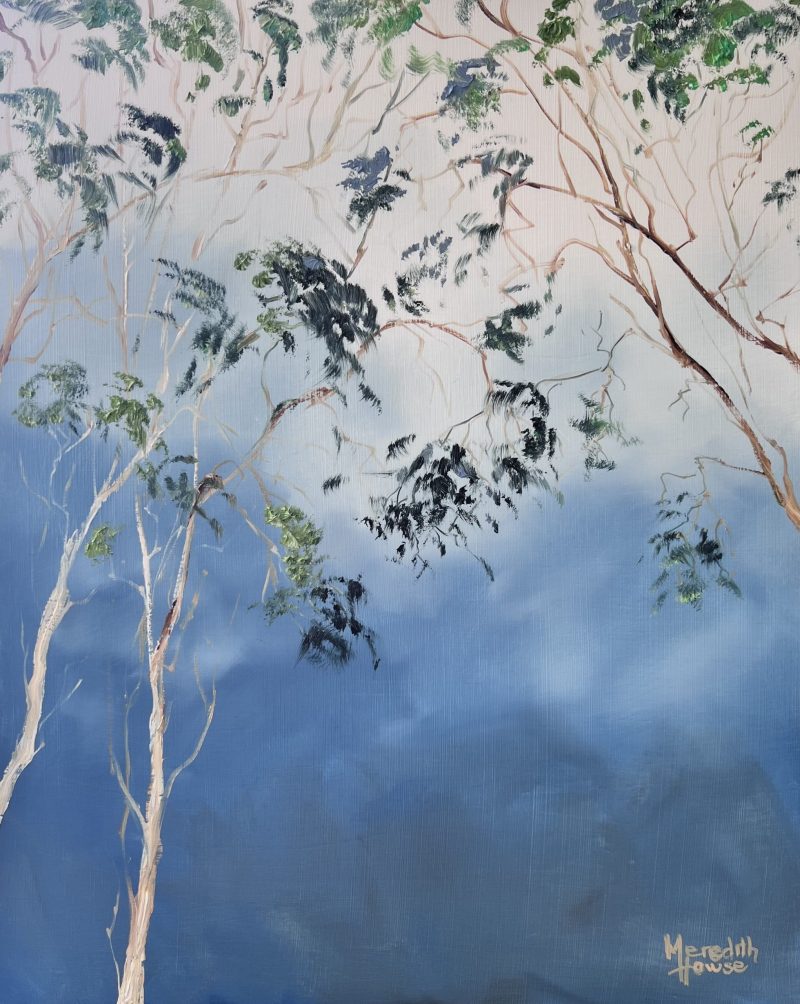 Illumination Gum Leaves
AUD$990
Size:
43.6w
x 53.8h
x 3d
cms
Meredith Howse
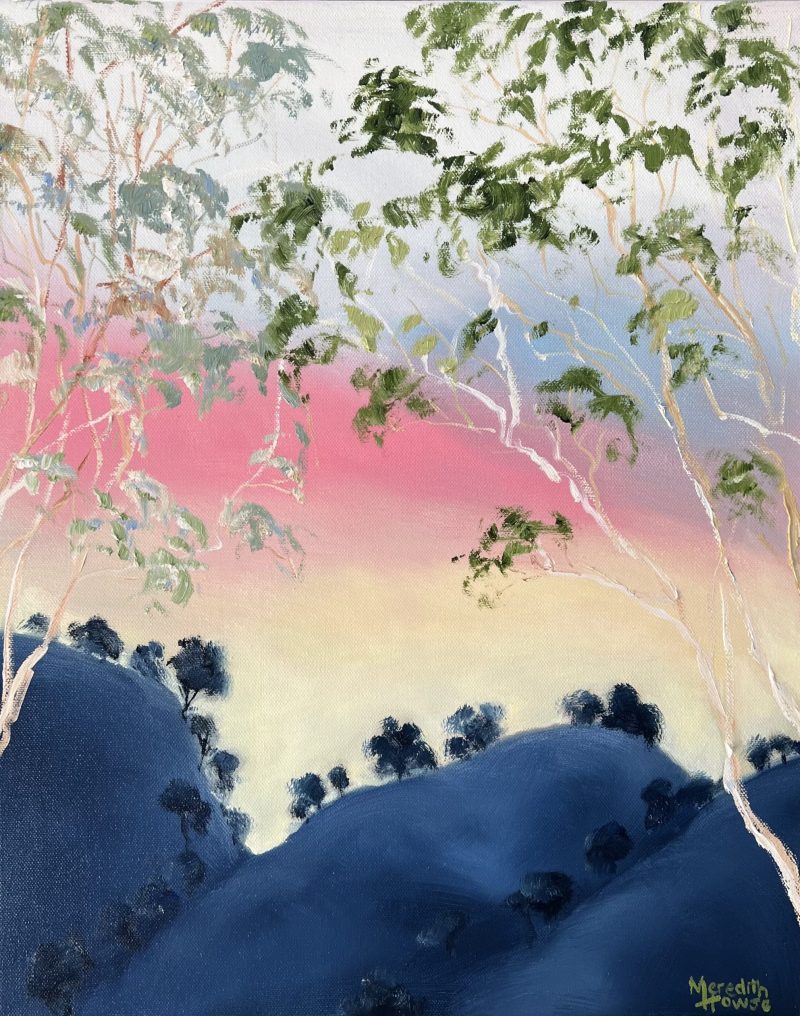 Illumination Hilly
AUD$990
Size:
44w
x 54.4h
x 3d
cms
Meredith Howse
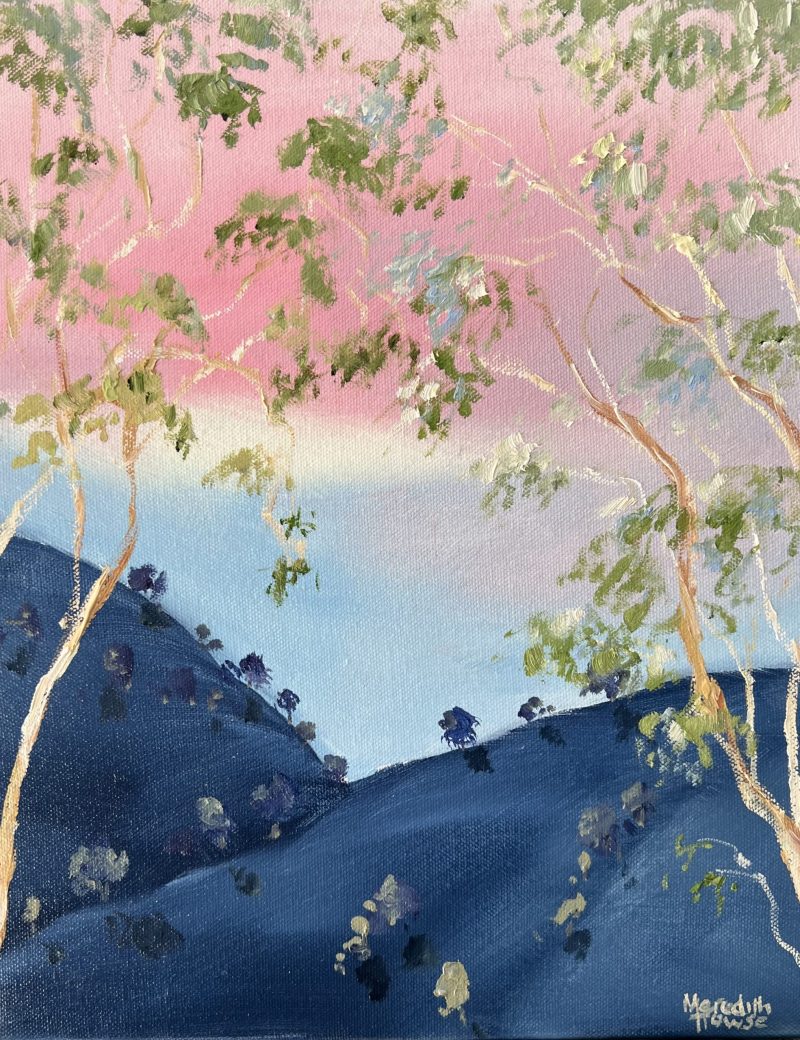 Illumination over the Hill
AUD$770
Size:
33w
x 42h
x 3d
cms
Meredith Howse
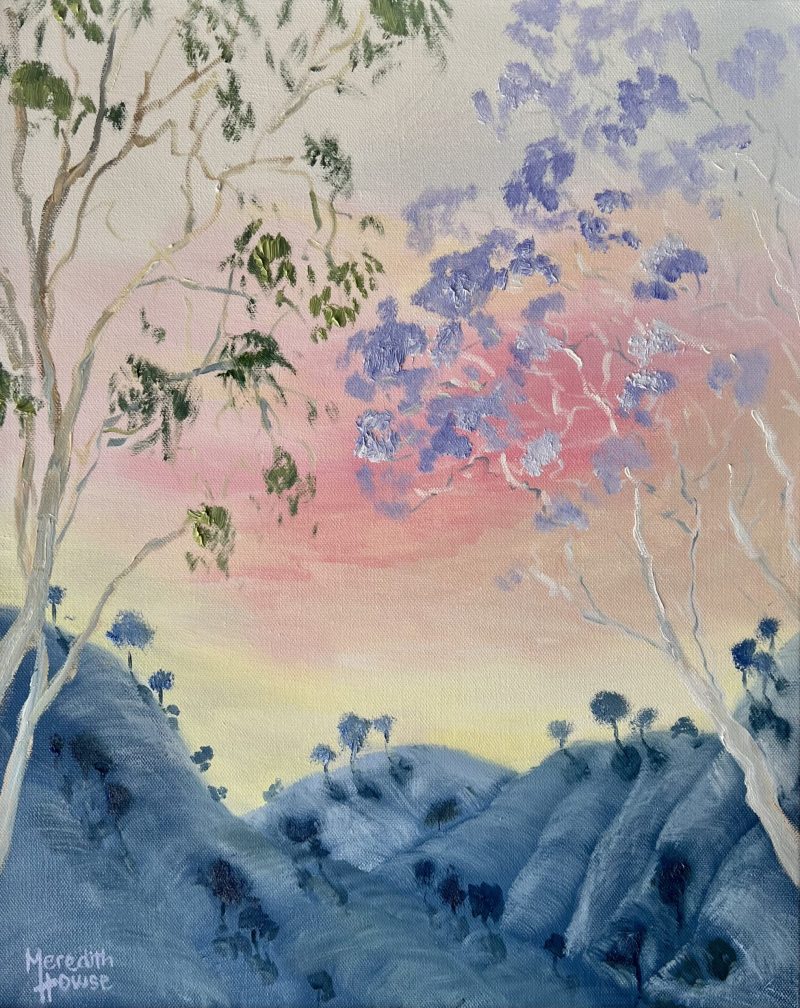 Illumination Jacaranda Hills
AUD$990
Size:
44w
x 54.4h
x 3d
cms
Meredith Howse
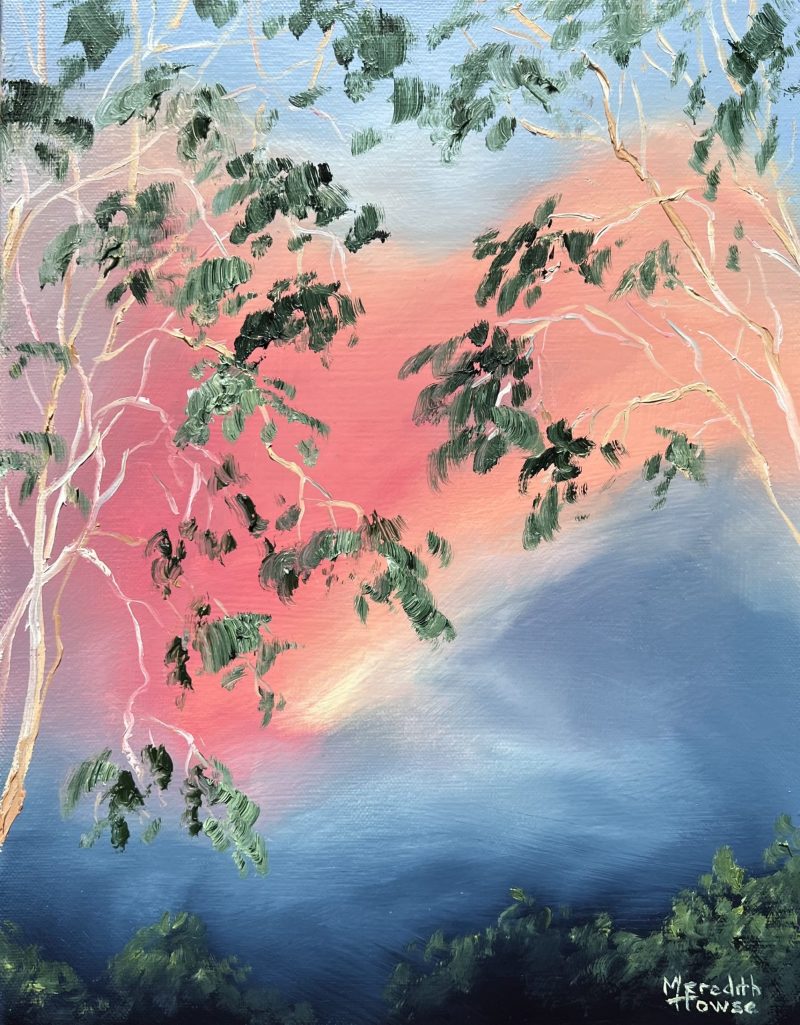 Illumination Rain or Hail
AUD$550
Size:
31w
x 39h
x 5d
cms
Meredith Howse
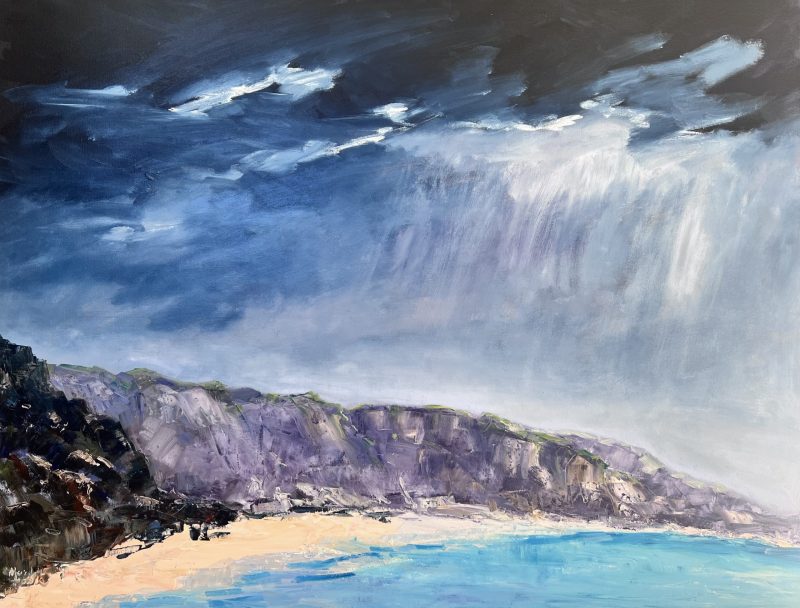 Stormy Night
AUD$1,830
Size:
104w
x 80h
x 5d
cms
Meredith Howse
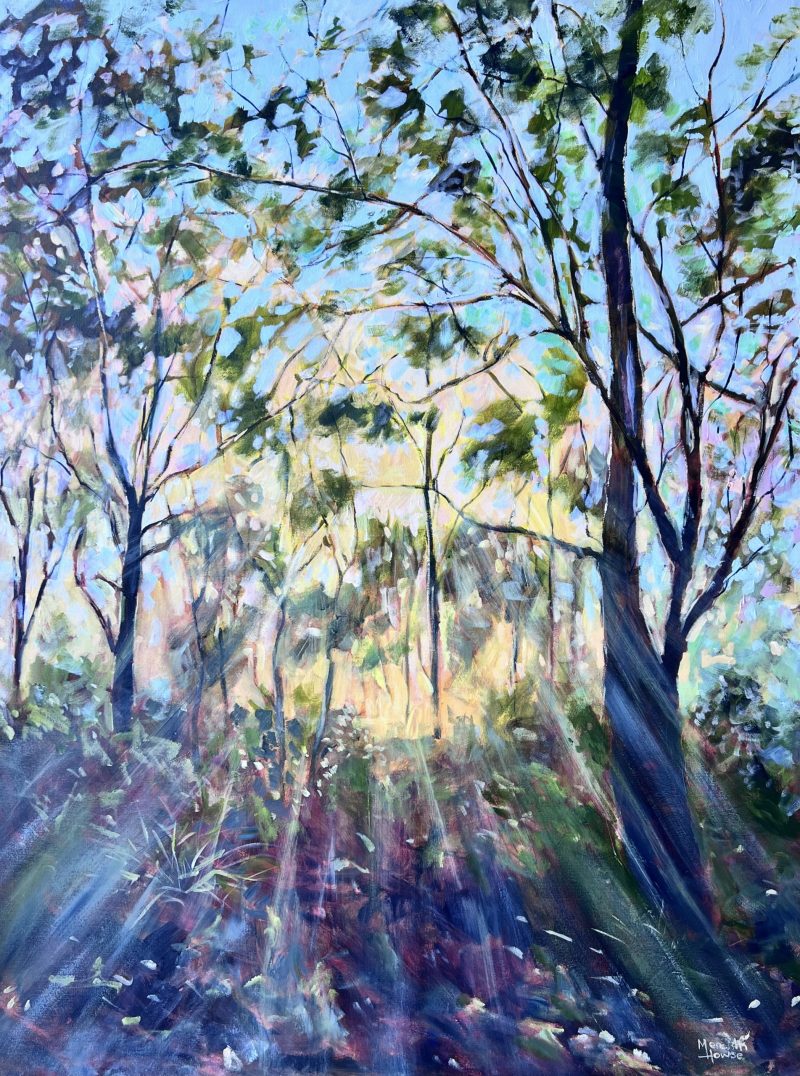 Australian Bush
AUD$1,980
Size:
91.4w
x 121.9h
x 3.8d
cms
Meredith Howse
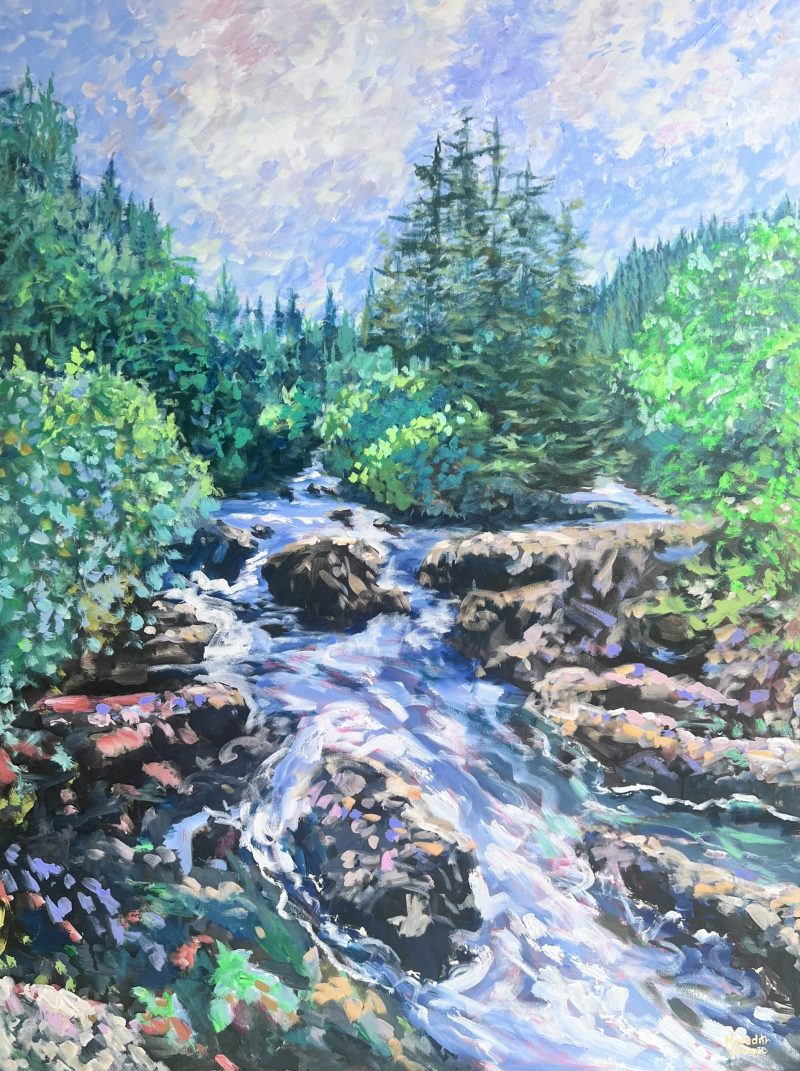 Betws-y-Coed in Snowdonia
AUD$2,500
Size:
91.4w
x 121.9h
x 3.8d
cms
Meredith Howse
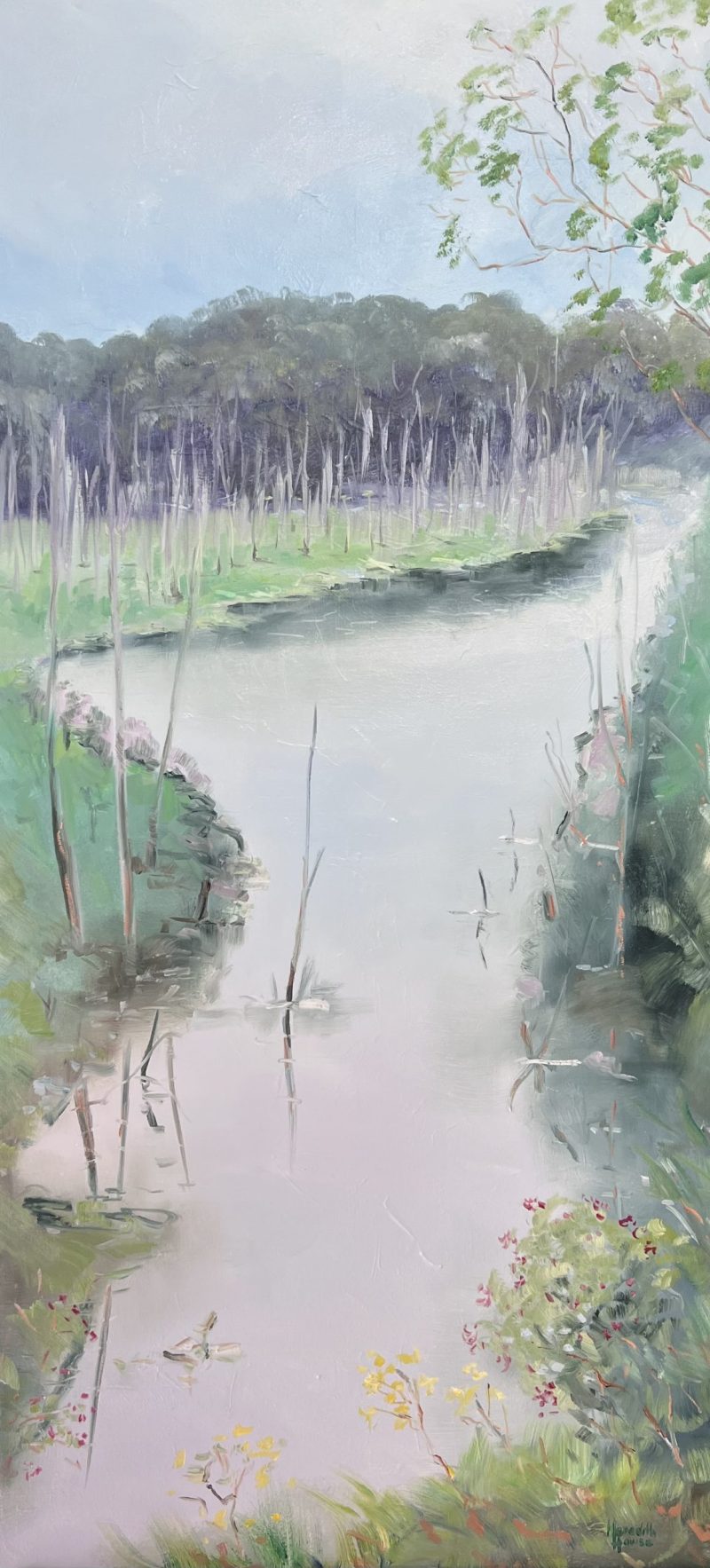 Dead Tree Marsh
AUD$1,980
Size:
61w
x 130h
x 3.8d
cms
Meredith Howse
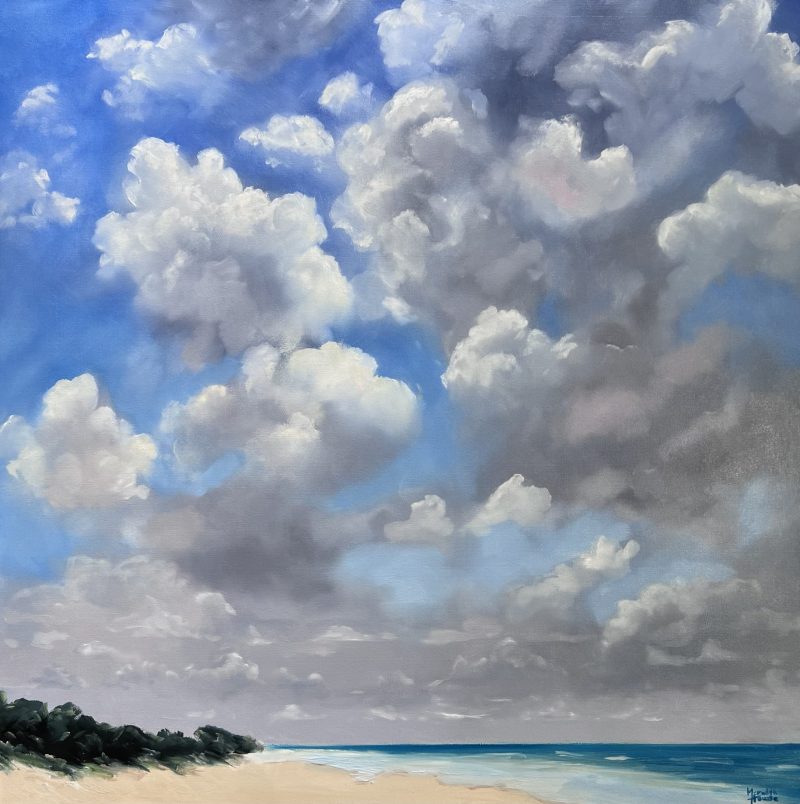 Cloudscape Coastal
AUD$1,980
Size:
91.4w
x 91.4h
x 3.8d
cms
Meredith Howse
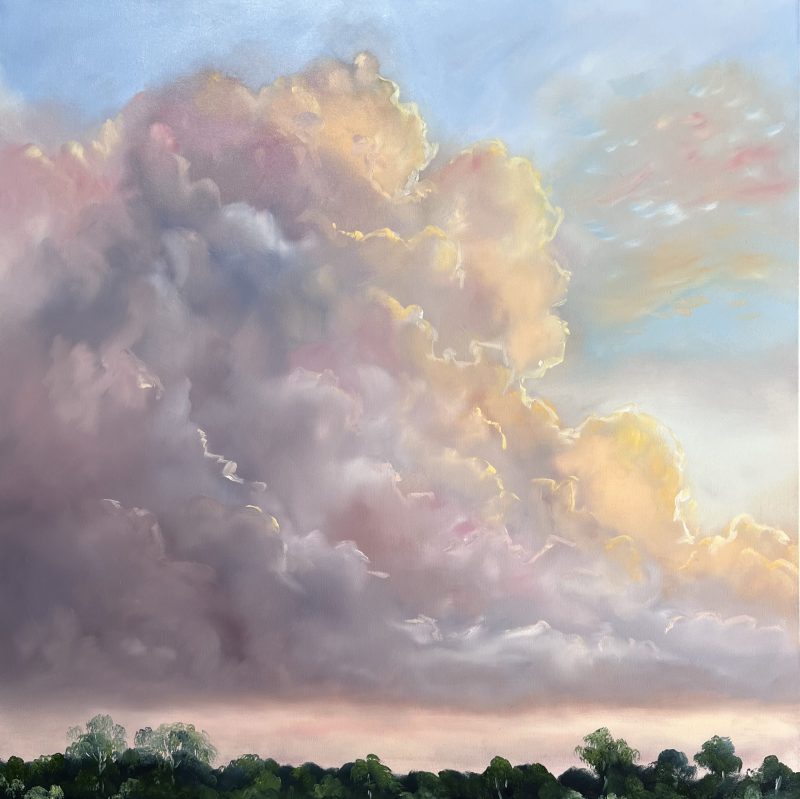 Cloudscape Ashgrove
AUD$1,980
Size:
91.4w
x 91.4h
x 3.8d
cms
Meredith Howse
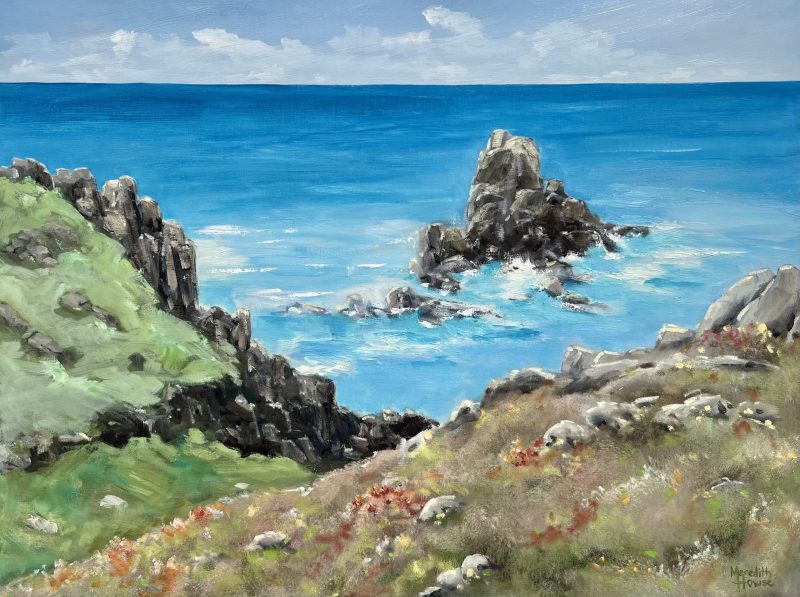 Lands End, UK
AUD$1,550
Size:
105w
x 80h
x 5d
cms
Meredith Howse
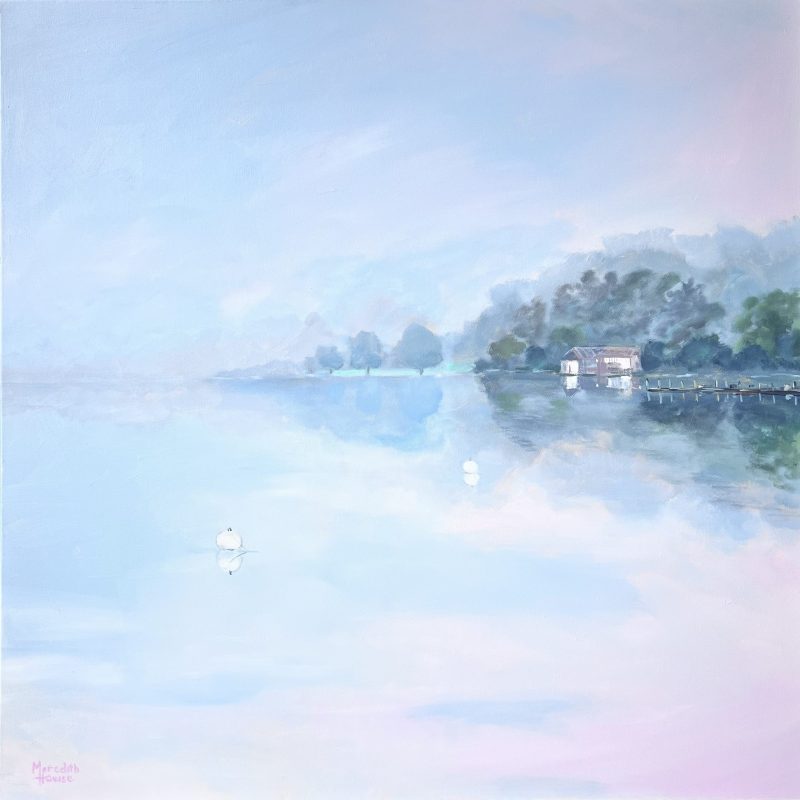 Morning at Lake Windermere
AUD$1,840
Size:
91.4w
x 91.4h
x 3.8d
cms
Meredith Howse
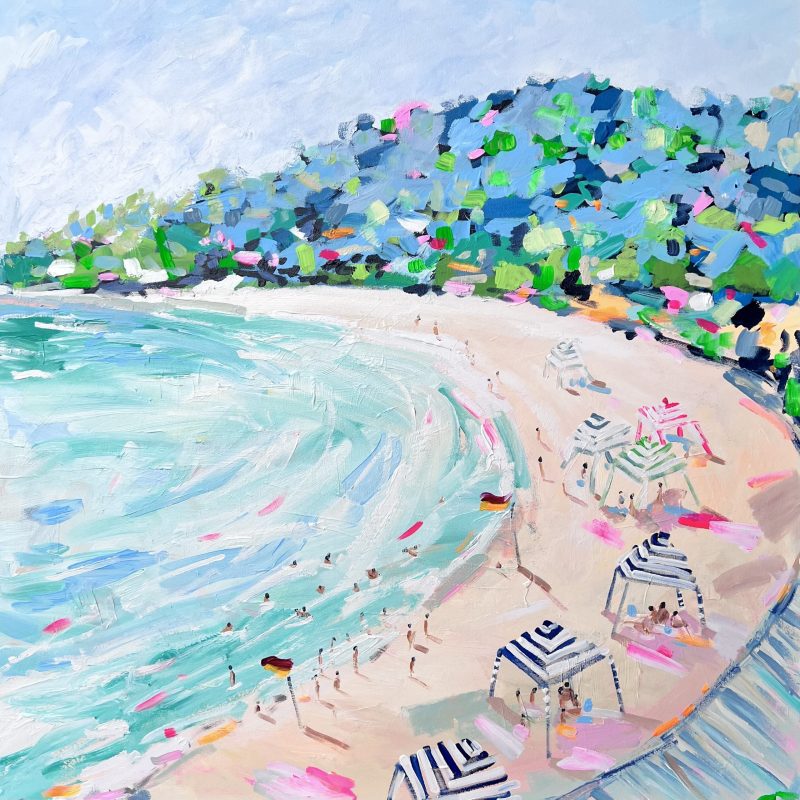 Noosa Good Times
AUD$1,530
Size:
91.5w
x 91.5h
x 3.8d
cms
Meredith Howse
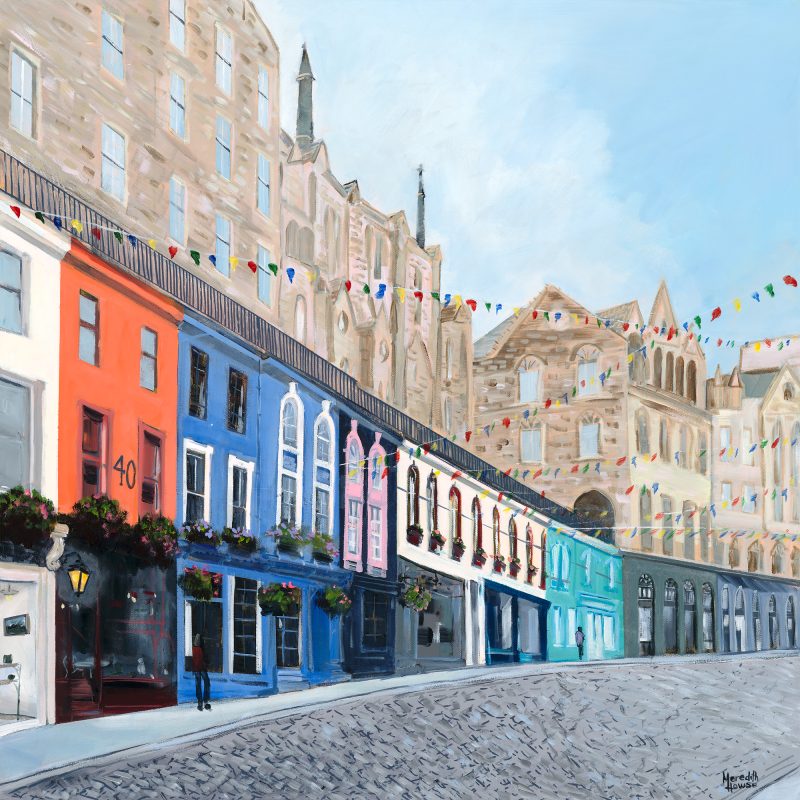 Victoria Street, Edinburgh
AUD$2,990
Size:
91.4w
x 91.4h
x 3.8d
cms
Meredith Howse
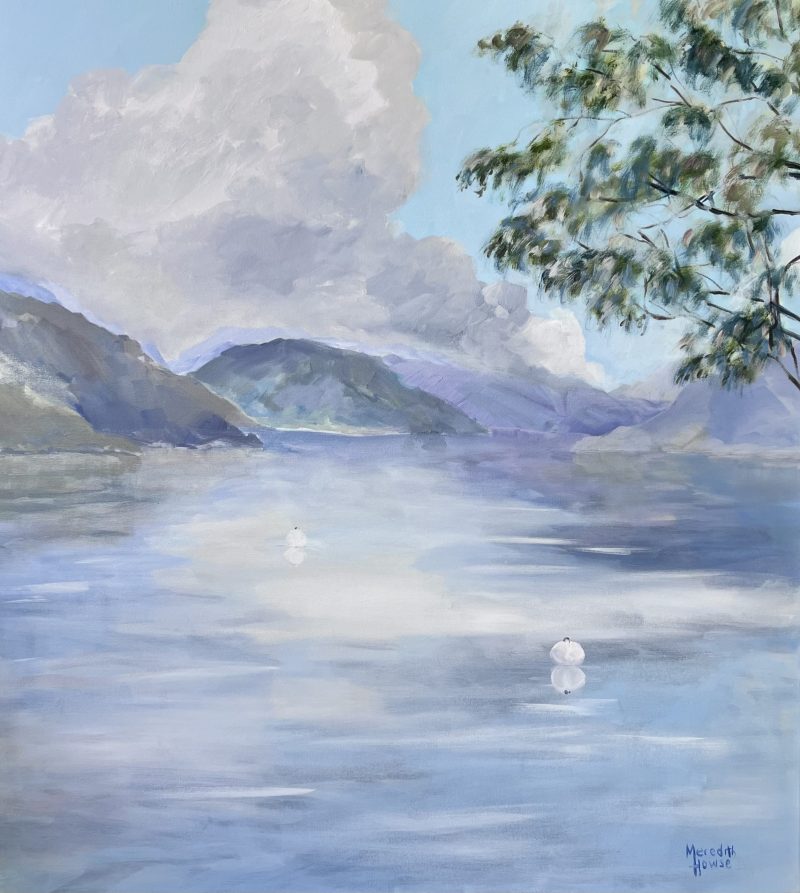 Lake Ambiance
AUD$1,040
Size:
91.2w
x 101.6h
x 3.8d
cms
Meredith Howse
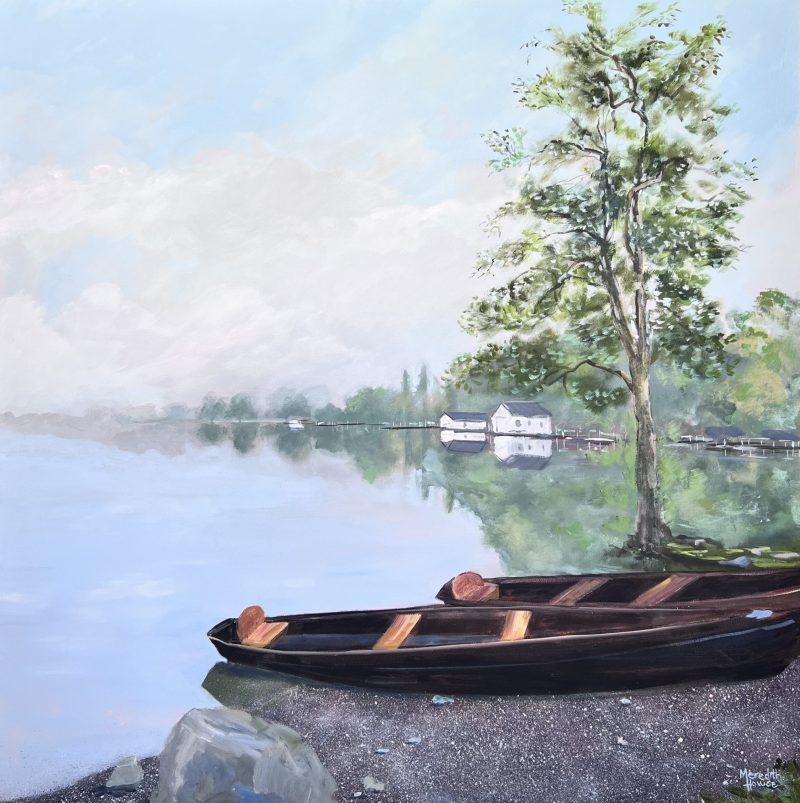 Windermere Boats
AUD$1,980
Size:
91.4w
x 91.4h
x 3.8d
cms
Meredith Howse
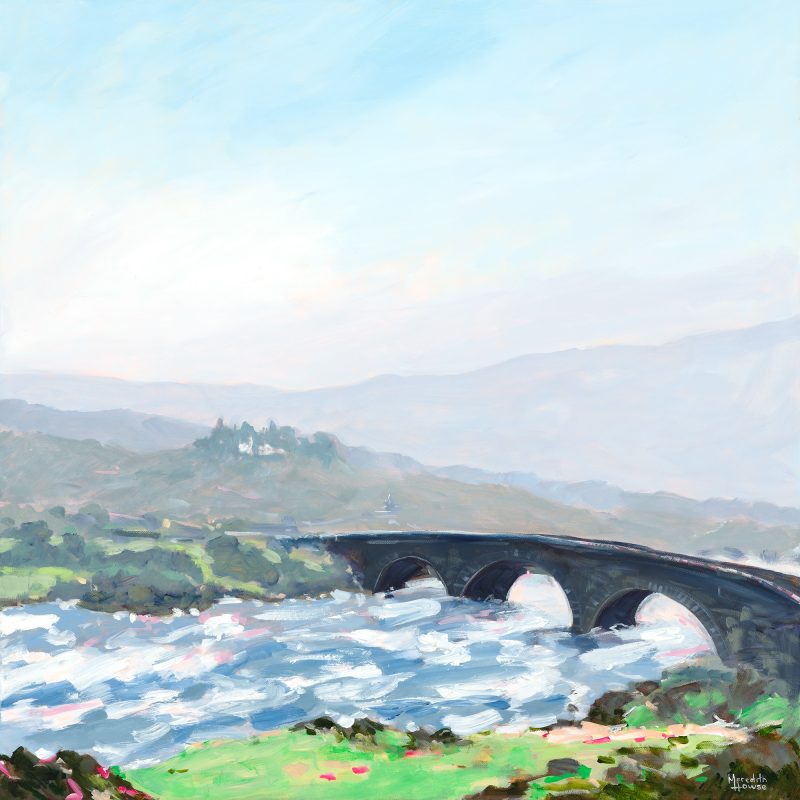 Bridge to Skye
AUD$1,980
Size:
91.4w
x 91.4h
x 3.8d
cms
Meredith Howse
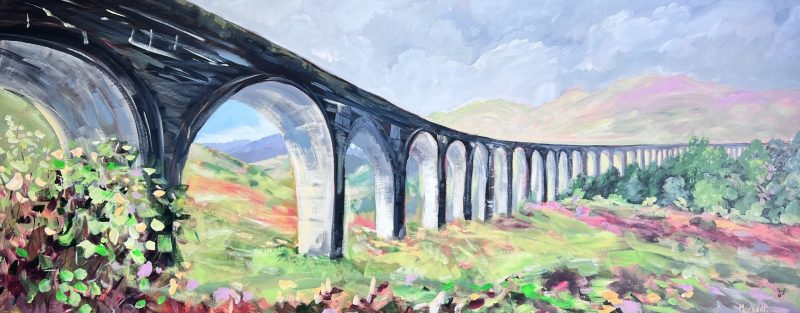 Glenfinnan Viaduct
AUD$2,730
Size:
152.5w
x 60.5h
x 3.8d
cms
Meredith Howse
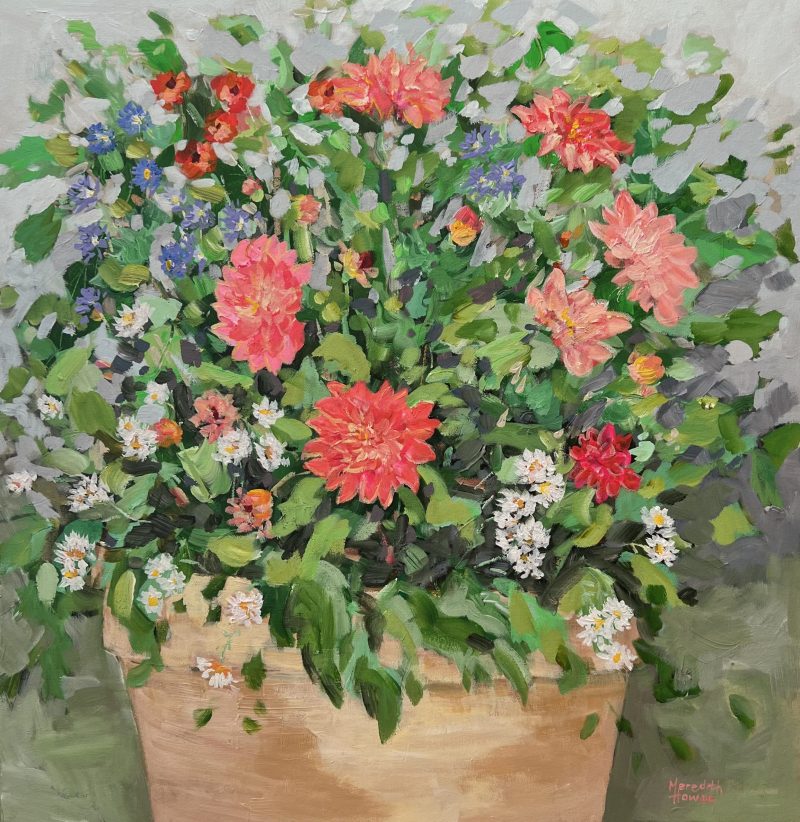 Dahlia Vintage
AUD$1,430
Size:
67.5w
x 69.5h
x 3d
cms
Meredith Howse
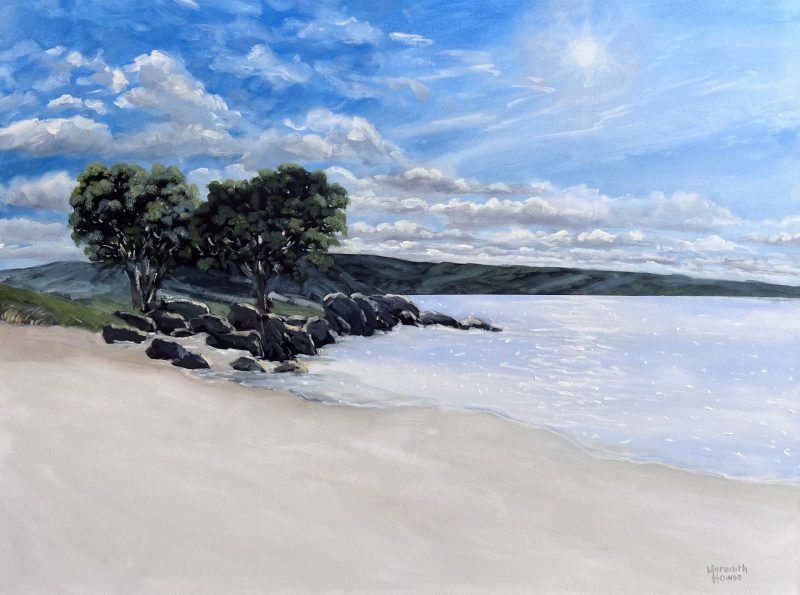 Sunshines at The Gardens, Tasmania
AUD$1,430
Size:
101.6w
x 76.2h
x 3.8d
cms
Meredith Howse
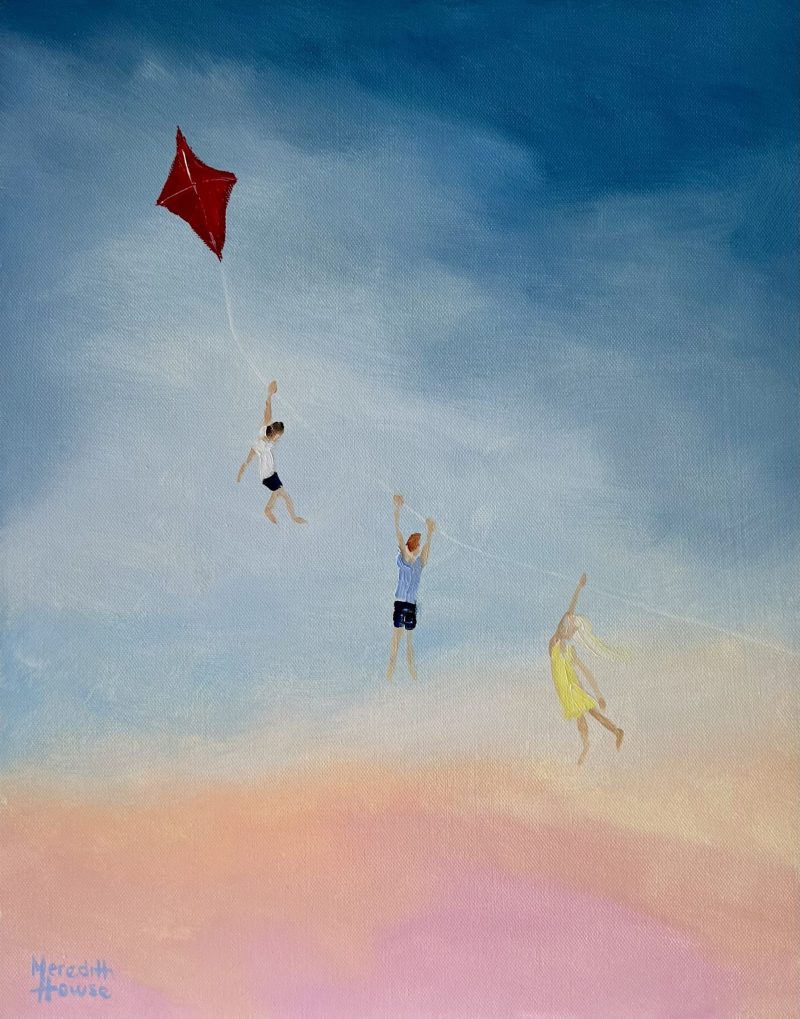 Way up High
AUD$990
Size:
44w
x 54.5h
x 5d
cms
Meredith Howse
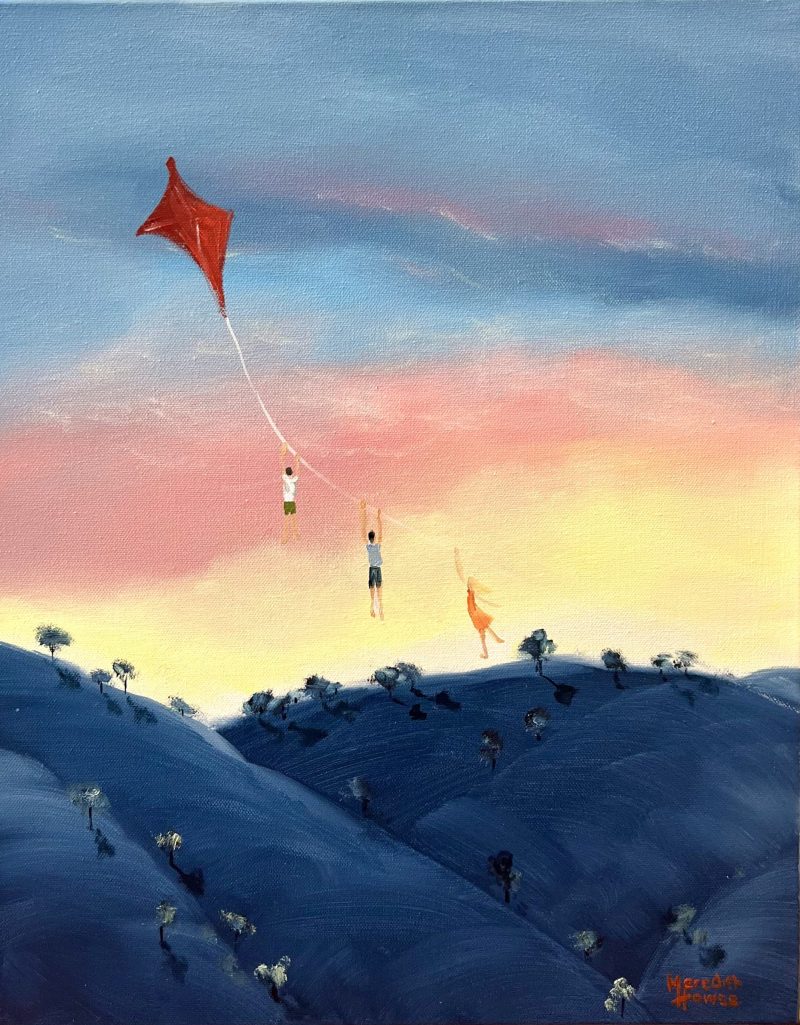 Over the Mountaintops
AUD$990
Size:
44w
x 54.5h
x 5d
cms
Meredith Howse
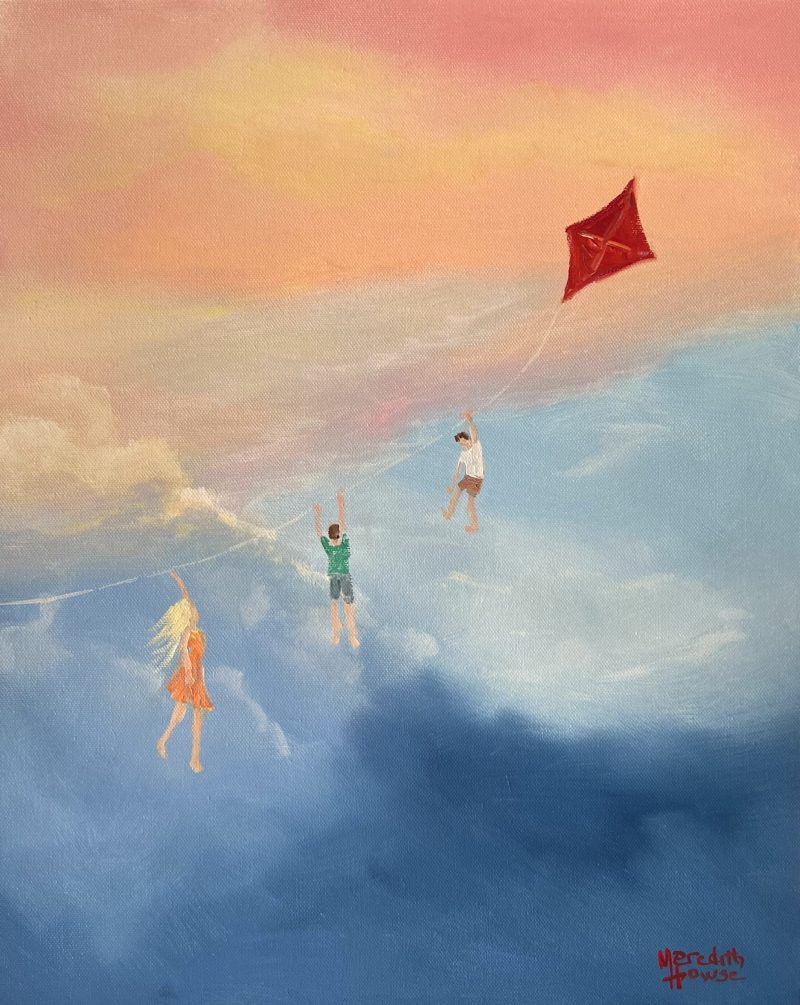 Fly Day
AUD$990
Size:
44w
x 54.5h
x 5.5d
cms
Meredith Howse
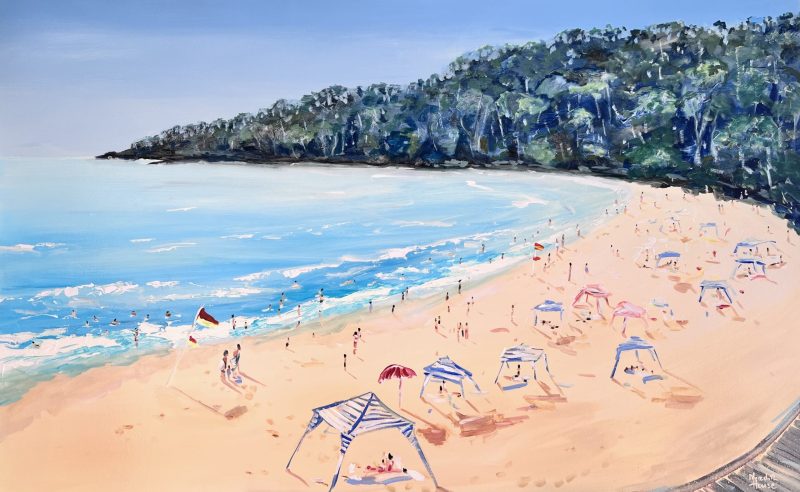 Noosa Beach
AUD$1,960
Size:
125w
x 79h
x 5.5d
cms
Meredith Howse
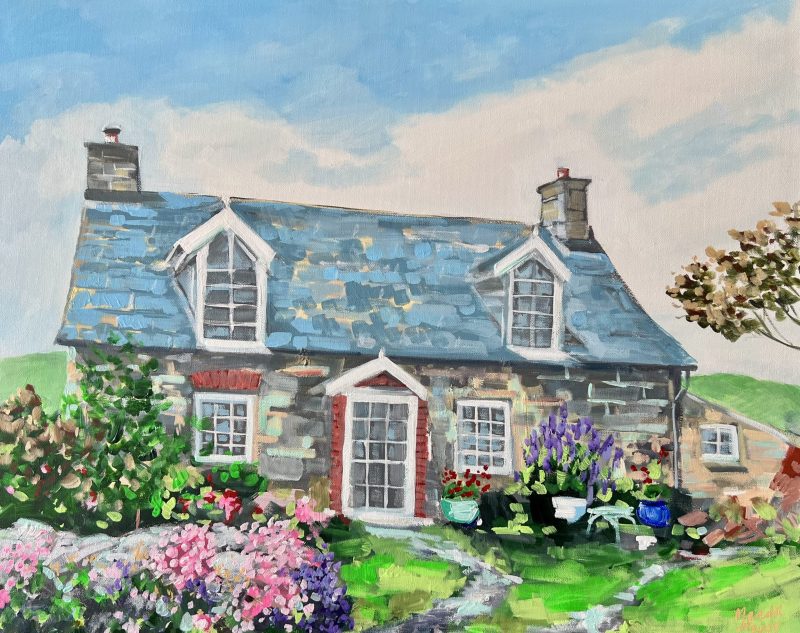 Coastal Cottage
AUD$1,430
Size:
79w
x 64h
x 5.5d
cms
Meredith Howse
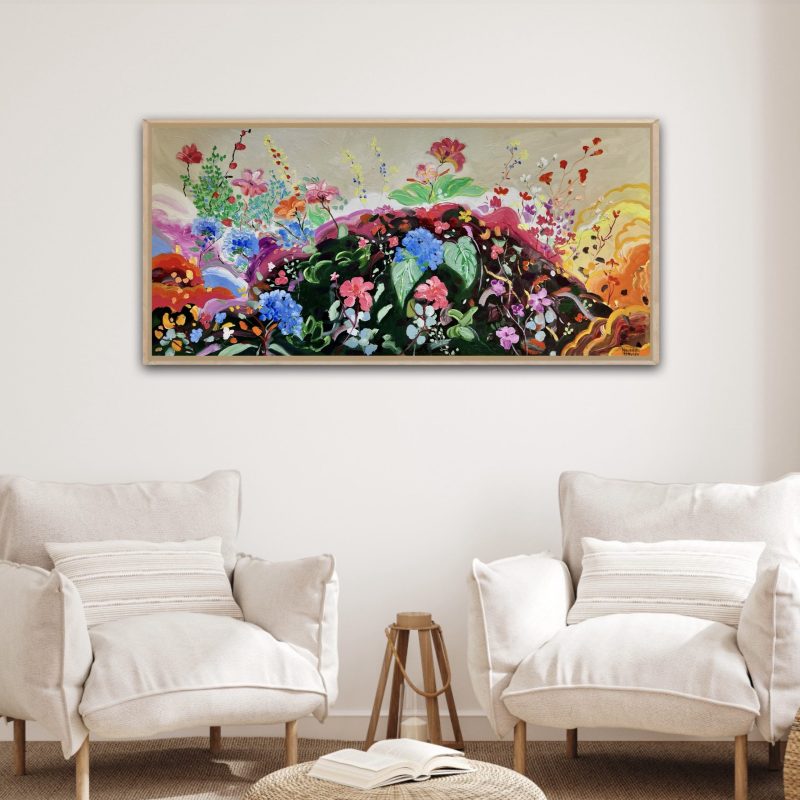 Flamboyant Vintage
AUD$2,420
Size:
133w
x 61h
x 3.8d
cms
Meredith Howse
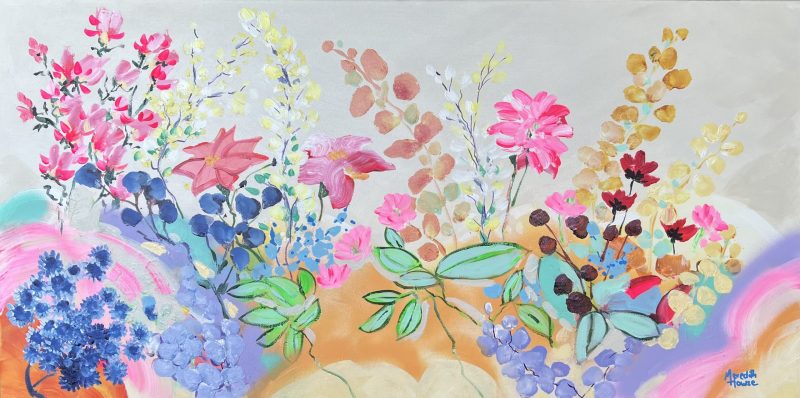 Enlightened Vintage
AUD$1,430
Size:
91.4w
x 45.7h
x 3.8d
cms
Meredith Howse
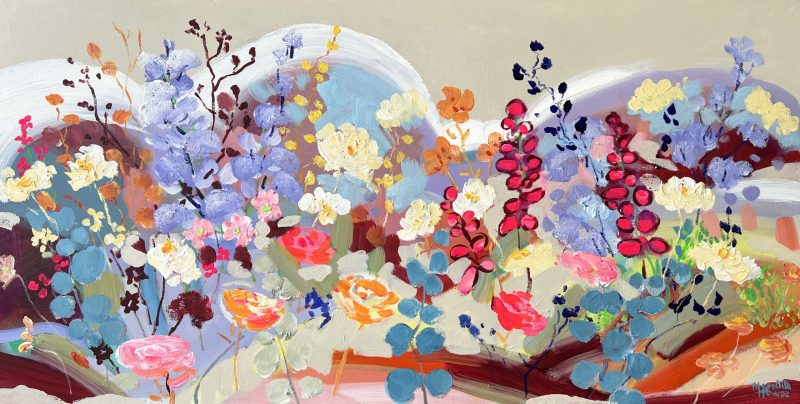 Jubilant Vintage
AUD$1,320
Size:
66.5w
x 51.5h
x 3.8d
cms
Meredith Howse
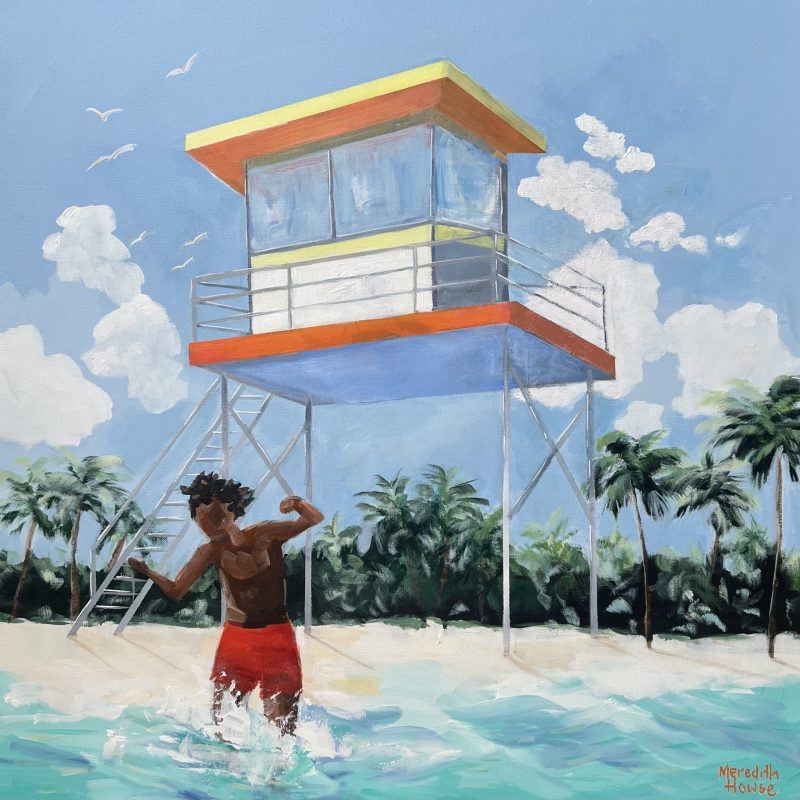 Fun in the Sun – Splash
AUD$1,320
Size:
80w
x 80h
x 5.5d
cms
Meredith Howse
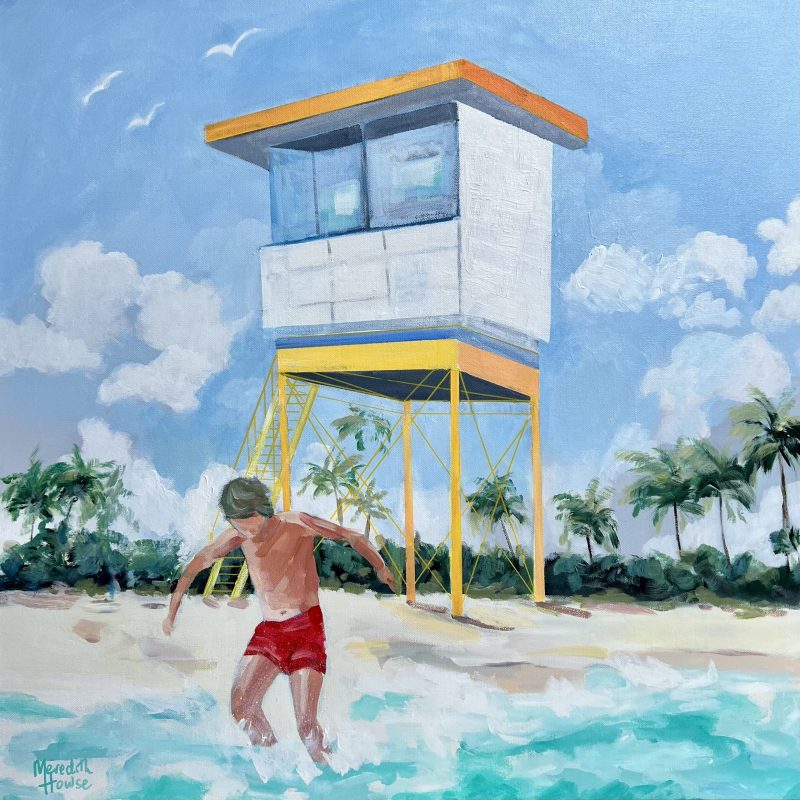 Take a Leap
AUD$1,320
Size:
80w
x 80h
x 5.5d
cms
Meredith Howse
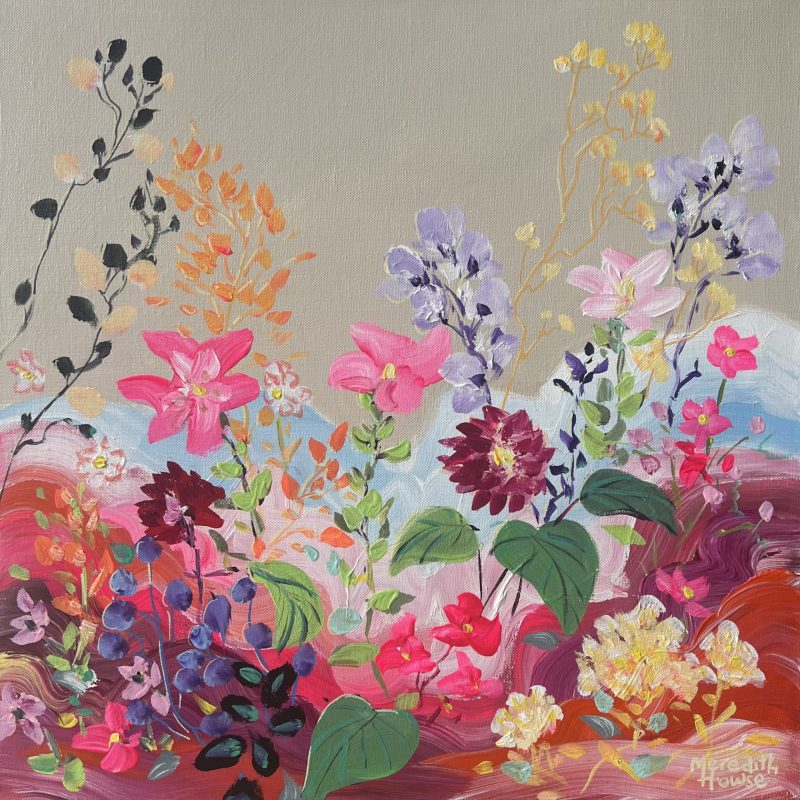 Vibrant Vintage
AUD$1,200
Size:
50.8w
x 50.8h
x 3.5d
cms
Meredith Howse
Flower Grove Vintage
AUD$1,430
Size:
91.4w
x 45.7h
x 3.8d
cms
Meredith Howse
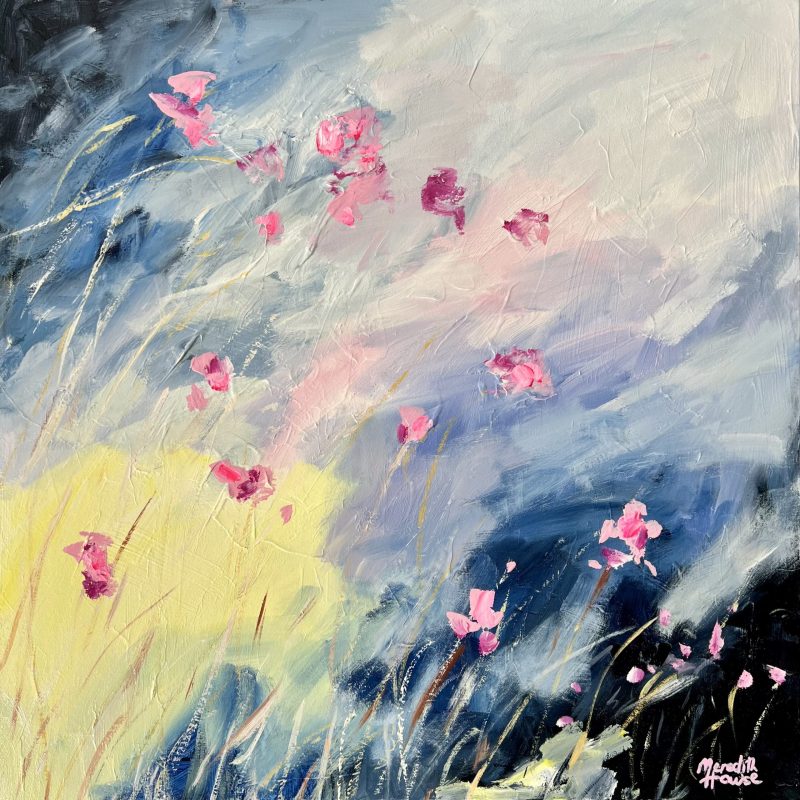 Nature’s Breeze
AUD$1,320
Size:
63w
x 63h
x 5.5d
cms
Meredith Howse
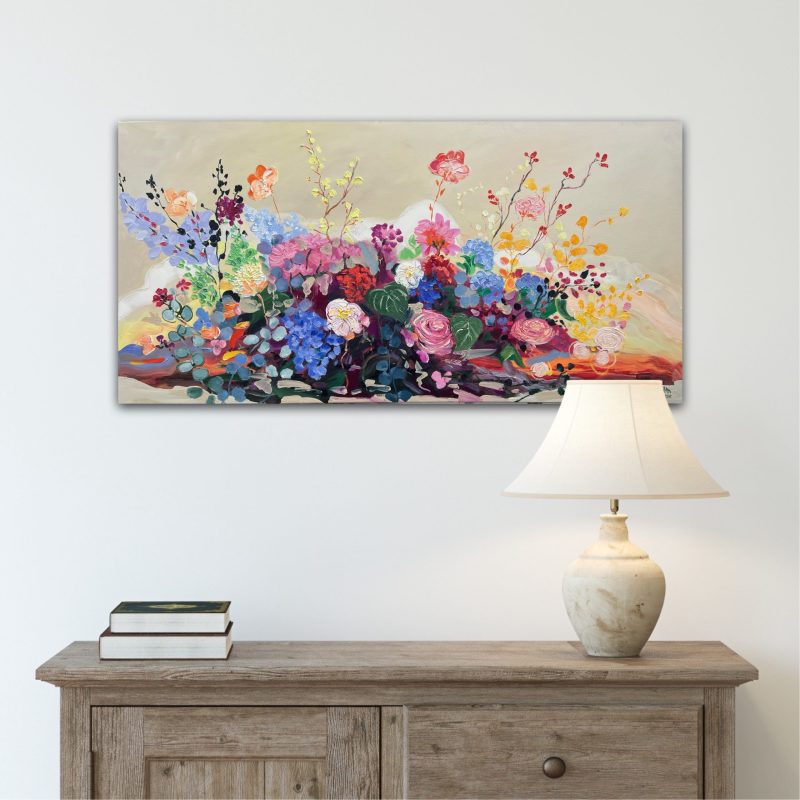 Maximalism Vintage
AUD$2,200
Size:
121.9w
x 61h
x 3.8d
cms
Meredith Howse
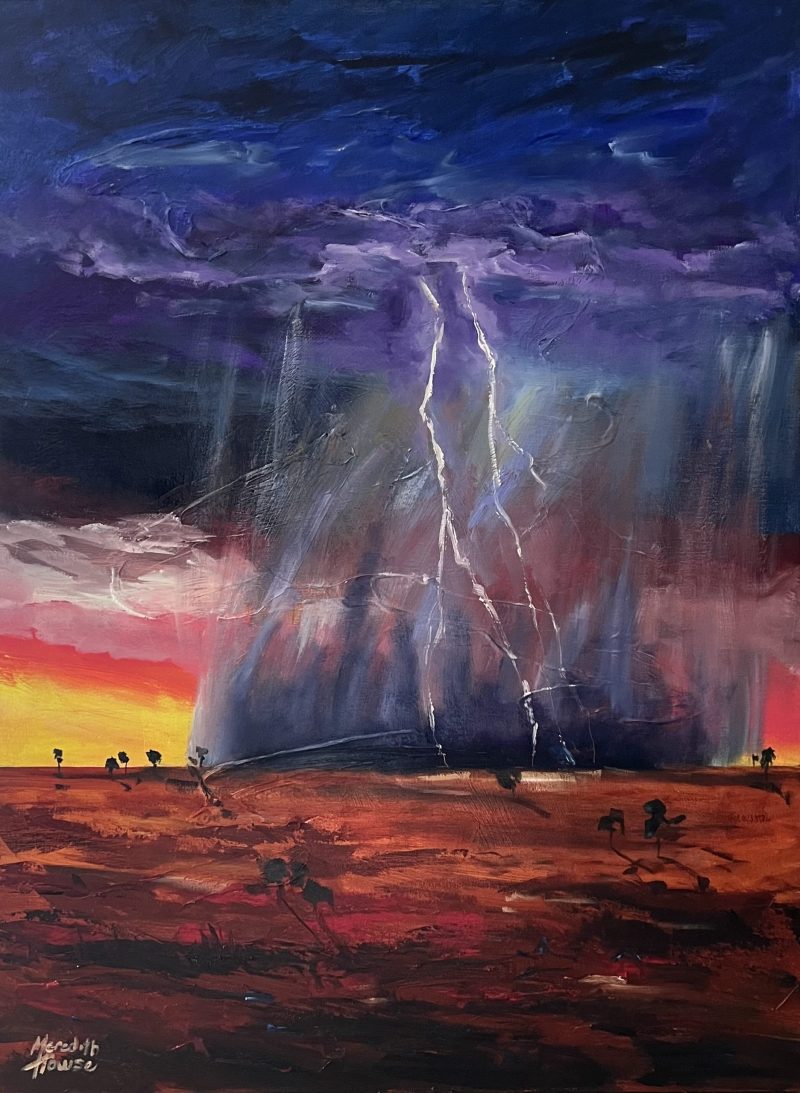 Downpour
AUD$1,980
Size:
79.5w
x 105h
x 5d
cms
Meredith Howse
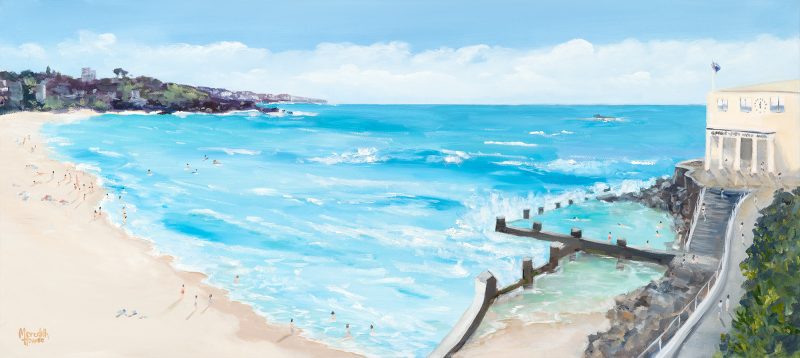 Coogee Vintage
AUD$1,750
Size:
94w
x 44h
x 5d
cms
Meredith Howse
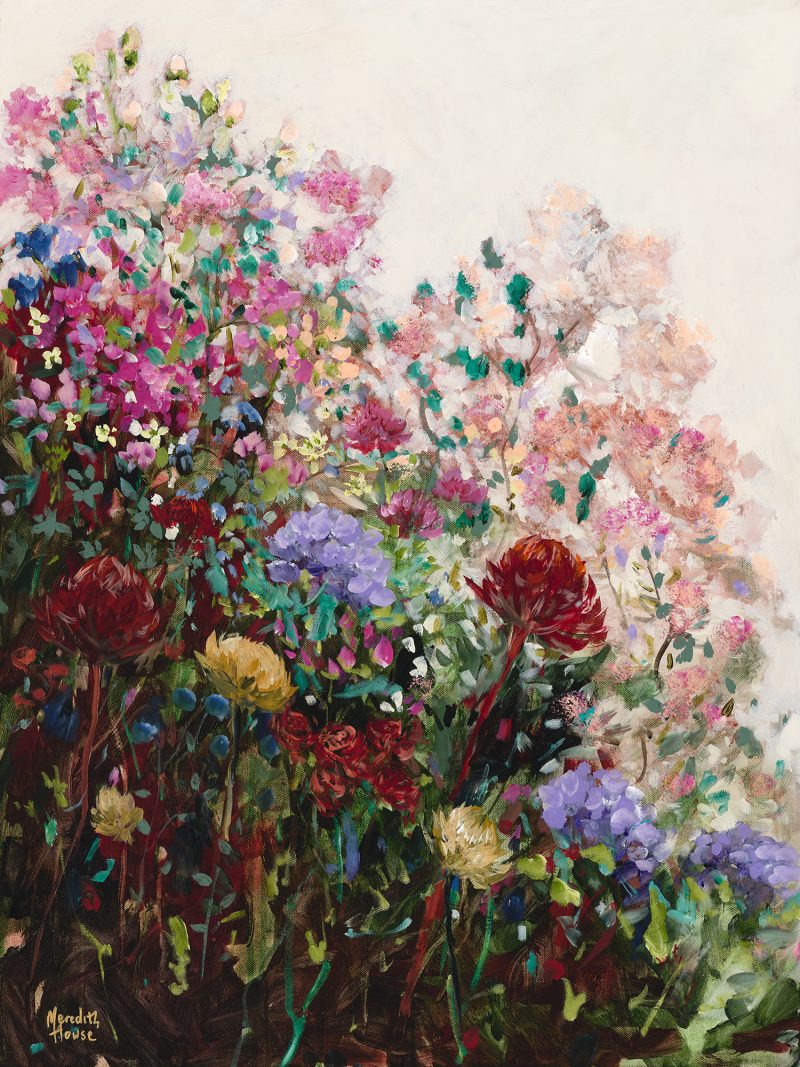 Flower Vintage
AUD$1,980
Size:
79.4w
x 104.6h
x 5.5d
cms
Meredith Howse
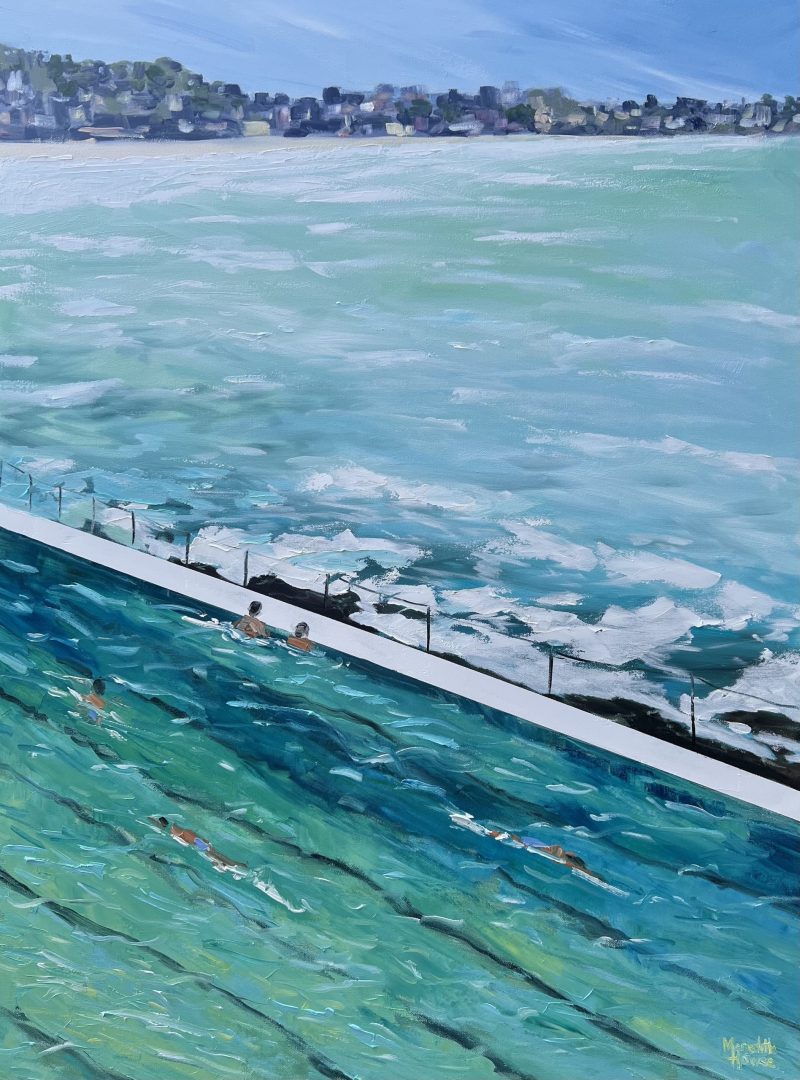 Bondi View
AUD$1,980
Size:
76.2w
x 101.6h
x 3.8d
cms
Meredith Howse
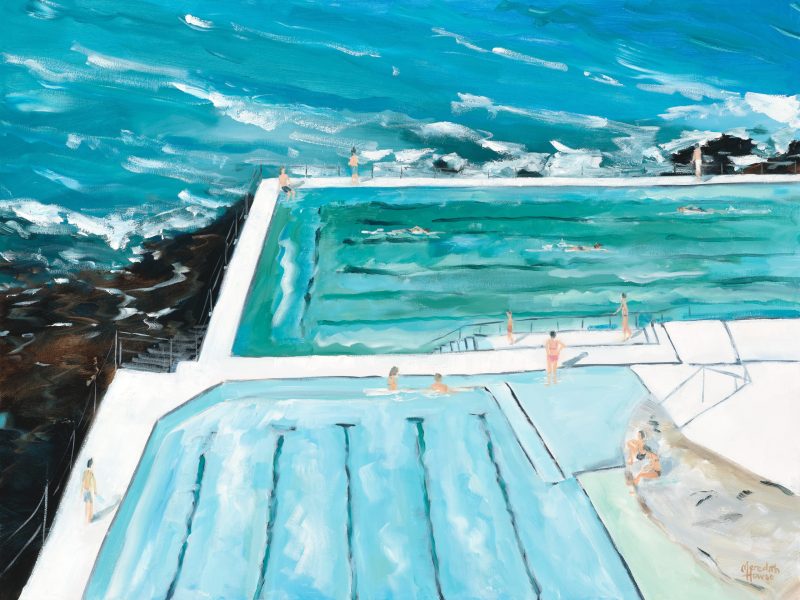 Bondi Iceburgs Swim
AUD$1,980
Size:
101.6w
x 76.2h
x 3.8d
cms
Meredith Howse
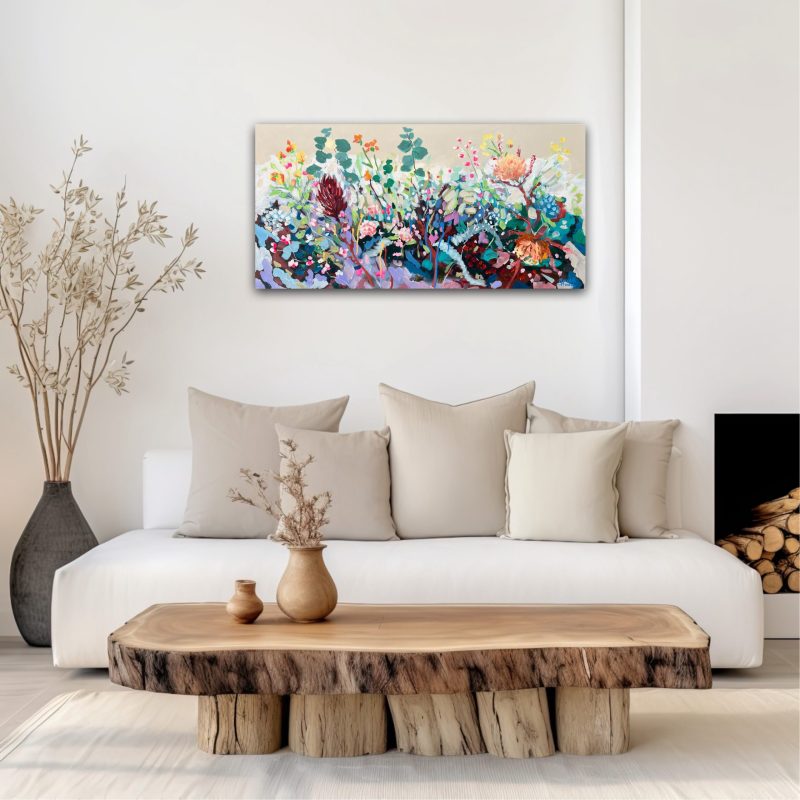 Beautiful Vintage
AUD$1,430
Size:
91.4w
x 45.7h
x 3.8d
cms
Meredith Howse
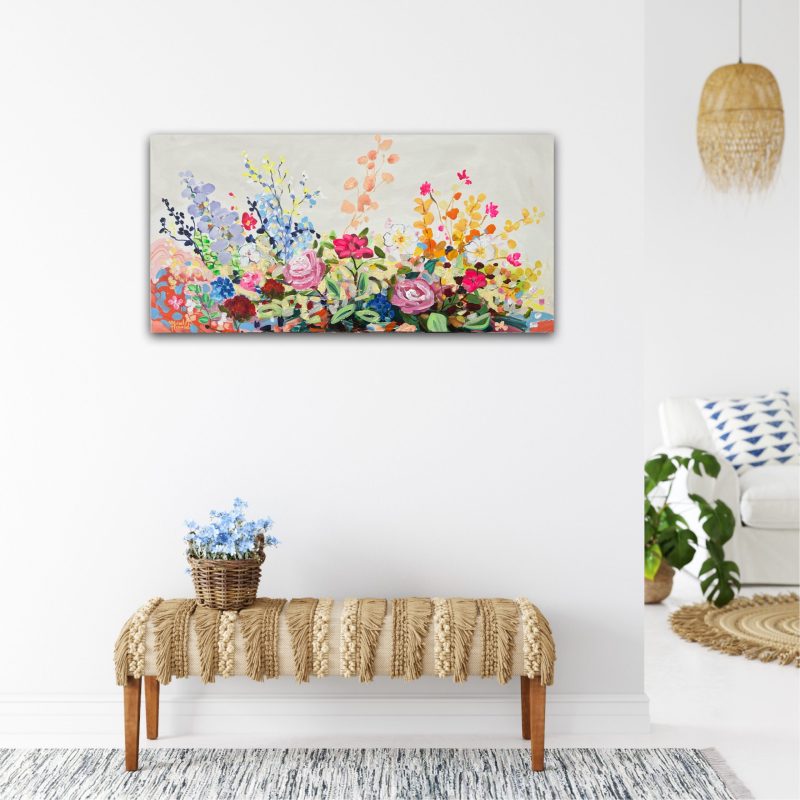 Rose a Day Vintage
AUD$1,430
Size:
91.4w
x 45.7h
x 3.8d
cms
Meredith Howse
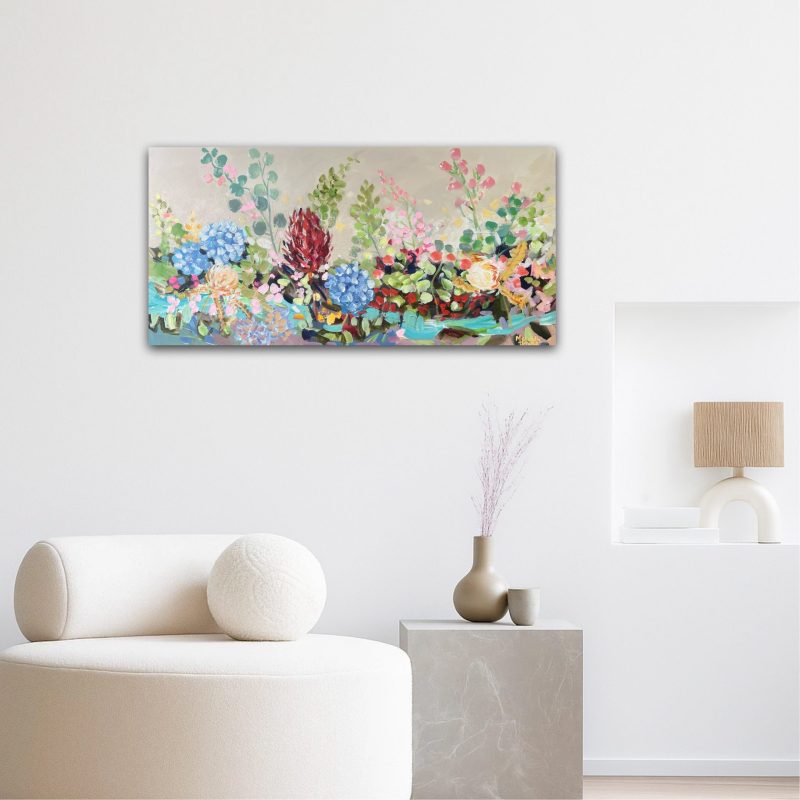 Flower River Vintage
AUD$1,430
Size:
91.4w
x 45.7h
x 3.8d
cms
Meredith Howse
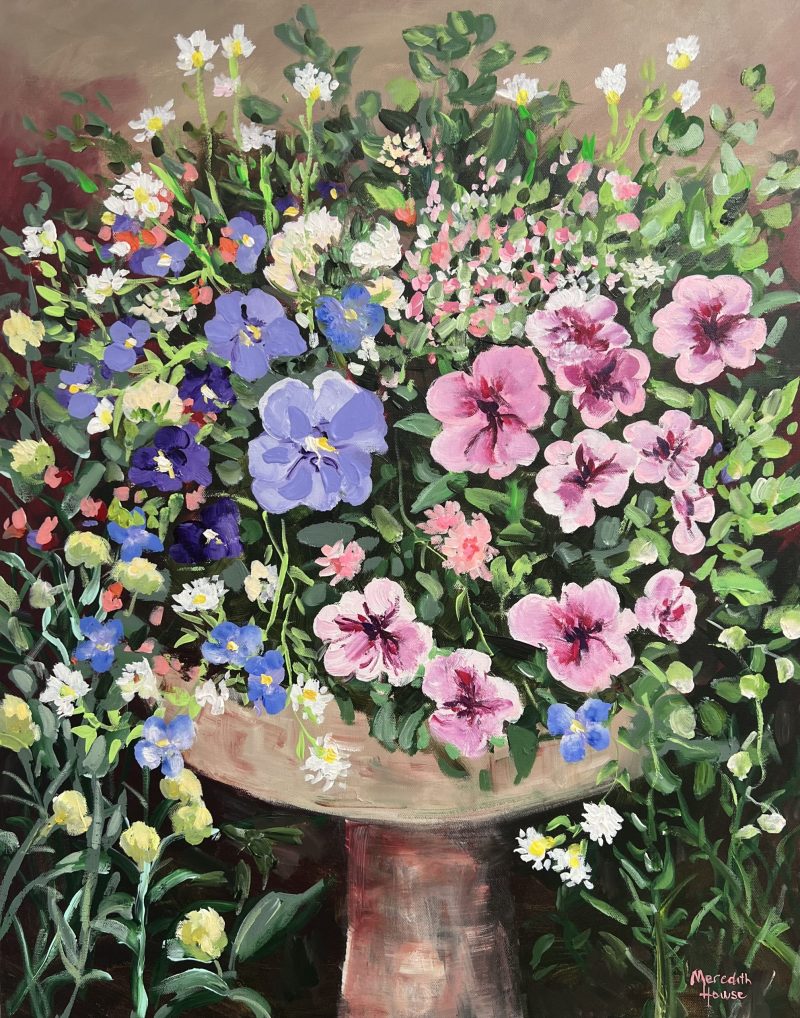 Petunia Vintage
AUD$1,430
Size:
64w
x 79h
x 5.5d
cms
Meredith Howse
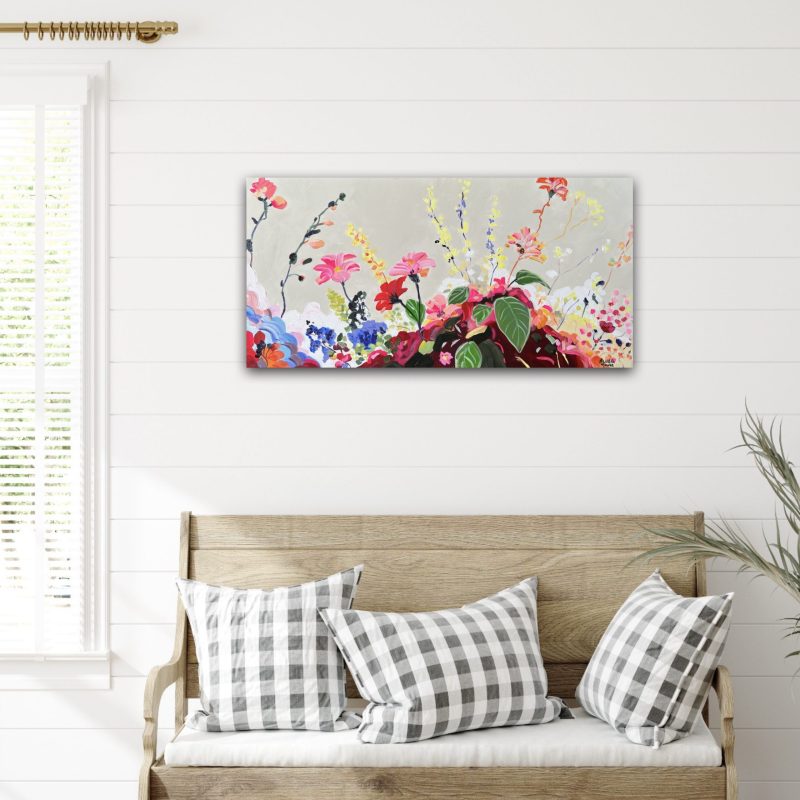 Colourful Vintage
AUD$1,430
Size:
91.4w
x 45.7h
x 3.8d
cms
Meredith Howse
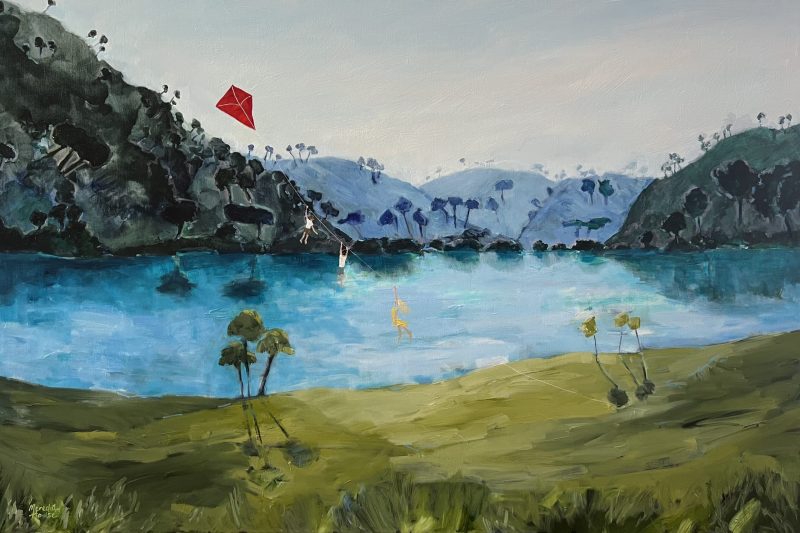 Kite flying and Mountains
AUD$2,750
Size:
152.5w
x 101.5h
x 3.8d
cms
Meredith Howse
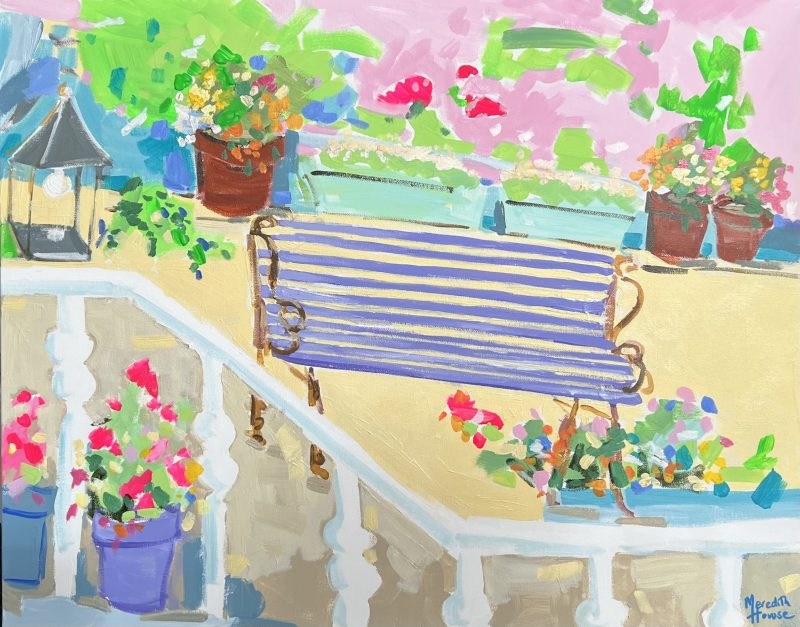 Summer in Llandudno
AUD$1,430
Size:
76.2w
x 61h
x 3.8d
cms
Meredith Howse
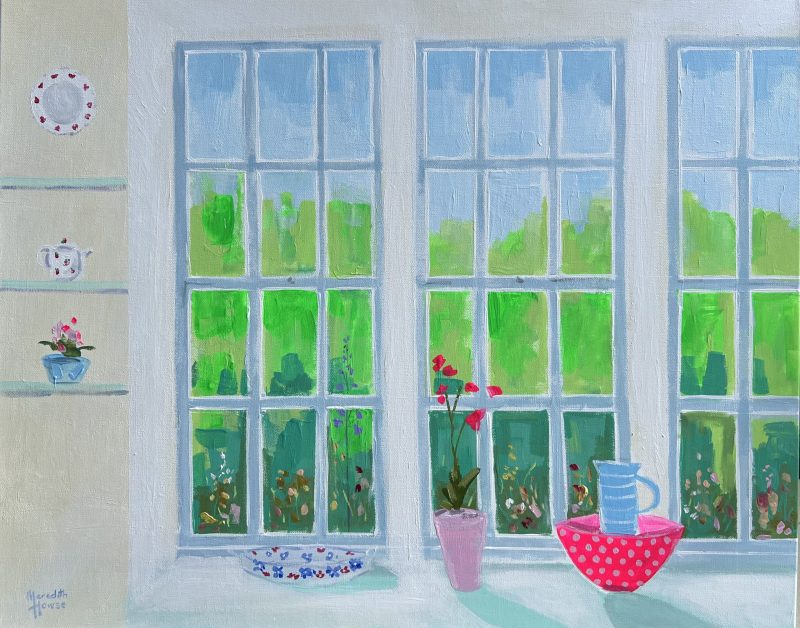 Willowvale Window
AUD$1,430
Size:
76.2w
x 61h
x 3.8d
cms
Meredith Howse
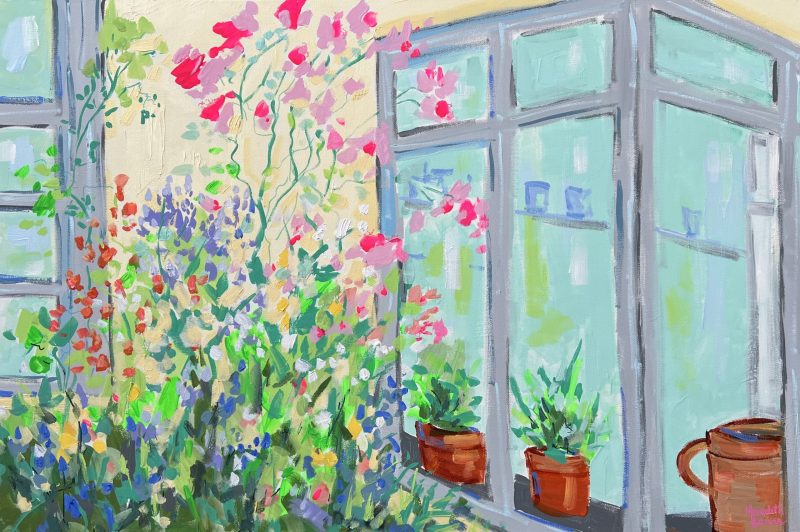 Summer in Willowvale Nairn
AUD$1,650
Size:
91.4w
x 61h
x 3.8d
cms
Meredith Howse
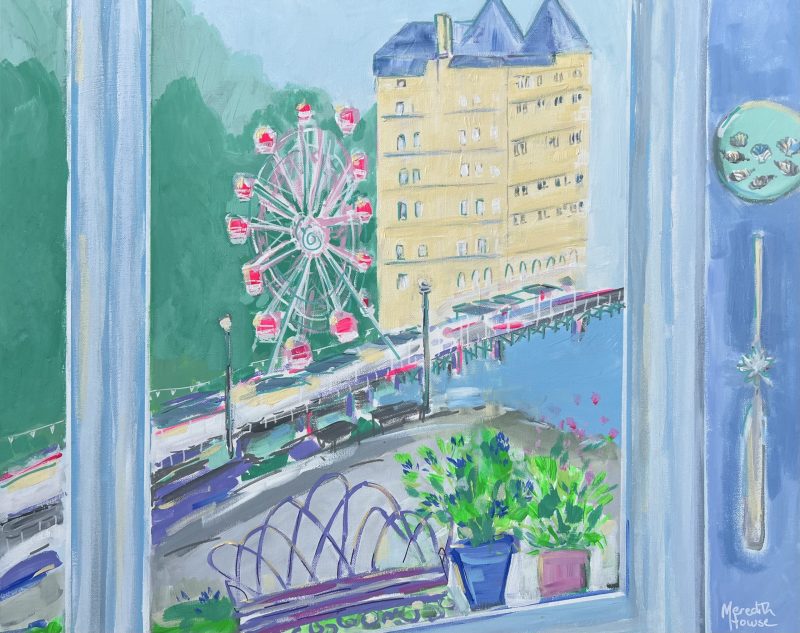 Summer on Llandudno Pier
AUD$1,430
Size:
76.2w
x 61h
x 3.8d
cms
Meredith Howse
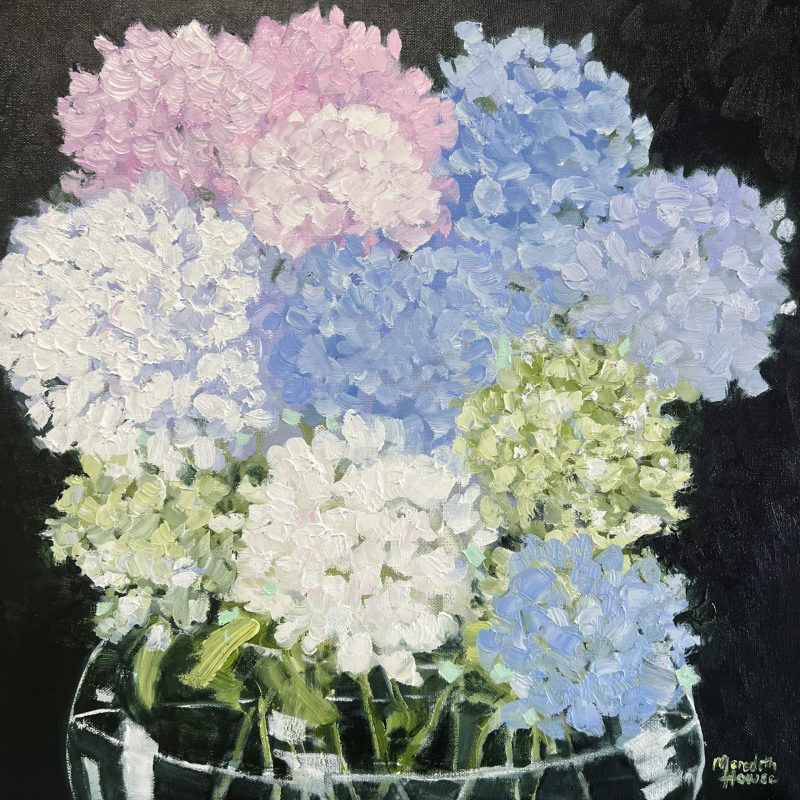 Just for You Too
AUD$490
Size:
45.7w
x 45.7h
x 3.8d
cms
Meredith Howse
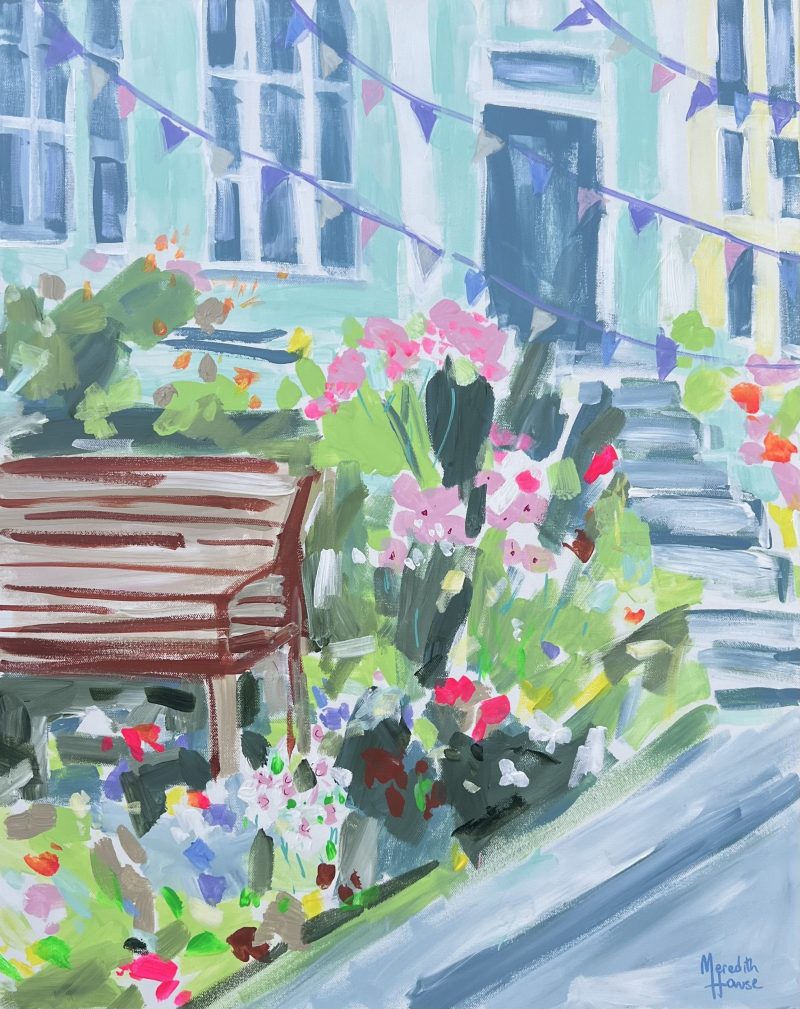 Summer in Wales
AUD$1,430
Size:
61w
x 76.2h
x 3.8d
cms
Meredith Howse
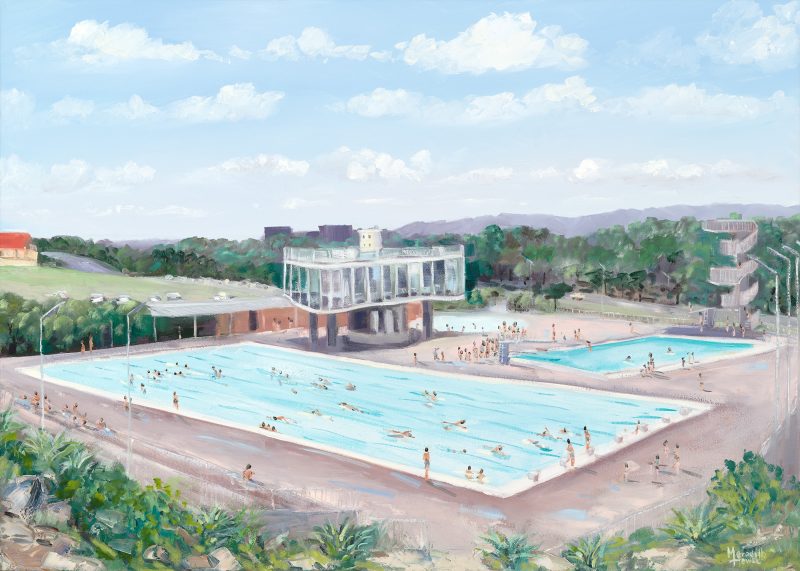 Centenary Pools Vintage
AUD$1,650
Size:
71.1w
x 50.8h
x 1.8d
cms
Meredith Howse
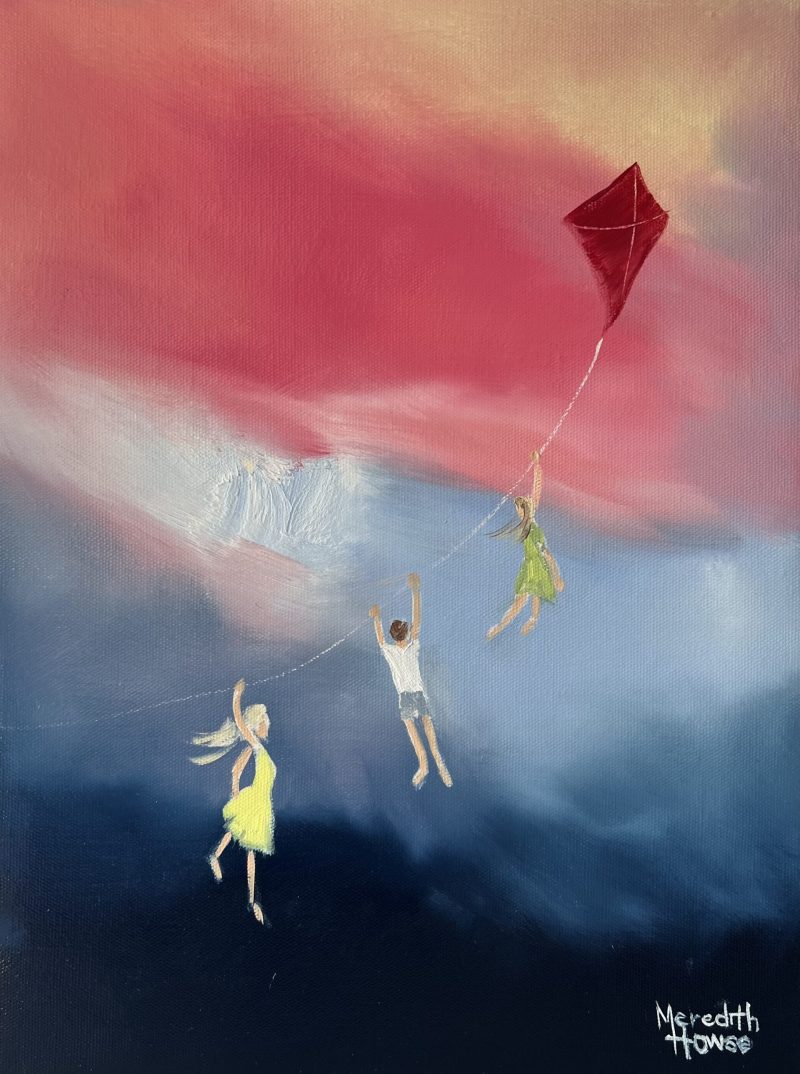 Red Kite Away
AUD$770
Size:
34.2w
x 44.5h
x 3d
cms
Meredith Howse
Illumination as Rain or Hail
AUD$550
Size:
31w
x 39h
x 5d
cms
Meredith Howse
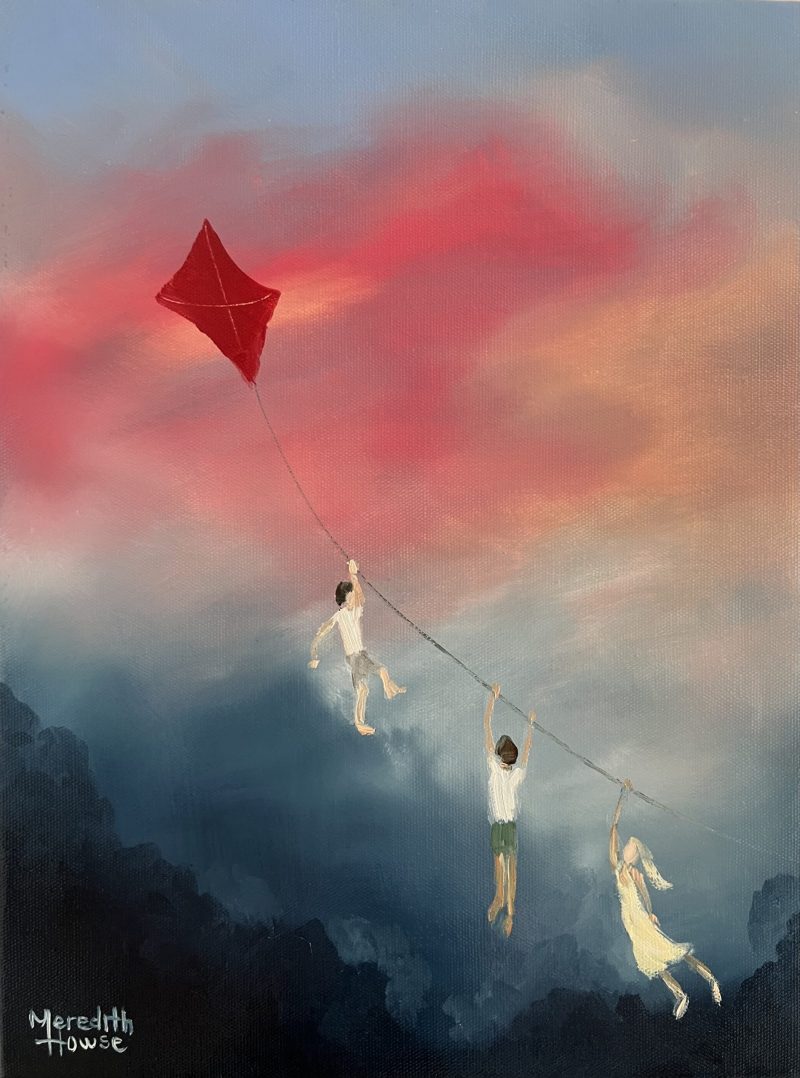 Red Kite Sky
AUD$770
Size:
34.2w
x 44.5h
x 3d
cms
Meredith Howse
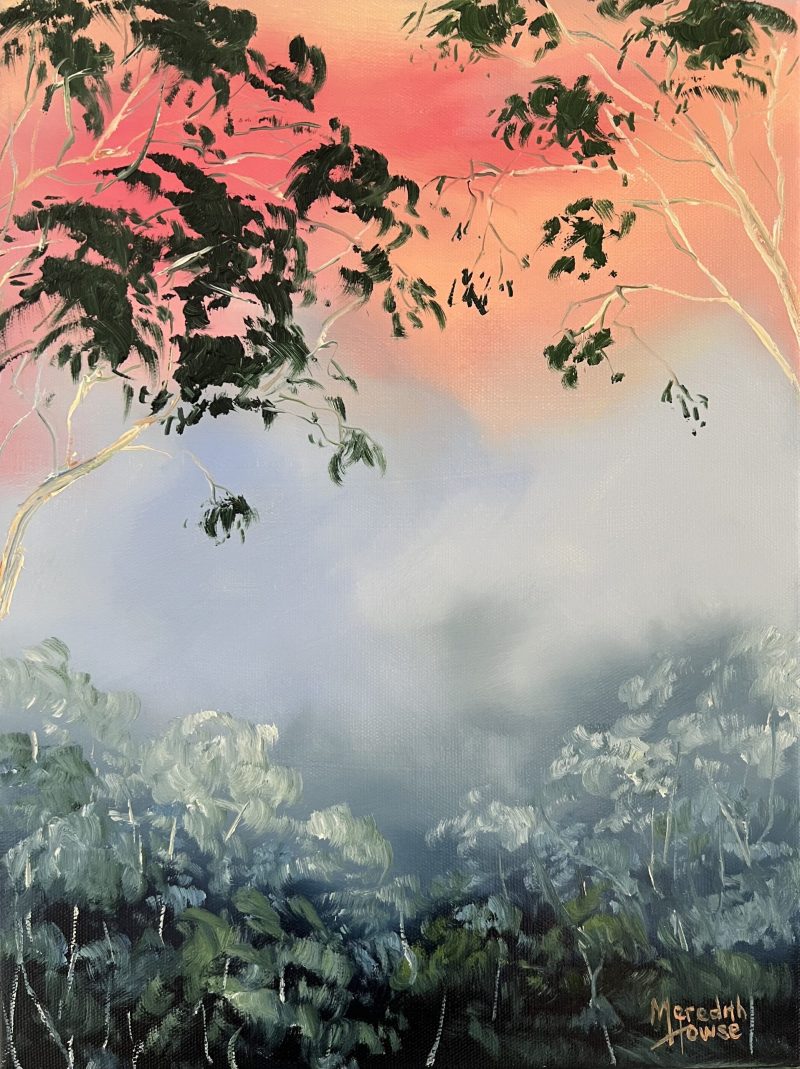 Illumination at Sunset
AUD$660
Size:
44.5w
x 54.5h
x 3d
cms
Meredith Howse
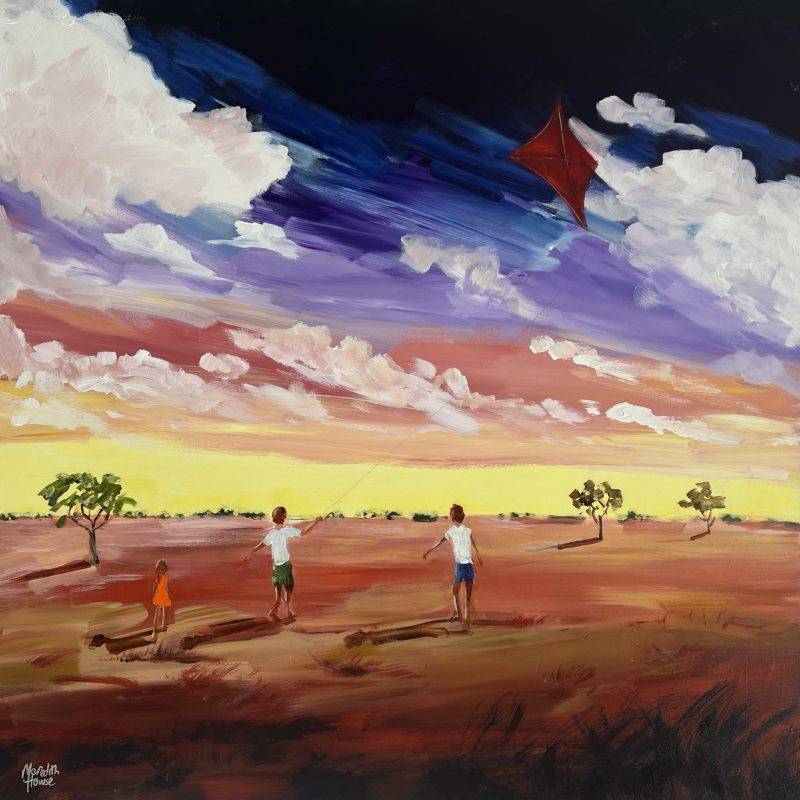 Sunset and the Red Kite
AUD$1,980
Size:
95w
x 95h
x 5d
cms
Meredith Howse
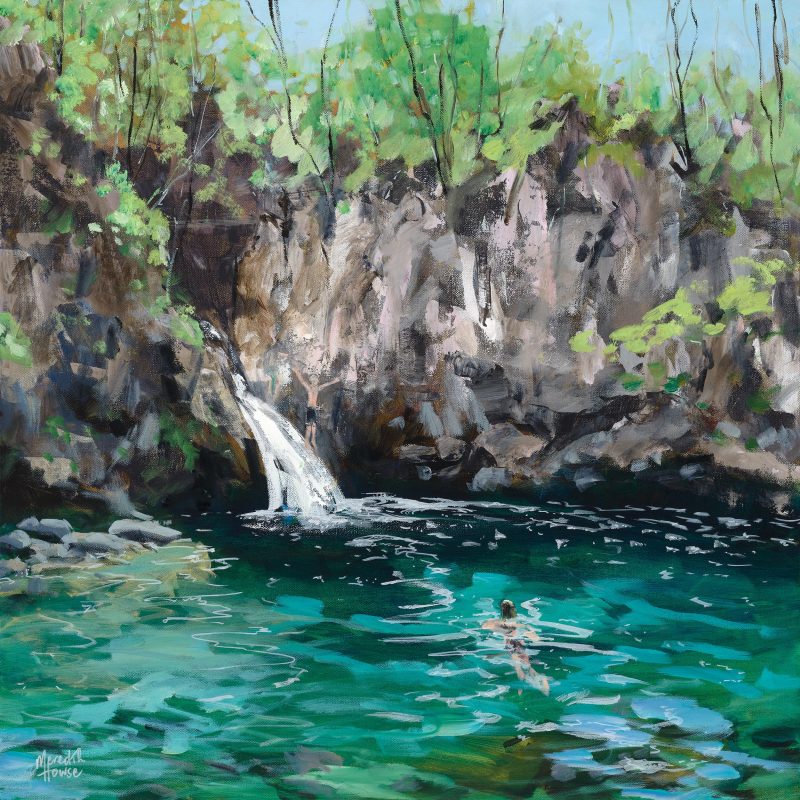 Swimming at Blue Eye
AUD$1,430
Size:
76w
x 76h
x 3.8d
cms
Meredith Howse
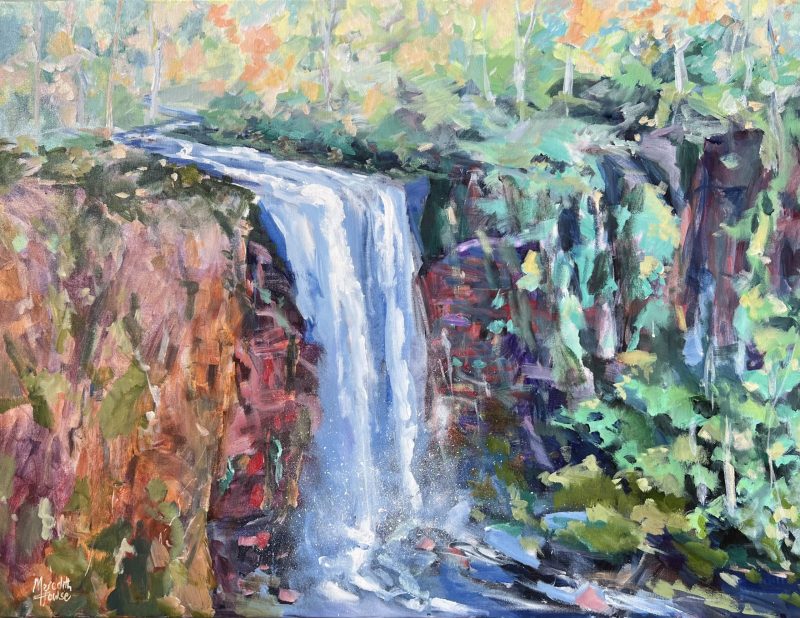 Queen Mary Falls Killarney
AUD$1,980
Size:
104.5w
x 80h
x 3.8d
cms
Meredith Howse
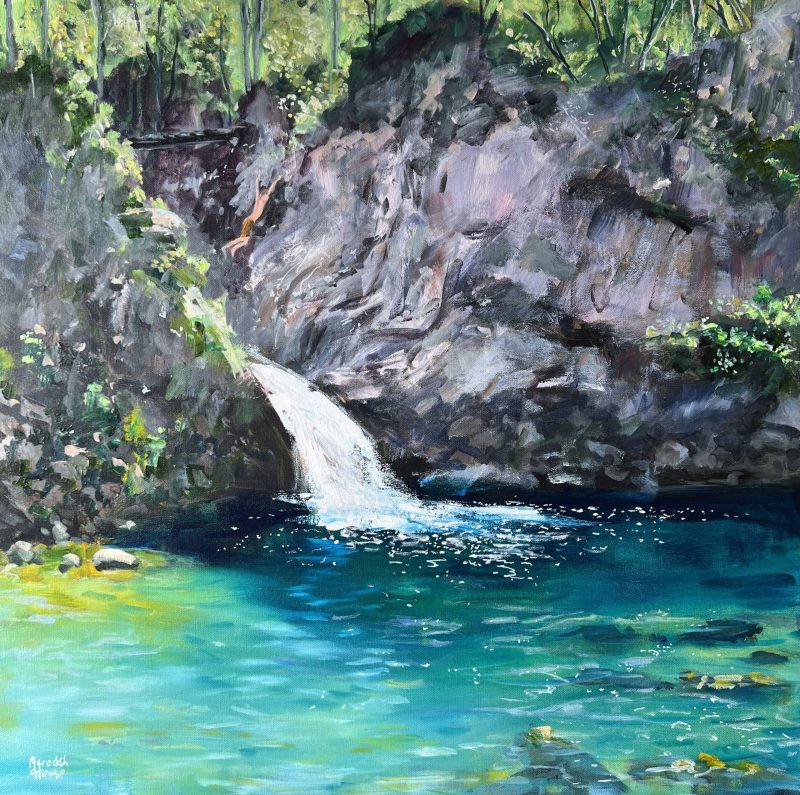 Blue Eye
AUD$1,300
Size:
76w
x 76h
x 3.8d
cms
Meredith Howse
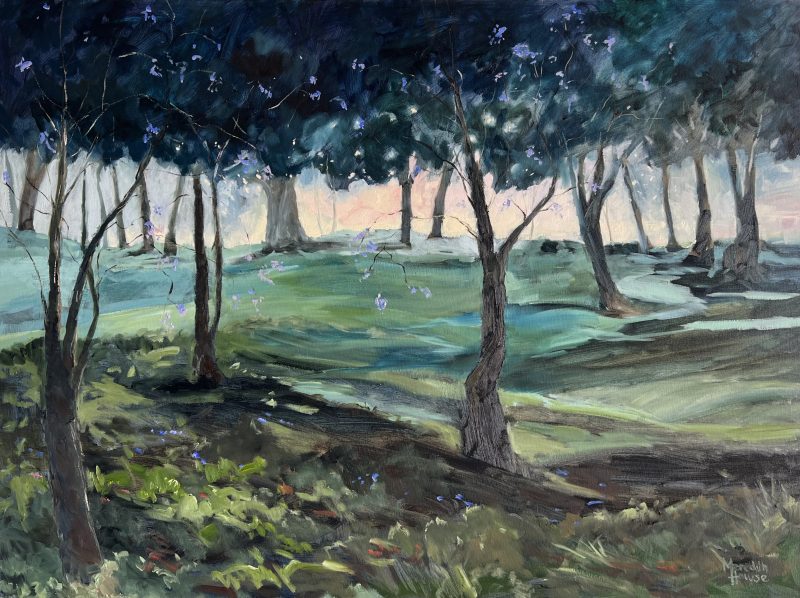 Illumination of Woonga
AUD$2,420
Size:
123w
x 93h
x 5d
cms
Meredith Howse
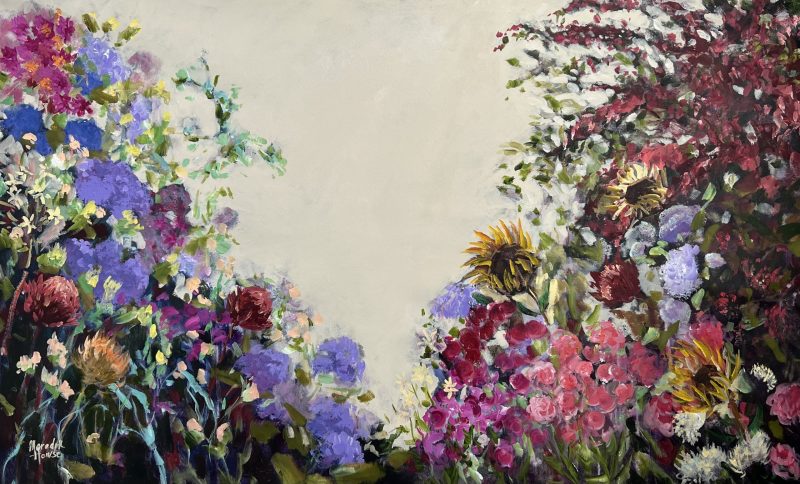 Sunflower Vintage
AUD$4,060
Size:
152.4w
x 91.4h
x 3.8d
cms
Meredith Howse
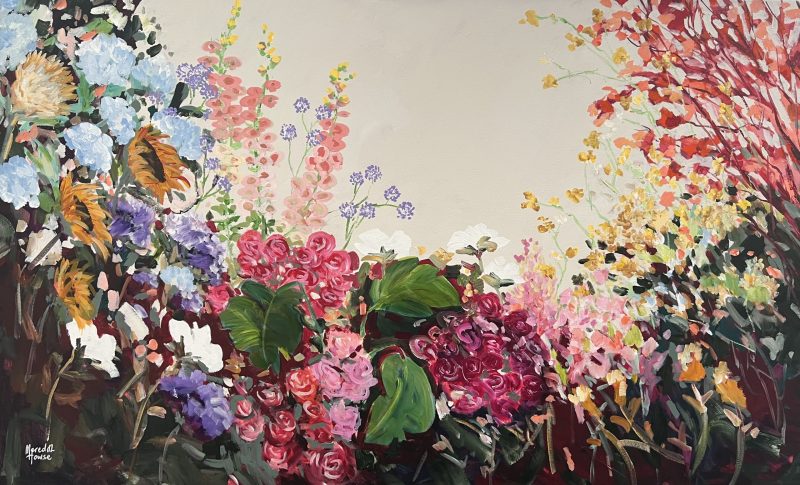 Hydrangea Vintage 2
AUD$4,290
Size:
167.6w
x 101.6h
x 3.5d
cms
Meredith Howse
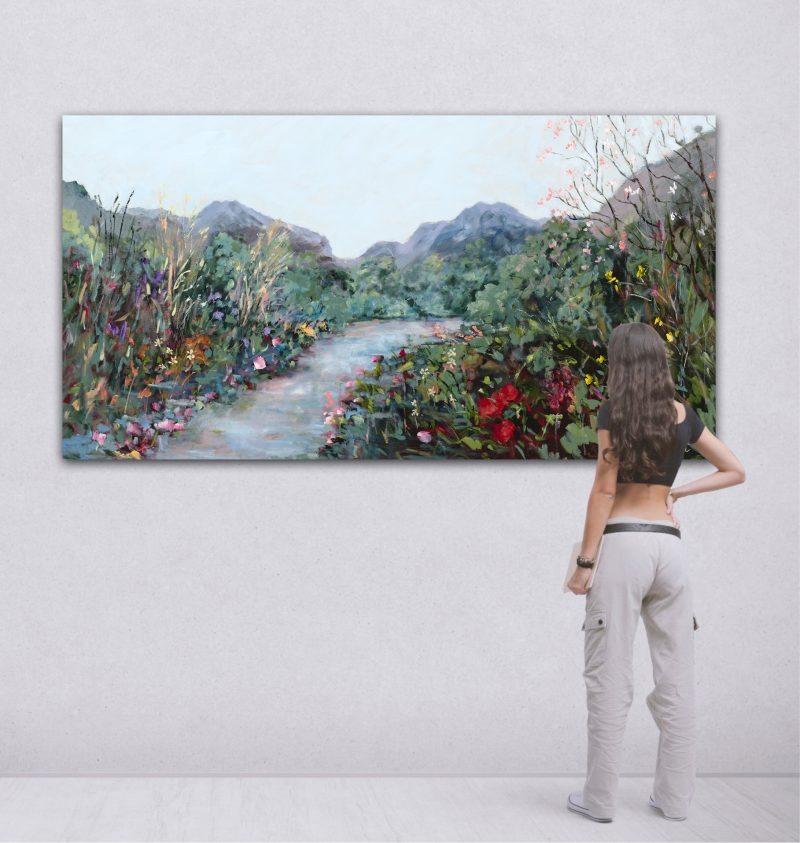 Landscape Vintage
AUD$5,390
Size:
182.9w
x 96.5h
x 3.5d
cms
Meredith Howse
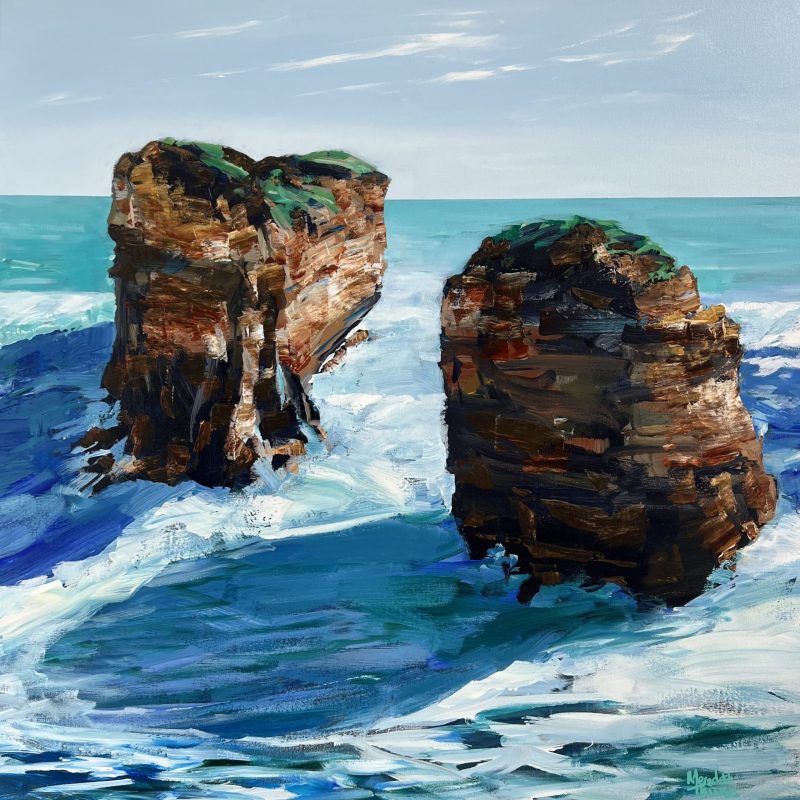 Port Campbell Pure Australia 8
AUD$1,650
Size:
93w
x 93h
x 3d
cms
Meredith Howse
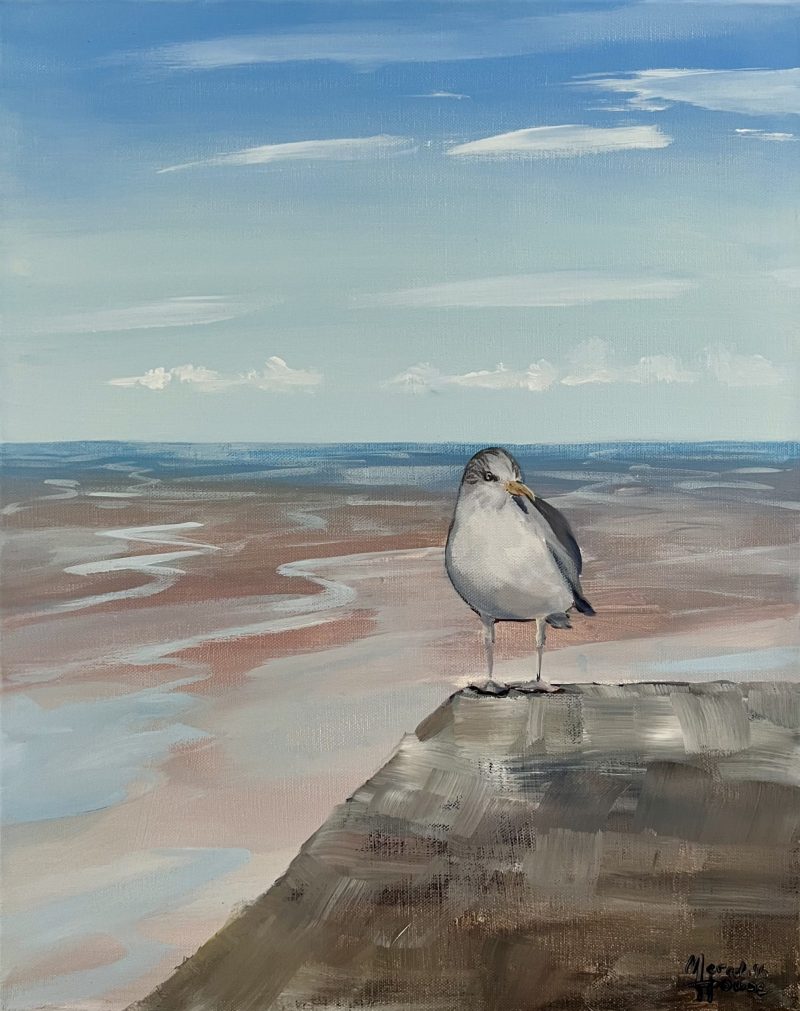 Blue Birds Eye View
AUD$660
Size:
44w
x 54h
x 5d
cms
Meredith Howse
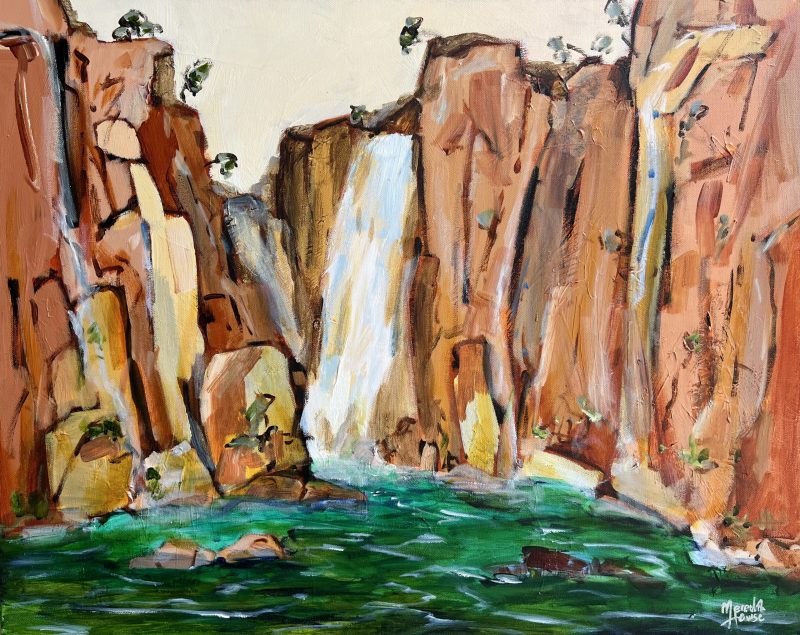 Towering Cliffs
AUD$990
Size:
76.2w
x 61h
x 3.8d
cms
Meredith Howse
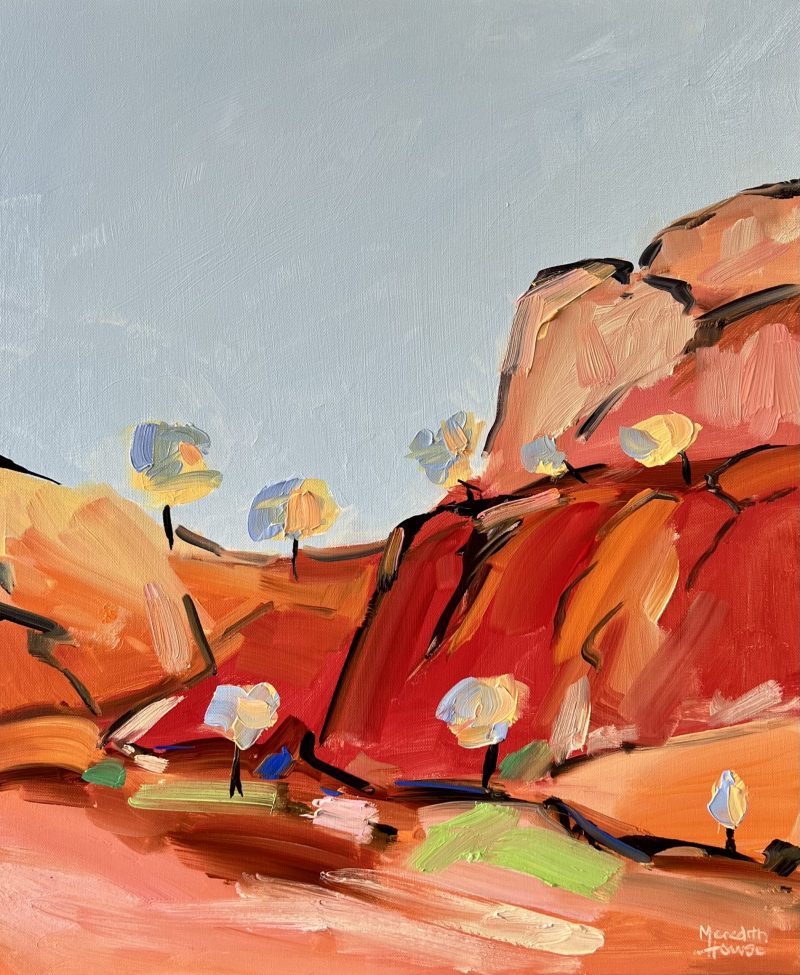 Red Centre Colourscape
AUD$880
Size:
50.8w
x 61h
x 3.8d
cms
Meredith Howse
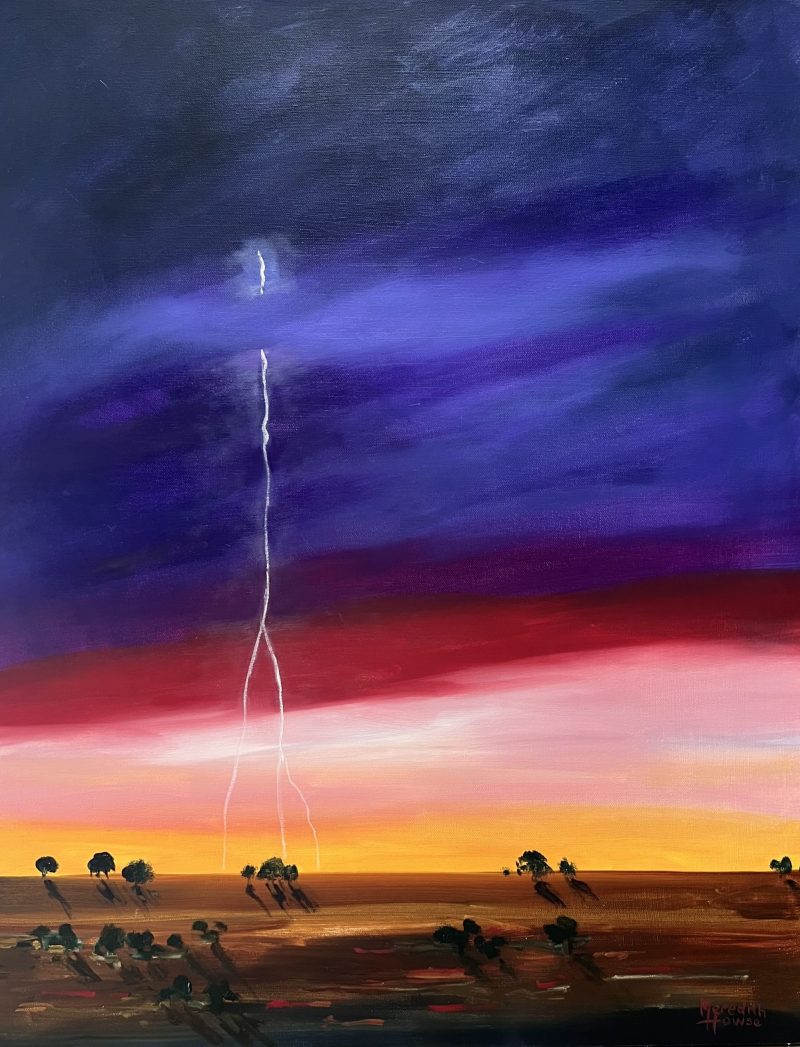 Strike
AUD$990
Size:
64.5w
x 79.5h
x 5d
cms
Meredith Howse
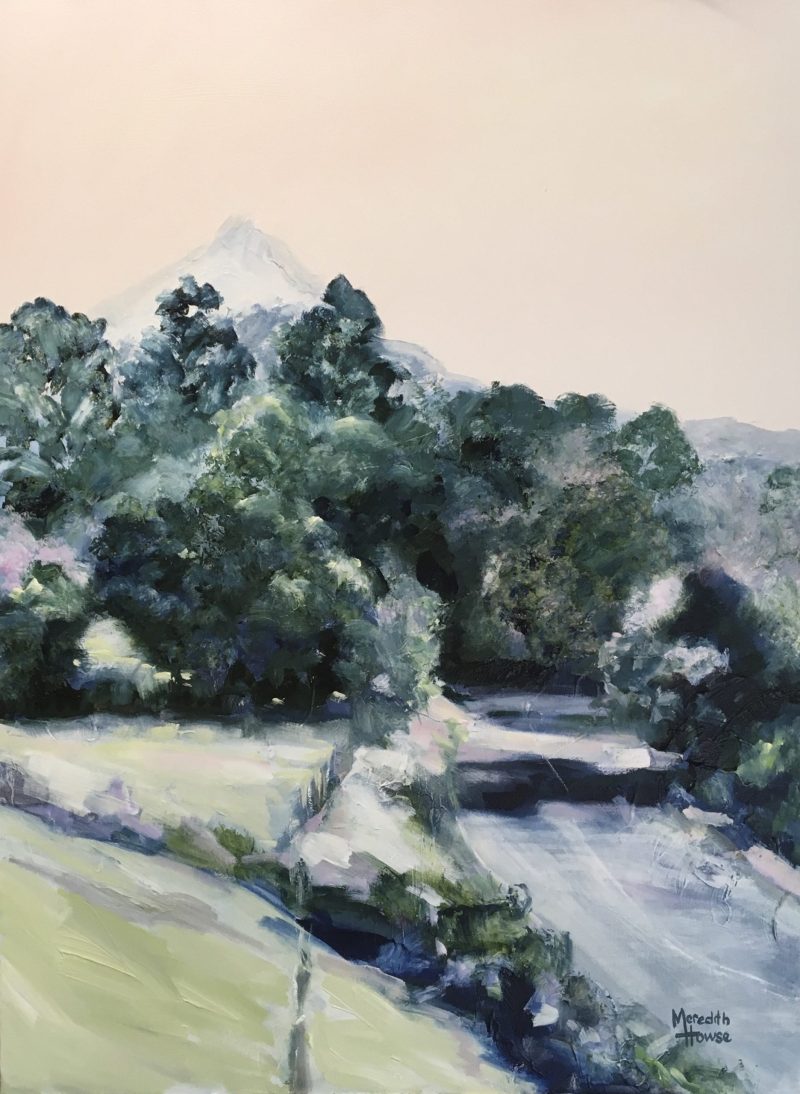 Murwillimbah
AUD$1,320
Size:
79.2w
x 104.6h
x 5.5d
cms
Meredith Howse
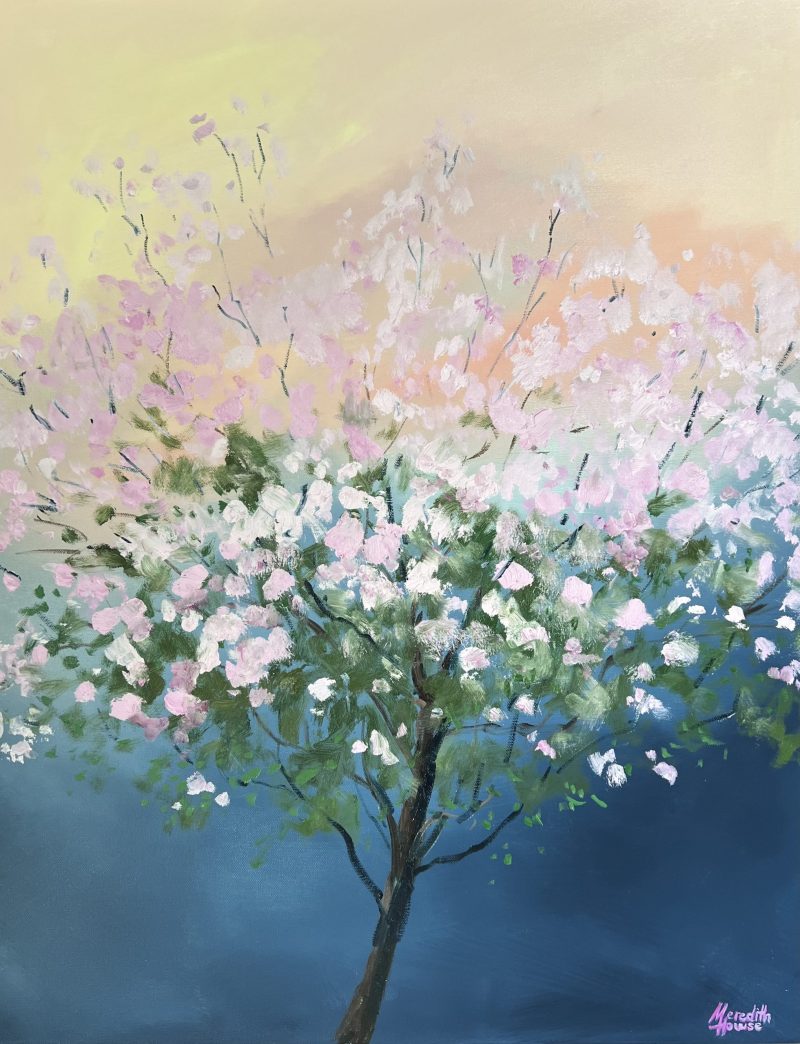 Illumination Brisbane Pink Trumpet tree
AUD$990
Size:
64.5w
x 79.5h
x 5d
cms
Meredith Howse
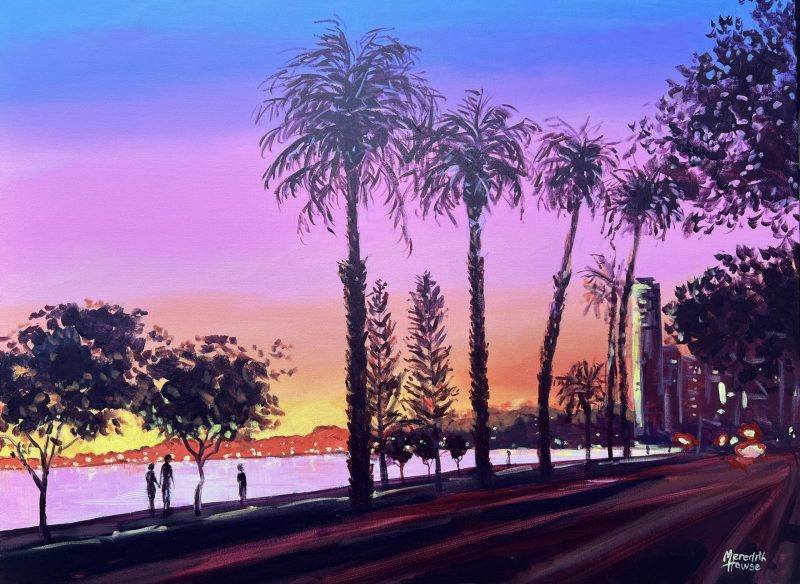 Sunset in Perth
AUD$1,650
Size:
105w
x 79.5h
x 5d
cms
Meredith Howse
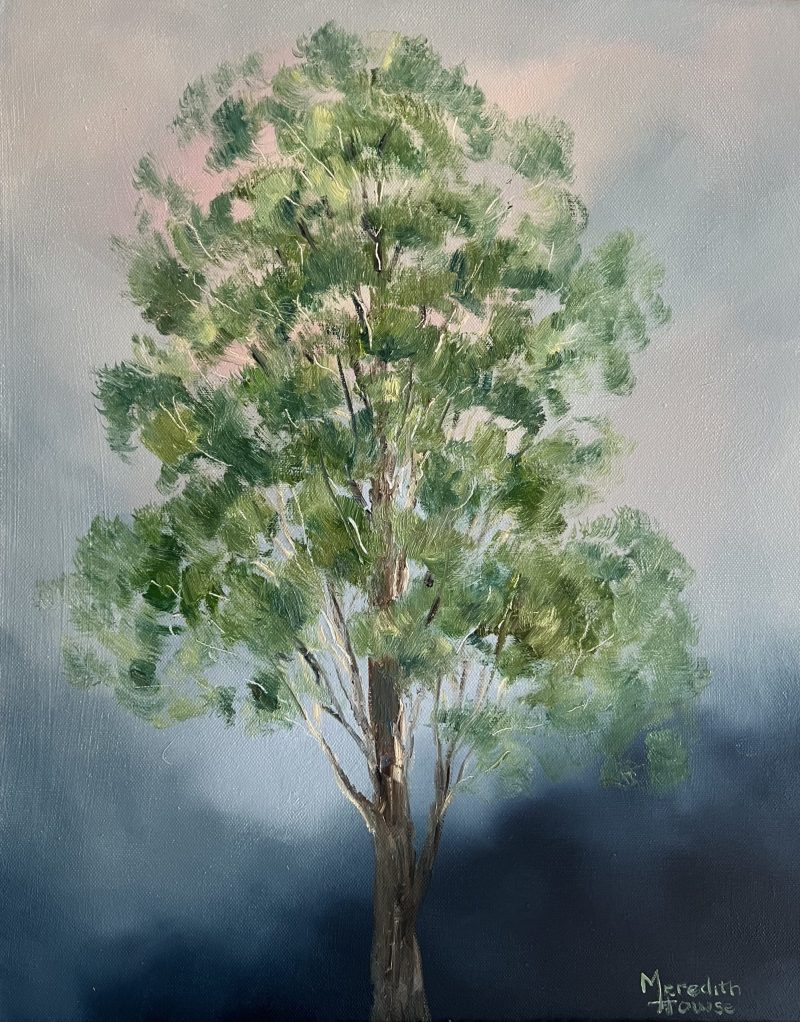 Illumination White Cypress
AUD$660
Size:
44.5w
x 54.5h
x 3d
cms
Meredith Howse
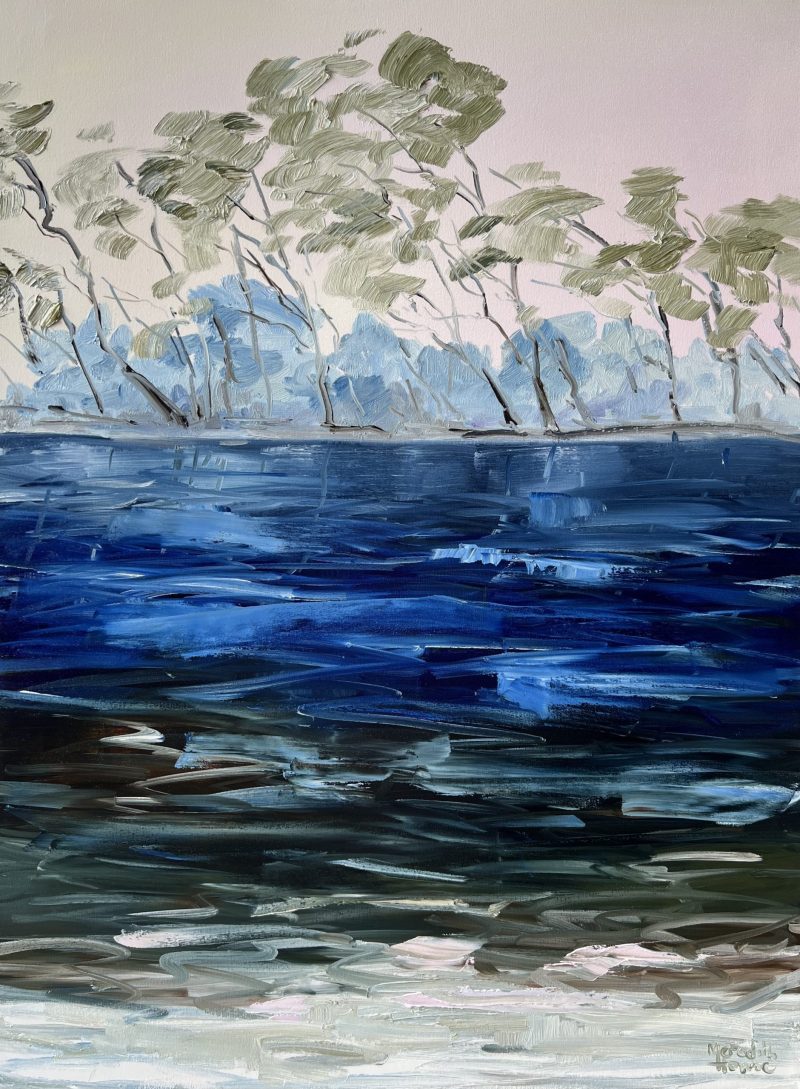 Deep Blue at Straddie
AUD$1,650
Size:
80w
x 106h
x 5.5d
cms
Meredith Howse
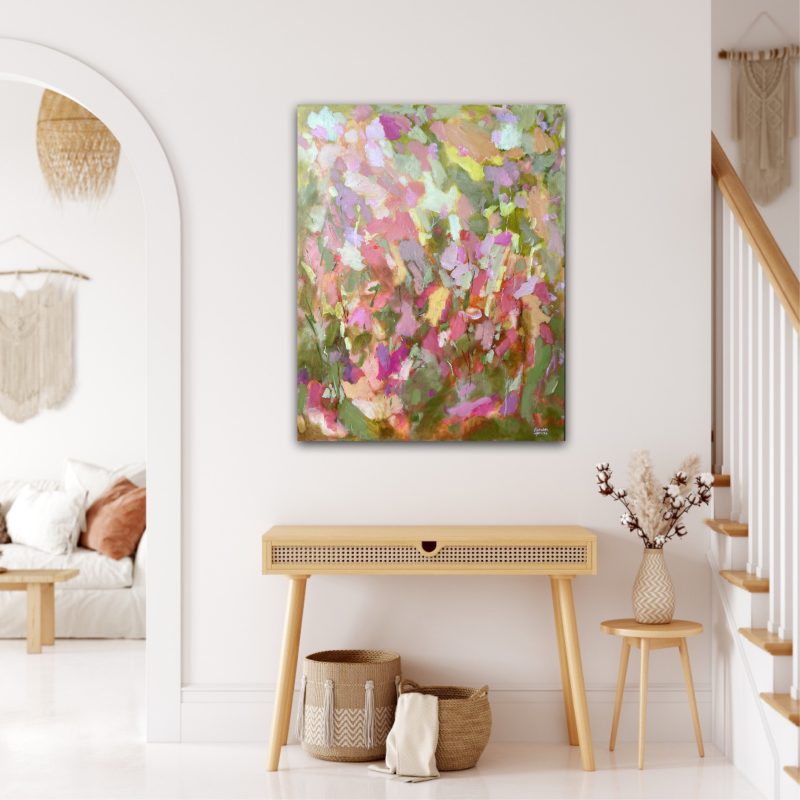 Sunshine
AUD$1,430
Size:
80w
x 100h
x 3.8d
cms
Meredith Howse
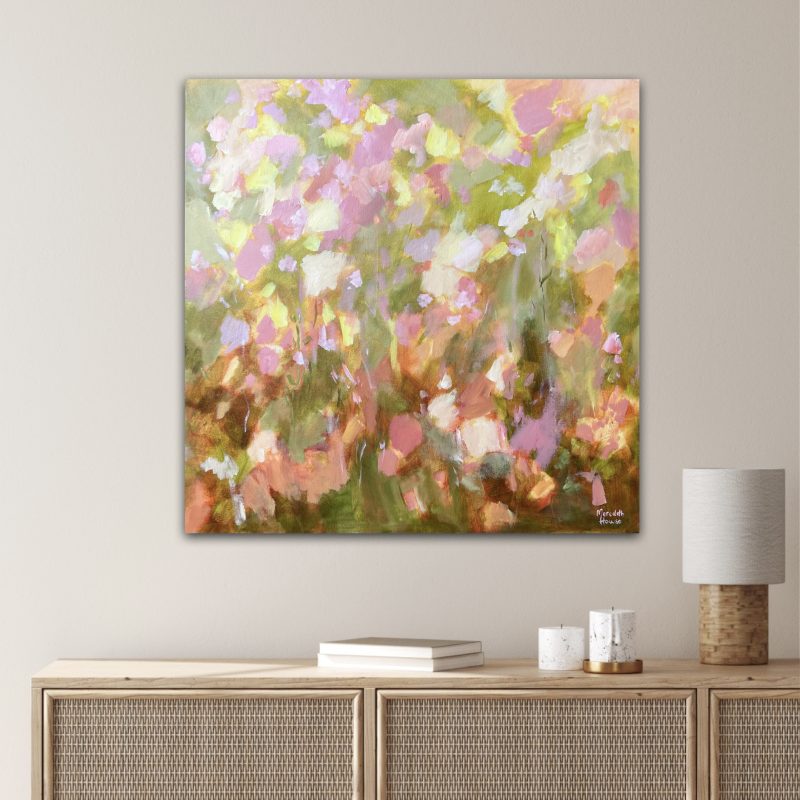 Light
Light
AUD$1,320
Size:
76.2w
x 76.2h
x 3.8d
cms
Meredith Howse
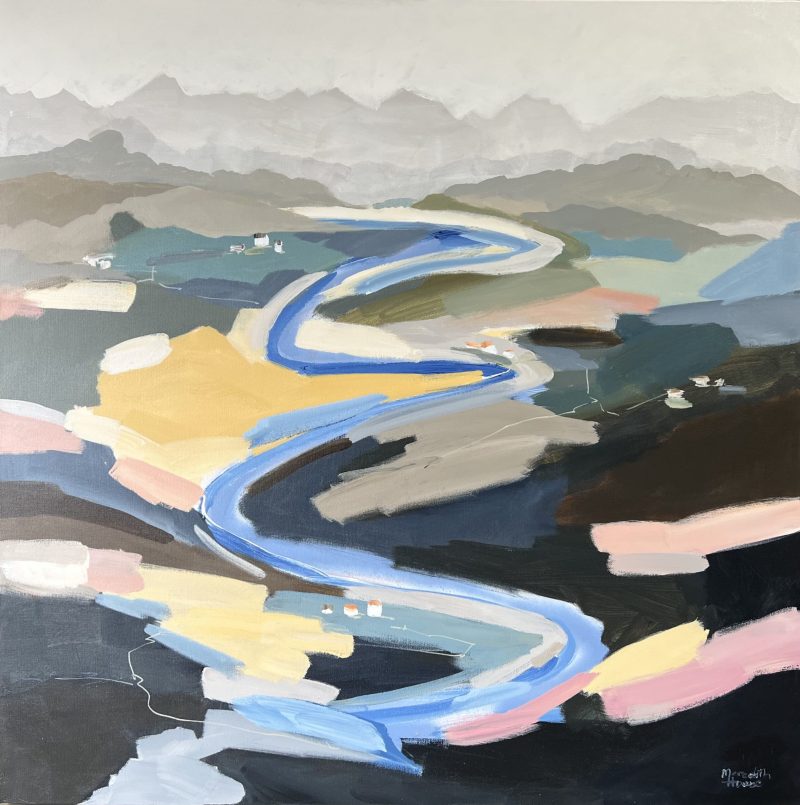 Hillside Retreat
AUD$1,540
Size:
91.4w
x 91.4h
x 3.8d
cms
Meredith Howse
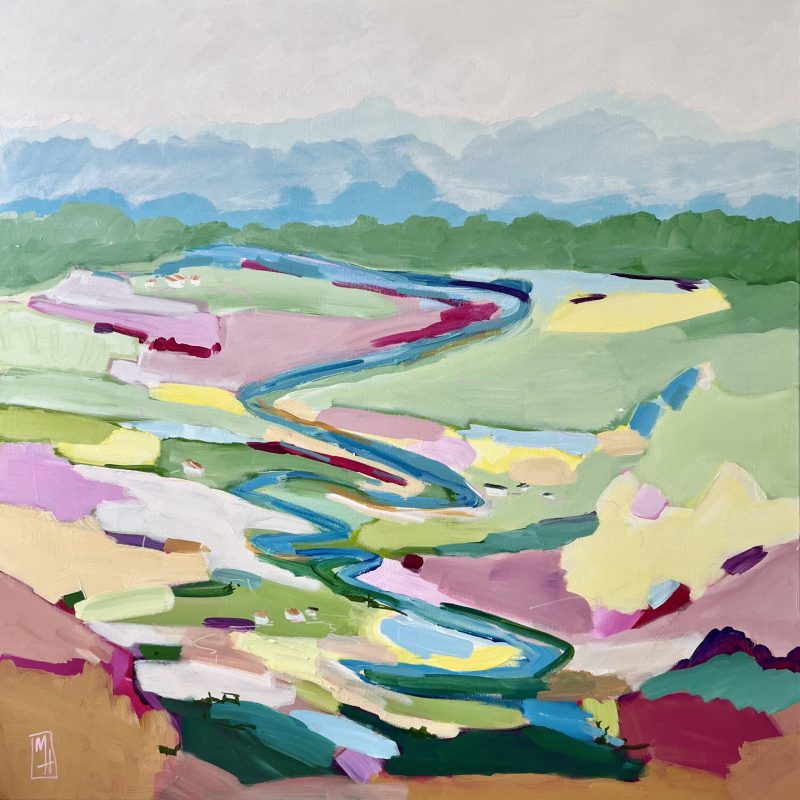 Hill and Dale
AUD$1,540
Size:
91.4w
x 91.4h
x 3.8d
cms
Meredith Howse
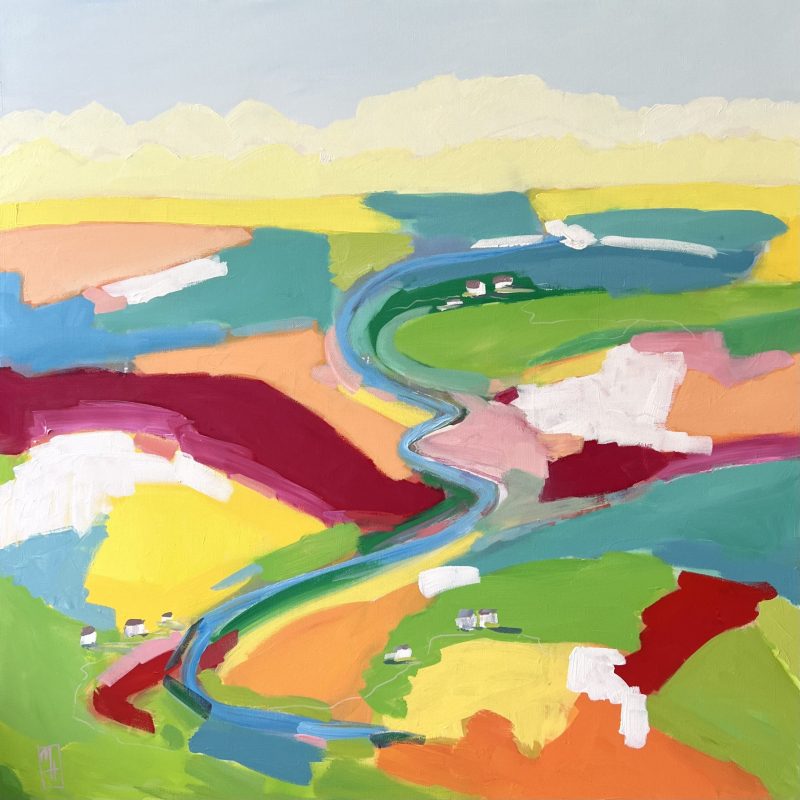 Hello Yellow
AUD$1,540
Size:
91.4w
x 91.4h
x 3.8d
cms
Meredith Howse
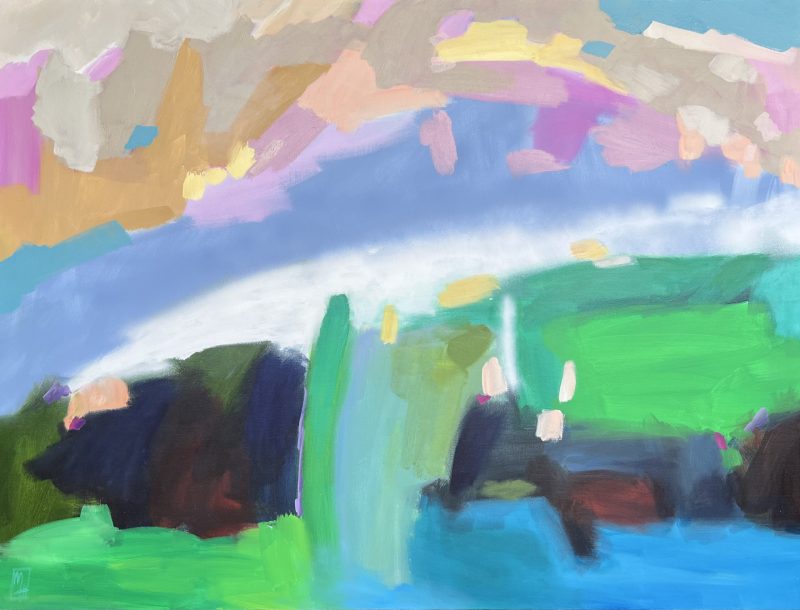 Discover
AUD$1,540
Size:
121.9w
x 91.4h
x 3.8d
cms
Meredith Howse
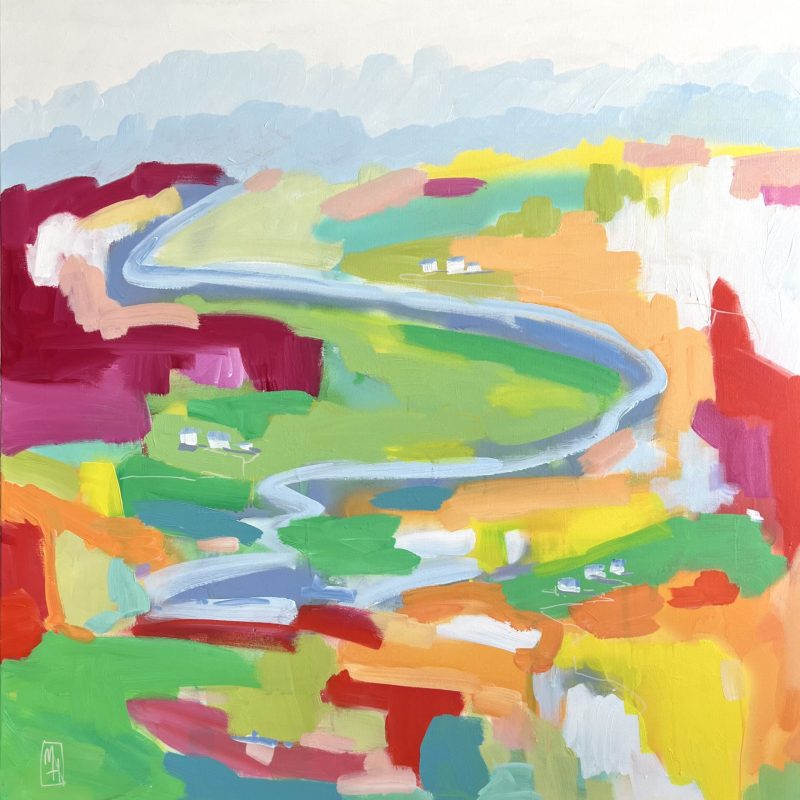 Colourful Land
AUD$1,540
Size:
91.4w
x 91.4h
x 3.8d
cms
Meredith Howse
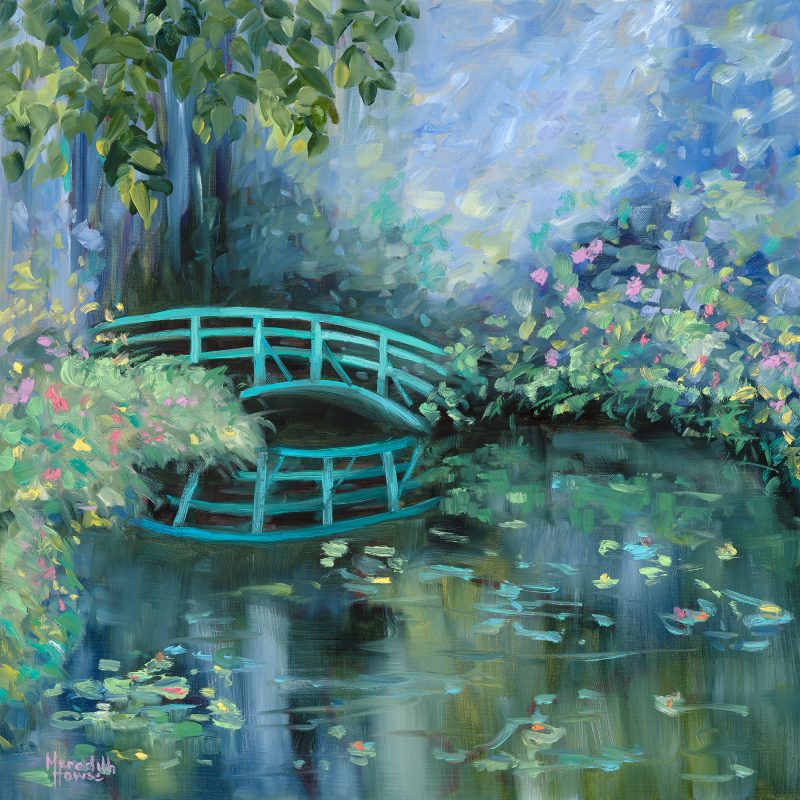 Monet’s Garden Bridge
AUD$960
Size:
61w
x 61h
x 3.8d
cms
Meredith Howse
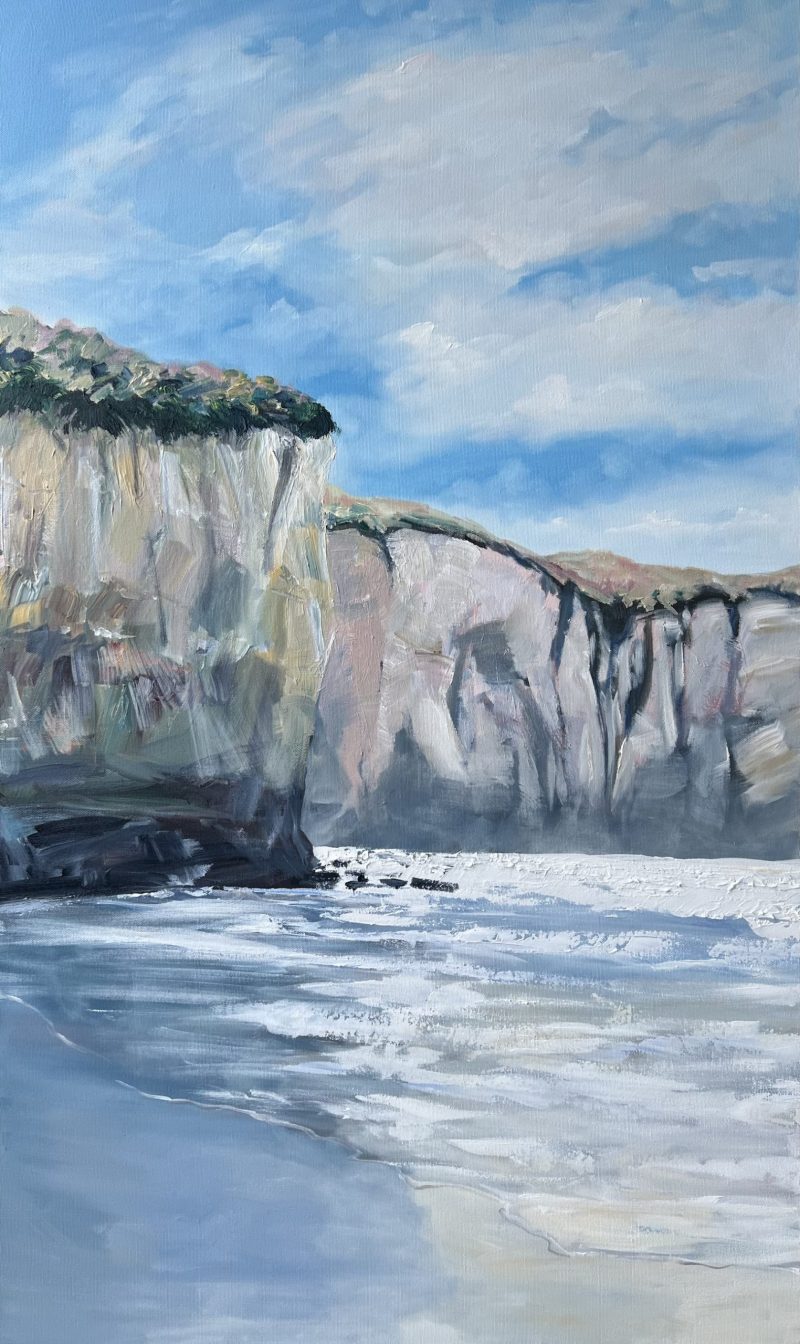 Tunnel Beach Dunedin
AUD$3,300
Size:
91.4w
x 152.4h
x 3.8d
cms
Meredith Howse
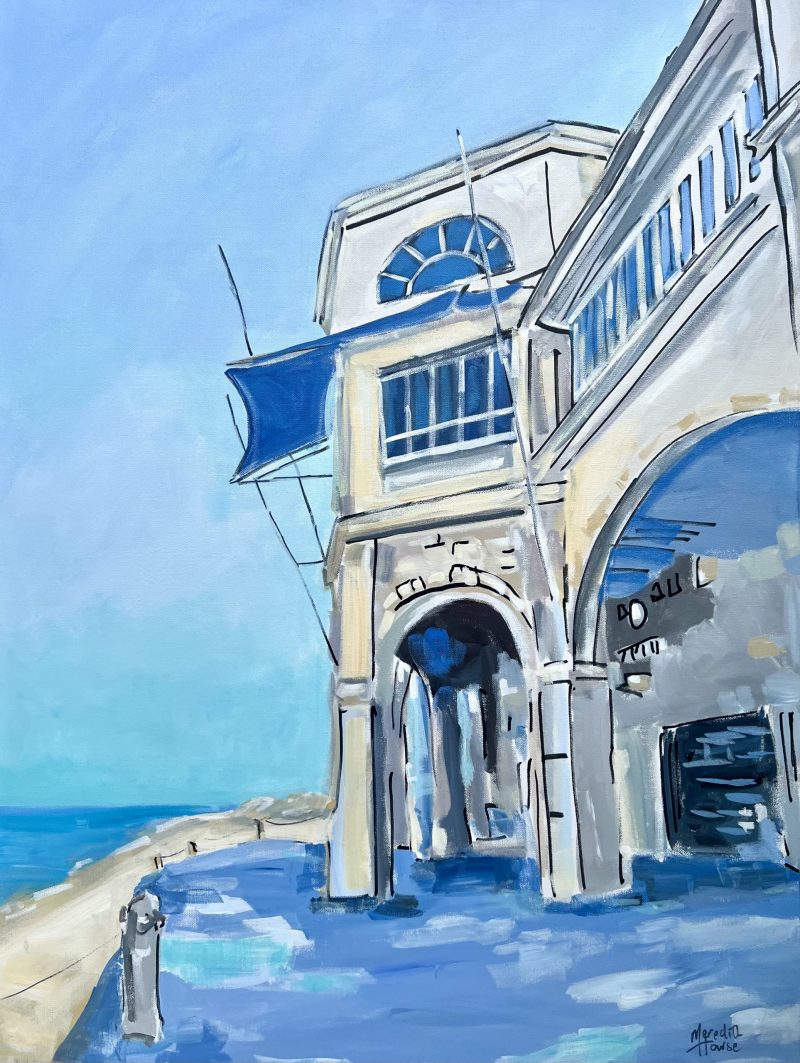 Cottesloe Beach Heritage
AUD$1,430
Size:
76.4w
x 101.6h
x 3.8d
cms
Meredith Howse
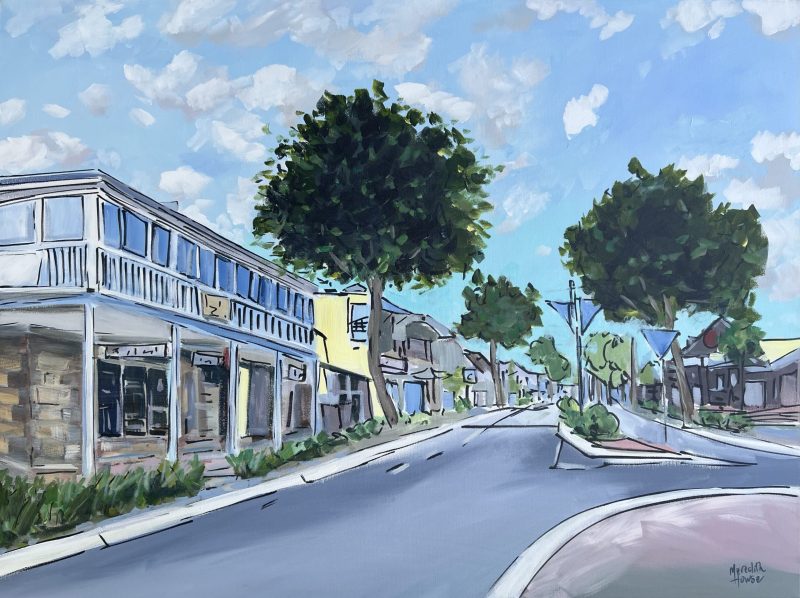 Margaret River
AUD$1,650
Size:
105w
x 80h
x 5d
cms
Meredith Howse
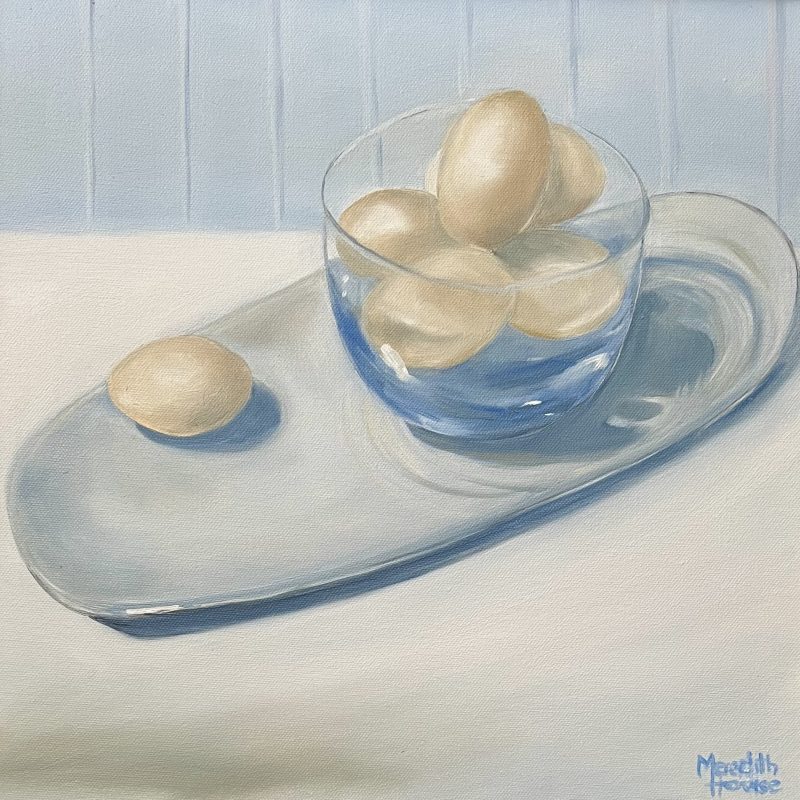 Eggs
Eggs
AUD$770
Size:
42w
x 42h
x 3d
cms
Meredith Howse
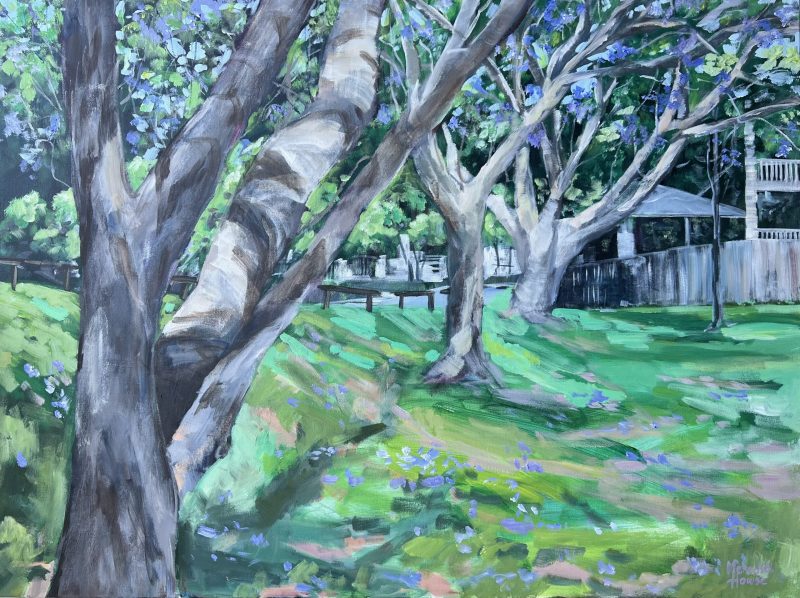 Seils Park Ashgrove
AUD$1,430
Size:
101.6w
x 76.2h
x 3.8d
cms
Meredith Howse
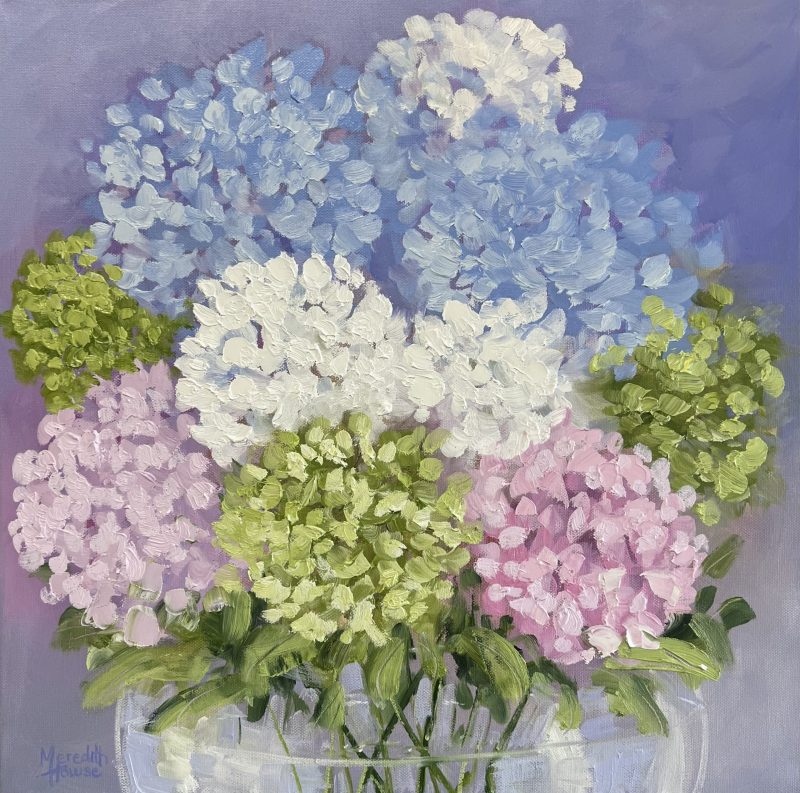 Posies
AUD$500
Size:
47.7w
x 47.7h
x 5.5d
cms
Meredith Howse
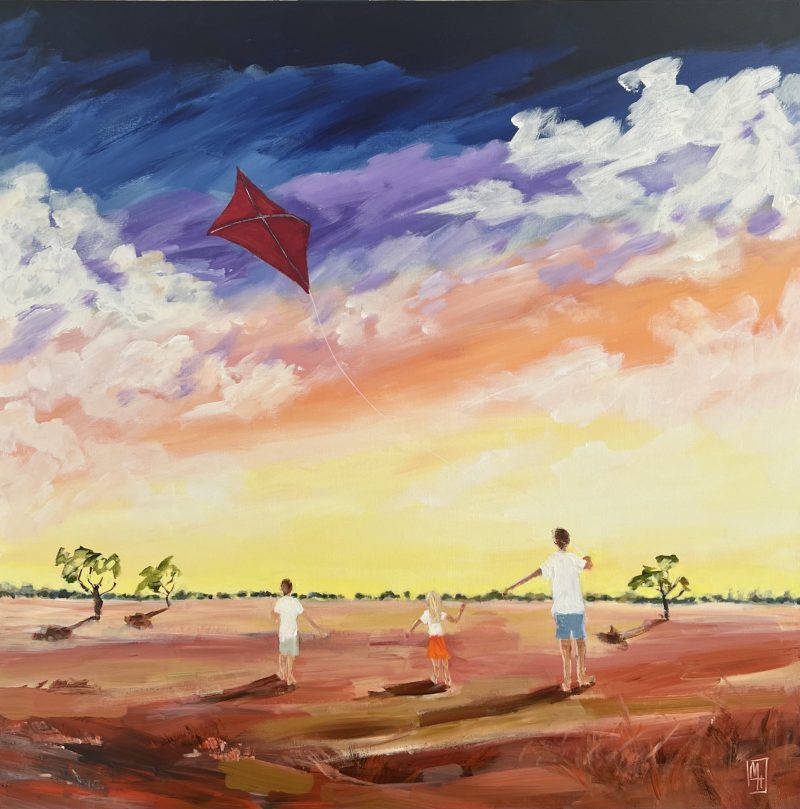 Thomas and the Red Kite
AUD$1,980
Size:
94.5w
x 94.5h
x 5d
cms
Meredith Howse
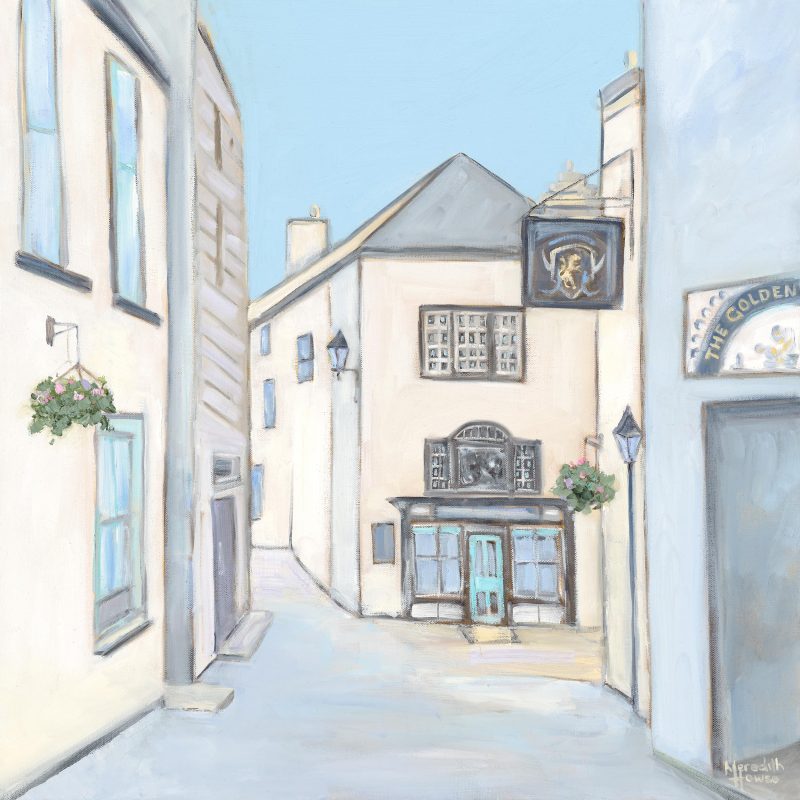 Golden Lion
AUD$990
Size:
64.5w
x 64.5h
x 5d
cms
Meredith Howse
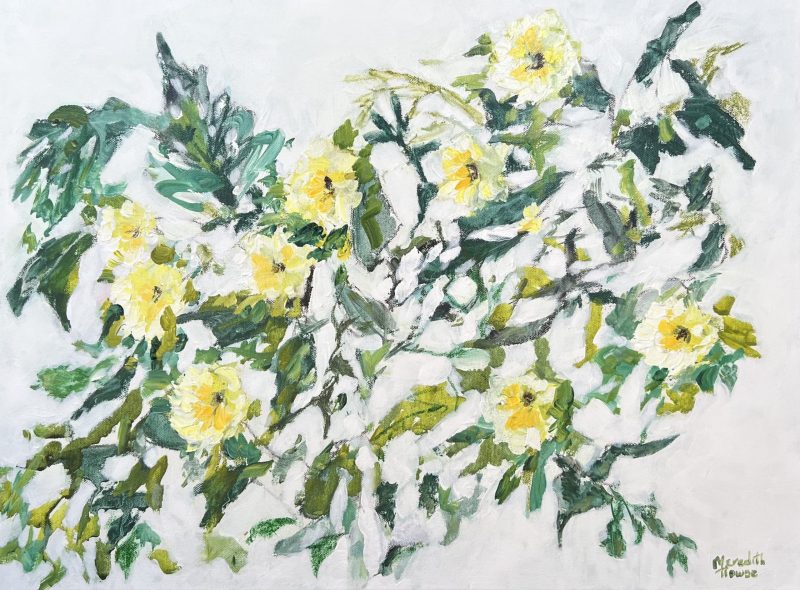 Million Bells
AUD$660
Size:
63w
x 49.7h
x 3d
cms
Meredith Howse
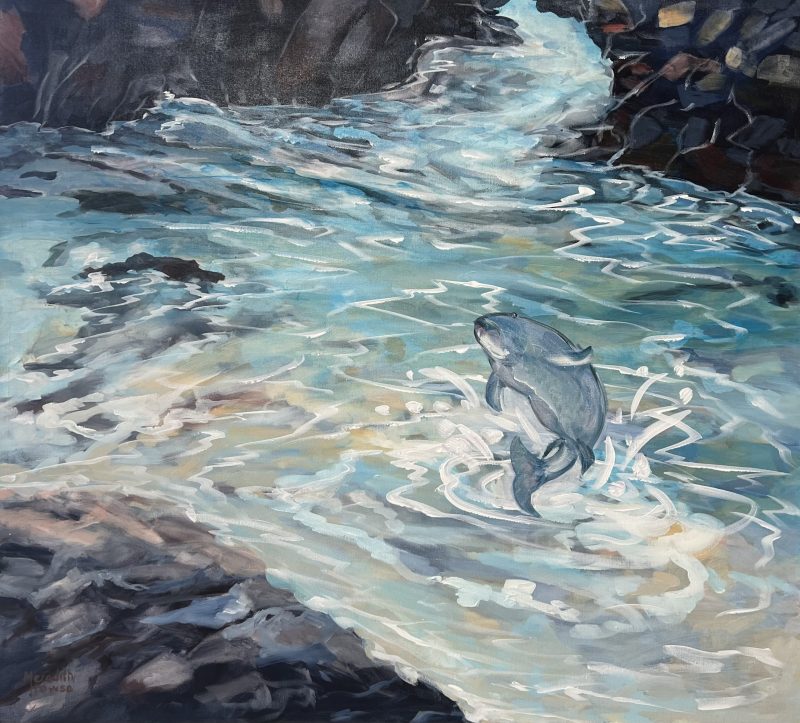 Flying Fish
AUD$1,980
Size:
101.6w
x 91.4h
x 3.8d
cms
Meredith Howse
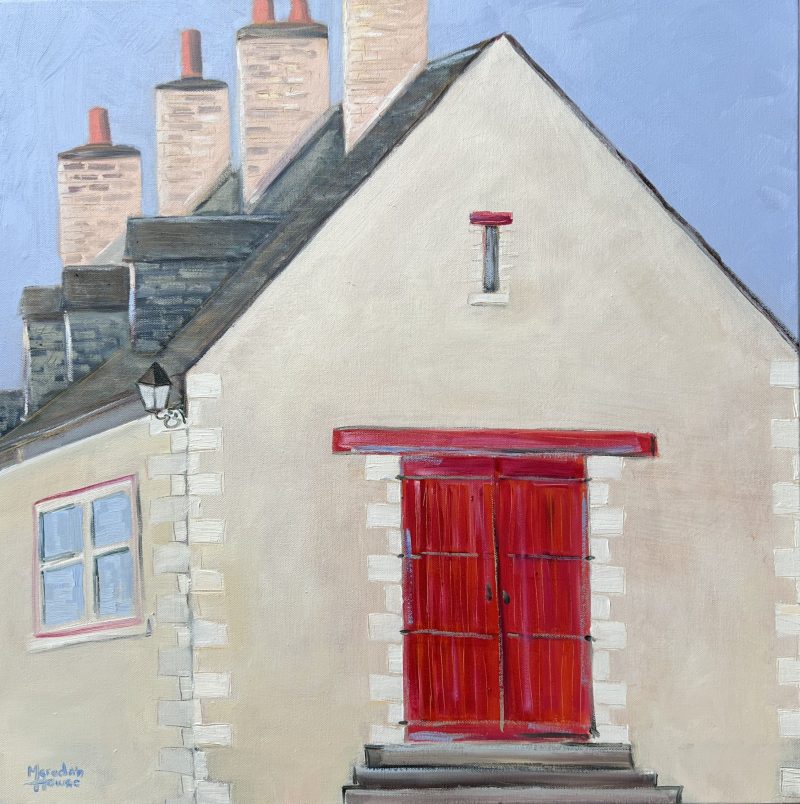 Chambord Cellar Door
AUD$900
Size:
62.5w
x 62.5h
x 5.5d
cms
Meredith Howse
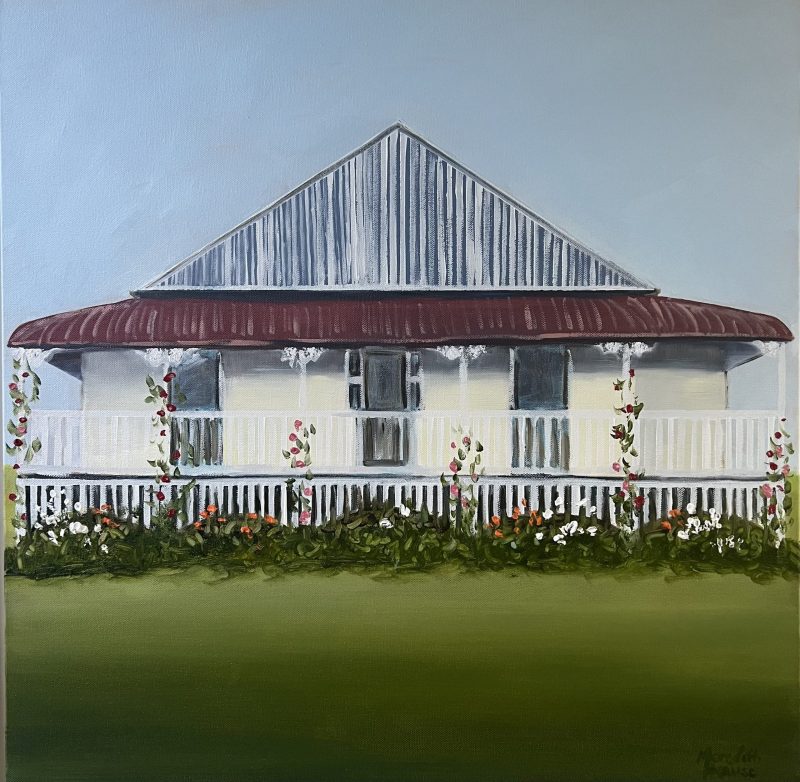 Home Sweet Home
AUD$990
Size:
62.5w
x 62.5h
x 5.5d
cms
Meredith Howse
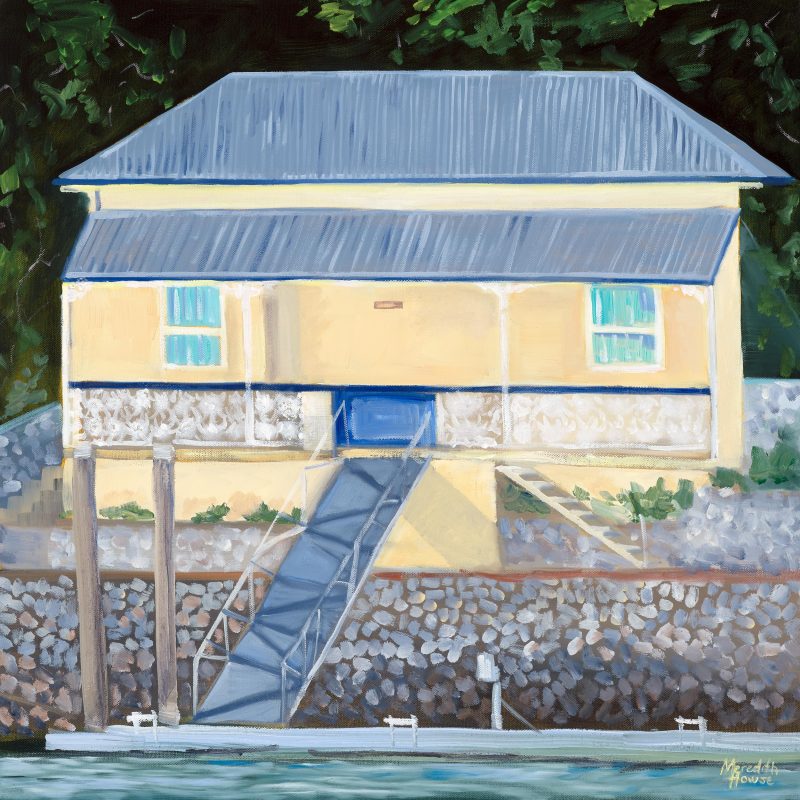 Boat Cottage
AUD$990
Size:
64.5w
x 64.5h
x 5d
cms
Meredith Howse
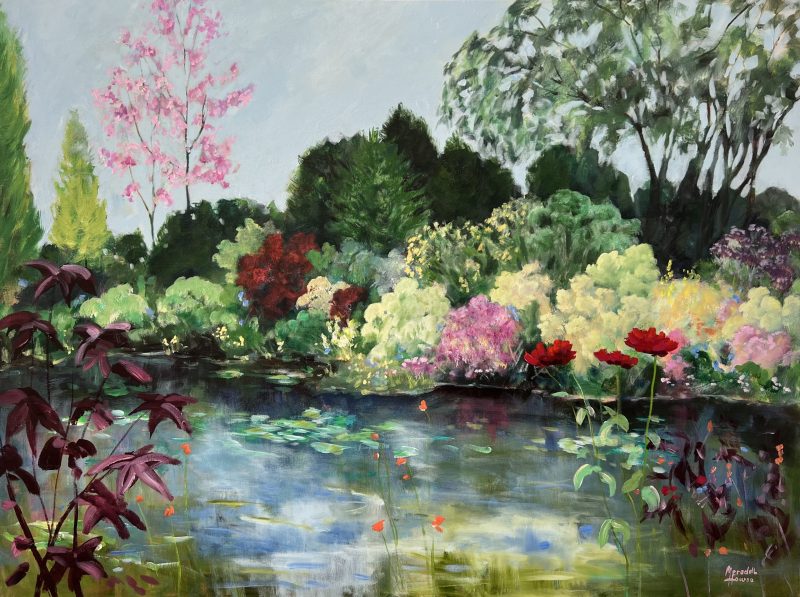 Giverny Water Lily Pond
AUD$3,080
Size:
121.9w
x 91.4h
x 3.8d
cms
Meredith Howse
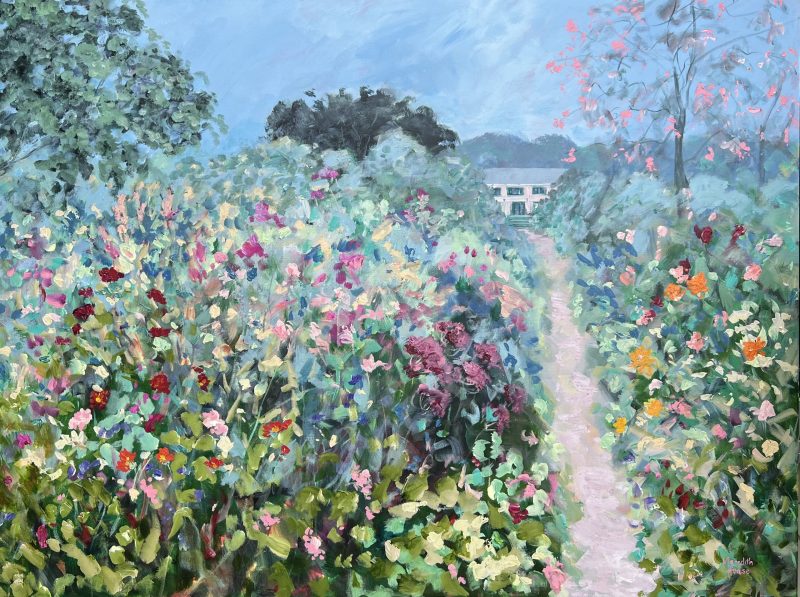 Giverny Flower Path
AUD$3,080
Size:
125.5w
x 94.5h
x 5d
cms
Meredith Howse
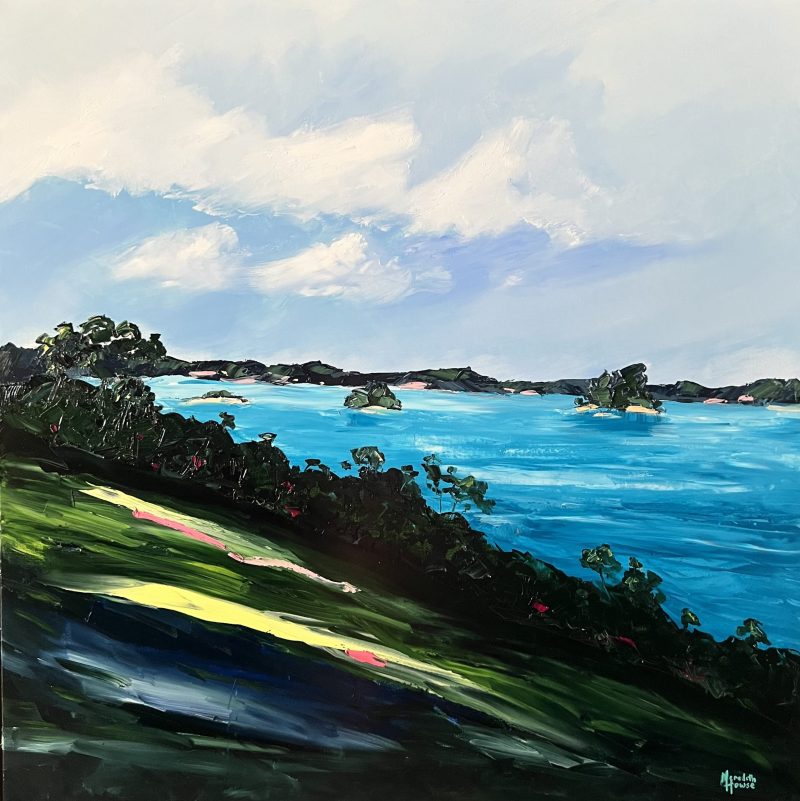 Aqua Island
AUD$1,980
Size:
95w
x 95h
x 3.8d
cms
Meredith Howse
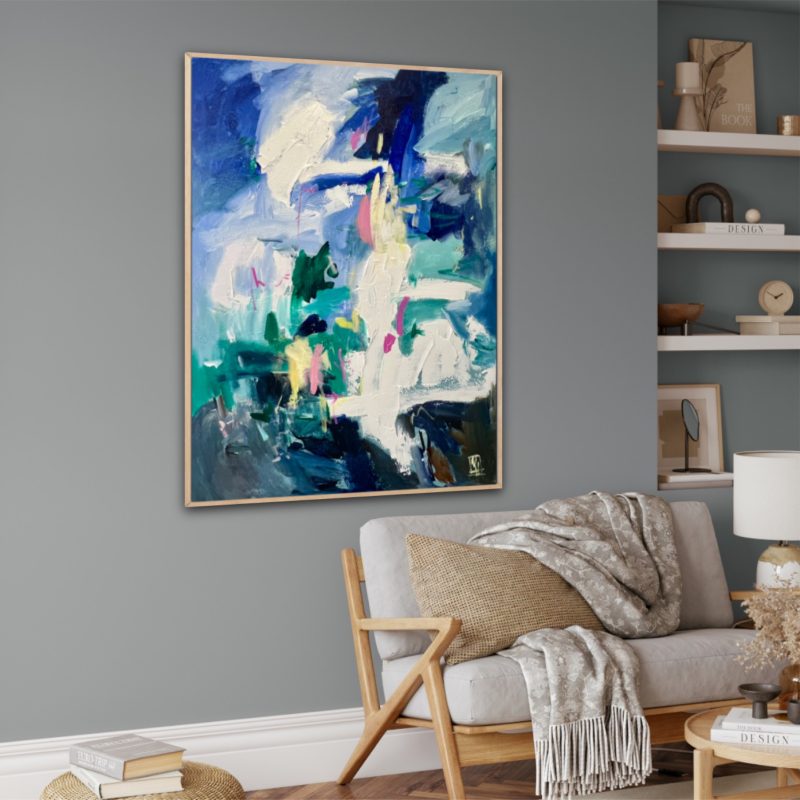 Colours 2
AUD$1,430
Size:
93.5w
x 124h
x 3d
cms
Meredith Howse
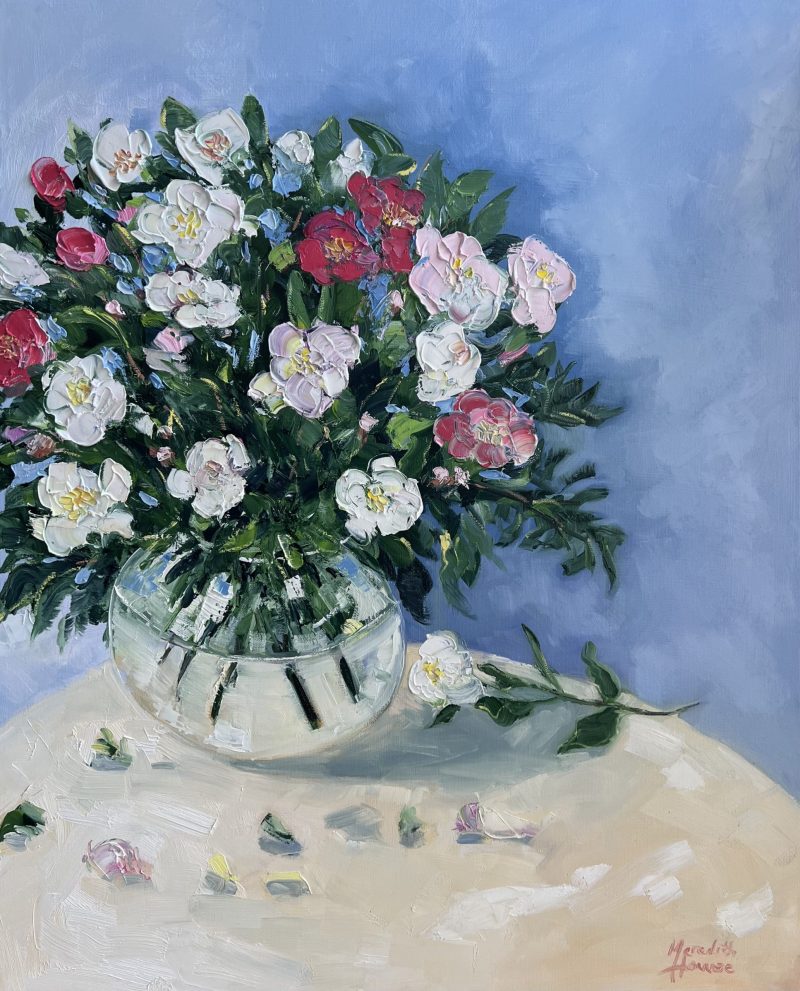 Camellias
AUD$1,200
Size:
64w
x 80h
x 5.5d
cms
Meredith Howse
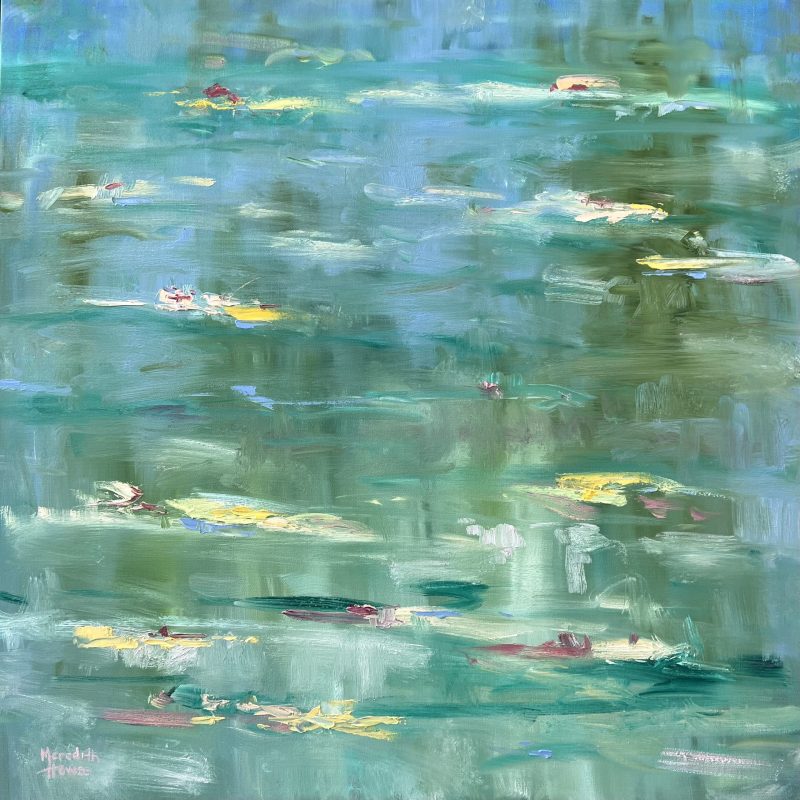 Homage to Monet
AUD$1,650
Size:
94.5w
x 94.5h
x 5.5d
cms
Meredith Howse
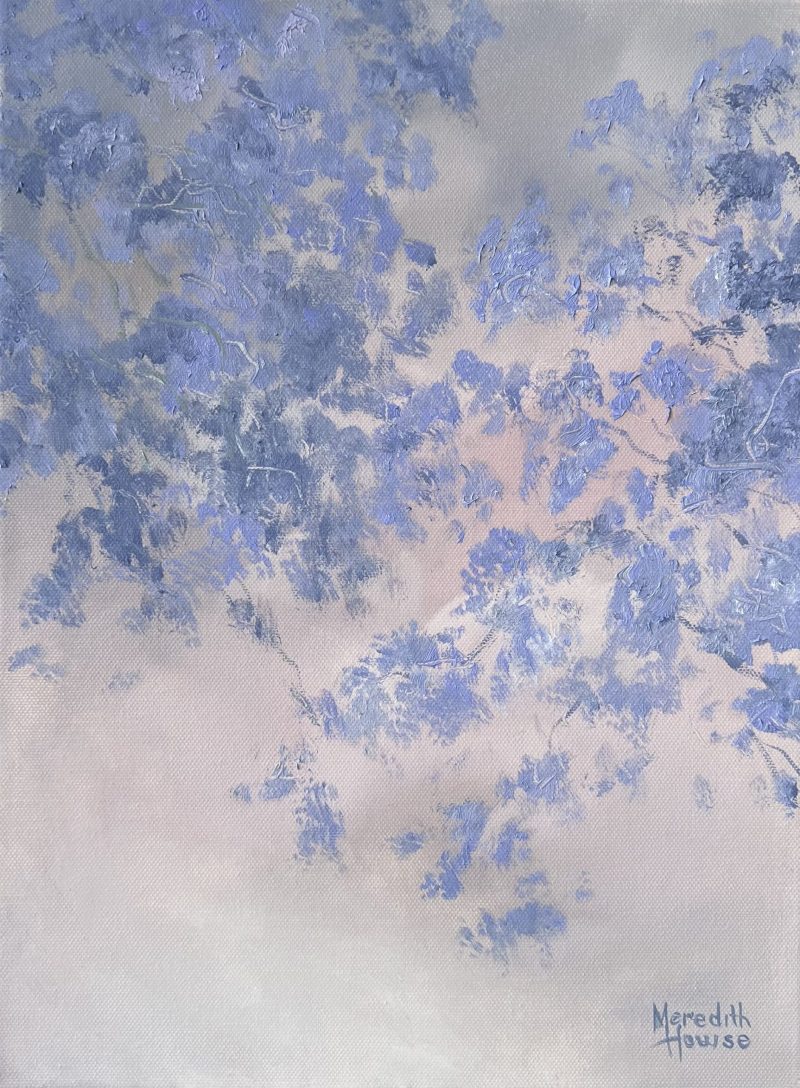 Illumination Jacaranda Thoughts
AUD$650
Size:
34.4w
x 44.6h
x 3.5d
cms
Meredith Howse
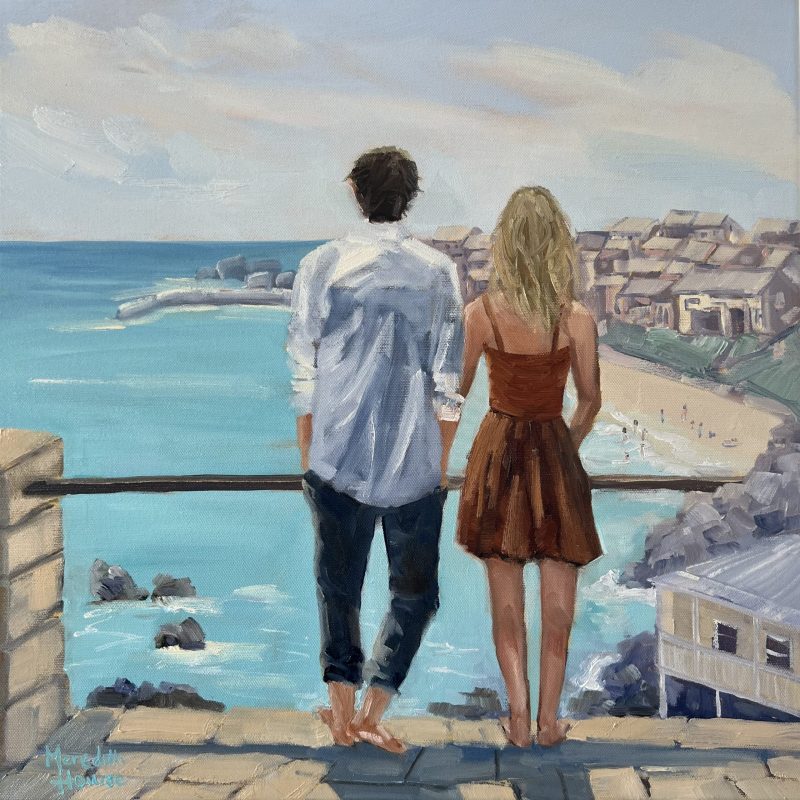 Honeymoon in Spring
AUD$900
Size:
43w
x 43h
x 5.5d
cms
Meredith Howse
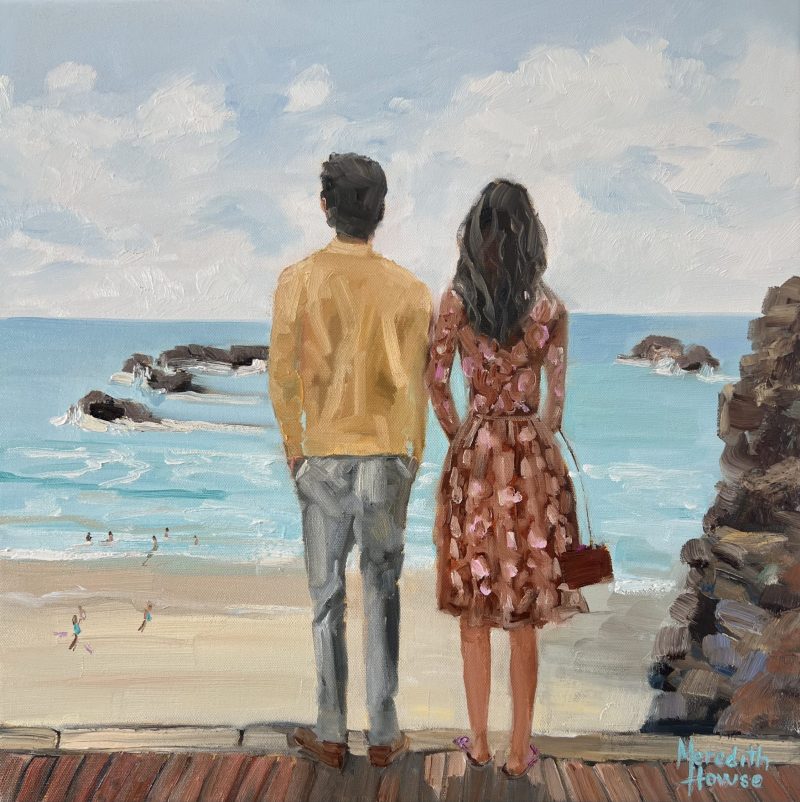 Honeymoon in Autumn
AUD$900
Size:
43w
x 43h
x 5.5d
cms
Meredith Howse
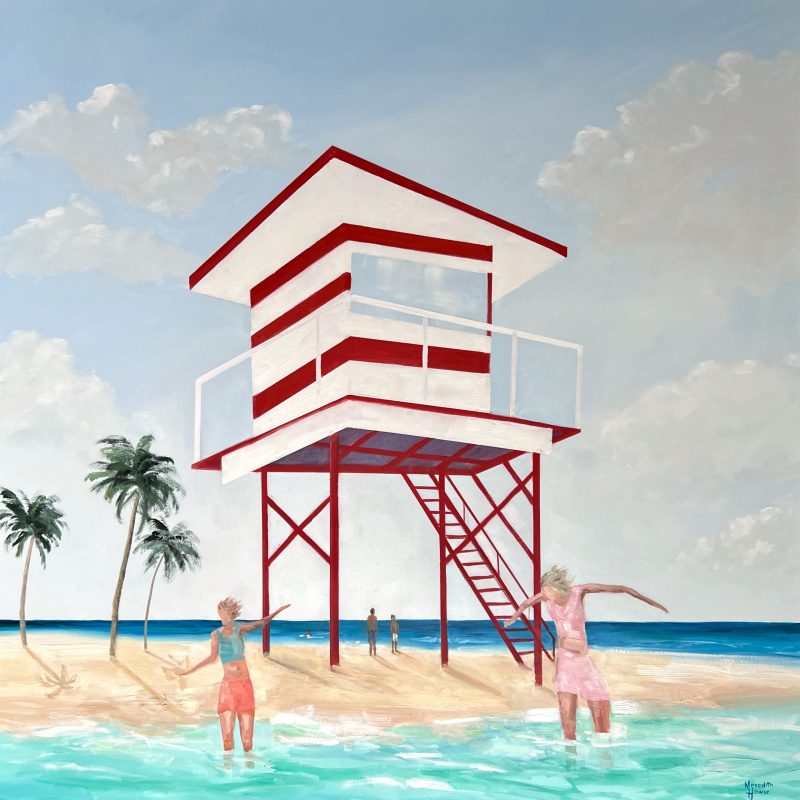 A Little Dip in the Ocean
AUD$4,290
Size:
121.9w
x 121.9h
x 3.8d
cms
Meredith Howse
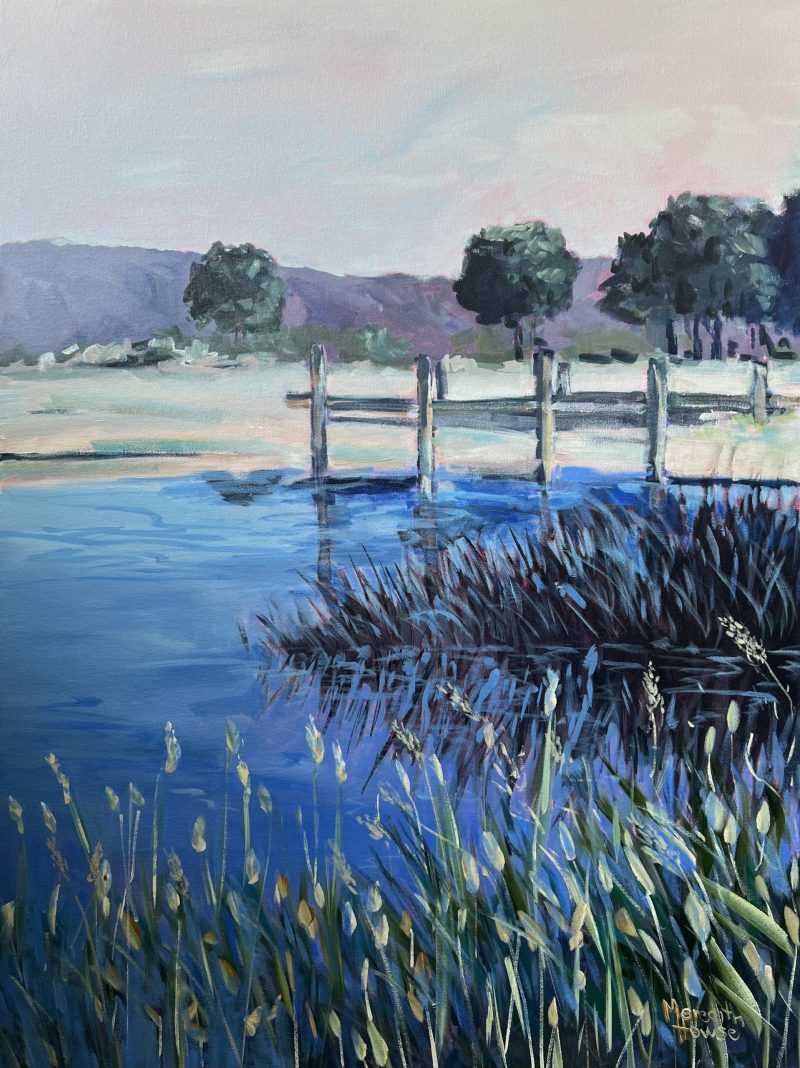 Romantic Blue – Mudgee Moments
AUD$1,980
Size:
80w
x 105h
x 5.5d
cms
Meredith Howse
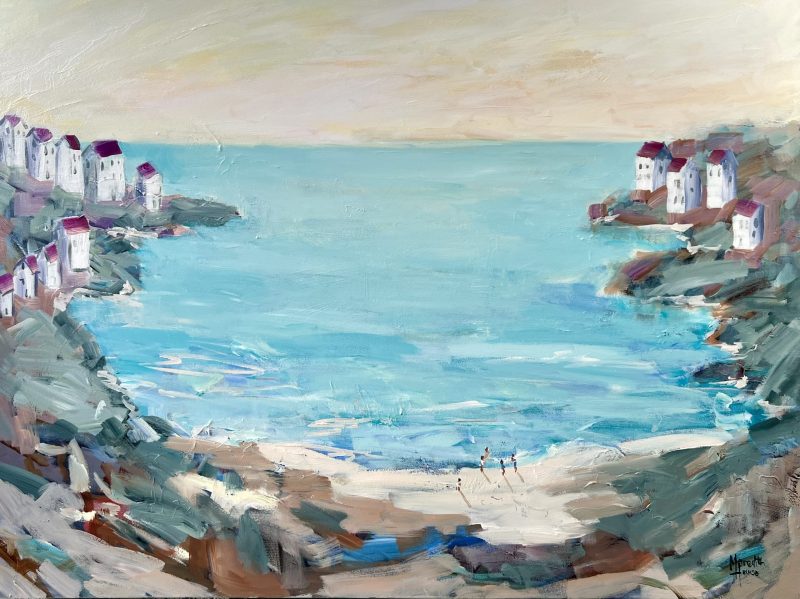 Sunrise by the Sea
AUD$1,770
Size:
106w
x 80h
x 5d
cms
Meredith Howse
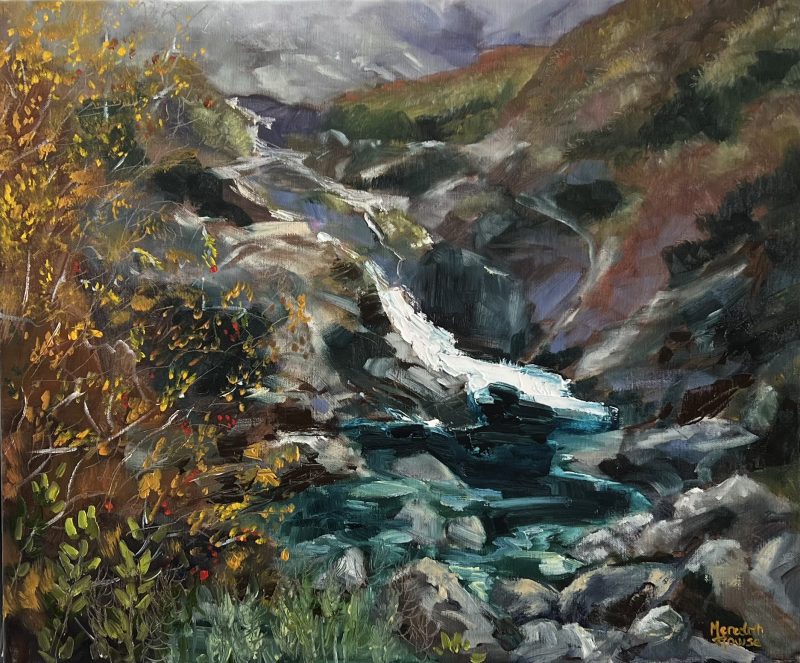 Fairy Pool of Skye
AUD$1,320
Size:
64w
x 53.8h
x 5.5d
cms
Meredith Howse
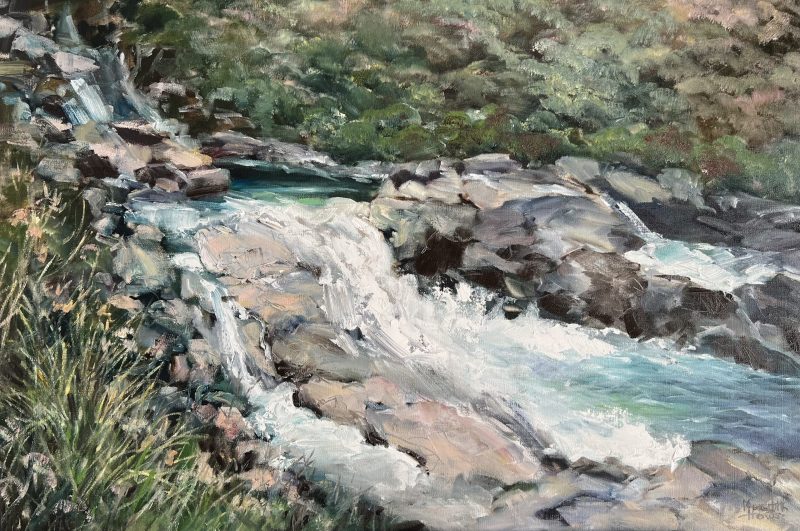 Skye Fairy Pool
AUD$1,650
Size:
94.4w
x 64h
x 5.5d
cms
Meredith Howse
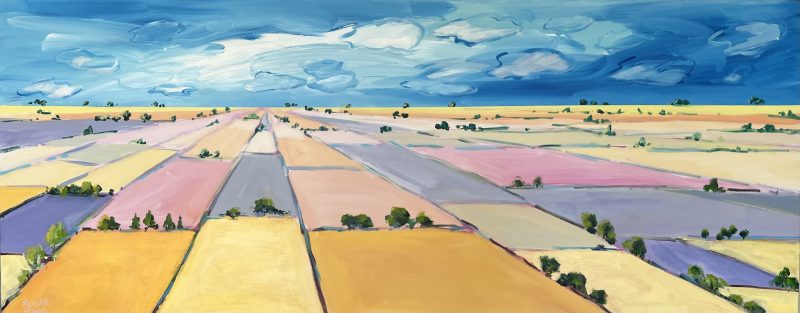 Big Land
AUD$2,090
Size:
152.4w
x 61h
x 3.8d
cms
Meredith Howse
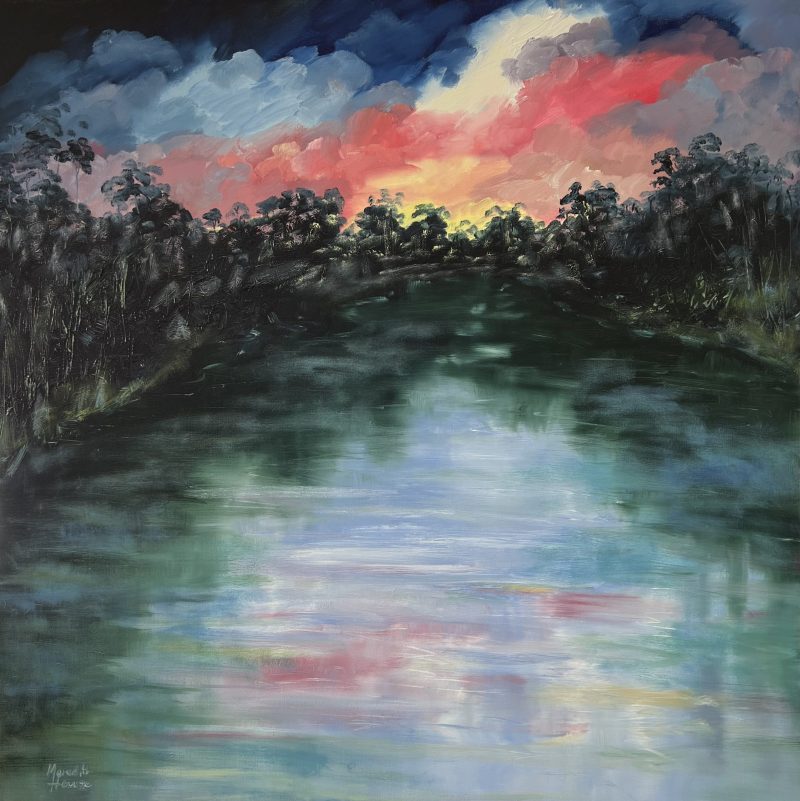 Sundown over Dumaresq
AUD$1,980
Size:
95w
x 95h
x 5.5d
cms
Meredith Howse
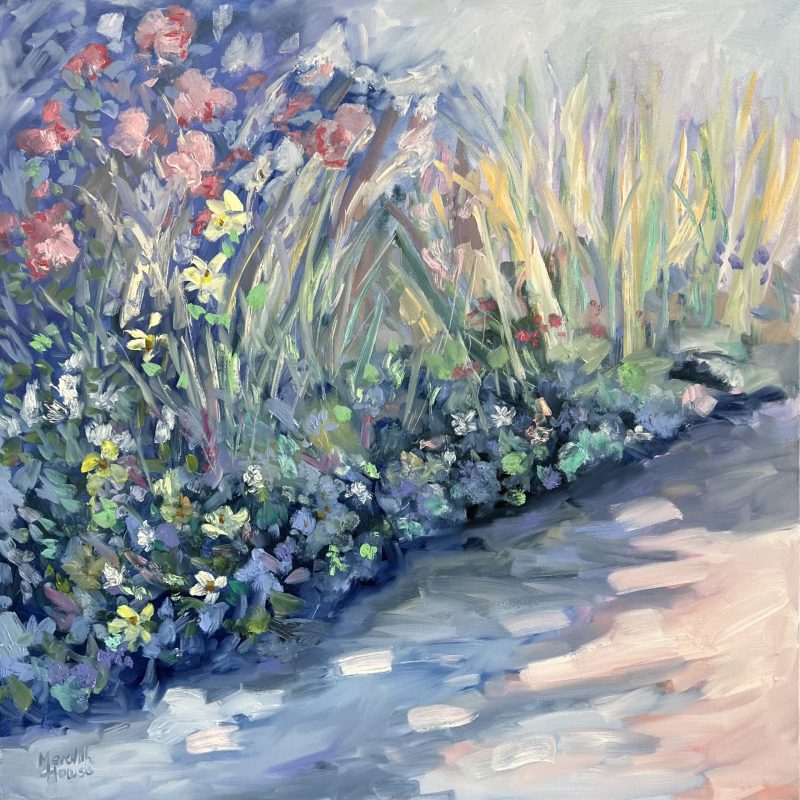 Spring Blooms
AUD$1,980
Size:
94.5w
x 94.5h
x 5.5d
cms
Meredith Howse
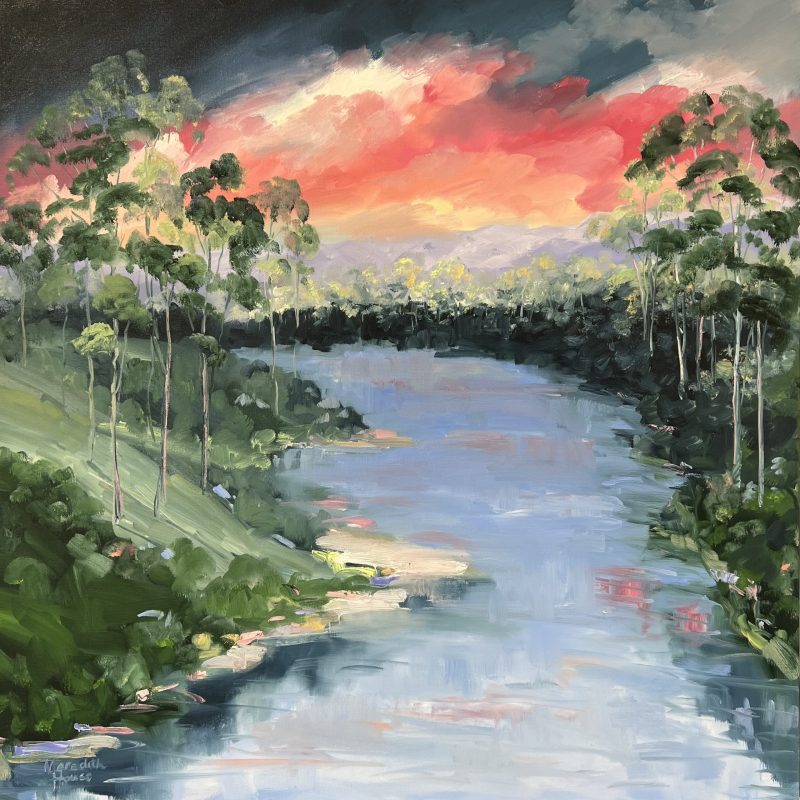 Dancing Light over Little Yabba
AUD$1,980
Size:
94.4w
x 94.4h
x 5.5d
cms
Meredith Howse
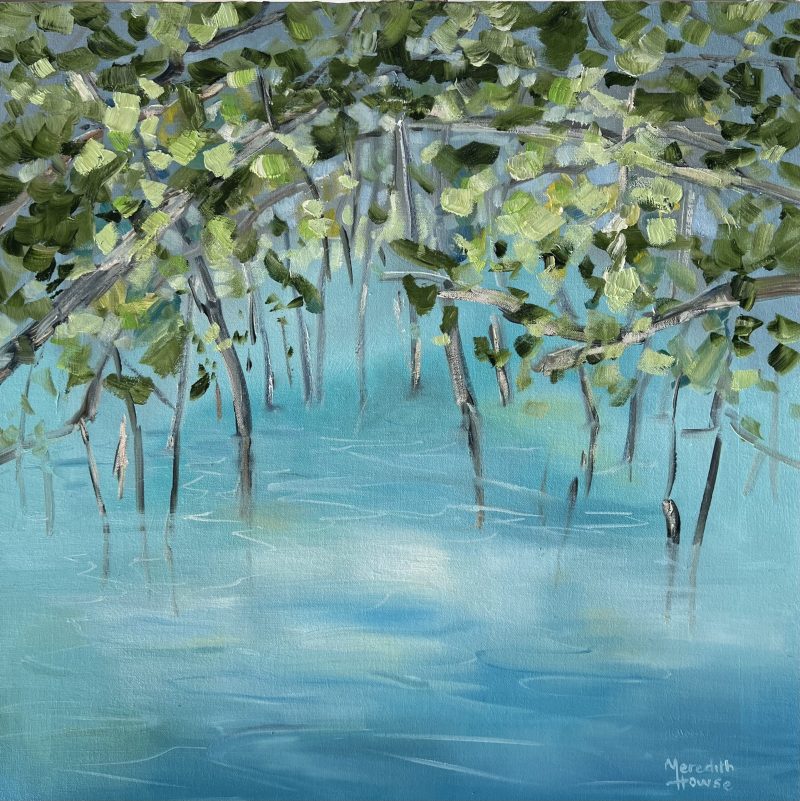 Upper Daintree 3
AUD$880
Size:
64w
x 64h
x 5.5d
cms
Meredith Howse
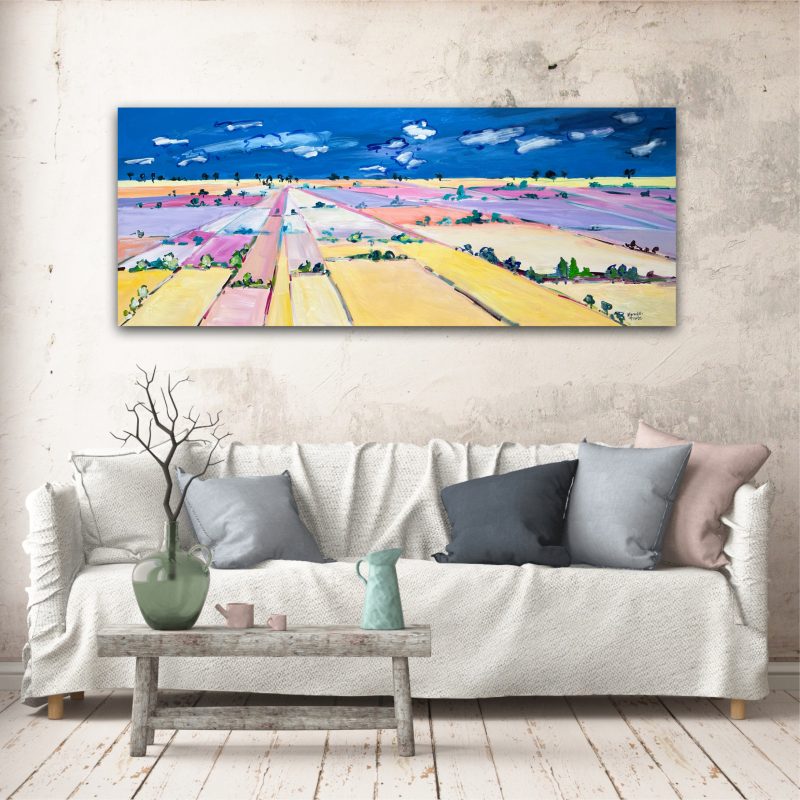 As Far as the Eye can See (V)
AUD$2,090
Size:
152.4w
x 61h
x 3.8d
cms
Meredith Howse
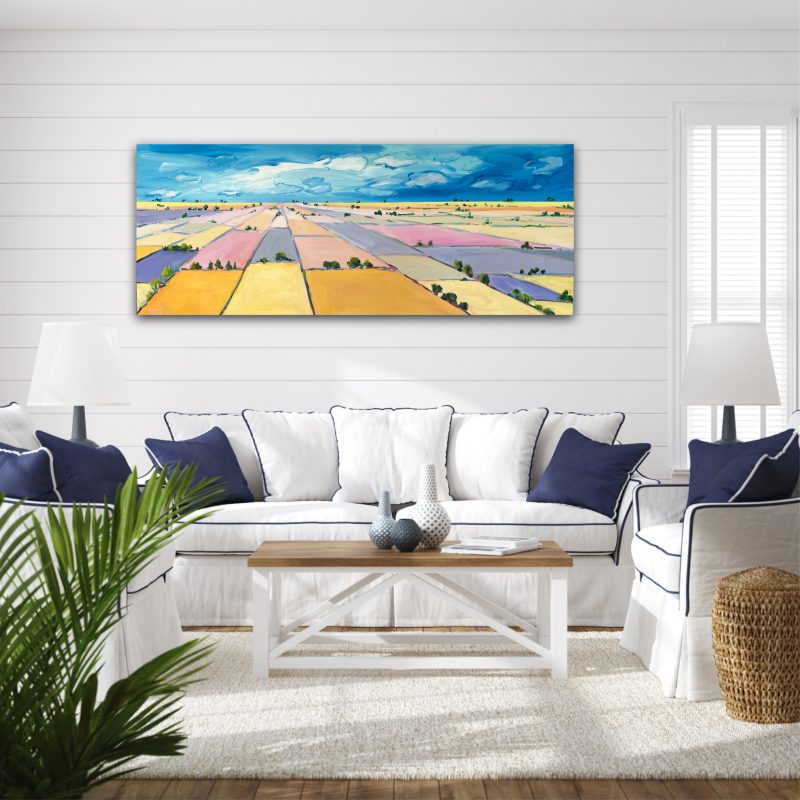 Big Land
AUD$2,090
Size:
152.4w
x 61h
x 3.8d
cms
Meredith Howse
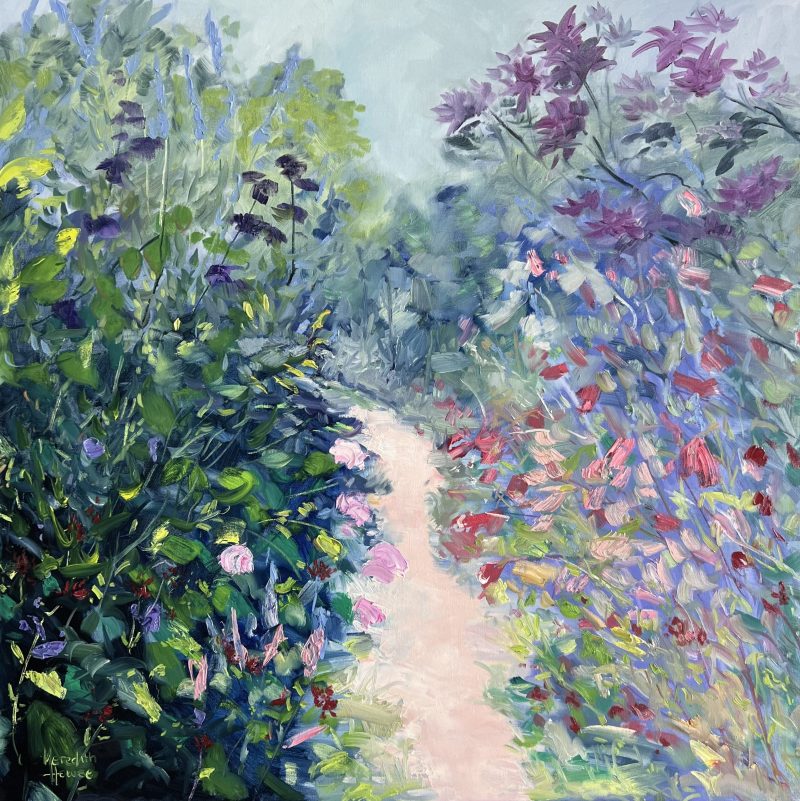 Love Blooms Here
AUD$1,980
Size:
94.5w
x 94.5h
x 5.5d
cms
Meredith Howse
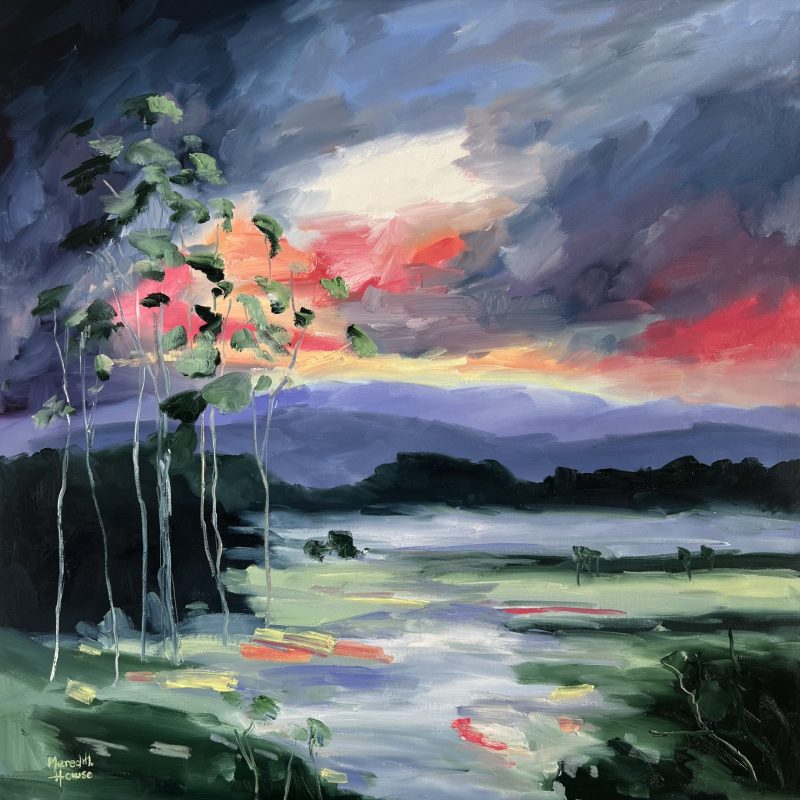 Sundown over Water
AUD$1,980
Size:
94.5w
x 94.5h
x 5.5d
cms
Meredith Howse
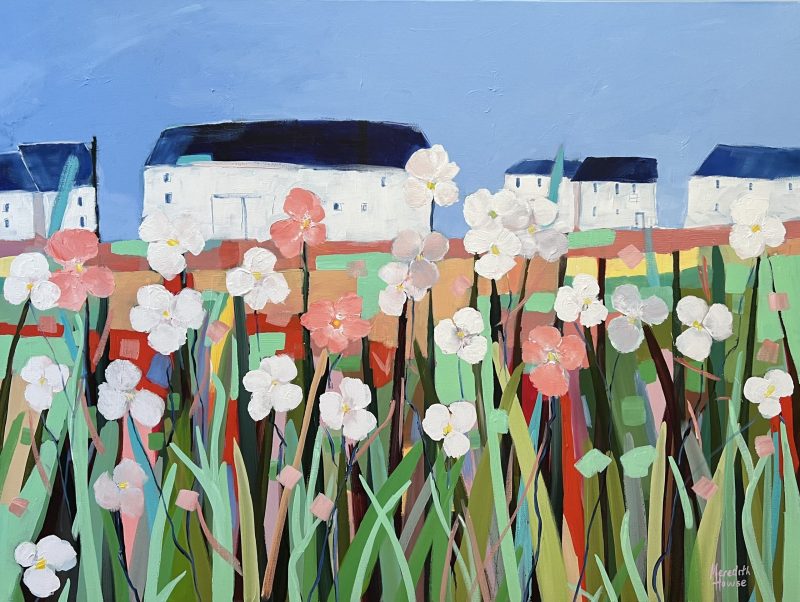 Flower Farm
AUD$1,980
Size:
121.9w
x 91.4h
x 3.8d
cms
Meredith Howse
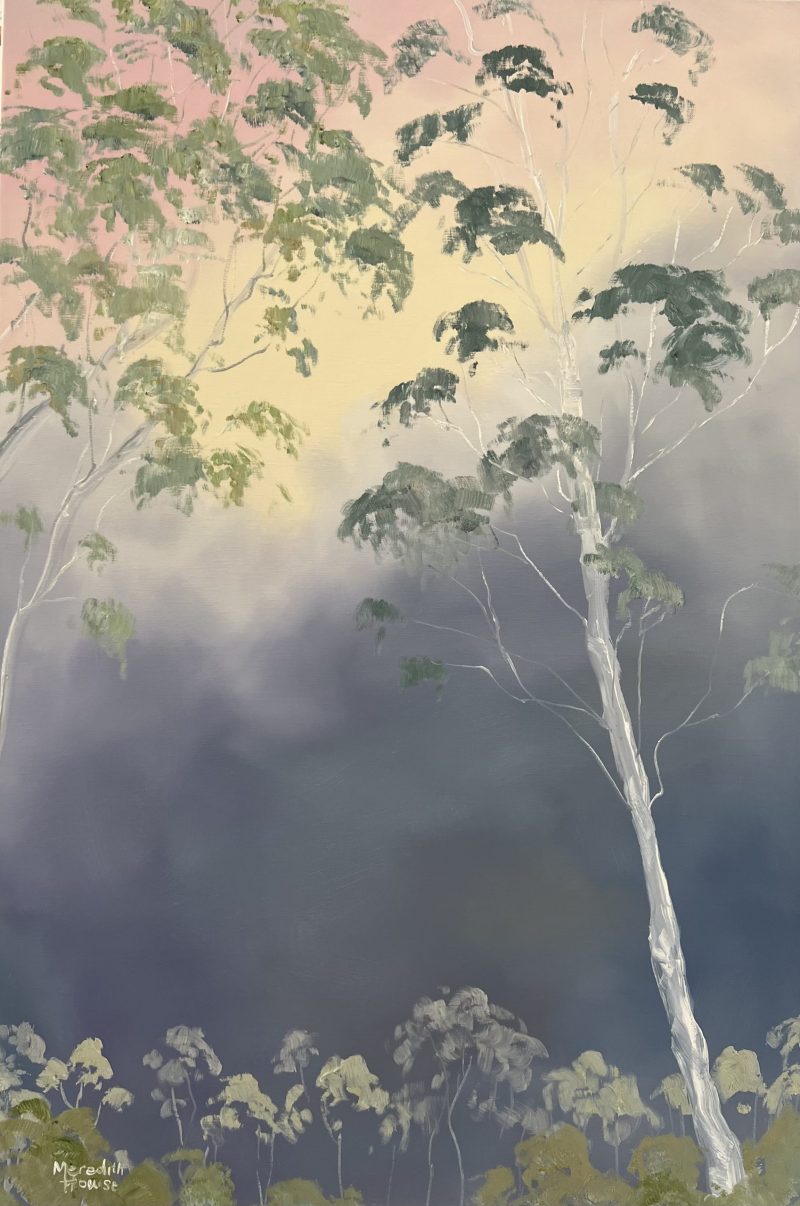 Illumination Evening Pink and Peach
AUD$1,980
Size:
65w
x 96h
x 5.5d
cms
Meredith Howse
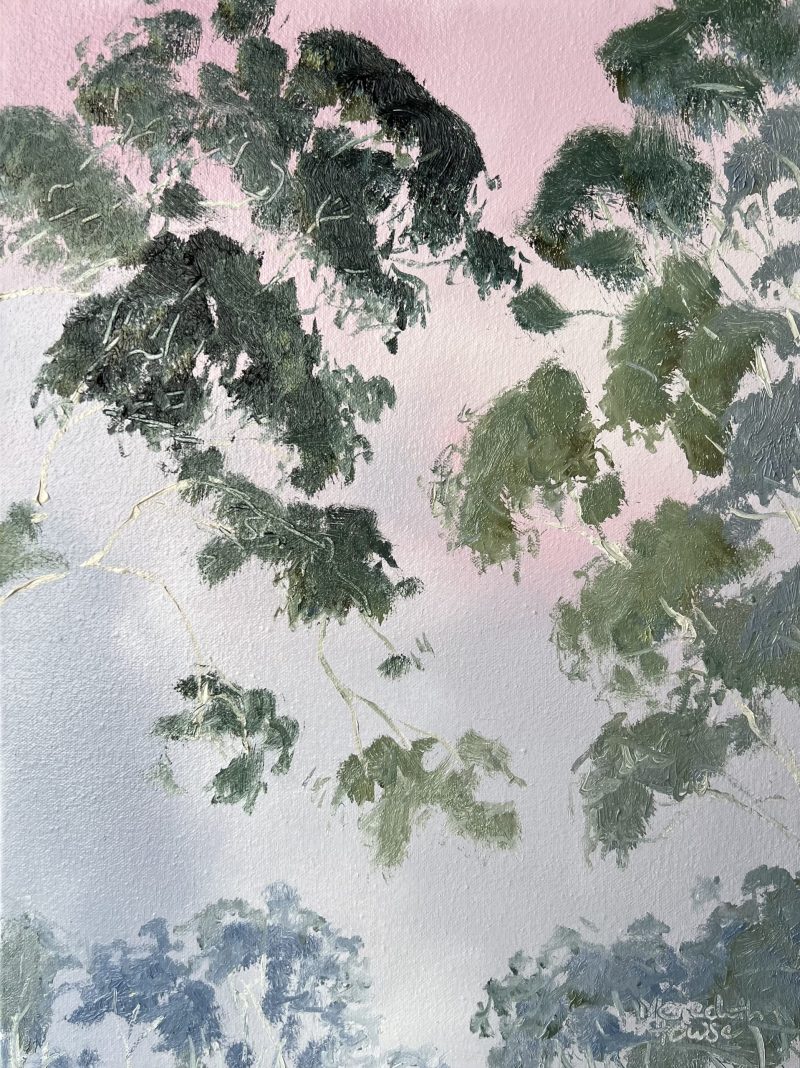 Illumination Serenity before the Storm
AUD$530
Size:
33.5w
x 43.5h
x 5d
cms
Meredith Howse
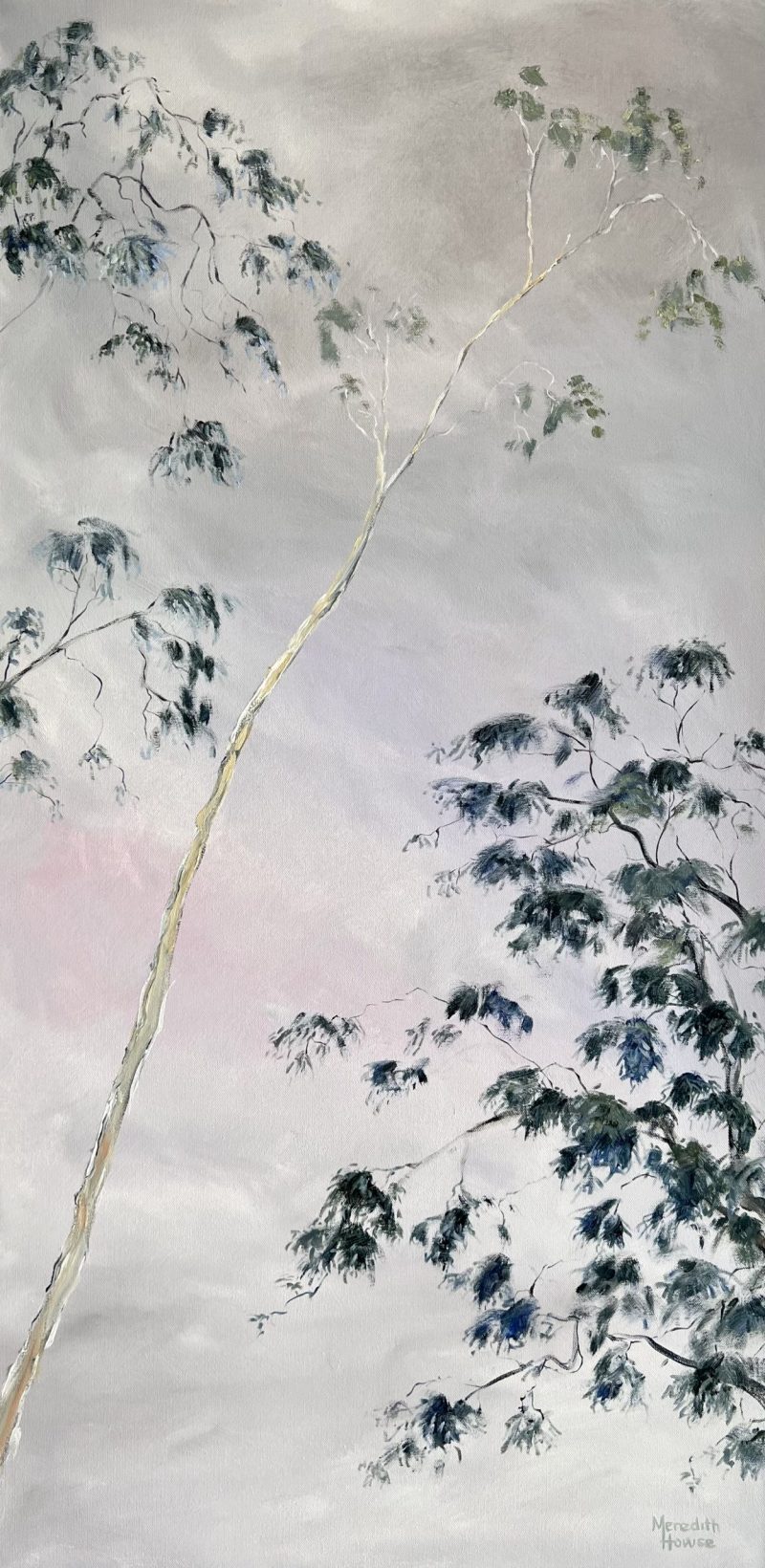 Illumination Blue Gum
AUD$2,420
Size:
64w
x 124h
x 5.5d
cms
Meredith Howse
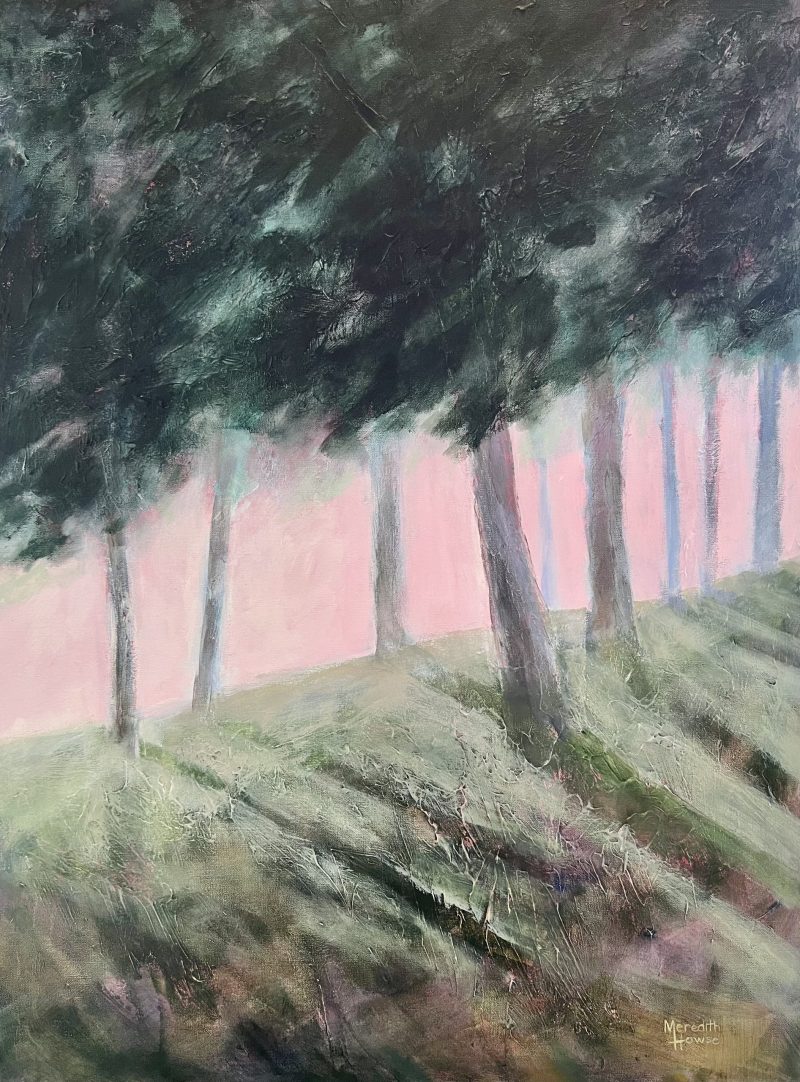 Illuminate
AUD$1,430
Size:
76w
x 101h
x 3.8d
cms
Meredith Howse
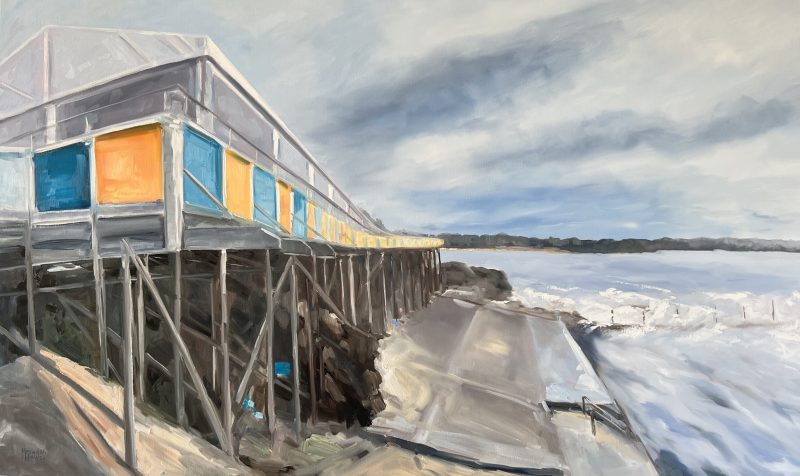 Wylie’s at Coogee
AUD$4,290
Size:
152w
x 91h
x 3.8d
cms
Meredith Howse
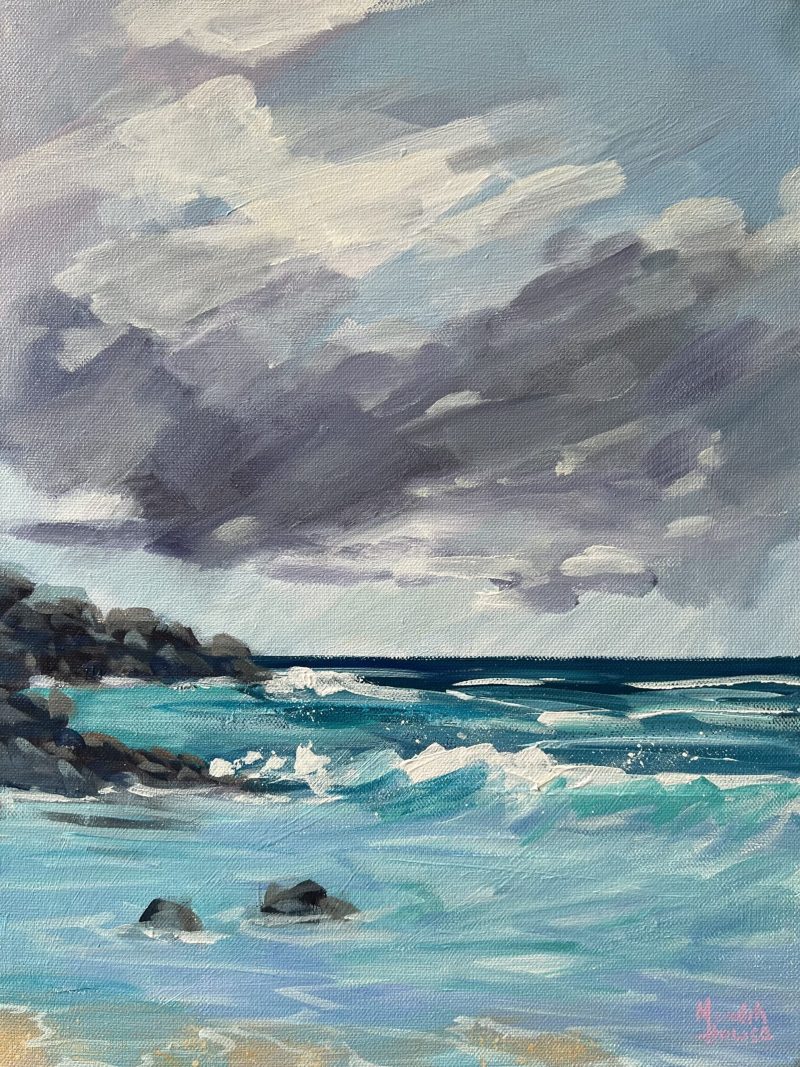 Grey Skies
AUD$450
Size:
34w
x 44h
x 5.5d
cms
Meredith Howse
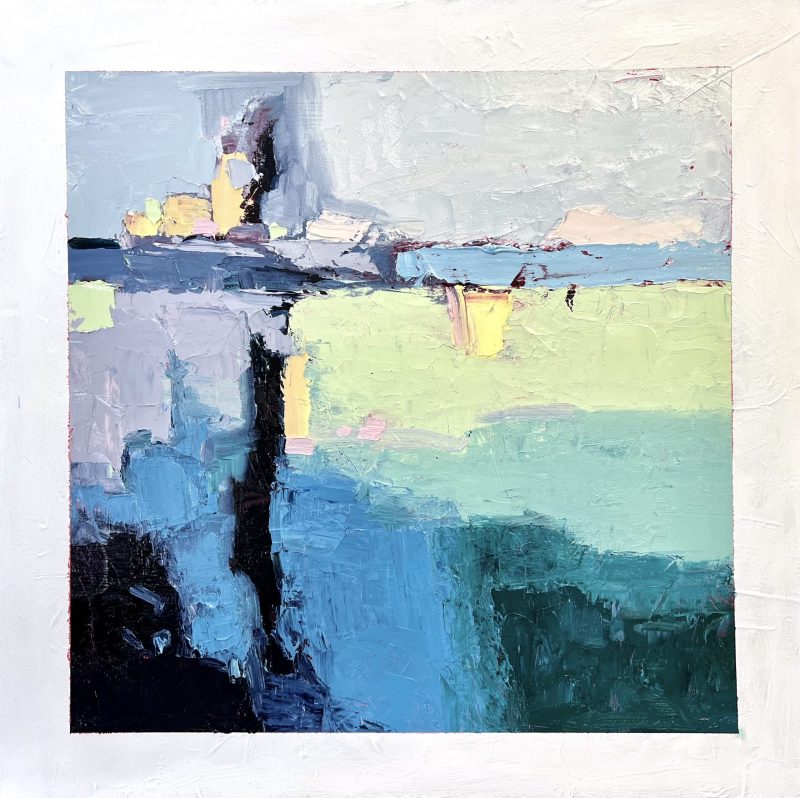 Abstract Thought 8th September
AUD$1,320
Size:
78w
x 78h
x 5d
cms
Meredith Howse
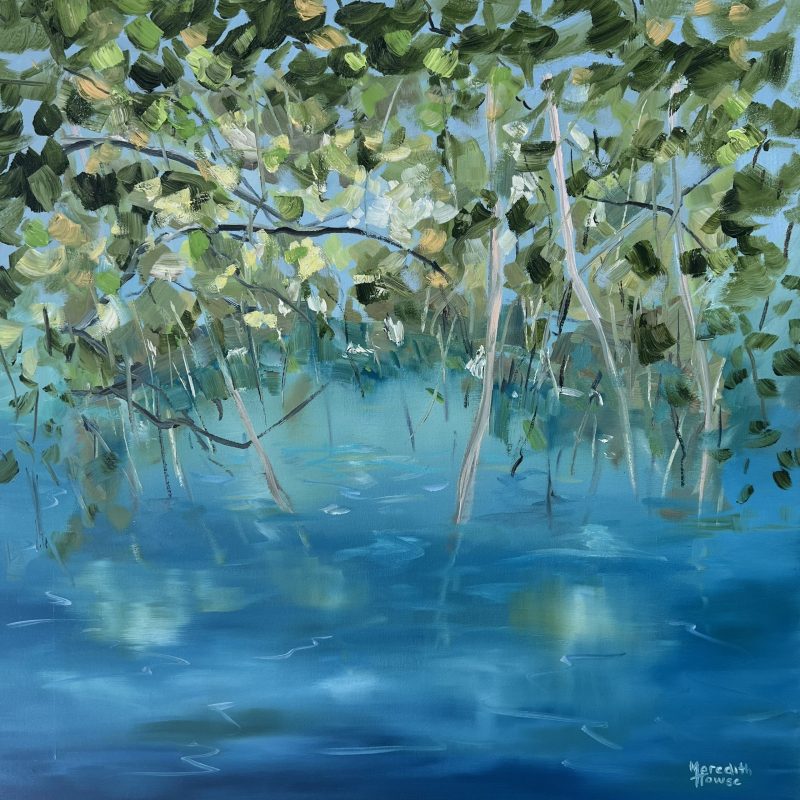 Upper Daintree 8
AUD$880
Size:
64w
x 64h
x 5.5d
cms
Meredith Howse
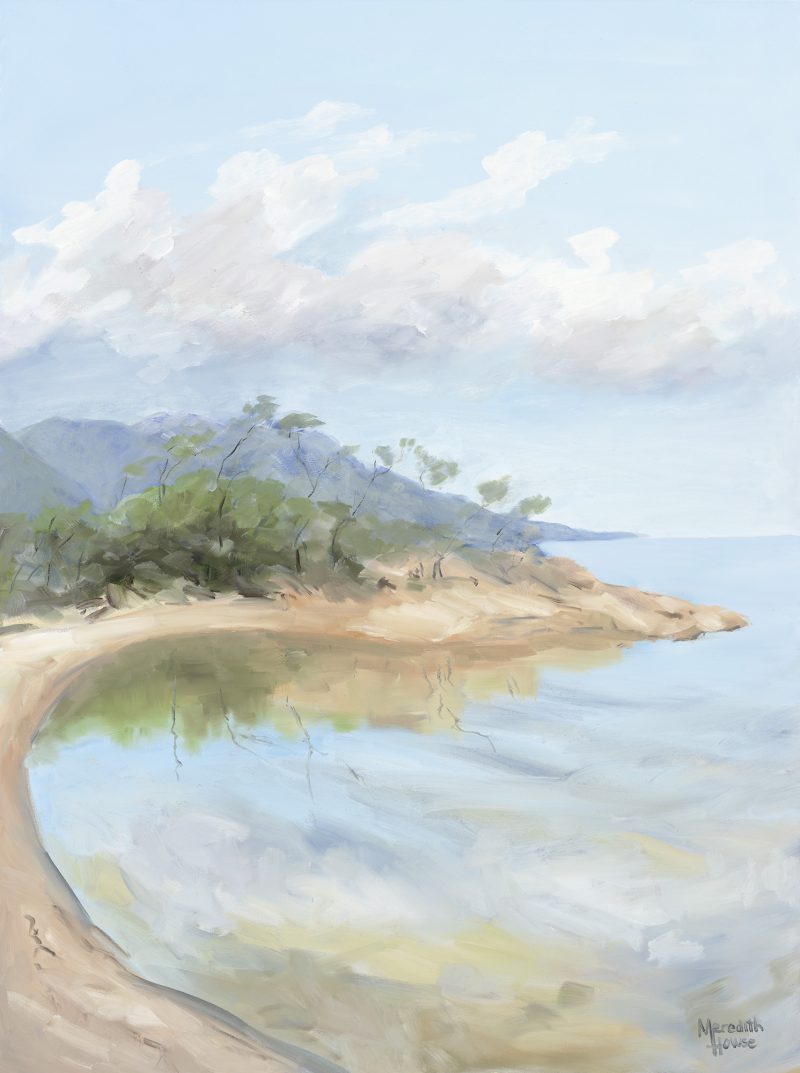 Honeymoon Bay, Tasmania
AUD$1,980
Size:
94w
x 125h
x 5d
cms
Meredith Howse
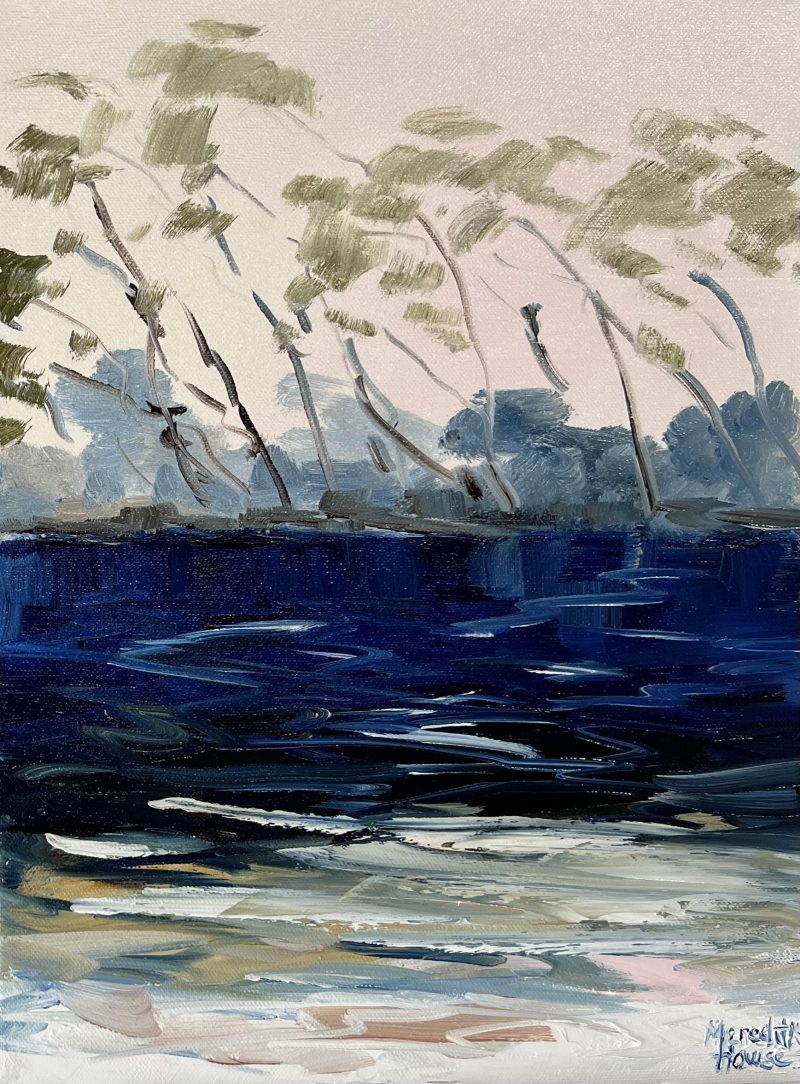 Brown Lake Straddie
AUD$530
Size:
34w
x 44h
x 5.5d
cms
Meredith Howse
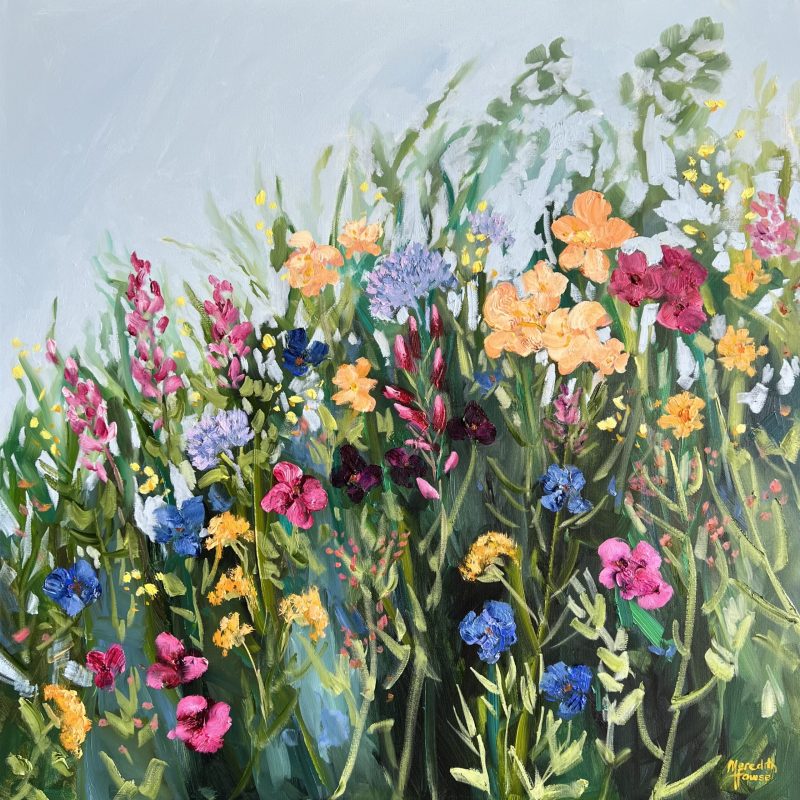 Colourful Spring
AUD$1,430
Size:
91.4w
x 91.4h
x 3.8d
cms
Meredith Howse
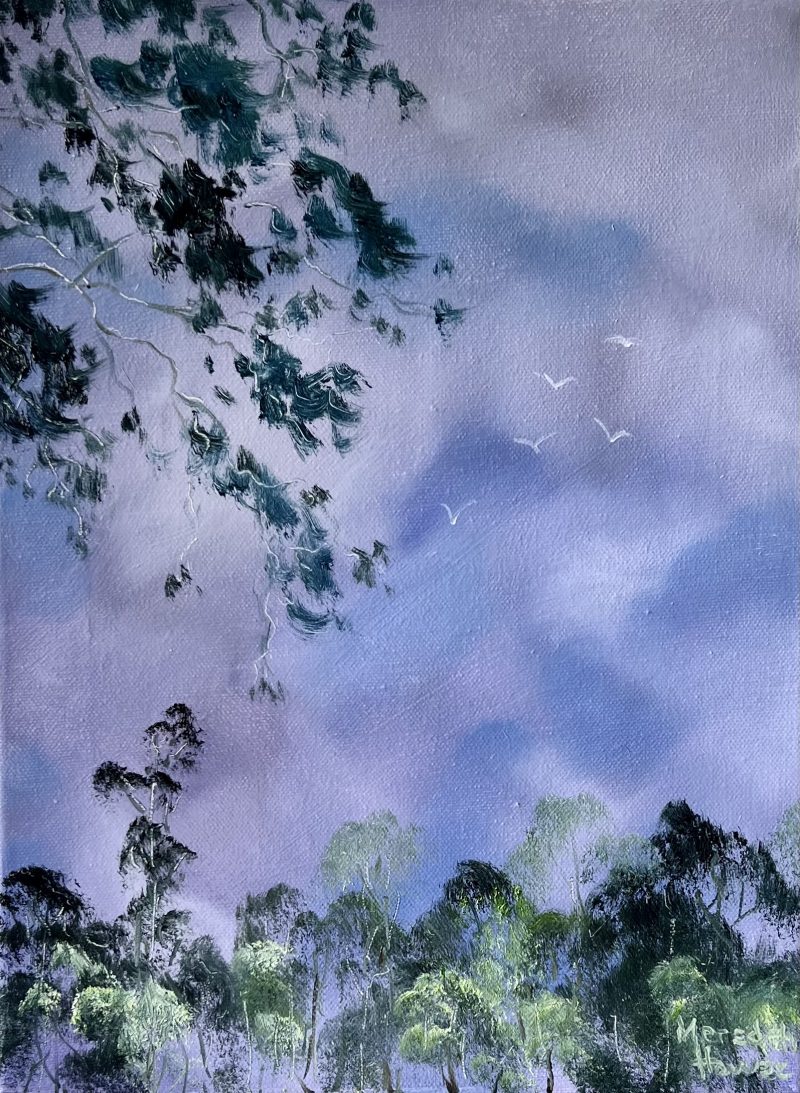 Illumination Twilight Trees
AUD$530
Size:
33.5w
x 43.5h
x 5d
cms
Meredith Howse
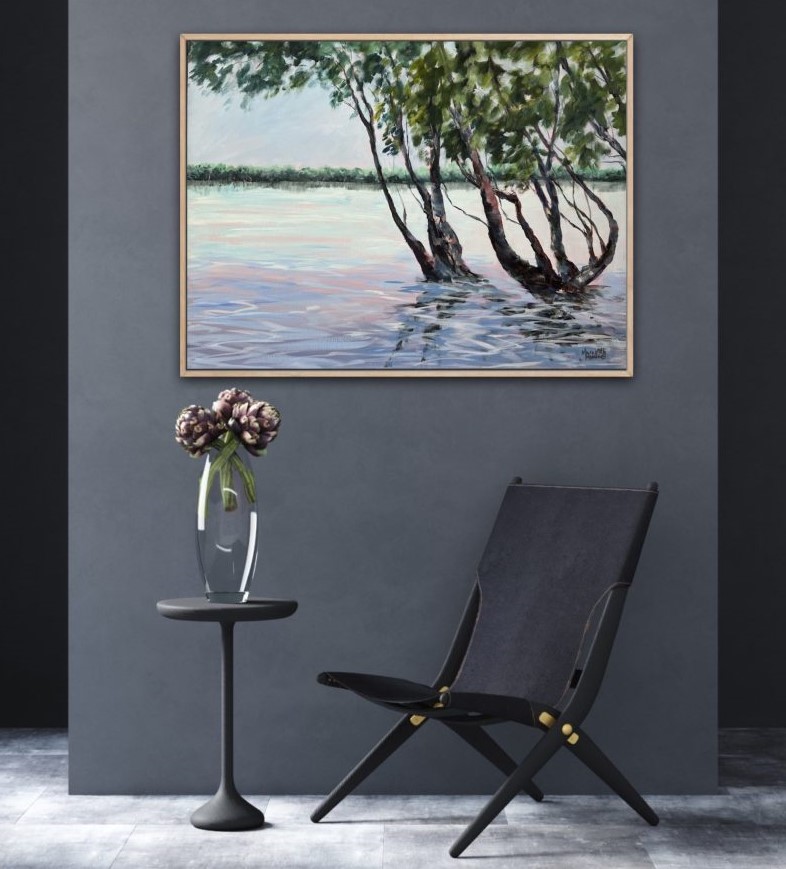 Rippling Water at Lake Ainsworth
AUD$1,540
Size:
105w
x 79.6h
x 5d
cms
Meredith Howse
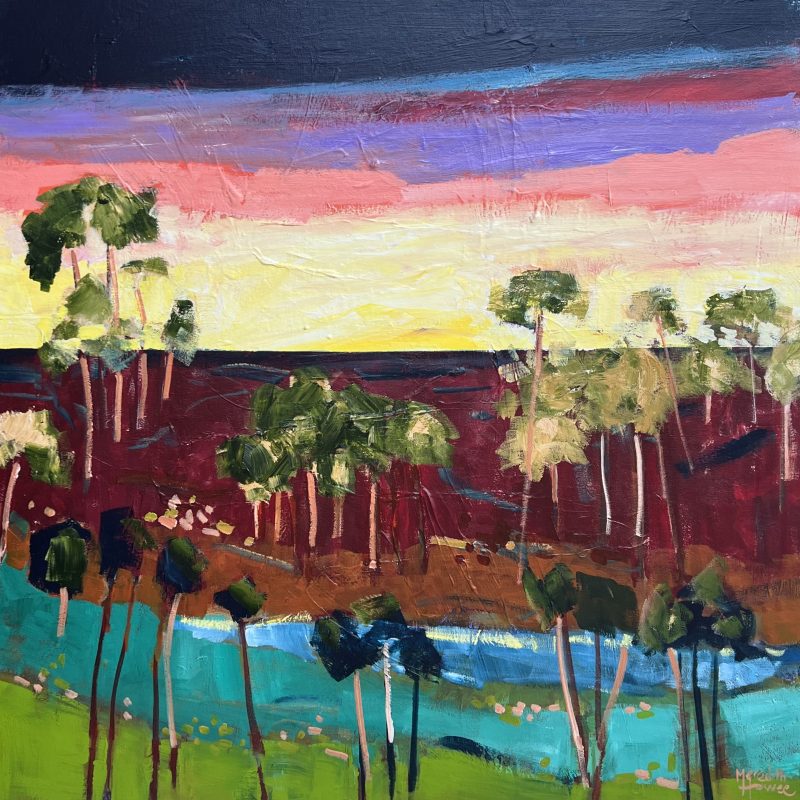 Inland Oasis
AUD$1,320
Size:
91.4w
x 91.4h
x 3.8d
cms
Meredith Howse
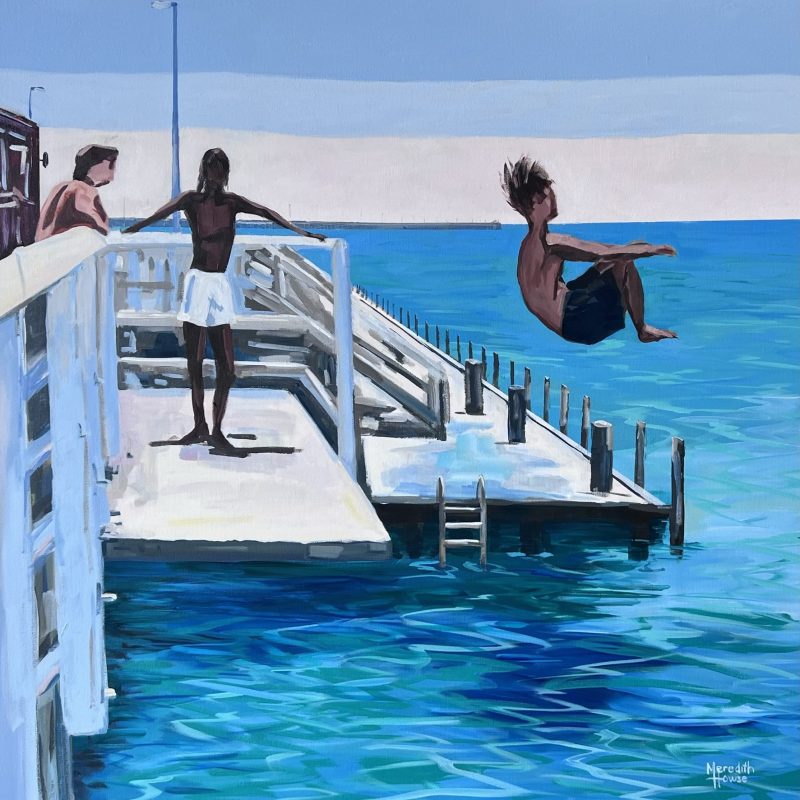 In to the Blue
AUD$2,530
Size:
101w
x 101h
x 3.8d
cms
Meredith Howse
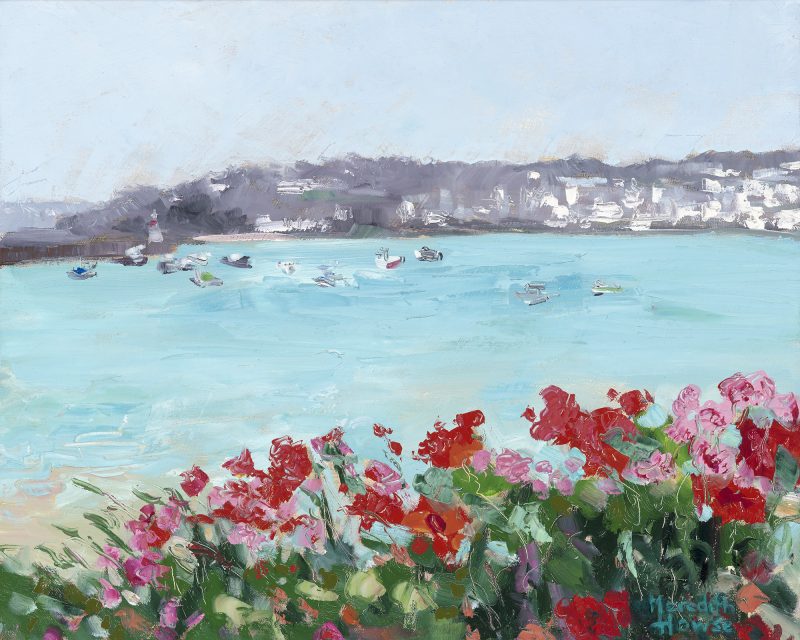 St. Ives
AUD$880
Size:
53w
x 43h
x 5d
cms
Meredith Howse
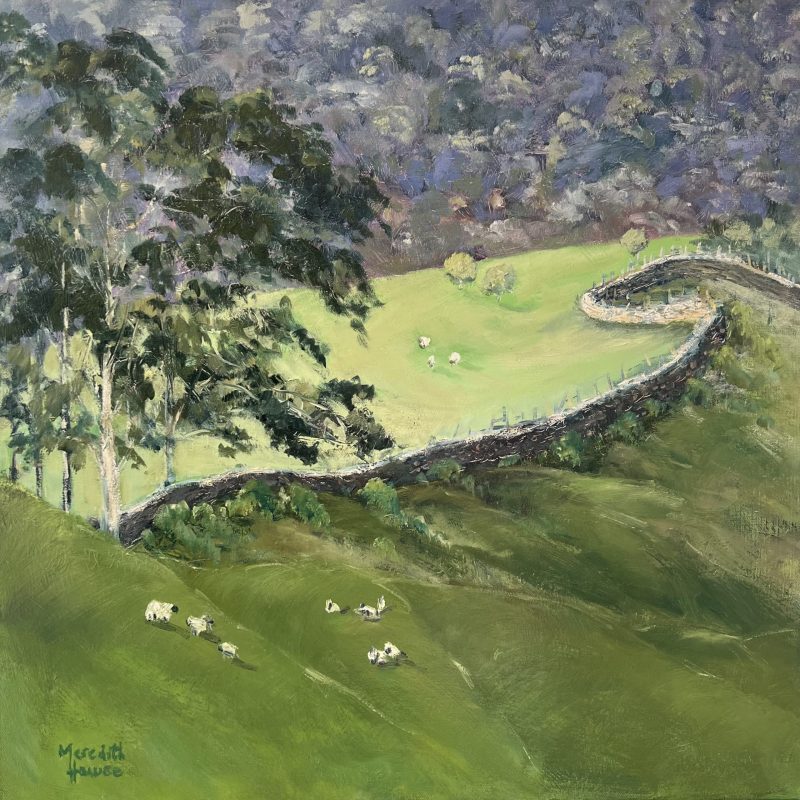 Sheep at Hartsop
AUD$1,320
Size:
53w
x 53h
x 5d
cms
Meredith Howse
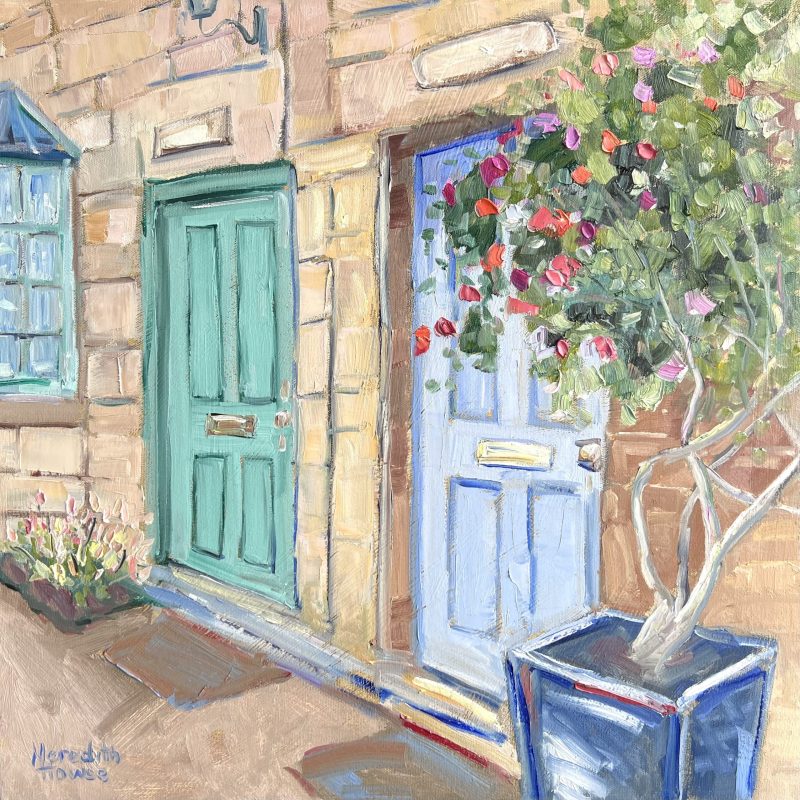 Two Doors Down
AUD$900
Size:
53w
x 53h
x 5d
cms
Meredith Howse
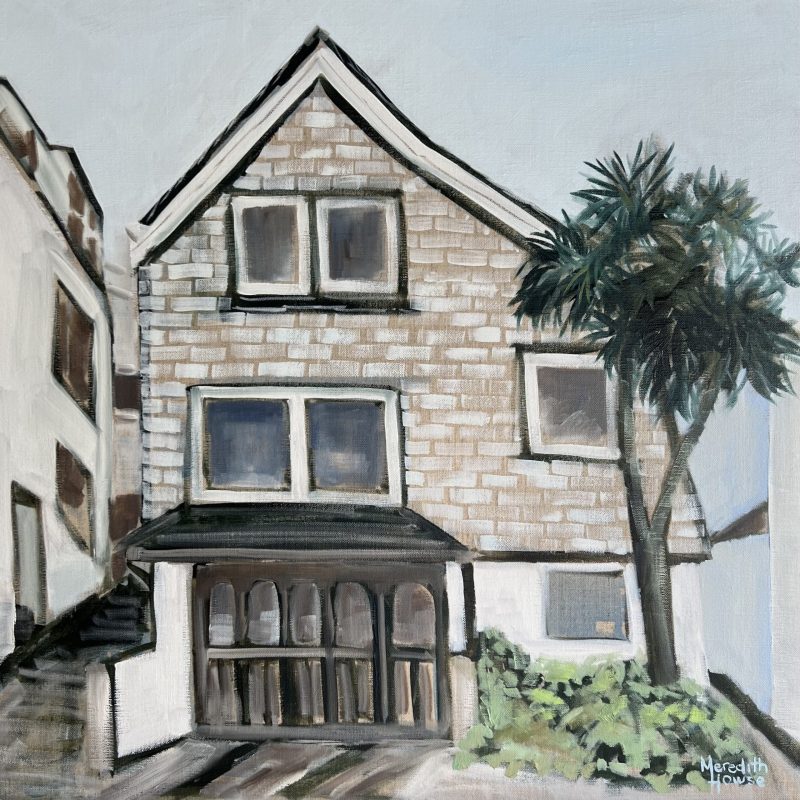 Alfred Wallis Marine Store
AUD$990
Size:
64.5w
x 64.5h
x 5d
cms
Meredith Howse
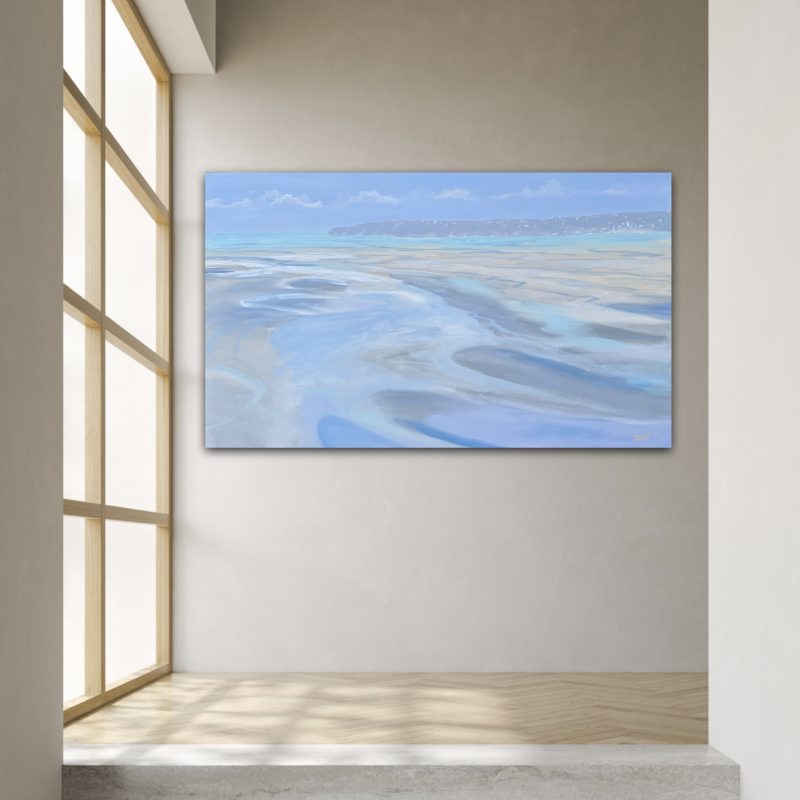 Le Mont Saint Michel Bay
AUD$2,420
Size:
150w
x 90h
x 3.5d
cms
Meredith Howse
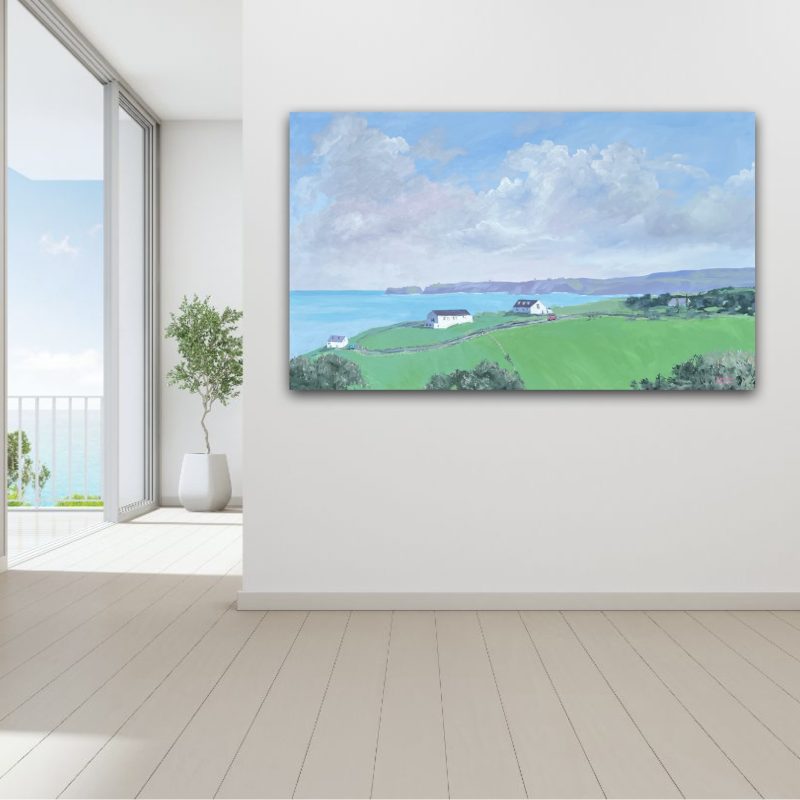 Northern Horizon of Port Isaac
AUD$2,420
Size:
150w
x 90h
x 3.5d
cms
Meredith Howse
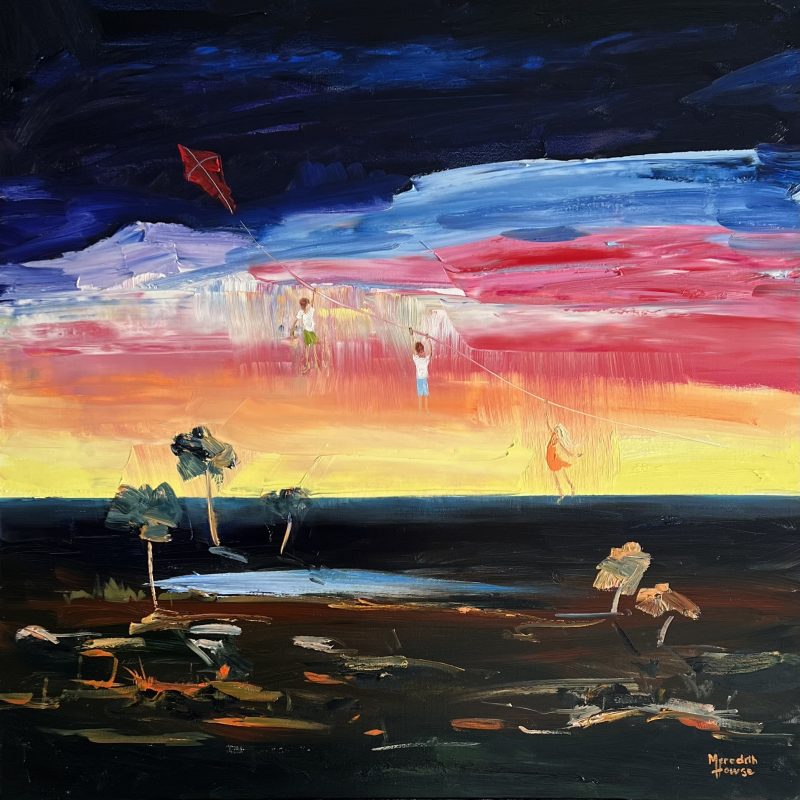 Kite Adventures
AUD$2,090
Size:
94w
x 94h
x 5d
cms
Meredith Howse
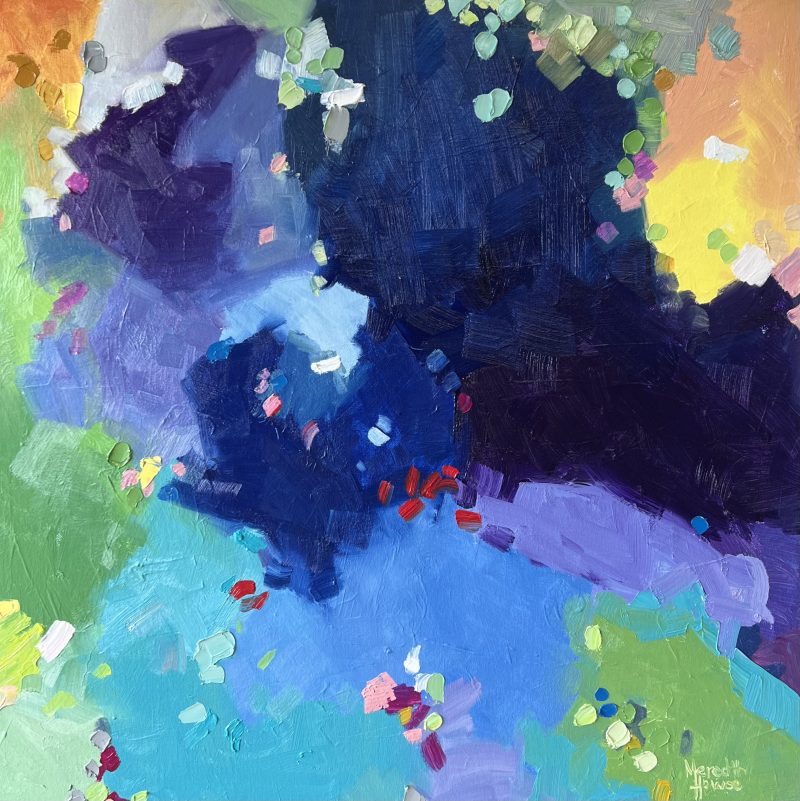 Colourful Palette
AUD$1,430
Size:
94w
x 94h
x 3.8d
cms
Meredith Howse
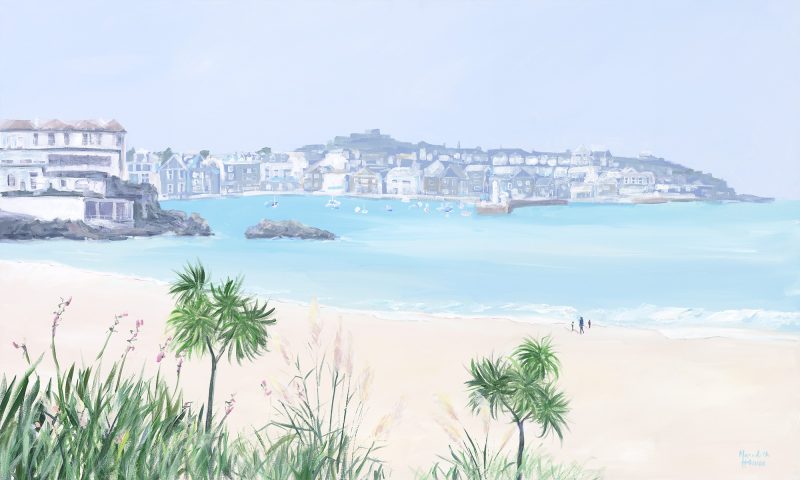 St Ives Cornwall
AUD$2,420
Size:
153w
x 93h
x 5d
cms
Meredith Howse
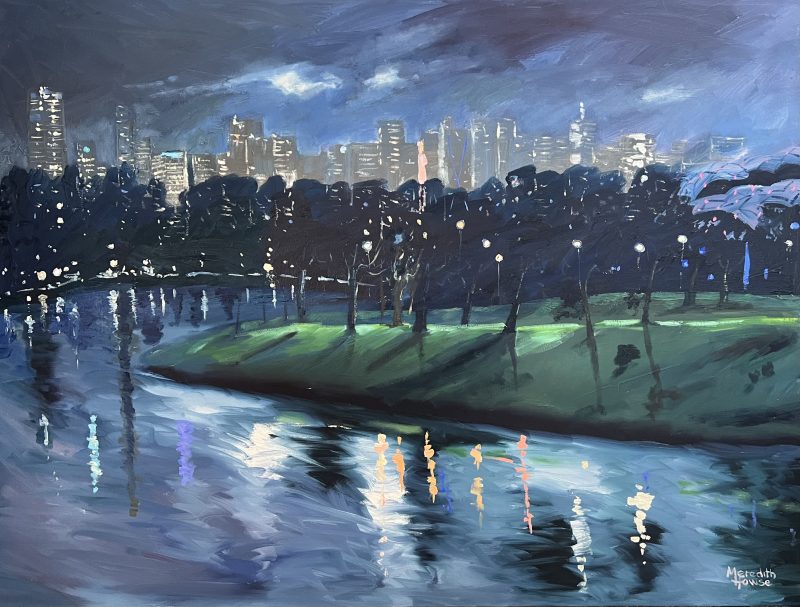 Yarra by Night
AUD$2,200
Size:
122w
x 91h
x 3.8d
cms
Meredith Howse
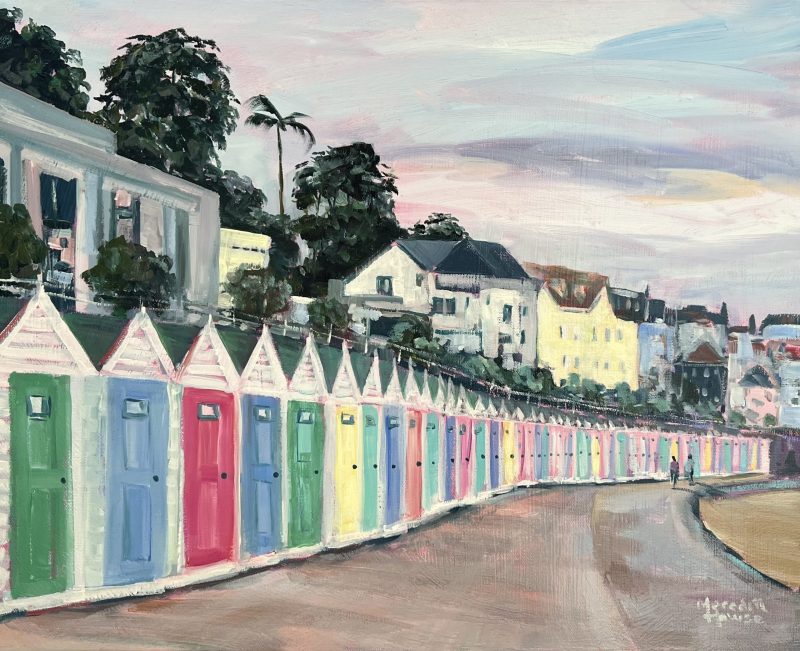 Lyme Regis Beach
AUD$940
Size:
54w
x 44h
x 5d
cms
Meredith Howse
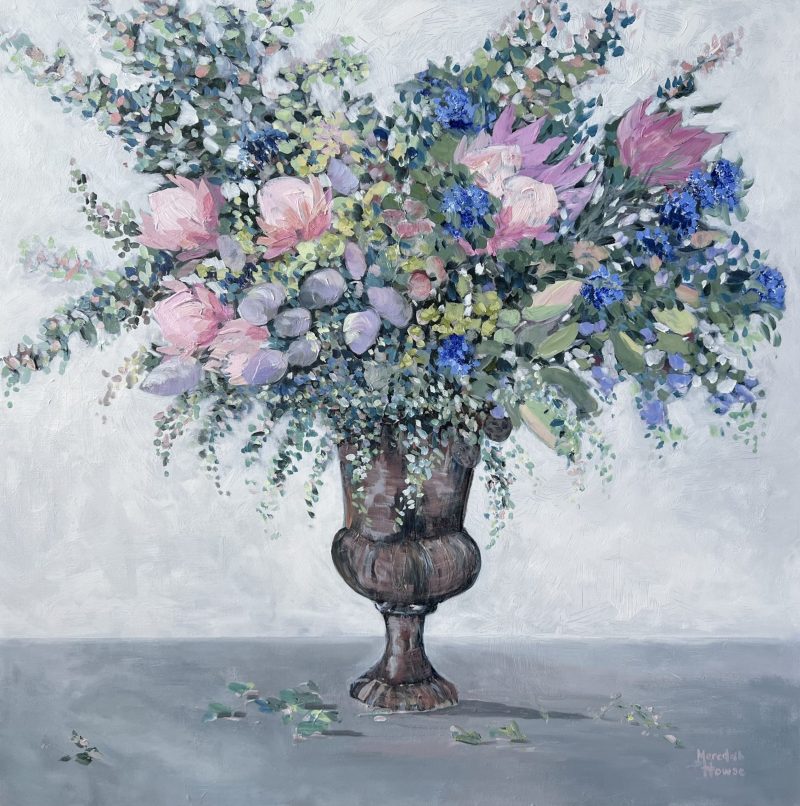 June
June
AUD$2,420
Size:
106.7w
x 106.7h
x 3.8d
cms
Meredith Howse
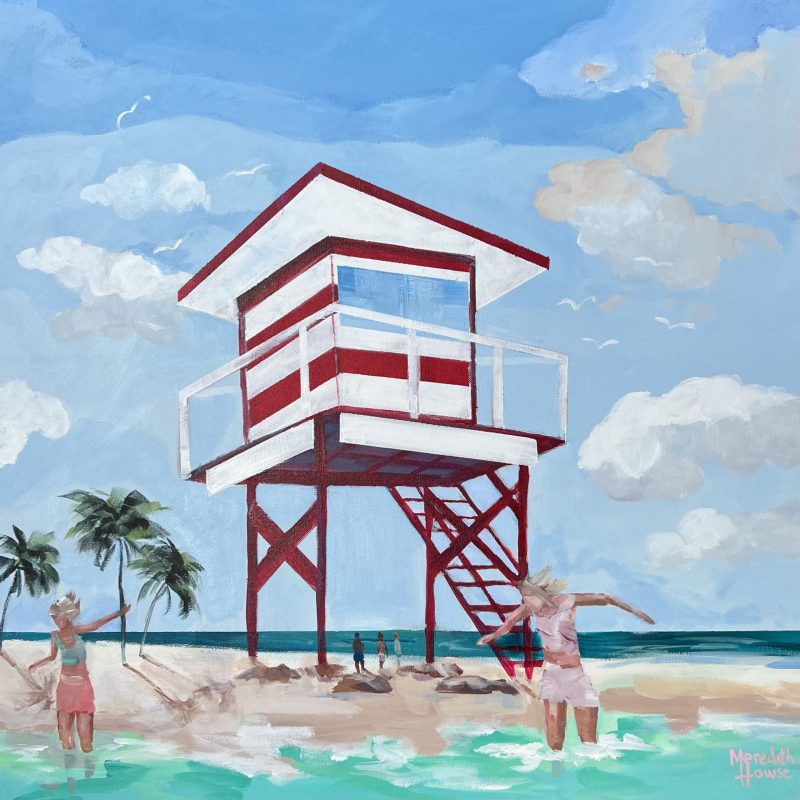 Taking a Dip
AUD$1,320
Size:
76.2w
x 76.2h
x 3.8d
cms
Meredith Howse
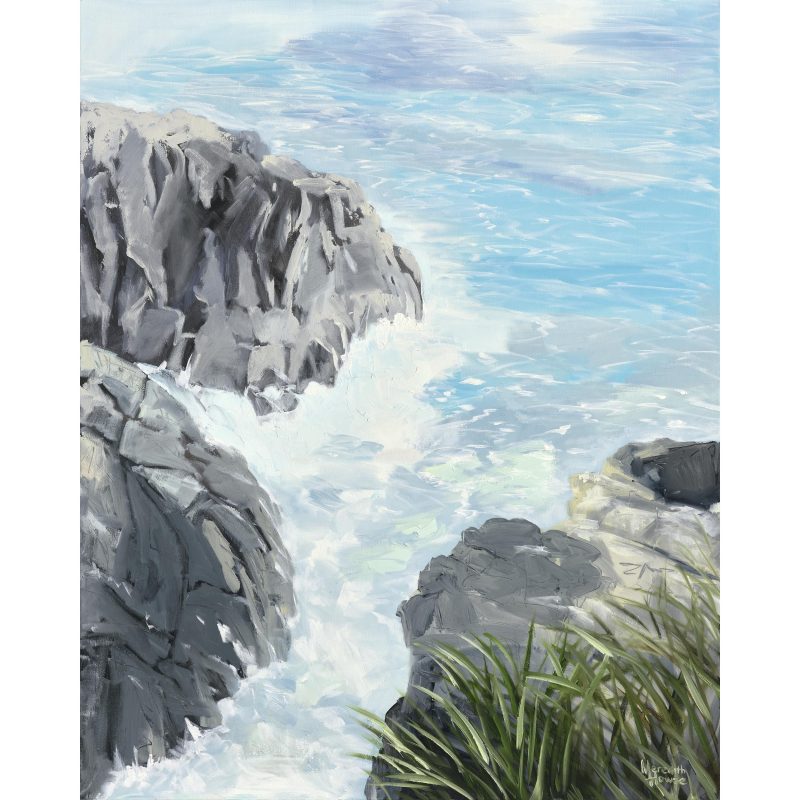 Ocean Inlet
AUD$1,320
Size:
83w
x 103h
x 5.5d
cms
Meredith Howse
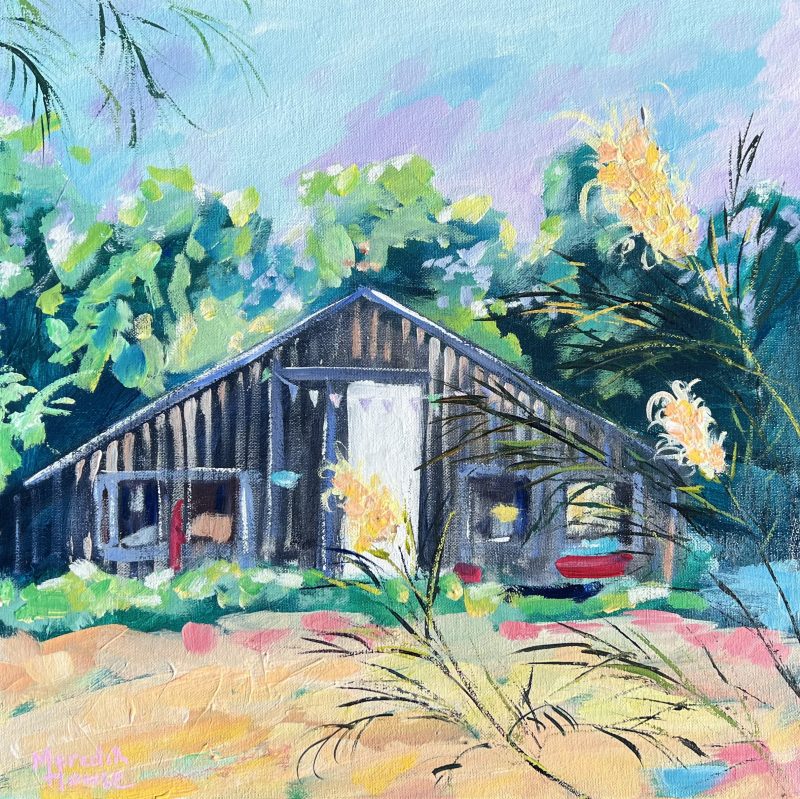 Blair Athol Greenhouse
AUD$490
Size:
45.7w
x 45.7h
x 3.8d
cms
Meredith Howse
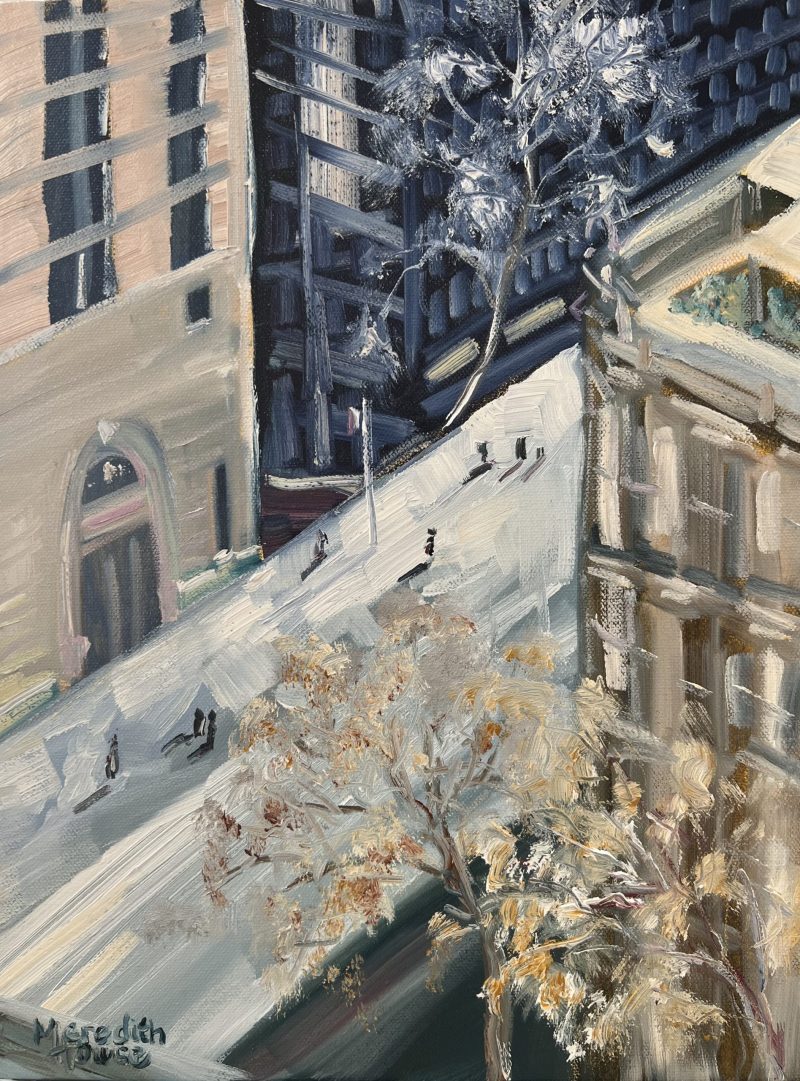 George Street
AUD$550
Size:
33.4w
x 43.6h
x 5.5d
cms
Meredith Howse
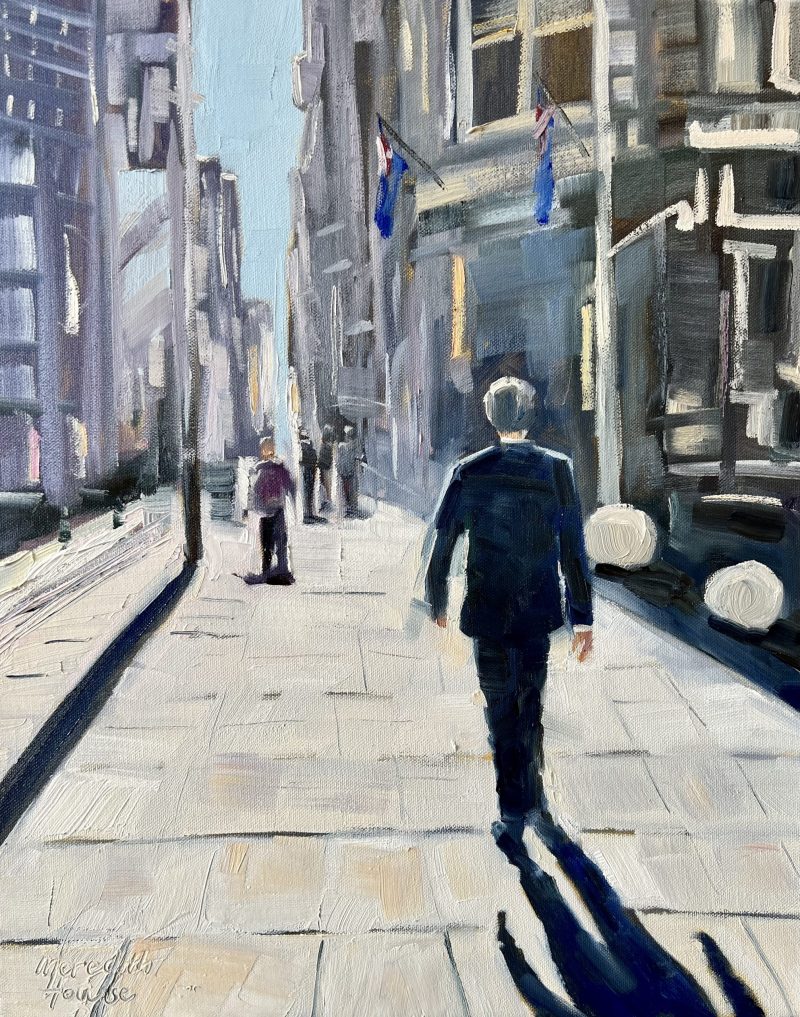 Martin Place to Circular Quay
AUD$800
Size:
41w
x 51h
x 3.8d
cms
Meredith Howse
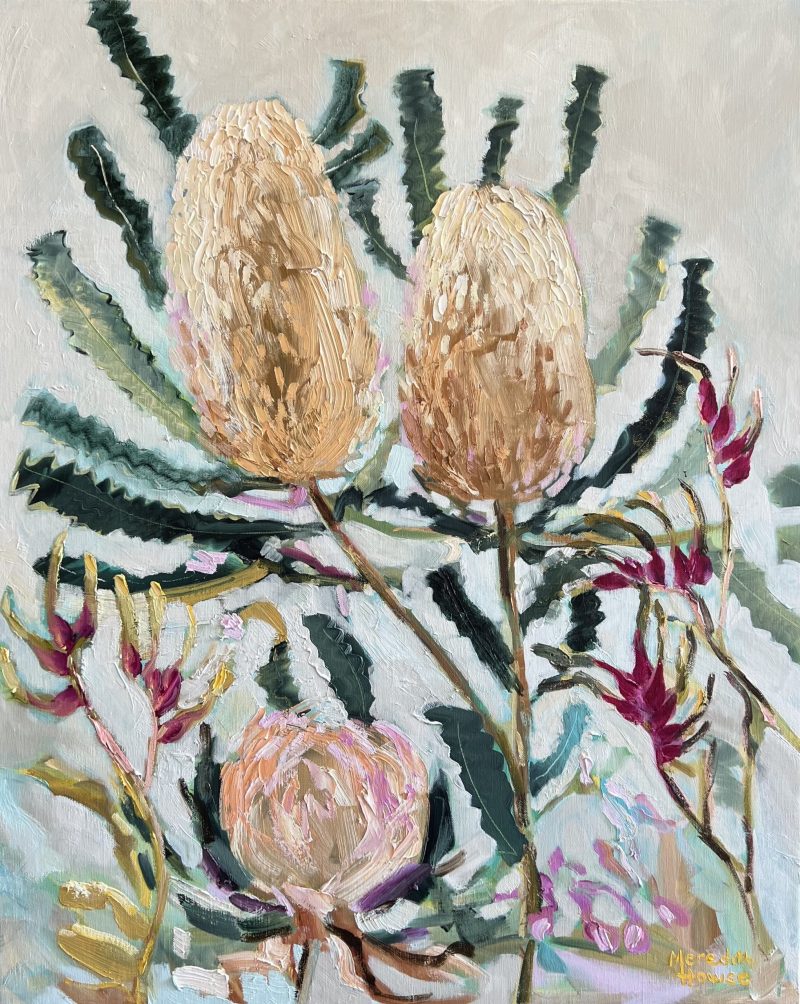 Nature
AUD$1,320
Size:
64w
x 79.2h
cms
Meredith Howse
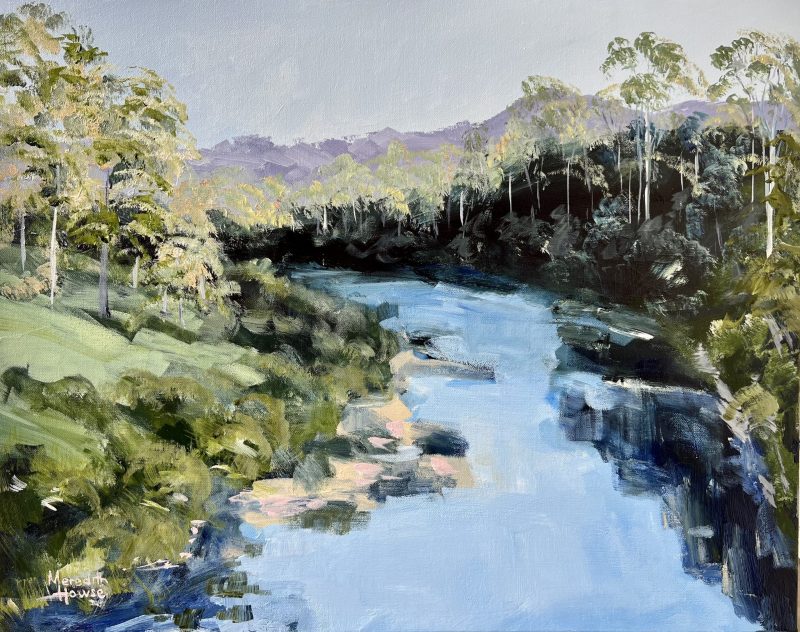 Little Yabba at Kenilworth
AUD$1,080
Size:
76w
x 61h
x 3.8d
cms
Meredith Howse
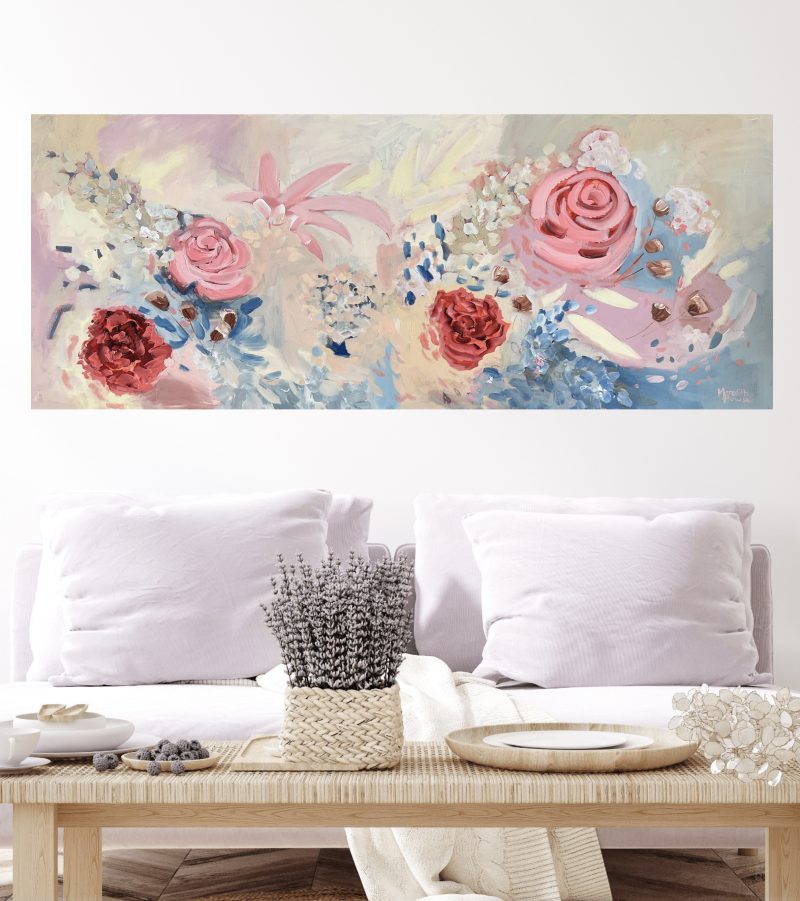 Flower Freedom
AUD$1,430
Size:
152w
x 61h
x 3.8d
cms
Meredith Howse
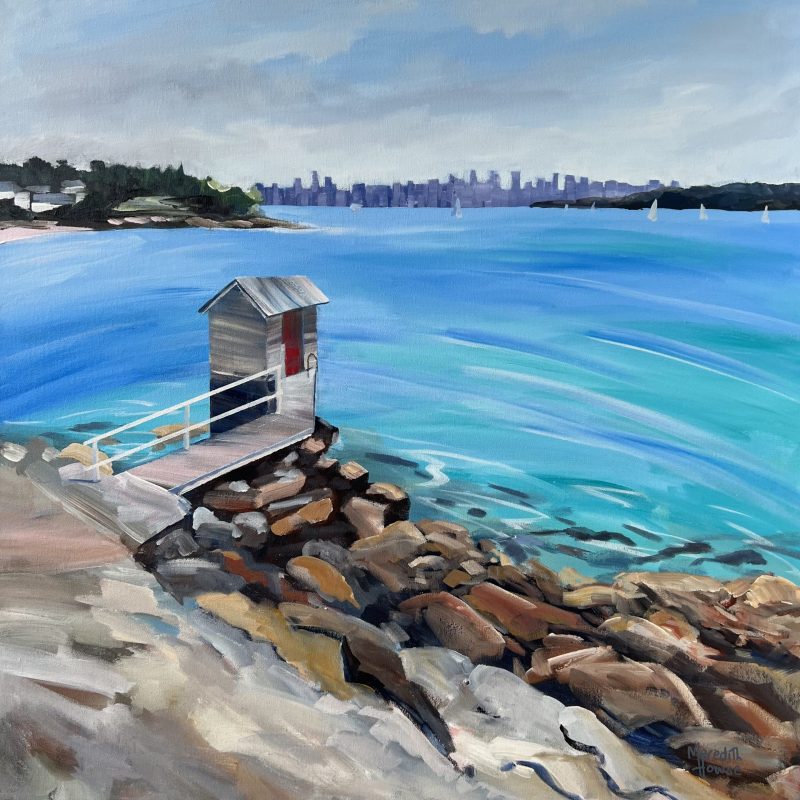 Watsons Bay
AUD$1,430
Size:
94w
x 94h
x 5.5d
cms
Meredith Howse
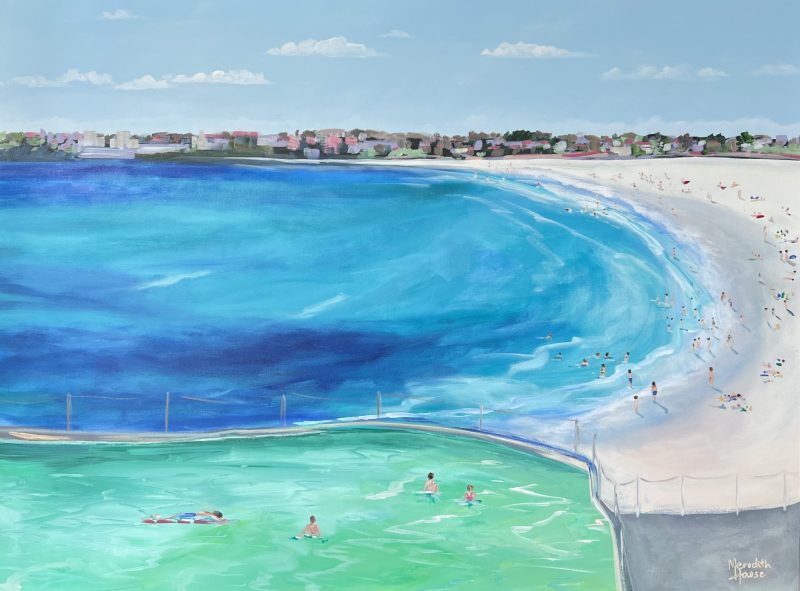 Bondi Chill
AUD$1,540
Size:
122w
x 91.4h
x 3.8d
cms
Meredith Howse
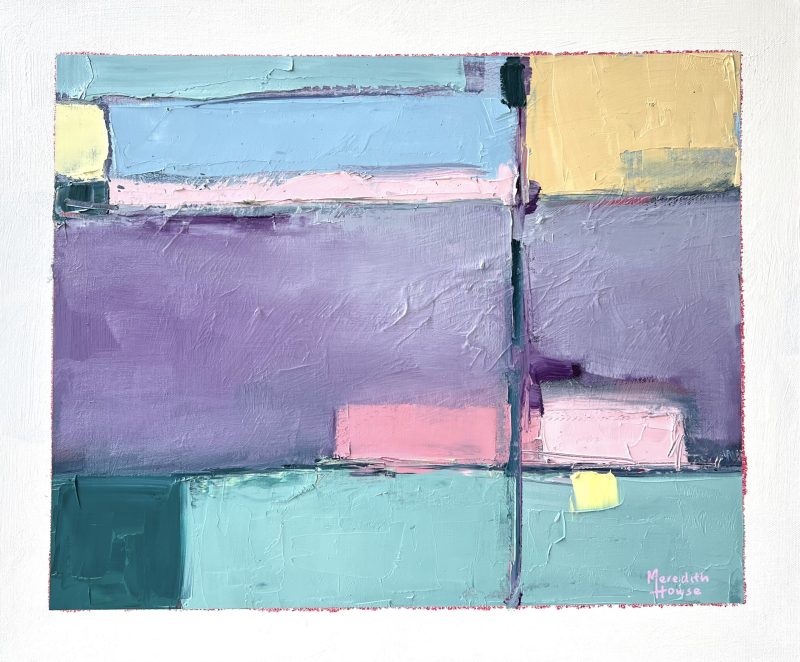 Abstract Thought 11th September
AUD$440
Size:
61w
x 41h
x 1.8d
cms
Meredith Howse
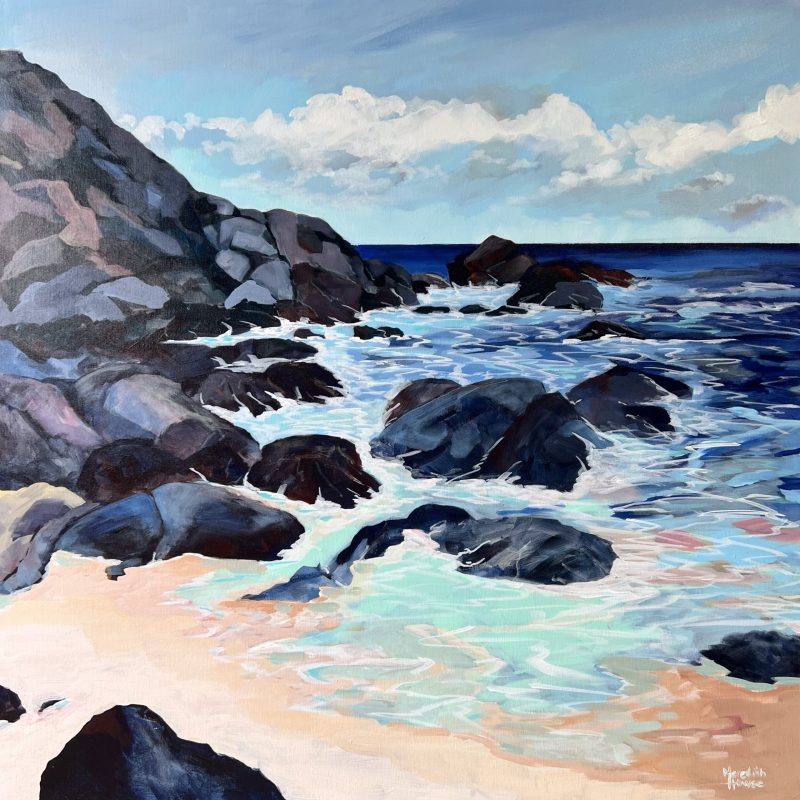 Boomerang Beach, Booti Booti
AUD$1,980
Size:
101.6w
x 101.6h
x 3.8d
cms
Meredith Howse
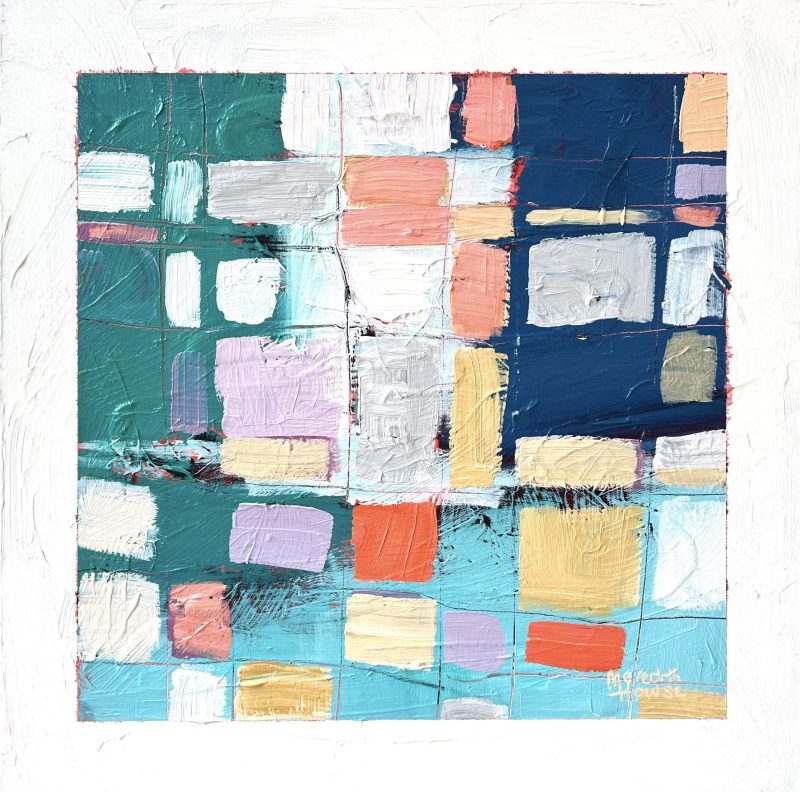 Abstract Thought 31st August
AUD$770
Size:
53w
x 53h
x 3d
cms
Meredith Howse
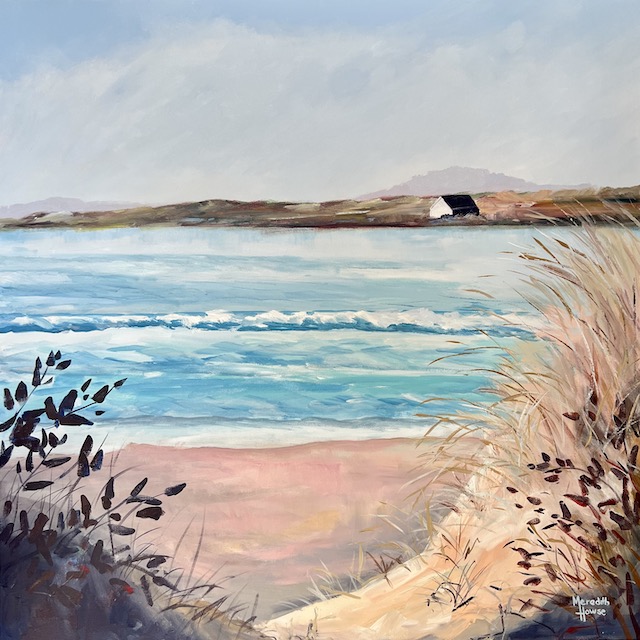 Boathouse on Coles Bay
AUD$1,650
Size:
101.6w
x 101.6h
x 3.8d
cms
Meredith Howse
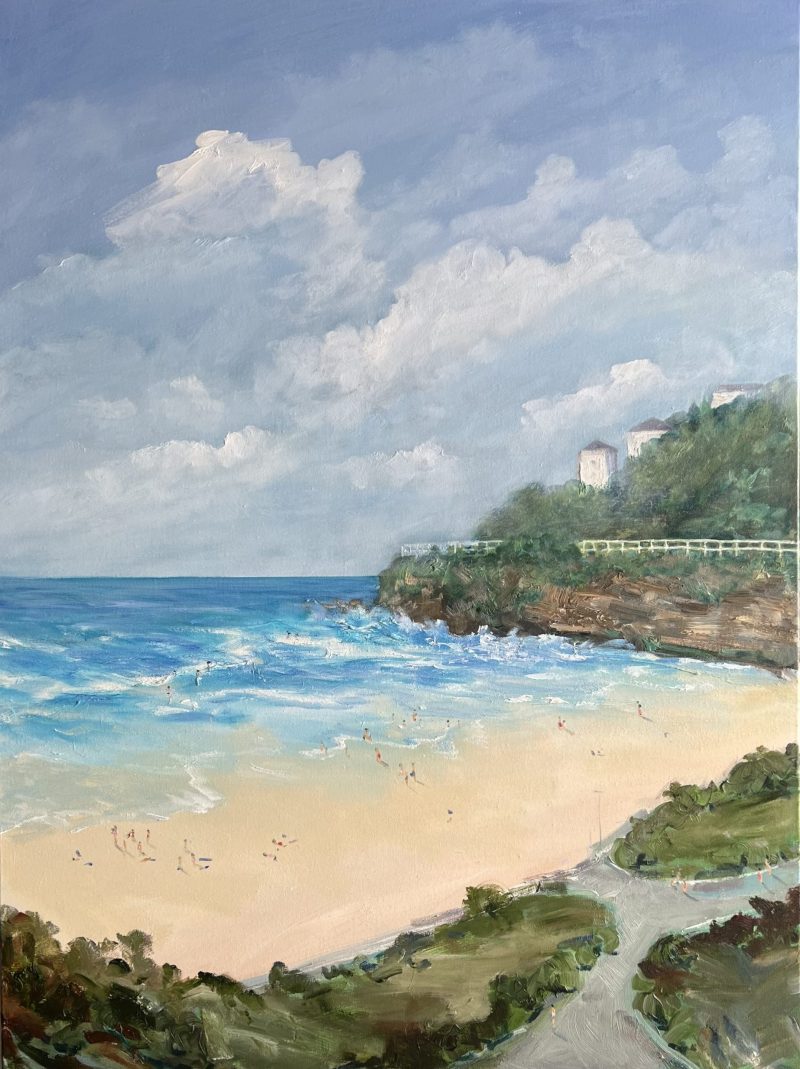 The White Fence
AUD$1,650
Size:
80w
x 105h
x 3.8d
cms
Meredith Howse
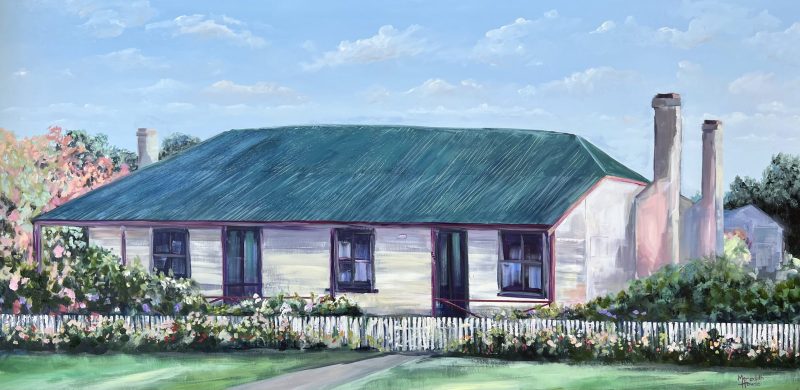 Bradman’s Birthplace
AUD$3,520
Size:
151w
x 76h
x 3.8d
cms
Meredith Howse
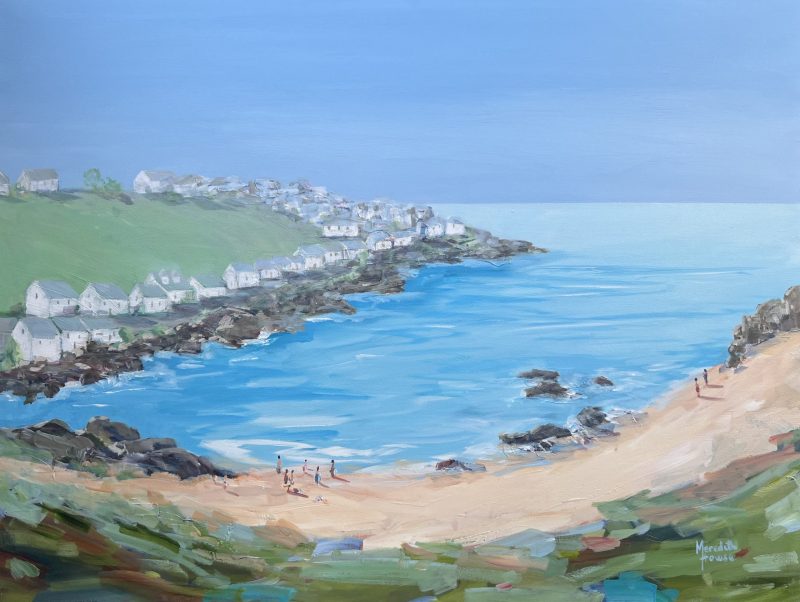 Seaside Town
AUD$1,430
Size:
103w
x 79h
x 5d
cms
Meredith Howse
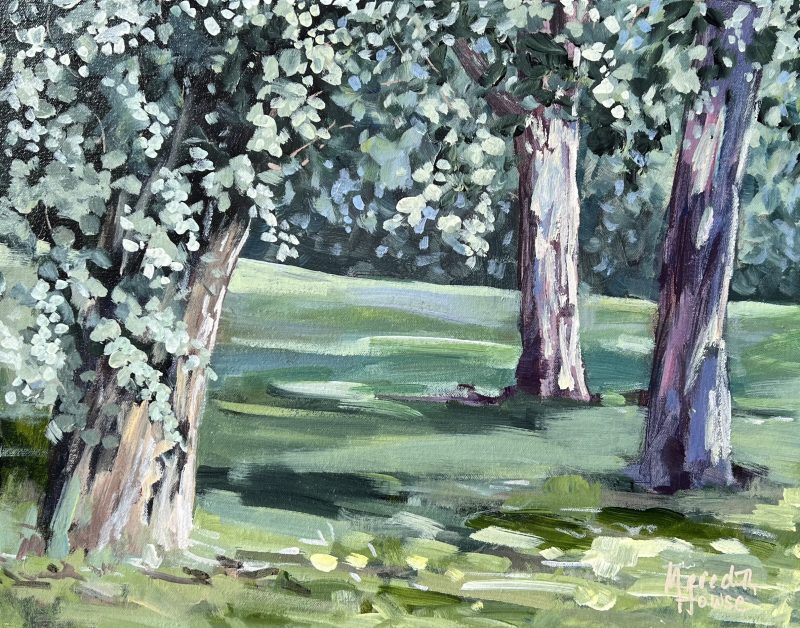 Eucalyptus Trees of Commonwealth Park
AUD$440
Size:
48w
x 48h
x 5d
cms
Meredith Howse
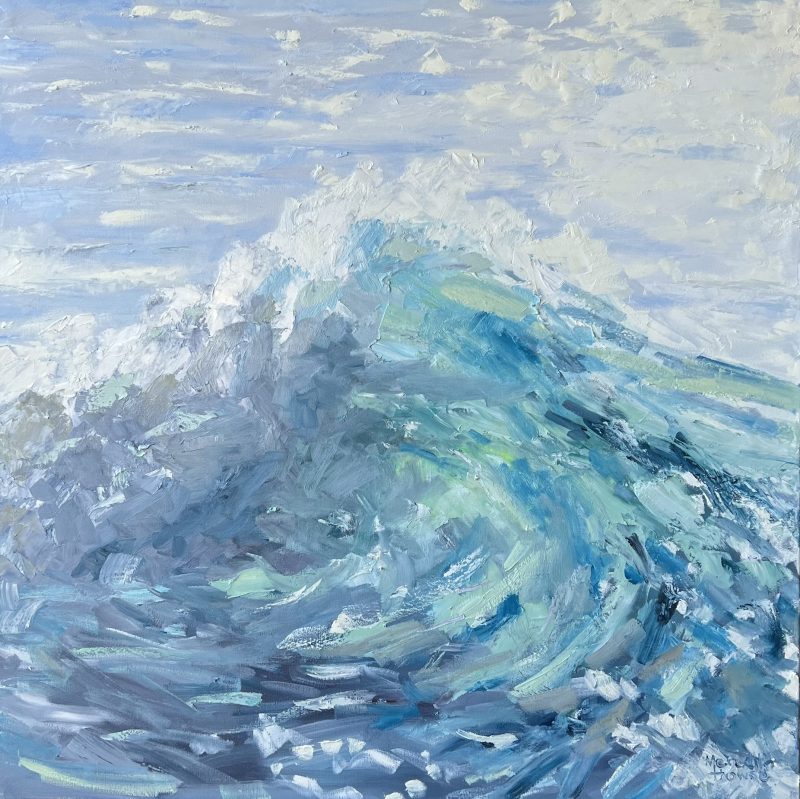 Shimmering Surge
AUD$1,430
Size:
91.4w
x 91.4h
x 3.8d
cms
Meredith Howse
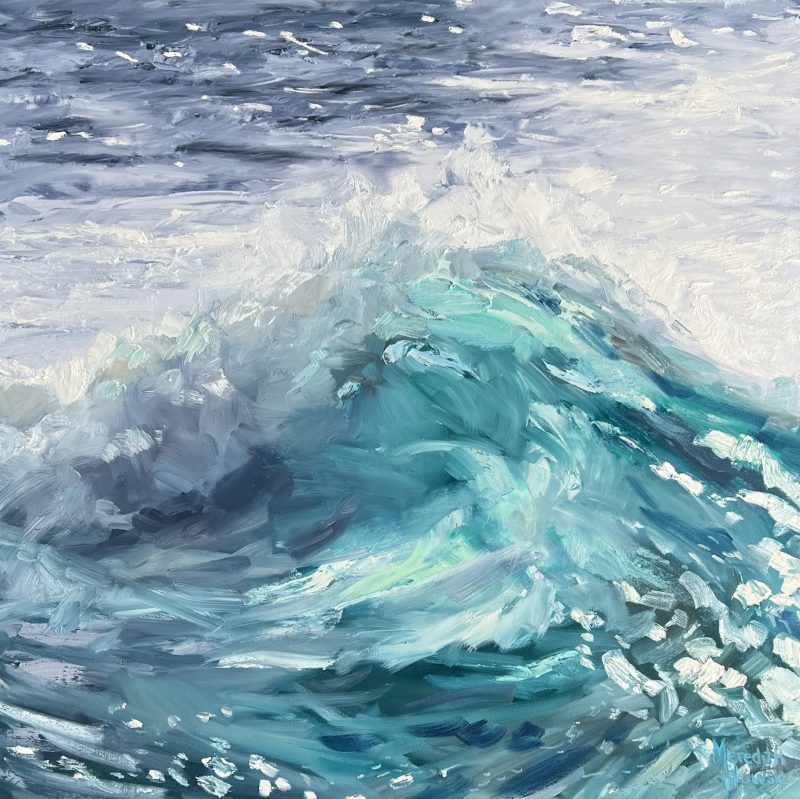 Transcendent Swell
AUD$1,430
Size:
91.4w
x 91.4h
x 3.8d
cms
Meredith Howse
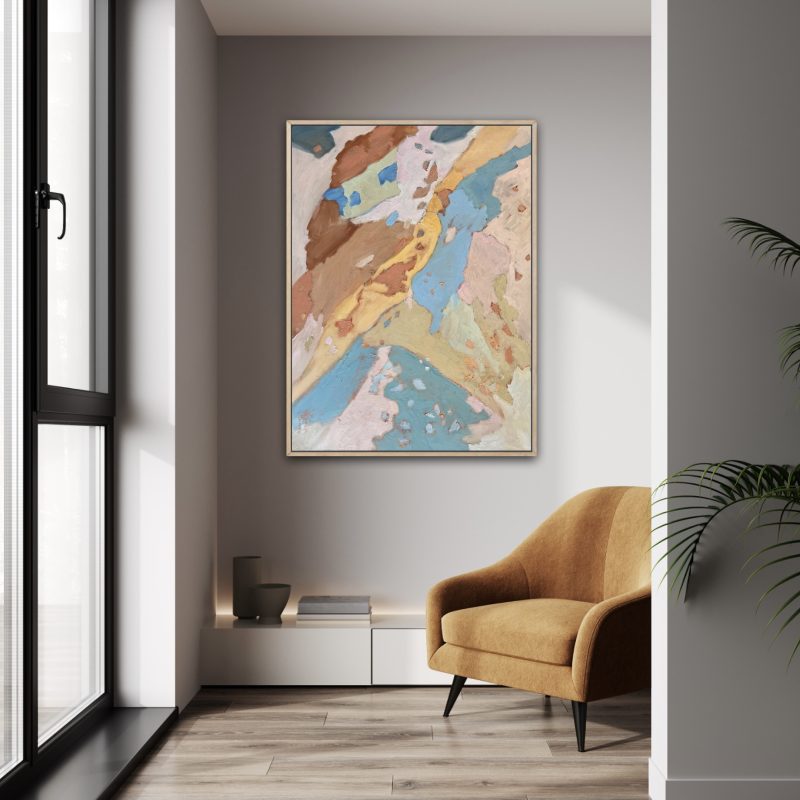 Salt Lake
AUD$1,430
Size:
125w
x 94h
x 3.8d
cms
Meredith Howse
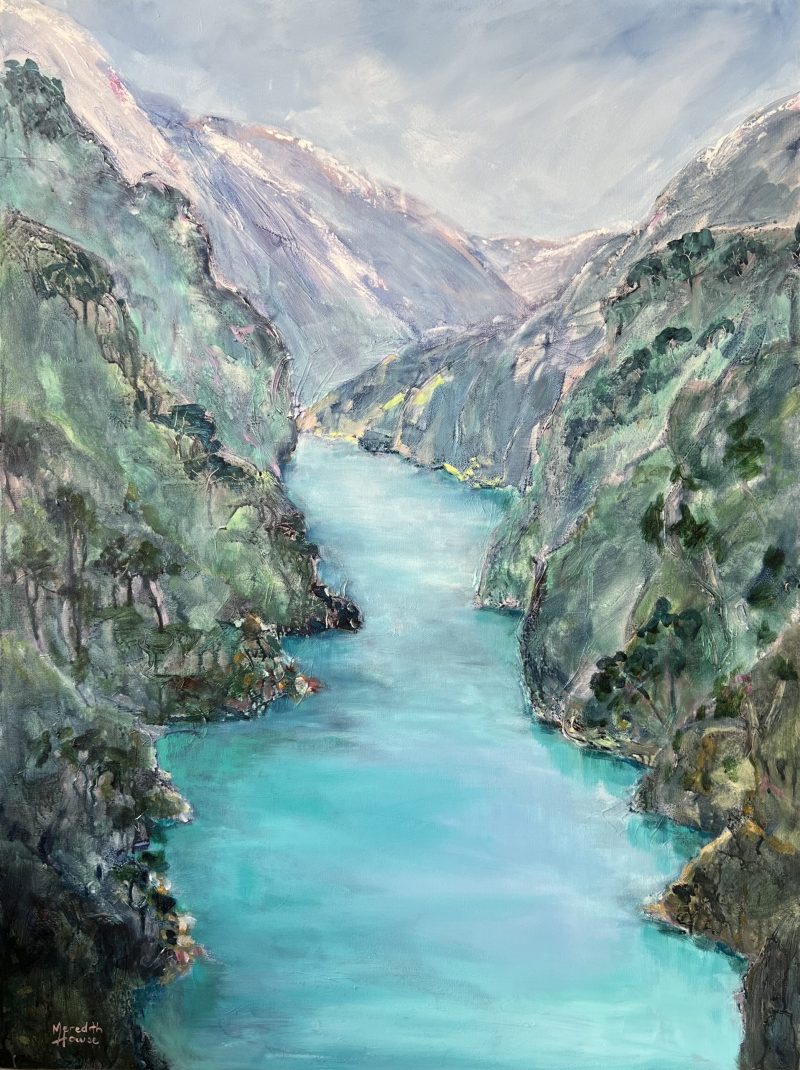 Kawarau River
AUD$1,320
Size:
76.4w
x 101.6h
x 3.8d
cms
Meredith Howse
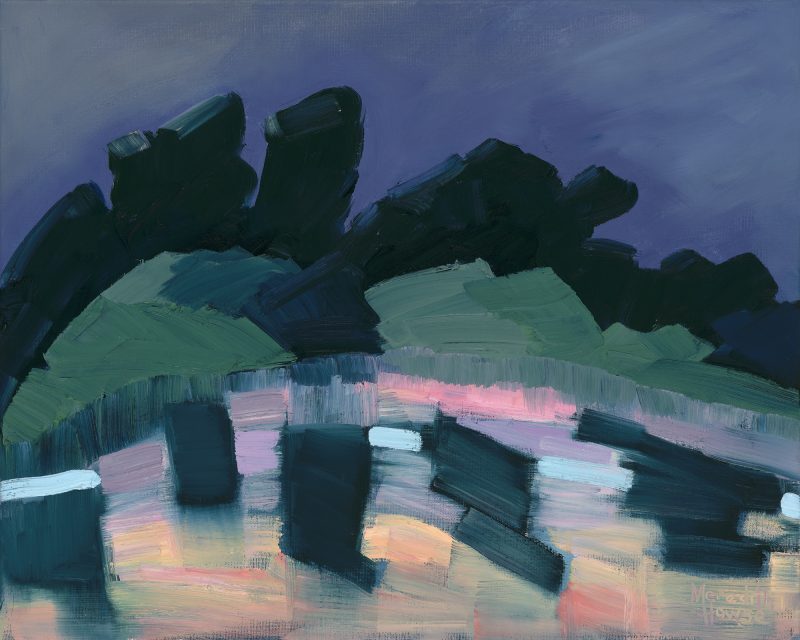 Dusk at Crossing
AUD$660
Size:
51w
x 41h
x 1.5d
cms
Meredith Howse
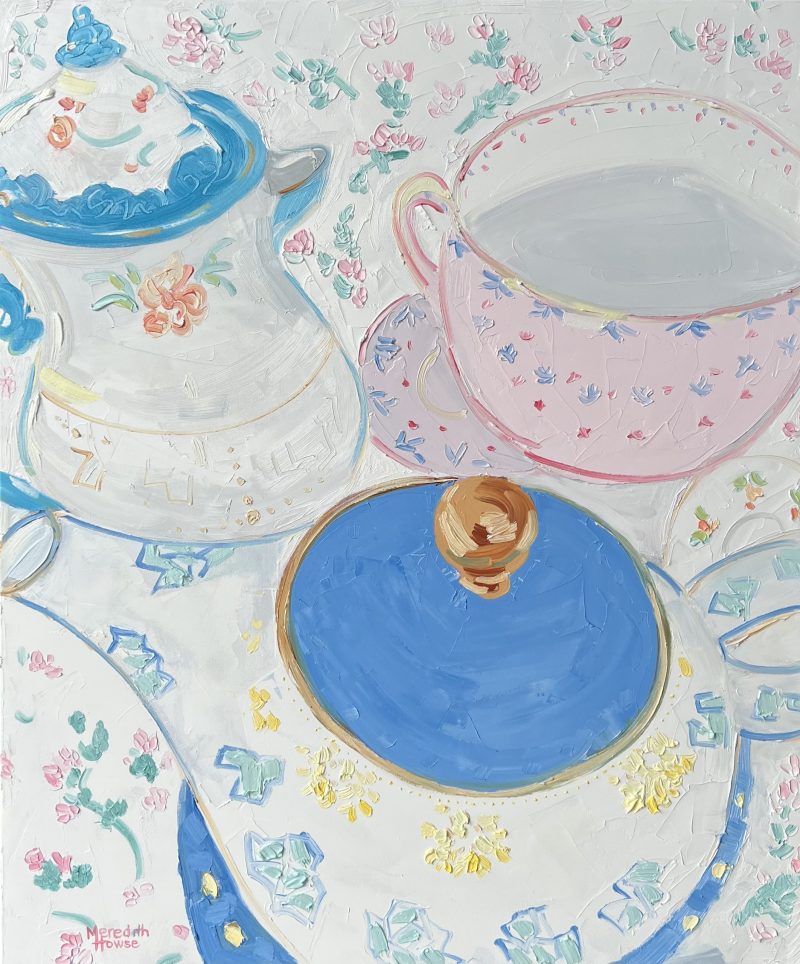 Tea Cup
AUD$1,320
Size:
79w
x 105h
x 5d
cms
Meredith Howse
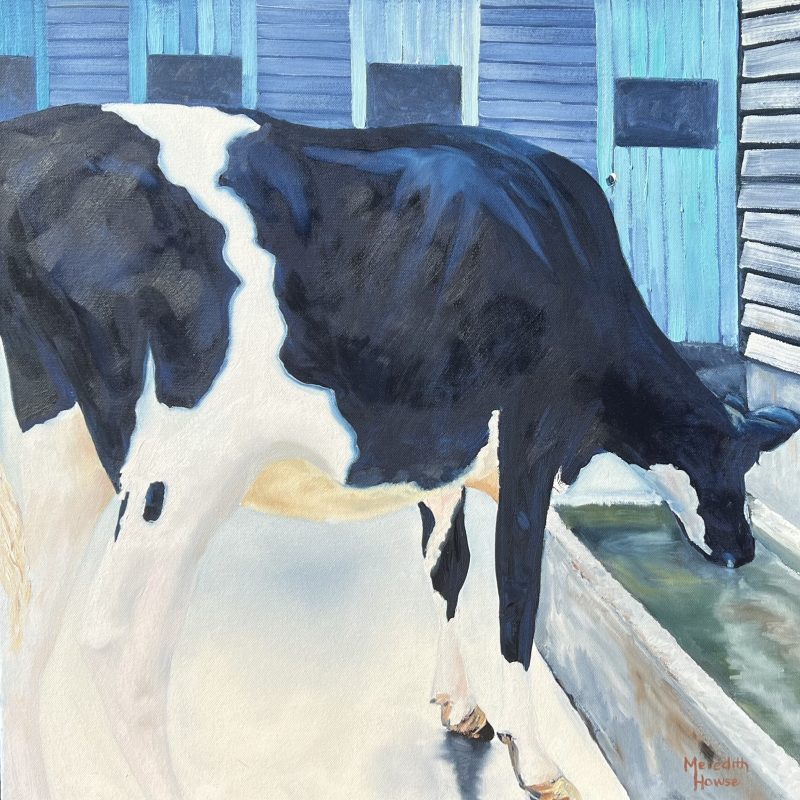 Town meets Country at the Ekka
AUD$1,200
Size:
63w
x 63h
x 5d
cms
Meredith Howse
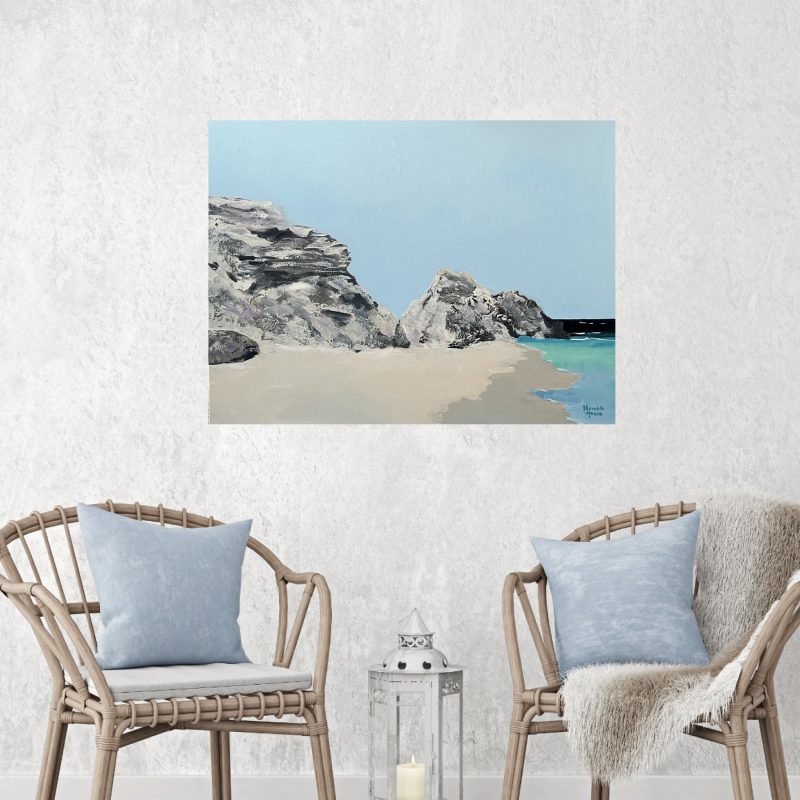 Limestone Cliffs of Hamelin Bay
AUD$1,300
Size:
106.7w
x 81.3h
x 3.8d
cms
Meredith Howse
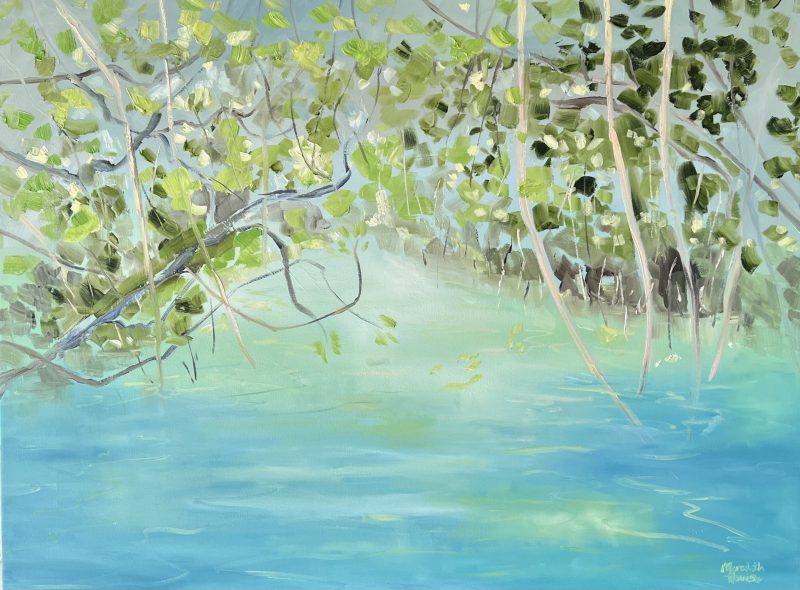 Upper Daintree 7
AUD$1,800
Size:
105w
x 79h
x 5.5d
cms
Meredith Howse
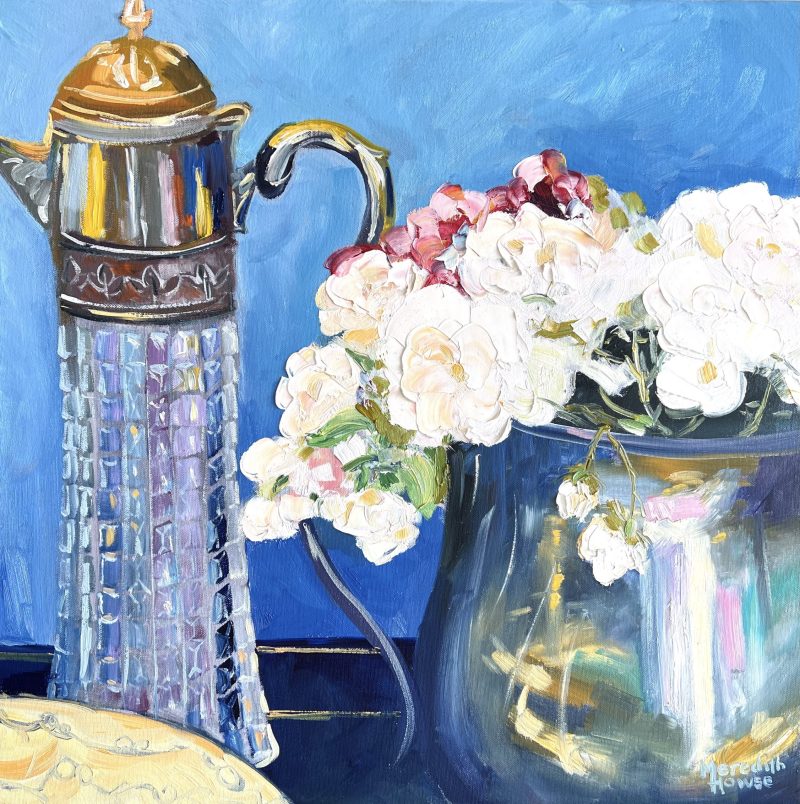 Roses of Blair Athol
AUD$1,320
Size:
64w
x 64h
x 5d
cms
Meredith Howse
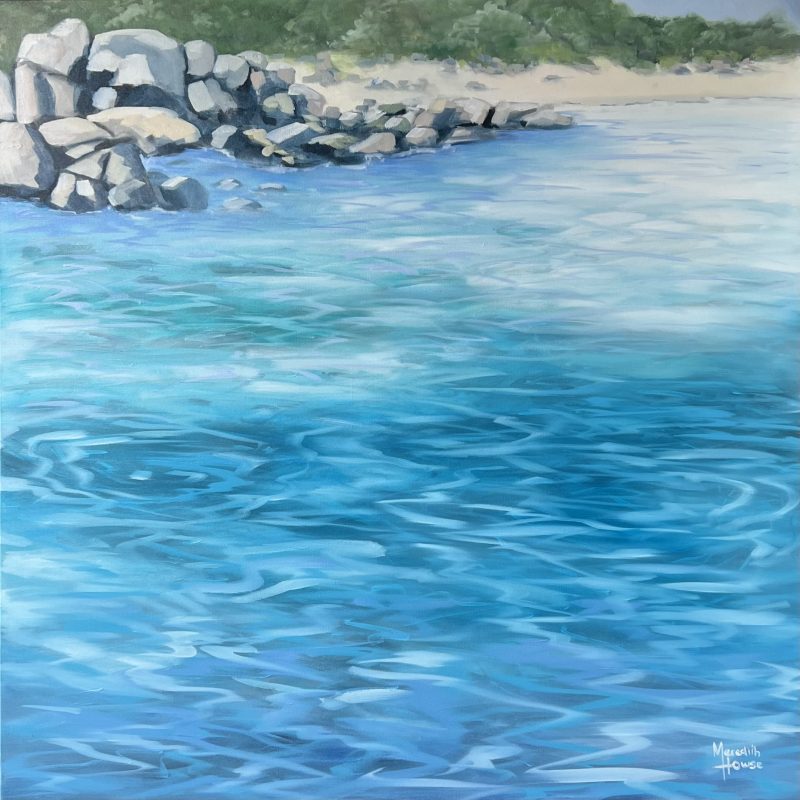 Binalong Bay
AUD$1,980
Size:
101.6w
x 101.6h
x 3.8d
cms
Meredith Howse
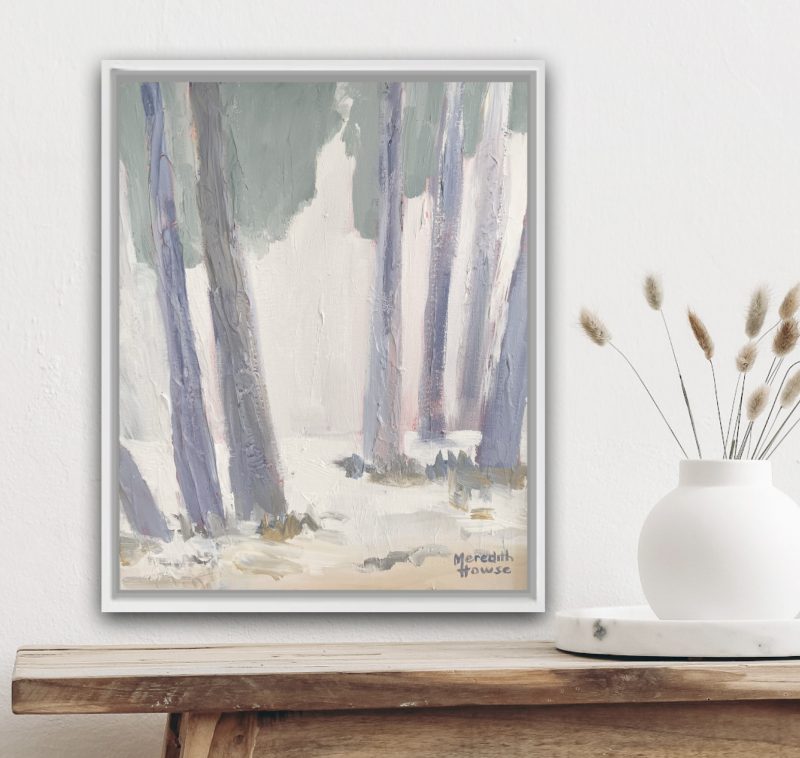 Winter in Victoria
AUD$600
Size:
43w
x 53h
x 5d
cms
Meredith Howse
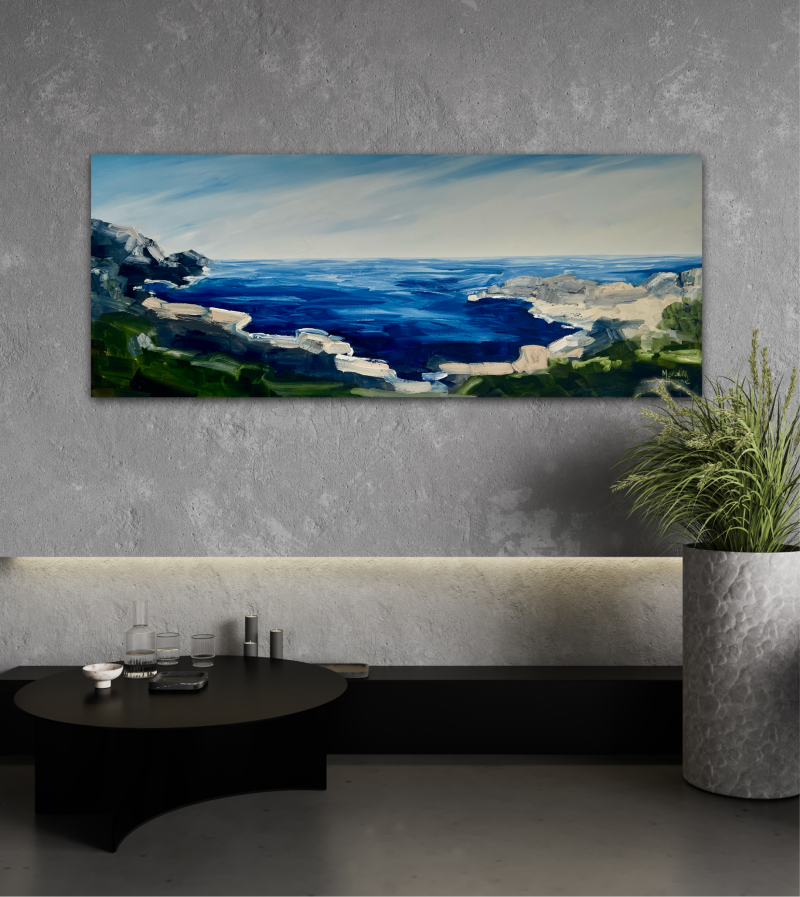 Deep in the Shallows 2
AUD$1,650
Size:
152.5w
x 61h
x 3.8d
cms
Meredith Howse
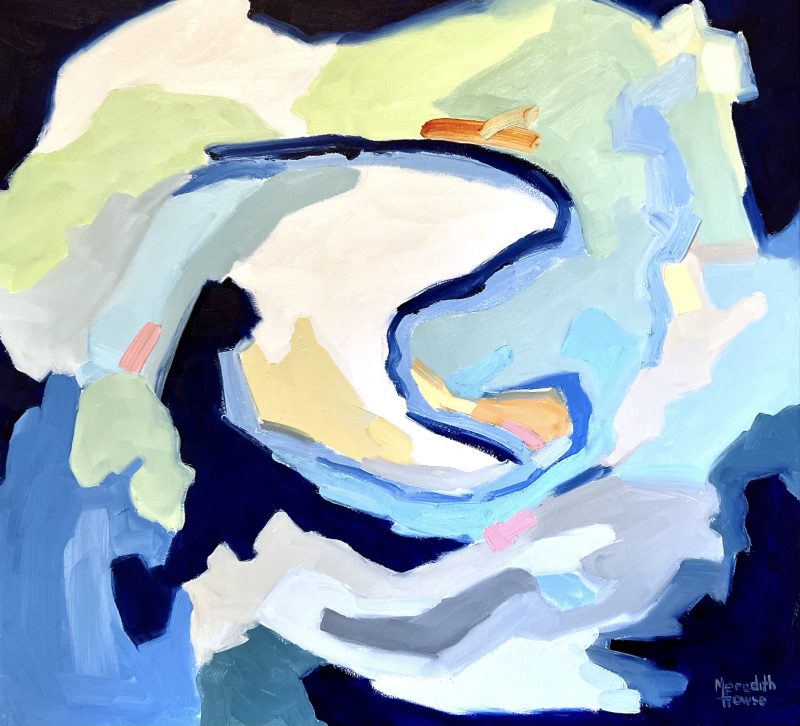 Flying High
AUD$980
Size:
84w
x 76h
x 3.8d
cms
Meredith Howse
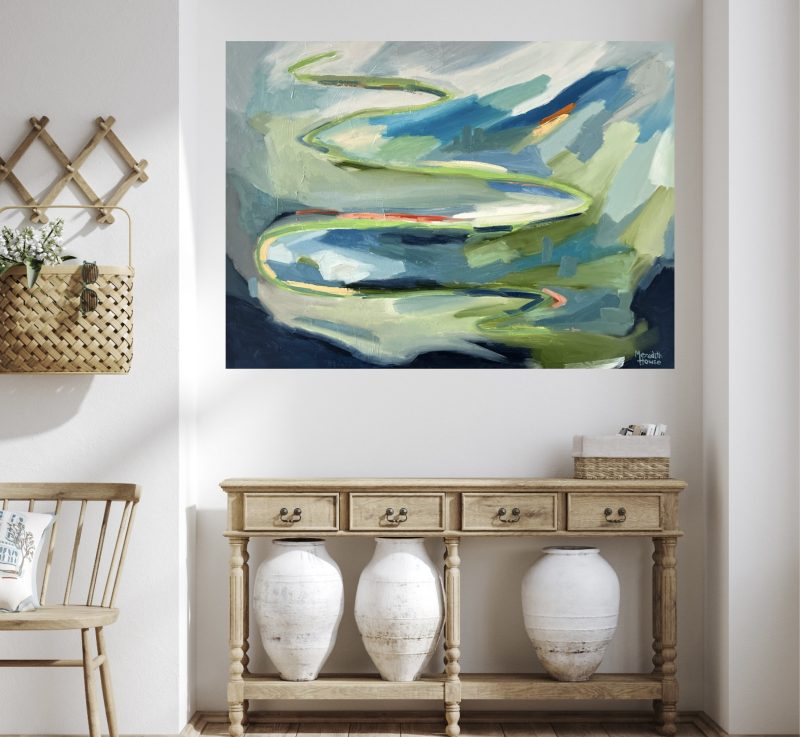 Her Green Path Home 2
AUD$1,430
Size:
122.9w
x 91.4h
x 3.8d
cms
Meredith Howse
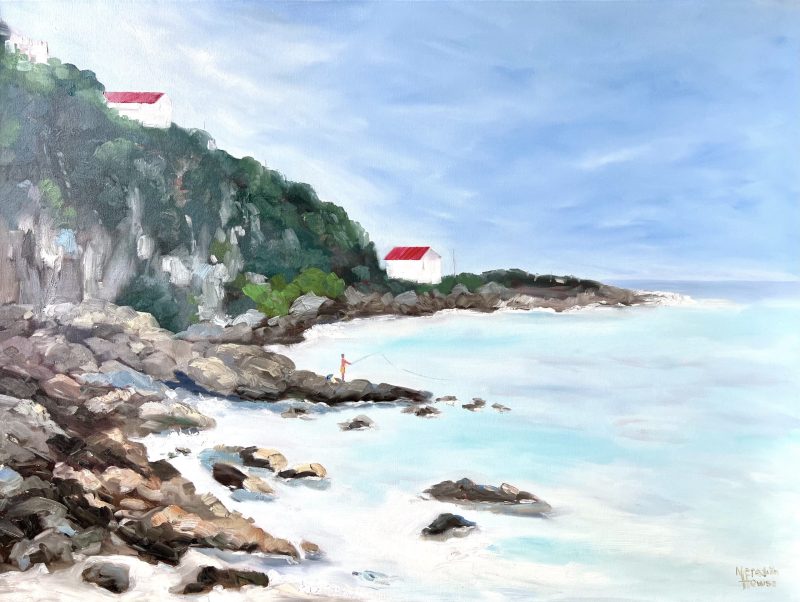 Gordon’s Bay, Coogee
AUD$1,760
Size:
121.9w
x 91.4h
x 3.8d
cms
Meredith Howse
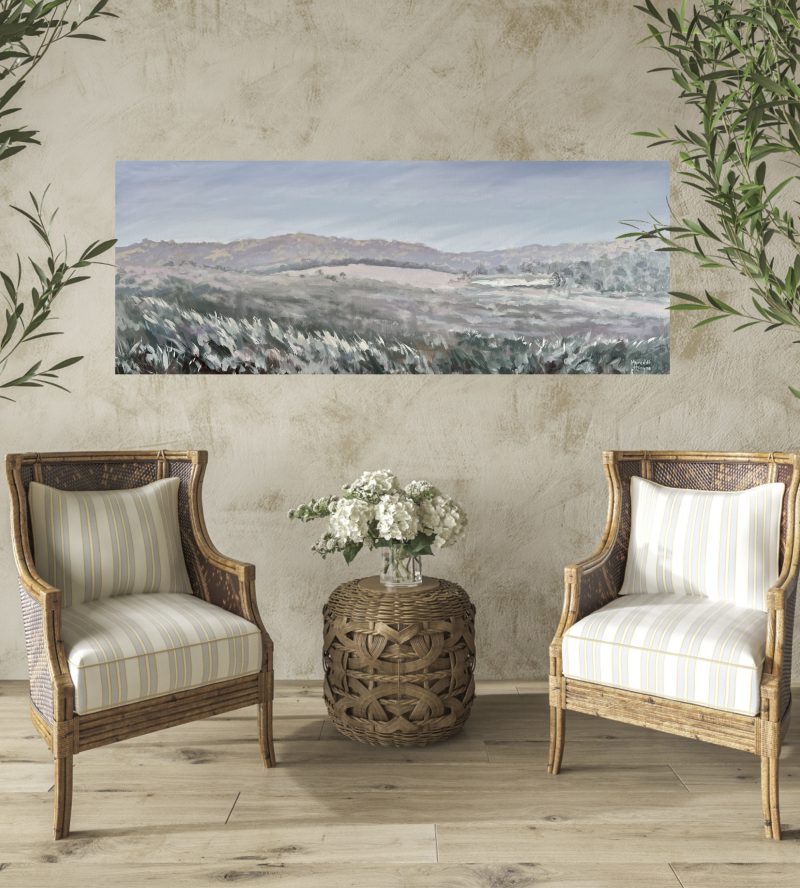 Hazy Winter Morn
AUD$2,090
Size:
152w
x 61h
x 3.8d
cms
Meredith Howse
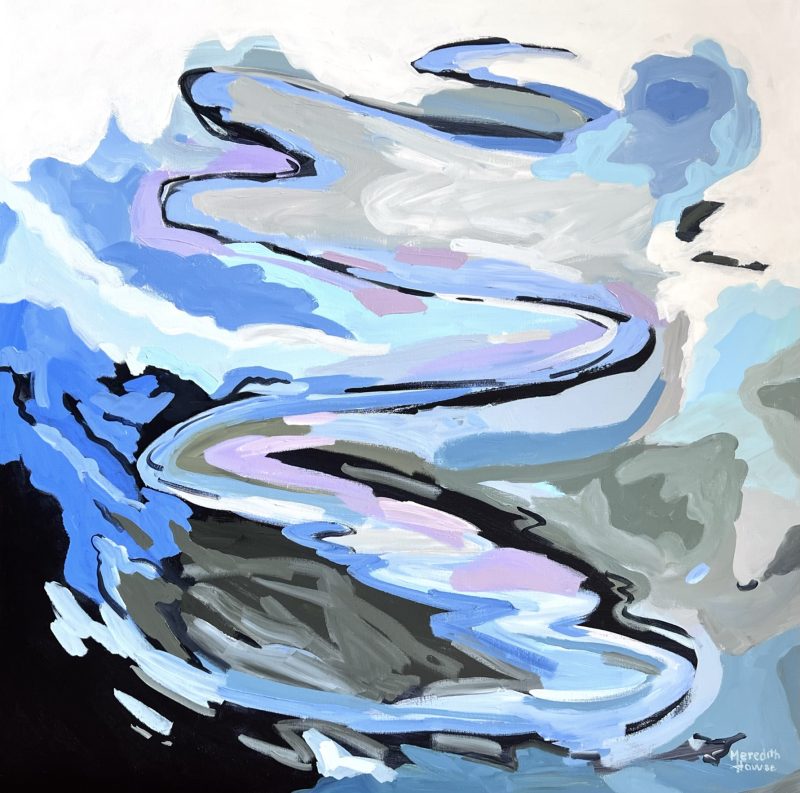 Jindabyne 3
AUD$1,430
Size:
101w
x 101h
x 3.8d
cms
Meredith Howse
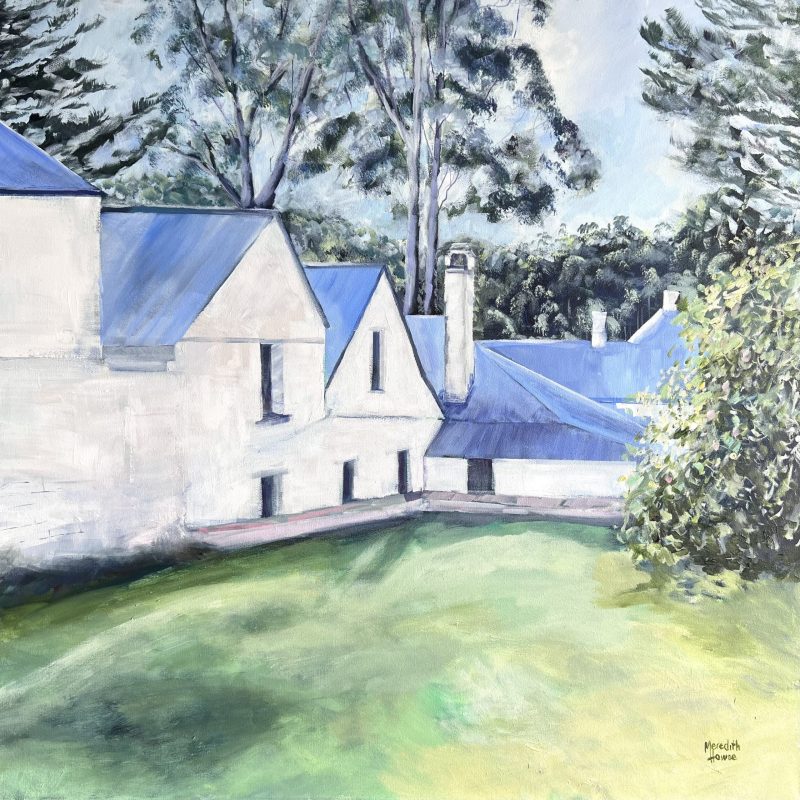 Commandant’s House
AUD$1,980
Size:
95w
x 95h
x 5d
cms
Meredith Howse
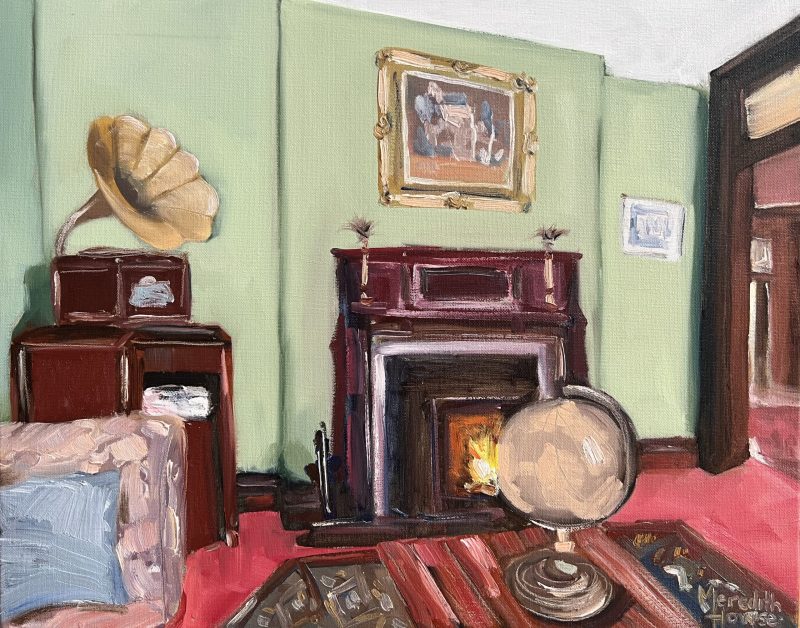 Welcome Home to Blair Athol
AUD$990
Size:
51w
x 40h
x 3.8d
cms
Meredith Howse
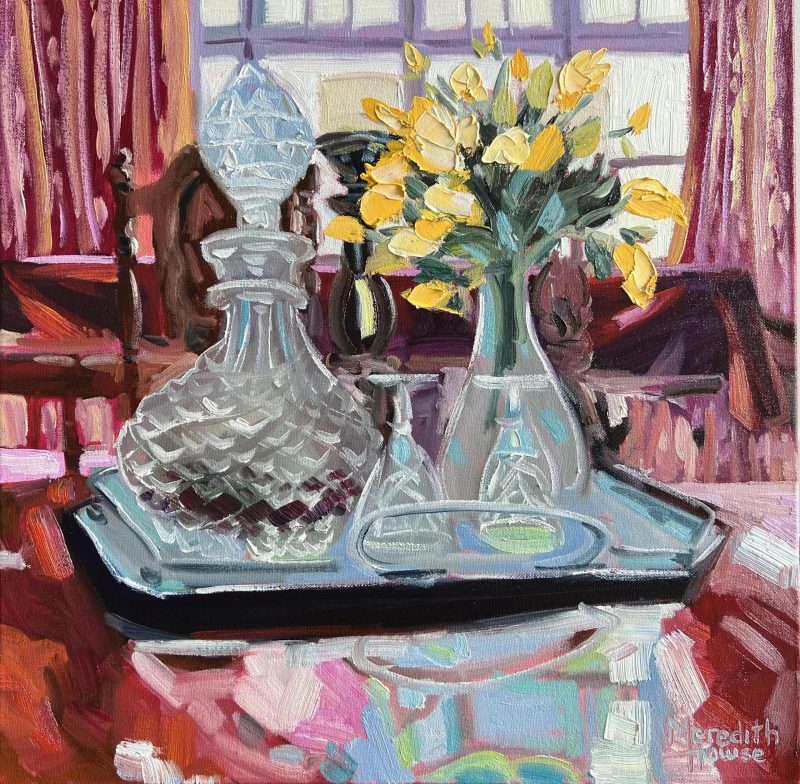 Yellow Flowers and Crystal
AUD$990
Size:
48w
x 48h
x 5d
cms
Meredith Howse
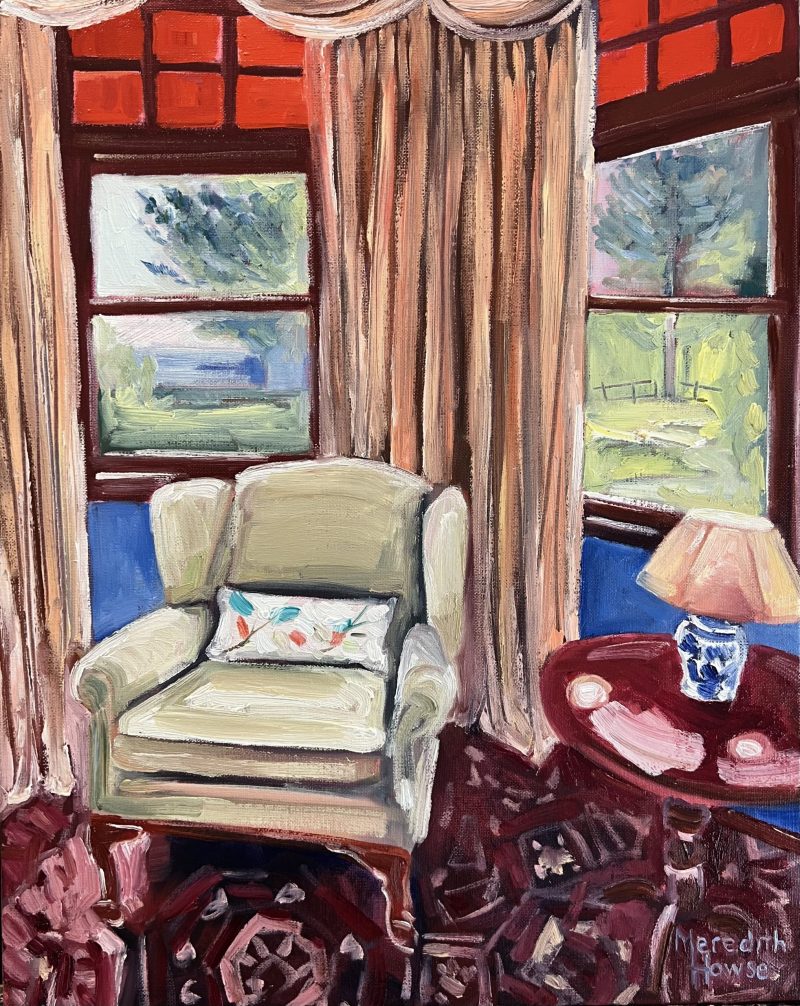 Room with a View
AUD$1,320
Size:
42.5w
x 54h
x 5d
cms
Meredith Howse
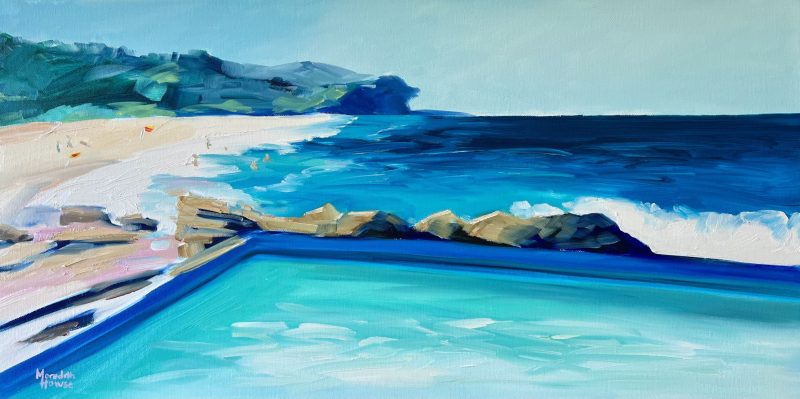 Whale Beach Ocean Pool
AUD$900
Size:
84w
x 44h
x 3d
cms
Meredith Howse
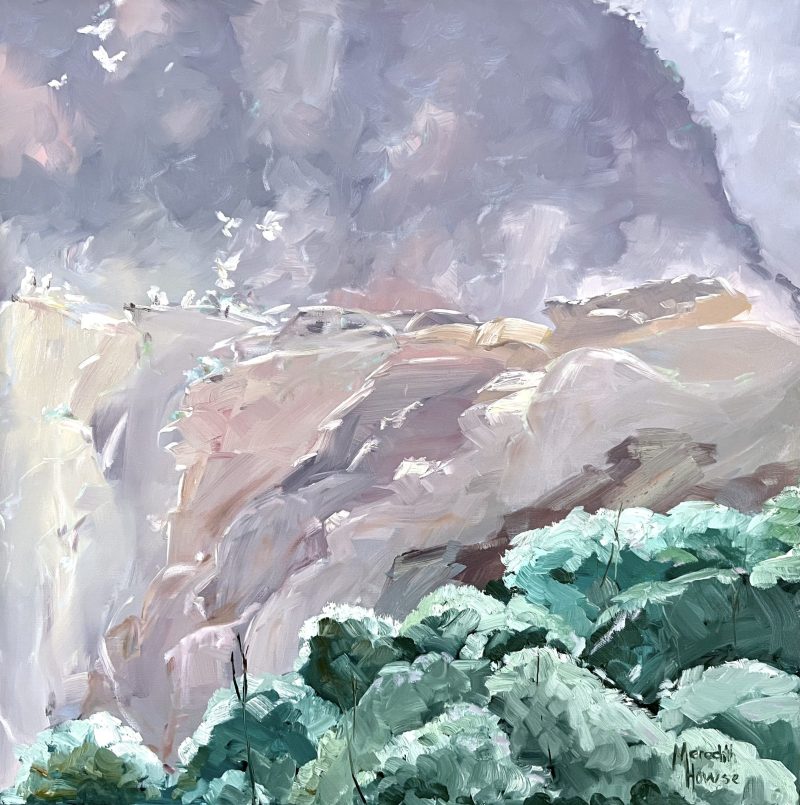 Pure Australia 6
AUD$1,320
Size:
94w
x 94h
x 5d
cms
Meredith Howse
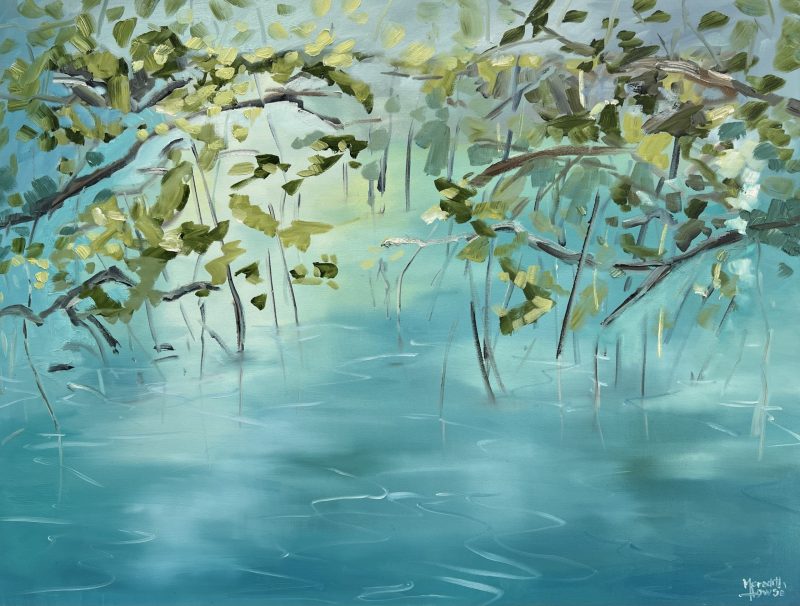 Upper Daintree 1
AUD$1,800
Size:
104w
x 79h
x 3.8d
cms
Meredith Howse
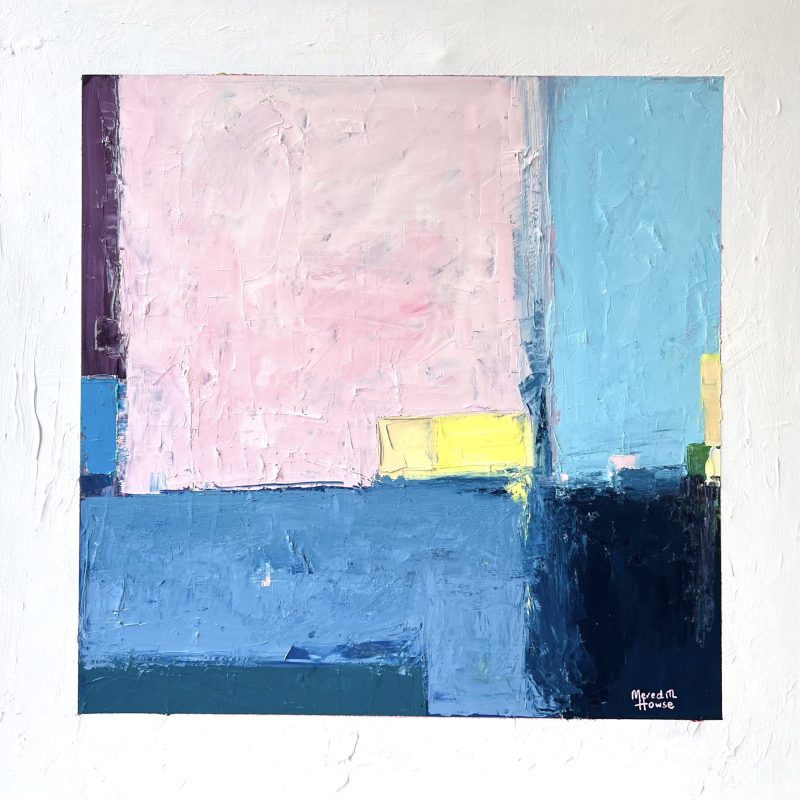 Abstract Thought 16th September
AUD$1,430
Size:
93w
x 93h
x 5d
cms
Meredith Howse
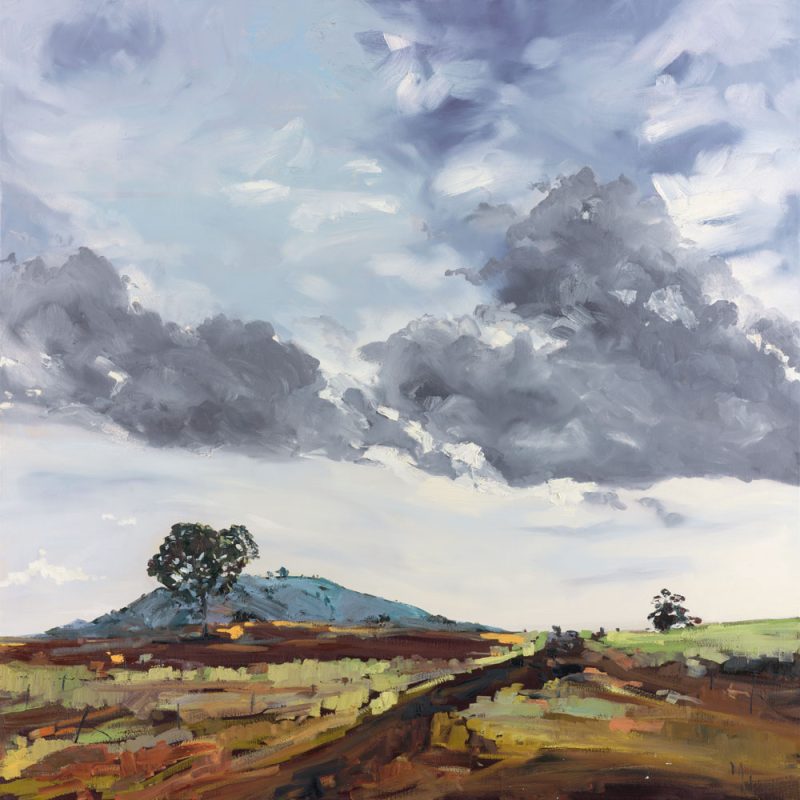 Cootamundra 2
AUD$1,980
Size:
94w
x 94h
x 5d
cms
Meredith Howse
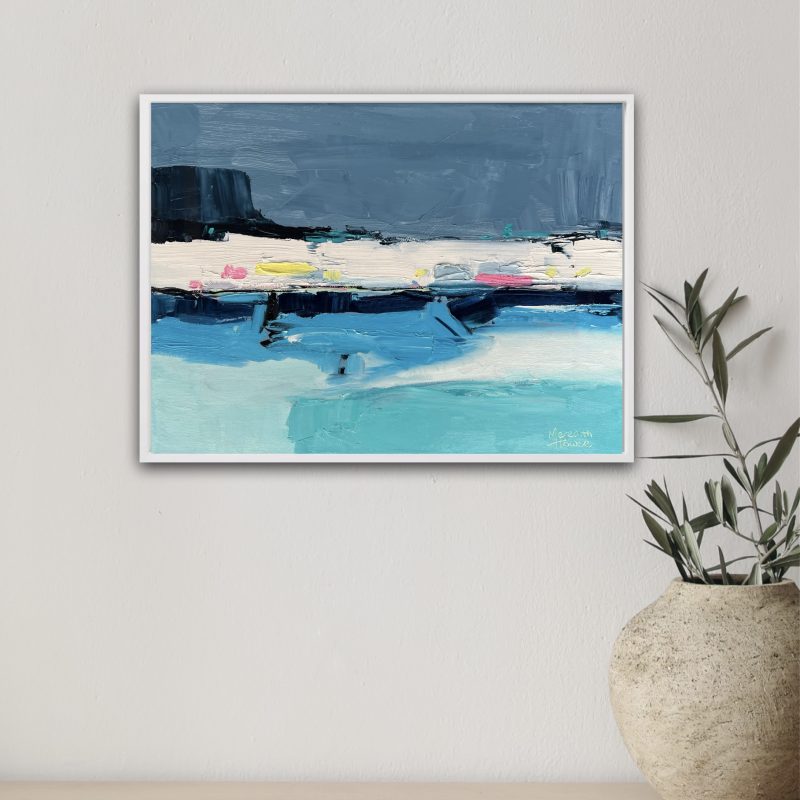 Abstract Thought 5th September
AUD$130
Size:
43.8w
x 33.4h
x 3d
cms
Meredith Howse
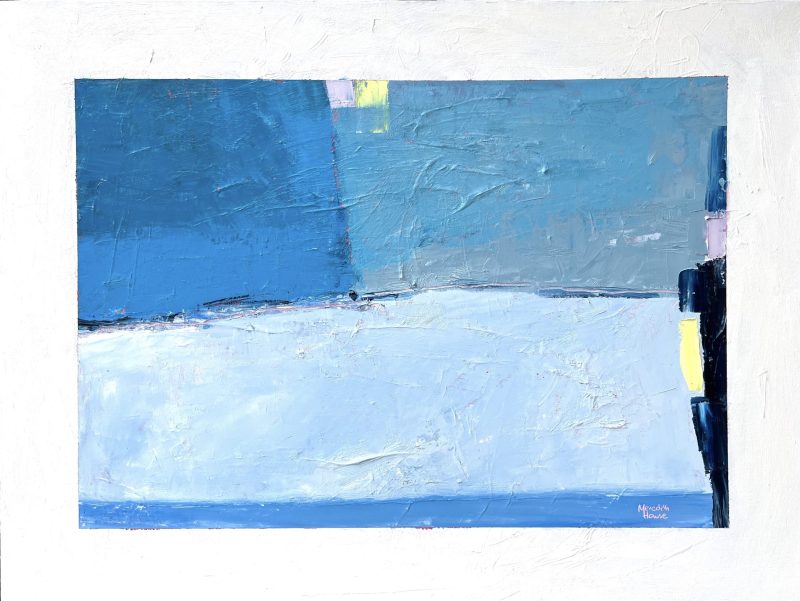 Abstract Thought 3rd of September
AUD$1,320
Size:
105w
x 79h
x 5d
cms
Meredith Howse
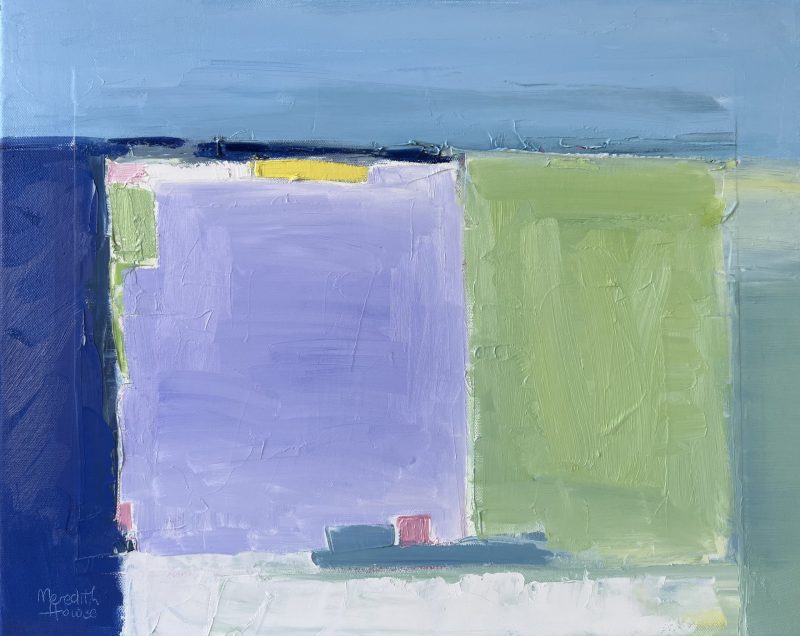 Abstract Thought 4th September
AUD$550
Size:
53.5w
x 43.5h
x 3d
cms
Meredith Howse
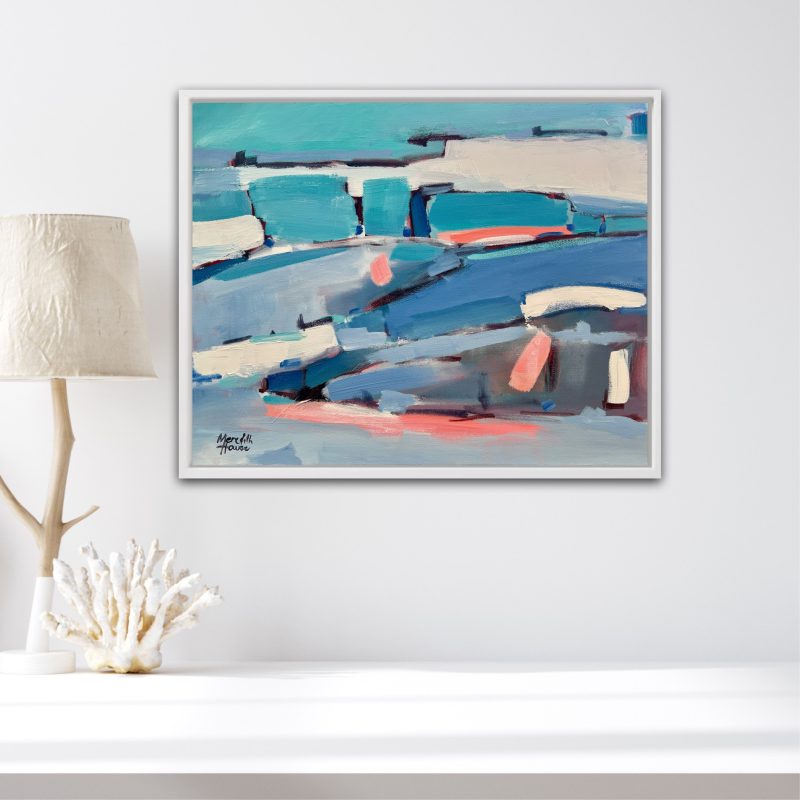 Abstract Thought 29th August
AUD$600
Size:
54.5w
x 44.5h
x 3.8d
cms
Meredith Howse
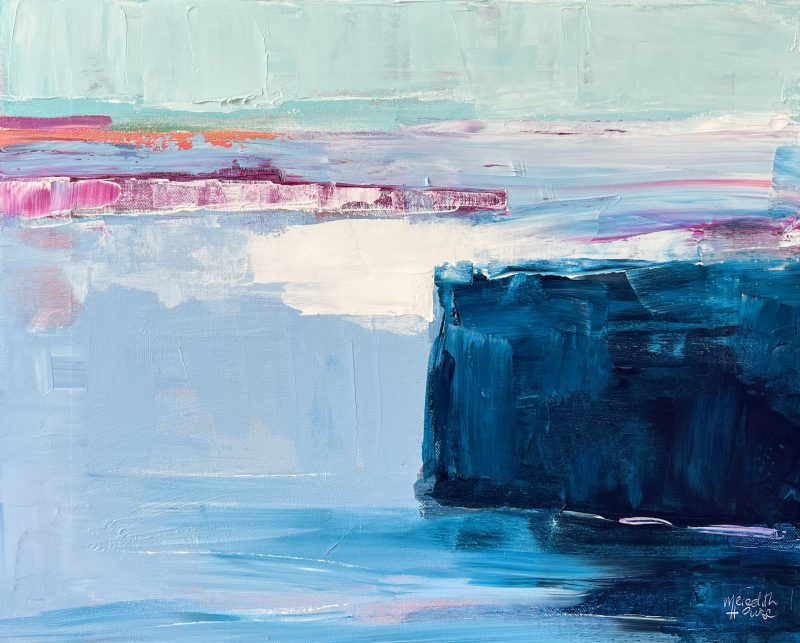 Abstract Thought 30th August
AUD$660
Size:
53.8w
x 43.6h
x 5d
cms
Meredith Howse
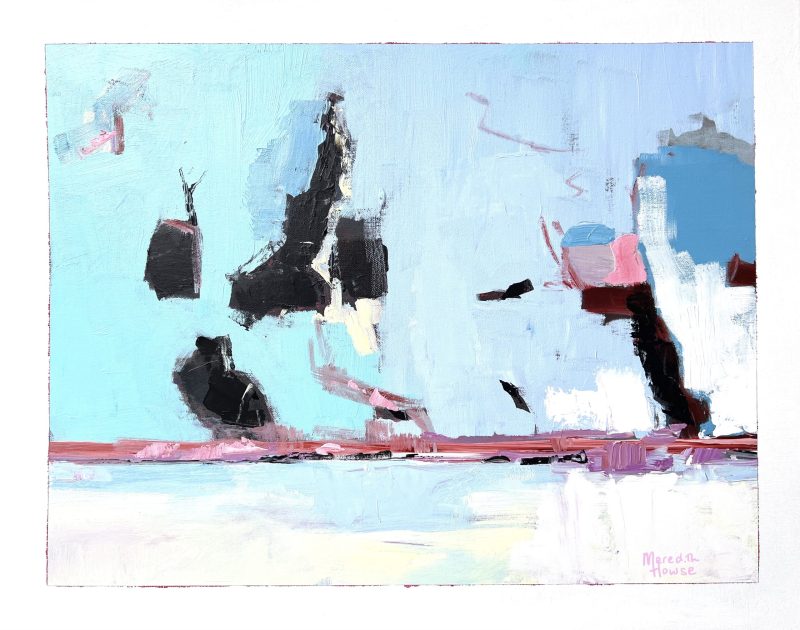 Abstract Thought 27th August
AUD$1,050
Size:
79w
x 64h
x 4.5d
cms
Meredith Howse
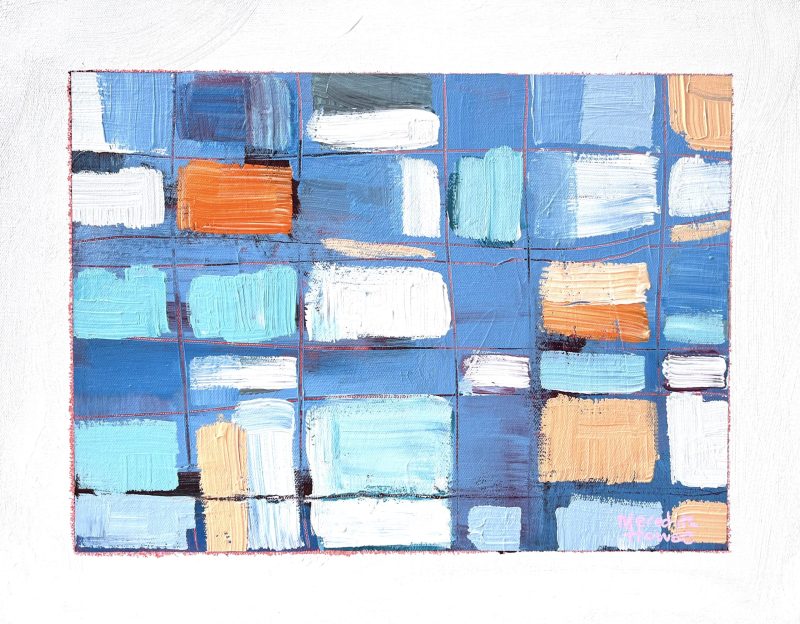 Abstract Thought 12th September
AUD$280
Size:
50.5w
x 36h
x 1.8d
cms
Meredith Howse
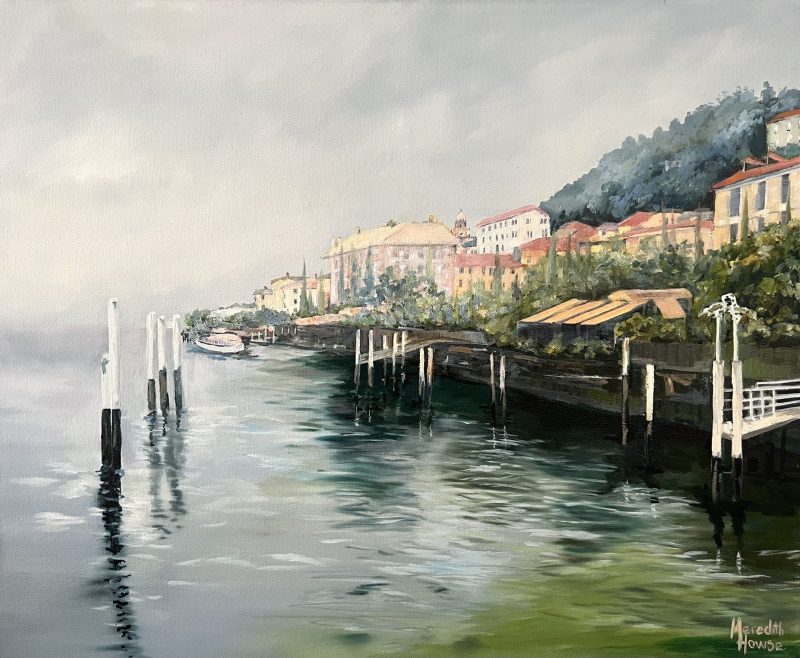 Lake Como
AUD$1,320
Size:
63w
x 53h
x 5d
cms
Meredith Howse
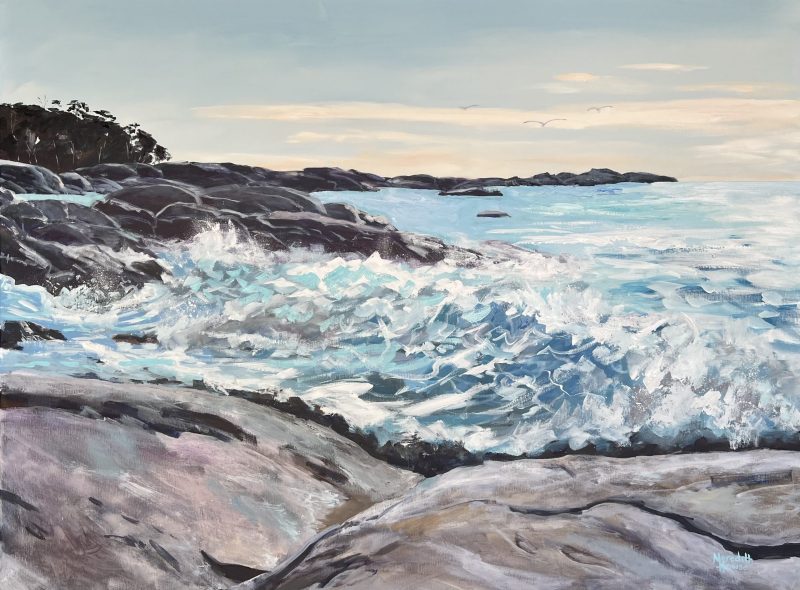 Bicheno
AUD$1,870
Size:
121.9w
x 91.4h
x 3.8d
cms
Meredith Howse
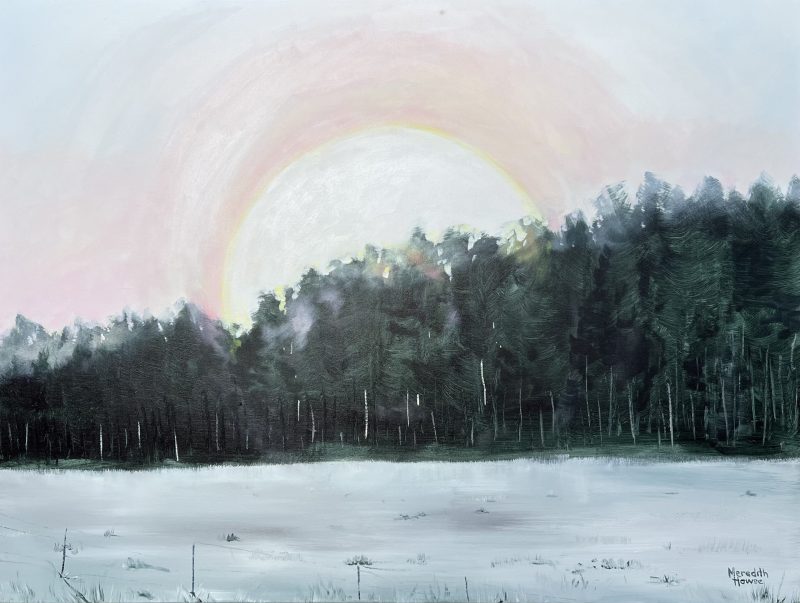 Autumn Frost meets First Light
AUD$1,760
Size:
101.6w
x 76.2h
x 3.8d
cms
Meredith Howse
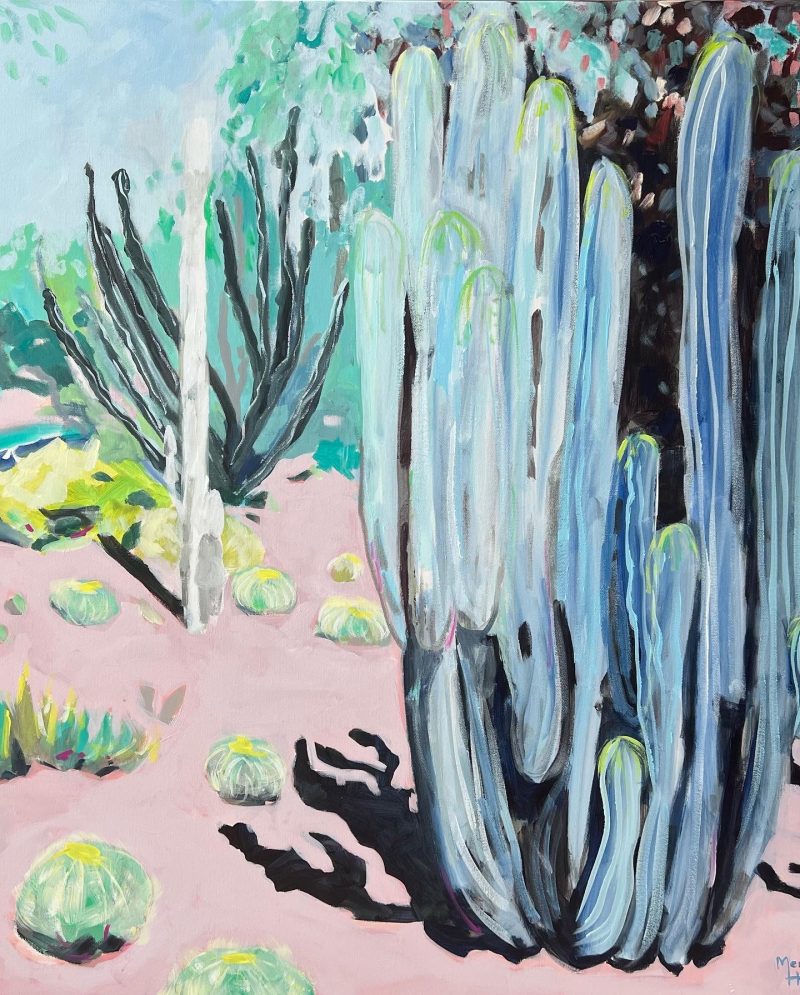 Cactus – Succulent Society
AUD$1,320
Size:
101.5w
x 101.5h
x 3.8d
cms
Meredith Howse
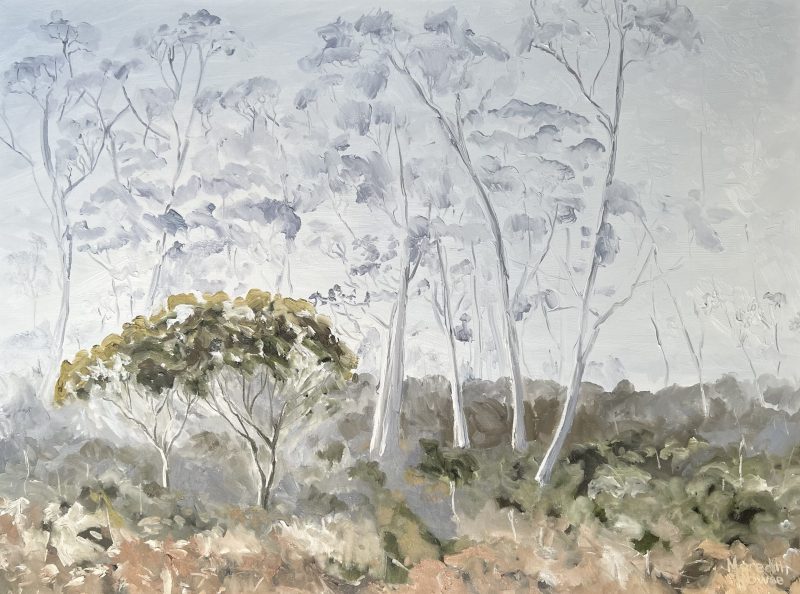 Middlesex Plains, Tasmania
AUD$1,650
Size:
101w
x 76h
x 3.8d
cms
Meredith Howse
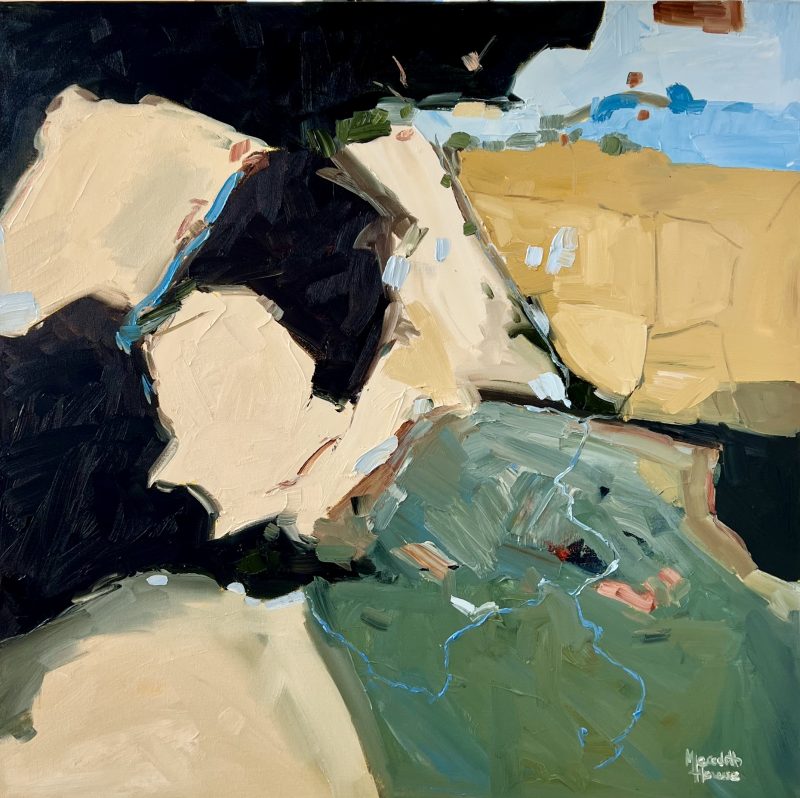 Colours of Texas 5
AUD$1,320
Size:
91.4w
x 91.4h
x 3.8d
cms
Meredith Howse
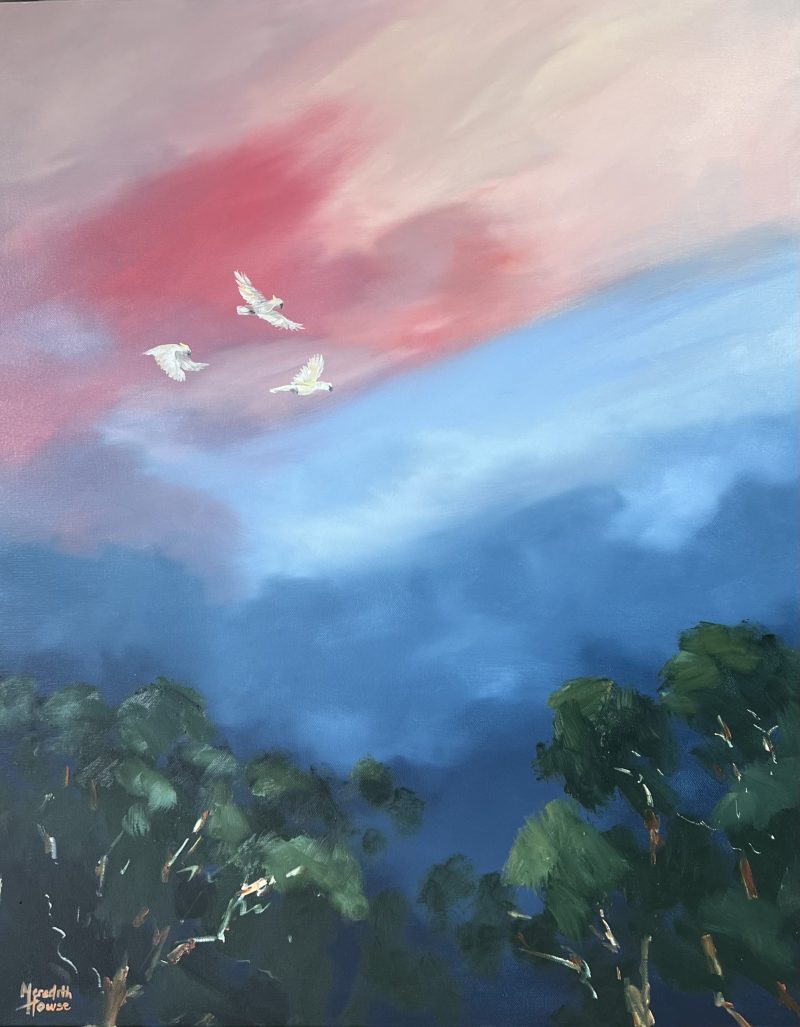 Illumination Freedom
AUD$900
Size:
64.5w
x 79.5h
x 5d
cms
Meredith Howse
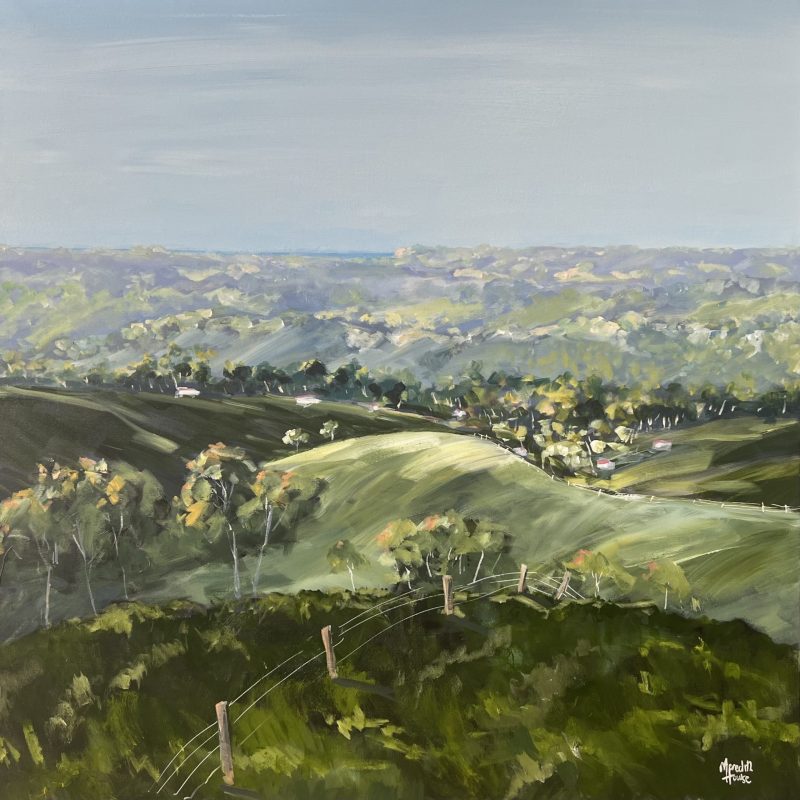 Byron to Lennox
AUD$1,800
Size:
95w
x 95h
x 5d
cms
Meredith Howse
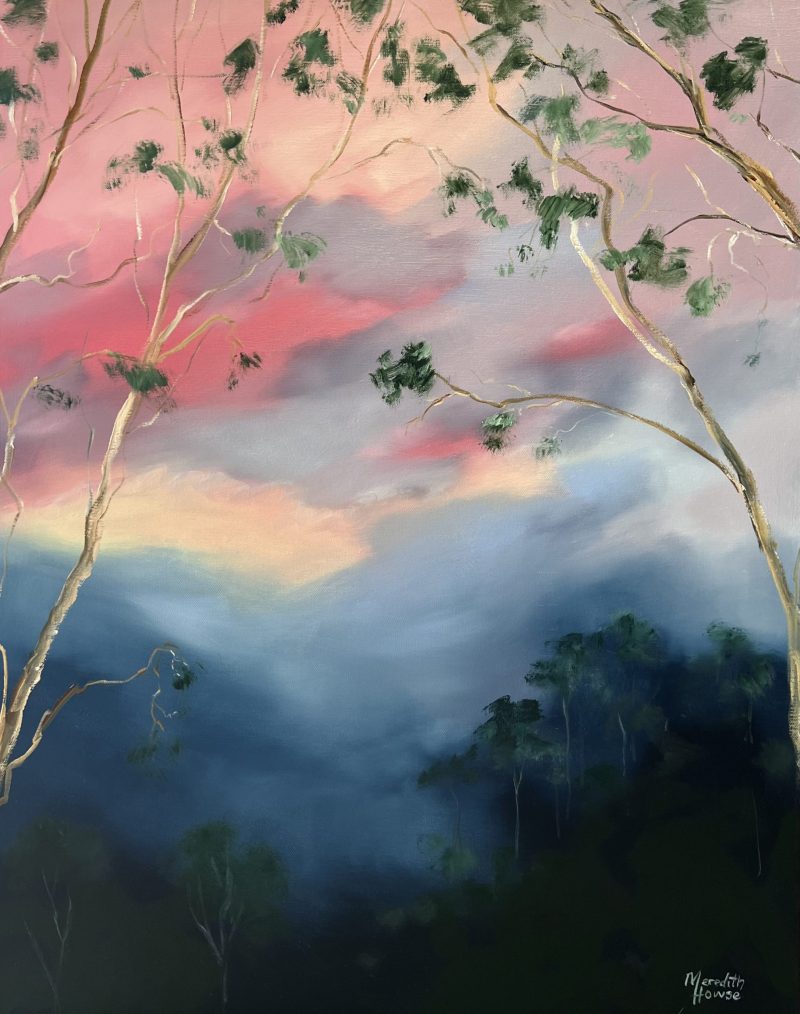 Illumination Barrington
AUD$900
Size:
64.5w
x 79.5h
x 5d
cms
Meredith Howse
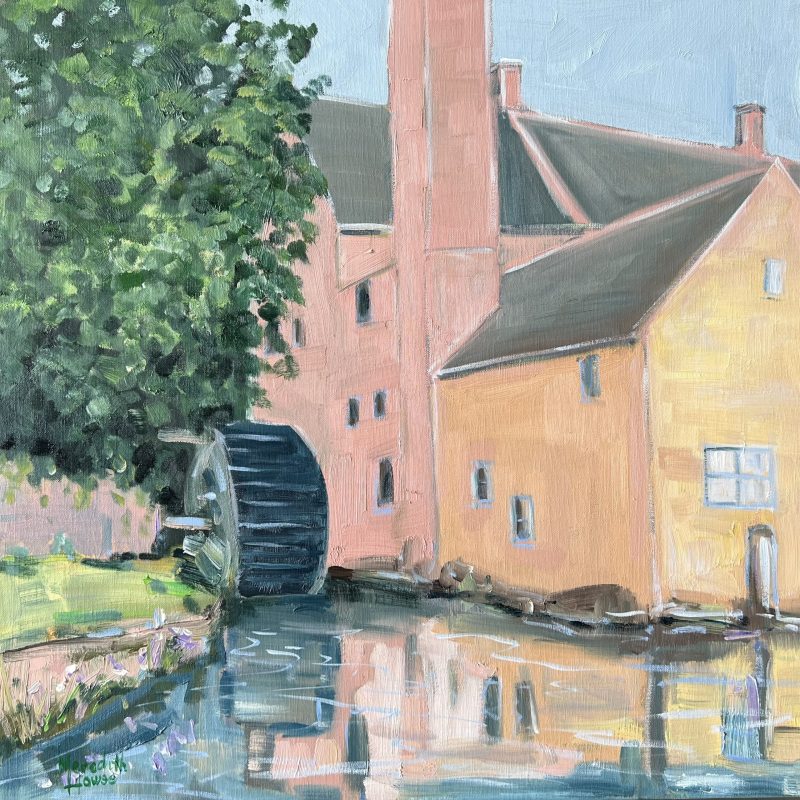 The Old Mill
AUD$900
Size:
63w
x 63h
x 5d
cms
Meredith Howse
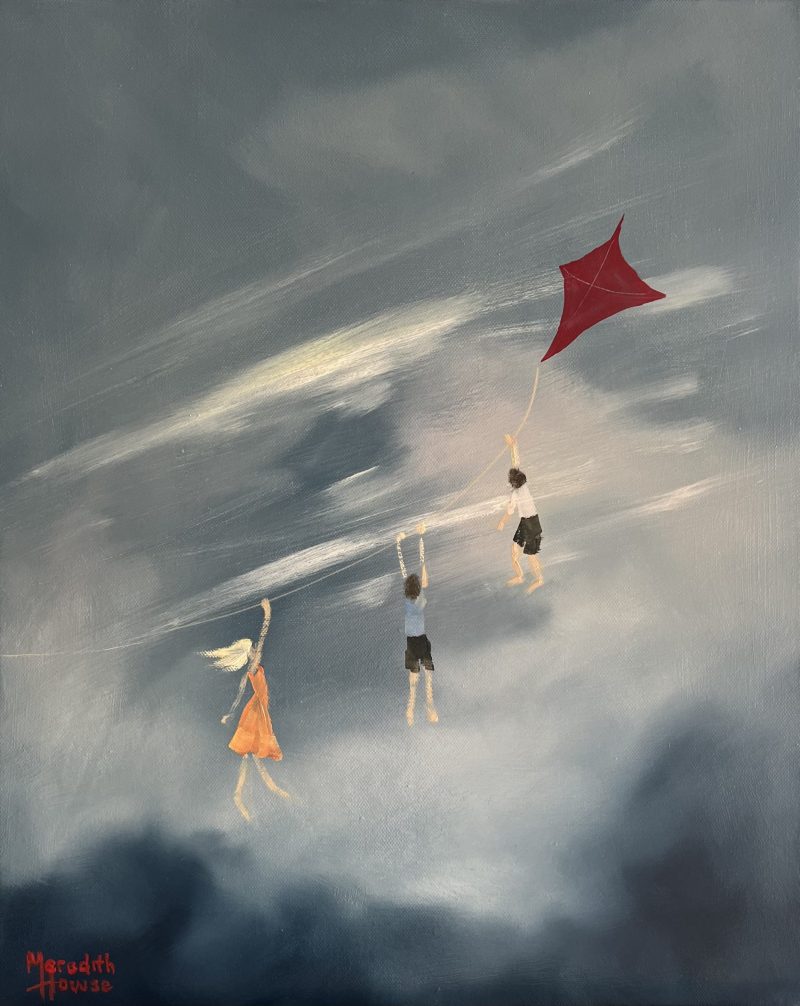 Illumination Red Kite
AUD$600
Size:
44.5w
x 54.5h
x 3d
cms
Meredith Howse
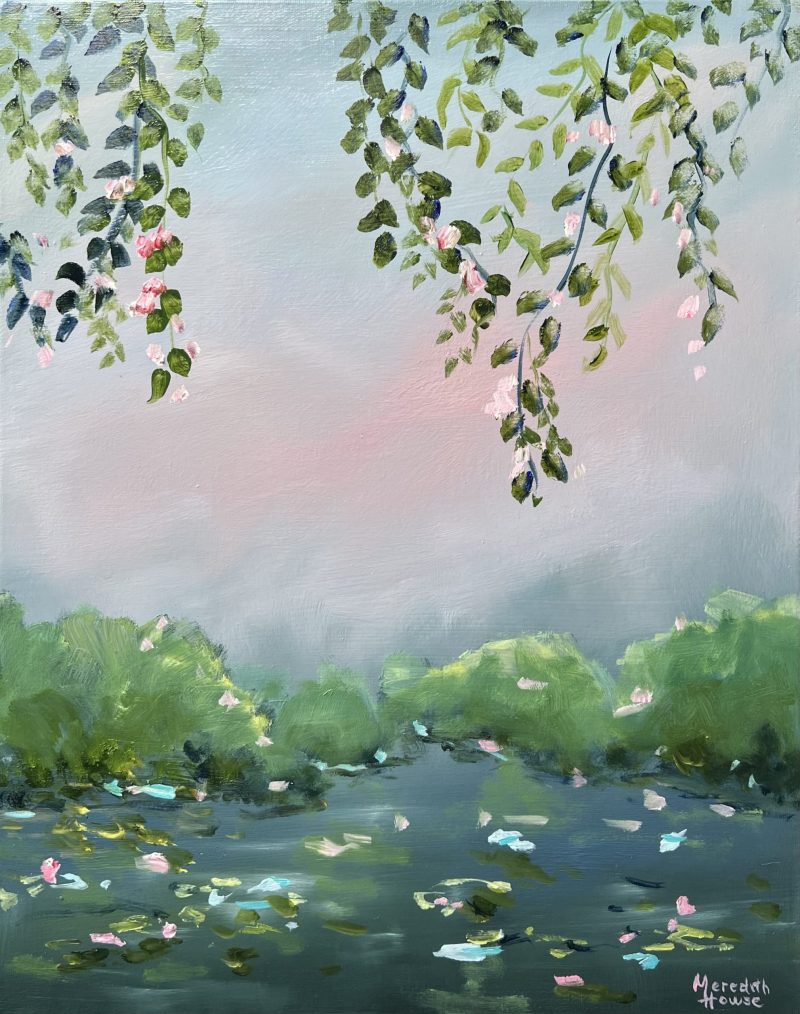 Illumination Water Lilies
AUD$600
Size:
44.5w
x 54.5h
x 3d
cms
Meredith Howse
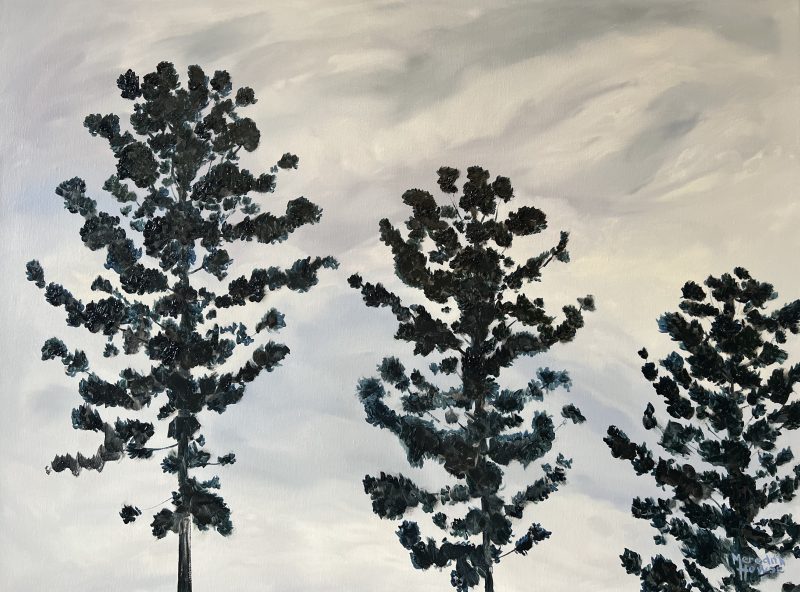 Illumination Three Sisters
AUD$540
Size:
101w
x 76h
x 3.8d
cms
Meredith Howse
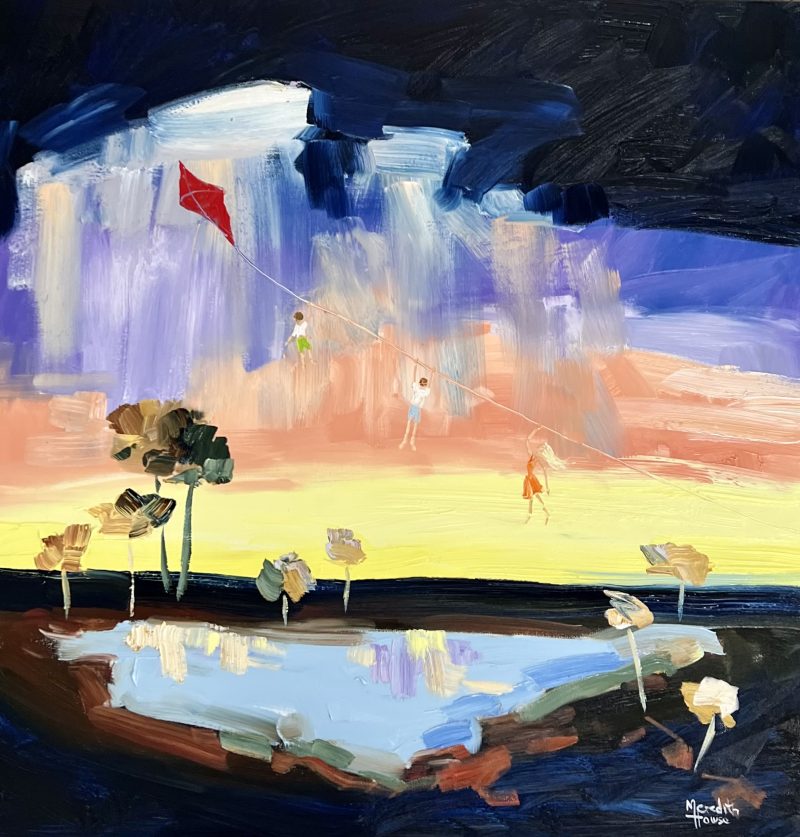 Outback Kite Flying
AUD$1,900
Size:
94w
x 94h
x 5d
cms
Meredith Howse
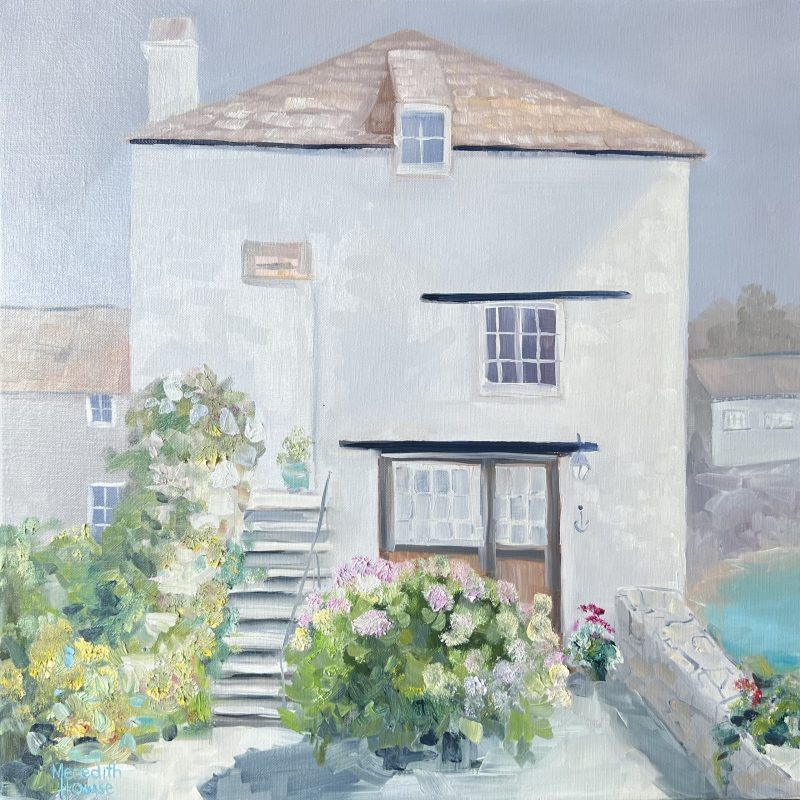 Seaside at Polperro
AUD$900
Size:
61w
x 61h
x 3.8d
cms
Meredith Howse
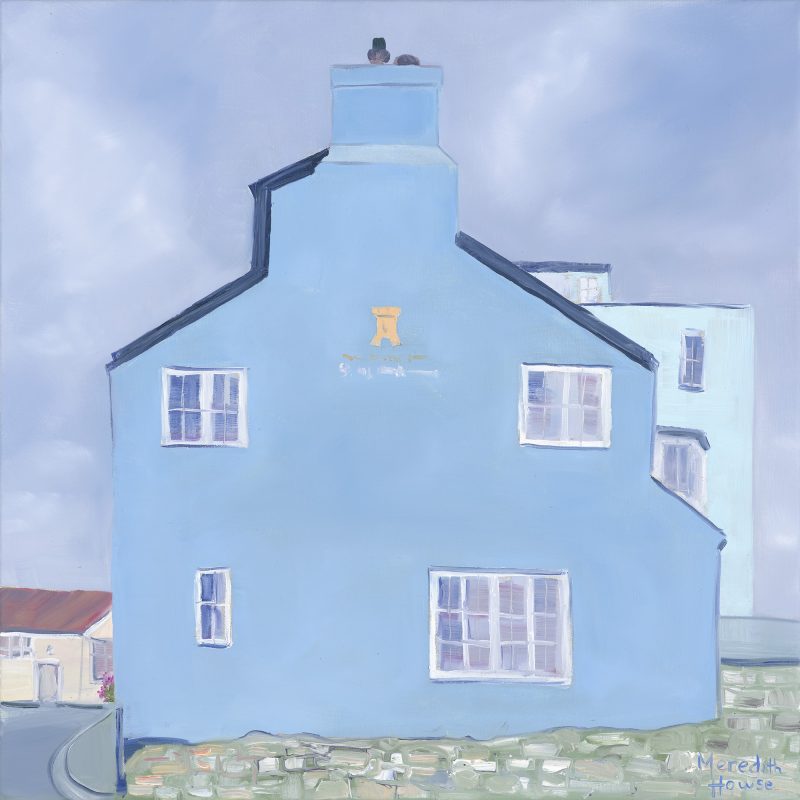 Rock Point Inn
AUD$900
Size:
61w
x 61h
x 5d
cms
Meredith Howse
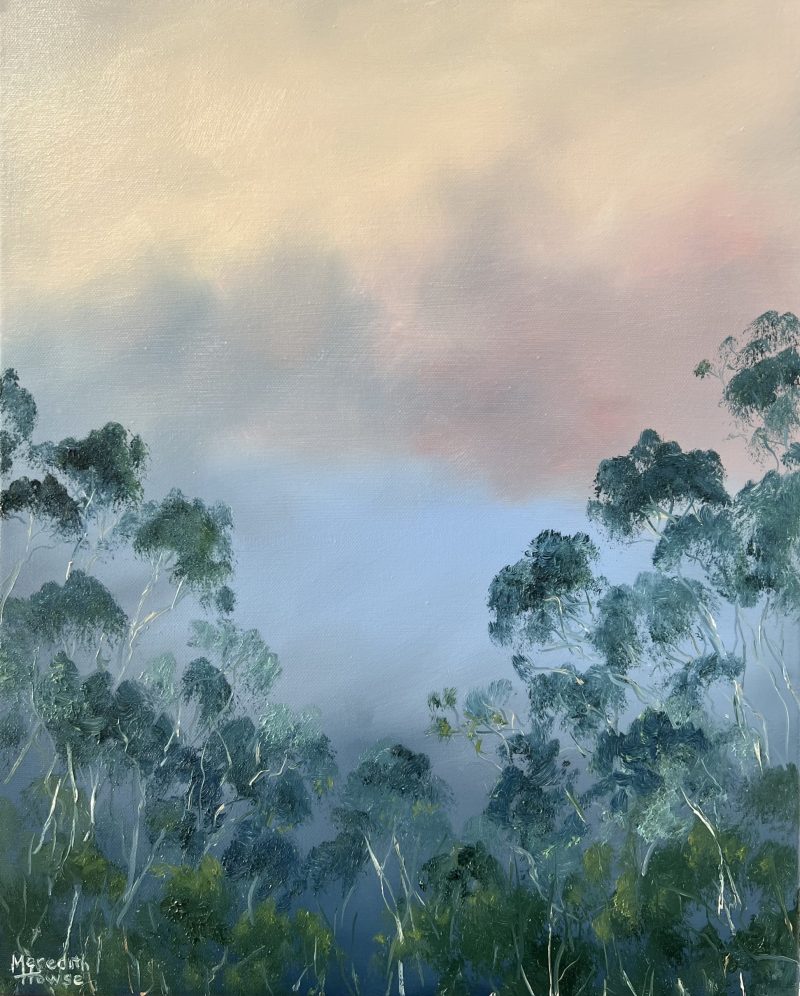 Illumination Australiana
AUD$600
Size:
44.5w
x 54.5h
x 3d
cms
Meredith Howse
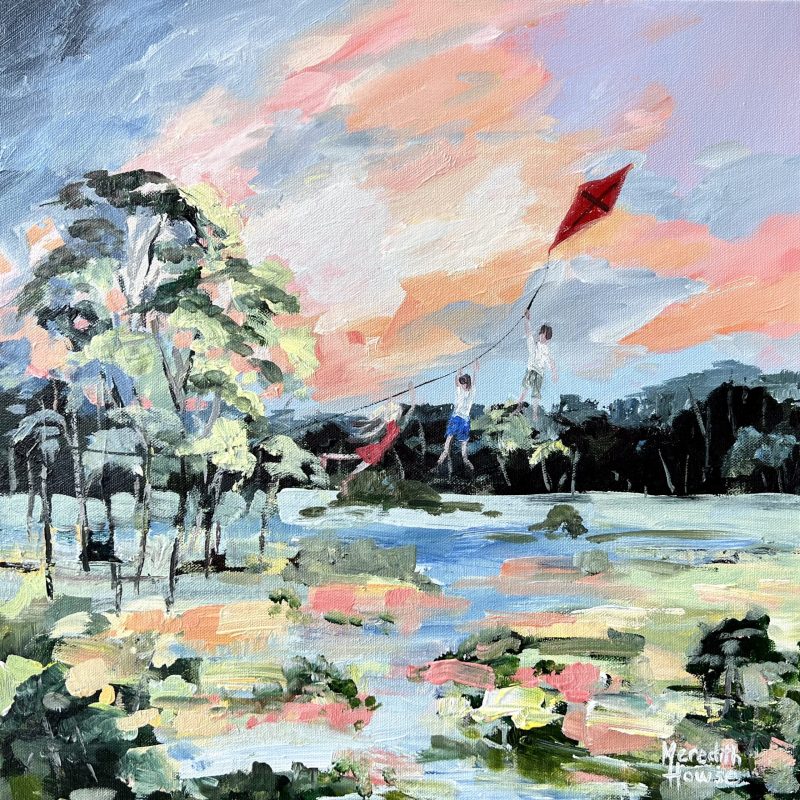 All Kites Fly
AUD$600
Size:
49w
x 49h
x 5.5d
cms
Meredith Howse
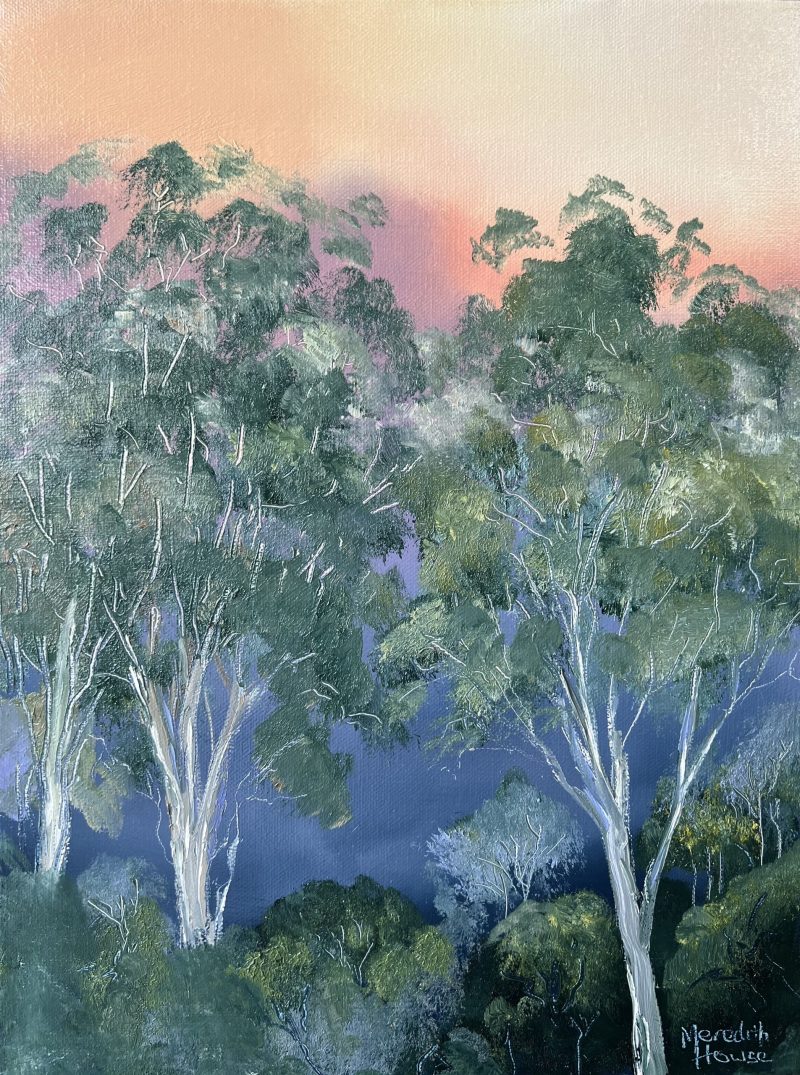 Illumination Eucalyptus Glow
AUD$480
Size:
33.5w
x 43.5h
x 3d
cms
Meredith Howse
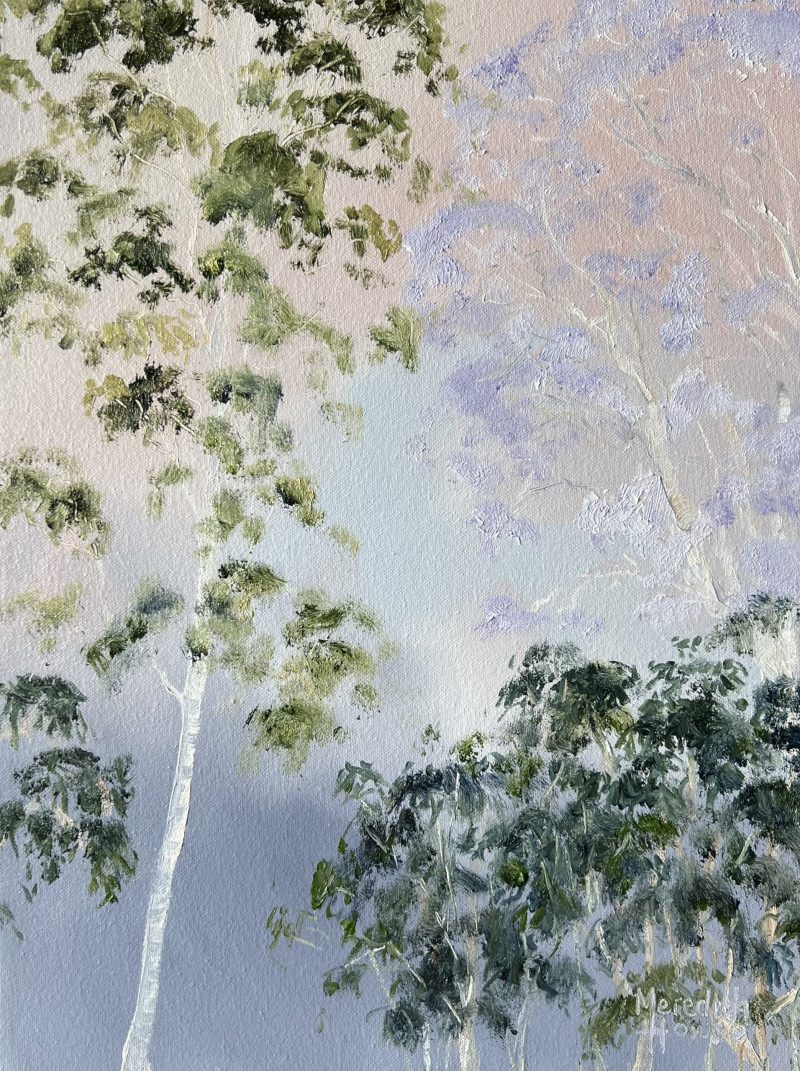 Illumination Jacaranda Time
AUD$480
Size:
33.5w
x 43.5h
x 5d
cms
Meredith Howse
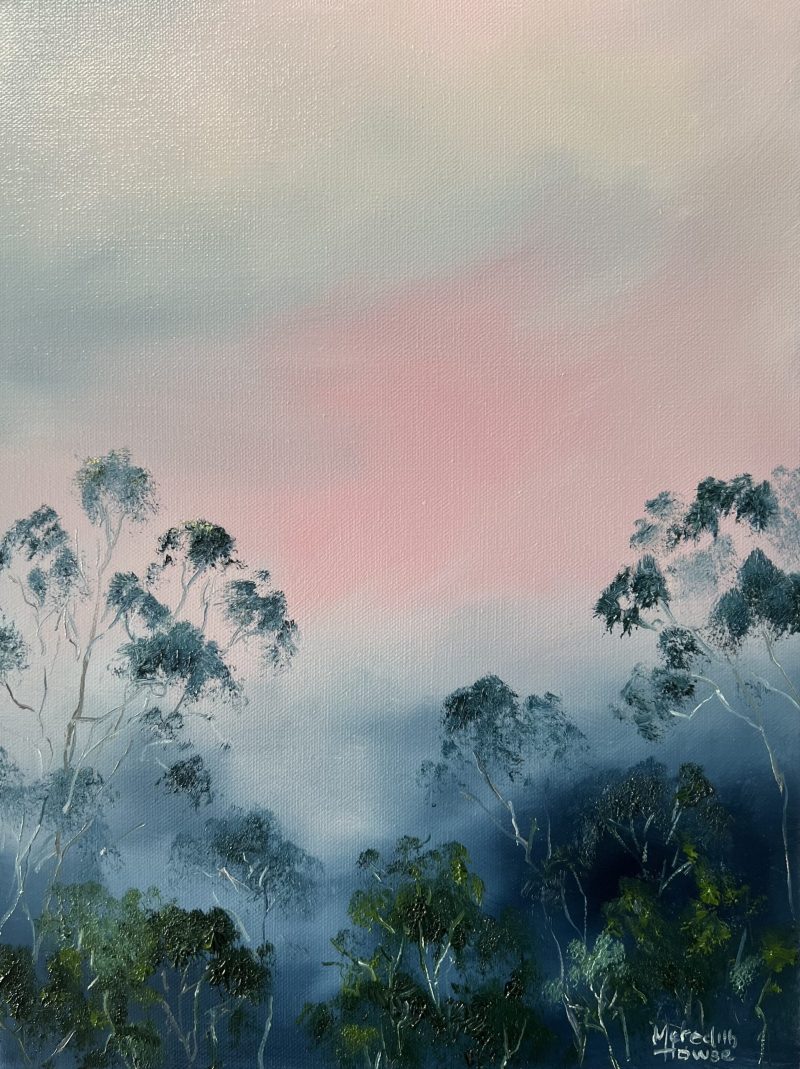 Illumination Mist Rising
AUD$480
Size:
33.5w
x 43.5h
x 3d
cms
Meredith Howse
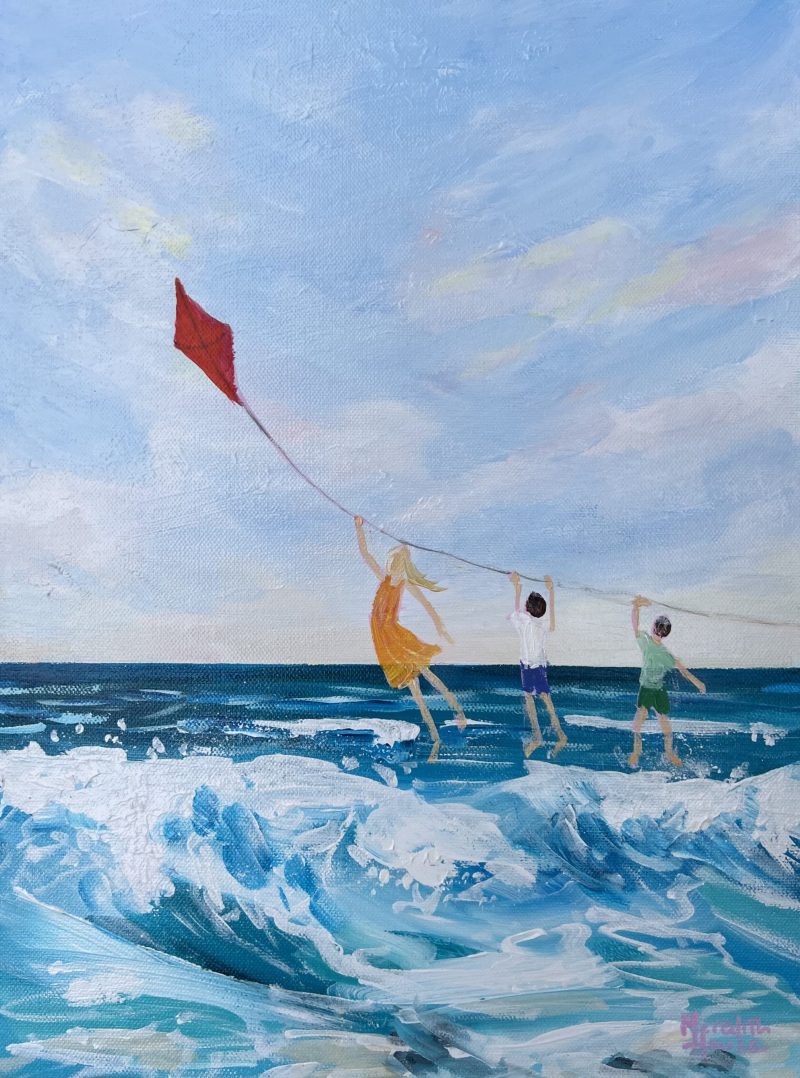 Beach Day Kite Flying
AUD$480
Size:
34w
x 44h
x 5d
cms
Meredith Howse
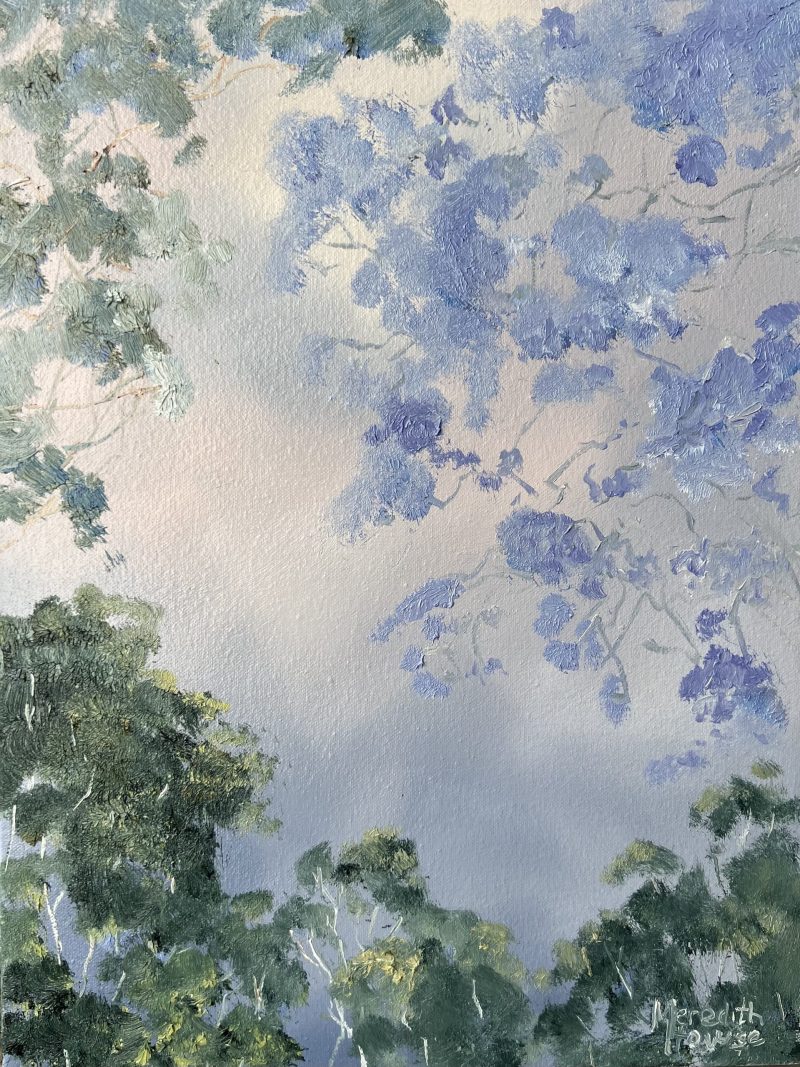 Illumination Jacaranda’s Out
AUD$480
Size:
33.5w
x 43.5h
x 5d
cms
Meredith Howse
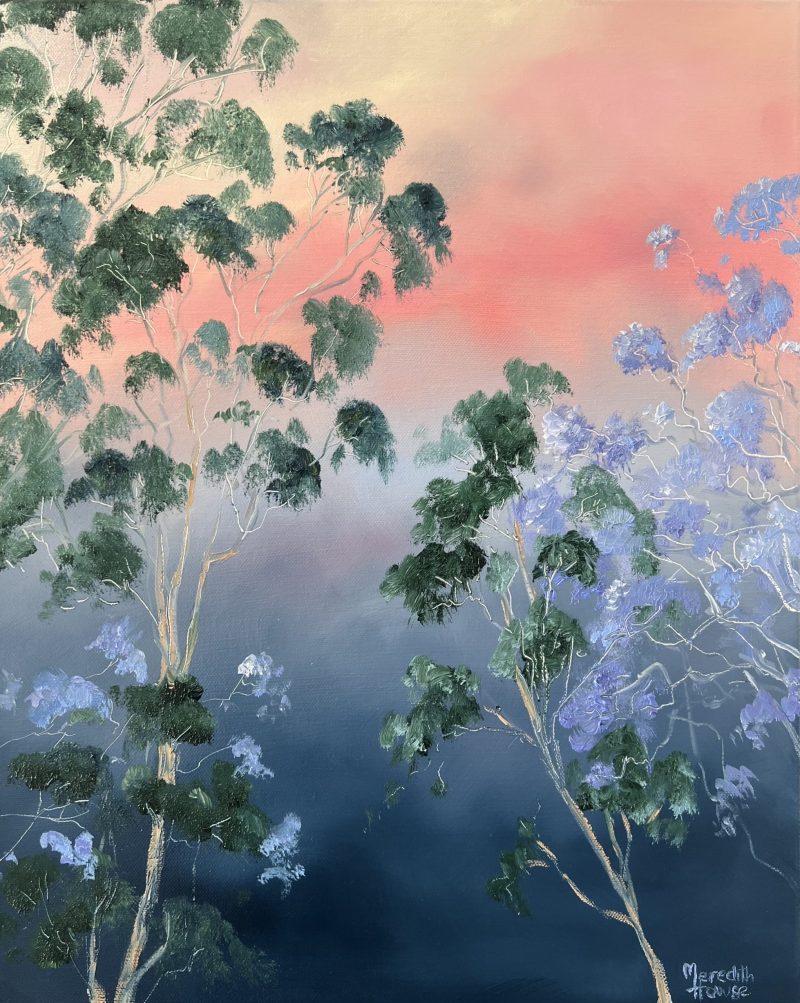 Illumination Summer Storm
AUD$600
Size:
44.5w
x 54.5h
x 3d
cms
Meredith Howse
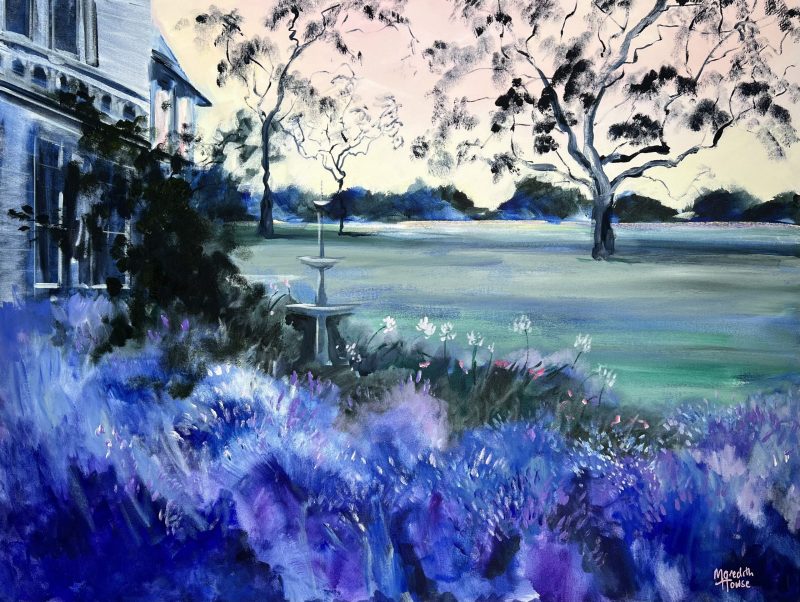 Abbey of the Roses
AUD$1,800
Size:
104w
x 79h
x 5d
cms
Meredith Howse
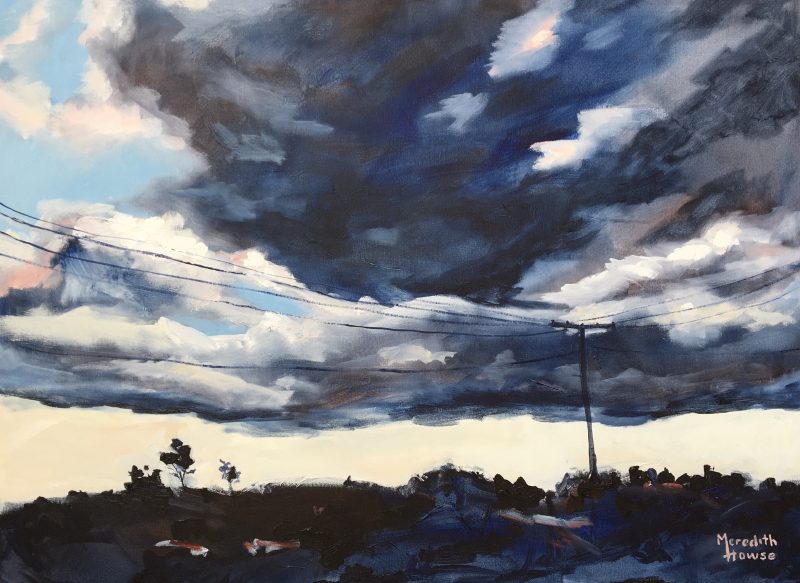 Powerlines
AUD$800
Size:
101w
x 76h
x 3.8d
cms
Meredith Howse
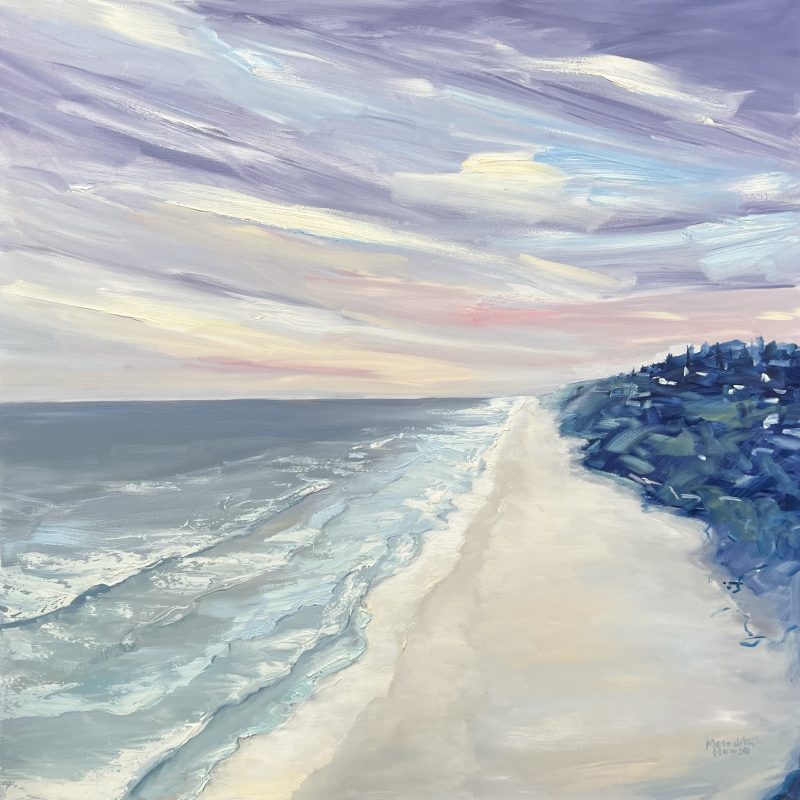 The Beach
AUD$1,400
Size:
106w
x 106h
x 4d
cms
Meredith Howse
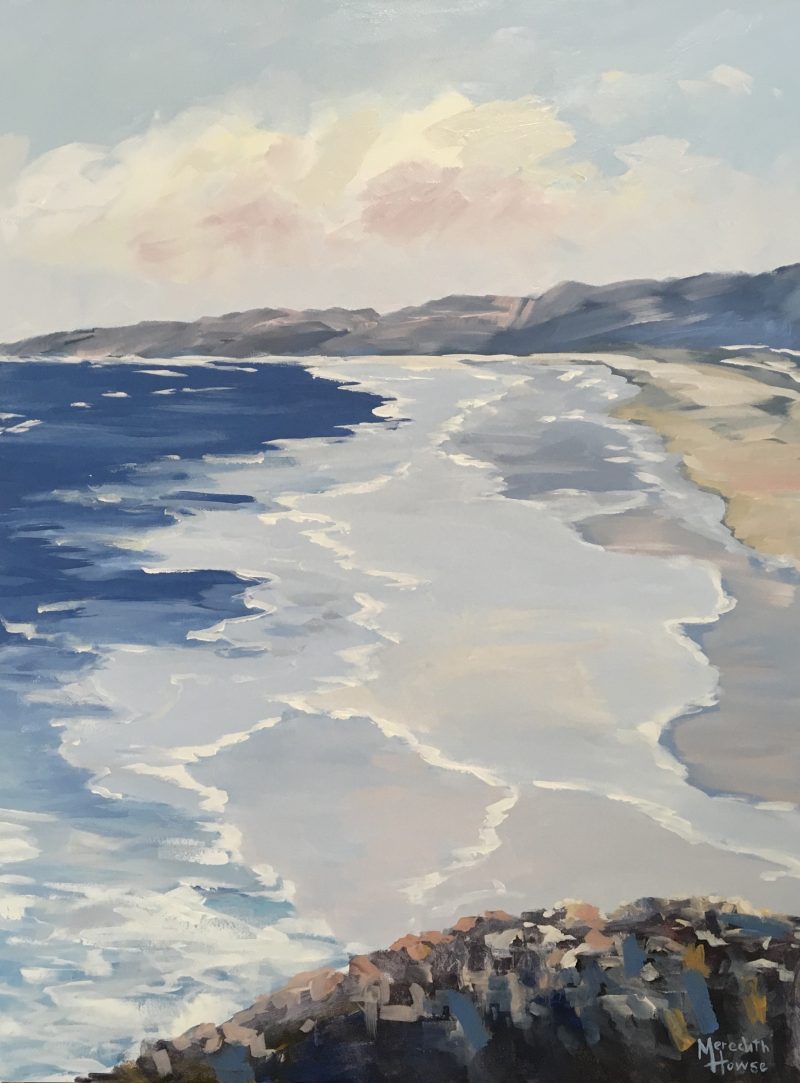 Straddie
AUD$690
Size:
76w
x 101h
x 3.5d
cms
Meredith Howse
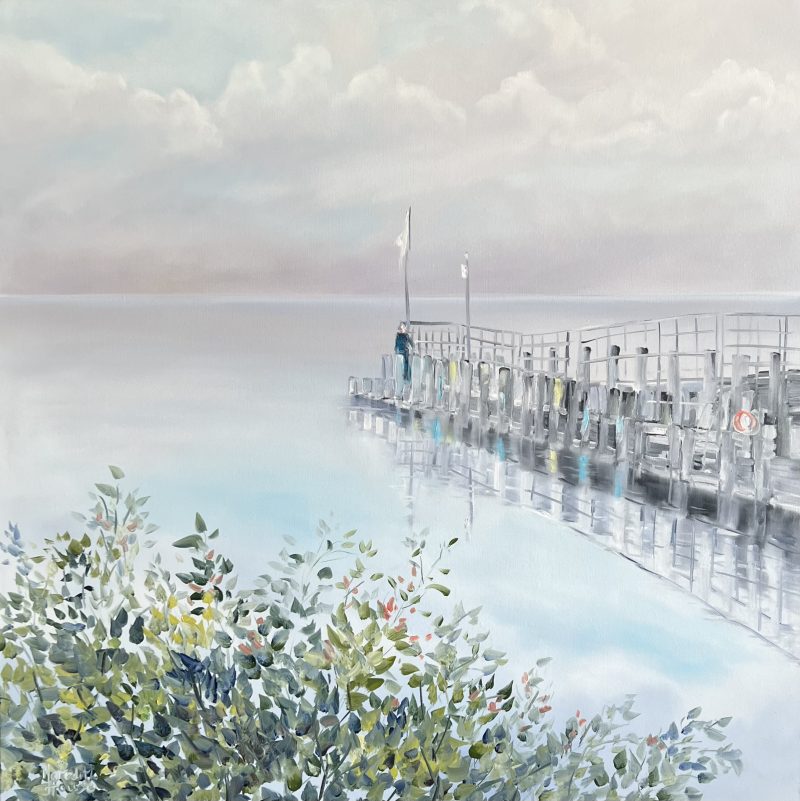 Calm on Lake Windermere
AUD$1,800
Size:
93w
x 93h
x 5d
cms
Meredith Howse
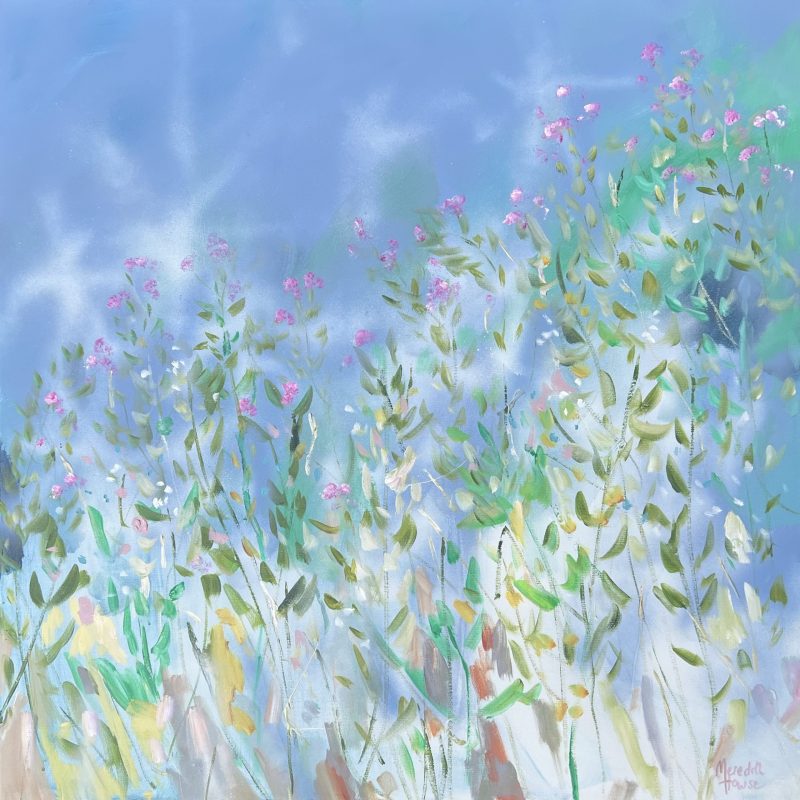 Wildflower
AUD$1,200
Size:
91.4w
x 91.4h
x 3.8d
cms
Meredith Howse
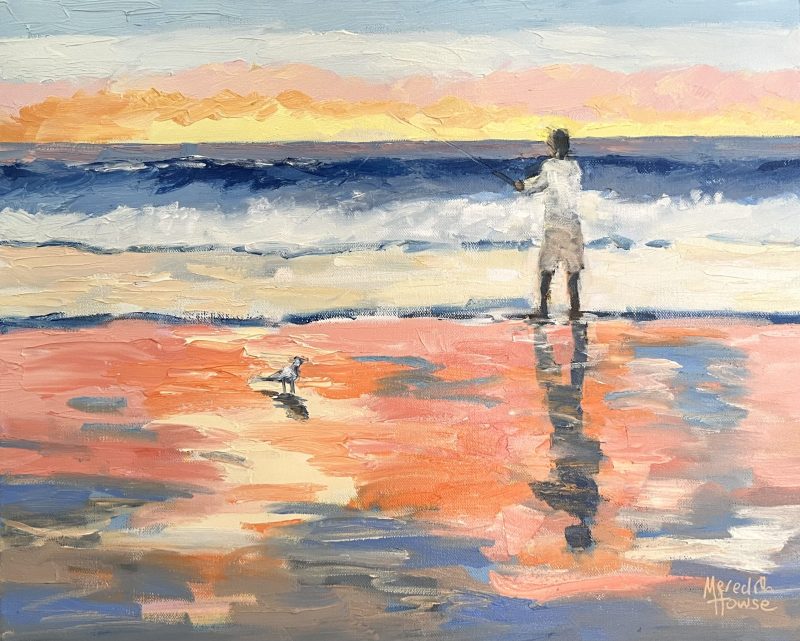 Fishing the Shallows at Main Beach
AUD$500
Size:
53w
x 43h
x 5.5d
cms
Meredith Howse
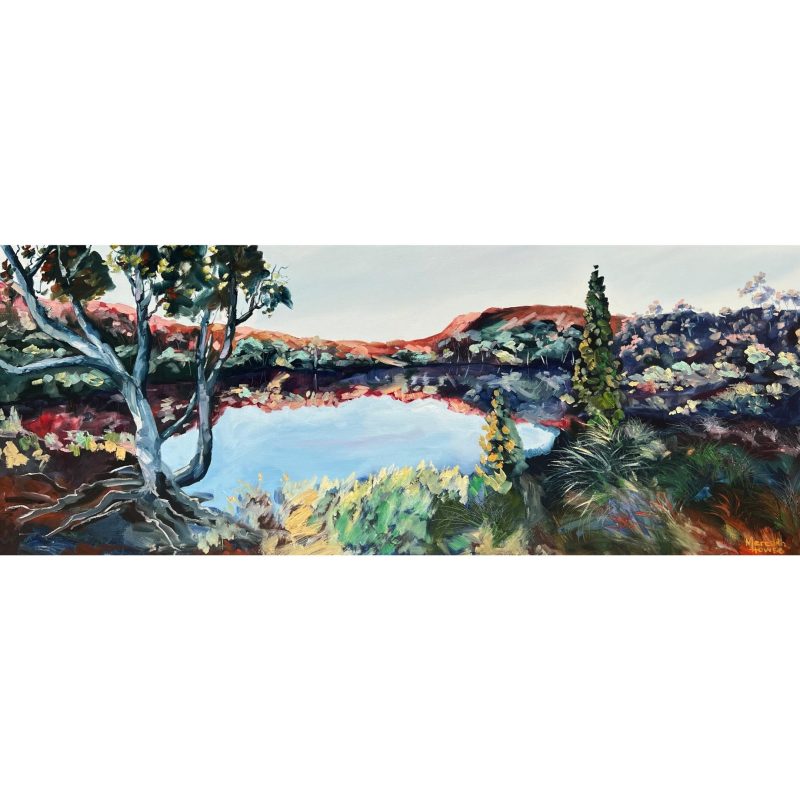 Wombat Pool, Cradle Mountain
AUD$2,300
Size:
152w
x 61h
x 3.8d
cms
Meredith Howse
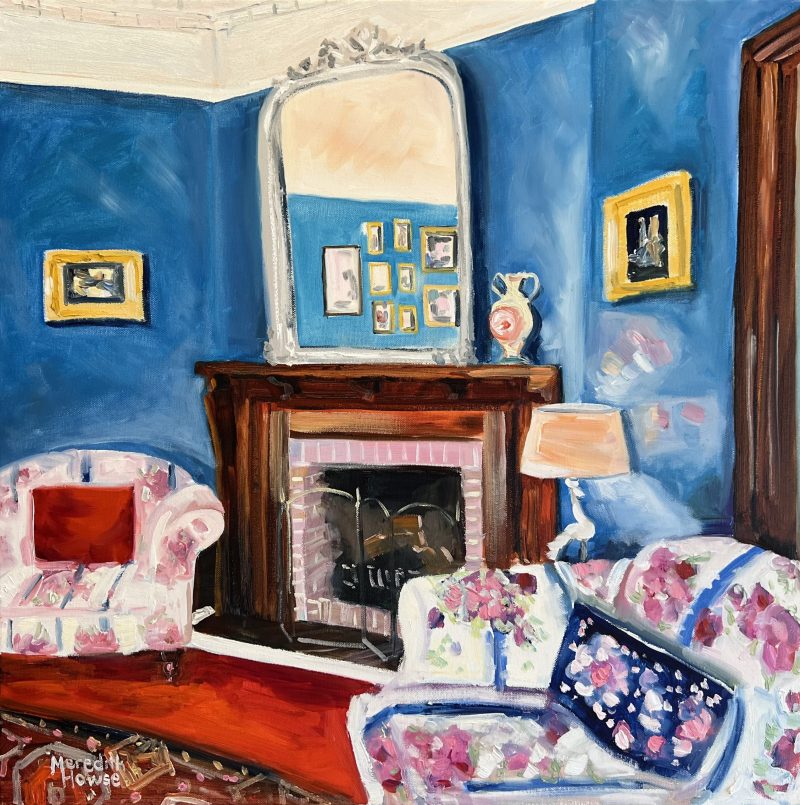 Room with a View at Blair Athol
AUD$1,200
Size:
64w
x 64h
x 5d
cms
Meredith Howse
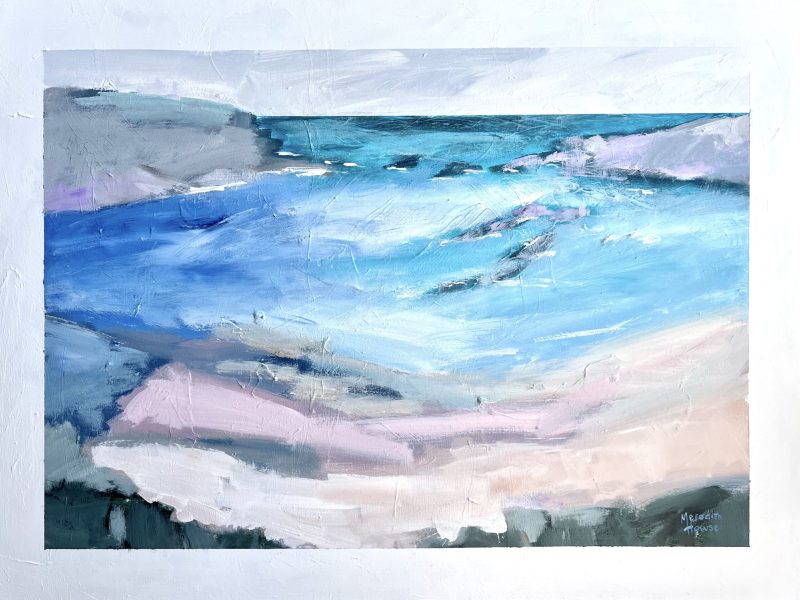 Little Bay
AUD$1,300
Size:
104.5w
x 80h
x 5d
cms
Meredith Howse
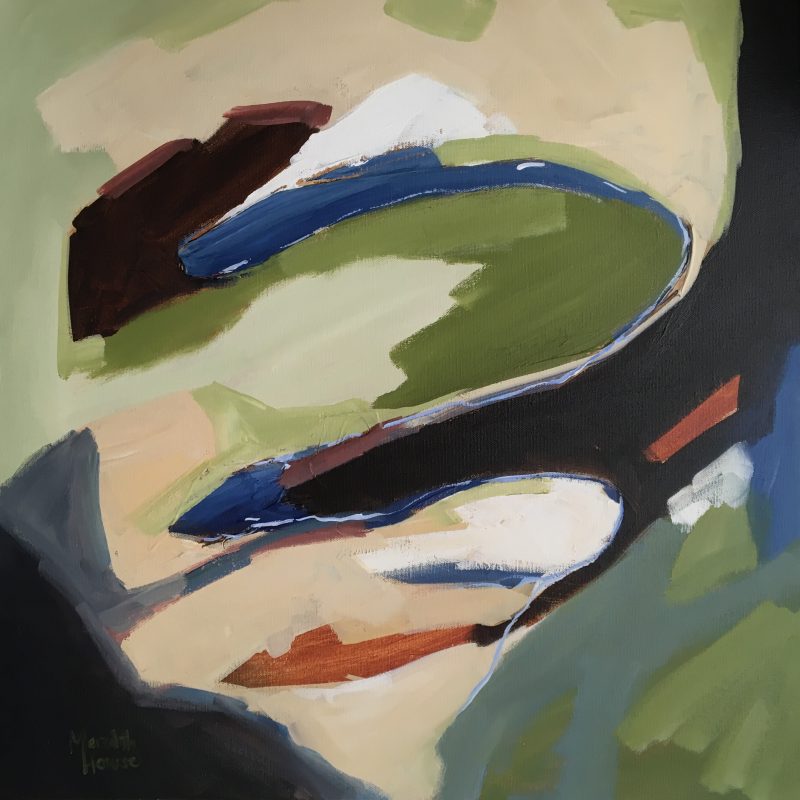 Camped by a Billabong
AUD$240
Size:
64w
x 64h
x 5d
cms
Meredith Howse
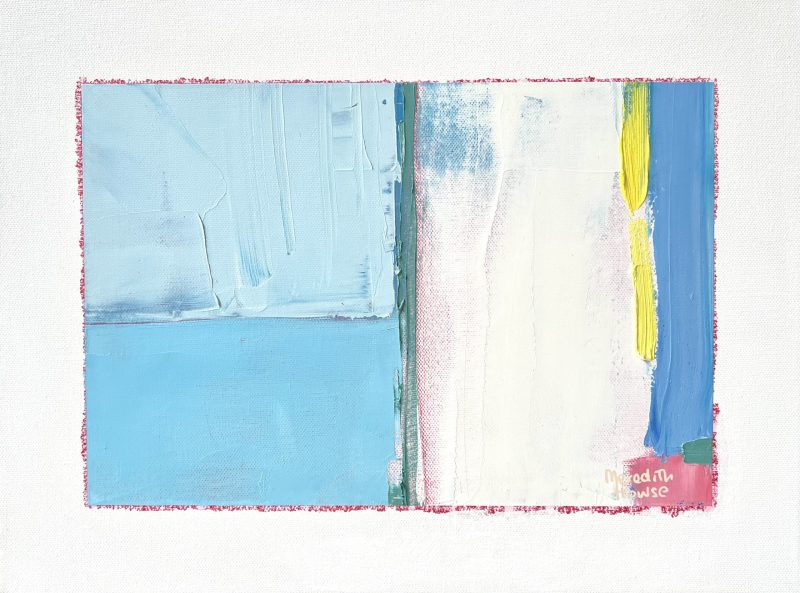 Abstract Thought 6th September
AUD$250
Size:
40w
x 30h
x 1.8d
cms
Meredith Howse
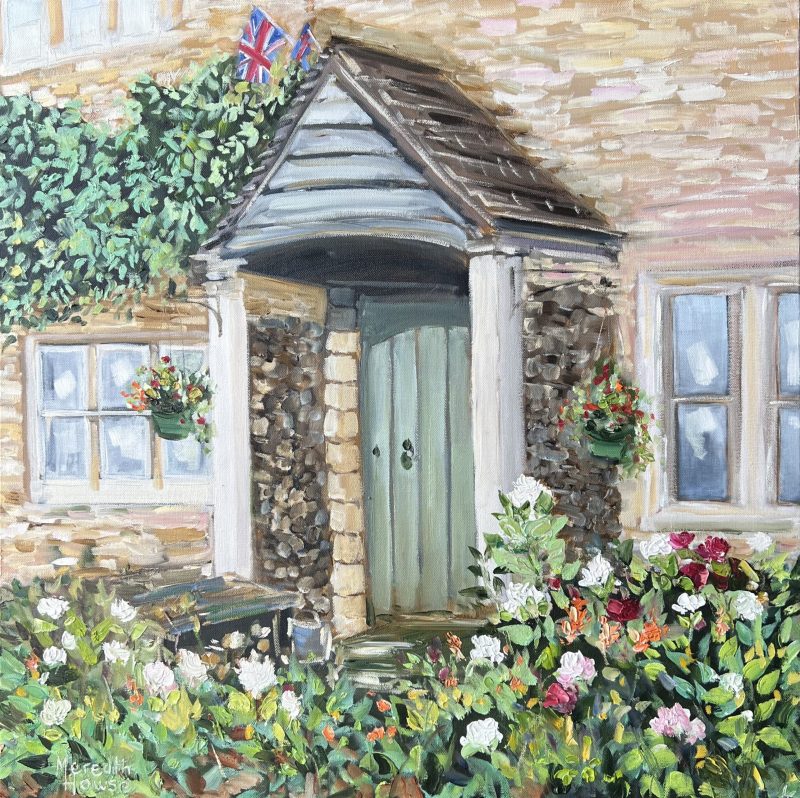 Cotswolds Cottage
AUD$900
Size:
62.5w
x 62.5h
x 5.5d
cms
Meredith Howse
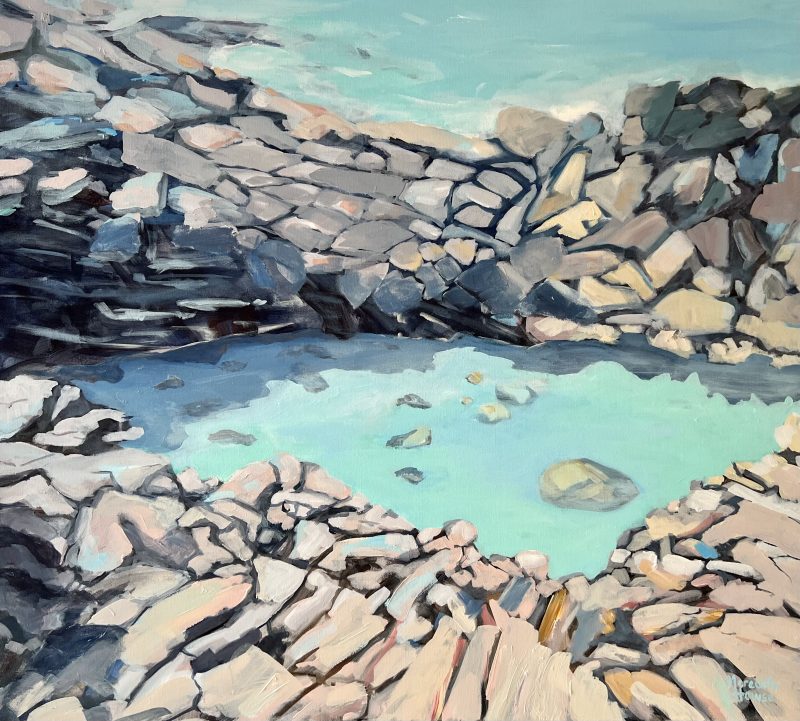 Noosa Rock Pool
AUD$1,900
Size:
101.7w
x 91h
x 3.8d
cms
Meredith Howse
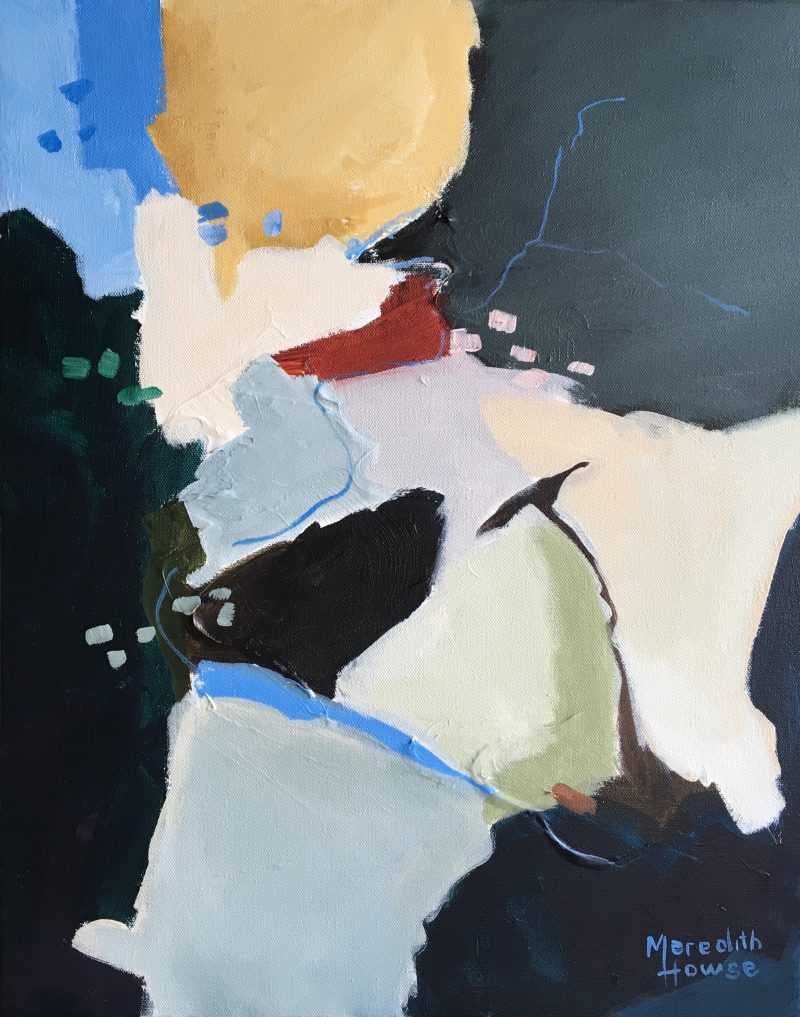 Take me Home Country Road
AUD$800
Size:
41w
x 51h
x 3.8d
cms
Meredith Howse
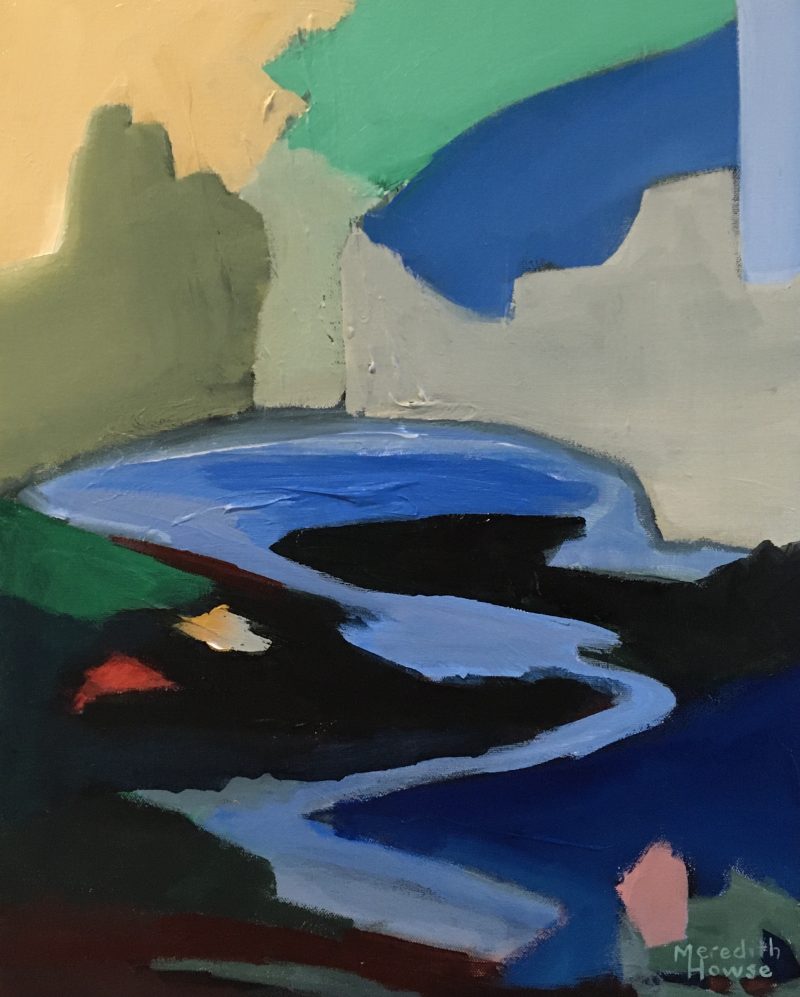 As Mountains Wake
AUD$800
Size:
41w
x 51h
cms
Meredith Howse
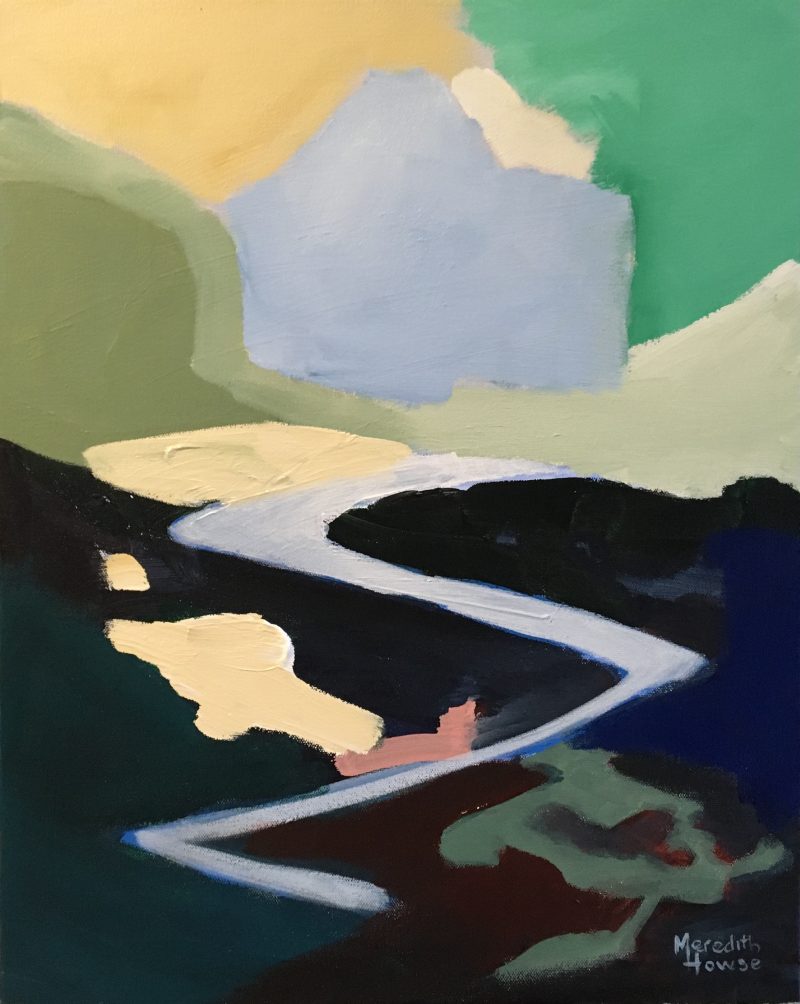 As Valleys Dawn
AUD$600
Size:
41w
x 51h
x 3.8d
cms
Meredith Howse
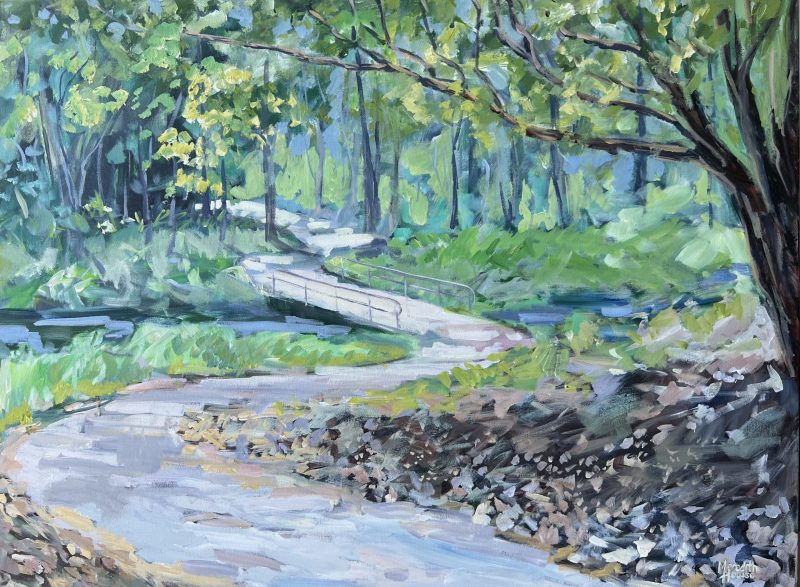 Just around the Corner
AUD$1,300
Size:
101.6w
x 76.2h
x 3.8d
cms
Meredith Howse
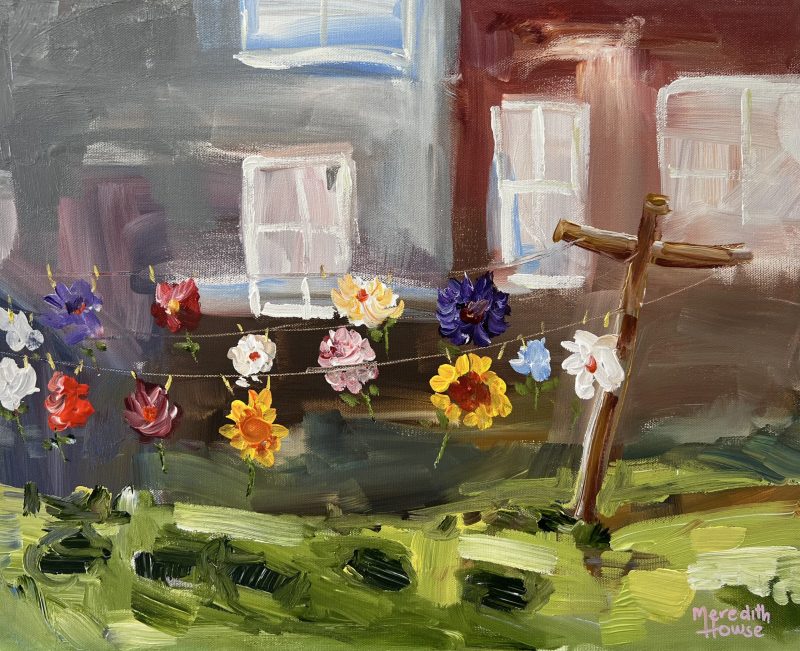 Dried Flowers
AUD$500
Size:
54w
x 44h
x 5d
cms
Meredith Howse
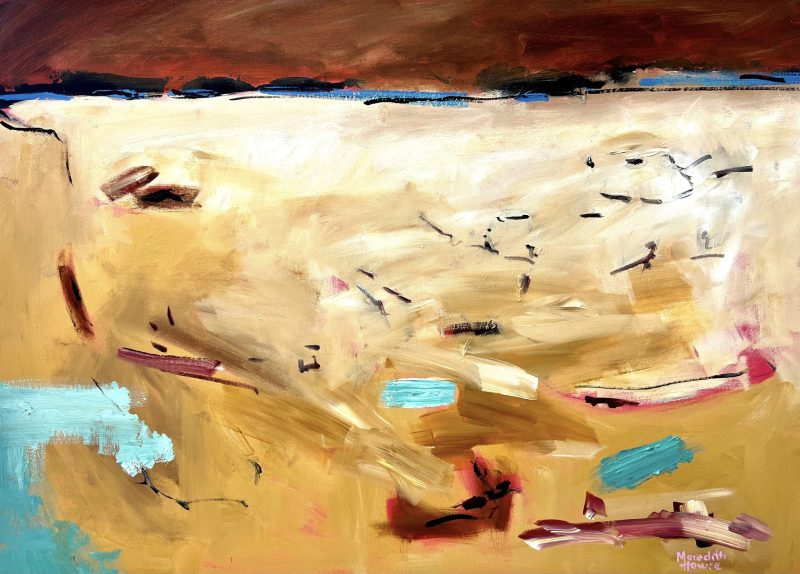 Along the Rock
AUD$1,200
Size:
104w
x 79h
x 5d
cms
Meredith Howse
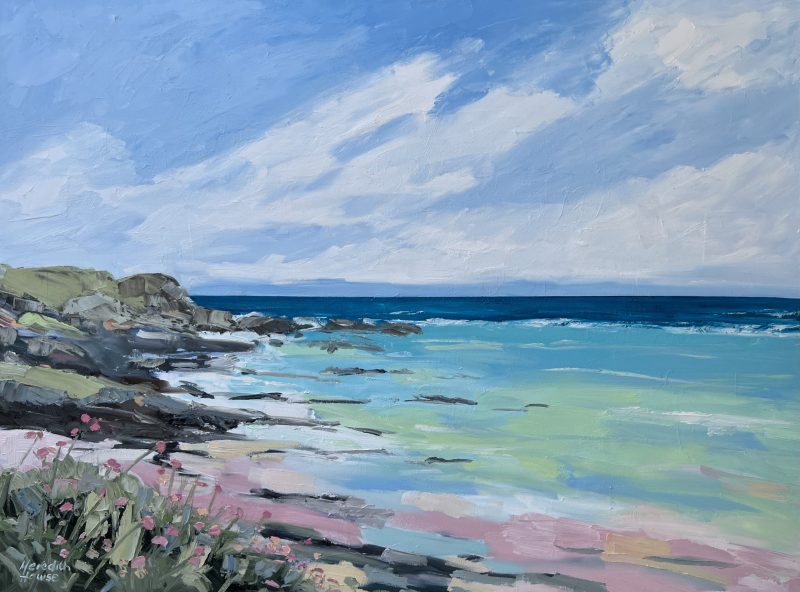 Seaside Serenity
AUD$1,400
Size:
121.9w
x 91.4h
x 3.8d
cms
Meredith Howse
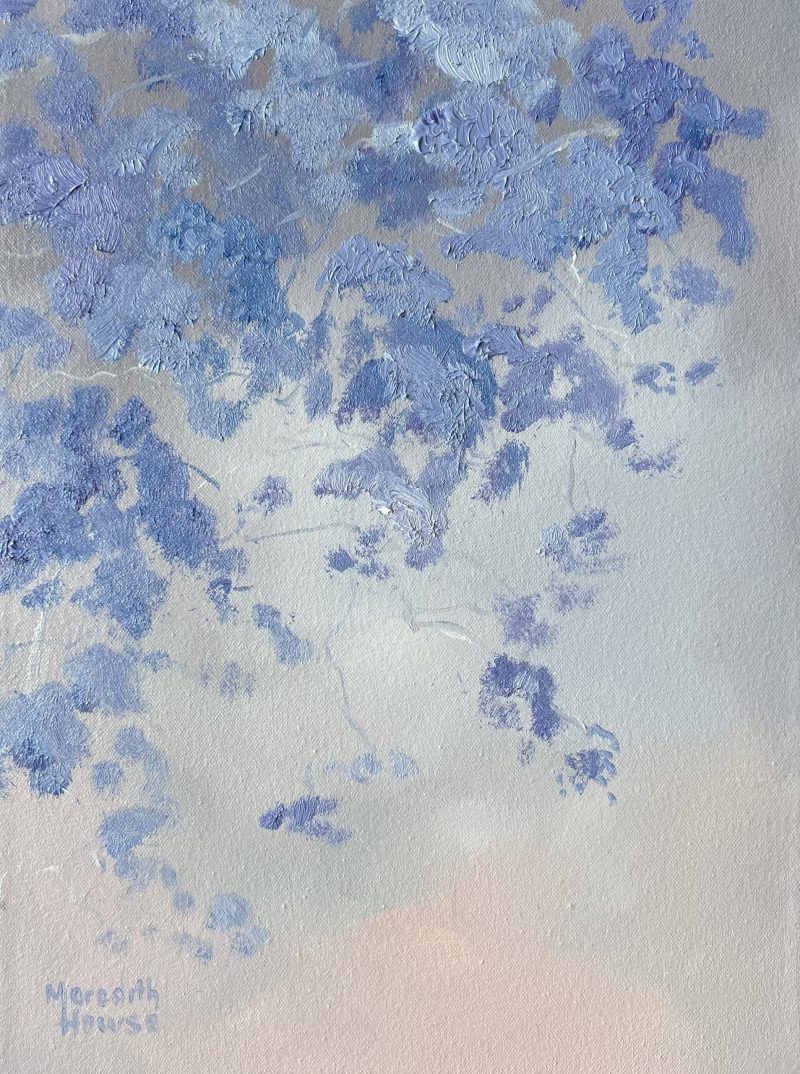 Illumination September Blooms
AUD$240
Size:
33.5w
x 43.5h
x 5d
cms
Meredith Howse
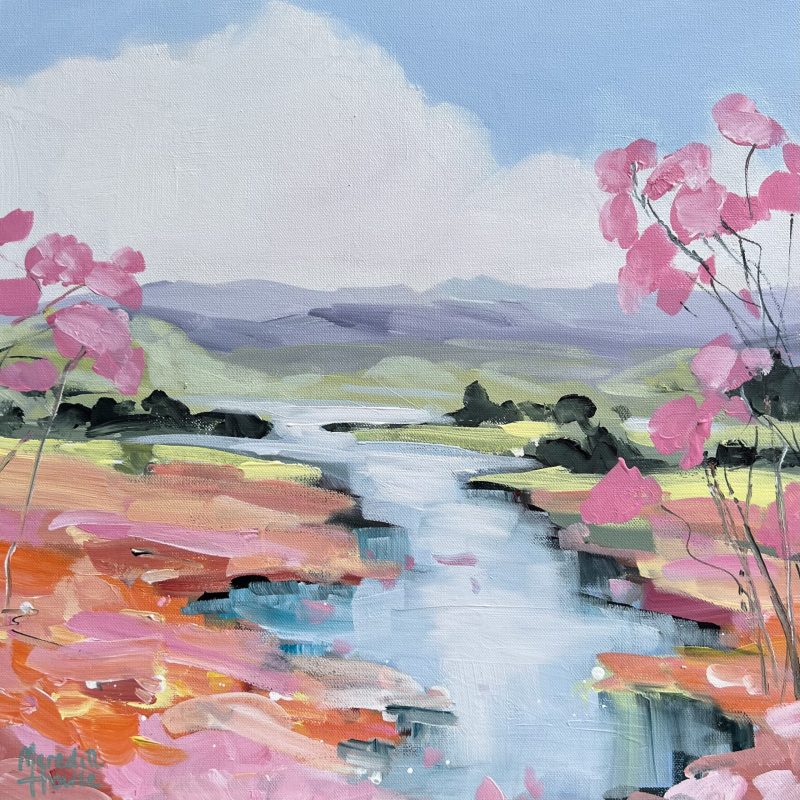 As Blossoms Bloom
AUD$600
Size:
50.8w
x 50.8h
x 3.8d
cms
Meredith Howse
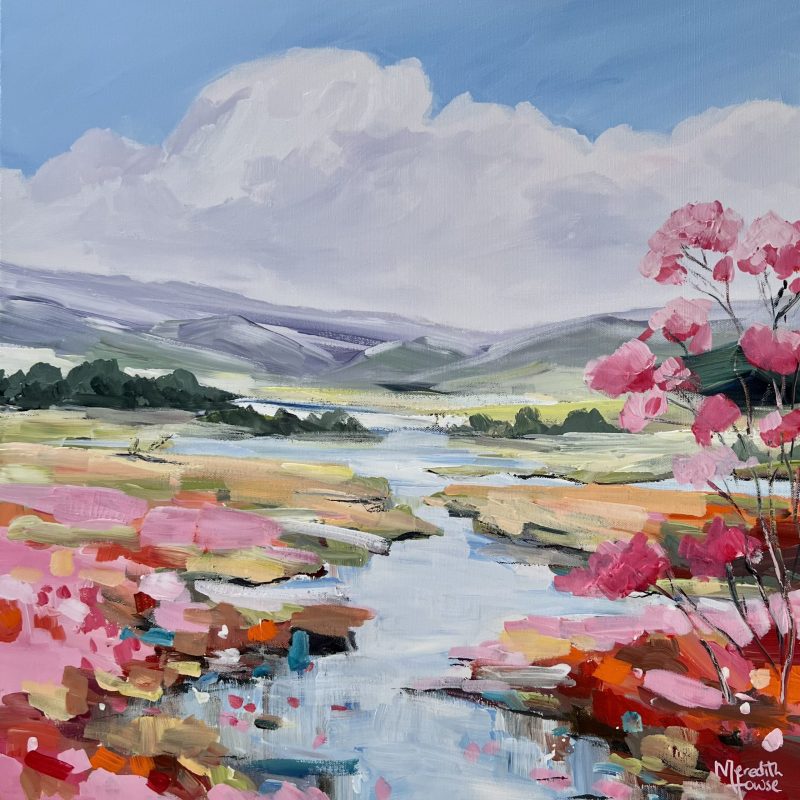 As Calm Waters Flow
AUD$800
Size:
64w
x 64h
x 5.5d
cms
Meredith Howse
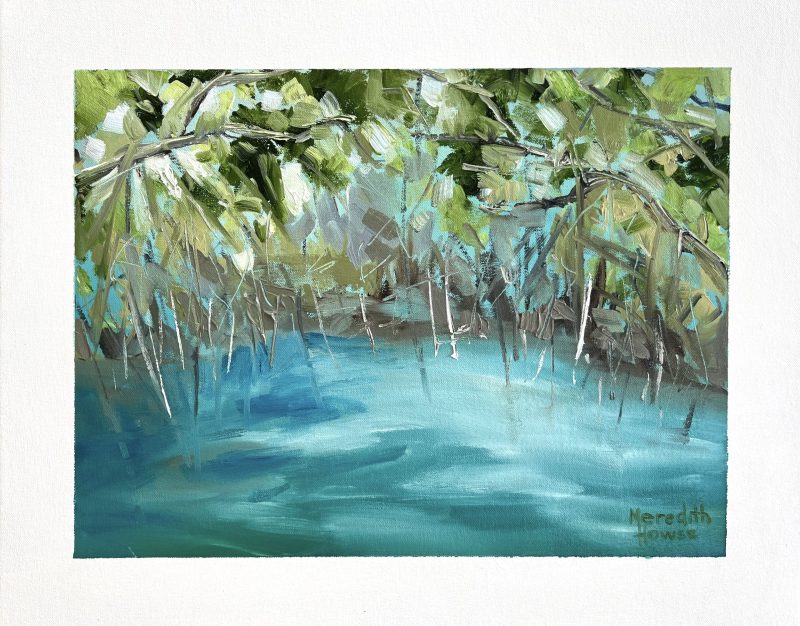 Upper Daintree 9
AUD$600
Size:
54w
x 44h
x 3d
cms
Meredith Howse
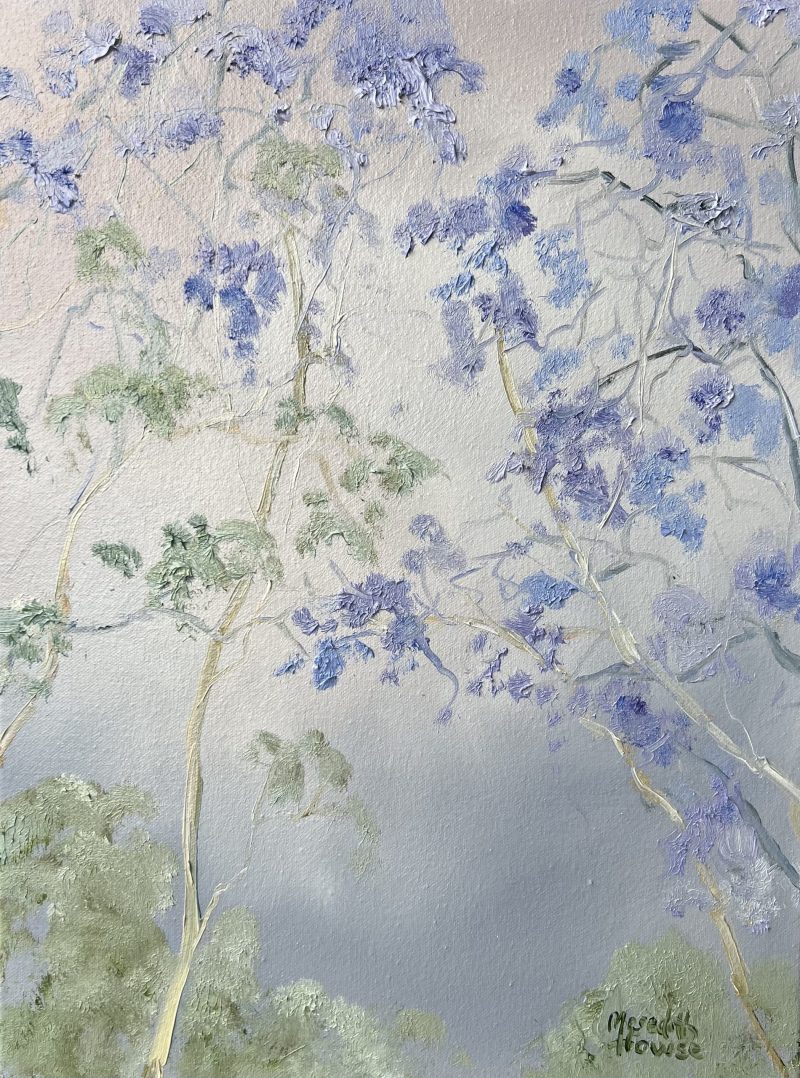 Illumination Jacaranda Blossoms
AUD$480
Size:
33.5w
x 43.5h
x 5d
cms
Meredith Howse
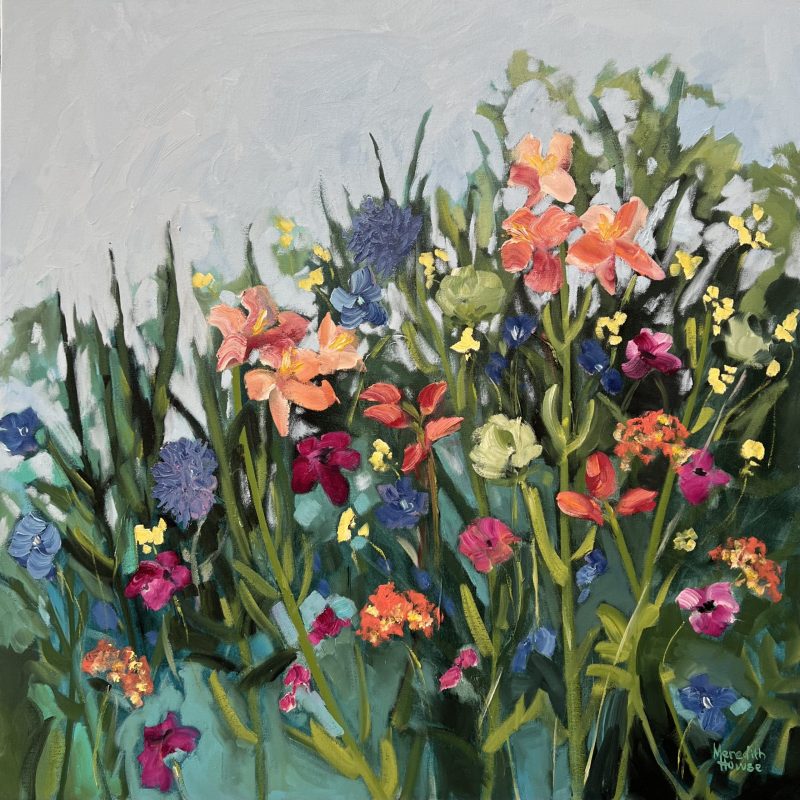 Bursts of Cottage Charm
AUD$1,400
Size:
93w
x 93h
x 5.5d
cms
Meredith Howse
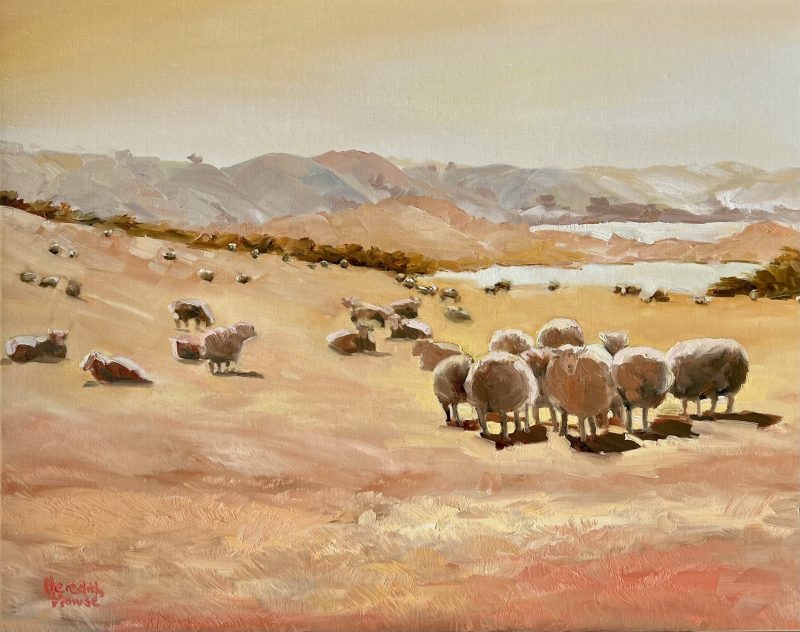 Director Conference at Hill
AUD$1,200
Size:
76w
x 61h
x 3.8d
cms
Meredith Howse
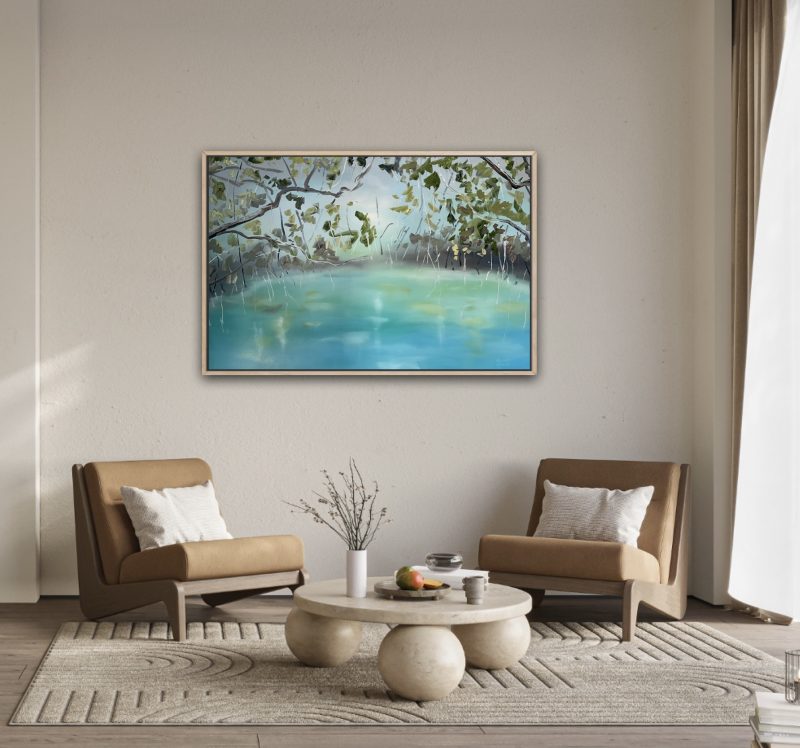 Upper Daintree 5
AUD$1,900
Size:
126w
x 86h
x 5.5d
cms
Meredith Howse
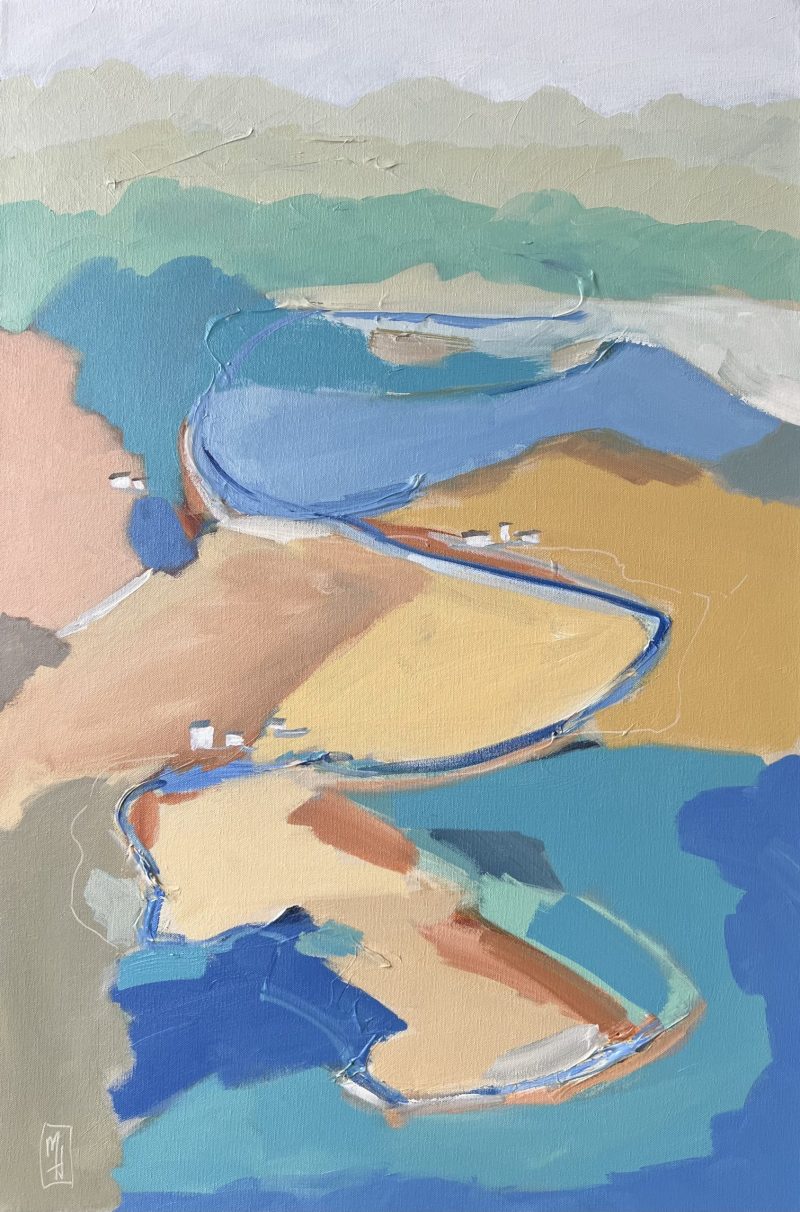 A River Runs Through
AUD$1,100
Size:
61w
x 91.4h
x 3.8d
cms
Meredith Howse
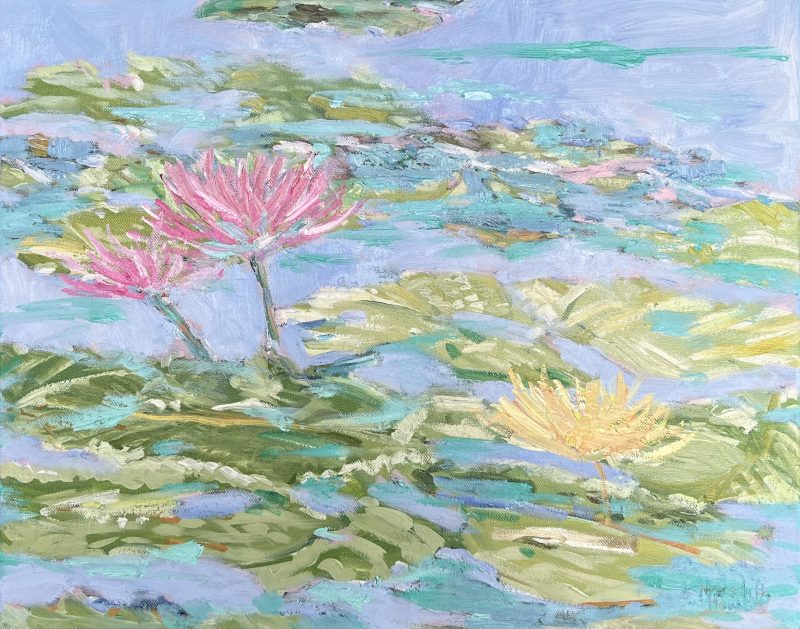 Lily Lake
AUD$500
Size:
54.5w
x 44.5h
x 3d
cms
Meredith Howse
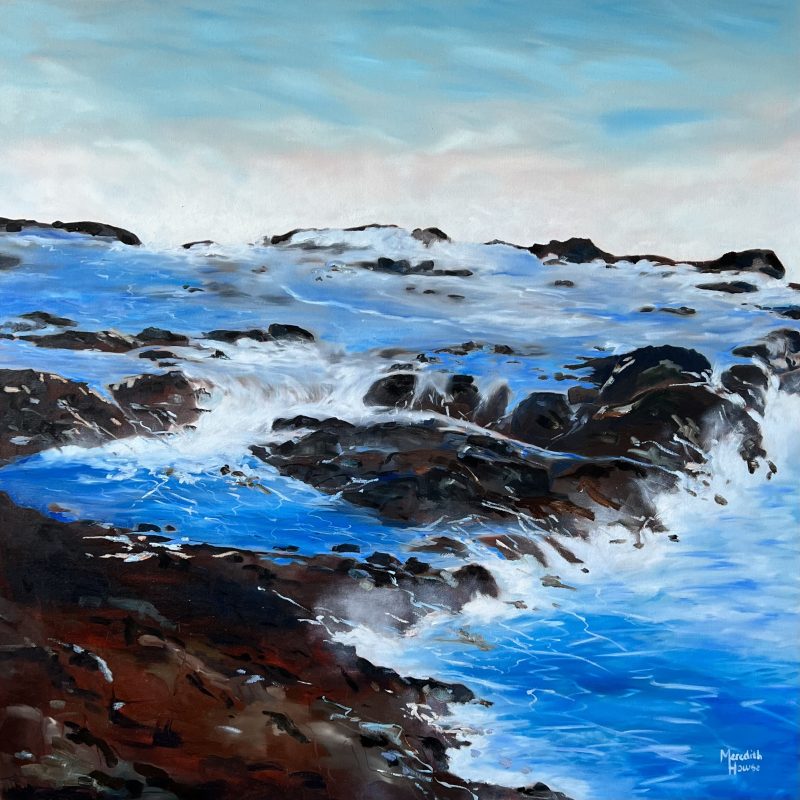 Mesmerize
AUD$1,200
Size:
94w
x 94h
x 5d
cms
Meredith Howse
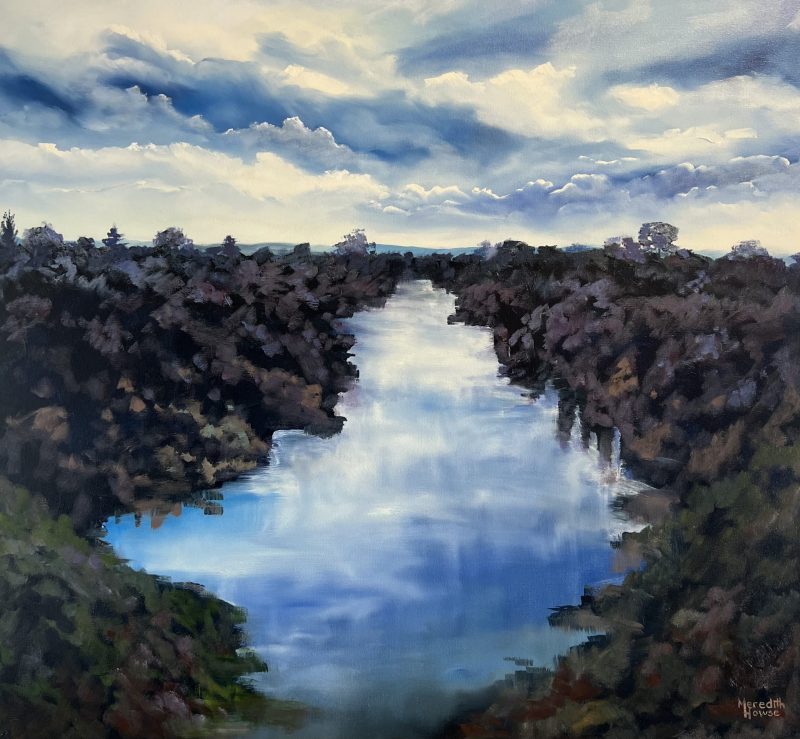 The River
AUD$400
Size:
91w
x 83.5h
x 4d
cms
Meredith Howse
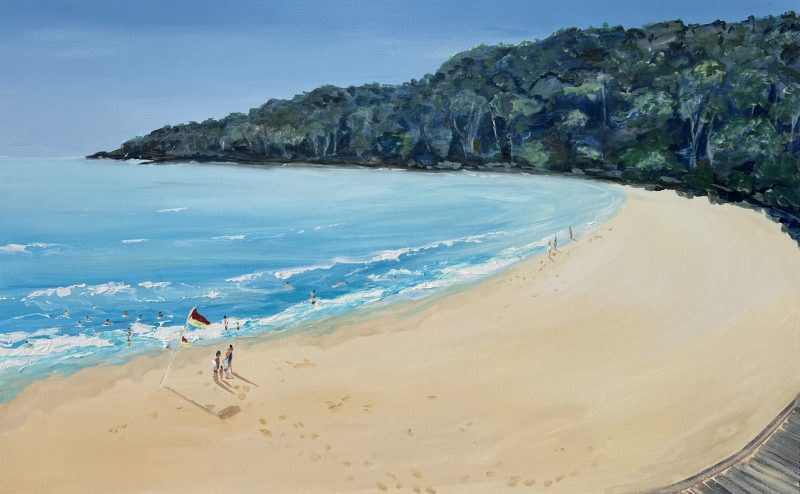 Noosa Swim
AUD$1,300
Size:
122w
x 76h
x 3.8d
cms
Meredith Howse
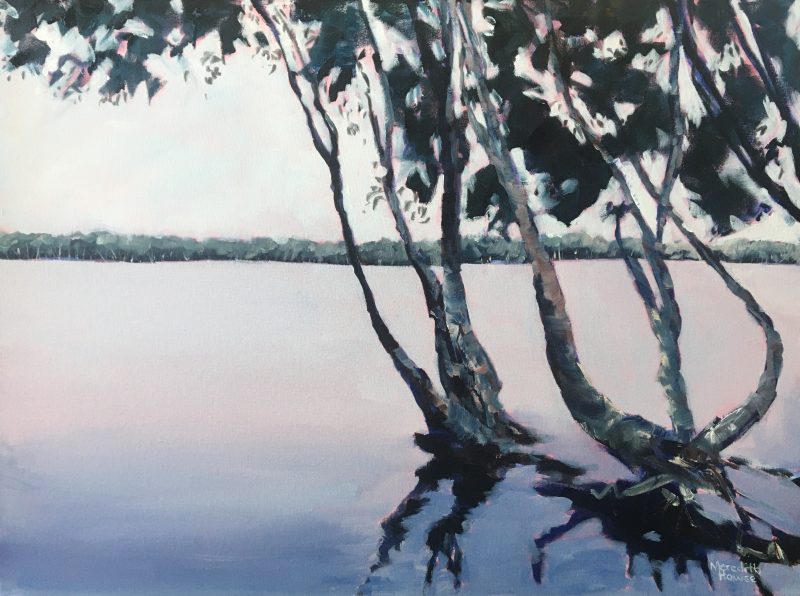 Lake Ainsworth, Lennox Head
AUD$1,500
Size:
102w
x 76h
x 3.8d
cms
Meredith Howse
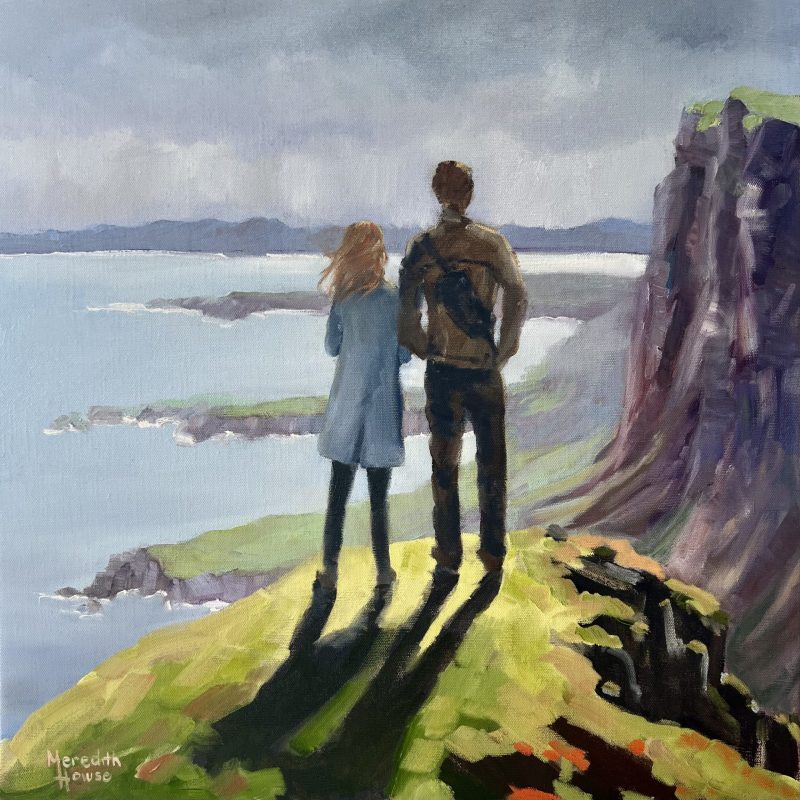 Honeymoon in Skye
AUD$1,050
Size:
61.5w
x 61.5h
x 5.5d
cms
Meredith Howse
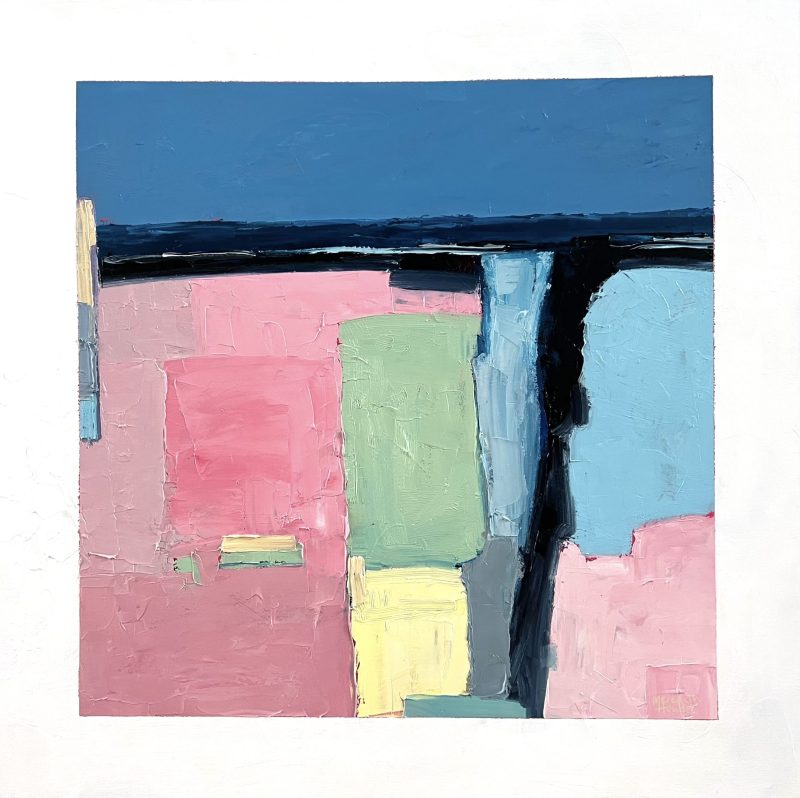 Abstract Thought 15th September
AUD$900
Size:
91.4w
x 91.4h
x 3.8d
cms
Meredith Howse
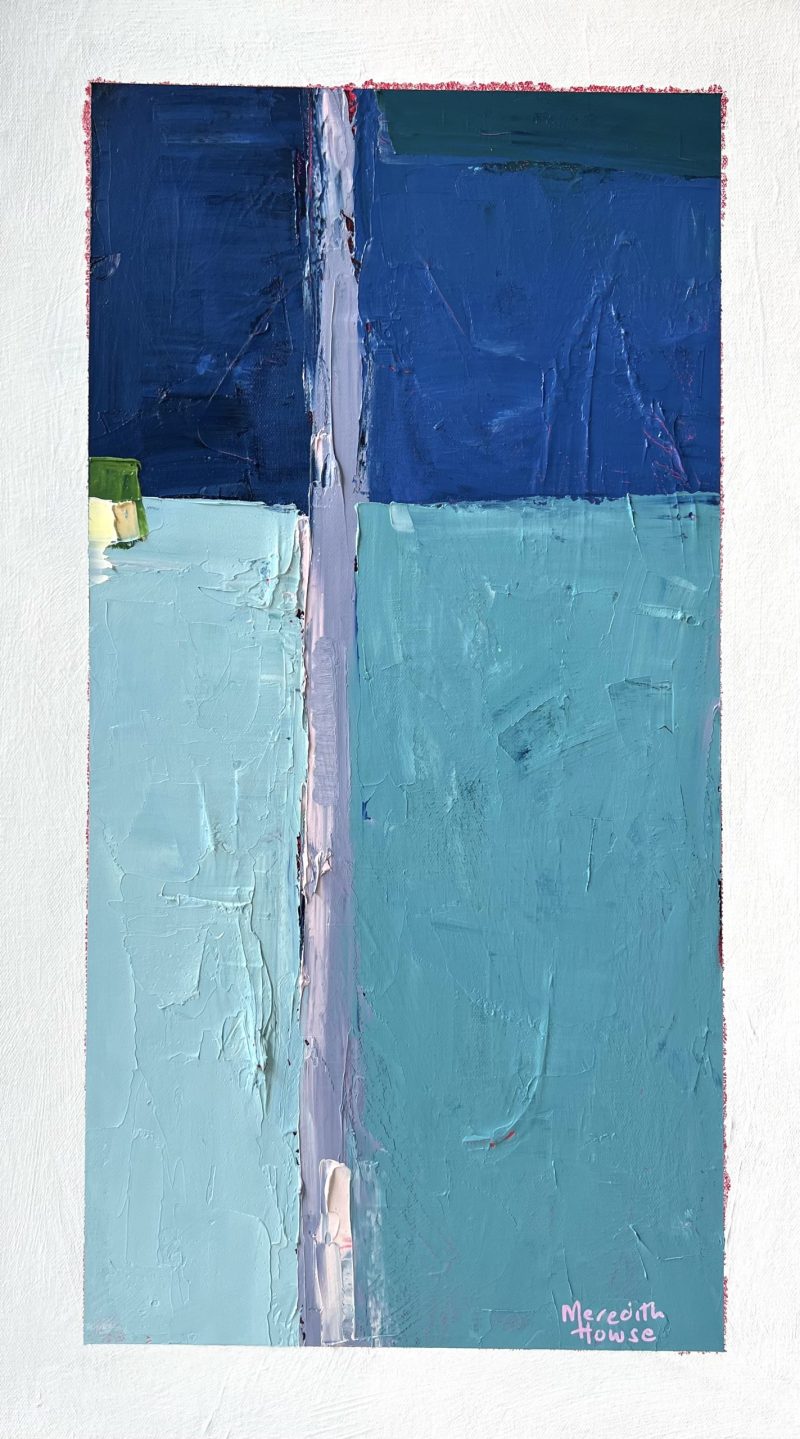 Abstract Thought 14th September
AUD$400
Size:
38w
x 66h
x 1.8d
cms
Meredith Howse
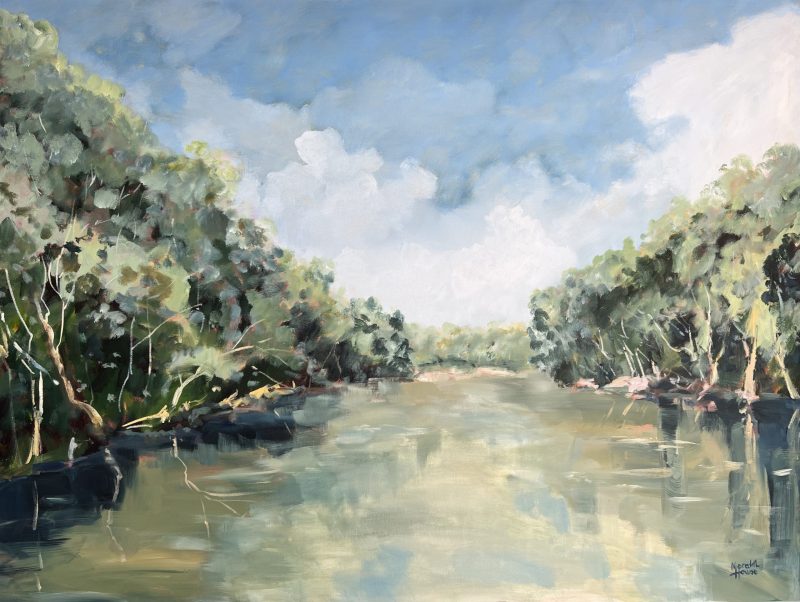 Murray River
AUD$2,800
Size:
121.9w
x 91.4h
x 3.8d
cms
Meredith Howse
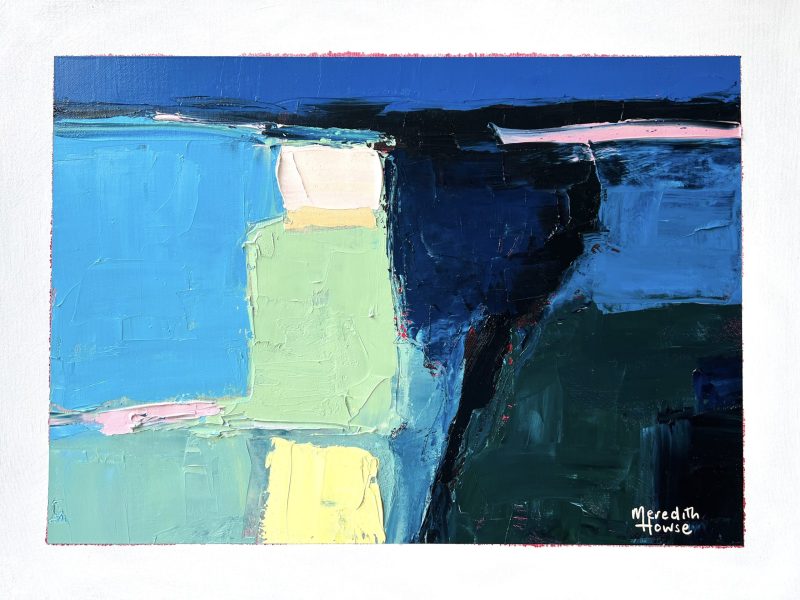 Abstract Thought 9th September
AUD$459
Size:
61w
x 41.6h
x 1.8d
cms
Meredith Howse
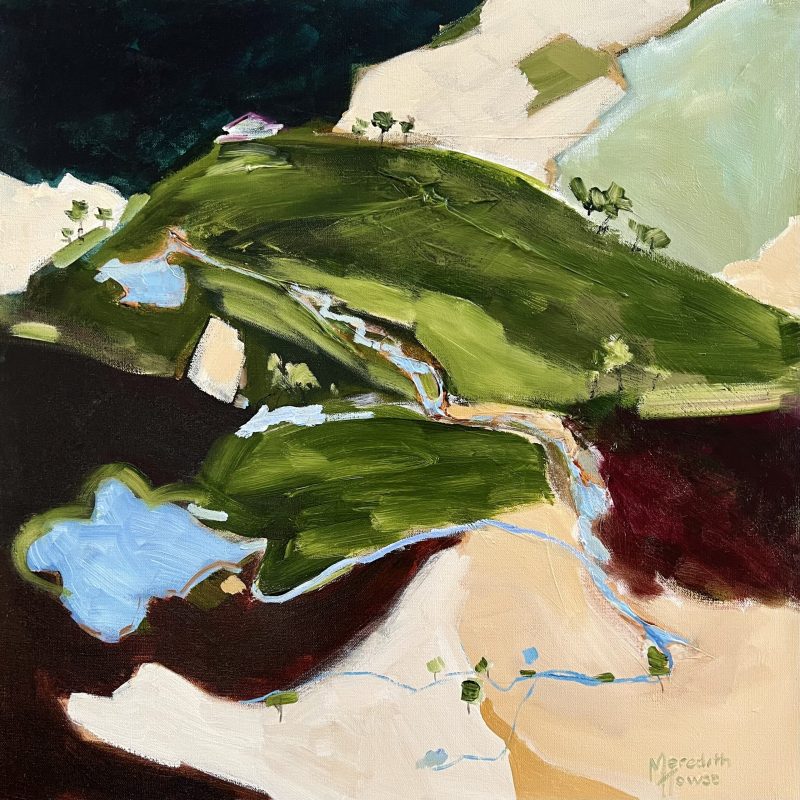 House on a Hill
AUD$600
Size:
61w
x 61h
x 3.8d
cms
Meredith Howse
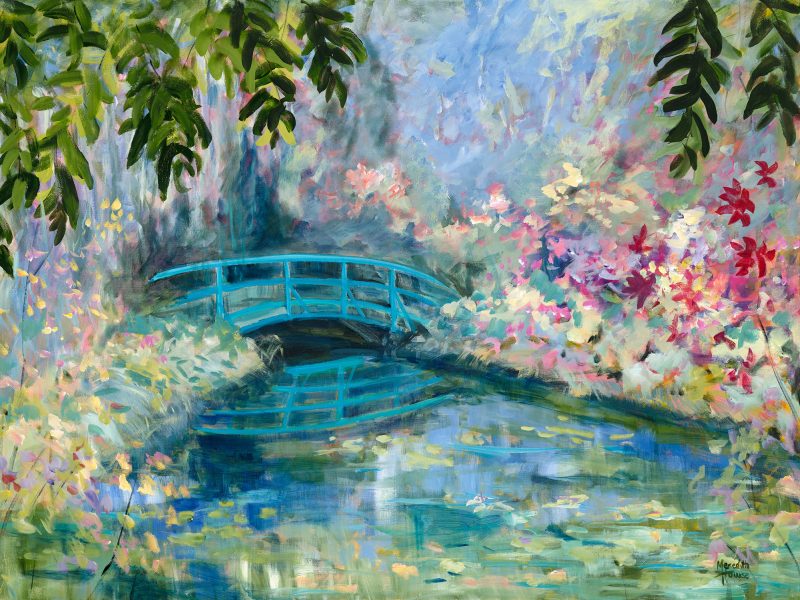 Giverny Garden Bridge
AUD$2,800
Size:
121.9w
x 91.4h
x 3.8d
cms
Meredith Howse
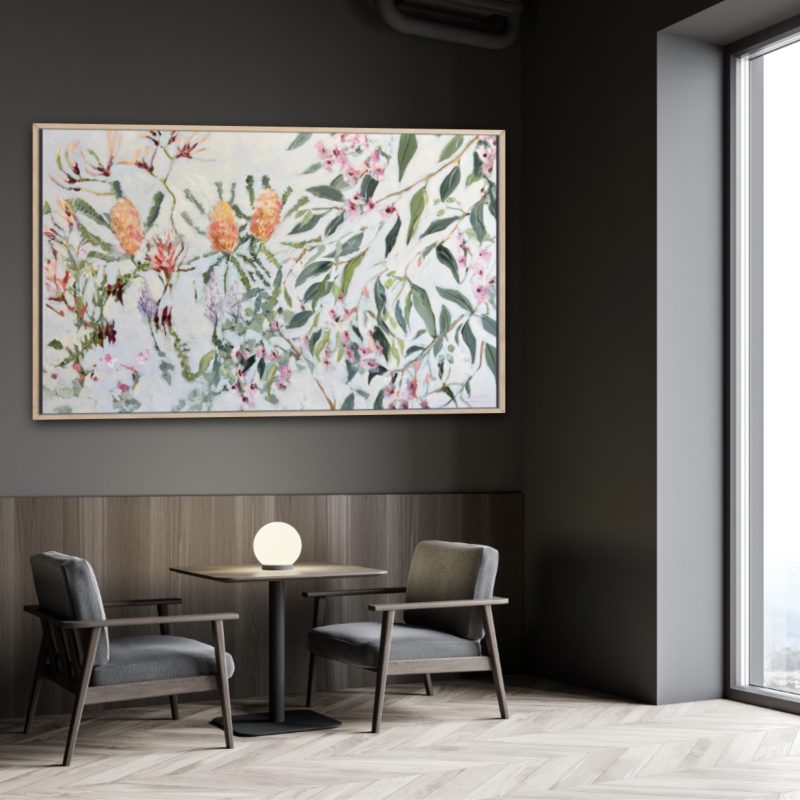 Nature’s Beauty
AUD$3,800
Size:
169w
x 103h
x 3.8d
cms
Meredith Howse
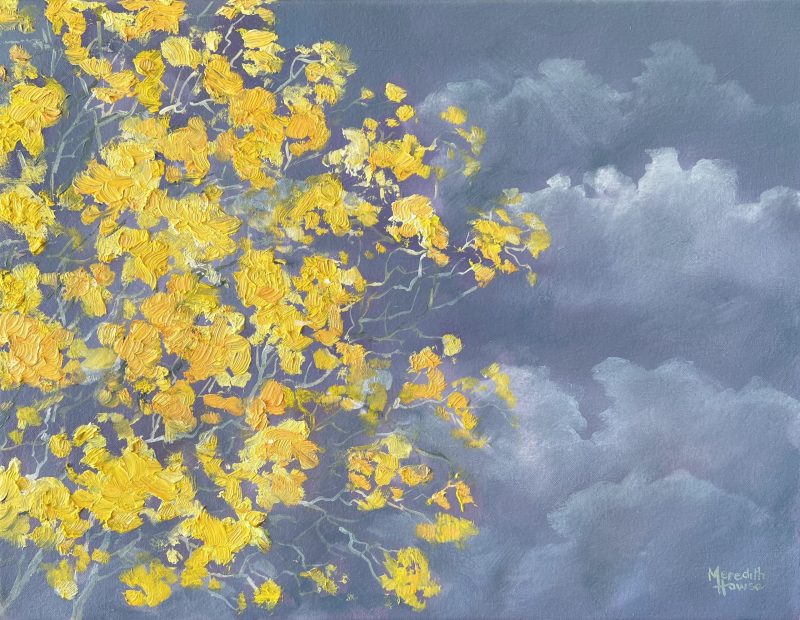 Illumination Silver Trumpet Tree
AUD$500
Size:
54w
x 42h
x 5.5d
cms
Meredith Howse
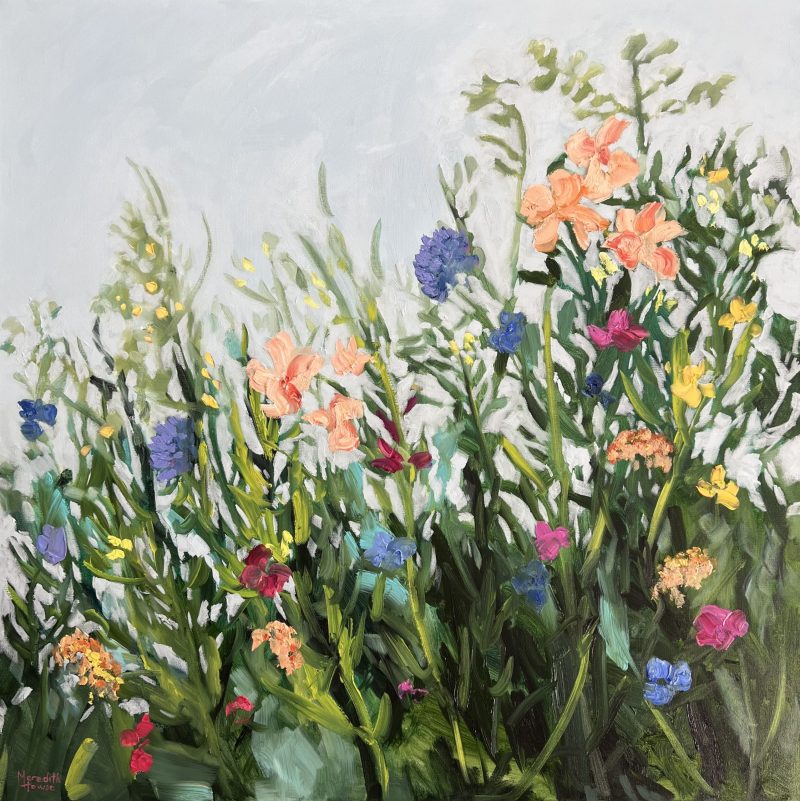 Floriade
AUD$1,300
Size:
91.4w
x 91.4h
x 5.5d
cms
Meredith Howse
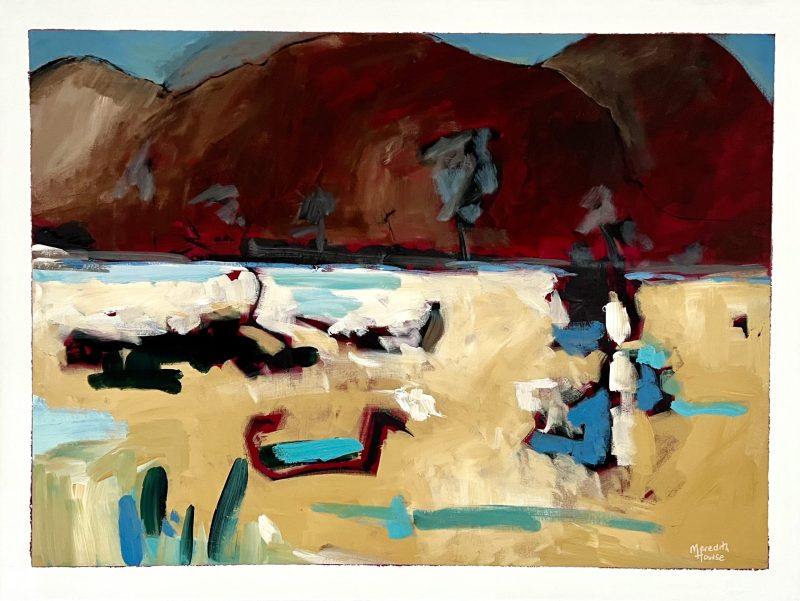 Uluru – Abstract
AUD$1,300
Size:
104w
x 79h
x 5d
cms
Meredith Howse
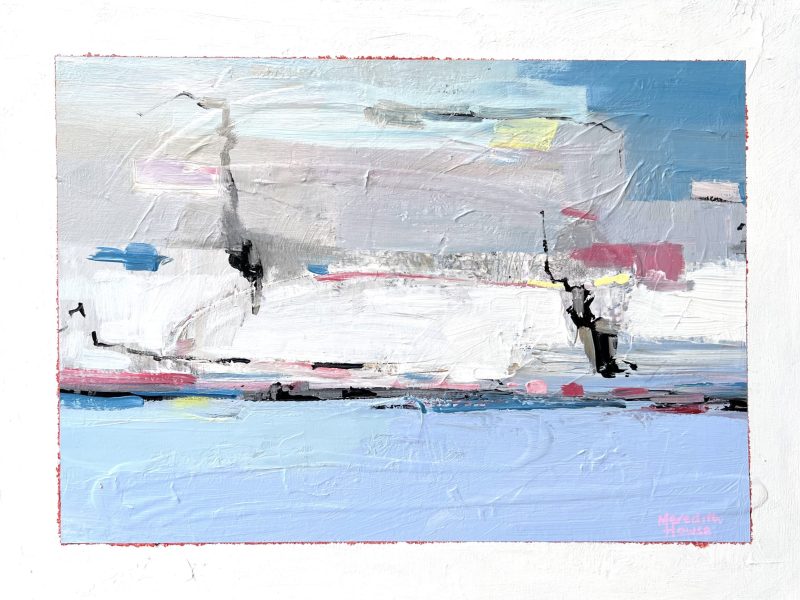 Abstract Thought 28th August
AUD$860
Size:
63w
x 48h
x 5d
cms
Meredith Howse
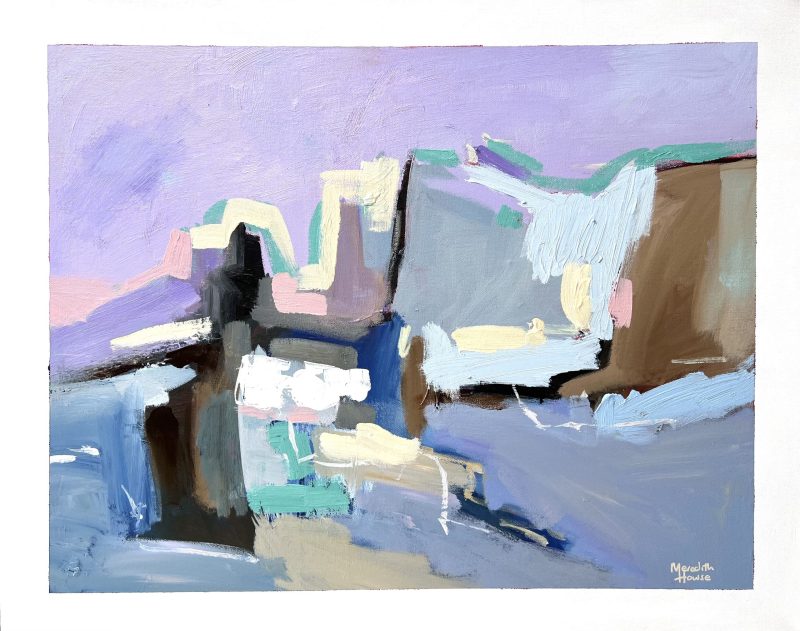 Abstract Thought 25th August
AUD$980
Size:
79w
x 64h
x 4.5d
cms
Meredith Howse
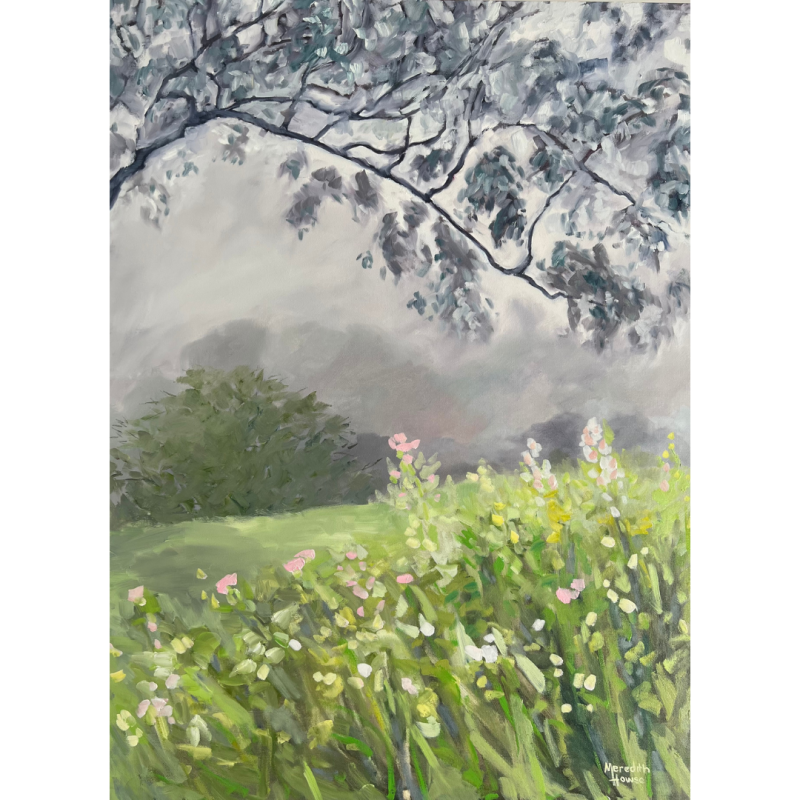 The Field of Many
AUD$1,800
Size:
91w
x 122h
x 3.8d
cms
Meredith Howse
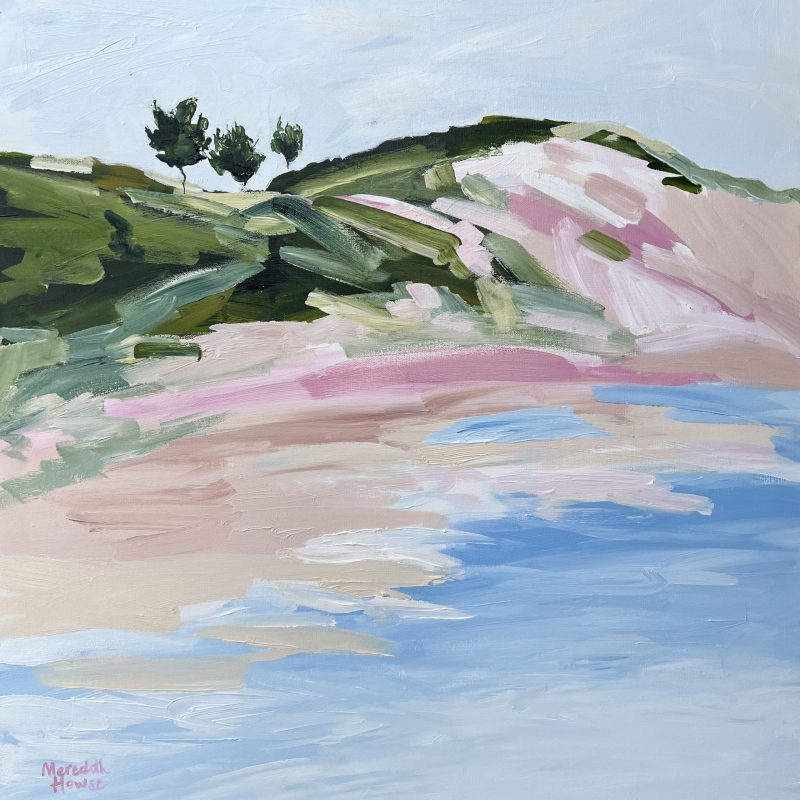 Sandy Bay
AUD$900
Size:
80w
x 80h
x 5.5d
cms
Meredith Howse
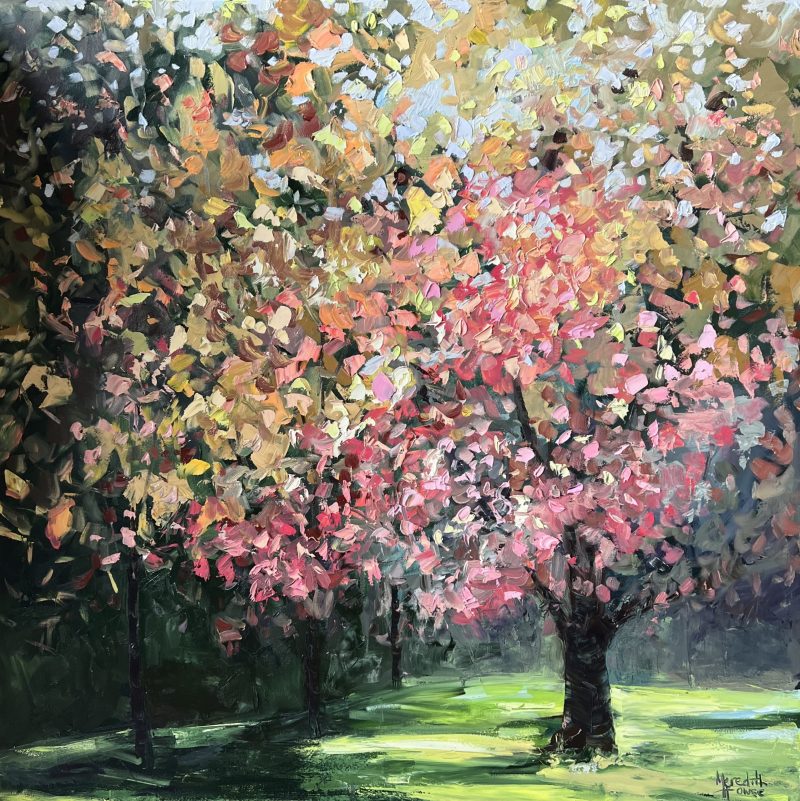 Nana Glen
AUD$1,500
Size:
94w
x 94h
x 5.5d
cms
Meredith Howse
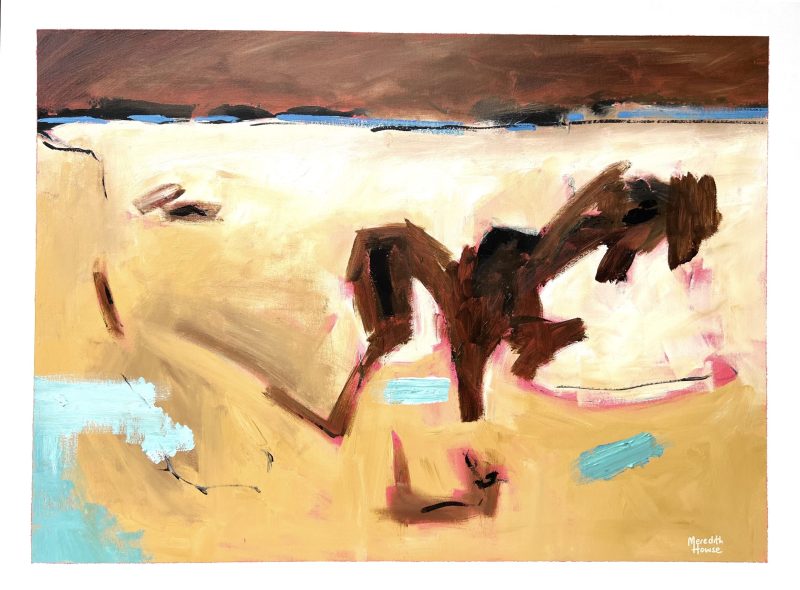 Abstract Thought 22nd August
AUD$1,200
Size:
104w
x 79h
x 5d
cms
Meredith Howse
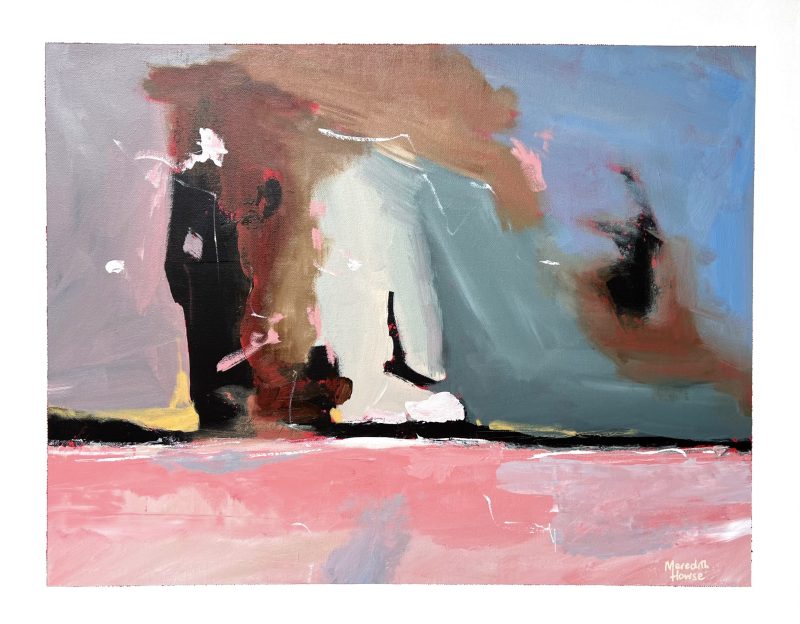 Abstract Thought 24th August
AUD$1,080
Size:
79w
x 64h
x 5d
cms
Meredith Howse
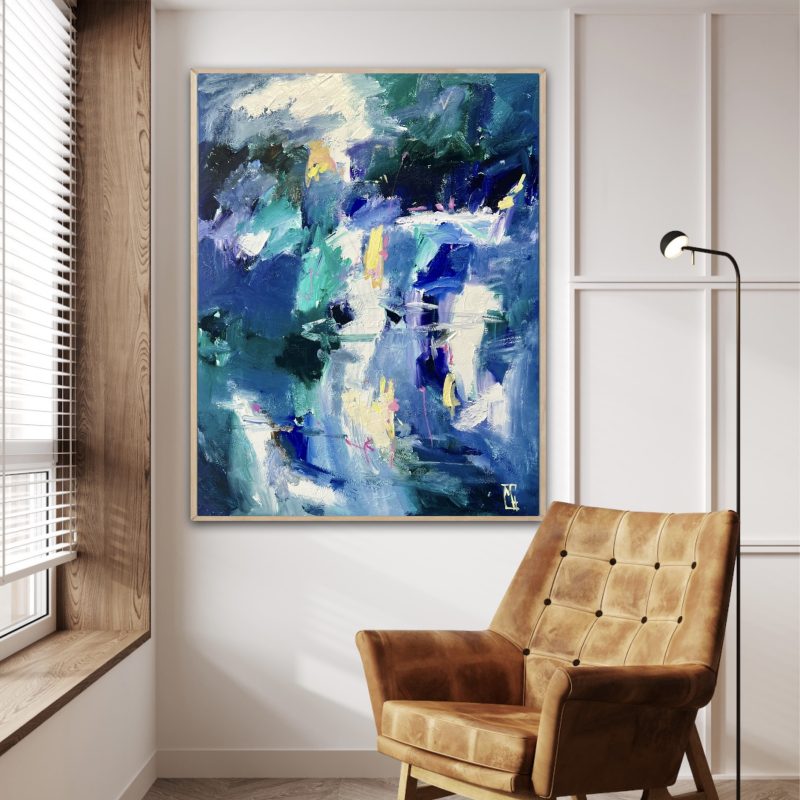 Colours
AUD$1,300
Size:
93.5w
x 124h
x 3d
cms
Meredith Howse
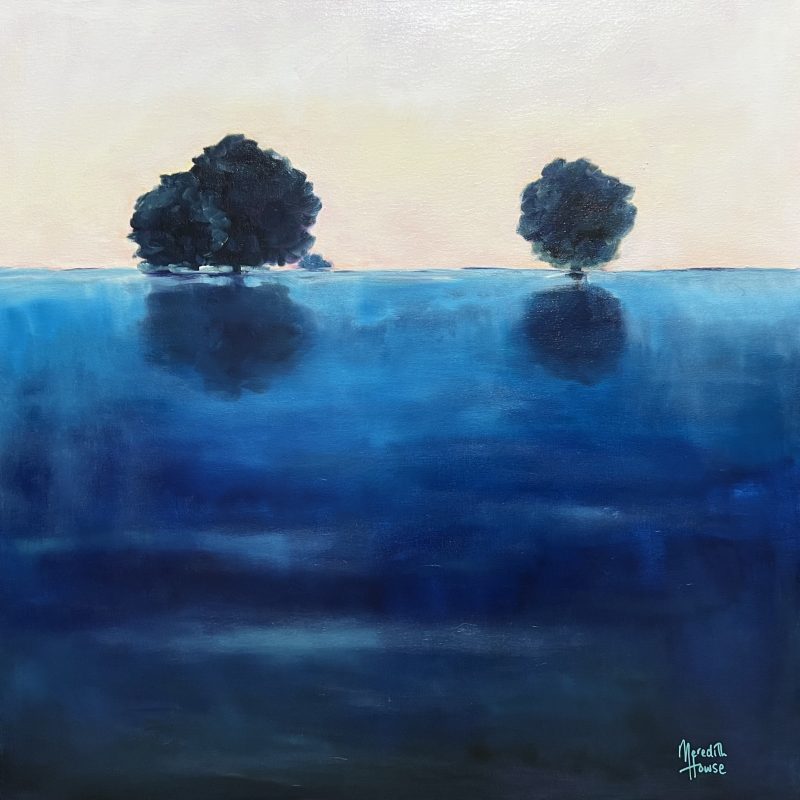 Water
Water
AUD$890
Size:
91.4w
x 91.4h
x 3.8d
cms
Meredith Howse
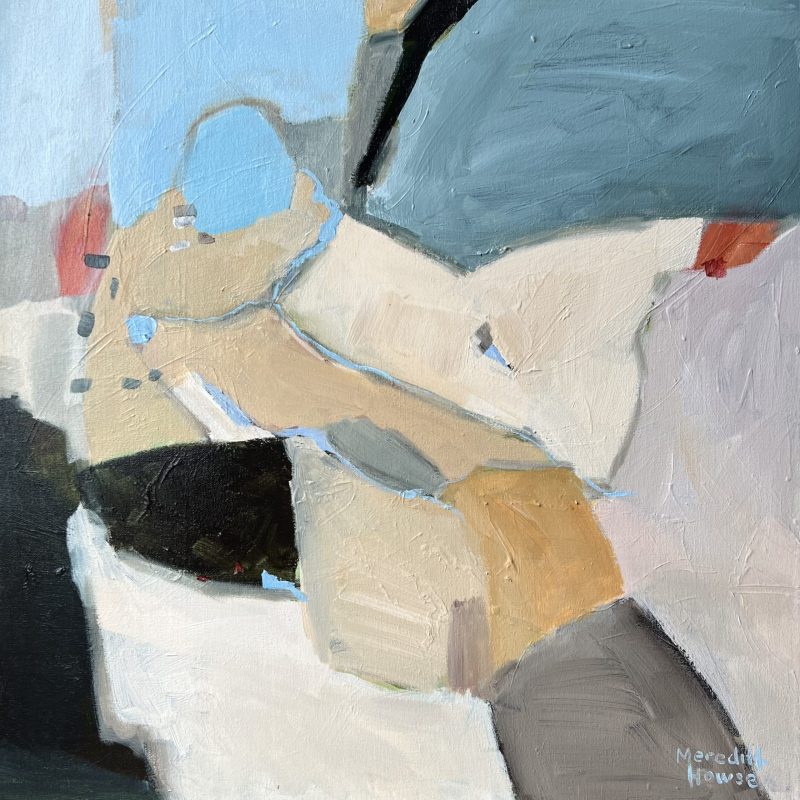 Pastoral
AUD$600
Size:
64w
x 64h
x 5d
cms
Meredith Howse
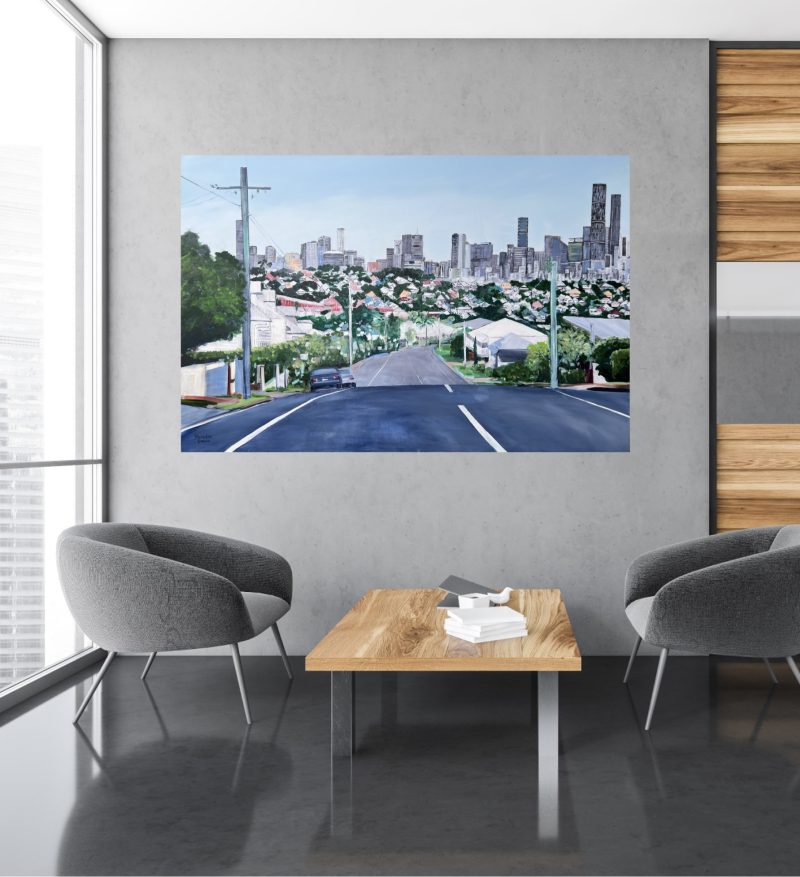 Our Town
AUD$3,500
Size:
151w
x 101h
x 3.8d
cms
Meredith Howse
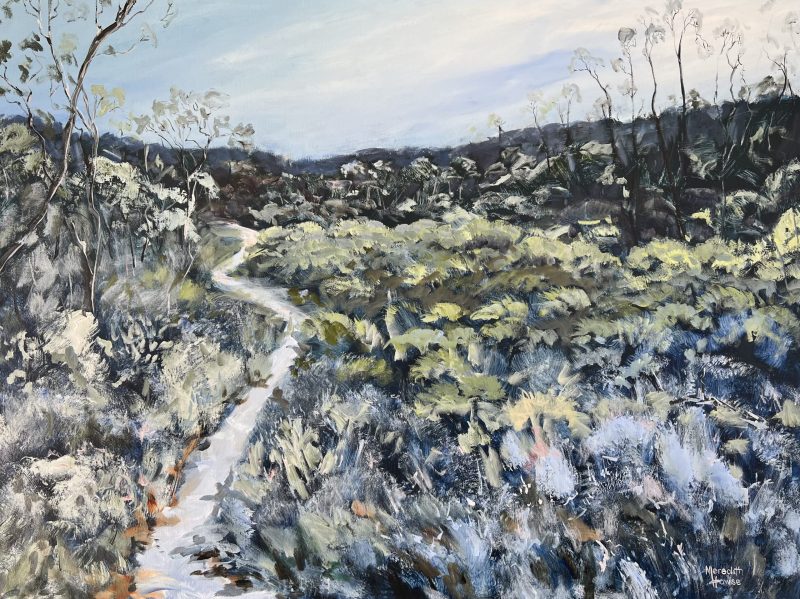 Overland Track
AUD$1,900
Size:
122w
x 91h
x 3.8d
cms
Meredith Howse
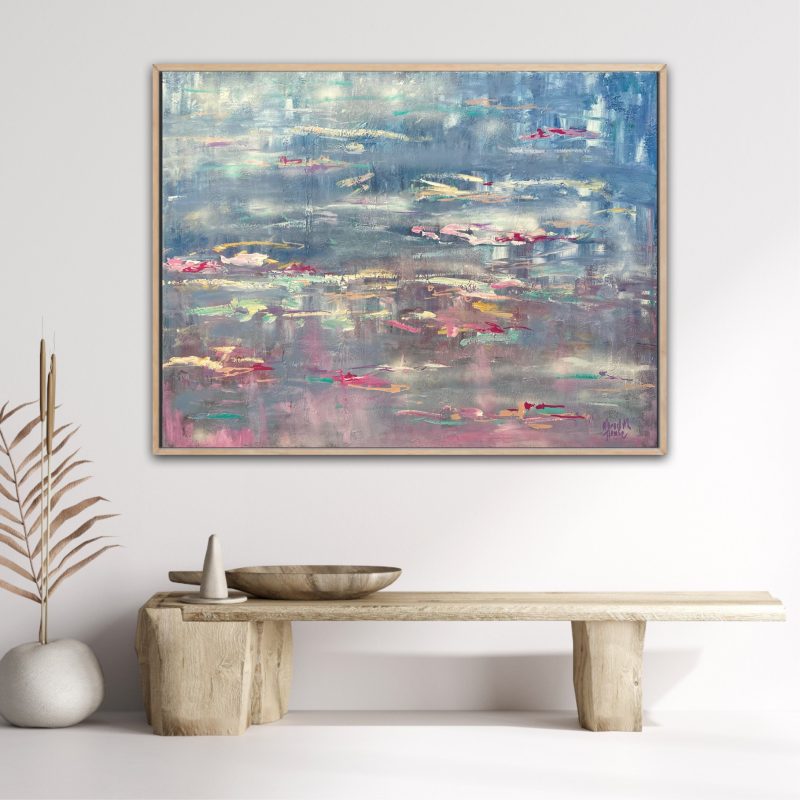 Homage to Monet 4
AUD$1,760
Size:
124w
x 93.5h
x 3d
cms
Meredith Howse
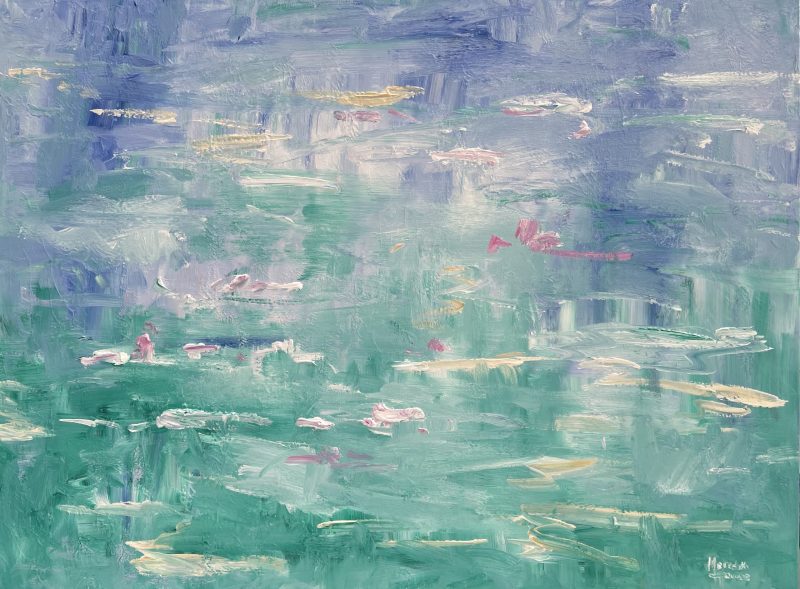 Homage to Monet 3
AUD$1,600
Size:
124.9w
x 94.4h
x 3d
cms
Meredith Howse
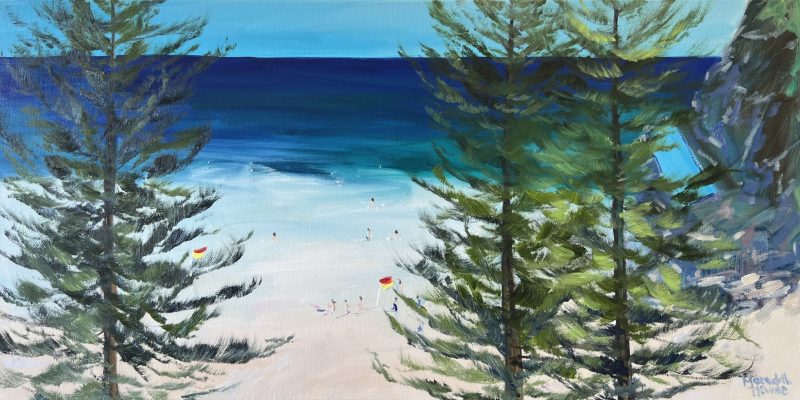 Beach Pines
AUD$890
Size:
84w
x 44h
x 3d
cms
Meredith Howse
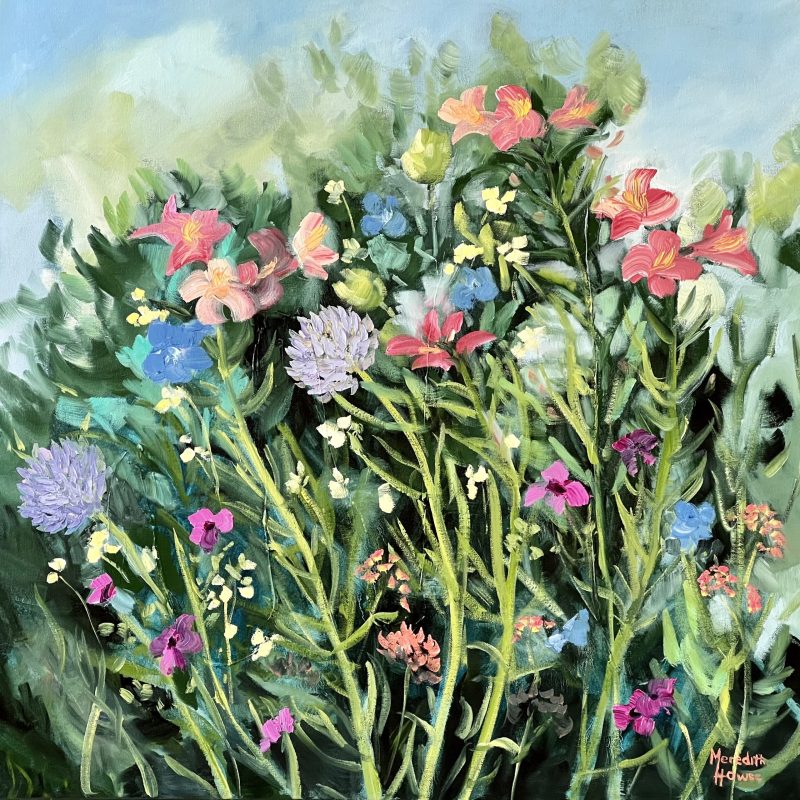 A Garden’s Tapestry
AUD$1,300
Size:
91.4w
x 91.4h
x 3.8d
cms
Meredith Howse
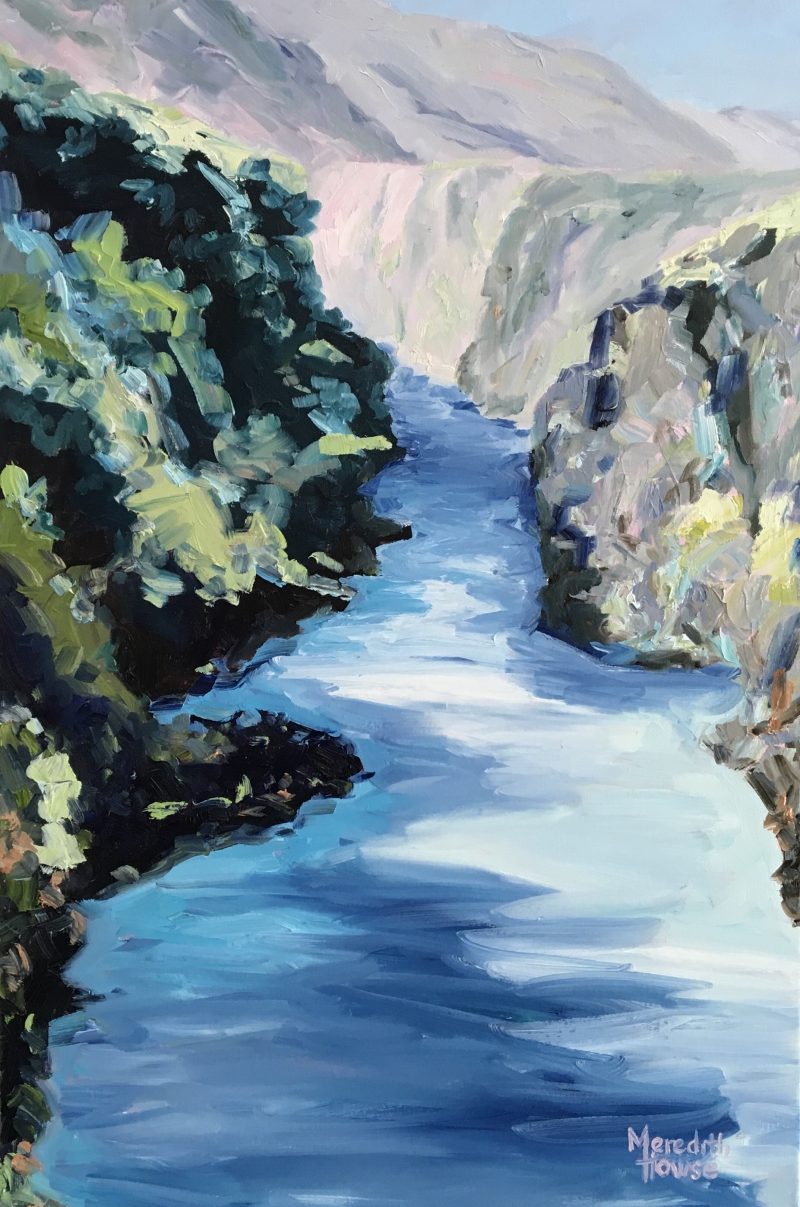 River Running Blue
AUD$990
Size:
51w
x 91h
x 3.5d
cms
Meredith Howse
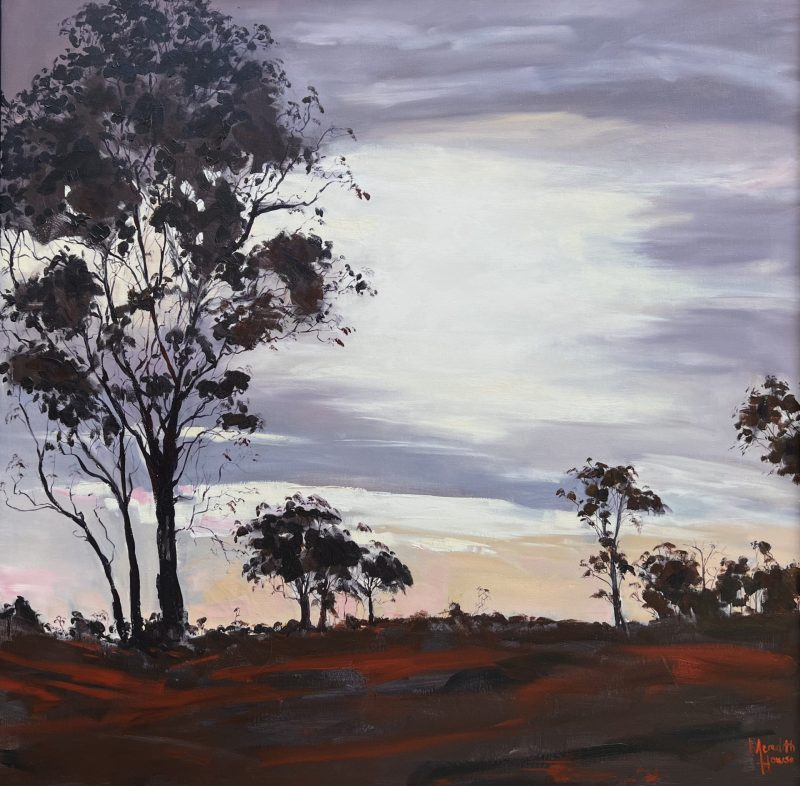 Sunrise over Carinyah
AUD$800
Size:
92w
x 92h
x 3d
cms
Meredith Howse
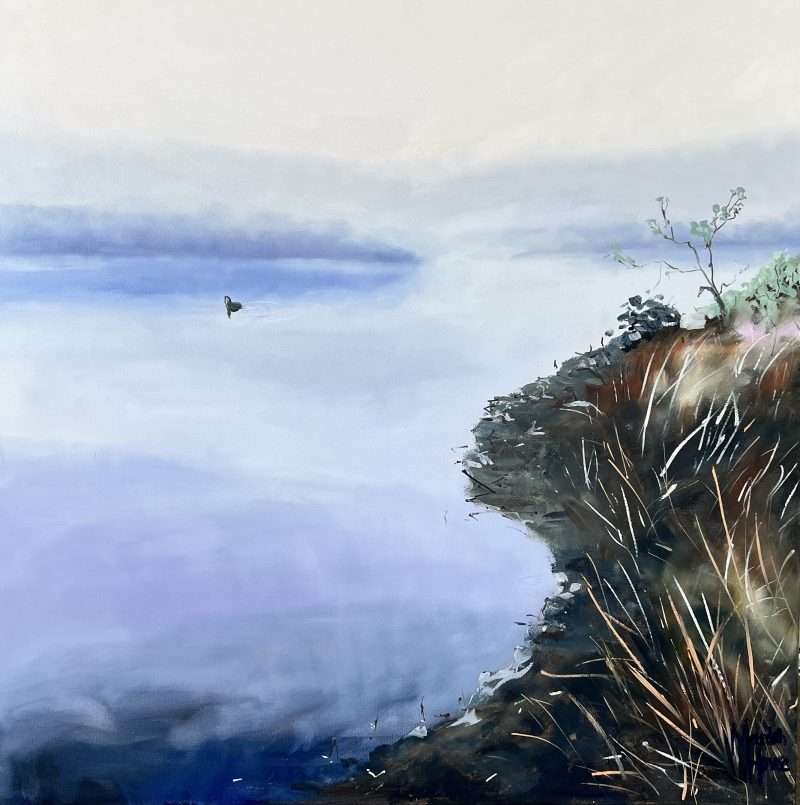 Lake of Tranquility
AUD$700
Size:
94w
x 94h
x 5d
cms
Meredith Howse
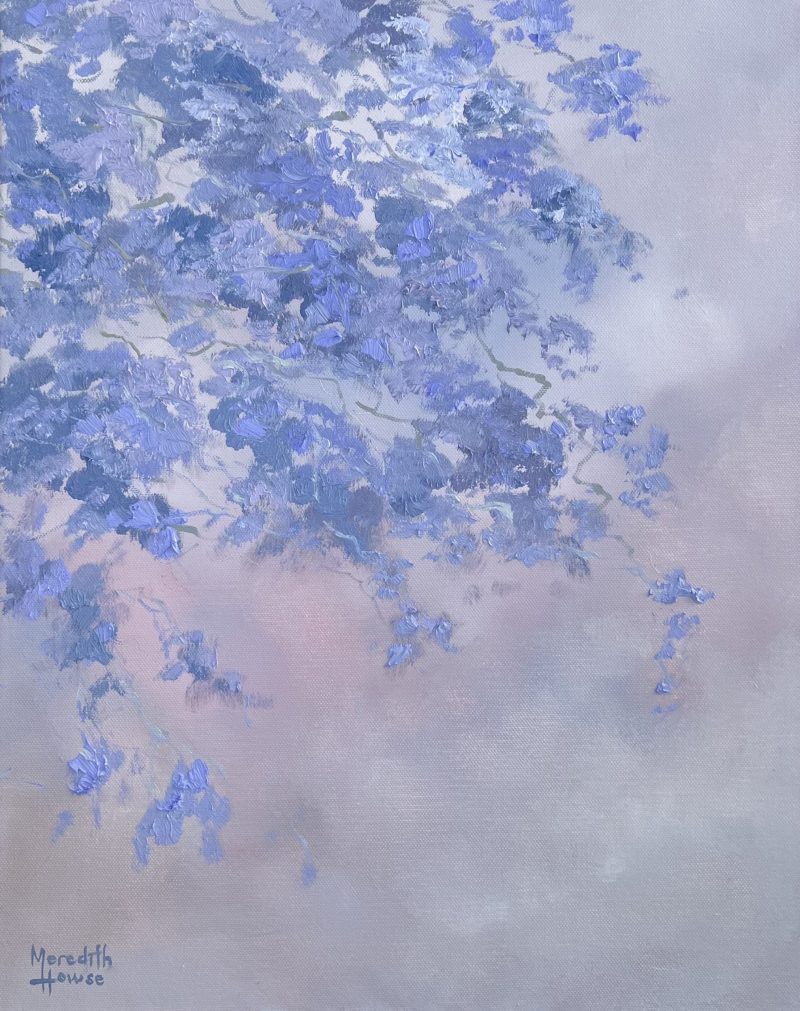 Illumination Jacaranda Cascade
AUD$550
Size:
43.4w
x 53.8h
x 3d
cms
Meredith Howse
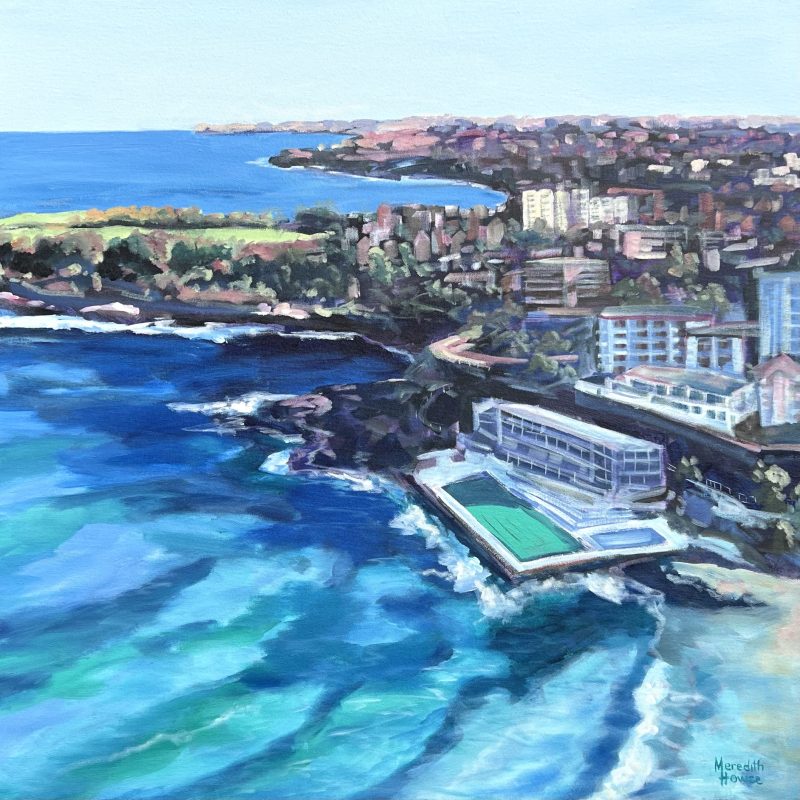 Bondi to Bronte
AUD$1,400
Size:
91.4w
x 91.4h
x 3.8d
cms
Meredith Howse
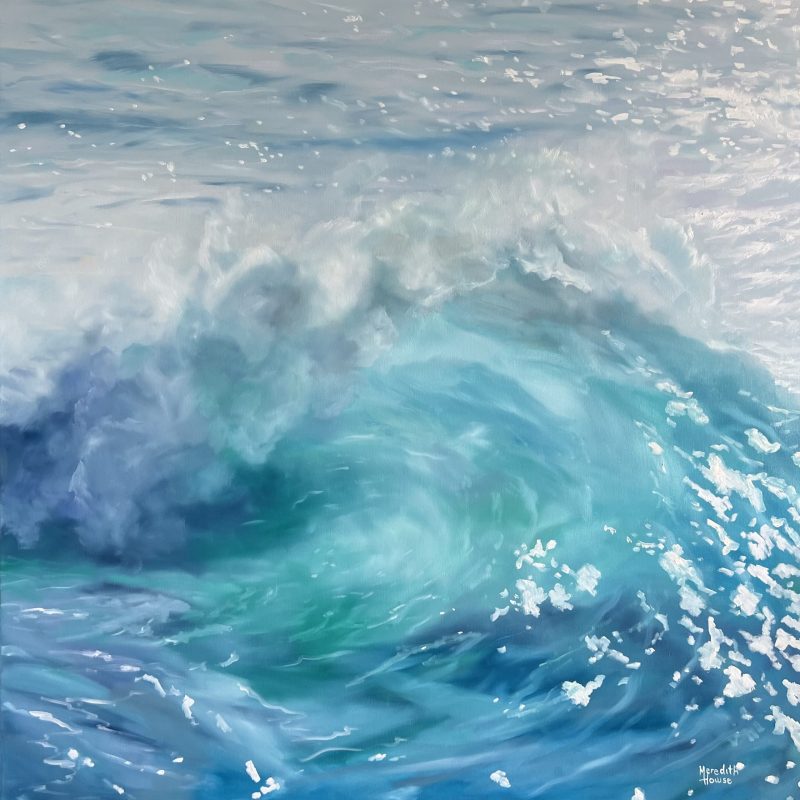 Shimmering Surf
AUD$3,300
Size:
121.9w
x 121.9h
x 3.8d
cms
Meredith Howse
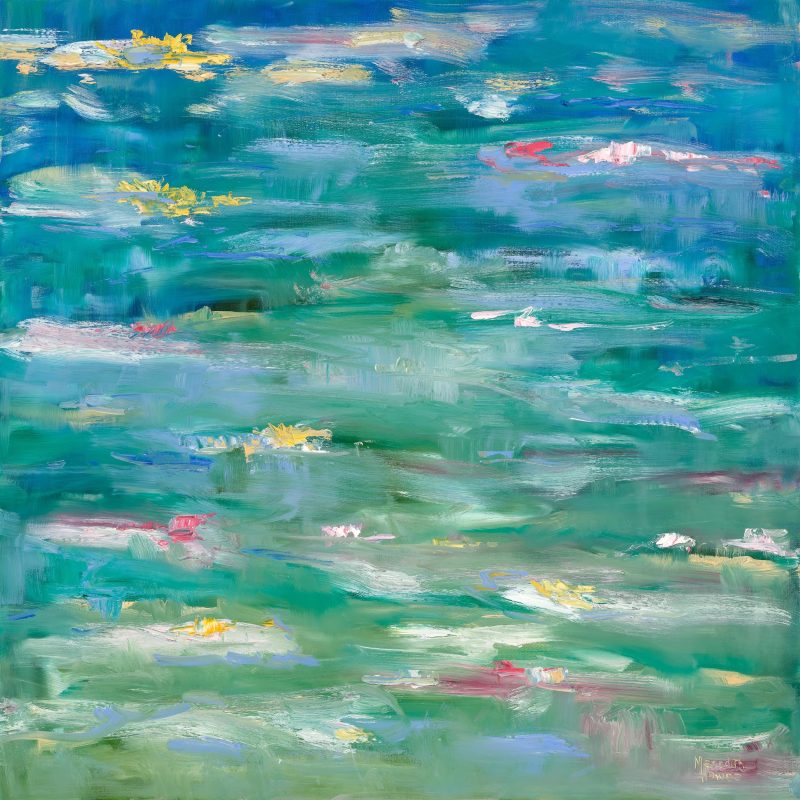 Homage to Monet 2
AUD$1,500
Size:
94.4w
x 94.4h
x 5.5d
cms
Meredith Howse
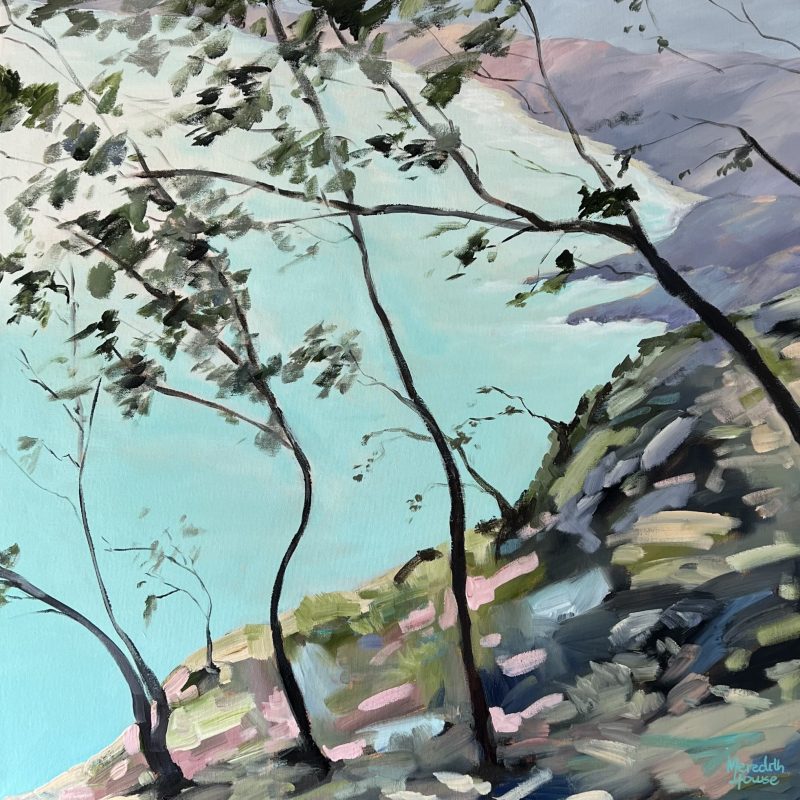 At Stradbroke
AUD$1,300
Size:
94w
x 94h
x 5.5d
cms
Meredith Howse
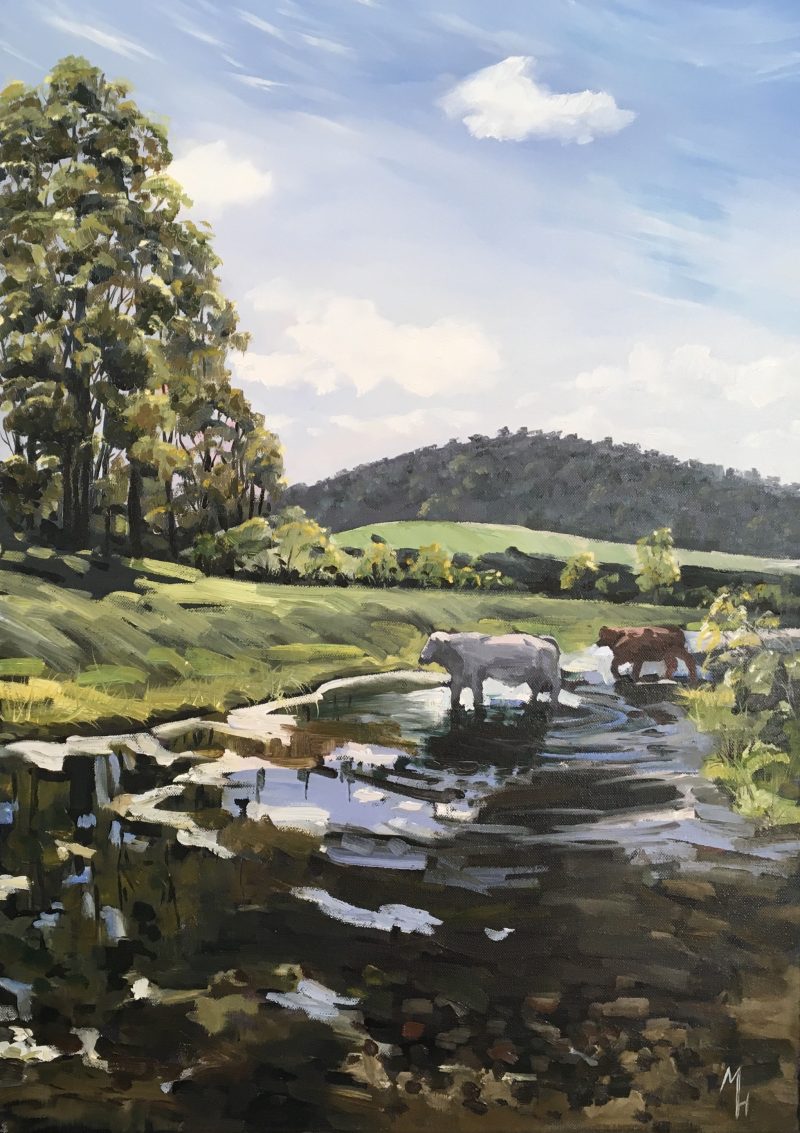 Cattle Country
AUD$980
Size:
50.5w
x 70.5h
x 2d
cms
Meredith Howse
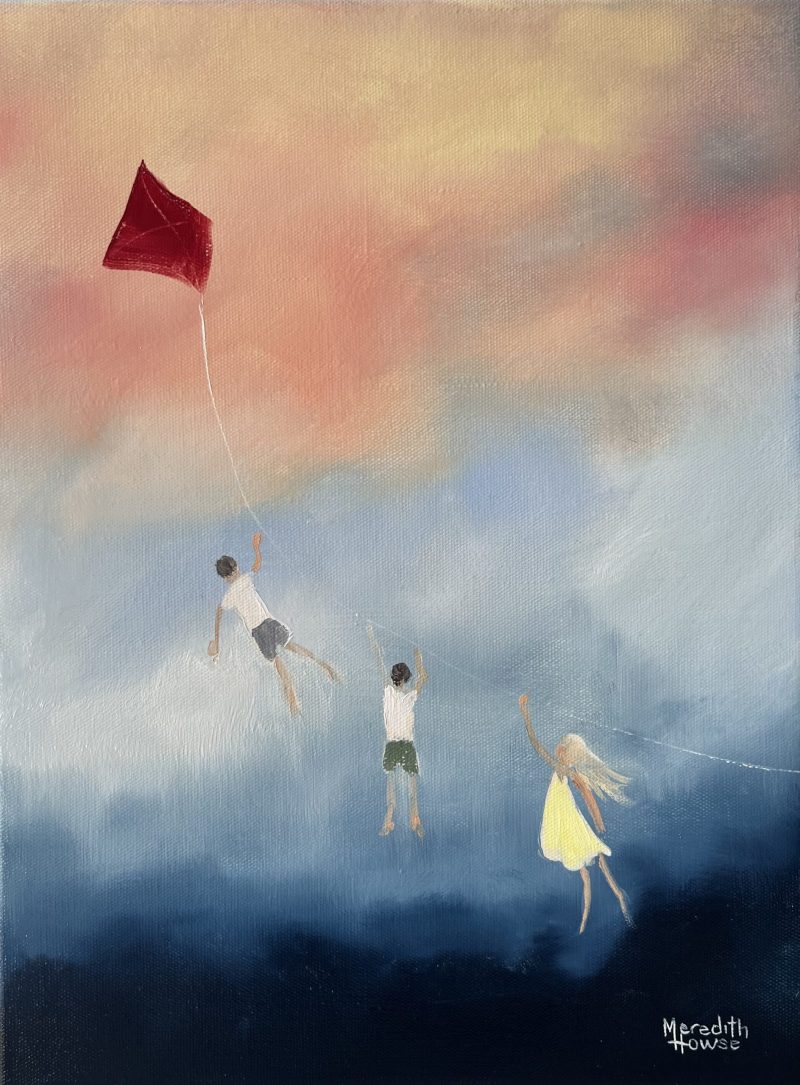 Red Kite and Yellow Dress
AUD$600
Size:
34.2w
x 44.5h
x 3d
cms
Meredith Howse
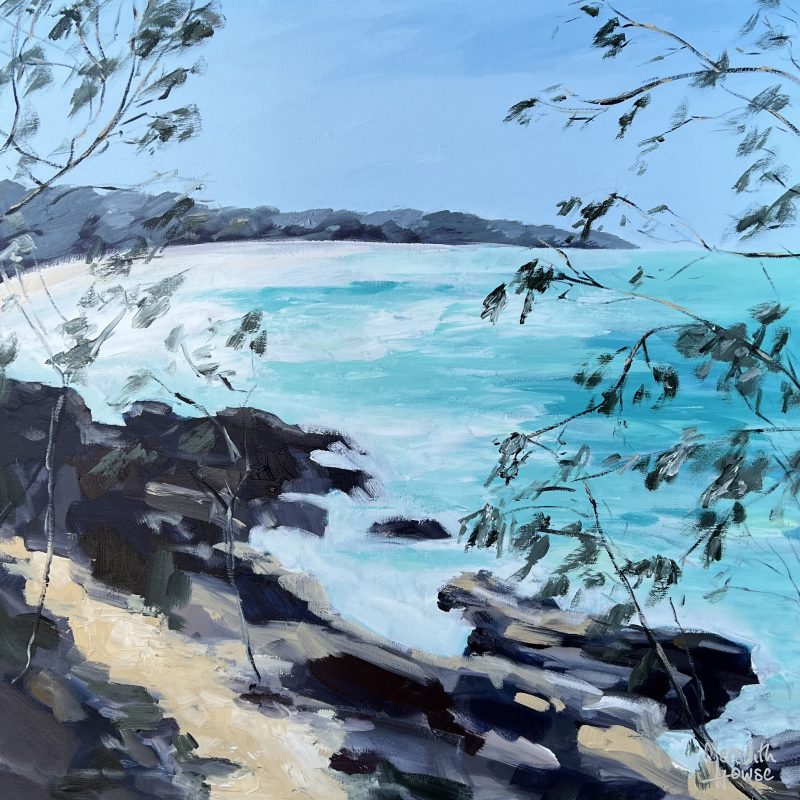 Alexandria Bay
AUD$1,200
Size:
79w
x 79h
x 5d
cms
Meredith Howse
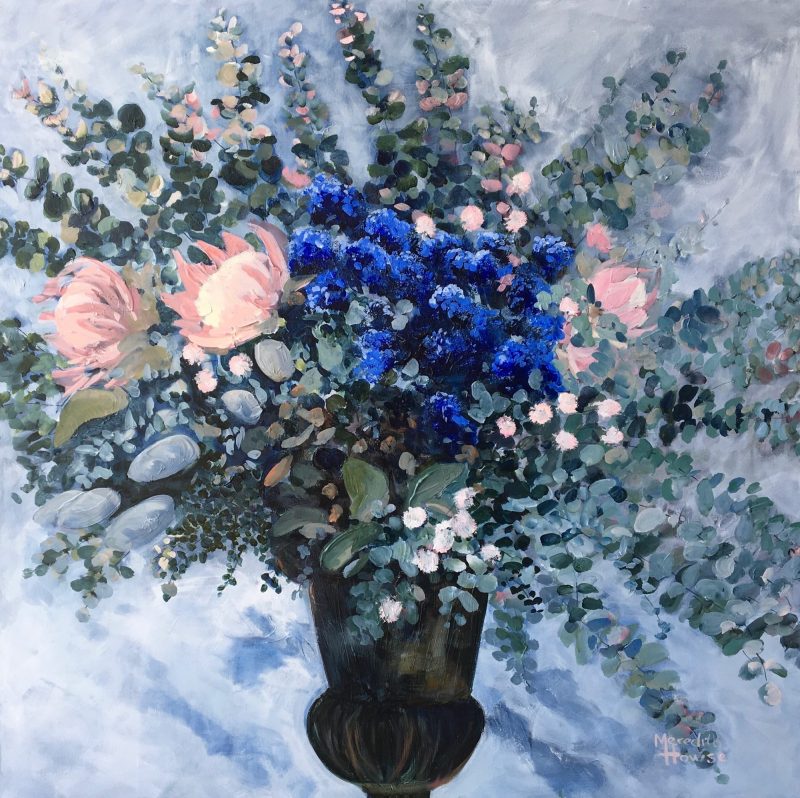 Alicia
AUD$1,800
Size:
107w
x 107h
x 4d
cms
Meredith Howse
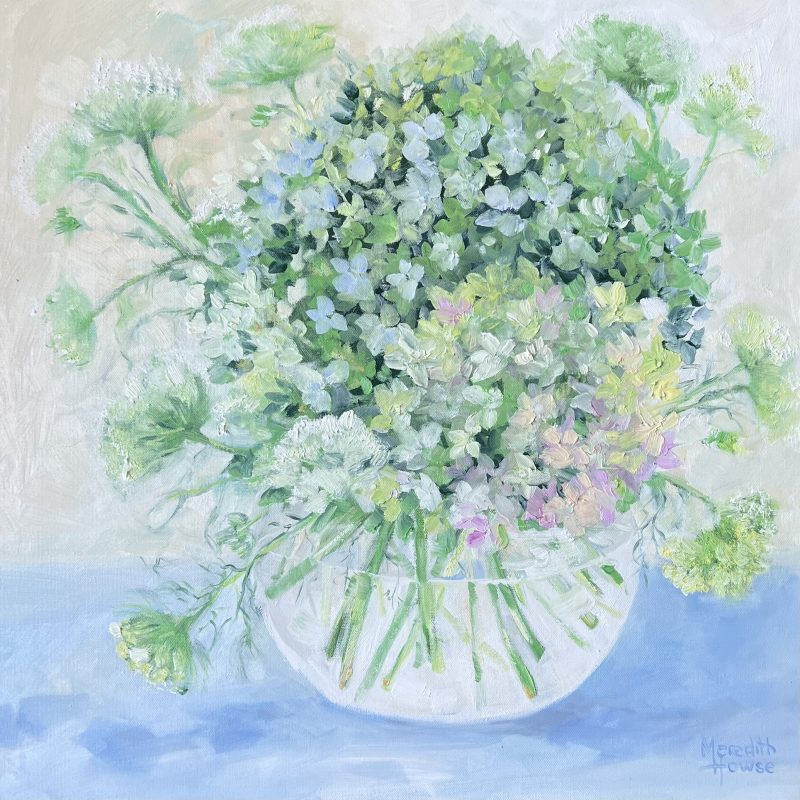 Thinking of You
AUD$600
Size:
63w
x 63h
x 5d
cms
Meredith Howse
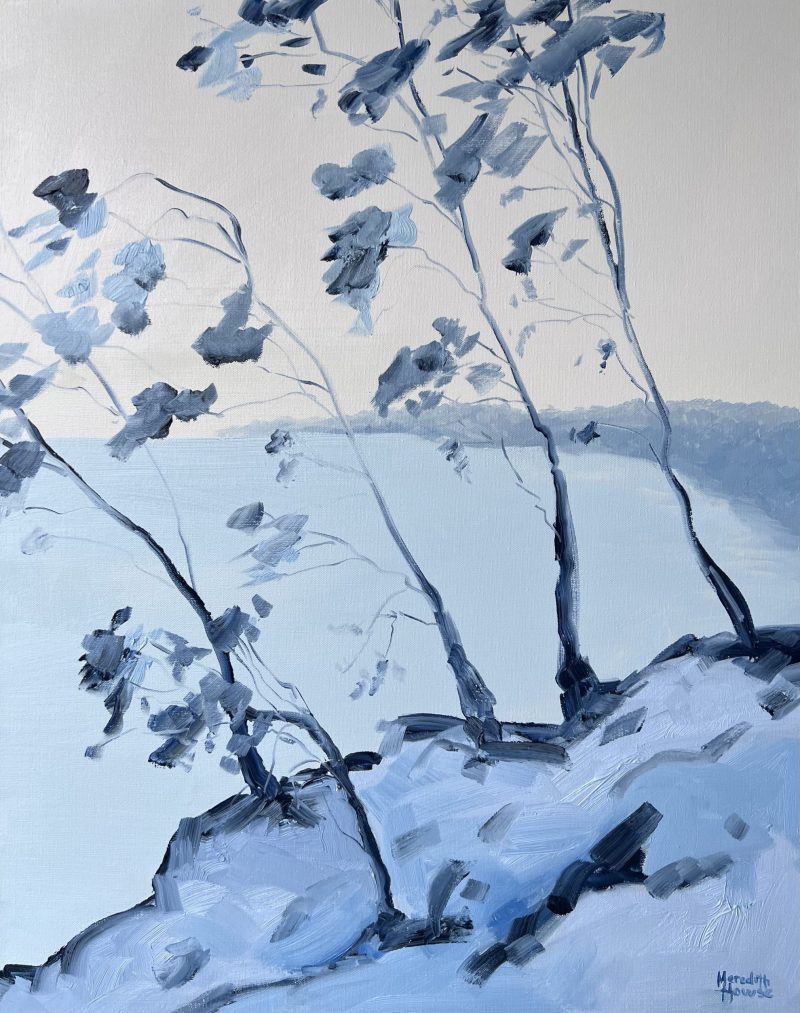 Straddie in Blue
AUD$900
Size:
65w
x 80h
x 5.5d
cms
Meredith Howse
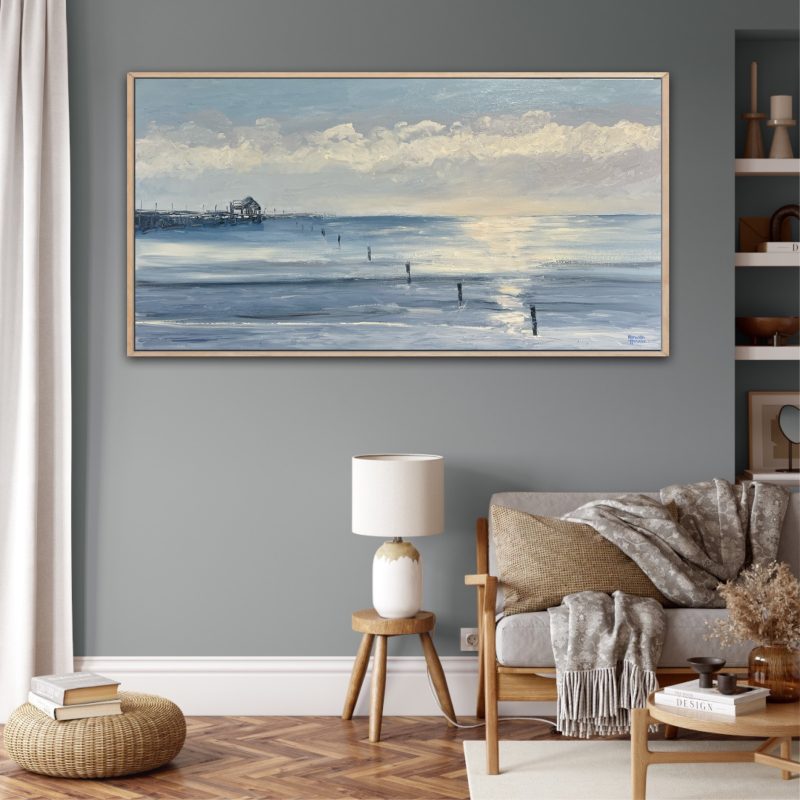 Sandgate
AUD$1,900
Size:
155w
x 79h
x 5.5d
cms
Meredith Howse
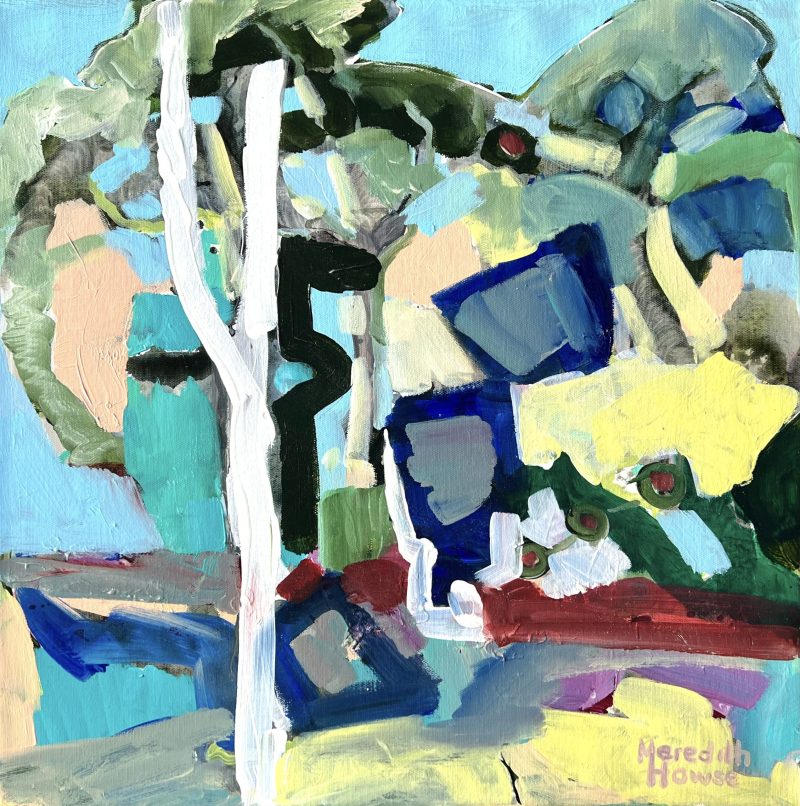 Olive Tree
AUD$590
Size:
53w
x 53h
x 3d
cms
Meredith Howse
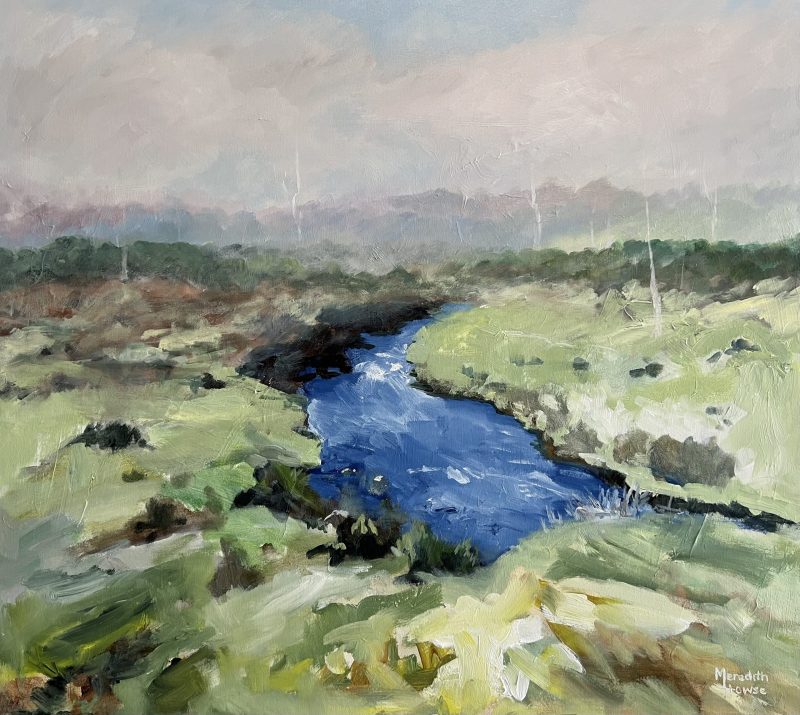 Iris River
AUD$1,800
Size:
101.6w
x 91.4h
x 3.8d
cms
Meredith Howse
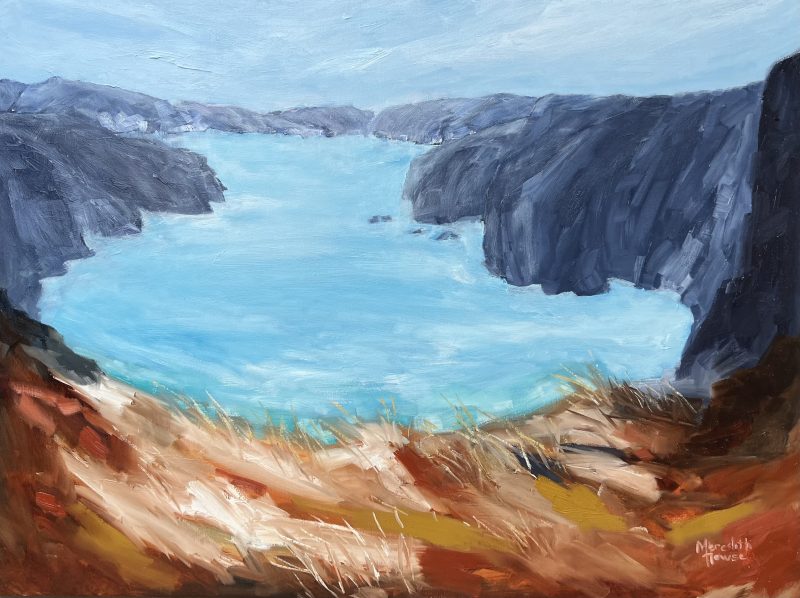 A Drop in the Ocean
AUD$1,800
Size:
102w
x 76h
x 3.8d
cms
Meredith Howse
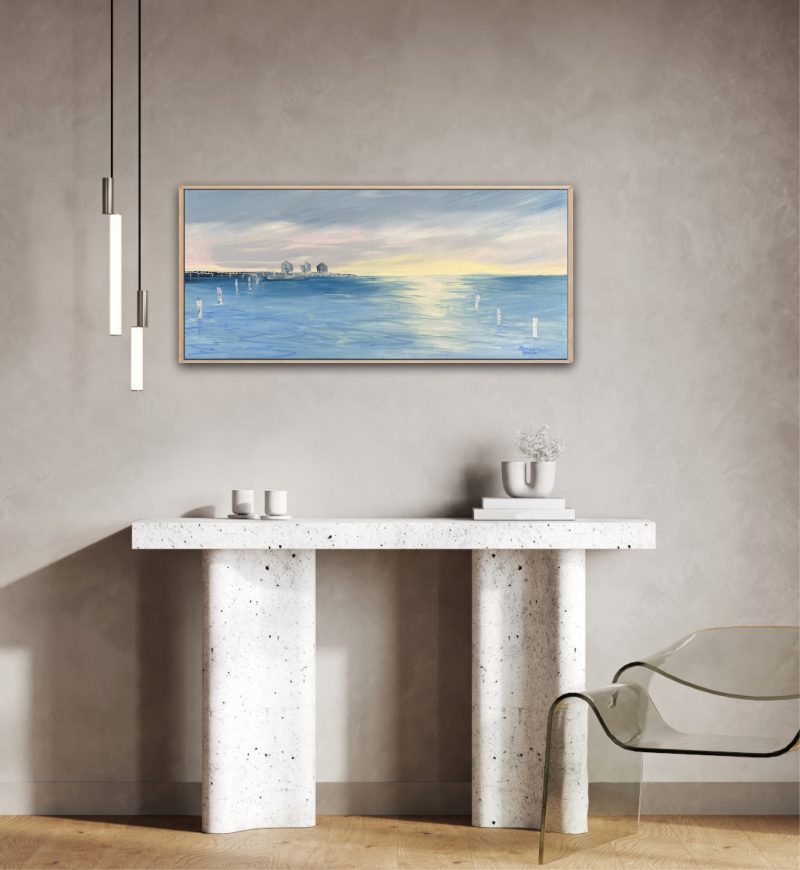 Good Morning
AUD$500
Size:
90.2w
x 41h
x 3d
cms
Meredith Howse
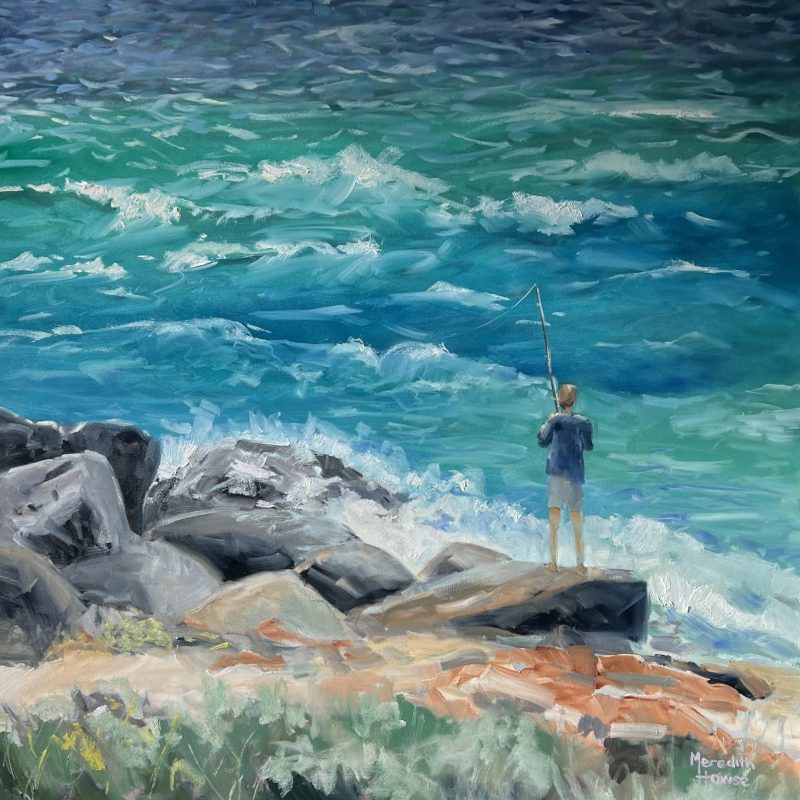 Fishing at Cape Leeuwin, Western Australia
AUD$1,800
Size:
101.6w
x 101.6h
x 3.8d
cms
Meredith Howse
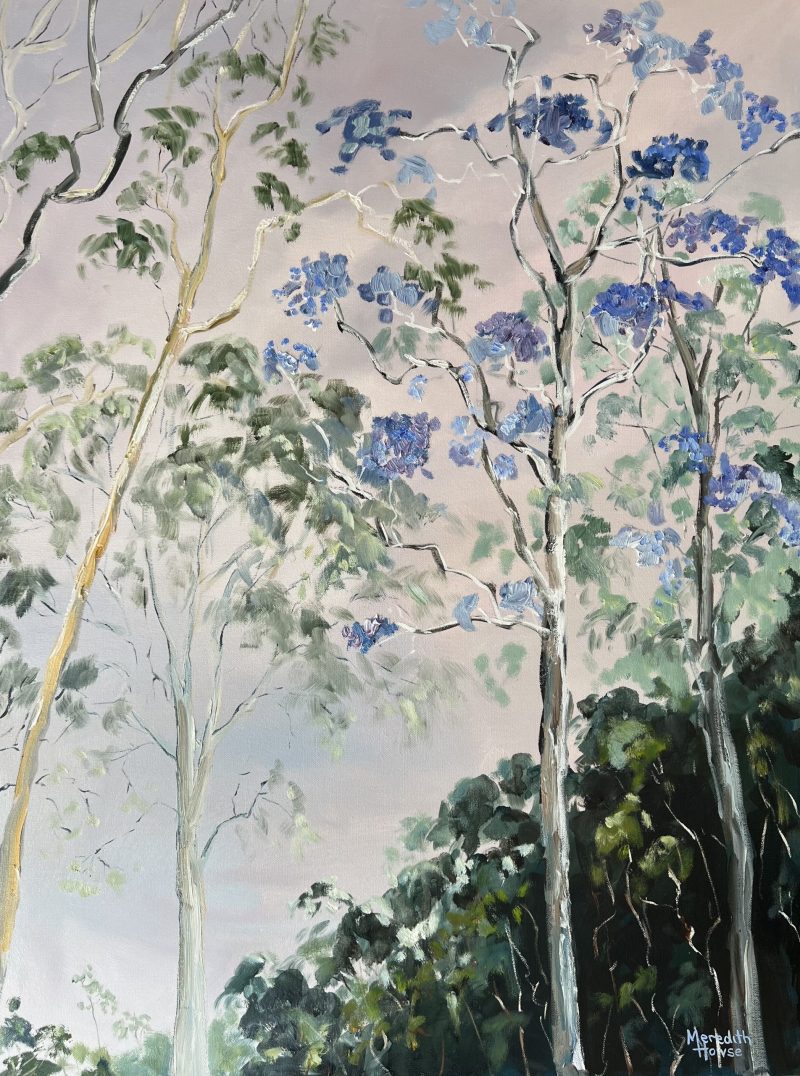 Illumination Jacaranda Bloom
AUD$1,900
Size:
76w
x 101h
x 3.8d
cms
Meredith Howse
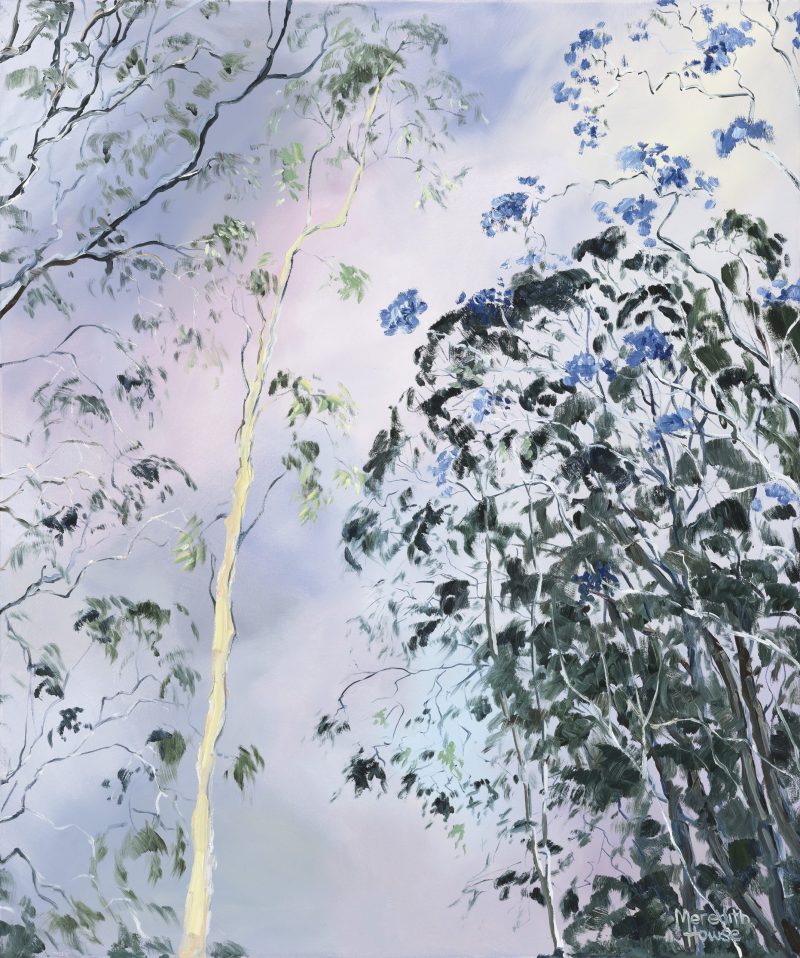 Illumination Trees of Ashgrove
AUD$1,900
Size:
76w
x 91h
x 3.8d
cms
Meredith Howse
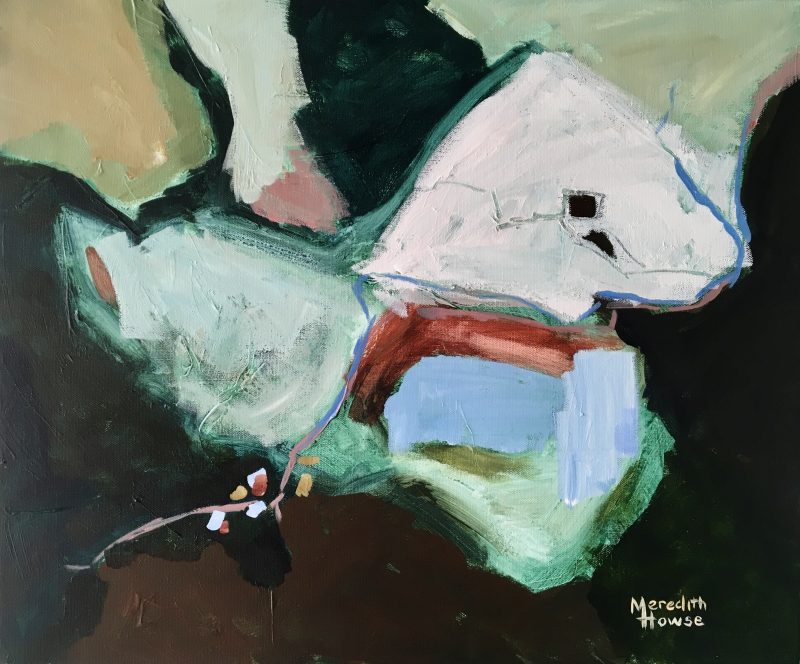 Our Sunburnt Country Limited Edition Print 1/50
AUD$1,000
Size:
66w
x 56h
x 2d
cms
Meredith Howse
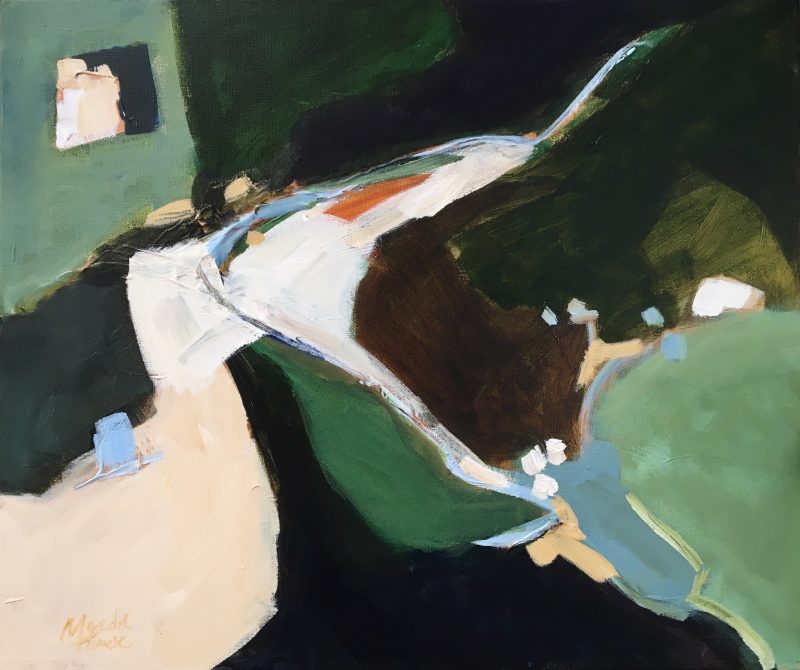 Old Regret Ltd Edition 1/50
AUD$1,000
Size:
66w
x 56h
x 2d
cms
Meredith Howse
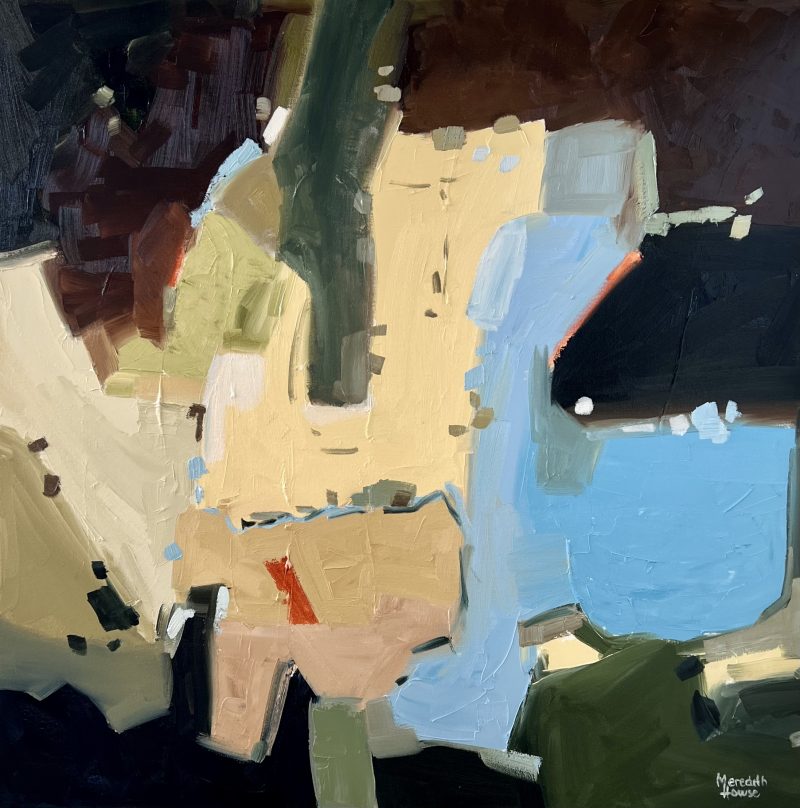 Colours of Texas 6
AUD$1,320
Size:
91.4w
x 91.4h
x 3.8d
cms
Meredith Howse
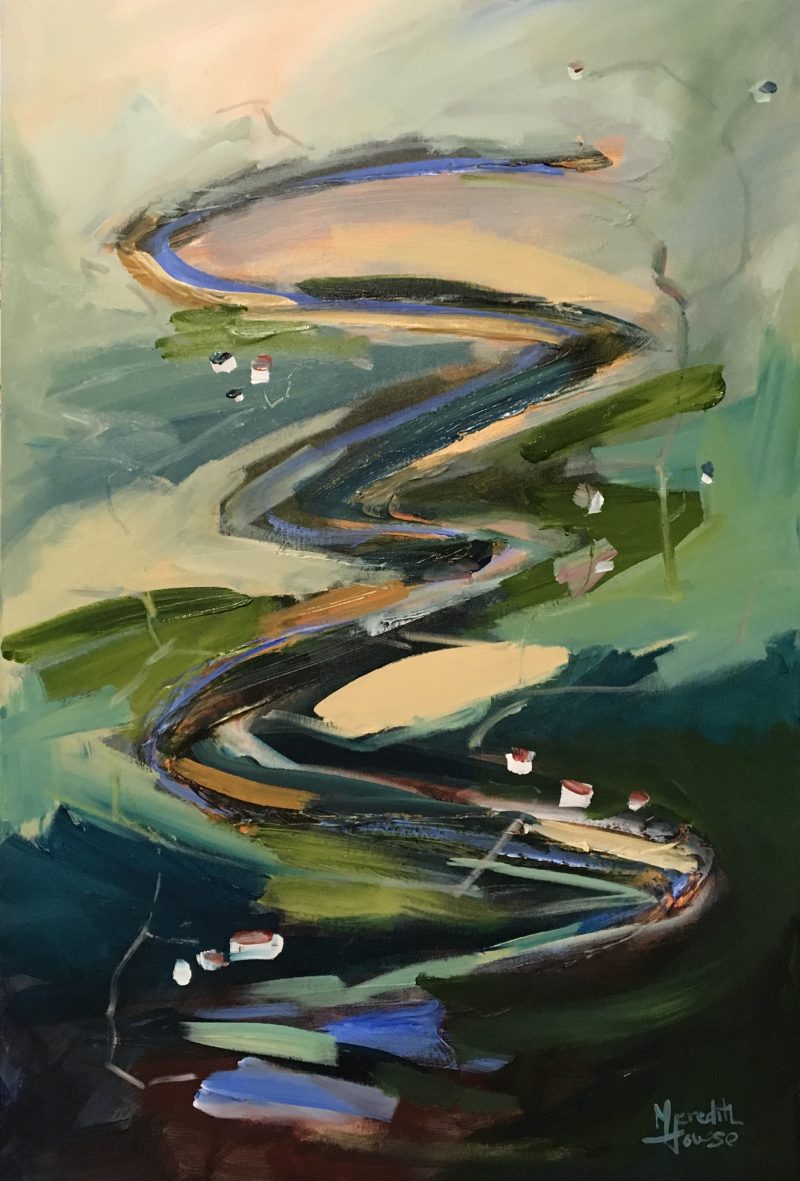 Katoomba
AUD$800
Size:
61w
x 91h
x 3.8d
cms
Meredith Howse
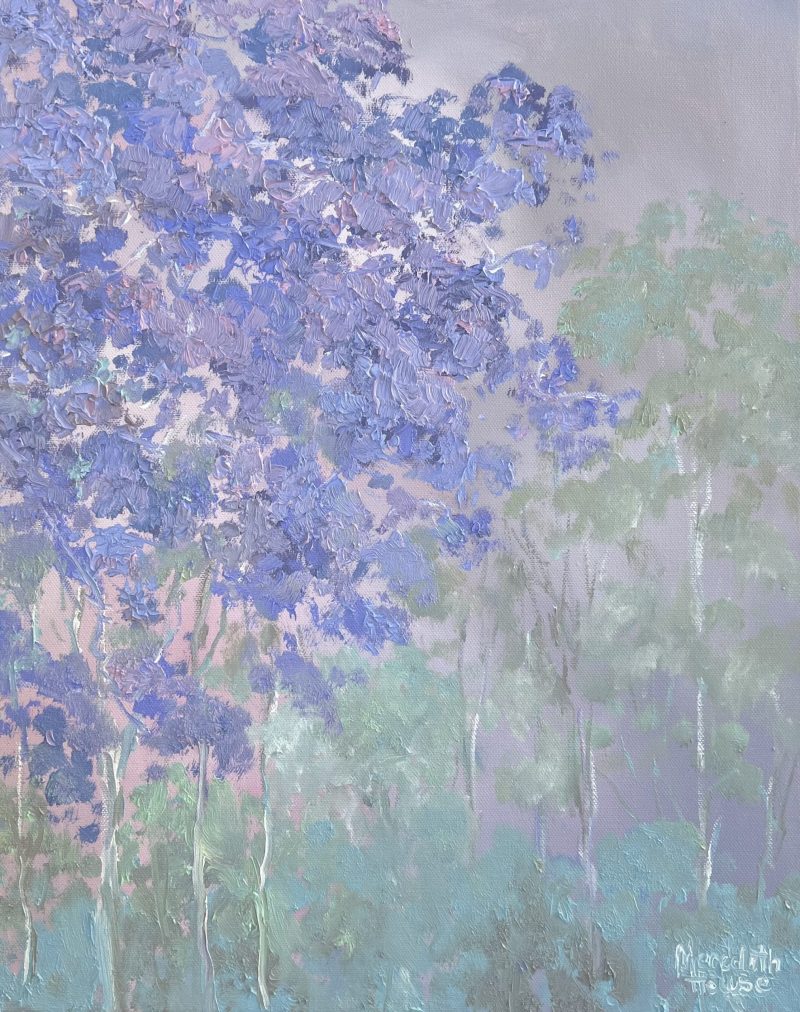 Illumination Jacaranda in September
AUD$550
Size:
43.4w
x 53.8h
x 3d
cms
Meredith Howse
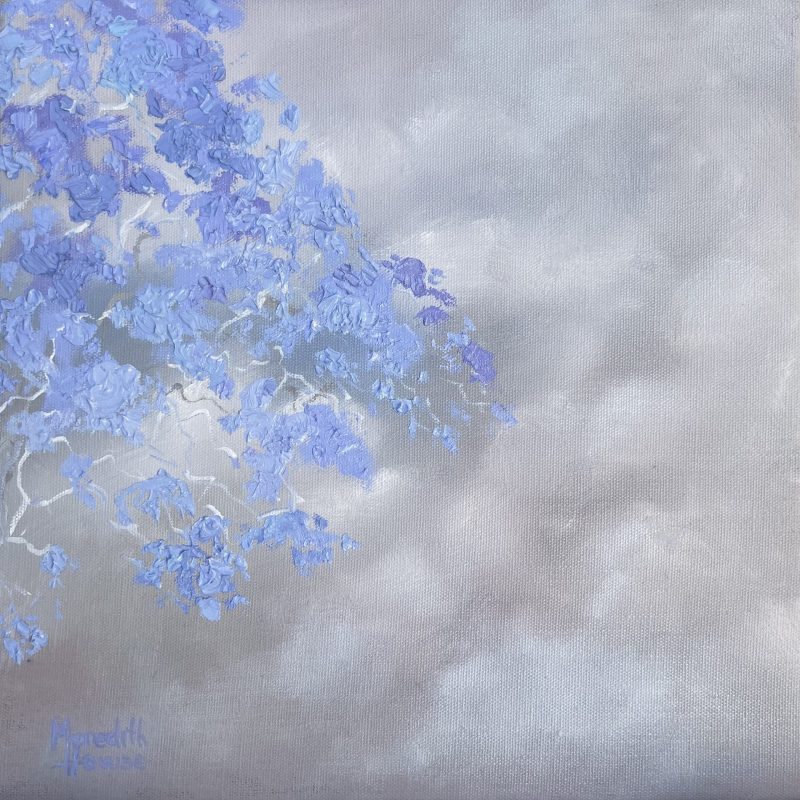 Illumination Jacaranda Flowers
AUD$200
Size:
34w
x 34h
x 3.8d
cms
Meredith Howse
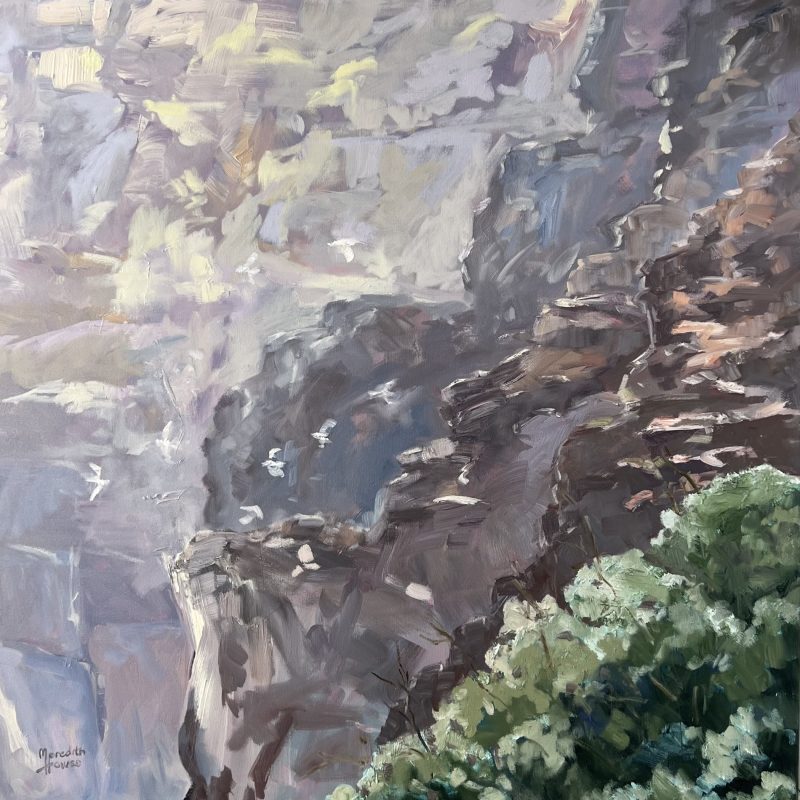 Cockatoos
AUD$1,200
Size:
93w
x 93h
x 3d
cms
Meredith Howse
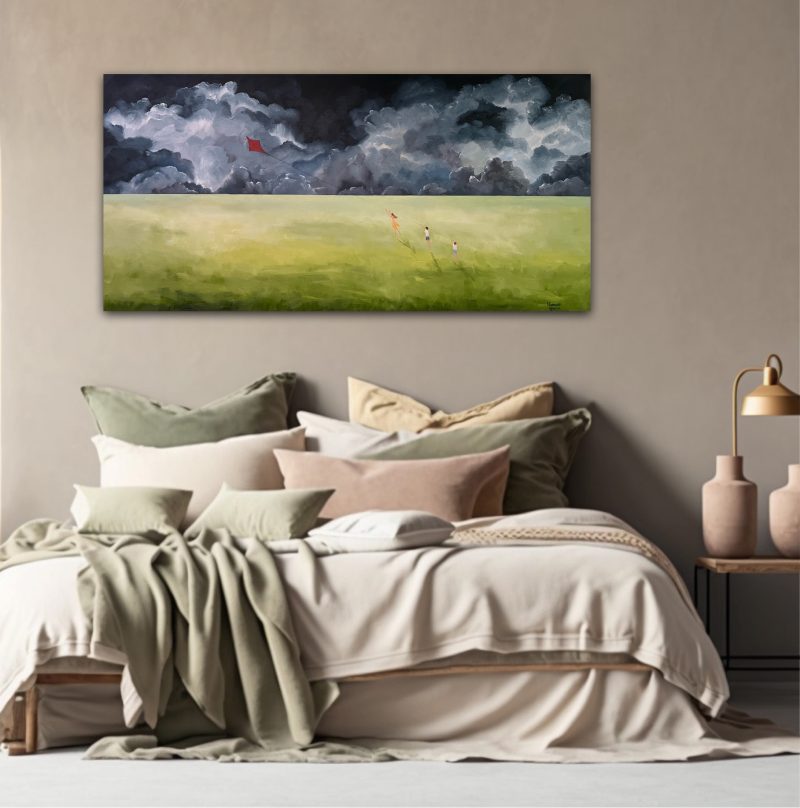 Hold the Kite
AUD$2,200
Size:
152.4w
x 76h
x 3.5d
cms
Meredith Howse
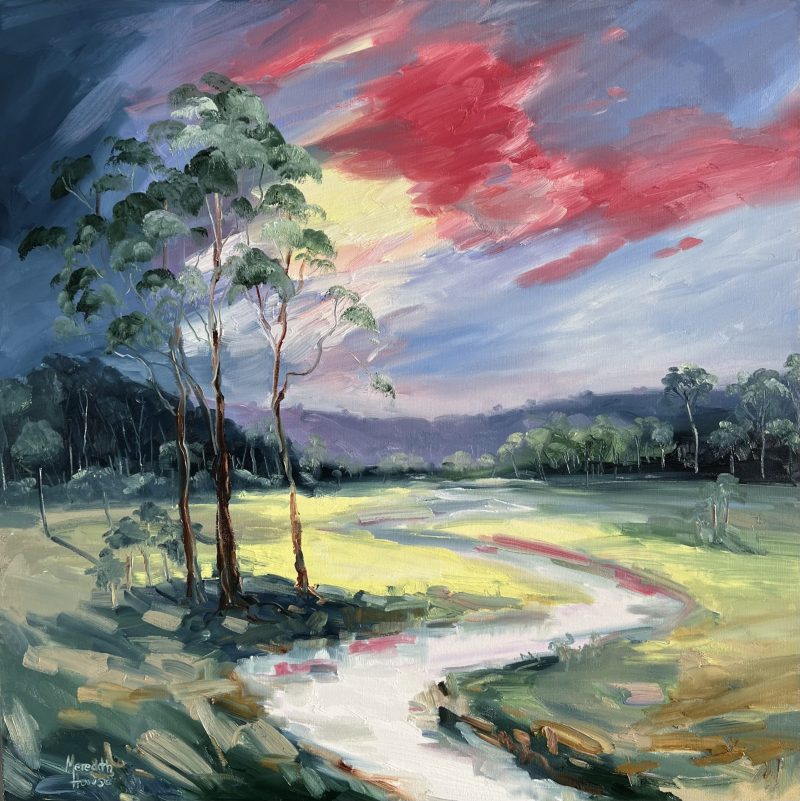 Dancing Light over Water
AUD$1,800
Size:
94.5w
x 94.5h
x 5.5d
cms
Meredith Howse
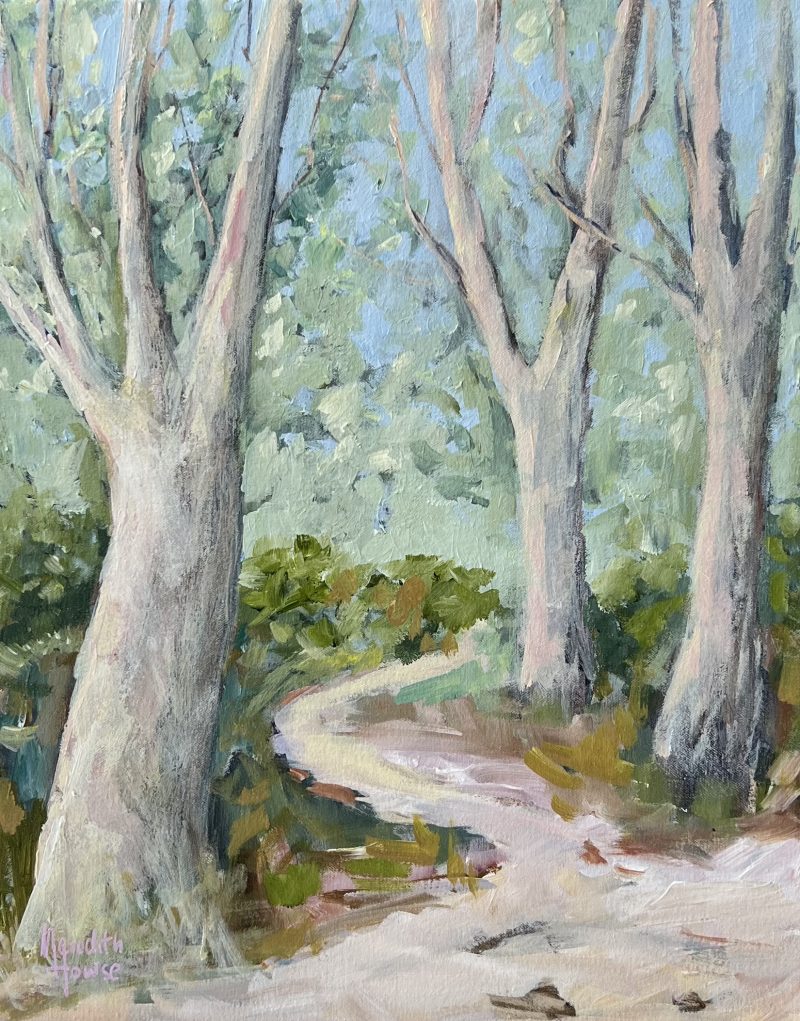 Beach Path
AUD$400
Size:
43.5w
x 54h
x 3d
cms
Meredith Howse
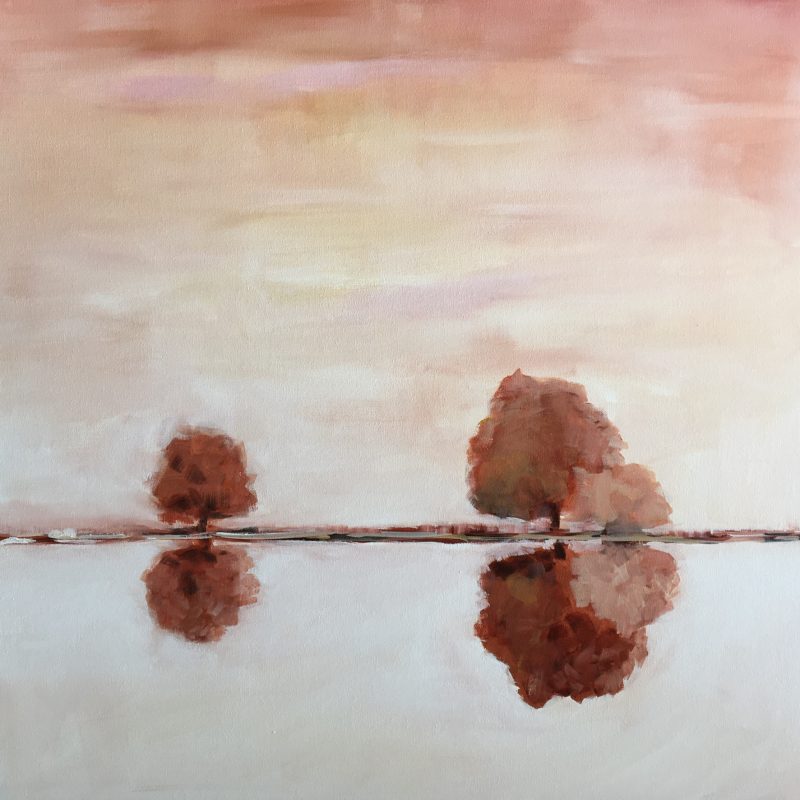 Burnt Ochre Lake – 180° Art Series
AUD$1,200
Size:
91w
x 91h
x 3.5d
cms
Meredith Howse
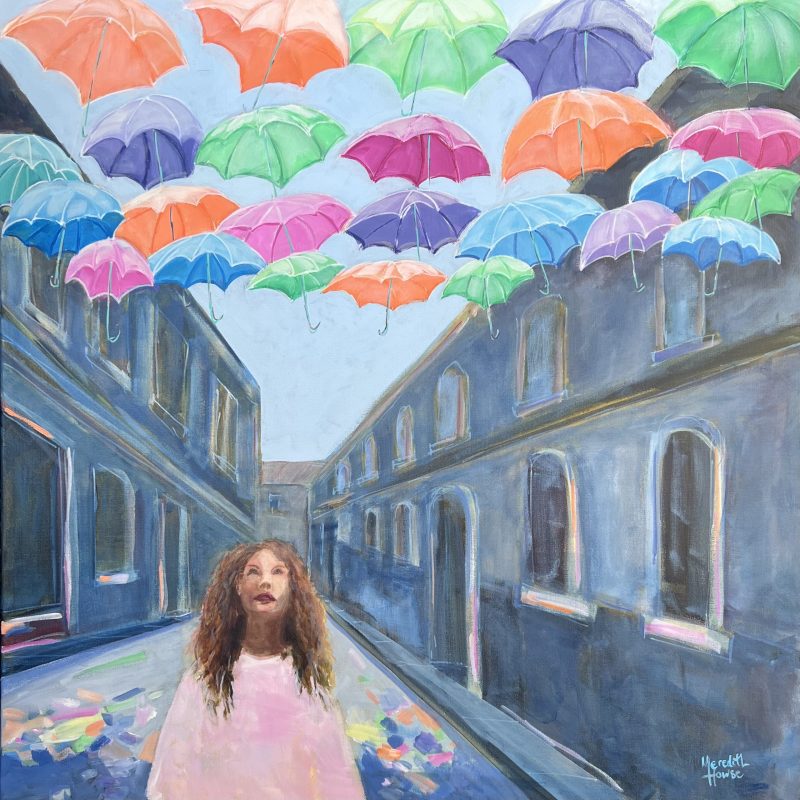 Umbrella Colour Cascade
AUD$1,500
Size:
94.5w
x 94.5h
x 5d
cms
Meredith Howse
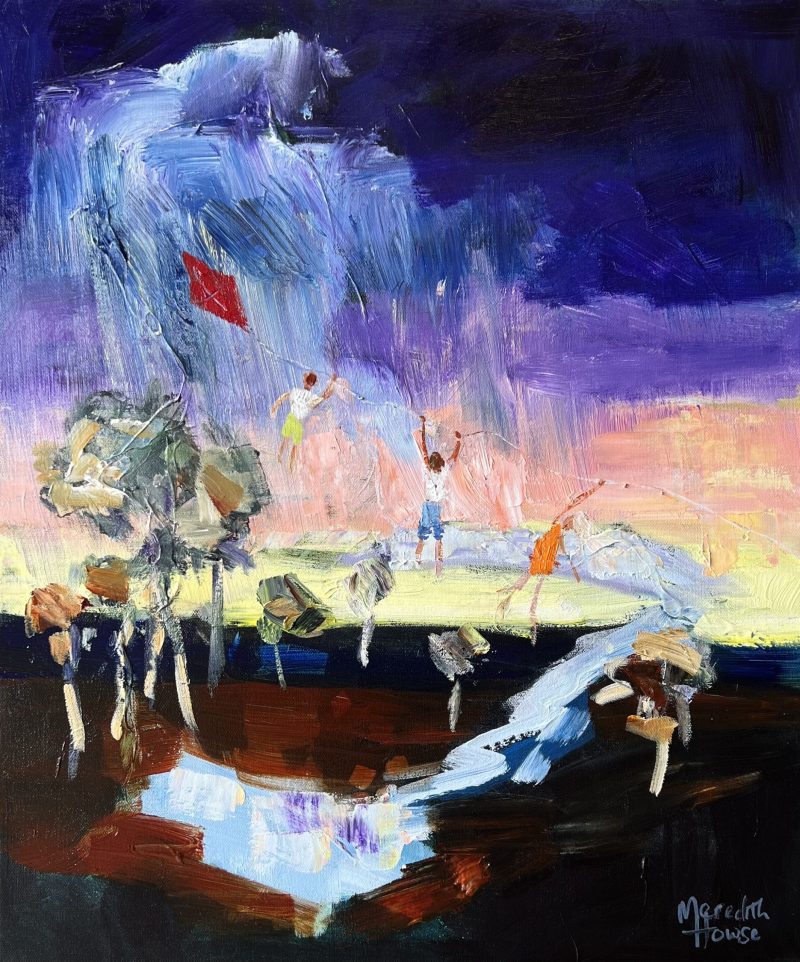 Kite Flying Kids
AUD$490
Size:
53.5w
x 63.5h
x 5d
cms
Meredith Howse
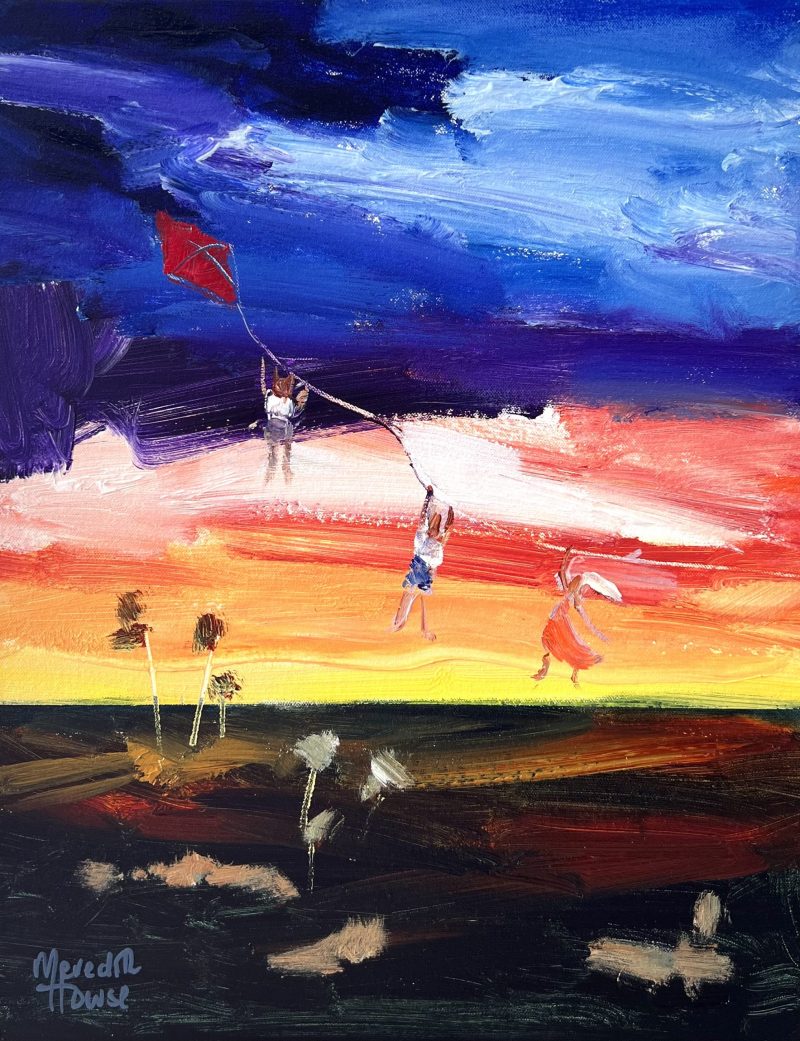 Kite Flying Kids Over the Outback
AUD$390
Size:
38.5w
x 48.7h
x 5d
cms
Meredith Howse
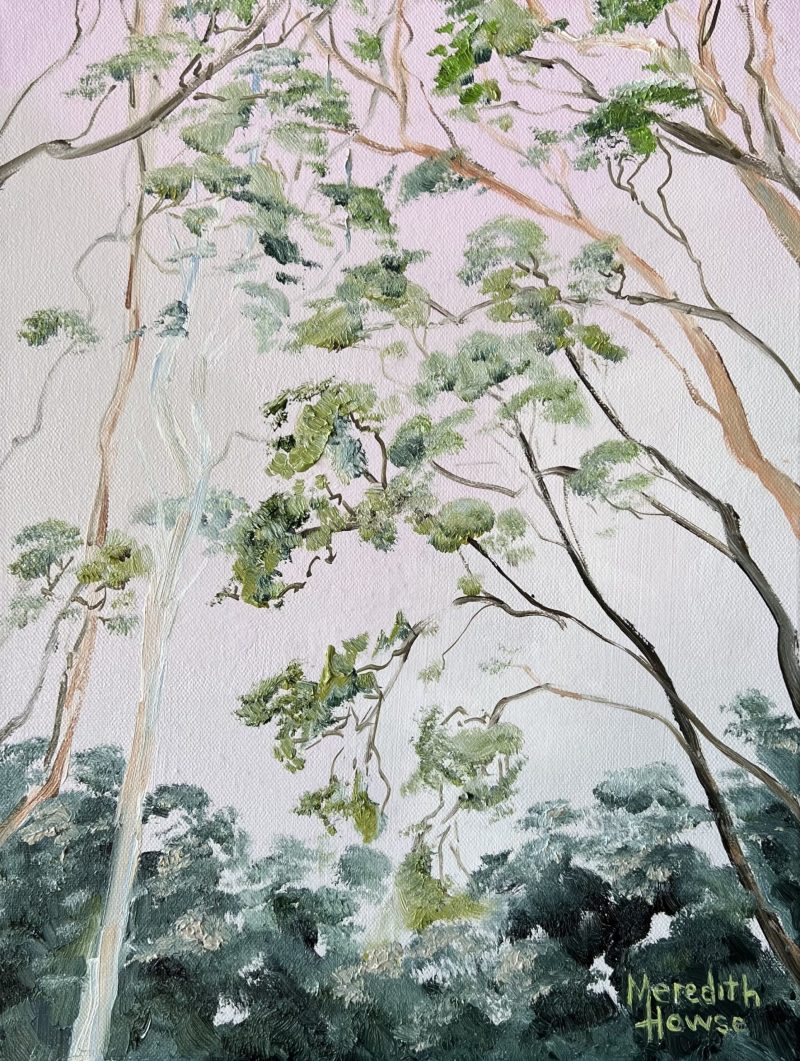 Illumination Arboreal Symphony
AUD$480
Size:
30.4w
x 40.6h
x 3.8d
cms
Meredith Howse
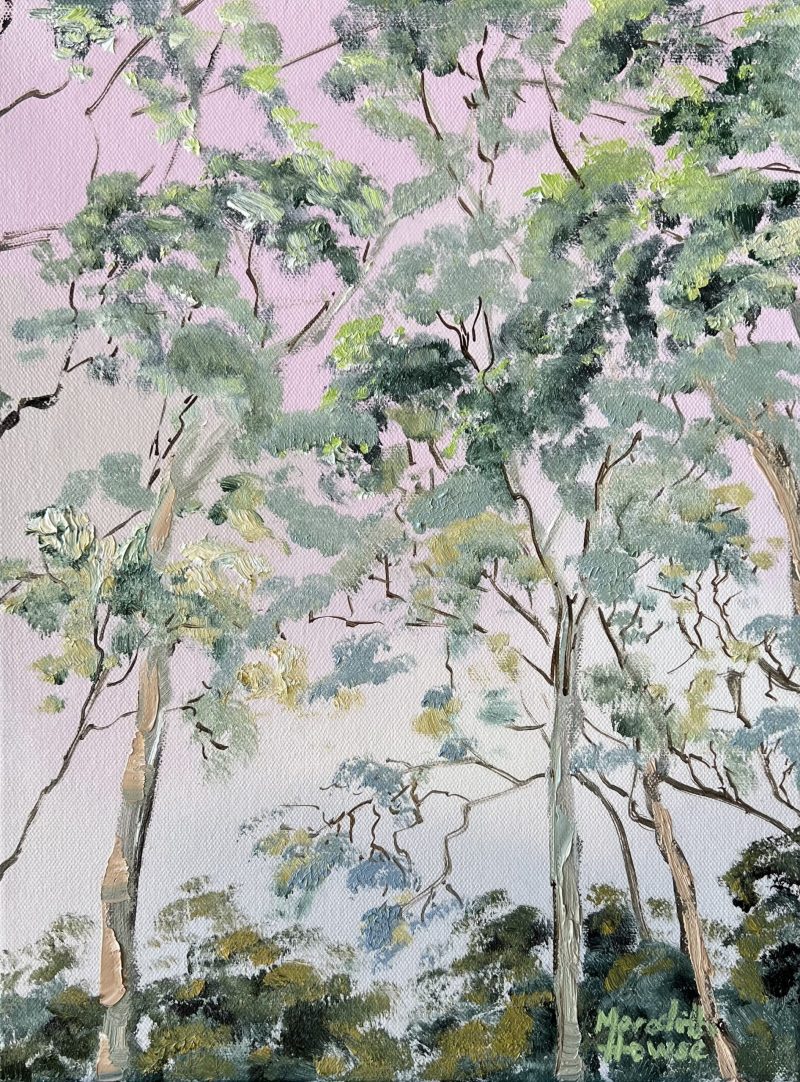 Illumination Whispering Woods
AUD$480
Size:
33.4w
x 43.6h
x 3.8d
cms
Meredith Howse
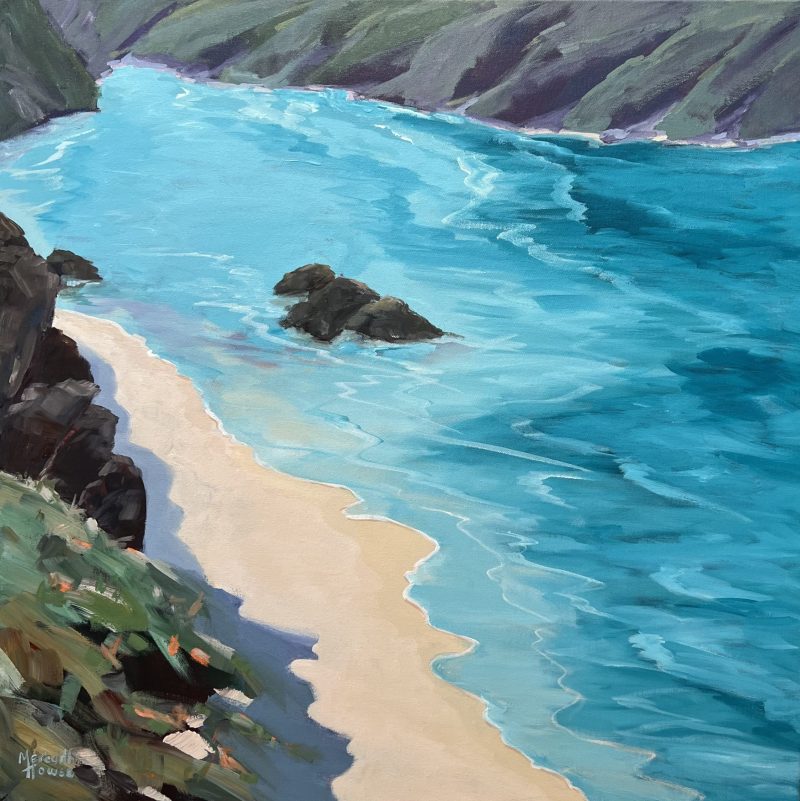 Incoming Tide
AUD$1,400
Size:
94.5w
x 94.5h
x 5d
cms
Meredith Howse
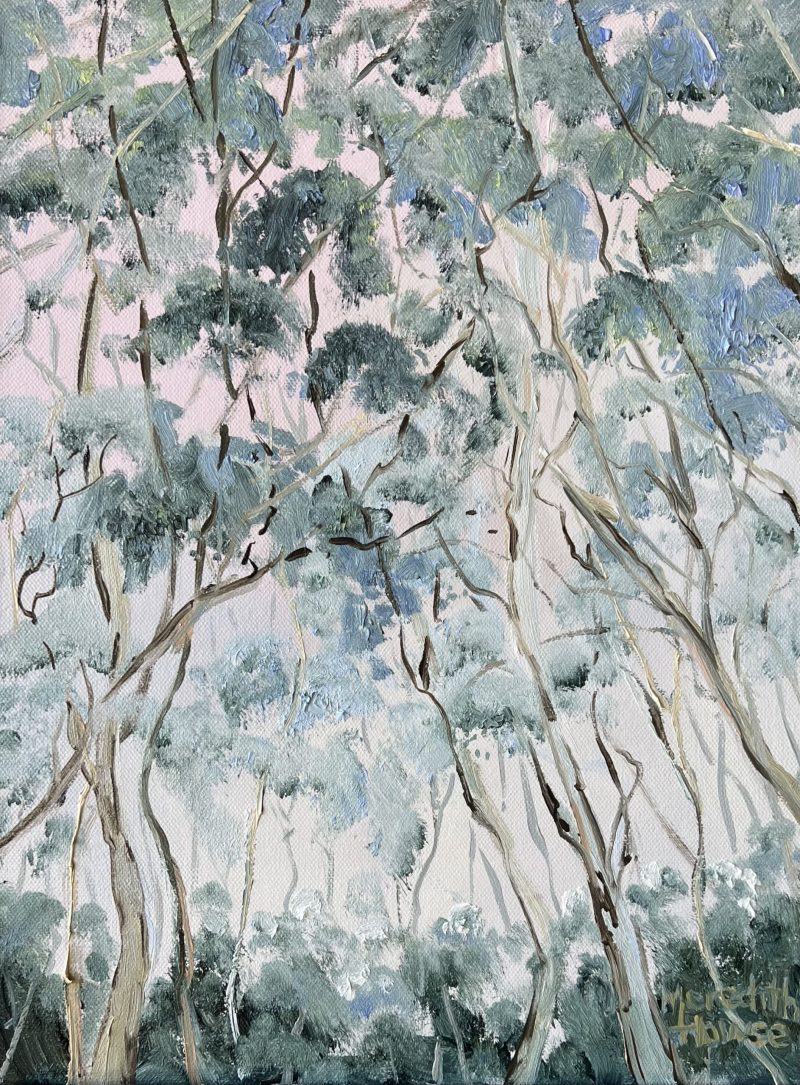 Illumination Natures Veil
AUD$480
Size:
30.4w
x 40.6h
x 3.8d
cms
Meredith Howse
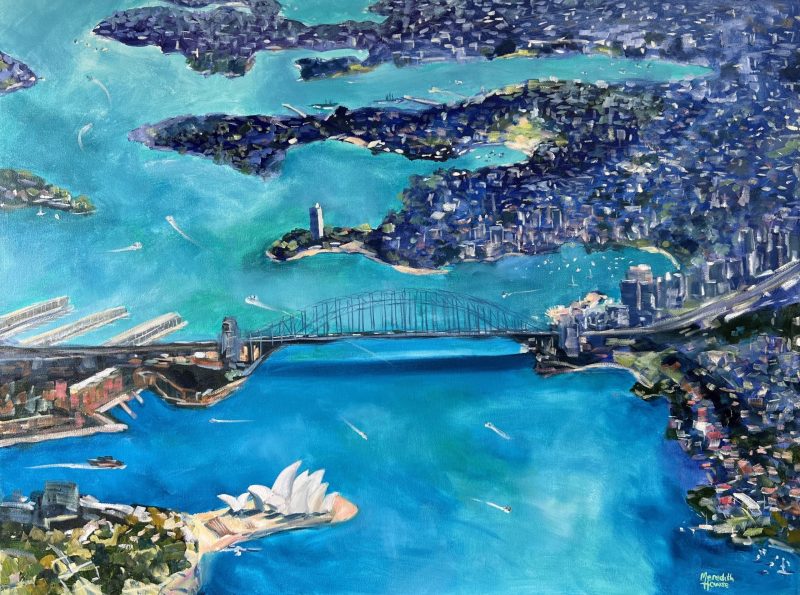 Sydney Harbour
AUD$1,800
Size:
101.6w
x 76.2h
x 3.8d
cms
Meredith Howse
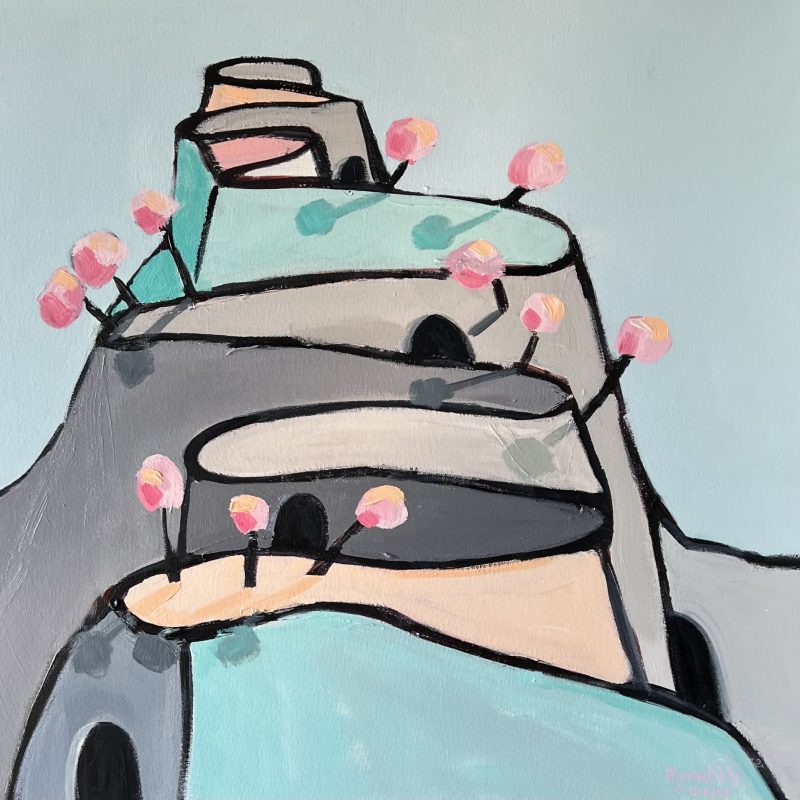 Inside Out
AUD$1,200
Size:
91.2w
x 91.2h
x 3.8d
cms
Meredith Howse
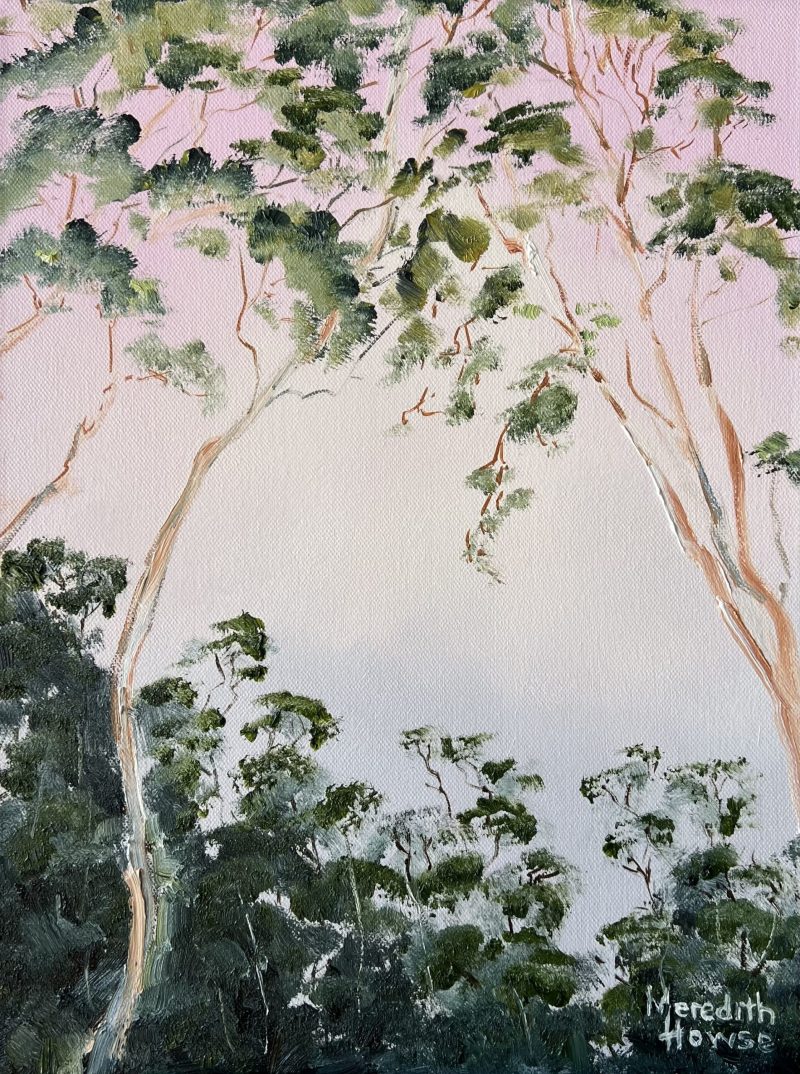 Illumination Twilights Canopy
AUD$480
Size:
30.4w
x 40.6h
x 3.8d
cms
Meredith Howse
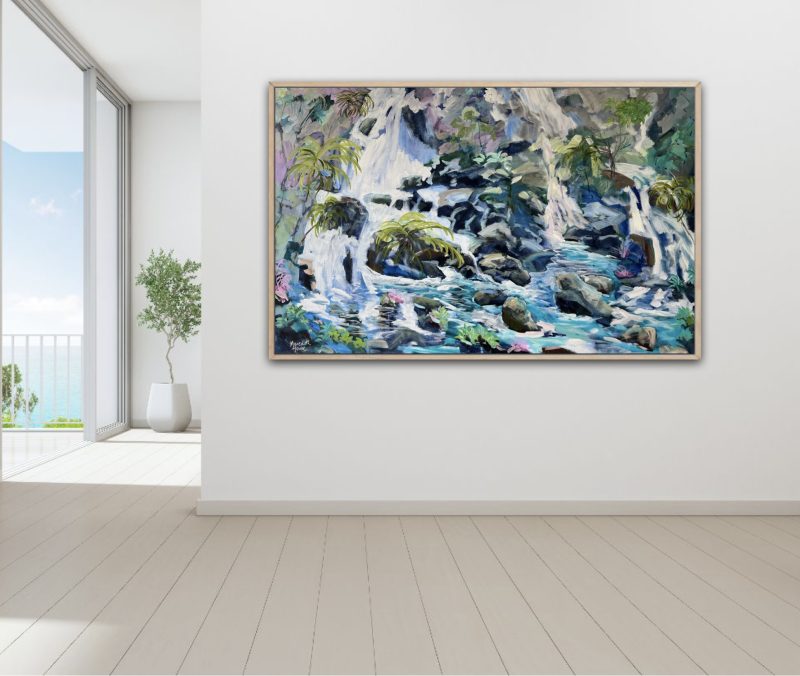 When Rain Falls
AUD$4,290
Size:
198w
x 122h
x 3.8d
cms
Meredith Howse
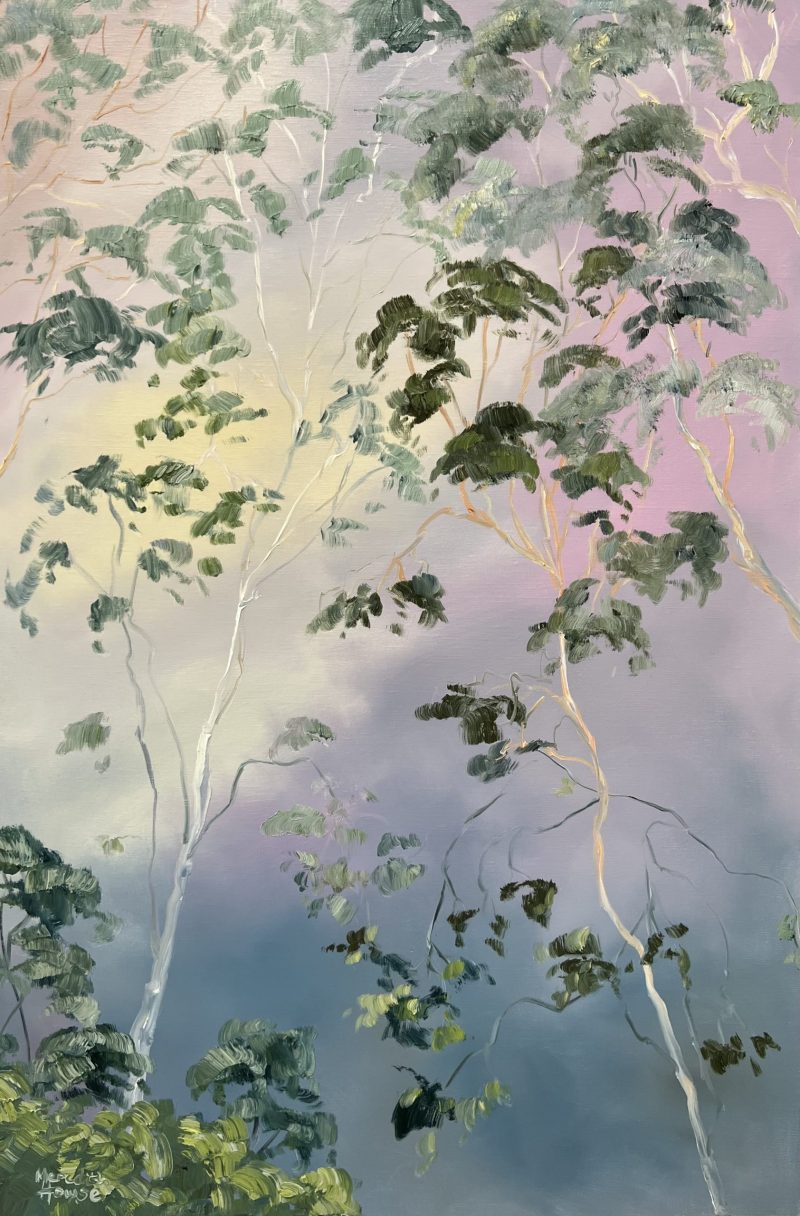 Illumination Tree Top Towers
AUD$1,800
Size:
65w
x 96h
x 5.5d
cms
Meredith Howse
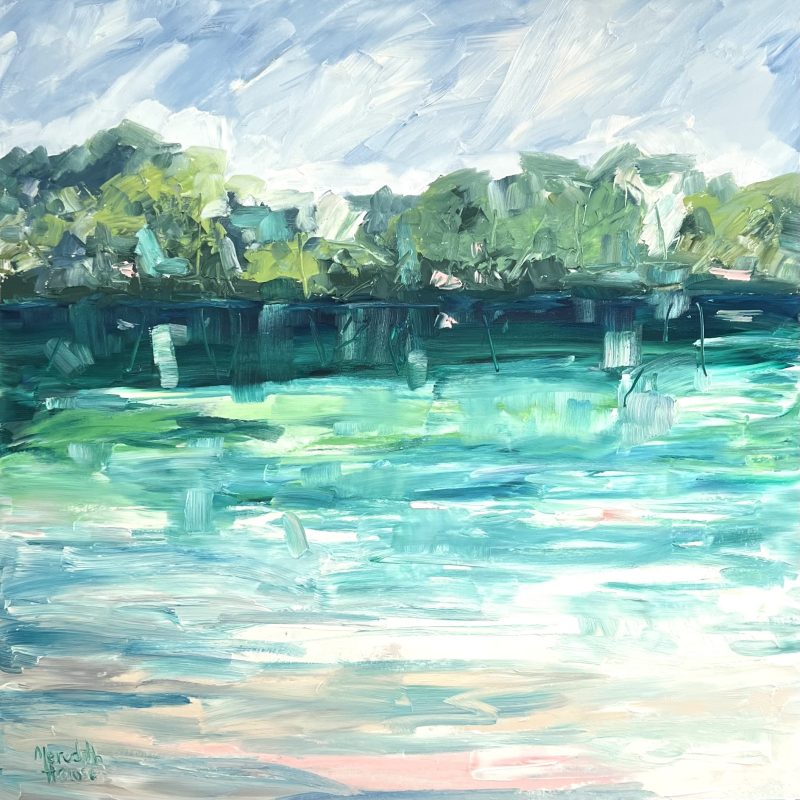 Daintree River 2
AUD$1,200
Size:
94w
x 94h
x 5d
cms
Meredith Howse
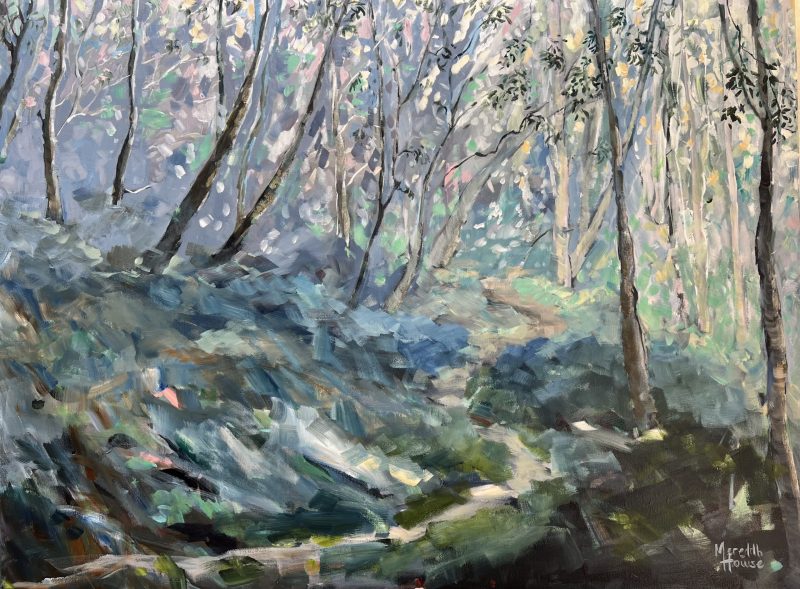 Through Temperate Moss
AUD$1,500
Size:
104w
x 80h
x 3.8d
cms
Meredith Howse
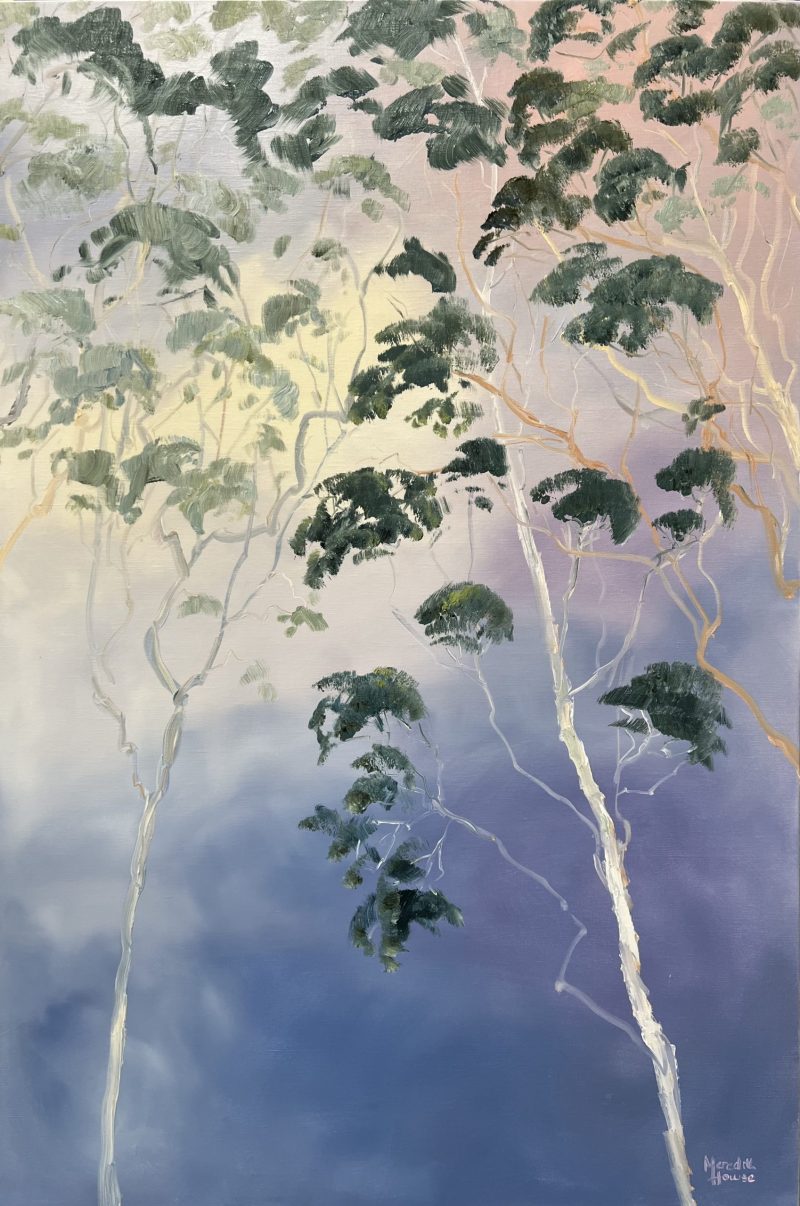 Illumination Towering Trees
AUD$1,800
Size:
65w
x 96h
x 5.5d
cms
Meredith Howse
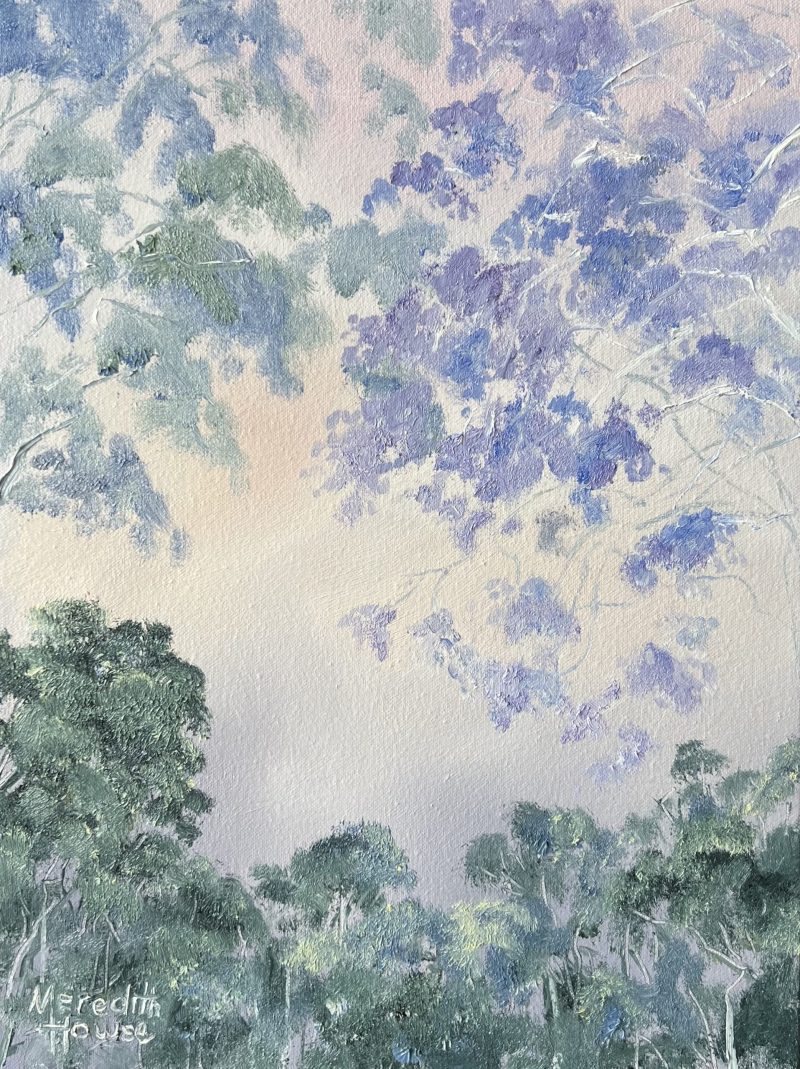 Illumination Dorrington
AUD$480
Size:
33.5w
x 43.5h
x 5d
cms
Meredith Howse
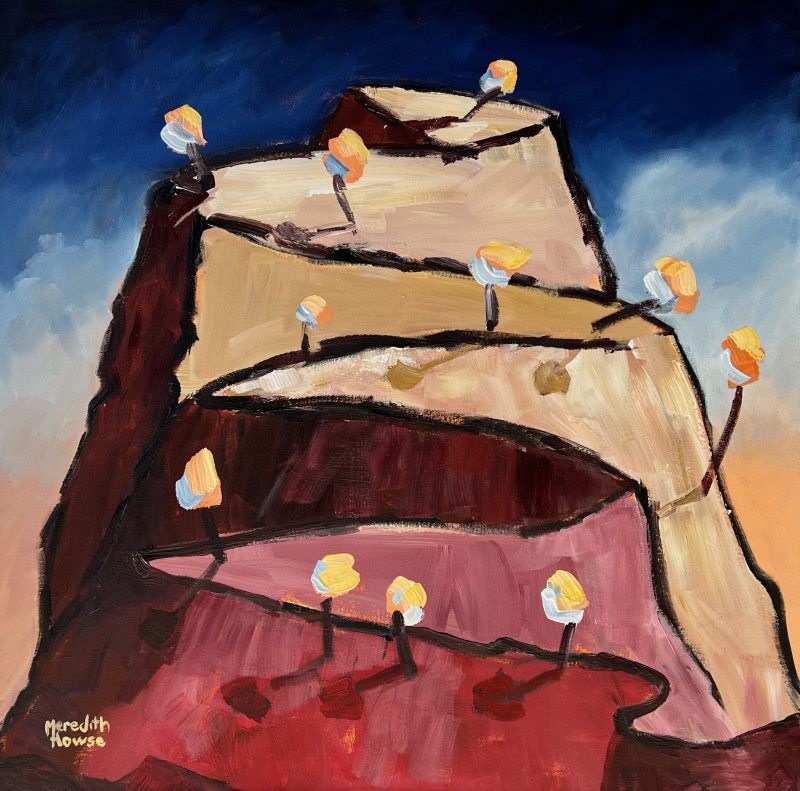 Up and Down
AUD$1,200
Size:
91.2w
x 91.2h
x 3.8d
cms
Meredith Howse
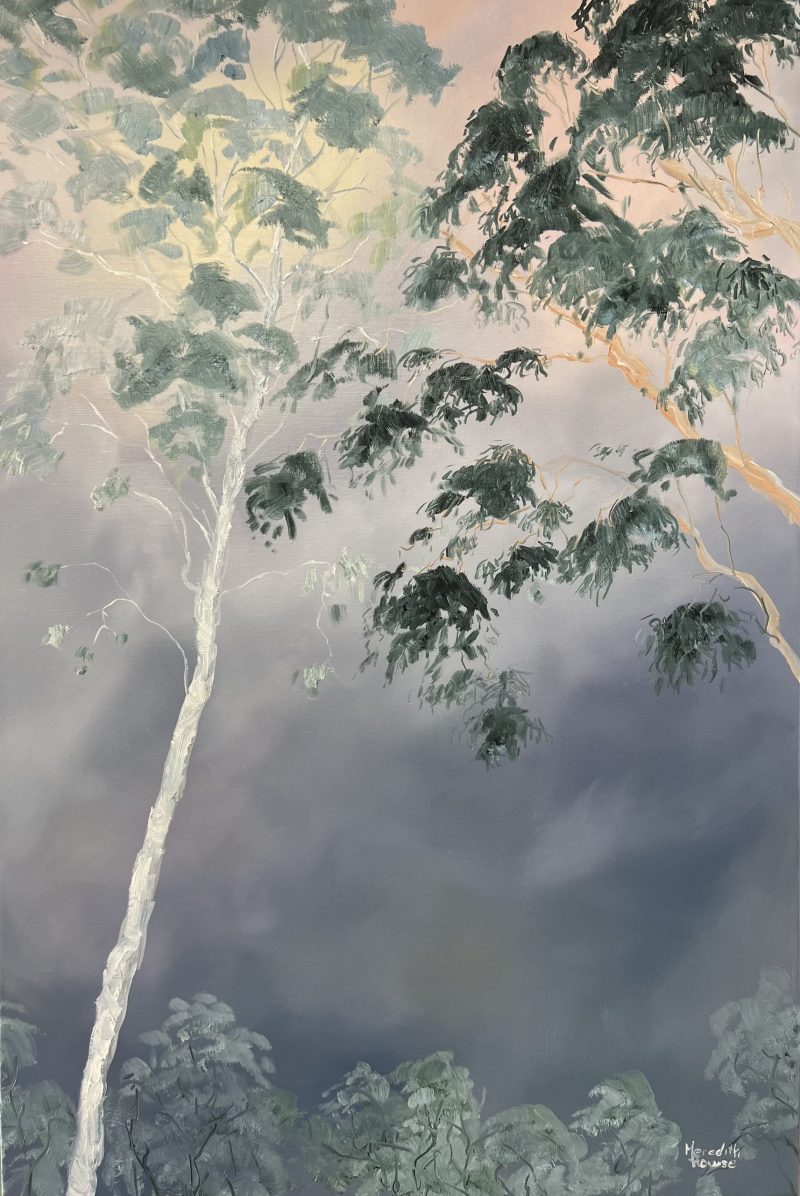 Illumination Eucalyptus in Summer
AUD$1,800
Size:
65w
x 96h
x 5.5d
cms
Meredith Howse
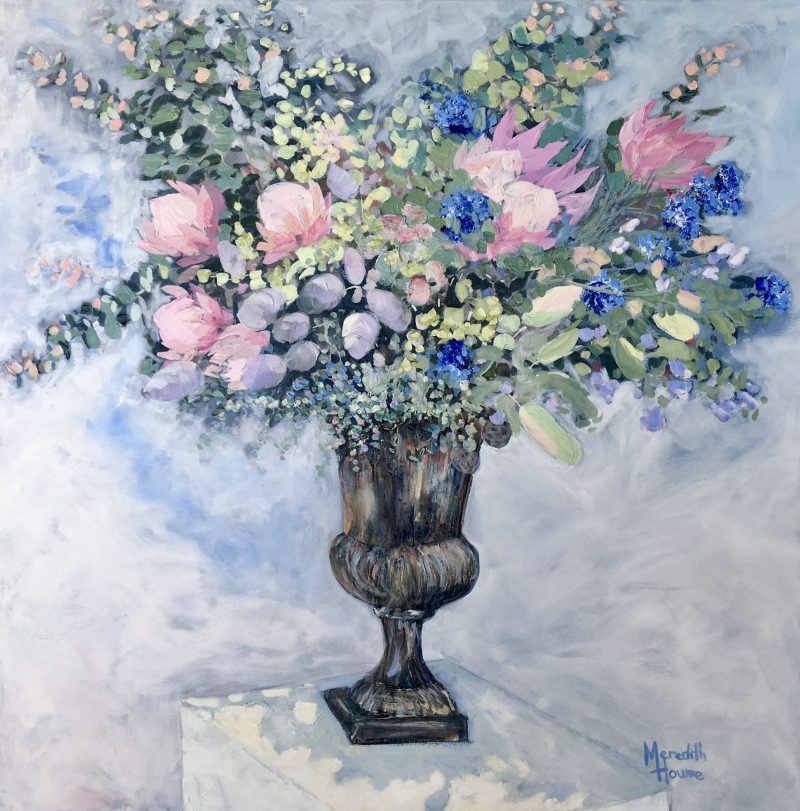 Margaret
AUD$1,800
Size:
107w
x 107h
x 3.8d
cms
Meredith Howse
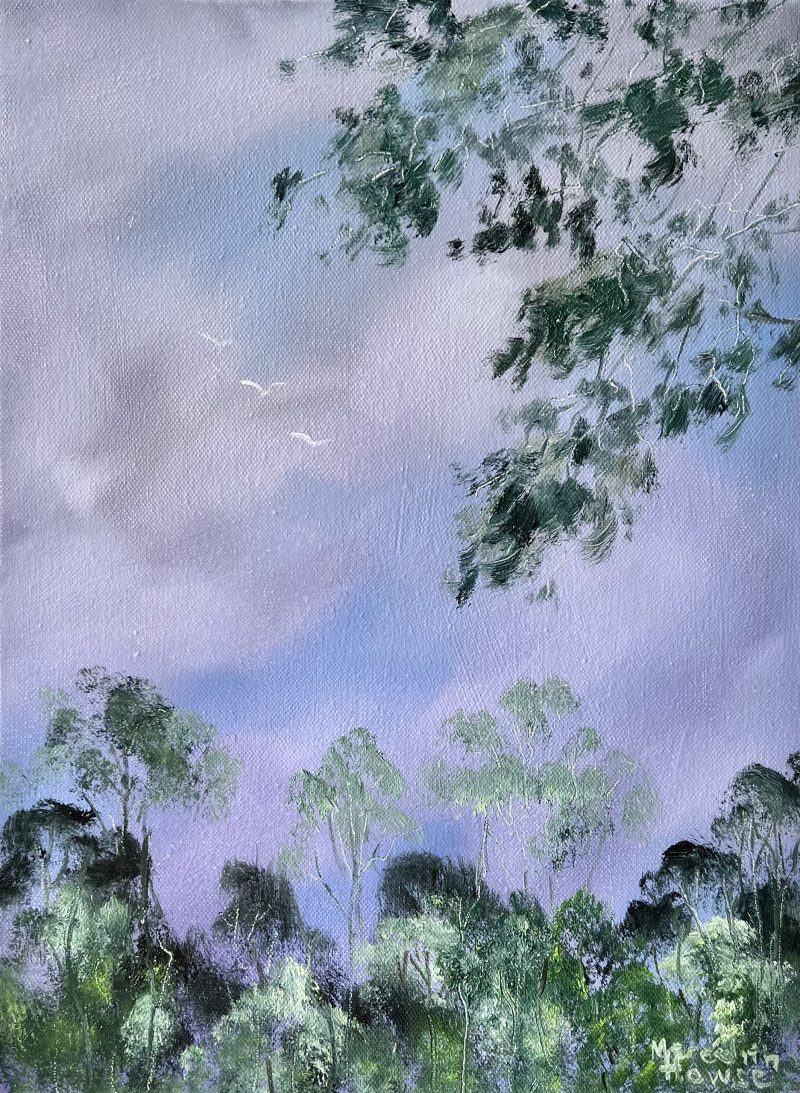 Illumination Twilight’s Edge
AUD$480
Size:
33.5w
x 43.5h
x 5d
cms
Meredith Howse
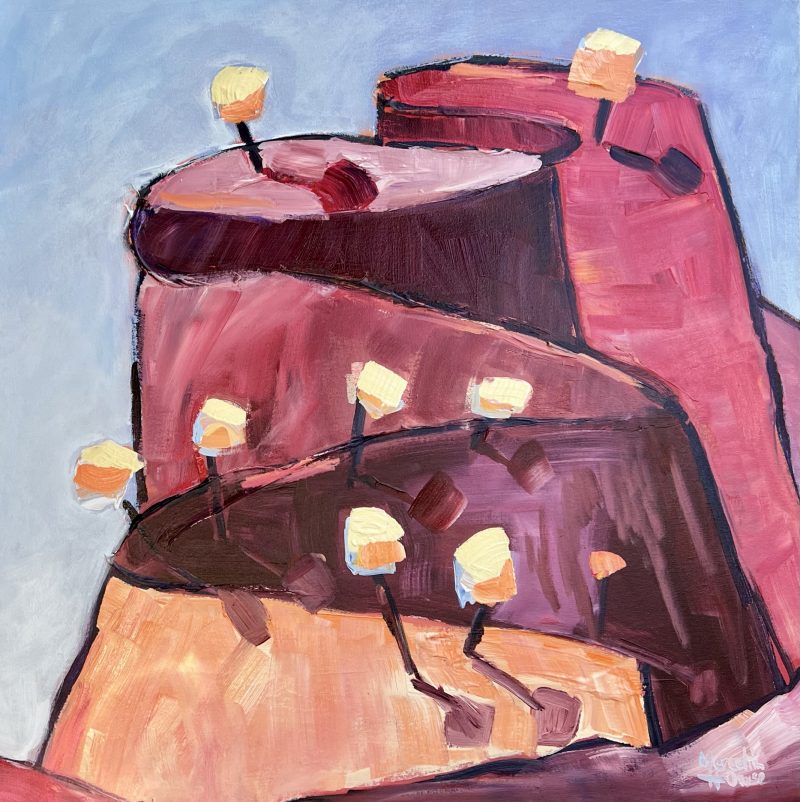 Round and Round
AUD$1,200
Size:
91.2w
x 91.2h
x 3.8d
cms
Meredith Howse
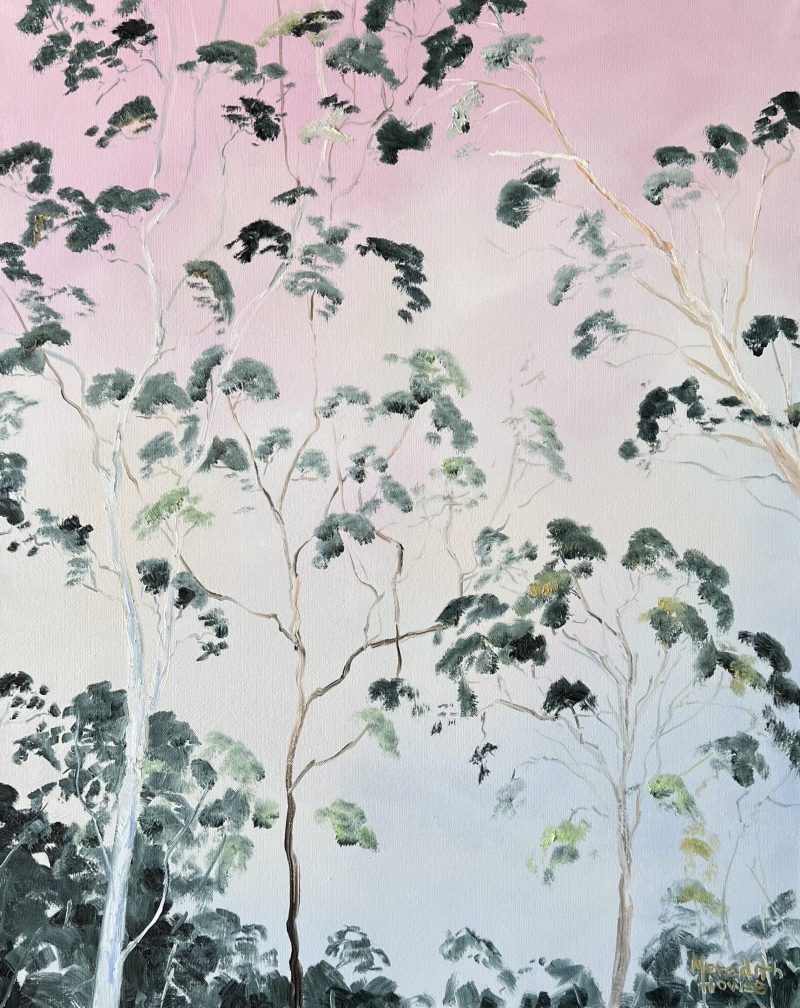 Illumination Last Rays of the Day
AUD$1,200
Size:
65w
x 80h
x 5.5d
cms
Meredith Howse
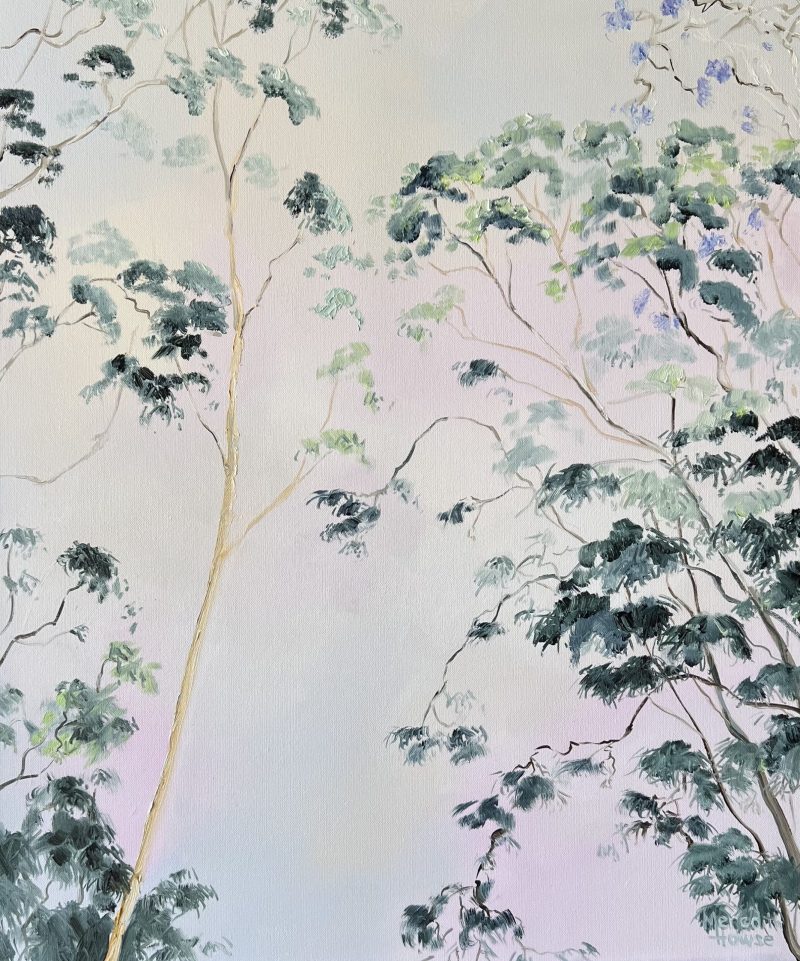 Illumination Tree of Life
AUD$1,200
Size:
65w
x 80h
x 5.5d
cms
Meredith Howse
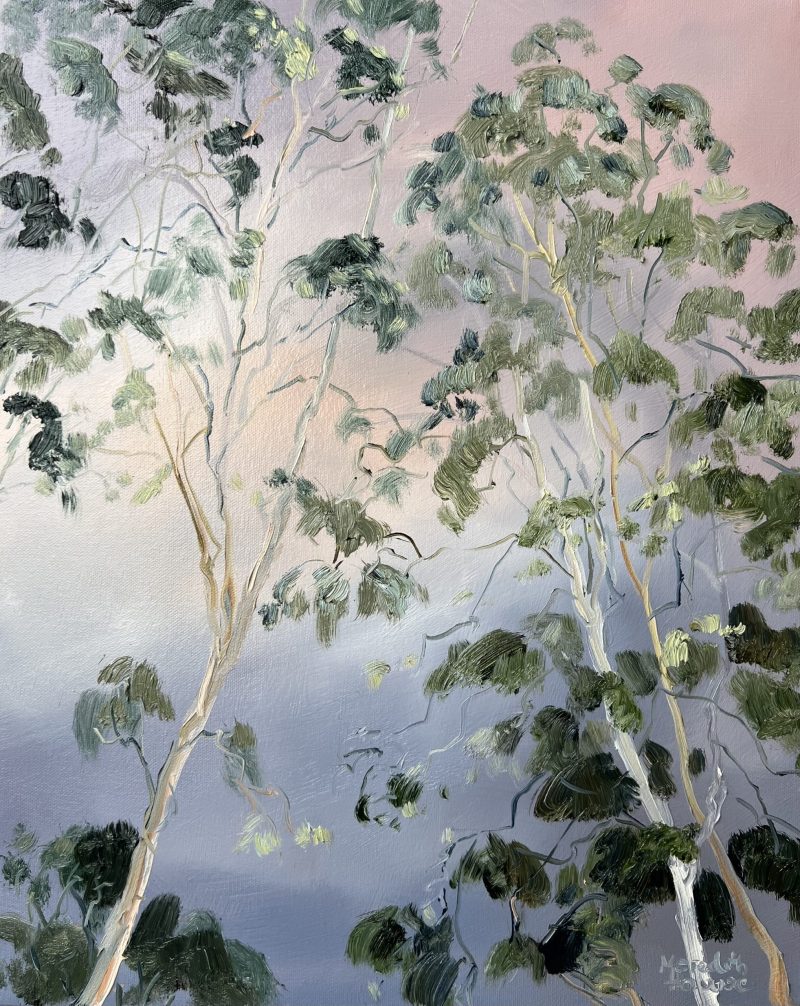 Illumination High Tops
AUD$600
Size:
42.8w
x 53.5h
x 5.5d
cms
Meredith Howse
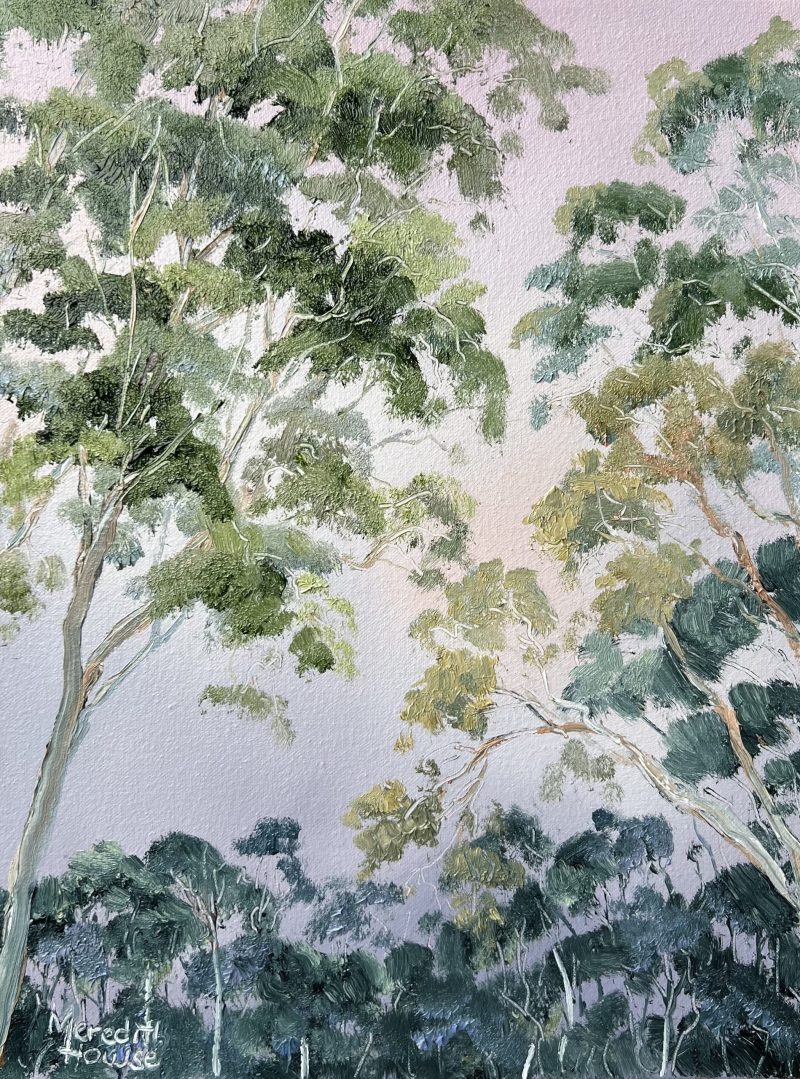 Illumination St Johns Wood
AUD$480
Size:
33.5w
x 43.5h
x 5d
cms
Meredith Howse
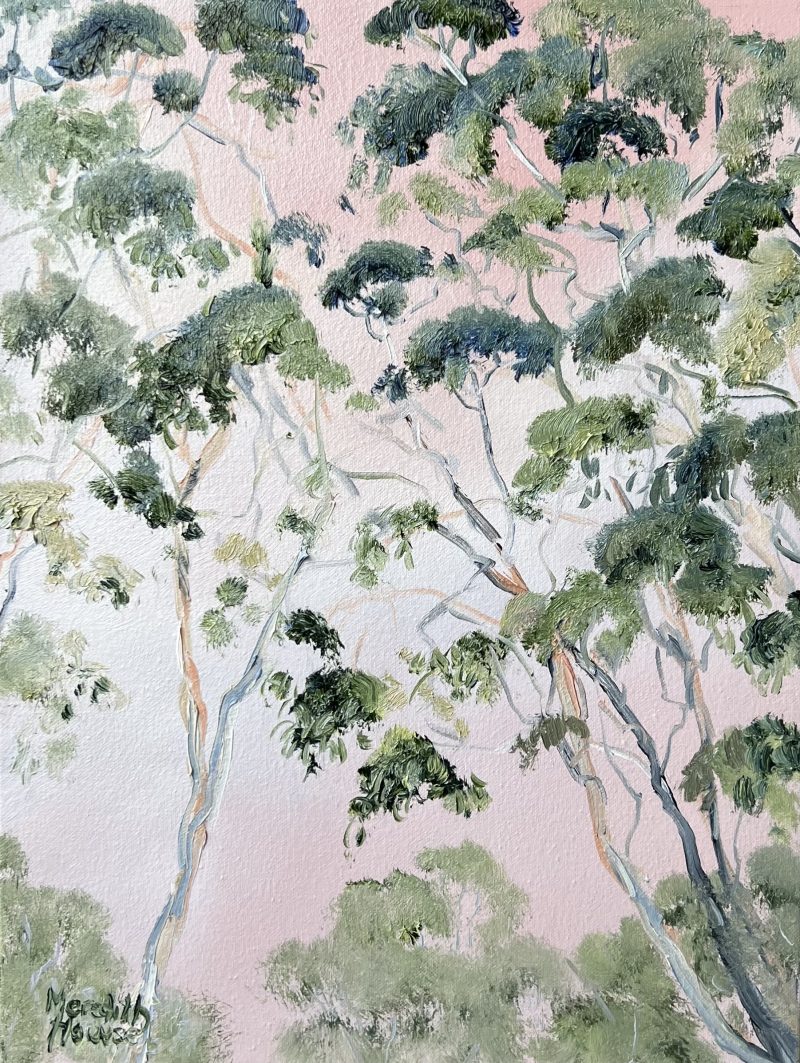 Illumination Gum Blossom Pink
AUD$480
Size:
33.5w
x 43.5h
x 5d
cms
Meredith Howse
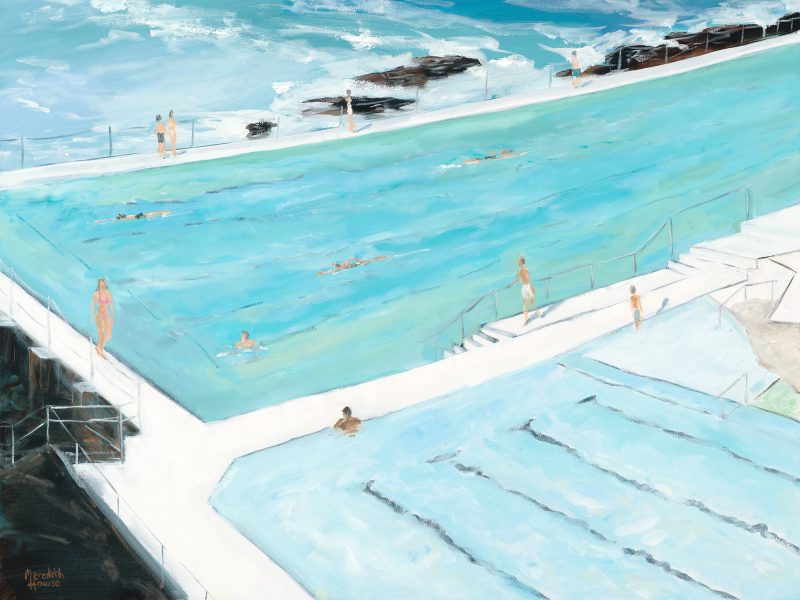 Bondi Girl
AUD$1,800
Size:
101.6w
x 76.2h
x 3.8d
cms
Meredith Howse
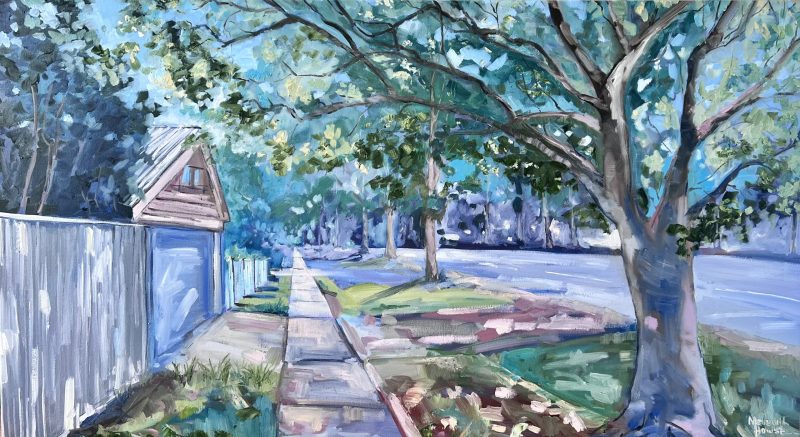 Glenlyon Path in Ashgrove
AUD$2,300
Size:
137.2w
x 76.2h
x 3.5d
cms
Meredith Howse
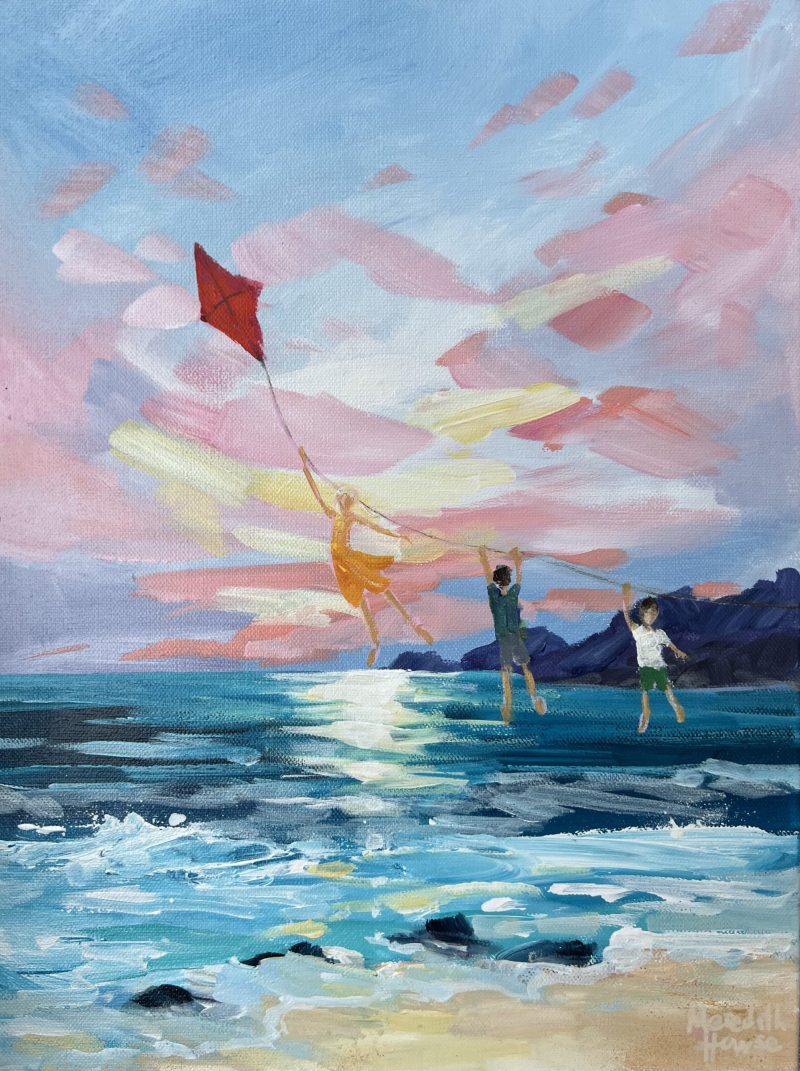 Kite Flyers
AUD$480
Size:
34w
x 44h
x 5d
cms
Meredith Howse
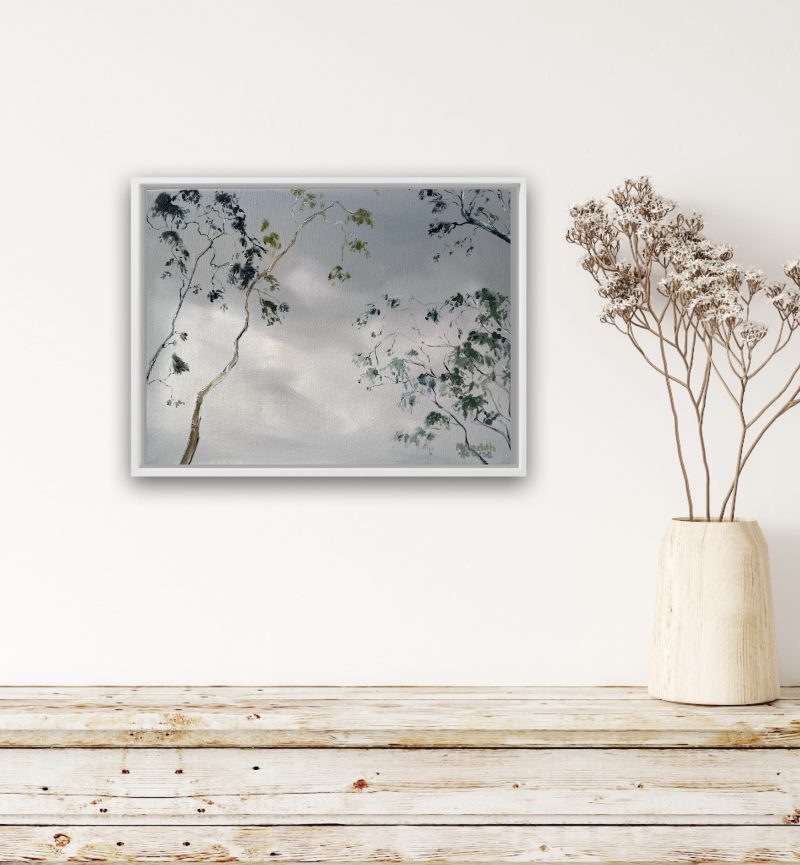 Illumination of Sky
AUD$480
Size:
40.6w
x 30.5h
x 3.8d
cms
Meredith Howse
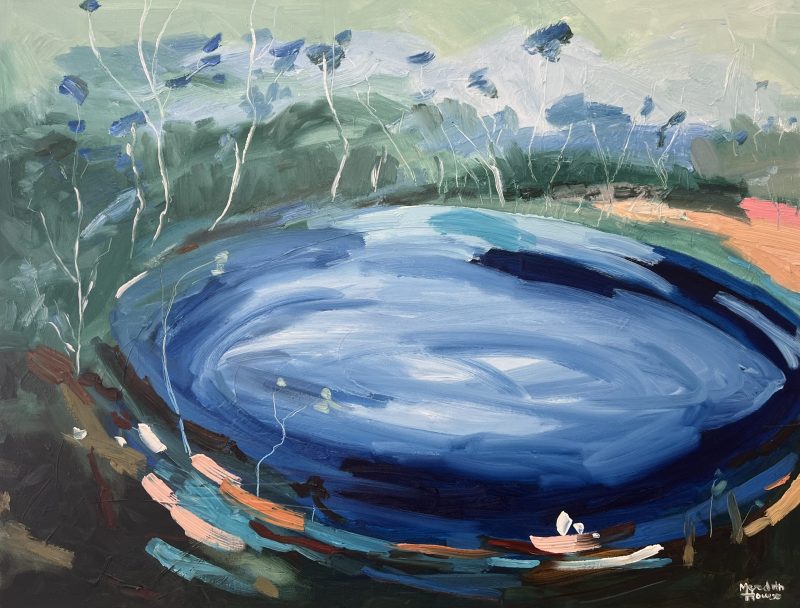 Blue Lagoon
AUD$1,800
Size:
122w
x 91h
x 3.8d
cms
Meredith Howse
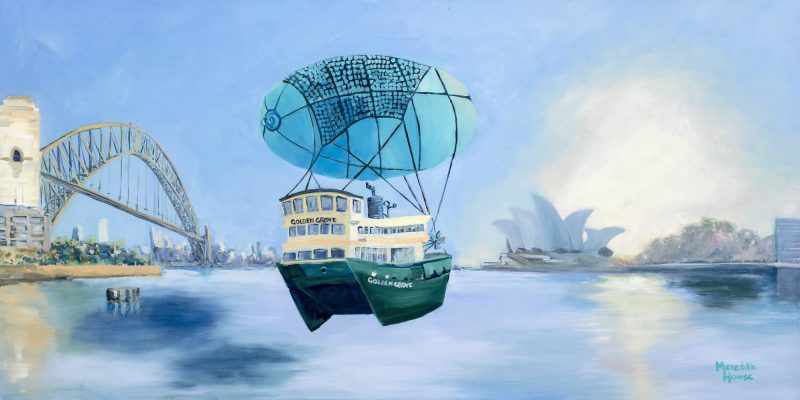 Sydney Harbour – Seaworthy
AUD$3,000
Size:
122w
x 61h
x 4d
cms
Meredith Howse
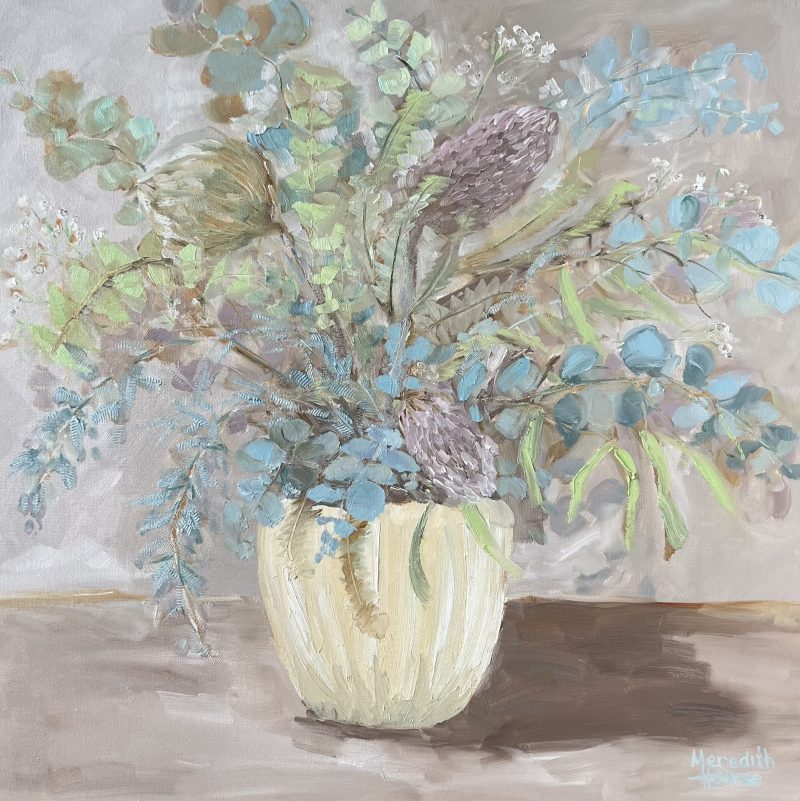 You’re Beautiful
AUD$800
Size:
65w
x 65h
x 5.5d
cms
Meredith Howse
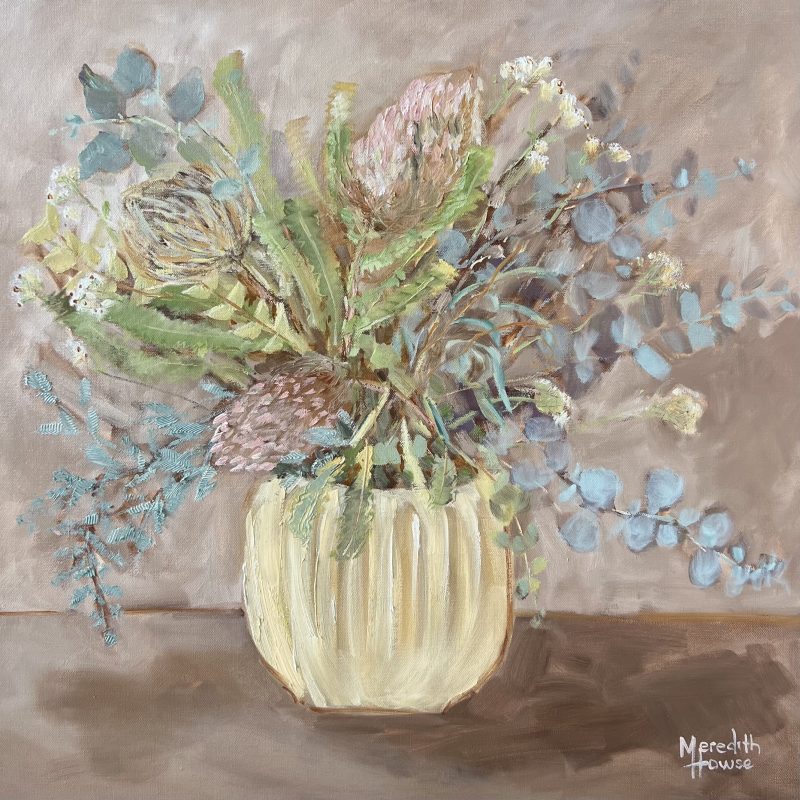 Indian Summer
AUD$900
Size:
62.5w
x 62.5h
x 5d
cms
Meredith Howse
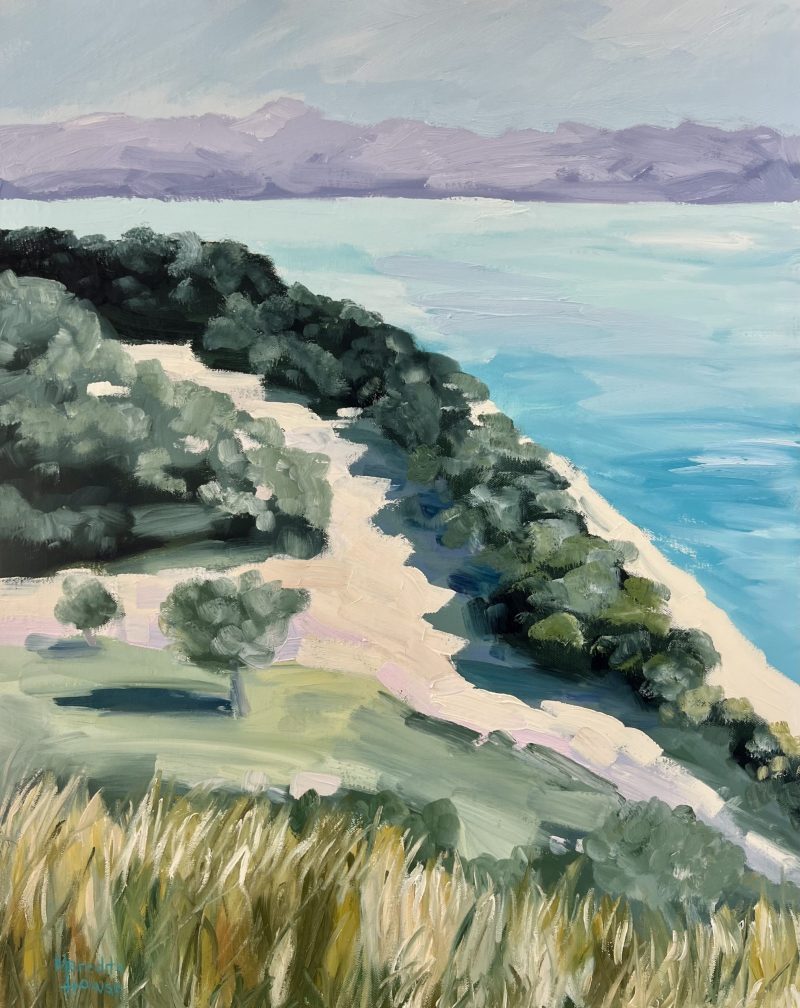 Looking over Noosa Heads
AUD$900
Size:
65w
x 80h
x 5.5d
cms
Meredith Howse
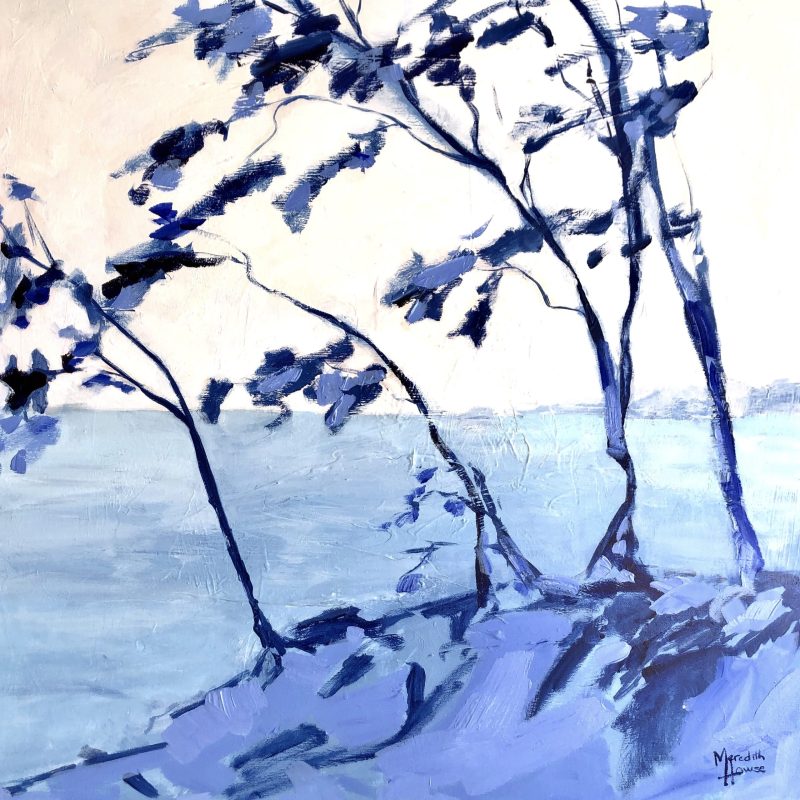 Stradbroke in Blue
AUD$800
Size:
80w
x 80h
x 5.5d
cms
Meredith Howse
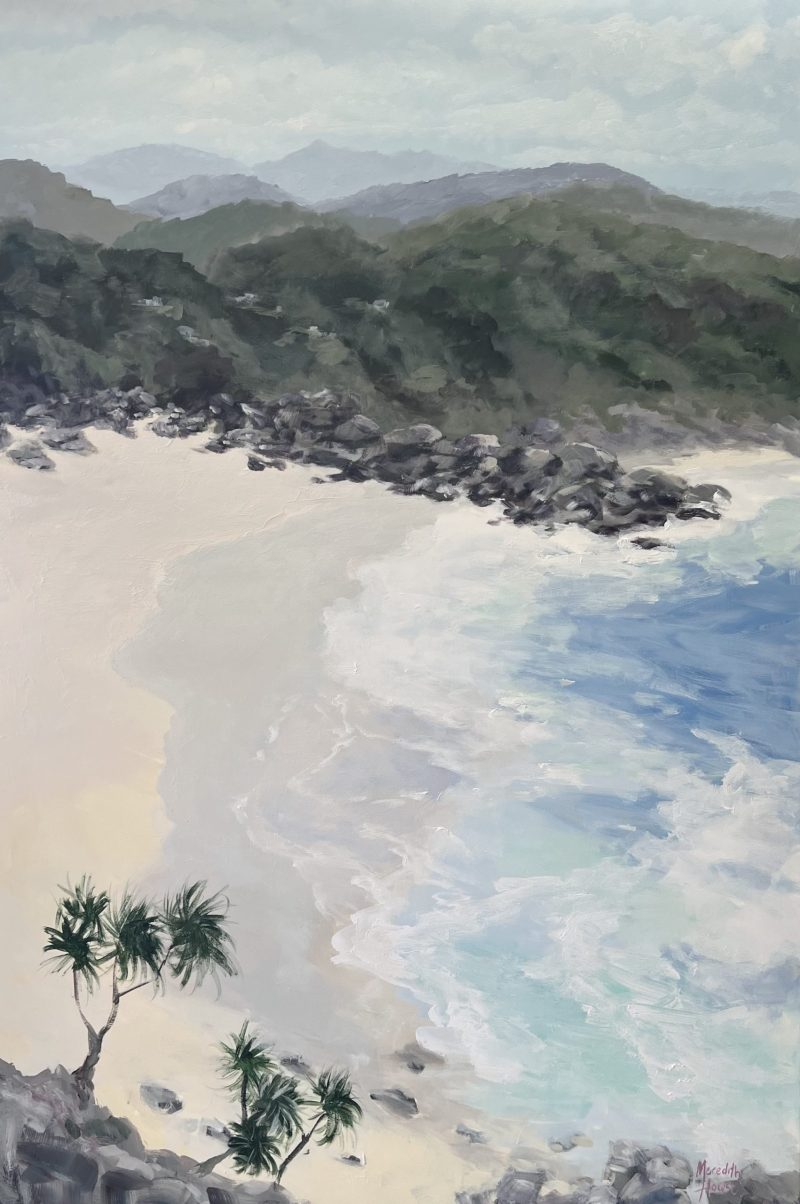 Cabarita Style
AUD$2,900
Size:
101.6w
x 152.4h
x 3.8d
cms
Meredith Howse
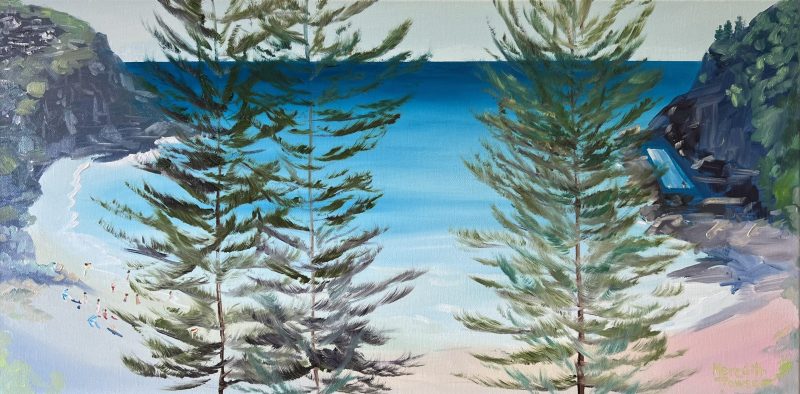 Through the Trees
AUD$890
Size:
84w
x 44h
x 3d
cms
Meredith Howse
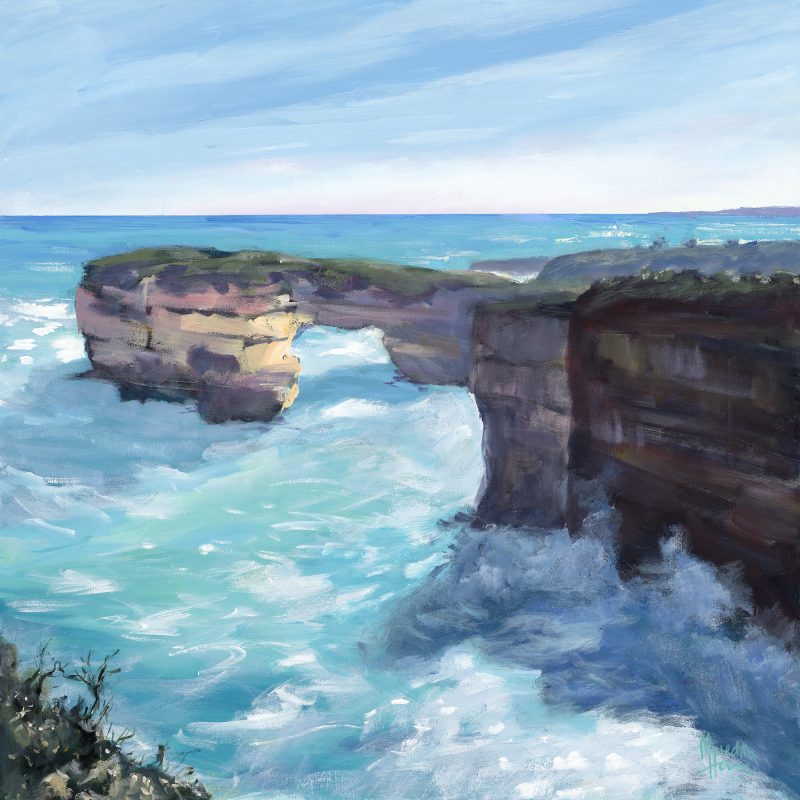 Island Arch
AUD$1,500
Size:
91w
x 91h
x 3.8d
cms
Meredith Howse
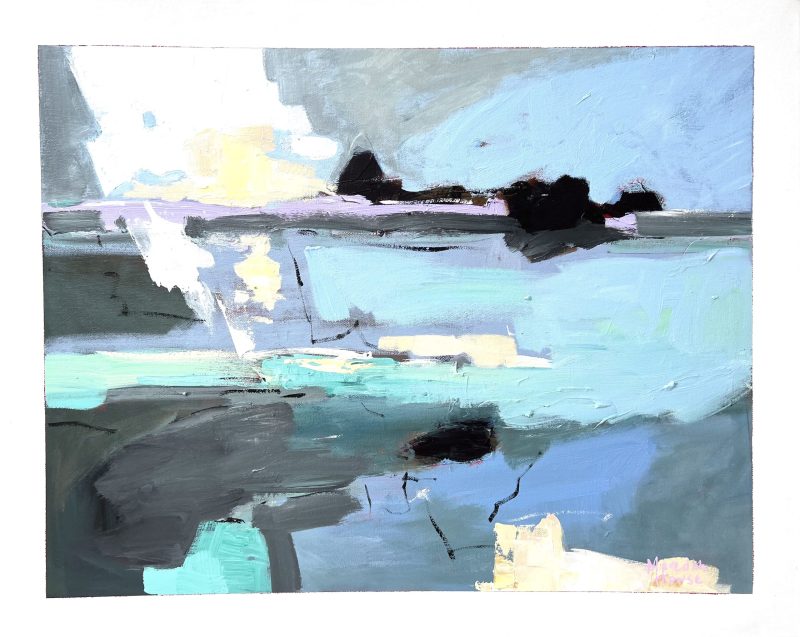 Abstract Thought 23rd August
AUD$980
Size:
76w
x 61h
x 3.8d
cms
Meredith Howse
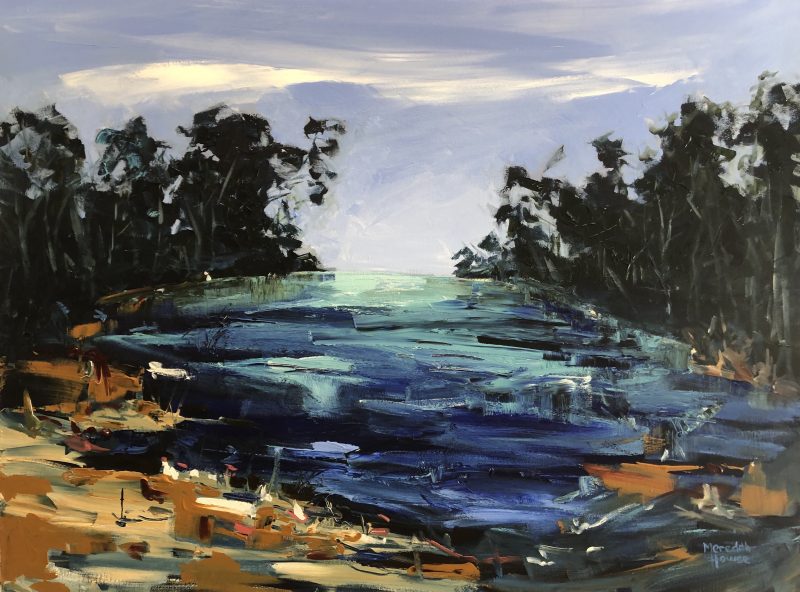 Wet Season
AUD$1,300
Size:
122w
x 91h
x 3.8d
cms
Meredith Howse
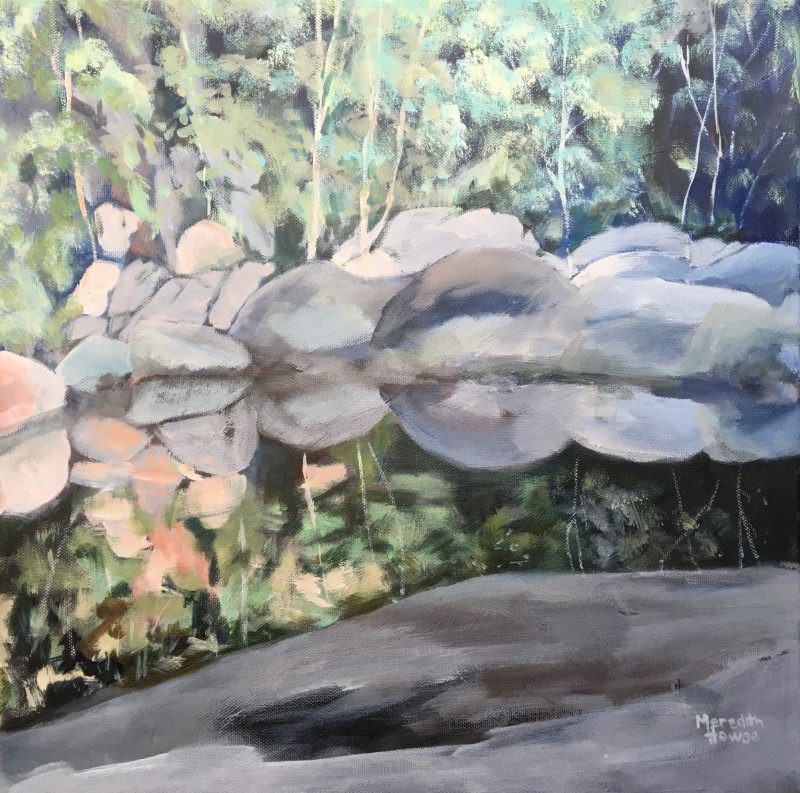 Cedar Creek
AUD$340
Size:
43w
x 43h
x 3d
cms
Meredith Howse
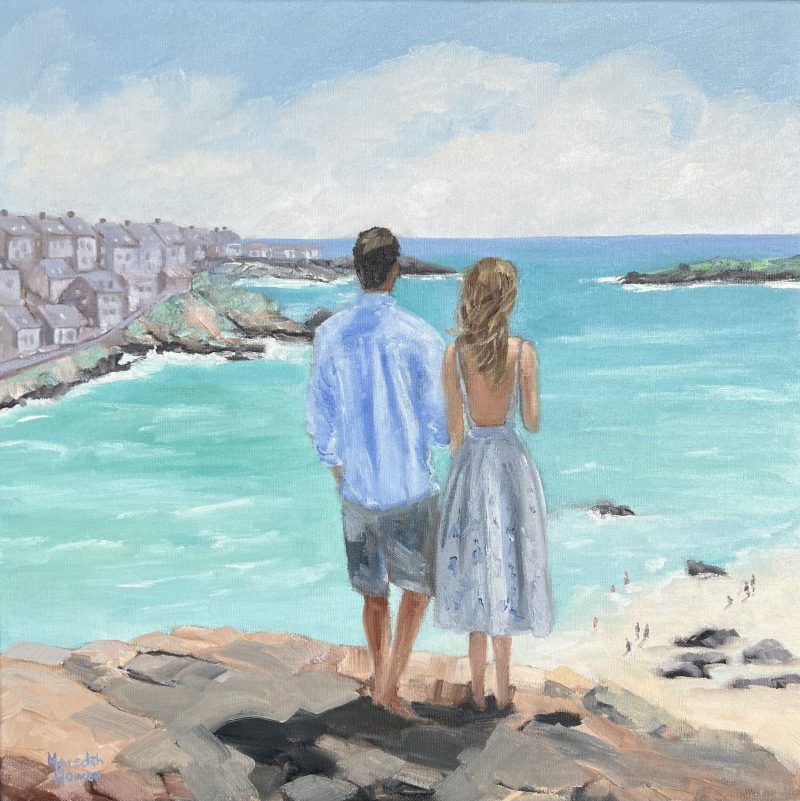 Honeymoon in Cornwall
AUD$950
Size:
61.5w
x 61.5h
x 5.5d
cms
Meredith Howse
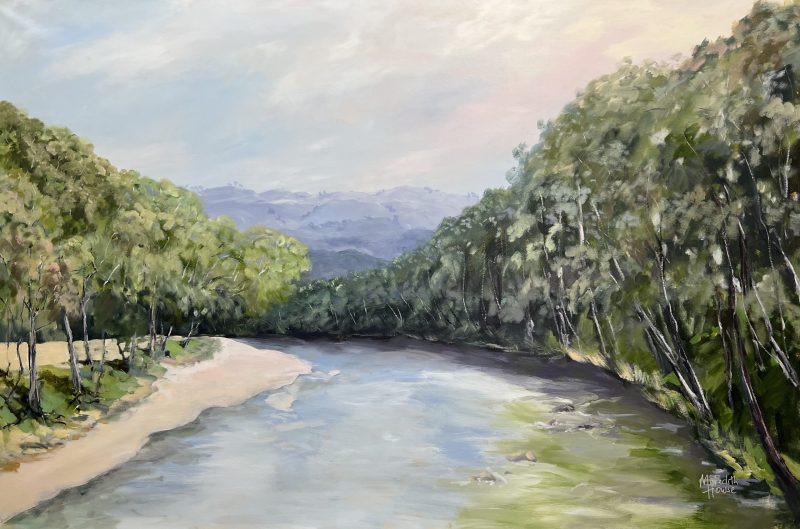 The Border of Dumaresq
AUD$4,400
Size:
198w
x 122h
x 3.8d
cms
Meredith Howse
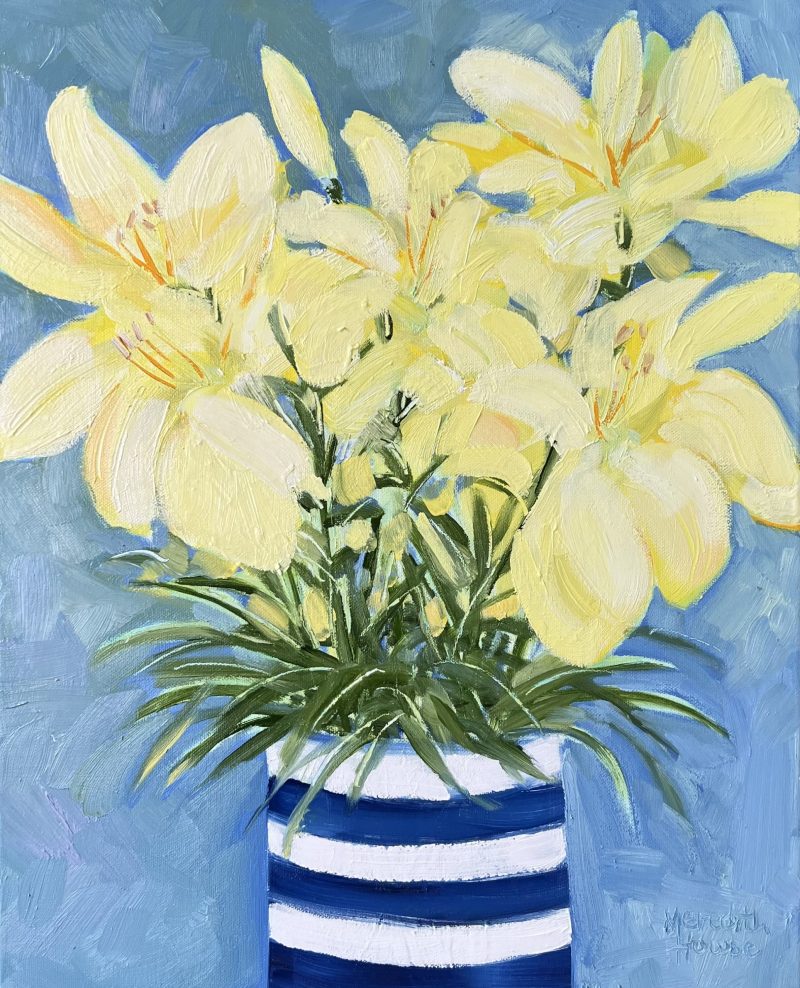 Lillies and Sunshine
AUD$550
Size:
40.5w
x 50.5h
x 3.8d
cms
Meredith Howse
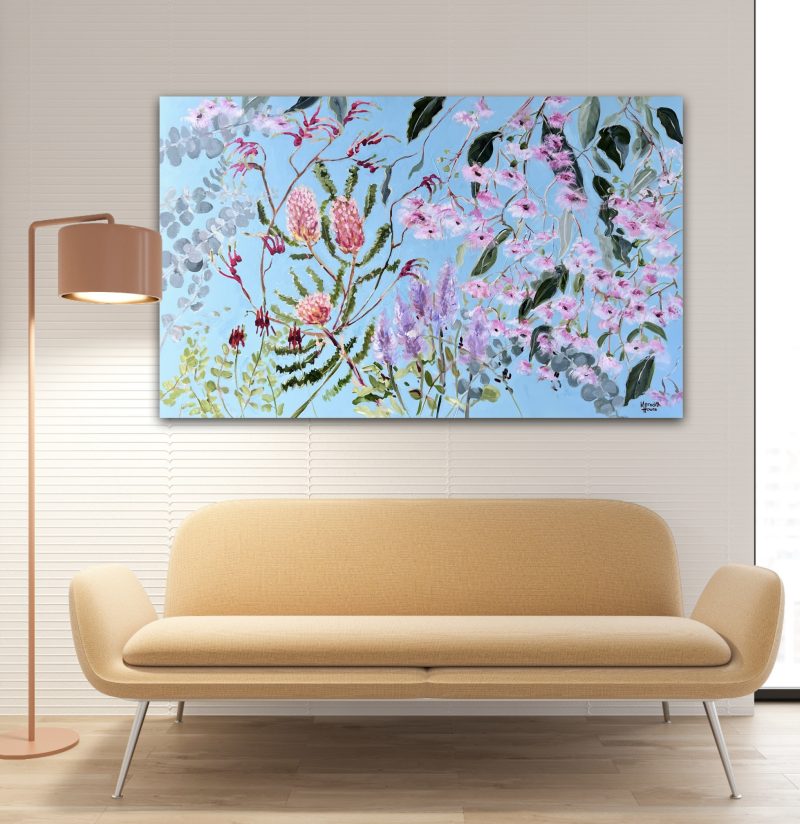 Banksia
AUD$3,000
Size:
152w
x 91h
x 3.8d
cms
Meredith Howse
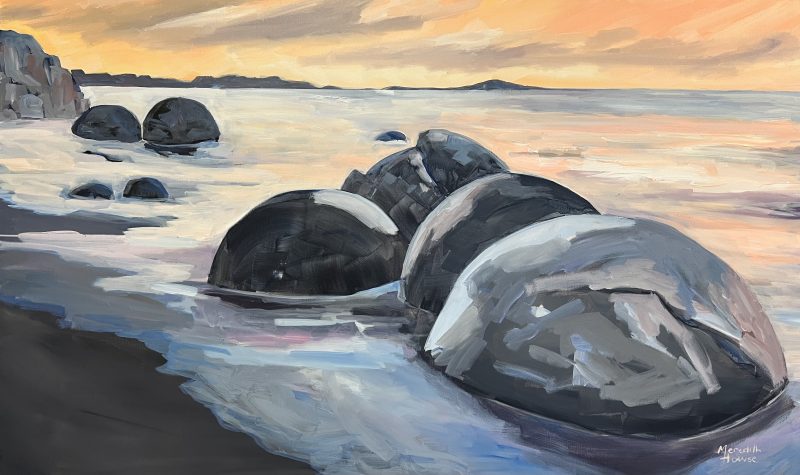 Moeraki Boulders
AUD$2,200
Size:
152w
x 91h
x 3.8d
cms
Meredith Howse
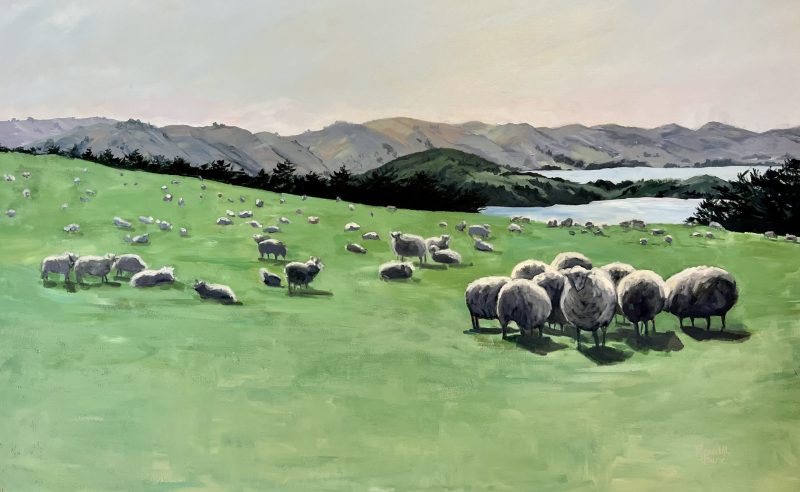 Ewes with a View
AUD$4,400
Size:
198w
x 122h
x 3.8d
cms
Meredith Howse
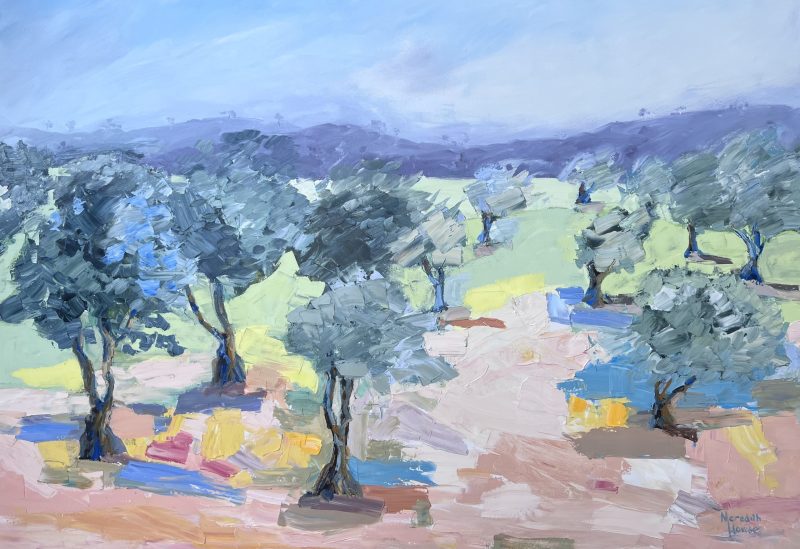 Olives of Inverell
AUD$2,200
Size:
152w
x 101h
x 3.8d
cms
Meredith Howse
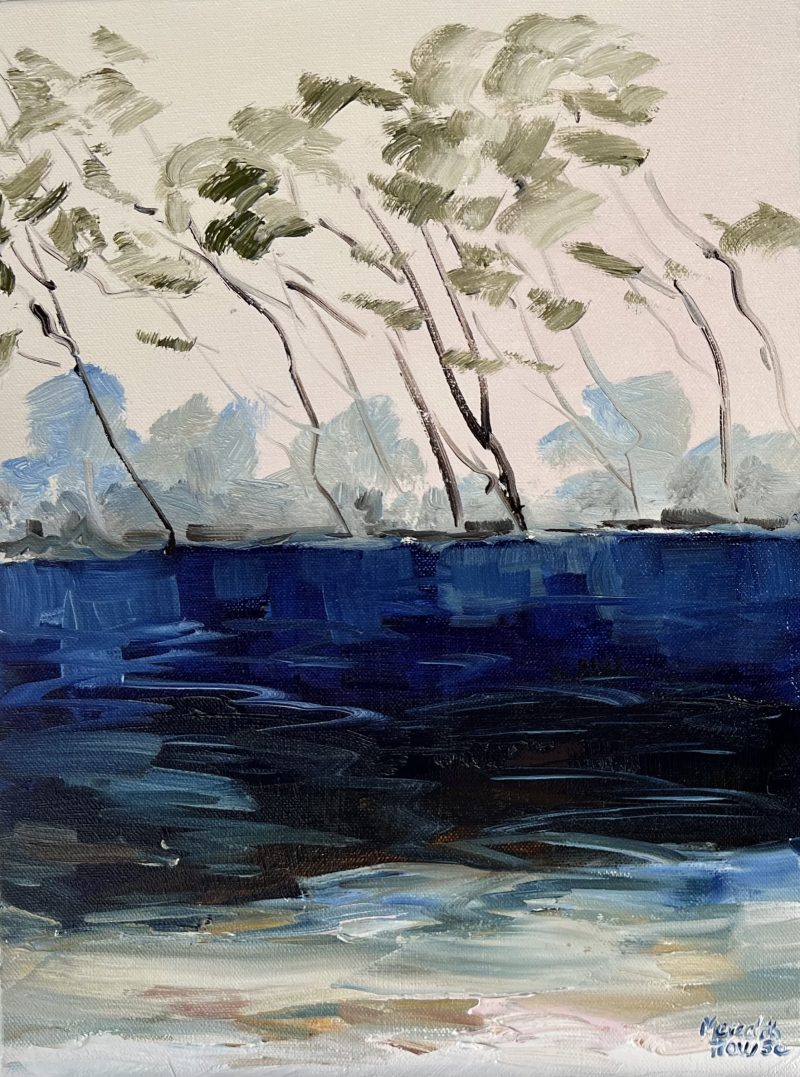 Tea Tree Lake
AUD$480
Size:
34w
x 44h
x 5.5d
cms
Meredith Howse
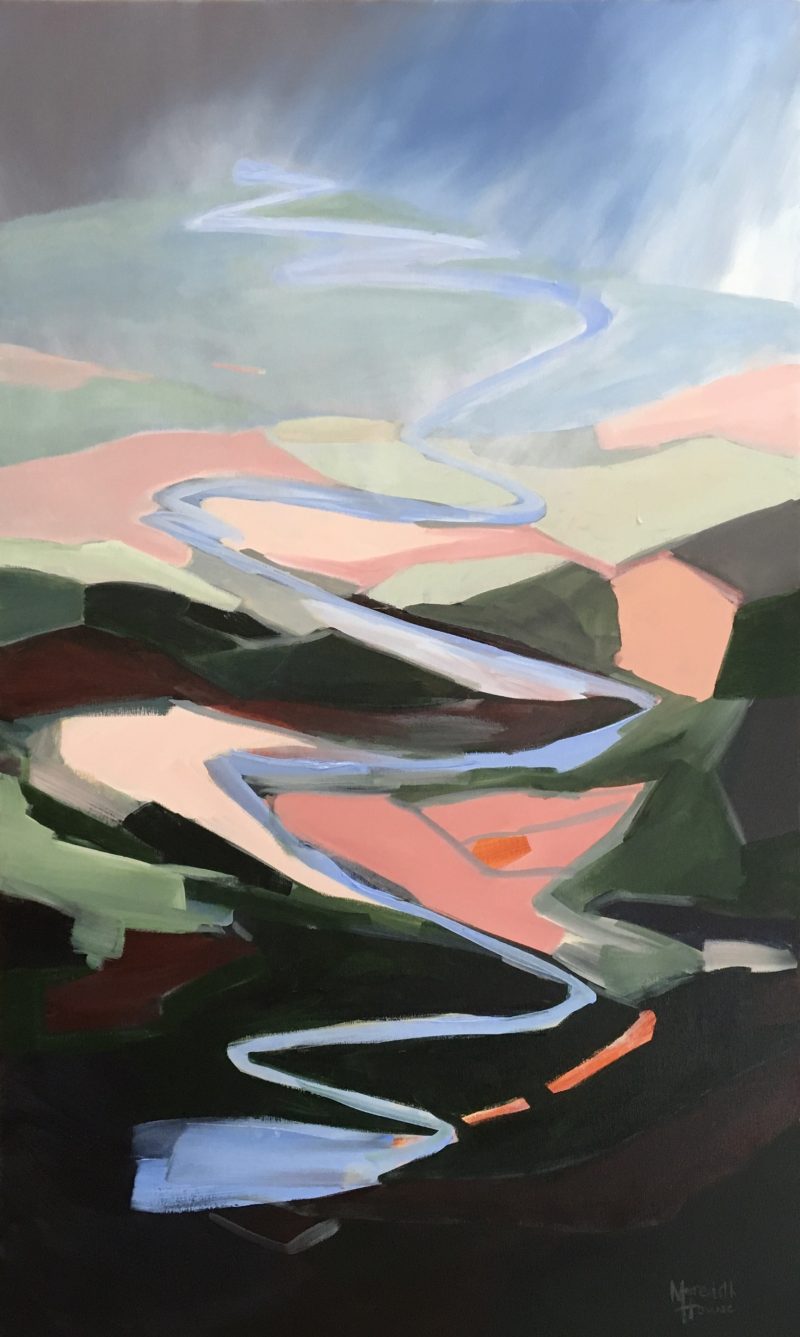 All the Rivers Run
AUD$2,250
Size:
91w
x 152.5h
x 4d
cms
Meredith Howse
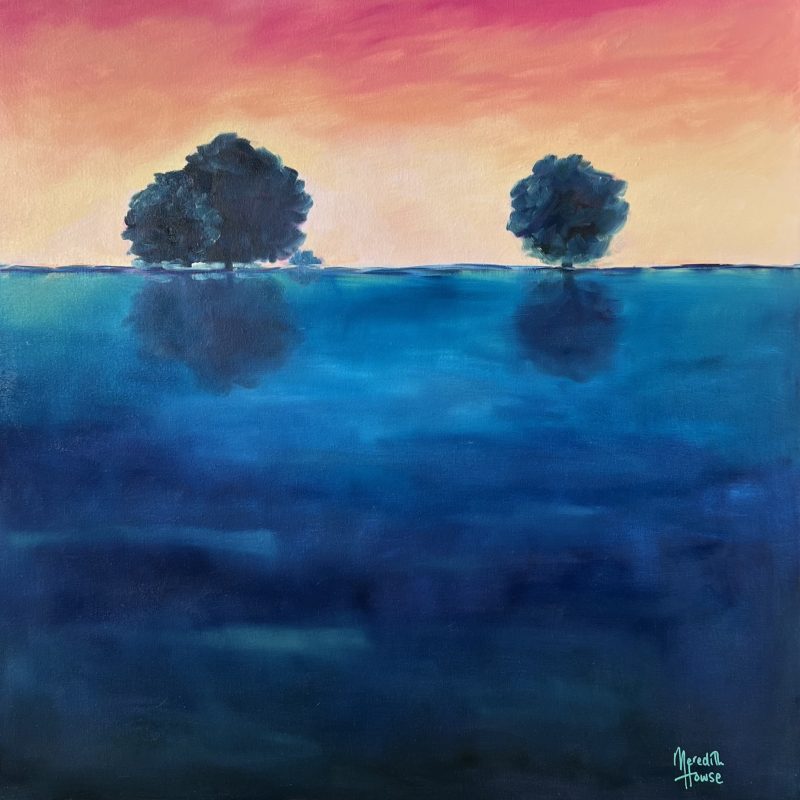 Teal Blue Sunset
AUD$1,200
Size:
91.4w
x 91.4h
x 3.8d
cms
Meredith Howse
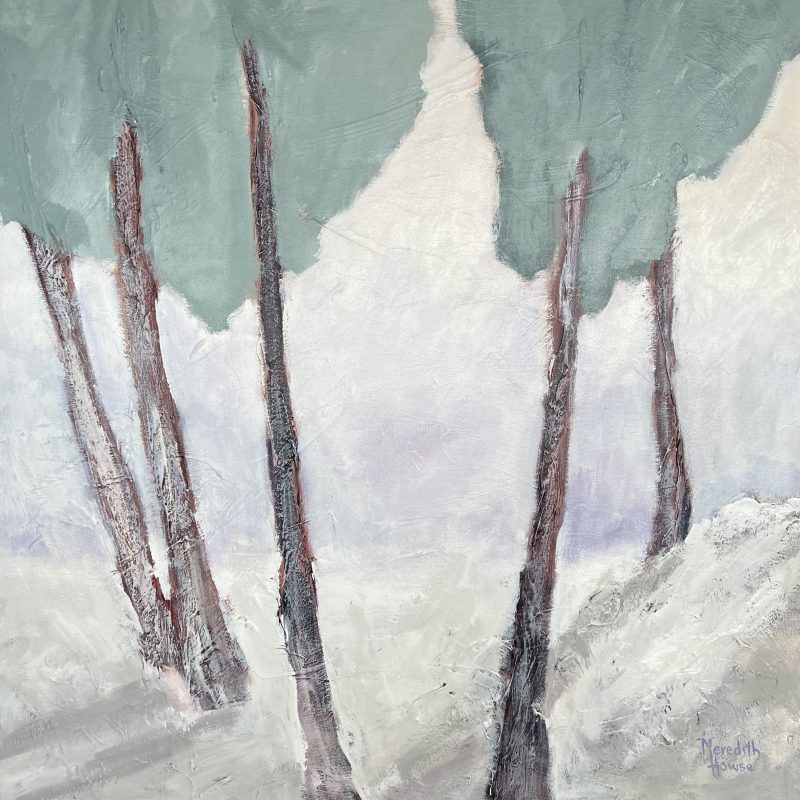 Grace in Number Five
AUD$1,200
Size:
94w
x 94h
x 5.5d
cms
Meredith Howse
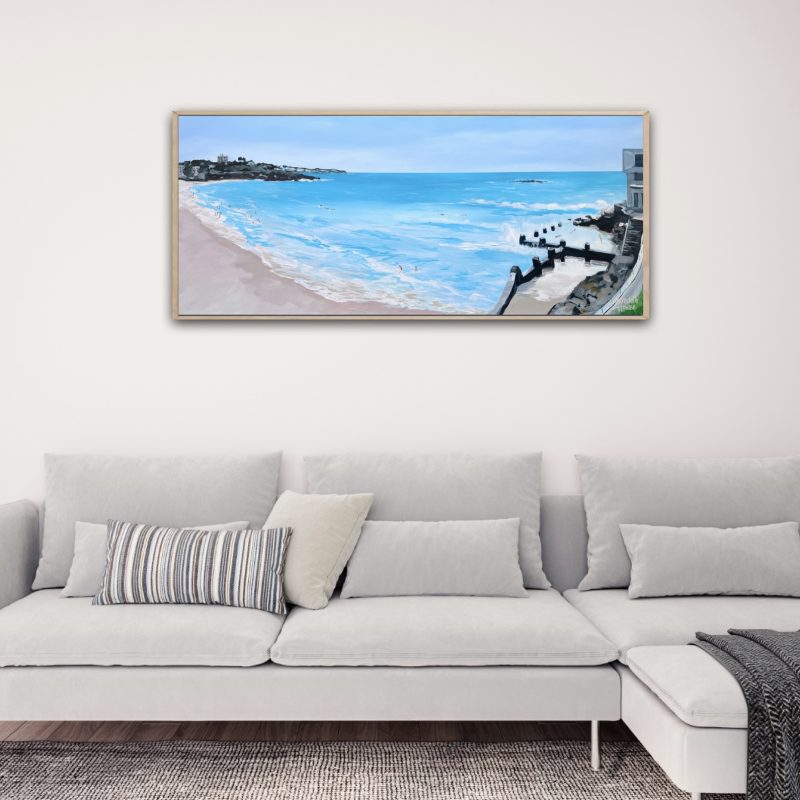 Coogee Beach
AUD$2,200
Size:
155w
x 64h
x 5.5d
cms
Meredith Howse
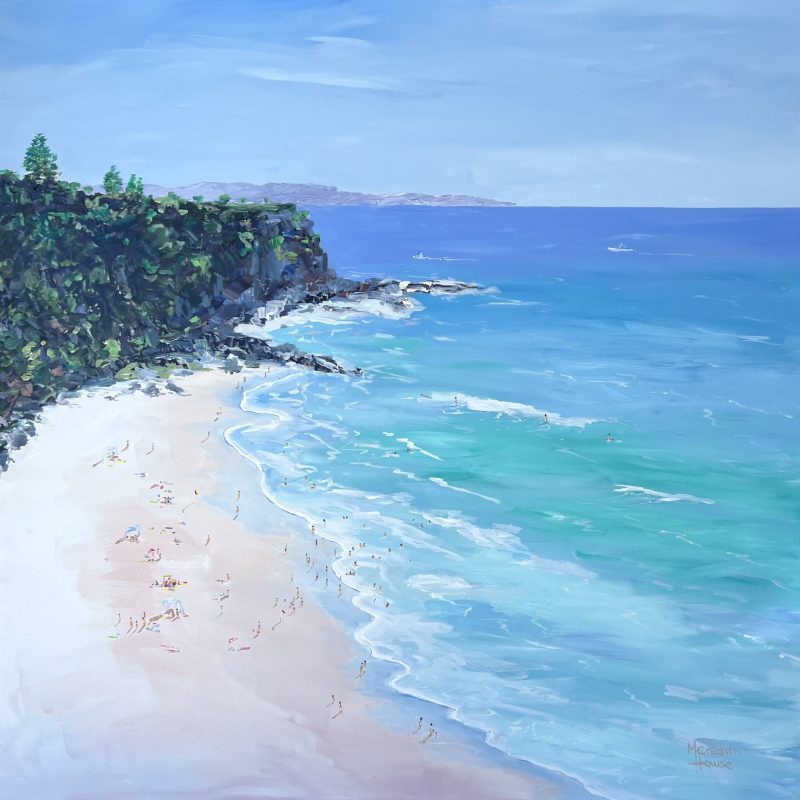 At the Beach
AUD$1,900
Size:
121.9w
x 121.9h
x 3.8d
cms
Meredith Howse
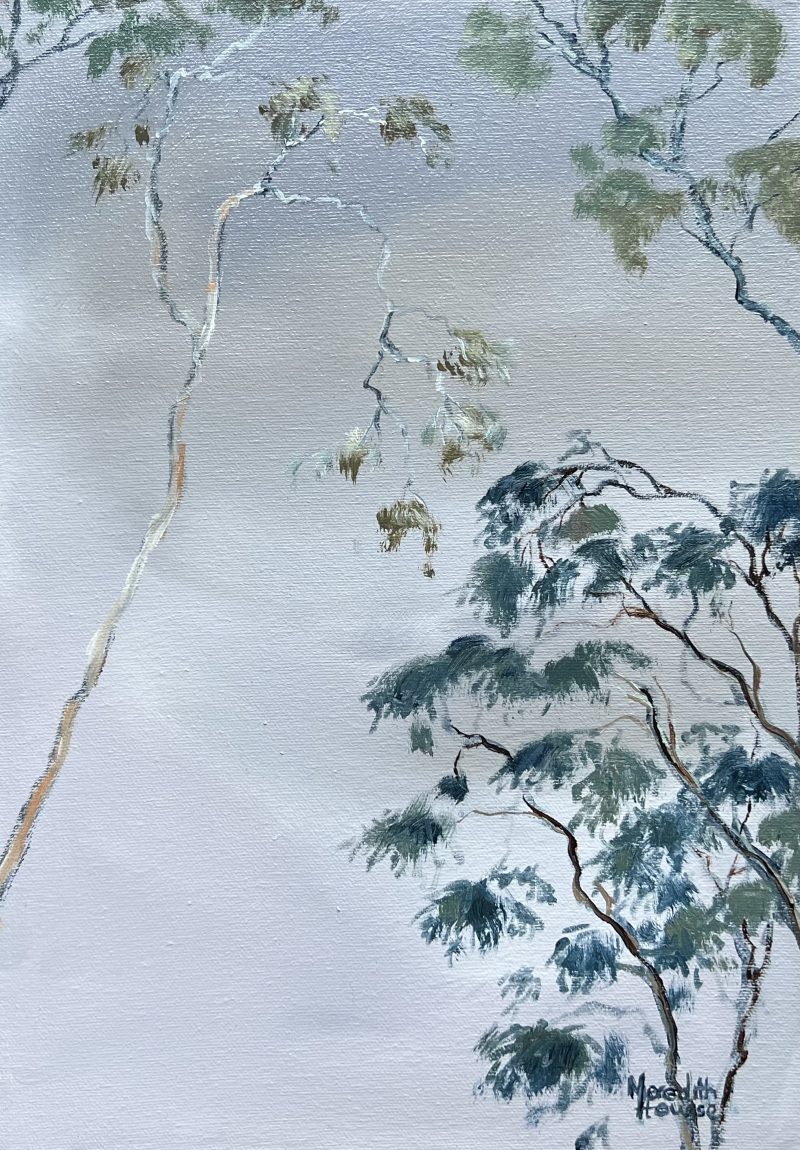 Illumination Grey Bark
AUD$300
Size:
27.5w
x 37.5h
x 5d
cms
Meredith Howse
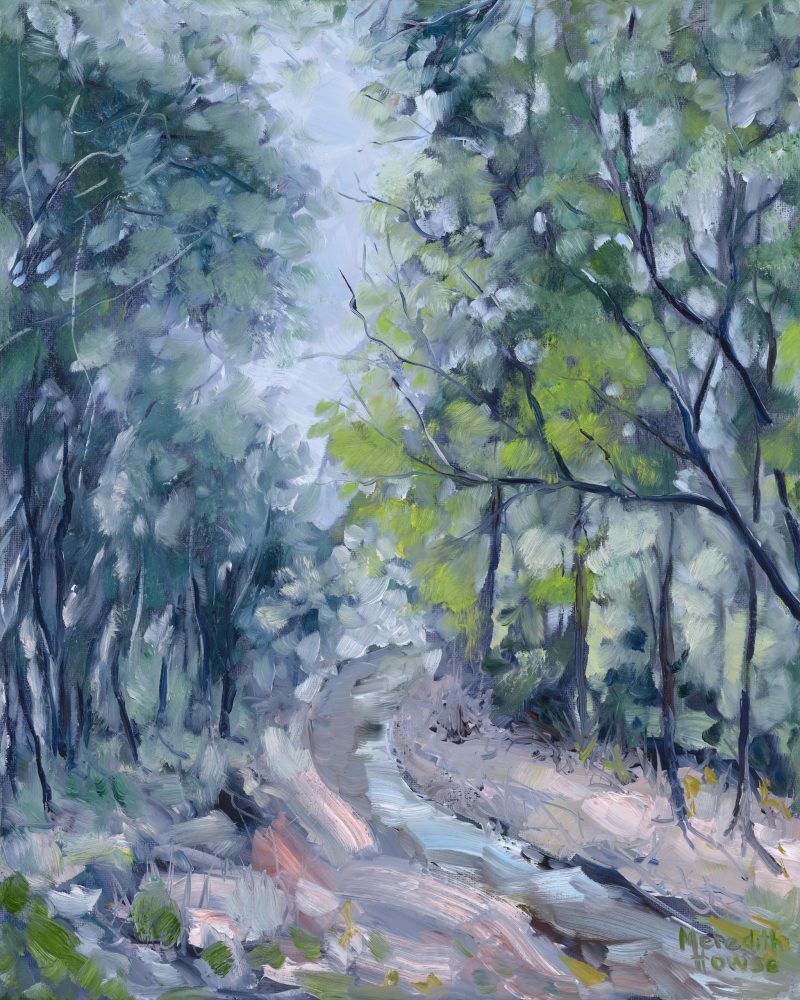 Ithaca Creek
AUD$800
Size:
44w
x 55h
x 3d
cms
Meredith Howse
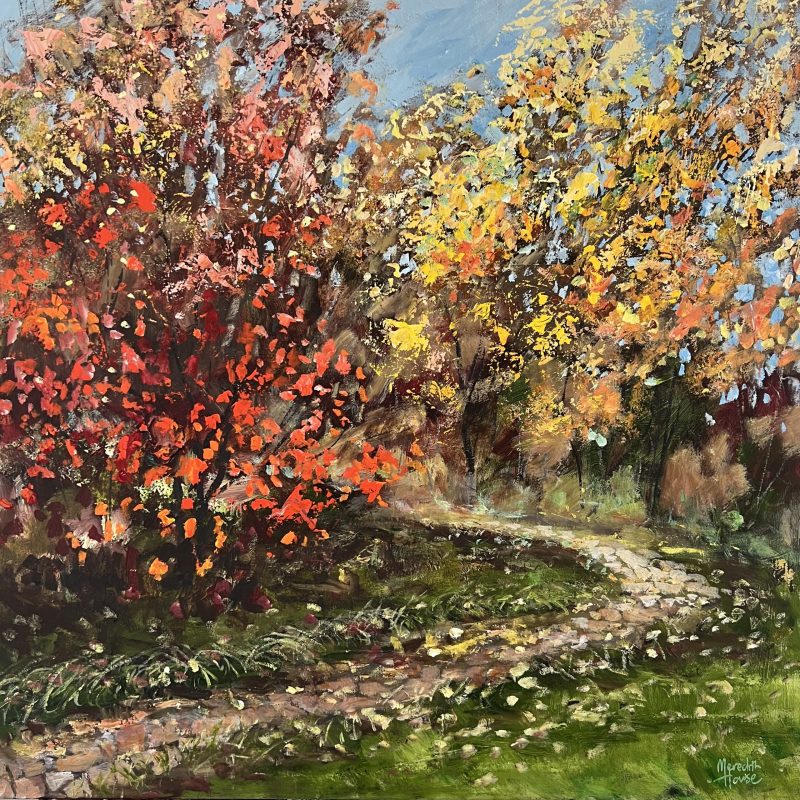 Hilltops Autumn
AUD$1,700
Size:
94w
x 94h
x 3d
cms
Meredith Howse
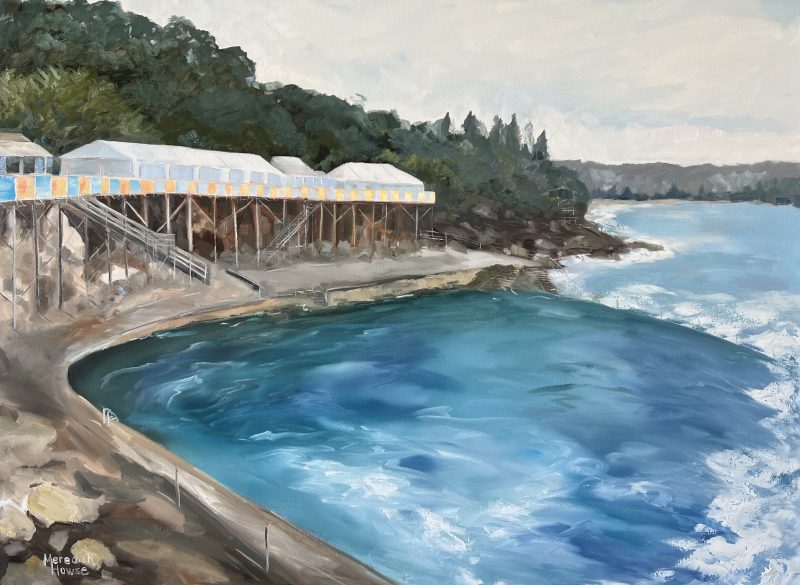 Wylies Baths Coogee
AUD$2,800
Size:
122w
x 91h
x 3.8d
cms
Meredith Howse
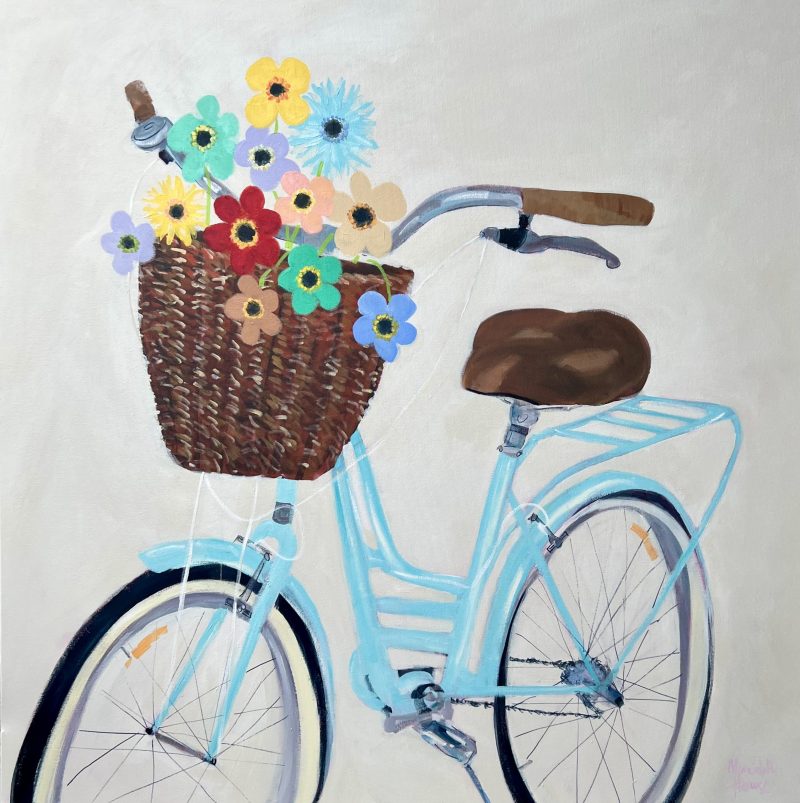 70’s Girl
AUD$1,000
Size:
110w
x 110h
x 0.1d
cms
Meredith Howse
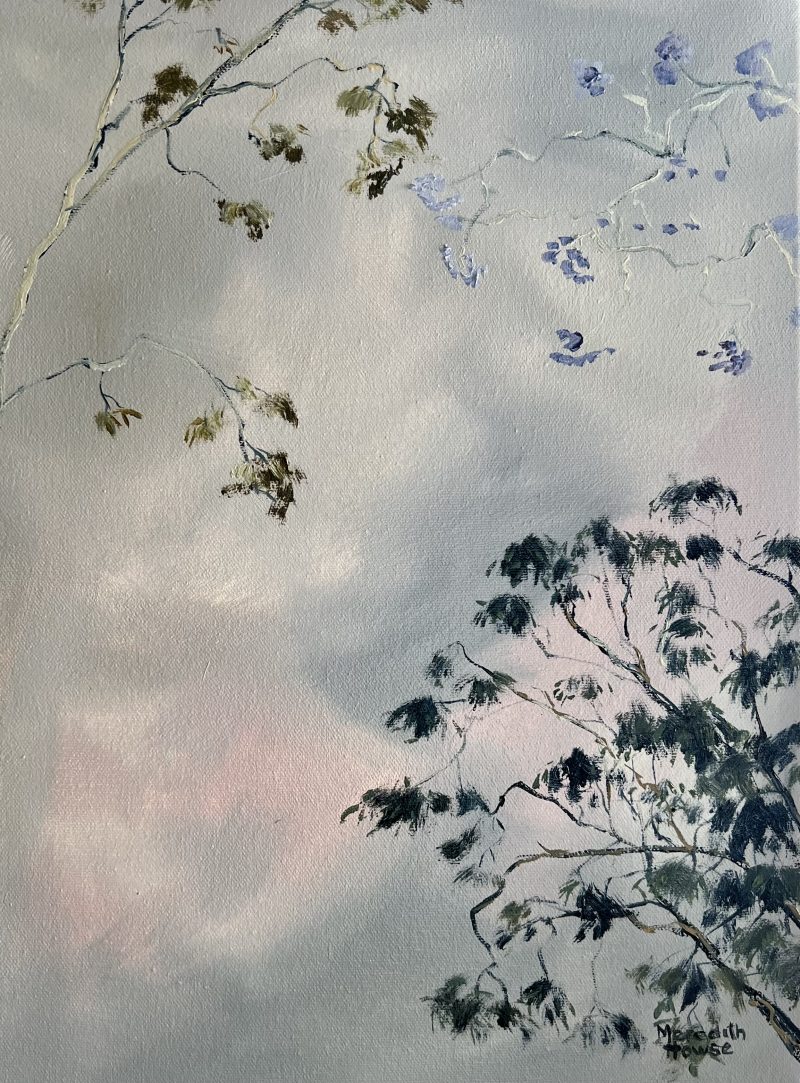 Illumination Brisbane Jacaranda
AUD$480
Size:
30.5w
x 40.5h
x 3.8d
cms
Meredith Howse
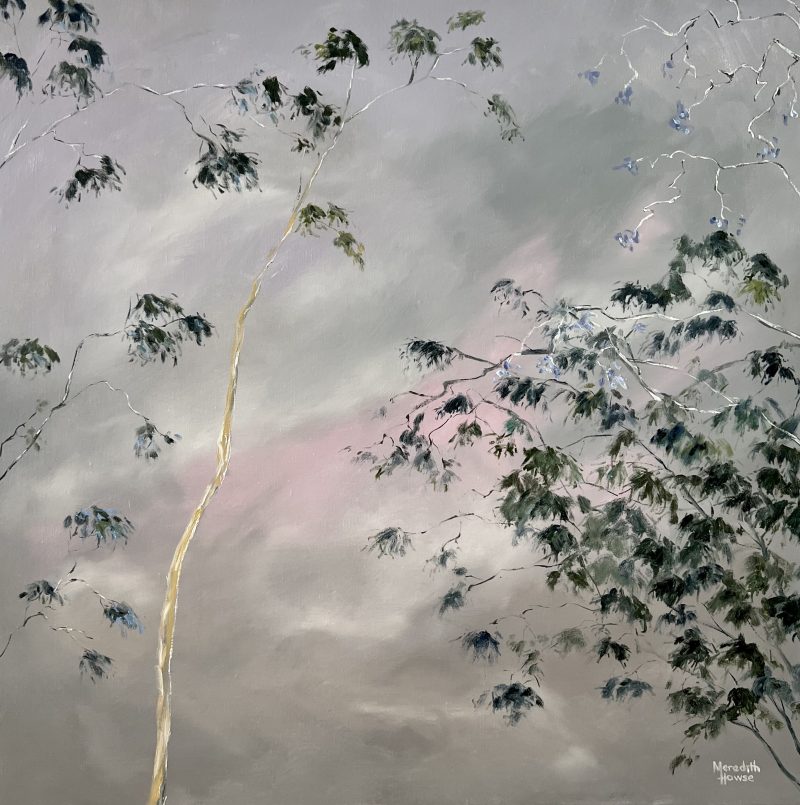 Illumination of Blue Gum and Jacaranda
AUD$1,500
Size:
91w
x 91h
x 3.8d
cms
Meredith Howse
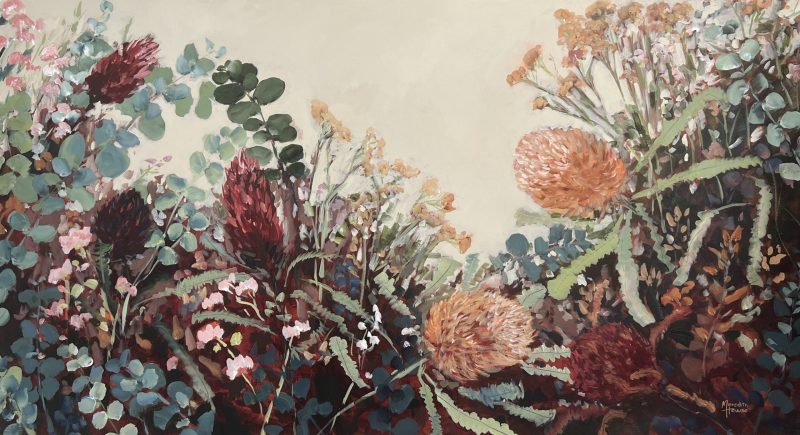 Banksia Vintage
AUD$3,900
Size:
167.6w
x 91.4h
x 3.8d
cms
Meredith Howse
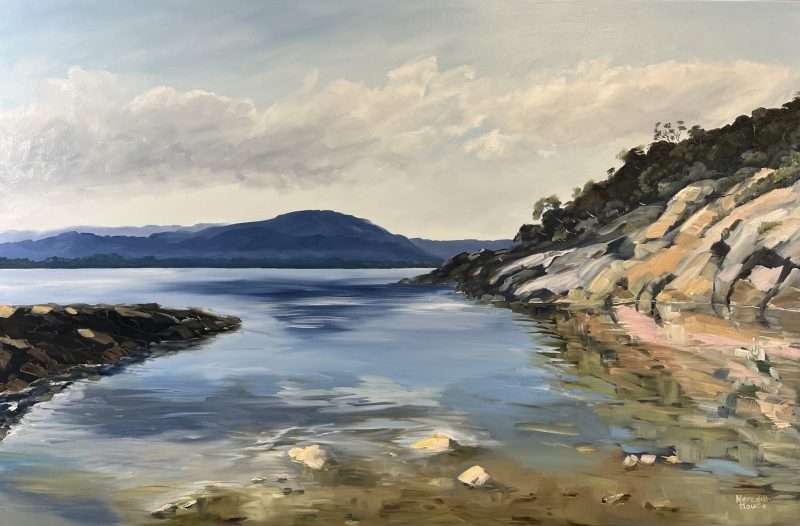 Honeymoon Bay, Freycinet
AUD$4,000
Size:
152w
x 101.5h
x 3.8d
cms
Meredith Howse
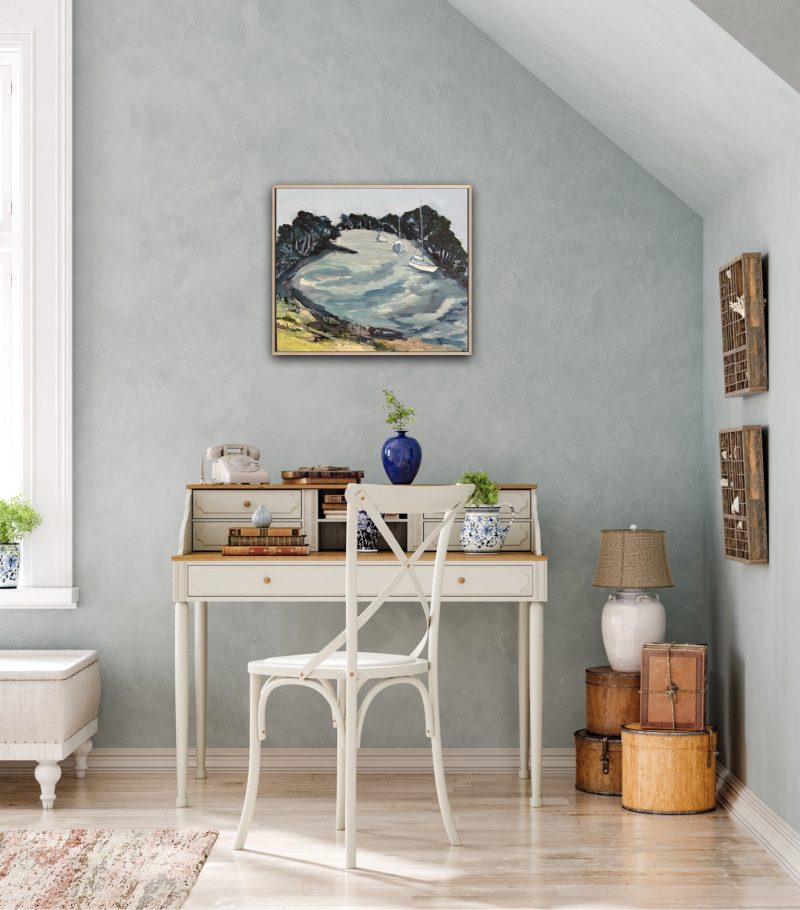 Love Boats
AUD$800
Size:
61w
x 51h
x 3.5d
cms
Meredith Howse
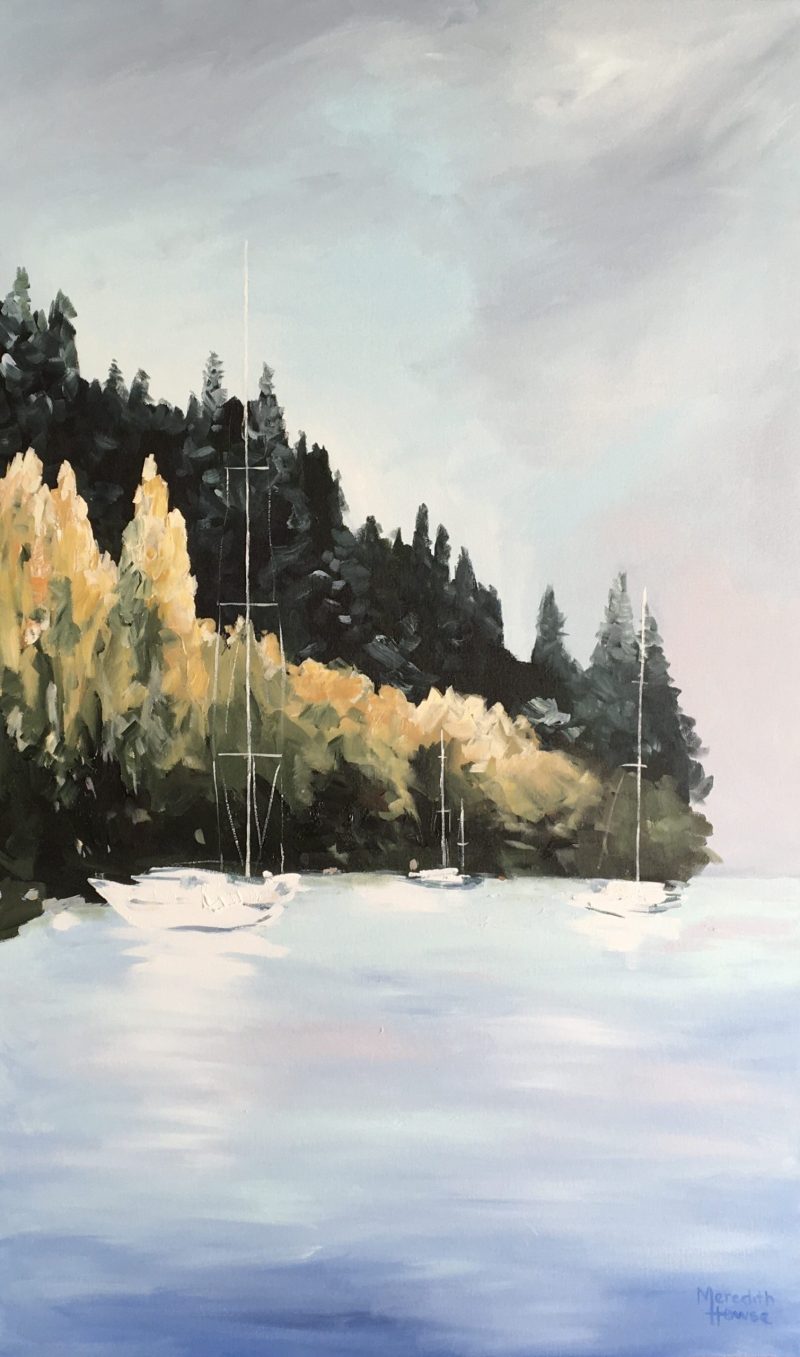 Queenstown Autumn
AUD$2,450
Size:
91.5w
x 152.5h
x 3.8d
cms
Meredith Howse
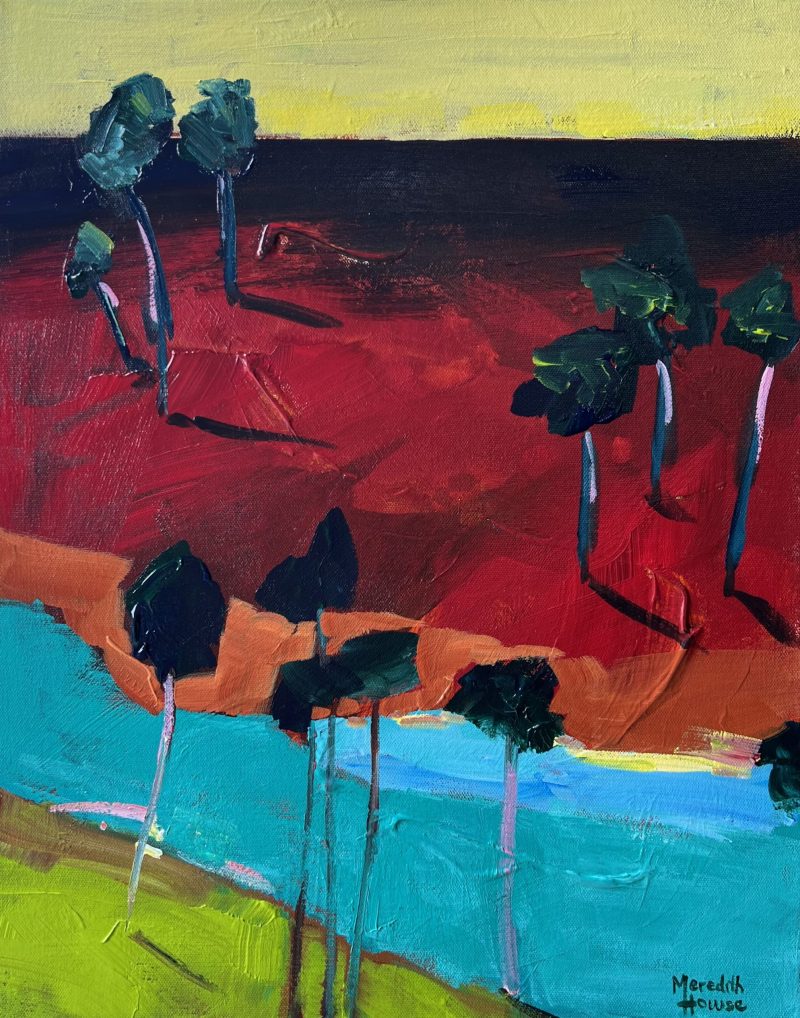 Inland Oasis – Mini Me
AUD$340
Size:
43.5w
x 53.5h
x 5d
cms
Meredith Howse
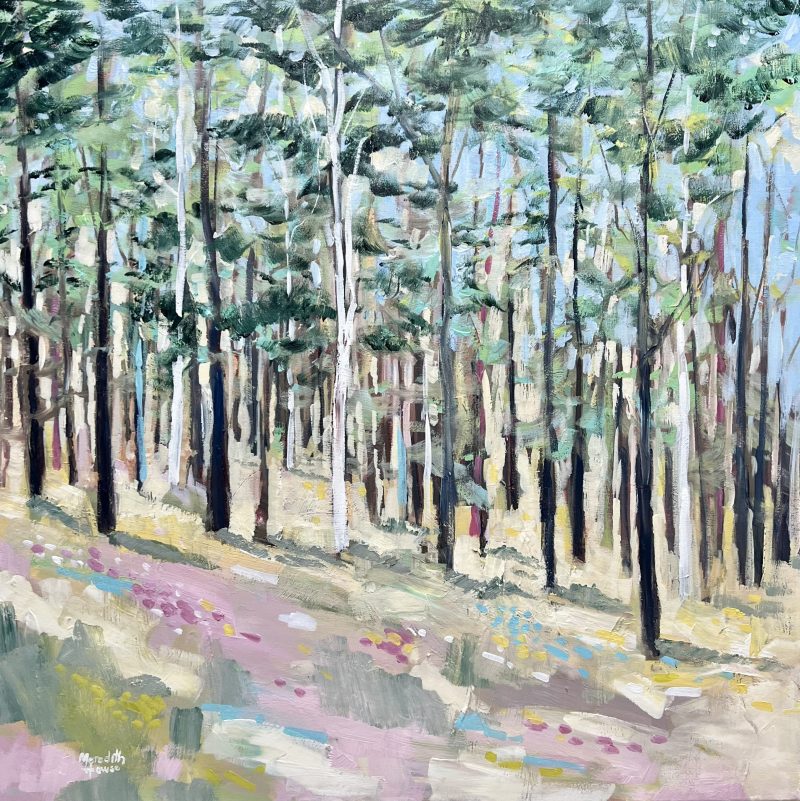 Gentle Colours of Nature
AUD$1,200
Size:
94w
x 94h
x 5d
cms
Meredith Howse
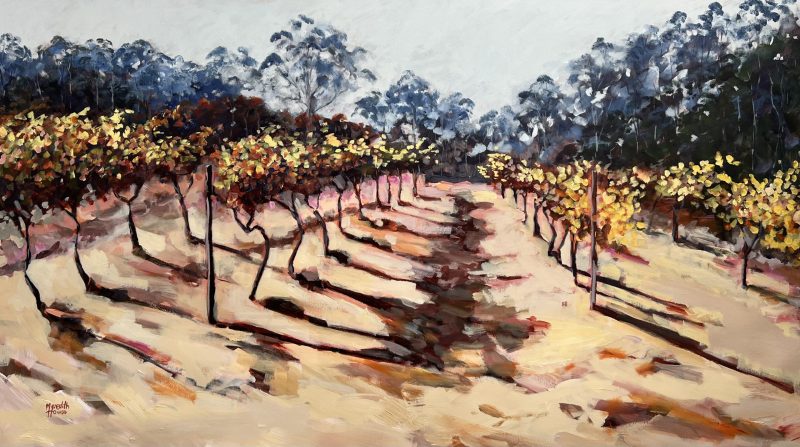 Vineyard Vintage
AUD$3,800
Size:
167.6w
x 91.4h
x 3.5d
cms
Meredith Howse
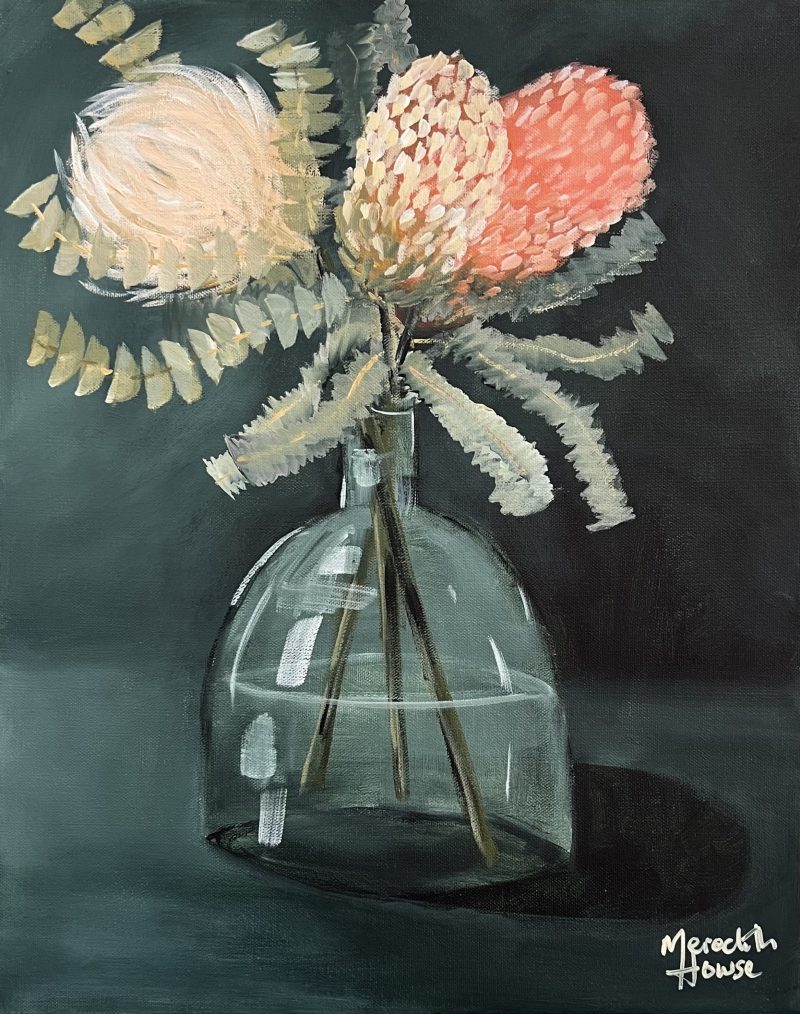 Banksias 4 U
AUD$550
Size:
40.5w
x 50.5h
x 3.8d
cms
Meredith Howse
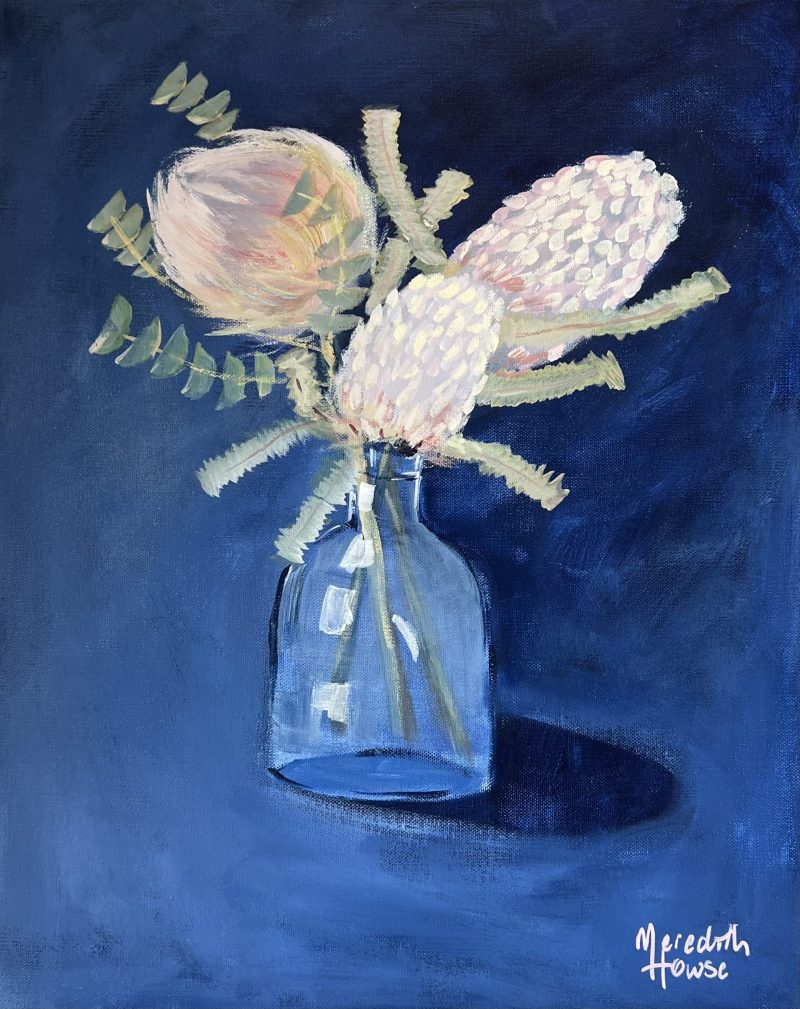 Banksias
AUD$550
Size:
40.5w
x 50.5h
x 3.8d
cms
Meredith Howse
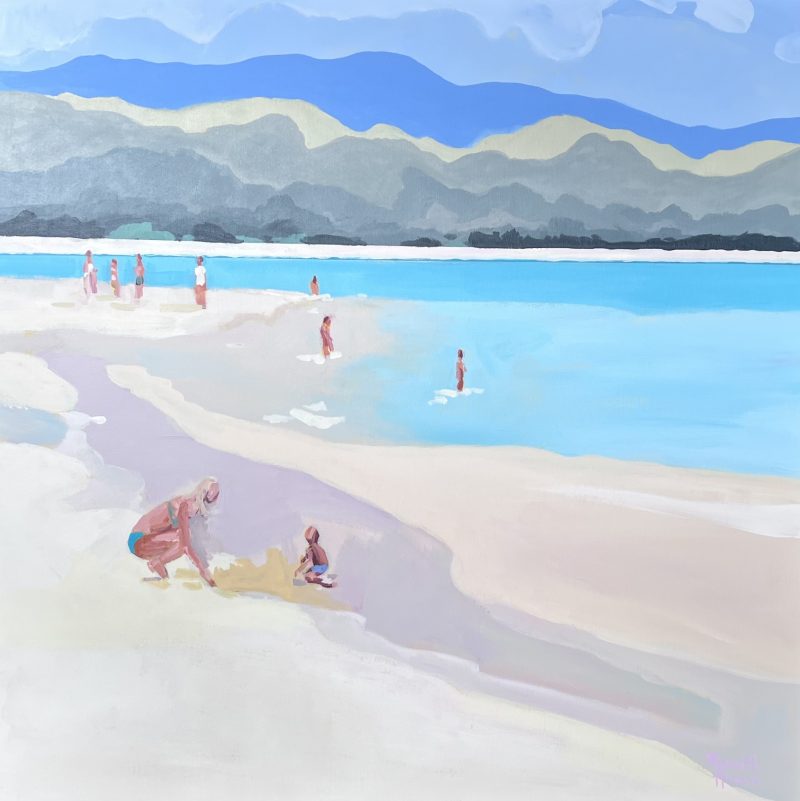 Mother and Child at Lanikai Beach
AUD$1,400
Size:
95w
x 95h
x 5d
cms
Meredith Howse
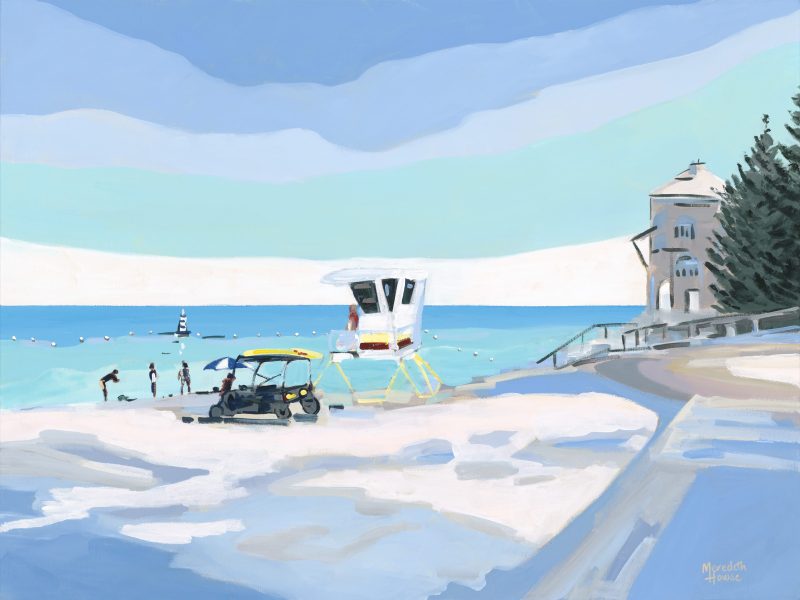 Cottesloe Beach
AUD$1,300
Size:
101.5w
x 76h
x 3.8d
cms
Meredith Howse
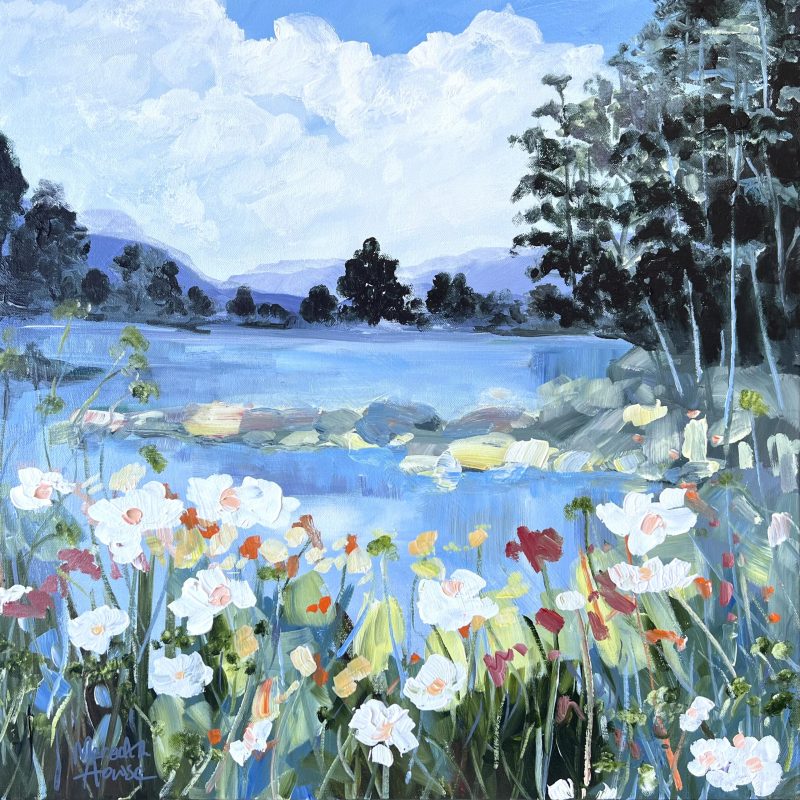 Floral Haven 2
AUD$850
Size:
63w
x 63h
x 5d
cms
Meredith Howse
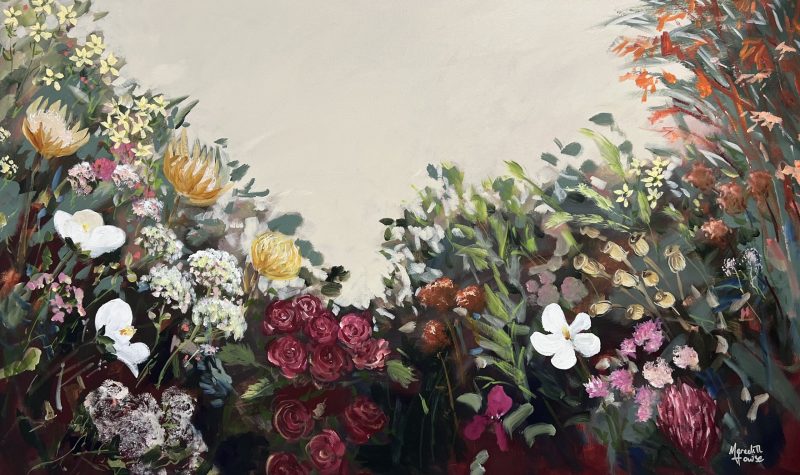 Rose Vintage
AUD$3,690
Size:
152.4w
x 91.4h
x 3.5d
cms
Meredith Howse
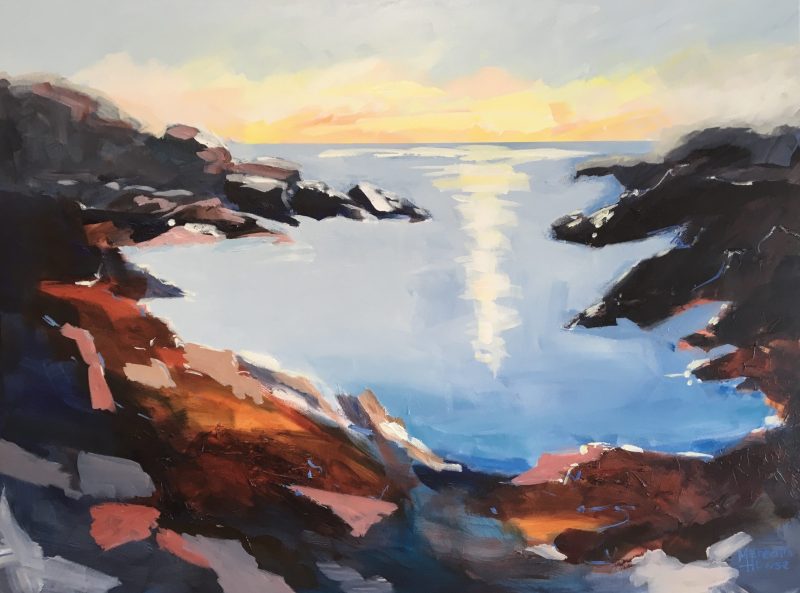 By the Sea
AUD$1,500
Size:
106w
x 80h
x 5d
cms
Meredith Howse
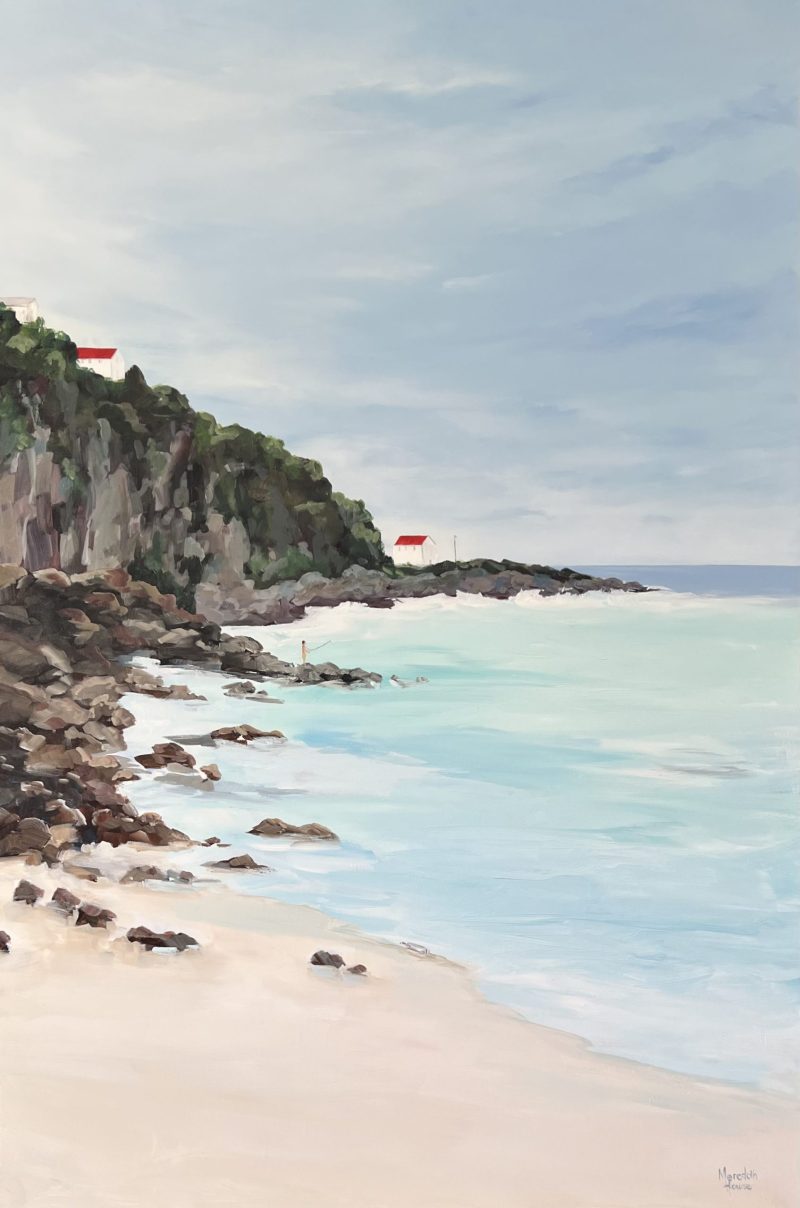 Gordon’s Bay, Clovelly – Commission
AUD$2,600
Size:
95w
x 140h
cms
Meredith Howse
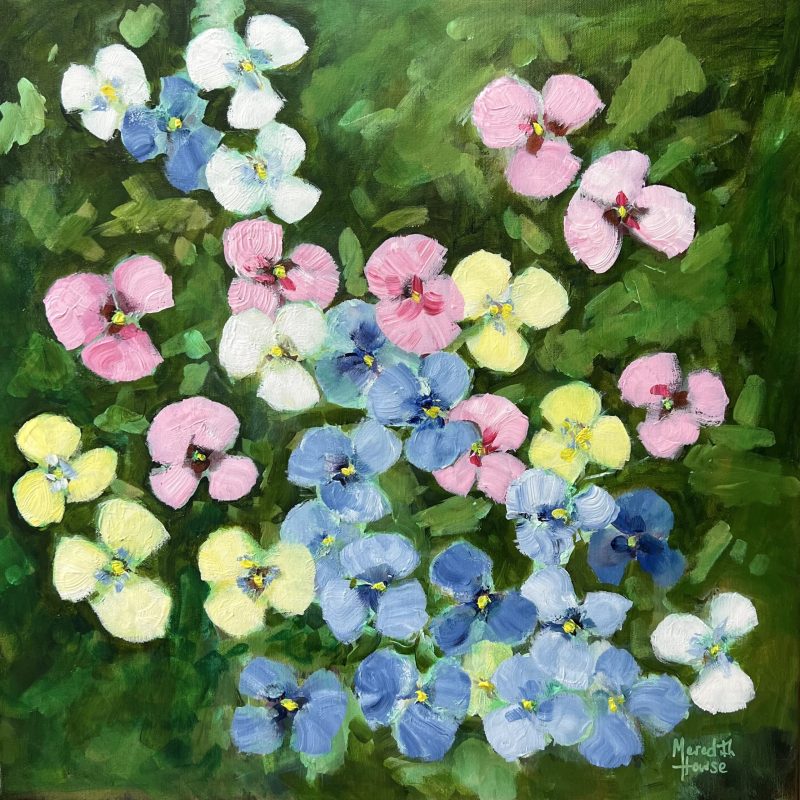 Rain Garden
AUD$600
Size:
64w
x 64h
x 5d
cms
Meredith Howse
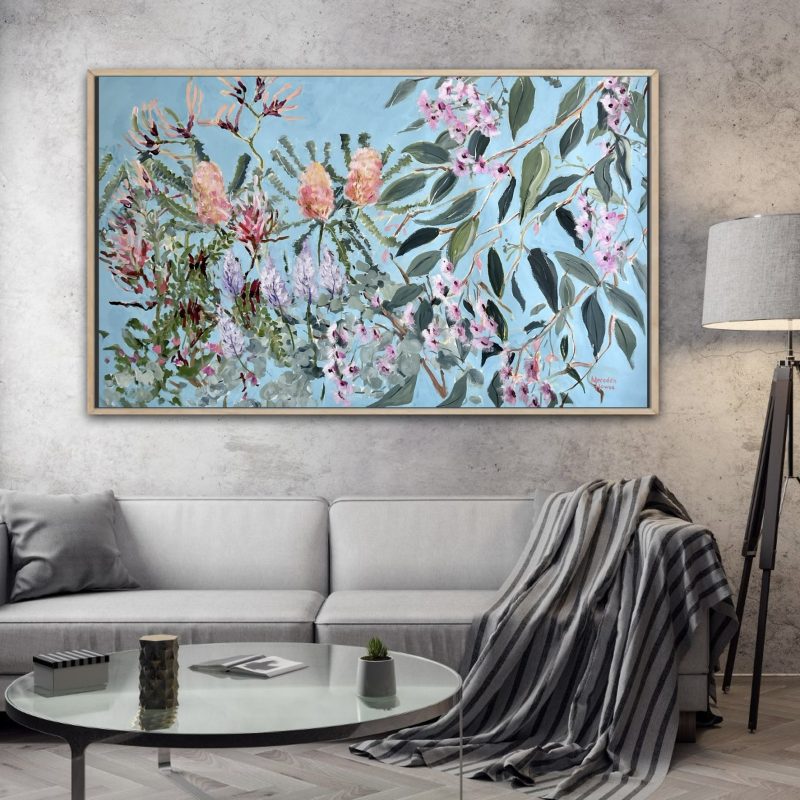 Australian Natives
AUD$3,800
Size:
169w
x 103h
x 3.8d
cms
Meredith Howse
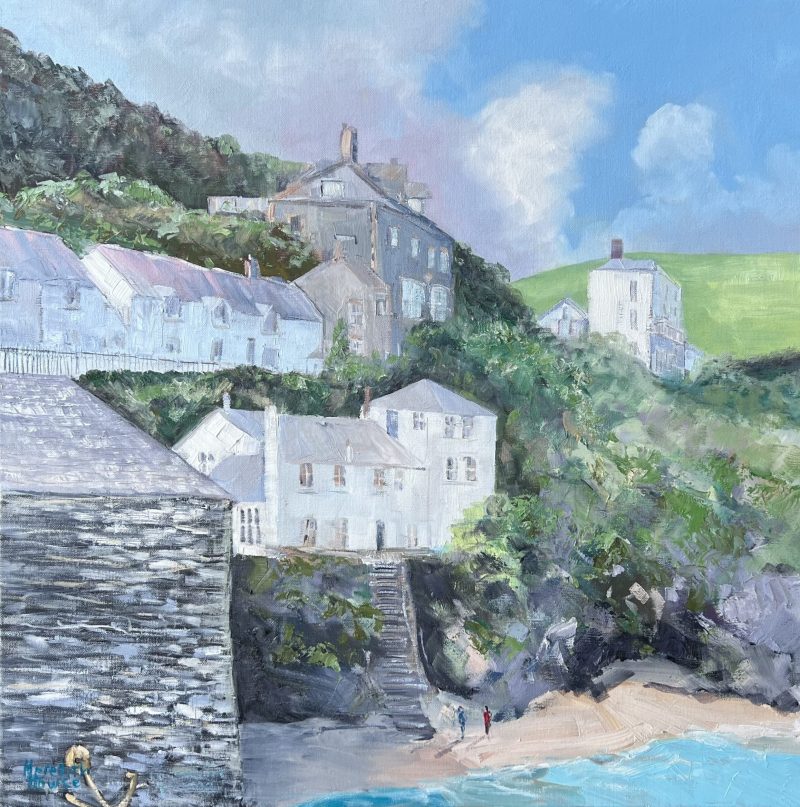 Port Isaac
AUD$1,200
Size:
64w
x 64h
x 5d
cms
Meredith Howse
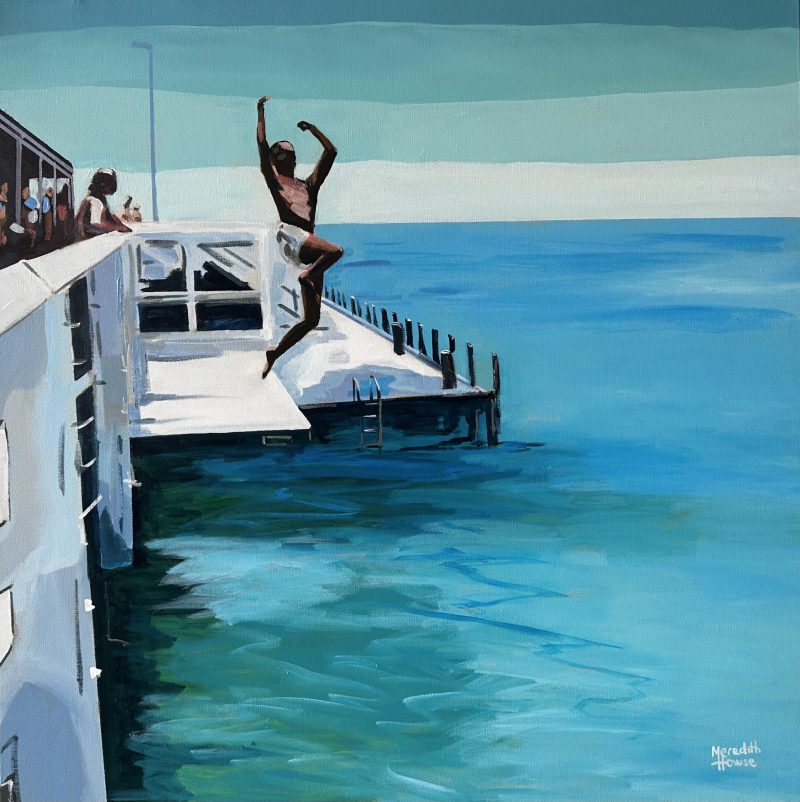 Busselton Jetty
AUD$1,800
Size:
91w
x 91h
x 3.8d
cms
Meredith Howse
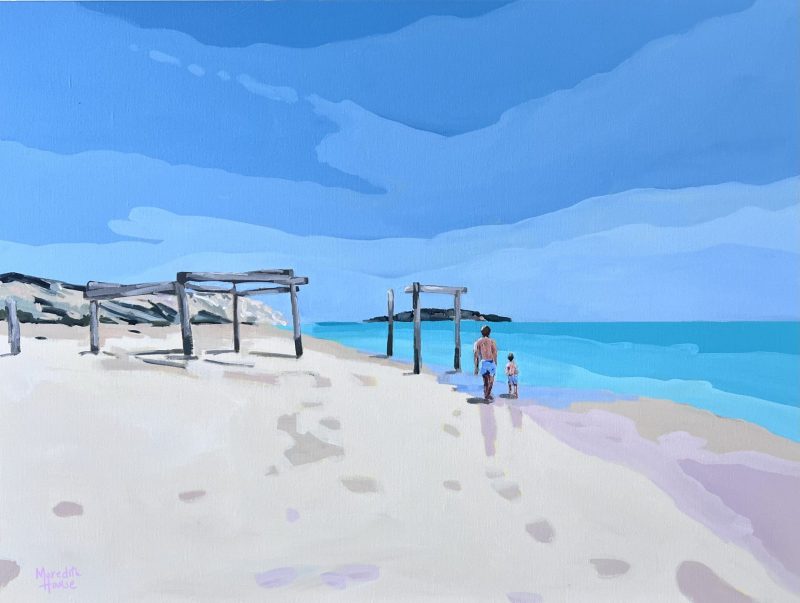 Beach Day at Hamelin Bay, Western Australia
AUD$1,300
Size:
101.5w
x 76h
x 3.8d
cms
Meredith Howse
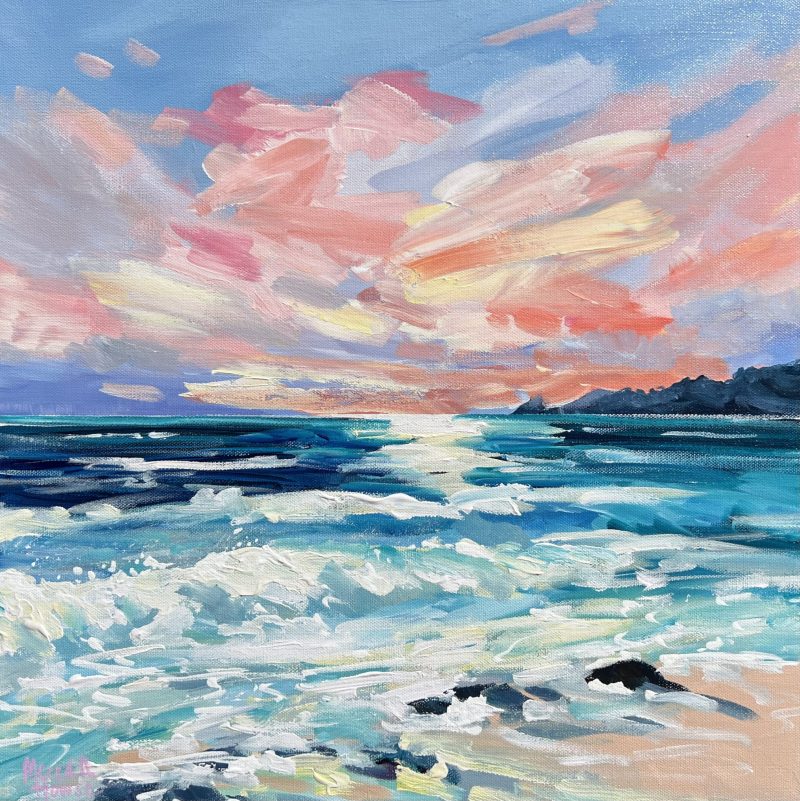 A Remarkable Day
AUD$600
Size:
53w
x 53h
x 5d
cms
Meredith Howse
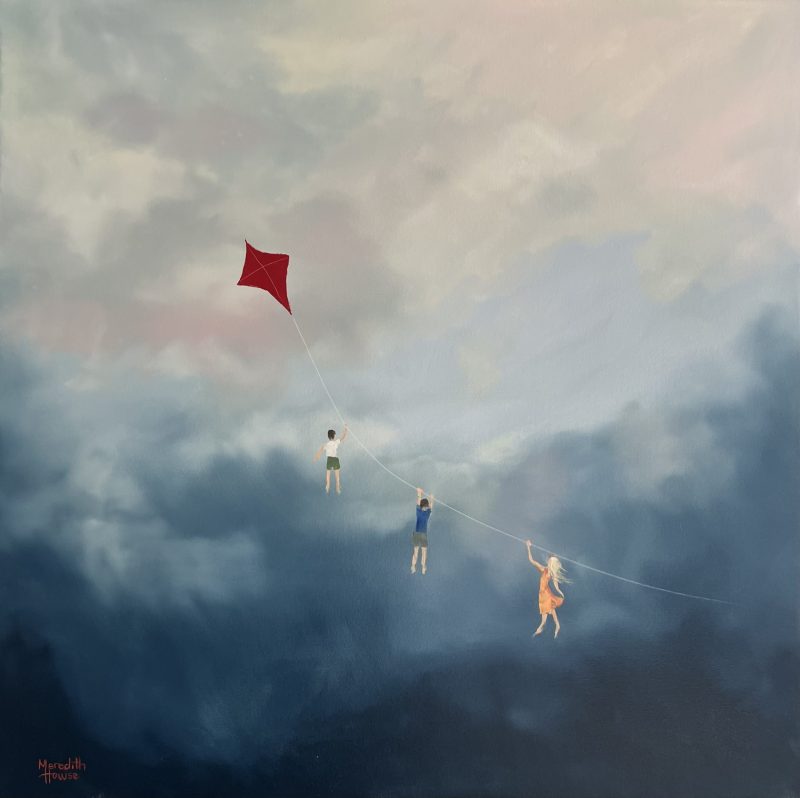 Illumination Hold Tight Red Kite
AUD$600
Size:
92w
x 92h
x 3.8d
cms
Meredith Howse
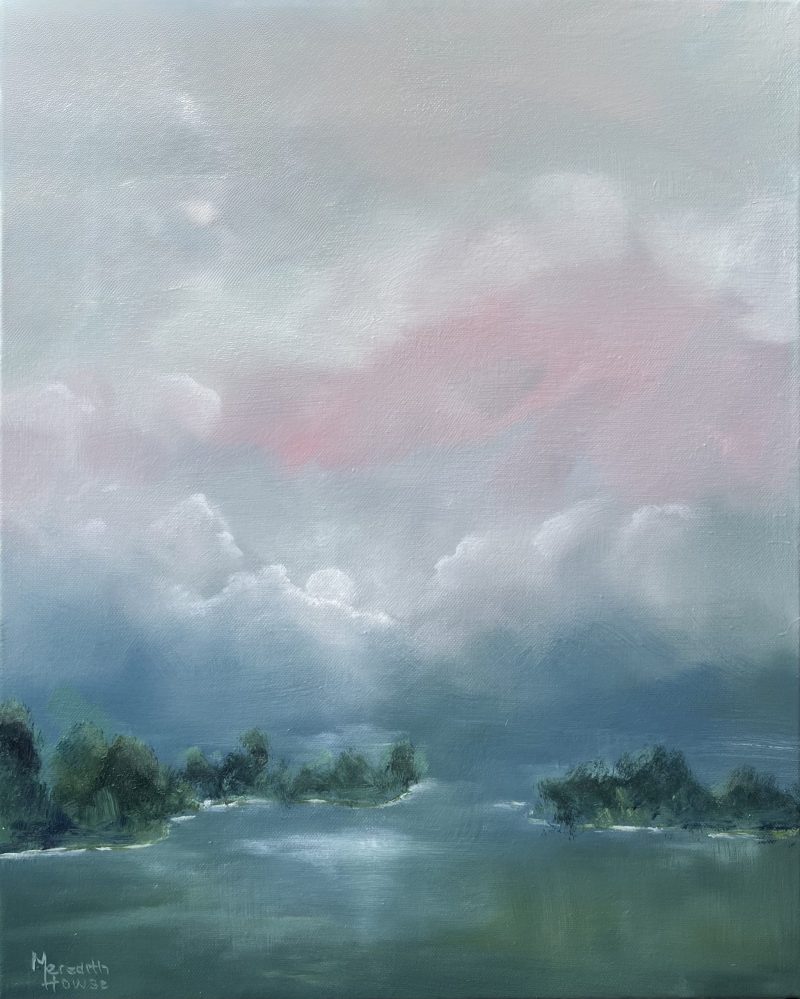 Illumination Moonlight
AUD$600
Size:
44.5w
x 54.5h
x 3d
cms
Meredith Howse
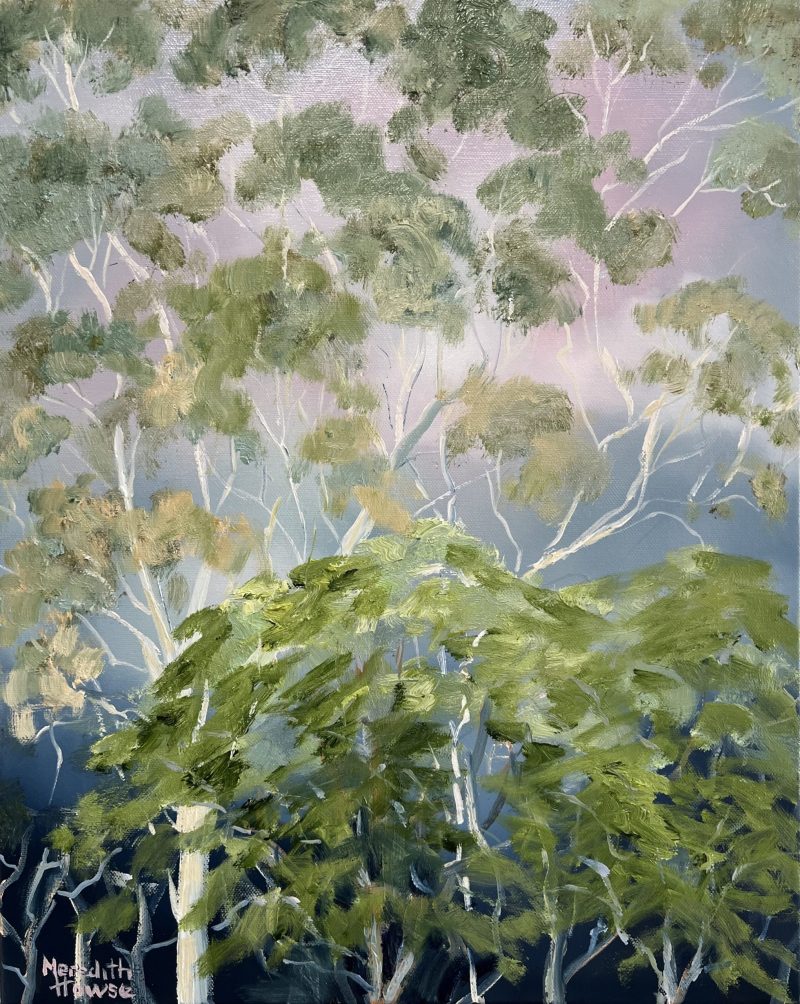 Illumination Night
AUD$600
Size:
44.5w
x 54.5h
x 3d
cms
Meredith Howse
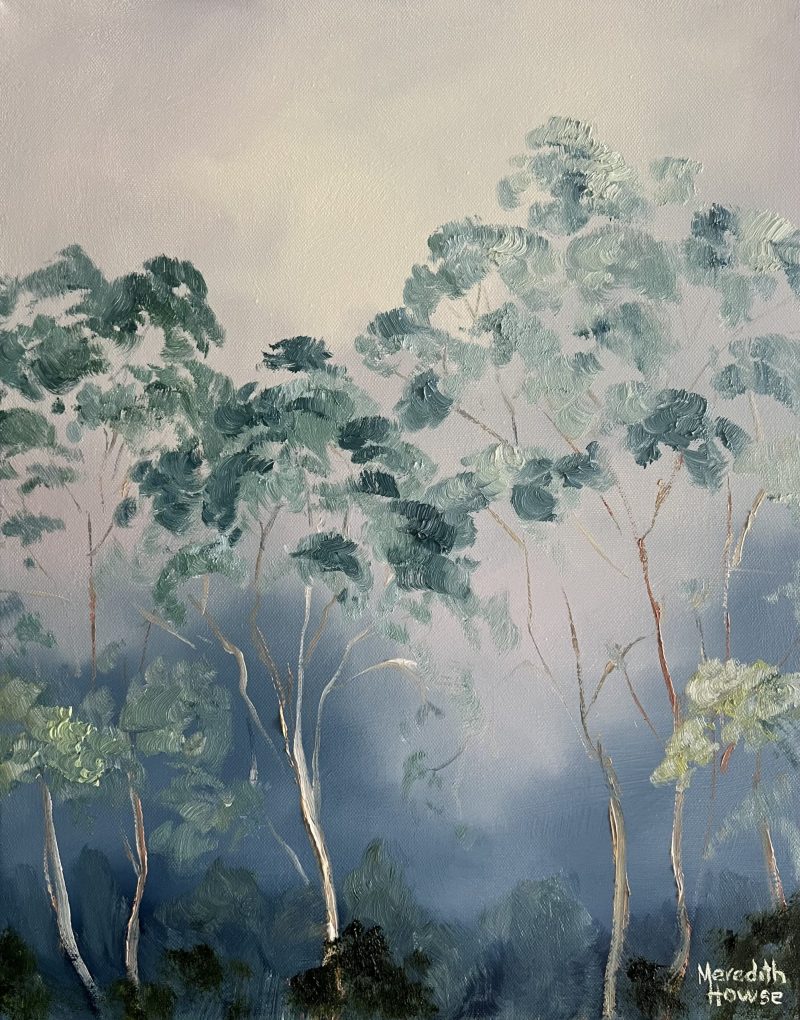 Illumination Gum Tree Glow
AUD$600
Size:
44.5w
x 54.5h
x 3d
cms
Meredith Howse
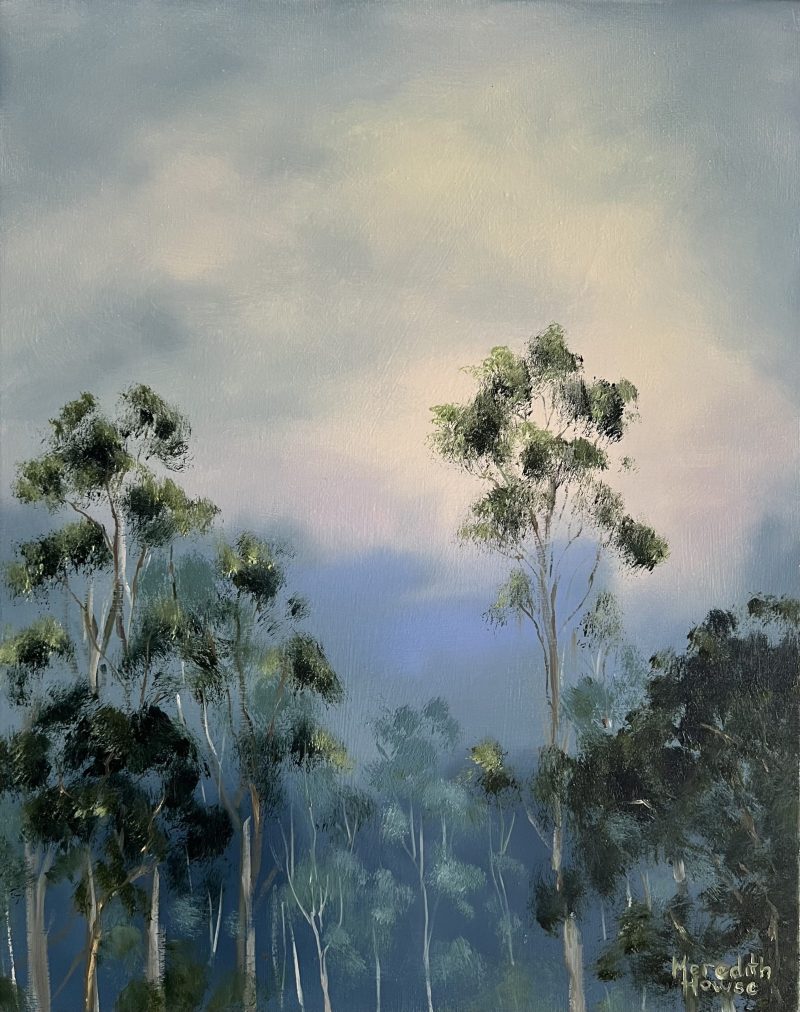 Illumination Burrawan
AUD$600
Size:
44.5w
x 54.5h
x 3d
cms
Meredith Howse
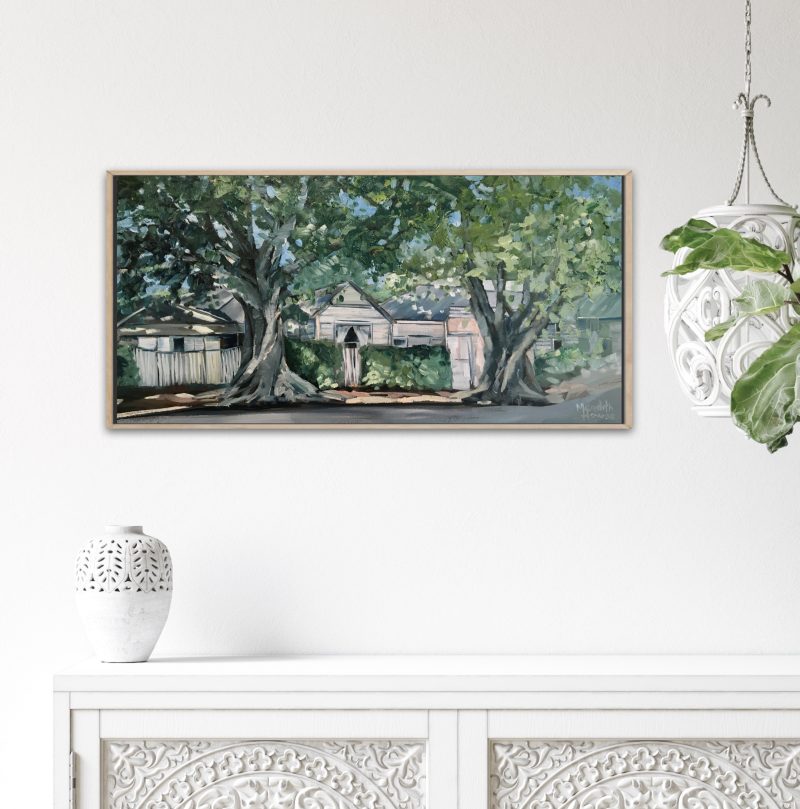 Cottages in Bardon
AUD$980
Size:
60w
x 30.5h
x 3.8d
cms
Meredith Howse
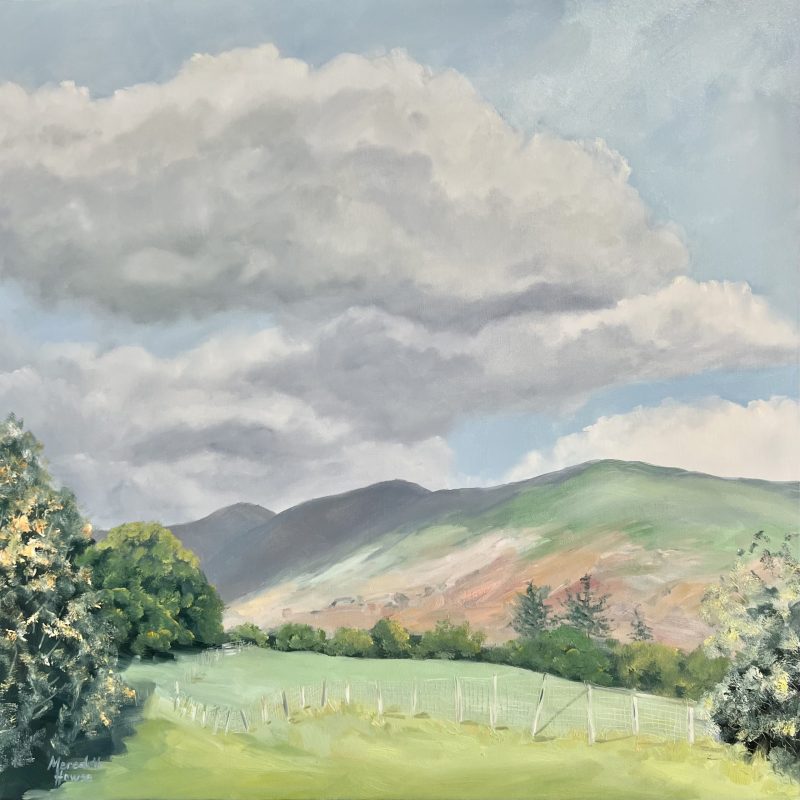 Ambleside
AUD$1,900
Size:
94w
x 94h
x 5d
cms
Meredith Howse
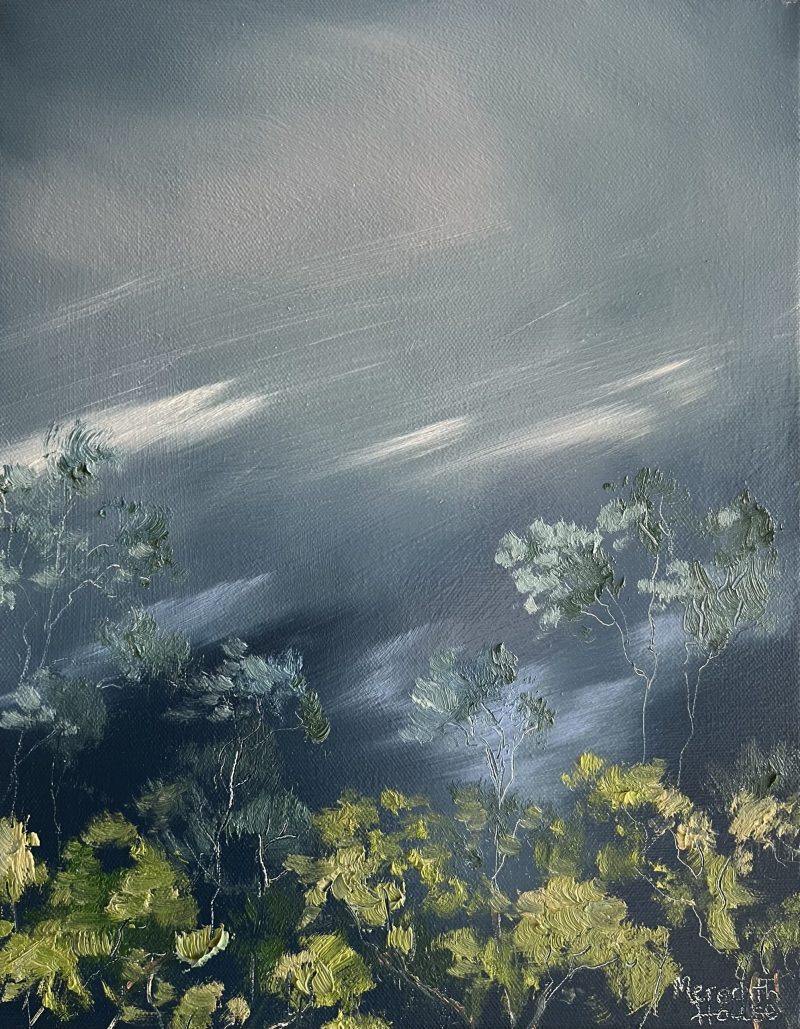 Illumination Breeze
AUD$380
Size:
44.5w
x 54.5h
x 3d
cms
Meredith Howse
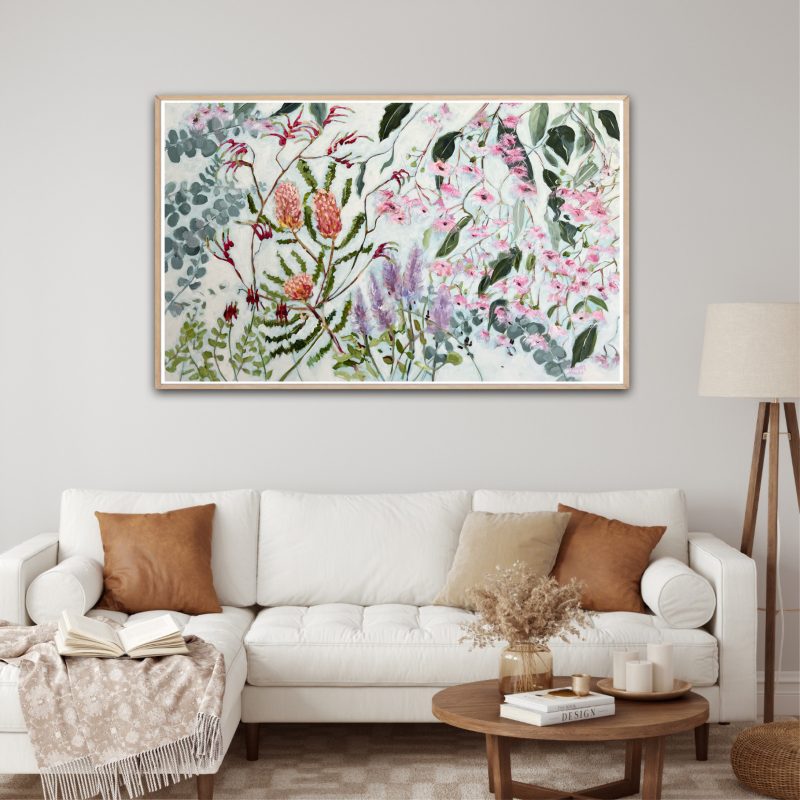 Banksia 2
AUD$3,200
Size:
154w
x 93h
x 3.8d
cms
Meredith Howse
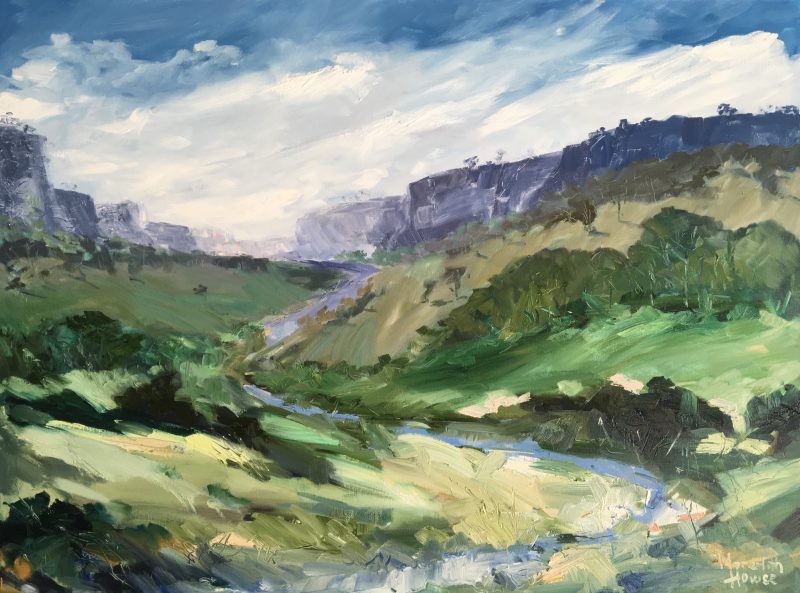 Of Ragged Mountain Range
AUD$1,500
Size:
101w
x 76h
x 3.8d
cms
Meredith Howse
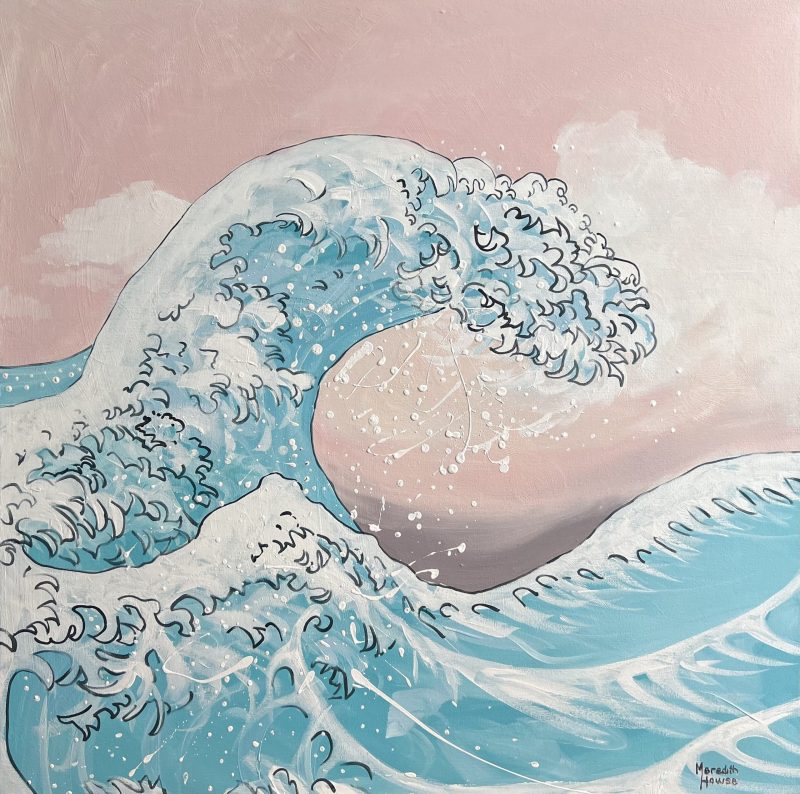 Aquamarine Wave
AUD$1,200
Size:
91.5w
x 91.5h
x 3.8d
cms
Meredith Howse
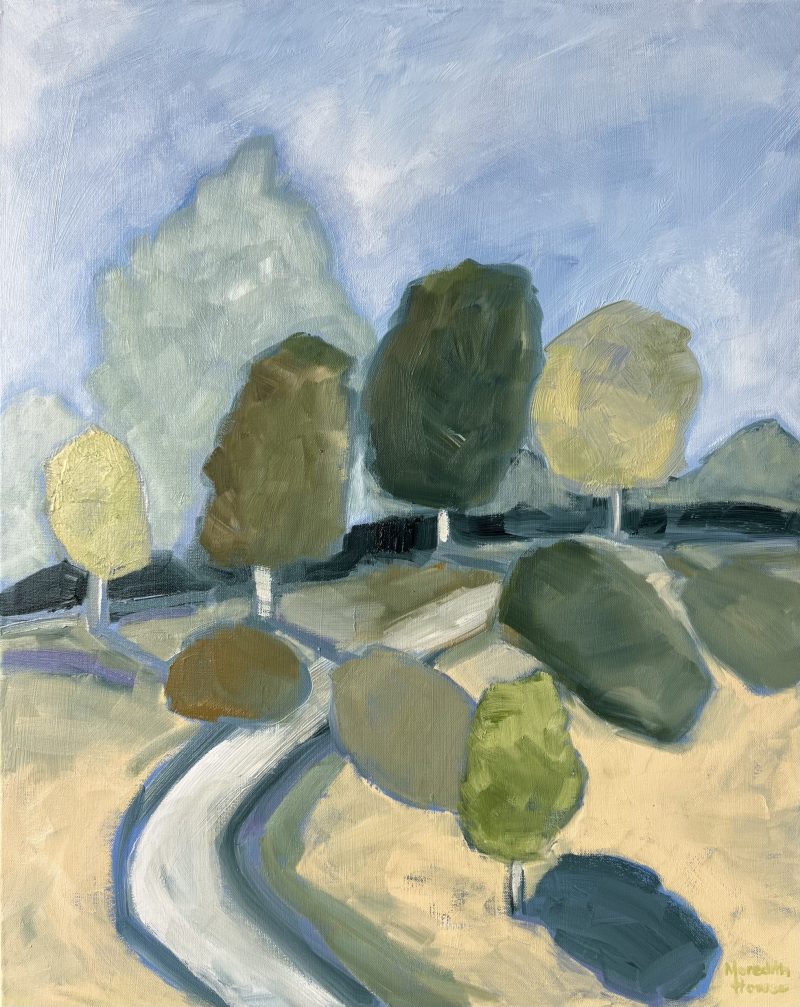 A Day in the Park
AUD$1,200
Size:
65w
x 80h
x 5.5d
cms
Meredith Howse
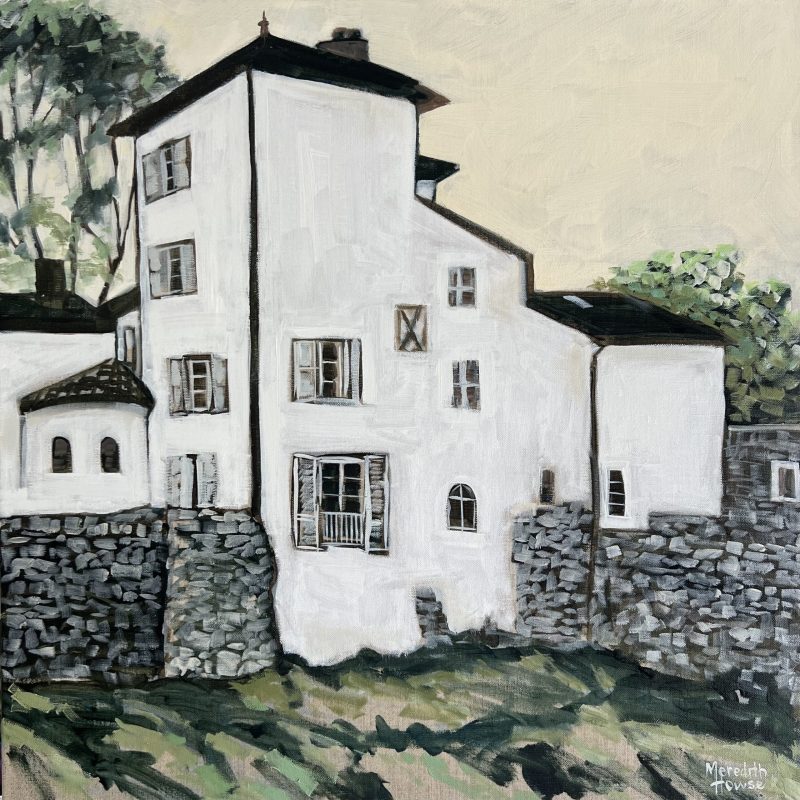 Ile Barbe, Lyon
AUD$900
Size:
64.5w
x 64.5h
x 5d
cms
Meredith Howse
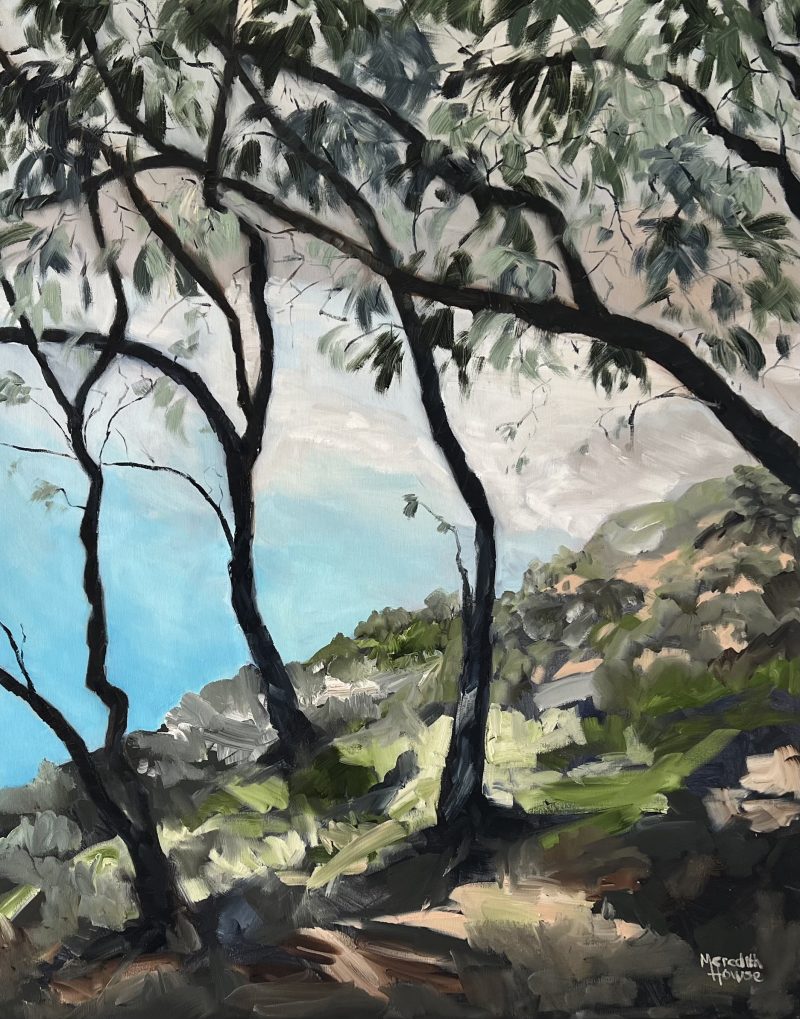 Trees of Straddie
AUD$1,500
Size:
80w
x 100h
x 3.8d
cms
Meredith Howse
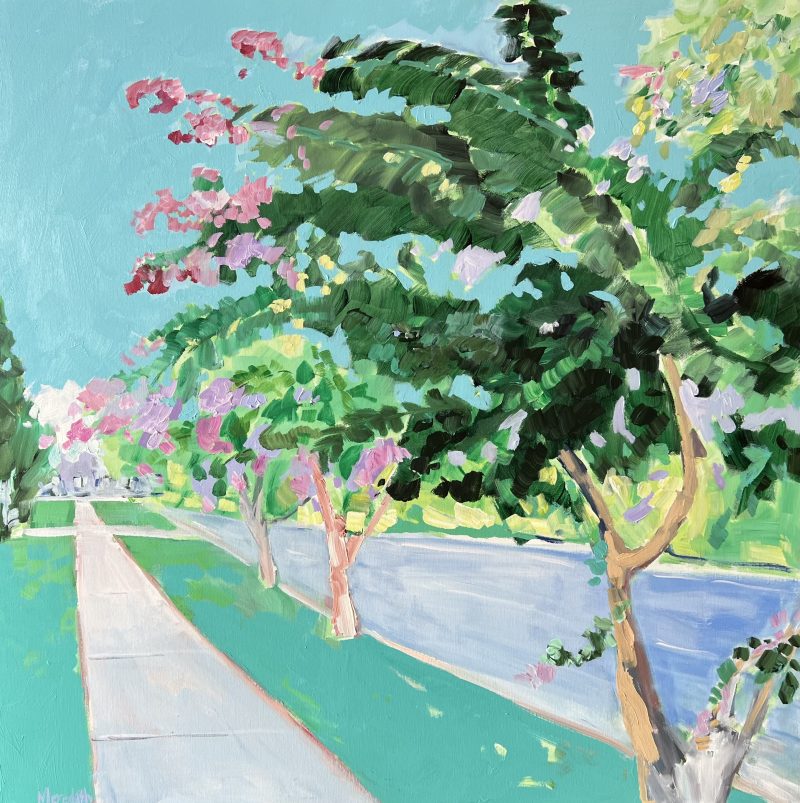 Flowering Trees of Number Seventy Two
AUD$1,900
Size:
102w
x 102h
x 3.8d
cms
Meredith Howse
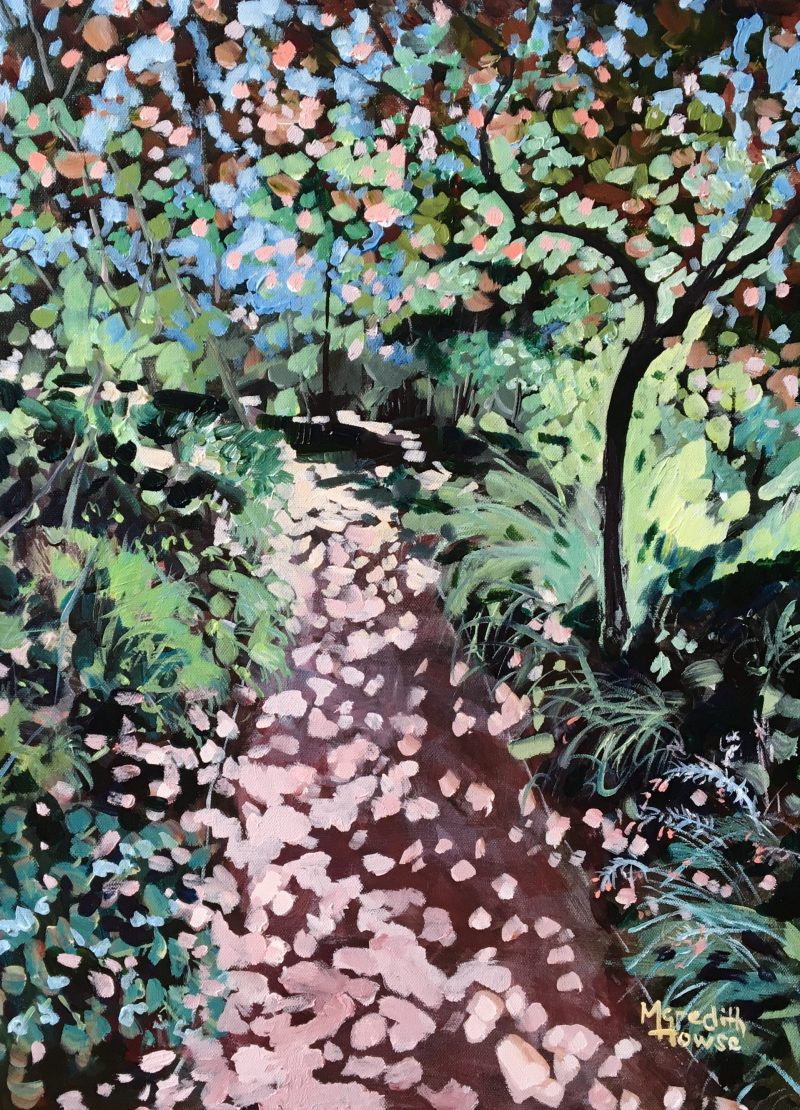 Garden at Arboretum
AUD$800
Size:
45.7w
x 61h
x 3.8d
cms
Meredith Howse
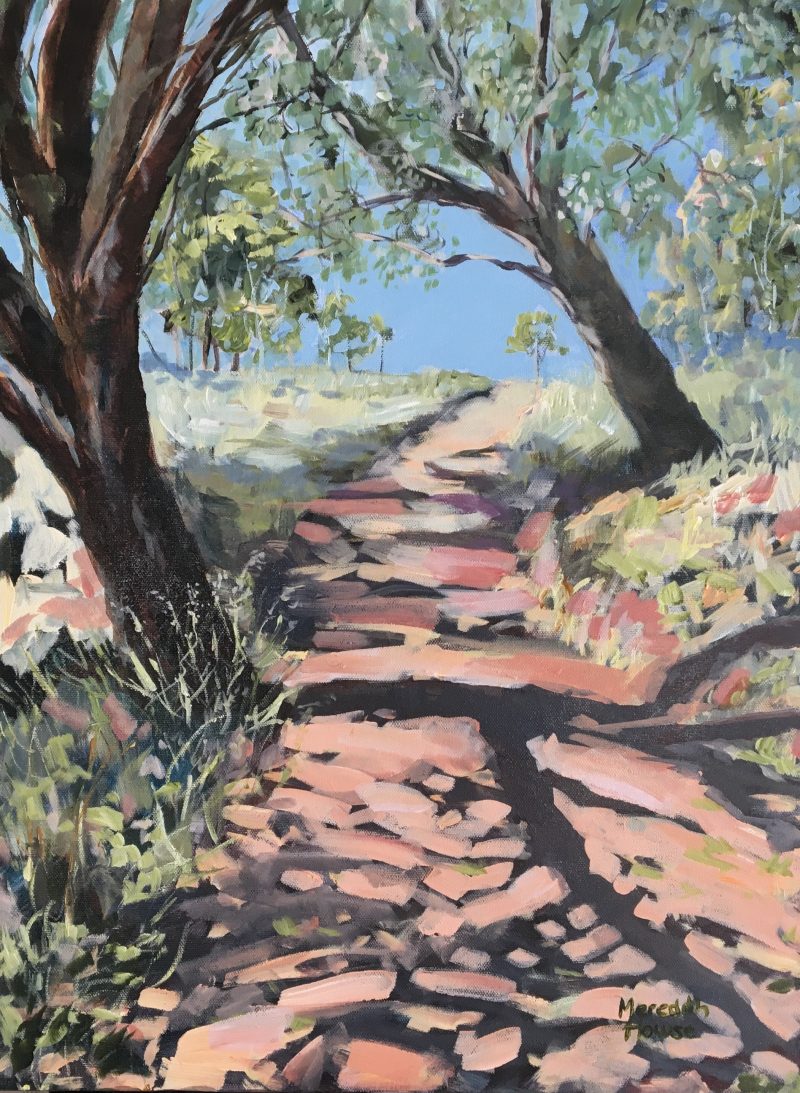 Trail of Mount Painter
AUD$800
Size:
45.8w
x 61h
x 3.8d
cms
Meredith Howse
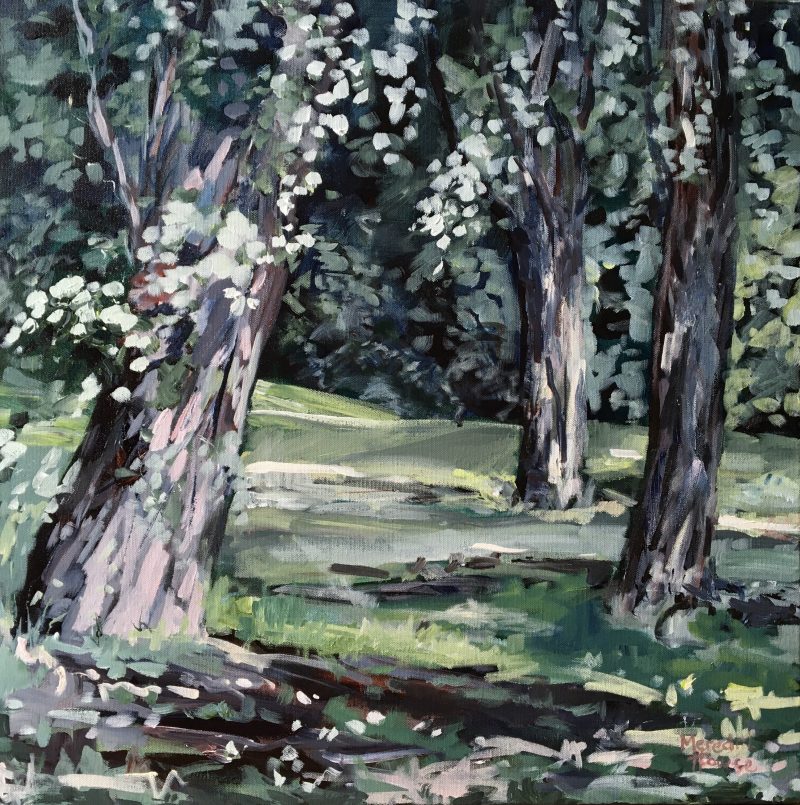 Canberra Eucalyptus
AUD$800
Size:
61w
x 51h
x 3.8d
cms
Meredith Howse
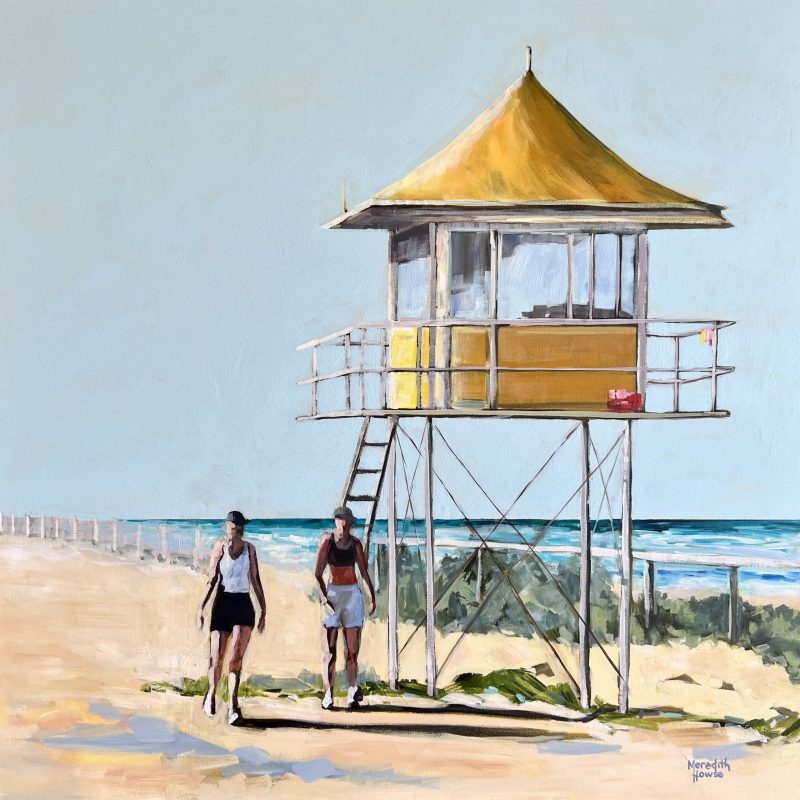 Gold Coast
AUD$1,900
Size:
95w
x 95h
x 5d
cms
Meredith Howse
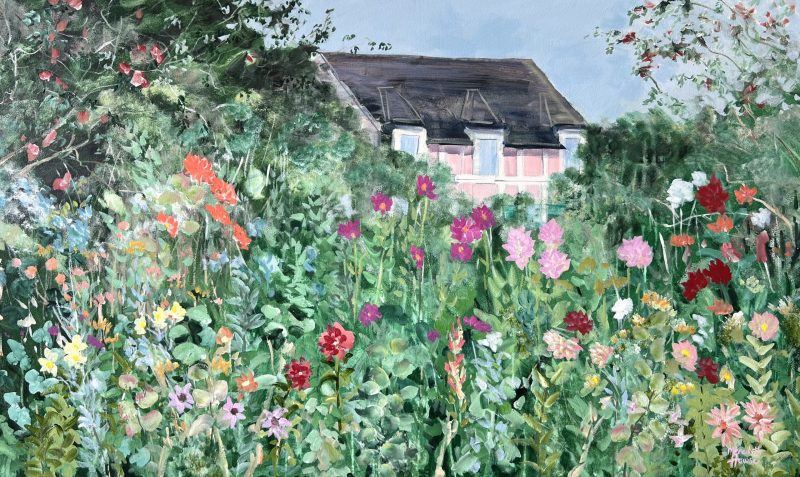 Giverny Garden
AUD$2,200
Size:
150w
x 90h
x 3.5d
cms
Meredith Howse
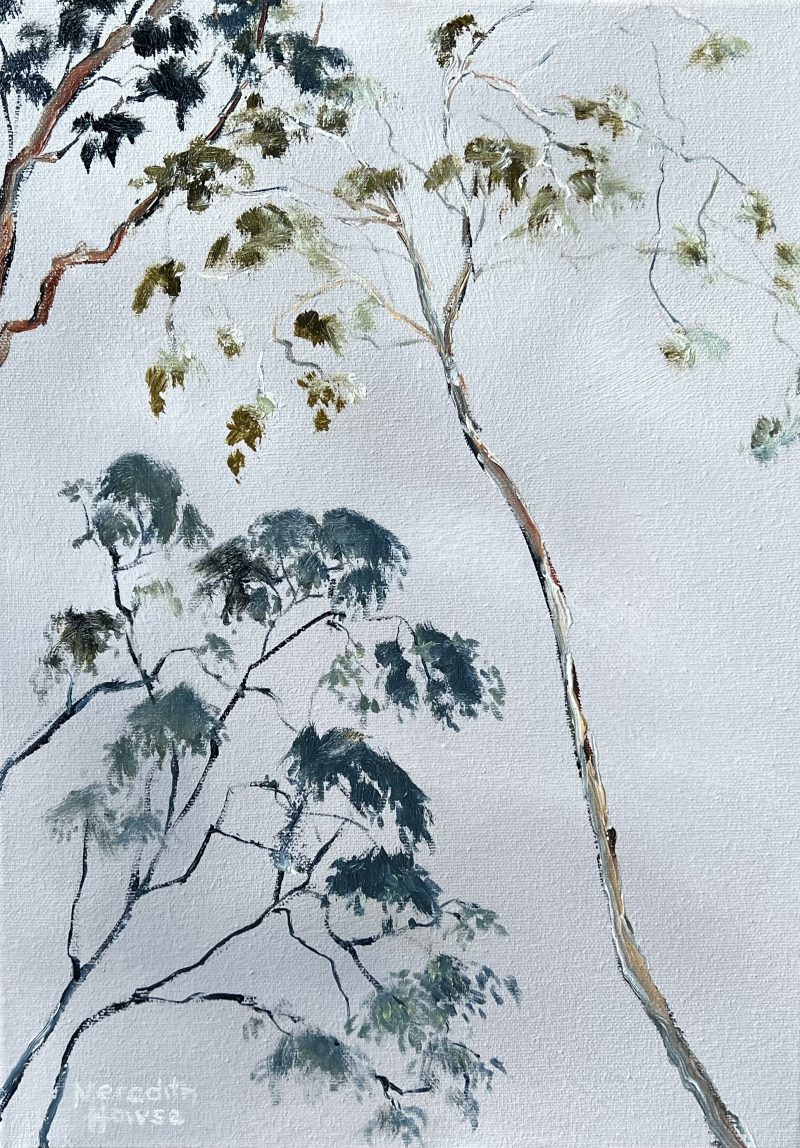 Illumination of Gum Tree Reach
AUD$300
Size:
25.5w
x 35.5h
x 3.8d
cms
Meredith Howse
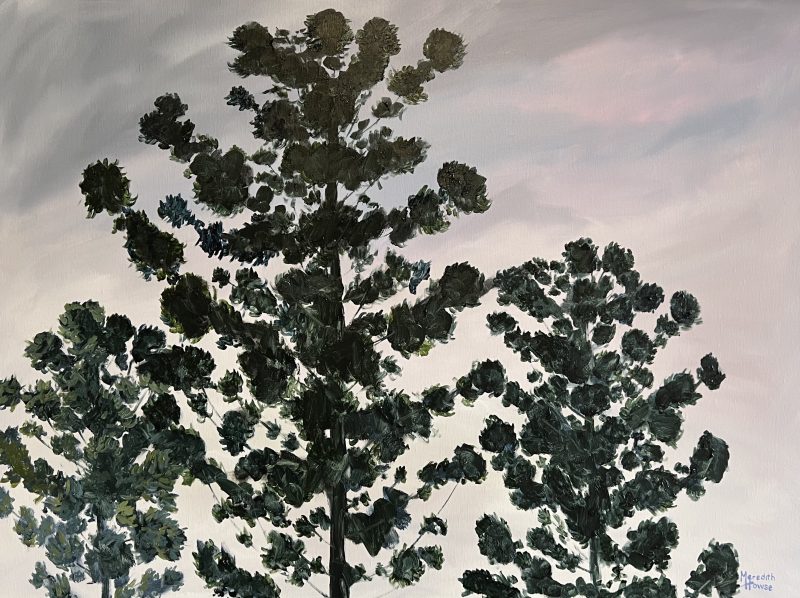 Illumination Bunya Treetops
AUD$1,200
Size:
101w
x 76h
x 3.8d
cms
Meredith Howse
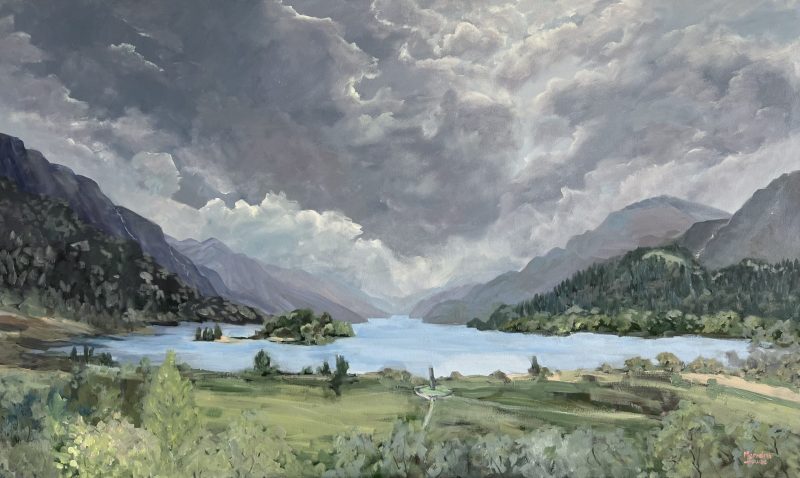 Glenfinnan
AUD$2,600
Size:
153w
x 93h
x 5.5d
cms
Meredith Howse
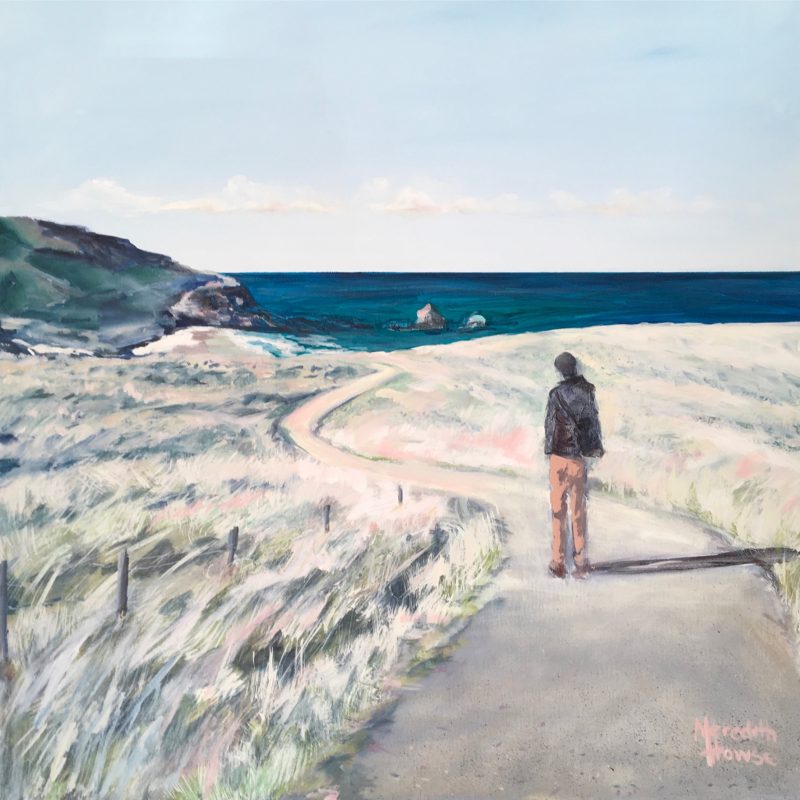 Take the First Step
AUD$1,300
Size:
91w
x 91h
x 4d
cms
Meredith Howse
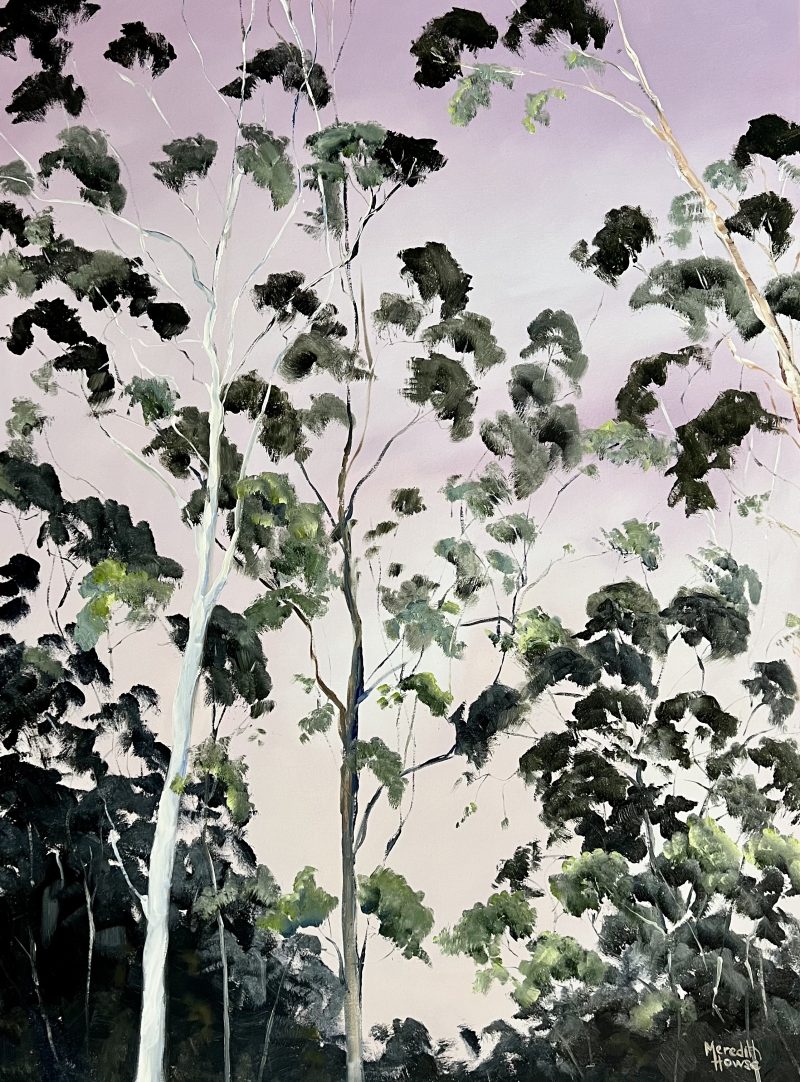 Illumination of Gum Tree
AUD$2,200
Size:
90w
x 120h
x 4d
cms
Meredith Howse
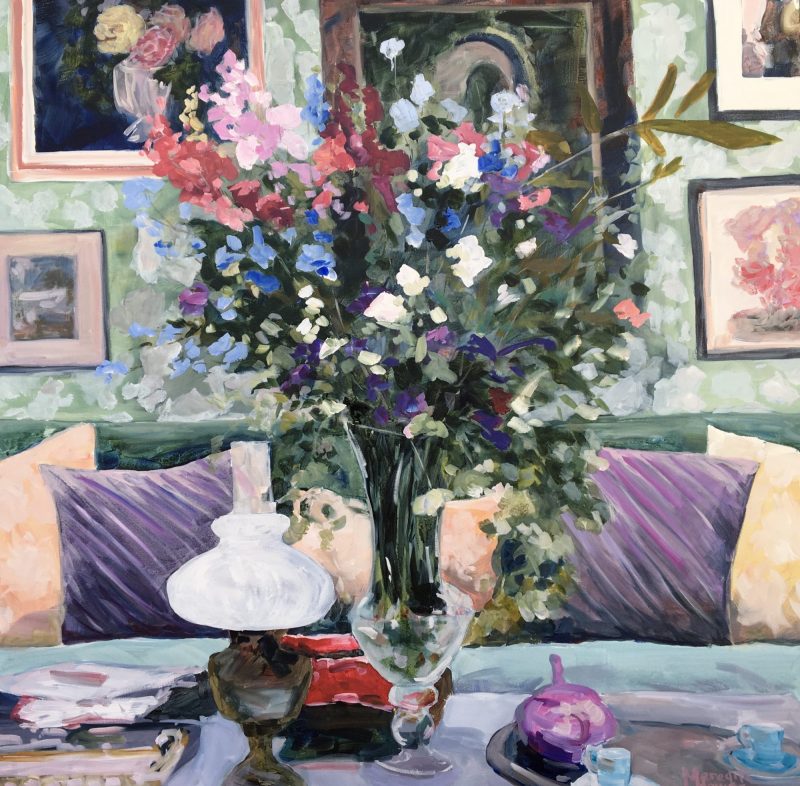 Still Life Flowers – Anna
AUD$2,950
Size:
107w
x 107h
x 4d
cms
Meredith Howse
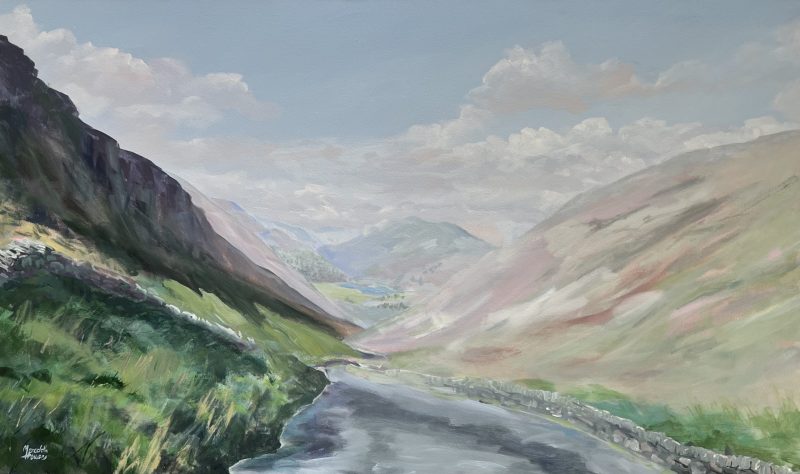 Patterdale
AUD$2,800
Size:
153w
x 93h
x 5.5d
cms
Meredith Howse
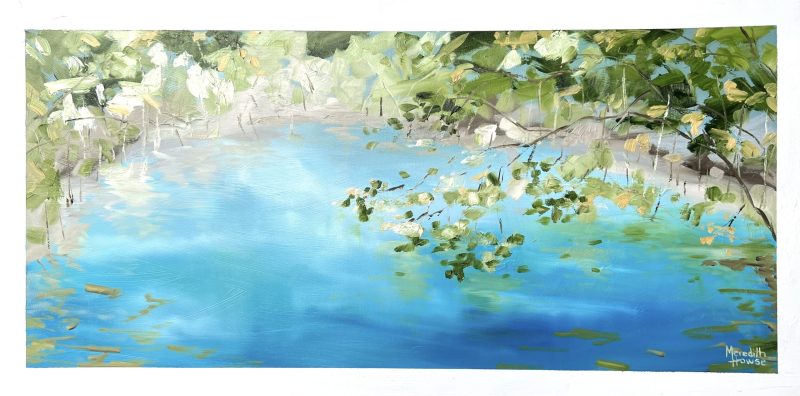 Upper Daintree 10
AUD$1,500
Size:
126w
x 65h
x 5d
cms
Meredith Howse
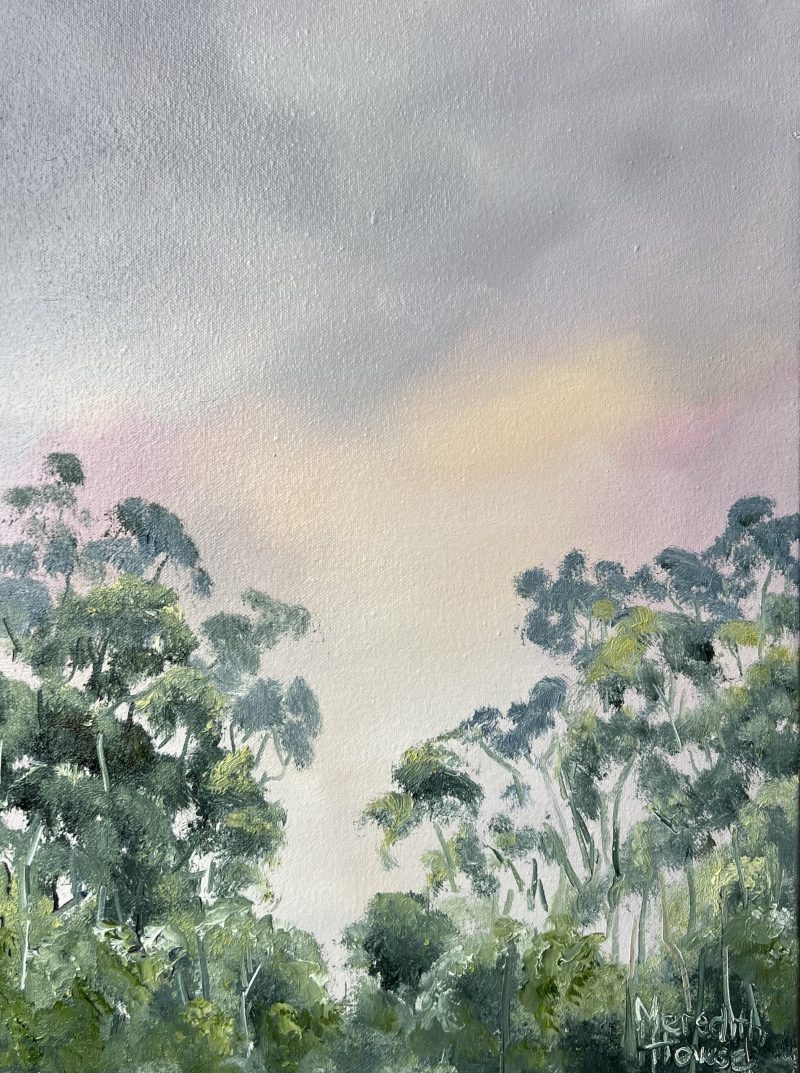 Illumination Storm on the Way
AUD$480
Size:
33.5w
x 43.5h
x 5d
cms
Meredith Howse
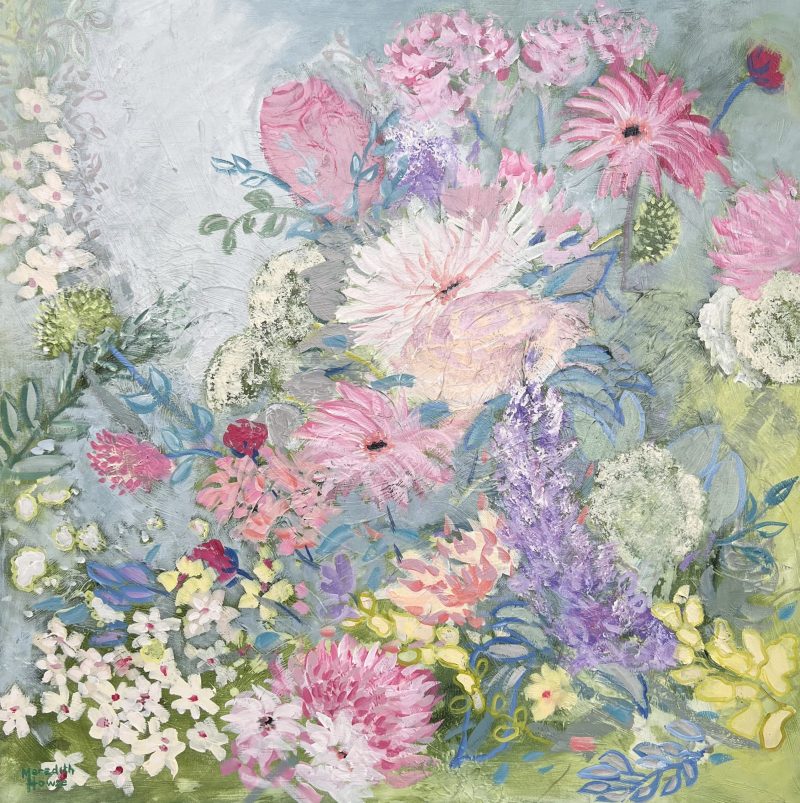 Special Moments
AUD$1,200
Size:
91w
x 91h
x 3.8d
cms
Meredith Howse
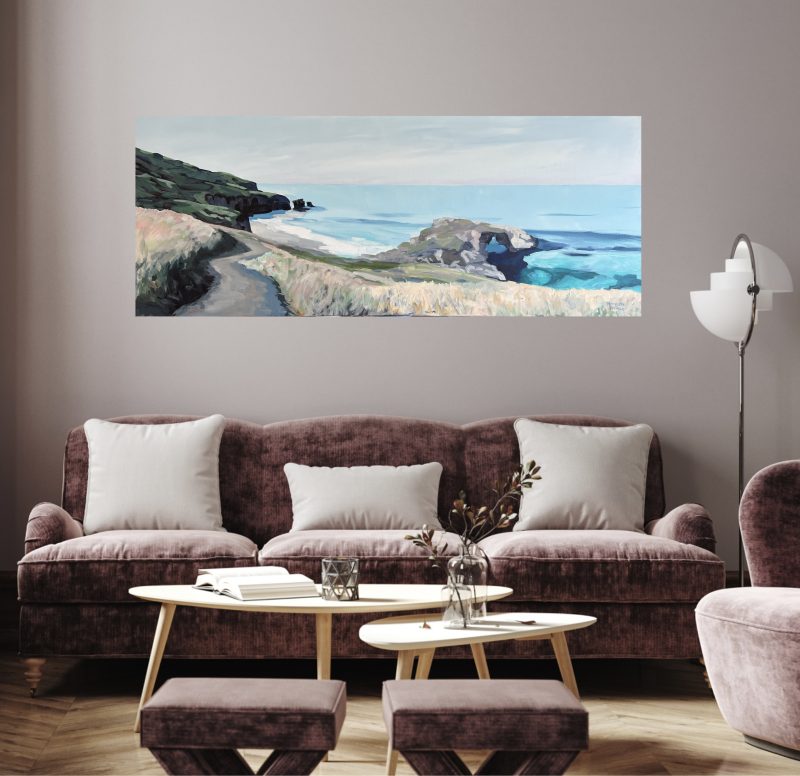 Coast
Coast
AUD$1,900
Size:
152w
x 61h
x 3.8d
cms
Meredith Howse
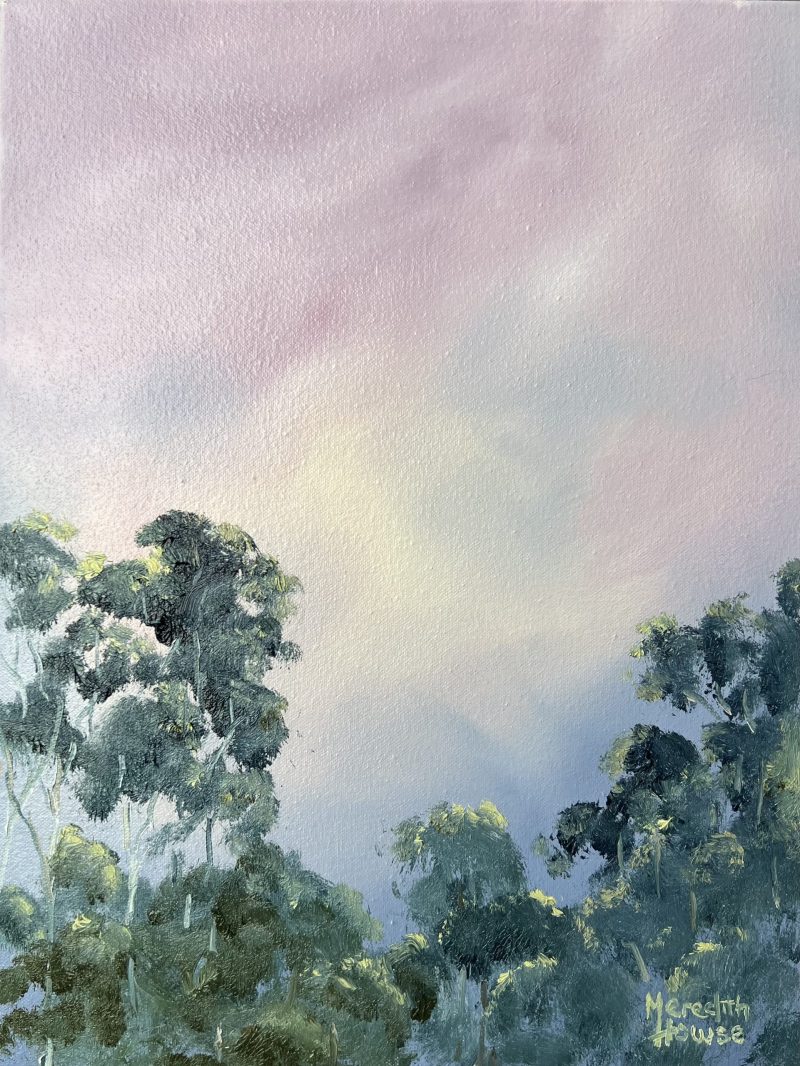 Illumination Storm Season
AUD$480
Size:
33.5w
x 43.5h
x 5d
cms
Meredith Howse
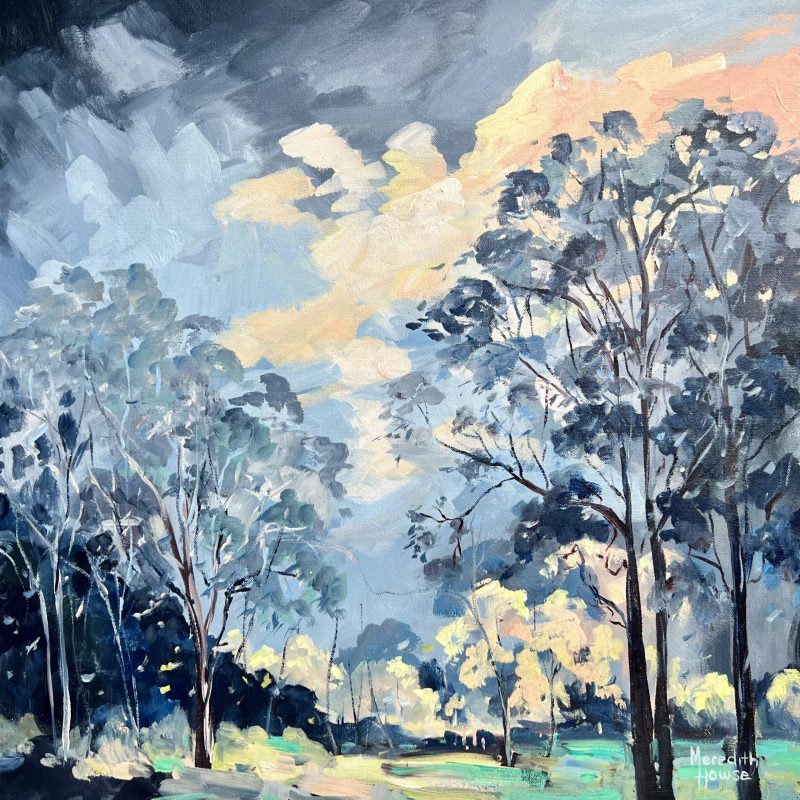 Where the Wind Blows
AUD$800
Size:
63w
x 63h
x 5d
cms
Meredith Howse
 Ocean Garden
AUD$4,400
Size:
198w
x 122h
x 3.8d
cms
Meredith Howse
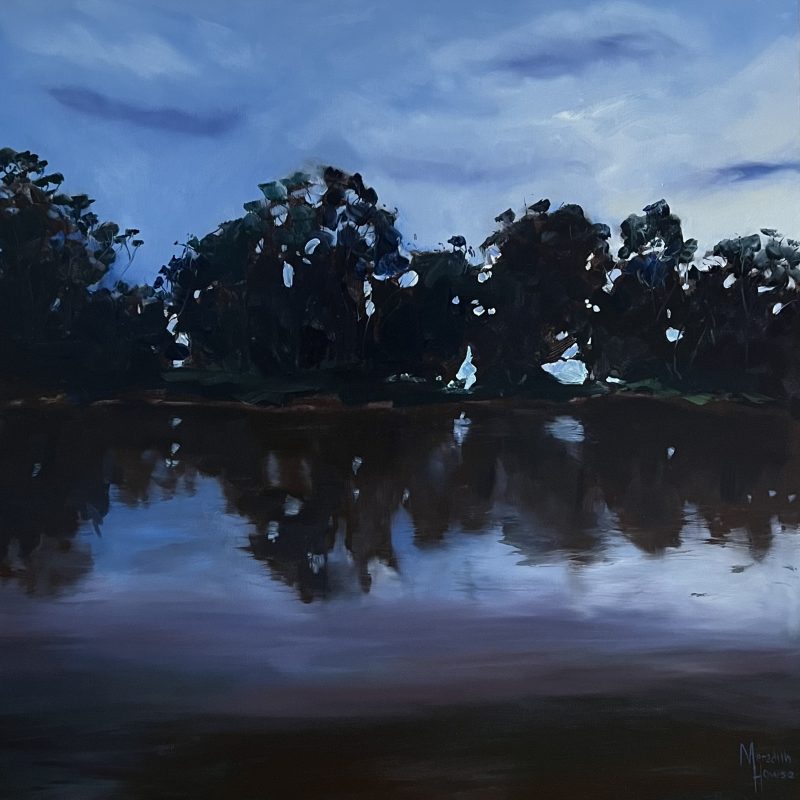 Macintyre River
AUD$1,500
Size:
91w
x 91h
x 4d
cms
Meredith Howse
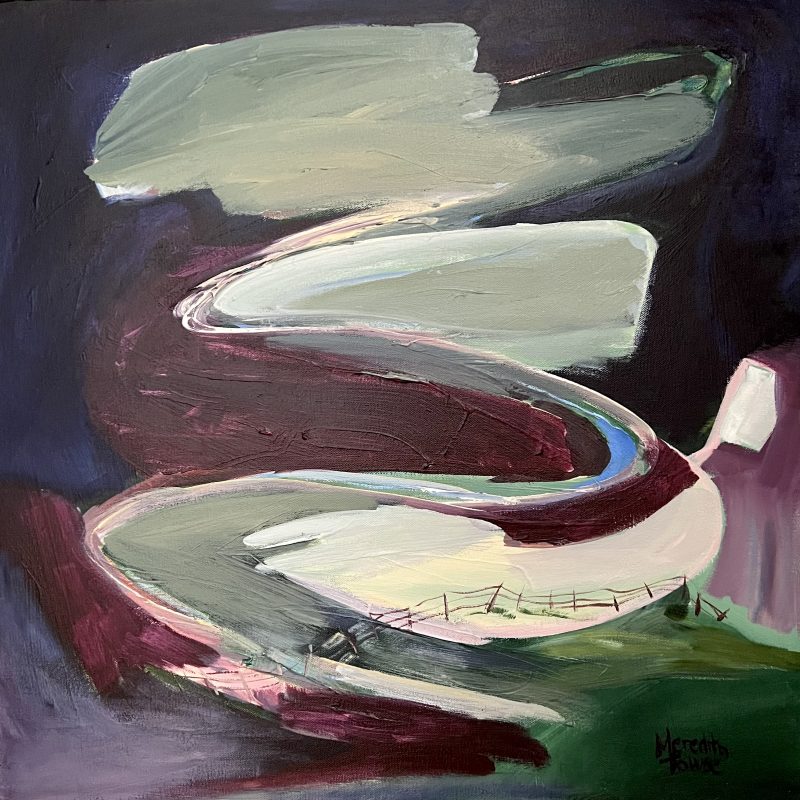 Down to the Farm
AUD$600
Size:
61w
x 61h
x 4d
cms
Meredith Howse
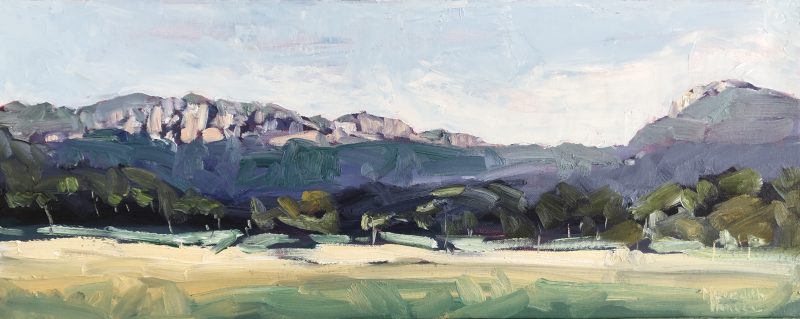 Bylong Valley Way
AUD$860
Size:
76w
x 30h
x 3.8d
cms
Meredith Howse
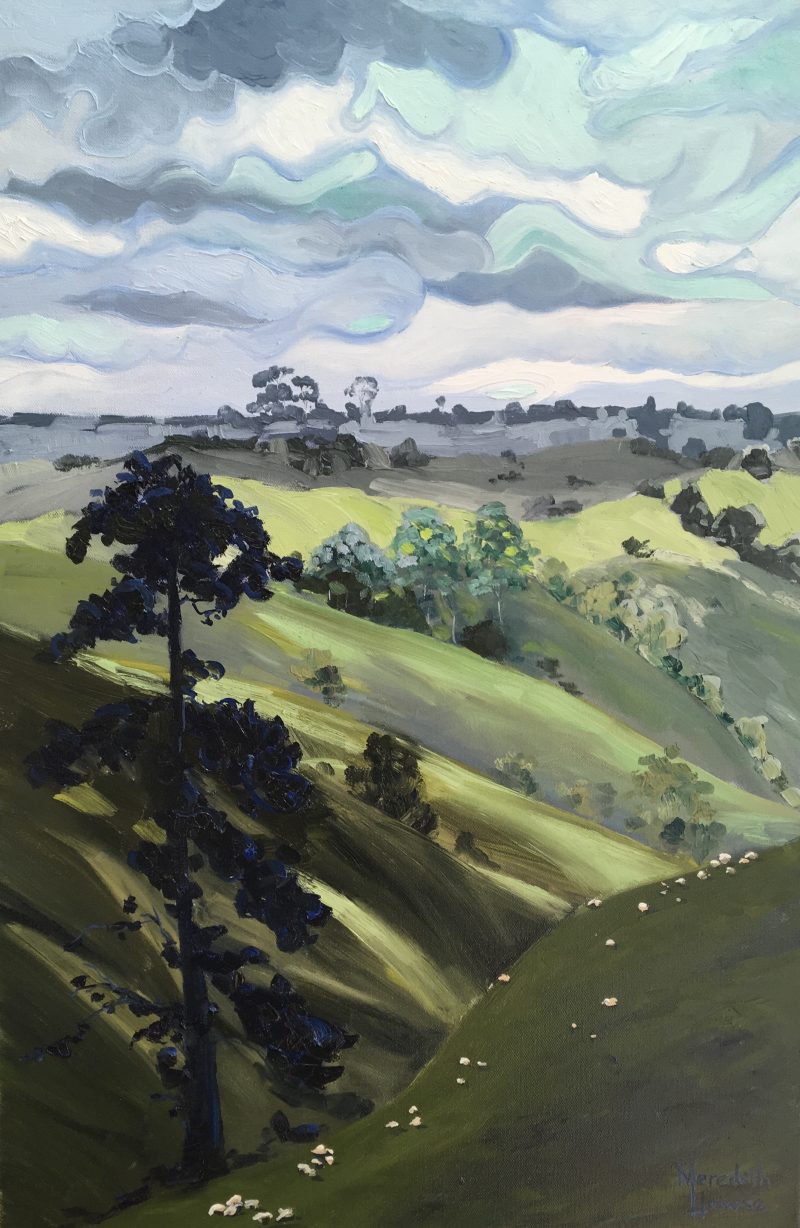 Home of the Shire
AUD$1,000
Size:
51w
x 77h
x 4d
cms
Meredith Howse
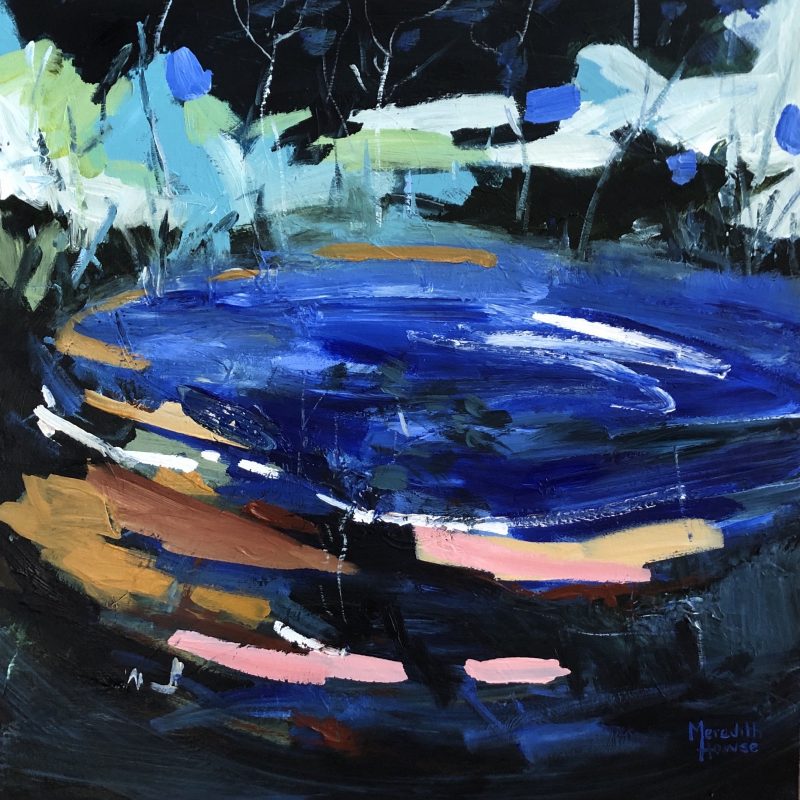 Blue Summer Lake
AUD$860
Size:
122w
x 91h
x 3.8d
cms
Meredith Howse
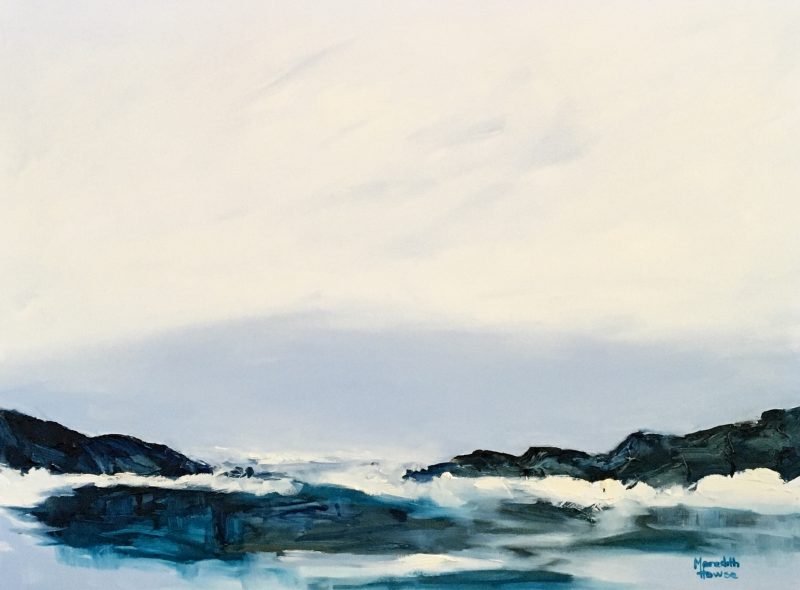 Blue Horizon
AUD$1,200
Size:
122w
x 91h
x 3.5d
cms
Meredith Howse
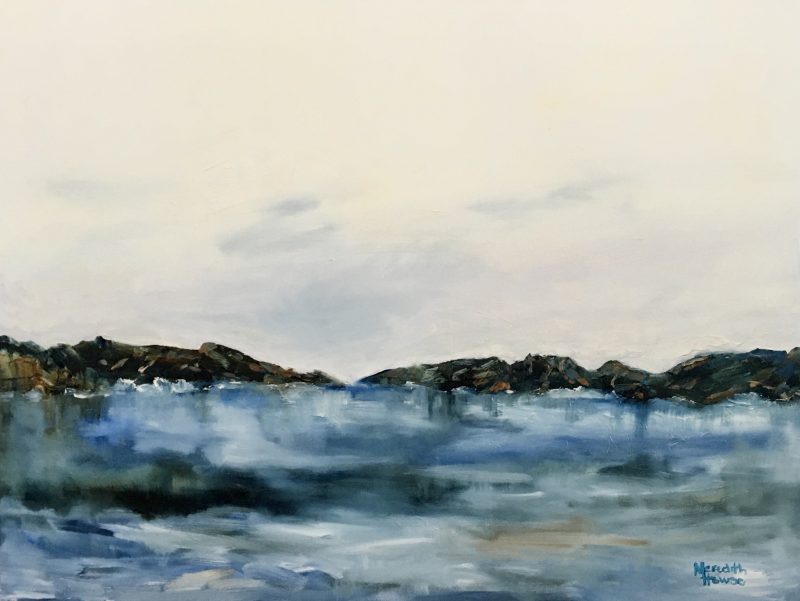 Reflections on Water
AUD$1,200
Size:
122w
x 91h
x 3.5d
cms
Meredith Howse
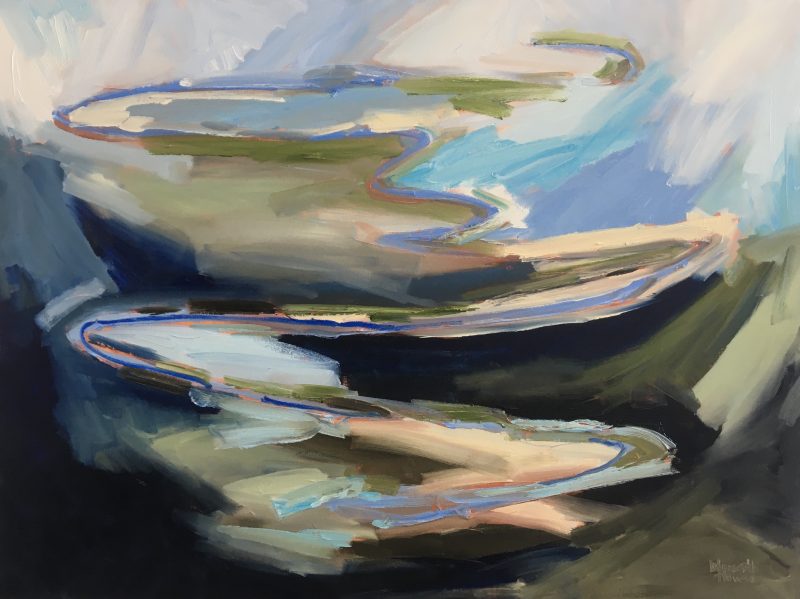 Her Green Path Home
AUD$1,300
Size:
122w
x 91.5h
x 3.5d
cms
Meredith Howse
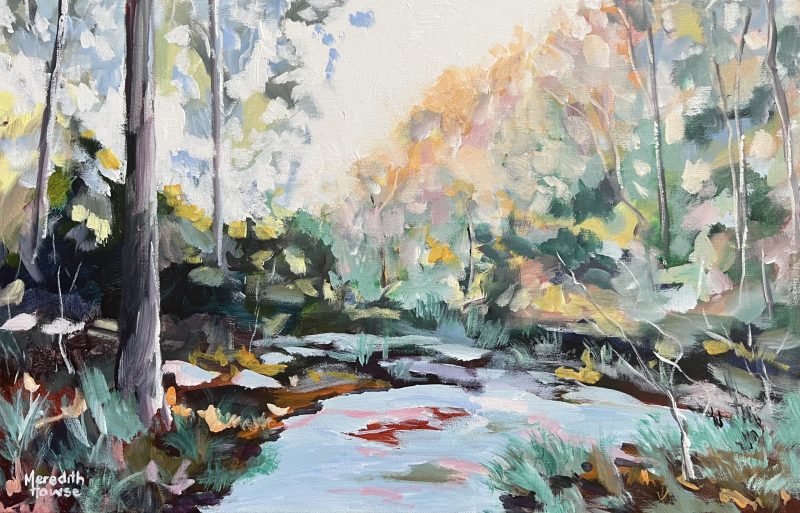 Queen Mary and Killarney
AUD$990
Size:
71w
x 46h
x 2d
cms
Meredith Howse
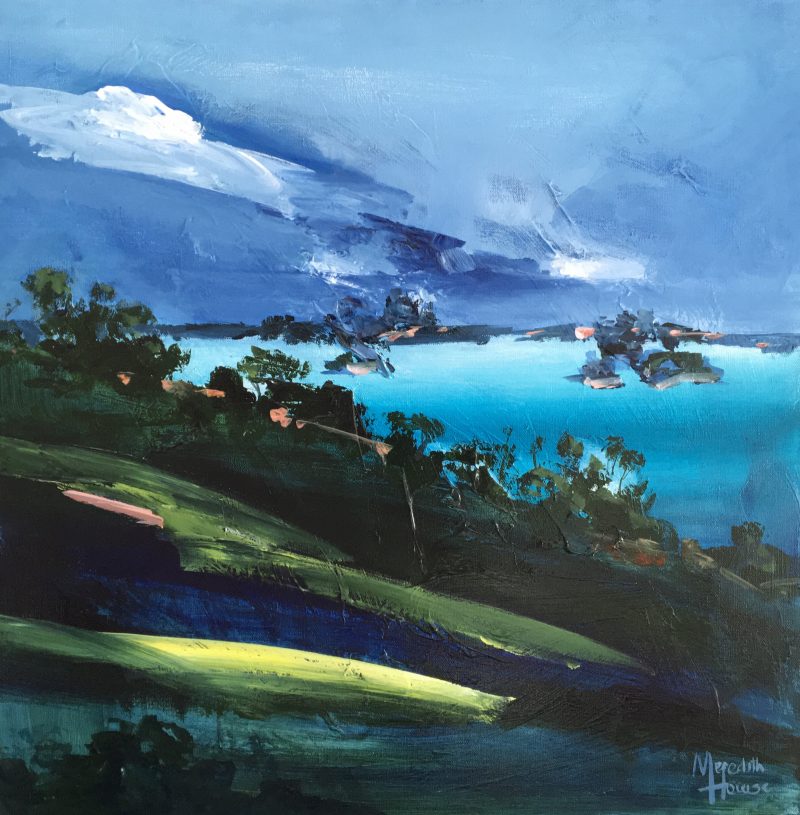 Turquoise Islands
AUD$230
Size:
61w
x 61h
x 4d
cms
Meredith Howse
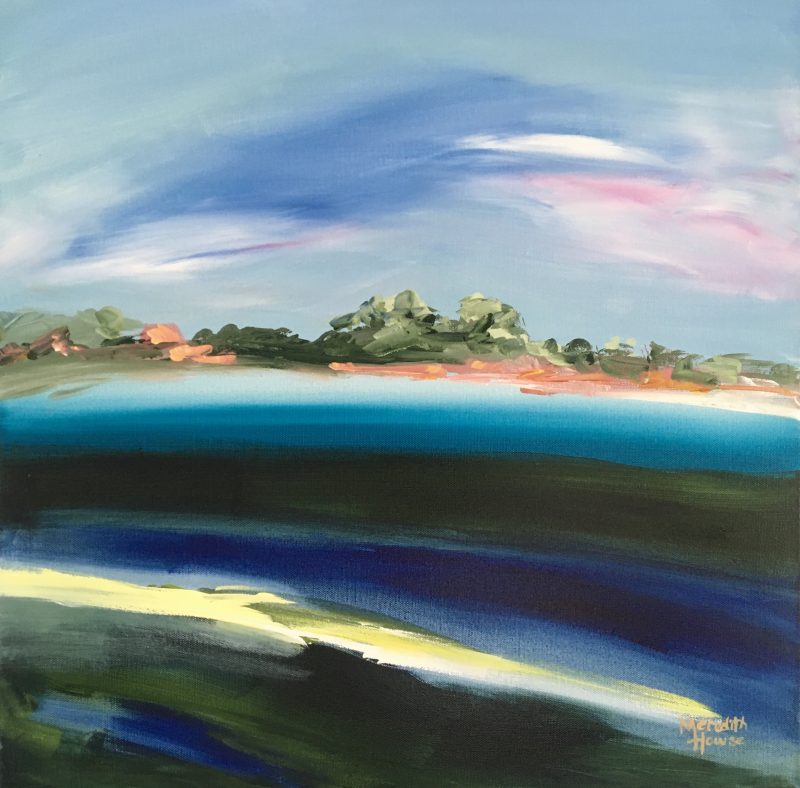 Turquoise
AUD$690
Size:
61w
x 61h
x 4d
cms
Meredith Howse
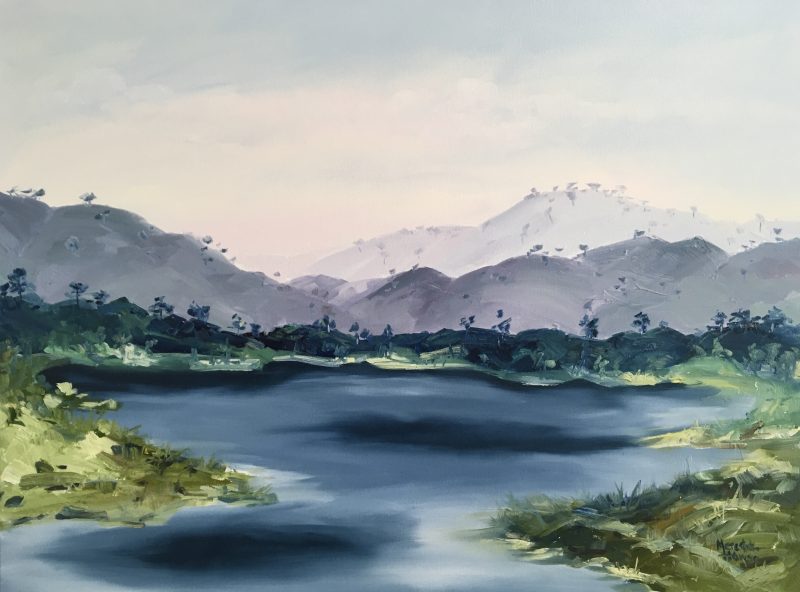 River Dreamer
AUD$1,200
Size:
102w
x 76h
x 3.5d
cms
Meredith Howse
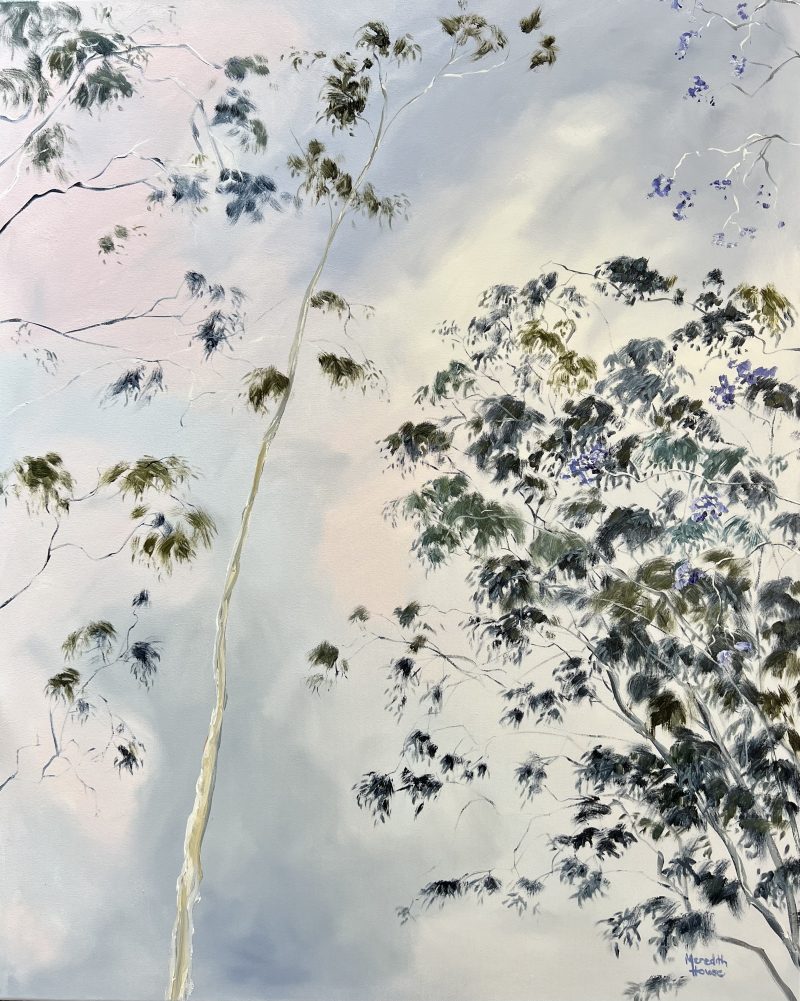 Illumination of White Gum and Jacaranda
AUD$1,900
Size:
80w
x 100h
x 4d
cms
Meredith Howse
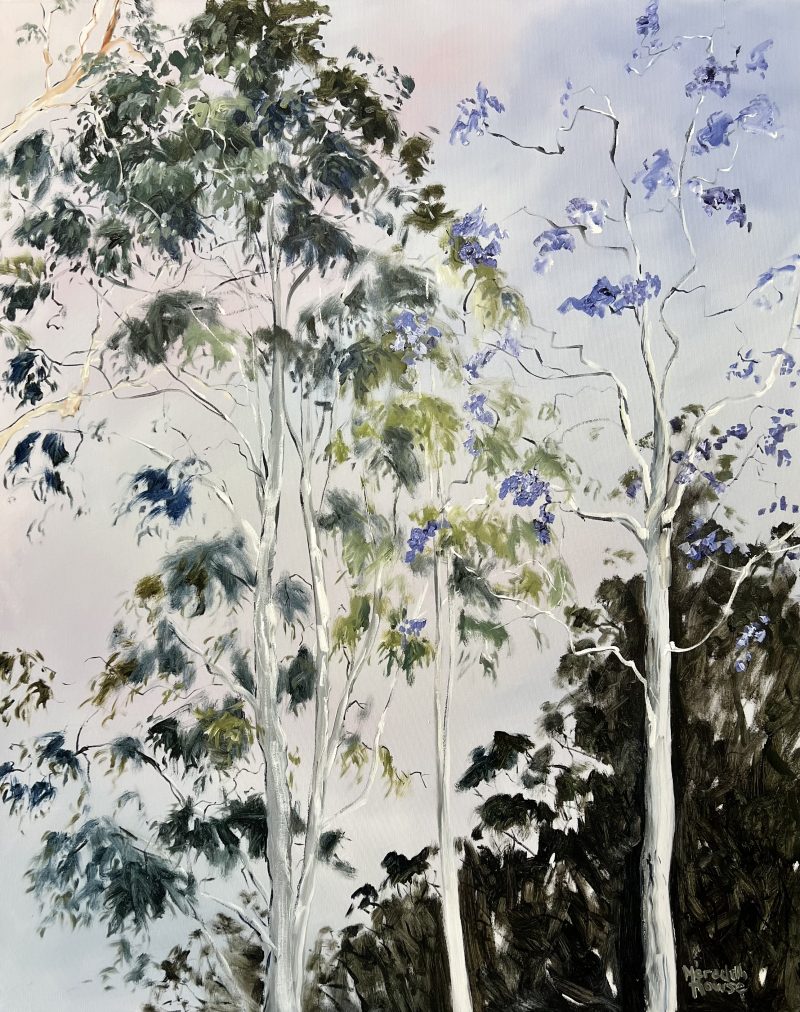 Illumination of Trees
AUD$1,900
Size:
80w
x 100h
x 4d
cms
Meredith Howse
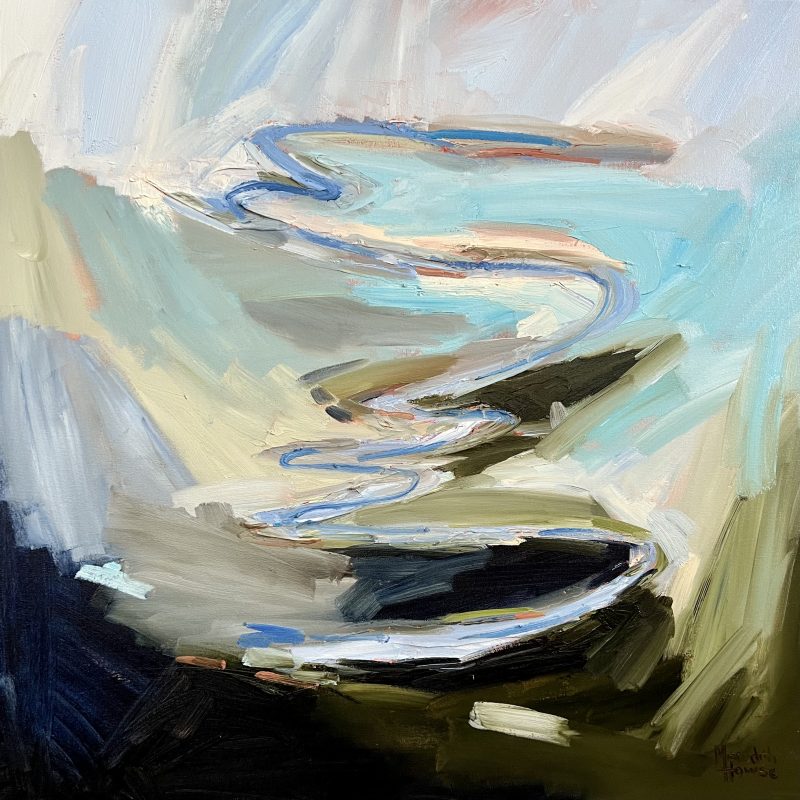 Her Dream of Green and Blue
AUD$1,300
Size:
91w
x 91h
x 3.8d
cms
Meredith Howse
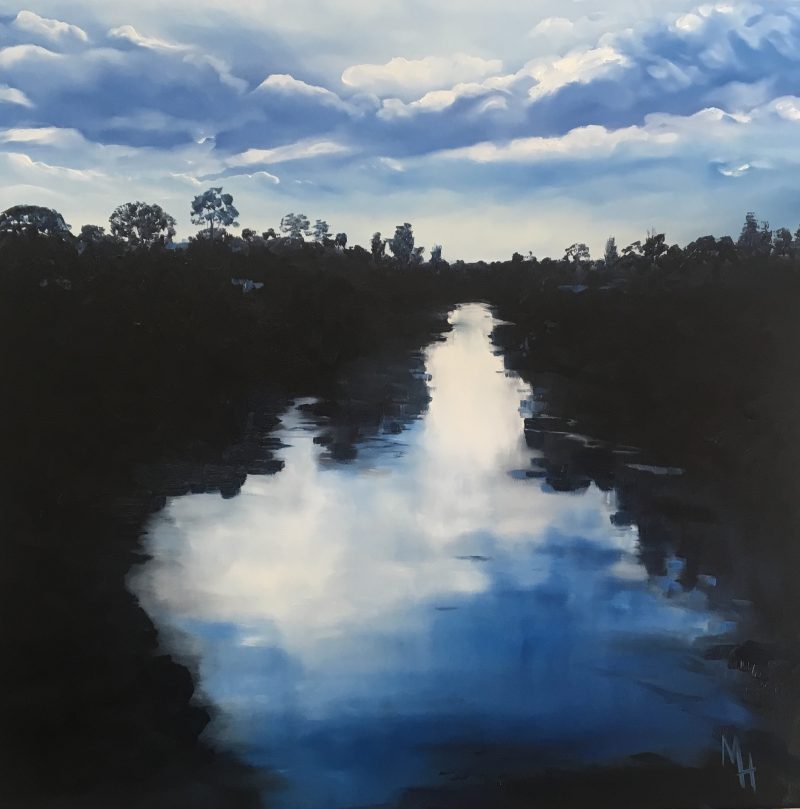 Waikato River
AUD$1,200
Size:
92w
x 92h
x 4d
cms
Meredith Howse
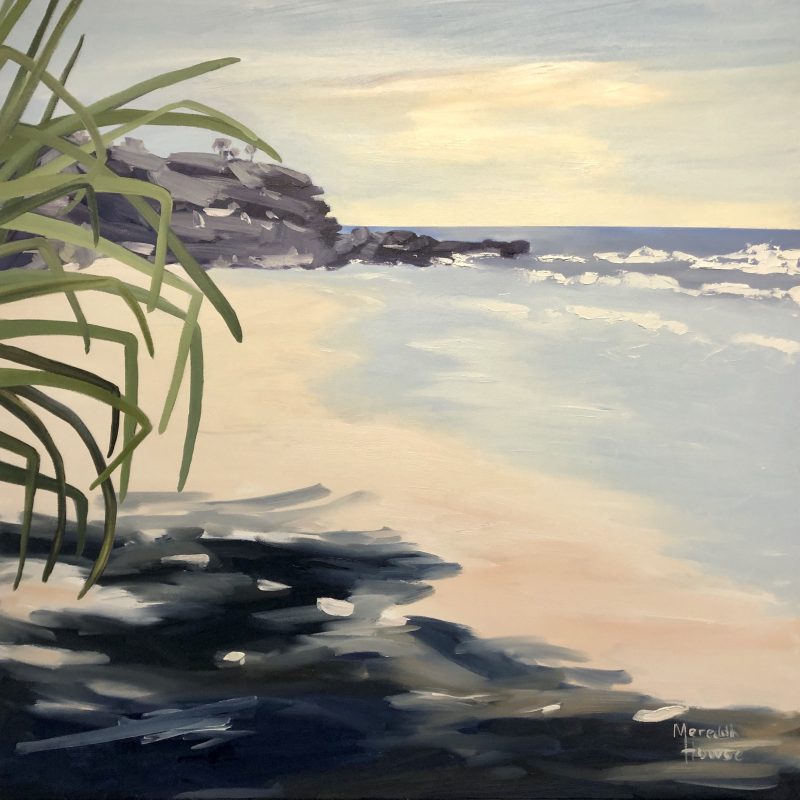 Yaroomba Beach
AUD$1,300
Size:
90w
x 90h
x 2d
cms
Meredith Howse
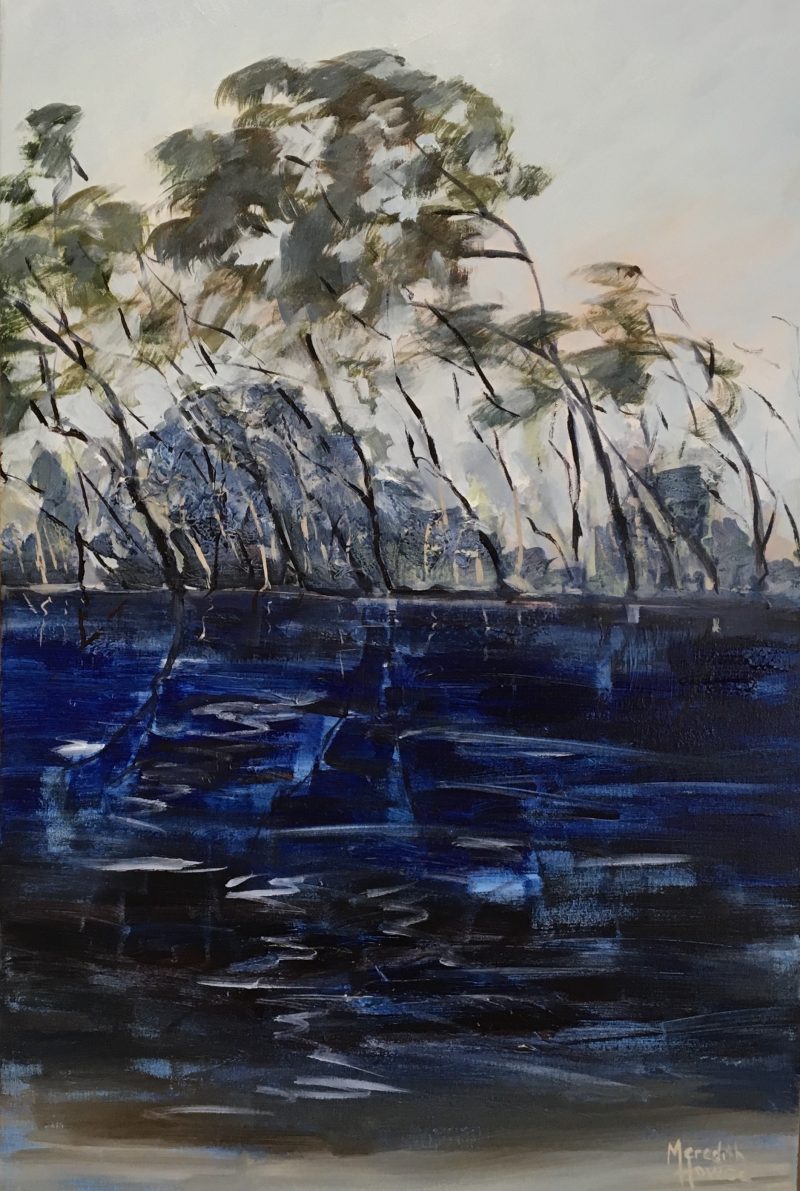 Bummiera – Brown Lake – Stradbroke Island
AUD$860
Size:
61w
x 91h
x 3.5d
cms
Meredith Howse
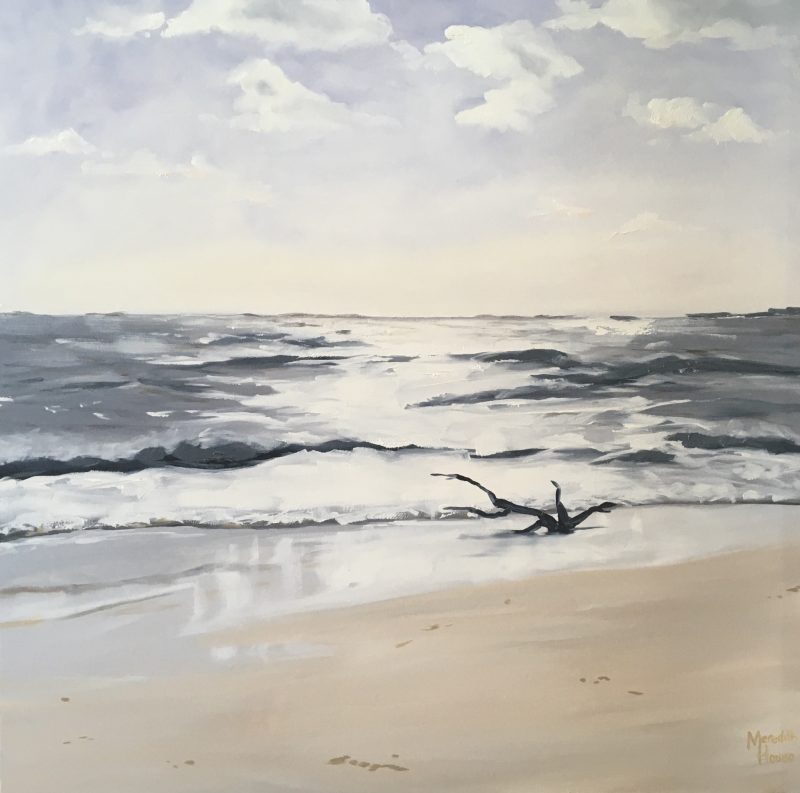 Drift
Drift
AUD$1,300
Size:
90w
x 90h
x 2d
cms
Meredith Howse
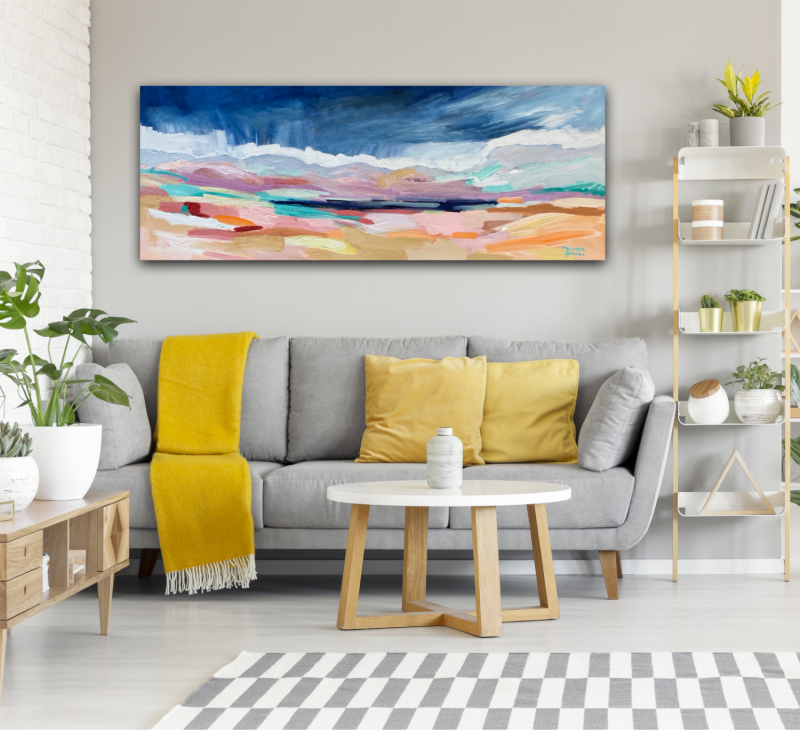 Colourful Country
AUD$1,800
Size:
153w
x 61h
x 3.8d
cms
Meredith Howse
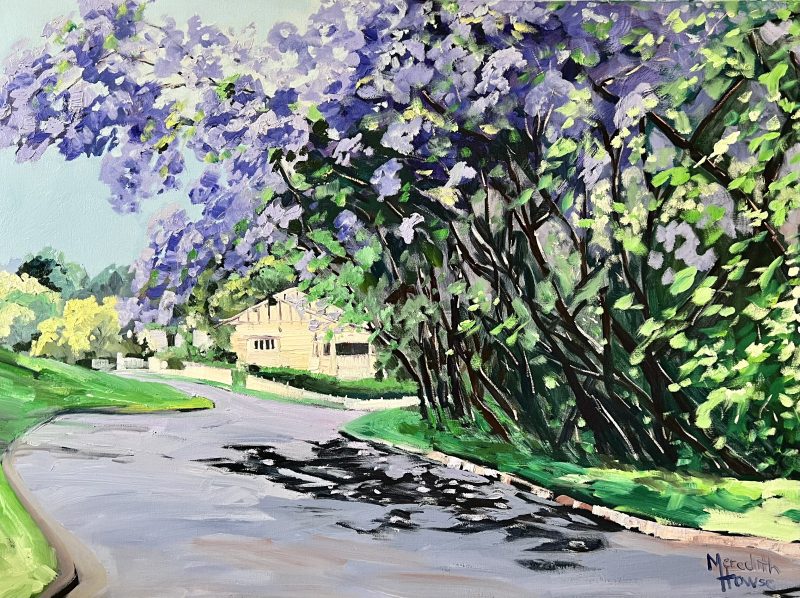 Friday on Findlay
AUD$680
Size:
101w
x 76h
x 4d
cms
Meredith Howse
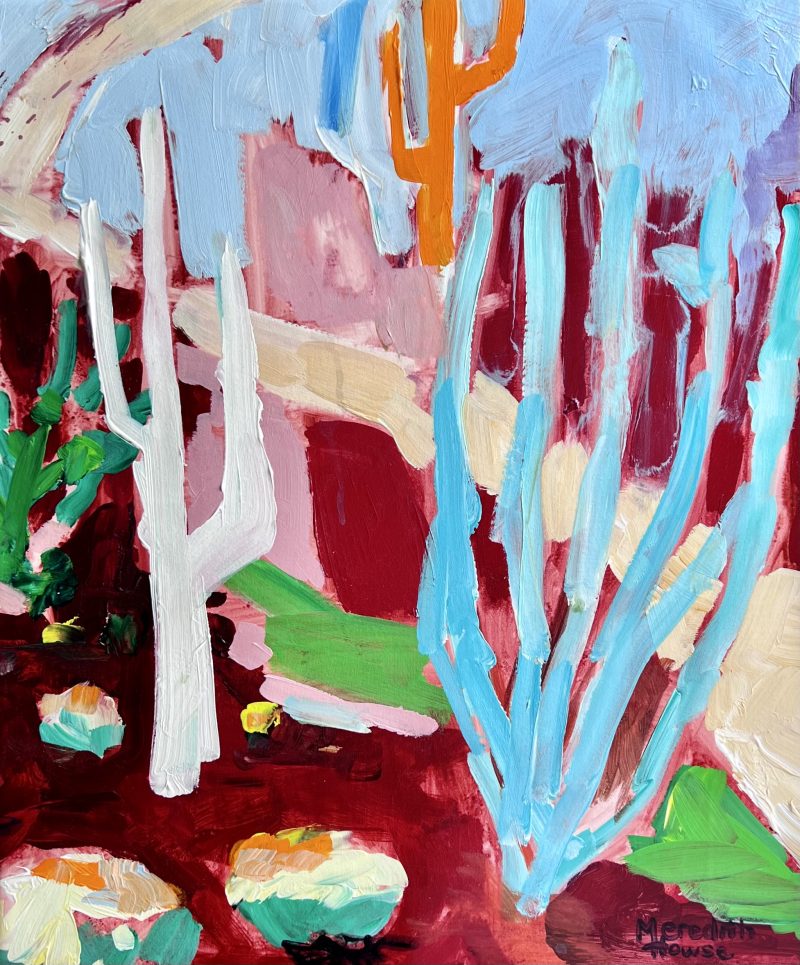 Deserted
AUD$500
Size:
53w
x 62h
x 3d
cms
Meredith Howse
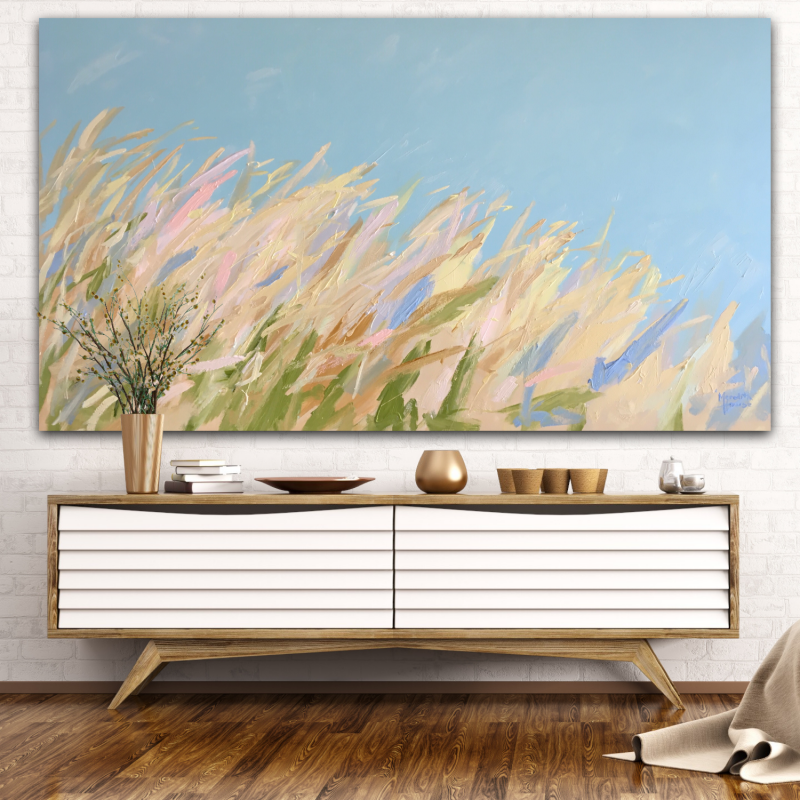 Nice to Wheat You.
AUD$2,500
Size:
214w
x 122h
x 4d
cms
Meredith Howse
 Once Upon a Time in Noosa
AUD$890
Size:
61w
x 76.2h
x 1.8d
cms
Meredith Howse
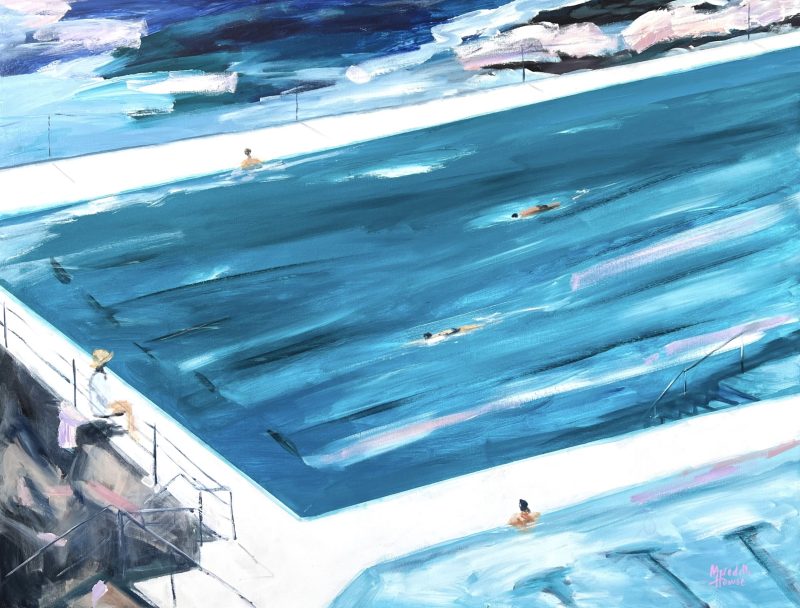 Bondi Local
AUD$1,500
Size:
104w
x 80h
x 5d
cms
Meredith Howse
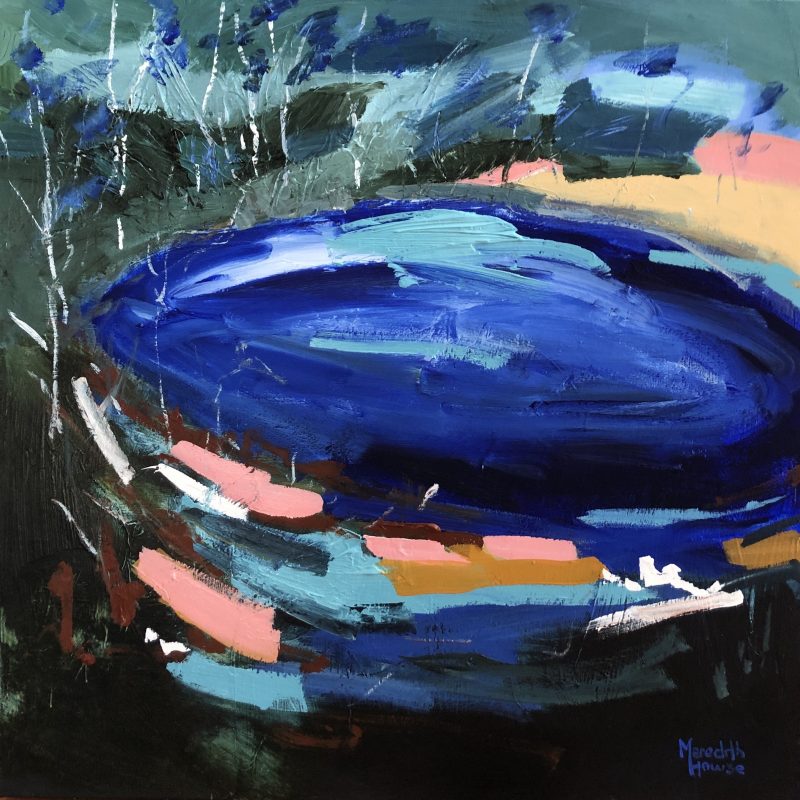 Blue Waterhole
AUD$860
Size:
76w
x 76h
x 3.8d
cms
Meredith Howse
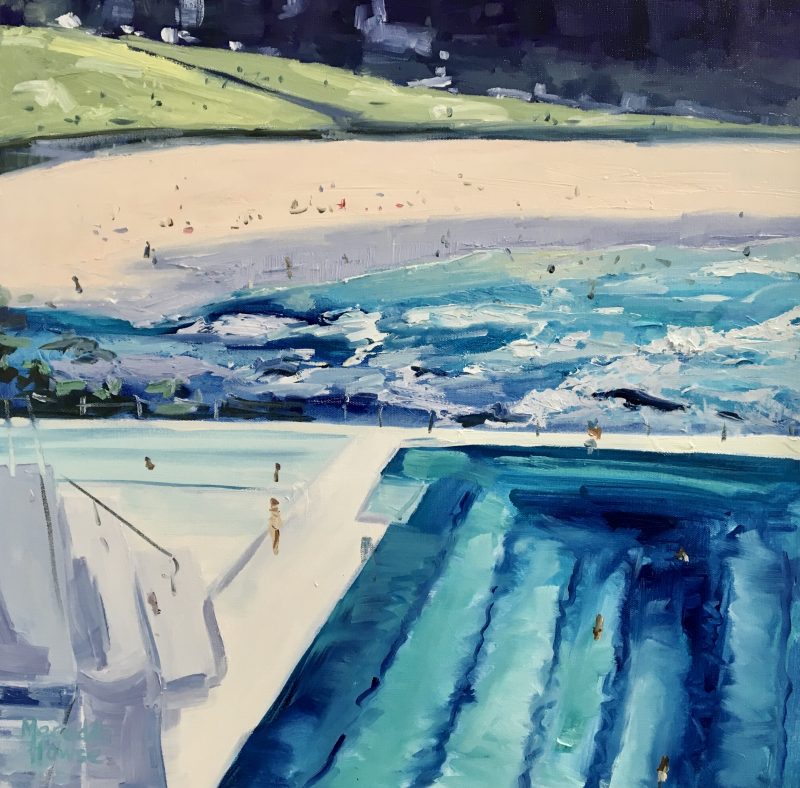 Bondi Tidal Pool
AUD$800
Size:
61w
x 61h
x 3.5d
cms
Meredith Howse
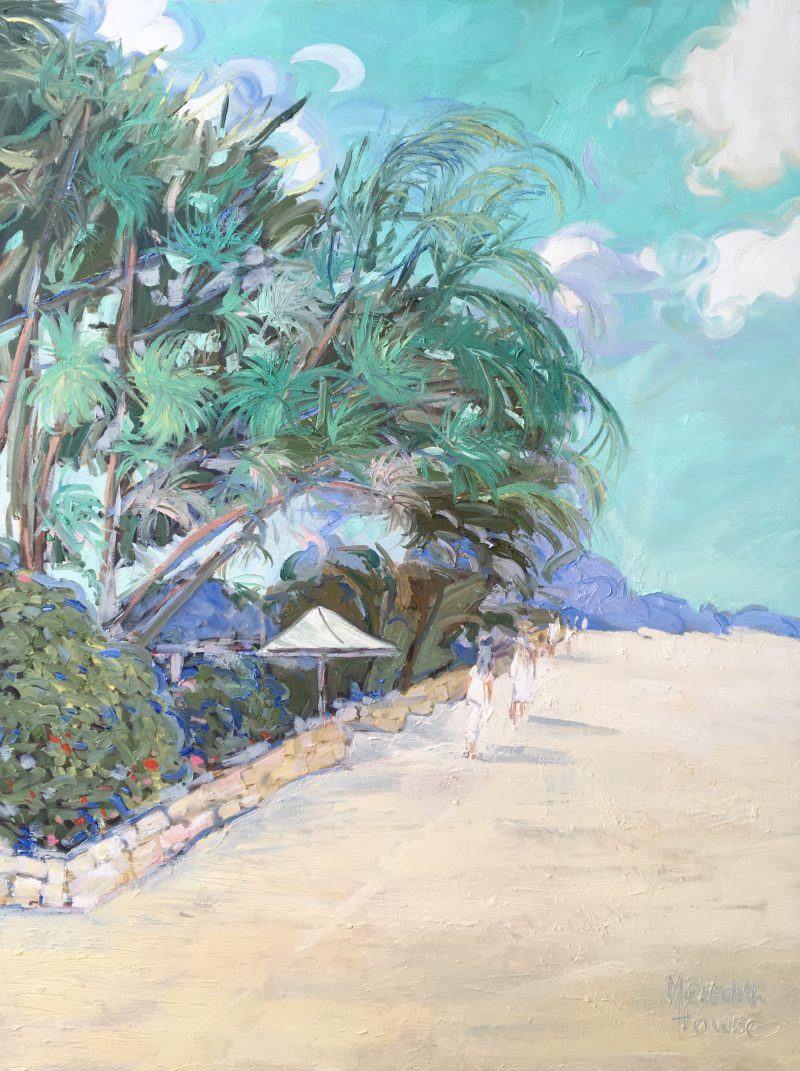 Noosa Boardwalk
AUD$1,300
Size:
91w
x 121h
x 4d
cms
Meredith Howse
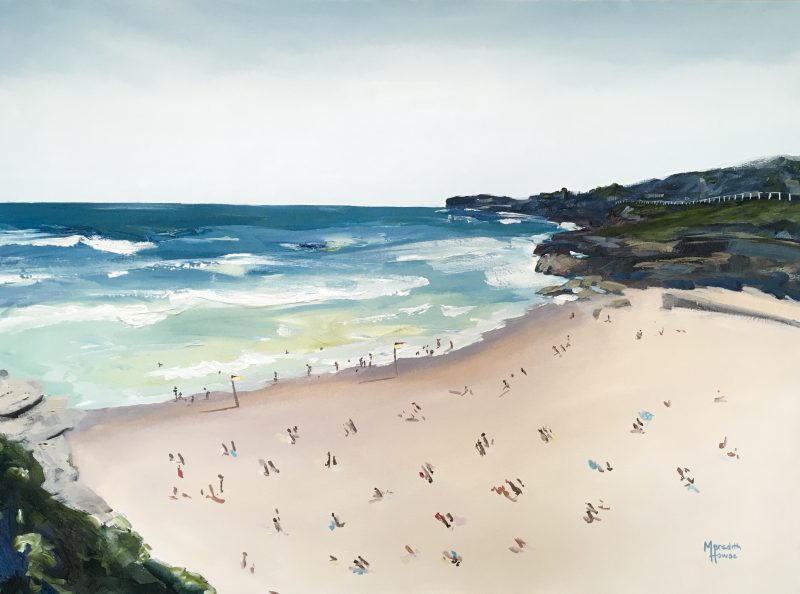 Tamarama
AUD$1,300
Size:
102w
x 76h
x 3.5d
cms
Meredith Howse
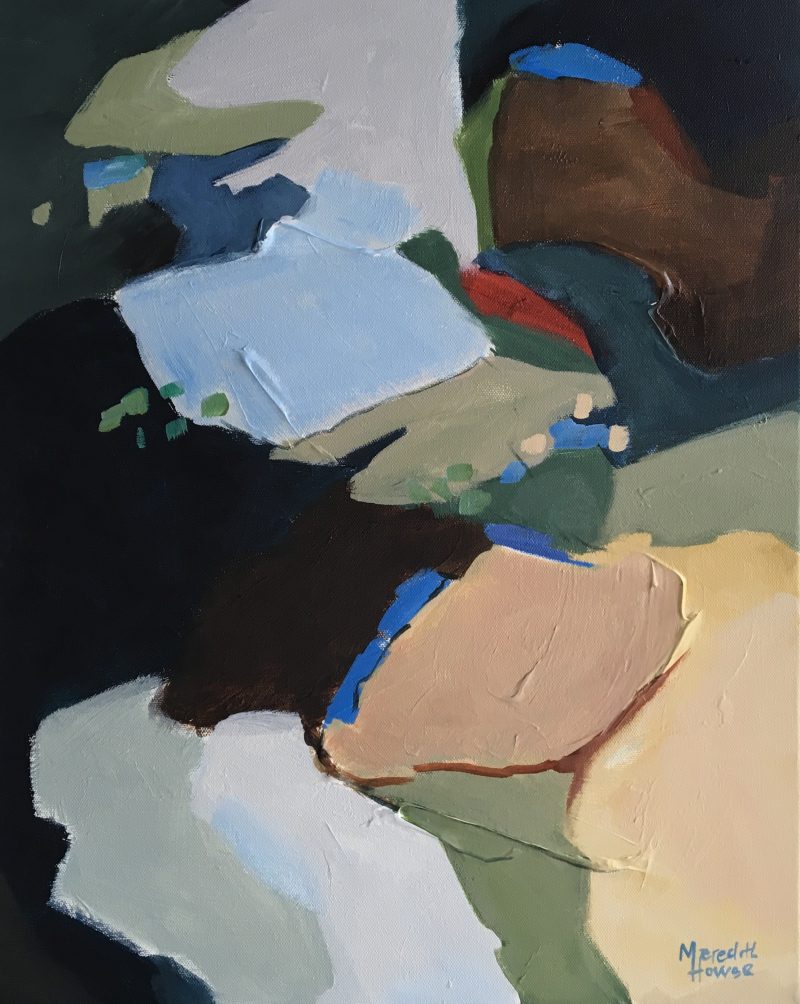 When Comes Green Pastures
AUD$800
Size:
41w
x 51h
x 3.8d
cms
Meredith Howse
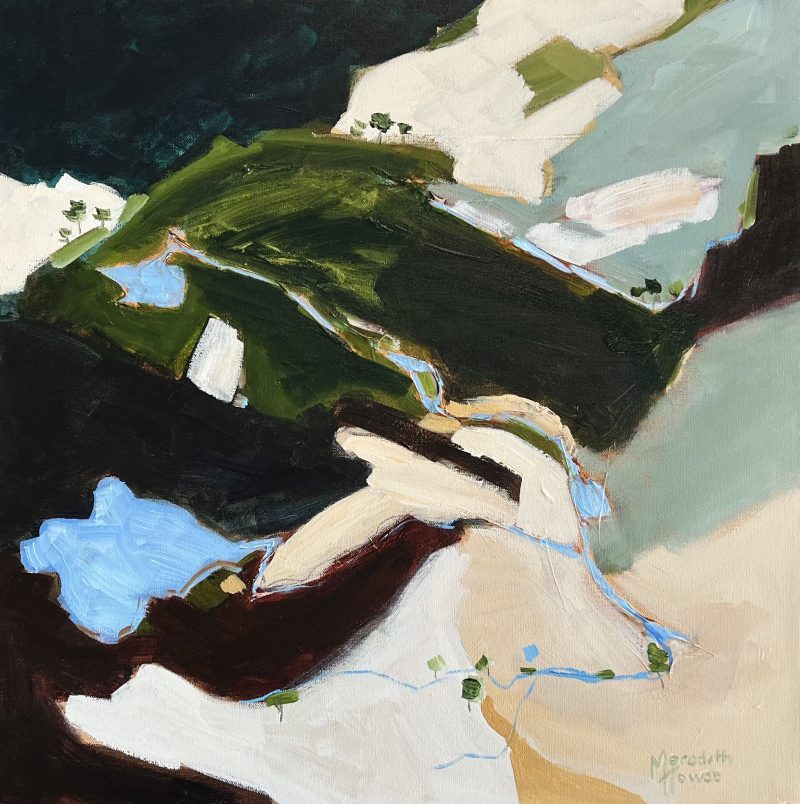 Paterson
AUD$600
Size:
60w
x 60h
x 3.5d
cms
Meredith Howse
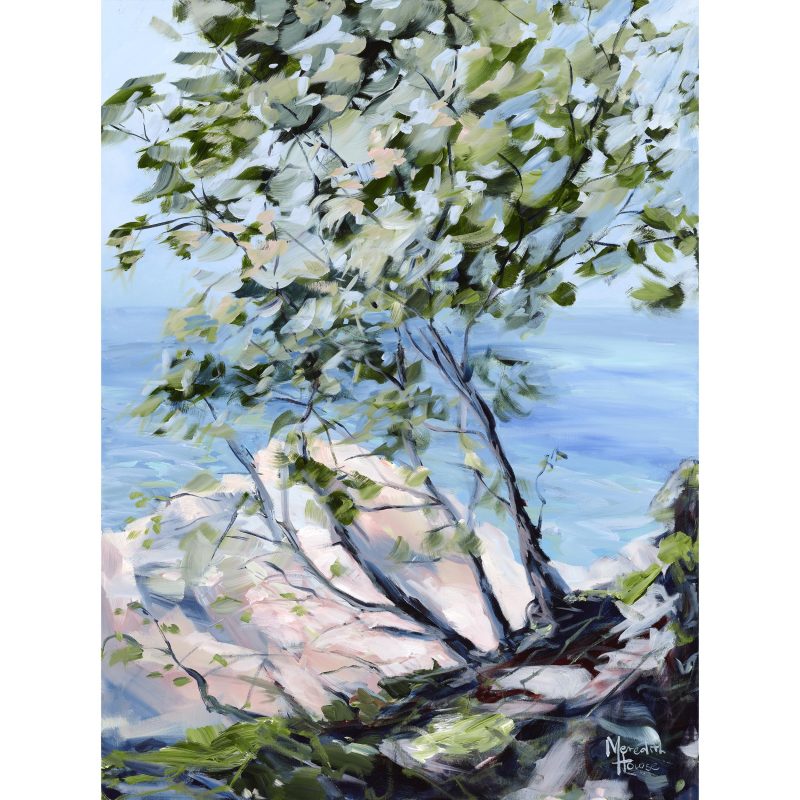 Noosa National Park lI Ltd Ed Print
AUD$1,000
Size:
73w
x 103h
x 2d
cms
Meredith Howse
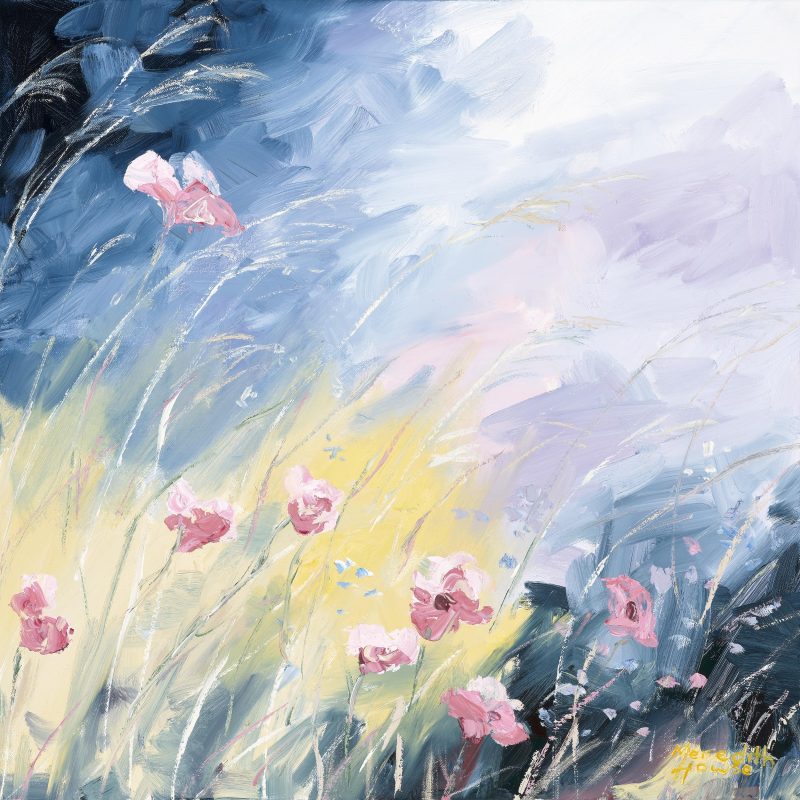 Blooms Swaying in the Breeze
AUD$800
Size:
62.5w
x 62.5h
x 5d
cms
Meredith Howse
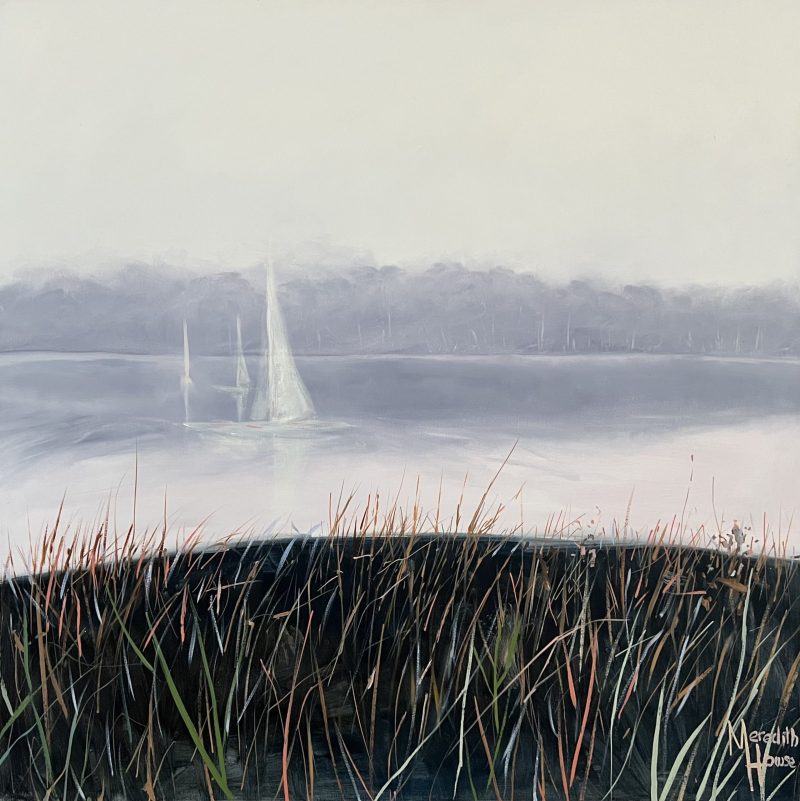 Tranquil Lake
AUD$600
Size:
91w
x 91h
x 4d
cms
Meredith Howse
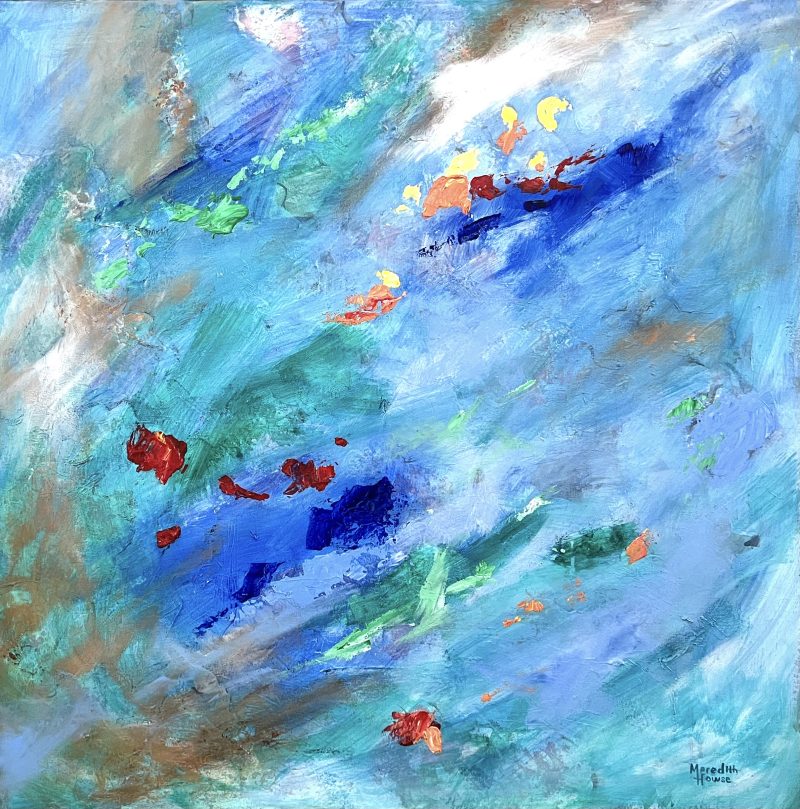 Fire Opal
AUD$400
Size:
93w
x 93h
x 3d
cms
Meredith Howse
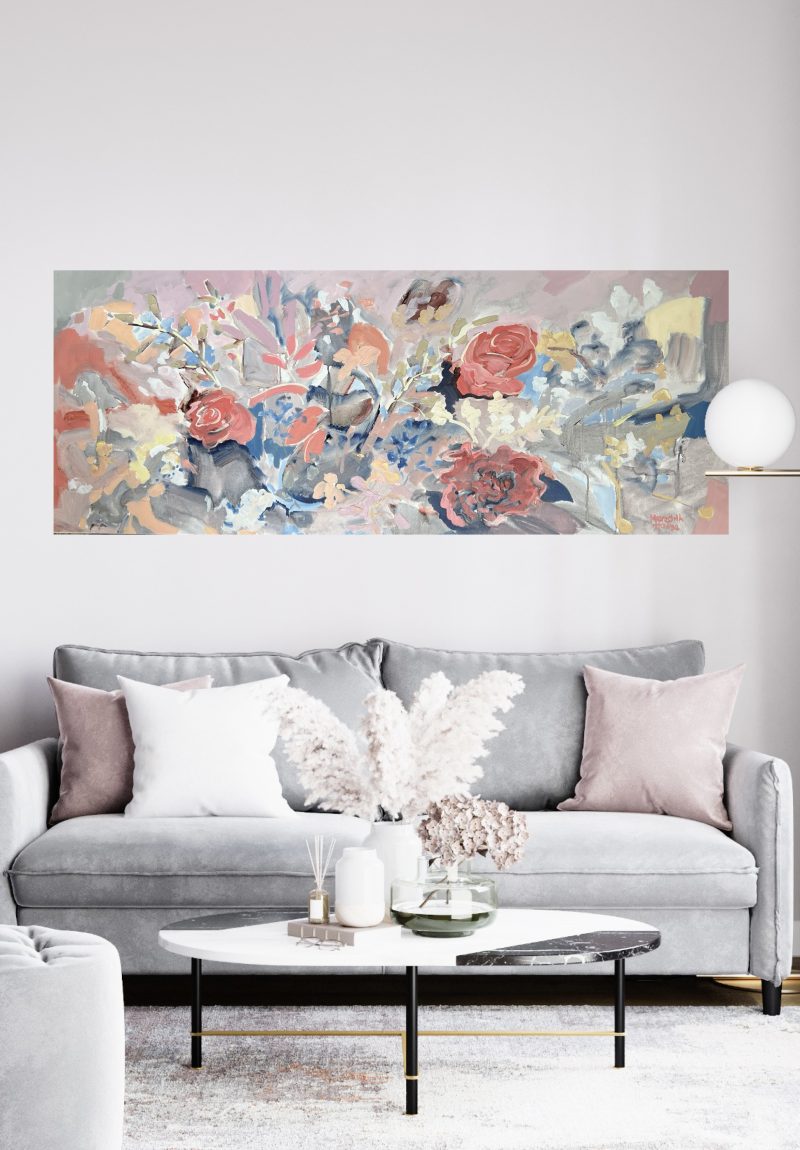 Flower Freestyle
AUD$1,300
Size:
152w
x 61h
x 3.8d
cms
Meredith Howse
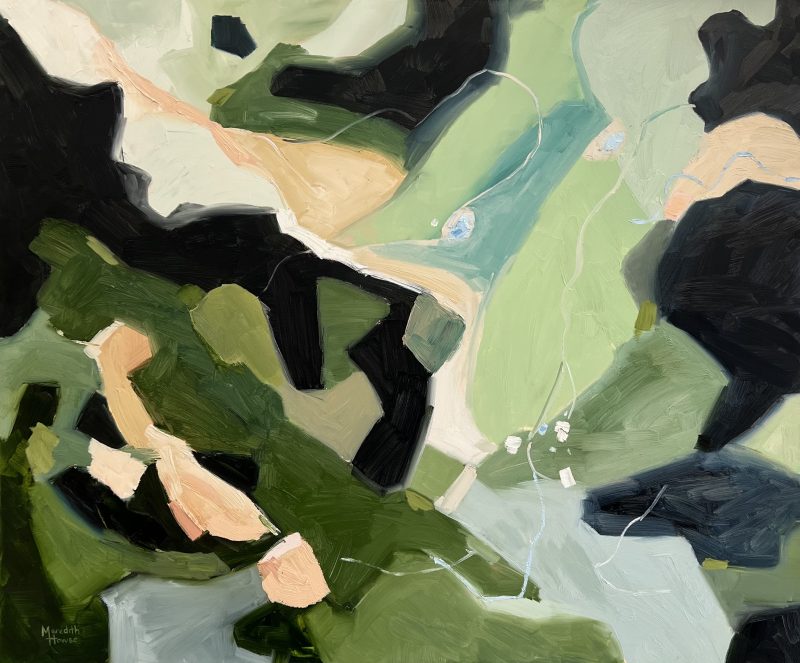 North Park – Commission
AUD$2,000
Size:
122w
x 101.7h
x 3.8d
cms
Meredith Howse
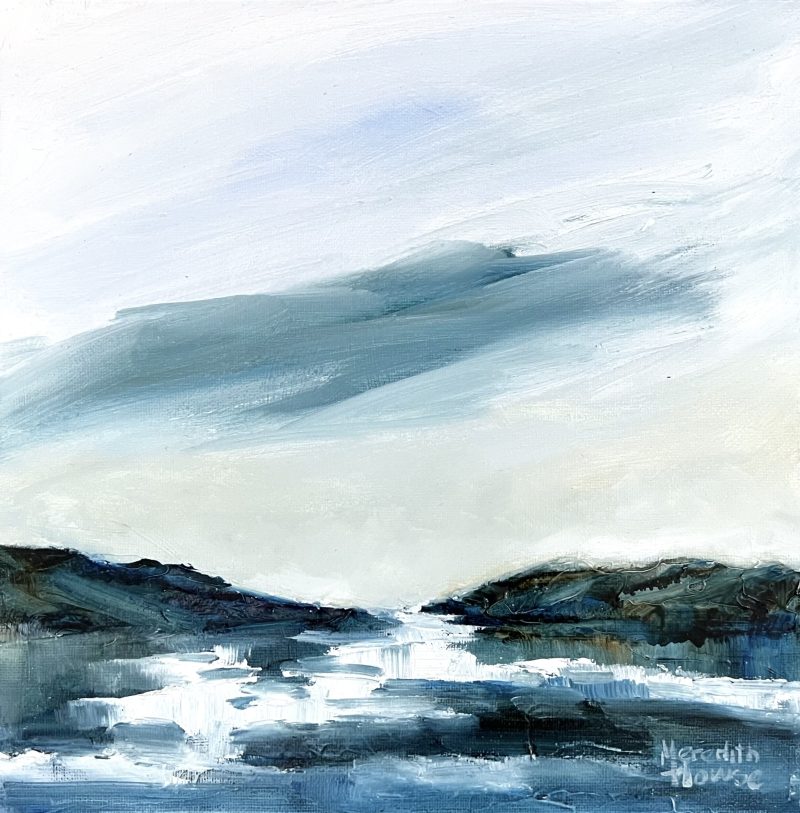 Rain Coming
AUD$250
Size:
32.5w
x 32.5h
x 5d
cms
Meredith Howse
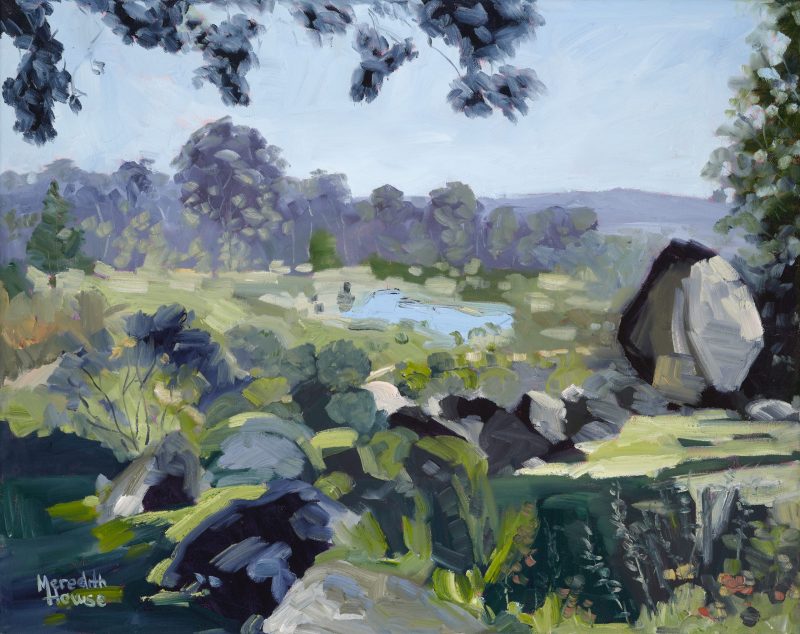 Japanese Gardens at Cowra
AUD$1,200
Size:
76w
x 61h
x 4d
cms
Meredith Howse
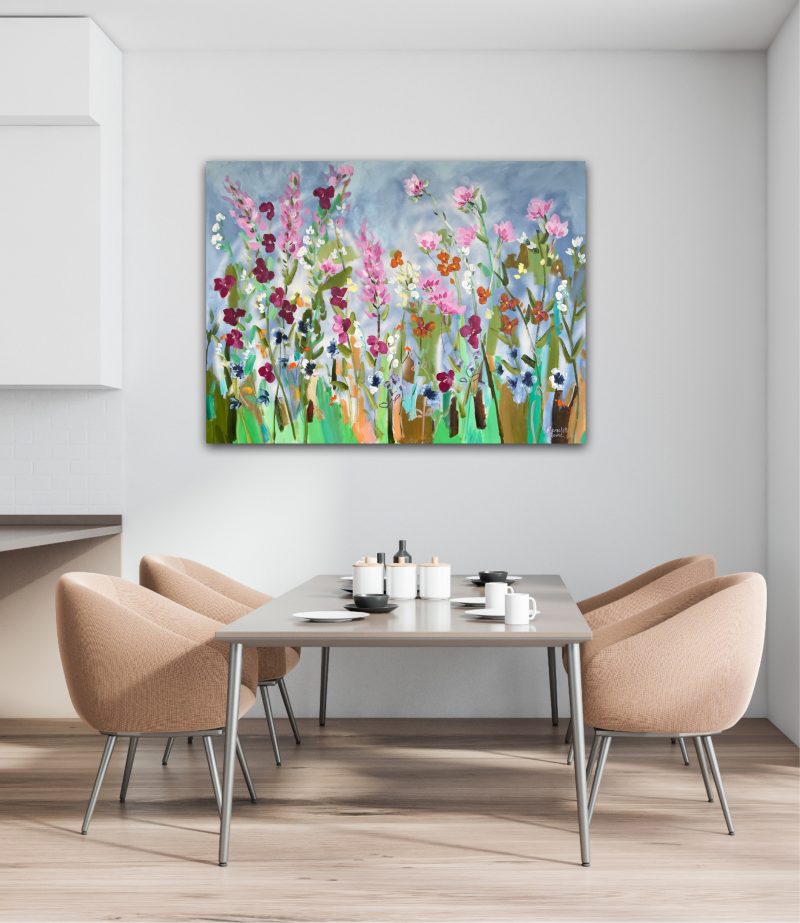 Petals
AUD$1,400
Size:
121.9w
x 91.4h
x 3.8d
cms
Meredith Howse
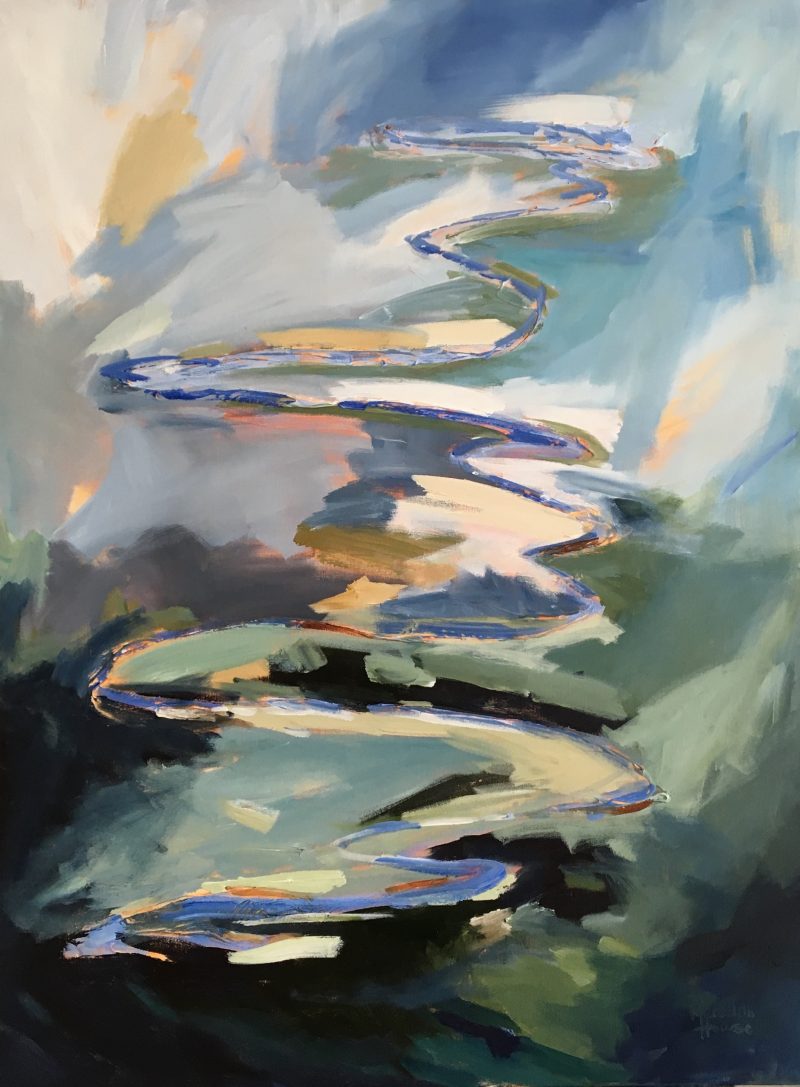 Kosciuszko
AUD$1,300
Size:
91.5w
x 122h
x 3.5d
cms
Meredith Howse
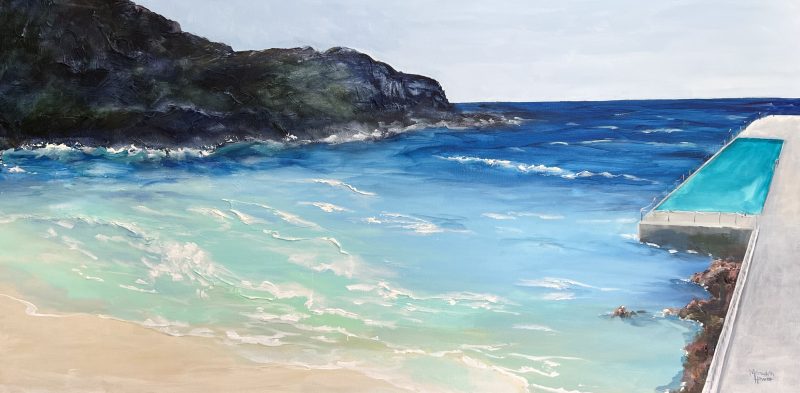 Ocean Pool
AUD$1,800
Size:
122w
x 61h
x 3.8d
cms
Meredith Howse
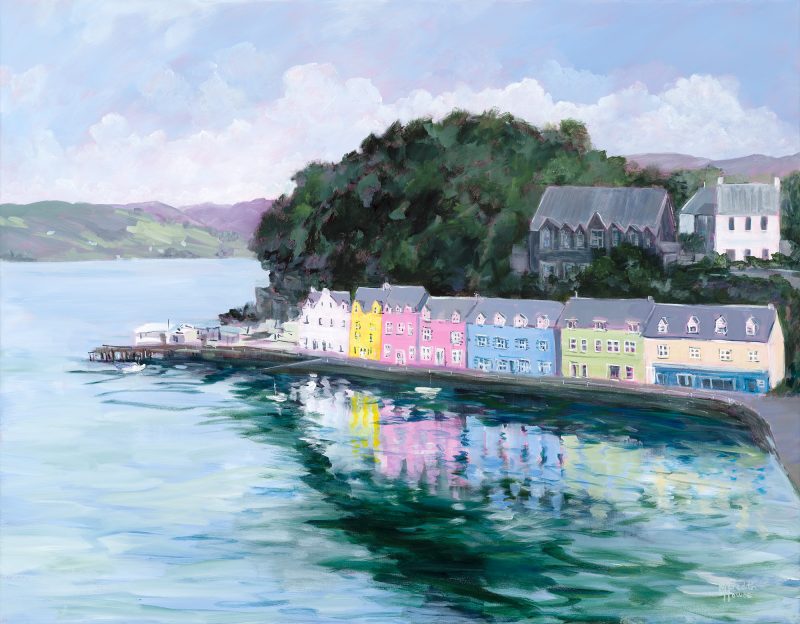 Portree
AUD$2,200
Size:
101.6w
x 76.2h
x 3.8d
cms
Meredith Howse
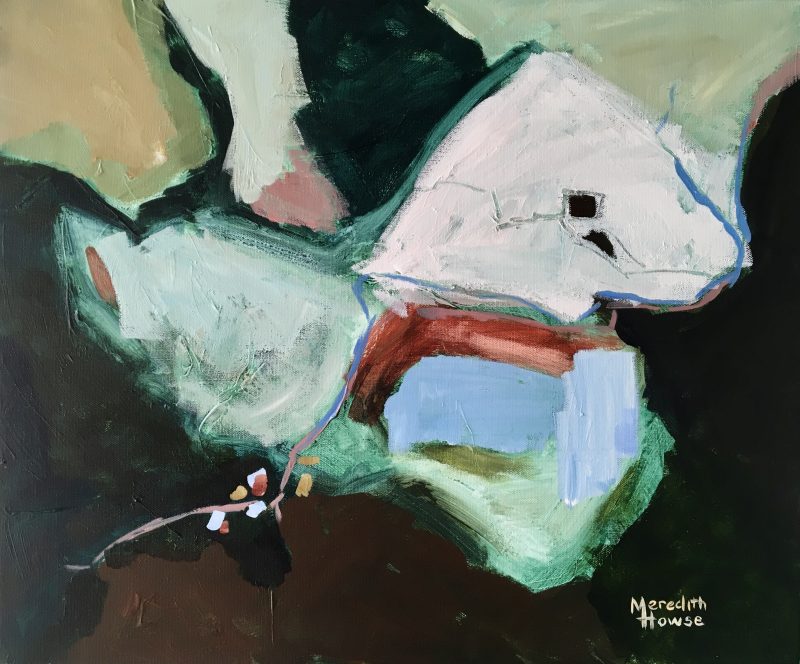 Our Sunburnt Country
AUD$800
Size:
61w
x 51h
x 4d
cms
Meredith Howse
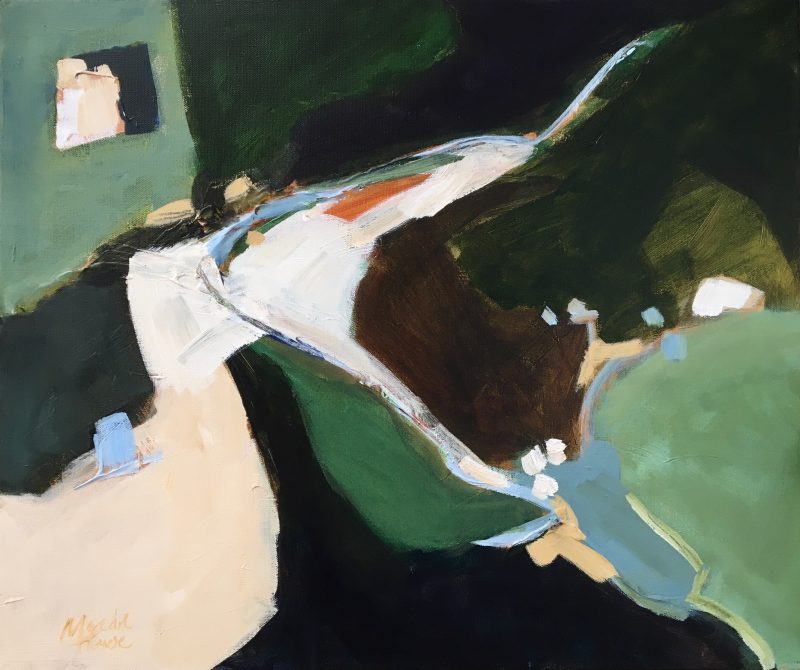 Old Regret
AUD$800
Size:
61w
x 51h
x 4d
cms
Meredith Howse
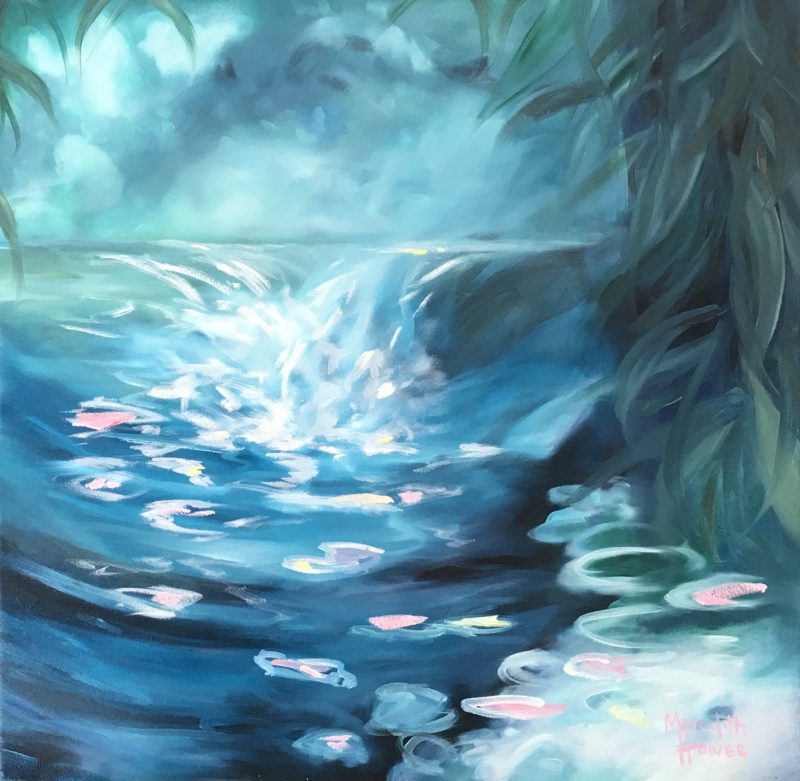 Garden of Eden
AUD$800
Size:
61w
x 61h
x 4d
cms
Meredith Howse
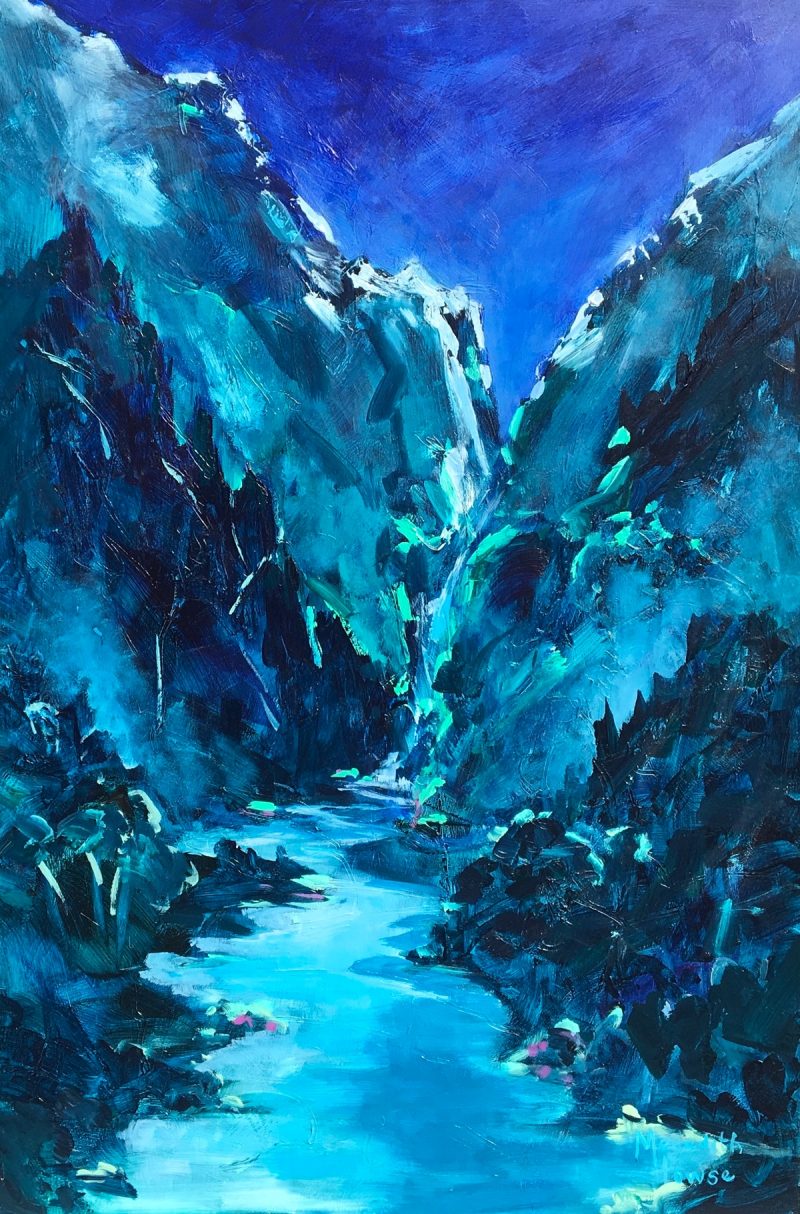 Night falls on Shotover River
AUD$1,200
Size:
60w
x 90h
x 5d
cms
Meredith Howse
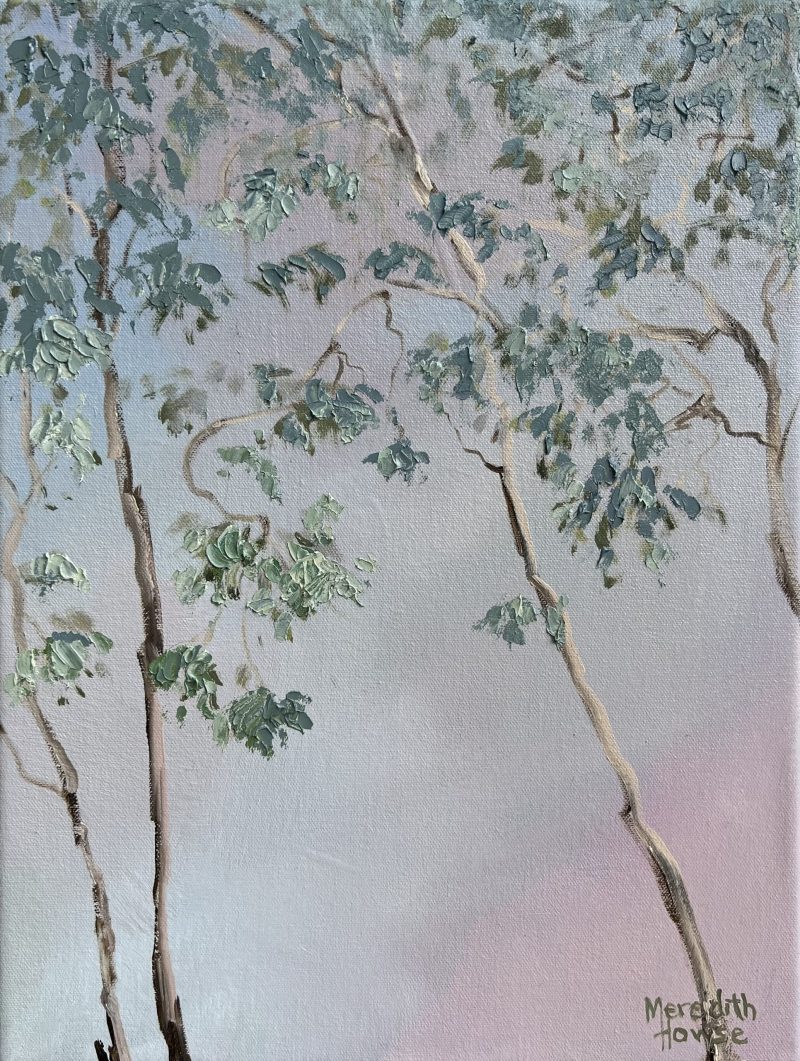 Illumination Green Gum Trees
AUD$600
Size:
33w
x 43h
x 3d
cms
Meredith Howse
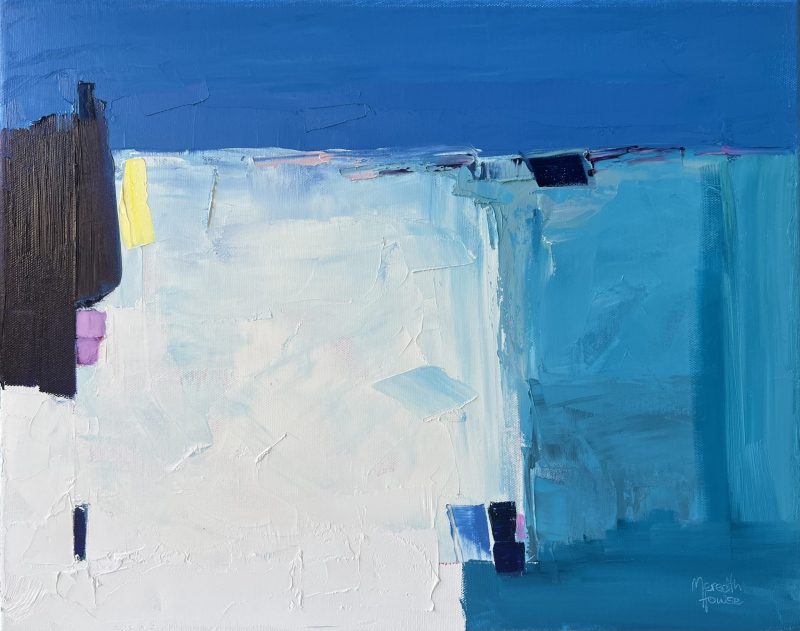 Abstract Thought 2nd of September
AUD$550
Size:
53.6w
x 43.5h
x 3d
cms
Meredith Howse
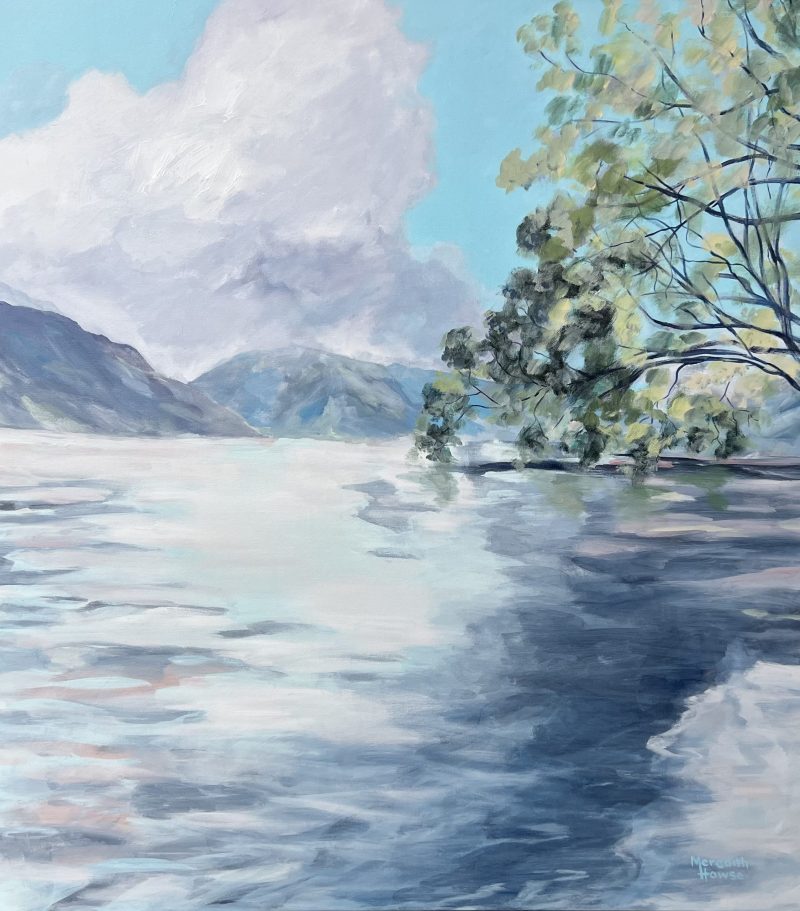 Queenstown Lake
AUD$2,090
Size:
91.2w
x 101.6h
x 3.8d
cms
Meredith Howse
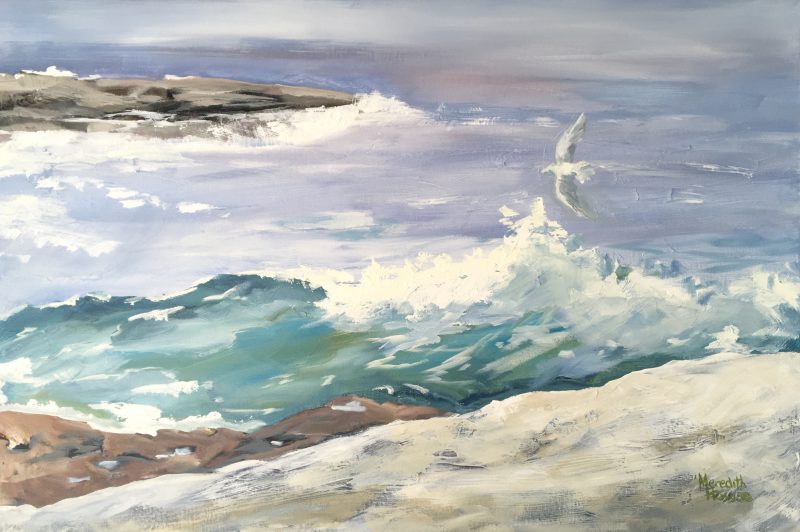 Playing in the Waves at Clovelly
AUD$1,200
Size:
91w
x 61h
x 3.5d
cms
Meredith Howse
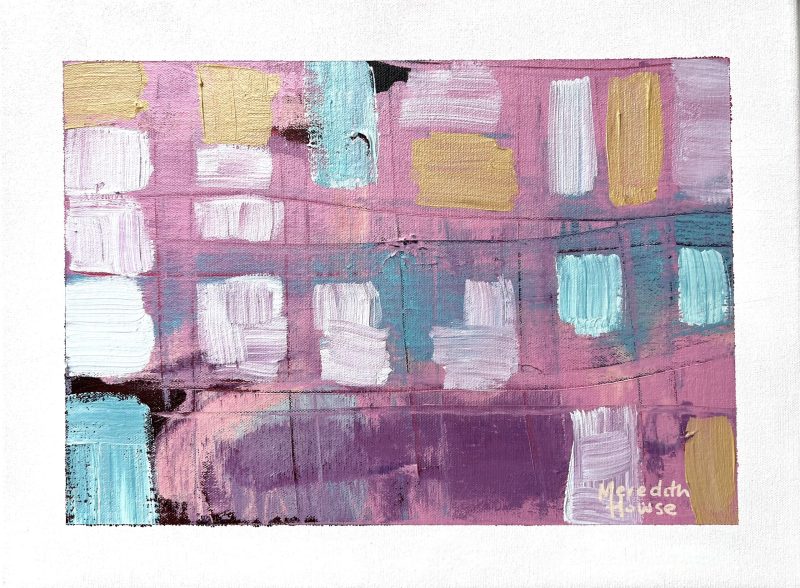 Abstract Thought 26th August
AUD$440
Size:
40w
x 30h
x 1.8d
cms
Meredith Howse
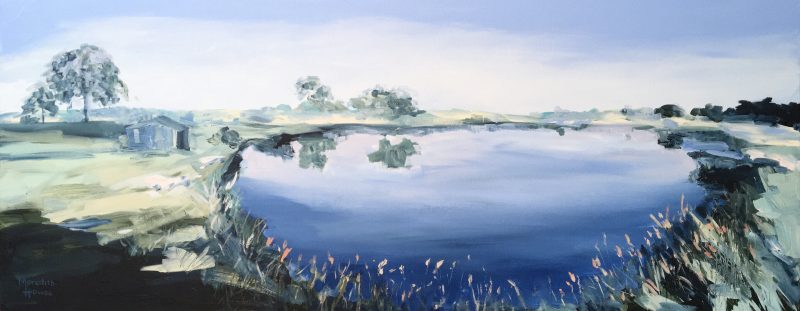 When Rain and Sunbeam Mingle
AUD$2,300
Size:
152.5w
x 61h
x 3.8d
cms
Meredith Howse
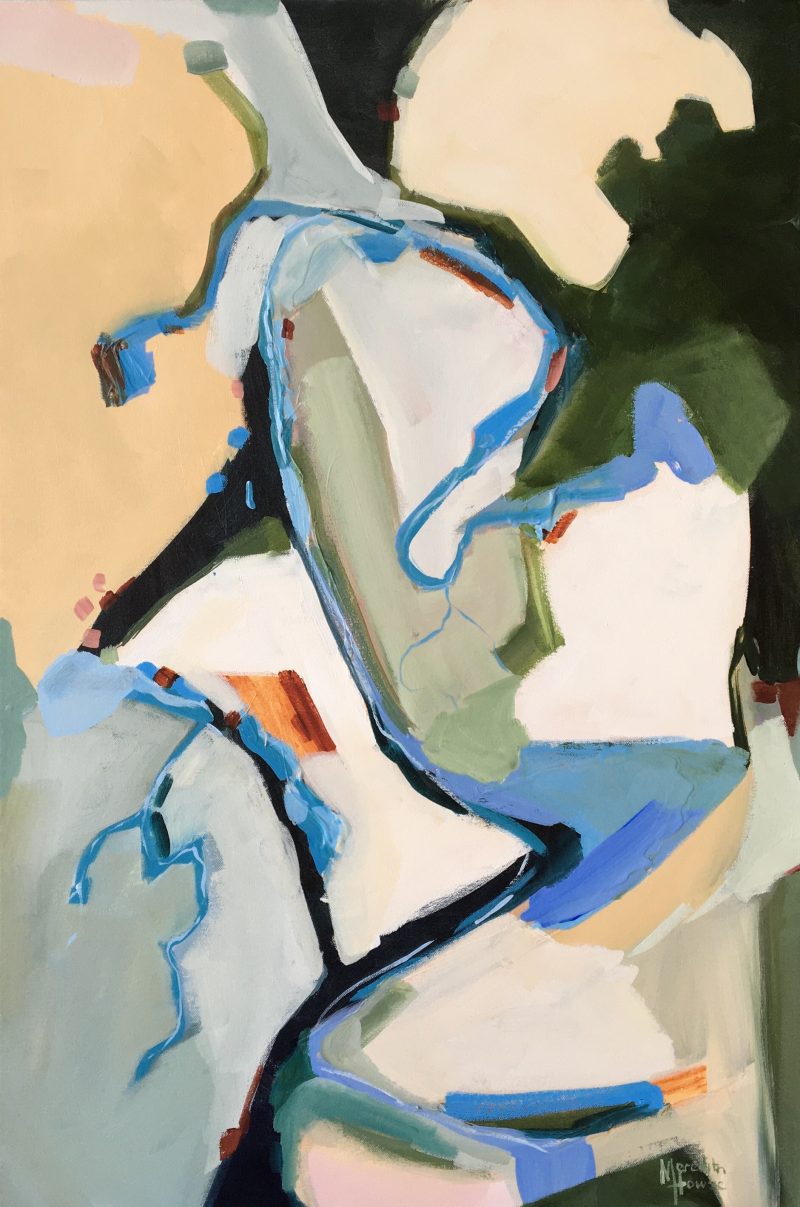 The Overflow
AUD$980
Size:
91w
x 61h
x 4d
cms
Meredith Howse
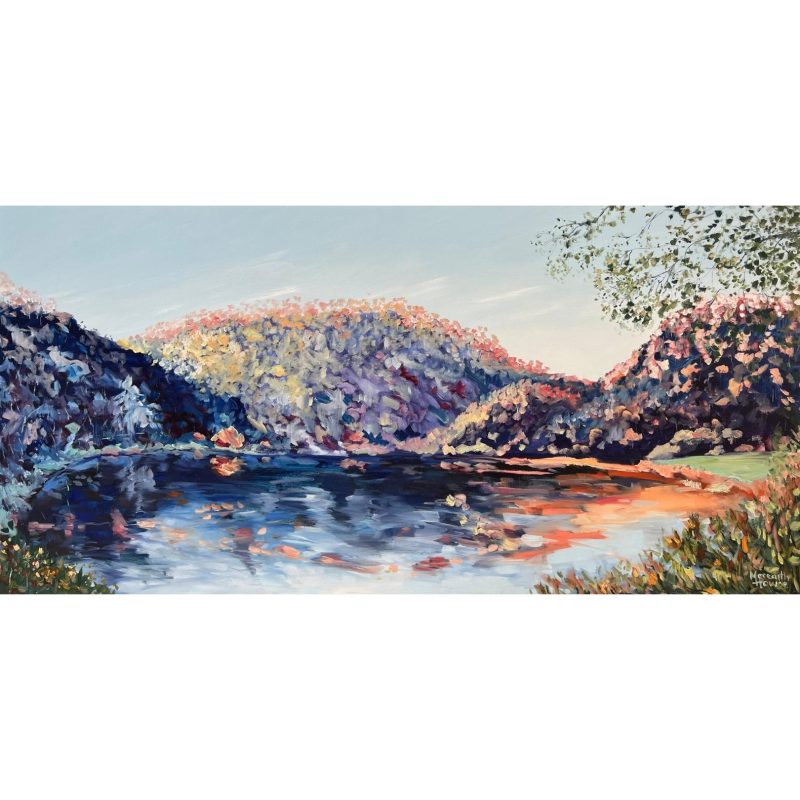 Cataract Gorge
AUD$2,500
Size:
152w
x 76h
x 3.8d
cms
Meredith Howse
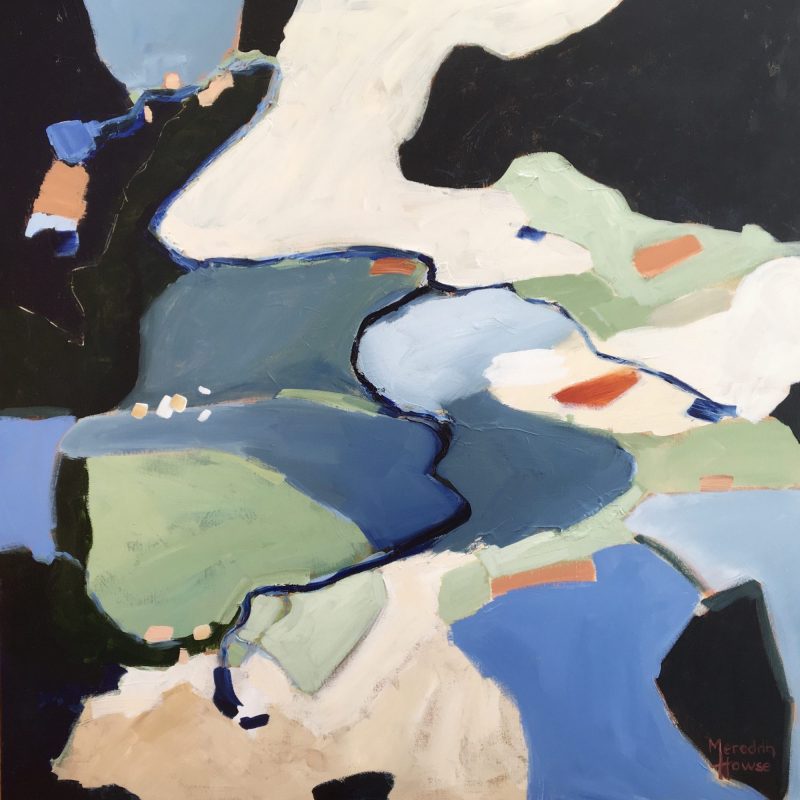 We of the Never
AUD$1,300
Size:
90w
x 90h
x 4d
cms
Meredith Howse
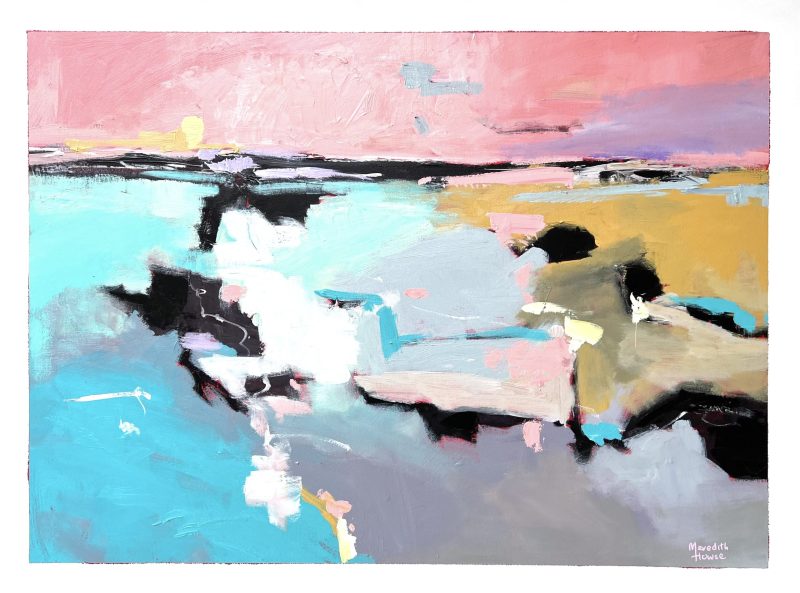 Abstract Thought 21st August
AUD$700
Size:
104w
x 79h
x 4.5d
cms
Meredith Howse
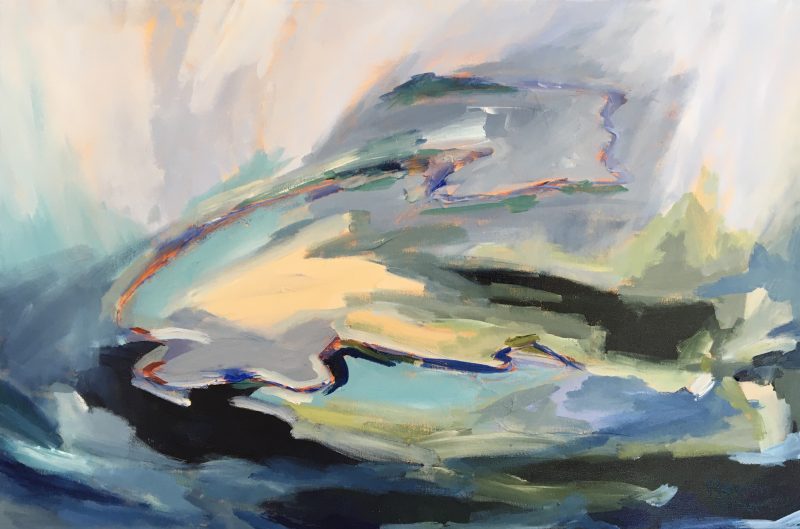 Snowy River
AUD$980
Size:
91w
x 61h
x 4d
cms
Meredith Howse
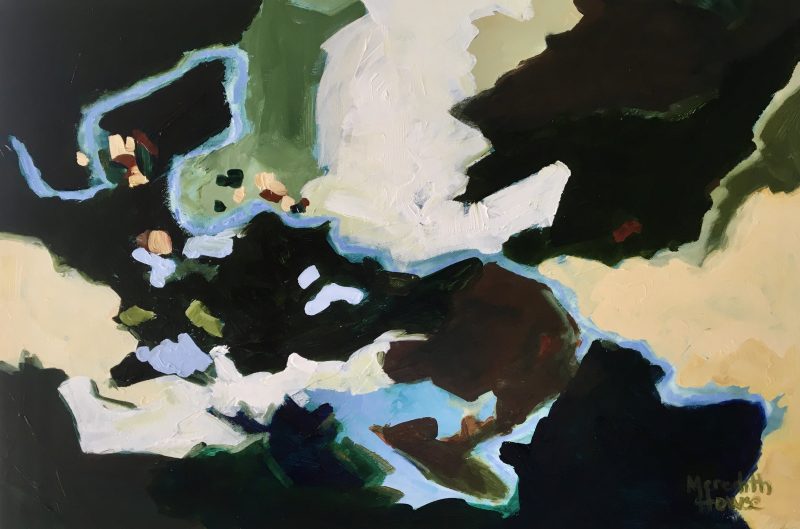 Winding River
AUD$800
Size:
76w
x 51h
x 4d
cms
Meredith Howse
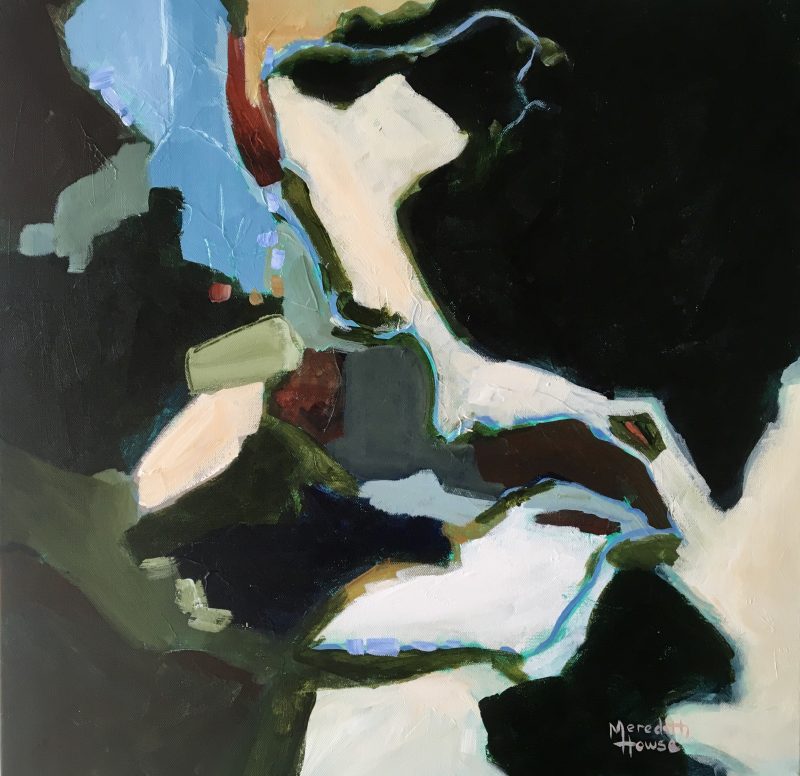 Drogheda
AUD$800
Size:
61w
x 61h
x 4d
cms
Meredith Howse
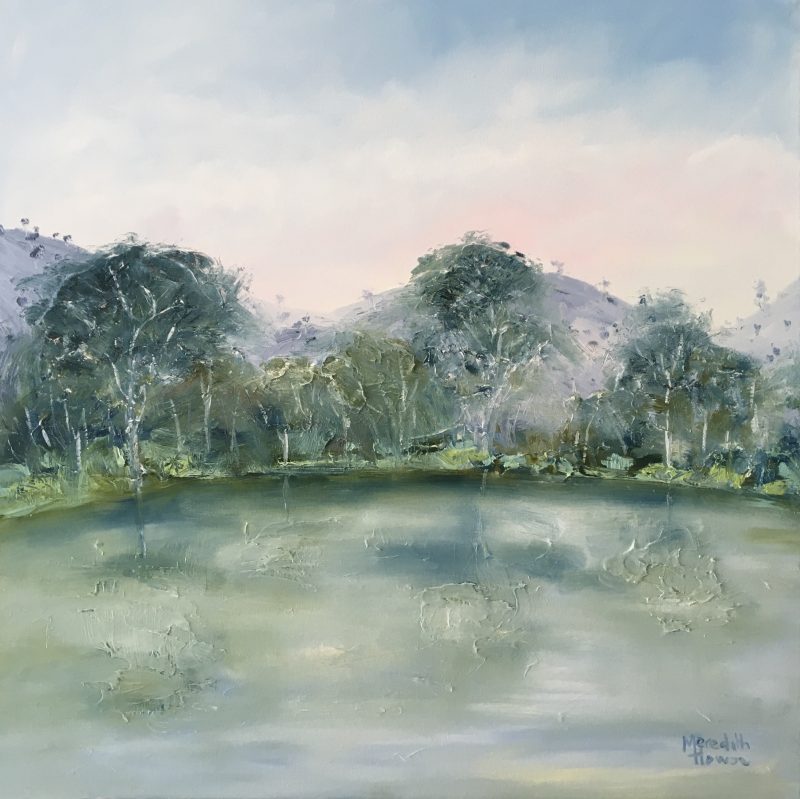 Gum Tree Lake
AUD$1,200
Size:
91.5w
x 91.5h
x 3.5d
cms
Meredith Howse
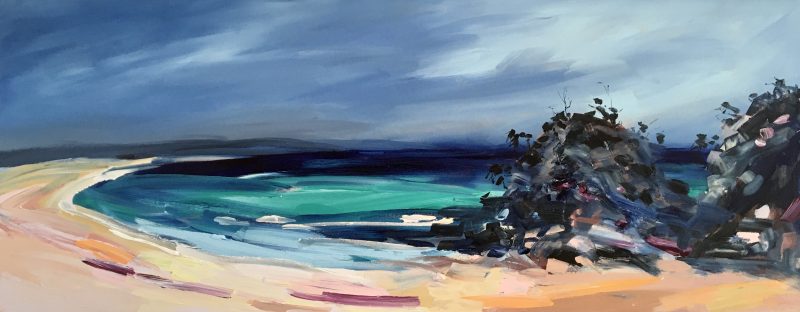 Byron Longview
AUD$2,300
Size:
153w
x 61h
x 3.8d
cms
Meredith Howse
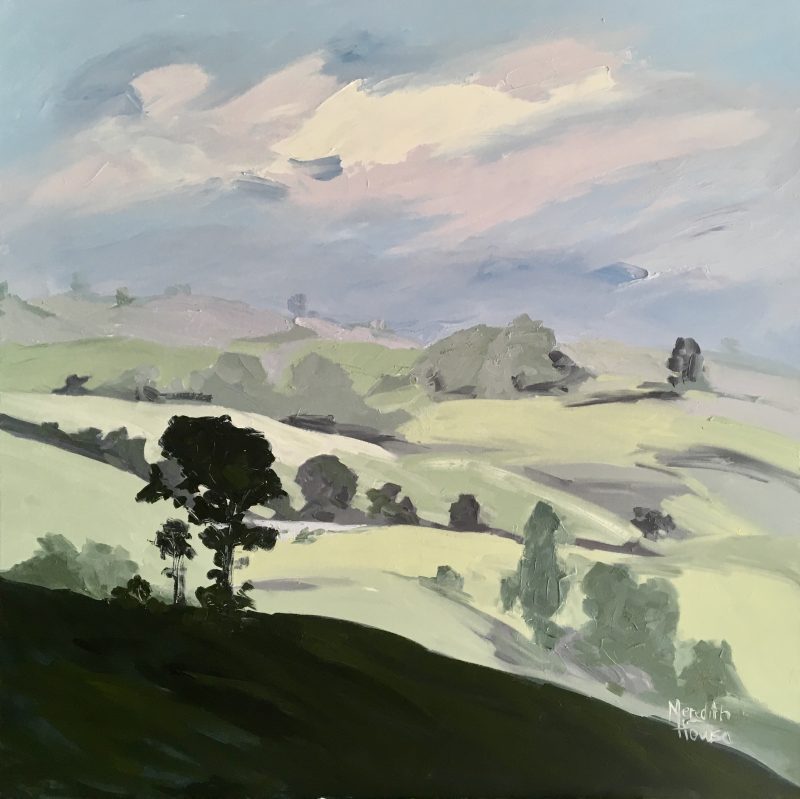 Bella Vista 2
AUD$2,200
Size:
101w
x 101h
x 4d
cms
Meredith Howse
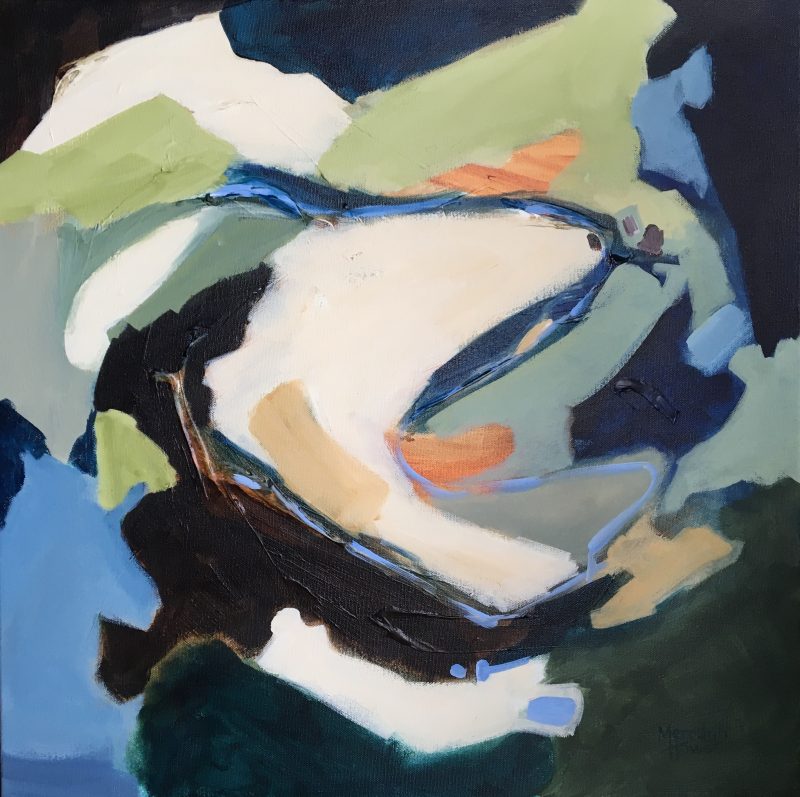 Birds Eye View
AUD$800
Size:
61w
x 61h
x 4d
cms
Meredith Howse
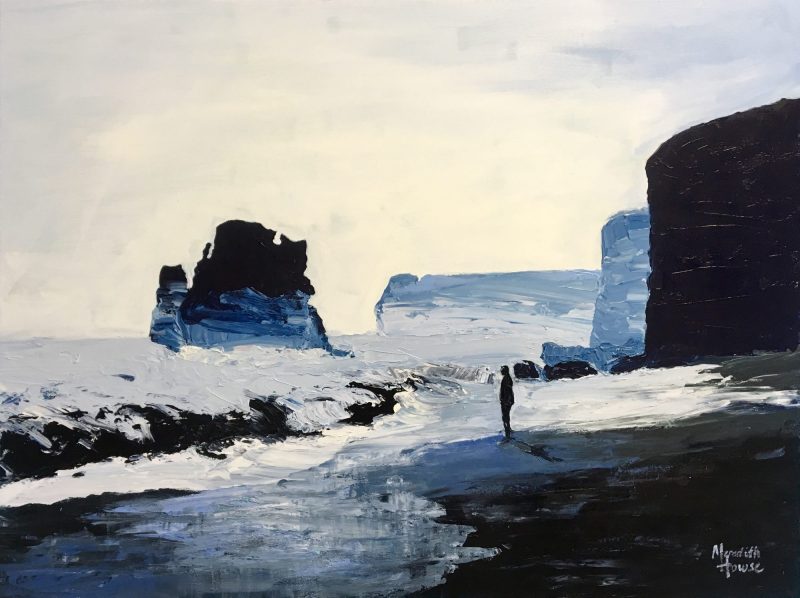 Evening at Gibson Steps
AUD$1,200
Size:
102w
x 78h
x 4d
cms
Meredith Howse
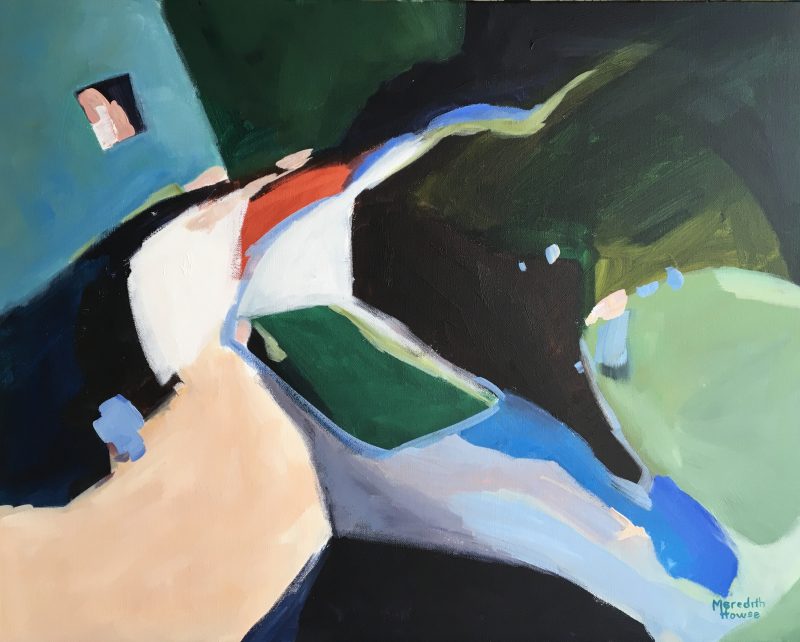 Old Regret 2
AUD$1,200
Size:
76w
x 61h
x 3.8d
cms
Meredith Howse
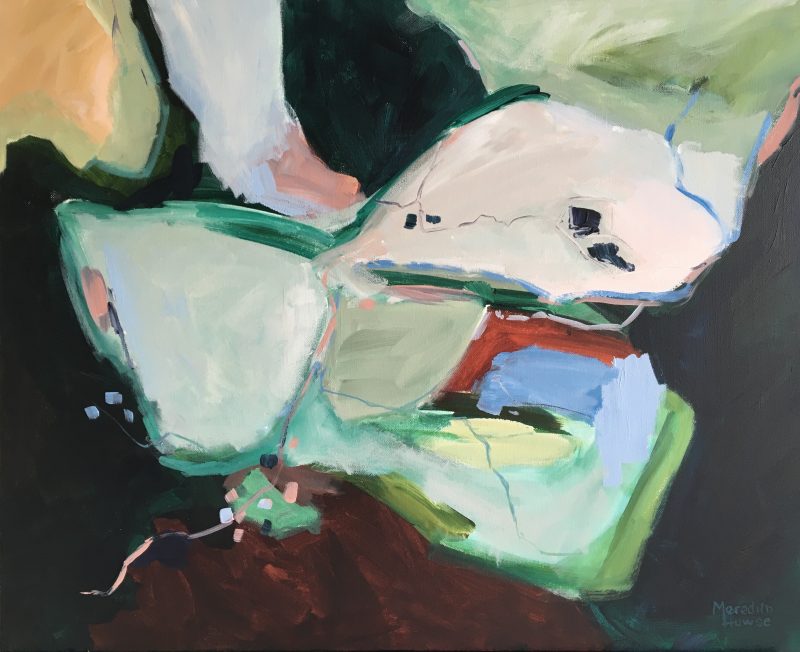 Our Sunburnt Country 2
AUD$1,200
Size:
76w
x 61h
x 3.8d
cms
Meredith Howse
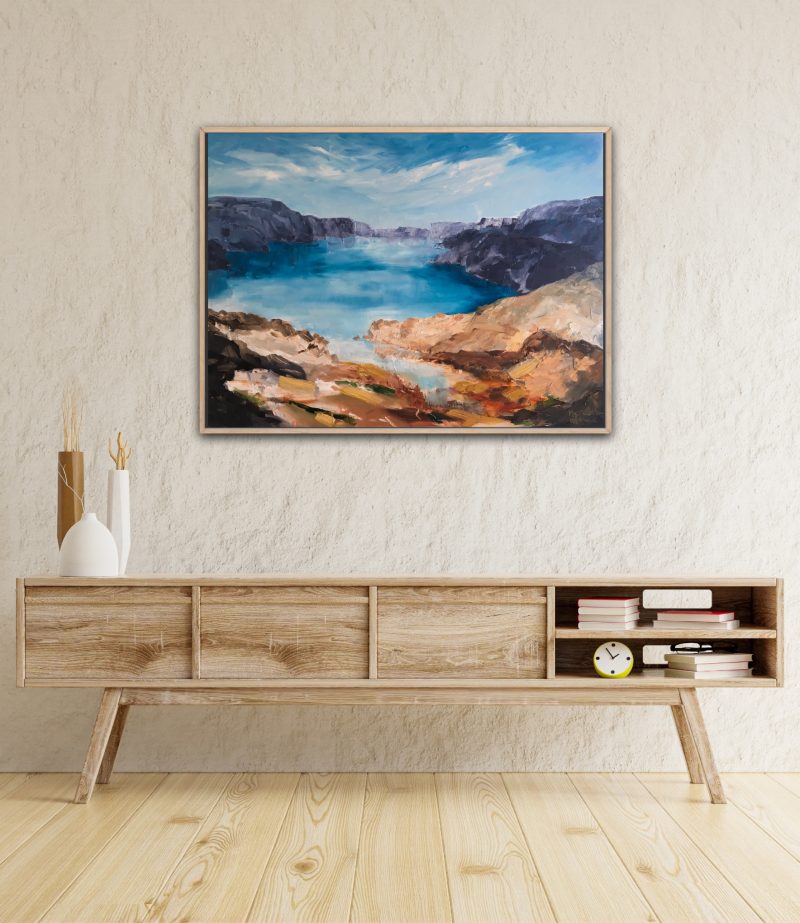 Far Horizon
AUD$1,800
Size:
102w
x 76h
x 3.8d
cms
Meredith Howse
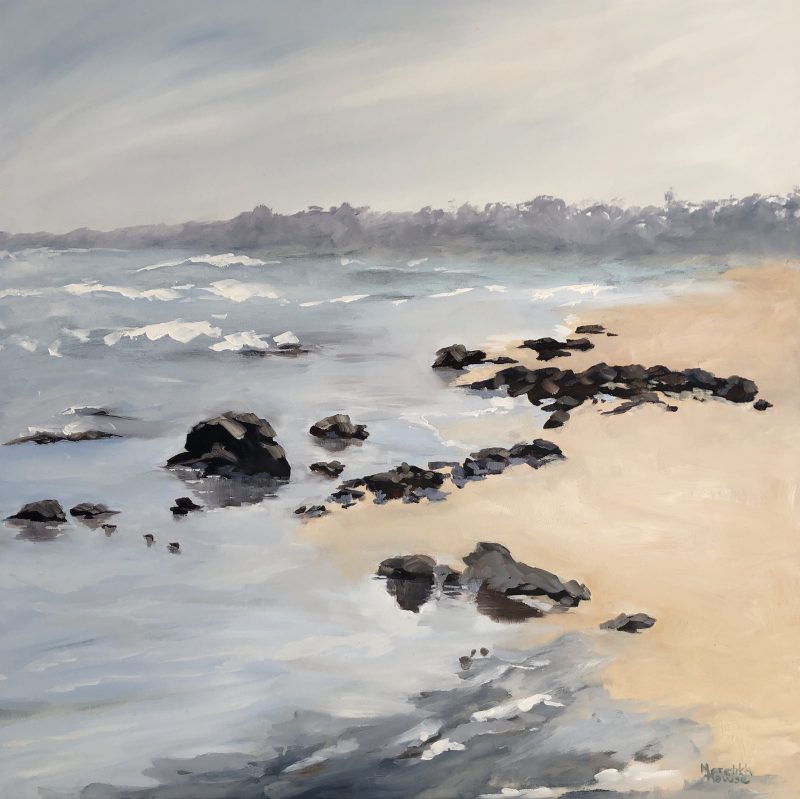 Salt
Salt
AUD$1,200
Size:
91w
x 91h
x 4d
cms
Meredith Howse
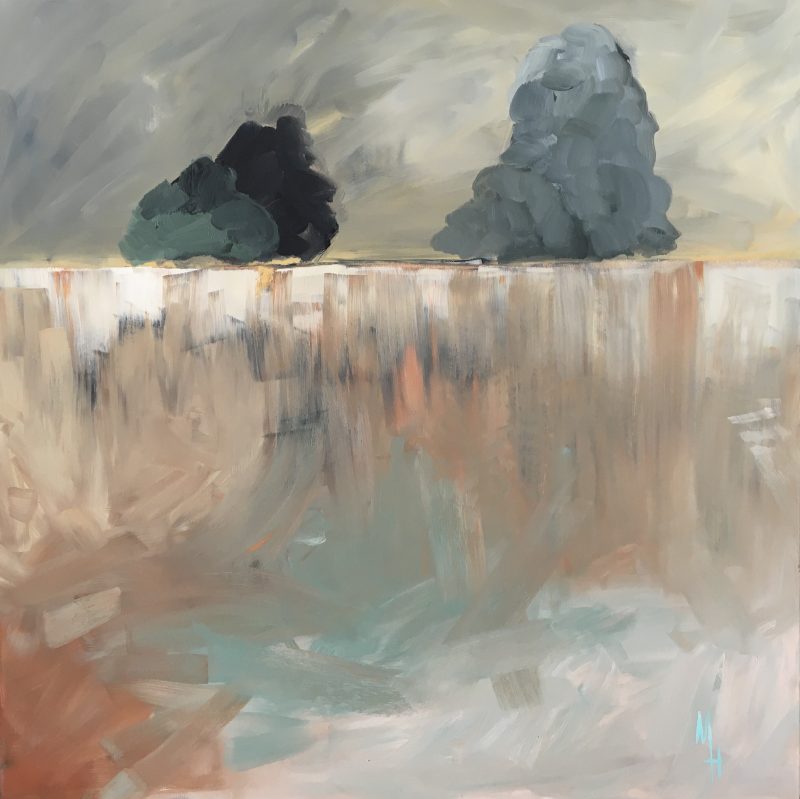 Saint-Benoit-du-Sault
AUD$1,200
Size:
92w
x 92h
x 2d
cms
Meredith Howse
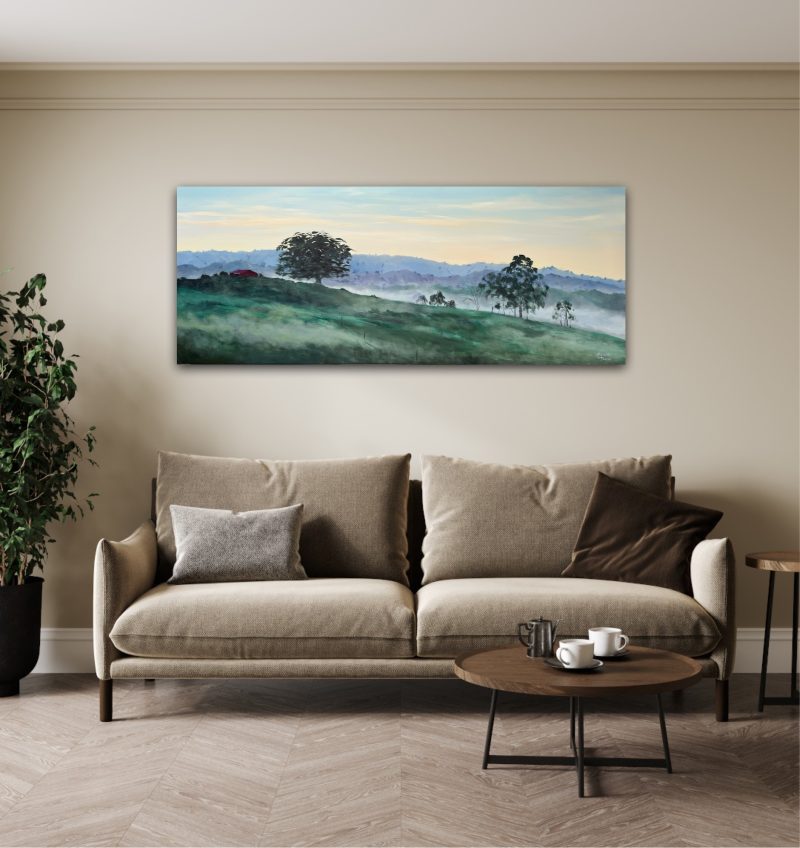 Misty Memories of Sheffield
AUD$1,800
Size:
152.4w
x 61h
x 3.8d
cms
Meredith Howse
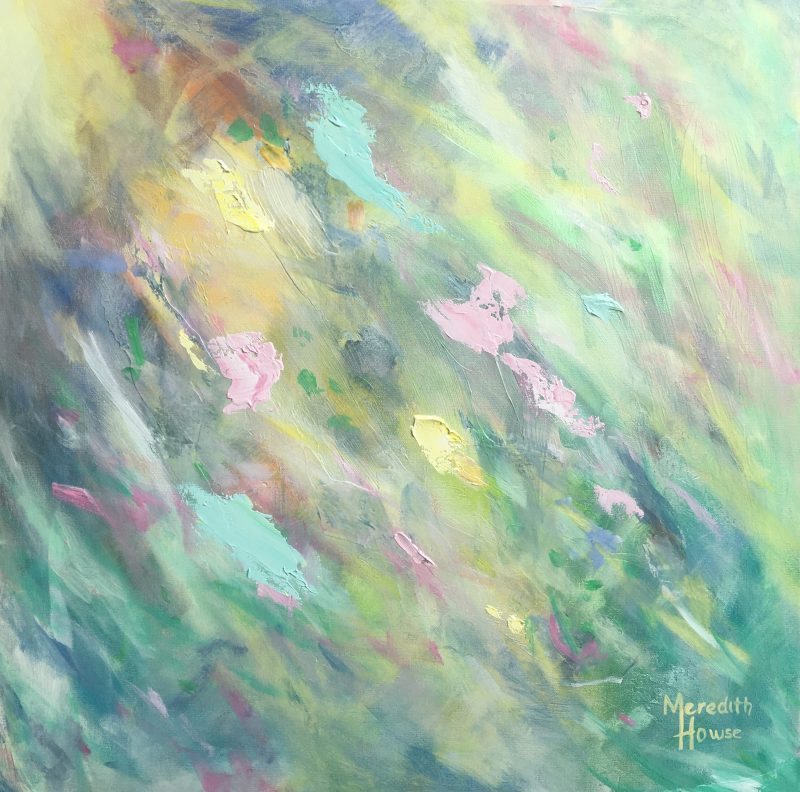 Opal Gold
AUD$900
Size:
76w
x 76h
x 4d
cms
Meredith Howse
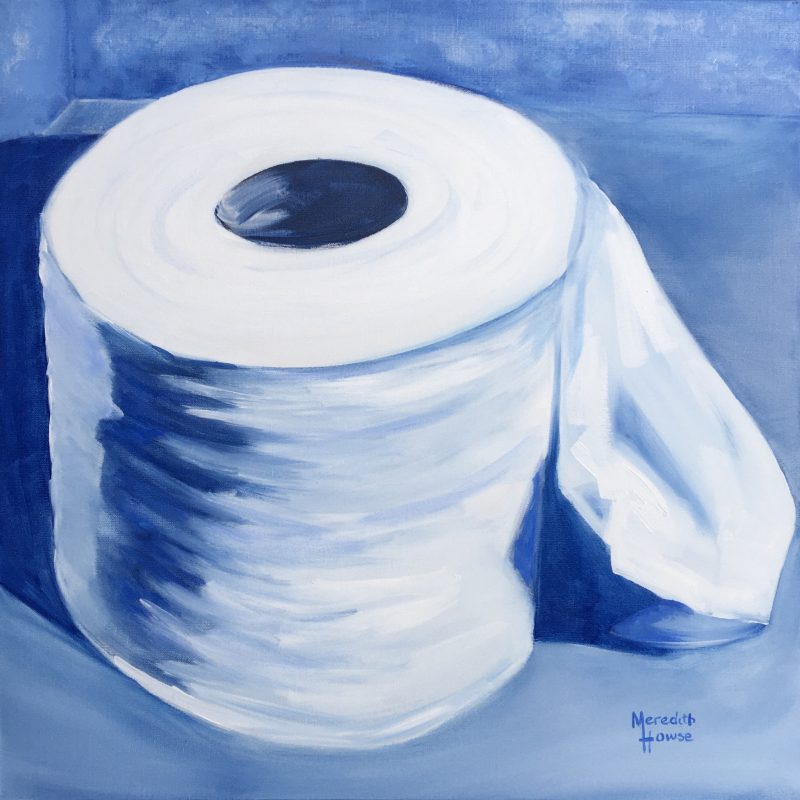 Can you Spare a Square?
AUD$930
Size:
76w
x 76h
x 4d
cms
Meredith Howse
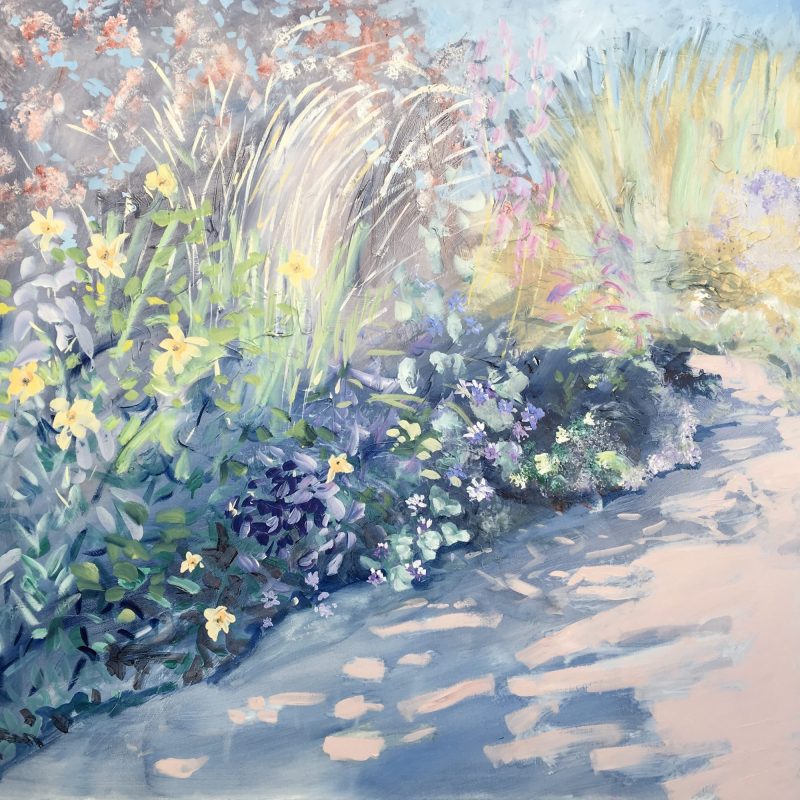 Early Spring
AUD$1,200
Size:
101w
x 101h
x 4d
cms
Meredith Howse
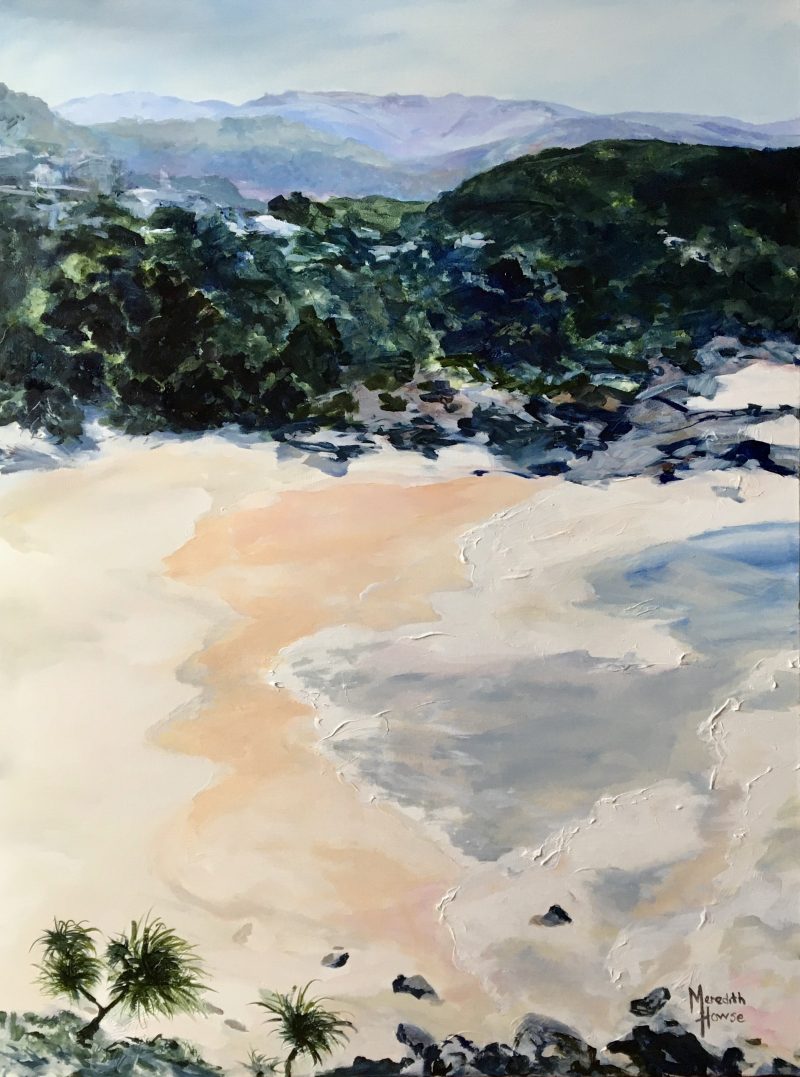 Cabarita
AUD$1,200
Size:
791w
x 121h
x 4d
cms
Meredith Howse
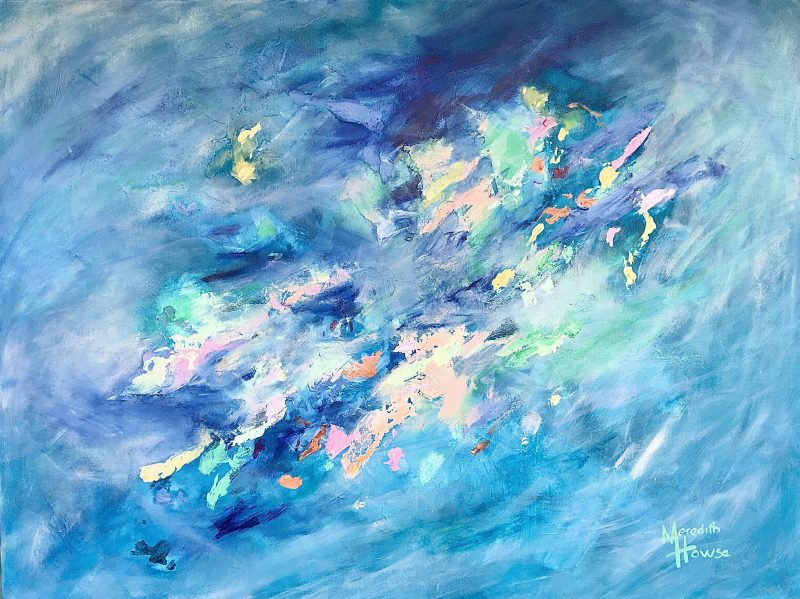 Green Opalescent
AUD$1,200
Size:
121w
x 91h
x 4d
cms
Meredith Howse
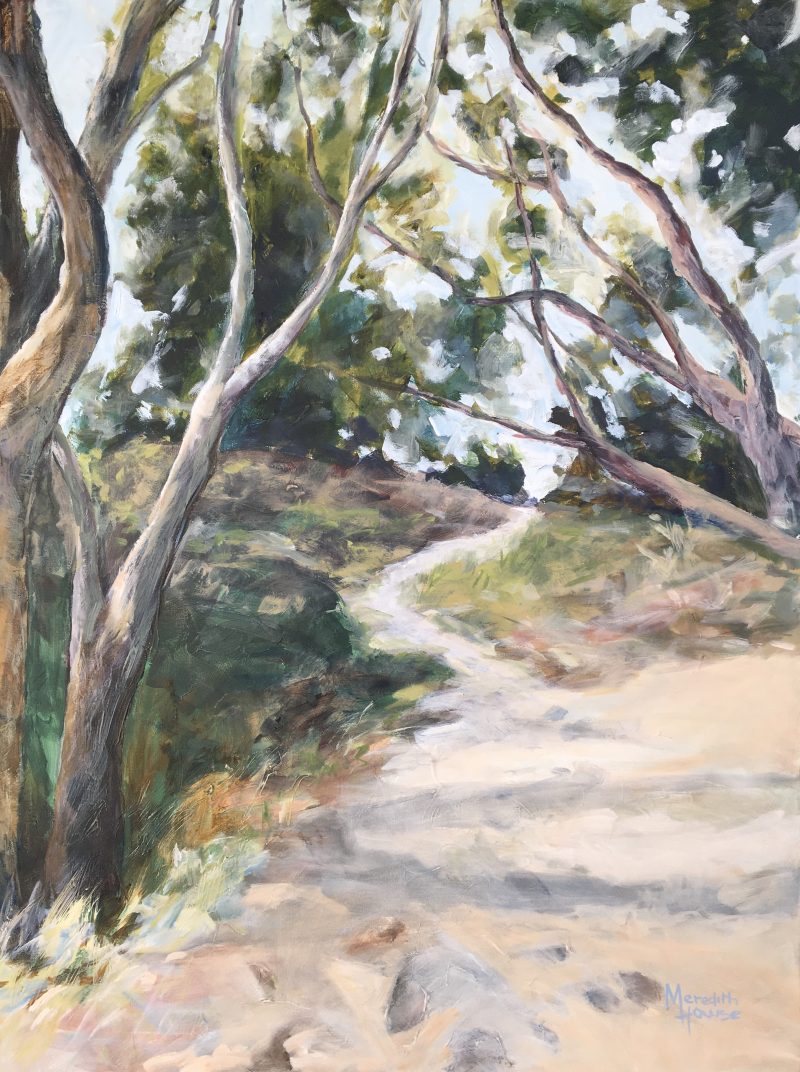 Australian Landscape (Australian Freestyle)
AUD$1,600
Size:
91w
x 121h
x 4d
cms
Meredith Howse
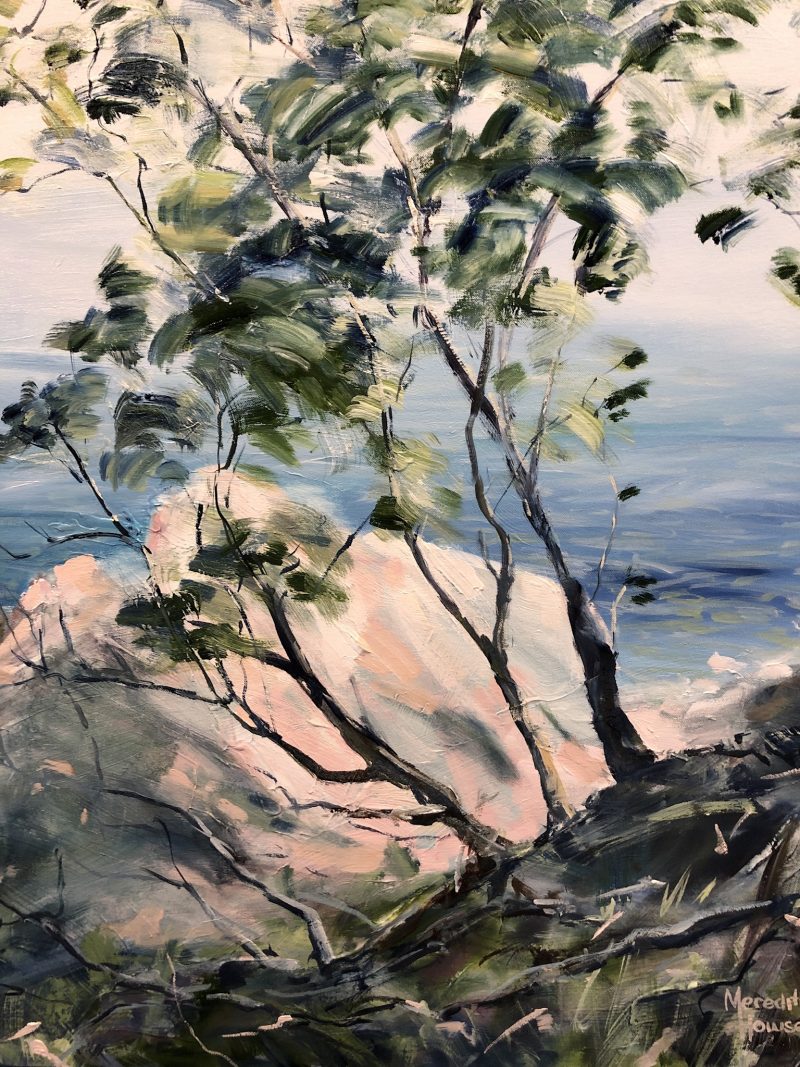 Noosa National Park
AUD$1,200
Size:
76w
x 102h
cms
Meredith Howse
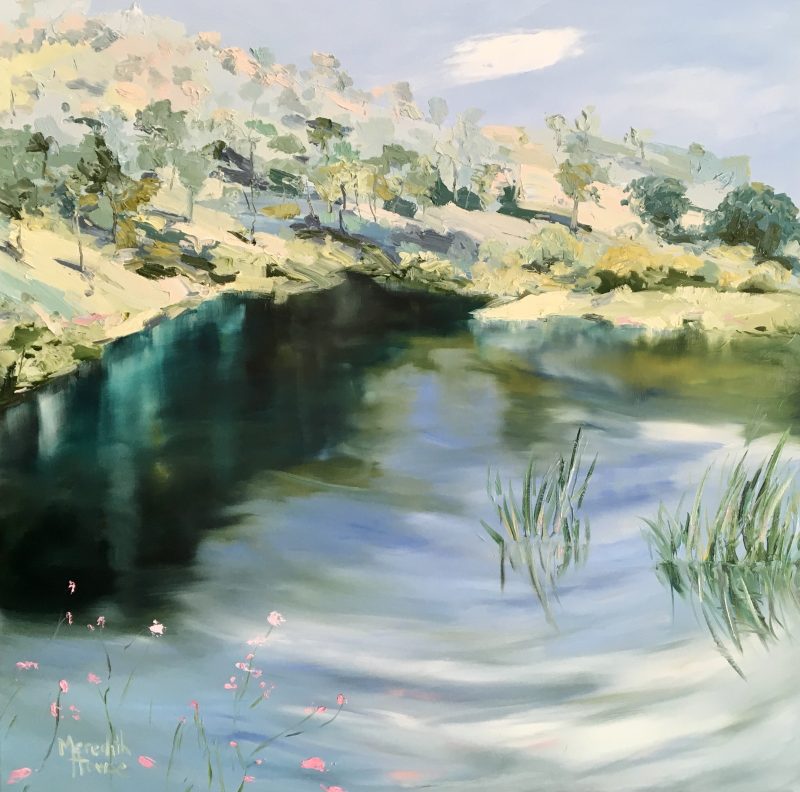 Billabong
AUD$2,750
Size:
101w
x 101h
x 4d
cms
Meredith Howse
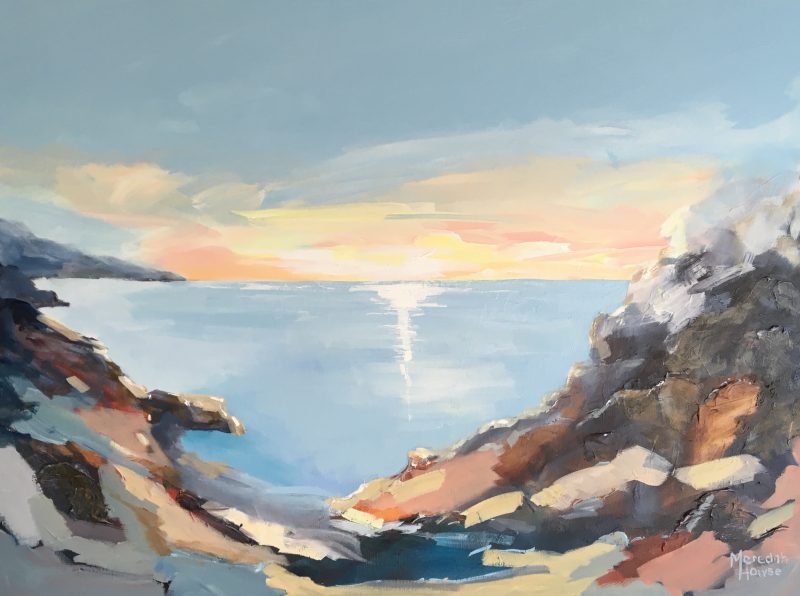 Archipelago
AUD$1,500
Size:
102w
x 76h
x 3.8d
cms
Meredith Howse
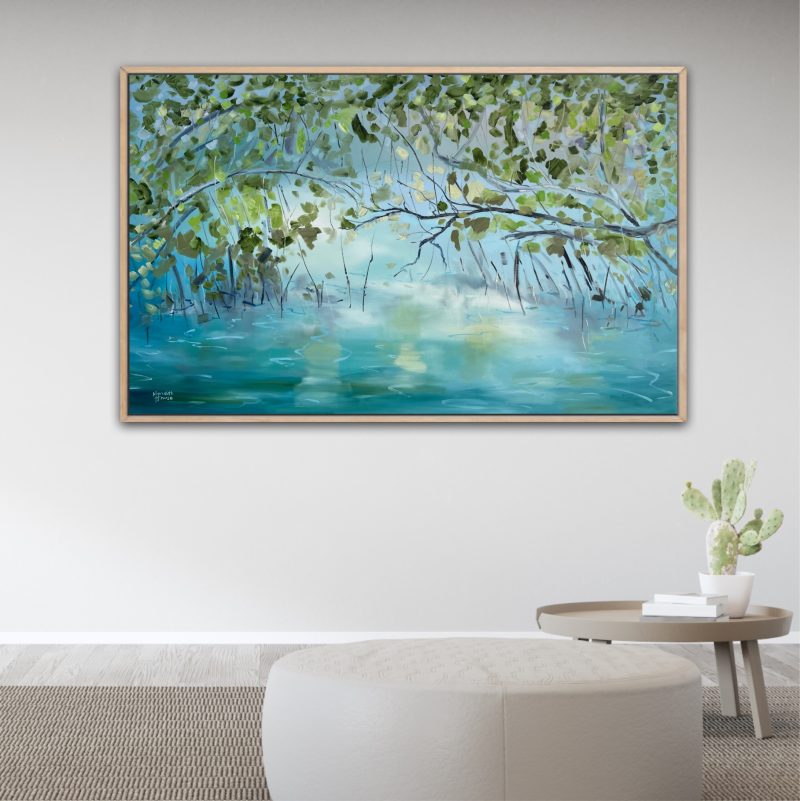 Upper Daintree 6
AUD$2,640
Size:
156w
x 94.5h
x 4d
cms
Meredith Howse
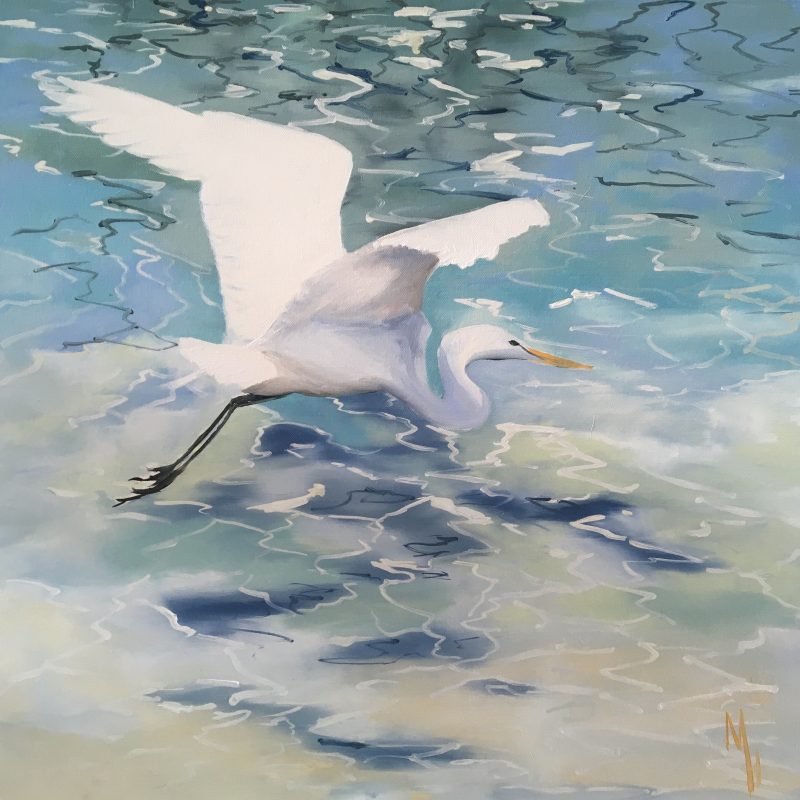 Flying Blue
AUD$790
Size:
60w
x 60h
x 2d
cms
Meredith Howse
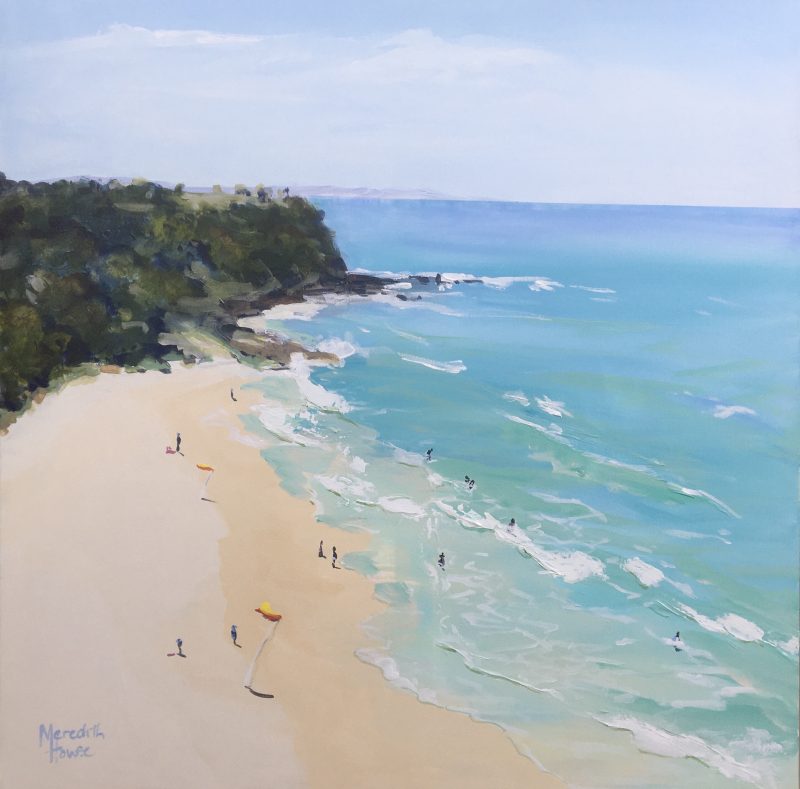 Between the Flags
AUD$1,200
Size:
92w
x 92h
x 4d
cms
Meredith Howse
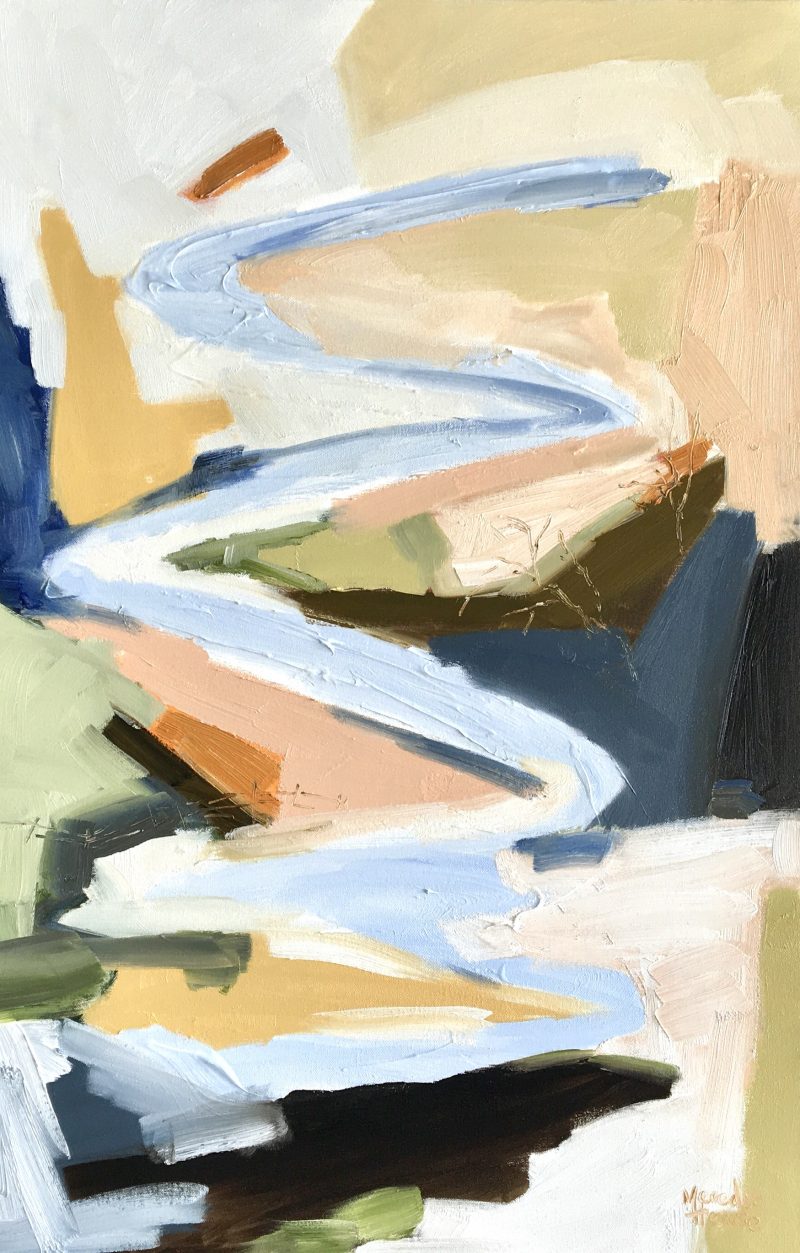 Snowy River Spring
AUD$1,000
Size:
61w
x 91h
x 4d
cms
Meredith Howse
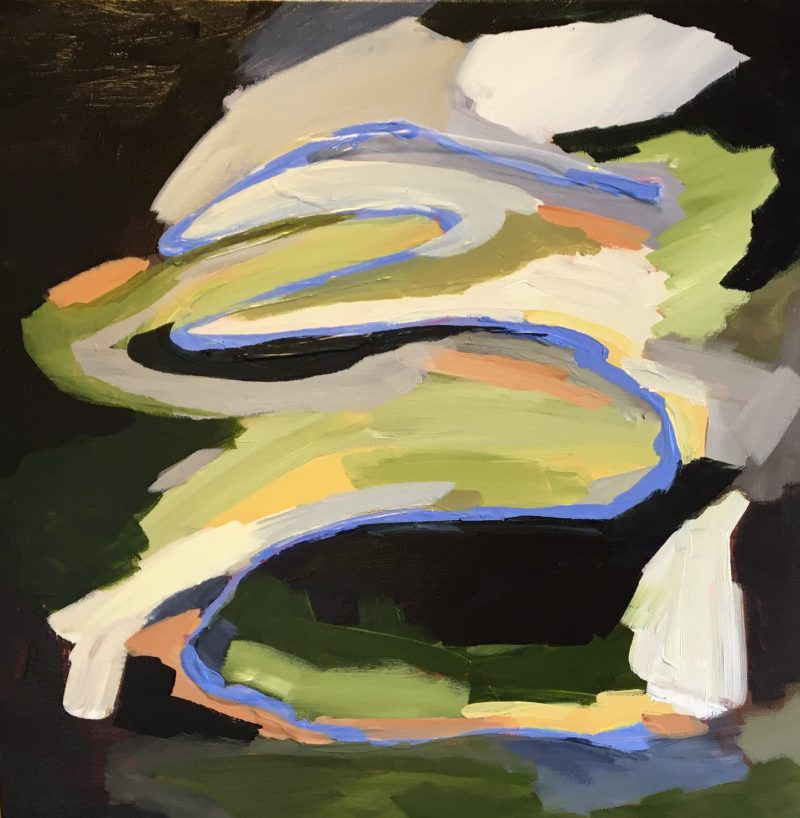 Sail Away
AUD$660
Size:
50.8w
x 50.8h
x 3.8d
cms
Meredith Howse
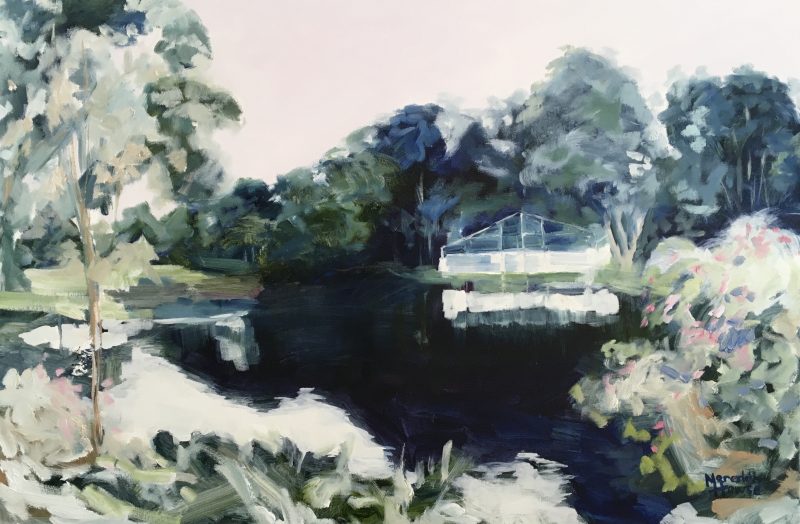 Golden Ponds
AUD$1,200
Size:
91w
x 61h
x 3.5d
cms
Meredith Howse
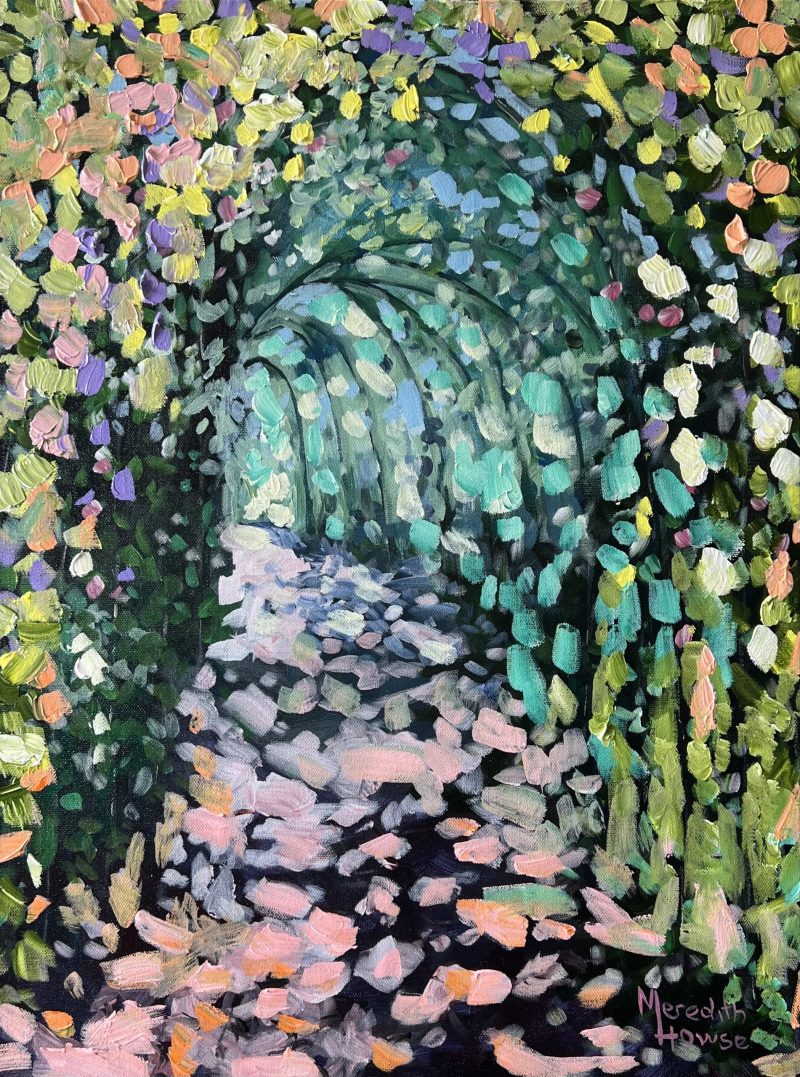 Garden Arch
AUD$600
Size:
45.7w
x 61h
x 3.8d
cms
Meredith Howse
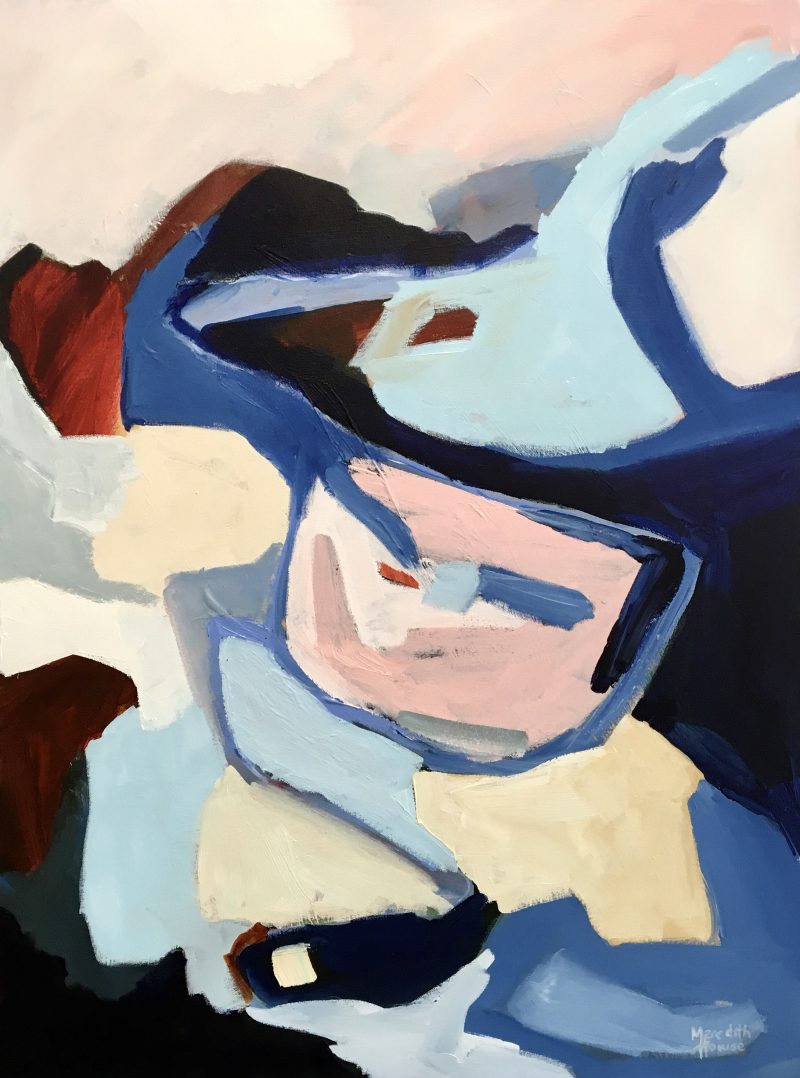 Rain on Downland
AUD$1,500
Size:
76w
x 102h
x 3.8d
cms
Meredith Howse
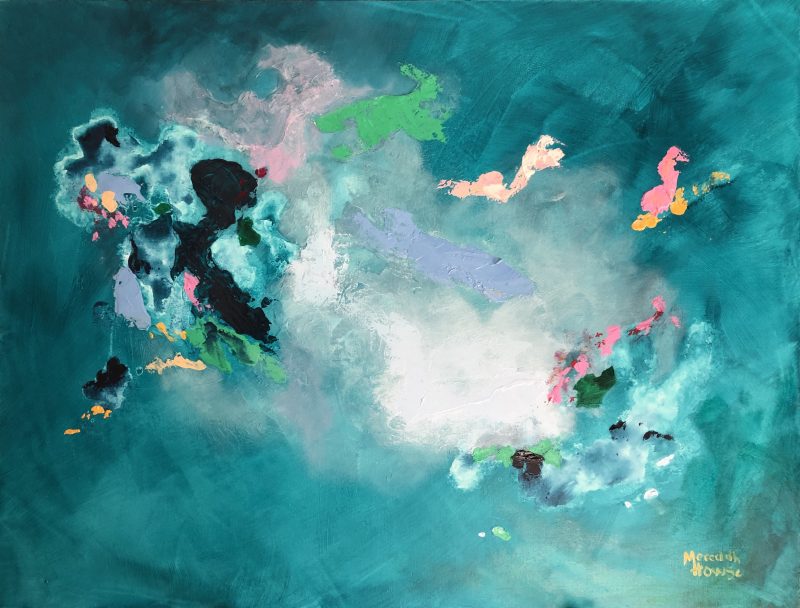 Opalescent Island
AUD$880
Size:
106w
x 81h
x 4d
cms
Meredith Howse
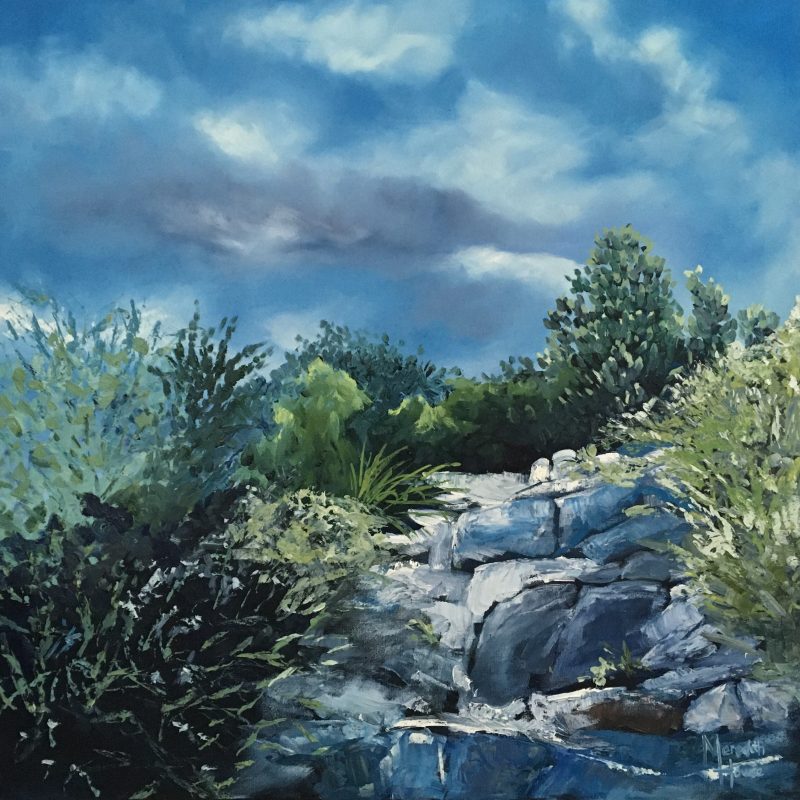 Climb to the Sky
AUD$1,200
Size:
76w
x 76h
x 4d
cms
Meredith Howse
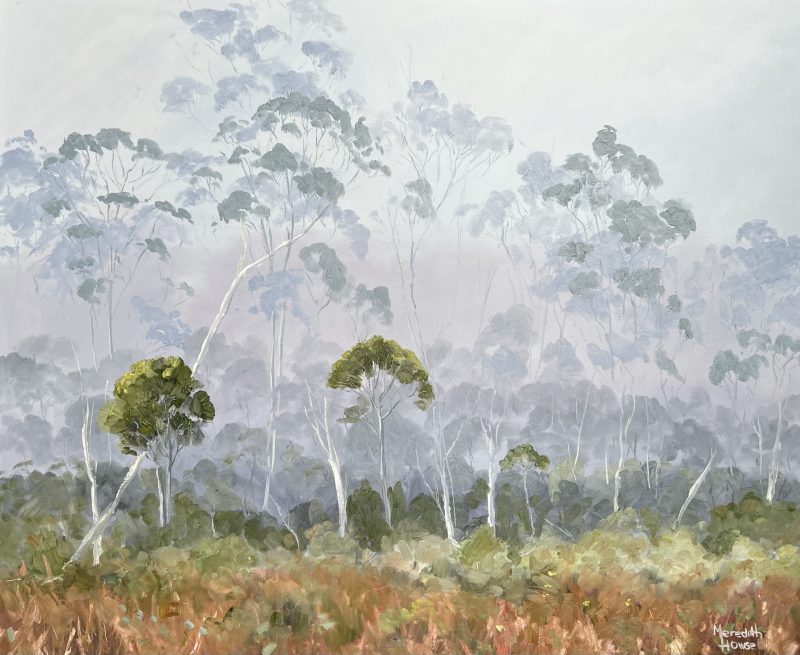 Ancient Land, Tasmania
AUD$2,200
Size:
122w
x 101h
x 3.8d
cms
Meredith Howse
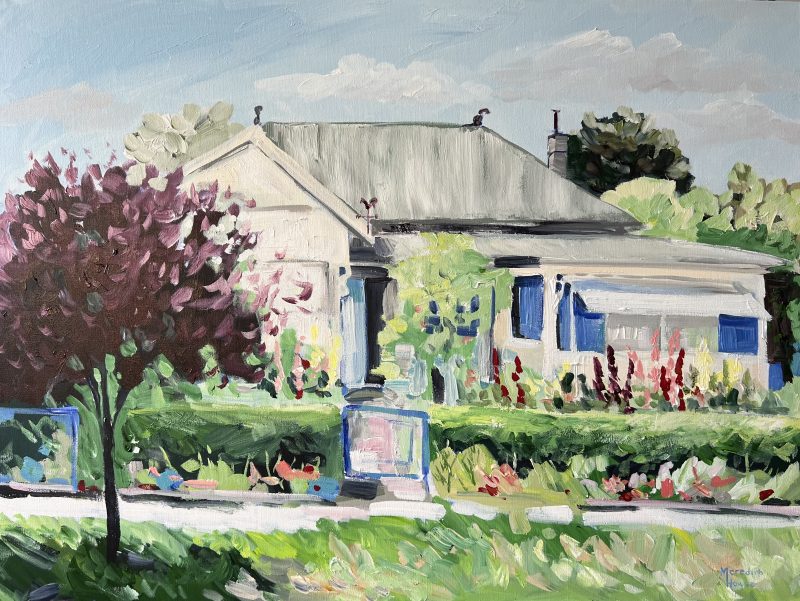 Cottage Garden
AUD$1,300
Size:
101w
x 76h
x 3.8d
cms
Meredith Howse
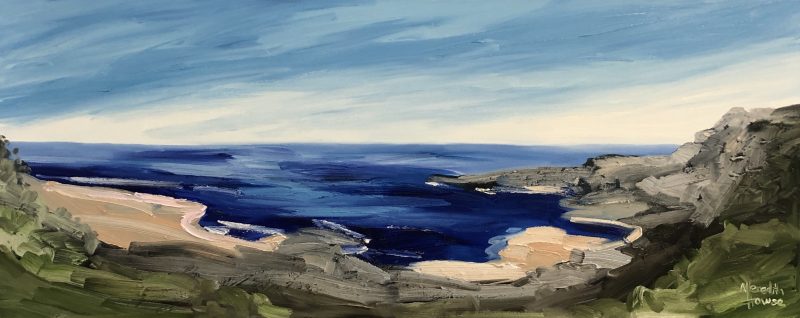 Deep in the Shallows
AUD$2,250
Size:
152.5w
x 61h
x 3.8d
cms
Meredith Howse
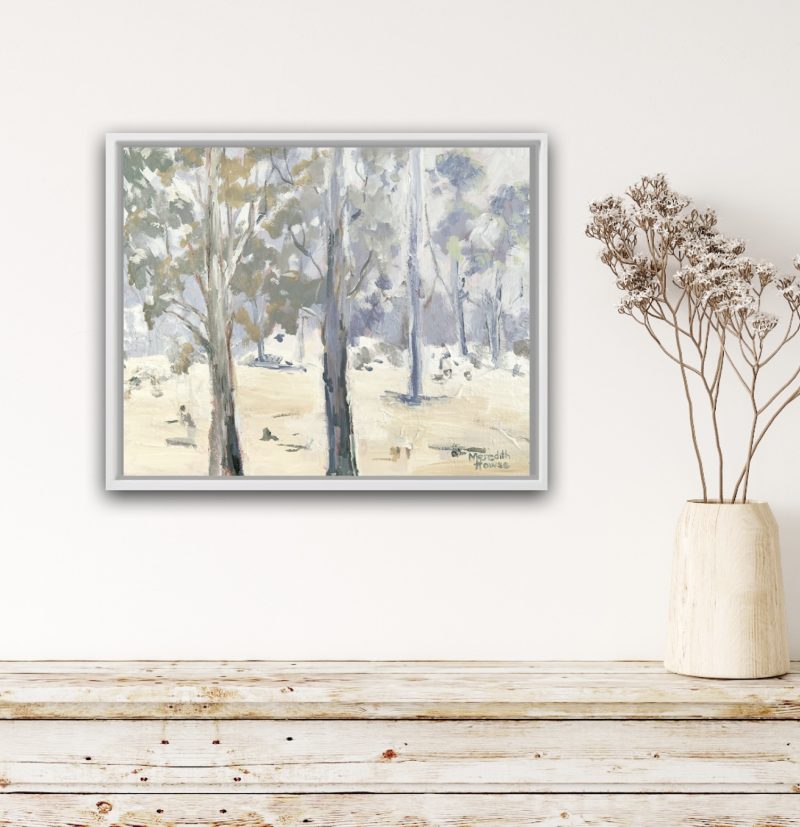 Victoria in Autumn
AUD$240
Size:
53w
x 43h
x 5d
cms
Meredith Howse
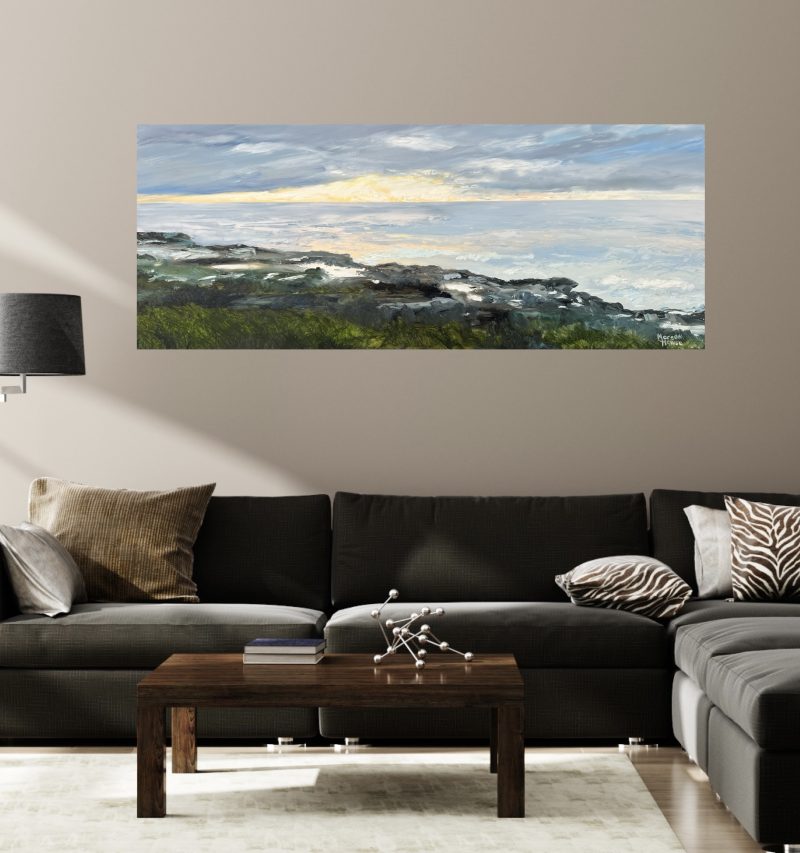 South Coogee Sunrise
AUD$2,200
Size:
152w
x 61h
x 3.8d
cms
Meredith Howse
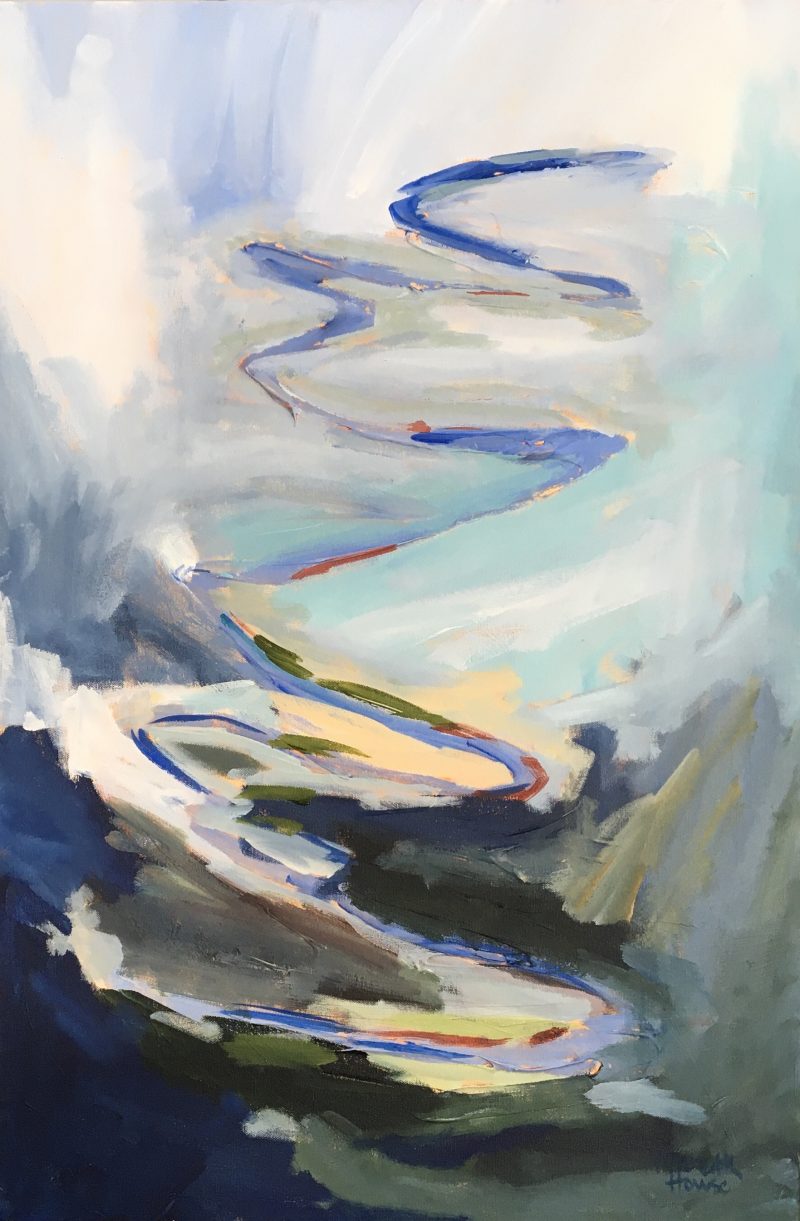 Jindabyne
AUD$980
Size:
61w
x 91h
x 4d
cms
Meredith Howse
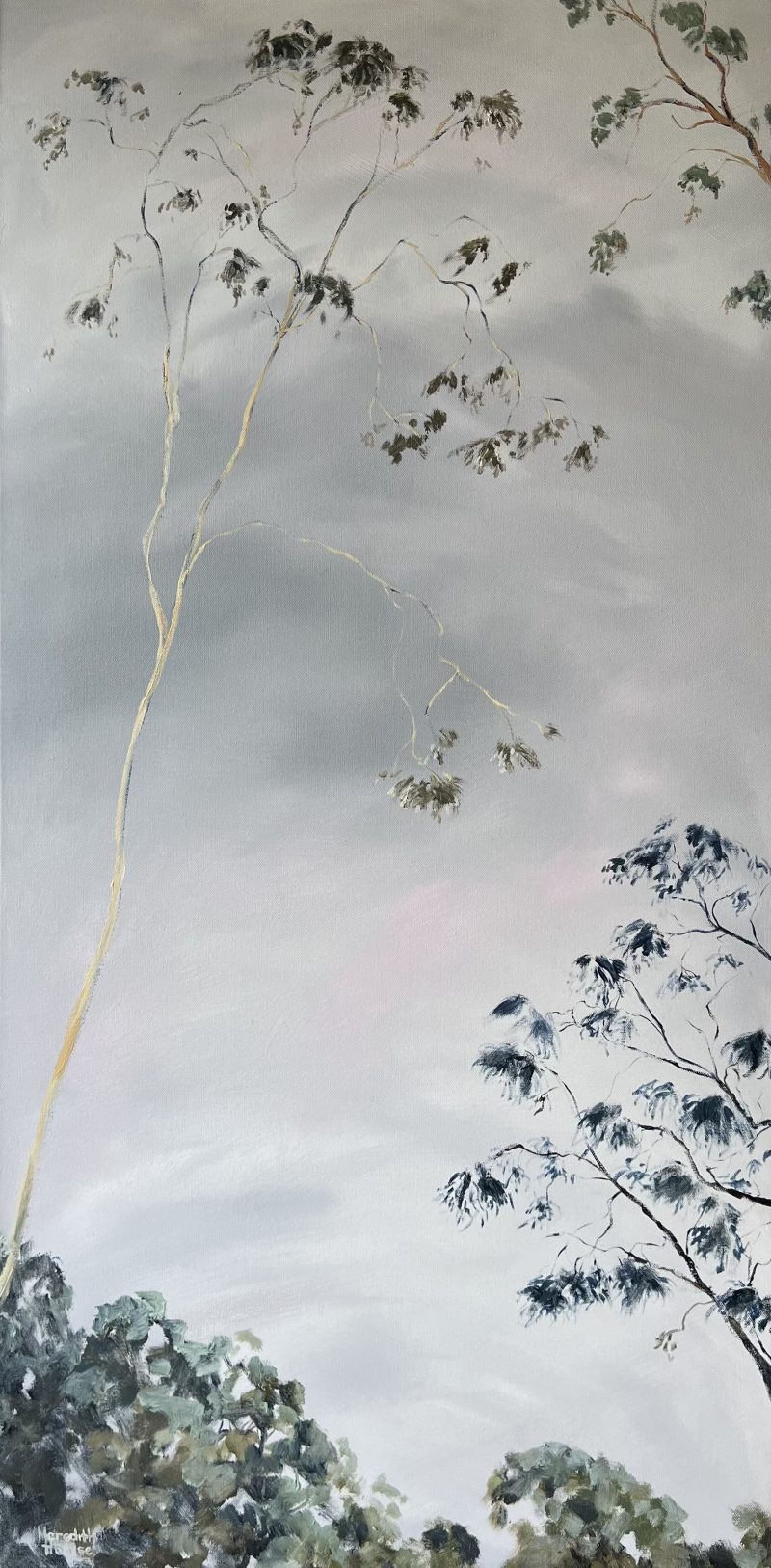 Illumination Storm Approaching
AUD$2,200
Size:
61w
x 122h
x 4d
cms
Meredith Howse
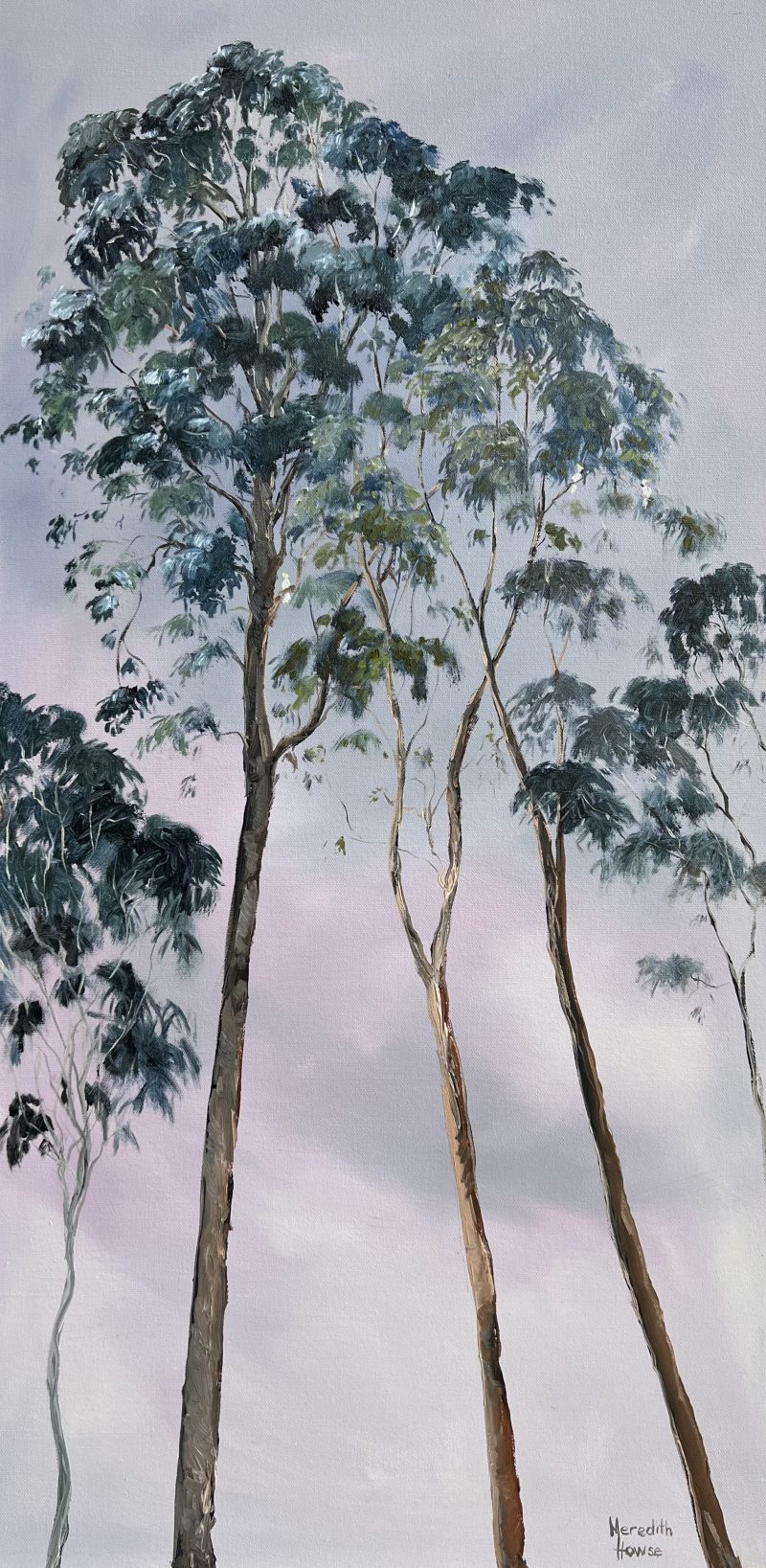 Illumination Trees of Stuartholme
AUD$1,200
Size:
45.5w
x 91h
x 4d
cms
Meredith Howse
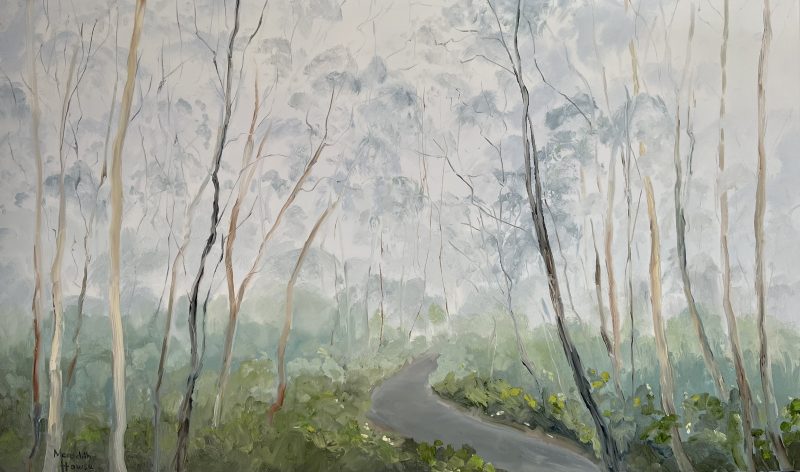 Gisborne to Mt Macedon
AUD$3,000
Size:
152w
x 91h
x 3.8d
cms
Meredith Howse
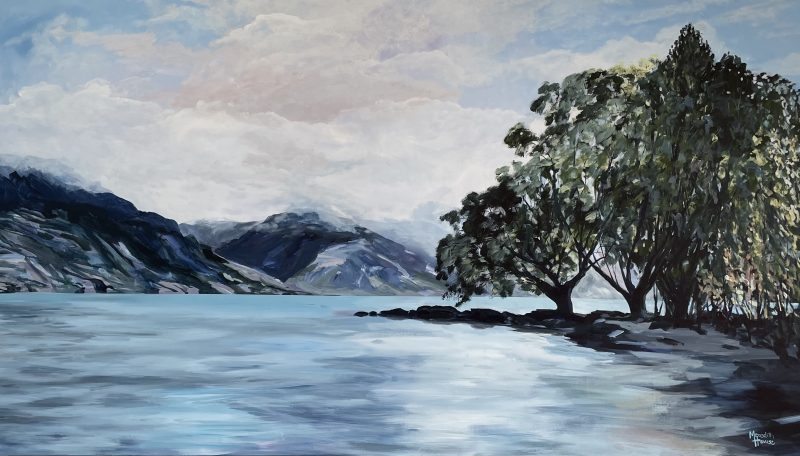 Lake Wakatipu, Queenstown
AUD$6,000
Size:
213.5w
x 122h
x 4d
cms
Meredith Howse
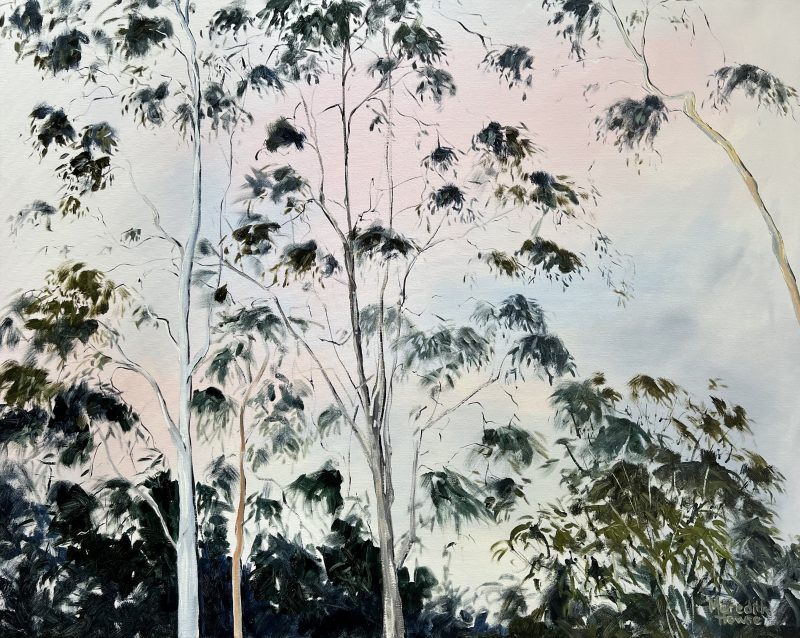 Illumination of White Gum Tree
AUD$1,900
Size:
100w
x 80h
x 4d
cms
Meredith Howse
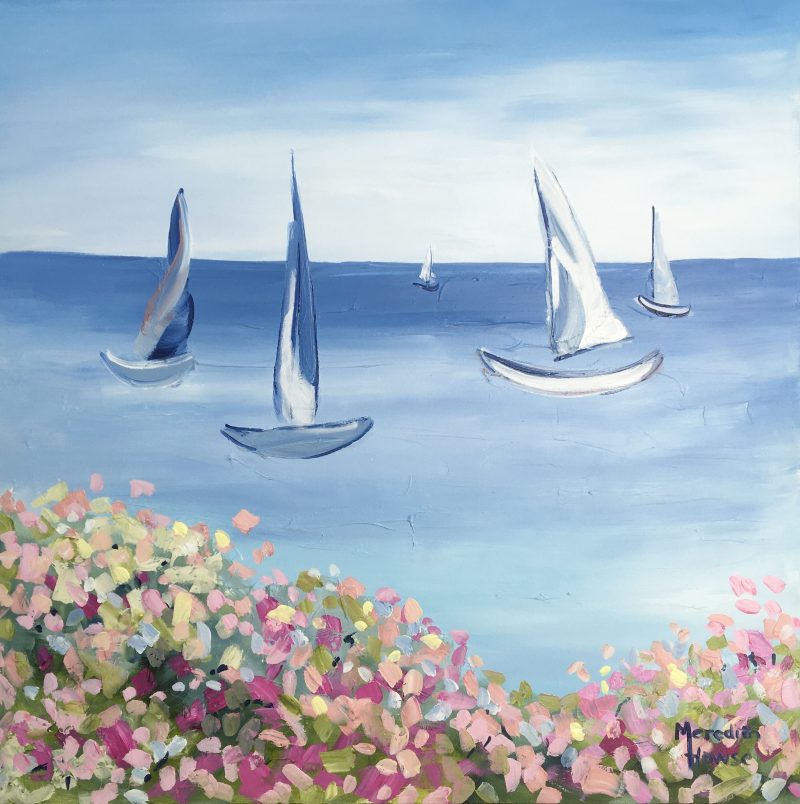 Sydney to Hobart
AUD$1,300
Size:
101.5w
x 101.5h
x 5d
cms
Meredith Howse
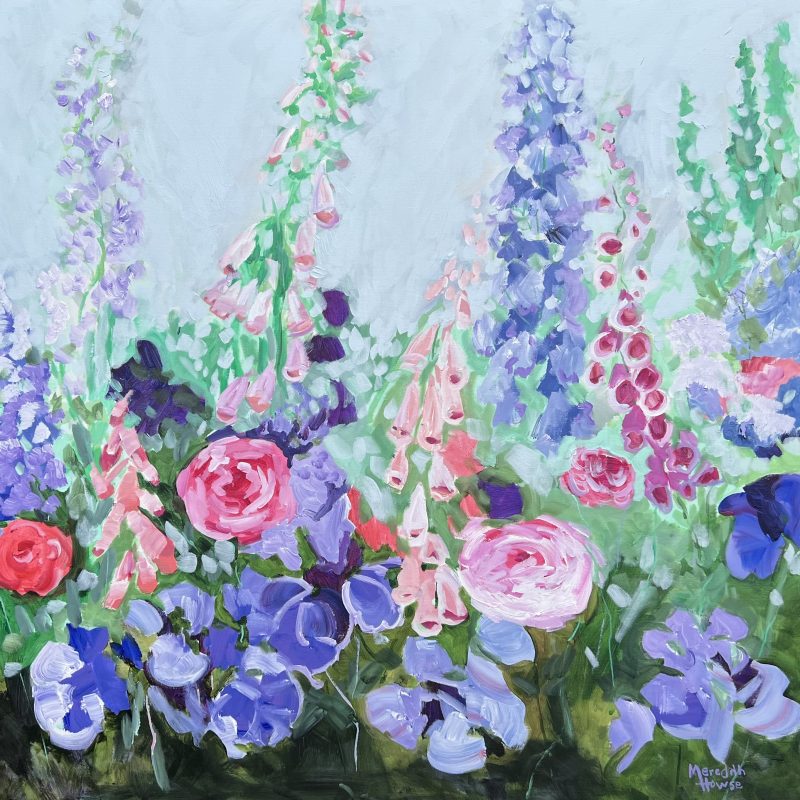 Penny’s Garden
AUD$1,900
Size:
102w
x 102h
x 3.8d
cms
Meredith Howse
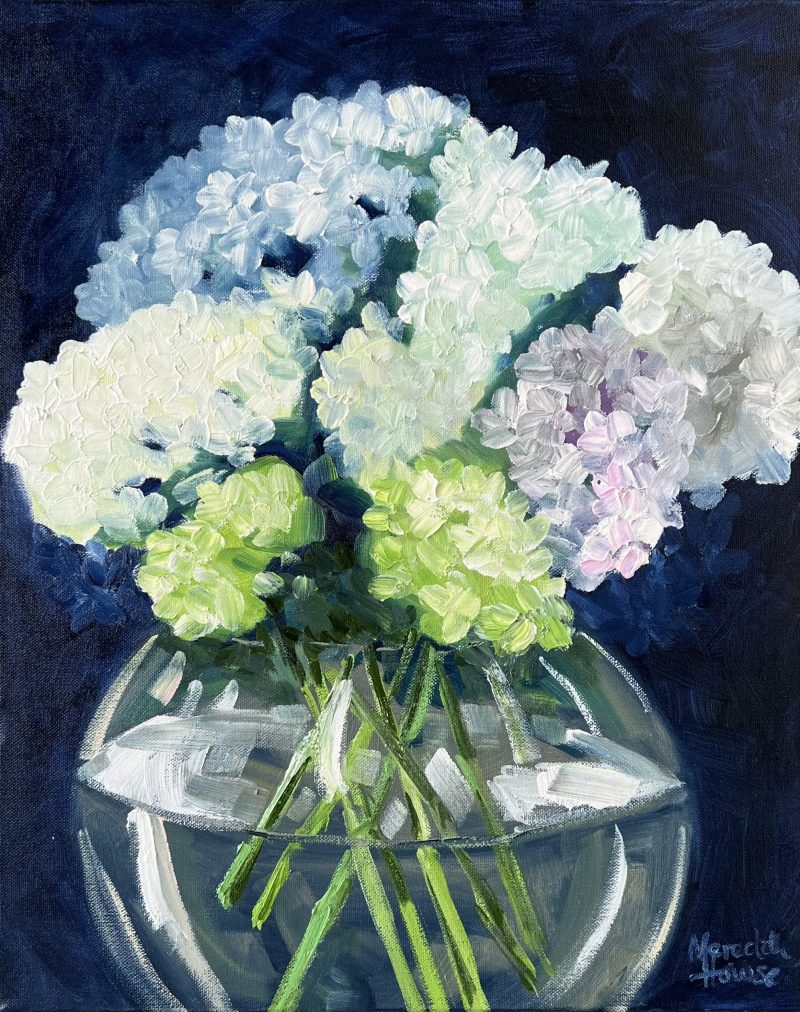 Flowers Always
AUD$550
Size:
40.5w
x 50.5h
x 3.8d
cms
Meredith Howse
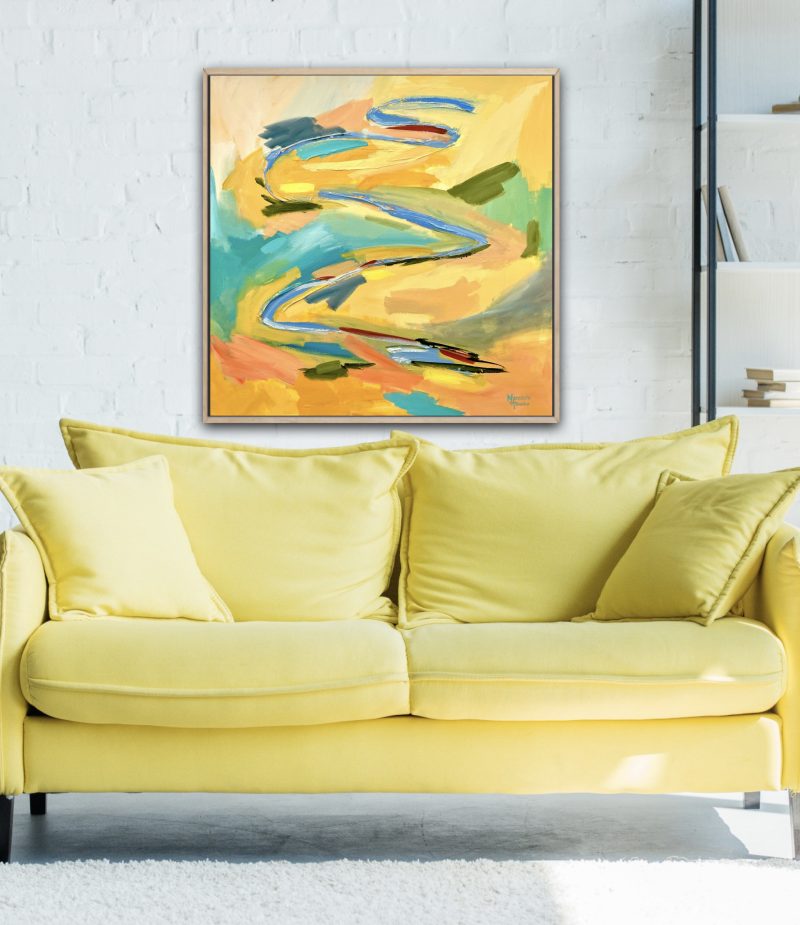 Lemon Trees
AUD$1,200
Size:
91w
x 91h
x 3.8d
cms
Meredith Howse
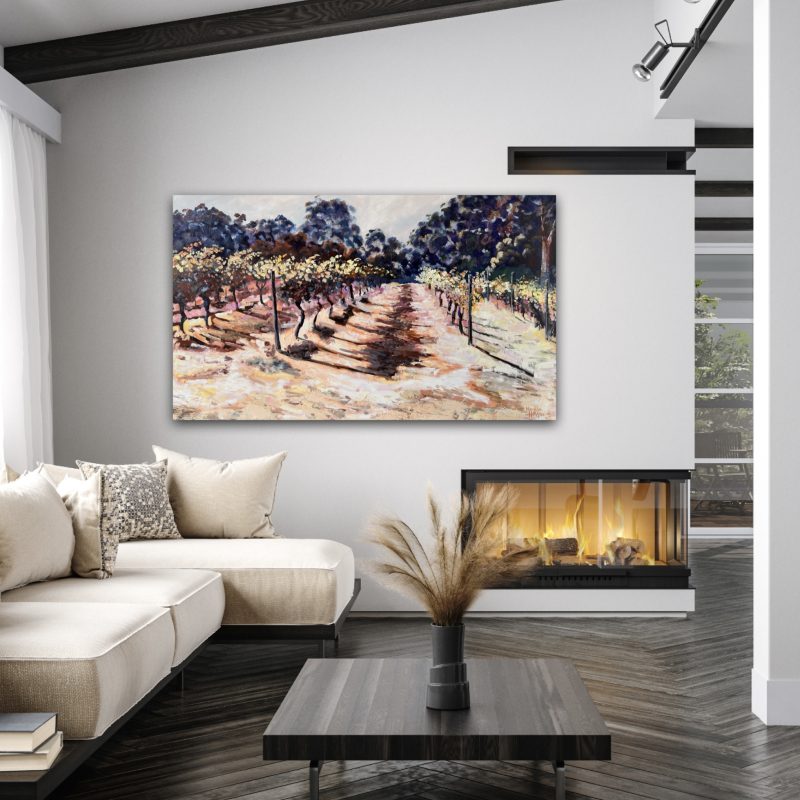 Vineyards at Margaret River
AUD$3,990
Size:
152w
x 91.5h
x 3d
cms
Meredith Howse
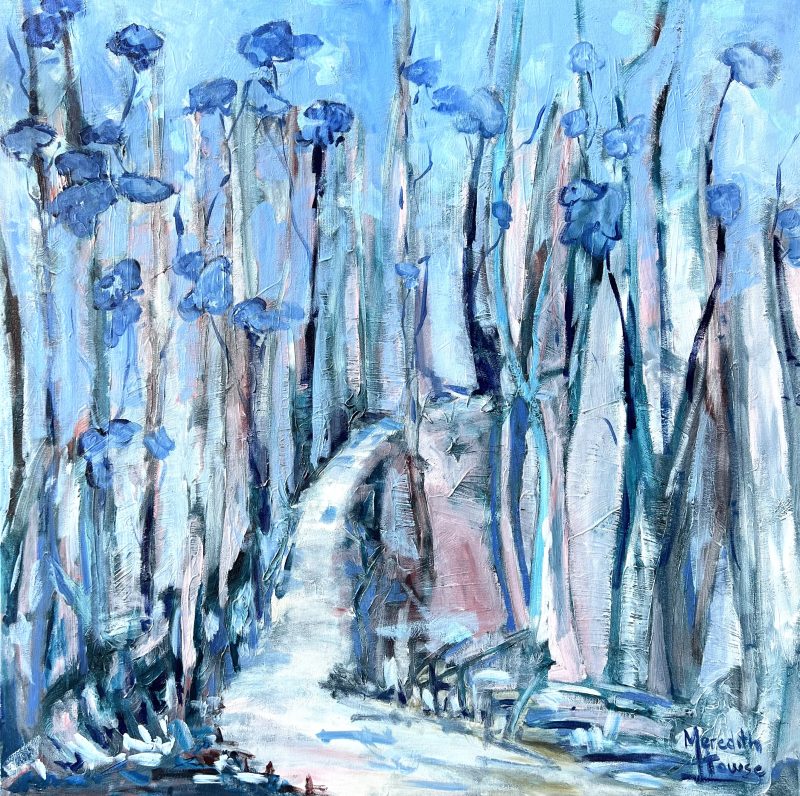 Up the Hill
AUD$1,200
Size:
91.5w
x 91.5h
x 3.5d
cms
Meredith Howse
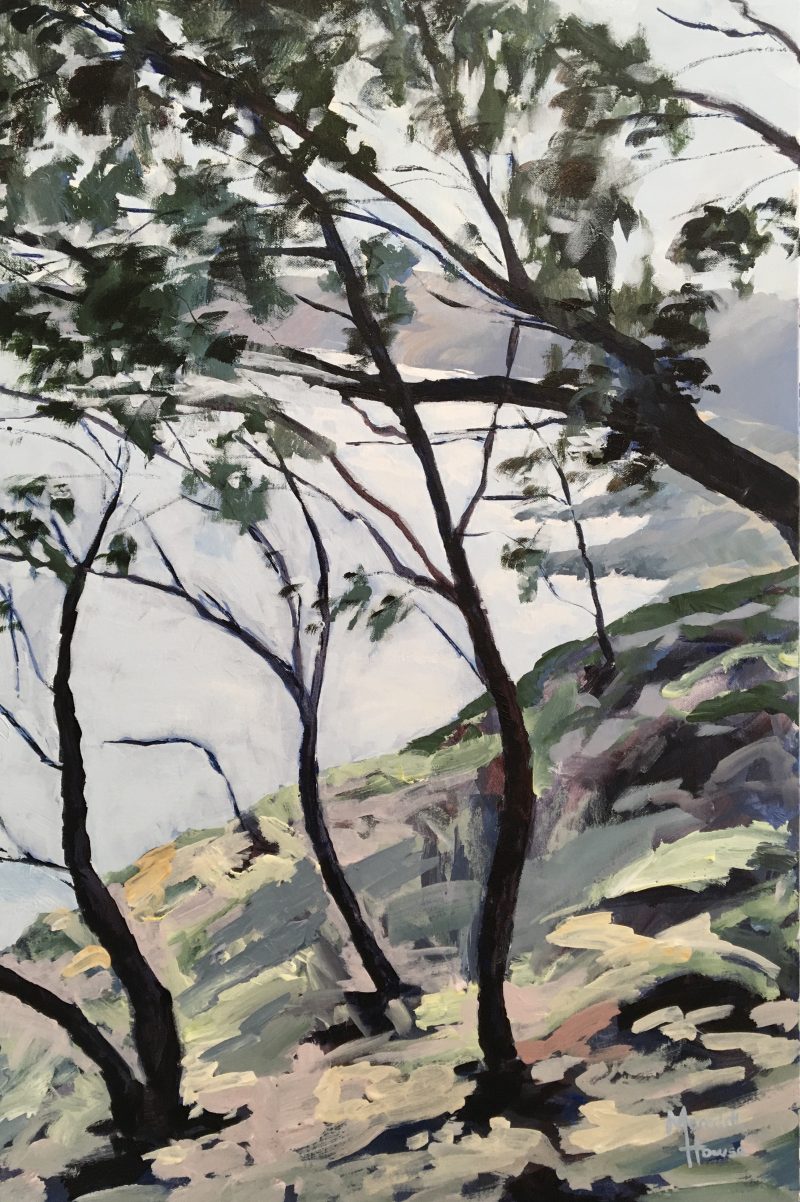 North Stradbroke Island
AUD$1,000
Size:
61w
x 91h
x 3.5d
cms
Meredith Howse
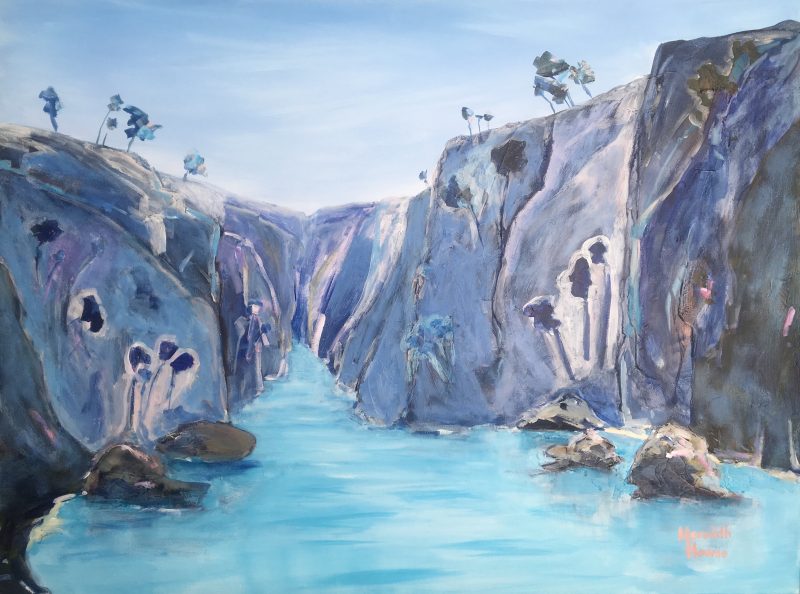 Follow Me
AUD$1,200
Size:
105w
x 80h
x 5d
cms
Meredith Howse
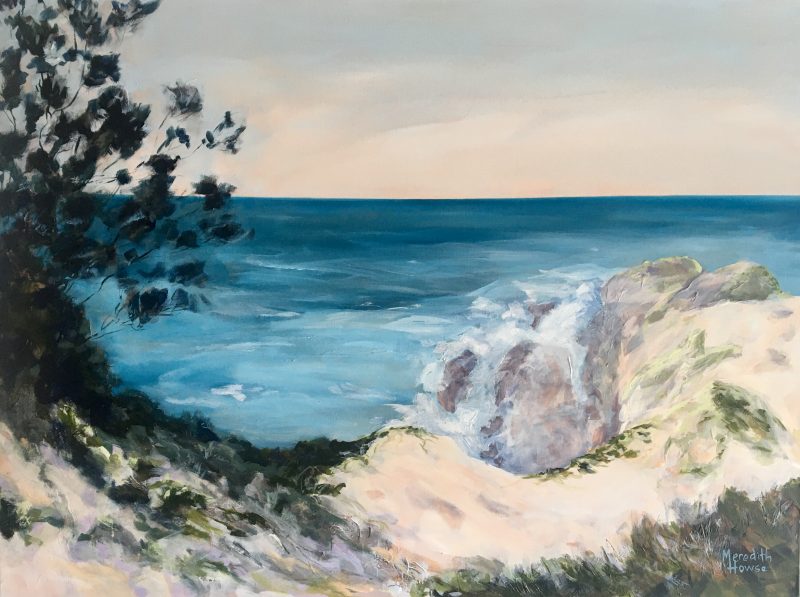 Sandhill
AUD$1,600
Size:
122w
x 91h
x 4d
cms
Meredith Howse
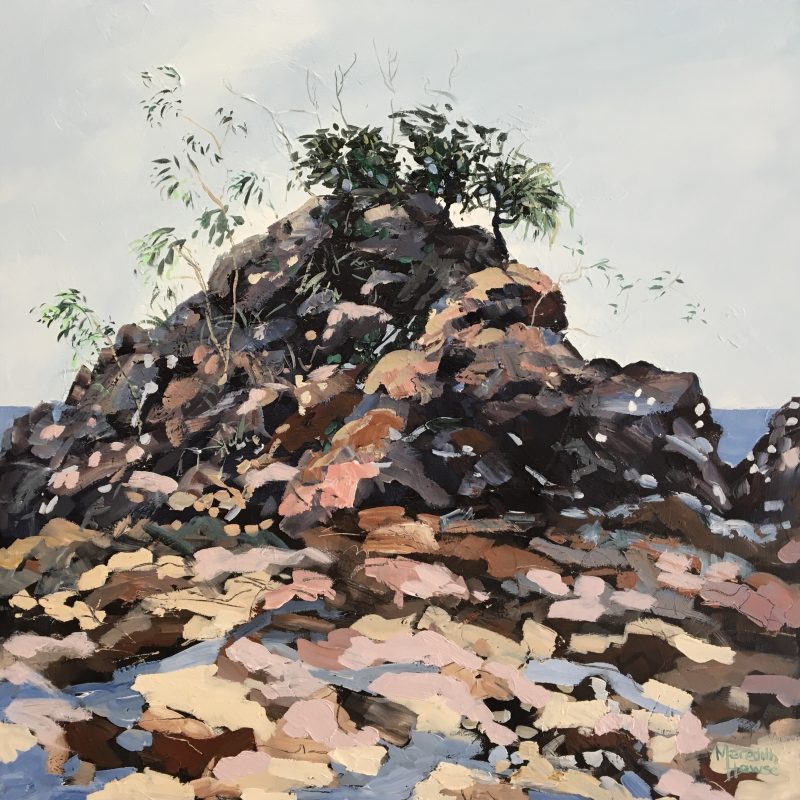 Byron Bay Rocks
AUD$1,000
Size:
76w
x 76h
x 3.8d
cms
Meredith Howse
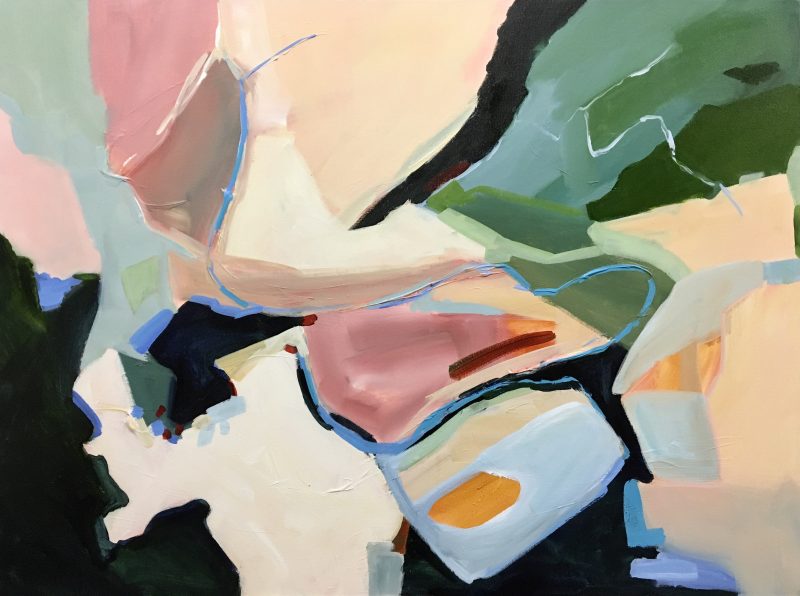 The Riverina
AUD$1,300
Size:
101w
x 76h
x 4d
cms
Meredith Howse
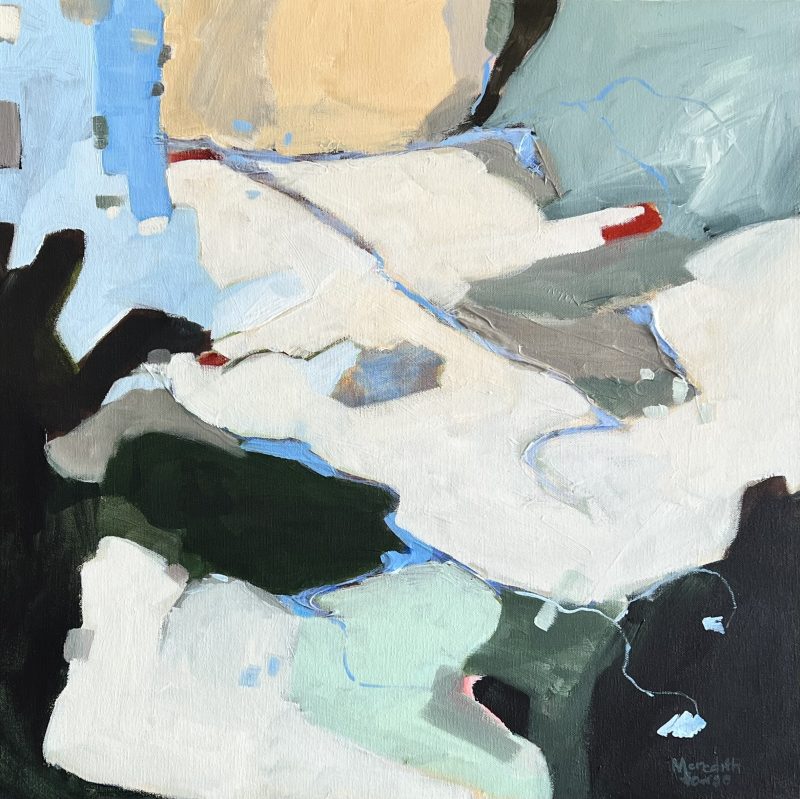 Salt Plains
AUD$800
Size:
63w
x 63h
x 5d
cms
Meredith Howse
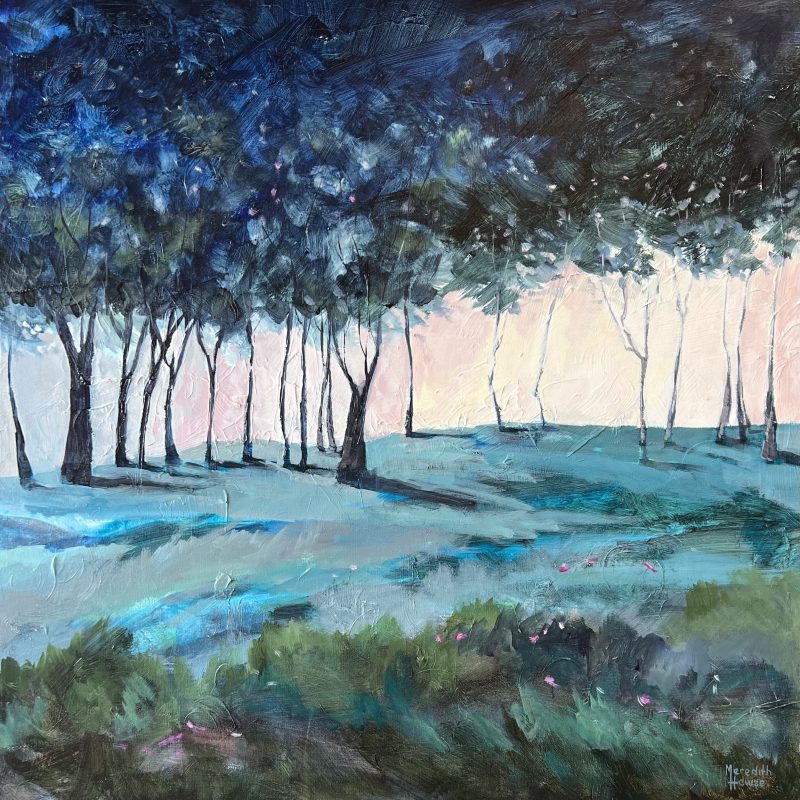 The Woods
AUD$1,800
Size:
91w
x 91h
x 4d
cms
Meredith Howse
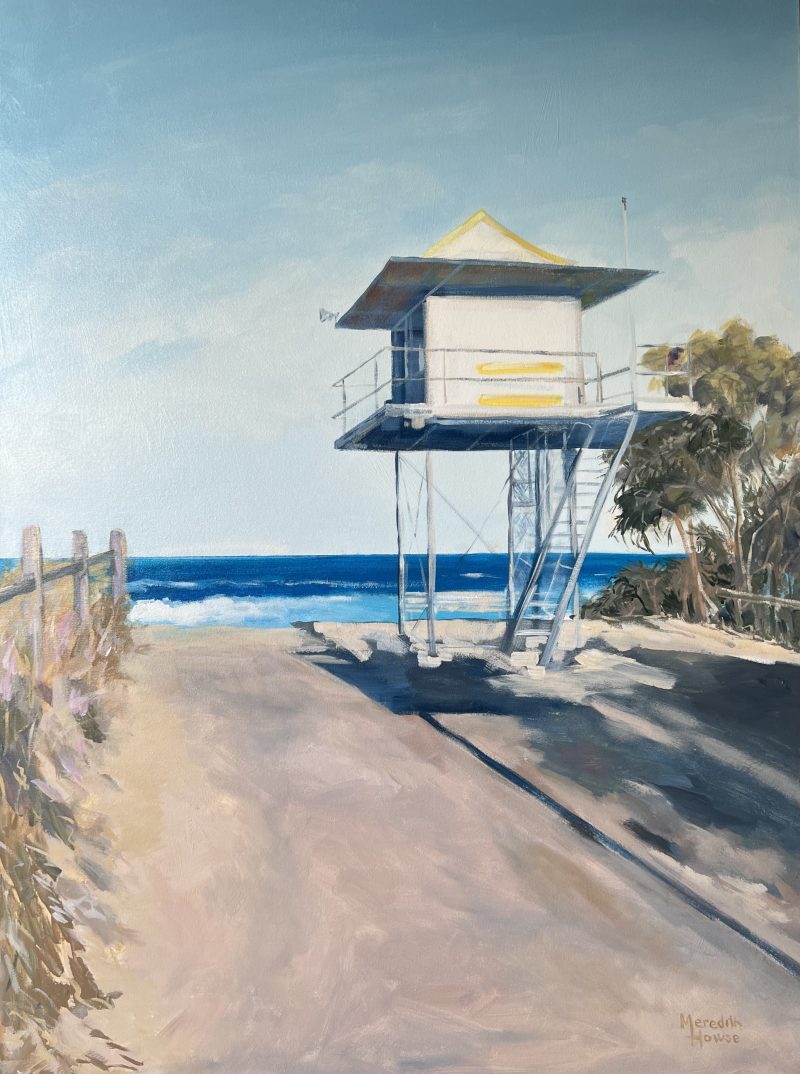 Currimundi Lifeguard Tower
AUD$1,800
Size:
91w
x 121h
x 3.8d
cms
Meredith Howse
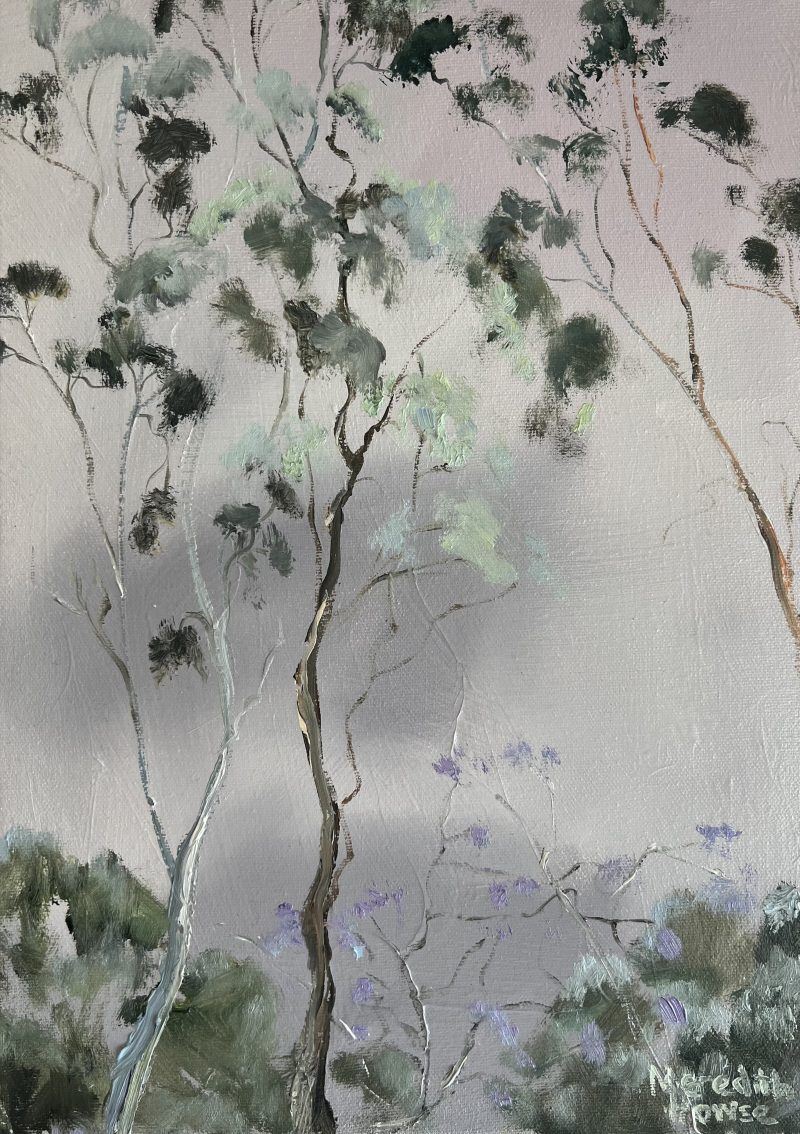 Illumination of Ashgrove
AUD$340
Size:
25.5w
x 35.5h
x 3.8d
cms
Meredith Howse
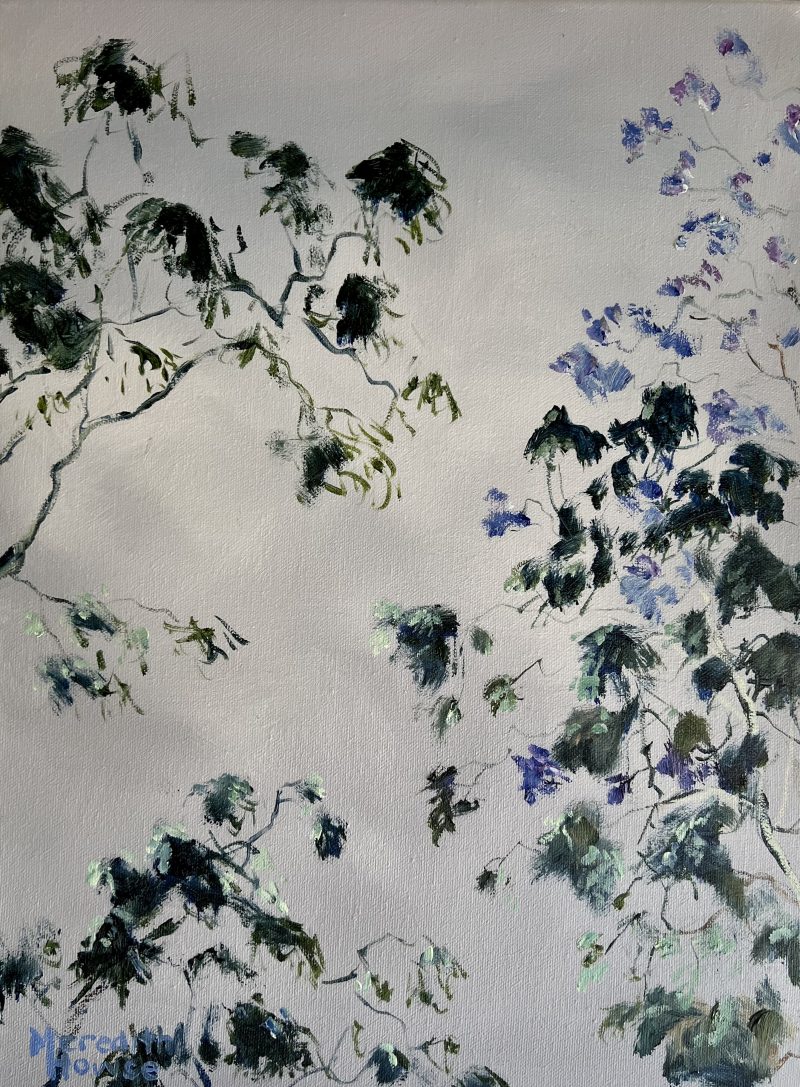 Illumination Ashgrovian
AUD$600
Size:
30.5w
x 40h
x 3.8d
cms
Meredith Howse
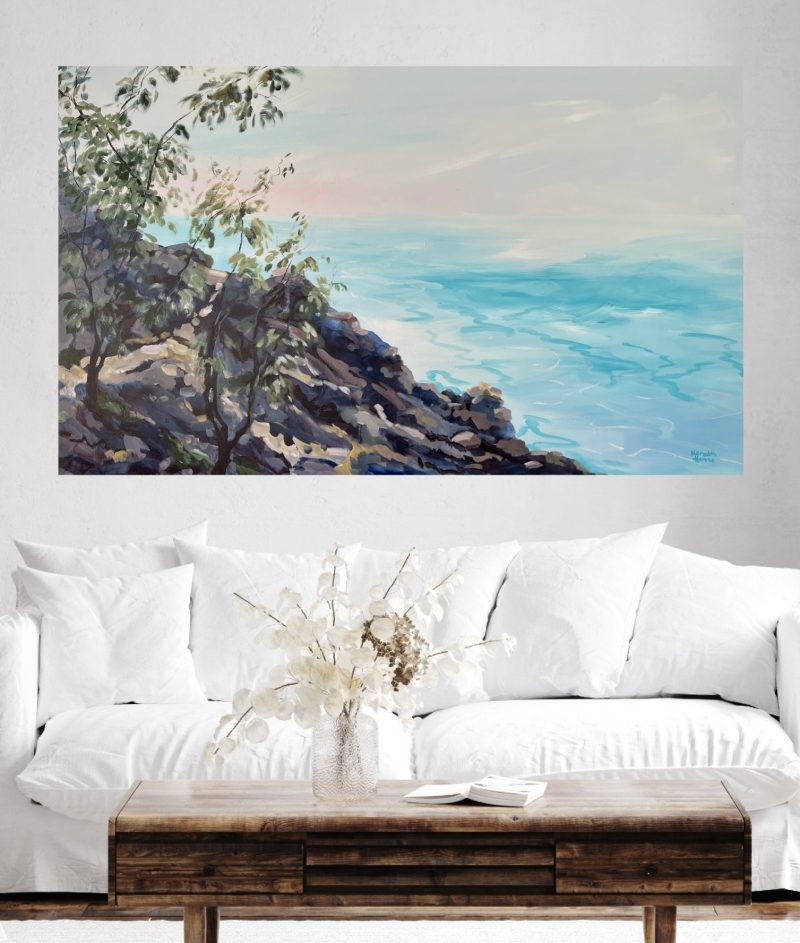 At Sea by Noosa
AUD$2,200
Size:
152w
x 91h
x 3.8d
cms
Meredith Howse
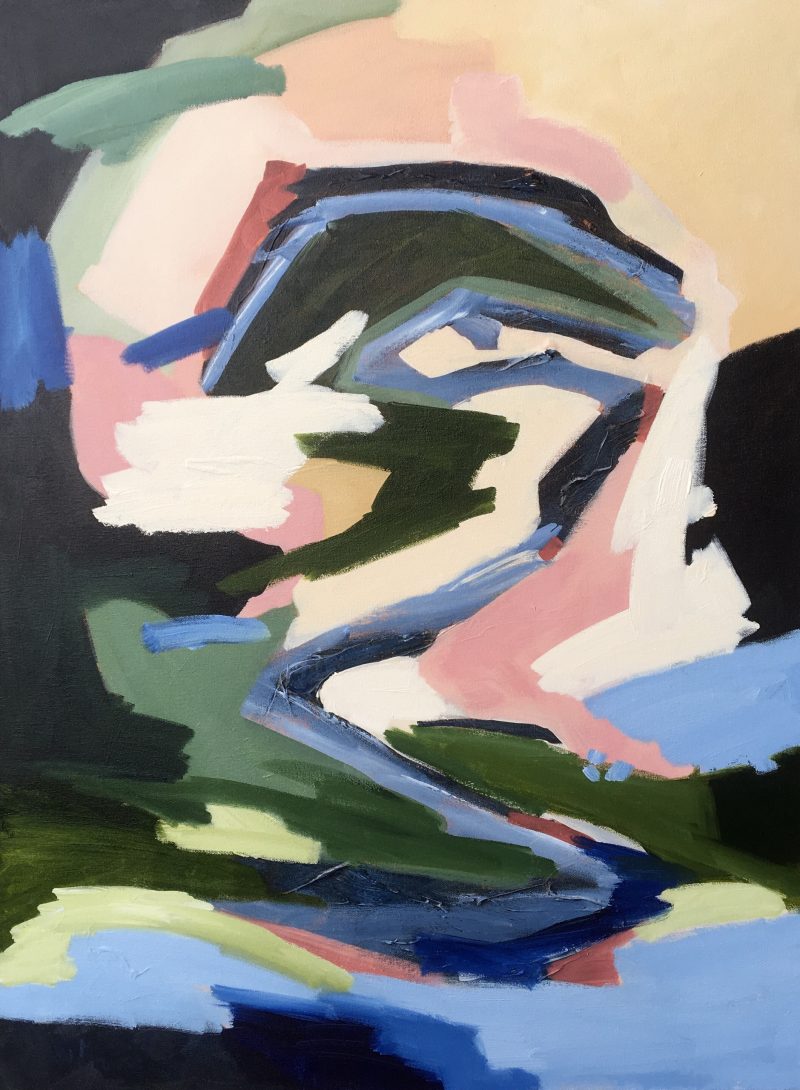 Southern Highlands
AUD$1,300
Size:
76w
x 102h
x 4d
cms
Meredith Howse
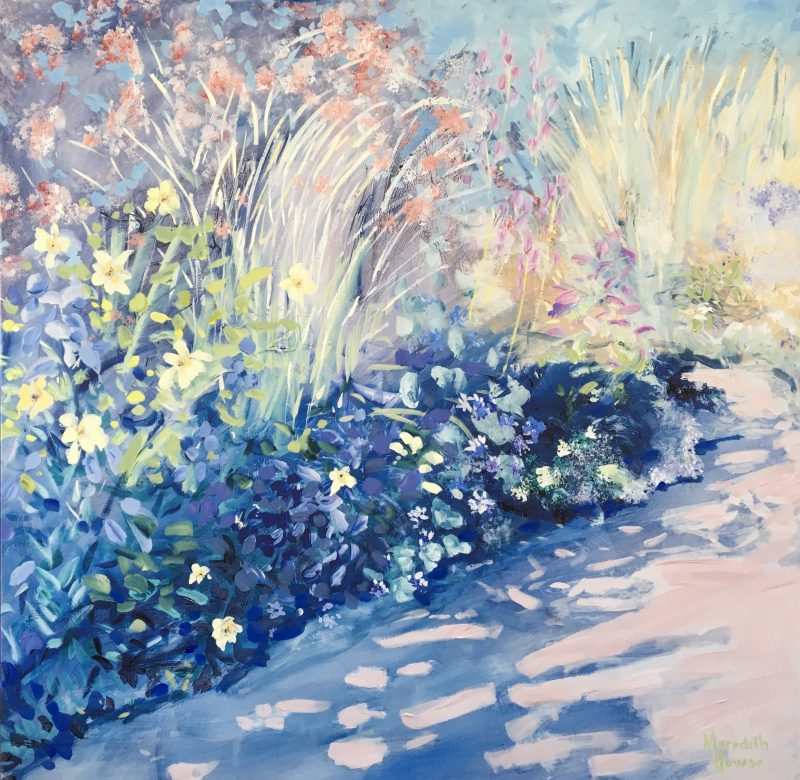 Early Spring Embellished Reproduction Ltd Ed. 1/50
AUD$1,200
Size:
101w
x 101h
x 4d
cms
Meredith Howse
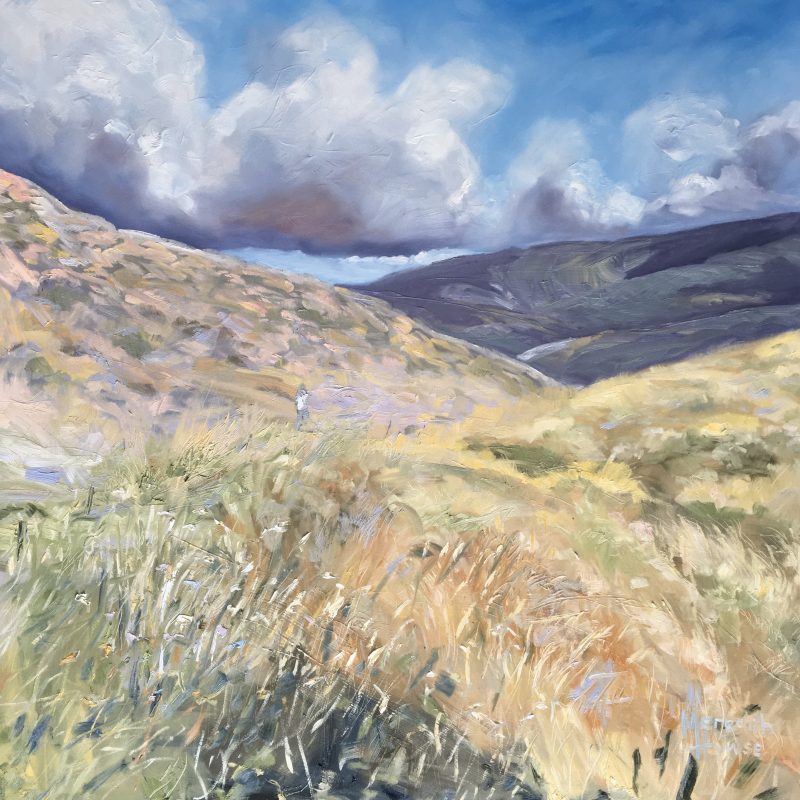 Walk with the Clouds
AUD$1,800
Size:
106w
x 106h
x 4d
cms
Meredith Howse
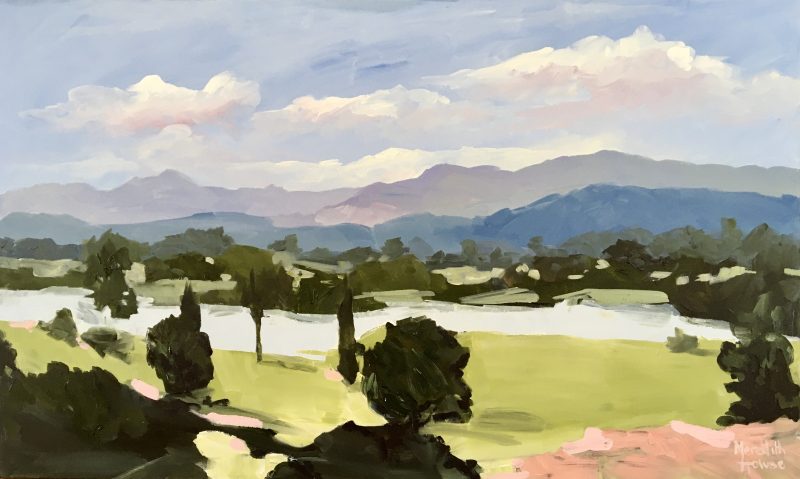 Riverscape
AUD$2,450
Size:
152.5w
x 91.5h
x 3.8d
cms
Meredith Howse
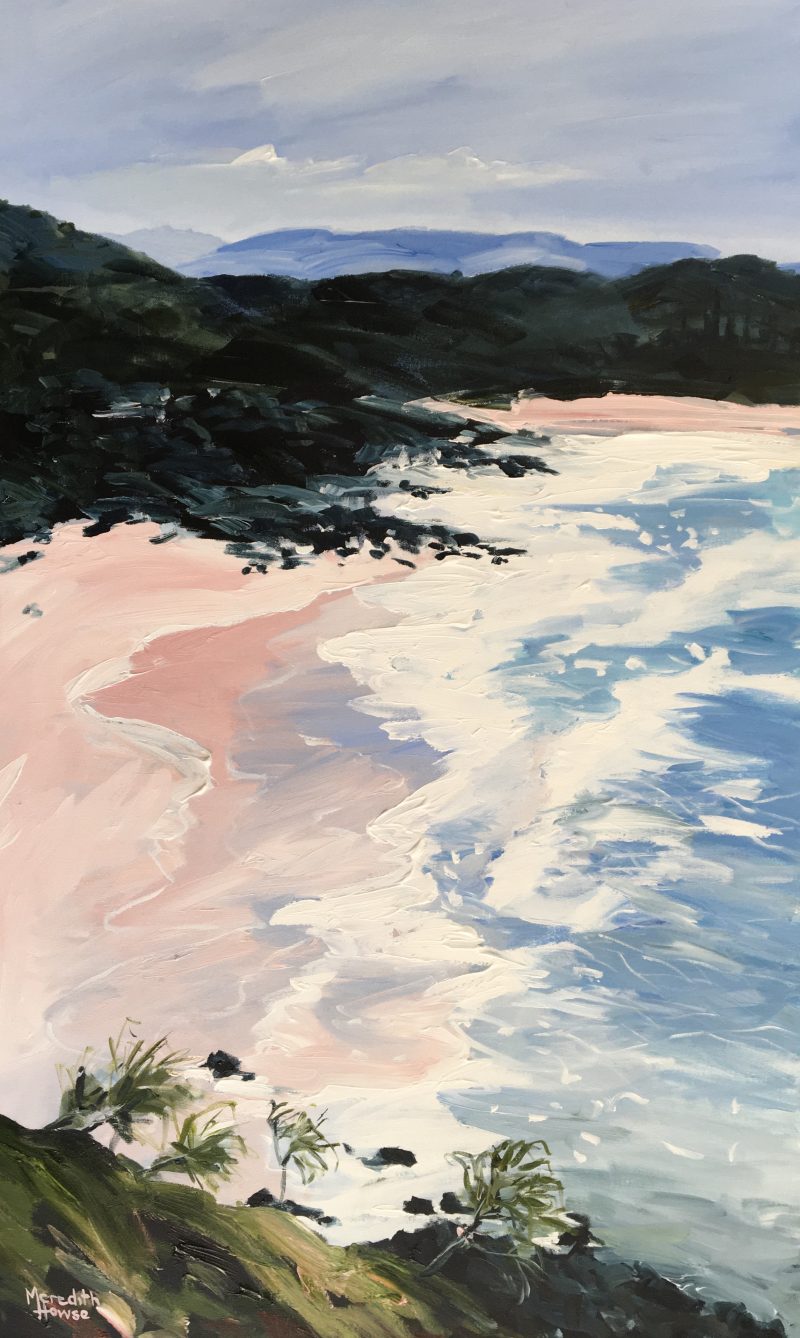 When September Comes
AUD$2,450
Size:
91.5w
x 152.5h
x 3.8d
cms
Meredith Howse
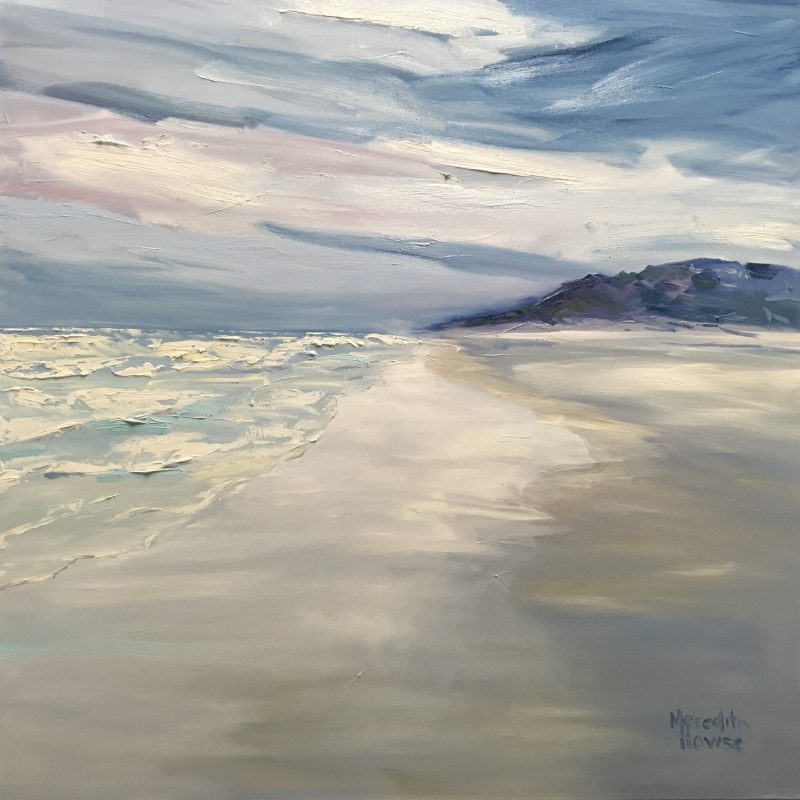 Seaside
AUD$1,300
Size:
102w
x 102h
x 4d
cms
Meredith Howse
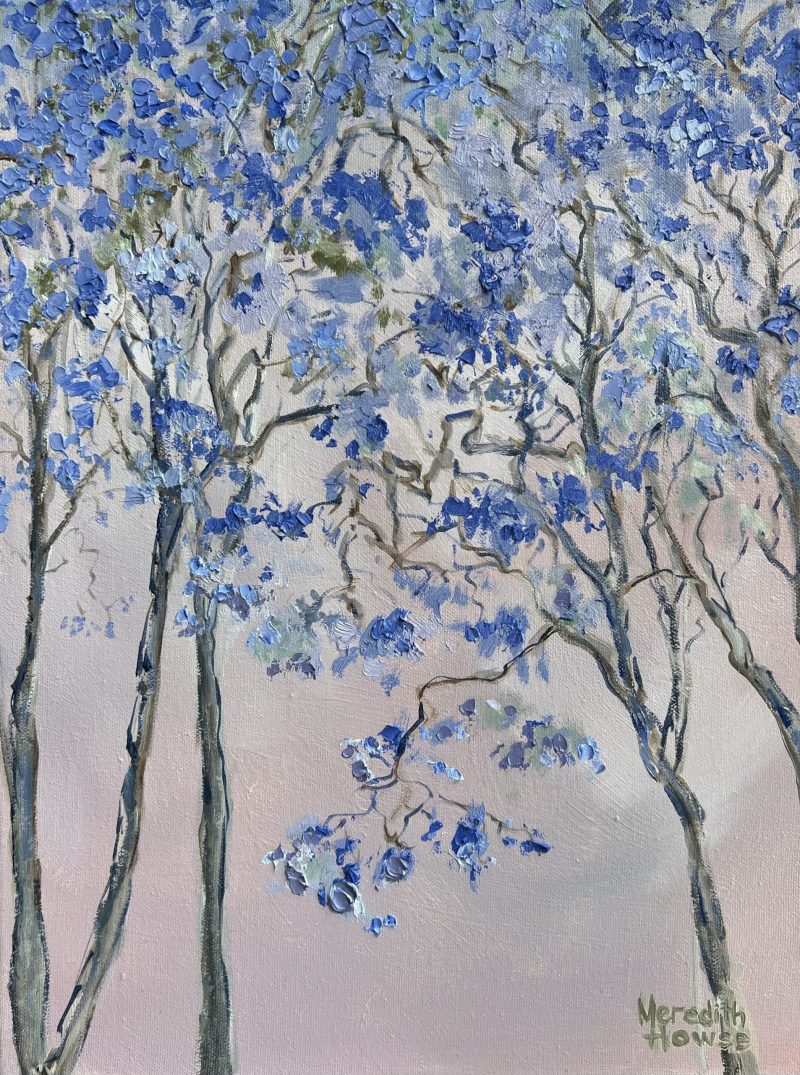 Illumination of Jacaranda Trees
AUD$600
Size:
30w
x 40h
x 3.8d
cms
Meredith Howse
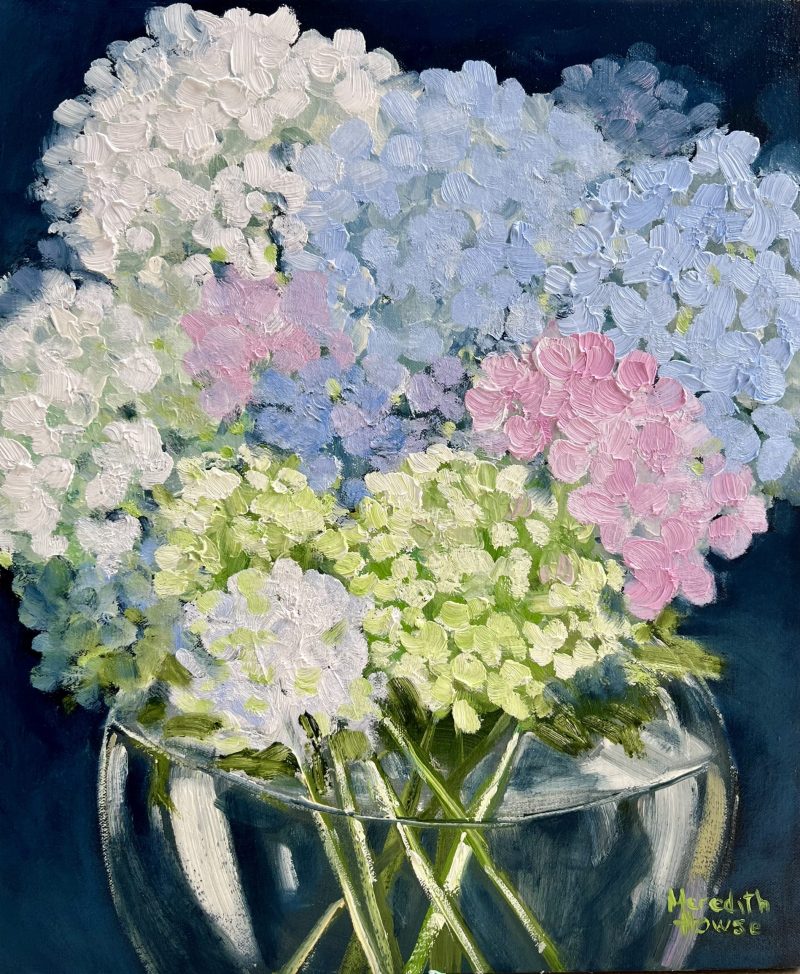 Just for You
AUD$400
Size:
39w
x 46h
x 3d
cms
Meredith Howse
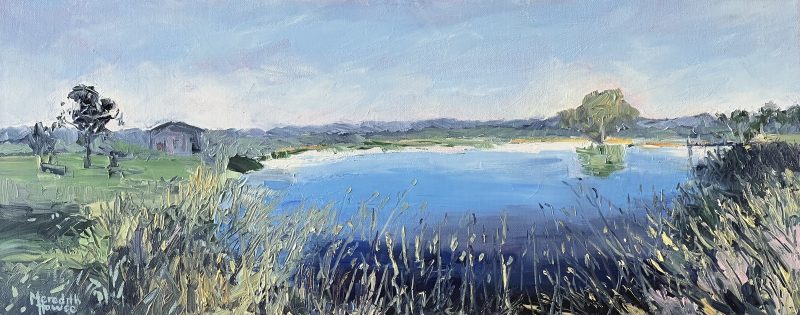 Reflections on Vineyard Dam – Mudgee
AUD$860
Size:
76w
x 30h
x 3.8d
cms
Meredith Howse
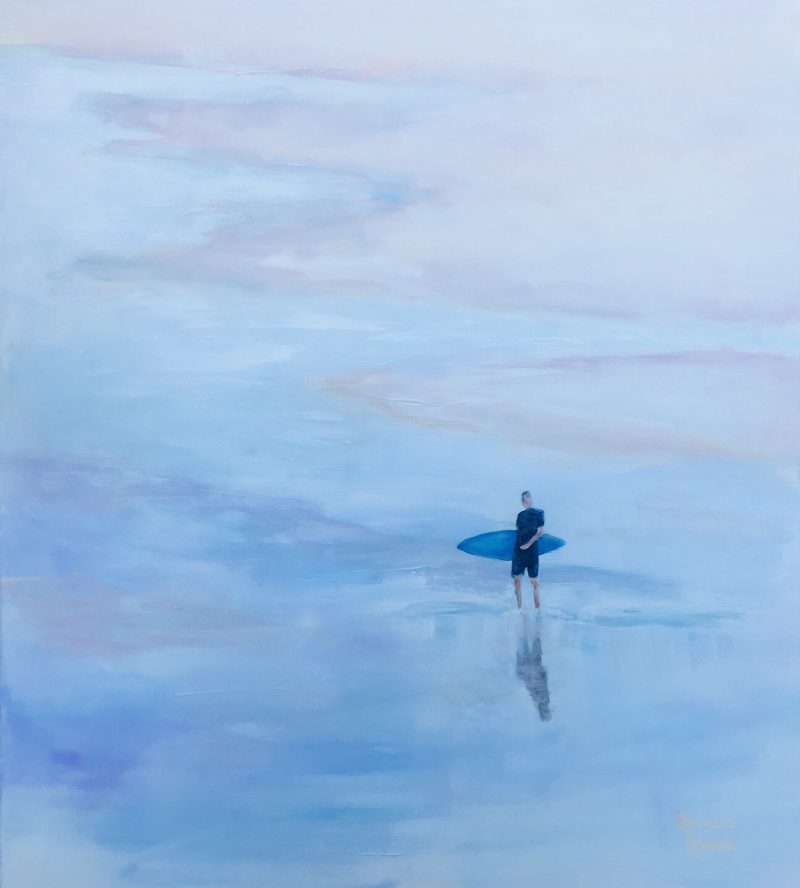 Surfer
AUD$1,200
Size:
91w
x 101h
x 4d
cms
Meredith Howse
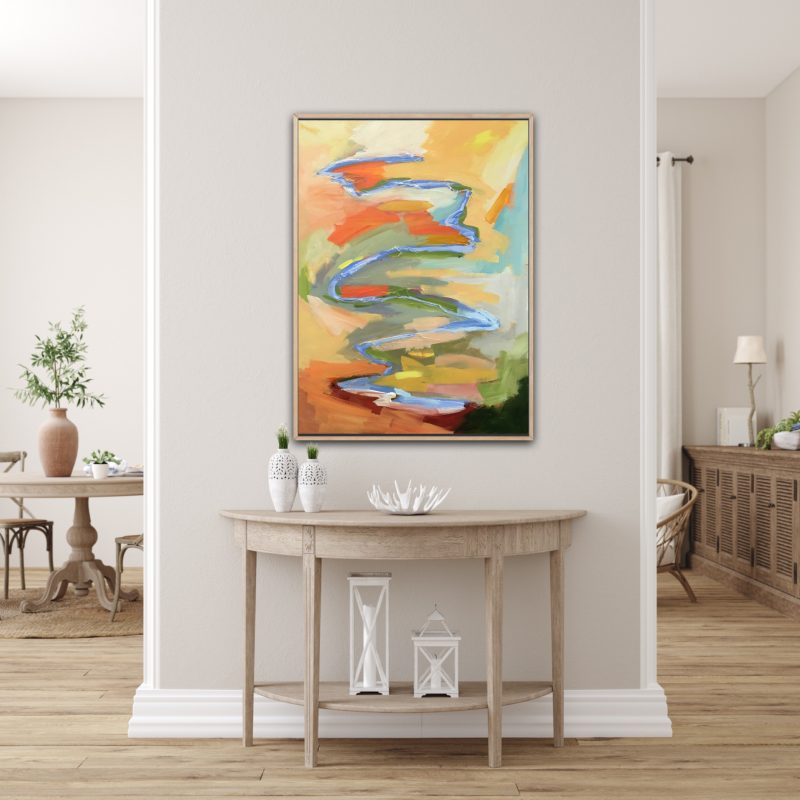 Oranges and Lemons
AUD$1,200
Size:
78w
x 104h
x 5d
cms
Meredith Howse
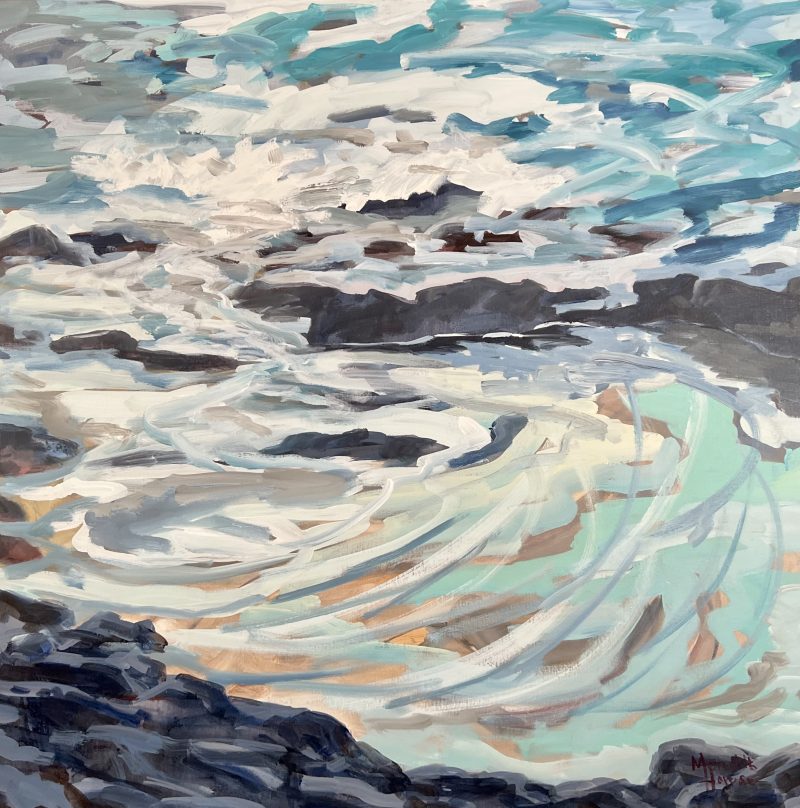 Tidal
Tidal
AUD$1,600
Size:
101.5w
x 101.5h
x 3.8d
cms
Meredith Howse
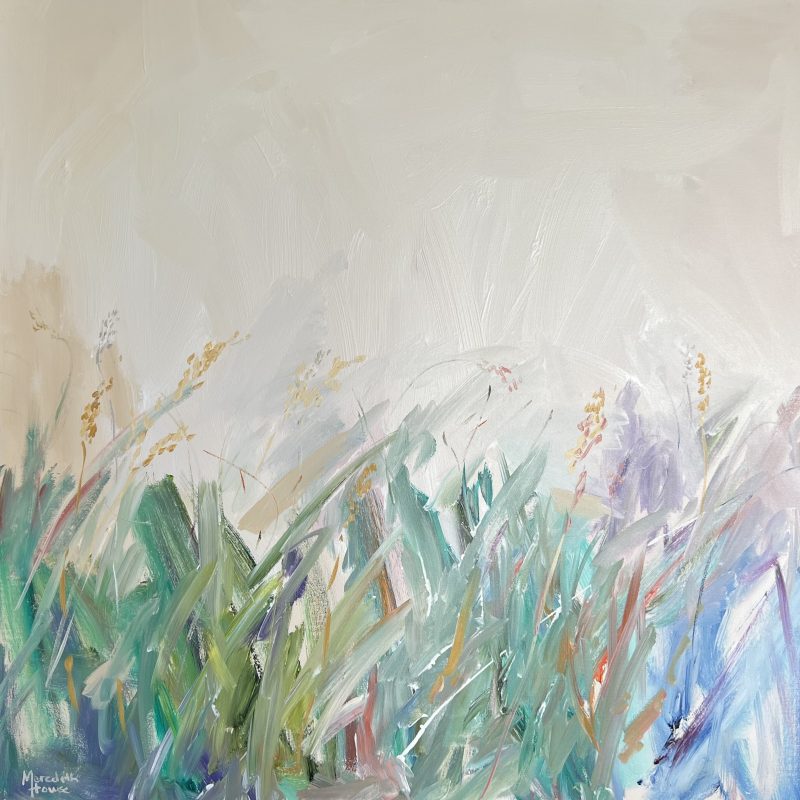 Nice to Wheat You Too
AUD$1,600
Size:
101.5w
x 101.5h
x 3.8d
cms
Meredith Howse
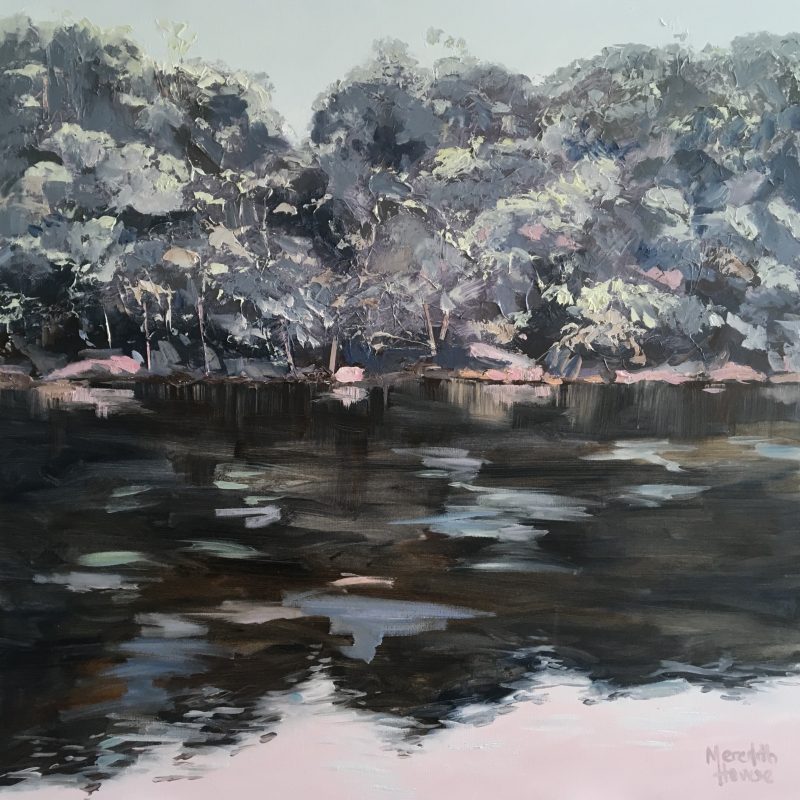 The Daintree
AUD$1,300
Size:
91w
x 91h
x 4d
cms
Meredith Howse
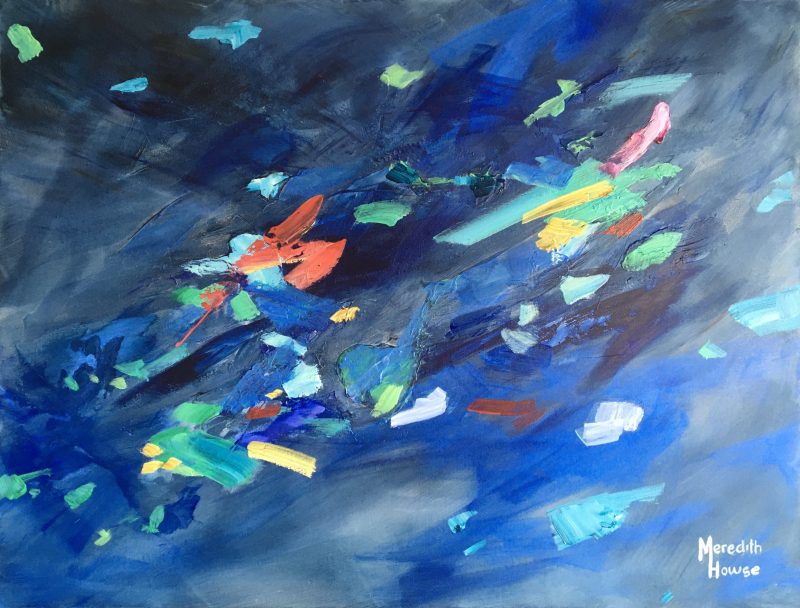 Black Opal
AUD$980
Size:
107w
x 81h
x 4d
cms
Meredith Howse
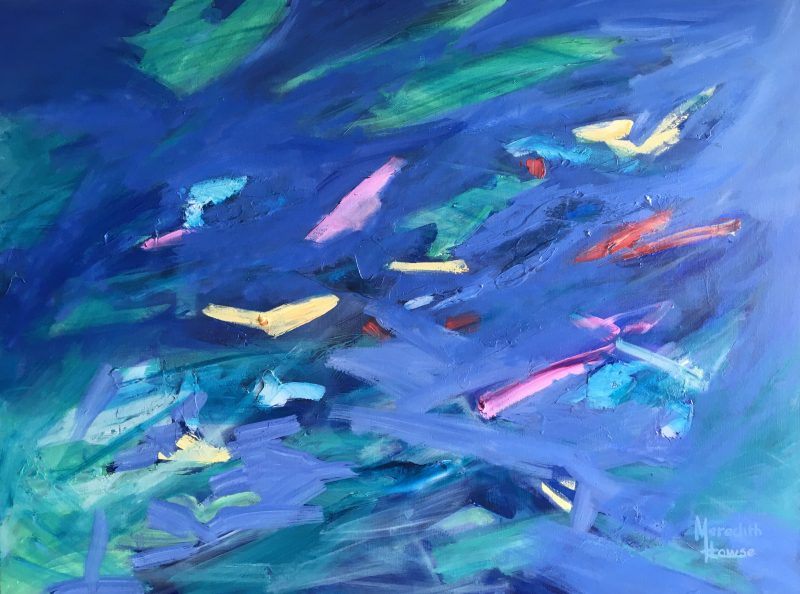 Black Opalescent
AUD$980
Size:
101w
x 76h
x 4d
cms
Meredith Howse
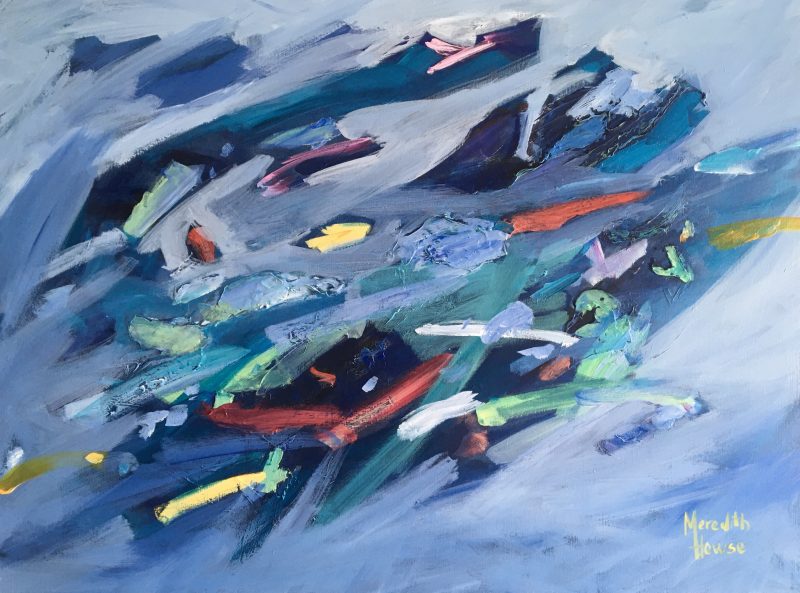 Black Opalescence
AUD$930
Size:
101w
x 76h
x 4d
cms
Meredith Howse
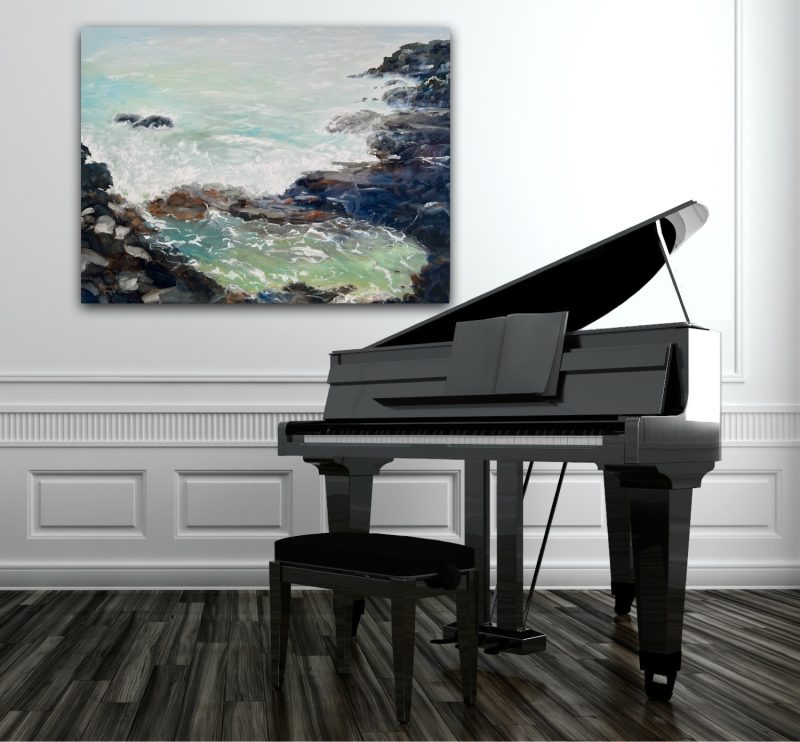 Fairy Pool at Noosa National Park
AUD$2,200
Size:
120w
x 90h
x 3.8d
cms
Meredith Howse
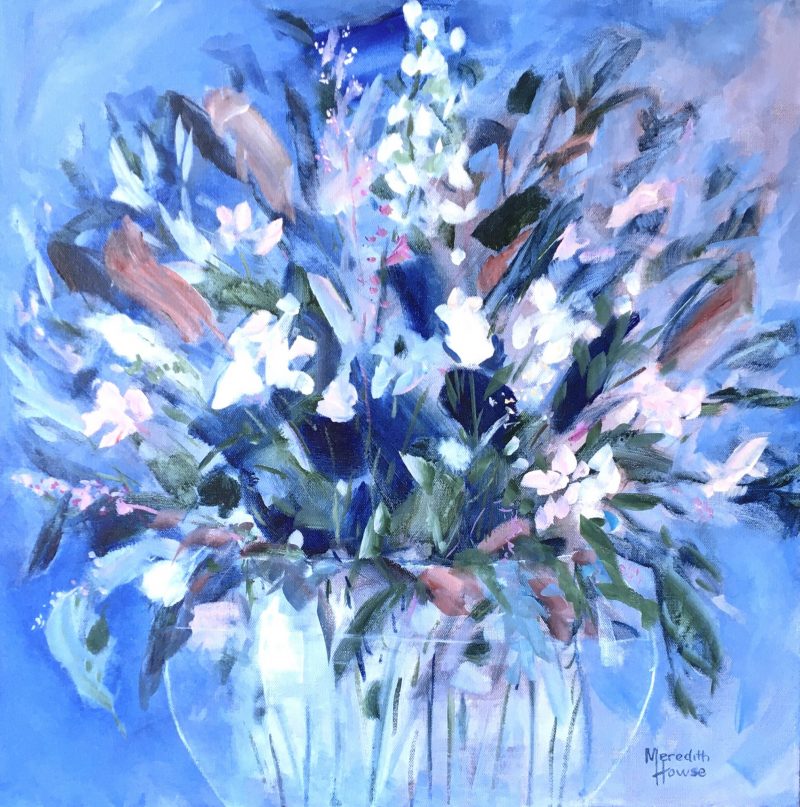 A Great Bunch
AUD$790
Size:
61w
x 61h
x 3.5d
cms
Meredith Howse
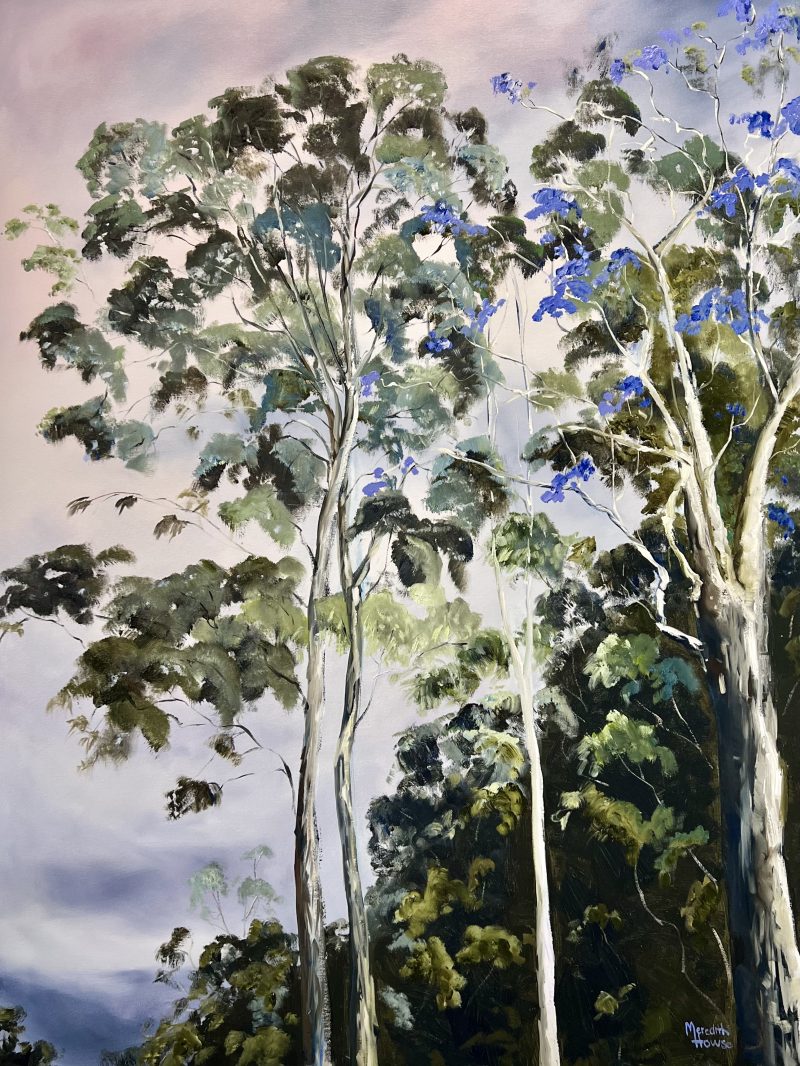 Illumination of Jacaranda
AUD$2,200
Size:
90w
x 120h
x 4d
cms
Meredith Howse
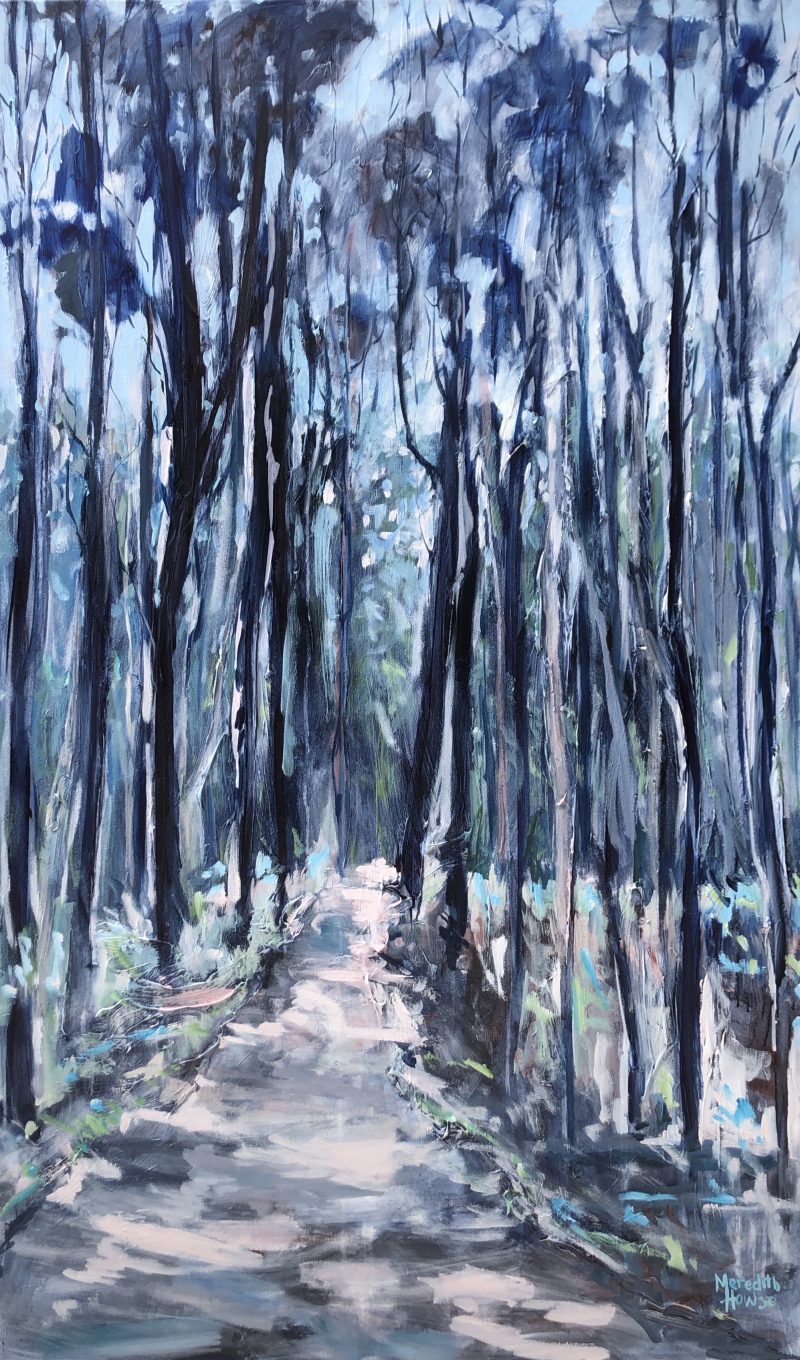 Coot-tha
AUD$2,650
Size:
91w
x 152h
x 3.5d
cms
Meredith Howse
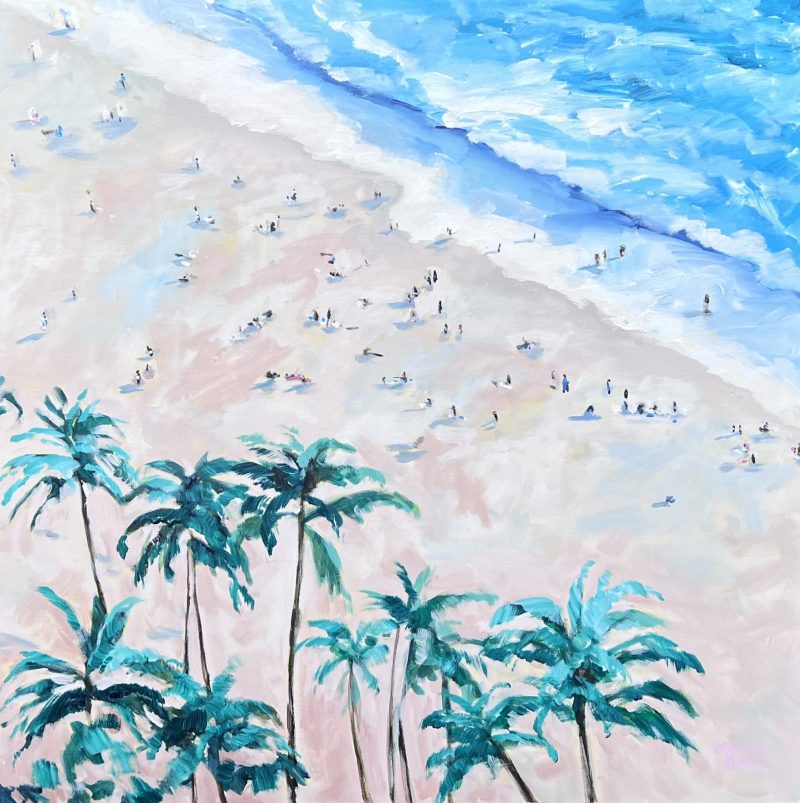 Waikiki
AUD$1,300
Size:
91w
x 91h
x 3.8d
cms
Meredith Howse
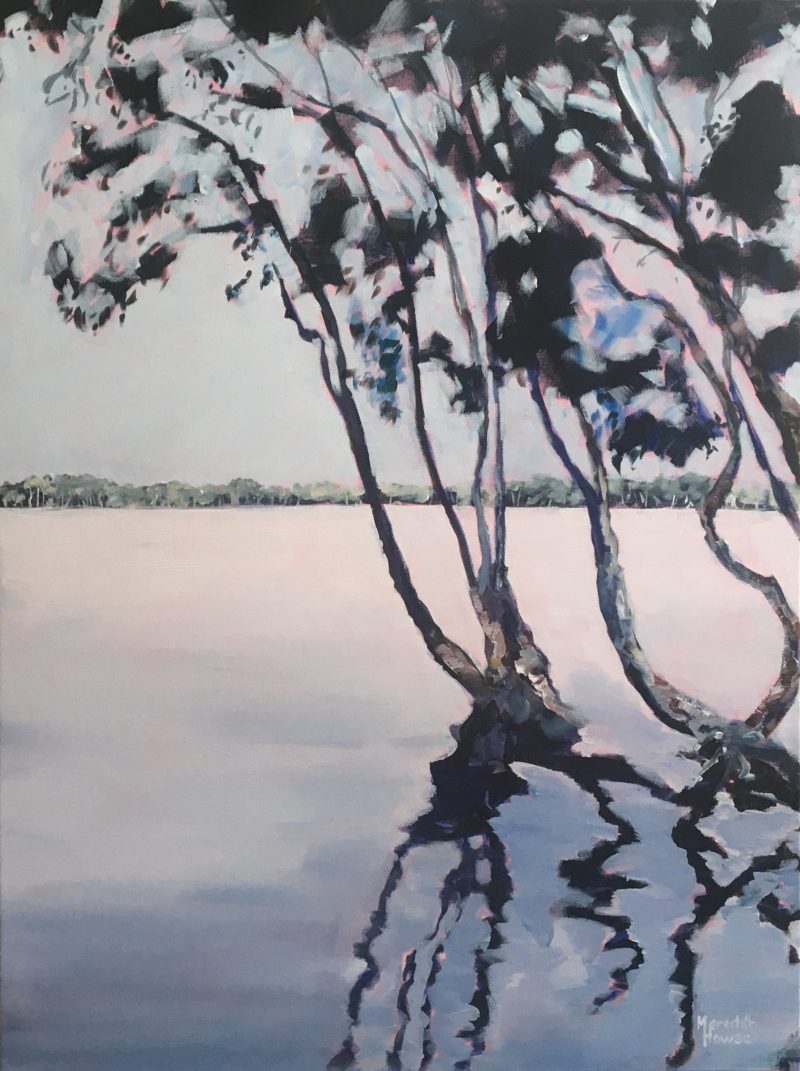 Lake Ainsworth, Lennox
AUD$1,200
Size:
76w
x 102h
x 3.8d
cms
Meredith Howse
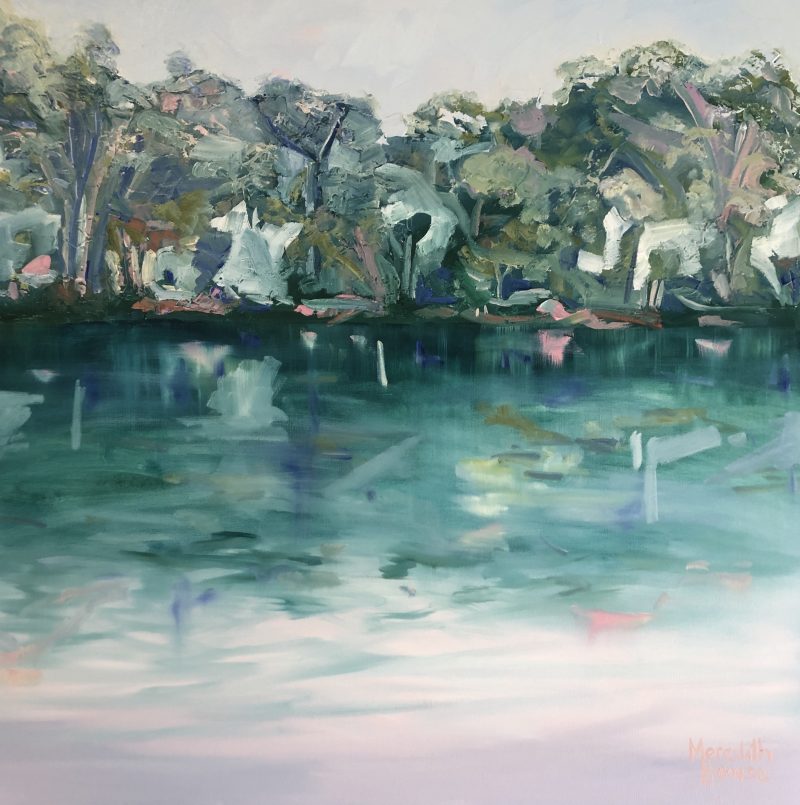 Daintree River
AUD$1,200
Size:
91w
x 91h
x 4d
cms
Meredith Howse
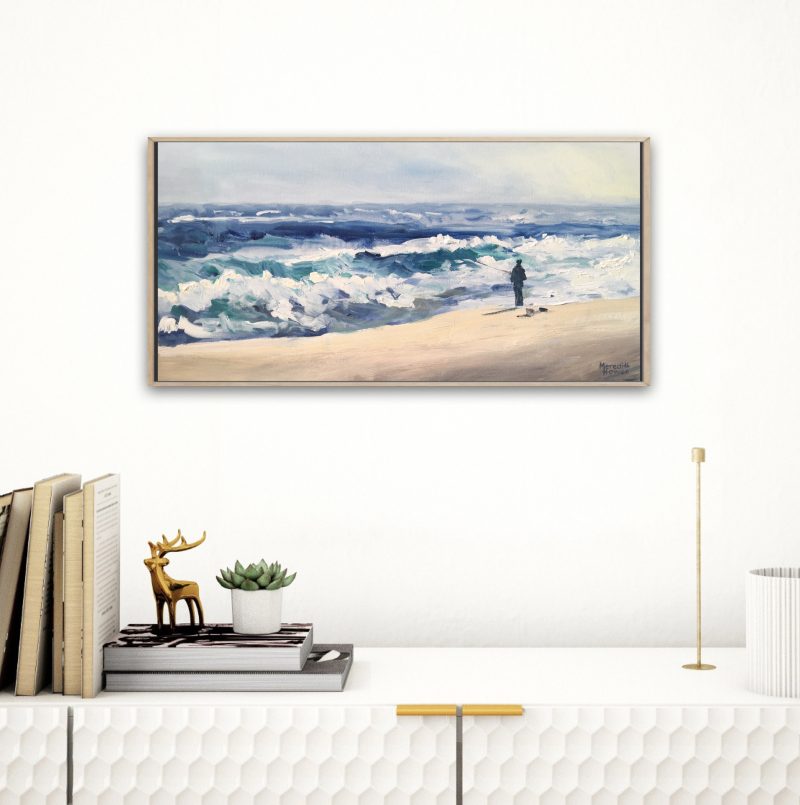 Fishing
AUD$980
Size:
60w
x 30.5h
x 3.8d
cms
Meredith Howse
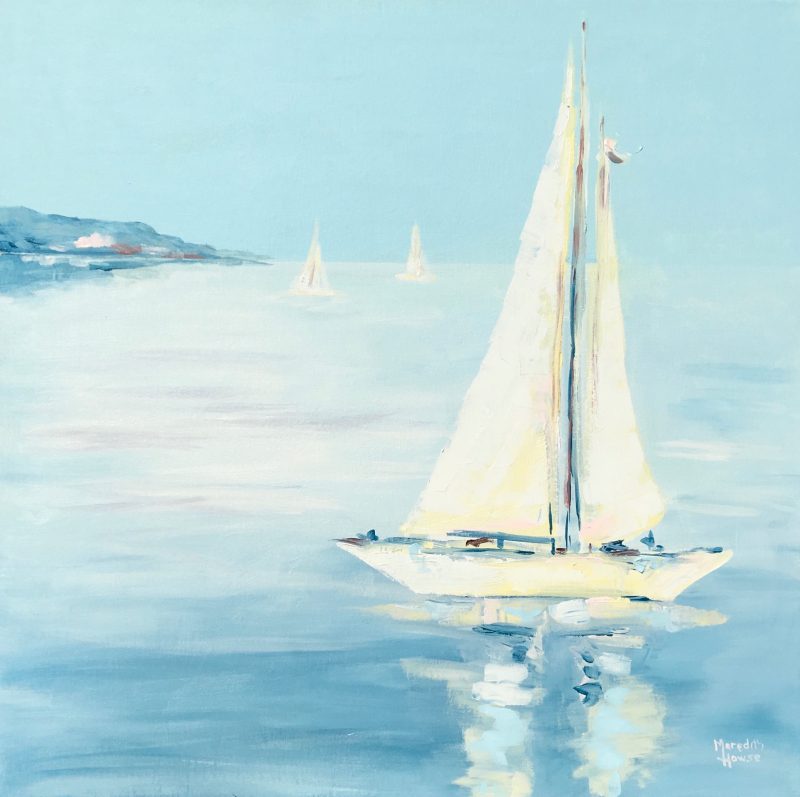 Swift she Sails
AUD$1,200
Size:
91w
x 91h
x 4d
cms
Meredith Howse
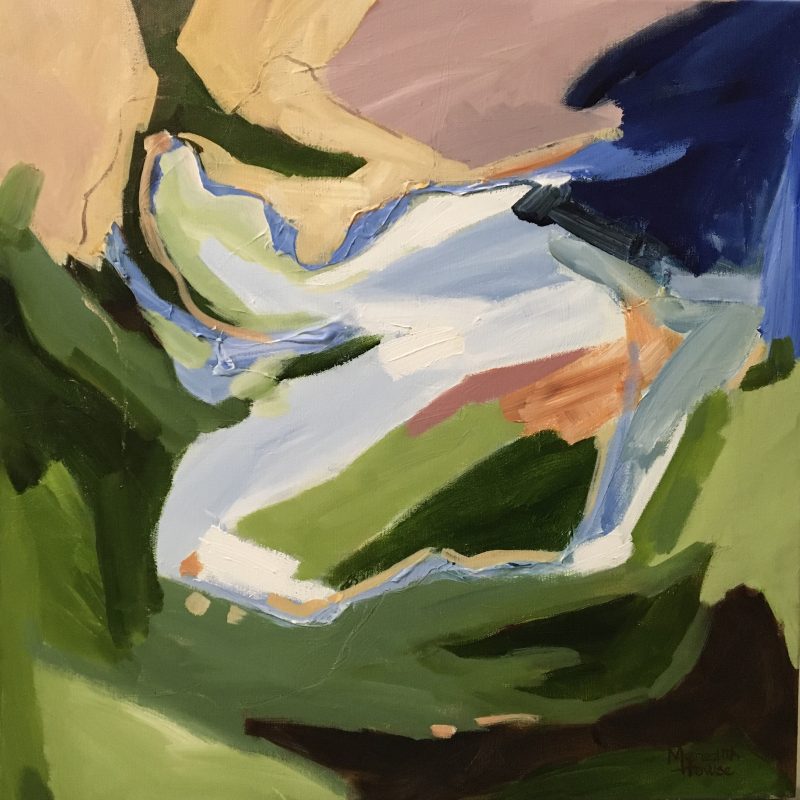 Drought and Flooding Rain
AUD$800
Size:
61w
x 61h
x 4d
cms
Meredith Howse
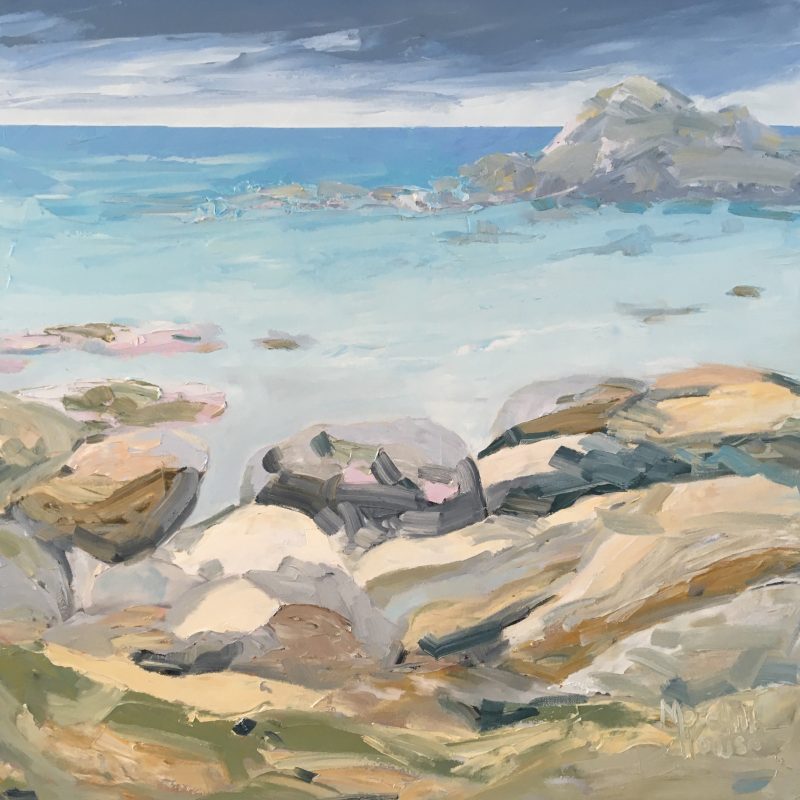 Tasman Coast
AUD$1,000
Size:
76w
x 76h
x 3.8d
cms
Meredith Howse
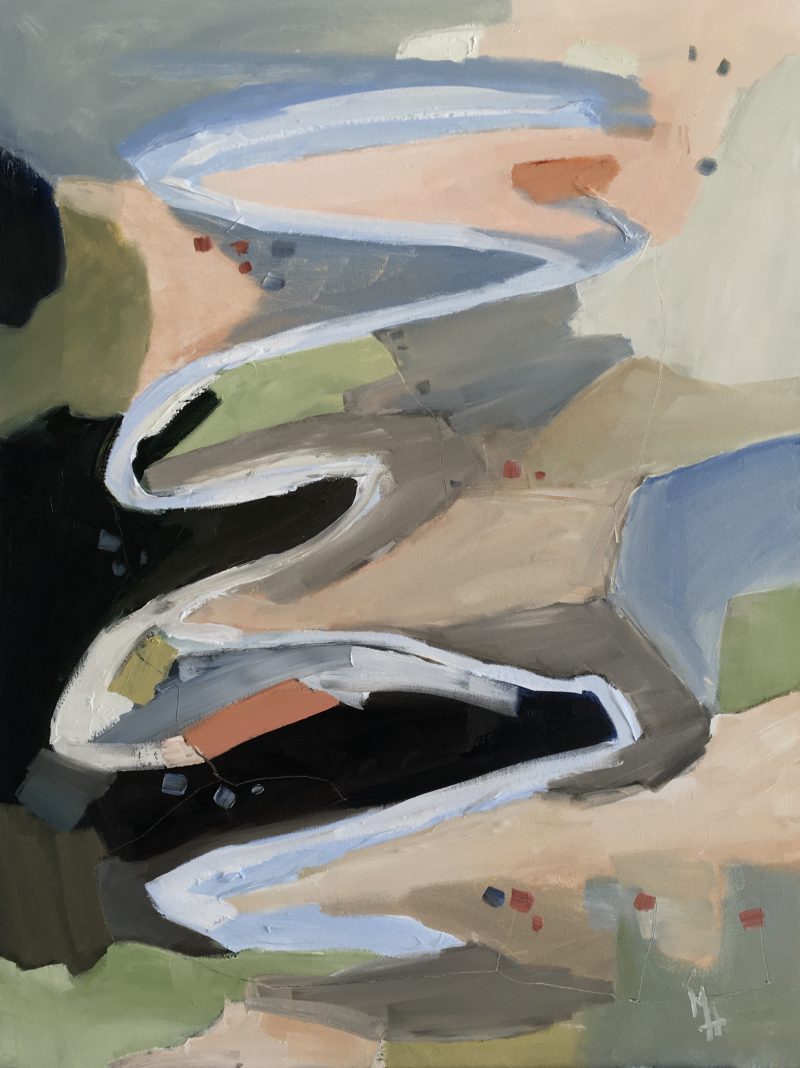 Murrumbidgee
AUD$1,200
Size:
76w
x 102h
x 4d
cms
Meredith Howse
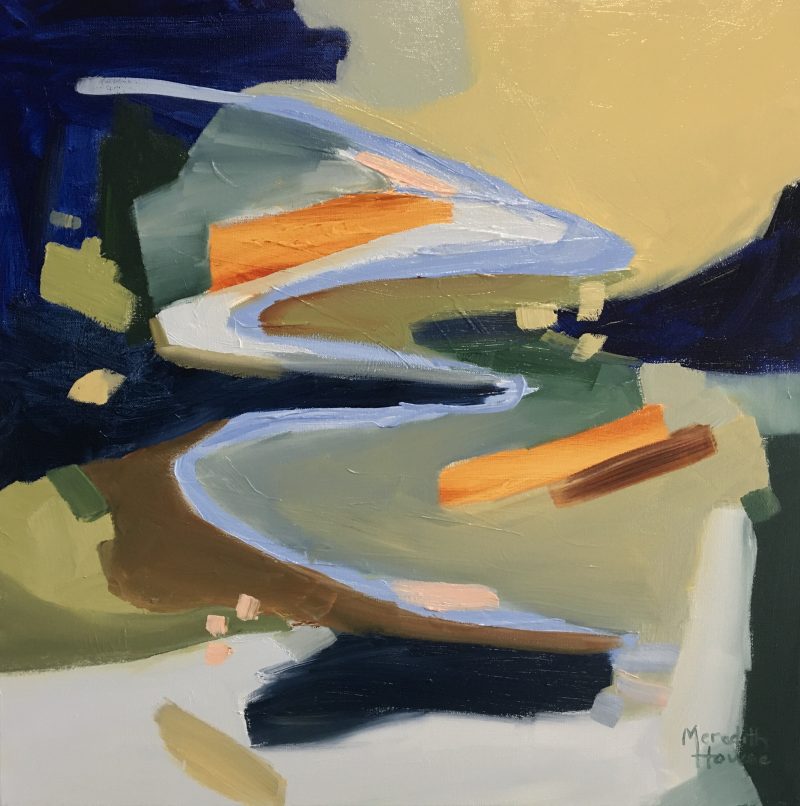 A Filmy Veil of Greenness
AUD$800
Size:
60w
x 60h
x 4d
cms
Meredith Howse
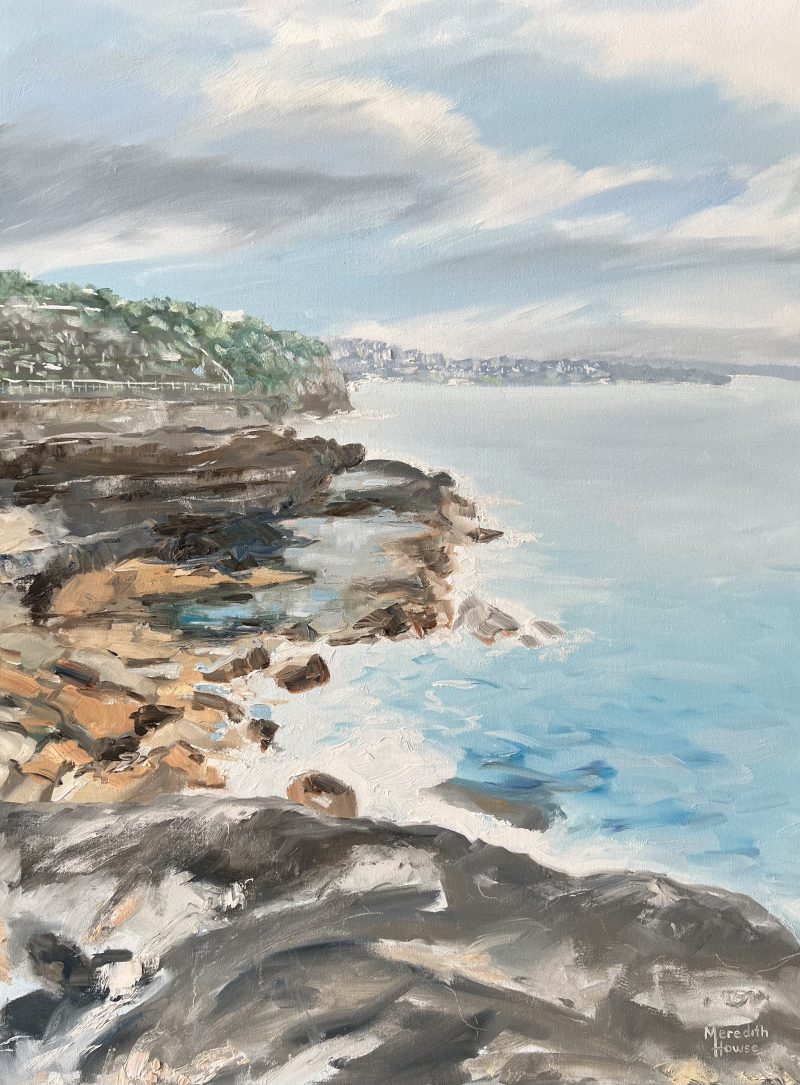 Waverley Cliffs
AUD$1,200
Size:
76w
x 121h
x 3.8d
cms
Meredith Howse
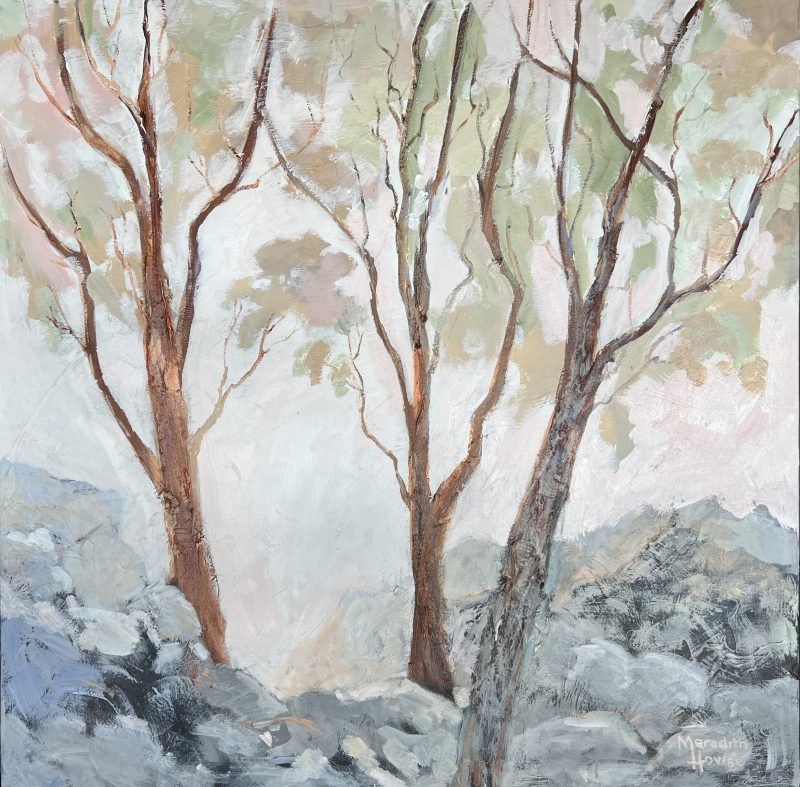 Mountain Country, Victoria
AUD$1,600
Size:
91w
x 91h
x 3.8d
cms
Meredith Howse
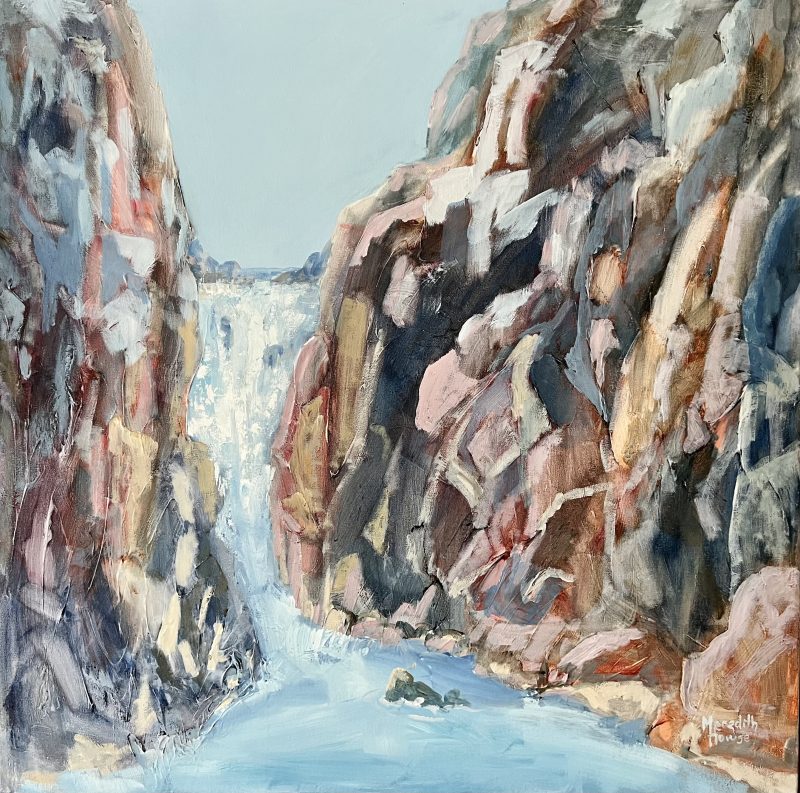 Waterfall in Blue
AUD$1,500
Size:
91w
x 91h
x 3.5d
cms
Meredith Howse
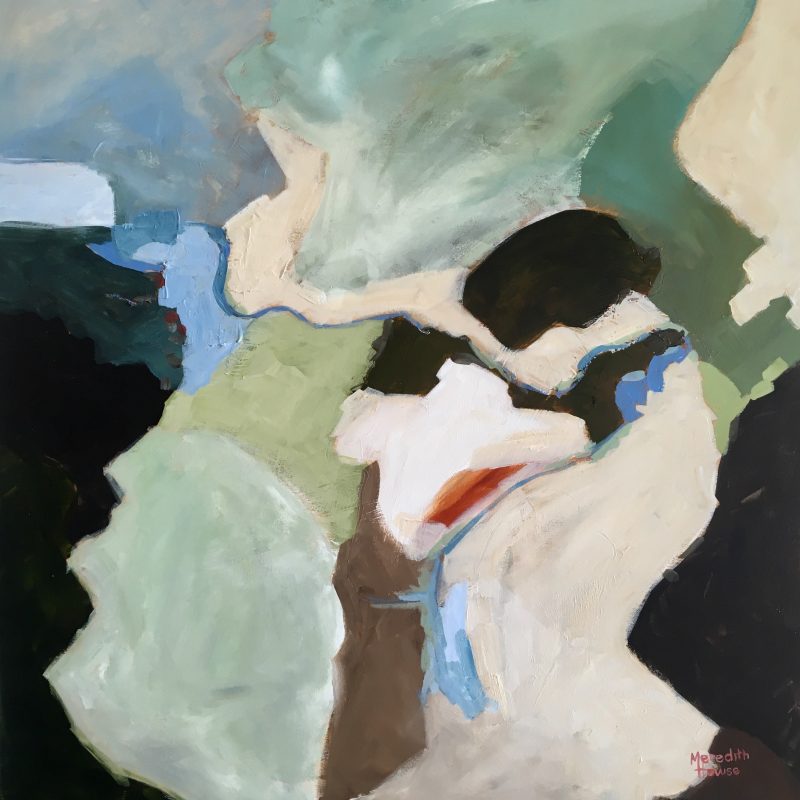 My Brilliant Career
AUD$1,400
Size:
91w
x 91h
x 4d
cms
Meredith Howse
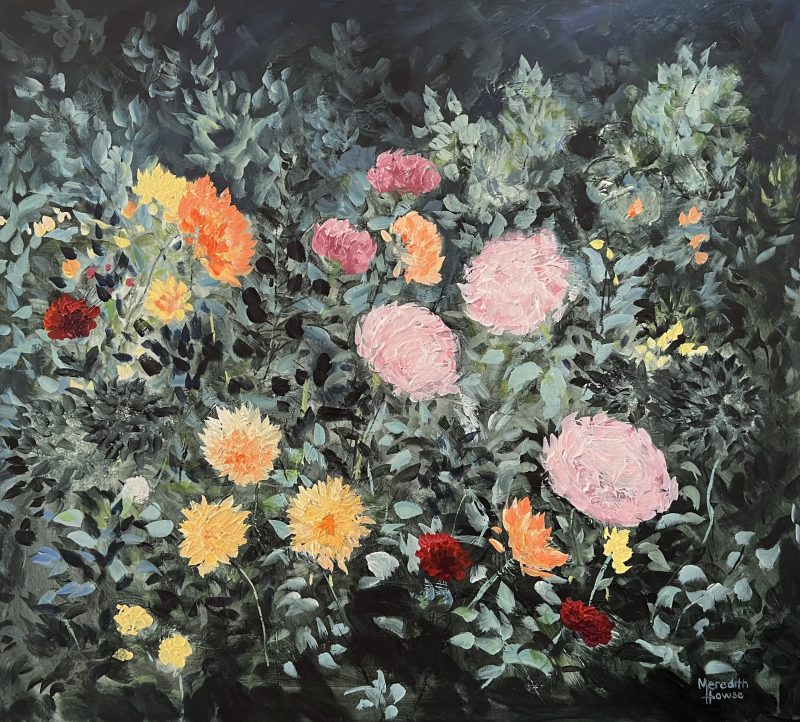 Night Blooms
AUD$1,300
Size:
102w
x 91h
x 3.8d
cms
Meredith Howse
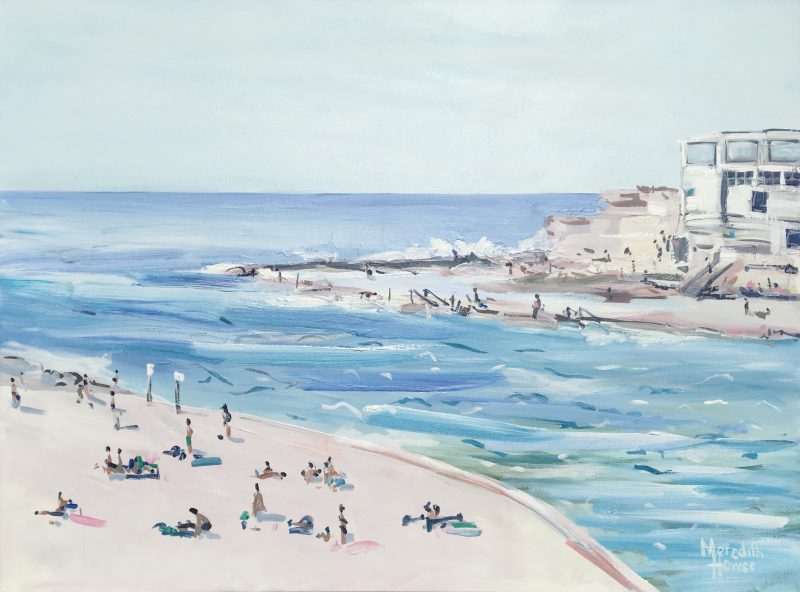 Who’s for a Swim
AUD$1,200
Size:
102w
x 76h
x 3.5d
cms
Meredith Howse
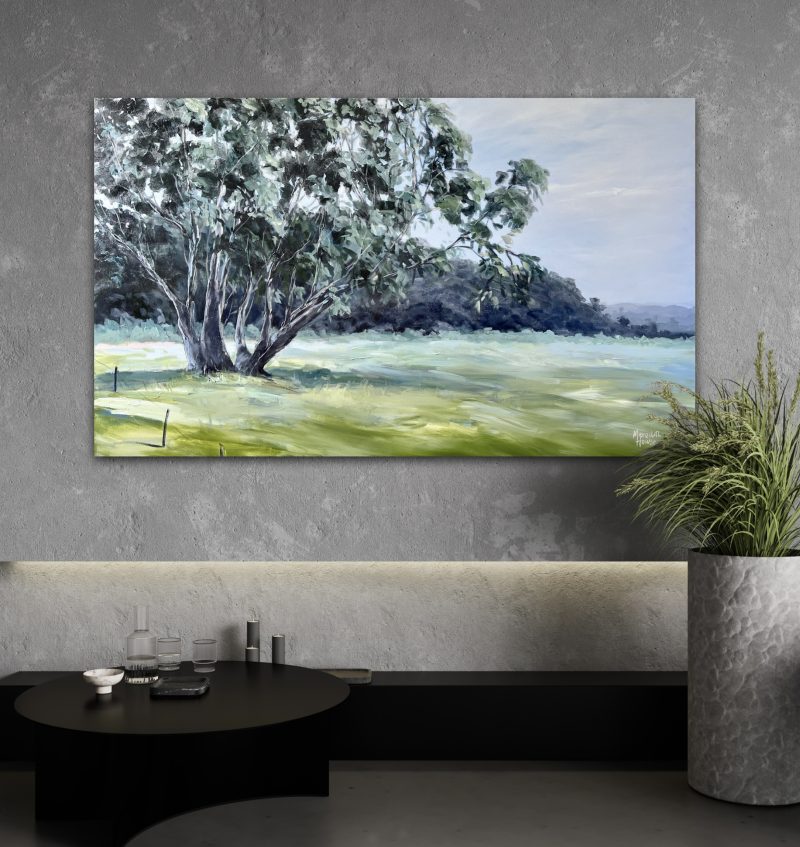 In Mid-West NSW
AUD$2,900
Size:
152.5w
x 91.5h
x 3.5d
cms
Meredith Howse
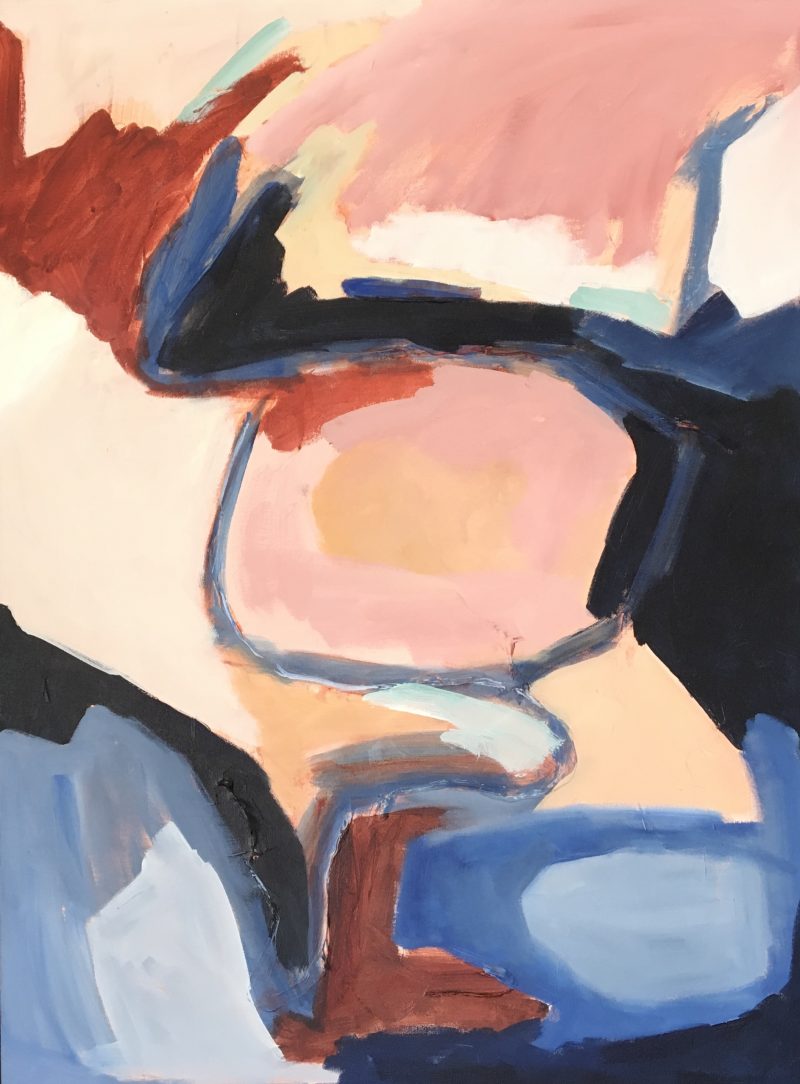 Wide Brown Land
AUD$1,300
Size:
76w
x 102h
x 4d
cms
Meredith Howse
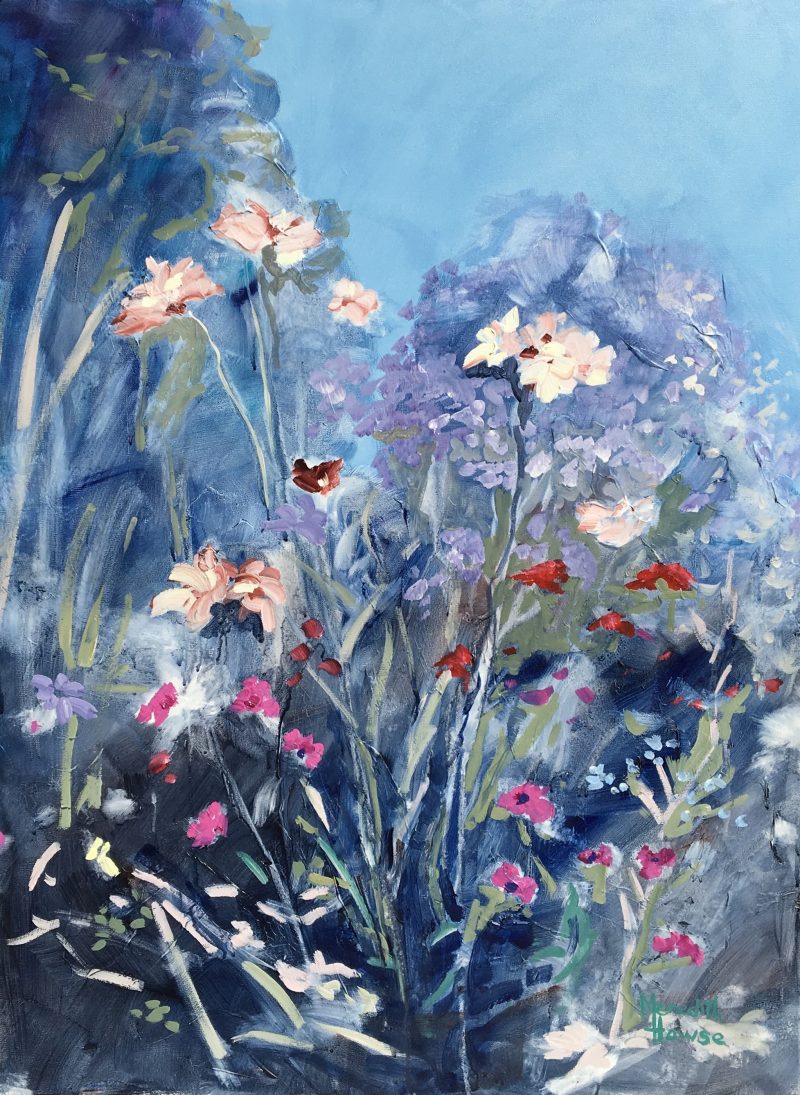 Flowers of Larnarch
AUD$1,200
Size:
76w
x 102h
x 4d
cms
Meredith Howse
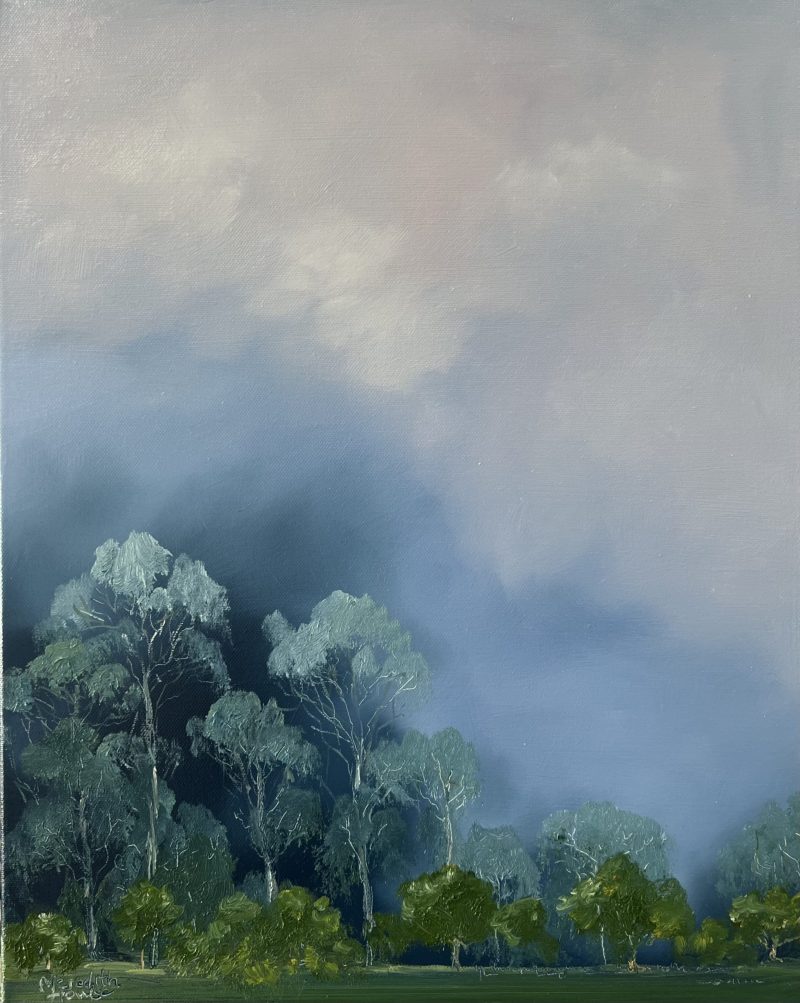 Illumination Centennial Park
AUD$600
Size:
44.5w
x 54.5h
x 3d
cms
Meredith Howse
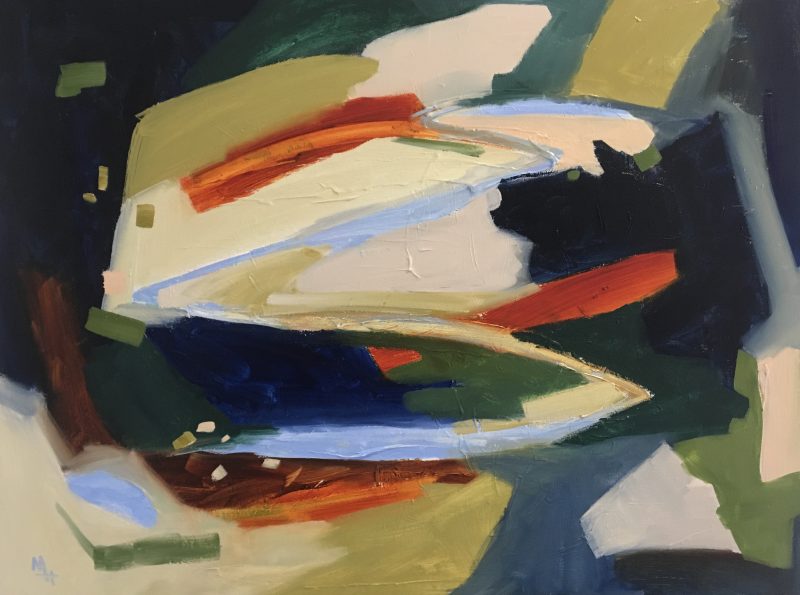 Cactus
AUD$1,200
Size:
102w
x 76h
x 4d
cms
Meredith Howse
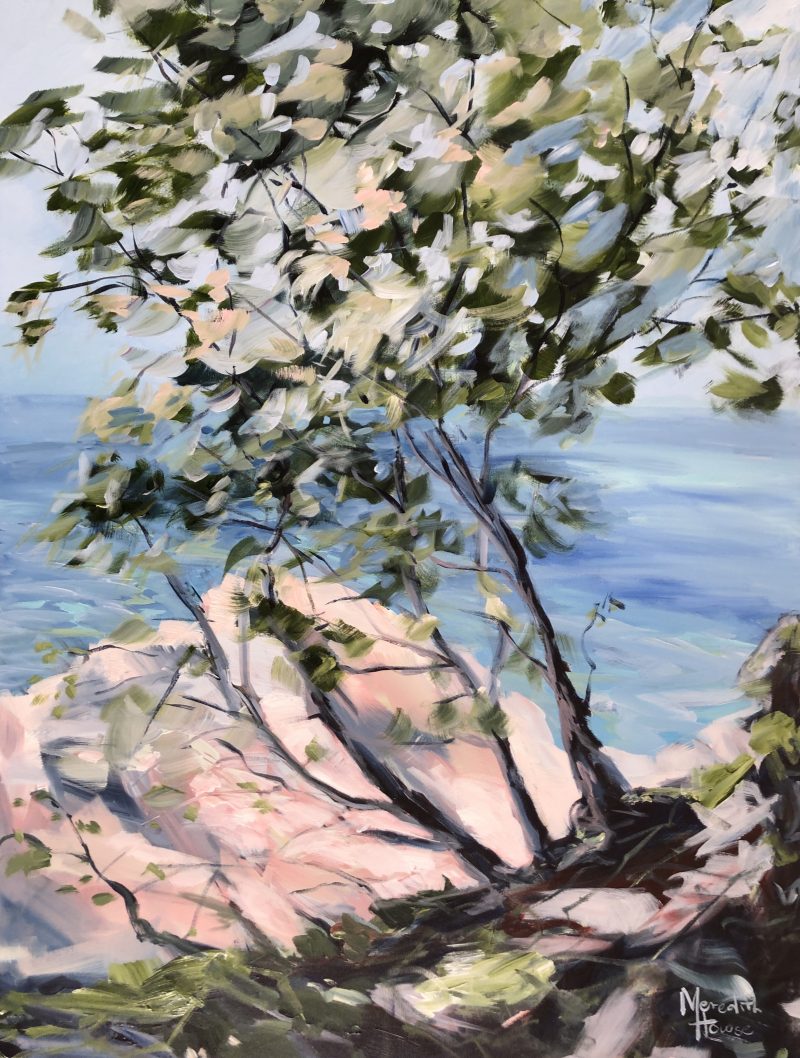 Noosa National Park II
AUD$1,400
Size:
76.5w
x 101.5h
x 3.8d
cms
Meredith Howse
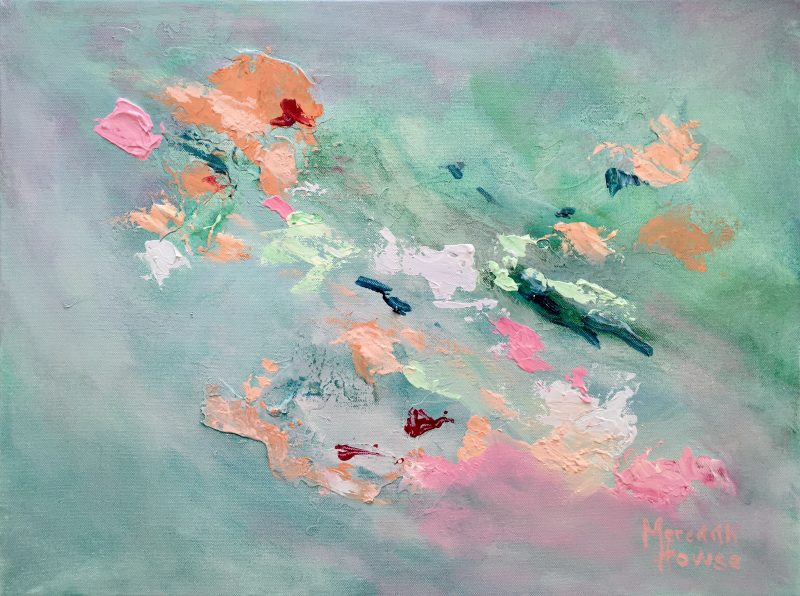 Aqua Opalescent
AUD$500
Size:
61w
x 46h
x 2d
cms
Meredith Howse
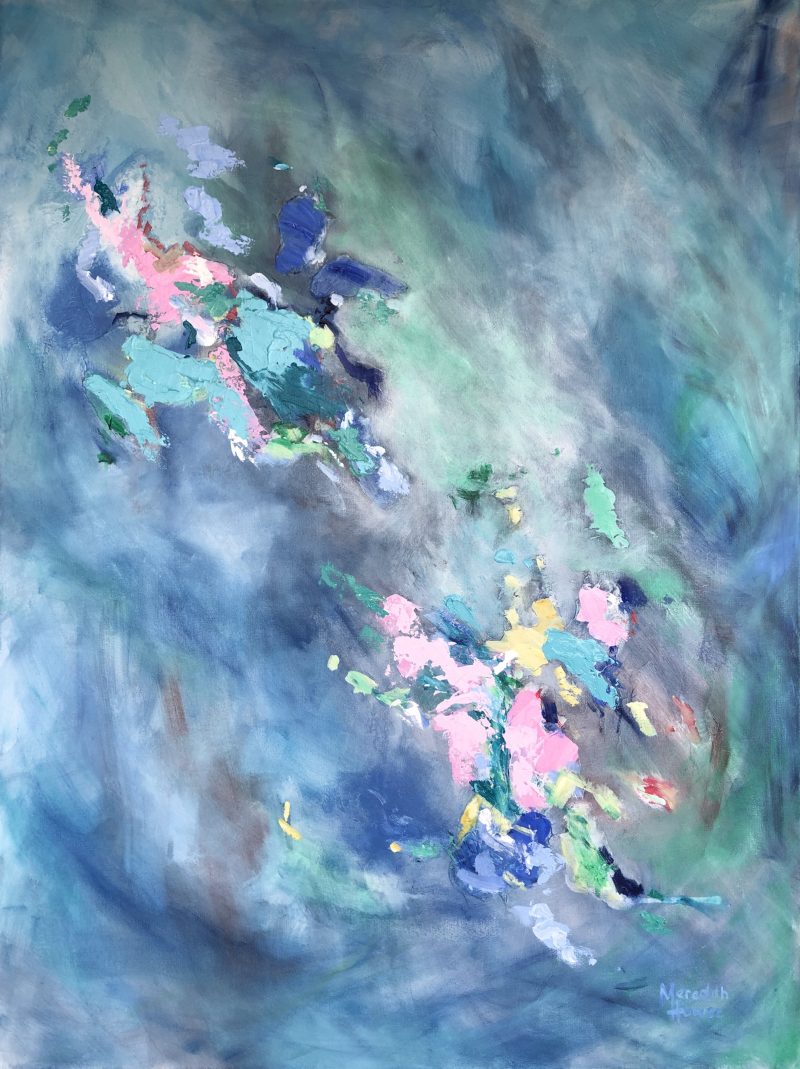 SOLD – Blue Opal
AUD$1,200
Size:
91w
x 121h
x 4d
cms
Meredith Howse
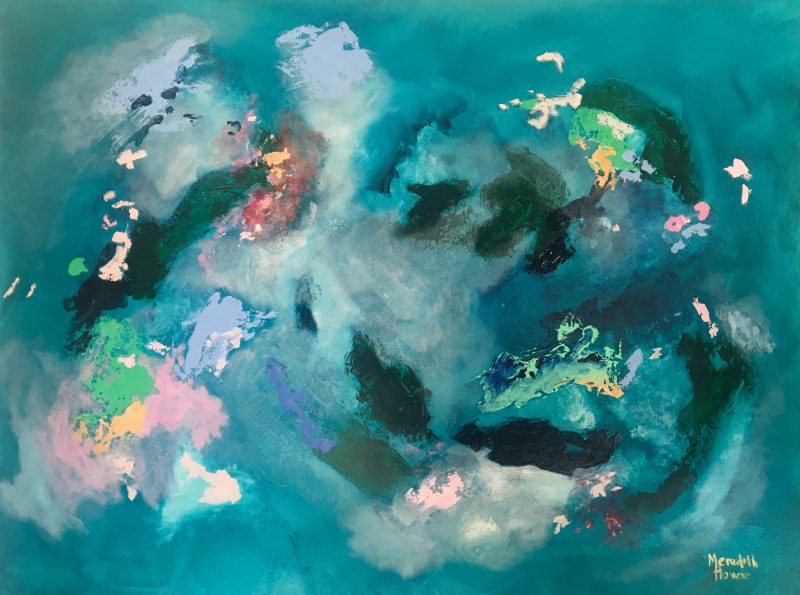 Opalescent
AUD$1,200
Size:
121w
x 91h
x 4d
cms
Meredith Howse
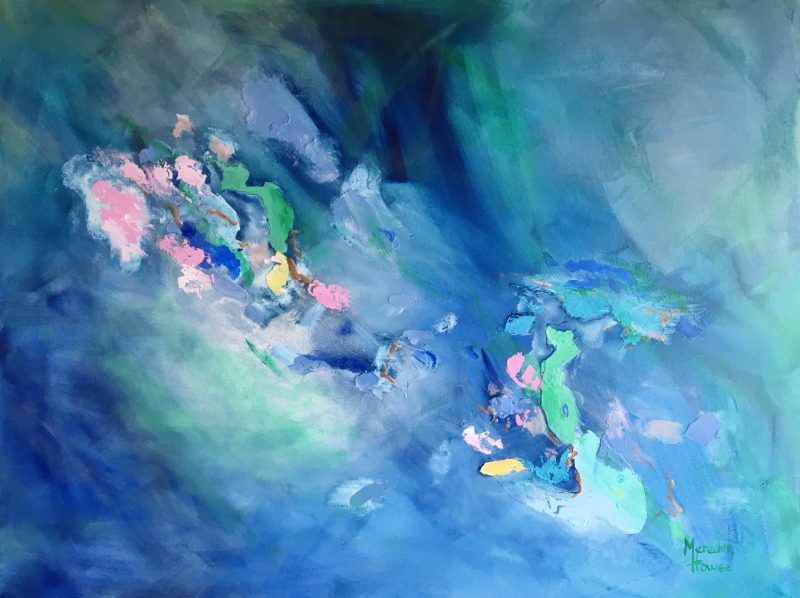 Pink Opalescent
AUD$960
Size:
106w
x 81h
x 4d
cms
Meredith Howse
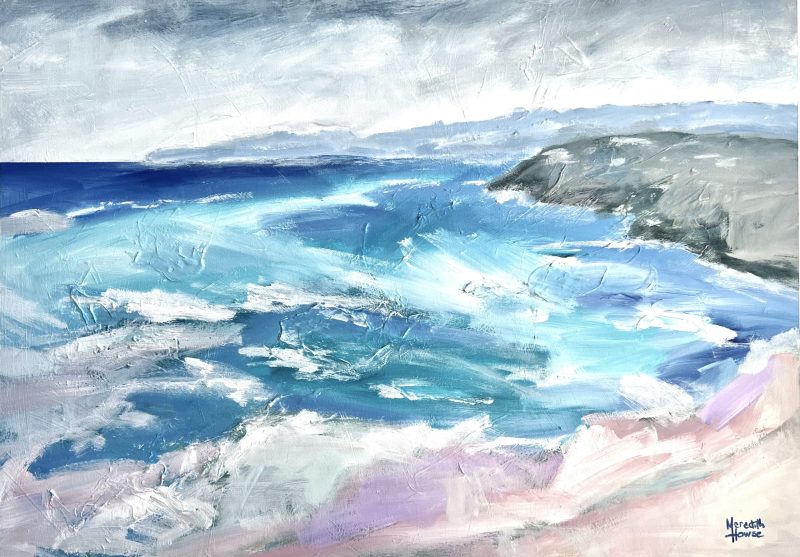 Bronte
AUD$1,300
Size:
104.5w
x 80h
x 5d
cms
Meredith Howse
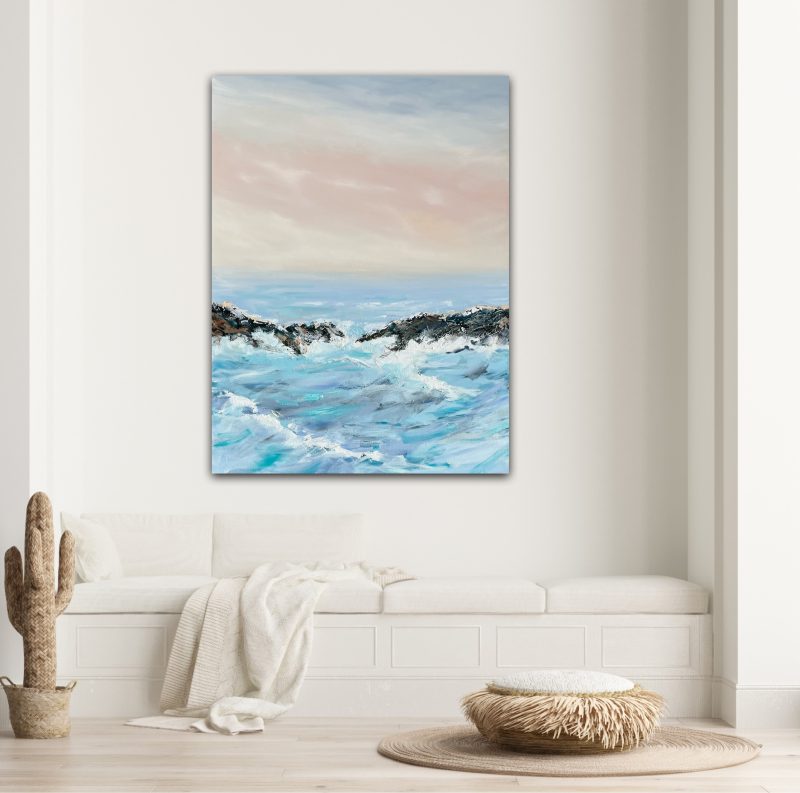 Wild Seas
AUD$1,800
Size:
91w
x 122h
x 3.8d
cms
Meredith Howse
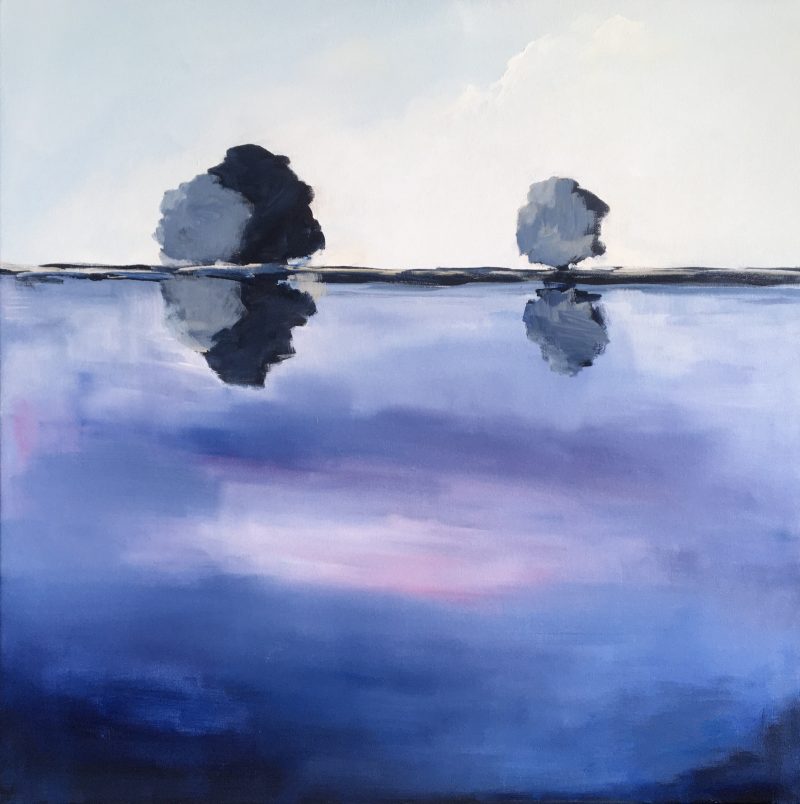 Silent Sounds – 180° Art Series
AUD$1,200
Size:
91w
x 91h
x 3.5d
cms
Meredith Howse
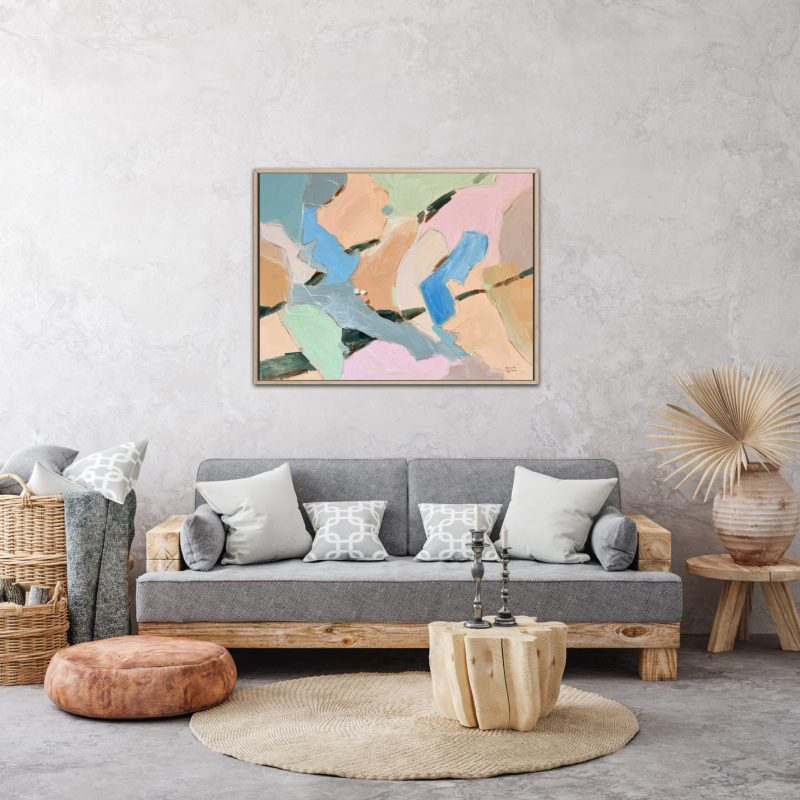 Sweeping Plains
AUD$2,000
Size:
122w
x 91h
x 3.8d
cms
Meredith Howse
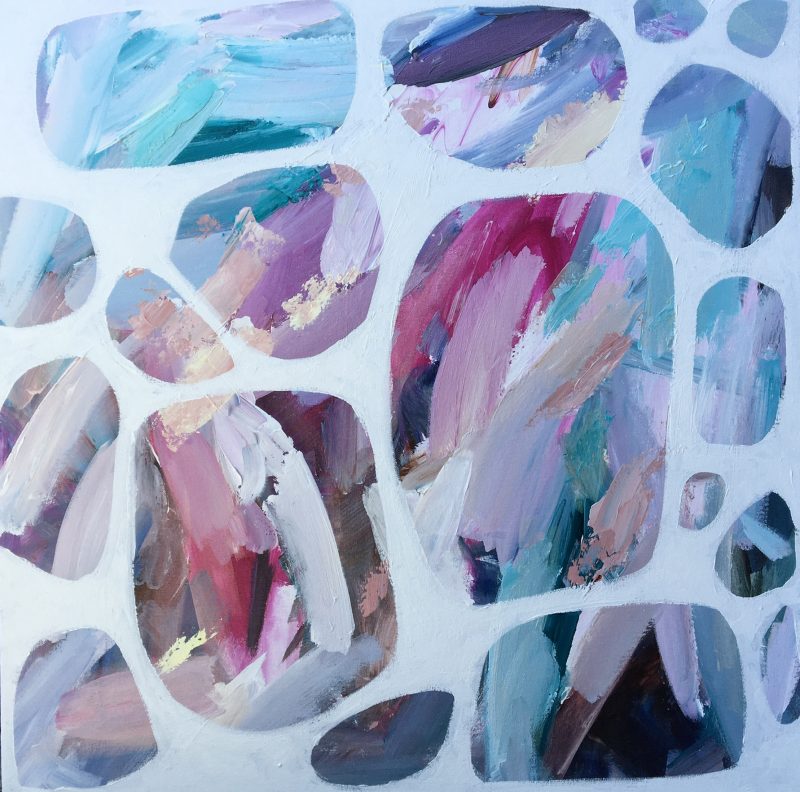 Opal Pinks
AUD$1,200
Size:
91w
x 91h
x 3.5d
cms
Meredith Howse
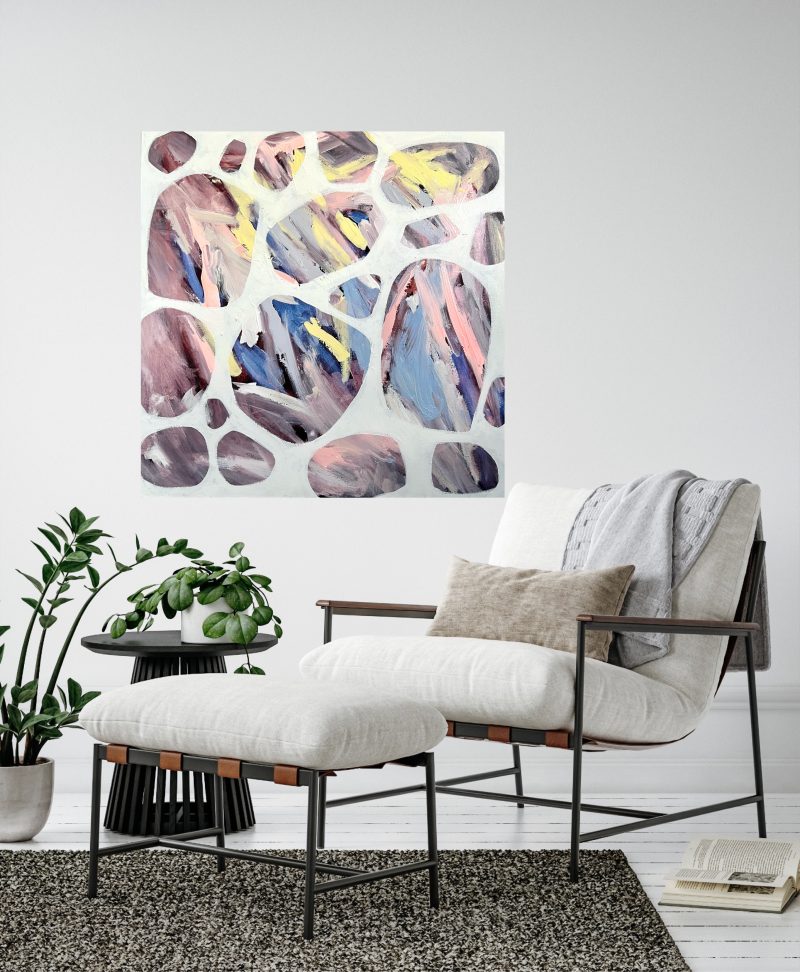 Opal and Rock
AUD$1,200
Size:
91w
x 91h
x 3.5d
cms
Meredith Howse
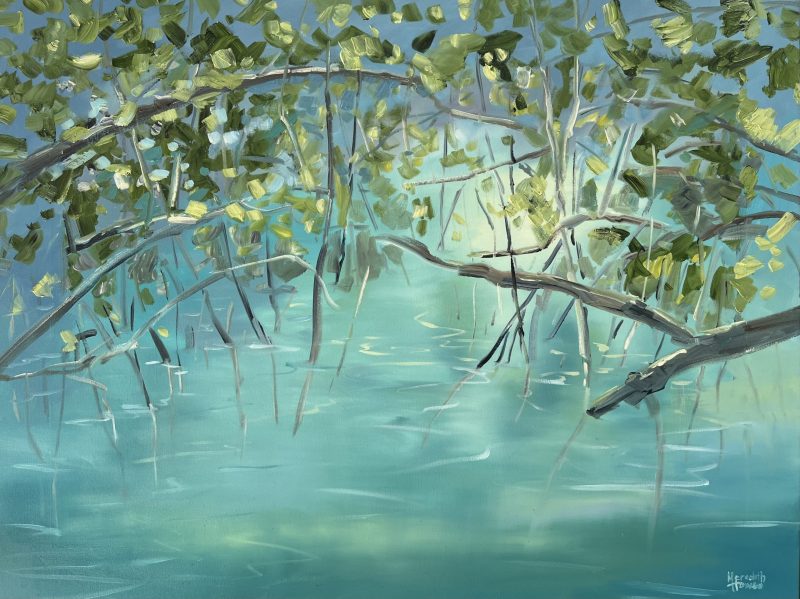 Upper Daintree 2
AUD$1,800
Size:
104w
x 79h
x 5.5d
cms
Meredith Howse
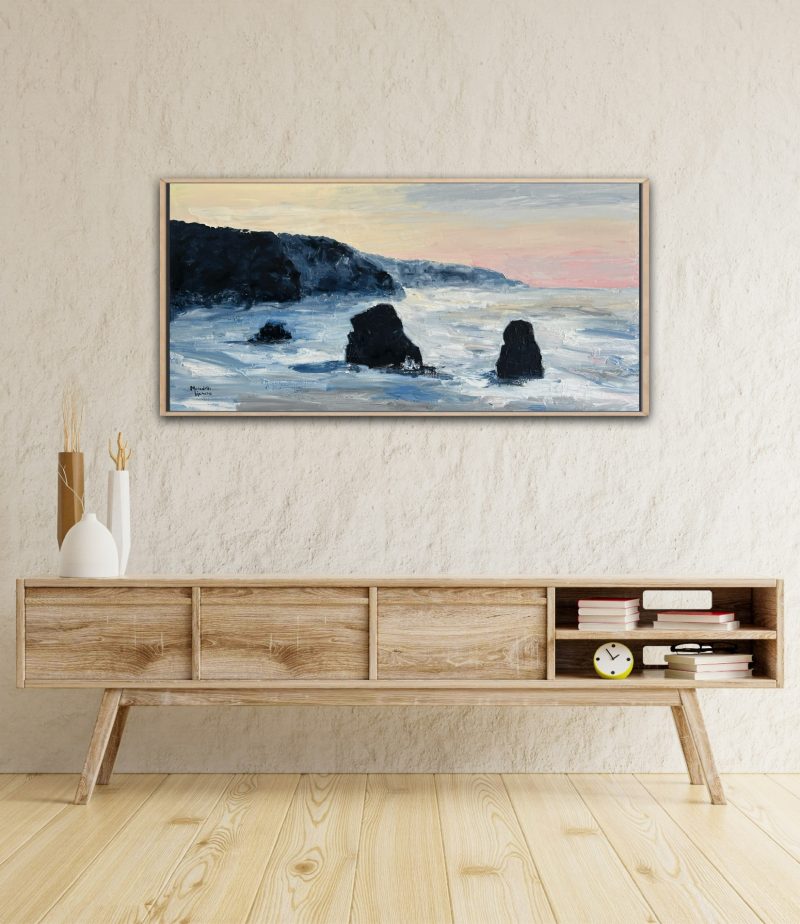 Great Southern Sea
AUD$1,300
Size:
122w
x 61h
x 3.8d
cms
Meredith Howse
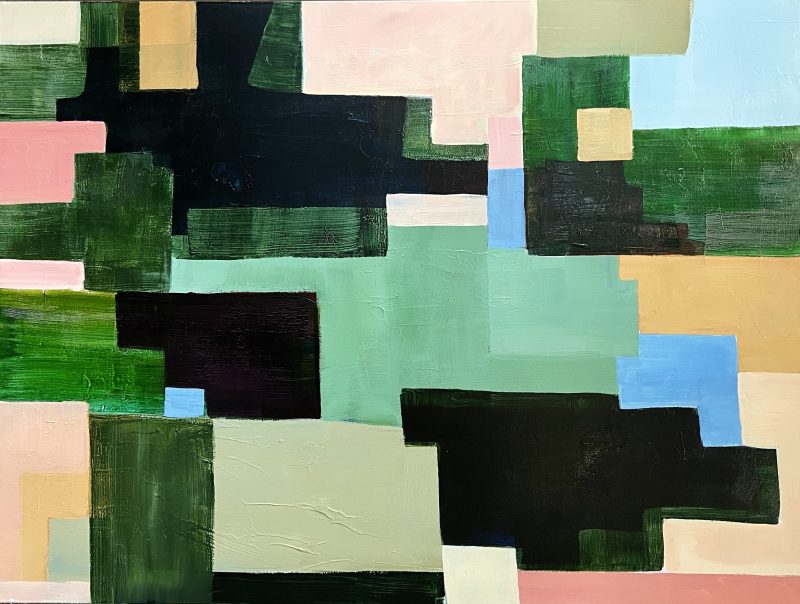 A Fortunate Life
AUD$1,400
Size:
122w
x 91h
x 4d
cms
Meredith Howse
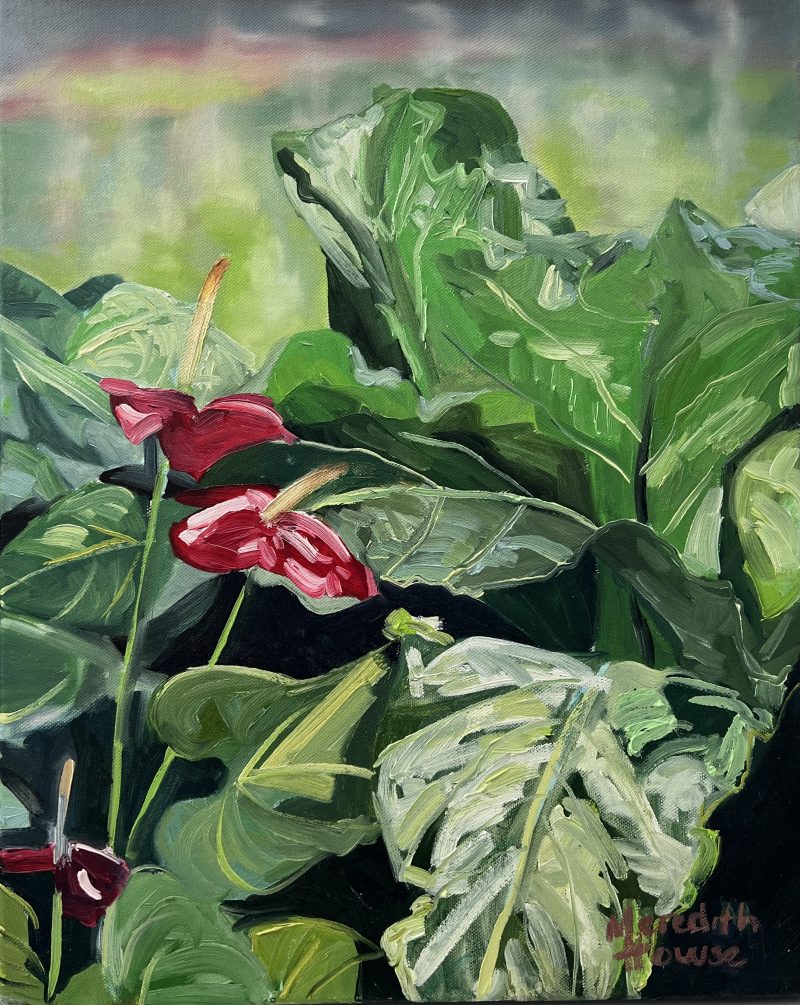 Sweet
Sweet
AUD$600
Size:
40w
x 51h
x 2d
cms
Meredith Howse
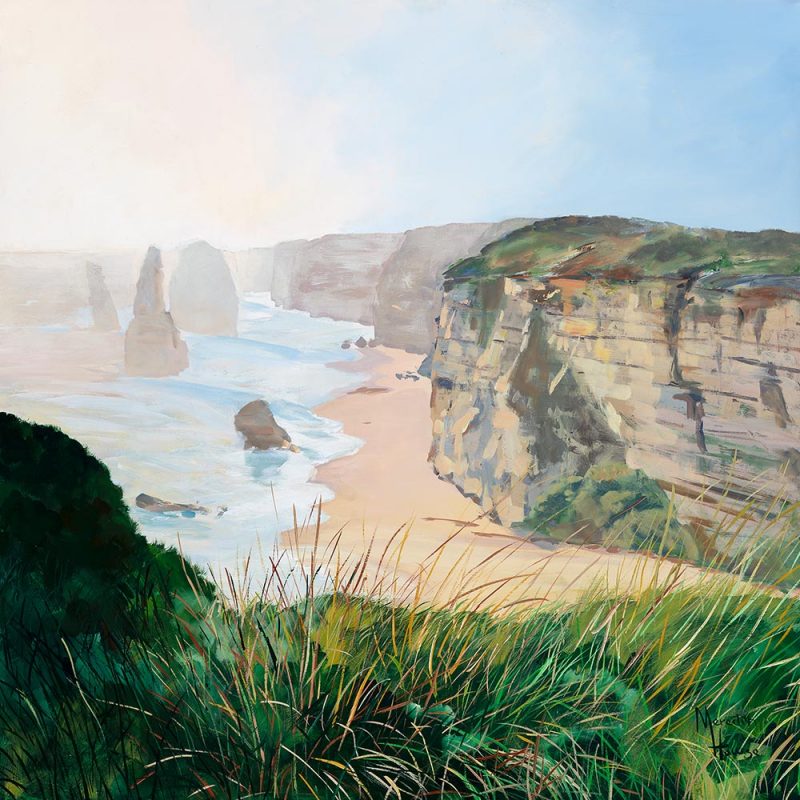 Victoria
AUD$2,000
Size:
102w
x 102h
x 4d
cms
Meredith Howse
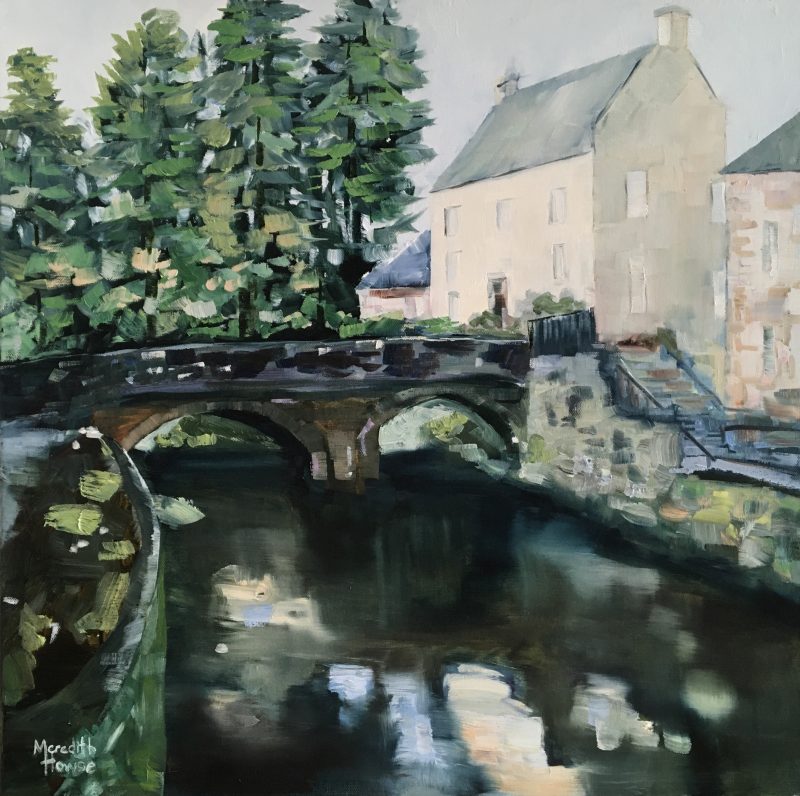 Alyth
Alyth
AUD$900
Size:
61w
x 61h
x 2d
cms
Meredith Howse
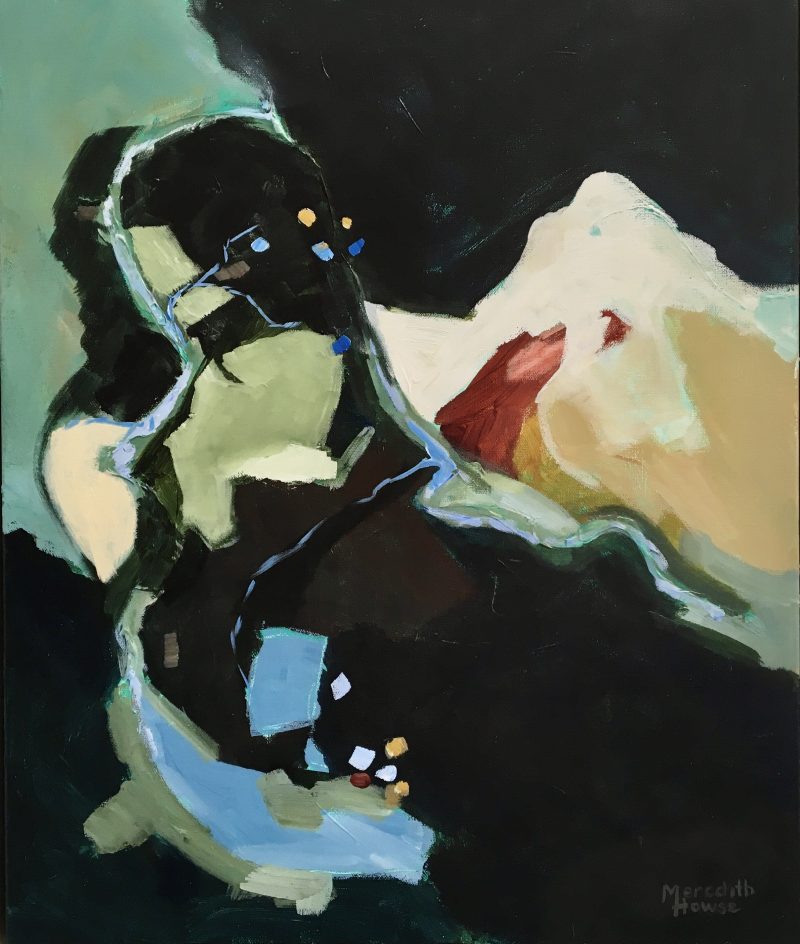 What You See
AUD$800
Size:
40w
x 50h
x 3.8d
cms
Meredith Howse
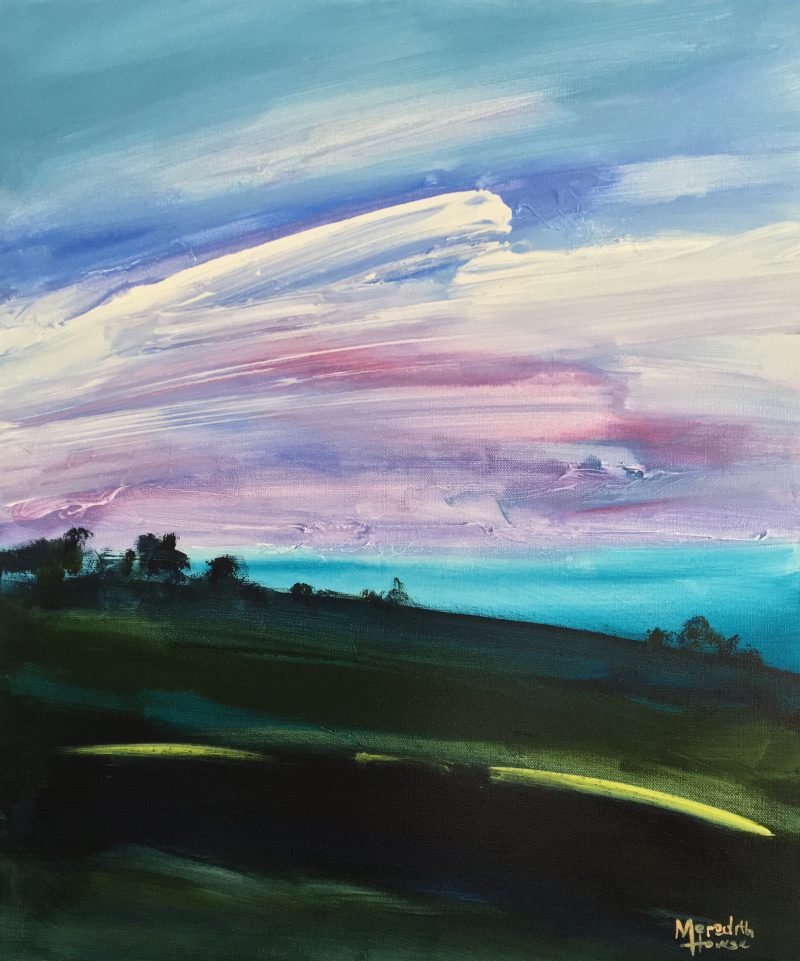 Turquoise and Pinks
AUD$690
Size:
51w
x 61h
x 4d
cms
Meredith Howse
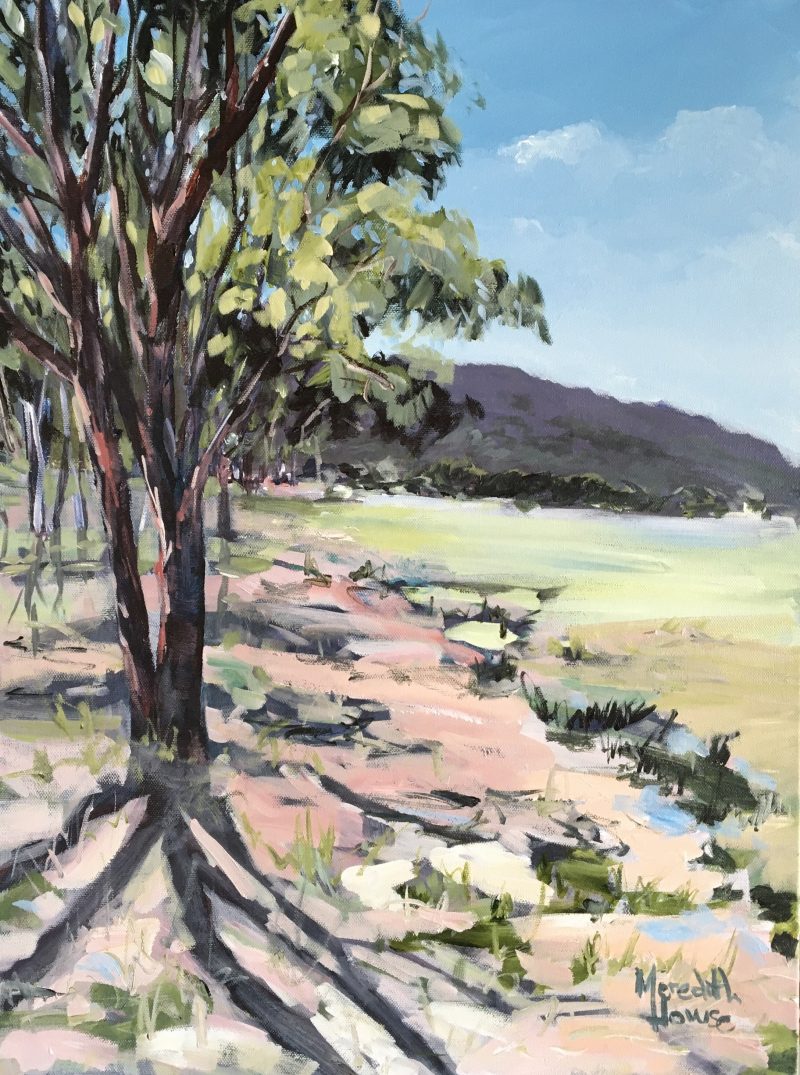 Land of Dust and Grain
AUD$800
Size:
45.7w
x 61h
x 3.8d
cms
Meredith Howse
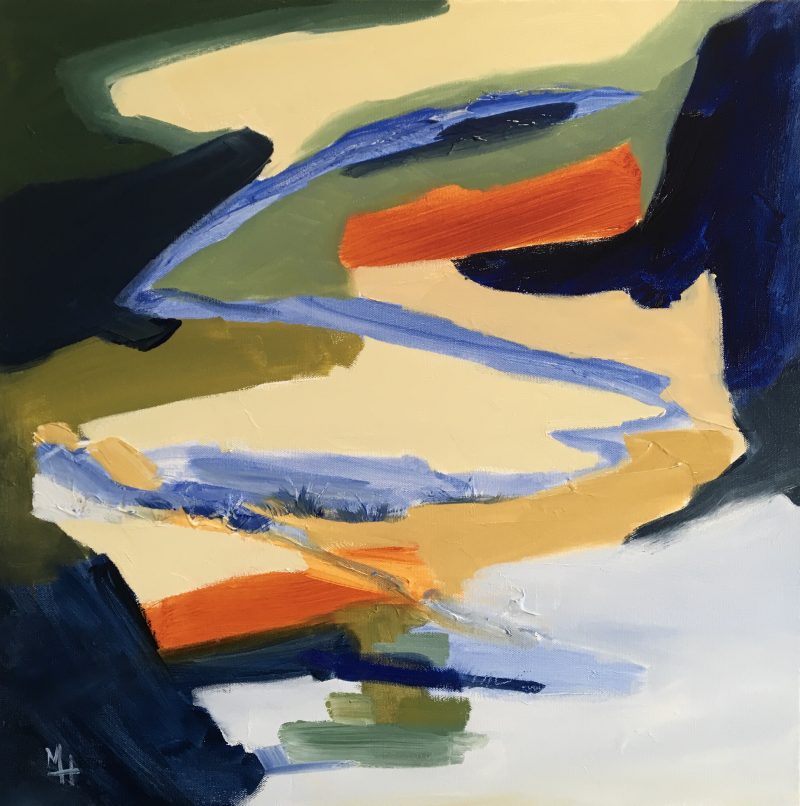 Your Future Lies Before You
AUD$800
Size:
60w
x 60h
x 4d
cms
Meredith Howse
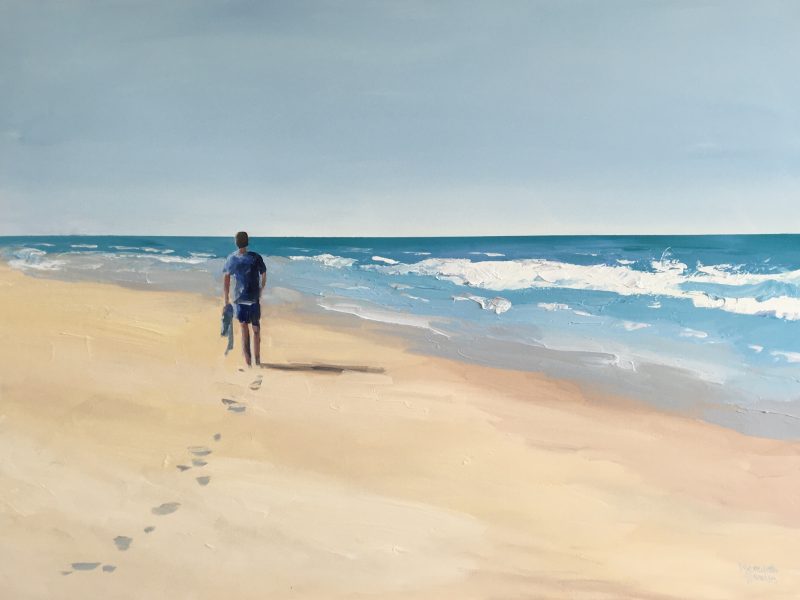 Beach Swim
AUD$1,900
Size:
122w
x 92h
x 3.8d
cms
Meredith Howse
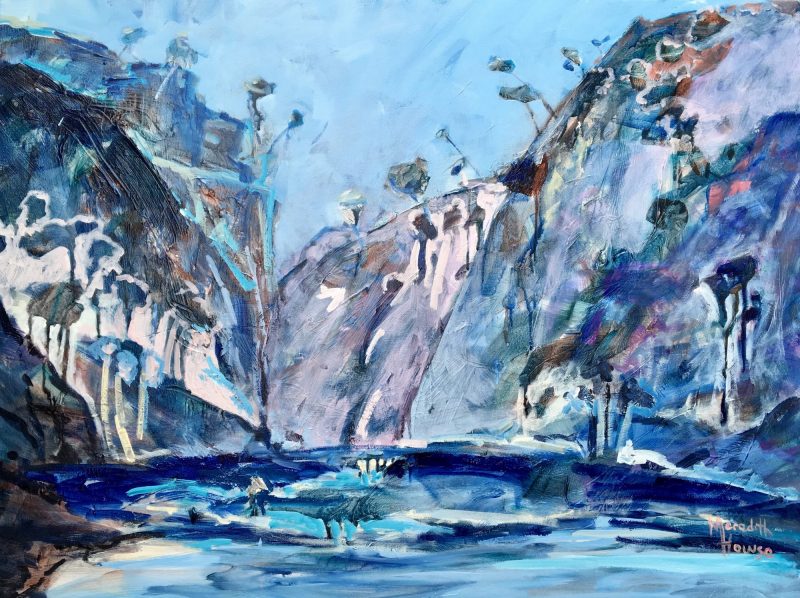 Blue Craggy Cliffs
AUD$1,200
Size:
122w
x 76h
x 4d
cms
Meredith Howse
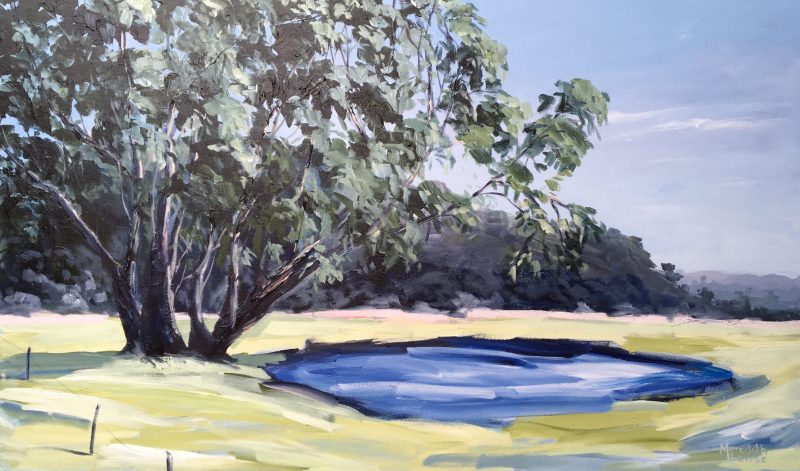 When Lost and Time Collide
AUD$2,450
Size:
151.5w
x 91h
x 3.8d
cms
Meredith Howse
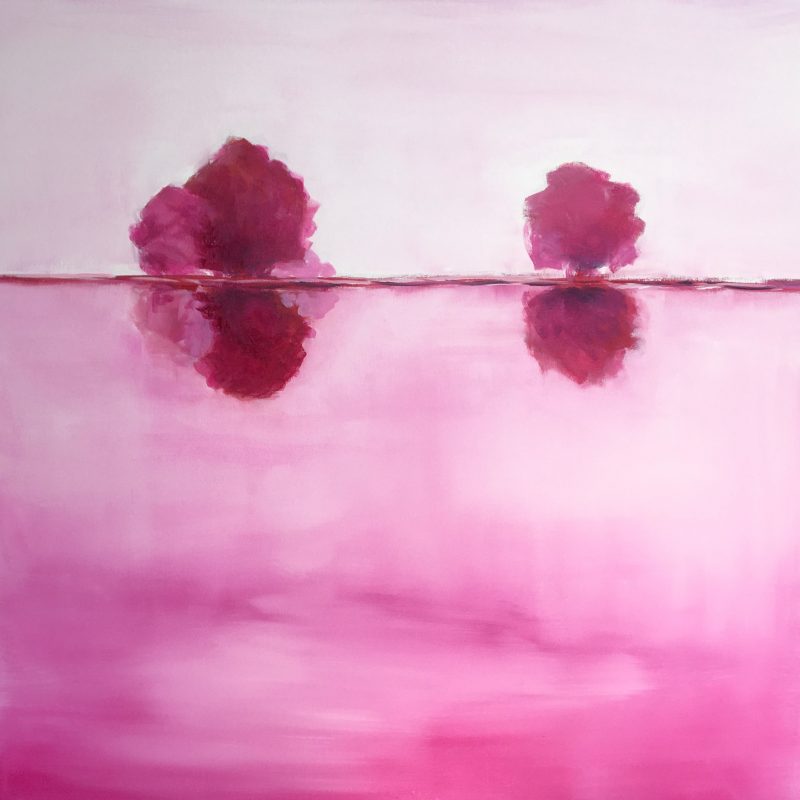 Pink Lake – 180° Art Seriesdays
AUD$1,200
Size:
91w
x 91h
x 3.5d
cms
Meredith Howse
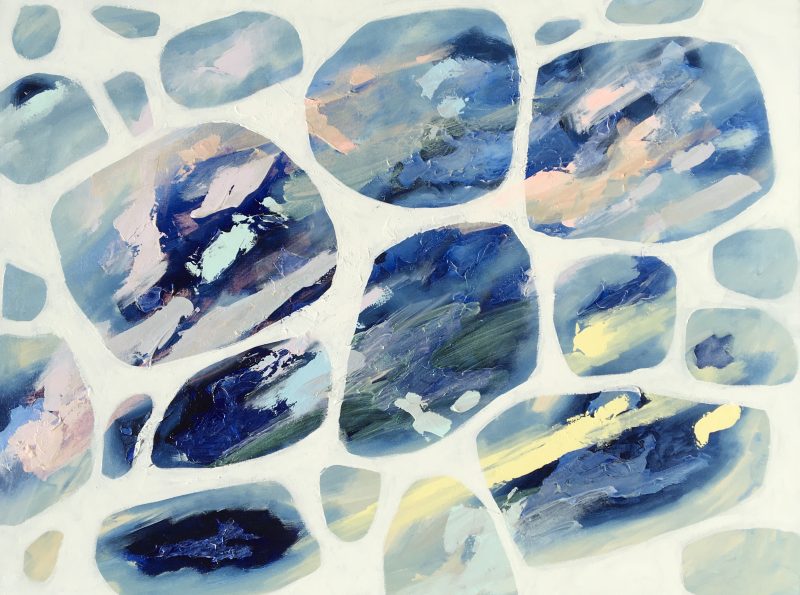 Translucent Opals
AUD$1,300
Size:
121w
x 90h
x 4d
cms
Meredith Howse
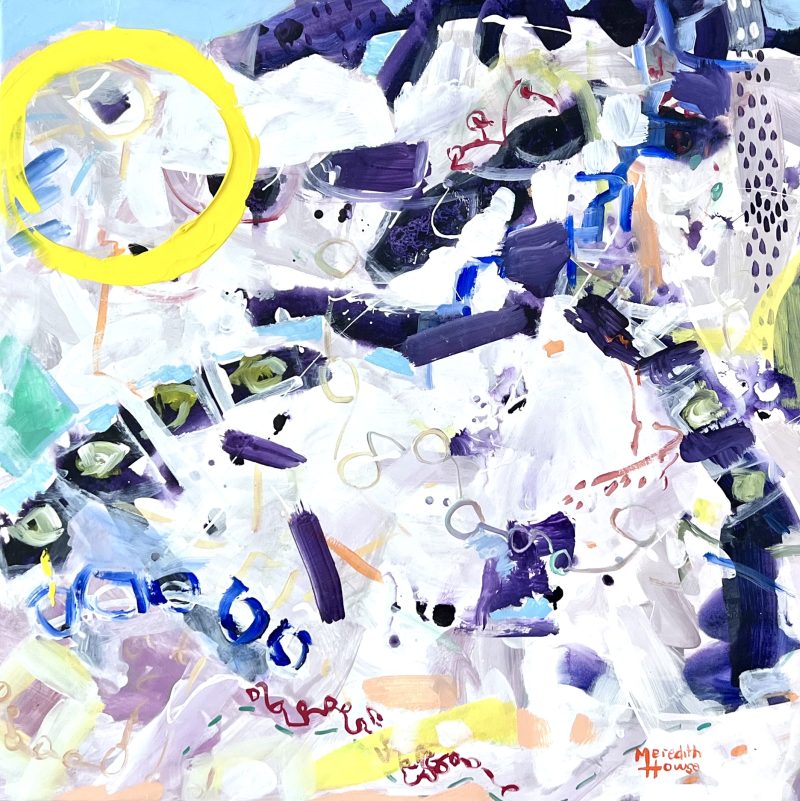 Sunny Days
AUD$250
Size:
63.5w
x 63.5h
x 5.5d
cms
Meredith Howse
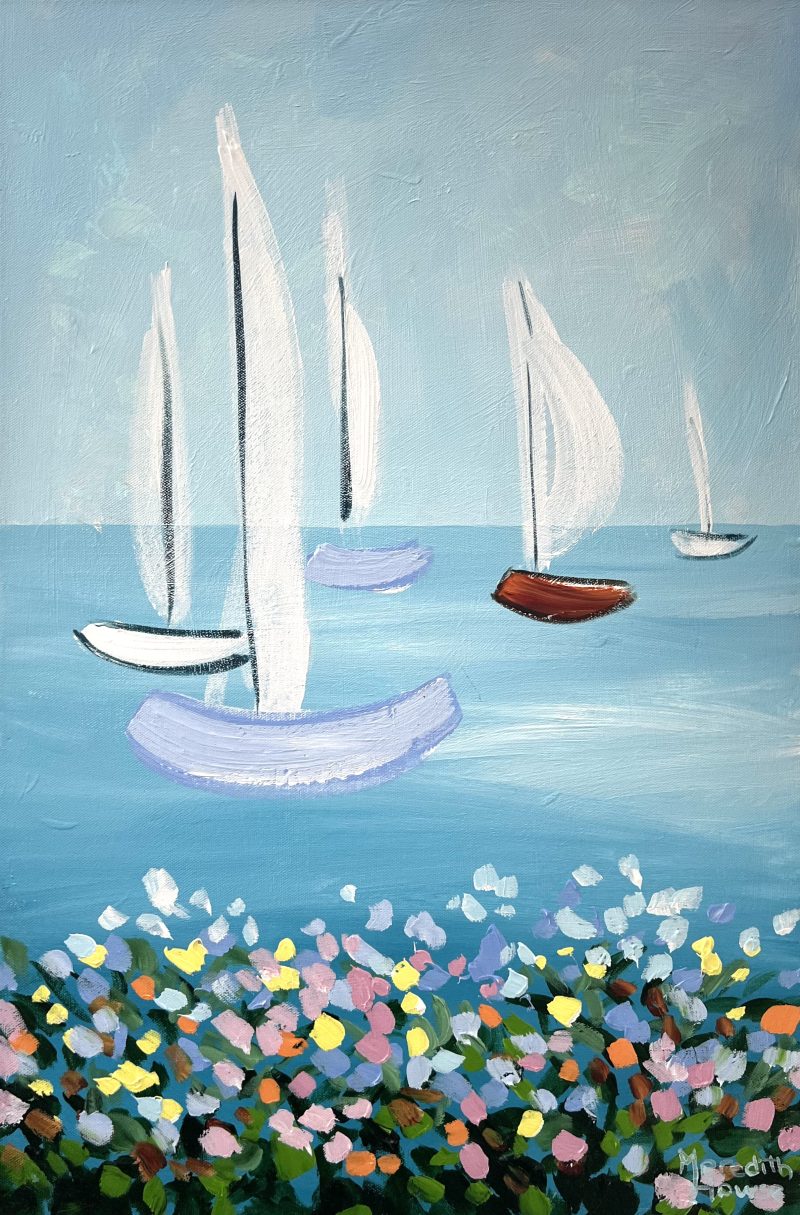 Red Sail Boat
AUD$390
Size:
40w
x 60h
x 3.8d
cms
Meredith Howse
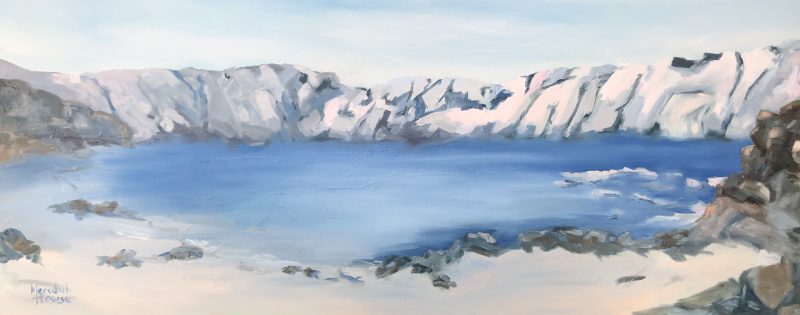 Glacier Lake
AUD$1,600
Size:
152.5w
x 61h
x 3.8d
cms
Meredith Howse
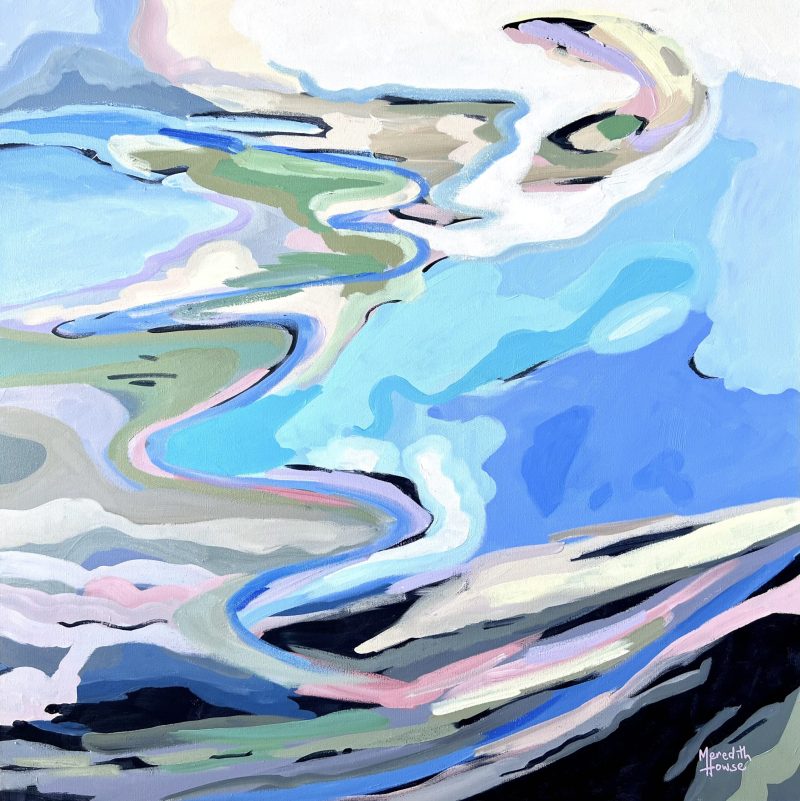 Whitehaven Beach
AUD$1,300
Size:
91w
x 91h
x 3.8d
cms
Meredith Howse
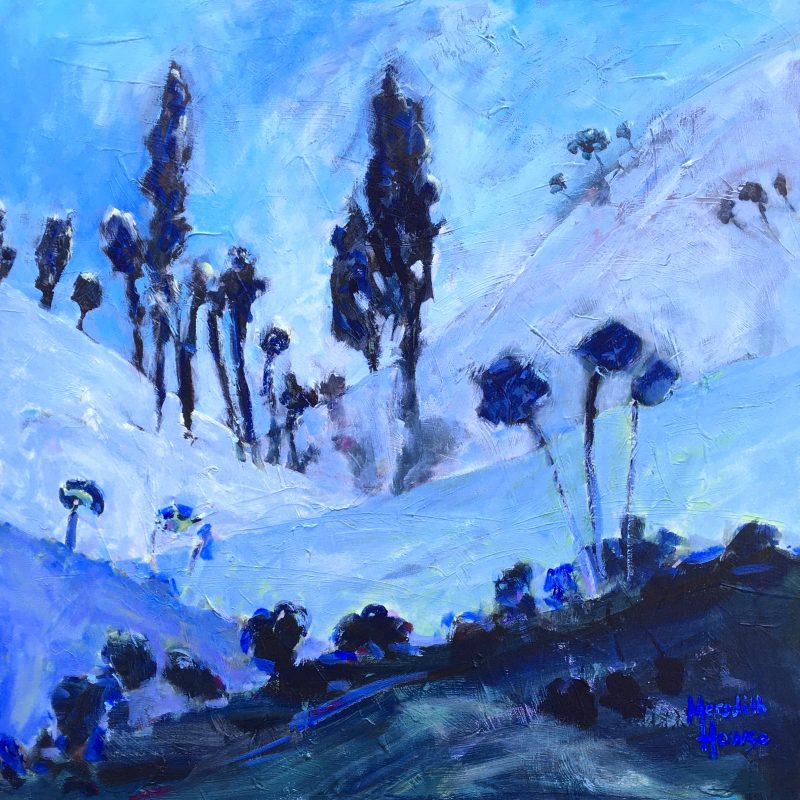 Light on Yonder Mountain
AUD$770
Size:
76w
x 76h
x 4d
cms
Meredith Howse
 Time Stands Still – Ltd Ed Print
AUD$380
Size:
60w
x 40h
cms
Bernadette Meyers
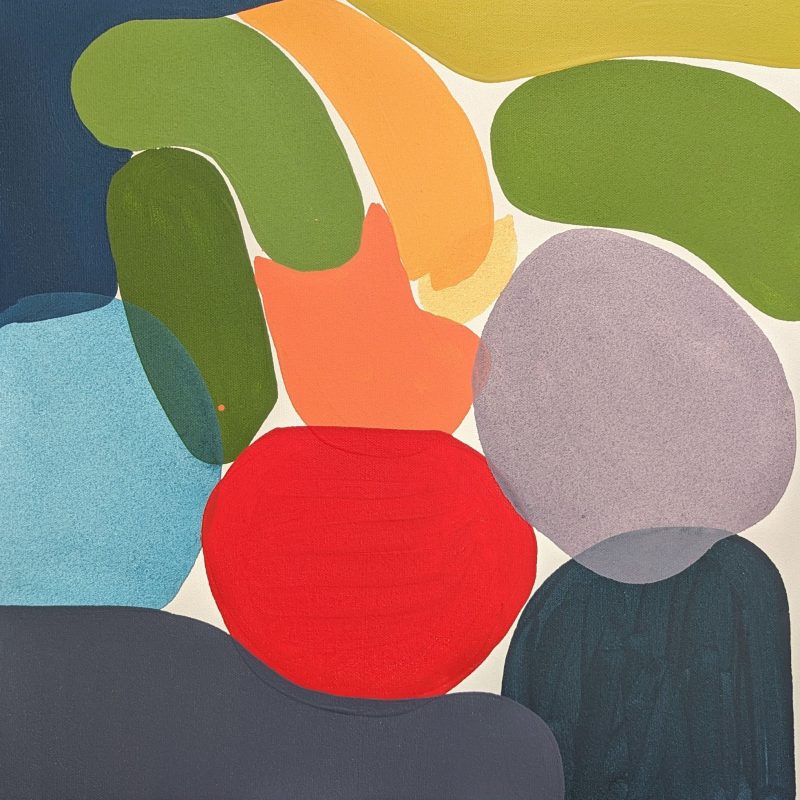 Landscape 2
AUD$400
Size:
40w
x 40h
x 4.5d
cms
Ellen McKenna
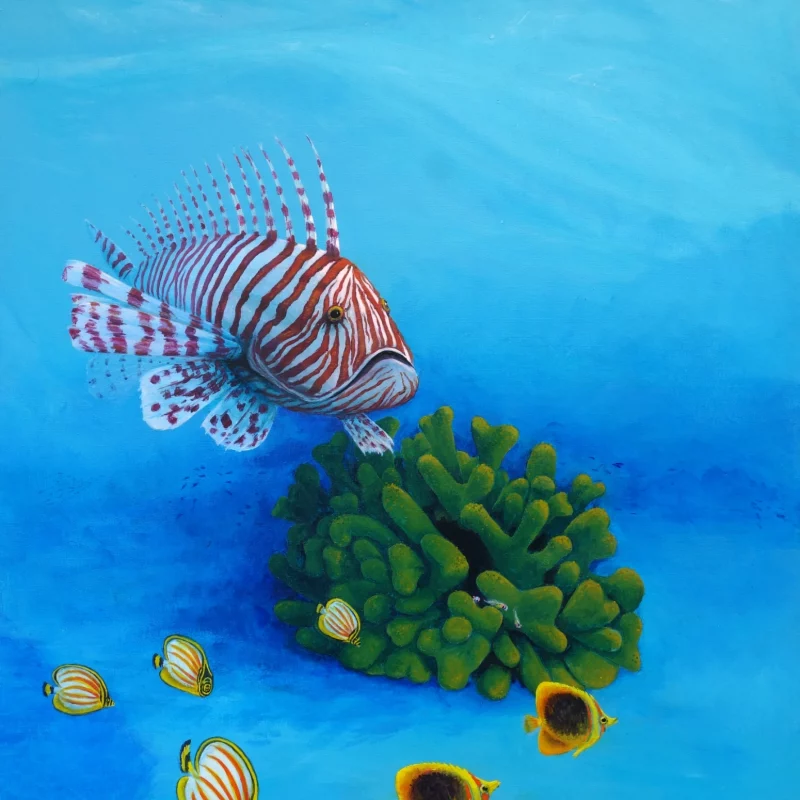 Lionfish
AUD$1,950
Size:
60w
x 75h
x 2d
cms
John N Mason
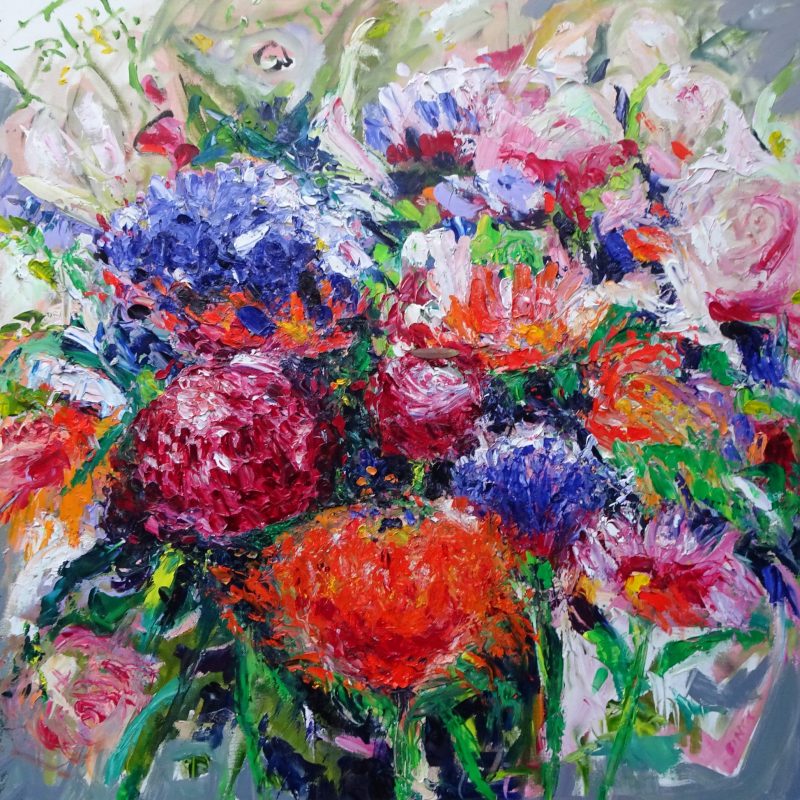 Mothers Day Flowers
AUD$780
Size:
76w
x 76h
x 3.75d
cms
Maureen Finck
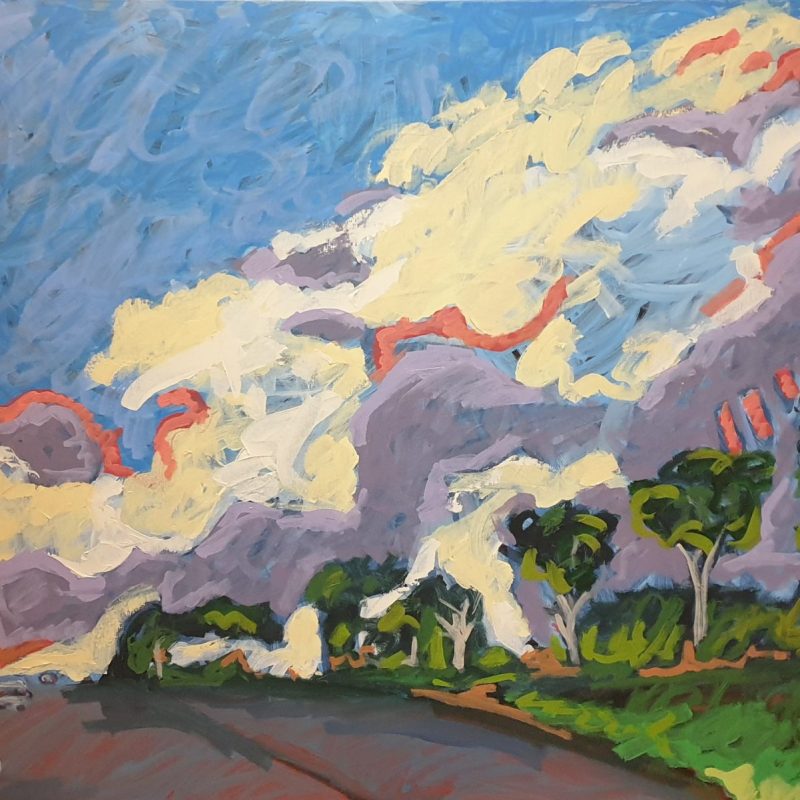 On the Road Out
AUD$1,280
Size:
152.4w
x 91.4h
x 3d
cms
Olga Megele
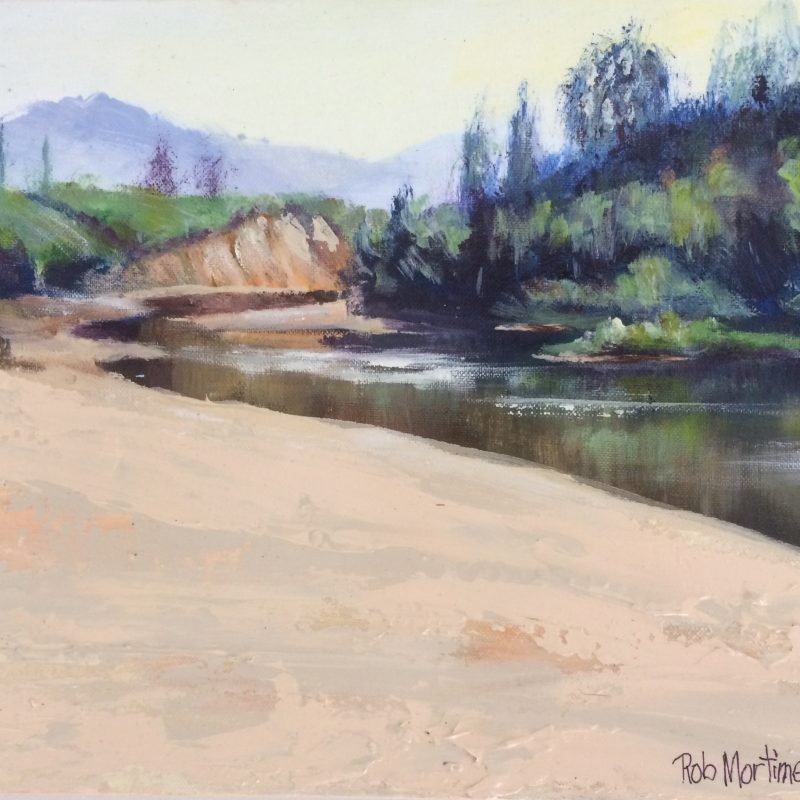 Mary River Views
AUD$340
Size:
40w
x 30h
x 3.7d
cms
Robert Mortimer