Art
Written by Danielle Pezzi | BFA (Hon), MA
~
The Modern Art Period (1850 – 1950), was one of the most important periods in art history, where art significantly changed and started to look like what we know it as today. The Avant-garde movements within the Modern Art period were total game-changers in the world of art!
Avant-garde is French for ‘vanguard’ – it was all about pushing boundaries, experimenting and breaking away from traditional practices.
The first half of the Modern Art movement began to question the predetermined rules about what makes art. While many of these artists still depicted traditional subjects like people, still life and landscape, they were finding fresh creative ways to express themselves through their art. Claude Monet, Pablo Picasso, Impressionism and Cubism are only a few of the modern artists and movements that paved the way for future artists. Many of their aesthetic and methods are still influencing artists today, adding to the Modern Art legacy!

Gustave Gourbet, The Stone Breakers, 1849
Realism was the original Modern art movement. The first realist artists rejected traditional types of art. Instead, they focussed on capturing the real world and its people, flipping the script on traditional art. They began to throw out idealistic and allegorical paintings and started depicting the everyday world. Painting regular people living their every day lives, but on huge canvases, making it look epic. Realism trailblazed the way for the avant-garde art scene.
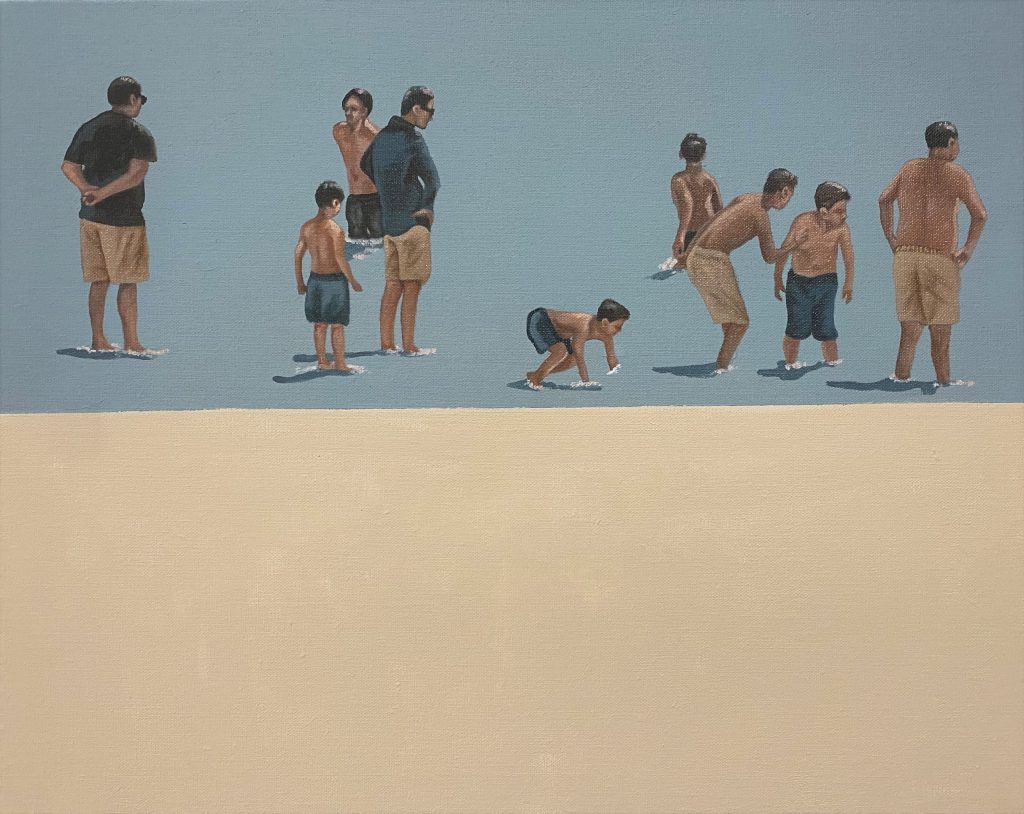
Check out the art of Amanda Cameron
~
Édouard Manet, The Funeral, 1867
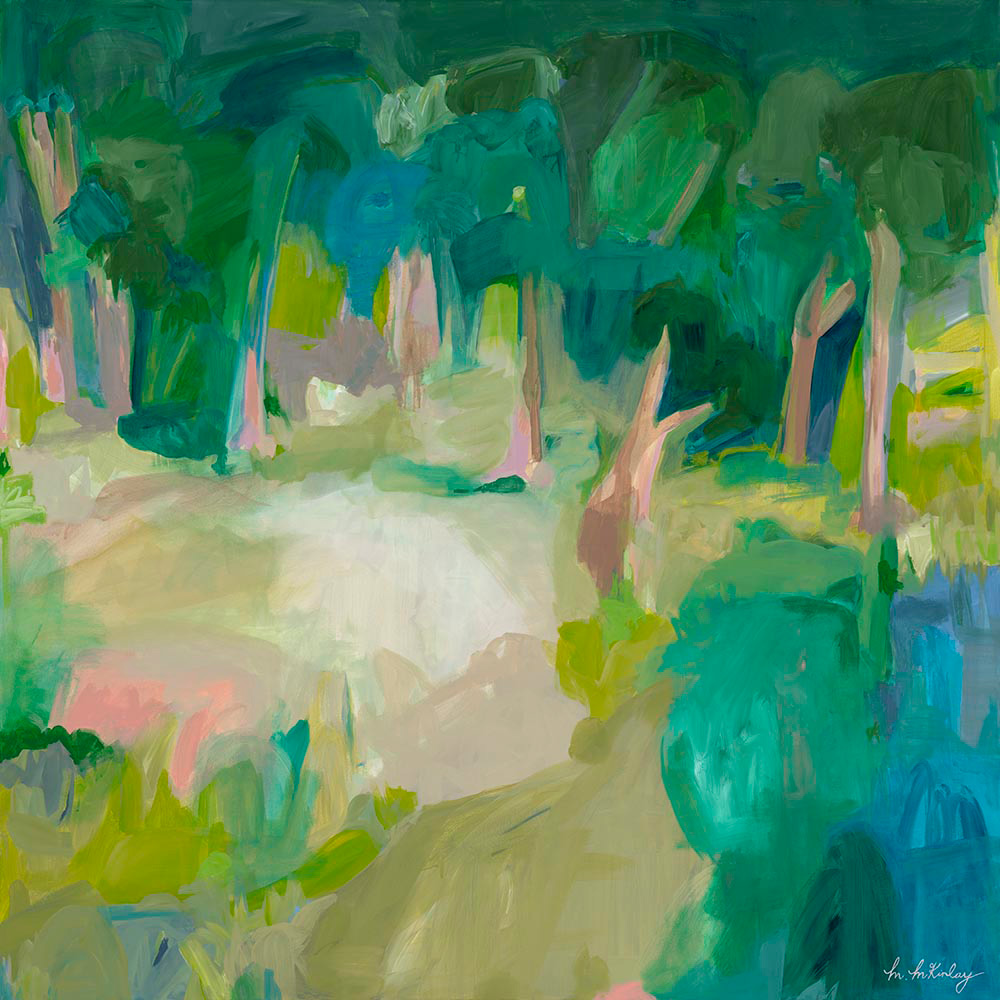
The Impressionists aimed to depict the world through fleeting moments of light and colour, breaking away from traditional subjects. Their expressive brushwork and vibrant colours make them a significant part of Modern art.
Check out the art of Madeleine McKinlay
~

Paul Gauguin, Arearea, 1892
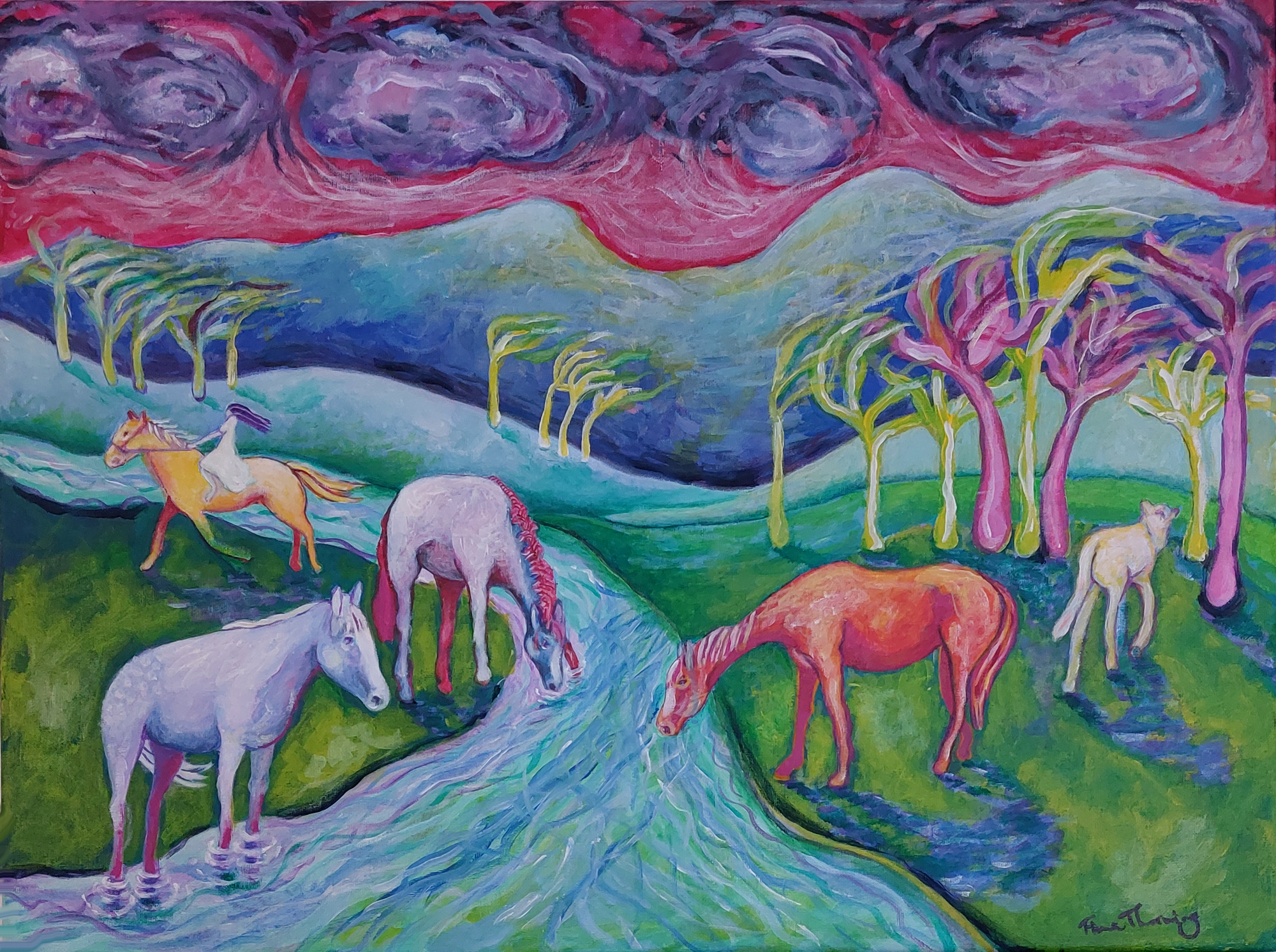
In response to the Impressionists, the Post-Impressionists built upon their ideas, transforming the role of painting in society. They delved into structure, colour, and optical illusions, which ultimately broke down the representation of the natural world. This shift towards recognizing the two-dimensionality of painting marked the emergence of Post-Impressionism and its journey towards abstraction.
Check out the art of Fiona Thorning
~
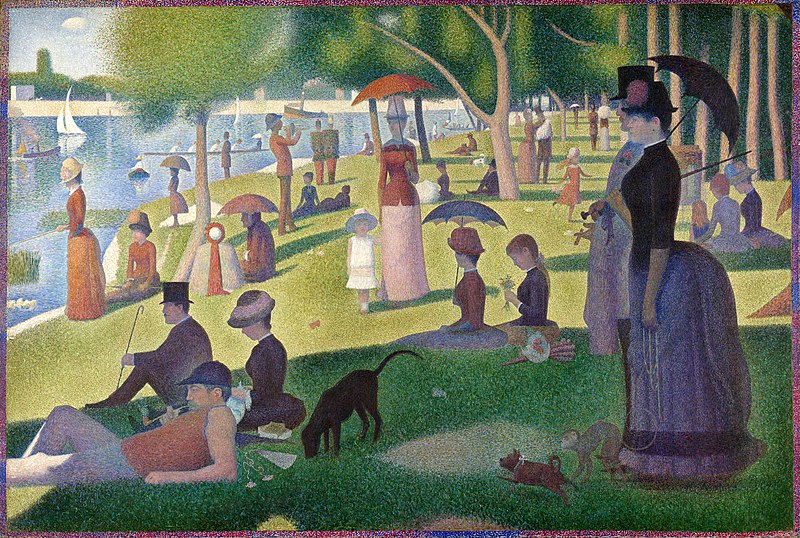
George Seurat, A Sunday Afternoon on the Island of La Grande Jatte, 1884–1886
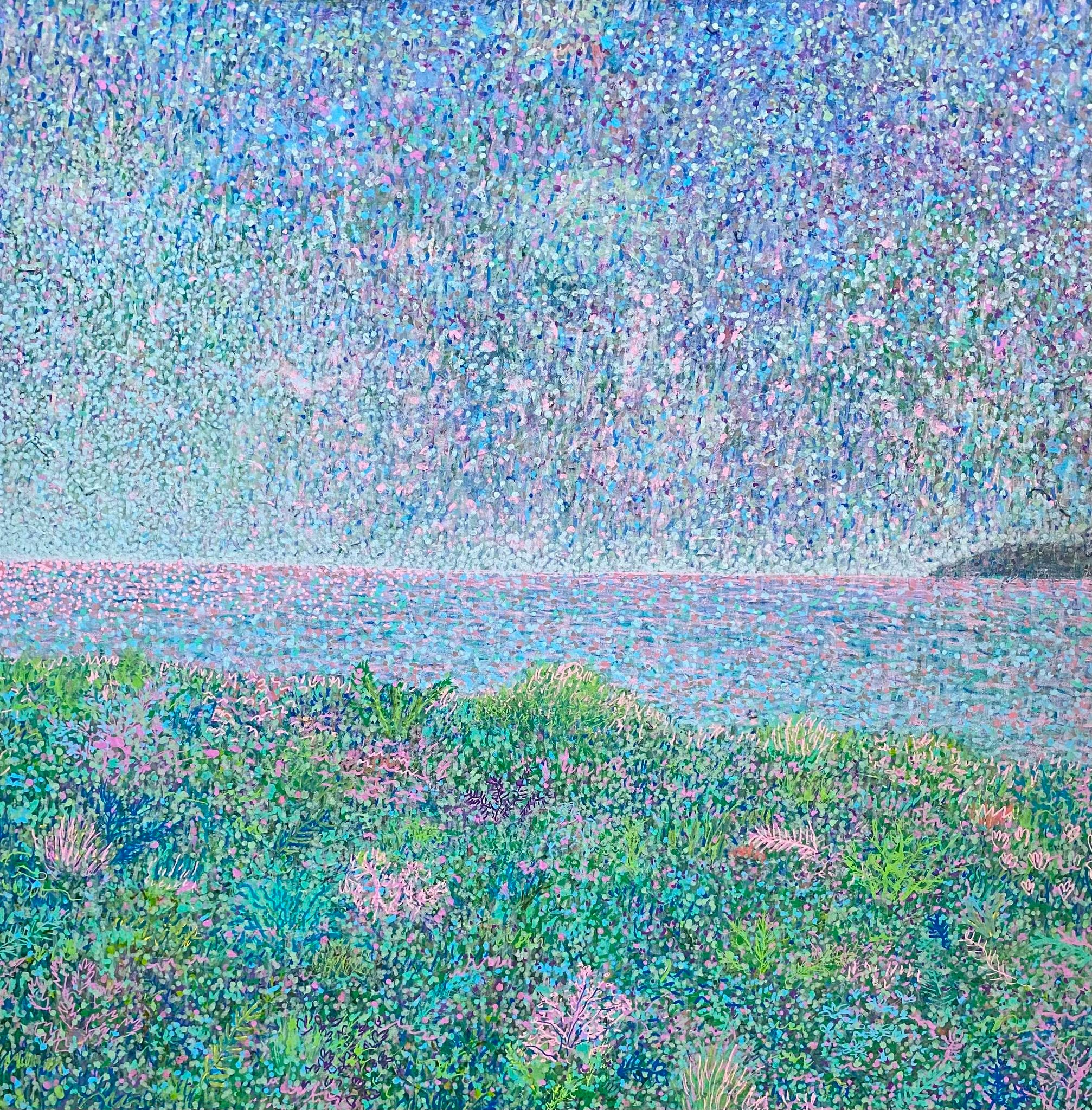
Neo-Impressionism was characterised by using small, distinct dots or strokes of colour, often applied systematically and scientifically. Neo-Impressionist artists, such as Georges Seurat and Paul Signac, believed using these pointillist techniques could create more precise and vibrant representations of light and colour in their paintings. The movement emphasised the scientific study of colour theory and the optical blending of colours in the viewer’s eye. Neo-Impressionism significantly influenced modern art’s development and contributed to the emergence of later movements like Fauvism and Cubism.
Check out the art of Jaclyn Poke
~

Henri Matisse, Les toits de Collioure, 1905
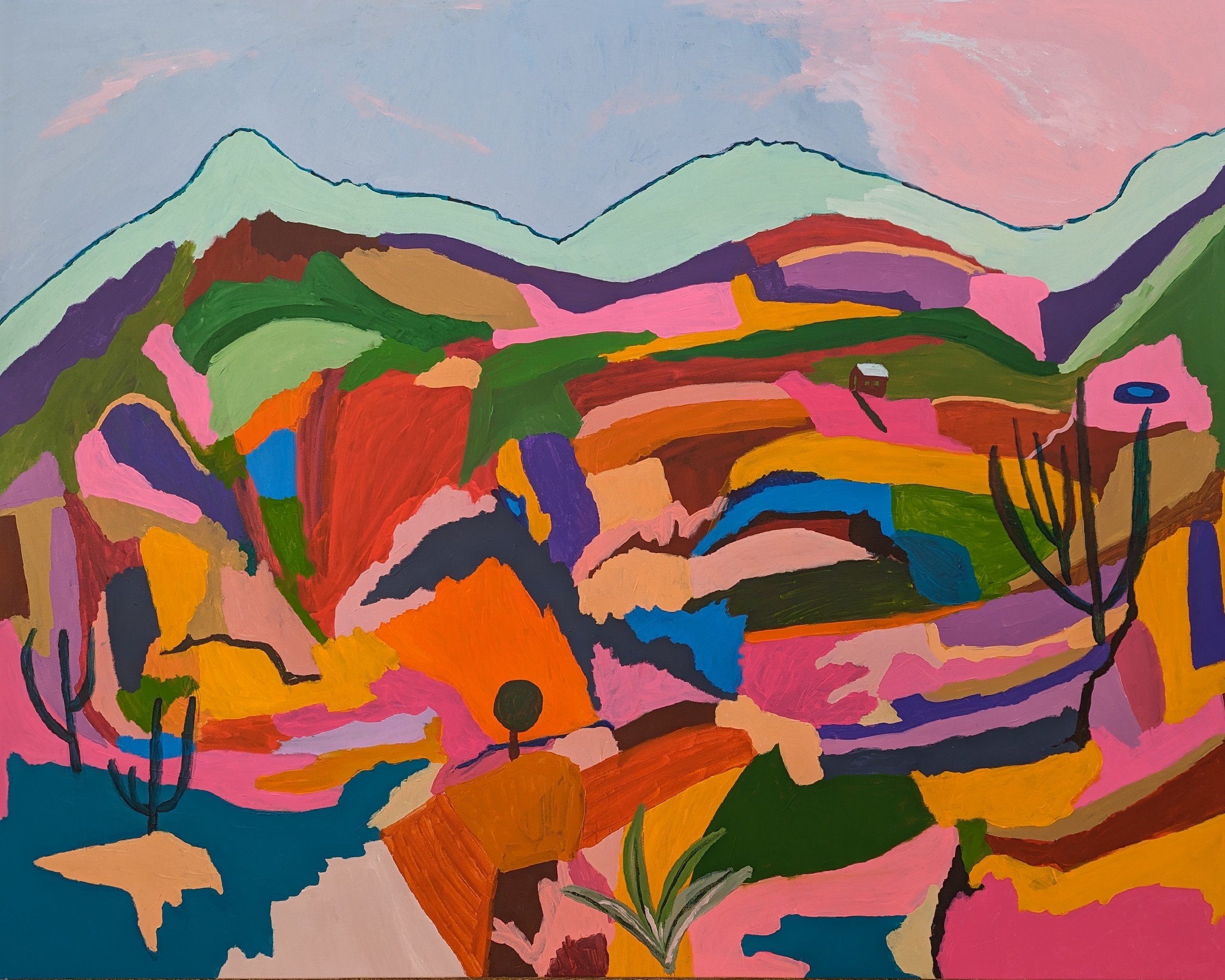
Fauvism was an artistic style known for its bold and vibrant use of colour. Fauvist artists believed that colour should be used expressively, without necessarily representing the real-world colours of objects. In Fauvist paintings, you might see landscapes, portraits, or still life subjects depicted with intense, almost wild colours that don’t necessarily correspond to how we perceive those subjects in reality. This was to convey the artist’s emotions and feelings rather than simply depicting the world as it appeared.
Check out the art of Alpana Rai
~
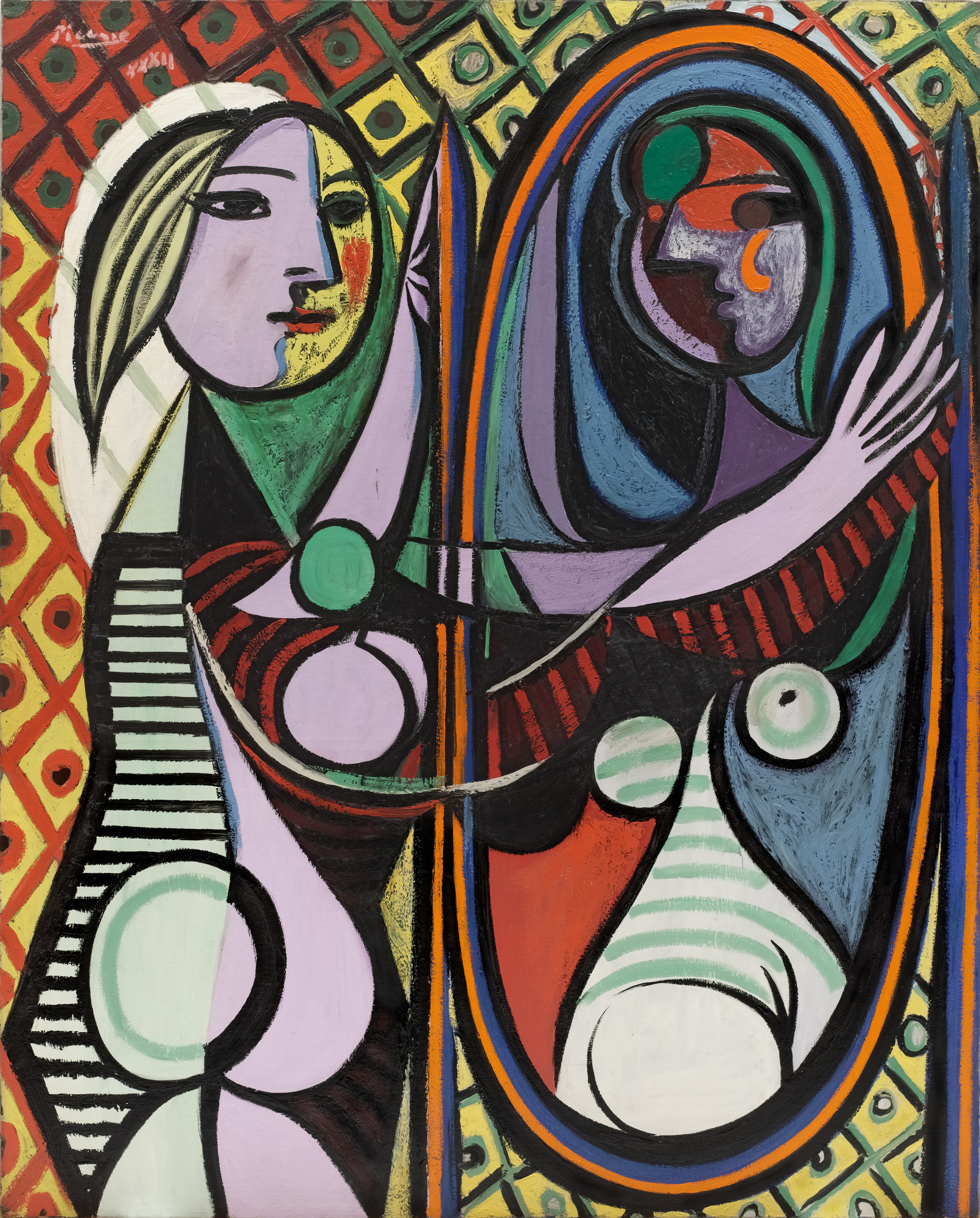
Pablo Picasso, Girl Before a Mirror, 1932
Cubism, a renowned art style developed by Georges Braque and Pablo Picasso, revolutionised the art world. This avant-garde movement broke down traditional forms, emphasising geometric shapes from nature and experimenting with dimensionality. It depicted multiple perspectives at the same time. It also introduced mixed media techniques, leaving a lasting impact on contemporary art.
Check out the art of Mary Shackman


 Free delivery Australia wide
 7 Day Satisfaction Guarantee
 Safe & Secure Payments